20 Foods That Are Often Unfairly Feared Or Avoided

Some foods earn a scary reputation even though they do not deserve it. Old diet rules, splashy headlines, and one bad preparation can make you think certain ingredients are always trouble.
The truth is, you can enjoy many of these with smart portions and thoughtful cooking. Read on to see how these familiar favorites can fit comfortably into your routine without guilt.
1. Potatoes
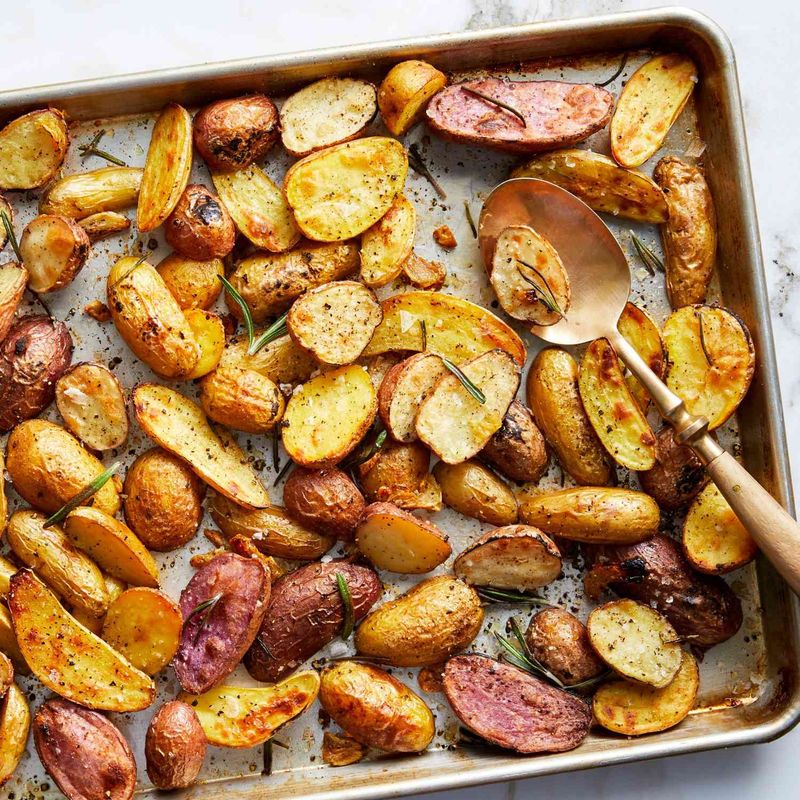
Potatoes get blamed for fries and chips, but the plain potato is a nutrient workhorse. You get potassium, vitamin C, fiber from the skin, and steady energy when portions are reasonable.
Bake, roast, or boil, then add simple toppings like olive oil, herbs, or Greek yogurt.
Balance them with a protein and vegetables to avoid a blood sugar rollercoaster. You can cube and roast for crispy edges without deep frying.
If you have been avoiding potatoes entirely, try a small baked potato alongside salmon and broccoli, and notice how satisfying it feels.
Keep skins on for extra fiber and minerals. Store in a cool, dark place and avoid green spots.
Potatoes are not the problem; preparation and context are.
2. Eggs
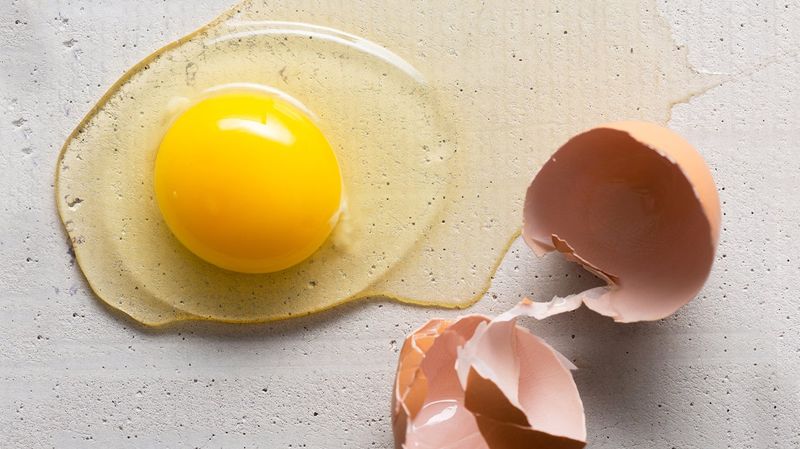
Eggs have long been tangled in cholesterol worries, but for most people they are a practical, high quality protein. They supply choline for brain health, plus B vitamins and minerals.
If your doctor has specific guidance, follow it, but otherwise eggs can fit in a balanced week.
Boil a few for grab-and-go breakfasts, or scramble with vegetables for a quick dinner. Pairing eggs with fiber and healthy fats helps keep you full longer.
Consider two eggs with sautéed spinach, tomatoes, and olive oil.
You can also stretch flavor with herbs, hot sauce, or a sprinkle of cheese. If you fear yolks, remember that is where many nutrients live.
Moderation and variety beat blanket avoidance.
3. Whole milk
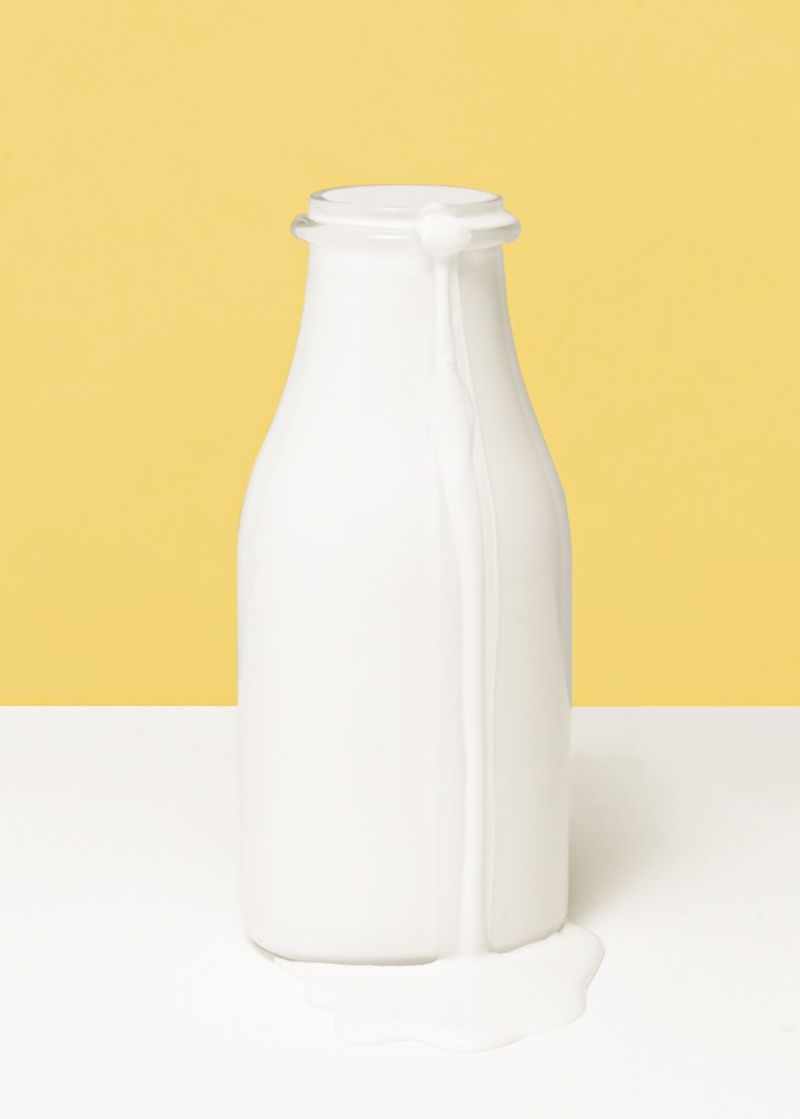
Whole milk is often labeled as automatically unhealthy, but context matters. The fat content can help with satisfaction and flavor, which may support better portion control overall.
If your energy needs and preferences allow, whole milk can be a reasonable choice.
Try it in coffee or over oats, and notice if you stay fuller longer. The protein, calcium, and vitamin D (if fortified) support bones and muscle.
If calories are a concern, portion size is your lever.
People with lactose intolerance can choose lactose-free versions or dairy alternatives. For kids and athletes with higher needs, whole milk can be especially useful.
It is not a magic food, just a flexible option among many.
4. Cheese

Cheese can feel like a guilty pleasure, yet it offers protein, calcium, and satisfying flavor. The key is portion awareness and choosing strong-flavored varieties so a little goes a long way.
Pairing cheese with fruit or vegetables keeps the overall plate balanced.
Grate parmesan over roasted vegetables or pasta instead of piling on large slices. Choose sharper cheeses for impact without excess.
If sodium is a concern, look for lower sodium styles and balance during the day.
Consider cheese as a condiment rather than the main event. A thumb-sized piece alongside a salad can be perfect.
Enjoy thoughtfully, and it can absolutely fit into a healthful pattern.
5. Butter

Butter is not a health food, but it is also not a villain when used sparingly. A small amount can carry flavor and help vegetables taste fantastic.
Think of it as a finishing touch, not the main fat for every meal.
Combine a teaspoon of butter with olive oil to raise the smoke point and keep flavor. Brush a little on steamed carrots, then add herbs and lemon.
That tiny bit may help you love your vegetables more.
If saturated fat is a concern, keep total daily intake in mind. You can rotate fats and use butter strategically.
Cooking is about balance, enjoyment, and sustainability, not extremes.
6. Olive oil
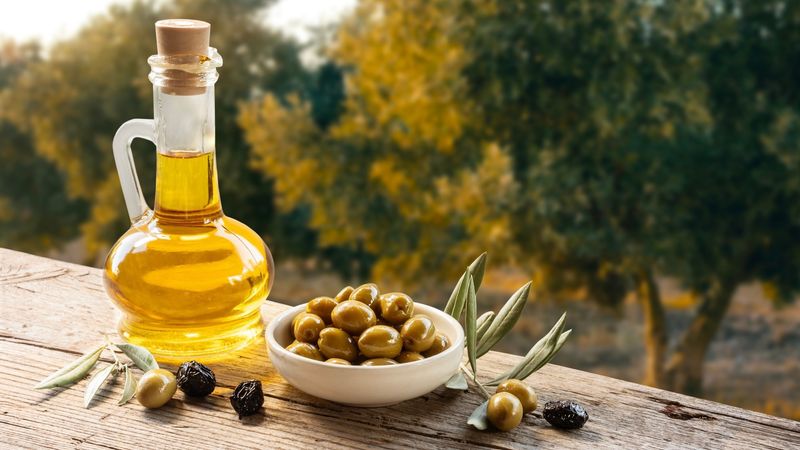
Olive oil is sometimes feared because it is a fat, but it is among the most versatile kitchen allies. Extra-virgin olive oil brings monounsaturated fats and polyphenols that support heart health.
It adds richness that helps vegetables and proteins shine.
Use it for salad dressings, roasting, and gentle sautéing. If high heat is needed, use regular olive oil or another stable option, and finish with extra-virgin for flavor.
A little salt, lemon, and olive oil can transform simple ingredients.
Quality varies, so buy from trusted sources and store away from heat and light. Portion still matters because calories add up.
Embrace it as a flavor tool within a balanced plate.
7. Nuts
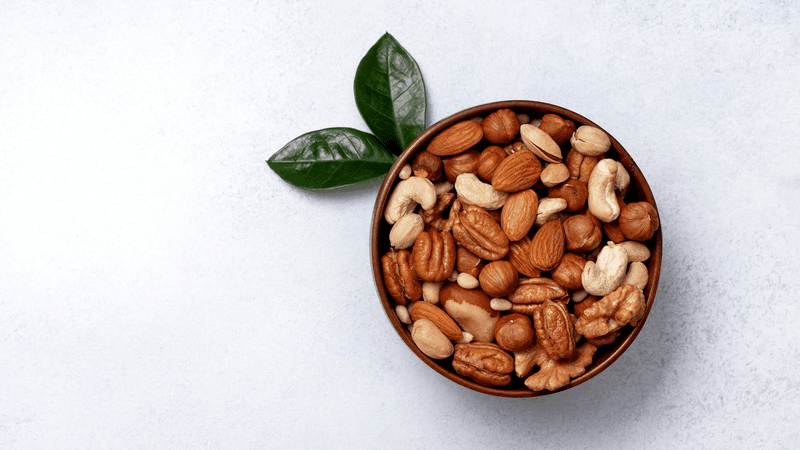
Nuts are calorie dense, but they are also packed with fiber, healthy fats, and micronutrients. A small handful can curb hunger and support steady energy.
Roasted or raw, lightly salted if you prefer, they make a portable, satisfying snack.
Use a quarter-cup portion or pre-portion snack bags to avoid mindless handfuls. Sprinkle chopped nuts on yogurt or salads for crunch.
Pistachios in shells can slow you down and enhance mindful eating.
If sodium is a concern, choose unsalted or mix half-and-half. Peanut and tree nut allergies require alternatives like seeds.
Overall, nuts offer big nutrition in small amounts, making them well worth their reputation as smart snack powerhouses.
8. Peanut butter
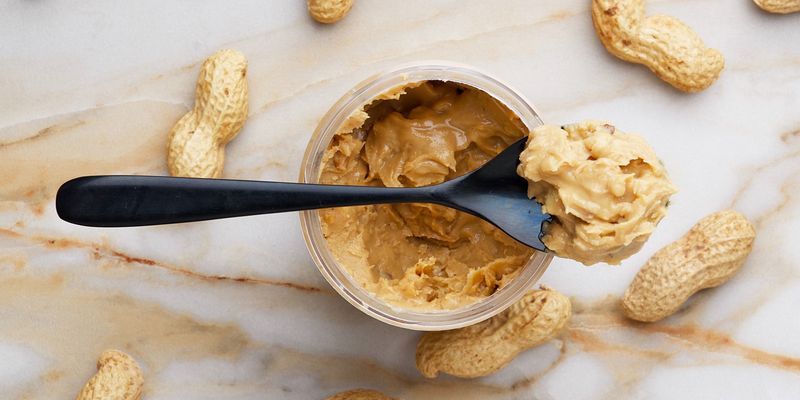
Peanut butter scares people because of calories, yet it delivers protein, fiber, and staying power. Choose natural varieties with peanuts and salt, and stir the oil back in.
A tablespoon or two can turn toast, oats, or apples into a satisfying snack.
Watch portions by using a measuring spoon, not the jar. Pair with a fruit to balance sweetness and fiber.
If allergies exist, sunflower seed butter is a practical swap with similar utility.
For smoothies, use one tablespoon plus ice and milk for creaminess. The goal is harnessing flavor and fullness without overdoing it.
Peanut butter is a tool, and used thoughtfully, it supports an enjoyable, balanced routine.
9. Avocados
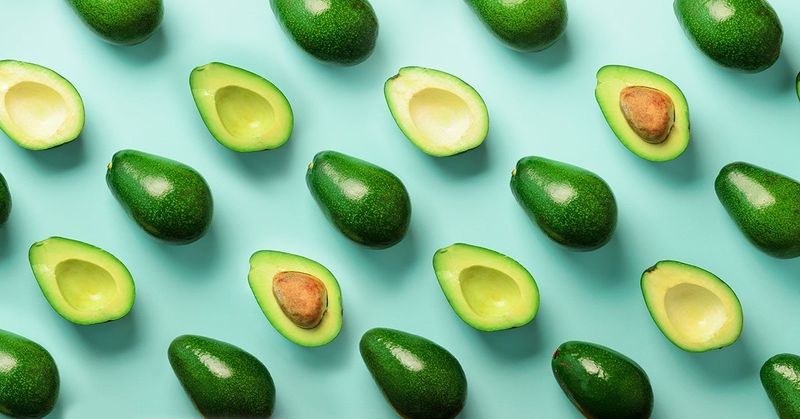
Avocados are rich in calories, but they deliver fiber, potassium, and heart friendly monounsaturated fats. A third to half an avocado can make meals more satisfying.
Mash onto toast with eggs, or dice into salads for creamy texture without heavy dressings.
They brown quickly, so add lemon or lime to slow oxidation. Keep a ripeness rotation by buying some firm and some ready-to-eat.
Freezing mashed avocado in small portions can reduce waste.
If you are tracking intake, measure slices so portions do not creep up. Combine with lean protein and vegetables for balance.
Avocados are not indulgent villains; they are nutrient dense accents that help meals taste better and keep you full.
10. Rice
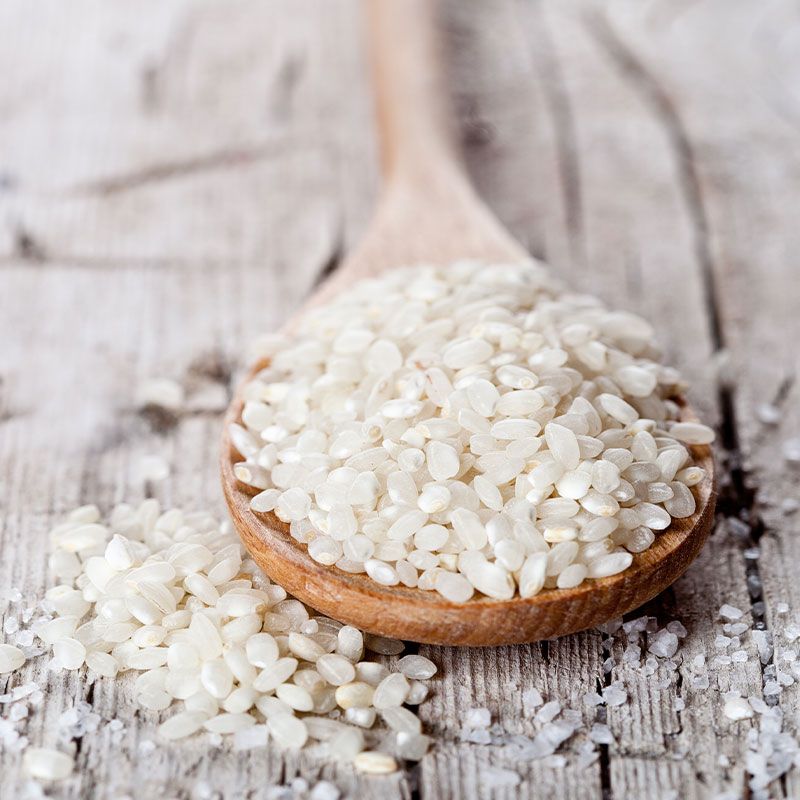
Rice is a staple for billions, and it can absolutely fit a balanced diet. The fear usually comes from portions or what rides along like heavy sauces.
A cupped-hand serving with protein and vegetables creates a steady, satisfying plate.
Brown rice offers more fiber, while white rice can be gentler on sensitive stomachs. Both can work depending on your needs.
Cooling cooked rice and reheating can increase resistant starch, supporting gut health.
Rinse before cooking for fluffier grains and fewer excess starches. Season with herbs, sesame oil, or citrus to add flavor without overload.
Rice is not the enemy; it is an adaptable base that plays nicely with many cuisines.
11. Pasta
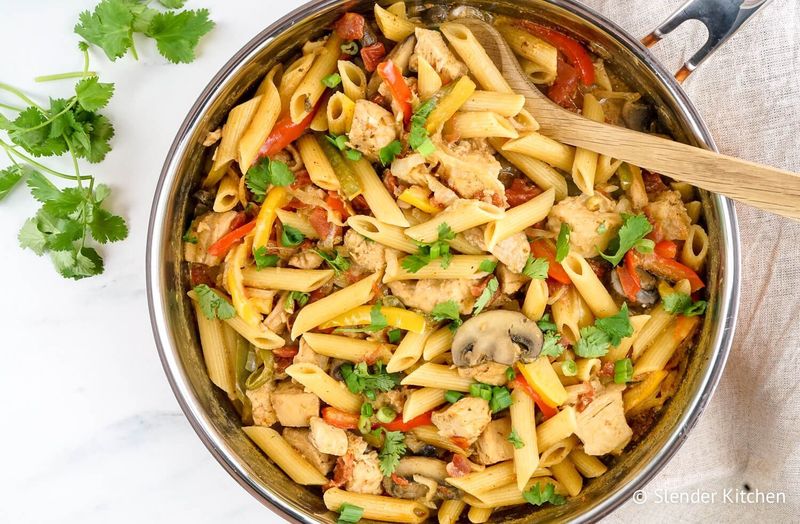
Pasta became diet folklore for being bad, but it is just a carbohydrate base. What you add and how much you serve makes the difference.
Aim for a plate with protein, vegetables, and a palm-sized portion of pasta.
Cook to al dente for better texture and slightly lower glycemic impact. Toss with olive oil, garlic, tomatoes, and grilled shrimp or beans.
Leftover pasta cooled and reheated may offer more resistant starch.
Whole-grain or legume pastas add fiber and protein if you like them. If not, regular pasta still works in a balanced meal.
Enjoy your bowl, savor each bite, and let the rest of the plate do its job.
12. Bread
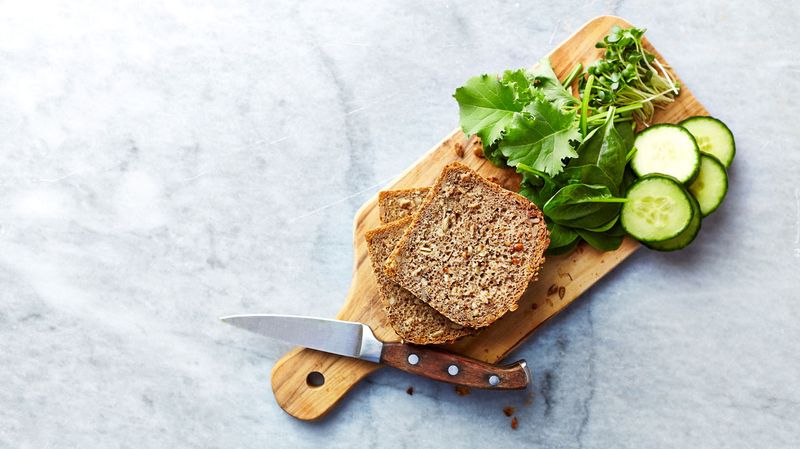
Bread is not automatically bad. Choose types you enjoy, and consider fiber rich options if they suit you.
A slice or two, paired with protein and produce, can be a perfectly reasonable meal component.
Look for whole grains, seeds, or sourdough if you like the taste and texture. Toast with eggs, hummus, or turkey can keep you full.
If appetite runs high, pre-slice and freeze individual portions for easy control.
Mind the toppings: butter, jam, and spreads can add up quickly. Measuring helps you stay honest.
Bread is best treated as part of a complete plate, not a standalone snack that disappears without notice.
13. Bananas

Bananas get criticized for sugar, but they are fruit with fiber, potassium, and convenient portability. One medium banana with a handful of nuts makes a balanced snack.
Slightly underripe bananas contain more resistant starch, which some people find satisfying.
Use them to sweeten oatmeal or smoothies without added sugar. If you are watching carbs, choose a smaller banana or share half.
You can freeze ripe bananas for creamy, no sugar added desserts.
Pairing bananas with protein like yogurt or peanut butter steadies energy. They are budget friendly, travel well, and need no prep.
Do not fear a fruit that is simple, nourishing, and helpful for active days.
14. Dried fruit
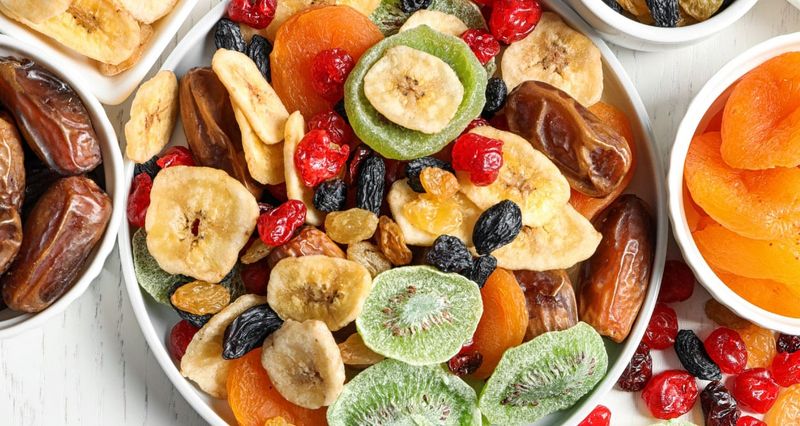
Dried fruit is concentrated and easy to overeat, but it is still fruit with fiber, minerals, and quick energy. A small portion can sweeten yogurt or trail mix without candy.
Choose unsweetened versions to avoid added sugars creeping in.
Measure two tablespoons of raisins into oatmeal, or chop dates to stretch flavor. Pair with nuts for a balanced snack that satisfies longer.
If you prefer chewy textures, dried fruit can help transition away from candy habits.
Store in small containers to keep portions in check. Hydrate in warm water for baking to restore softness.
Dried fruit is best used intentionally, not mindlessly, and it can be a smart pantry staple.
15. Dark chocolate
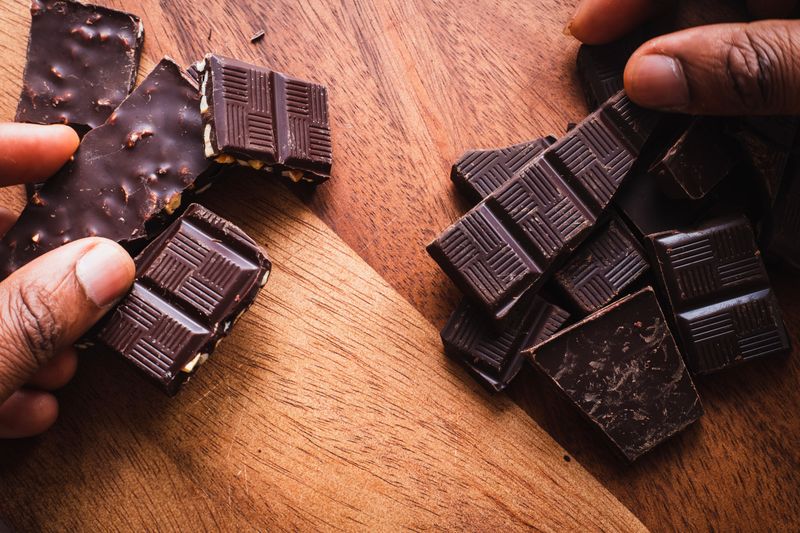
Dark chocolate feels indulgent, but a small portion can be deeply satisfying. Look for 70 percent cocoa or higher for richer flavor and fewer added sugars.
Let a square melt slowly and you may find cravings calm without overeating.
Pair with berries or almonds for texture and balance. Keep it out of sight and pre-portion to sidestep mindless snacking.
If caffeine sensitivity exists, enjoy earlier in the day.
Quality matters; inexpensive bars can still be excellent when chosen thoughtfully. Use dark chocolate shavings as a dessert garnish instead of a big slice.
Chocolate does not need banning, just mindful, joyful inclusion in your week.
16. Red meat
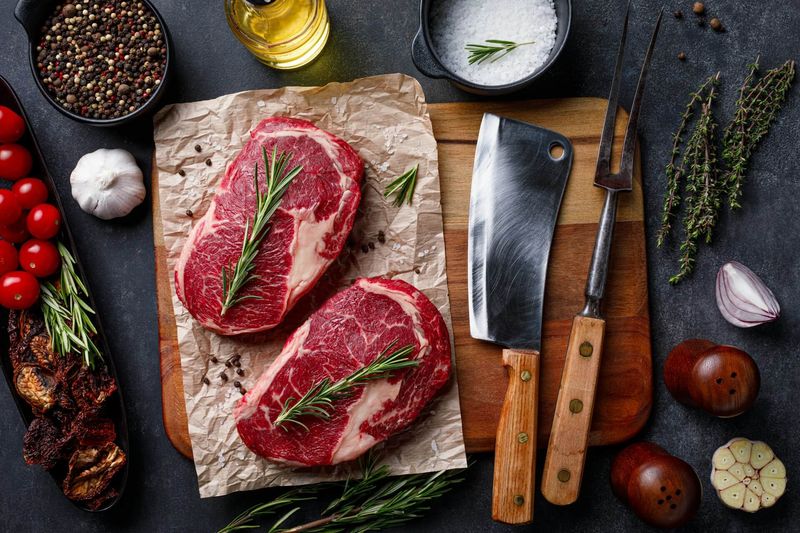
Red meat is complicated in headlines, which often ignore nuance. Lean cuts in moderate portions can fit into an overall balanced pattern.
Focus on frequency, quality, and how the rest of your plate looks.
Choose sirloin, round, or tenderloin, and trim visible fat. Pair with a mountain of vegetables and whole grains.
Grilling, broiling, or pan searing with minimal oil keeps flavors bright.
Rotate protein sources during the week, including fish, beans, and poultry. If processed meats are an issue, keep them occasional.
You do not need to fear every steak; you just need smart choices and thoughtful portions.
17. Frozen vegetables
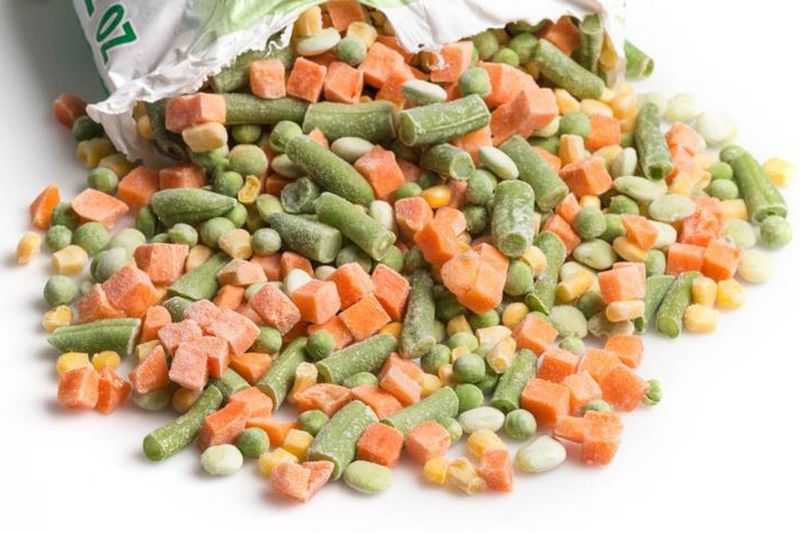
Frozen vegetables are often as nutritious as fresh because they are picked and frozen at peak ripeness. They are convenient, reduce waste, and make it easier to hit daily veggie goals.
Keep a few bags on hand for quick stir fries and soups.
Steam, sauté, or roast straight from frozen. Season with olive oil, garlic, and lemon to elevate flavor.
If texture worries you, try roasting to drive off moisture and concentrate sweetness.
Budget friendly and always ready, they remove excuses on busy nights. Mix with fresh produce for variety and crunch.
Frozen vegetables are not a downgrade; they are a practical pathway to eating more plants.
18. Canned beans
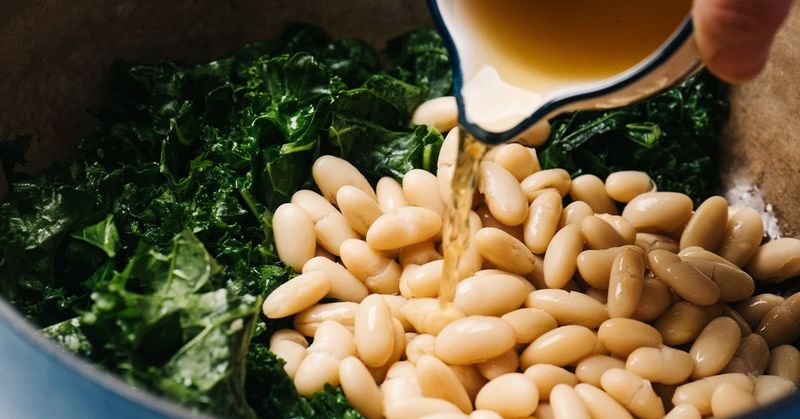
Canned beans are protein and fiber champions, and rinsing them can reduce sodium significantly. They deliver iron, folate, and slow digesting carbs that keep you satisfied.
Toss them into salads, soups, tacos, or grain bowls for instant nourishment.
Choose low sodium labels when possible, and rinse for 10 to 30 seconds. Season with cumin, chili, garlic, and a splash of lime.
You can heat them with a little olive oil for a quick side.
Beans support gut health through prebiotic fibers. If gas is an issue, increase portions gradually and add spices like ginger.
Affordable, versatile, and sturdy, canned beans are weeknight heroes worth celebrating.
19. Tofu
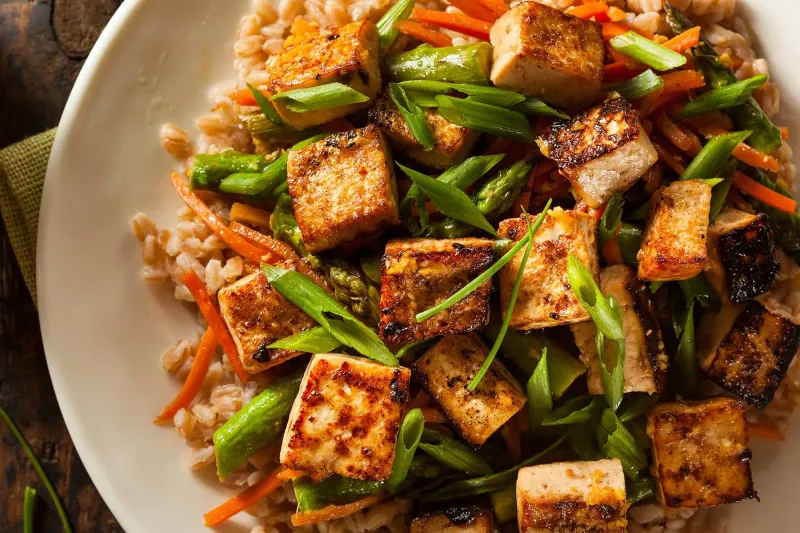
Tofu gets avoided due to myths about texture or hormones, but it is a versatile, budget friendly protein. Choose extra firm for stir fries and press it to remove moisture.
A hot pan and patience create golden, crispy edges.
Marinate with soy sauce, garlic, and ginger, then finish with sesame oil. Add to bowls with rice and vegetables for balanced meals.
Silken tofu blends into smoothies or puddings for creamy protein.
Soy intake is generally safe for most people; check with your healthcare provider if you have specific concerns. Variety is the goal, not elimination.
Tofu takes on flavor beautifully when you season generously and cook confidently.
20. Coffee

Coffee is often blamed for jitters or poor sleep, but timing and dose usually decide the outcome. Many people do well with one to three cups earlier in the day.
Black or lightly sweetened coffee keeps calories modest while delivering comfort and alertness.
Consider a caffeine cutoff eight hours before bedtime. If sensitive, choose half-caf or smaller mugs.
Hydrate alongside to avoid mistaking thirst for fatigue.
Add milk or a touch of sugar if it helps you enjoy it without overdoing extras. Pair with a protein rich breakfast for steady energy.
Coffee can live peacefully in a healthy routine when you listen to your body.