20 Foods That Looked Very Different 100 Years Ago
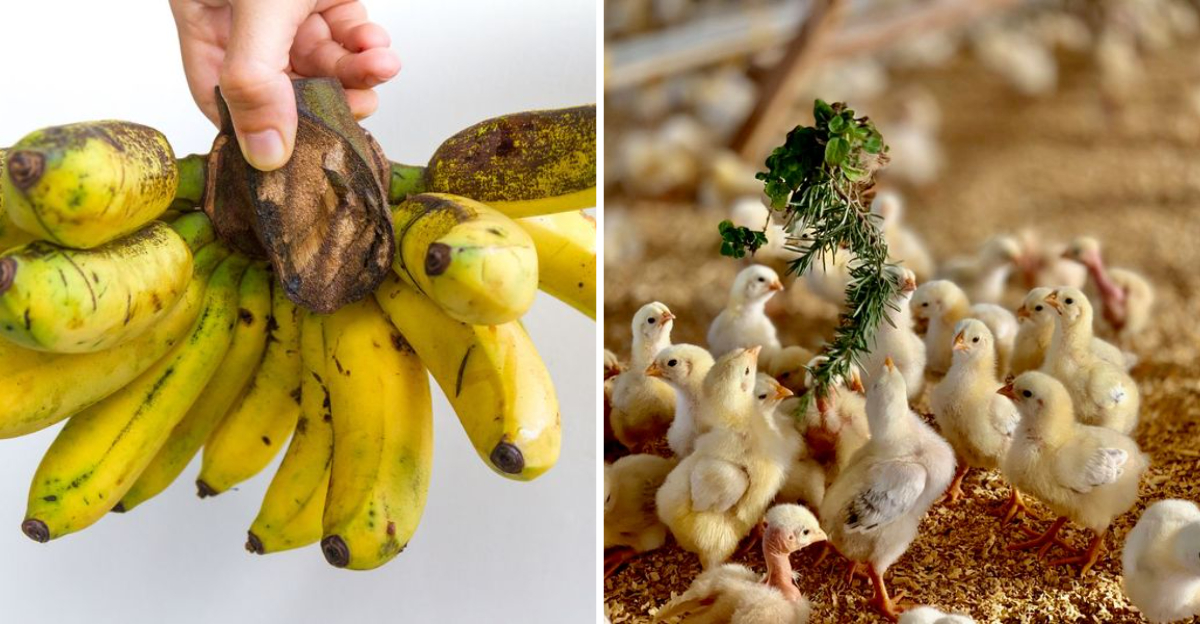
Imagine walking into a grocery store from a century ago. You would recognize bananas, bread, and milk by name, but so many would look and taste unfamiliar.
Selective breeding, industrial farming, and packaging turned quirky local staples into today’s polished standards. Get ready to spot the surprising makeovers behind everyday favorites you thought you knew.
1. Bananas
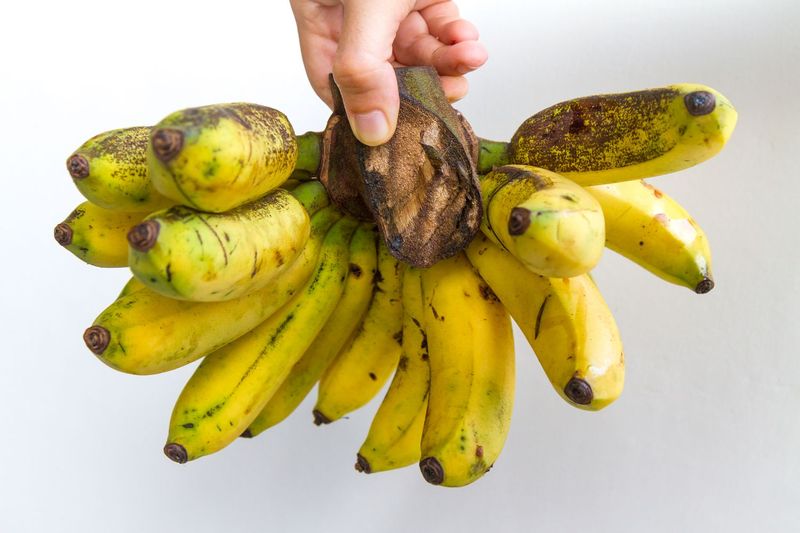
Bananas used to be dominated by Gros Michel, a thicker skinned variety with a stronger perfume and creamier bite. You would notice a bolder banana flavor that tasted like candy compared with today’s Cavendish.
Bunches looked heftier, with deeper ridges and a more pronounced curve.
Modern bananas are Cavendish for disease resistance and shipping reliability, so you get uniform size and steady ripening. Texture runs firmer, flavor milder, and bruising looks different.
You might also spot plastic-wrapped hands and ripening room stickers guiding color, something absent a century ago.
2. Apples
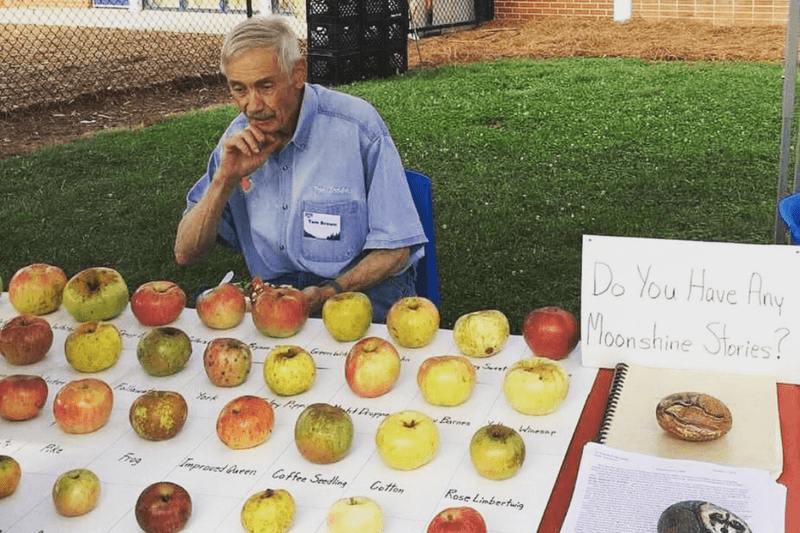
A century ago, apples skewed local and heirloom, with russeted skins, scabs, and wonderfully odd shapes. You would find tiny crabby sours, winter keepers, and bittersweet cider apples sharing bins.
Looks were unpredictable, bruises normal, and flavor range astonishing.
Today’s displays feature uniform roundness and glossy hues bred for storage life and transport. Names like Gala and Fuji dominate, prized for crunch and consistency.
The tradeoff is fewer funky textures and fewer wildly tart or tannic bites. Old-time apples demanded sorting and trimming, but rewarded you with nuance that modern standards sometimes trade for convenience.
3. Tomatoes
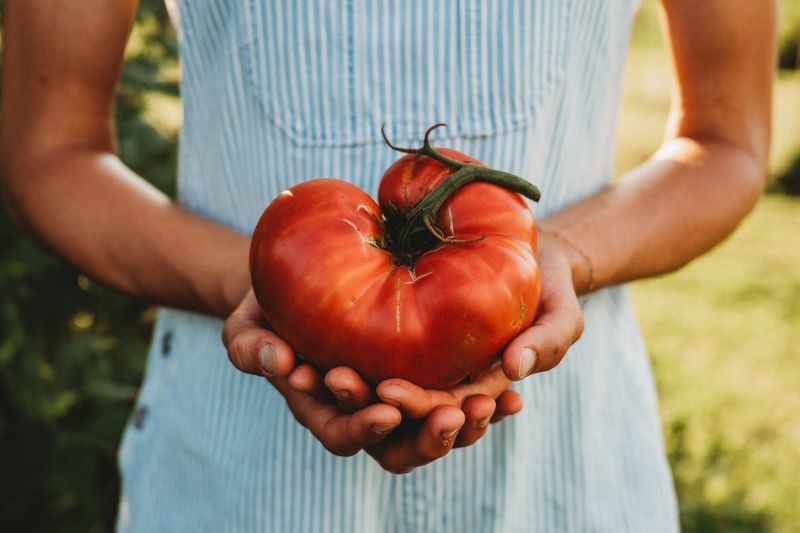
Older tomatoes tended to be smaller, lumpier, and ruffled, often showing green shoulders and catfacing scars. You would taste intense acidity and sun sweetness when truly ripe, but softness and splitting were common.
Shapes were anything but predictable.
Modern tomatoes look photo ready, engineered for shipping, stacking, and glistening red color. Firm walls and longer shelf life came with tradeoffs in juiciness and aroma.
Breeders now chase flavor again through specialty lines, but the standard store tomato remains uniform and durable. A century ago, your tomato looked like it came from someone’s backyard, because it often did.
4. Corn
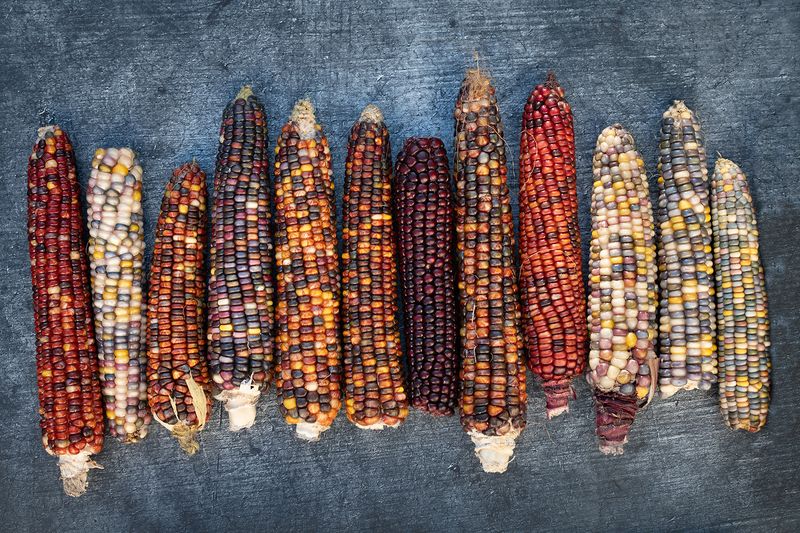
A hundred years ago, corn ears could be mismatched in size, with kernels flashing white, red, blue, or mixed. Sweetness varied by day and field, and the corn you bought leaned more seasonal.
You might spot dent corn for milling sitting beside sweet corn, with husks not perfectly trimmed.
Modern ears look cloned, rows tight and glossy yellow, sweetness boosted by sh2 and su genes. Supermarket corn lasts longer post harvest, keeping sugars intact.
Displays are clean, husks manicured, and defects rare. The wild rainbow still exists in heirlooms, but the default ear today is predictably sweet and uniform.
5. Watermelon
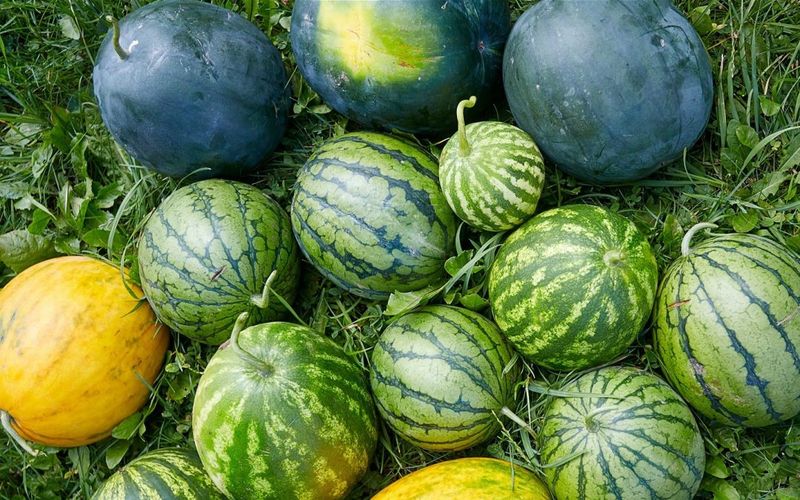
Early twentieth century watermelons often ran oblong, with irregular striping and bold seeded cores. Slices required spitting seeds and navigating tougher rind.
You would find melons more variable in sweetness, ripeness, and texture, with more field grown quirks.
Today, round seedless types dominate, bred for convenience and uniform sugar. Grocery bins favor standardized size and clean rind patterns.
Flesh tends to be more consistently crisp, with fewer hollow hearts. The experience changed from rustic seed spitting fun to tidy, kid friendly snacking.
Heirlooms still thrill at markets, but the default melon looks polished and predictable.
6. Carrots
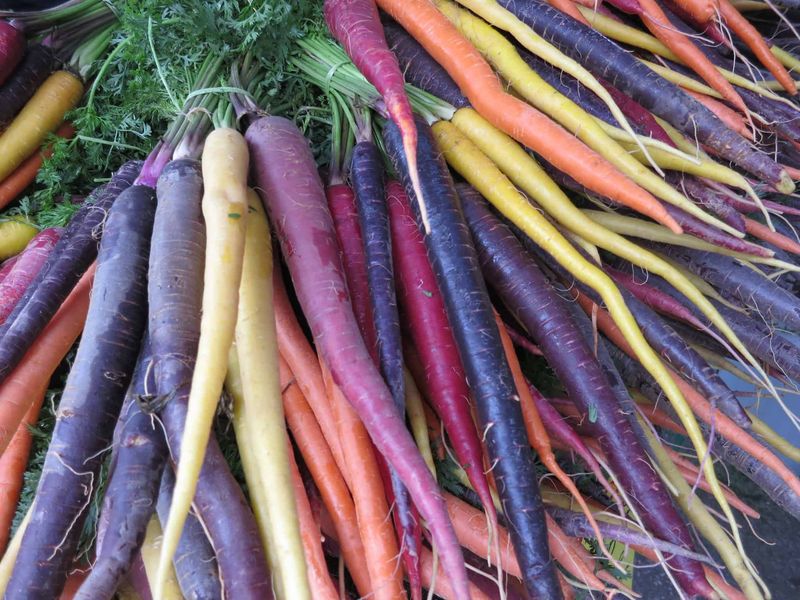
Past carrot baskets were colorful: purple, yellow, white, and orange tangled together. Shapes veered forked, stumpy, or tapering like pencils, soil still clinging.
You would trim tops and scrub them before cooking, expecting earthy sweetness and varying crunch.
Modern displays highlight bright, uniform orange, with baby cut packs promising snack ready convenience. Breeding favored straight roots, smooth skin, and consistent sweetness.
The rainbow persists as boutique choice, but the default is predictable cylinders. Flavor remains friendly, yet the wilder shapes and pigments that once signaled season and soil are mostly curated into specialty rows today.
7. Potatoes
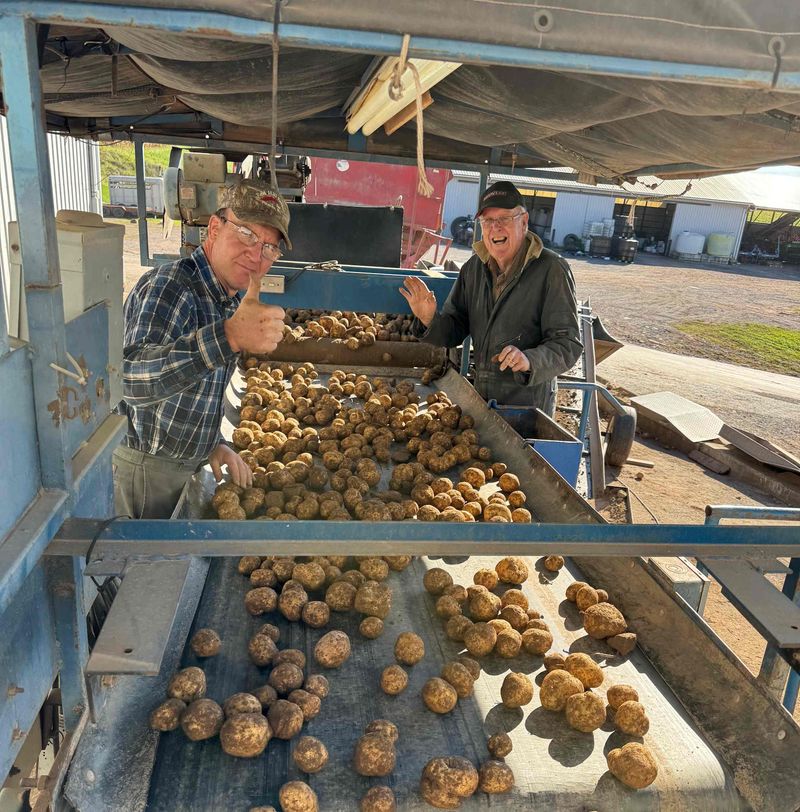
Potatoes a century ago showed dirt, eyes, and quirky knobs, reflecting local fields and storage pits. Colors ranged from purple to pink to russet, often unsorted by size.
You would pick through for roasting or mashing, accepting blemishes as normal.
Today’s potatoes are washed, graded, and bagged to tight standards. Russets, yellows, and reds sit in neat pyramids, sizes matched for baking or boiling.
Skins look flawless, and sprouts are rare. Industrial sorting and curing prioritize consistency and shelf life.
Heirloom oddities still appear at farmers markets, but the mainstream spud is tidy, uniform, and ready to cook.
8. Strawberries
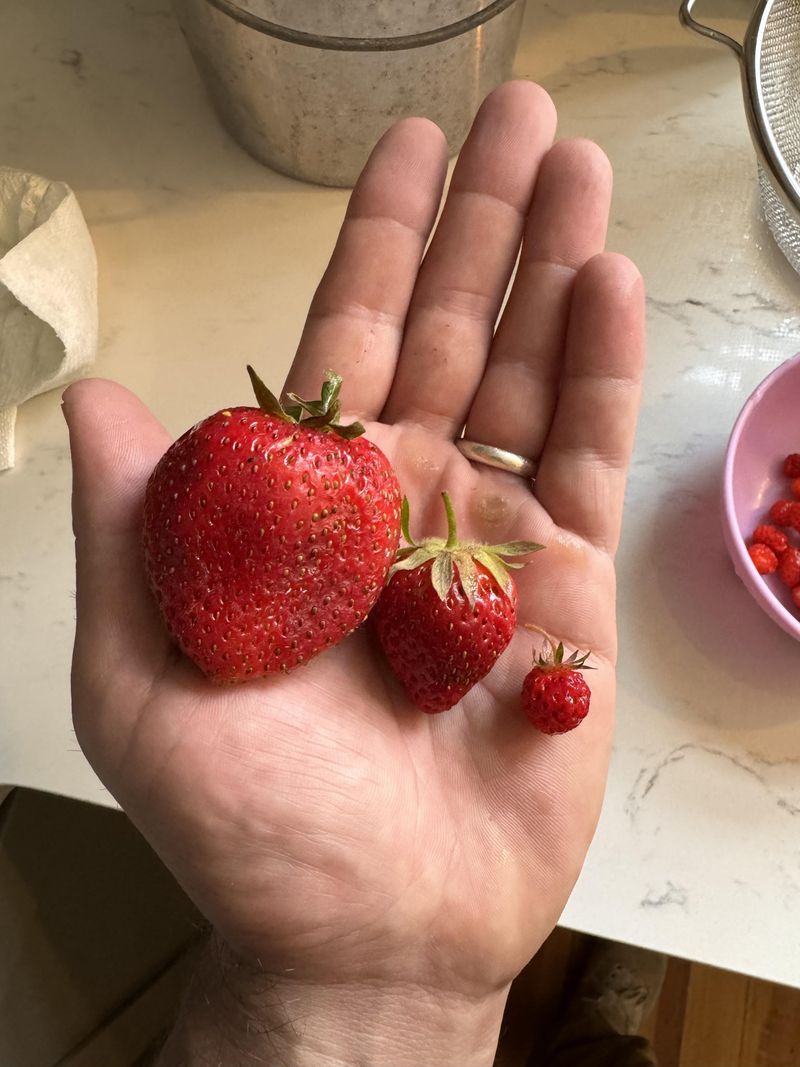
Old time strawberries ran smaller, softer, and highly fragrant, often sold close to where they were picked. You would handle them gently, eat quickly, and accept short shelf life.
Colors varied and shapes were funky, but the perfume was irresistible.
Modern berries look like red jewels, big and uniform, bred for firmness and shipping endurance. Plastic clamshells replaced paper punnets.
Sweetness can be steady but sometimes milder, especially off season. Specialty varieties chase aroma again, yet the default strawberry today values travel friendly sturdiness as much as flavor.
A century ago, peak taste beat durability.
9. Grapes
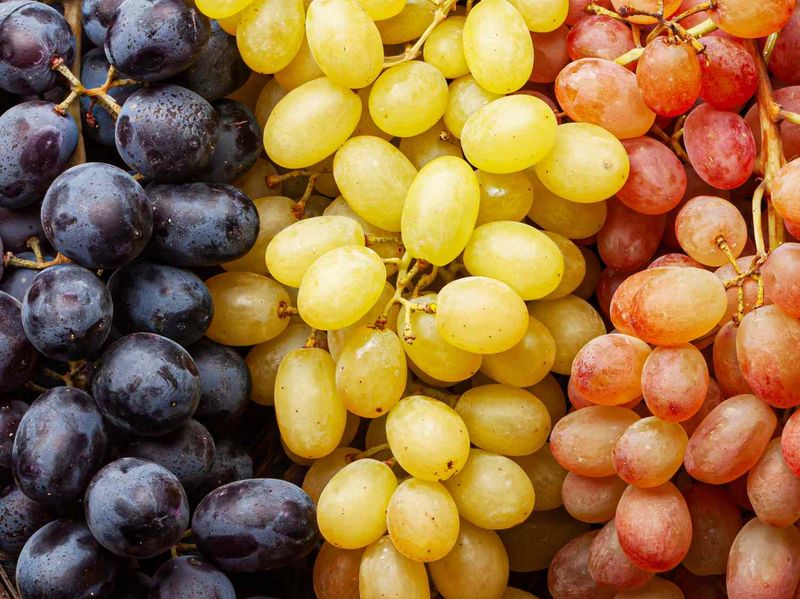
A century back, grapes were likelier seeded, with tart snaps and slippery pulp. Bunches arrived with bloom dust and uneven berry size, sold seasonally by local growers.
You would expect chewing around seeds and richer grape perfume.
Today, seedless reigns, with crisp skins, matching sizes, and neatly branded bags. Flavors trend more candy like, and availability stretches year round.
Cold chains and clamshells preserve crunch. The ritual changed from spitting seeds at picnics to effortless snacking anywhere.
Some heritage varieties survive in wine regions and markets, but the mainstream table grape now prizes uniformity and convenience.
10. Chicken
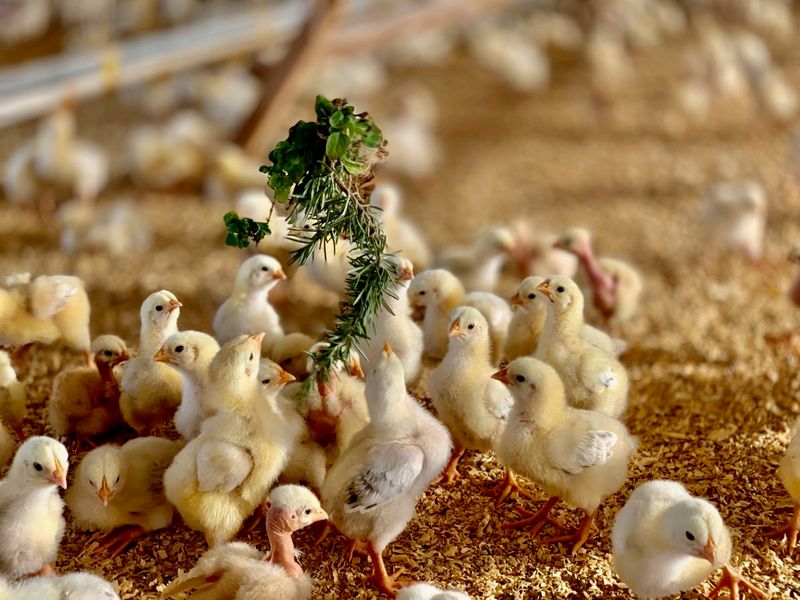
Chickens a hundred years ago grew slower, foraging more, with darker meat and leaner frames. Birds looked smaller with longer legs and deeper flavor.
You would stew or braise tougher birds instead of relying on quick roasting.
Modern broilers are bred for rapid growth and large breasts, yielding pale, tender meat. Packages show uniform size and skin, built for weeknight speed.
Texture is consistent and mild, perfect for crowd pleasing dishes. The tradeoff is less pronounced chickeny depth.
Pastured heritage birds still echo the old profile, but supermarket chickens today prioritize size and tenderness.
11. Eggs
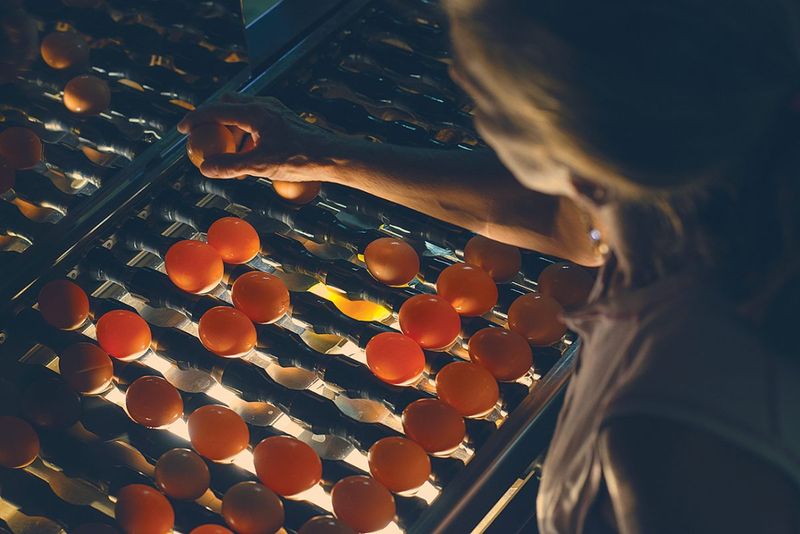
Eggs once arrived closer to the coop, with mixed shell colors, speckles, and sizes. You might candle them at home and see inconsistent yolk tones through seasons.
Cartons, when used, were basic, and dates were less standardized.
Now, grading, washing, and sizing deliver near identical dozens. Shells are spotless, labels precise, and yolks more predictable, depending on feed and systems.
Pasteurization and cold chains smooth risks and flavors. Some shoppers chase pasture raised richness or blue shells for nostalgia.
But the typical carton today reflects industrial uniformity that a 1920s basket would not recognize.
12. Milk
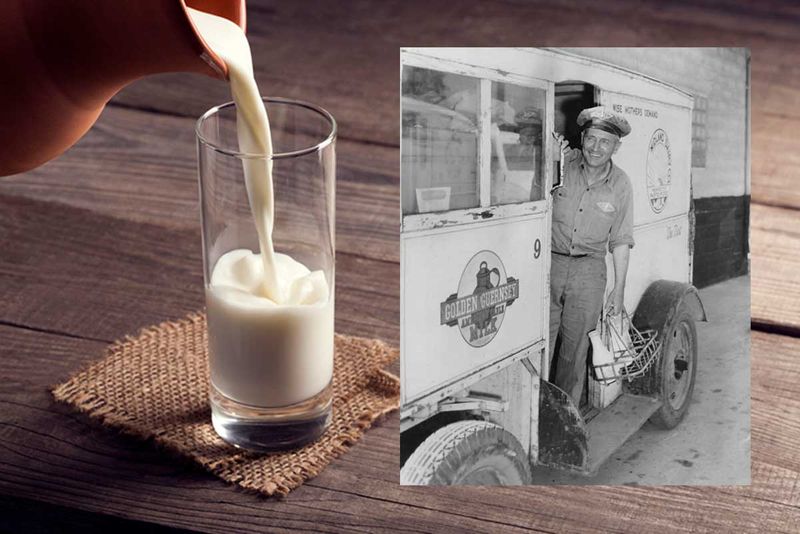
Milk used to arrive in glass bottles with a visible cream line. You would shake it to mix and sometimes skim off cream for coffee.
Pasteurization existed but was less universal, and standard fat percentages were less consistent.
Today, homogenized and pasteurized milk fills plastic gallons and aseptic cartons. Labels promise exact fat levels, vitamin additions, and long shelf life.
Doorstep delivery faded as supermarkets standardized supply. Flavor shifted from barnyard nuance to clean neutrality.
Nostalgic glass returns in niche dairies, yet the default milk now is uniform, sealed, and engineered for predictable freshness.
13. Bread (sandwich loaves)
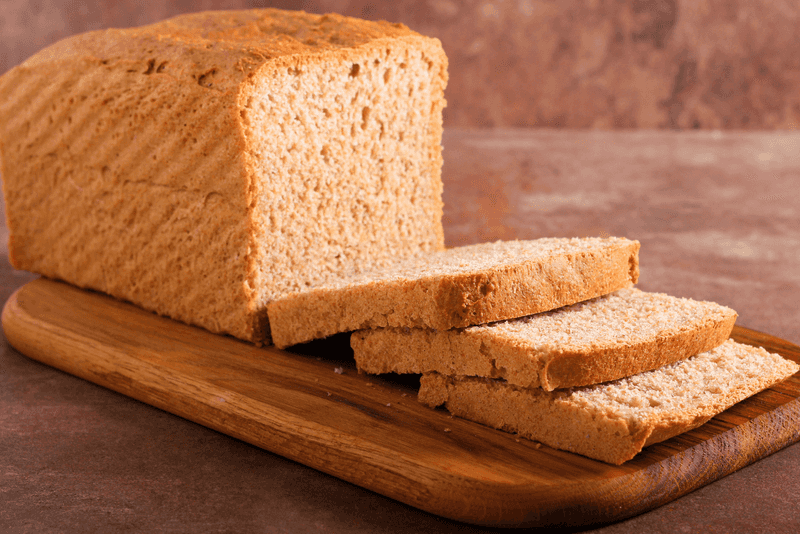
A century ago, bread often meant crusty bakery loaves, hearth baked and unsliced. You would saw thick slices at home and enjoy chewy crusts that went stale faster.
Texture varied with flour, fermentation, and ovens.
Modern sandwich bread arrives presliced, ultra soft, and packaged to resist staling. Emulsifiers and tight crumbs make perfect PB and J slices.
Loaves look squared and uniform, with weeks long shelf life in some cases. The convenience is unmatched, but characterful crusts and tang are rarer in the standard aisle.
Artisan bakeries revive the old look while factory loaves dominate lunches.
14. Breakfast cereal
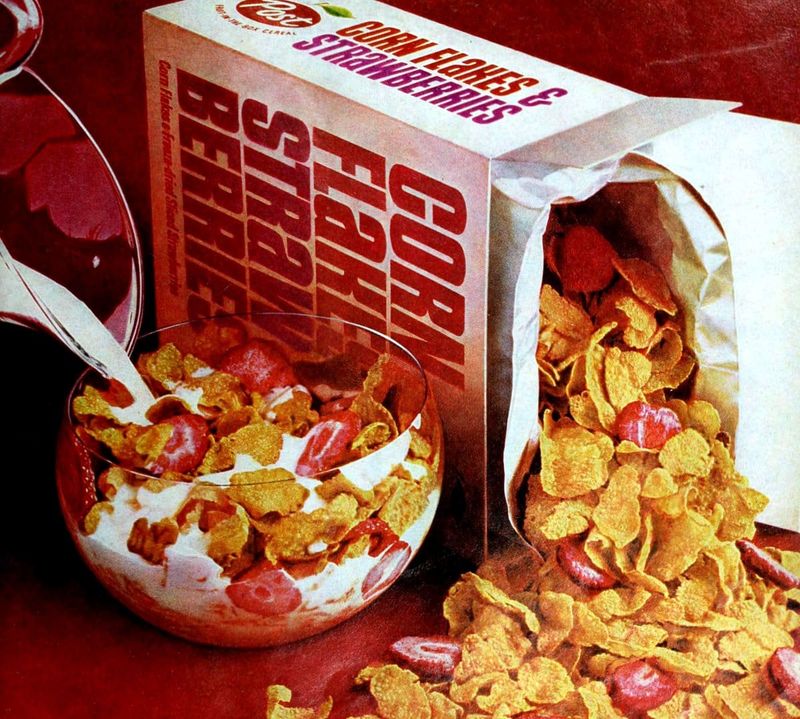
Early cereal selections were simpler, focusing on flakes or hot mush with plain branding. You would not see fluorescent marshmallows, movie tie ins, or a glowing wall of shapes.
Sugar levels tended lower, and portions were humbler.
Today’s aisle dazzles with technicolor rings, chocolate puffs, and fiber fortified clusters. Characters shout from boxes, and resealable liners keep crunch.
Fortification, sweeteners, and textures span indulgent to keto friendly. Variety exploded, but restraint and plainness faded from the mainstream shelf.
The difference is a carnival of options versus a few earnest breakfast staples.
15. Soda
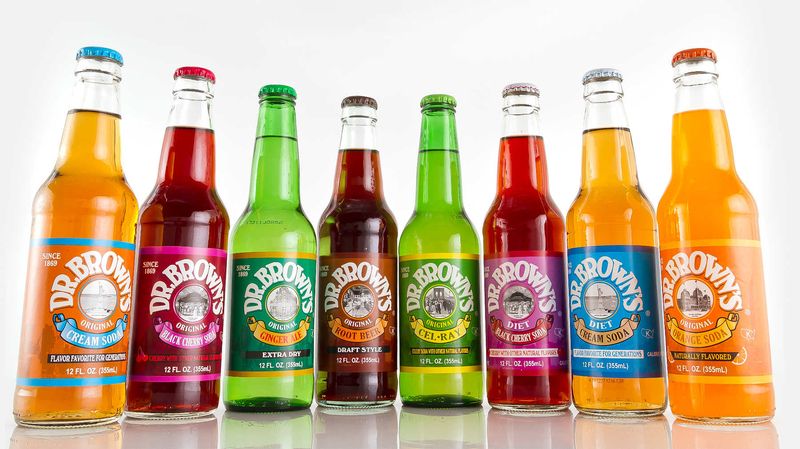
A hundred years ago, many sodas read like tonics, sold in sturdy glass and local flavors. You would find root beer, sarsaparilla, celery, and phosphates behind counters.
Serving sizes were smaller, and sweetness felt restrained by today’s standards.
Modern soda comes in cans and huge PET bottles, with global brands and intense sweetness. Marketing leans lifestyle, and flavors skew cola, citrus, and energy adjacent.
Shelf stability and carbonation control are precise. Some heritage soda fountains survive, but mainstream fizzy drinks now prize portability, consistency, and scale far more than apothecary charm.
16. Peanut butter
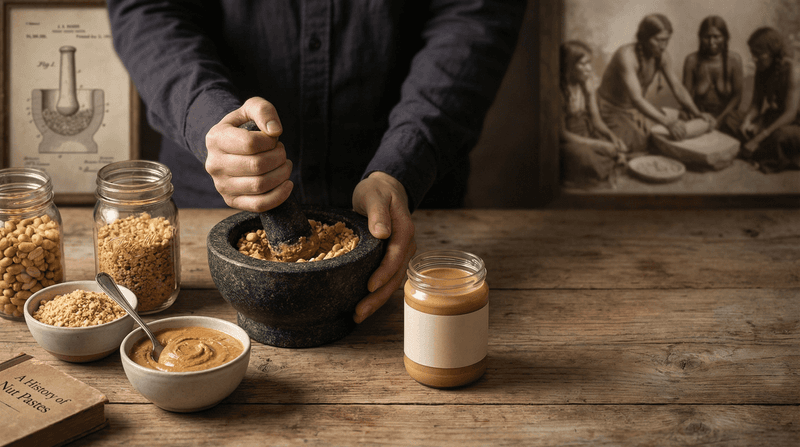
Old school peanut butter looked gritty and separated, with peanut oil floating on top. You would stir like crazy to unify the spread and accept occasional crunch.
Ingredients lists were short, often just peanuts and salt.
Modern jars often use stabilizers for silky, no stir convenience. Textures range from extra creamy to engineered crunch, perfect for tidy sandwiches.
Sweetness may be higher, and spreads hold shape. Natural options still exist, but the baseline peanut butter now feels uniform and shelf stable.
The messy workout of mixing is no longer required.
17. Cheese (everyday cheese)
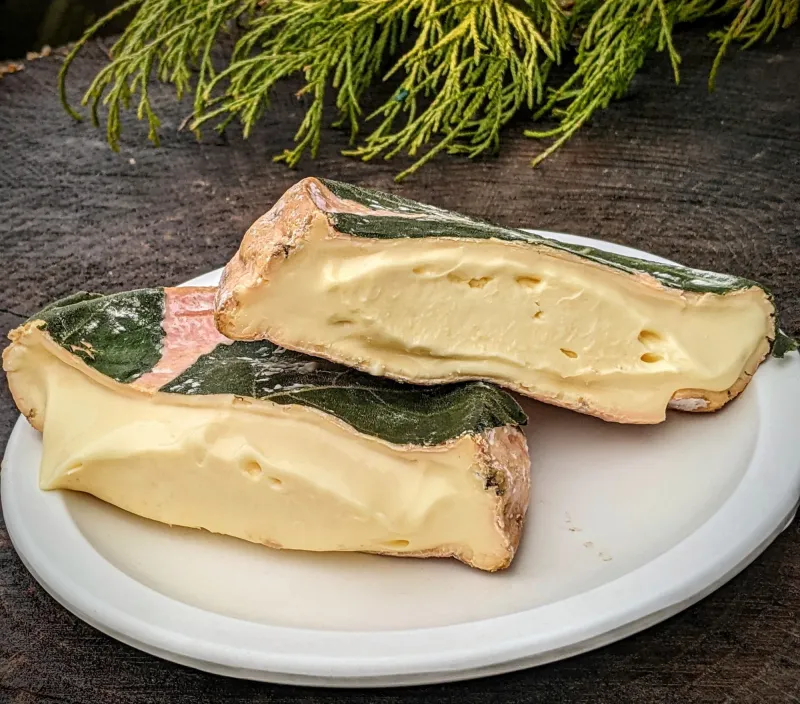
Everyday cheese used to come more from local makers, wrapped in paper or cloth, flavors bolder from variable aging. You would ask a monger to cut wedges and accept uneven rinds.
Moisture and salt levels swung widely, shaping personality.
Today, plastic wrapped blocks and singles dominate the basics. Slices peel perfectly, melt predictably, and taste clean but milder.
Labels promise consistency and long life. Specialty counters still champion funk and variability, yet the default household cheese is tidy, stackable, and uniform.
The adventure moved from necessity to niche.
18. Canned soups
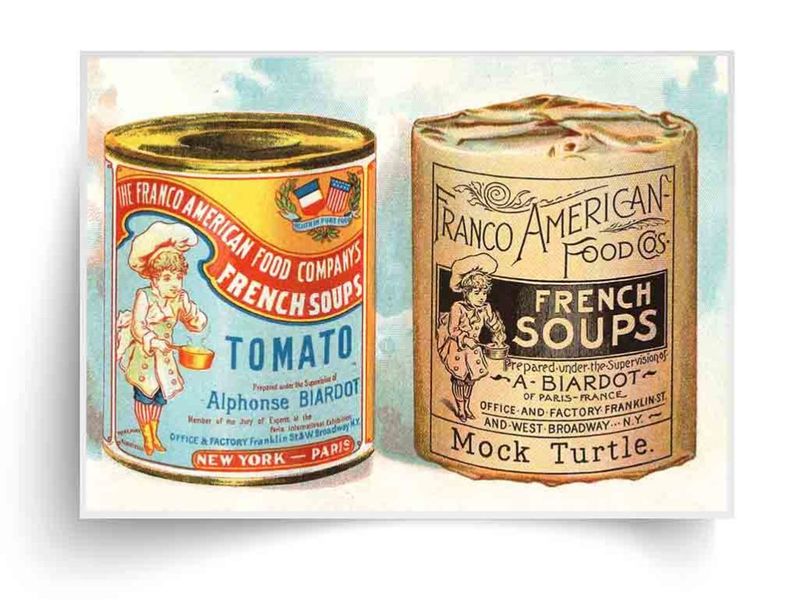
Canned soup existed a century ago, but choices were limited, leaning brothy and basic. You would see smaller labels, fewer creamy styles, and chunkier inconsistencies.
Opening required a dedicated opener and sometimes careful straining.
Today’s shelves overflow with chowders, bisques, and low sodium claims, many with pop tops. Textures are engineered for spoonability, and flavors mimic restaurant dishes.
Serving sizes, nutrition panels, and additives are standardized. Convenience rules, while the once rustic, variable cans feel quaint.
The transformation reflects better processing and consumer cravings for ready to heat comfort.
19. Candy bars
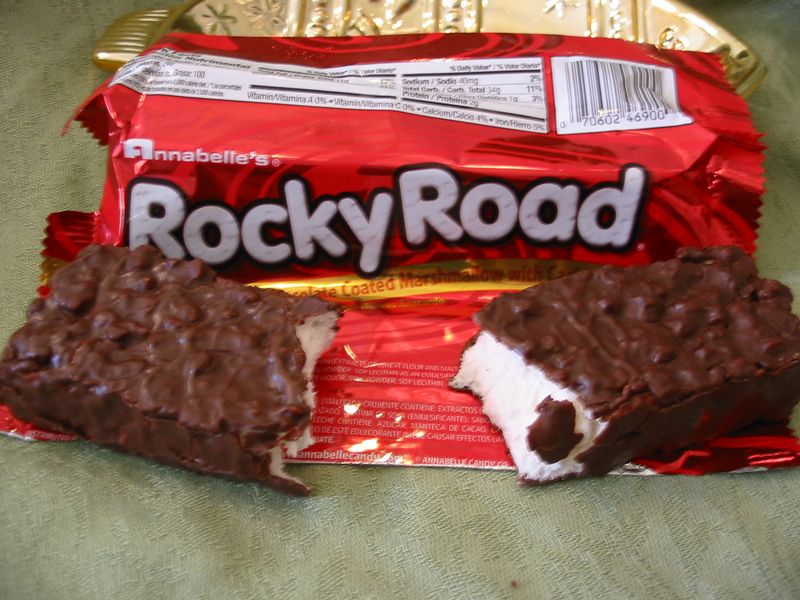
A hundred years ago, sweets skewed local, with seasonal nut chews, caramels, and toffees from nearby shops. You would not find a universal megaplex of identical bars nationwide.
Wrappers were simple and sizes modest.
Now, global brands standardize bars to the gram, with familiar textures everywhere. Limited editions rotate, but the core stays consistent.
Shelf life stretches, and distribution blankets convenience stores. Artisan candy still thrives, yet the everyday candy bar today is a polished, engineered treat far from the homespun slabs that once dotted neighborhoods.
20. Packaged snacks (chips and crackers)
Snacks existed, but shelves were sparse, with plain chips, simple crackers, and modest packaging. You would buy wax paper wrapped stacks or small paper bags, staleness arriving quickly.
Flavors were salt forward, not fireworks.
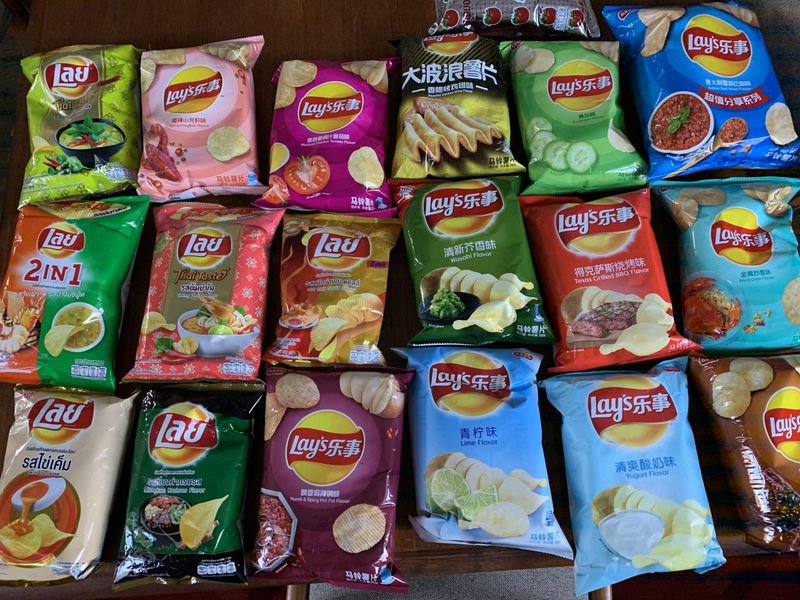
Today’s snack aisle is a neon canyon of options. Bags use oxygen barriers and nitrogen flush for months of crunch.
Flavors sprint from chili lime to everything bagel. Shapes, textures, and health claims sprawl wildly.
The change is culture wide snacking, engineered for freshness and novelty, versus occasional treats that aged fast.