20 Foods The World’s Healthiest People Eat Most Often
What do the healthiest people on Earth have in common? Researchers have spent years studying communities around the world where people live the longest, and one clear pattern keeps showing up: their food choices.
From the hills of Sardinia to the islands of Okinawa, certain foods appear again and again on the plates of people who stay strong, sharp, and active well into old age. Here are the 20 foods they eat most often.
1. Beans and Legumes
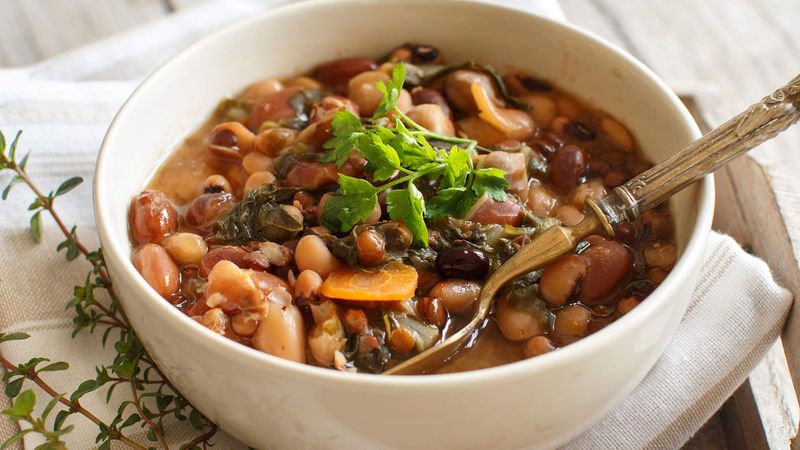
Ask anyone living in a Blue Zone what they eat every single day, and beans will almost always be the answer. Black beans in Costa Rica, lentils in Sardinia, soybeans in Okinawa — legumes are the backbone of nearly every longevity diet on the planet.
They are loaded with fiber, plant-based protein, and complex carbohydrates that keep blood sugar steady for hours. Eating just one cup a day has been linked to a longer, healthier life.
2. Leafy Greens
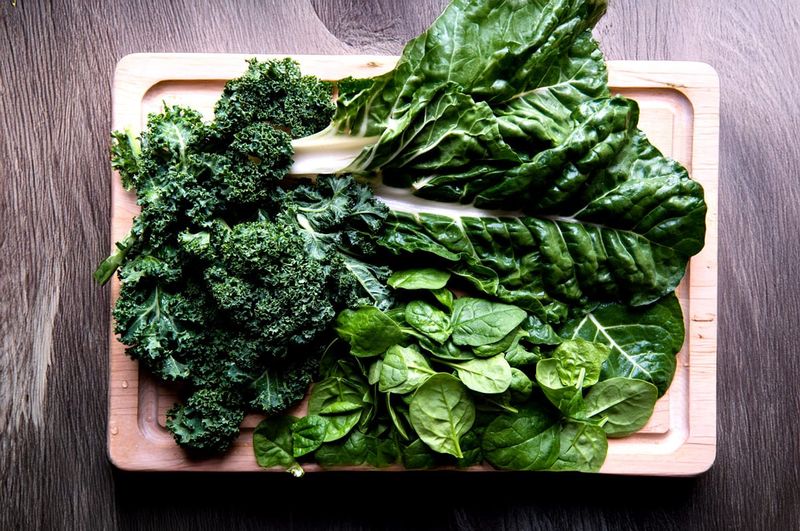
Spinach, kale, chard, collards — leafy greens are basically nature’s multivitamin packed into every bite. Populations in the Mediterranean and parts of Asia consume these vegetables daily, and science strongly backs up that habit.
Rich in vitamins A, C, and K, plus powerful antioxidants, leafy greens help protect the body against disease and inflammation. Even a single daily serving can make a noticeable difference in how you feel and how your body ages.
3. Whole Grains
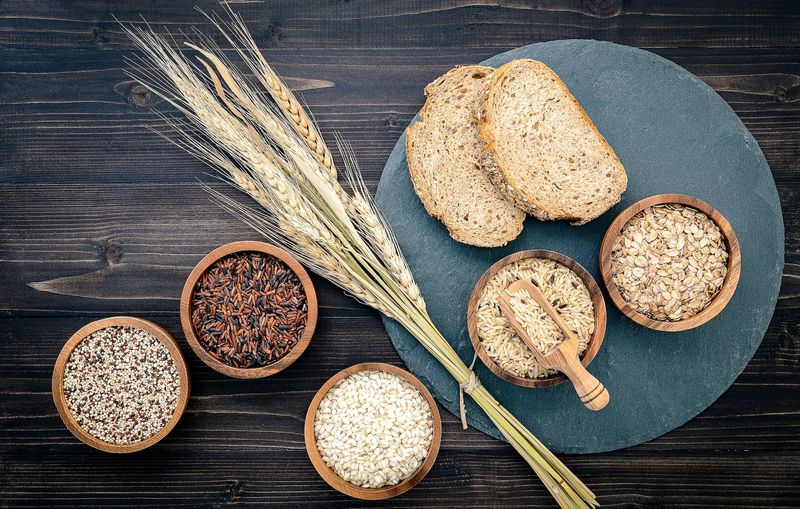
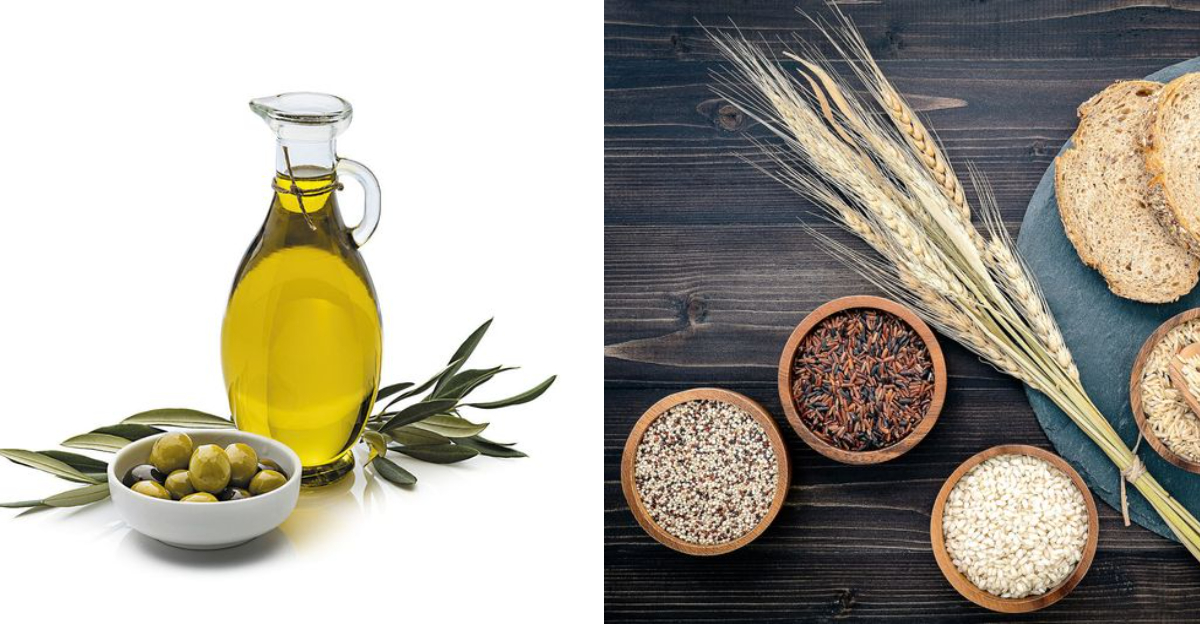
Whole grains have been feeding healthy civilizations for thousands of years, and for good reason. Unlike refined grains, whole grains like oats, barley, and brown rice keep all of their fiber, vitamins, and minerals intact.
That fiber feeds good gut bacteria and helps you feel full longer, which means fewer unhealthy snack cravings throughout the day. Swapping white bread or white rice for whole grain versions is one of the simplest upgrades you can make to your daily diet.
4. Nuts
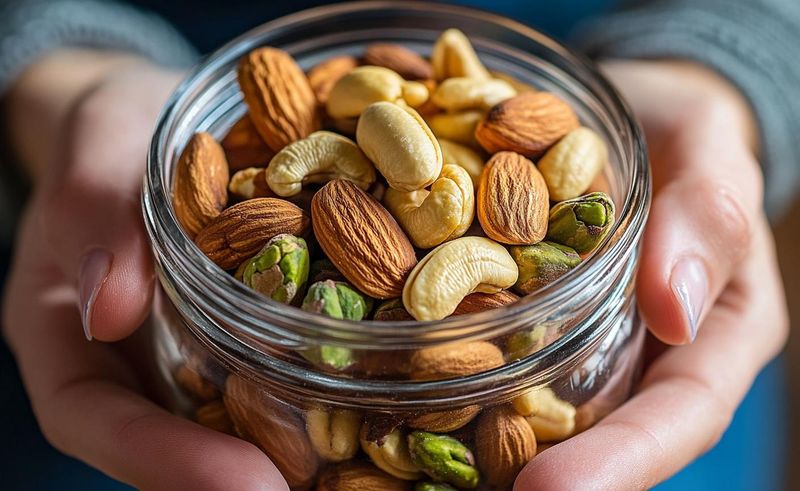
Grab a handful of nuts and you might just be adding years to your life — studies have actually shown that nut eaters tend to live longer than those who skip them. Almonds, walnuts, and pistachios are favorites among the world’s healthiest populations.
Packed with healthy fats, protein, and magnesium, nuts support heart health and help keep hunger at bay. A small daily portion, about one ounce, is all it takes to enjoy the benefits.
5. Seeds
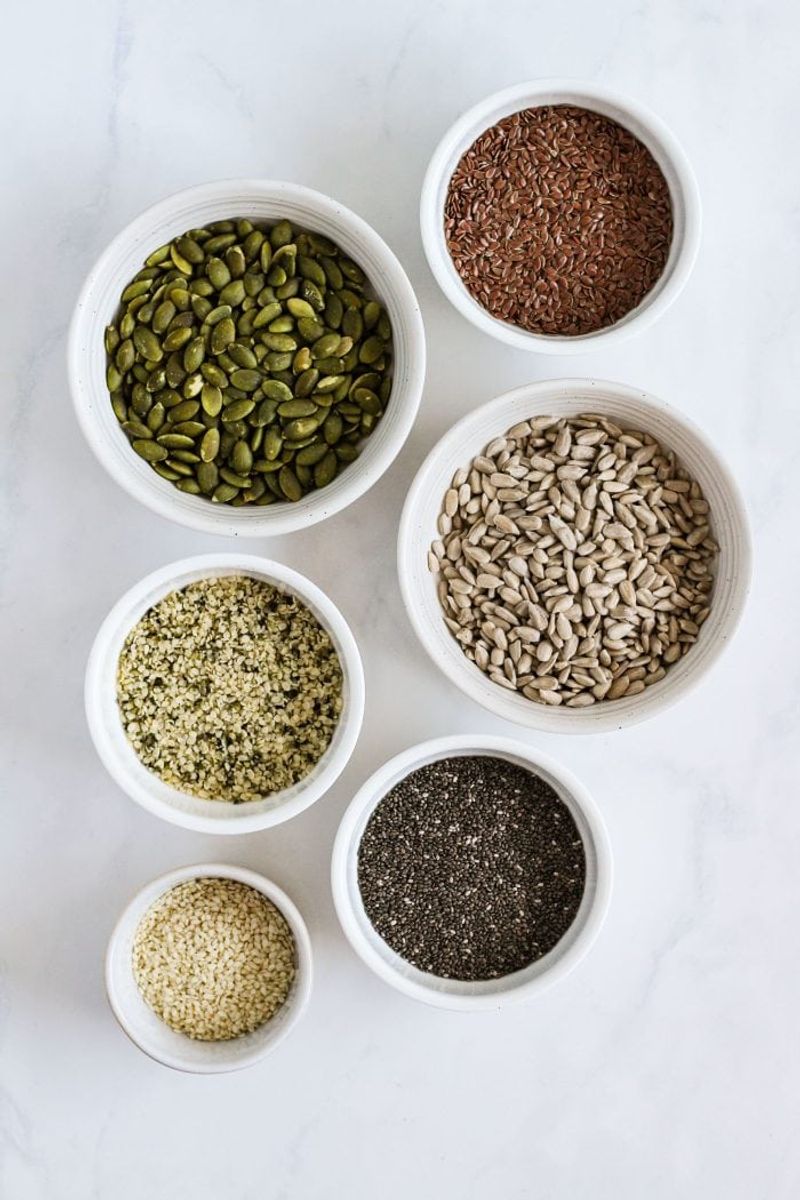
Tiny but mighty, seeds like chia, flax, and pumpkin pack an impressive amount of nutrition into every spoonful. They are excellent sources of omega-3 fatty acids, fiber, and plant-based protein — all nutrients that help fight inflammation in the body.
Healthy populations around the world have incorporated seeds into their meals for generations, sprinkling them onto porridge, blending them into drinks, or mixing them into baked goods. Adding even a tablespoon a day can have a real impact on your health.
6. Extra Virgin Olive Oil
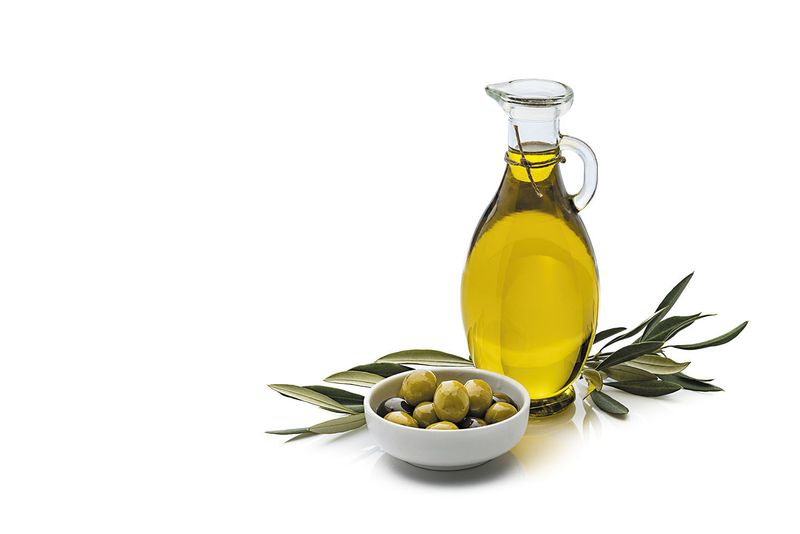
In the Mediterranean, olive oil is not just a cooking ingredient — it is practically a way of life. Extra virgin olive oil is pressed without heat or chemicals, which preserves its powerful antioxidants and anti-inflammatory compounds.
The monounsaturated fats in olive oil are especially good for heart health, helping lower bad cholesterol while protecting good cholesterol. Drizzling it over vegetables, bread, or salads the way Greeks and Italians do is a delicious habit worth adopting.
7. Avocado
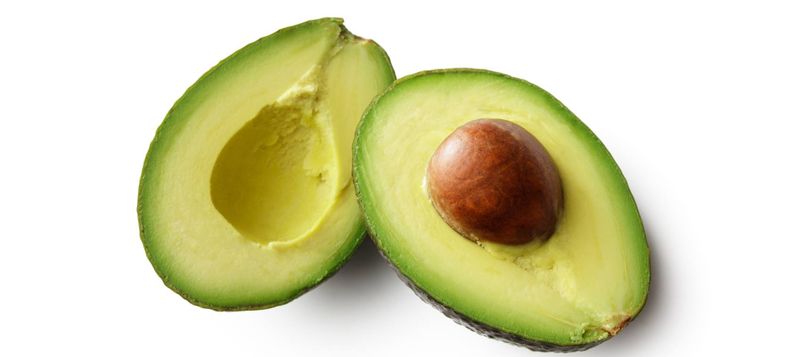
Creamy, satisfying, and surprisingly nutritious — avocado is one of those rare foods that tastes indulgent but is actually incredibly good for you. It is one of the best plant-based sources of monounsaturated fat, the same heart-healthy fat found in olive oil.
Avocados also deliver a solid dose of vitamin E, potassium, and fiber in every serving. Regular avocado eaters tend to have better cholesterol levels and lower rates of heart disease compared to those who rarely eat it.
8. Berries
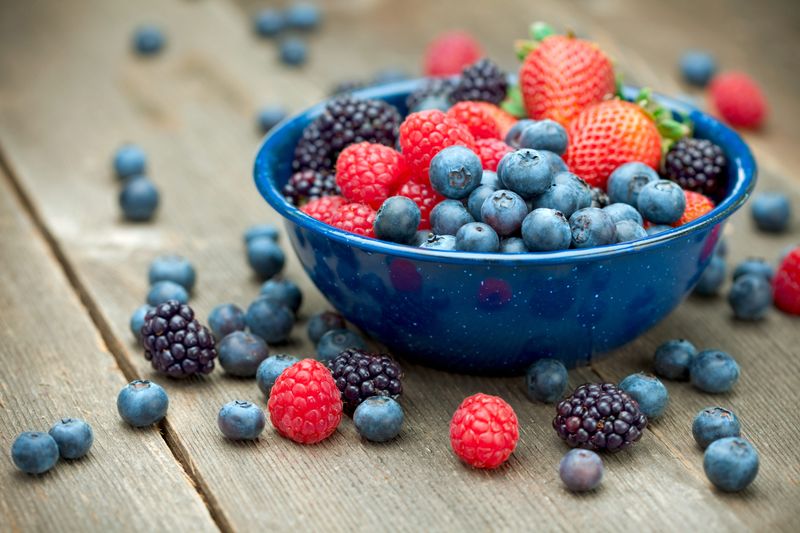
Blueberries, strawberries, and raspberries are more than just a sweet treat — they are some of the most antioxidant-rich foods on the planet. Antioxidants are like tiny bodyguards that protect your cells from damage caused by aging and disease.
Berries are also high in vitamin C and potassium, nutrients that support immune function and heart health. Even frozen berries retain most of their nutrition, making this a budget-friendly option you can enjoy all year long.
9. Sweet Potatoes

Sweet potatoes are a staple food in Okinawa, Japan — one of the world’s most famous Blue Zones — where people routinely live past 100. Their vibrant orange color comes from beta-carotene, a powerful antioxidant that the body converts into vitamin A.
Beyond eye and skin health, sweet potatoes support a healthy gut and may even improve brain function over time. They are naturally sweet, filling, and incredibly versatile, making them one of the easiest healthy foods to add to any meal.
10. Tomatoes
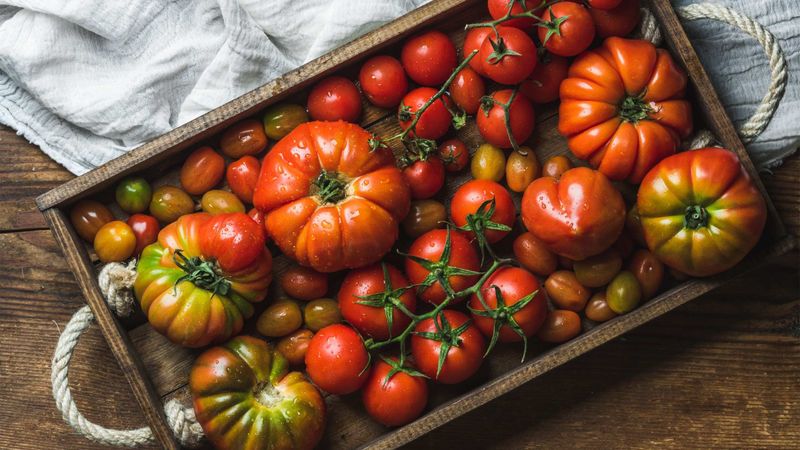
Few vegetables are as universally loved or as widely eaten in healthy diets as the tomato. From Italian pasta sauces to Greek salads, tomatoes appear in nearly every Mediterranean meal, and for very good reason.
They are rich in lycopene, an antioxidant strongly linked to reduced risk of heart disease and certain cancers. Interestingly, cooking tomatoes actually increases the body’s ability to absorb lycopene, so sauces and soups can be just as beneficial as eating them fresh.
11. Onions and Garlic
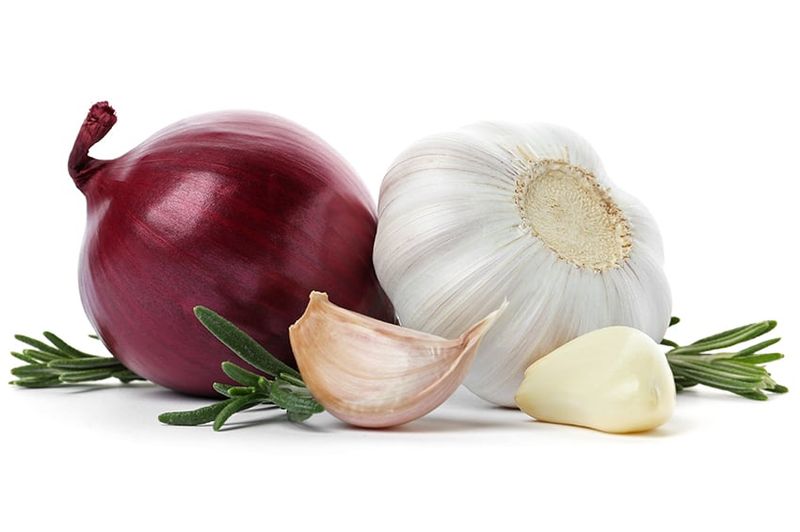
Garlic has been used as both food and medicine for over 5,000 years, and modern science is finally catching up to what ancient healers already knew. Both garlic and onions belong to the allium family and contain sulfur compounds that have powerful antibacterial and anti-inflammatory effects.
Regular consumption has been linked to lower blood pressure, improved cholesterol levels, and even stronger immune function. The best part?
They make everything taste better, so adding more of them to your cooking is never a sacrifice.
12. Cruciferous Vegetables
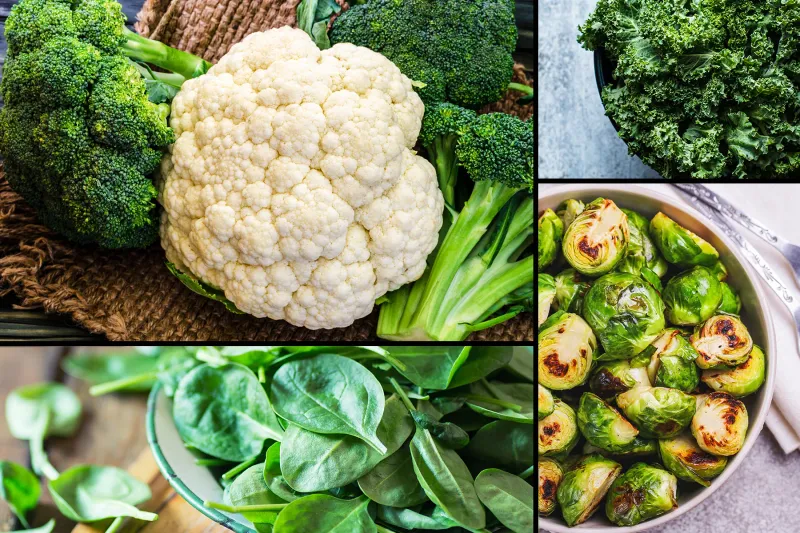
Broccoli, Brussels sprouts, cabbage, and cauliflower belong to one of the most nutritionally impressive plant families in existence. Cruciferous vegetables contain a compound called kaempferol, which has been studied for its potential to reduce cancer risk and lower inflammation throughout the body.
They are also high in fiber, vitamin C, and folate, making them a powerhouse addition to any meal. Roasting them with a bit of olive oil brings out a natural sweetness that even picky eaters tend to enjoy.
13. Carrots
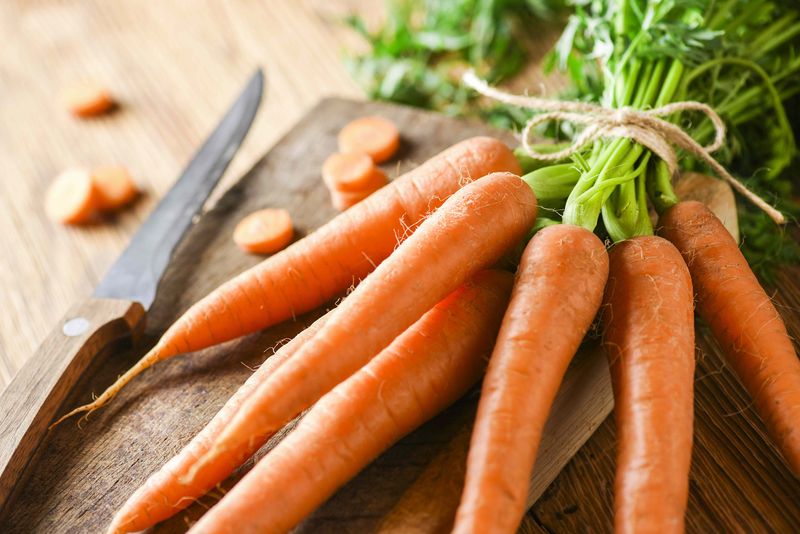
Crunchy, colorful, and incredibly versatile, carrots are one of the most frequently eaten vegetables in the diets of long-lived populations worldwide. They are packed with beta-carotene, which supports healthy vision, glowing skin, and a well-functioning immune system.
Carrots are also a great source of dietary fiber, which feeds the good bacteria in your gut and helps keep digestion running smoothly. Whether eaten raw as a snack, roasted for dinner, or blended into soup, they are a simple food with serious benefits.
14. Fatty Low-Mercury Fish
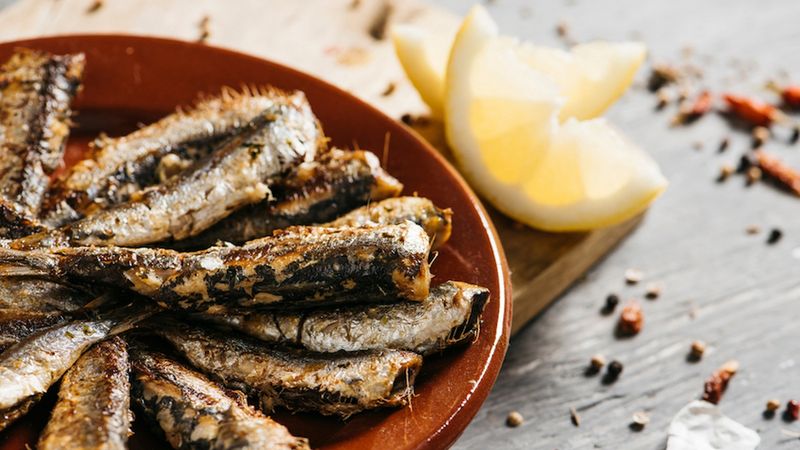
Sardinians eat pecorino and beans, but they also eat a lot of fish — particularly sardines and other oily, low-mercury varieties. Fatty fish like salmon, sardines, and mackerel are among the richest natural sources of omega-3 fatty acids available anywhere.
Omega-3s reduce inflammation, support brain health, and significantly lower the risk of heart disease. Eating fish about three times a week, as many healthy populations do, gives your body a steady supply of these essential fats without overloading on mercury.
15. Herbs and Spices
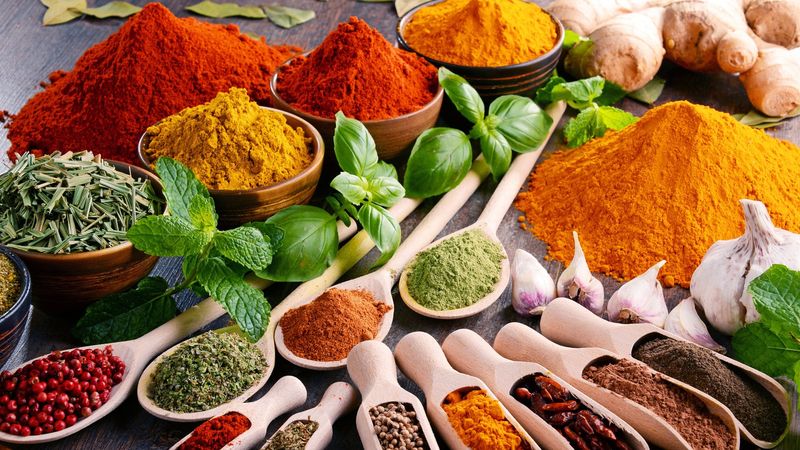
Turmeric, ginger, basil, oregano — the spice cabinets of the world’s healthiest people are never empty, and that is no coincidence. Many herbs and spices contain concentrated plant compounds with real, measurable health benefits, from reducing inflammation to fighting off harmful bacteria.
Turmeric’s active ingredient, curcumin, has been studied extensively for its role in preventing chronic disease. Using herbs and spices generously in cooking is also a great way to add bold flavor without reaching for the salt shaker.
16. Water

It sounds almost too simple, but the world’s healthiest people drink water as their main beverage — not soda, not energy drinks, just water. Staying properly hydrated supports every single system in the human body, from digestion to brain function to temperature regulation.
In Blue Zones, water is often the only drink consumed throughout the day, sometimes paired with herbal teas. Replacing sugary drinks with plain water is one of the most impactful health changes you can make, and it costs almost nothing.
17. Green Tea
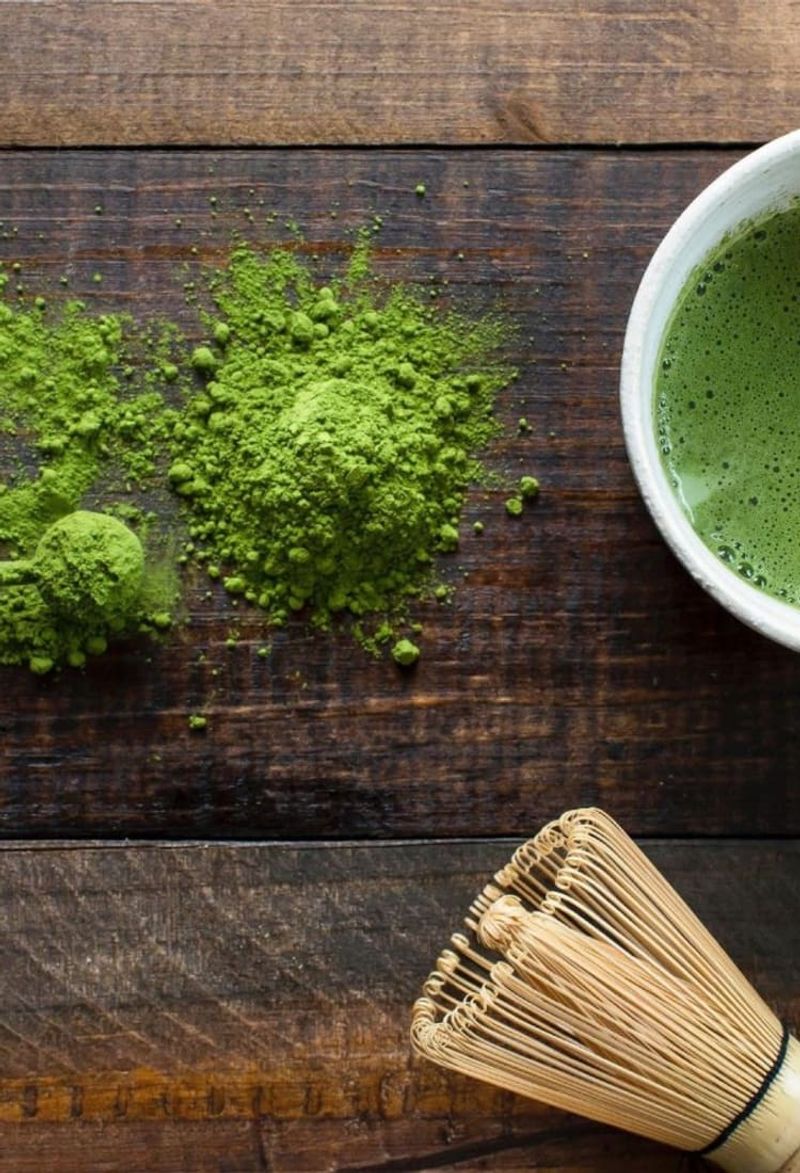
In Okinawa, Japan — a place famous for having more centenarians per capita than almost anywhere else — green tea is consumed multiple times a day, every single day. It contains a unique antioxidant called EGCG, which has been linked to lower rates of heart disease and certain cancers.
Green tea also provides a gentle, steady source of caffeine that avoids the jittery spikes associated with coffee. Sipping a few cups daily is a calming ritual that also happens to be genuinely great for your long-term health.
18. Fermented Foods
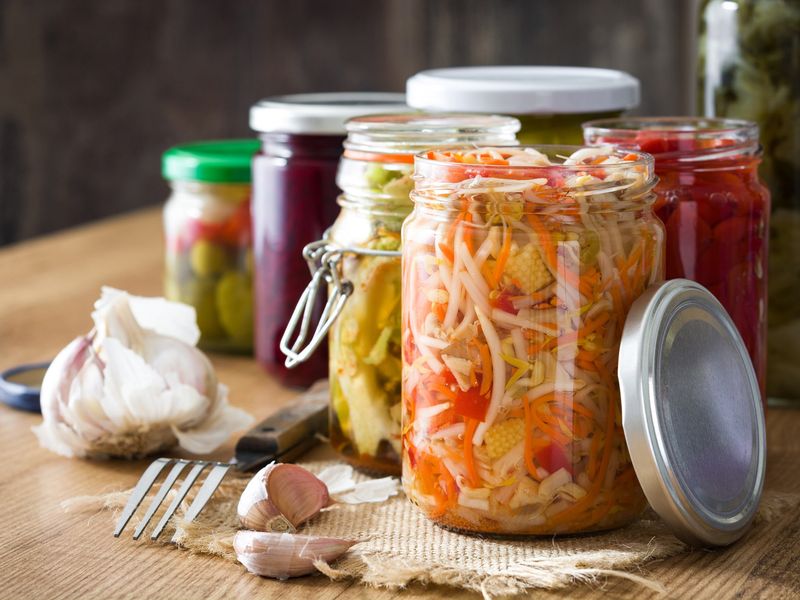
Long before probiotics became a trend, healthy cultures around the world were already eating fermented foods every day. Miso in Japan, pickled vegetables in Korea, sourdough bread in Europe — these foods go through a natural fermentation process that creates beneficial bacteria.
Those bacteria support a healthy gut microbiome, which scientists now know is deeply connected to immunity, mood, and even weight management. Fermented foods are also often easier to digest than their non-fermented counterparts, making them a gut-friendly choice at any age.
19. Eggs

Eggs have had a complicated reputation over the years, but the healthiest populations around the world have been eating them moderately for centuries without issue. Free-range eggs, in particular, tend to be higher in omega-3 fatty acids and vitamin D compared to conventional ones.
Most longevity researchers suggest eating eggs two to four times per week, usually as a side dish rather than the main event. That moderate approach delivers solid protein and essential nutrients without overloading on cholesterol.
20. Dark Chocolate

Here is one food that might actually make you smile when you see it on a healthy eating list: dark chocolate. When it contains at least 70% cacao, dark chocolate is genuinely loaded with antioxidants called flavonoids, which help protect the heart and reduce inflammation.
The key, as with most indulgences, is moderation — a small square or two is all you need to get the benefits. Some of the world’s longest-lived people enjoy a little dark chocolate regularly, proving that healthy eating does not have to mean giving up every pleasure.