20 Simple Substitutes for Common Baking Ingredients
Baking can be spontaneous until you realize one key ingredient is missing. Instead of dashing to the store, you can swap smartly and still pull off something delicious.
These simple substitutes cover the most common oh no moments and keep your bakes tender, fluffy, and flavorful. Keep this list handy so you can bake with confidence, even when the pantry looks sparse.
1. Buttermilk → Milk + lemon juice or vinegar
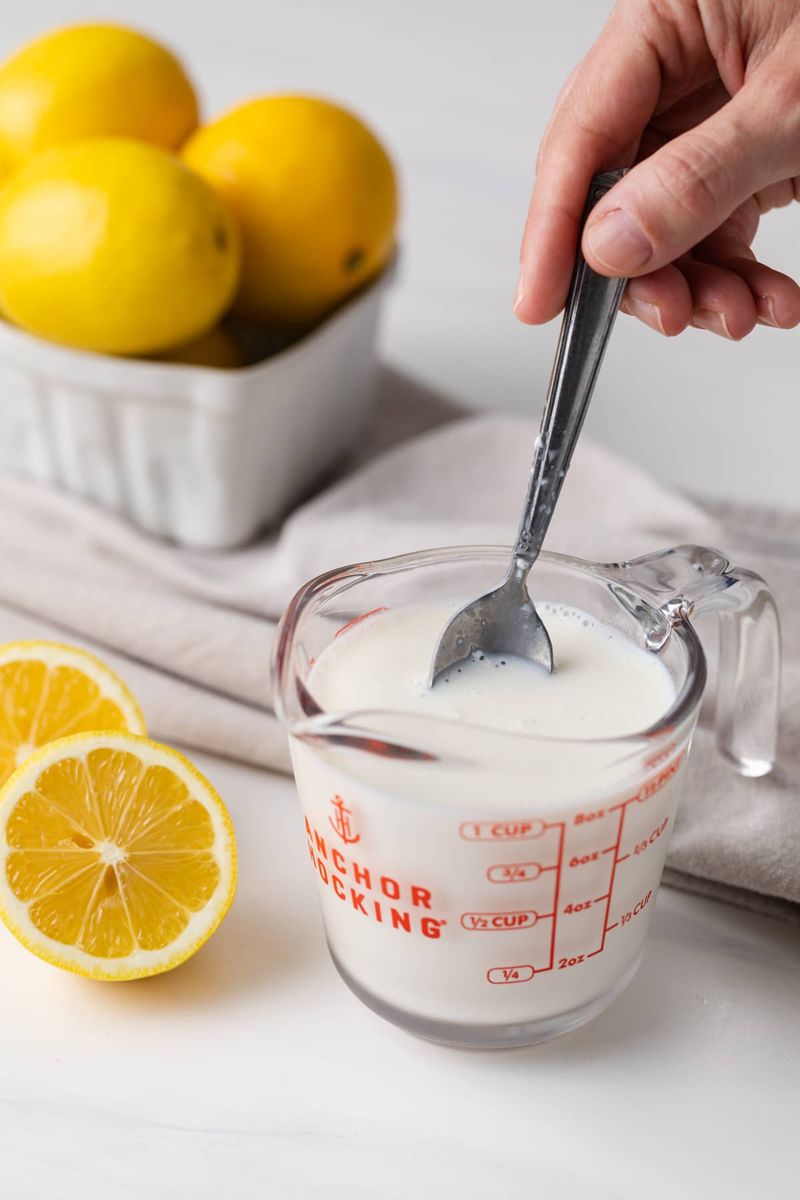
When a recipe calls for tangy buttermilk, you can fake it fast. Stir 1 tablespoon lemon juice or white vinegar into 1 cup milk and let it rest 5 to 10 minutes.
It thickens slightly and develops that gentle tang you need for lift.
Use it in pancakes, muffins, and cakes where acidity activates baking soda. Whole milk tastes richest, but 2 percent works too.
If the batter seems tight, a splash more milk loosens it without losing tenderness.
2. Self-rising flour → All-purpose flour + baking powder + salt
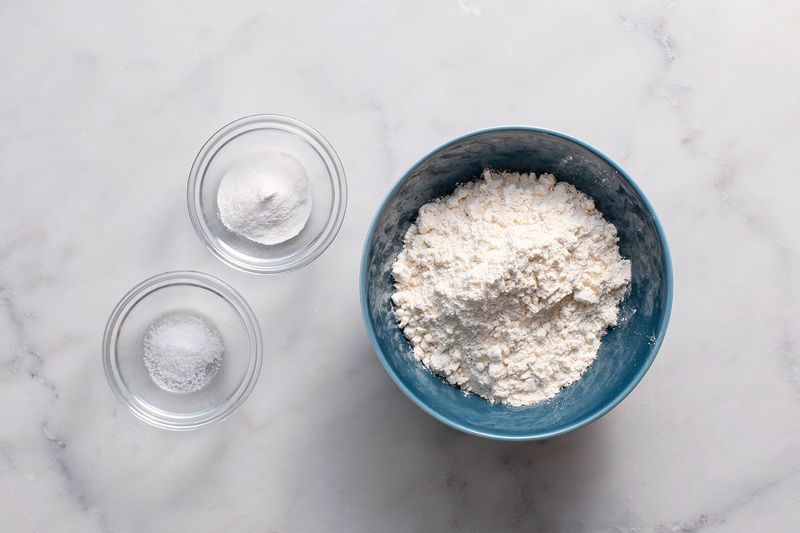
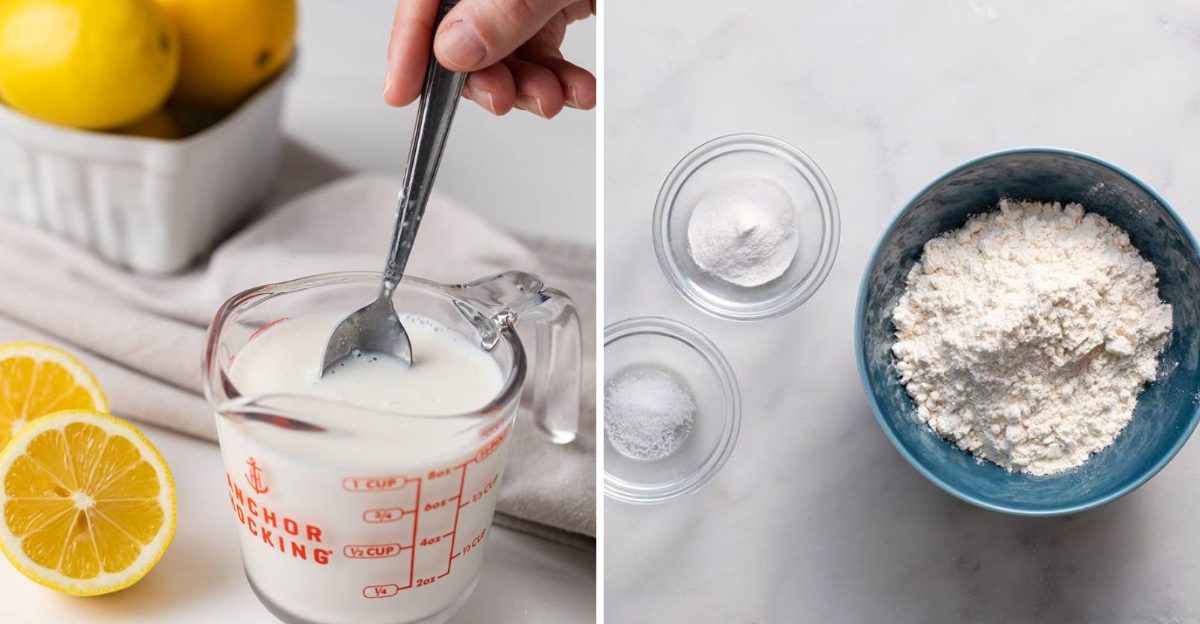
Self-rising flour is just a blend you can mix on the spot. For every cup, use 1 cup all-purpose flour, 1 and 1/2 teaspoons baking powder, and 1/4 teaspoon fine salt.
Whisk well so the leavening disperses evenly.
This swap shines in biscuits, quick breads, and simple cakes. If your flour is compacted, fluff it before measuring to avoid dense results.
Store any premixed batch in an airtight jar and label it clearly for next time.
3. Cake flour → All-purpose flour + cornstarch
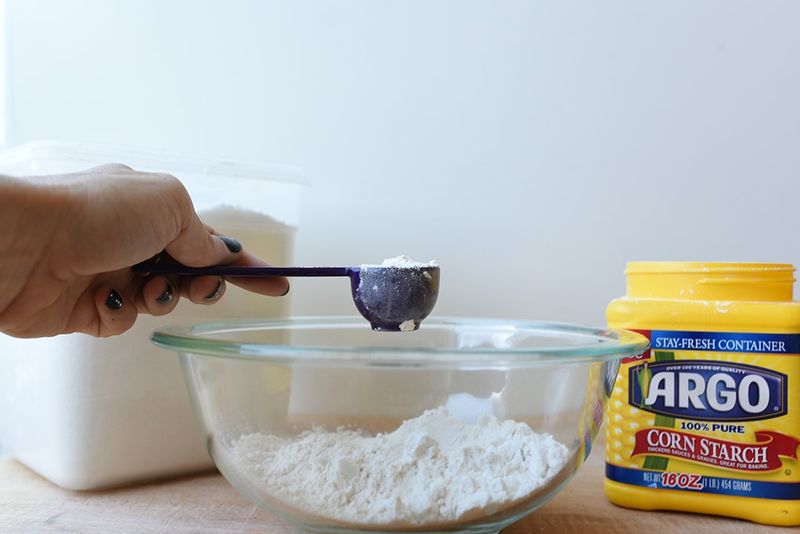
Need cake flour for a tender crumb? Measure 1 cup all-purpose flour, remove 2 tablespoons, and replace with 2 tablespoons cornstarch.
Sift or whisk thoroughly to lighten the blend.
This lowers protein, reducing gluten development for a softer, finer texture. It works beautifully in cupcakes, chiffon cakes, and delicate layers.
If your batter feels heavy, fold gently and avoid overmixing. The result is surprisingly airy, with edges that bake evenly and resist tough chew.
4. Brown sugar → White sugar + molasses
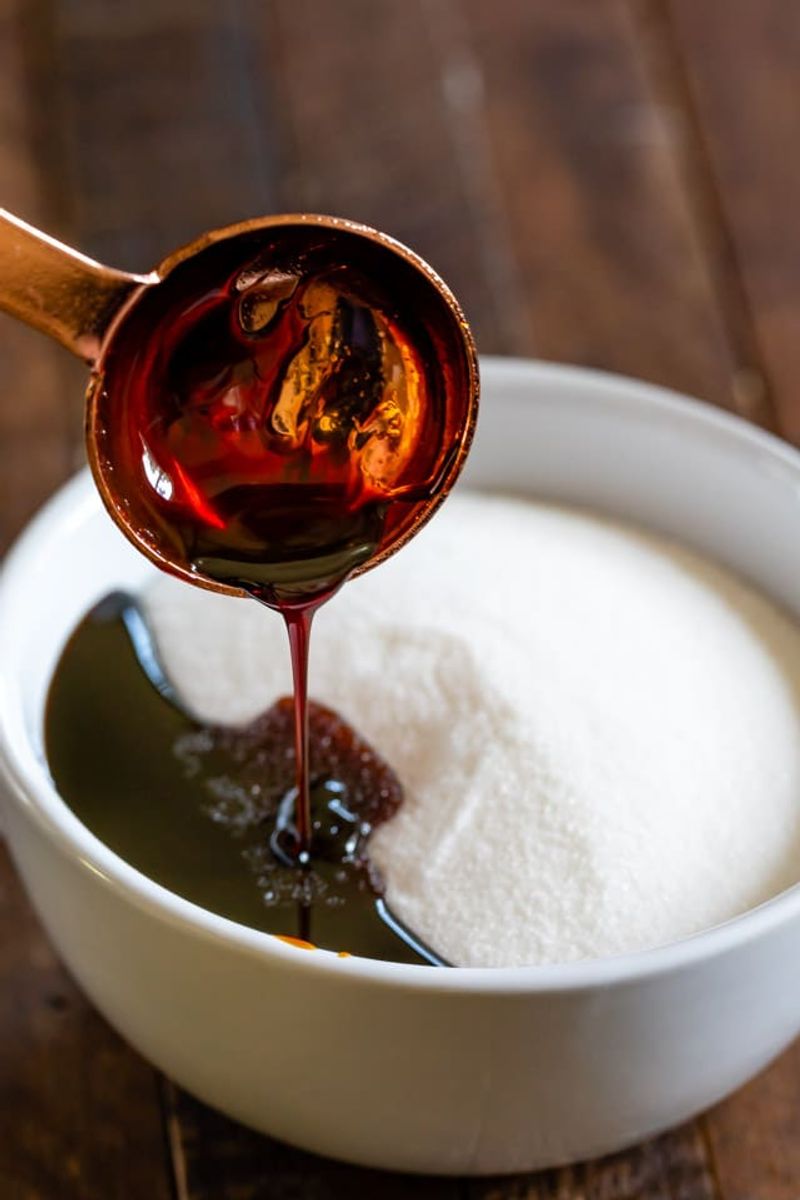
Out of brown sugar? Beat 1 cup white sugar with 1 tablespoon molasses for light brown, or 2 tablespoons for dark.
Mix until the crystals look evenly tinted and slightly moist.
This adds caramel notes and chew to cookies and bars. If you only have blackstrap molasses, use less since it is intense and slightly bitter.
Store leftovers in an airtight container to keep the moisture. Your dough will spread similarly, with that signature toffee depth.
5. Powdered sugar → White sugar blended with cornstarch
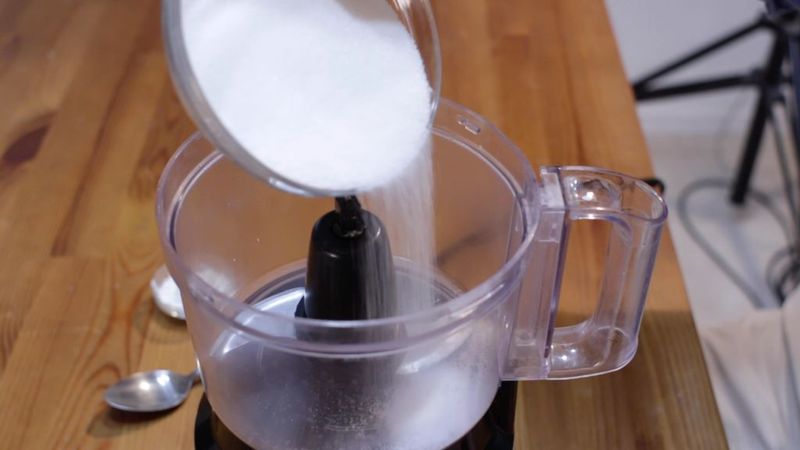
Make powdered sugar by blending 1 cup white sugar with 1 tablespoon cornstarch until very fine. Pulse, pause, and scrape the sides so it pulverizes evenly.
The cornstarch prevents caking and helps frostings hold shape.
Use this for glazes, buttercreams, and dusting. A high speed blender or spice grinder works best.
Let the dust settle before opening the lid to avoid a sugary cloud. Sieve before using for ultra smooth results that feel bakery worthy.
6. Baking powder → Baking soda + acid
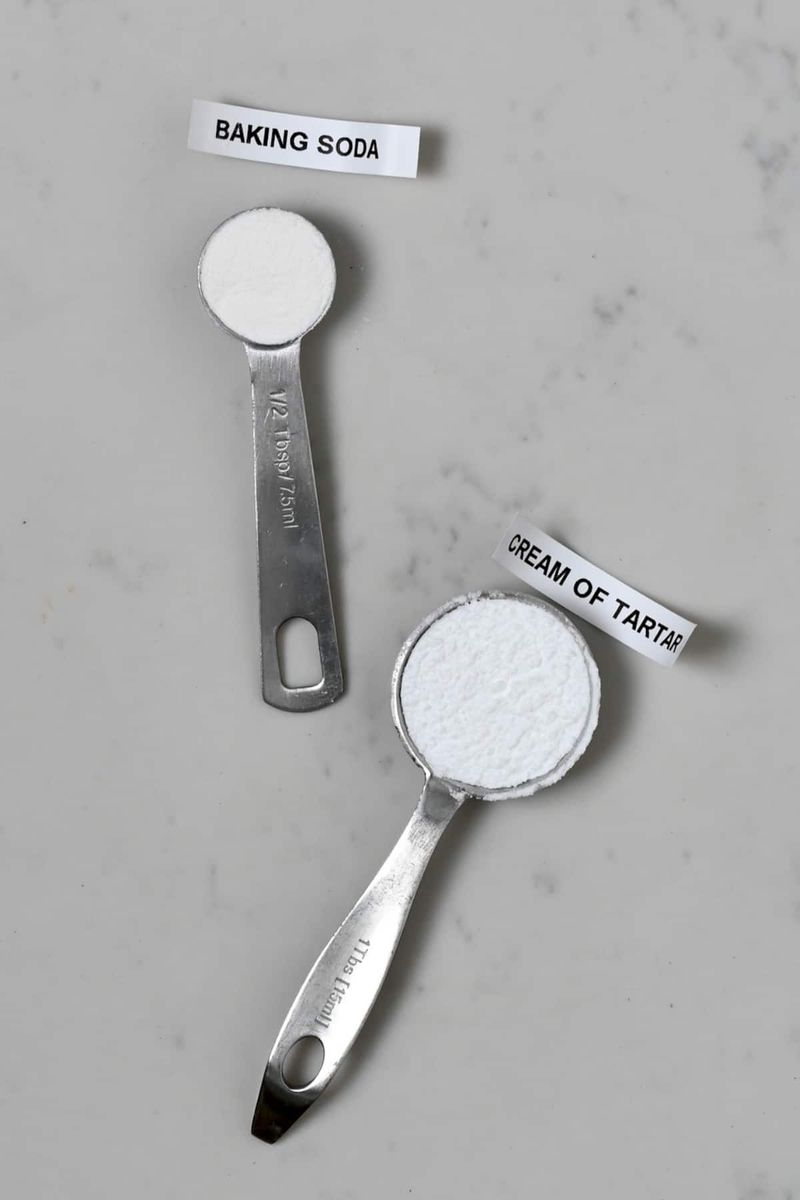
If baking powder is missing, pair baking soda with an acid. For 1 teaspoon baking powder, use 1/4 teaspoon baking soda plus 1/2 teaspoon cream of tartar.
Alternatively, rely on yogurt, buttermilk, or lemon juice already in the batter.
Mix quickly and bake promptly for best lift. Too much soda can taste soapy, so measure carefully.
This swap keeps biscuits tall and cakes tender without a trip to the store.
7. Baking soda → Baking powder in a pinch
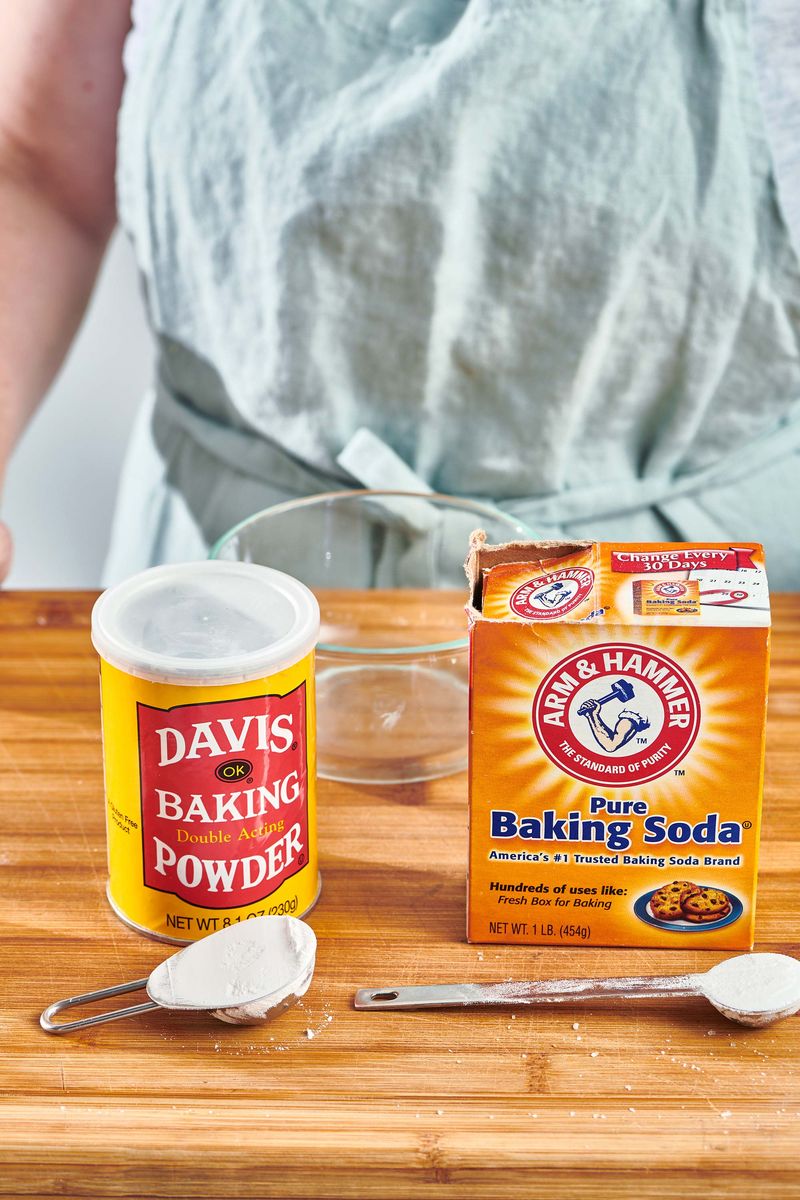
When only baking powder is on hand, you can still salvage a recipe. Use about 3 teaspoons baking powder for every 1 teaspoon baking soda.
Reduce other added salt slightly since baking powder contains sodium salts.
Expect a little less browning and a gentler rise. Works best in quick breads, pancakes, and muffins rather than crisp cookies.
Mix evenly and avoid overworking the batter so the leavening stays active.
8. Eggs as binder → Flax egg or chia egg
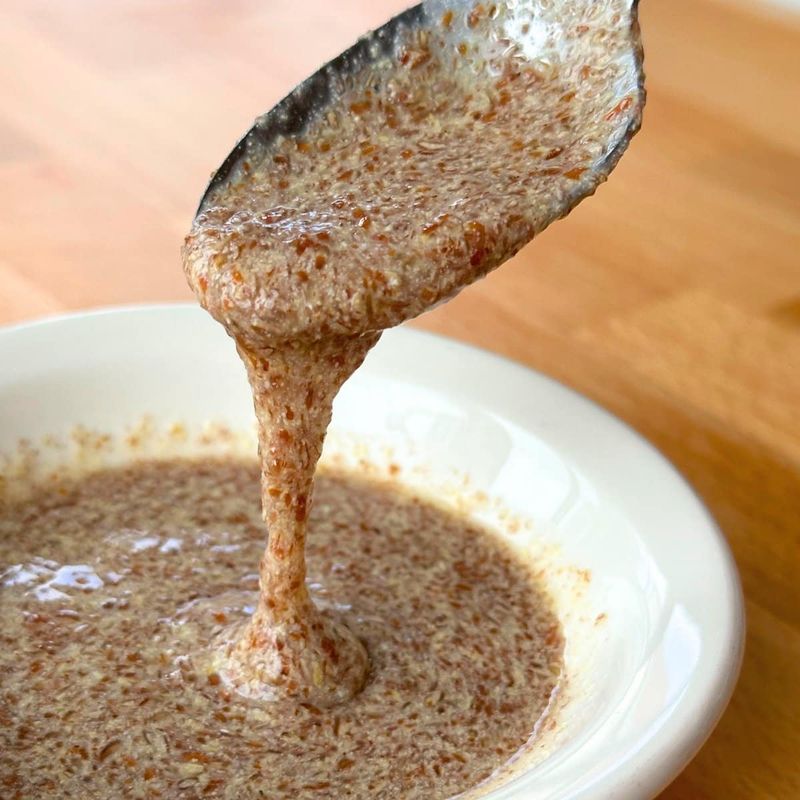
Plant based binders are easy. Combine 1 tablespoon ground flaxseed or chia with 3 tablespoons water, stir, and rest 5 to 10 minutes until gelled.
That equals one egg for binding in cookies, muffins, and quick breads.
Flavor is mild and nuttier with flax. Chia sets a touch firmer and can show tiny specks.
If batter seems dry, add a tablespoon of milk or water. This keeps structure without relying on eggs.
9. Eggs for moisture → Mashed banana or applesauce
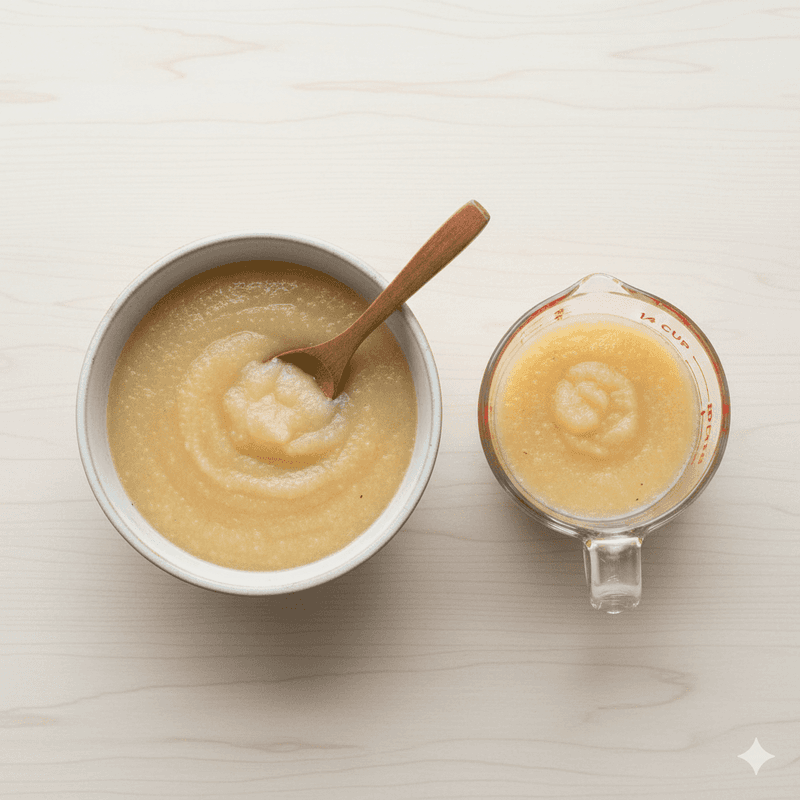
For moisture in quick breads, use fruit. Replace each egg with 1/4 cup mashed ripe banana or unsweetened applesauce.
Expect subtle fruit flavor and soft, tender crumbs that hold together beautifully.
Great for muffins, pancakes, and snack cakes. Because fruit adds sweetness, you can often reduce sugar slightly.
If the bake looks pale, increase oven temp by 10 degrees near the end for gentle browning. Stir just until combined to avoid gumminess.
10. Butter for baking → Neutral oil
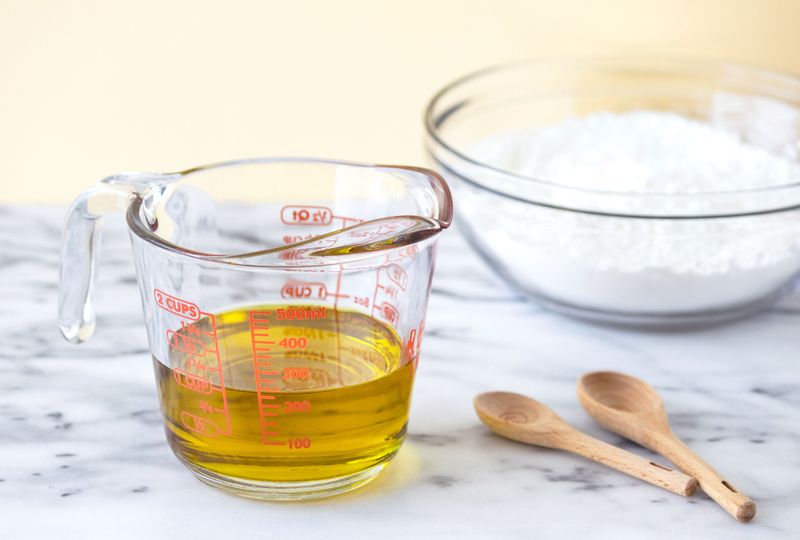
Oil makes tender cakes when butter runs out. Use about 3/4 cup neutral oil for every 1 cup butter.
It brings moisture and softness, though you will miss butter’s airy creaming and flavor.
Choose canola, grapeseed, or light olive oil to keep flavors clean. Add a splash of vanilla or a pinch of salt to round it out.
Expect a slightly denser crumb that stays fresh longer. Works best in muffins, snack cakes, and brownies.
11. Butter for flavor and tenderness → Margarine or baking spread
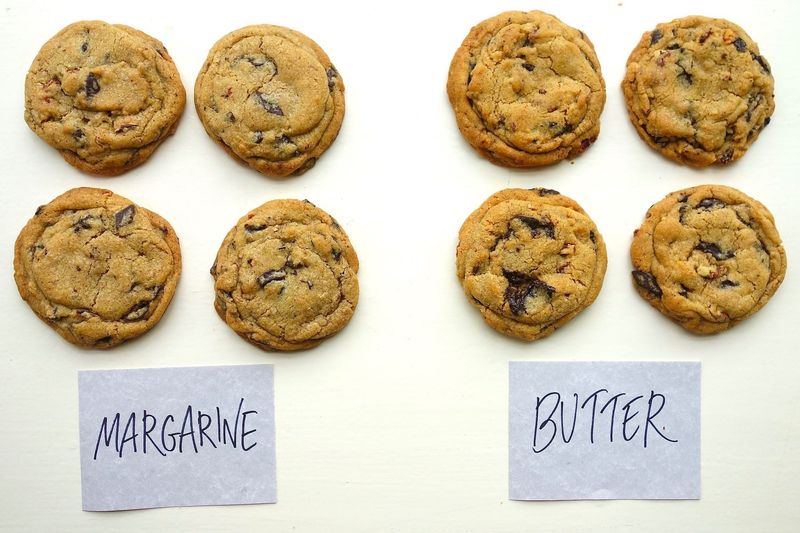
Margarine can stand in for butter 1 to 1. Expect a touch less richness and sometimes more spread in cookies.
Choose a stick style with around 80 percent fat for similar results.
For frostings and laminated doughs, flavor differences show more clearly. In everyday cakes and bars, the swap is usually seamless.
If salt is present in the margarine, reduce added salt slightly. Chill dough before baking to help structure and prevent over spreading.
12. Sour cream → Plain Greek yogurt
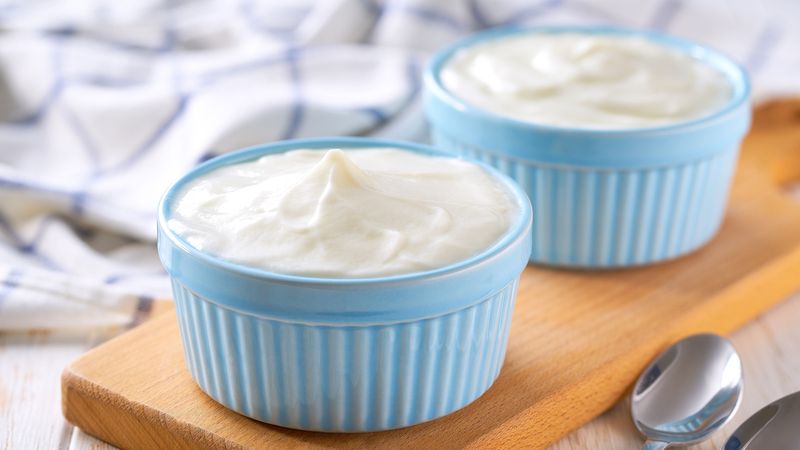
Greek yogurt brings tang and tenderness like sour cream. Swap 1 to 1 in cakes, muffins, and quick breads.
Full fat gives the closest texture, while 2 percent still performs nicely.
Because yogurt is slightly leaner, batters may feel a bit thicker. Loosen with a tablespoon of milk if needed.
The acidity helps with lift and creates a fine, moist crumb. Expect clean flavor that pairs with citrus, berries, and warm spices.
13. Heavy cream → Milk plus melted butter
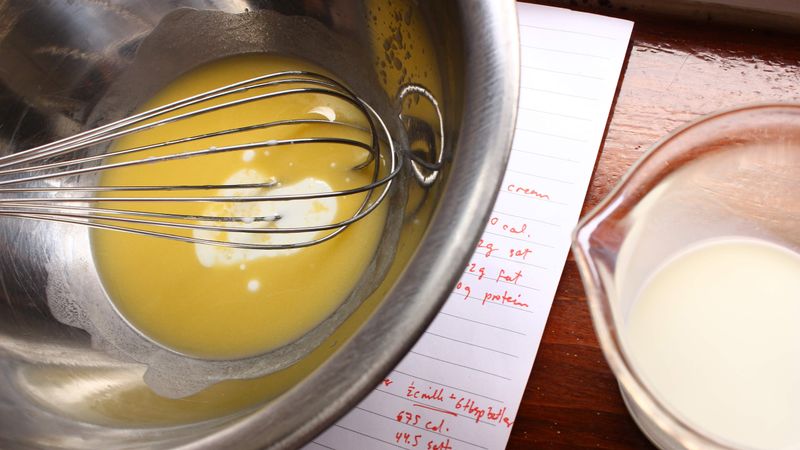
For baking and sauces, mimic heavy cream by combining 3/4 cup milk with 1/4 cup melted butter to make 1 cup. Whisk until emulsified and use immediately.
It adds richness but will not whip.
Best in ganache style sauces, custards, and batters that simply need fat content. If it separates, gently warm and whisk again.
For extra body, add a teaspoon of cornstarch to thicken during heating.
14. Whole milk → 2 percent milk or plant milk
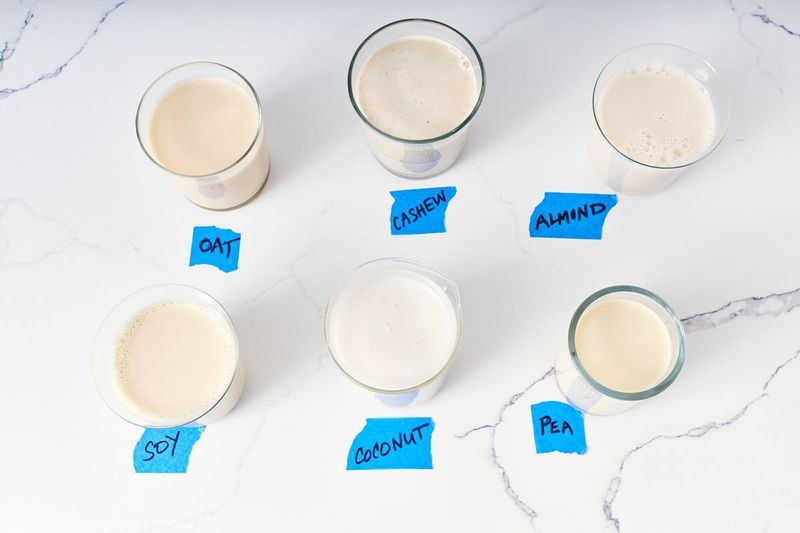
Most recipes tolerate a straight swap. Use 2 percent milk or your favorite plant milk 1 to 1 in place of whole milk.
Texture stays similar, though richness drops slightly.
For added body, stir in a tablespoon of cream or half and half if available. Choose neutral plant milks like oat or almond for predictable results.
Unsweetened varieties keep flavors balanced. This works well in pancakes, cakes, and custards that are not overly delicate.
15. Sweetened condensed milk → Evaporated milk + sugar
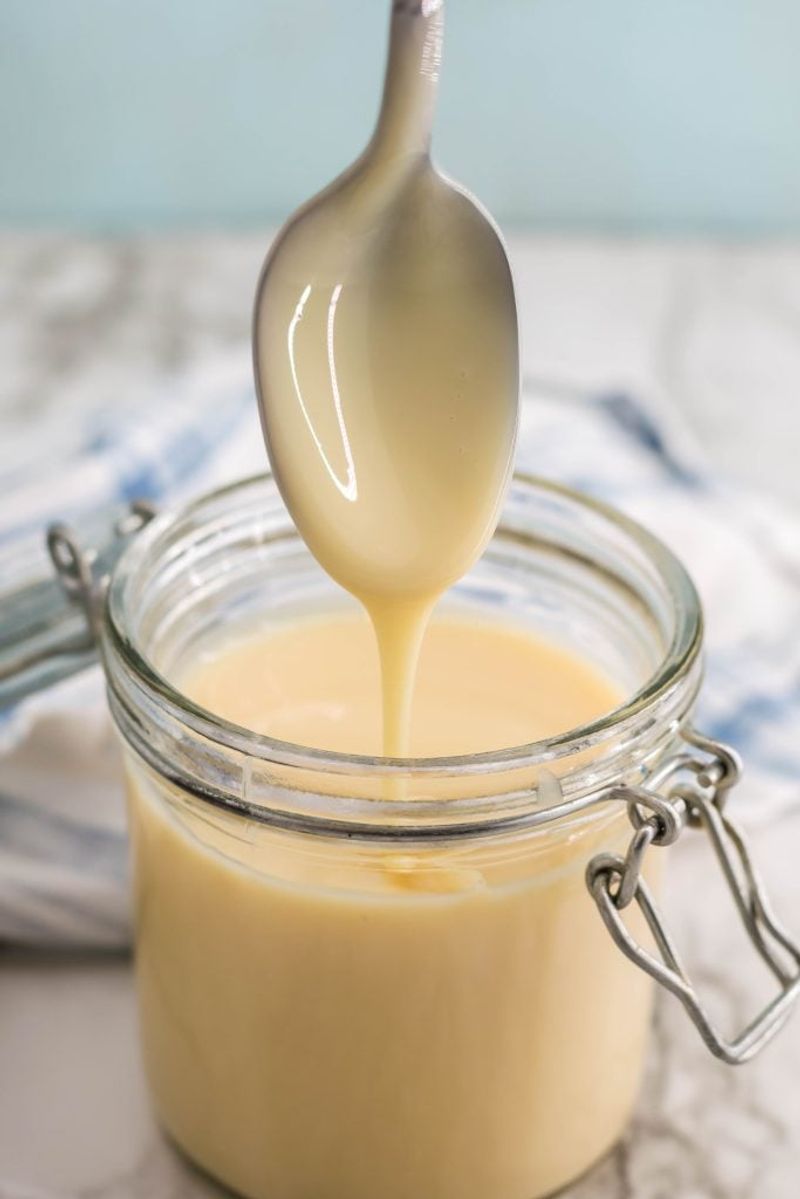
Create a quick stand in by simmering 1 cup evaporated milk with 1 and 1/4 cups sugar until slightly thick and glossy. Cool before using.
It is sweetest when fully dissolved and silky.
This swap suits cooked desserts, bars, and simple fudges. Because moisture matters, do not rush the simmer.
Stir often to prevent scorching along the pan’s edge. The result is lush and pourable, perfect when a can is missing.
16. Evaporated milk → Half and half or reduced milk

Evaporated milk adds creamy body without sweetness. Swap 1 to 1 with half and half when you want convenience.
Or simmer regular milk until reduced by about 40 percent, then cool completely before adding to recipes.
This deepens flavor and thickens texture for pies, breads, and custards. Stir to avoid skin forming and watch heat to prevent scorching.
Reduced milk keeps for a couple days refrigerated in a sealed jar.
17. Cream of tartar → Lemon juice or vinegar
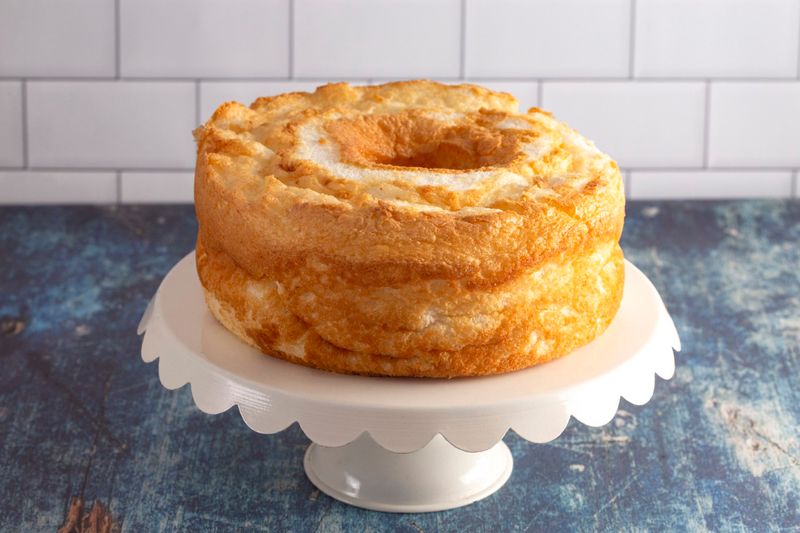
Cream of tartar stabilizes and acidifies. Replace 1/2 teaspoon with 1 teaspoon lemon juice or white vinegar.
Add it where meringues, angel food cakes, or snickerdoodles need gentle acidity.
Whites whip taller and stay glossy when the pH is right. Drizzle the acid in early and beat to soft peaks before adding sugar.
The swap is reliable and pantry friendly, keeping delicate bakes from collapsing.
18. Cornstarch → All-purpose flour or arrowroot
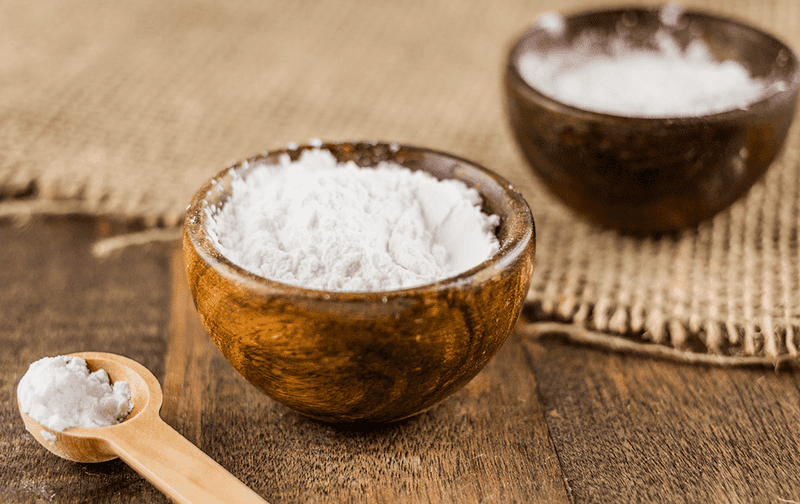
Thicken sauces and fillings even without cornstarch. Use 2 tablespoons flour for every 1 tablespoon cornstarch, or swap arrowroot 1 to 1.
Arrowroot shines in glossy sauces but can break under prolonged high heat.
Whisk into cool liquid first to avoid lumps, then heat gently until thick. For pies, allow fillings to bubble so starch activates.
Texture will be slightly different, yet still satisfying and sliceable.
19. Cocoa powder (unsweetened) → Melted unsweetened chocolate
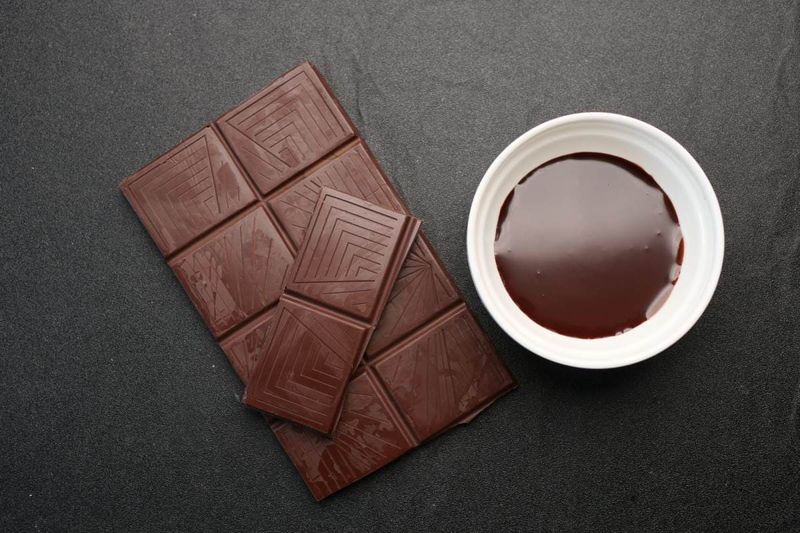
For every 3 tablespoons cocoa powder, use 1 ounce unsweetened chocolate. Reduce butter or oil by about 1 tablespoon to balance the extra cocoa butter.
Melt gently and cool slightly before mixing into batter.
Expect deeper chocolate flavor and a fudgier texture. Great in brownies and dense cakes.
Because liquid ratios change, monitor batter consistency and add a teaspoon of milk if needed. Bake until edges set and centers are just done.
20. Vanilla extract → Vanilla paste, powder, or other extracts
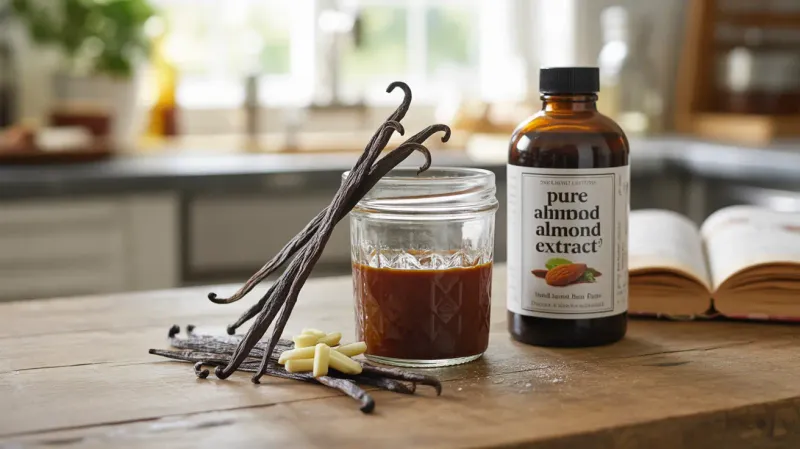
No vanilla extract? Use vanilla bean paste 1 to 1 for rich specks and aroma.
Vanilla powder is potent, so start with 1/2 teaspoon per 1 teaspoon extract and adjust to taste.
Almond extract is strong and can sub in a pinch. Use 1/4 to 1/2 teaspoon for each teaspoon vanilla.
Combine with a touch of sugar to mellow intensity. These swaps keep flavor warm and round when the classic bottle is empty.