21 Reasons Dollar Stores Are Able To Price Food So Low
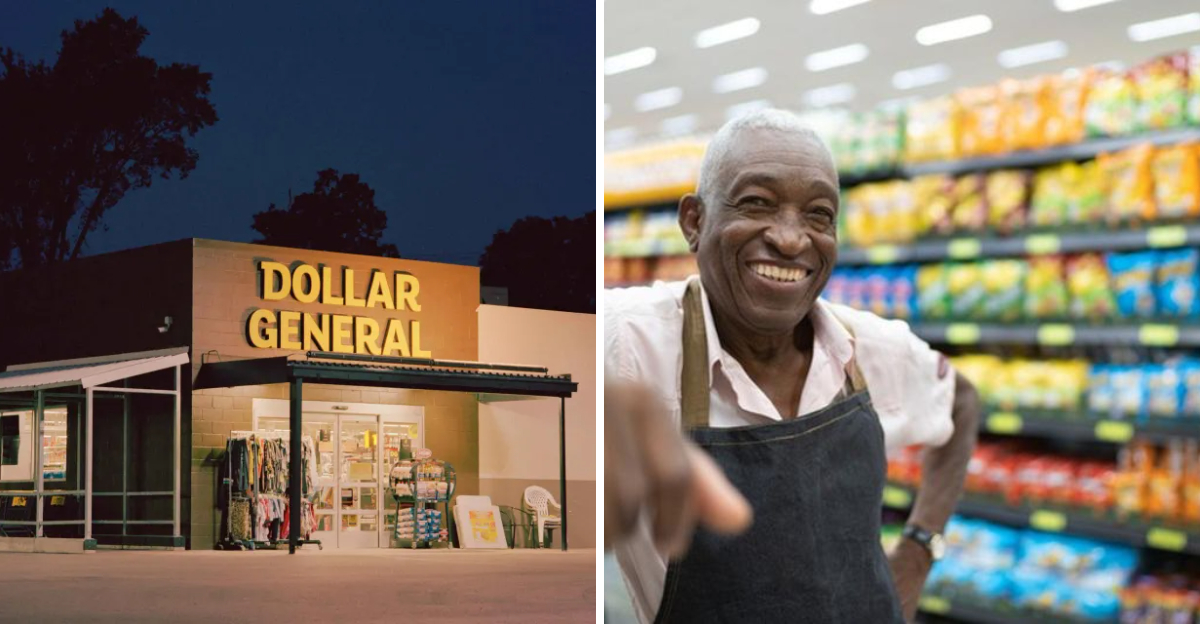
Ever wonder how dollar stores keep food prices unbelievably low without feeling too good to be true? There is a playbook behind those tiny price tags, and once you know it, the whole store starts to make sense. You will spot the tactics, understand the tradeoffs, and choose smarter. Let us pull back the curtain and reveal what is really happening behind the bargain bins.
1. Private label dominance
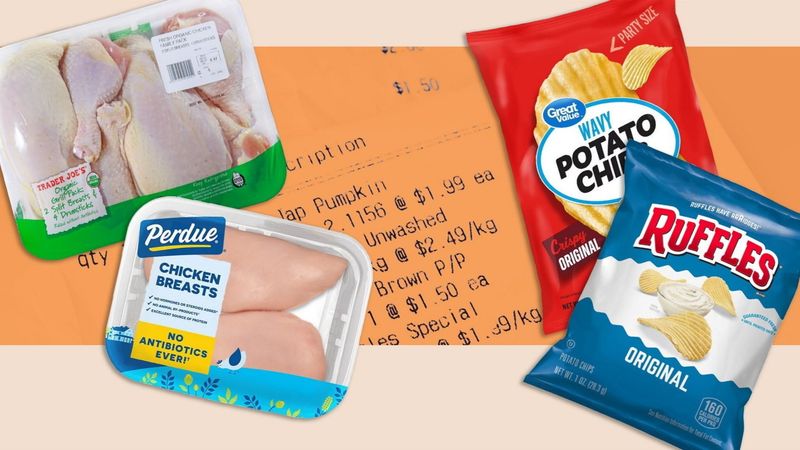
Private label foods let dollar stores skip big-brand premiums and negotiate directly with manufacturers. By controlling branding and packaging, they reduce costs and pass savings to you. The quality often matches national brands, but without the heavy advertising overhead.
These store brands are designed for value and quick turnover. Production runs stay tight, packaging is simplified, and ingredients are selected for affordability. You pay for the product, not the brand’s marketing legacy, which keeps prices strikingly low.
2. Small packaging sizes
Dollar stores often sell smaller unit sizes to hit attractive price points. You might pay less upfront, even if the per-ounce price is higher. This makes essential items feel accessible when budgets are tight and cash flow matters most.
Smaller packages reduce inventory risk and spoilage. They are easier to stock, easier to ship, and faster to sell. For you, it feels like a low-commitment buy that fits a quick trip or limited storage, keeping sticker shock down while sustaining low pricing strategies.
3. Limited SKU assortment
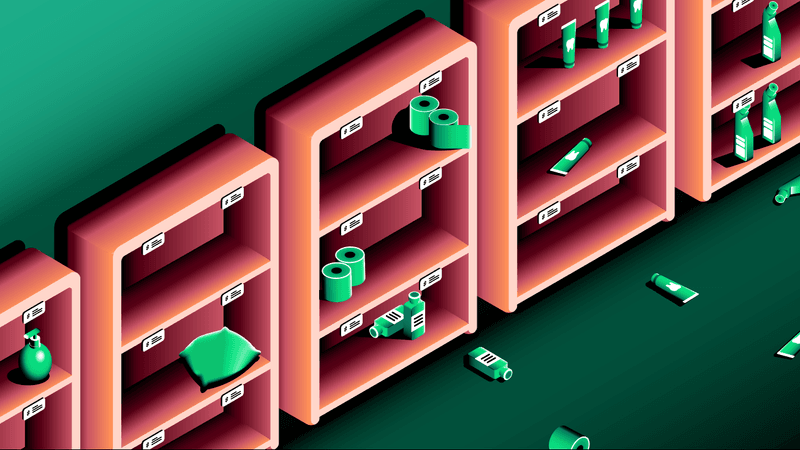
Dollar stores carry fewer SKUs, which simplifies buying, storage, and merchandising. Fewer choices mean better volume per item, strengthening negotiating power with suppliers. You see straightforward options that move fast and keep costs predictable.
This lean assortment lowers labor and complexity costs. Replenishment is simpler, forecasting is easier, and markdowns shrink. You are not paying for a sprawling selection or slow movers, which helps maintain low everyday prices across the store without bloated overhead or waste.
4. Aggressive vendor negotiations

Buyers for dollar stores push hard on price, volume, and payment terms. They leverage predictable demand and limited assortment to secure better rates. You benefit when suppliers trade margin for consistent orders and shelf presence.
These negotiations can involve factory-direct deals and seasonal commitments. Vendors may adjust formulas, packaging, or pack sizes to meet target costs. The result is a price tag you can afford, built on relentless bargaining that prioritizes affordability over fancy features.
5. Lean store footprints
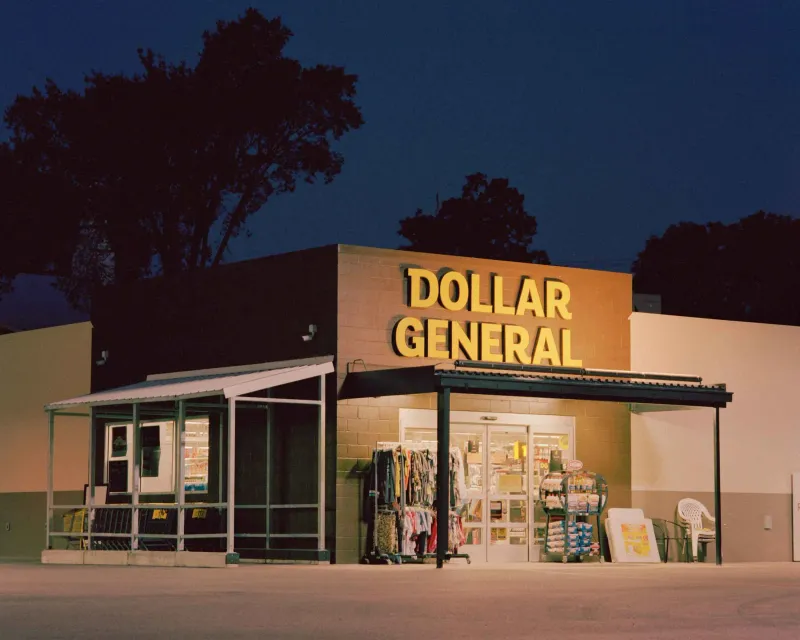
Smaller stores cost less to lease, heat, cool, and operate. With lean footprints, staffing needs stay minimal and energy use drops. You pay for convenience and value rather than expansive, expensive space.
The compact layout also speeds shopping and reduces merchandising labor. Fewer aisles and fixtures mean quick resets and lower maintenance. When overhead sinks, it shows up on the shelf tags, allowing the store to keep food prices low without sacrificing basic availability.
6. Simplified store labor

Dollar stores run on small teams that do a bit of everything. Cross-training means one person can cashier, stock, and recover shelves. You are not funding complex service departments, so labor costs stay under control.
Streamlined tasks and repetitive planograms cut training time. Turnover is common, but processes are standardized to maintain speed. Fewer labor hours per store translate directly into lower operating expenses, helping keep food items priced aggressively low most days.
7. Lower aesthetic overhead

There is no fancy ambiance to pay for: no polished wood fixtures, no mood lighting, no elaborate displays. Dollar stores embrace function over flair. You get simple, well-lit aisles and straightforward signage that cost far less to maintain.
By avoiding premium finishes and frequent remodels, they preserve capital. The savings trickle into cheaper food pricing. It is a stripped-down retail environment that prioritizes your wallet, not Instagram aesthetics.
8. Opportunistic closeouts
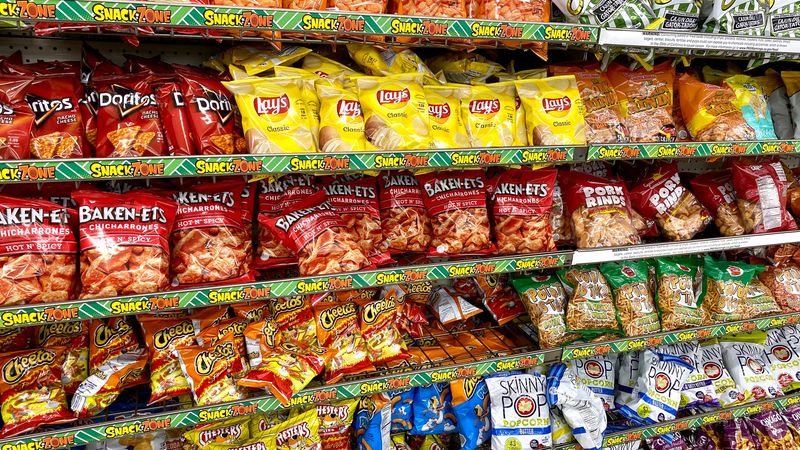
Dollar stores pounce on manufacturer closeouts, packaging changes, and seasonal leftovers. These opportunistic buys let them acquire brand-name goods below standard wholesale. You occasionally score recognized labels for a fraction of typical prices.
Closeouts move fast and vary by location. The selection is unpredictable, but that is part of the thrill. When suppliers need to clear inventory quickly, dollar stores provide a ready outlet, turning supply surpluses into low shelf prices for you.
9. Simplified packaging
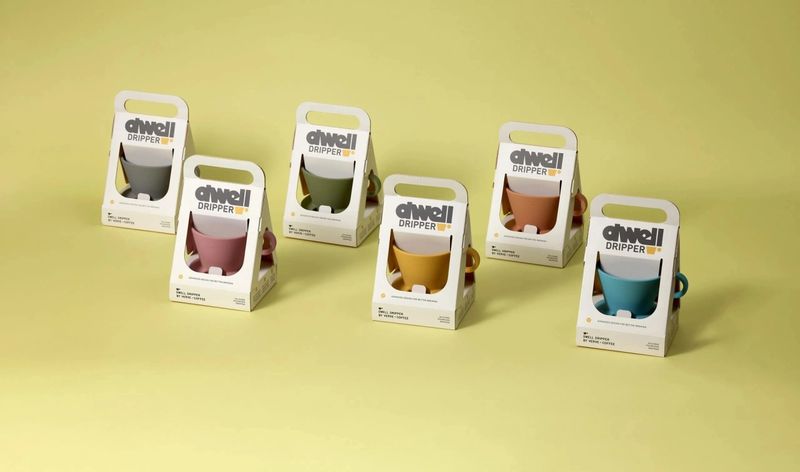
Packaging is trimmed to essentials: fewer colors, lighter materials, and efficient shapes. By avoiding ornate boxes and complex printing, dollar stores and their suppliers cut pennies that add up. You still get what matters, without paying for presentation.
Simpler packaging also ships better and stacks tighter. Less damage, less waste, and faster shelf stocking follow. Those efficiencies ripple through the supply chain, settling into reliably lower prices on everyday food items you grab quickly.
10. Direct import sourcing
Some dollar store foods are imported directly from cost-competitive regions. Cutting intermediaries and leveraging favorable exchange rates lowers landed costs. You see the benefit as rock-bottom prices on shelf-stable categories.
Direct imports often focus on simple recipes and long shelf life. Compliance and labeling are streamlined to meet regulations efficiently. With fewer hands in the chain, the final price drops, keeping your pantry stocked for less.
11. High-margin non-food offsets
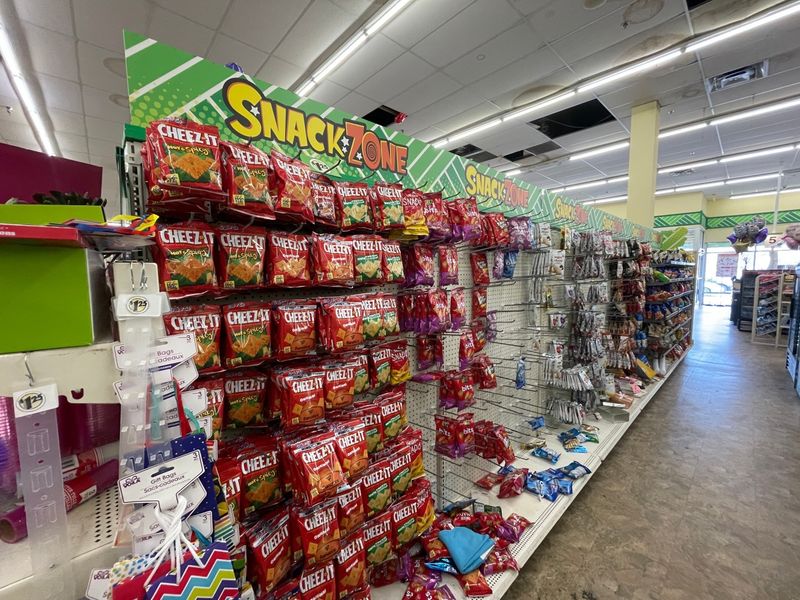
Non-food categories like party supplies and seasonal decor carry higher margins. Those profits can subsidize lean margins on food. You pay less for pantry staples because the store makes more on balloons, candles, and little extras.
This portfolio effect smooths earnings and supports sharp price points on groceries. It is a classic retail strategy: balance necessities with discretionary impulse buys. The net result is consistent low pricing on the food you came for.
12. Reduced spoilage focus

Dollar stores emphasize shelf-stable foods that last. By leaning into cans, dry goods, and boxed mixes, they minimize spoilage and shrink. You are less likely to find large fresh sections because perishables are expensive to manage.
Long-dated inventory reduces markdowns and waste. Employees can stock less frequently and rotate efficiently. Those savings accumulate quietly, delivering dependable low pricing that fits tight budgets.
13. Efficient regional distribution
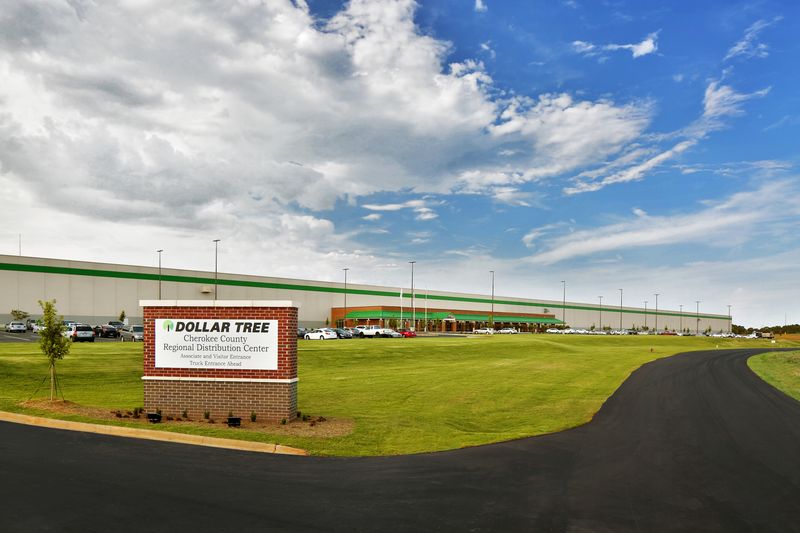
Regional DCs keep replenishment tight and transport distances short. Consolidated shipments reduce freight costs per unit. You benefit when trucks run full and routing avoids unnecessary miles.
Dollar stores optimize case packs and pallet loads to fit small stores. Predictable ordering patterns streamline picking and packing. Logistics discipline translates into lower landed costs on the food right in front of you.
14. Everyday low price strategy
Instead of constant promotions, dollar stores use straightforward low pricing. Skipping flashy sales reduces advertising and pricing complexity. You get predictable value without digesting weekly circulars.
Keeping prices steady simplifies forecasting and supplier planning. Lower admin costs and fewer price changes reduce errors. That operational calm helps keep food items affordable all month long.
15. Payment terms leverage
Retailers negotiate payment terms that improve cash flow. Longer terms let them sell goods before paying invoices. You indirectly benefit because better liquidity supports sharper pricing and inventory stability.
Suppliers may accept these terms in exchange for volume and reliable orders. The finance side of retail rarely shows on the shelf, but it quietly trims costs. When money moves efficiently, prices often edge down.
16. Lower marketing spend
Dollar stores do not flood the airwaves with ads. They rely on location, word of mouth, and simple signage. You are not paying built-in premiums for heavy marketing campaigns.
Less advertising means fewer creative agencies, photo shoots, and constant promotions. The savings stay in the price tag, making pantry basics easier on your wallet. It is quiet marketing that works because the prices speak for themselves.
17. Streamlined category mix
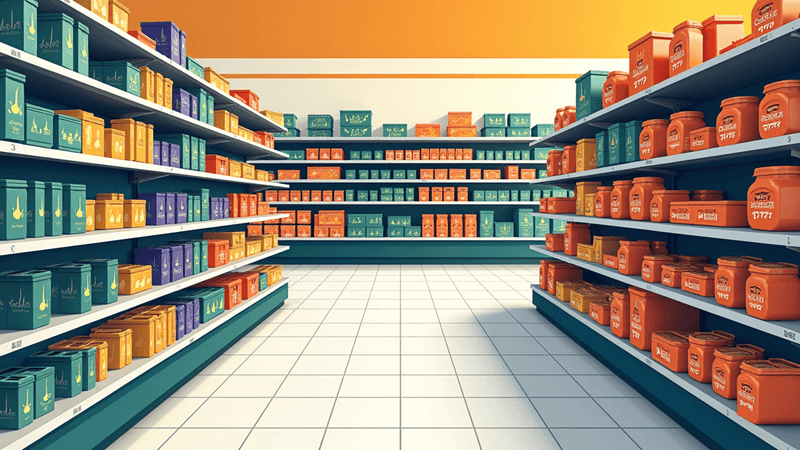
Dollar stores concentrate on fast-moving essentials. By avoiding niche, slow-selling items, they reduce markdowns and holding costs. You find straightforward categories that turn quickly and justify low prices.
Merchants fine-tune assortments using velocity data and simple tests. Poor performers exit quickly, keeping shelves productive. That discipline helps every square foot pull its weight, reinforcing aggressive price points you can count on.
18. Vendor funded displays
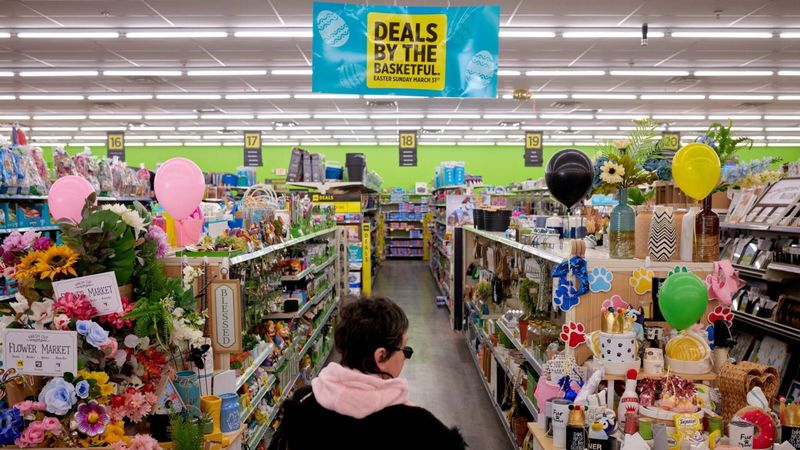
Suppliers often provide displays and signage at little or no cost. This offsets store expenses for merchandising materials. You see tidy displays without paying for expensive fixtures.
Vendor funding can include discounts tied to placement. The partnership aligns incentives to move volume fast. When merchandising costs shift away from the retailer, shelf prices have more room to stay low.
19. Alternative quality specs
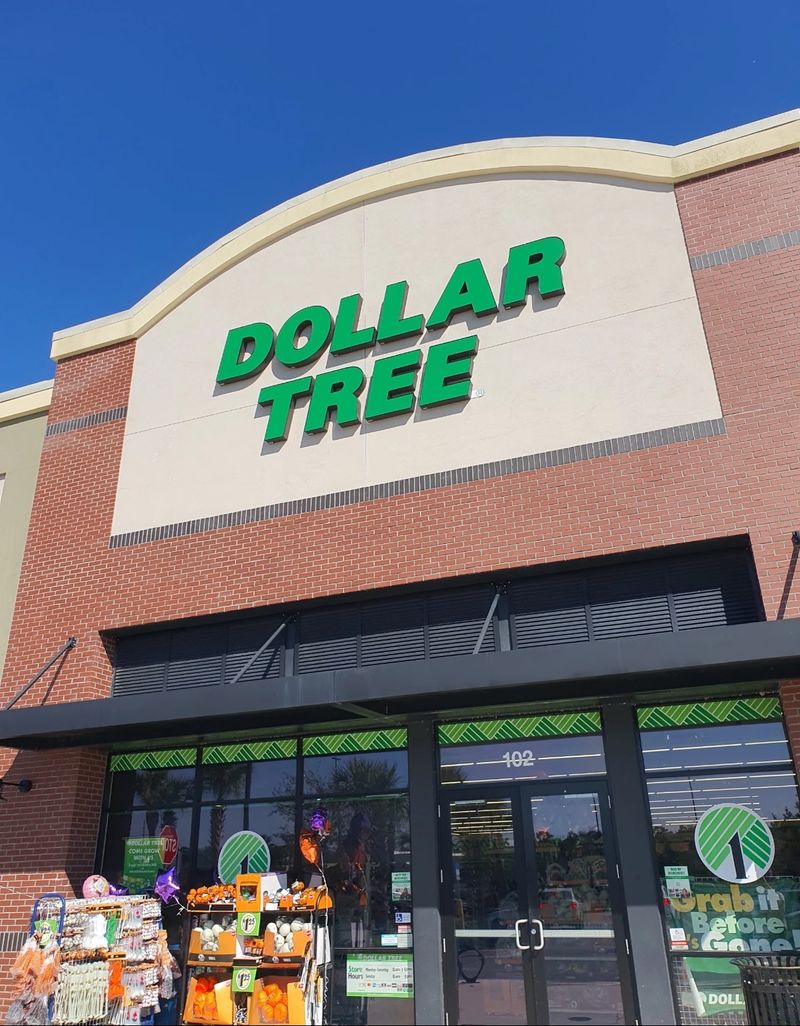
To meet price targets, suppliers may use alternative recipes, sourcing, or grades that still satisfy regulations. You might notice different net weights, textures, or flavors. The goal is acceptable quality at a lower cost.
These specs are transparent on labels, but subtle in everyday use. For many staples, the tradeoff is minimal, and the savings are real. It is how dollar stores make affordability tangible without breaking trust.
20. Rural and infill locations
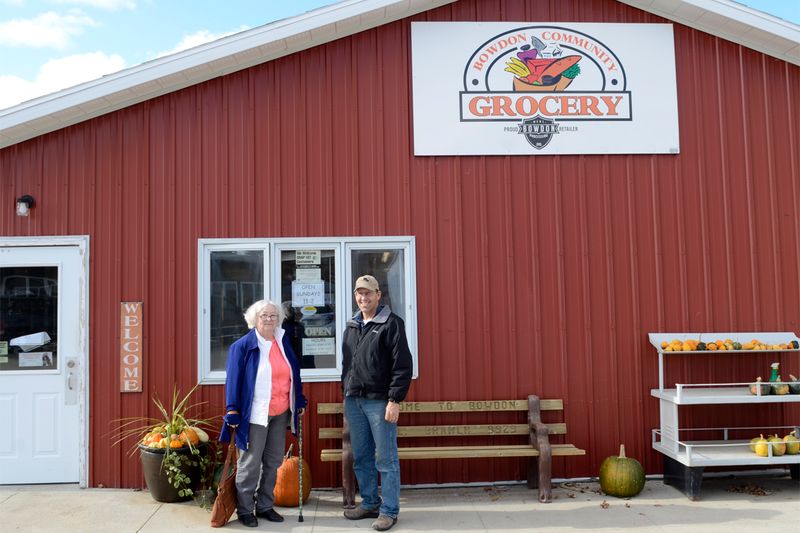
Dollar stores expand in areas with lower rents and limited grocery competition. Real estate economics matter: cheaper locations mean cheaper operations. You get everyday foods nearby without paying big-city overhead.
Infill spots also capture quick trips and convenience traffic. Volume stays steady, and cost structures stay lean. That combination keeps prices grounded, even when inflation nudges elsewhere.
21. Tight inventory turns
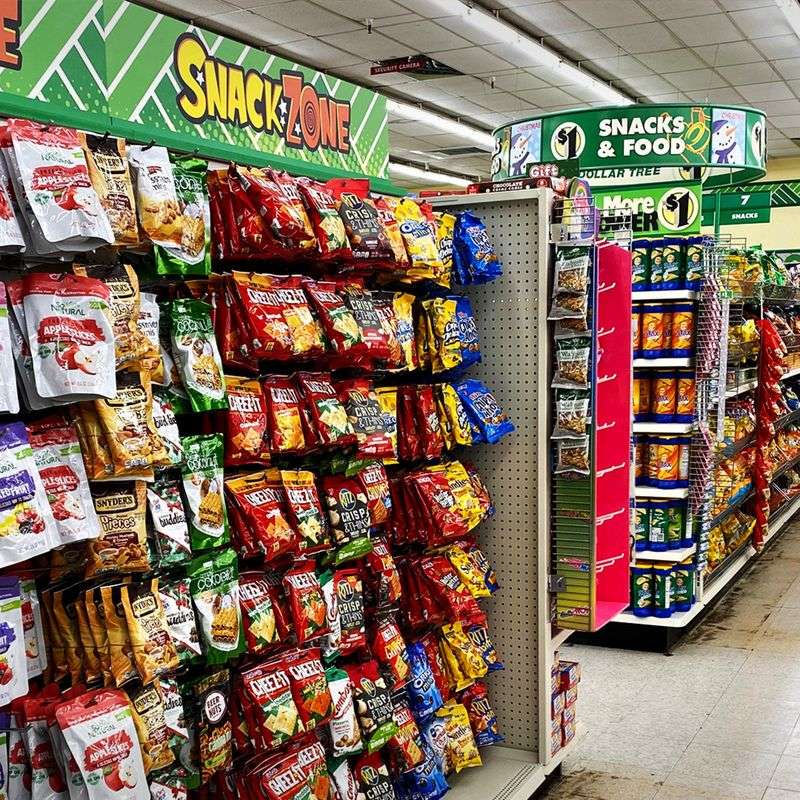
Fast turns reduce carrying costs and obsolescence. Inventory does not sit long, so capital is not tied up. You see fresher, faster-moving goods at stable low prices.
With predictable demand, reorders follow a rhythm. Less backstock means fewer losses and better cash flow. Those financial efficiencies make it easier to keep food affordable day after day.