21 Surprising Facts About McDonald’s McRib You Didn’t Know
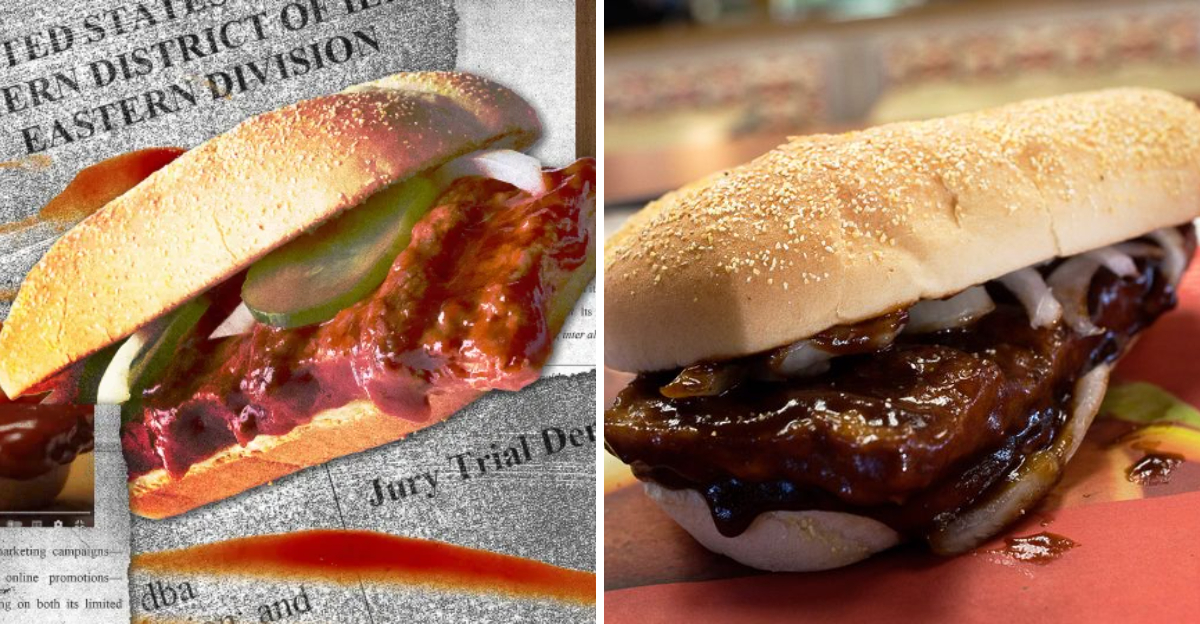
Think you know the McRib? This cult favorite hides some wild secrets behind its saucy smile. From supply chain chess moves to fan-fueled treasure hunts, the McRib’s story is bigger than a seasonal sandwich. Get ready to discover the clever strategies, strange myths, and little-known truths that make this barbecue legend so irresistible.
1. It is not actually rib meat
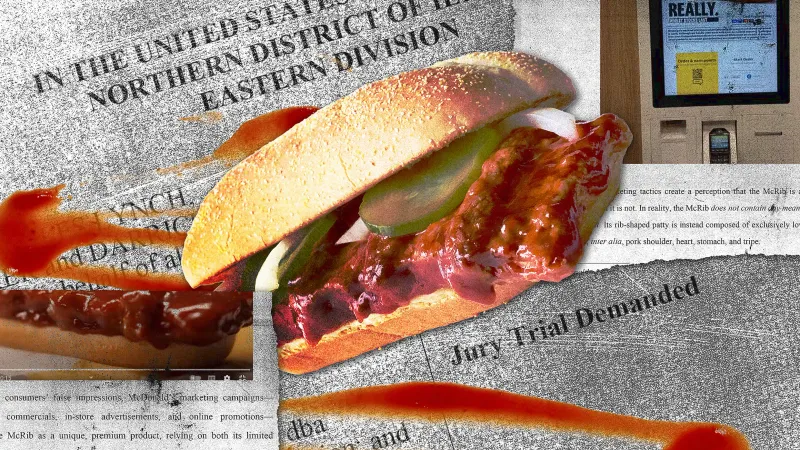
You might assume the McRib is carved from a rack of ribs, but it is not. The patty is made from boneless pork that is ground, seasoned, and shaped to resemble rib bones. That familiar rib-look is all about visual cues and nostalgia.
This approach keeps texture consistent and costs predictable for a global menu. You still get that smoky, savory flavor you crave without the bones. It is a clever illusion that keeps the sandwich easy to eat, quick to assemble, and reliably tasty across locations.
2. The meat uses restructured pork science
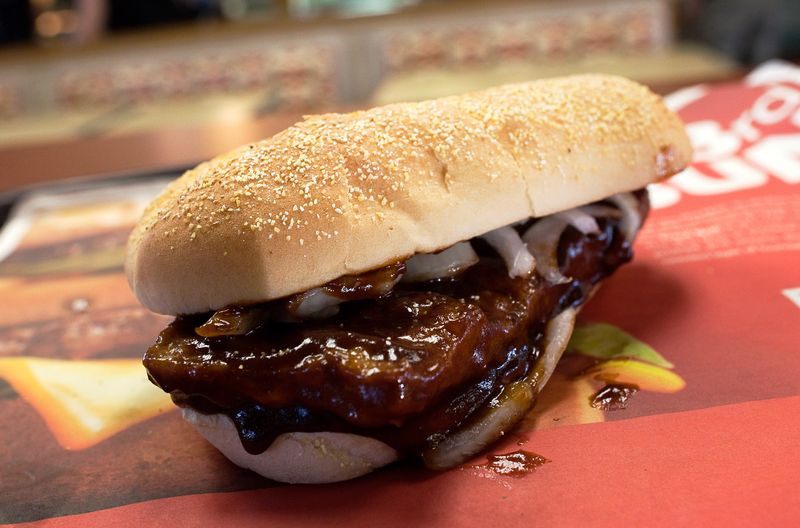
The McRib patty is made using a process called restructured meat. Lean and fatty cuts are blended, tumbled, and bound with salt and additives to create a uniform bite. This delivers tenderness and that signature chew every time.
Food scientists devised this method to maximize consistency, safety, and yield. Think of it like carefully engineered barbecue comfort. You get the same taste experience whether in Phoenix or Paris, without worrying about variable cuts or bones messing with the texture you expect from the McRib.
3. Seasonal scarcity fuels demand

The McRib famously appears for a limited time, then vanishes. That scarcity is not random. It creates urgency, builds social buzz, and turns a sandwich into an event you plan your lunch around.
When something you love is available only briefly, you act fast and tell friends. McDonald’s leans on this psychology to spike traffic and media coverage. The waiting makes the first bite taste even better. You rush in, snap a photo, and feel part of a moment, which is exactly why the McRib returns in waves instead of staying year-round.
4. Pork prices influence release timing

Behind the scenes, pork economics matter. When pork shoulder prices dip, launching the McRib becomes more profitable. That timing aligns low commodity costs with high fan enthusiasm, making the sandwich a financial win.
It is not just hype. It is smart supply chain math that turns fluctuations into fan festivals. You see a delicious special, while McDonald’s sees an optimized margin spreadsheet. The dance between wholesale prices and consumer excitement helps explain why some years you see it more, and others you wait longer for that saucy return.
5. It debuted in 1981 to mixed reactions
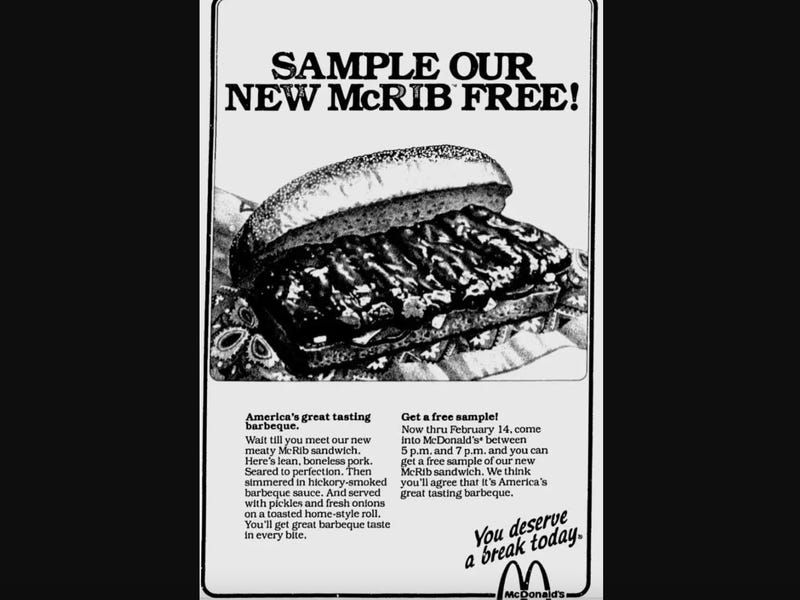
The McRib first hit menus in 1981 after McNuggets strained chicken supply. Early reviews were mixed, with some loving the saucy novelty and others unimpressed. Still, it carved a niche as a bold, flavorful alternative.
Over time, that niche became a cult. Nostalgia amplified its appeal, and the sandwich evolved into a seasonal headliner. Now, many people track sightings like a food safari. What started as a practical product pivot grew into an annual ritual, proving patience and passion can transform an underdog into a legend.
6. International versions vary by region
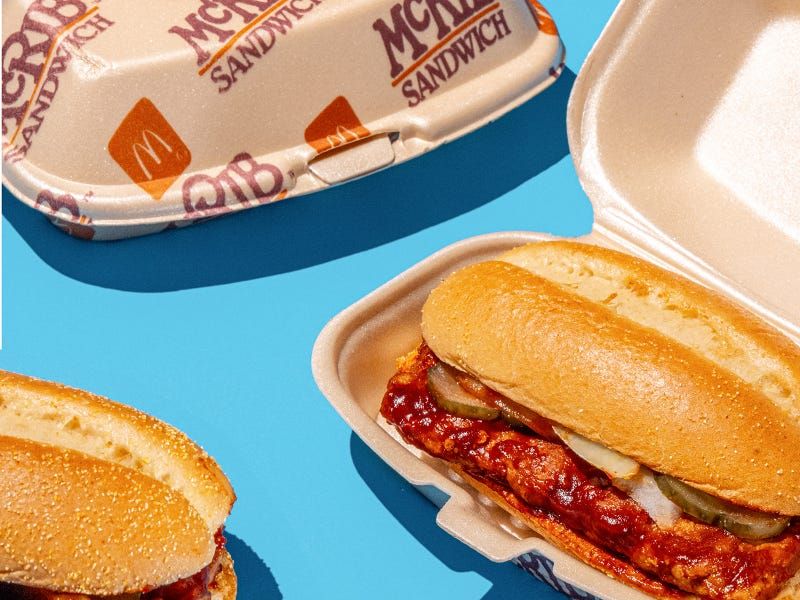
Outside the United States, the McRib shows up with regional twists. Sauces can skew sweeter or spicier, and buns sometimes change texture. In Germany, for example, the McRib has been more regularly available, building a devoted base.
Local tastes shape the balance of smoke, tang, and sweetness. You might find different pickle thickness or onion styles depending on the country. These tweaks keep the spirit intact while honoring local preferences, proving the sandwich is flexible enough to travel and familiar enough to comfort you wherever you grab that napkin.
7. It was inspired by Southern barbecue
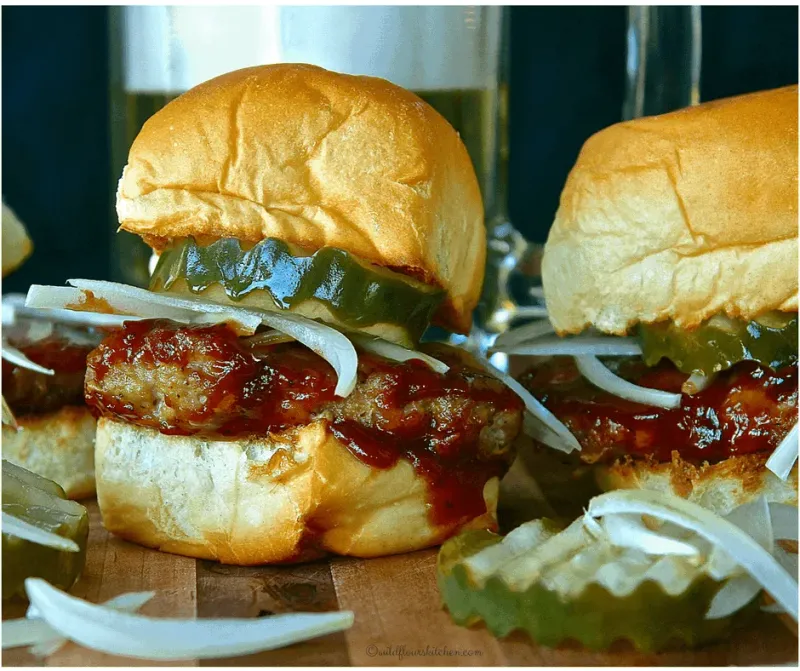
The flavor profile leans into Southern barbecue traditions. Think smoky pork, tangy sauce, and pickles for brightness. Even the onion strips echo joints where sliced onions cut through richness and reset your palate.
The McRib simplifies those cues for speed and consistency. You still get that backyard cookout energy at a drive thru window. If you grew up craving sauce-slathered pork on soft bread, the sandwich lands like a memory. It pays homage without pretending to replace your favorite pitmaster’s slow-smoked masterpiece.
8. Pickles and onions are not accidental
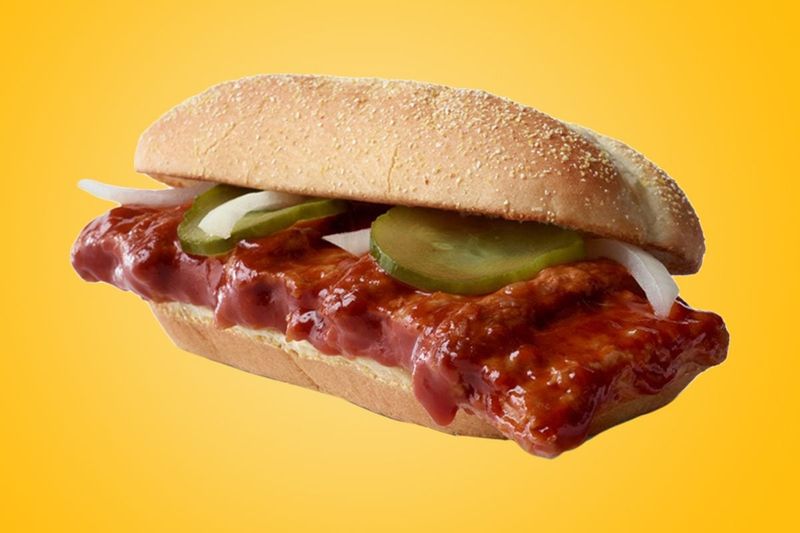
The toppings do heavy lifting. Tart pickles slice through sweetness, while crisp onions add bite and aroma. Together, they keep each mouthful from feeling heavy, brightening the sauce and balancing the soft bun.
It is flavor engineering you can actually taste. Skip the pickles and you lose the snap. Skip the onions and the sandwich leans too sweet. The standard build was tested to hit a satisfying contrast, so when you customize, know you are nudging a carefully tuned equation that makes the McRib feel lively.
9. That shiny sauce has a flavor strategy
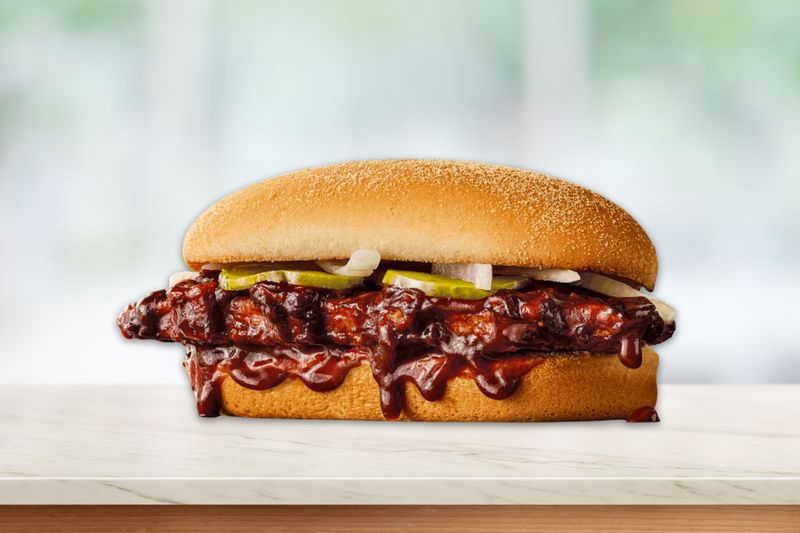
The sauce is sweet, tangy, lightly smoky, and clingy enough to coat. It is designed to hold on during assembly and the first few bites, then mingle with bun and juice. That cling helps lock in aroma when you open the box.
It also encourages repeat sips from your drink, which pairs well with fountain sodas. Your brain loves the sweet-savory toggle. The result is a crave loop where each bite invites the next. That is not an accident. It is deliberate sauce design tuned for quick-service speed and memorable flavor.
10. The bun choice affects texture
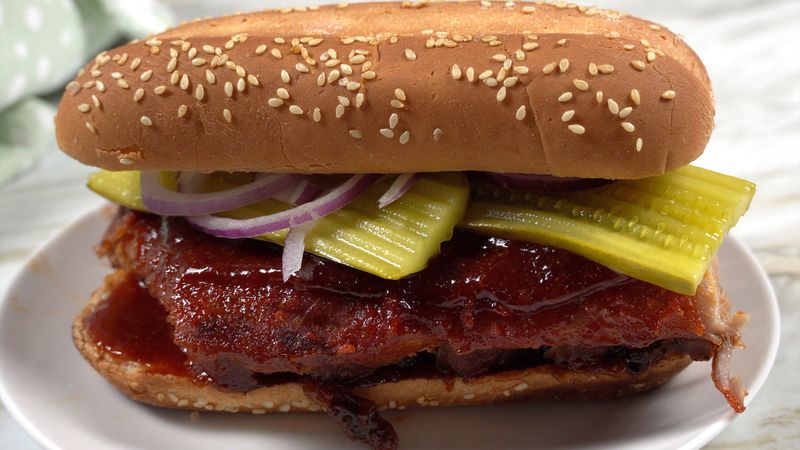
The McRib typically uses a hoagie-style bun to cradle the saucy patty. Its shape controls spillage and keeps toppings in place. The softness lets your teeth glide through without squeezing everything out the sides.
Bread absorption matters too. The bun soaks some sauce, becoming flavorful without turning mushy too quickly. Get the hydration right and the experience stays neat for those first crucial bites. That practicality helps the sandwich travel from kitchen to you while still feeling fresh, which matters when drive thru lines are long and you are eager.
11. It was discontinued, then resurrected repeatedly
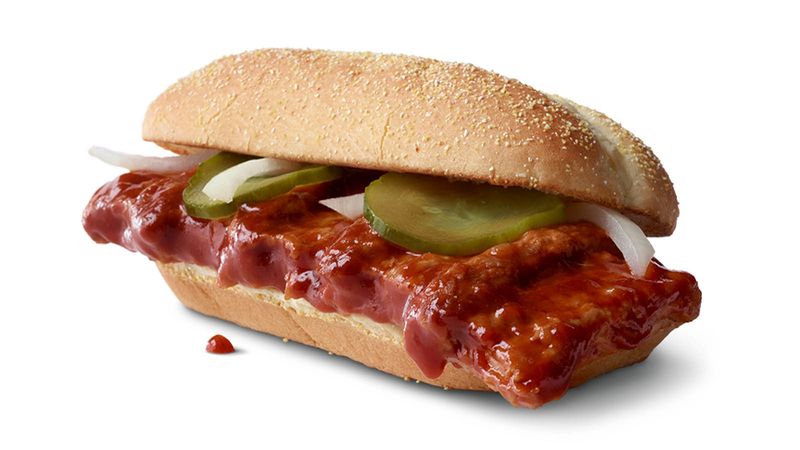
Over the years, the McRib has vanished and returned numerous times. Those pauses spark rumors, memes, and debates about whether it is gone for good. Then a surprise announcement lands, and you rush back.
Each resurrection builds the myth. Fans treat it like spotting a rare bird. That rhythm keeps the story alive in a crowded fast food landscape. New generations meet the sandwich as a limited-time legend rather than just another menu item, which helps explain its staying power despite inconsistent availability.
12. Dedicated fans created McRib locator maps
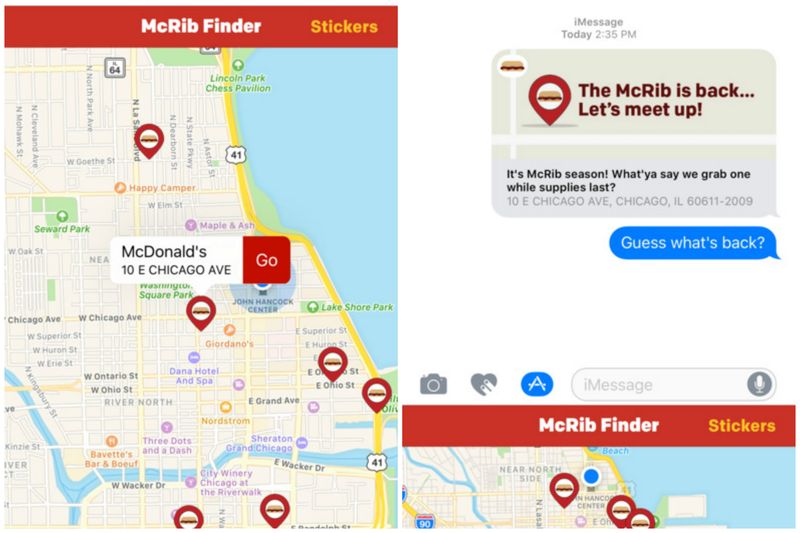
When official announcements felt vague, fans built online tools to track sightings. Community-powered maps let you search by city and date, turning lunch into a scavenger hunt. You get tips, reviews, and bragging rights when you spot it first.
This grassroots energy turned the McRib into a social experience. It is not just a sandwich. It is a chase shared on group chats and timelines. The locator phenomenon shows how a simple fast food item can become a collaborative game that keeps people engaged long after the first bite is gone.
13. Nutritional numbers are hefty

Delicious, yes, but light it is not. Calories, sodium, and sugar add up fast, especially with fries and a drink. Knowing that, you can plan your day around it, enjoying the treat without pretending it is a salad.
Transparency helps. Check current nutrition info before you order, since formulations can change. If you split it or pair with water, you can keep cravings and goals aligned. No shame in loving it, just awareness. That way the seasonal thrill stays fun, not a surprise to your fitness tracker later.
14. It helped test limited-time offer playbooks
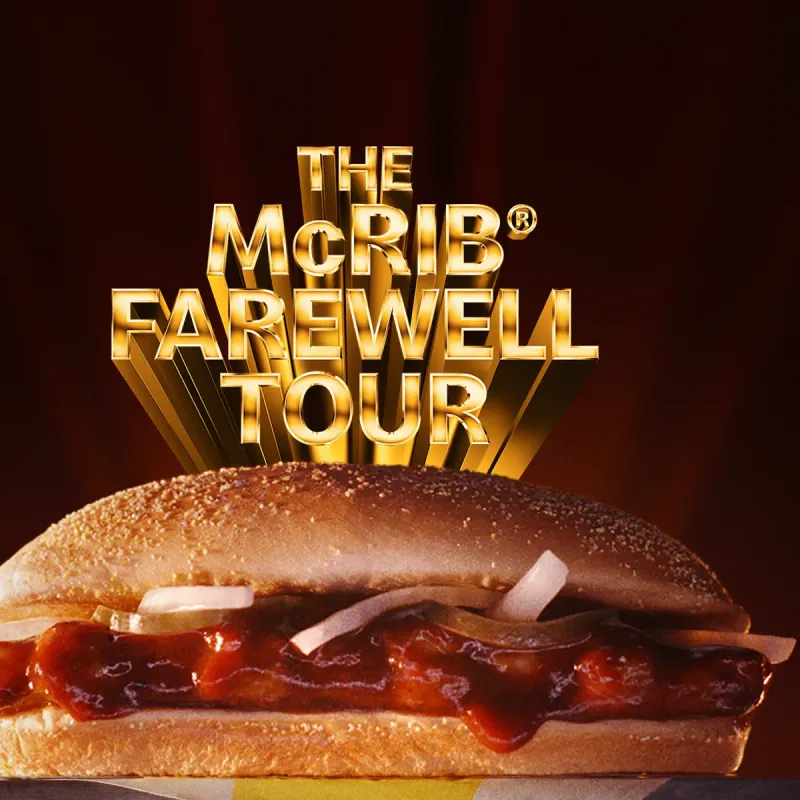
The McRib became a case study in LTO strategy. Marketers watched how scarcity, regional rollouts, and social buzz amplified sales. Those lessons informed countless seasonal items across fast food.
You can see the pattern everywhere now, from spicy nuggets to holiday pies. The McRib proved that anticipation converts. It also showed that leaning into fan culture beats generic ads. By letting customers tell the story, McDonald’s turned a pork sandwich into a marketing blueprint many brands still copy today.
15. There are copycat recipes and DIY hacks
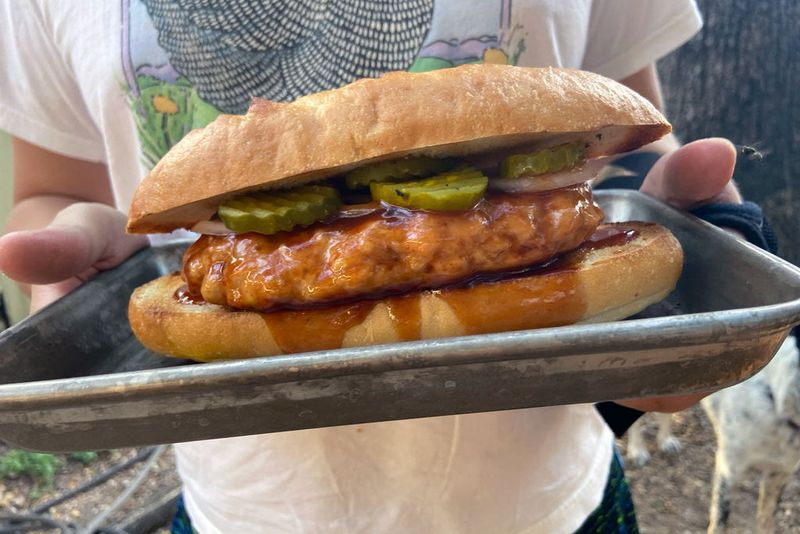
Home cooks try to recreate the McRib using pork shoulder, rib rubs, and homemade sauce. Some shape patties with cookie cutters or molds to mimic those faux bones. Others pressure-cook pork, shred, and press into pans for a similar bite.
While exact sauces are proprietary, you can get surprisingly close. If you are far from a participating location, DIY scratches the itch. You control sweetness, smoke, and spice while picking your favorite bun. It is a fun weekend project that turns craving into kitchen creativity.
16. Regional rollouts test consumer response
McDonald’s often launches the McRib in select markets first. These regional tests measure demand, operations, and supply before broader release. If buzz catches fire, the circle widens.
From your perspective, it feels like luck that your city gets it early. Behind the curtain, it is deliberate testing to reduce waste and surprises. That measured approach balances fan excitement with logistical sanity, making the national drop smoother and more profitable when it finally hits more cities.
17. Packaging design keeps mess manageable
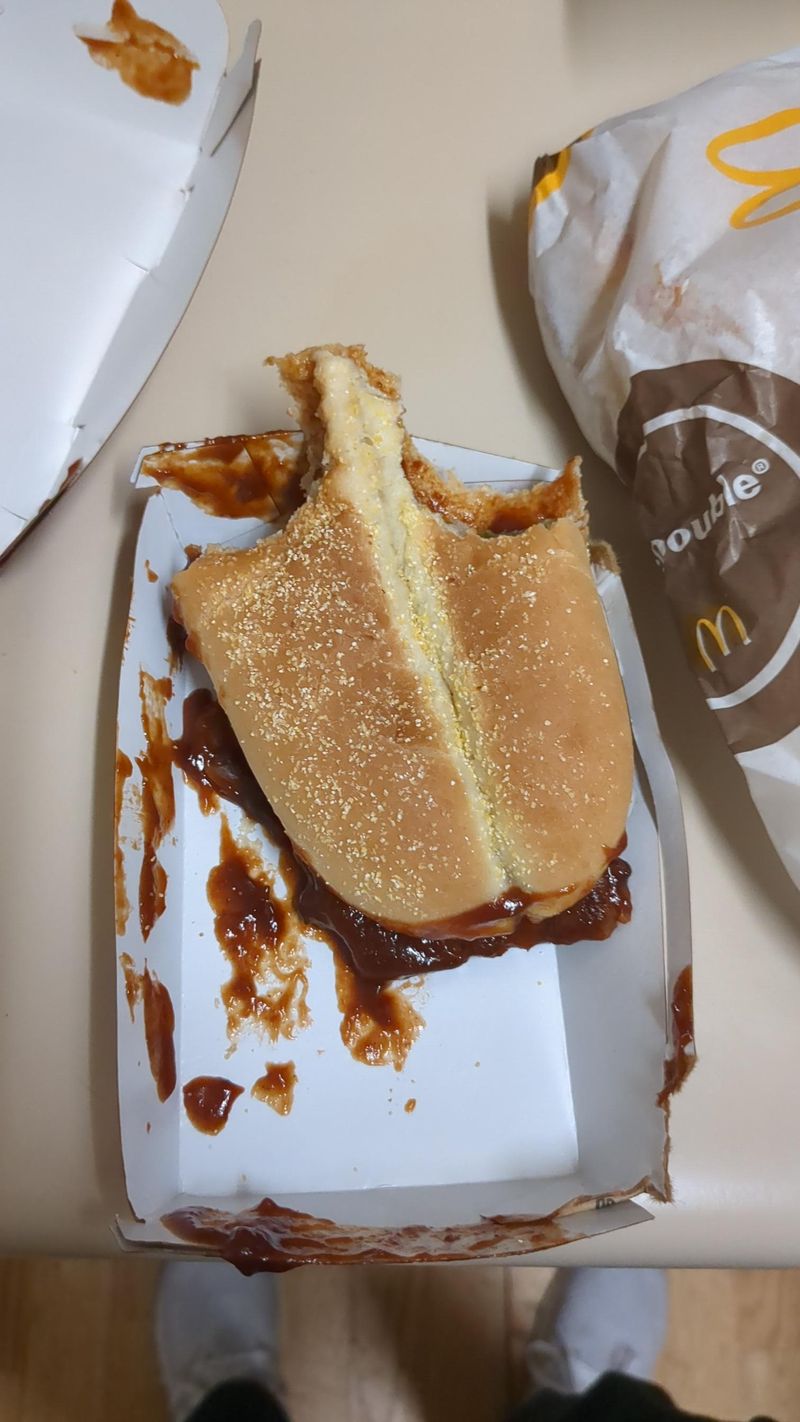
The clamshell box and sandwich layout help corral sauce. Taller sides contain drips while the bun acts like a sponge buffer. Even the onion placement aims to prevent sliding disasters in your lap while driving.
Fast food engineering is not glamorous, but you notice when it fails. Here, it mostly works, letting you unwrap, bite, and survive your commute. Smart packaging turns a very saucy sandwich into a portable experience, which is vital for a limited-time draw that spikes drive thru volume.
18. The cult status inspired memes and art

From goofy conspiracy jokes to fan art posters, the McRib’s mystique powers creativity. People riff on its return like a holiday. You see countdowns, themed playlists, and art drops the day it appears.
That playful energy keeps the sandwich in conversations beyond food blogs. It becomes an internet character you root for. Even if you skip it this season, the memes probably made you smile. That is cultural capital most menu items never achieve, and it pays off every time the announcement pings.
19. Urban legends exaggerate ingredients
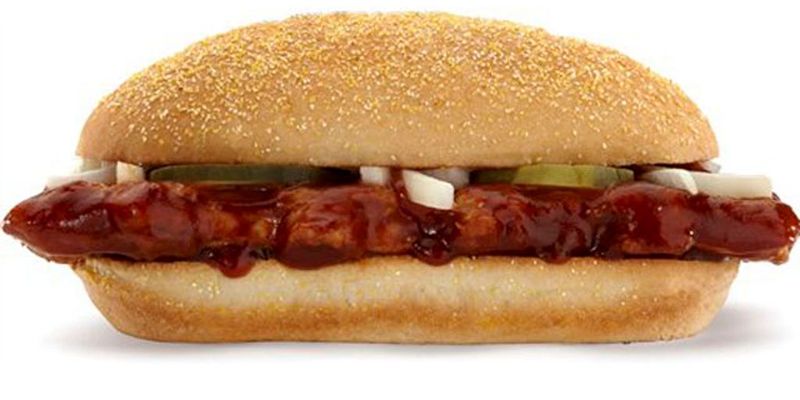
Every famous food attracts myths, and the McRib is no exception. Rumors swirl about bizarre fillers or mystery parts. In reality, it is pork with seasonings and approved binders, documented on official ingredient lists.
Transparency matters when the internet runs wild. Read the label and you will find standard fast food components, not science fiction. The restructured technique may sound fancy, but it is common in processed meats. Knowing this lets you decide based on facts, not gossip, which keeps the fun without the fear.
20. Nostalgia drives repeat purchases
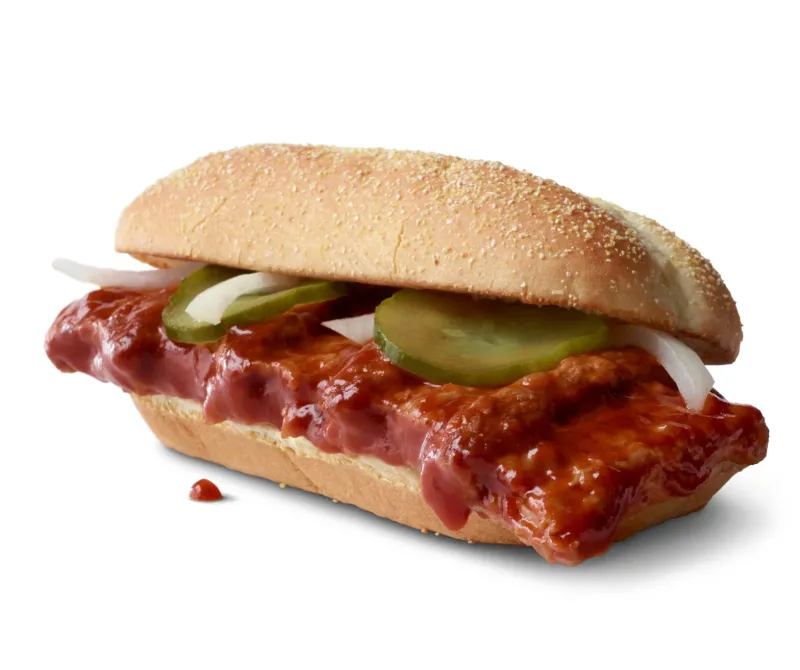
Food memories are powerful. If your first McRib came with friends, road trips, or fall weather, those feelings return with the promo. You are not just chasing flavor. You are chasing a moment.
Brands cannot manufacture your memories, but they can invite them back. The McRib does that by arriving like a seasonal postcard. You taste sauce and suddenly remember laughing in a parking lot. That emotional echo is why you check the app and say yes again.
21. Social media amplifies the hunt
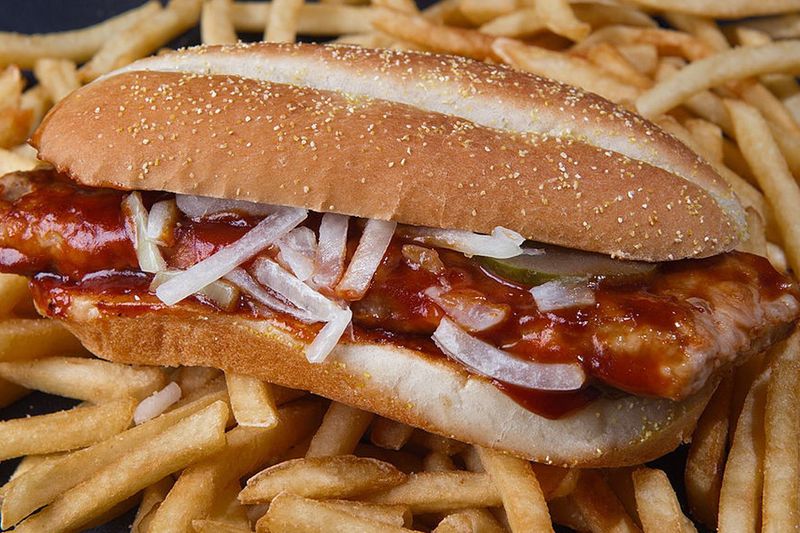
Twitter, TikTok, and Reddit supercharge the McRib chase. One photo triggers a flood of comments and location tips. You get instant validation for finding it and an audience ready to cheer your first bite.
Platforms reward novelty and urgency, which the McRib has in spades. The faster you share, the more the algorithm smiles. That feedback loop puts a simple sandwich in global timelines, turning a local promo into a viral mini-tour.