22 Dining Etiquette Mistakes Abroad That Could Seriously Offend Locals
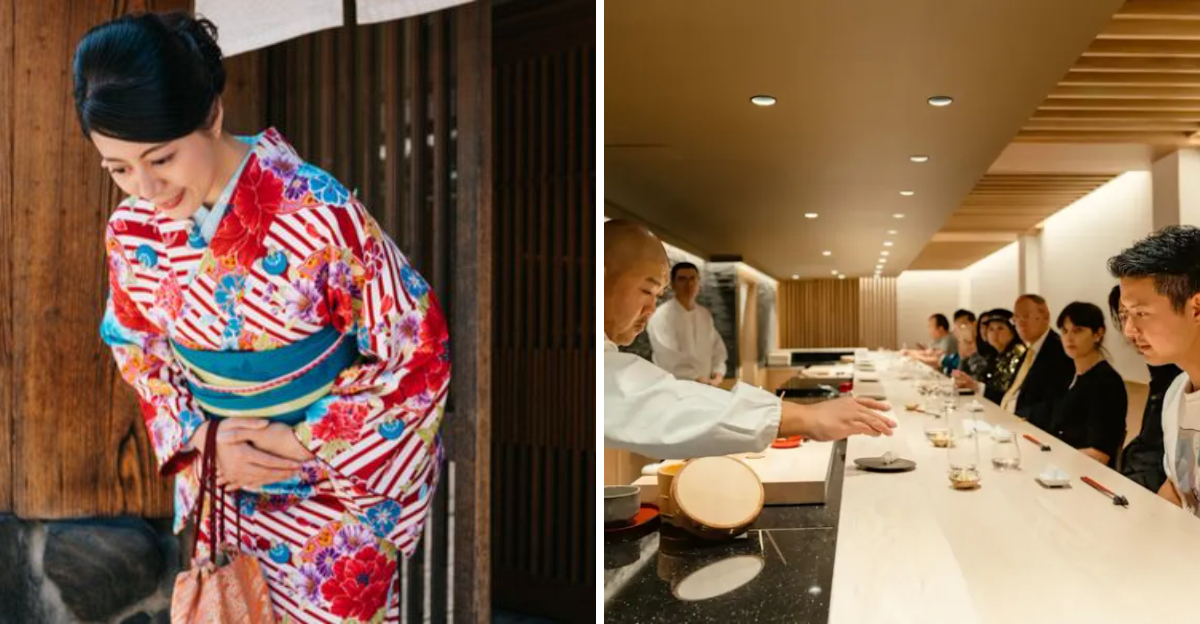
Travel is delicious until your fork makes the wrong move. What feels normal at home can quietly offend abroad, especially at someone’s table where tradition runs deep.
A few tiny tweaks can save you from awkward silences, puzzled stares, and hosts who suddenly look exhausted. Here are the easy-to-miss mistakes and how to avoid them so you can relax, connect, and truly enjoy the meal.
1. Showing up late to a home meal
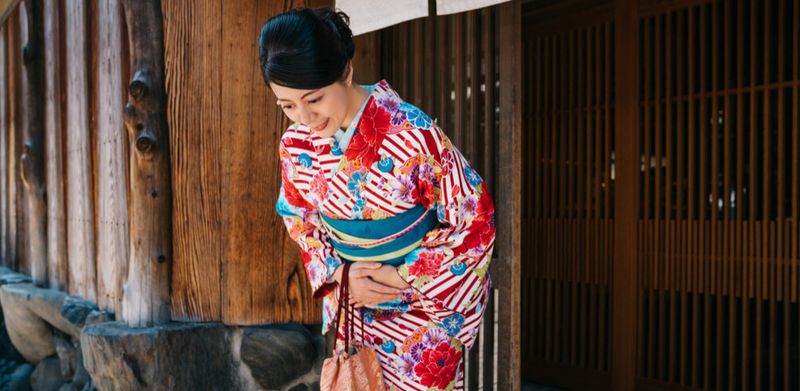
Showing up late to a home meal can quietly erase a host’s careful planning. In places like parts of Germany, Switzerland, and Japan, punctuality signals respect for effort.
When food is timed, your delay cools dishes and creates awkward gaps in conversation. It can also inconvenience elders who waited to bless or begin the meal together.
If you are running late, send a quick message, then apologize briefly without dramatics. Arrive ready to help set, pour water, or cheerfully follow the seating plan.
If the host is formal, offer a small gift, and let them reset the pace. Better yet, aim to be five minutes early, which reads considerate rather than anxious.
Your timing quietly says thank you before you even sit down.
2. Starting to eat before the host signals it
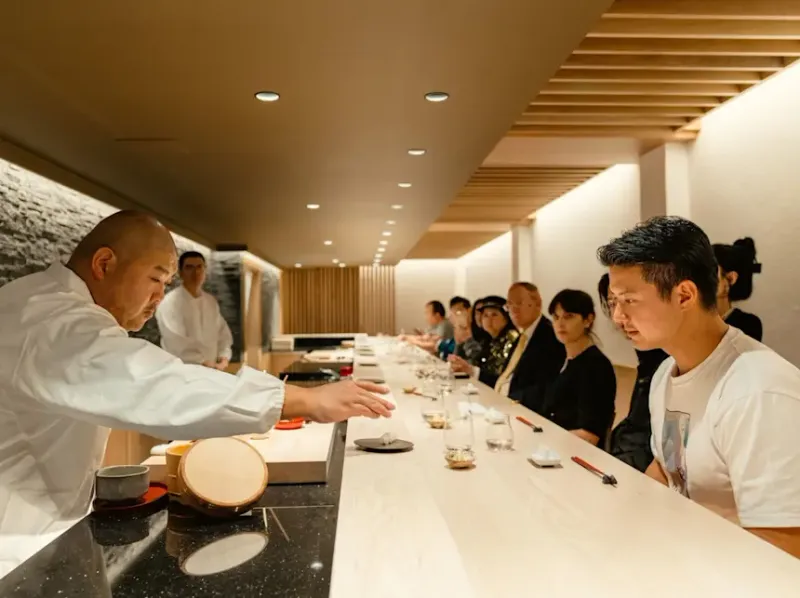
Diving in before the host signals can feel like grabbing the spotlight at their table. In Japan, Korea, and much of Europe, you wait for an invitation, a toast, or the first bite.
Hosts coordinate temperature, courses, and shared dishes, so starting early scrambles the rhythm. It can also isolate late arrivers who suddenly feel they are playing catch up.
Watch the table, not just your plate. If unsure, pause with utensils down, smile, and mirror the host’s first motion.
When someone says please start, reply with a quick thank you, then begin calmly. You will look attentive, and the meal will flow with friendly, shared momentum.
Resist nibbling on bread until others touch it. Tiny patience buys big goodwill abroad.
3. Refusing food too directly
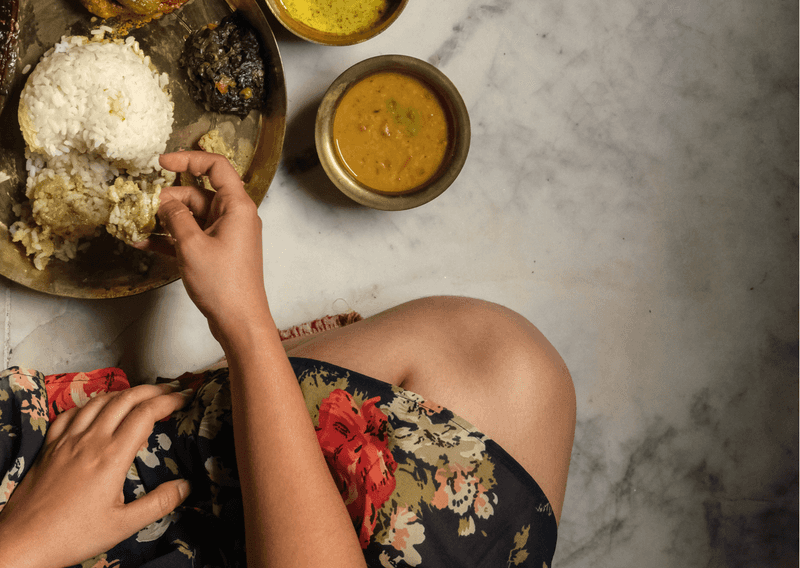
A blunt no can land with a thud, as if you are rejecting the person, not the dish. In parts of the Middle East, South Asia, and Eastern Europe, softer declines keep warmth at the table.
Hosts often pour pride into cooking, and direct refusal can bruise that effort. Even if you are full, tone matters as much as content.
Try maybe later, just a little, or I will share with them. Accept a symbolic bite, then park it gracefully on the side.
If allergies or restrictions apply, be brief and kind, and thank the host twice. You honor generosity while still protecting your needs.
Your softness keeps the conversation warm and the invitation open. It shows cultural care too.
4. Cleaning your plate when the host expects leftovers
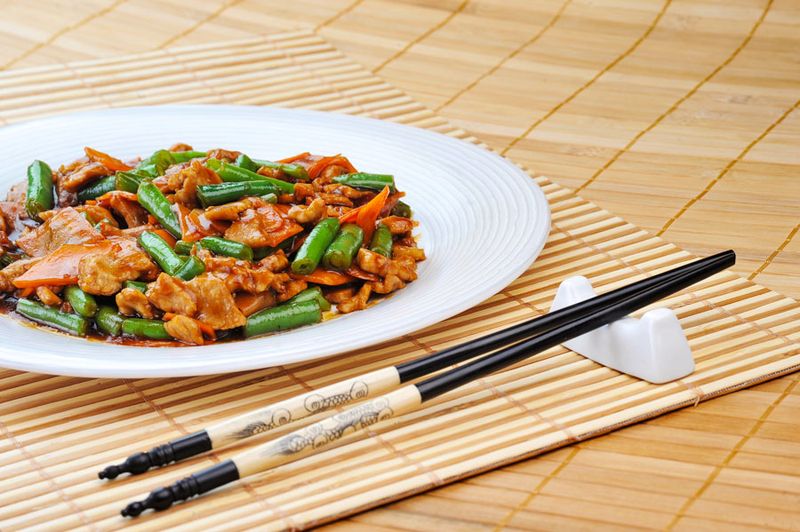
In parts of China, leaving a small amount signals you were served enough. Wiping your plate clean can read as I am still hungry, please bring more.
That pushes the host to over serve, which raises cost and stress. It is the opposite of the gratitude you meant to show.
Watch what locals leave, especially rice or noodles. Aim for a modest remainder, not a heap, and stop before the last perfect bite.
If someone urges more, take a token spoon, then praise the flavor sincerely. You respect abundance while avoiding waste and pressure.
Ask discreetly before clearing dishes, since staff may anticipate another course. When unsure, follow the host’s plate as your guide.
Small cues prevent big misunderstandings. Your restraint communicates comfort and gratitude.
5. Leaving food when the host expects a clean plate
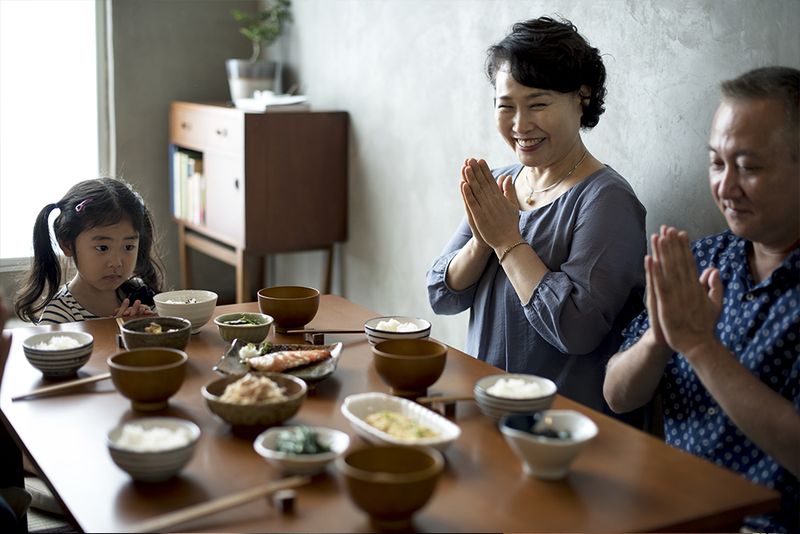
Elsewhere, leaving food can suggest dislike, waste, or poor planning by the cook. In parts of Japan and many households worldwide, finishing everything honors the ingredients.
A leftover corner of fish or untouched vegetables may look insulting. It can also create extra work for whoever clears and composts.
Ask quietly what is customary, and pace yourself to finish politely. If the portion is huge, explain you love it but cannot manage more, then praise specifics.
Offer to take leftovers when it is appropriate or legal. You match the host’s values and protect the planet too.
Wipe sauces with bread only if locals do the same. Finishing calmly beats forcing bites in a panic.
Gracious words carry far.
6. Talking about money or prices at the table

Bragging about deals or pointing out how cheap this is can sound tacky fast. Hosts may hear condescension, like their budget or neighborhood is on trial.
Even compliments about value can flatten the mood into spreadsheets and status. Across cultures, money talk at the table often feels unsavory.
Instead, praise flavor, texture, and the company that makes everything taste brighter. If you must discuss costs, keep it brief, factual, and away from the meal’s heart.
Offer to split or treat without a speech. Let generosity speak in actions, not prices.
Save budgeting talk for the walk home or tomorrow’s messages. Your restraint keeps dignity centered and appetite intact.
Meals build trust, not ledgers. Guard that tone.
7. Asking for substitutions like it is a custom-order restaurant
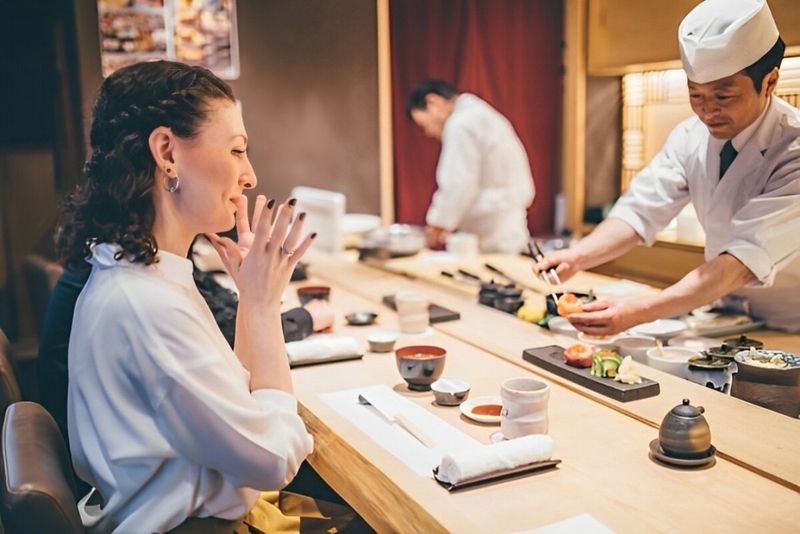
In many countries, the dish is the dish, crafted with balance and intent. Treating it like a custom order can sound like you distrust the chef.
France, Italy, and Japan often prize harmony of ingredients and timing. Swapping sauces or skipping sauces may distort that design.
If you have allergies or dietary rules, state them kindly before ordering. Otherwise, trust the kitchen, and ask for guidance on portions or side dishes.
If something essential is missing, choose a different menu item rather than rewriting one. Curiosity reads better than control, and you might discover a new favorite.
Later, compliment a thoughtful pairing the staff suggested. That shows you respected the craft and the culture behind it.
Guidance beats demands. Truly helpful.
8. Adding salt or condiments before tasting
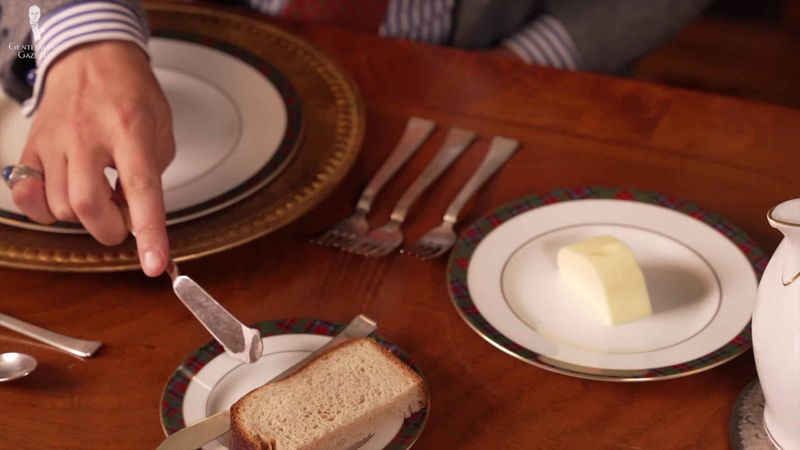
Reaching for salt before tasting can suggest the cook did not season correctly. In chef driven restaurants and parts of Europe, it reads as distrust.
Even at home, it can dent someone’s confidence. Small gestures carry big messages.
Taste first, then adjust lightly if invited, and only to your portion. Ask for sauces with curiosity, not judgment, and follow local norms.
If the dish is intentionally mild, enjoy the balance rather than chasing heat. Respect on the tongue starts with patience.
Compliment seasoning out loud, which reassures the host and guides others. If offered lemons, oils, or chili, add modestly and thank the server.
Your restraint tells a kinder story than an eager shake. Let the first bite teach you.
9. Putting chopsticks upright in rice
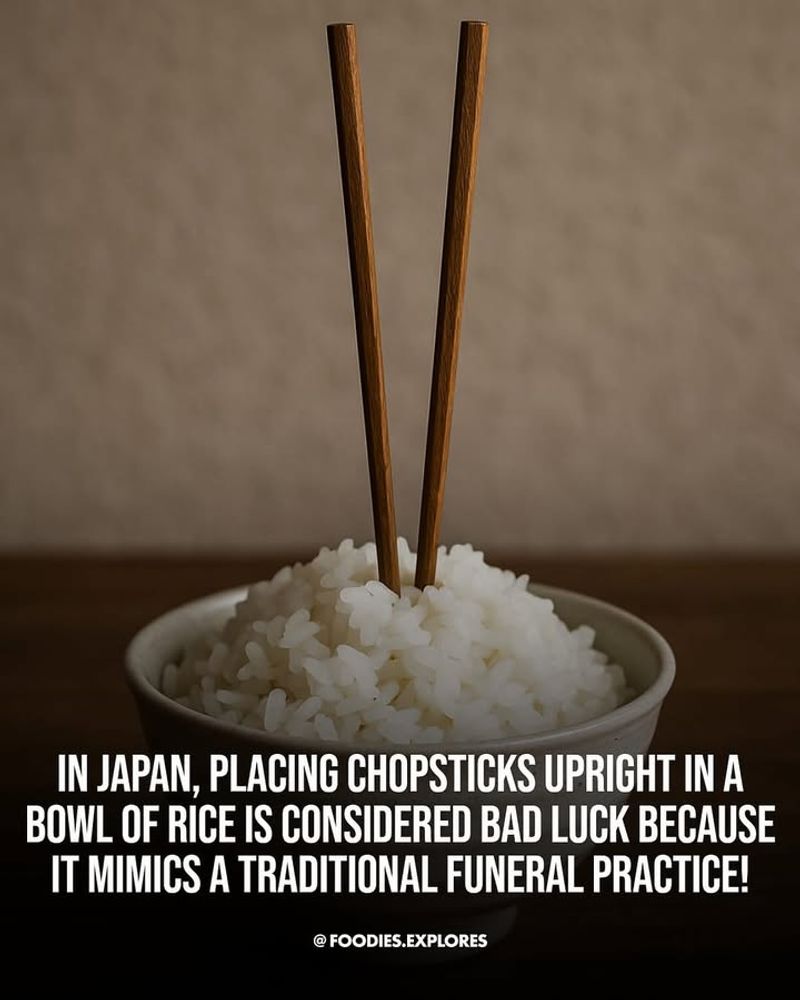
In Japan, sticks planted upright in rice resemble funeral incense offerings. That image can shock people at a family table or izakaya.
What seems quirky to you evokes grief to someone else. Intent matters less than the symbol.
Lay chopsticks parallel on a rest, across a bowl’s rim, or on the wrapper. Avoid crossing them, pointing at people, or stabbing food.
If there is no rest, fold the paper into a tiny stand. These small habits show care for ritual and community.
If someone corrects you, smile, thank them, and adjust without fuss. Apologies are welcome, but quick learning is better.
Honor the sign before the meal grows tense. Respect travels farther than confidence.
Keep it simple.
10. Passing food chopstick-to-chopstick
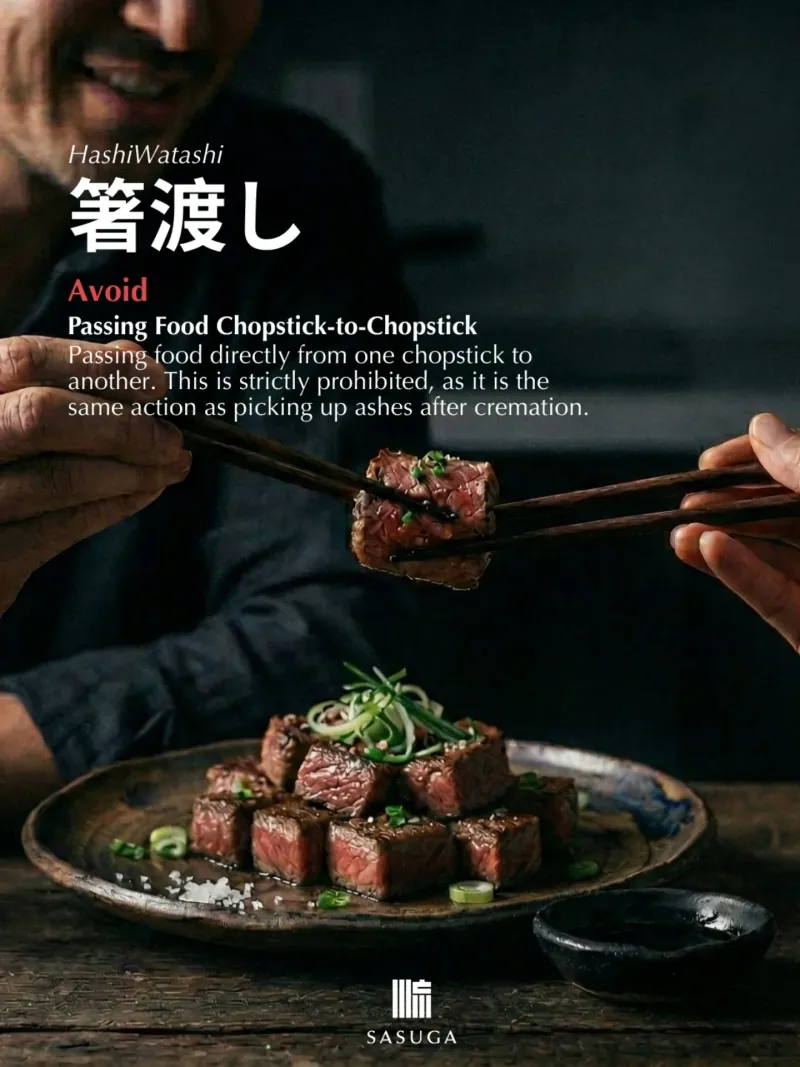
Passing food from chopstick to chopstick echoes a funeral rite with bones. In Japan, that gesture can feel chilling at a cheerful table.
Even friends may go quiet because the symbol is powerful. It is an easy mistake to avoid.
Instead, place shared items on a plate for others to pick up. Some restaurants provide communal chopsticks or serving spoons.
If not, turn your chopsticks around for serving, then back to eat. Clarity keeps the mood bright and the meaning safe.
If someone reaches toward your chopsticks, pause and redirect to a plate. A quick explanation, said softly, can rescue the moment.
You protect comfort and show cultural memory matters. Everyone eats easier.
Lead gently by example.
11. Pointing, waving, or gesturing with chopsticks
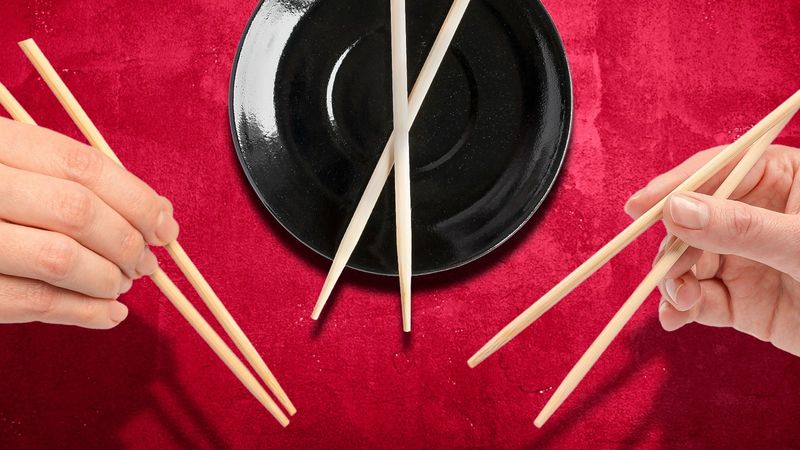
Pointing or waving chopsticks can read as bossy, sloppy, or even aggressive. The tips are treated like utensils that touch food and the mouth.
So brandishing them midair feels rude in many East Asian settings. You would not point with a fork either.
Rest chopsticks on a stand, bowl, or wrapper when talking. Use an open hand to indicate dishes, and let words do the pointing.
If excitement takes over, laugh, set them down, and reset posture. Grace beats emphasis every time.
Watch how elders pause their hands during conversation. Imitation protects you from small but memorable gaffes.
Calm hands, warm meal. People remember kindness more than flair.
Let chopsticks work, then rest. Simple wins abroad.
12. Using your left hand to eat where it is considered unclean
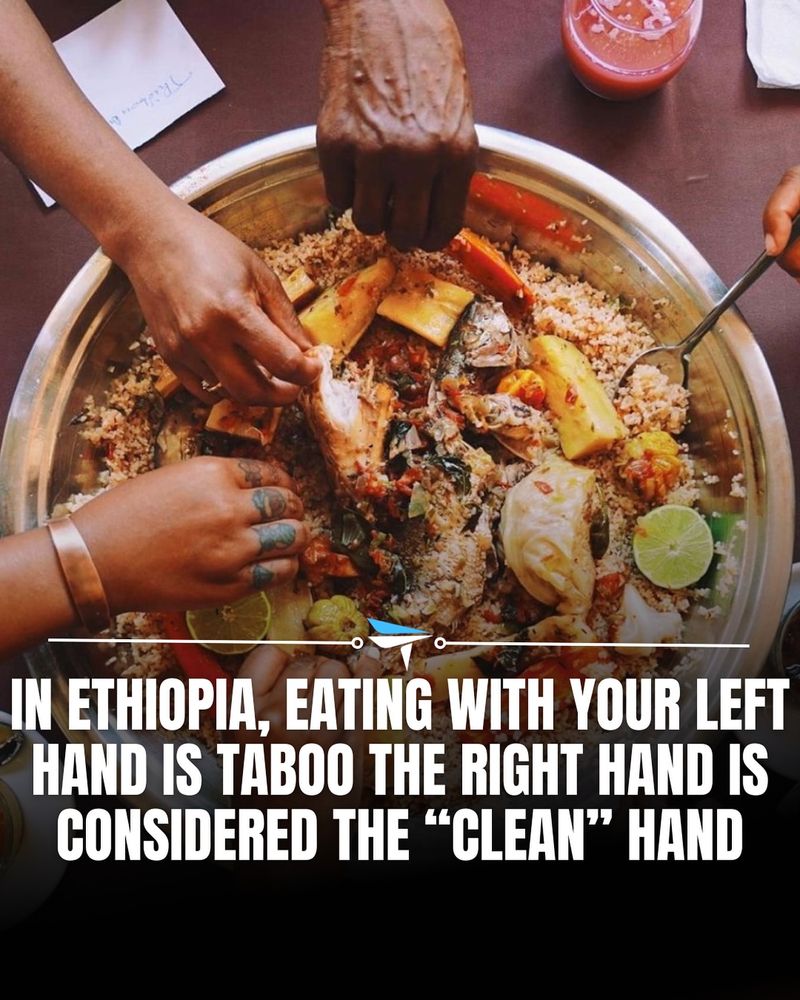
In parts of the Middle East, South Asia, and Africa, the left hand is reserved. It is linked to personal hygiene, so eating or passing with it can offend.
Even modern hosts may wince, especially at traditional meals or family gatherings. Intent helps, but habit helps more.
Use your right hand for bread, shared platters, and greetings at the table. If left handed, explain once, then do your best to adapt.
Keep napkins nearby to switch hands neatly when needed. Respect for custom outweighs convenience during a meal.
Watch how others scoop, tear, and pass, then mirror their rhythm. When unsure, ask softly before reaching.
Care shows up in small choices that keep everyone comfortable. Kind attention beats perfect technique.
13. Asking for a knife for everything (or cutting everything)
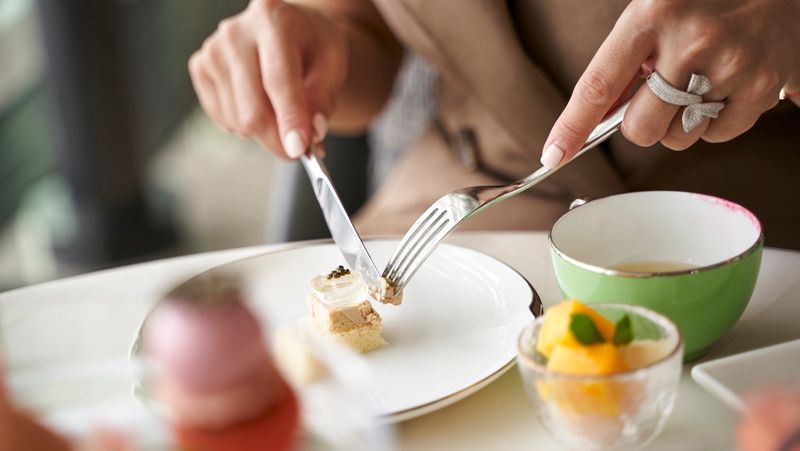
Some cuisines arrive cut to bite size, meant for a fork or for scooping. Insisting on a knife can seem like calling the kitchen careless.
In casual settings, sawing through delicate pieces may look crude. Formality and country change the rules, so read the table.
If food arrives soft or pre sliced, use the fork’s edge or spoon to portion. Ask politely only when needed, and explain it helps with a tough cut.
Match local grip and pace. Elegance starts with adapting, not imposing tools.
Compliment textures the chef intended, like tender fish or slow cooked beans. Your restraint shows confidence and care for tradition.
Let the plate teach the utensil. You will blend in quickly.
14. Putting elbows on the table in formal settings
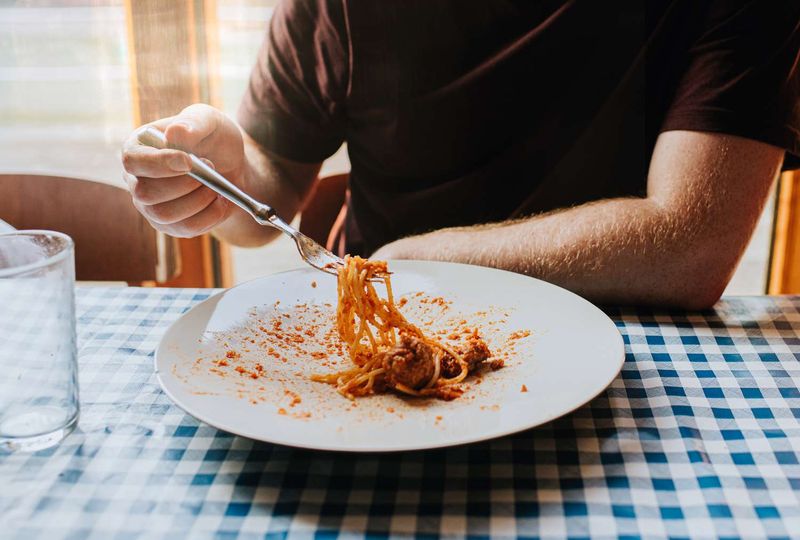
Elbows on the table are not a universal crime, but formality still matters. In parts of Europe and at traditional dinners, sprawling can feel sloppy.
Big gestures bump glasses and crowd neighbors’ plates. If the host sits upright, mirror the posture.
Rest forearms lightly between courses, but keep elbows off during service. Lean back for conversation, and slide closer to cut or sip.
Space is etiquette you can see. A tidy frame makes everyone comfortable, including you.
In casual pubs, relax, but watch Grandma’s table for cues. If space is tight, elbows drift out like wings, so tuck gently.
You look poised without looking stiff. Comfort plus courtesy beats rules recited.
Follow the host’s lead.
15. Reaching across people instead of asking

Leaning across plates can splash sauces, block conversation, and crowd personal space. At family style tables, reaching looks grabby, especially to elders.
It also signals impatience when a simple ask would do. Moments like these make people tense.
Say please pass the bread, then hold eye contact and a grateful smile. If you are closest, offer to serve others before yourself.
Rotate platters in one direction so nothing stalls. Manners here are teamwork, and you will be remembered kindly.
If sleeves are bulky, keep them clear of candles and sauces. A quick question beats a long apology.
Small courtesies add up to a generous table rhythm. Ask, wait, smile, enjoy.
That is the sequence. It works anywhere.
16. Touching shared food with your personal utensils
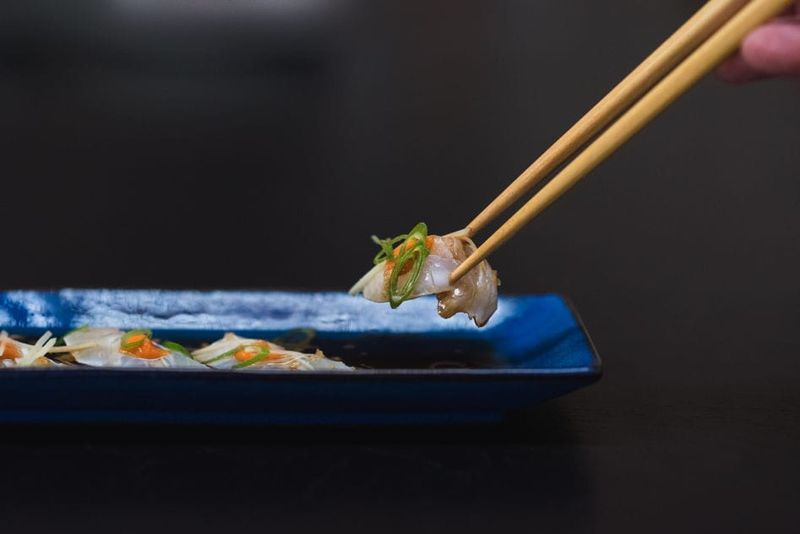
Shared dishes are common across Asia, the Middle East, and beyond. Dipping your used spoon or chopsticks into the pot spreads germs and discomfort.
Hosts may offer serving tools for a reason. Respect the boundary so everyone feels safe.
Use communal utensils, or take from the edge to your plate, then eat. If none exist, ask for a small spoon or extra chopsticks.
Do not double dip sauces, and keep coughs turned away. Care with sharing honors both hygiene and hospitality.
If someone corrects you, thank them, then model the fix for others. Bring sensitivity from buffet lines to home kitchens as well.
It is not fussy, it is friendly. Etiquette here keeps everyone hungry for the next visit.
Truly.
17. Drinking before a toast when toasts are expected

In parts of Eastern Europe, the toast starts the drinking, not the other way around. Sipping early can look impatient or dismissive of the host’s welcome.
Toasts also knit the table with a shared moment. Skipping that can chill the room.
Hold your glass, make eye contact if customary, and wait for the signal. If you do not drink alcohol, raise a glass of water or juice.
Clink gently at rim height, then sip once before setting down. You will fit the rhythm and honor the welcome.
Add a short thank you after the toast if language allows. Keep speeches brief unless you are the honored guest.
Shared timing turns drinks into community. That is the point.
18. Not making eye contact during a toast
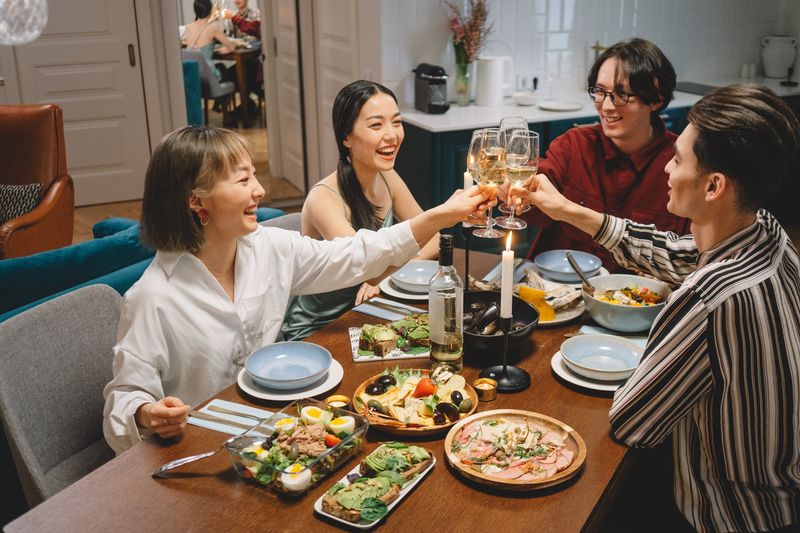
In many European countries, eye contact during a toast signals sincerity and respect. Avoiding eyes can read distracted, evasive, or timid.
Elsewhere, intense eye contact may feel too bold, so calibrate. Reading the room beats rigid rules.
Mirror the host’s energy, meet a few gazes, and smile without staring. Clink softly, say cheers in their language if you can, and sip once.
If direct eye contact is not common, bow your head slightly as you lift. Warm attention is the real toast.
Avoid crossing arms between glasses, and keep glasses at similar height. If you spill, laugh lightly and blot, then continue.
The spirit matters more than choreography. Offer gratitude with your eyes or your voice.
19. Ordering cappuccino or milk-heavy coffee at the wrong times
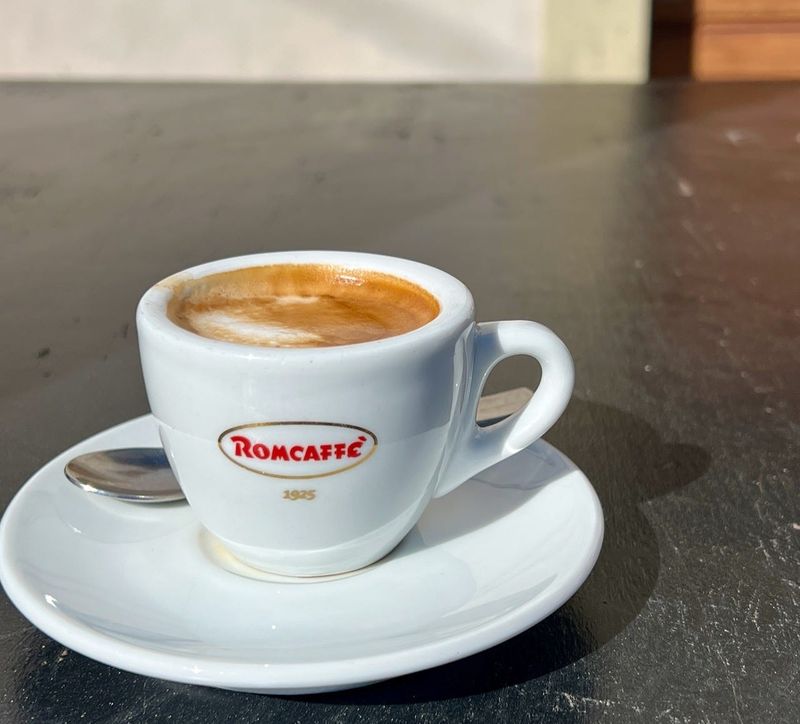
In Italy, milk heavy coffee is a morning friend, not a dessert partner. A cappuccino after a rich meal can earn side eye or a smile of pity.
Locals think milk weighs down digestion. You are not evil, just very tourist.
If you want coffee late, choose espresso or macchiato. In the morning, enjoy all the foam you like.
Ask the server what locals drink at this hour, then try it. Playing along turns a beverage into an easy cultural bridge.
If dairy is your comfort, sip at home or at breakfast. You will still get great coffee and even better smiles.
Taste buds learn fast when ego steps aside. Let timing teach you.
Italy rewards curiosity.
20. Asking for the check immediately after the last bite
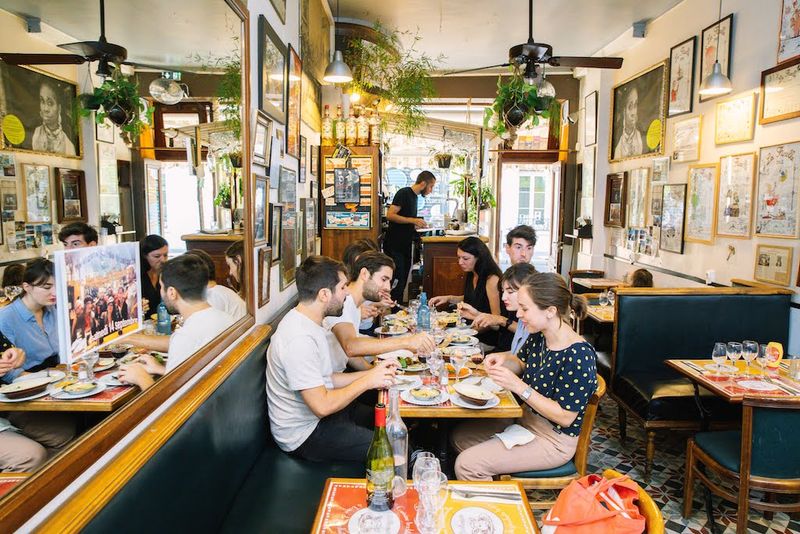
In France, Spain, Italy, and Greece, lingering is part of the pleasure. Snapping for the bill or rushing out can feel like rejecting the host’s time.
Meals there are conversations with plates, not errands to finish. Even servers expect you to relax.
When you are truly ready, catch the server’s eye, then ask politely. Until then, sip, chat, and enjoy the pause.
If time is tight, mention it early so pacing can match. Slower clocks make sweeter memories.
Avoid hovering by the door or stacking plates aggressively. Say thank you generously, and tip according to local custom.
Your patience is part of the flavor. Let the table breathe.
You will, too. Travel rewires clocks kindly.
21. Tipping the wrong way

Tipping can be a minefield, since norms swing from none to service included to generous. Overtipping may embarrass, undertipping may insult, and both can confuse.
Servers, taxis, and cafes all follow local math. Assumptions travel poorly.
Before you eat, check a current guide or ask your host how it works. Watch the bill for service lines and round up or leave coins accordingly.
If cash tips are expected, hand them discreetly with thanks. Your goal is appreciation, not disruption.
When in doubt, follow a local’s lead the first night. Remember that policies change, especially in tourist zones.
Clarity protects dignity on both sides of the table. Give thanks, not theater.
Kind math, calm exit. Ask, then act.
22. Being too loud, too animated, or publicly critical
Volume travels differently across cultures, and some dining rooms prefer calm. In Japan and other quiet spaces, booming laughter or sharp critiques can sting.
Publicly judging the food or service shames the host and staff. You might not notice your own decibels.
Keep criticism private, soft, and brief, then focus on gratitude. If the room is hushed, match it, and tuck big gestures close.
Smile, savor, and let silence carry respect. You will make friends faster than complaints ever could.
If something is serious, step outside to raise it calmly with staff. Praise publicly, correct privately, and the door stays open.
Tone is a souvenir you leave behind. Carry it lightly for their culture and for yours.
Quiet confidence reads as respect.