24 Natural Foods That Can Help Reduce Blood Pressure, Supported By Research
High blood pressure does not have to rule your life. Small, smart food choices can help you nudge numbers down and feel more in control. Backed by research, these natural foods support healthier arteries, better fluid balance, and calmer stress responses. Explore these options, pick a few to start, and feel the difference one bite at a time.
1. Leafy Greens
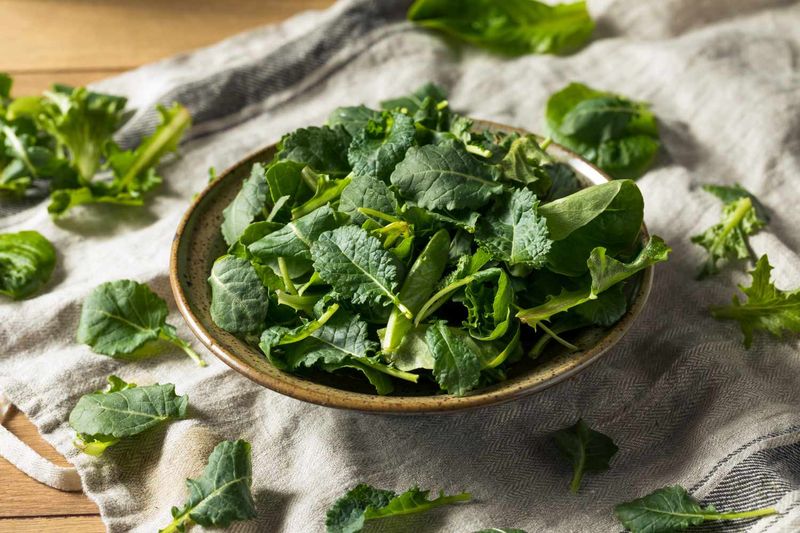
Leafy greens like spinach, kale, and Swiss chard are packed with potassium, magnesium, and nitrates that support healthy blood pressure. Potassium helps your body flush excess sodium, easing pressure on your blood vessels. Magnesium supports vascular relaxation and cardiovascular balance.
You can toss a handful into smoothies, sauté them with garlic, or layer them into sandwiches. Choose fresh or frozen to keep it affordable and easy. If oxalates are a concern, rotate varieties and blanch when needed.
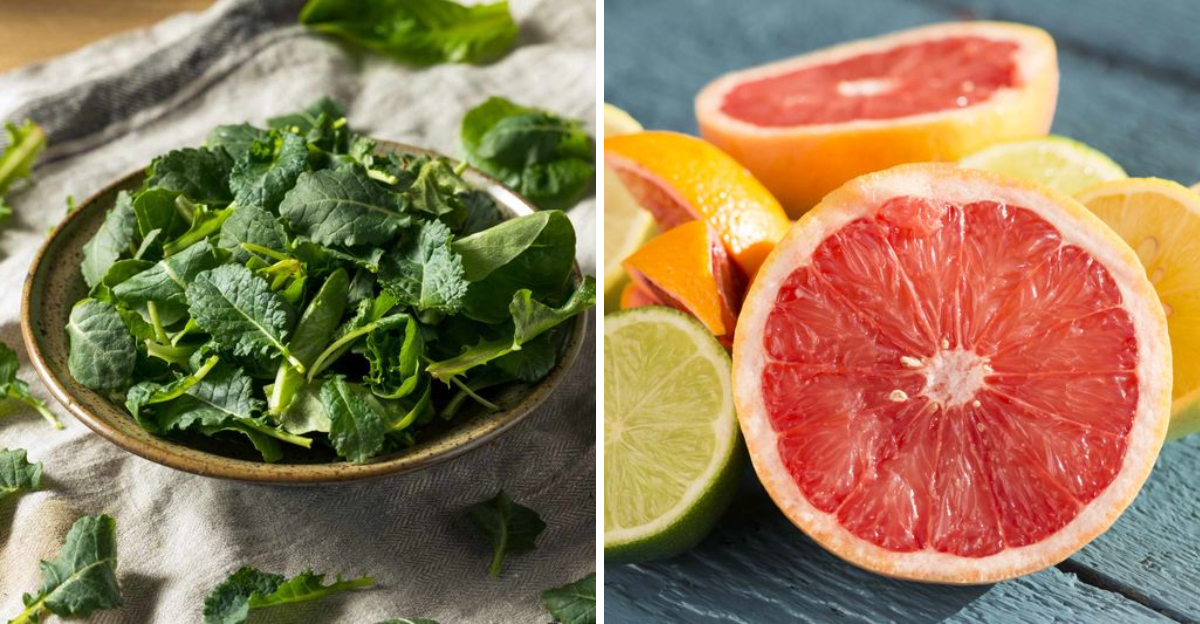
Pair greens with citrus or tomatoes for vitamin C that may enhance nitrate benefits. Simple, tasty, and research supported.
2. Beets
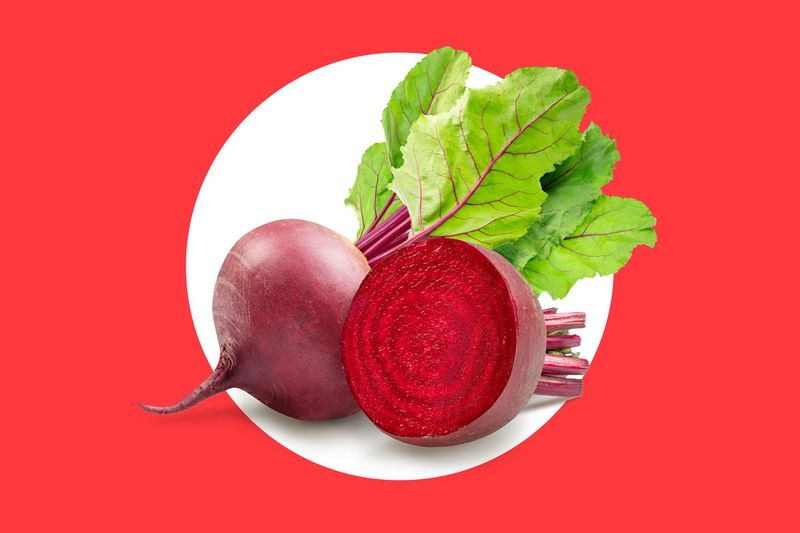
Beets are rich in dietary nitrates that convert to nitric oxide, which helps blood vessels relax and widen. This effect can lead to lower systolic and diastolic readings over time. Beet juice, roasted beets, and powdered beetroot can all support this pathway.
Drink beet juice one to two hours before exercise for a performance and blood pressure boost. Roast beets with olive oil and herbs for an easy side. If earthy flavor turns you off, blend with berries and citrus.
Monitor portions if you are prone to kidney stones. Consistency matters more than perfection.
3. Garlic
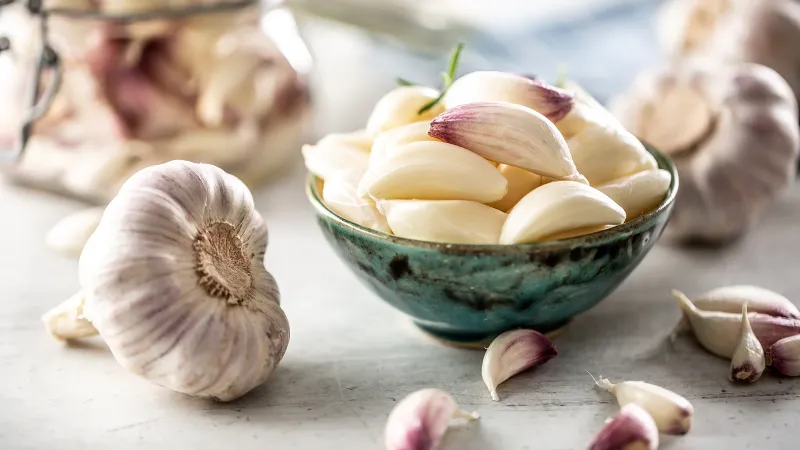
Garlic contains allicin, a sulfur compound formed when cloves are crushed or chopped. Allicin may enhance nitric oxide production and support vasodilation, contributing to lower blood pressure. Meta analyses suggest garlic extract can reduce both systolic and diastolic values modestly.
Crush garlic and let it sit for 10 minutes before cooking to maximize allicin formation. Use raw in dressings or lightly sauté for gentler flavor. Supplements exist, but food first usually feels better.
If stomach sensitivity appears, start small and pair with food. Your breath might announce your heart healthy habits, but results are worth it.
4. Berries
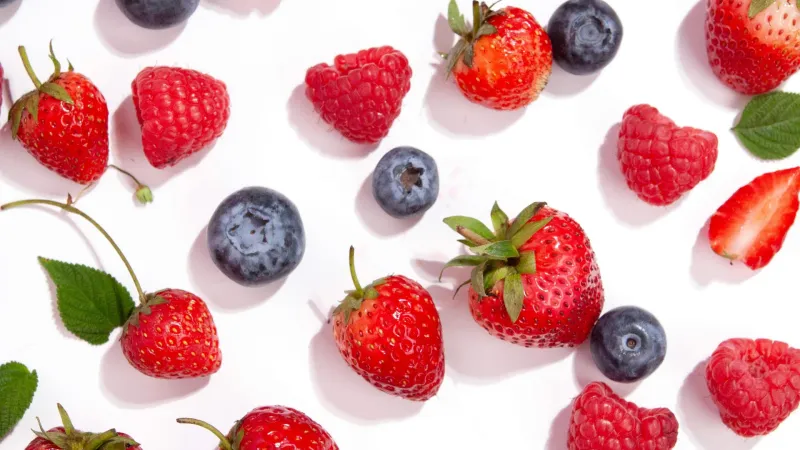
Berries are rich in anthocyanins and vitamin C, antioxidants linked to improved vascular function. Regular intake has been associated with better endothelial health and modest blood pressure reductions. Blueberries, strawberries, and raspberries are easy to rotate year round.
Add them to oatmeal, yogurt, or salads for a sweet, heart supportive pop. Frozen berries are just as nutritious and budget friendly. Choose deeply colored berries for the most antioxidant punch.
If you prefer less sugar, pair berries with nuts to balance. Consistency and variety make a big difference for long term results.
5. Bananas

Bananas deliver a convenient dose of potassium, a key mineral for balancing sodium and supporting blood pressure. Higher potassium diets help kidneys excrete sodium and ease vessel strain. They are portable, affordable, and kid friendly.
Slice bananas over whole grain cereal or blend into a smoothie with spinach. If you are watching carbs, use half a banana and add protein. Overripe bananas are great in baked oatmeal or pancakes.
People with kidney disease should follow medical guidance on potassium intake. For most, bananas offer an easy daily habit that supports numbers and energy.
6. Oats
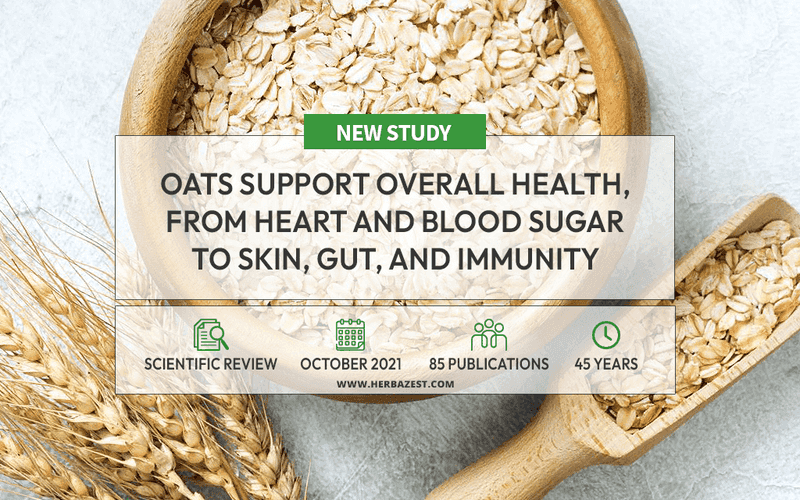
Oats supply soluble fiber, especially beta glucan, which can support healthier blood pressure and cholesterol. Fiber helps improve arterial health and promotes steady blood sugar, easing cardiovascular strain. A warm bowl is easy to customize and digest.
Choose steel cut or old fashioned oats for more texture and satiety. Add cinnamon, nuts, and berries for extra antioxidants and minerals. Overnight oats make weekday mornings a breeze.
If gluten sensitive, pick certified gluten free oats. Pair with a protein like yogurt to stay full longer. Simple, comforting, and evidence backed for heart health.
7. Fatty Fish
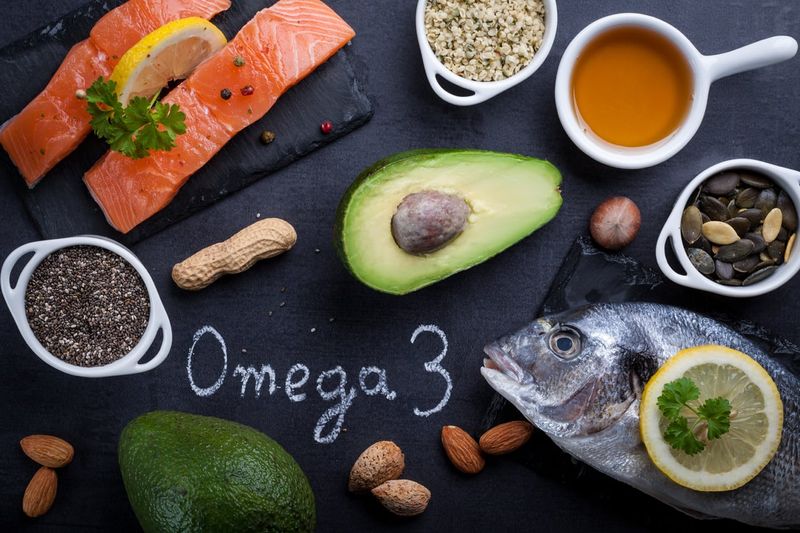
Fatty fish like salmon, mackerel, and sardines are rich in omega 3s that support vascular flexibility. These fats may reduce inflammation and improve endothelial function, aiding blood pressure control. Regular fish intake aligns with heart healthy dietary patterns like the Mediterranean diet.
Enjoy baked salmon with herbs or canned sardines on whole grain toast. Choose low mercury options and vary species. If you dislike fish, consider algae based omega 3 supplements.
Season with lemon, capers, and olive oil for flavor without excess sodium. Aim for two servings weekly. Your arteries will thank you for the upgrade.
8. Yogurt
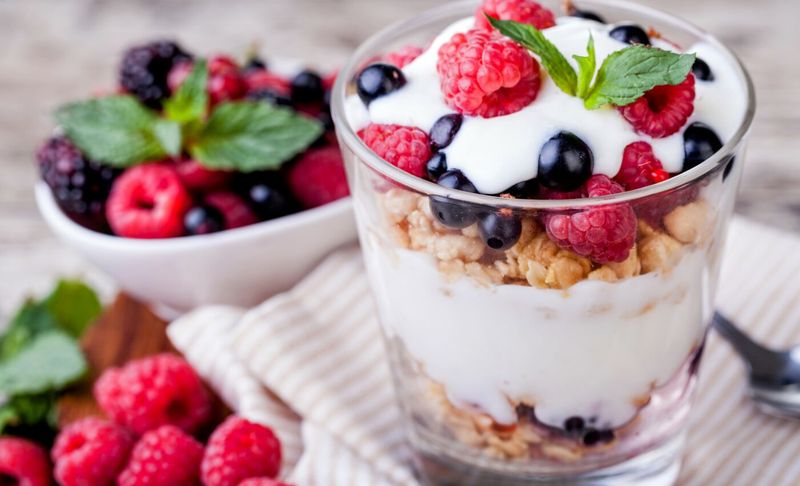
Yogurt provides calcium, potassium, and probiotics that may benefit blood pressure and overall heart health. Calcium supports vascular contraction relaxation balance, while probiotics can influence inflammation and metabolism. Choose plain varieties to avoid added sugars that undermine benefits.
Greek yogurt boosts protein to keep you full and steady. Add fruit, seeds, and a drizzle of honey if needed. If dairy sensitive, try lactose free or kefir for a similar effect.
Watch flavored cups, which often hide sodium and sugar. A simple bowl a day fits easily into a balanced routine. Your gut and heart align here.
9. Citrus Fruits

Citrus fruits deliver vitamin C, potassium, and flavonoids that support vascular health and blood pressure. Regular citrus intake is linked with improved arterial function and lower inflammation markers. Oranges, grapefruits, and lemons bring brightness to meals.
Snack on an orange, squeeze lemon over greens, or infuse water with slices. Grapefruit can interact with some medications, so check with your pharmacist. The aroma alone can feel uplifting and fresh.
Choose whole fruit most often for fiber and satiety. Keep a fruit bowl visible to remind you to reach for it. Simple swaps add up quickly.
10. Pistachios
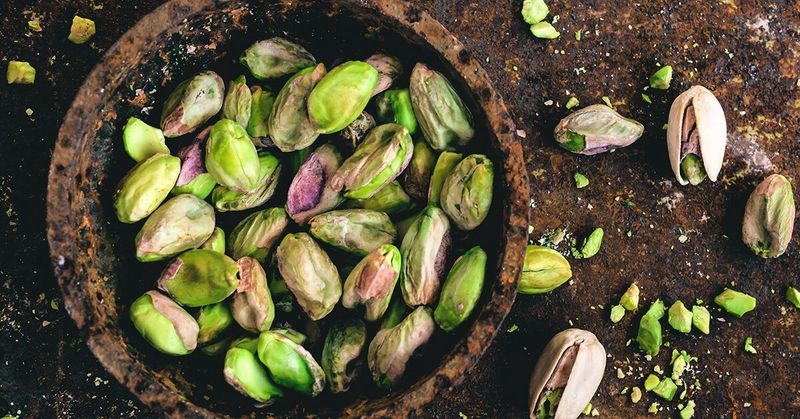
Pistachios are rich in potassium, fiber, and plant compounds that may reduce vascular resistance. Studies suggest they can lower systolic readings and improve endothelial function. Their shell slows eating, helping portion control and mindful snacking.
Enjoy a small handful as a snack or sprinkle on salads and yogurt. Choose unsalted or lightly salted versions to keep sodium in check. The crunch satisfies without derailing goals.
If nuts trigger allergies, skip this option and consult your provider. Store pistachios in the fridge for freshness. A little goes a long way for heart supportive snacking.
11. Dark Chocolate (70 percent+)
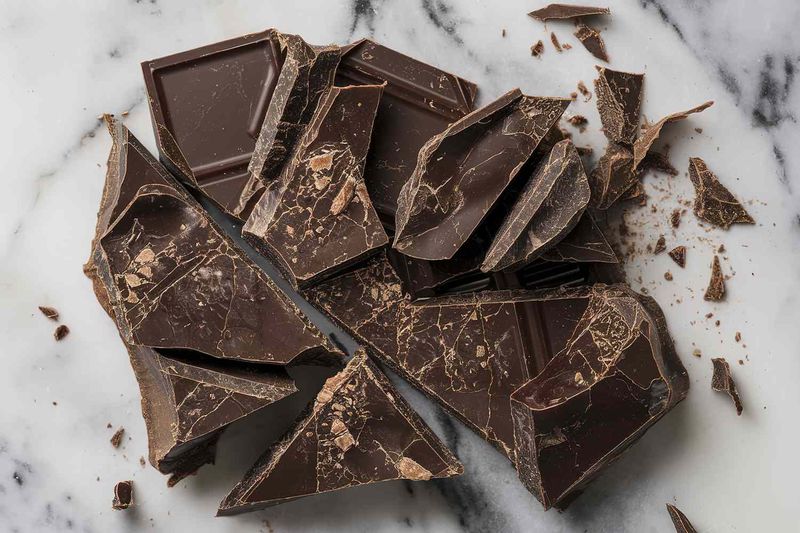
Dark chocolate with at least 70 percent cocoa provides flavanols that support nitric oxide production. This can help vessels relax and slightly reduce blood pressure when enjoyed regularly. Quality matters, so check cocoa percentage and added sugar.
Have a small square after meals or melt into warm milk. Pair with berries for an antioxidant rich dessert. Keep portions modest to avoid excess calories.
If caffeine sensitive, enjoy earlier in the day. Choose ethically sourced brands for sustainability. Pleasure and cardiometabolic benefits can absolutely coexist in your routine.
12. Lentils
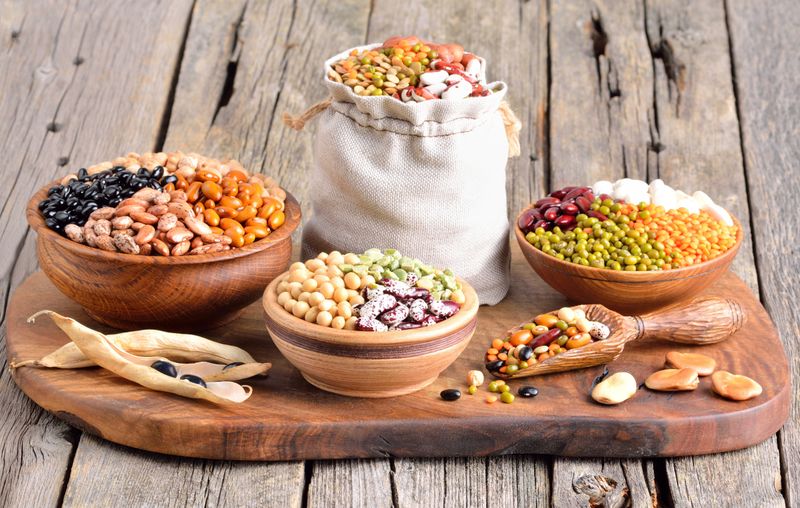
Lentils bring potassium, magnesium, and fiber, all supportive for blood pressure regulation. Their plant protein helps replace higher sodium processed meats. Research links legumes with better cardiovascular outcomes and weight management.
Cook a big batch for soups, salads, or taco filling. Red lentils cook fast for weeknights, while green hold shape in salads. Season with cumin, garlic, and tomatoes for depth.
If they cause gas, rinse and start with small portions. Pair with leafy greens and olive oil for a complete meal. Budget friendly and satisfying, they make change sustainable.
13. Olive Oil

Extra virgin olive oil is rich in polyphenols that support endothelial function and reduce oxidative stress. It is a cornerstone of Mediterranean style eating, associated with lower blood pressure. Use it as your default cooking and dressing fat.
Drizzle over salads, roasted vegetables, and whole grains. Choose robust, peppery oils for higher polyphenols and store away from heat and light. Quality can vary, so buy from trusted sources.
Mind portions since calories add up quickly. Replace butter with olive oil for a heart forward swap. Flavor and function combine beautifully in everyday cooking.
14. Tomatoes
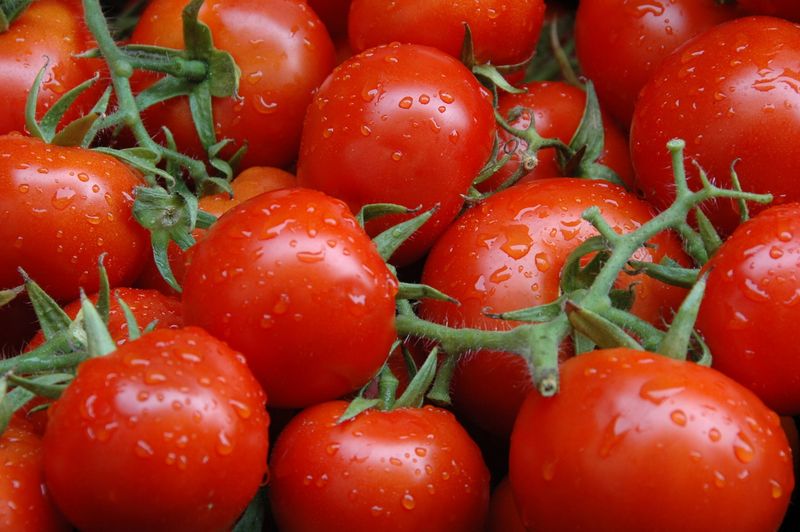
Tomatoes offer potassium and lycopene, a carotenoid tied to improved vascular function. Tomato products like puree and juice may help lower blood pressure when eaten regularly. Cooking tomatoes with olive oil can enhance lycopene absorption.
Add slices to sandwiches, simmer a quick sauce, or sip low sodium tomato juice. Check labels for added salt in canned products. Fresh cherry tomatoes make an easy snack.
If reflux bothers you, choose cooked versions and smaller portions. Pair with garlic and basil for a classic combo. Simple, colorful, and effective for everyday heart health.
15. Pomegranate
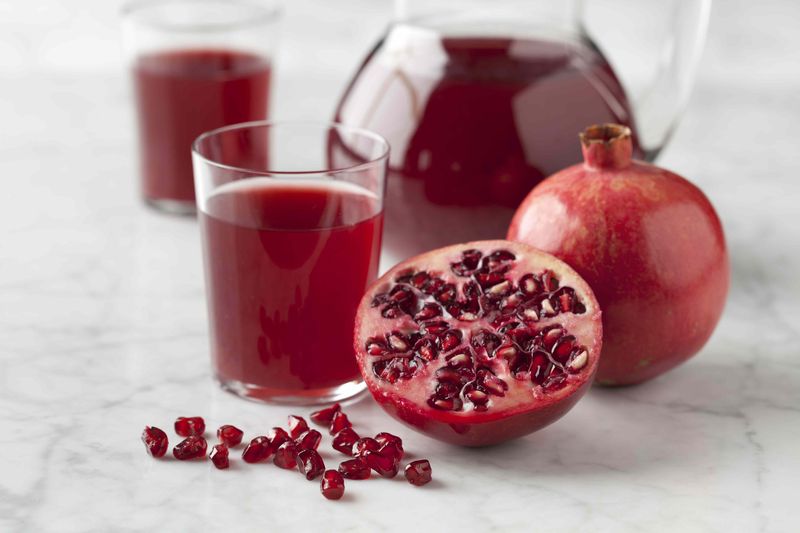
Pomegranate juice and arils contain polyphenols that may improve endothelial function and reduce oxidative stress. Studies suggest modest blood pressure benefits with regular intake. The sweet tart flavor makes it easy to enjoy consistently.
Splash pomegranate juice into sparkling water or scatter arils over salads and yogurt. Look for 100 percent juice without added sugars. Freeze extra arils for later convenience.
If you take certain medications, consult your provider about interactions. A small daily serving is plenty. Vibrant color signals potent plant power supporting your cardiovascular goals.
16. Celery
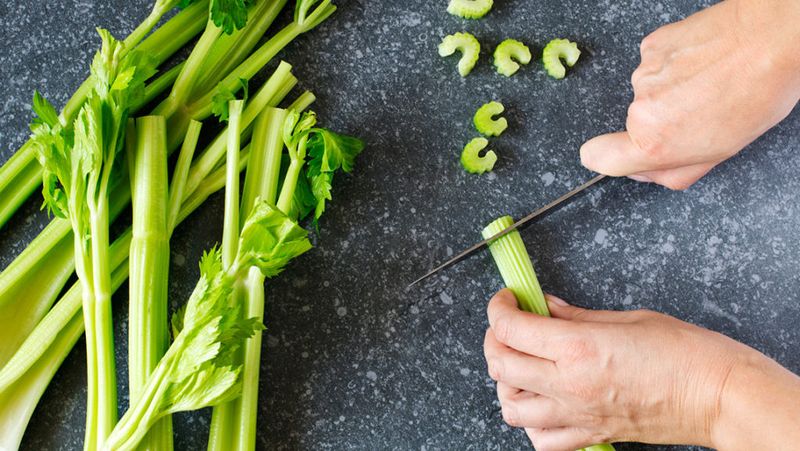
Celery brings hydration, potassium, and compounds like phthalides that may support vessel relaxation. While effects are modest, consistent use can complement a blood pressure friendly plan. Crunchy stalks make snacking easy and satisfying.
Dip celery in hummus, add to soups, or slice into salads. Celery seed is a flavorful spice that can replace excess salt. Choose crisp, green stalks and store in water for freshness.
If you are sensitive to FODMAPs, watch portions and test tolerance. Every bit of volume and fiber helps. Simple habits like this build momentum over time.
17. Seeds (Flax, Chia)
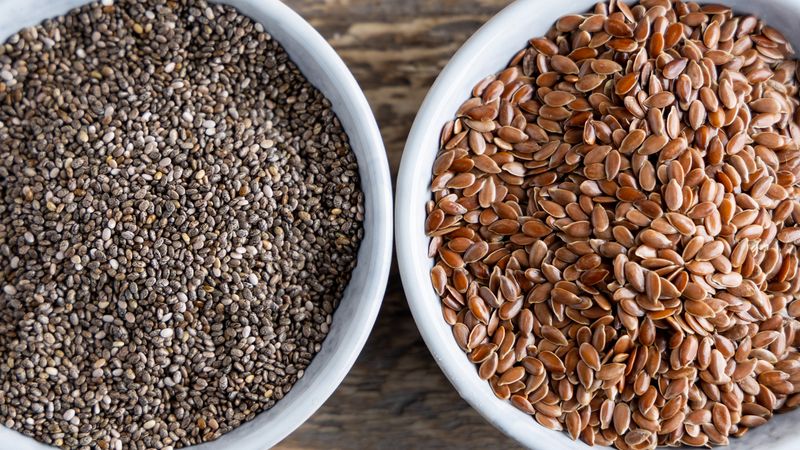
Flax and chia seeds are rich in alpha linolenic acid, fiber, and lignans that may support blood pressure. Flaxseed trials show modest reductions in systolic and diastolic numbers. Chia helps with fullness and steady energy.
Stir ground flax into oatmeal or smoothies, and sprinkle chia on yogurt. Grind flax for better absorption and store in the fridge. Hydrate chia to form a gel for puddings.
Start with one to two tablespoons daily and increase slowly to avoid discomfort. Balance with fluids to keep digestion smooth. Small seeds, big heart supportive benefits.
18. Avocado
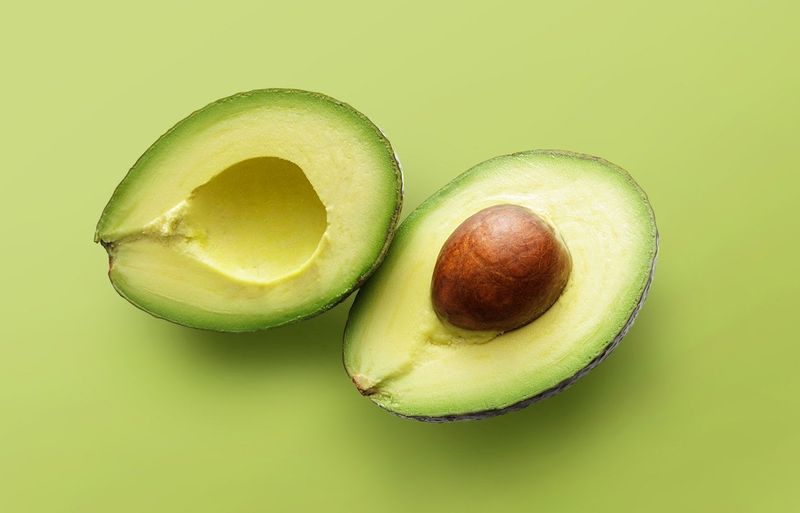
Avocado delivers potassium, fiber, and monounsaturated fats that support heart health and blood pressure. Swapping saturated fats for avocado has been linked to better vascular markers. The creamy texture makes healthy eating feel indulgent.
Mash on whole grain toast, cube into salads, or blend into smoothies. Add lime, chili, and herbs for flavor without excess sodium. Watch portions since calories concentrate quickly.
If you need to ripen avocados faster, store with bananas. Keep cut halves green with lemon and an airtight wrap. Delicious and practical, they fit into almost any meal.
19. Watermelon
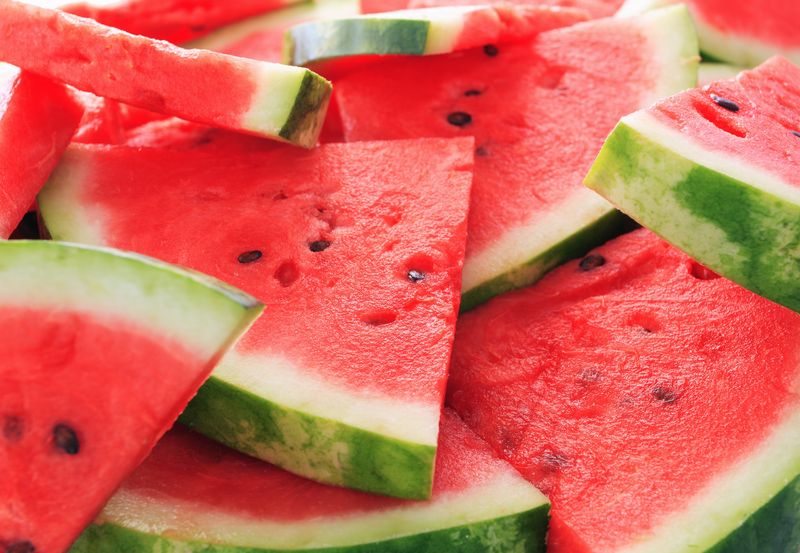
Watermelon contains citrulline, an amino acid that can boost nitric oxide and support vessel relaxation. Studies show potential benefits for blood pressure and exercise performance. It is also hydrating and refreshing, perfect for warm days.
Blend into a chilled juice with lime or enjoy as simple slices. The white rind holds extra citrulline, so consider pickling or blending it. Keep portions reasonable to balance natural sugars.
Pair with feta, mint, and olive oil for a savory salad. Quick, fun, and family friendly, it helps you stay consistent. Summer in a bite, with perks.
20. Pumpkin Seeds
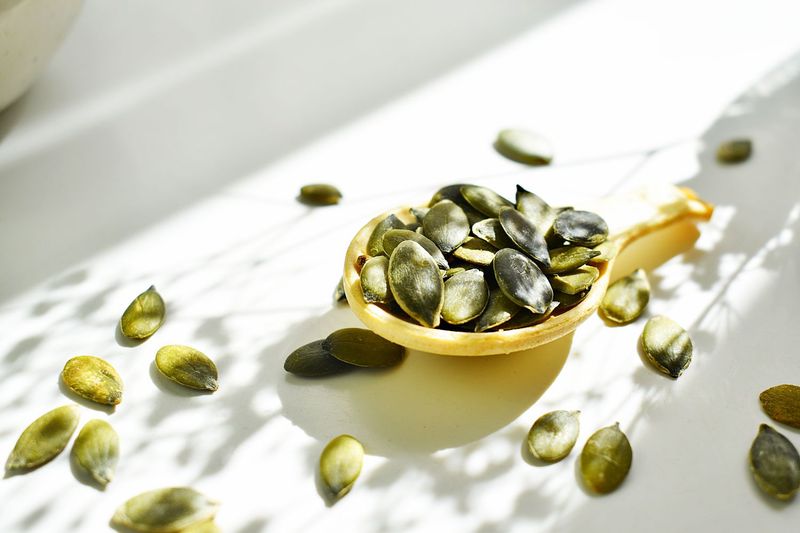
Pumpkin seeds offer magnesium, zinc, and arginine that support vascular tone and nitric oxide production. Magnesium in particular is linked with lower blood pressure in meta analyses. They are crunchy, portable, and satisfying.
Snack on a small handful or sprinkle over soups and salads. Choose unsalted or lightly seasoned versions to limit sodium. Store in airtight containers to keep them fresh.
If digestion feels heavy, try soaking or choosing pepitas. Pair with fruit for a balanced snack. Simple, mineral rich, and easy to use daily without much planning.
21. Greek Beans (White Beans)
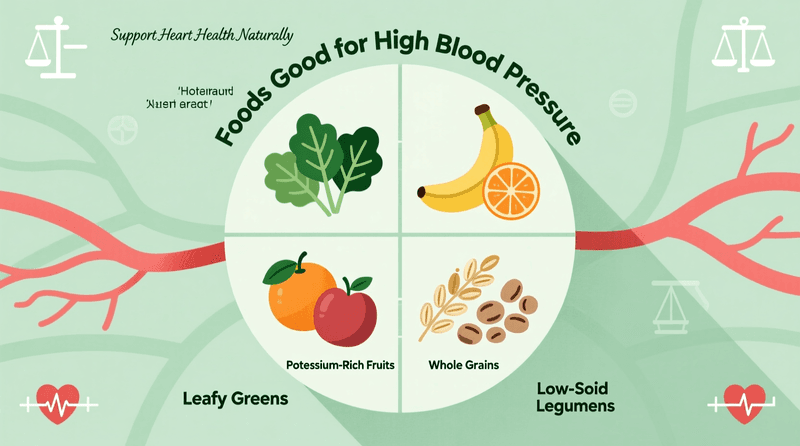
White beans supply potassium, magnesium, and fiber that align with blood pressure friendly eating patterns. They also provide plant protein that helps replace salty meats. Canned beans are convenient if you choose low sodium and rinse well.
Make a rustic bean salad with tomato, onion, and olive oil. Add rosemary and garlic for flavor without extra salt. Simmer into soups for cozy, satisfying meals.
If beans cause bloating, increase gradually and hydrate well. Batch cook for easy weekday lunches. Affordable, filling, and research supported, beans make heart smart eating sustainable.
22. Turmeric
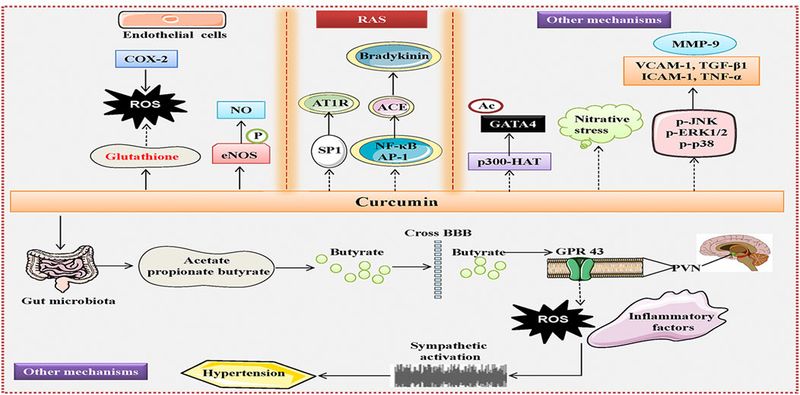
Turmeric contains curcumin, a compound studied for anti inflammatory and endothelial benefits. Some research suggests mild blood pressure improvements, especially alongside other lifestyle changes. Absorption improves when paired with black pepper and fat.
Stir into curries, golden milk, or roasted vegetables. A pinch goes a long way for color and warmth. Consider standardized supplements if guided by your clinician.
Watch for staining and potential medication interactions. Start small to gauge tolerance. Layering turmeric with a produce rich diet can help your vessel health gradually, with comforting flavor and vibrant color on your plate.
23. Green Tea
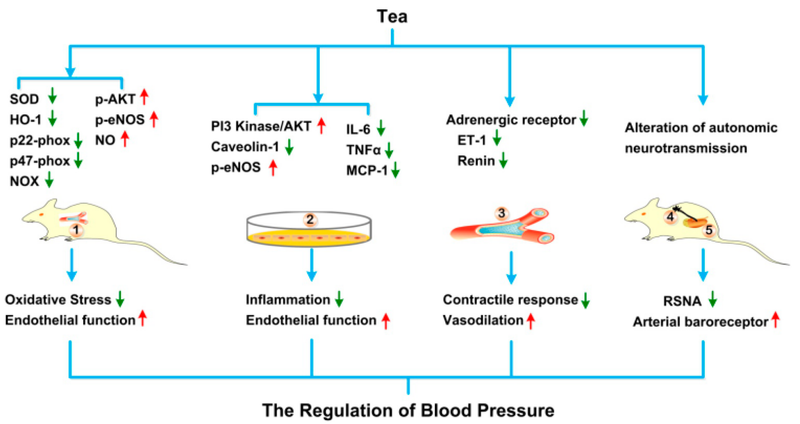
Green tea provides catechins that may support endothelial function and modestly reduce blood pressure. Regular consumption aligns with healthier arterial stiffness and improved nitric oxide availability. It also offers a gentle energy lift.
Steep at lower temperatures to avoid bitterness and preserve catechins. Enjoy plain or with lemon to enhance flavor. Limit late evening cups if caffeine affects your sleep.
Brew a pot and refrigerate for unsweetened iced tea. Consistency beats perfection here. A daily ritual can calm your routine while quietly supporting your cardiovascular numbers.
24. Kiwi
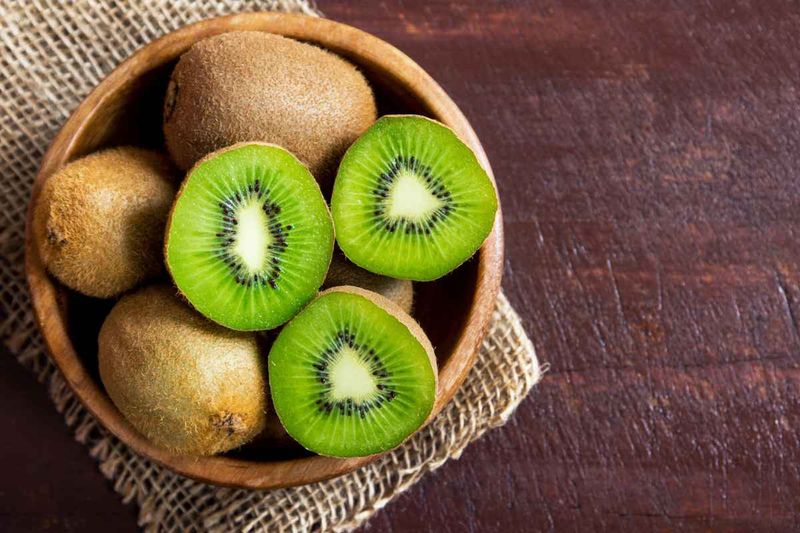
Kiwi is rich in vitamin C, potassium, and antioxidants that support vascular health. Studies suggest that eating kiwi regularly may reduce blood pressure and improve endothelial function. It is tangy, juicy, and easy to pack.
Peel and slice, or cut in half and scoop with a spoon. Add to salads or blend into smoothies for a tropical note. Golden kiwi offers a sweeter, less tart option.
If you have latex fruit allergy, introduce slowly and monitor. Keep a few ripe ones on hand for a quick snack. Small fruit, meaningful support for your heart.