24 Surprising Foods Americans Consumed In The Years After WWII
Peek into American kitchens right after World War II, and you will find a pantry that looks familiar but tells a very different story. Convenience met creativity as rationing faded and optimism surged, and cooks stretched every can and box into something new.
Some dishes feel charming, others downright odd, yet each reveals how families adapted to changing budgets, technology, and tastes. Ready to discover the curious flavors that shaped a generation?
1. Jell-O Vegetable Salad
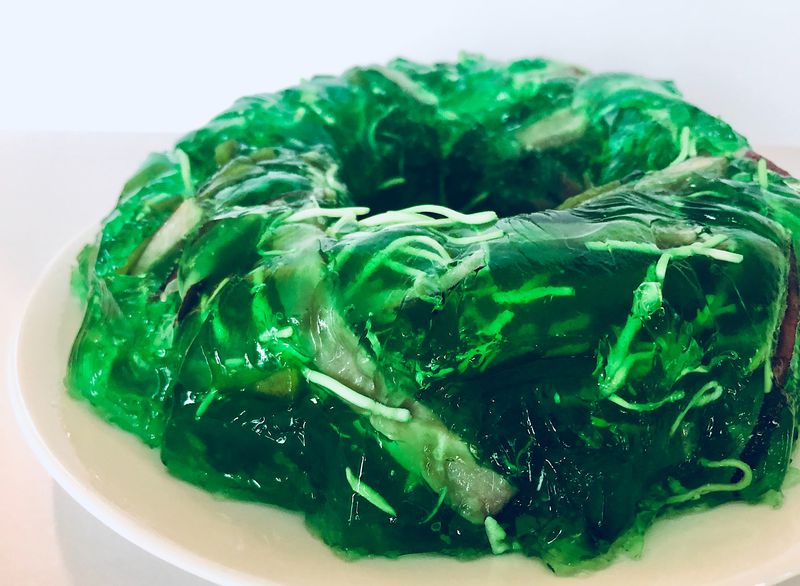
Gelatin salads took center stage, and this one mixed vegetables into a tangy lime base. Carrot shreds, celery, olives, and pimentos floated like confetti, looking festive at every church potluck.
You might raise an eyebrow, but hosts loved the showy wobble and easy prep.
Producers marketed gelatin as a modern miracle, promising clean flavors and nutrition with minimal effort. Home refrigerators made chilling convenient, turning Jell-O into a weeknight staple.
Serve it with mayonnaise or cottage cheese, and you would fit right in after the war.
2. Spam Fritters
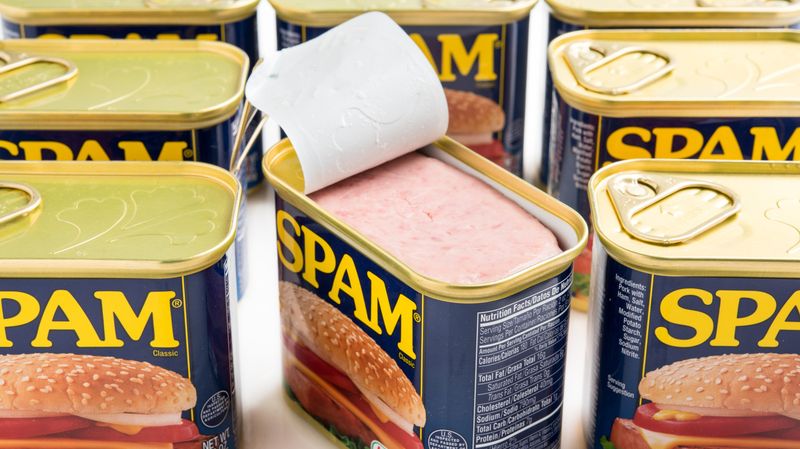
Spam carried over from wartime rations into peacetime comfort, especially as budgets stabilized. Sliced and dipped in simple batter, then pan-fried, it became crispy outside, soft inside.
You got salty richness fast, ideal for busy nights and lunch pails.
Magazines pitched variations, suggesting pineapple rings or maple glaze for a sweet-savory twist. Frying masked any canned undertones and gave diners something indulgent without spending much.
Pair it with mashed potatoes, and dinner suddenly felt a little celebratory after lean years.
3. Tuna Noodle Casserole
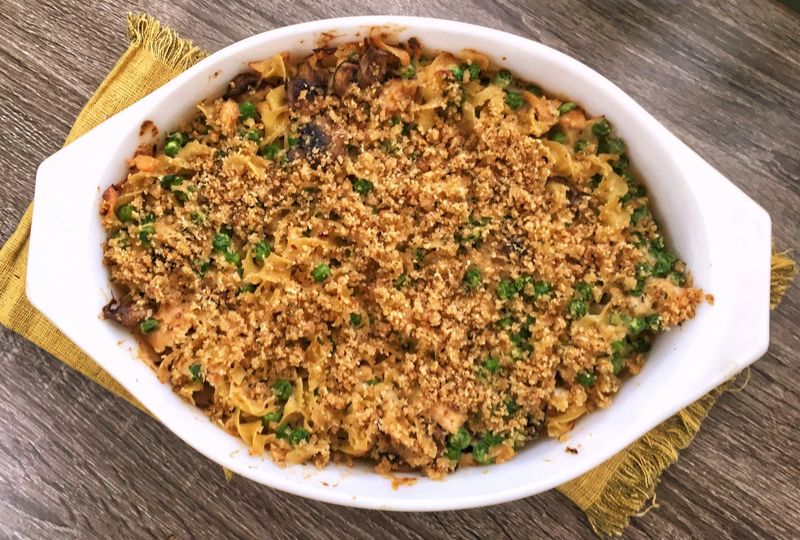
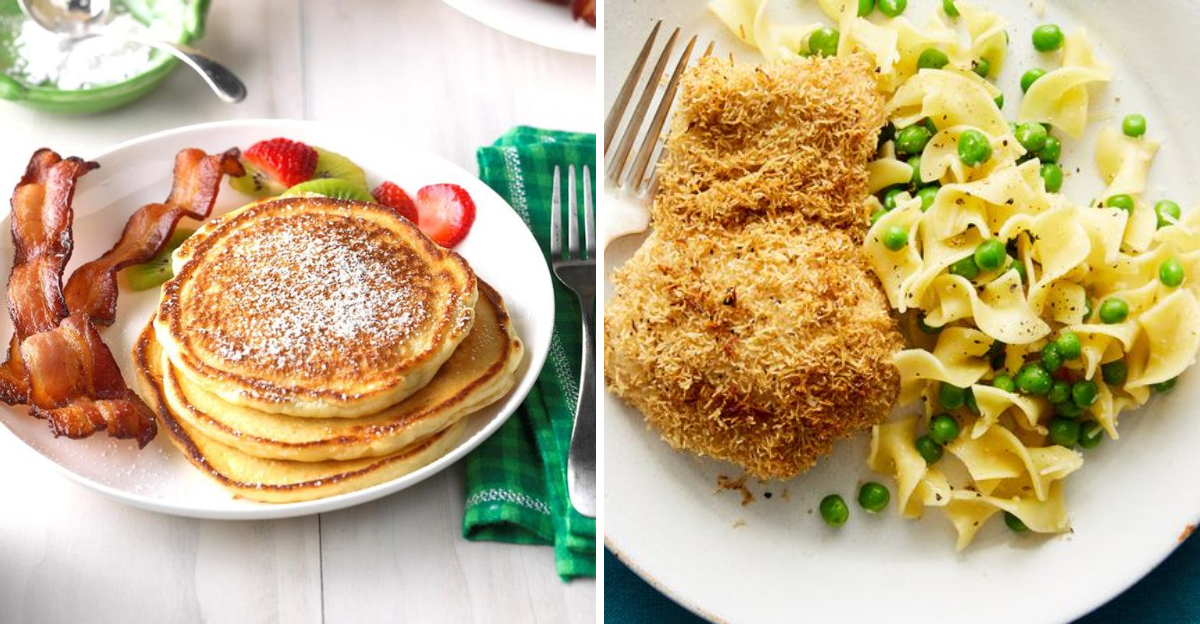
Budget friendly and pantry driven, tuna noodle casserole dominated weeknights. Canned tuna, condensed soup, and egg noodles joined forces under a crunchy chip or breadcrumb topping.
Peas added color while stretching protein further for hungry families.
Church cookbooks spread countless variations, all promising comfort with minimal fuss. The dish baked while you set the table, then emerged bubbling and golden.
Leftovers reheated well, making next day lunches a breeze in an era wooed by convenience.
4. Chicken a la King on Toast
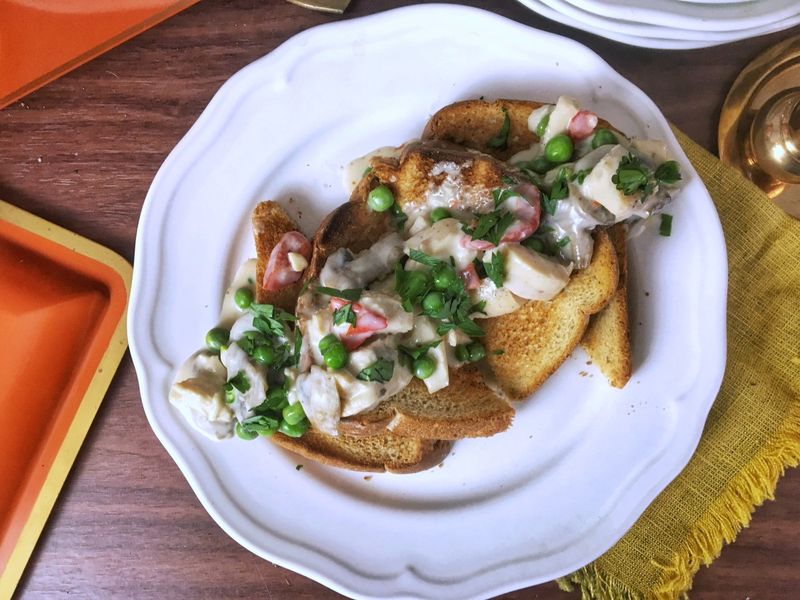
This creamy standby tasted fancy without straining wallets. Cooked chicken, mushrooms, and pimentos swam in a velvety sauce poured over toast points or puff pastry.
It felt hotel inspired, yet thrifty cooks relied on leftovers and canned vegetables.
Postwar optimism made restaurant style dishes appealing at home. Condensed soups and bouillon cubes simplified the sauce, while electric ranges helped control heat.
Serve it for bridge club or Sunday supper, and you would impress guests with minimal stress.
5. Creamed Chipped Beef on Toast
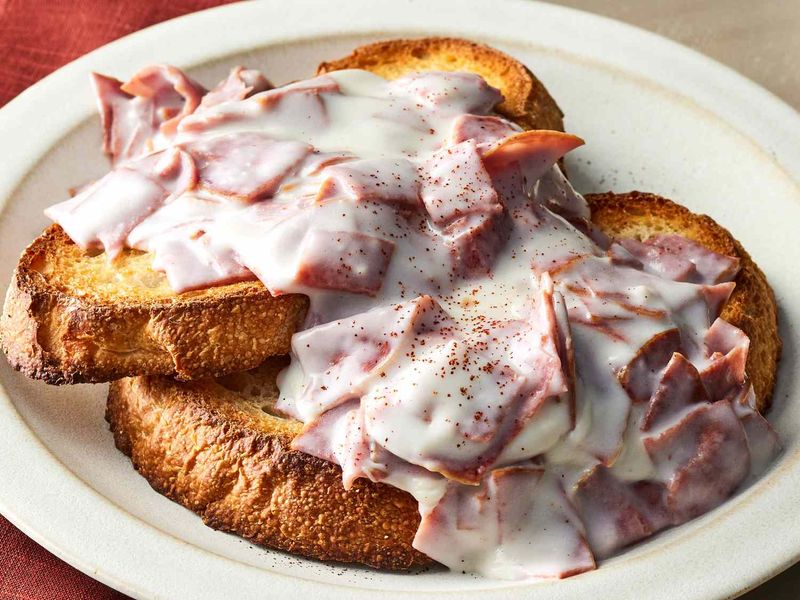
Known lovingly as SOS by veterans, creamed chipped beef slid neatly into civilian breakfasts. Dried beef ribbons simmered in a white roux, then blanketed toast with salty comfort.
It was quick, hearty, and familiar to many returning soldiers.
Home cooks embraced it for low cost and predictable flavor. Pepper and paprika added bite while evaporated milk boosted richness when fresh was scarce.
You could find it in diners, too, anchoring menus that balanced nostalgia with frugality.
6. Chiffon Pie
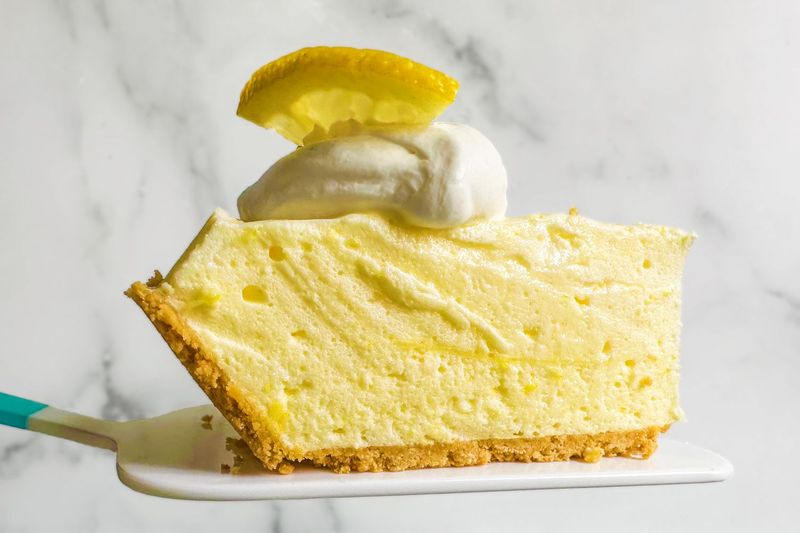
Chiffon pie felt like culinary science merged with glamour. Gelatin stabilized an eggy, whipped filling that seemed impossibly light after heavy wartime desserts.
Lemon was classic, though orange and chocolate versions dazzled too.
Advertisements framed it as the modern hostess dessert, perfect for bridge or baby showers. Refrigeration made it reliable, and premade crusts shortened steps even more.
Cut a slice and you get a cloudlike bite that symbolized fresh starts.
7. Liver and Onions
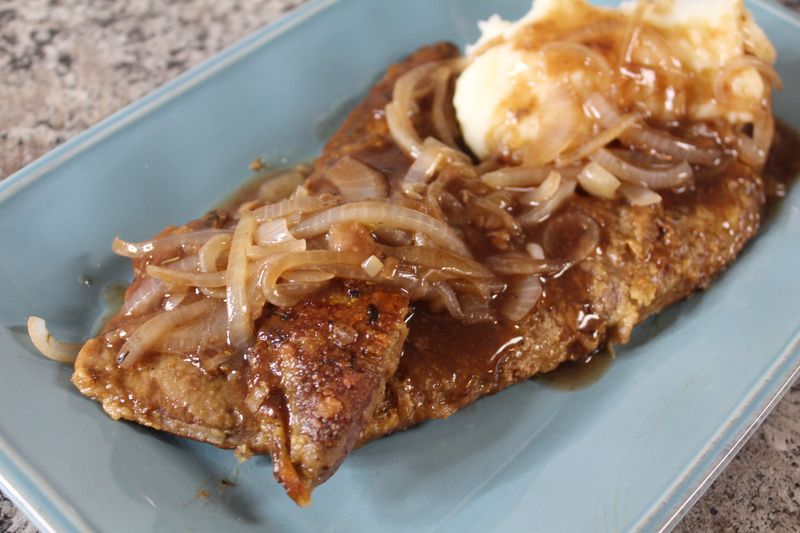
Economical cuts were still prized, and liver carried serious nutrition buzz. Pan seared with onions, it brought iron and vitamin A to the table affordably.
Many families grew up with this bold, minerally flavor as a weekly staple.
Cookbooks suggested soaking in milk to mellow intensity. Bacon strips and plenty of onions helped win over picky eaters.
You might not crave it now, but it represented a practical, responsible dinner in the years rebuilding routines.
8. Ambrosia Salad
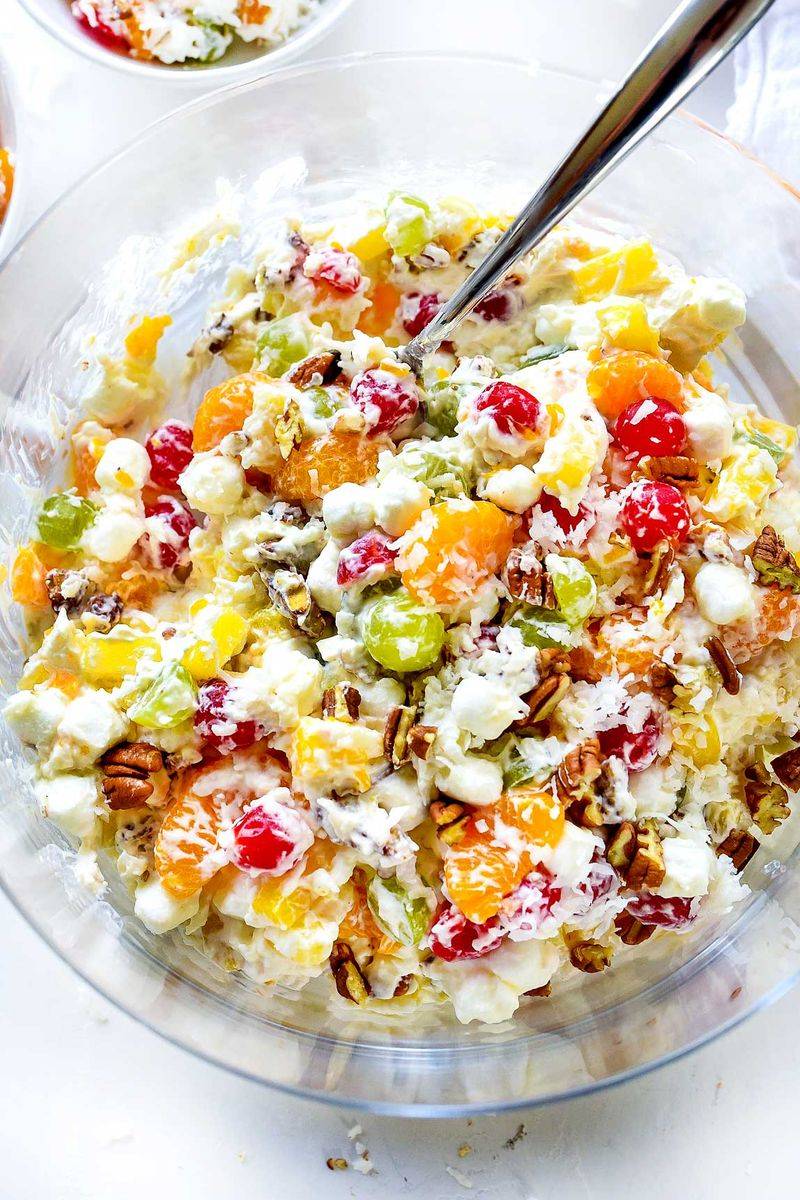
Ambrosia turned pantry fruit into party fare. Canned oranges and pineapple joined coconut and marshmallows under a whipped or sour cream dressing.
It was sweet, creamy, and wonderfully easy for potlucks and holidays.
After rationing, abundance felt celebratory, and brightly colored fruit fit the mood. This dish traveled well and looked cheerful in cut glass bowls.
You would see it beside ham, shining like a promise of better times.
9. Pear Salad with Mayo
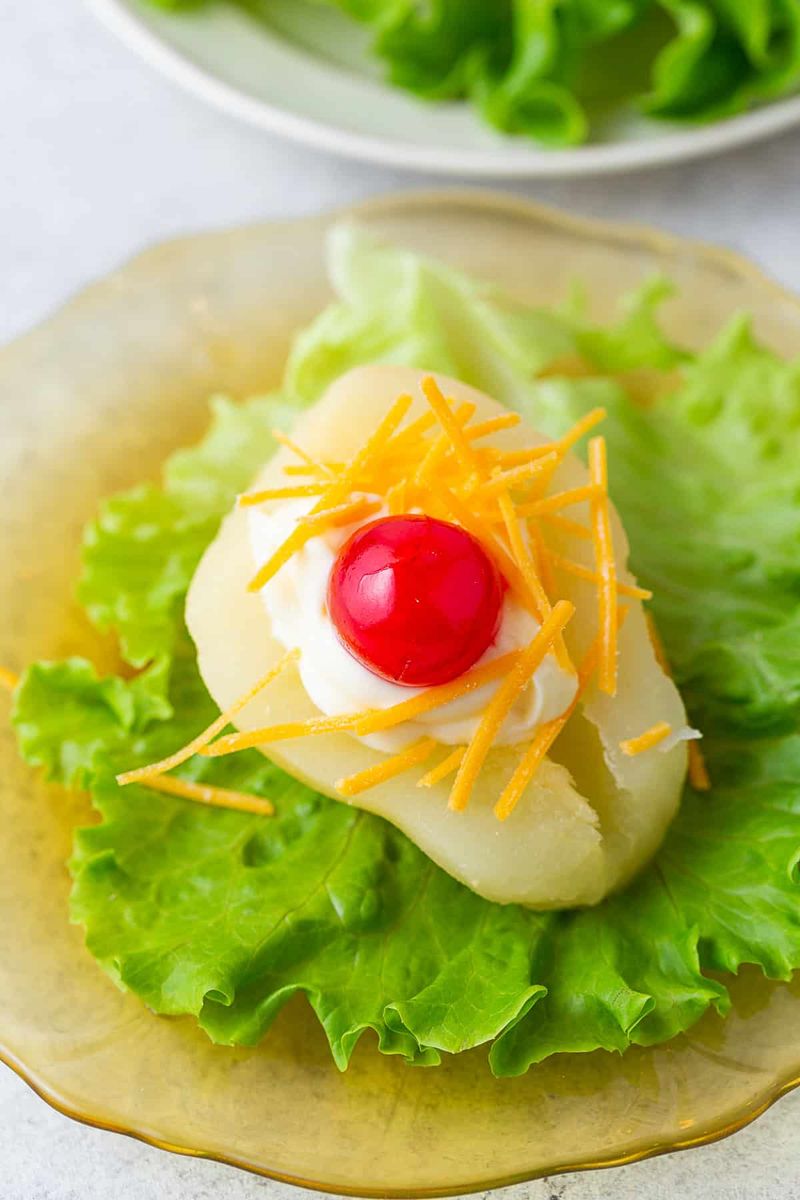
Call it quirky, but canned pear halves with mayonnaise were everywhere. Often sprinkled with shredded cheddar and crowned by a cherry, they balanced sweet and savory in unexpected ways.
The presentation felt festive without demanding much time.
Postwar cooks relied on dependable pantry items, and canned fruit delivered consistent quality. Mayo added richness, while crisp lettuce made it feel like salad, not dessert.
You might smirk now, yet guests cleaned their plates back then.
10. Cabbage Rolls
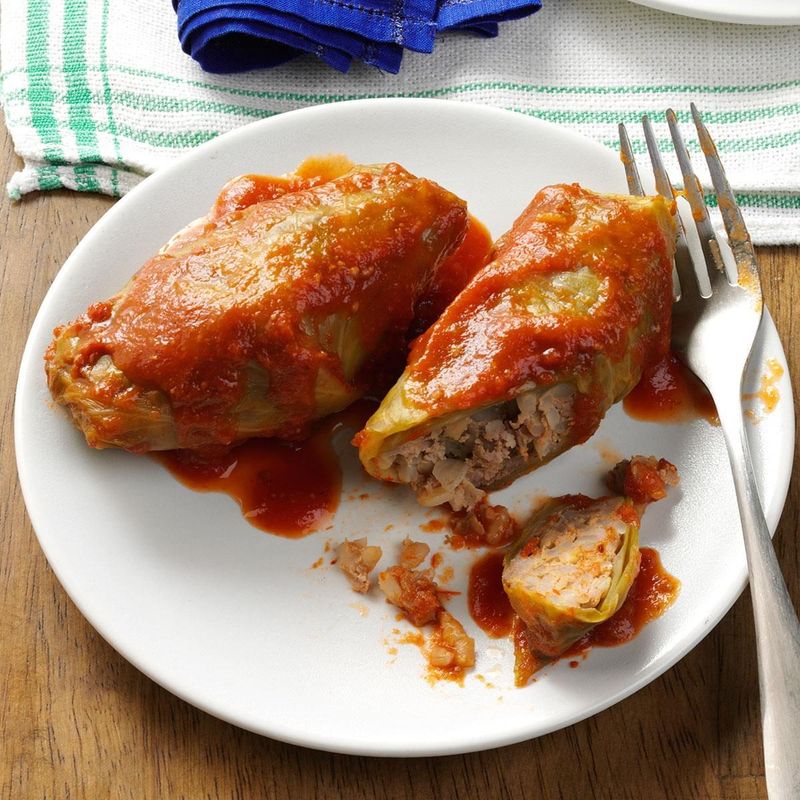
Immigrant traditions met American practicality in cabbage rolls. Ground beef and rice wrapped in tender leaves, then baked in tomato sauce until cozy and fragrant.
They stretched meat while feeding many mouths, ideal for growing families.
Community cookbooks preserved Eastern European roots with homey instructions. Some versions used sauerkraut for tang, others sweetened the sauce.
Either way, it was a Sunday project that paid off all week with leftovers.
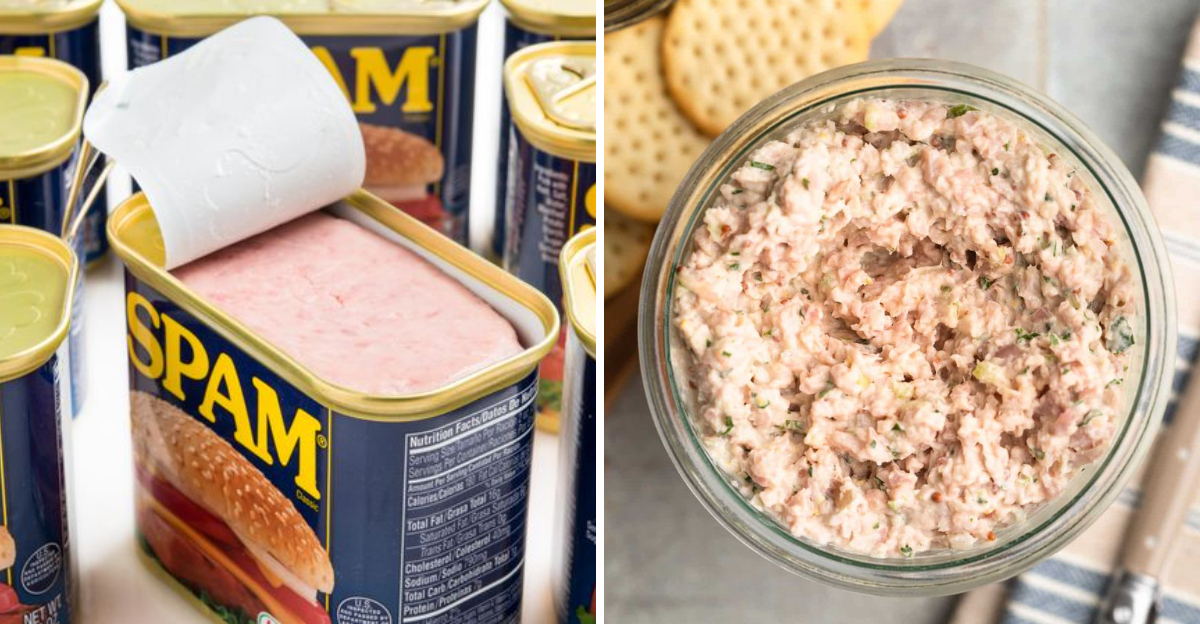
11. Deviled Ham Spread
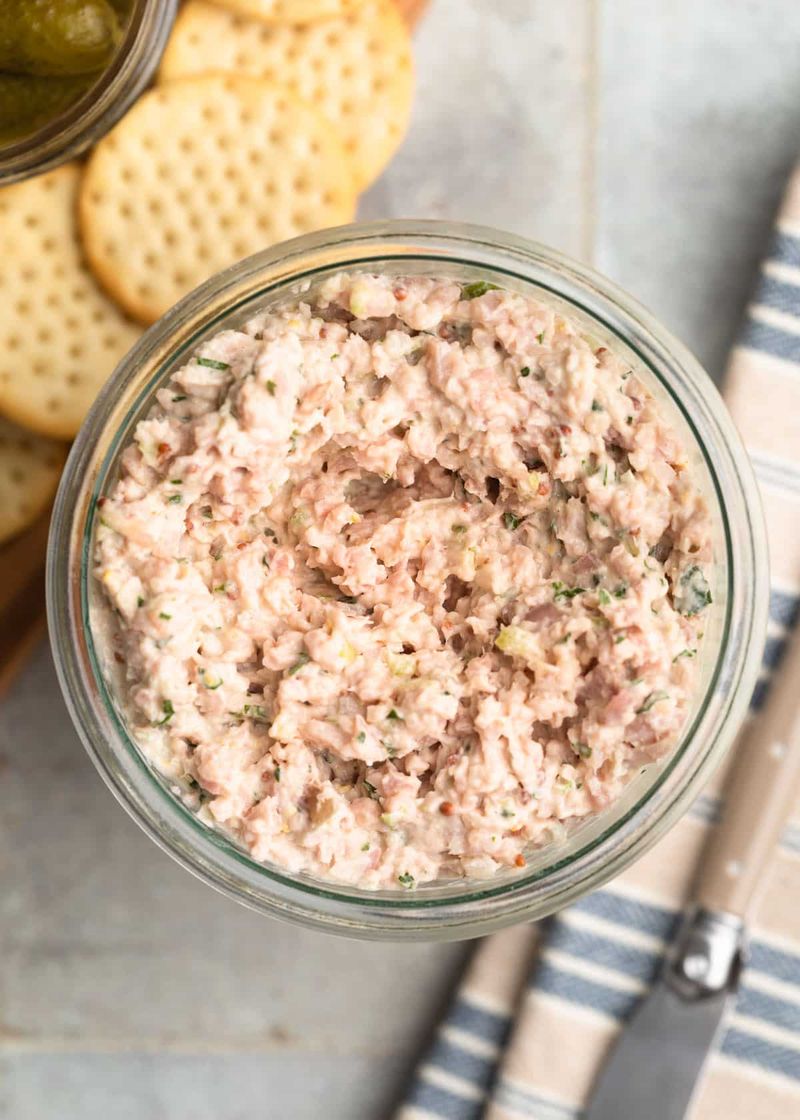
Canned ham transformed into party food with mustard, relish, and spice. Spread on crackers or celery sticks, it made quick canapes for drop in guests.
The flavor was punchy and satisfying, perfect alongside cocktails.
Manufacturers pitched these spreads as modern pantry heroes. With refrigeration more common, hosts kept cans ready for spontaneous gatherings.
You could whip this up in minutes and still feel polished.
12. Beef Tongue Sandwiches
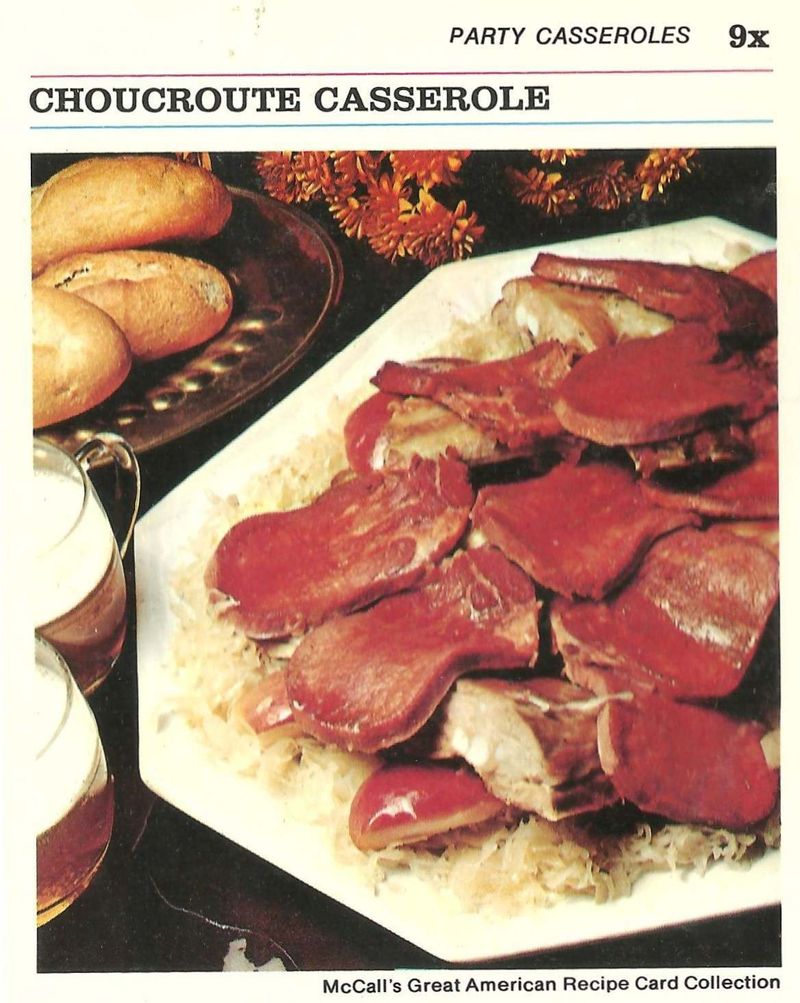
Nose to tail eating was normal, and beef tongue was tender when cooked slowly. Thinly sliced on rye with mustard, it rivaled deli favorites for texture and richness.
Many families considered it a treat, not a compromise.
Pressure cookers and enamel Dutch ovens made preparation manageable at home. Leftovers stretched into hashes and gravies, avoiding waste.
You might hesitate now, but the savory payoff earned devoted fans then.
13. Creamed Peas on Toast
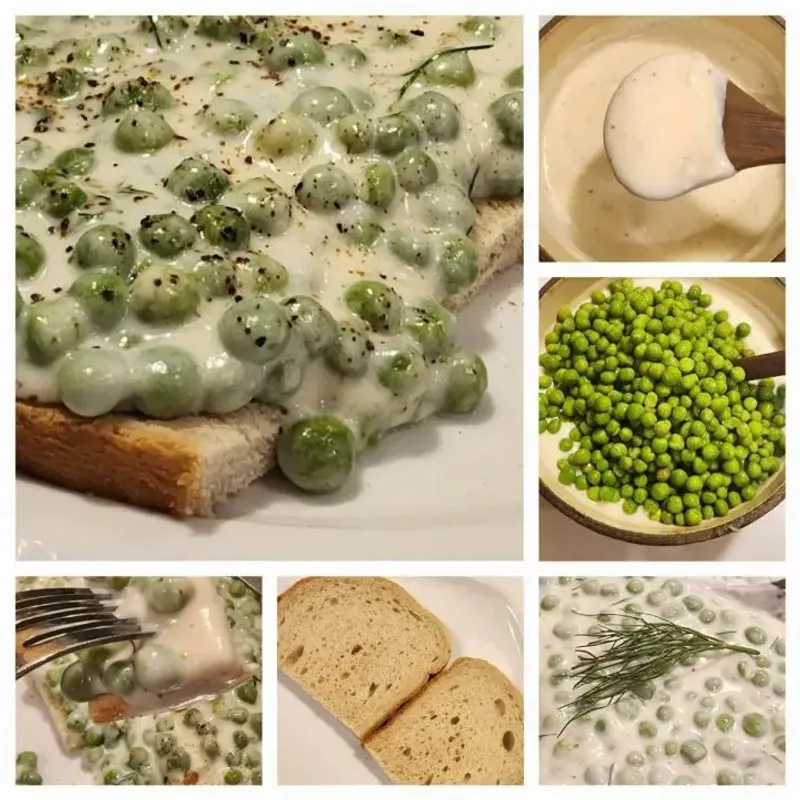
Simple, soothing, and thrifty, creamed peas on toast was weekday comfort. Frozen peas, a novelty then, turned buttery and sweet under a quick white sauce.
Toast made it filling without expensive meat.
Magazines framed vegetable toasts as modern, efficient eating. Kids learned to like peas this way, with gentle seasoning and warm textures.
Add a poached egg, and dinner felt complete for pennies.
14. Shrimp Cocktail
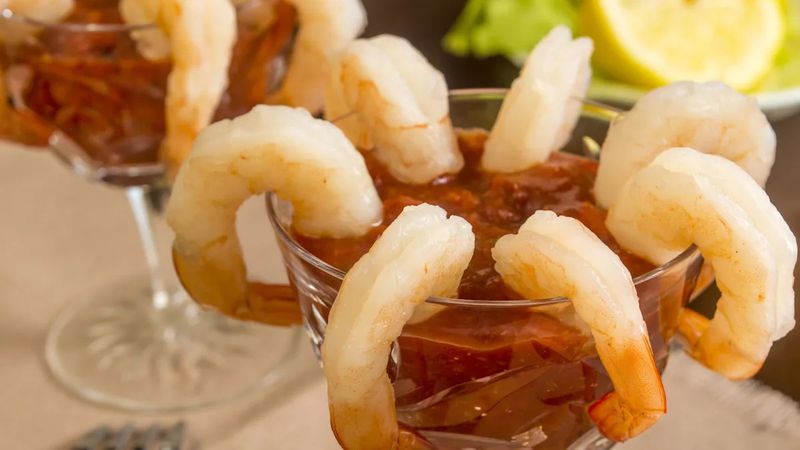
Shrimp cocktail screamed celebration, even if the shrimp were canned or previously frozen. Arranged over ice with a fiery sauce, it felt upscale yet attainable.
Hosts loved the drama and minimal cooking involved.
Improved cold chain logistics made seafood more accessible inland. Cocktail glasses, tiered trays, and lemon wedges delivered restaurant vibes at home.
You would feel fancy from the first dip, no tuxedo required.
15. Meatloaf with Oatmeal
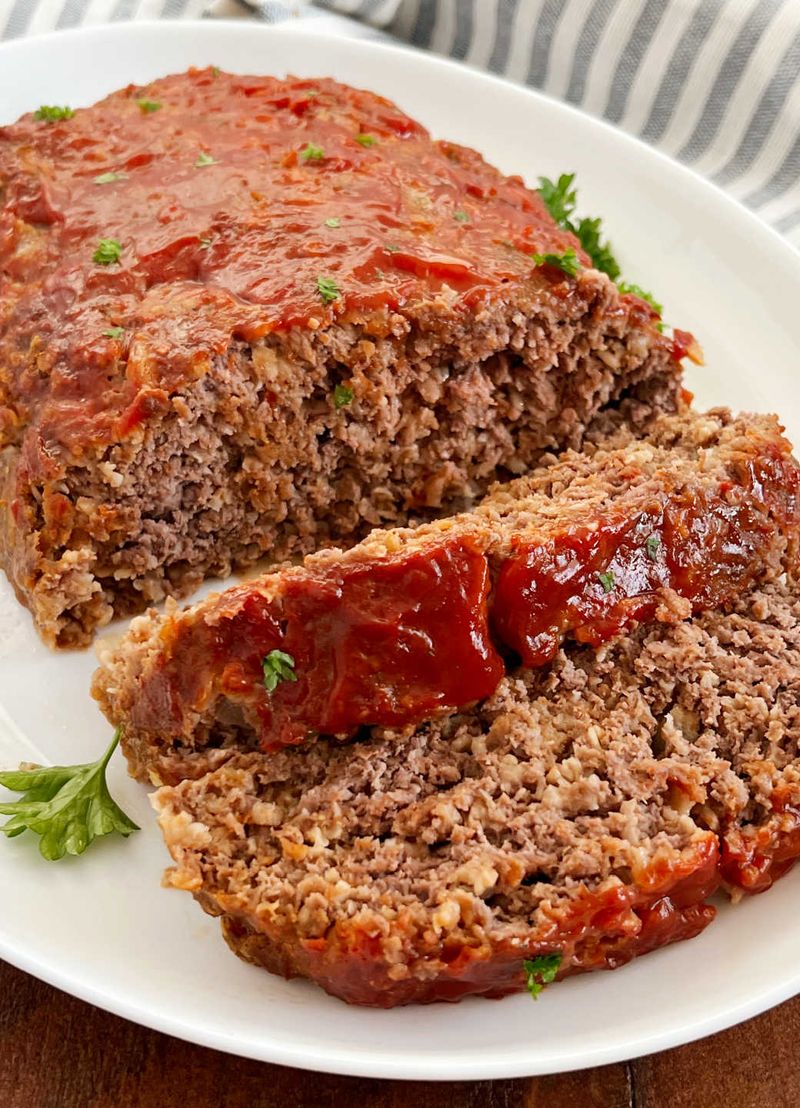
Stretching beef was still a priority, and oats made meatloaf tender and economical. Onions, ketchup, and Worcestershire rounded out flavor, while a shiny glaze charmed kids.
Leftovers became sandwiches that tasted even better cold.
Recipe cards traveled between neighbors, each boasting the best ratio. Oats were reliable when breadcrumbs ran short or felt too pricey.
Slice it thick, and dinner felt anchored, honest, and filling.
16. Creamed Corn Casserole
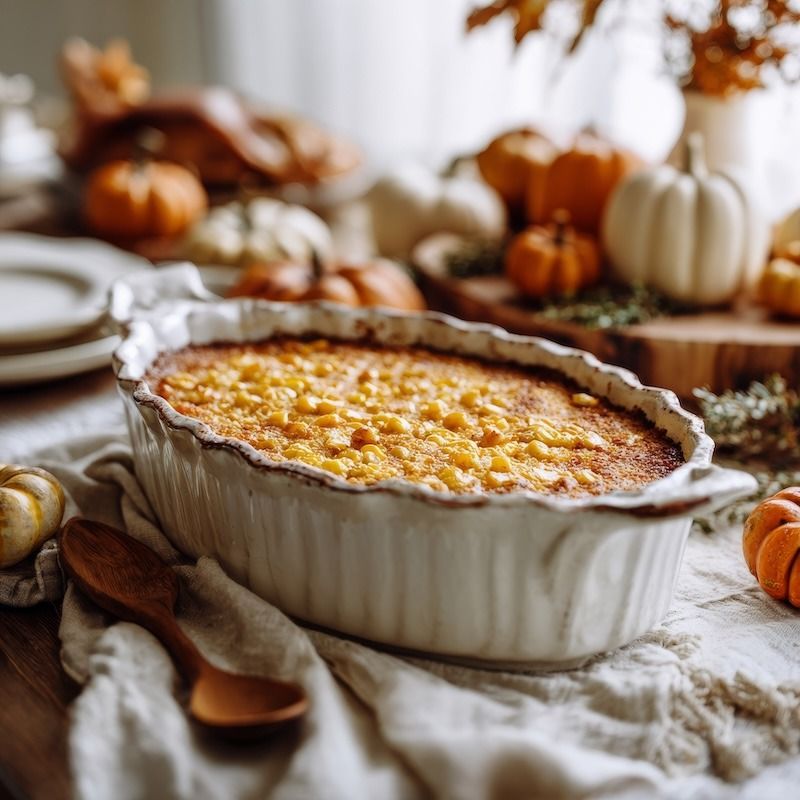
Sweet kernels bathed in creamy sauce made this a beloved side. Canned corn kept costs stable, while eggs and milk set the mixture as it baked.
The top browned beautifully, offering spoonfuls of custardy comfort.
Postwar cookbooks praised its simplicity and versatility beside ham or roast chicken. You could spice it with paprika or add peppers for color.
Everyone returned for seconds, especially during Sunday dinners.
17. Canned Pineapple Ham Skewers
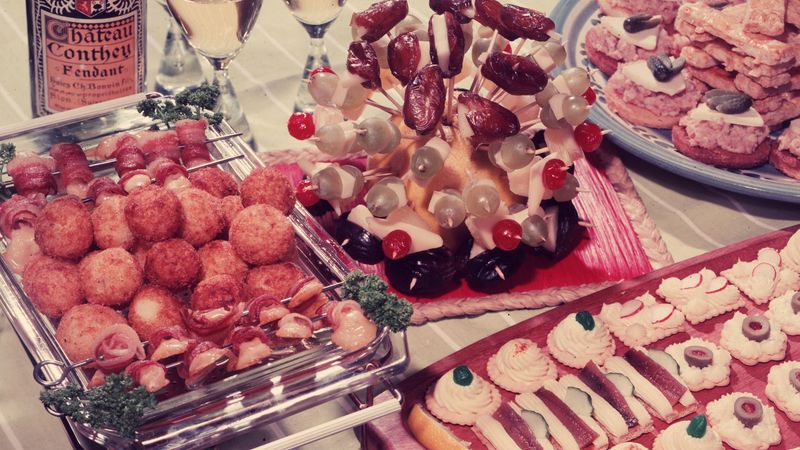
Tangy sweet pineapple met salty ham on broiler skewers, channeling early tiki enthusiasm. Canned fruit made the combo affordable and consistent year round.
A quick glaze of brown sugar and mustard sealed the deal.
These bites showed up at luaus and living room parties alike. People craved new flavors and easy finger food.
You could assemble them fast and look wonderfully modern doing it.
18. TV Dinners
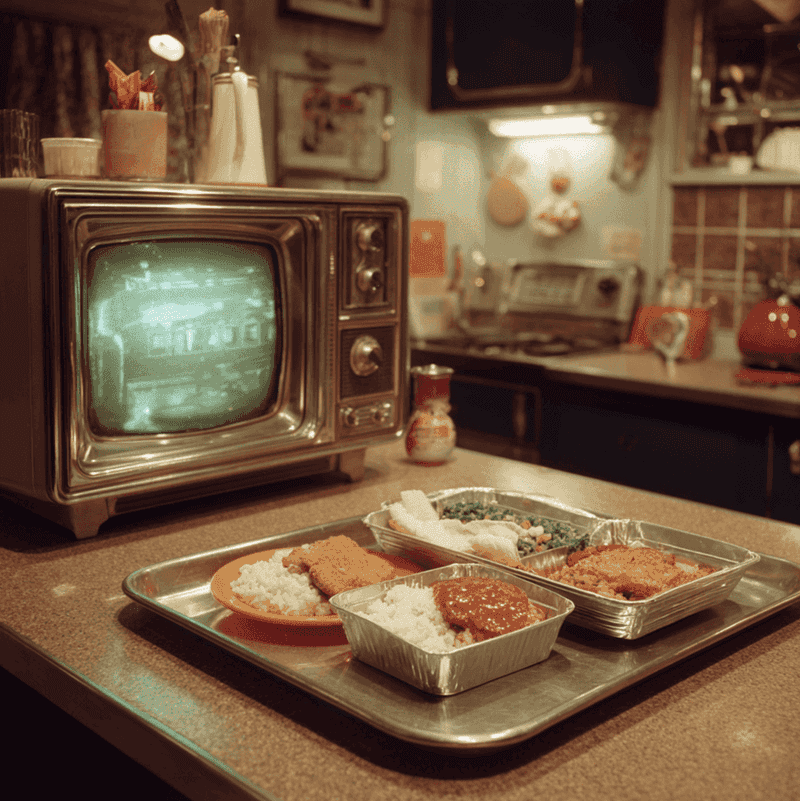
Frozen TV dinners promised convenience matching the new nightly ritual of television. Compartments kept flavors tidy, with turkey, peas, and a brownie often included.
Families could eat hot meals without hovering over the stove.
Advances in freezing and packaging made this possible and exciting. Advertisements celebrated the freedom they offered busy households.
You popped a tray in the oven and reclaimed your evening.
19. Canned Ravioli
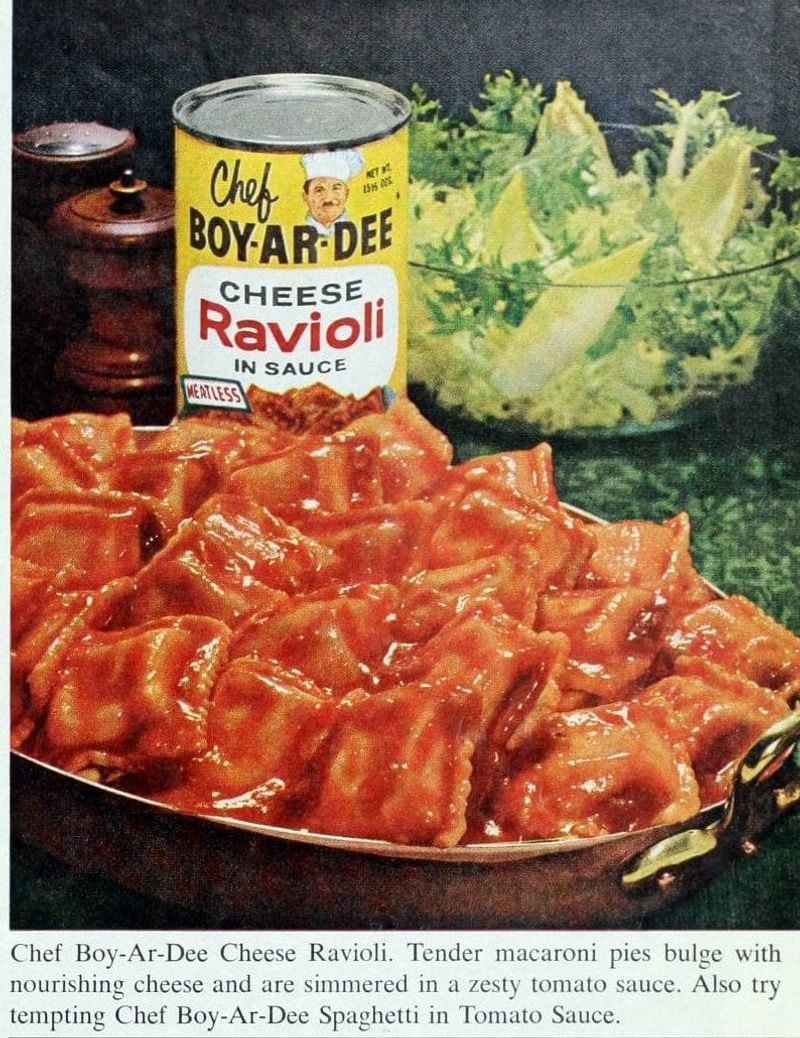
Italian American flavors went mainstream through pantry shortcuts like canned ravioli. You got tender pillows in bright tomato sauce with zero fuss.
Kids loved the mild taste, and parents loved the price.
With suburban growth, quick meals helped families juggle schedules. A sprinkle of cheese and some garlic bread made it feel nicer.
It was not Nonna’s cooking, but it kept everyone fed happily.
20. Chipped Beef Cheese Ball
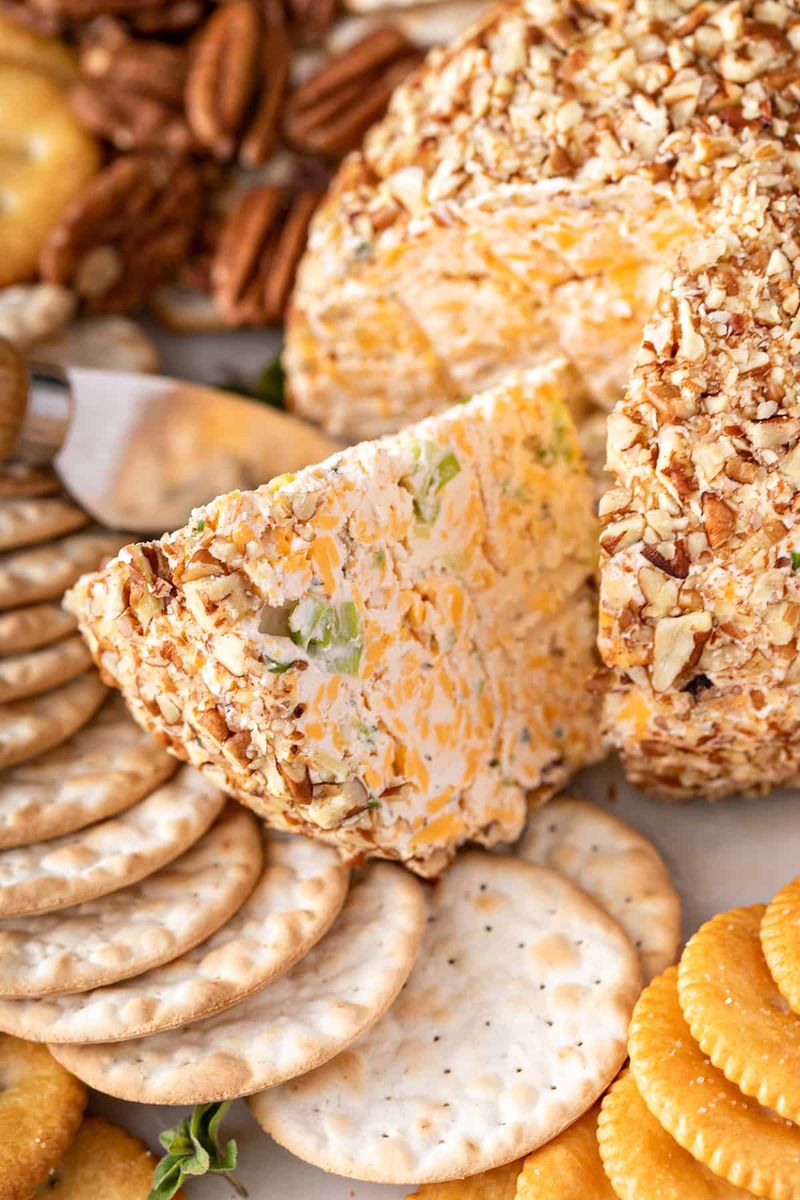
Cheese balls ruled cocktail hours, and chipped beef brought smoky salinity. Cream cheese, Worcestershire, and scallions turned into a tangy sphere to spread.
It parked easily beside highballs and laughter.
Hosts appreciated that it could be made ahead and rolled in nuts. The dramatic reveal felt fancy without straining budgets.
You would watch it disappear one cracker at a time.
21. Congealed Tomato Aspic
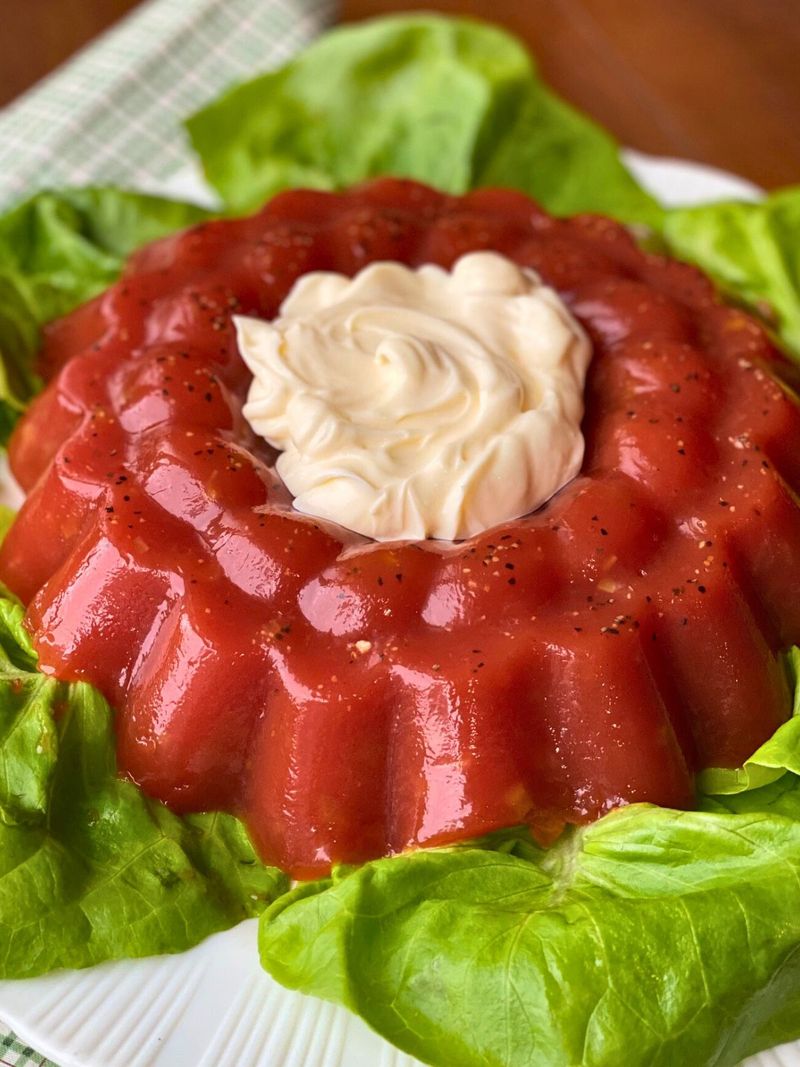
Tomato juice met gelatin to create a savory mold called aspic. Served chilled with mayonnaise, it promised sophistication and clean slices.
Celery and onions added crunch, balancing acidity with gentle sweetness.
Magazine spreads touted these gleaming rings as modern centerpieces. They sliced beautifully for buffet tables and stayed firm for hours.
You might find it peculiar, but it embodied mid-century elegance.
22. Hot Dr. Pepper with Lemon
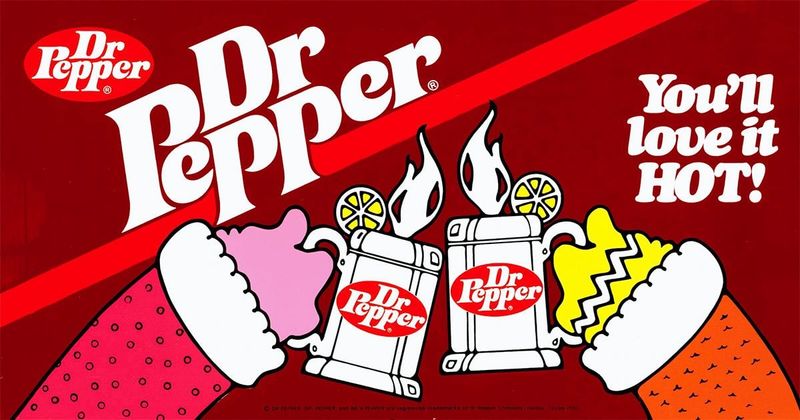
Soft drink companies pitched creative serving ideas, including heating Dr. Pepper. Poured over lemon slices, it became a spiced, soda based winter sipper.
People loved the novelty during chilly gatherings.
Electric kettles and stovetops made warming quick, and the aroma felt surprisingly cozy. It bridged the gap between punch and mulled drinks with minimal ingredients.
You might still try it for nostalgia alone.
23. Pimento Cheese Sandwiches
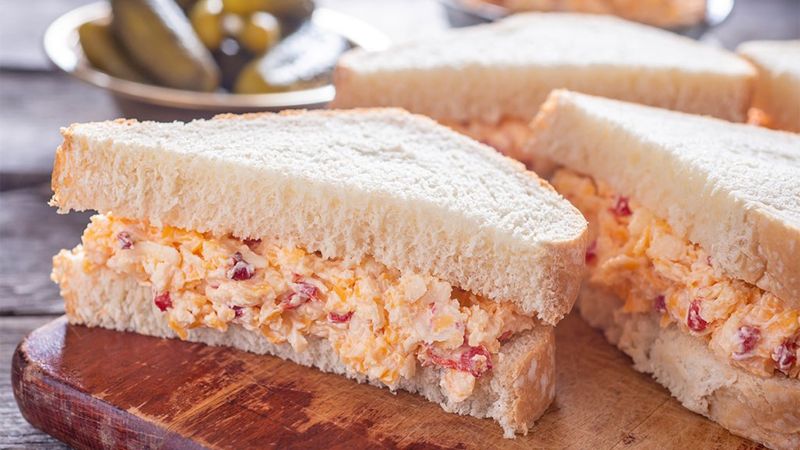
Spreadable, punchy, and cheap, pimento cheese filled countless lunchboxes. Grated cheddar, pimentos, and mayo created a satisfyingly tangy paste.
It went on white bread for speed or crackers for parties.
After WWII, dairy reliability improved, and processed cheese made blending easier. Some added garlic or hot sauce for zip.
You could make a big batch on Sunday and coast all week.
24. Salmon Patties
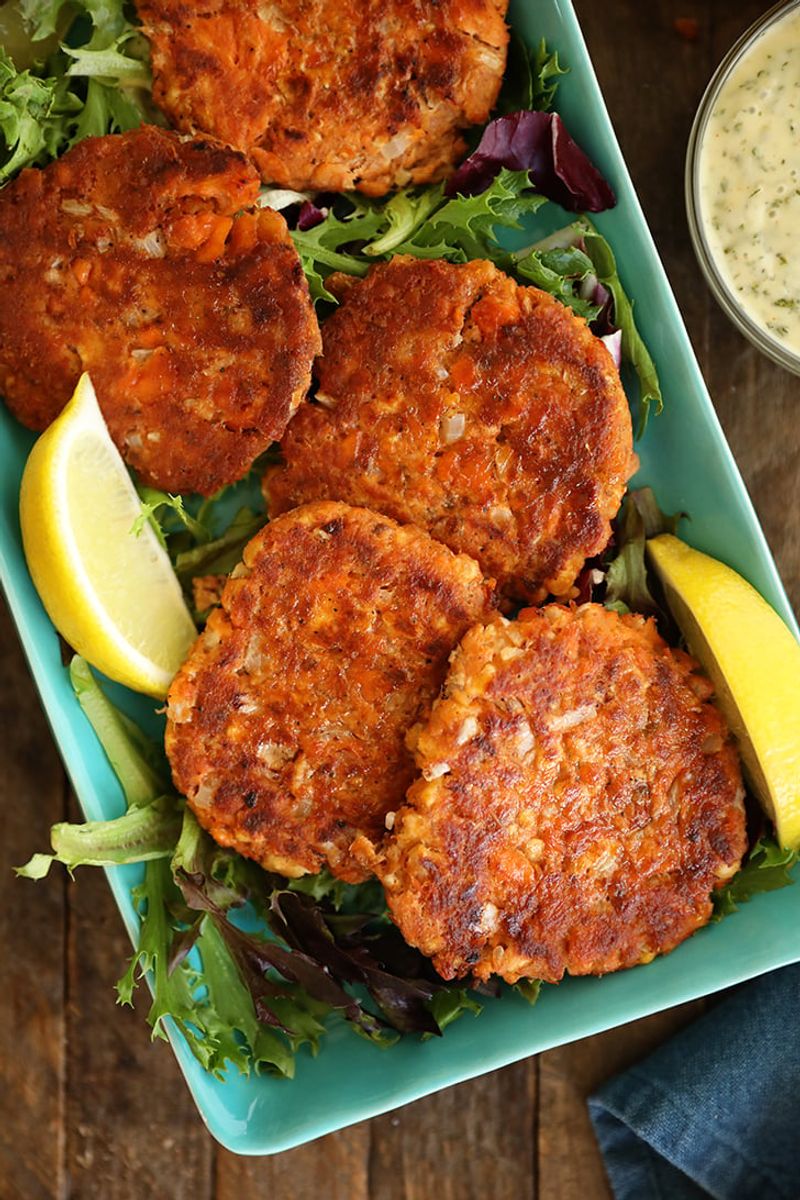
Canned salmon became a weeknight hero shaped into crisp patties. Eggs and crumbs bound the mixture, while onions and dill lifted flavor.
A squeeze of lemon made everything pop.
These patties stretched protein and satisfied seafood cravings far from coasts. Frying delivered texture that felt restaurant worthy on a budget.
You could serve them with slaw and feel completely set.