25 Classic Indian Desserts You Must Try At Least Once
India is a land of diverse cultures, traditions, and an array of delectable sweets. From creamy puddings to syrup-soaked dumplings, each region offers unique desserts that tell a story of their own. Here’s a list of 25 classic Indian desserts, each with its own distinct flavor and history, that you must experience at least once.
1. Gulab Jamun
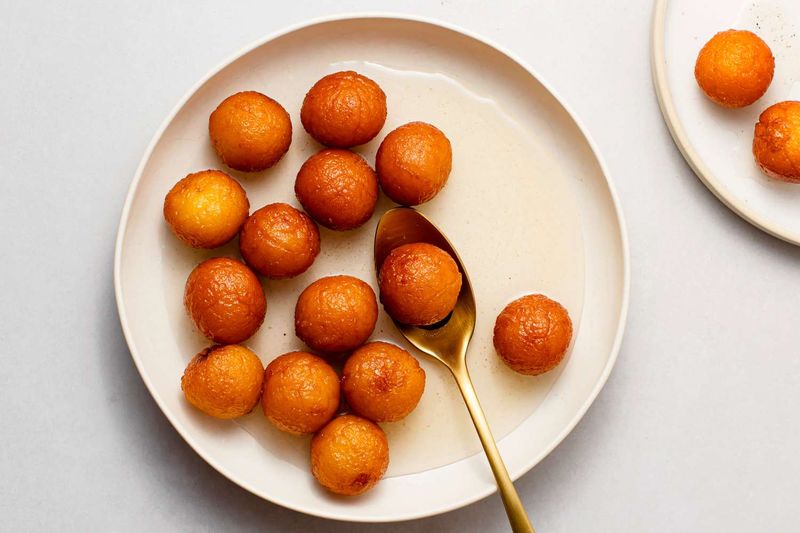
Picture a festival, and you’ll likely see Gulab Jamun gracing the table. These soft, milk-solid dumplings are soaked in a luscious rose-cardamom syrup, making them a quintessential dessert. The delicate texture and aromatic syrup create a heavenly combination that dances on your palate.
Gulab Jamun is often enjoyed warm, enhancing its melt-in-the-mouth quality. Its popularity knows no bounds, transcending regions and celebrations. Traditionally made during festivals or weddings, their flavor is a symbol of joy and indulgence.
Did you know? This dessert traces its roots back to medieval India, inspired by Persian cuisine.
2. Rasgulla
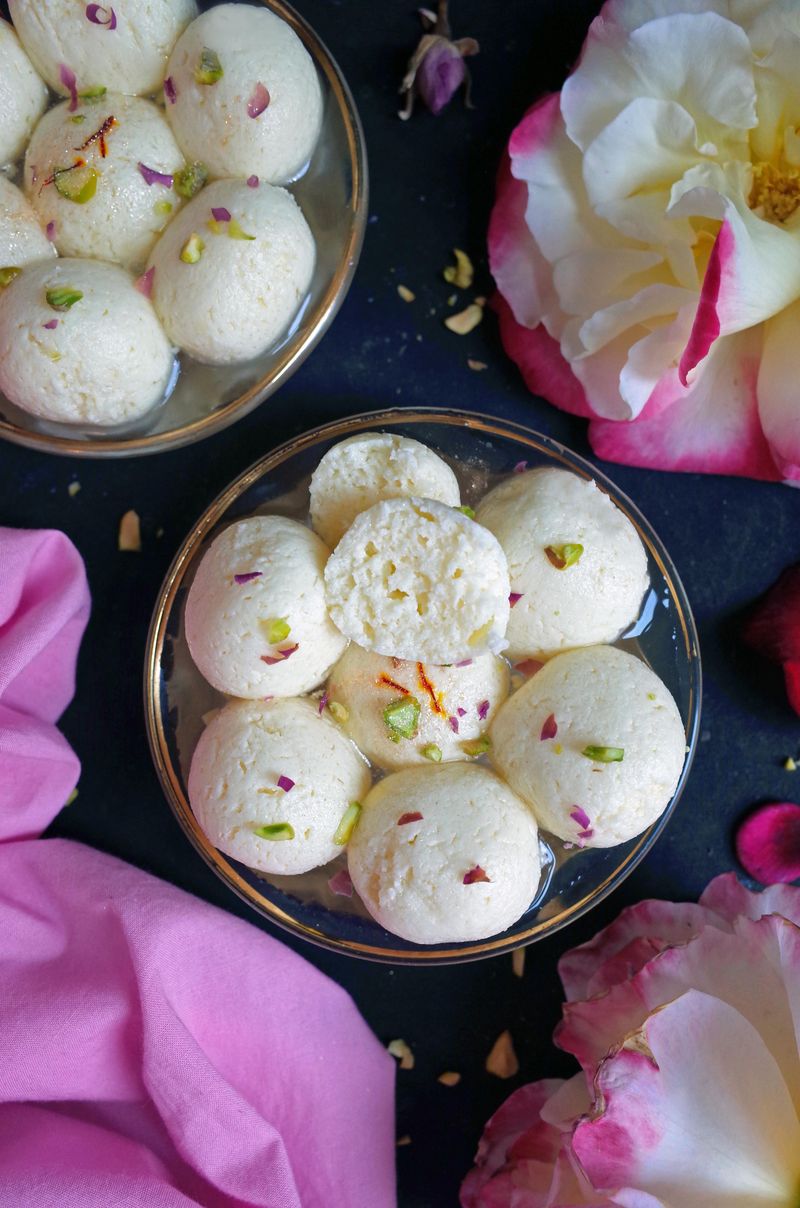
Imagine biting into a cloud—light, airy, and sweet. That’s the magic of Rasgulla, a beloved dessert from Bengal. Made from fresh chhena (Indian cottage cheese), these spongy balls are cooked in sugar syrup, absorbing sweetness and a hint of cardamom.
Rasgulla’s simplicity and elegance make it perfect for any occasion, whether it’s a festive gathering or a casual dinner. Its gentle sweetness is comforting without being overwhelming. The process of making Rasgulla demands patience and skill, ensuring the perfect texture.
Fun fact: Rasgulla has sparked debates between Odisha and West Bengal over its origin!
3. Rasmalai
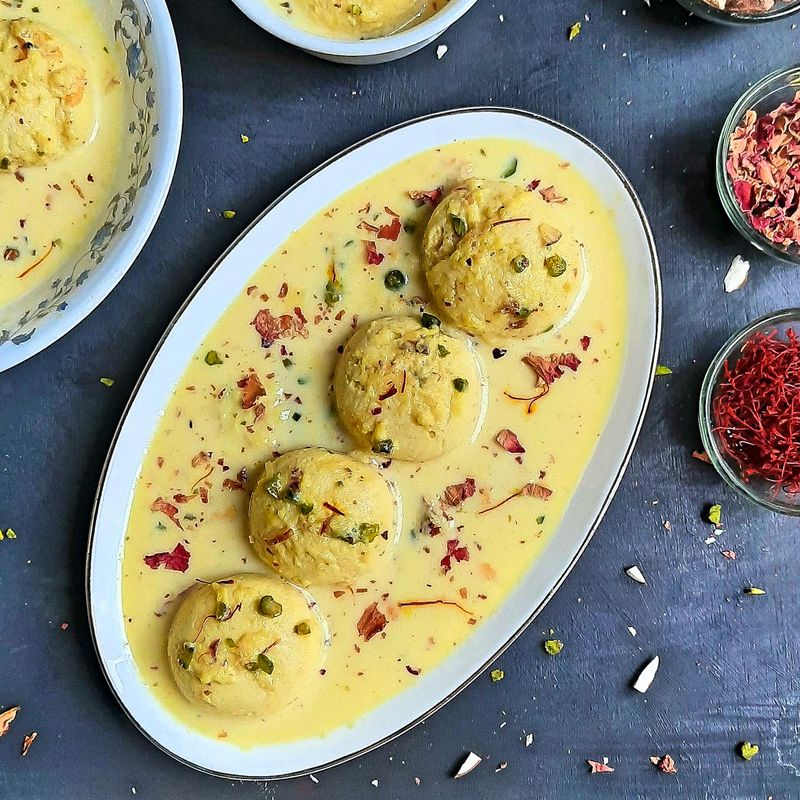
Delicacy meets elegance in Rasmalai, where soft paneer patties float in a fragrant saffron-cardamom milk. Originating from Bengal, this dessert embodies luxury and grace, ideal for celebrations.
Each bite offers a creamy texture, balanced by the aromatic milk, providing a sophisticated dessert experience. The saffron and cardamom add a depth of flavor that elevates its richness.
Rasmalai is often served chilled, enhancing the creaminess and merging the flavors beautifully. It’s a favorite at weddings and festivals, often seen as a dessert that symbolizes love and prosperity.
4. Kheer (Rice Pudding)
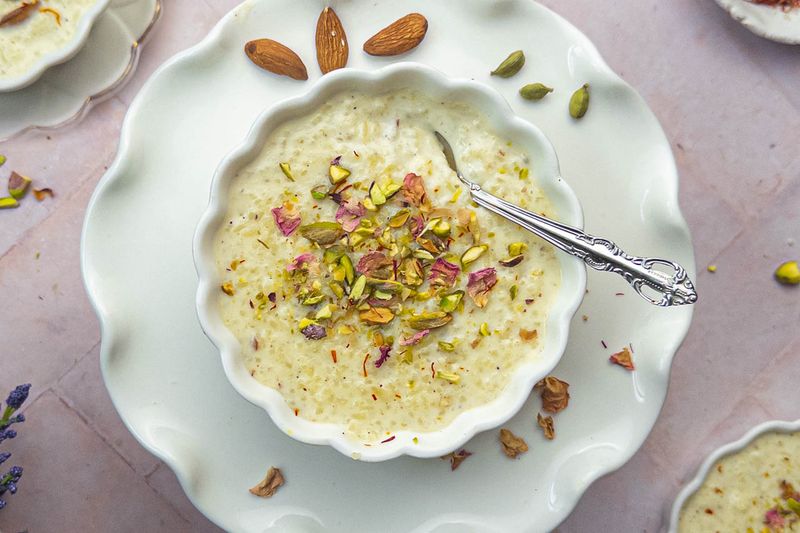
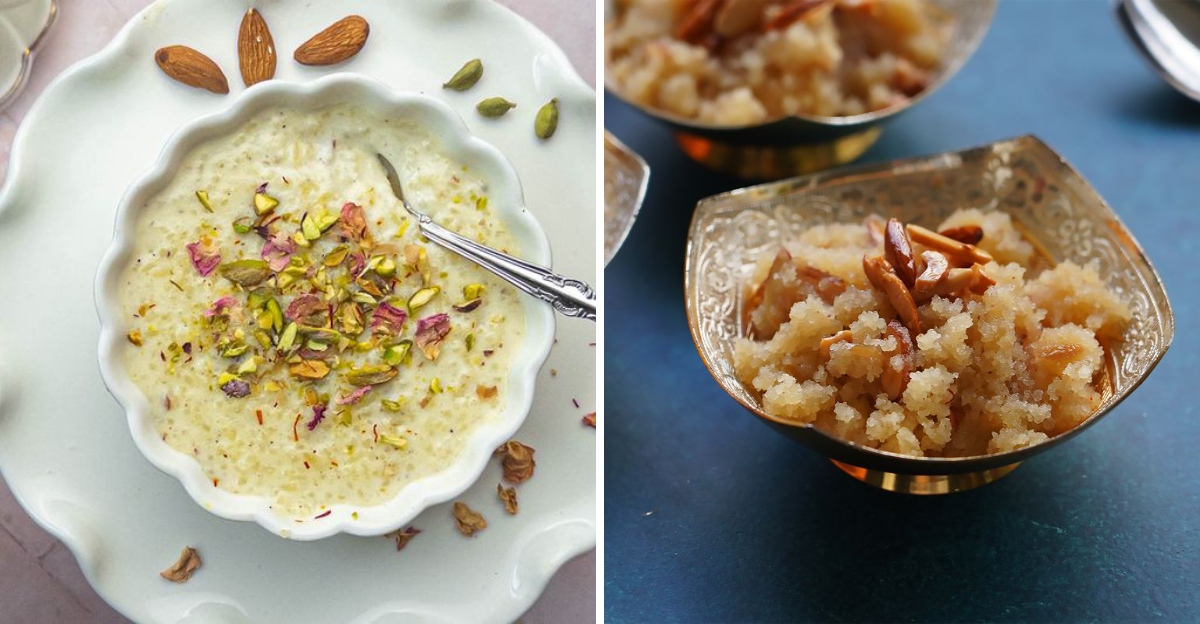
Kheer is comfort in a bowl, a dessert that embraces you with warmth. Slow-cooked with milk, rice, sugar, cardamom, and nuts, it embodies the essence of Indian hospitality. It’s a staple at festivals, offering a sweet conclusion to meals.
Each spoonful is a rich experience, as the fragrant cardamom and crunchy nuts complement the creamy rice. It’s a versatile dessert, with each region adding its own twist, whether through local spices or nuts.
Traditionally, Kheer is cooked over a slow fire, allowing the flavors to meld beautifully, creating a dish rich in history and taste.
5. Seviyan (Vermicelli Kheer)
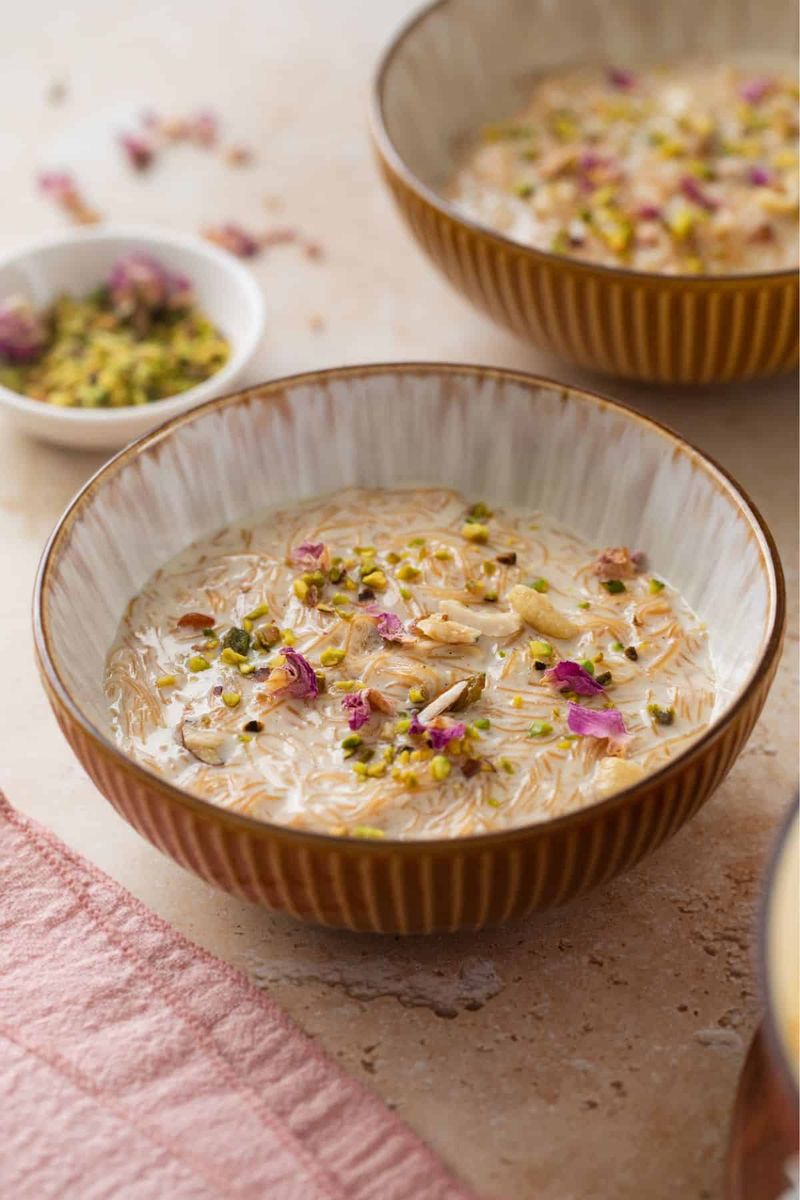
Seviyan, or vermicelli kheer, is a quicker, lighter version of the traditional rice kheer. Often made during Eid and other celebrations, it’s a dessert that brings families together. The thin vermicelli cooks swiftly, absorbing the milk and flavors, creating a silky texture.
The dessert is flavored with cardamom, sometimes with the addition of saffron or rose water, adding a fragrant touch. It’s topped with nuts for a delightful crunch.
Its ease of preparation and comforting taste make it a favorite choice for busy festive mornings, representing unity and joy in simplicity.
6. Gajar ka Halwa
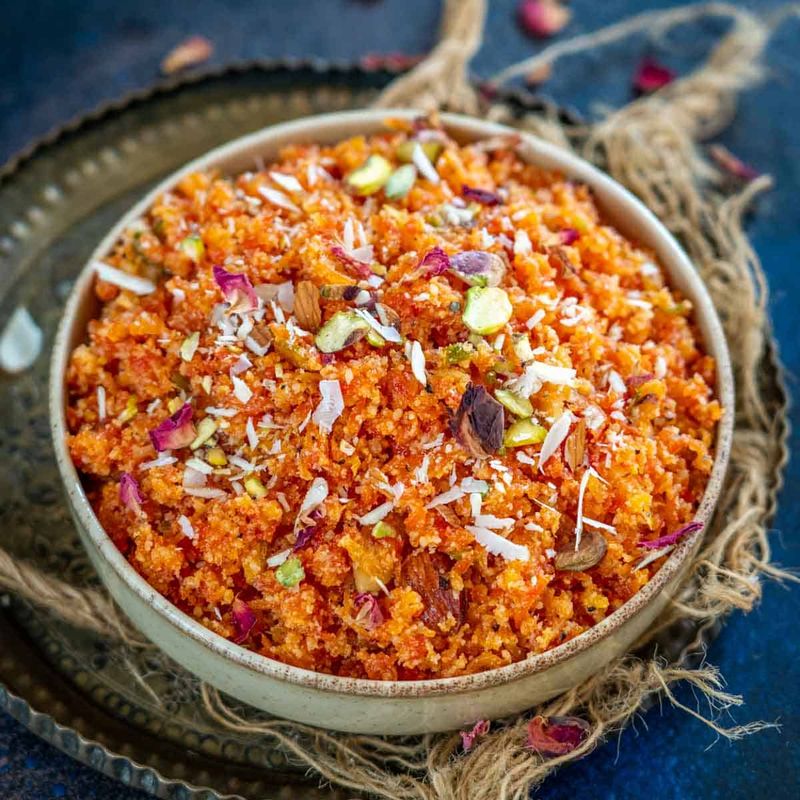
Winter in India is synonymous with the indulgence of Gajar ka Halwa. Fresh carrots, grated and cooked with milk, ghee, and sugar, transform into a luxurious dessert. It’s a celebration of seasonal ingredients, rich in color and flavor.
The slow cooking process caramelizes the carrots, enhancing their sweetness and creating a soft, melt-in-the-mouth texture. Nuts add a delightful contrast, making each bite a harmony of flavors.
Gajar ka Halwa is often served warm, a comforting treat during cold months. It’s a staple at weddings and festivals, carrying the warmth of home-cooked goodness.
7. Suji ka Halwa
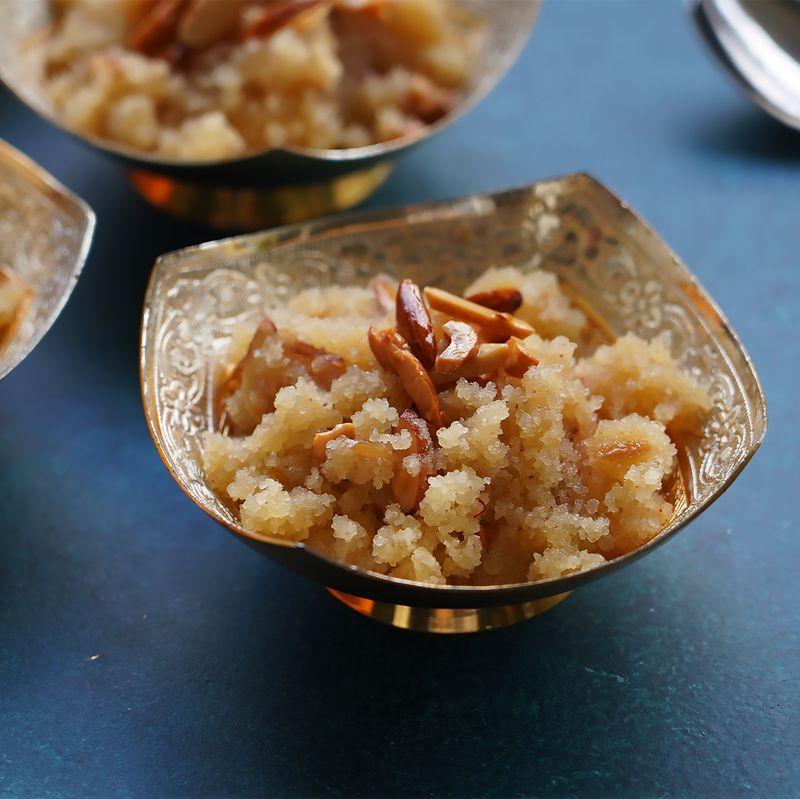
Suji ka Halwa, a quick-to-make dessert, is often associated with religious gatherings and ceremonies. Made with semolina, ghee, sugar, and nuts, it’s a warm, comforting treat with a rich texture.
The process involves roasting semolina in ghee, enhancing its nutty flavor. The addition of sugar syrup creates a perfect balance of sweetness and richness. Nuts and raisins add texture and bursts of flavor.
Often served as a prasad (offering), Suji ka Halwa symbolizes purity and devotion. Its simplicity and warmth make it a beloved dessert for both special occasions and everyday indulgence.
8. Besan Ladoo
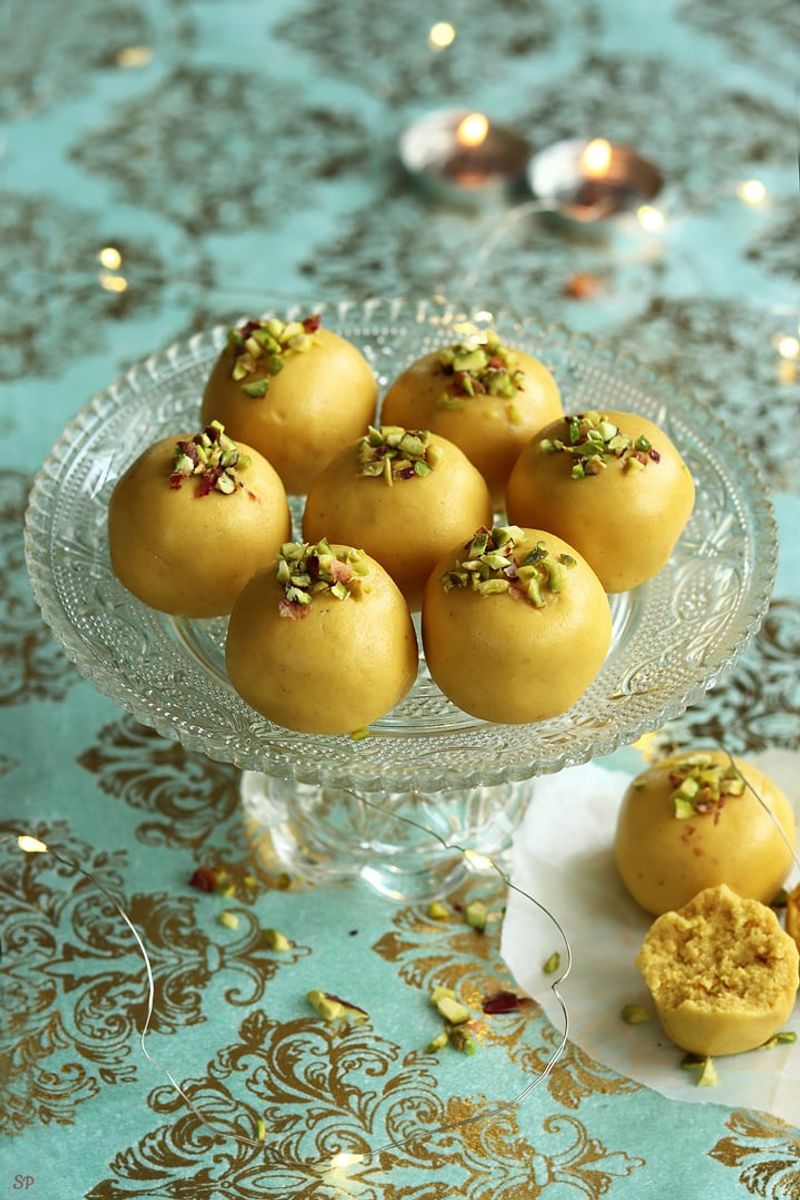
Besan Ladoos are synonymous with celebrations in India. These sweet balls are made of roasted gram flour, mixed with ghee and sugar, a combination that creates a rich, nutty flavor.
The slow roasting of besan gives it a unique, toasty aroma that is both inviting and comforting. Each ladoo is rolled by hand, a testament to tradition and care. Cardamom adds a fragrant touch, elevating the flavor.
Often made during Diwali and other festivals, Besan Ladoos capture the essence of joy and togetherness, making them a staple in Indian households.
9. Motichoor Ladoo
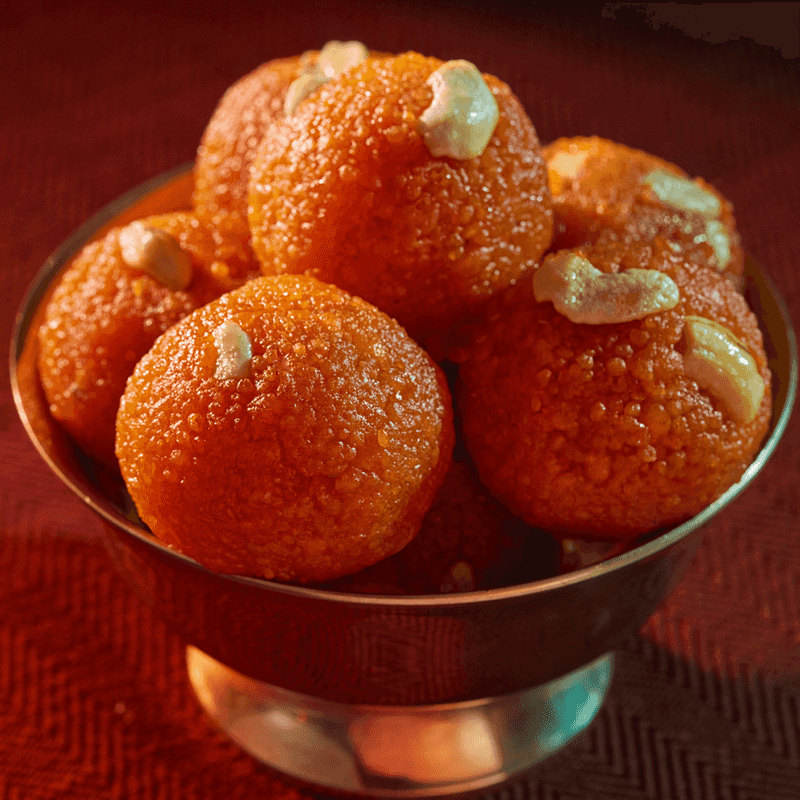
Motichoor Ladoos are a symbol of celebration, crafted from tiny gram flour pearls called boondis, bound together with ghee and sugar. Their vibrant color and delightful texture make them a highlight of festive spreads.
Each bite offers a burst of sweetness, with the boondis dissolving effortlessly on the tongue. The addition of cardamom and nuts adds layers of flavor and crunch.
Traditionally made for weddings and special occasions, Motichoor Ladoos are more than just sweets—they embody the spirit of festivity and joy.
10. Jalebi
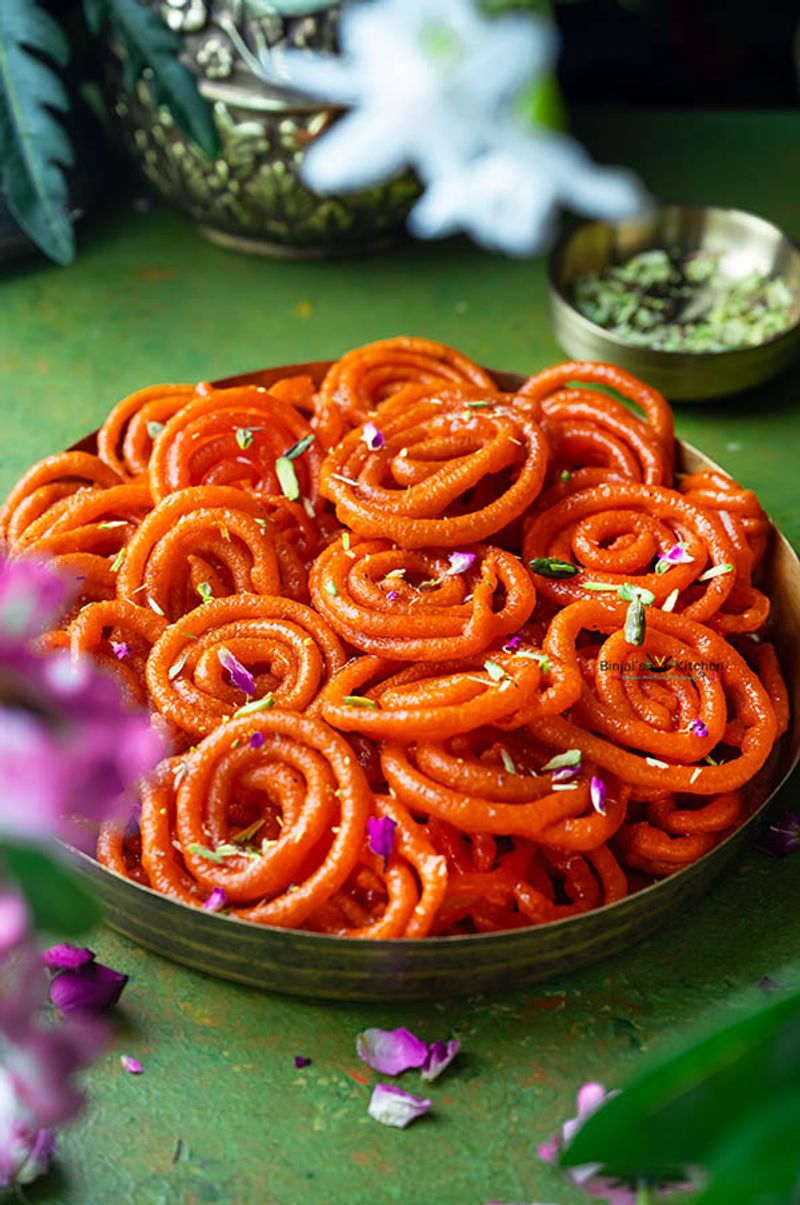
Jalebi is the ultimate indulgence for those with a sweet tooth. These crispy, syrup-soaked spirals are best enjoyed warm, each bite a burst of sugary joy.
Made by deep-frying fermented batter in concentric circles, then soaking in sugar syrup, Jalebis are both crunchy and juicy. Their vibrant orange hue and unique shape make them visually appealing and tantalizing.
Jalebi is a popular street food across India, often paired with warm milk or rabri. Its simplicity and sweetness make it a beloved treat for both young and old.
11. Imarti
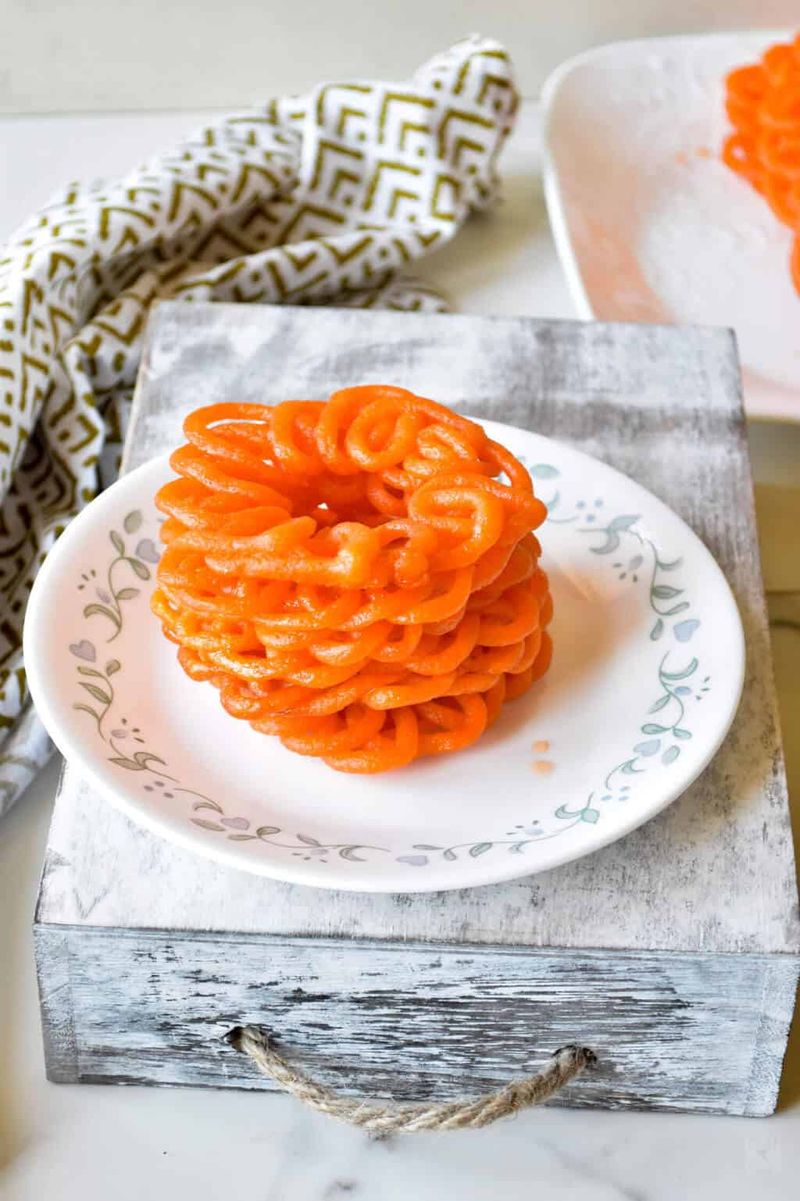
Imarti, a relative of the popular Jalebi, offers a different experience. Thicker and richer, it boasts a unique batter made from urad dal, lending it a distinct flavor and texture.
Deep-fried until crisp and soaked in fragrant sugar syrup, Imarti’s intricate design makes it a visual delight. Despite its richness, its sweetness is balanced, offering a satisfying dessert experience.
Often found in sweet shops and during festivals, Imarti’s unique taste and appearance make it a standout dessert, cherished by those who appreciate traditional Indian sweets.
12. Barfi (Milk Barfi)
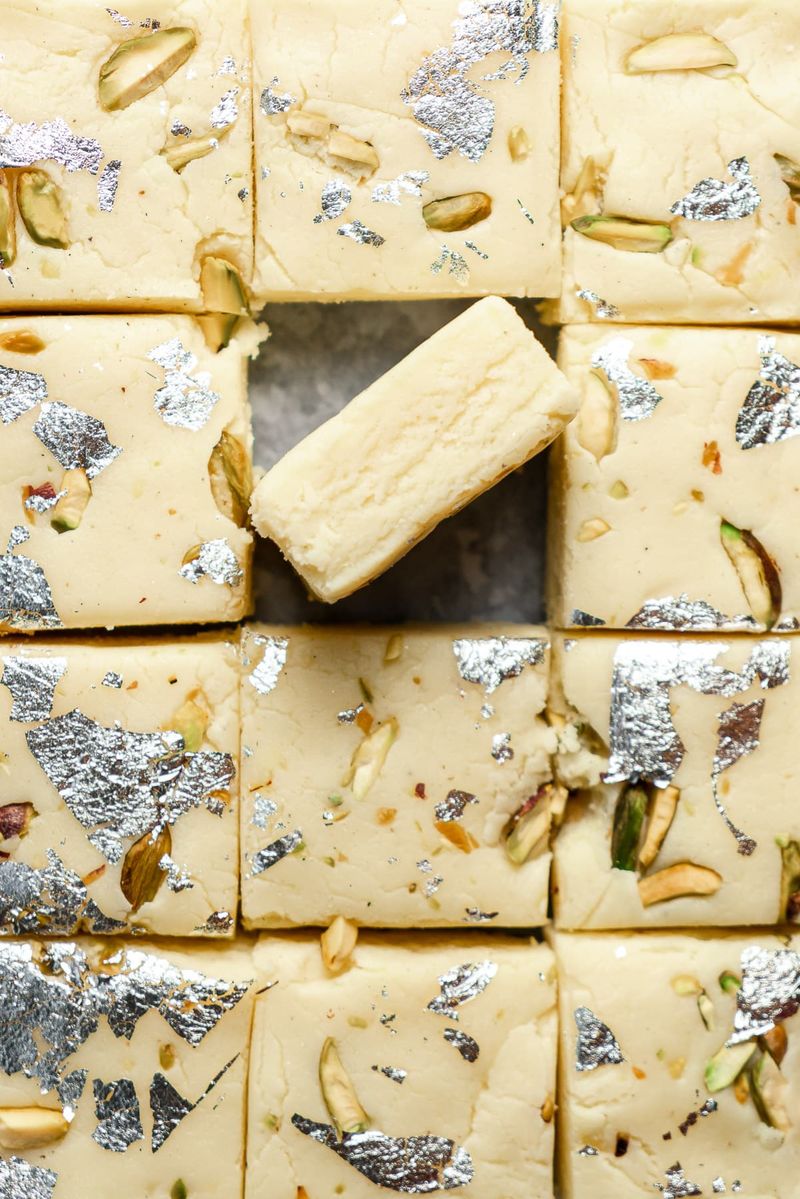
Barfi, a popular Indian sweet, is celebrated for its simplicity and versatility. Made from condensed milk, sugar, and ghee, its fudgy texture and sweet flavor create a delightful treat.
Each bite reveals a rich, creamy consistency, often enhanced with flavors like cardamom, saffron, or pistachio. Its adaptability allows for countless variations, making it a favorite across regions.
Barfi is a staple at festivals, weddings, and celebrations, often gifted during Diwali. Its smooth texture and delightful taste capture the essence of Indian hospitality and tradition.
13. Kaju Katli
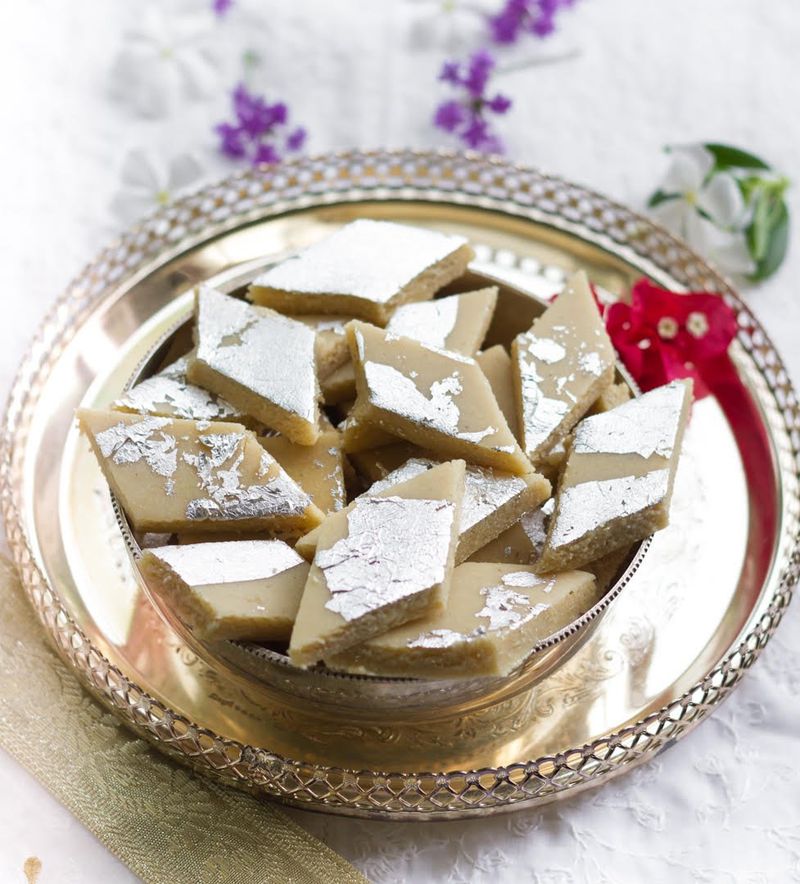
Kaju Katli, or cashew fudge, is synonymous with luxury and celebration. Made from cashew nuts, sugar, and ghee, its smooth texture and delicate flavor make it an elegant dessert choice.
The process involves finely grinding cashews to create a smooth paste, which is then cooked with sugar to form a rich dough. Cut into diamond shapes, Kaju Katli is often adorned with silver leaf, adding a touch of extravagance.
Popular during festivals and special occasions, its melt-in-the-mouth quality and nutty flavor make it a cherished sweet across India.
14. Peda
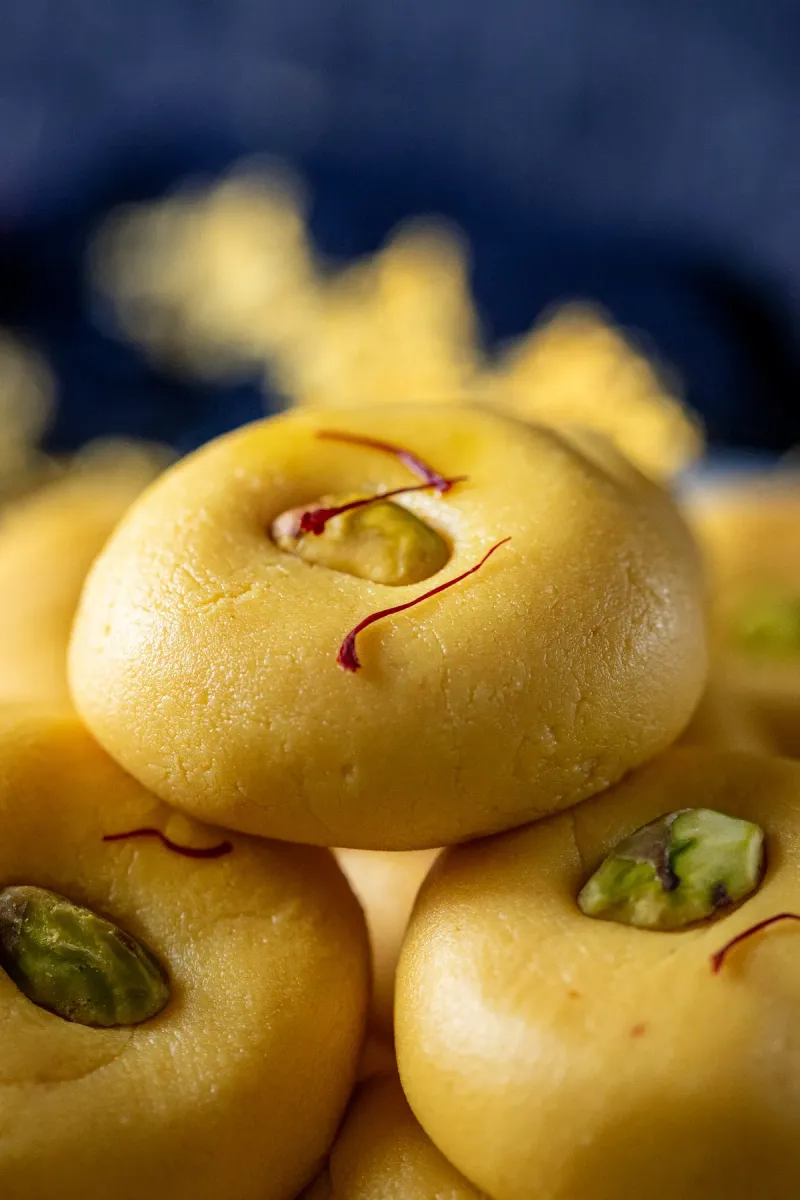
Peda, with its soft, melt-in-the-mouth texture, is a sweet that resonates with simplicity and tradition. Made from khoya (milk solids), sugar, and cardamom, each peda offers a gentle sweetness that’s comforting.
Often shaped by hand, these milk rounds come in various flavors, with saffron and pistachio being popular choices. Their smooth texture and subtle taste make them a versatile favorite.
Pedas are commonly distributed as prasad during religious ceremonies, symbolizing purity and devotion. Their classic appeal makes them a beloved sweet for both daily indulgence and festive occasions.
15. Sandesh
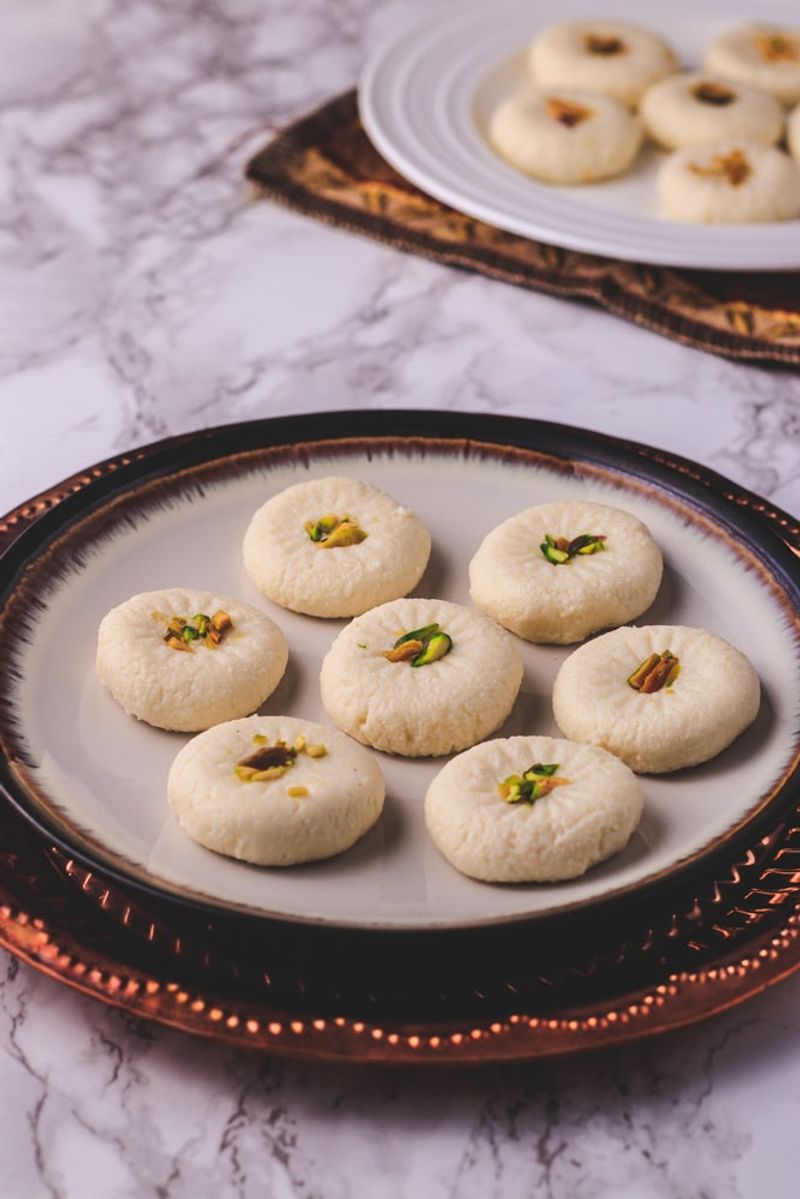
Sandesh is the pride of Bengali sweets, known for its delicate texture and subtle sweetness. Made with fresh chhena (cottage cheese) and sugar, it’s a dessert that exudes elegance and grace.
The simplicity of ingredients allows the freshness of chhena to shine, while cardamom or saffron often adds a fragrant touch. Sandesh comes in various shapes and flavors, each offering a unique experience.
It’s a popular choice for celebrations in Bengal, representing the finesse of regional culinary art. Sandesh is more than a sweet—it’s a symbol of Bengali cultural pride.
16. Mishti Doi

Mishti Doi, a Bengali specialty, is a sweetened yogurt dessert that’s both soothing and satisfying. The caramelization of sugar gives it a unique flavor, while the earthen pot enhances its creamy texture.
Fermentation imparts a slight tang, balancing the sweetness and creating a harmonious taste. It’s a simple yet sophisticated dessert, often enjoyed chilled.
Mishti Doi is a staple at Bengali celebrations, representing tradition and comfort. Its rich flavor and smooth texture make it a delightful end to any meal, embodying the essence of Bengali culinary art.
17. Shrikhand
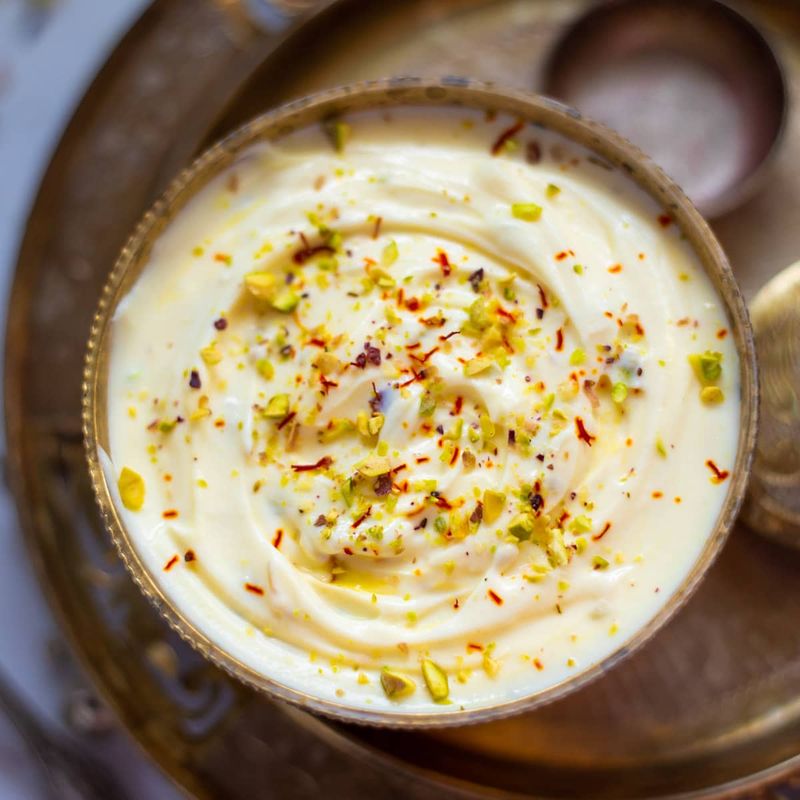
Shrikhand, a dessert from Western India, is a creamy delight made from strained yogurt, sugar, and spices. Its rich, smooth texture and sweet flavor make it a refreshing treat.
Infused with saffron and cardamom, Shrikhand offers a fragrant taste that’s both indulgent and satisfying. Pistachios often provide a crunchy contrast, enhancing its appeal.
Traditionally served during festivals like Gudi Padwa, Shrikhand is a symbol of celebration and joy. Its simple preparation and luxurious taste make it a favorite choice for those seeking a cool, creamy dessert.
18. Kulfi
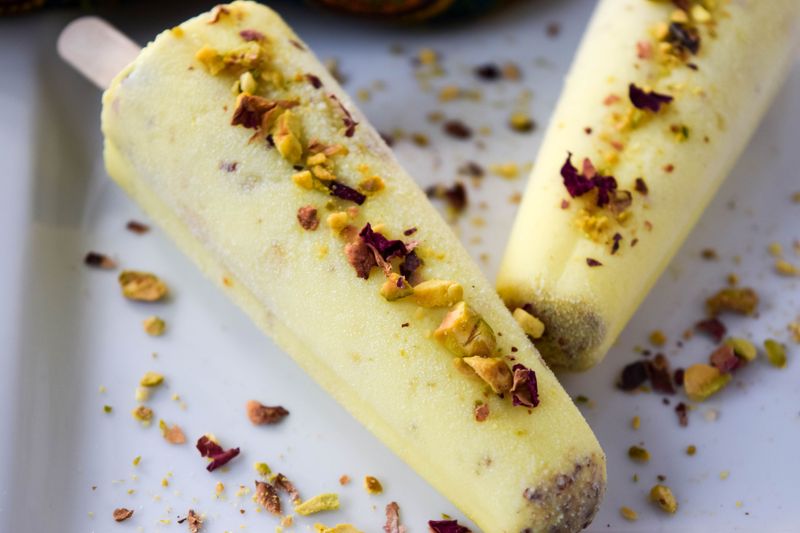
Kulfi, often described as India’s answer to ice cream, is a dense, creamy delight. Made from simmered milk, sugar, and flavors like pistachio or mango, it offers a rich taste and texture.
Unlike regular ice cream, Kulfi is denser, with a slow-melting quality that prolongs the enjoyment. It’s traditionally served on a stick or in a matka (clay pot), adding an authentic touch.
Kulfi is a favorite at street stalls and festivals, providing a refreshing escape from the heat. Its unique preparation and rich flavors make it a cherished dessert across India.
19. Falooda
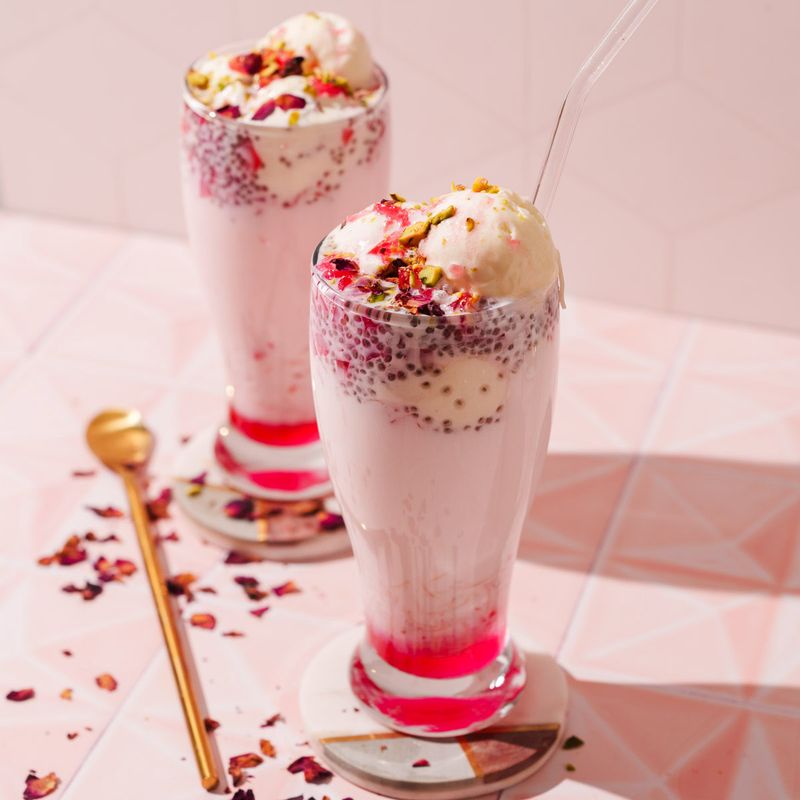
Falooda, a layered dessert drink, is a sensory delight. Combining vermicelli, basil seeds, rose syrup, and ice cream, it offers a symphony of textures and flavors.
The rose syrup provides a floral sweetness, while the basil seeds add a unique texture. Ice cream crowns the creation, offering a cool, creamy contrast. It’s both a drink and a dessert, enjoyed sip by sip.
Popular in North India and Pakistan, Falooda is a refreshing treat during summer. Its vibrant colors and diverse ingredients make it a visually appealing and flavorful indulgence.
20. Malpua

Malpua, a crispy, syrup-soaked pancake, is a festival favorite. Made with flour, milk, and sugar, it’s fried to a golden brown and served with a touch of syrup.
Often paired with rabri, a thickened milk dessert, Malpua offers a delightful contrast of textures and flavors. Its crisp edges and soft center create a satisfying bite.
Malpua is popular during Holi and other festivals, representing joy and indulgence. Its simple ingredients and rich taste make it a beloved dessert, evoking memories of festive gatherings.
21. Rabri
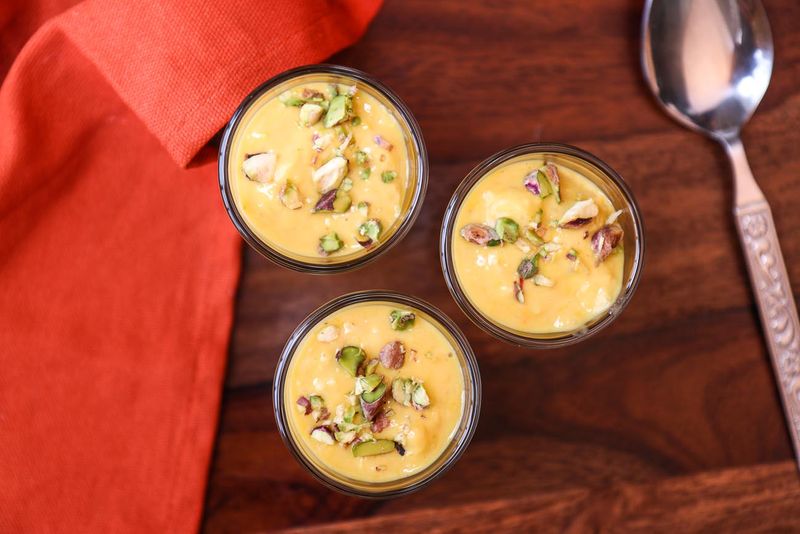
Rabri, a rich, creamy dessert, is made by simmering milk until it thickens and forms layers of cream. Flavored with cardamom and saffron, it offers a luxurious taste experience.
Often used as a topping for desserts like Malpua or Jalebi, Rabri enhances their flavors with its richness. Its smooth, layered texture adds depth and indulgence to any dish.
Rabri is a staple in North Indian desserts, celebrated for its opulence and flavor. Its preparation requires patience and skill, capturing the essence of traditional Indian cooking.
22. Phirni
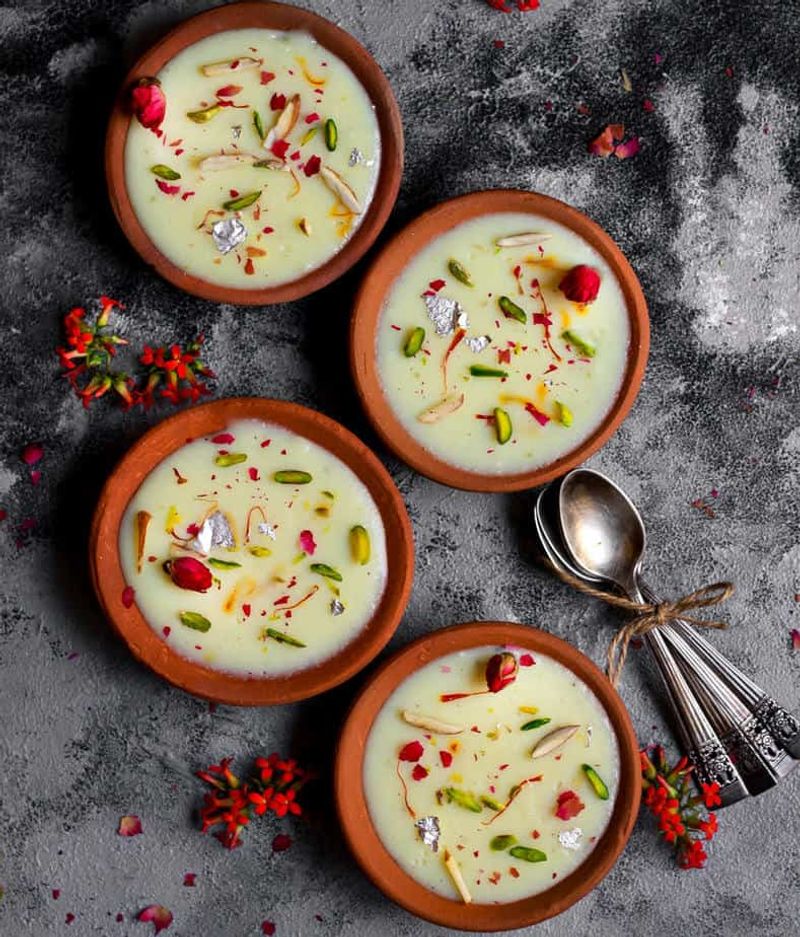
Phirni is a chilled, set-style rice pudding that offers a creamy and aromatic dessert experience. Made with ground rice, milk, sugar, and cardamom, it’s traditionally served in small earthen bowls.
The fine texture and fragrant spices create a refined taste, often enhanced with saffron or rose water. Its chilled nature provides a refreshing end to a meal, especially during summer.
Phirni is a popular choice during festivals and weddings, symbolizing celebration and refinement. Its unique preparation and elegant presentation make it a favorite among traditional Indian desserts.
23. Payasam
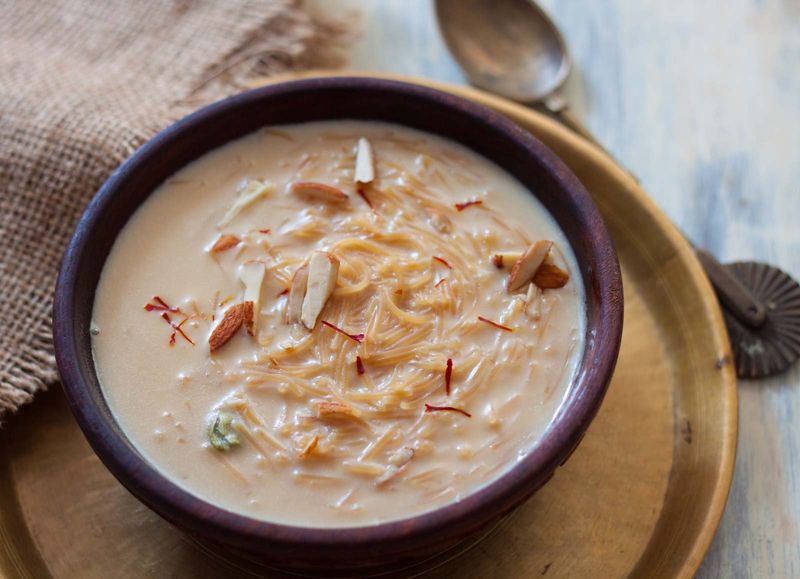
Payasam, a South Indian kheer-style dessert, is a staple at festive occasions. Made with ingredients like rice, dal, coconut milk, or jaggery, it offers a diverse range of flavors and textures.
The preparation varies by region, with each version offering a unique taste experience. Cashews and raisins often add a delightful crunch and sweetness.
Payasam is an integral part of South Indian traditions, symbolizing abundance and joy. Its rich taste and cultural significance make it a cherished dessert, embodying the warmth of Indian hospitality.
24. Mysore Pak
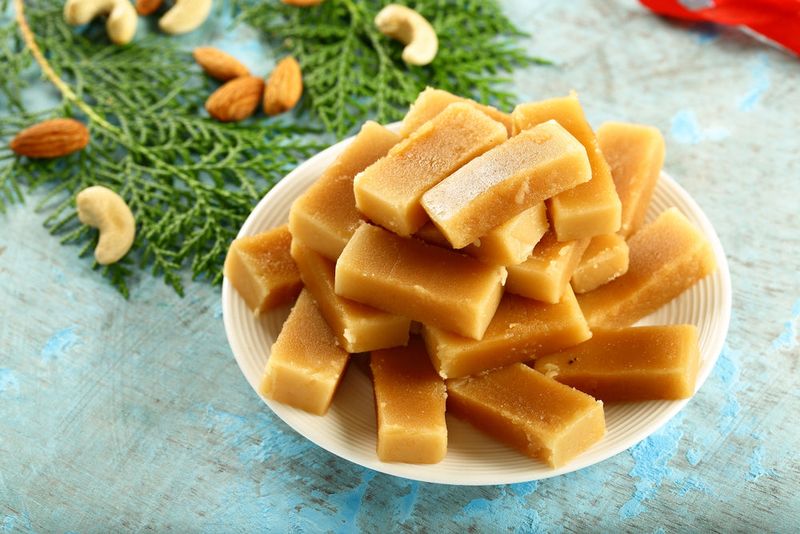
Mysore Pak is a decadent, ghee-forward sweet with a rich, crumbly texture. Originating from the royal kitchens of Mysore, its luxurious taste is created with gram flour, sugar, and generous amounts of ghee.
The process involves cooking the ingredients to perfection, achieving a delicate balance of flavor and texture. Each bite offers a melt-in-the-mouth experience, filled with the richness of ghee.
Mysore Pak is a favorite at South Indian festivals, embodying opulence and tradition. Its unique preparation and unparalleled taste make it a legendary dessert in Indian cuisine.
25. Modak
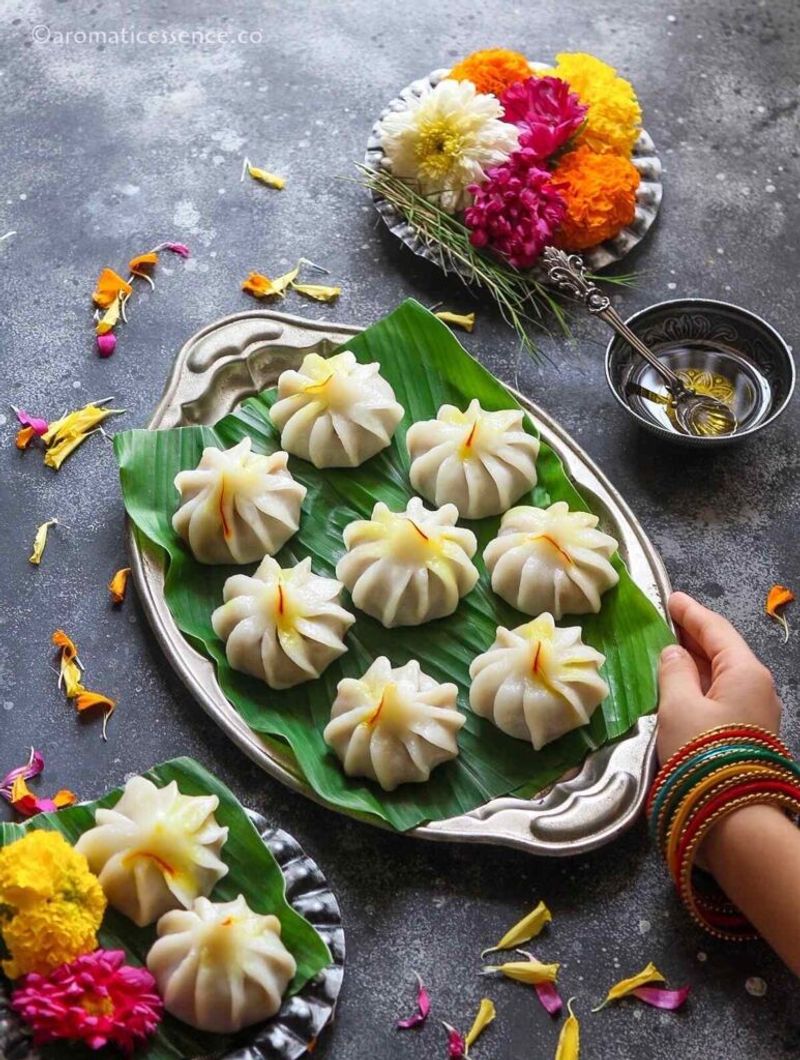
Modak, a sweet dumpling, holds cultural significance, especially during Ganesh Chaturthi. Filled with coconut and jaggery, its soft, steamed exterior encases a delightful surprise.
The sweet filling is flavored with cardamom, adding a fragrant touch to each bite. Modak’s unique shape and taste make it a beloved offering to Lord Ganesha.
Beyond its religious importance, Modak is cherished for its delicate flavor and tender texture. Its traditional preparation and festive connection make it a special treat, enjoyed by devotees and dessert lovers alike.