6 Ways Honey Quality Can Be Checked
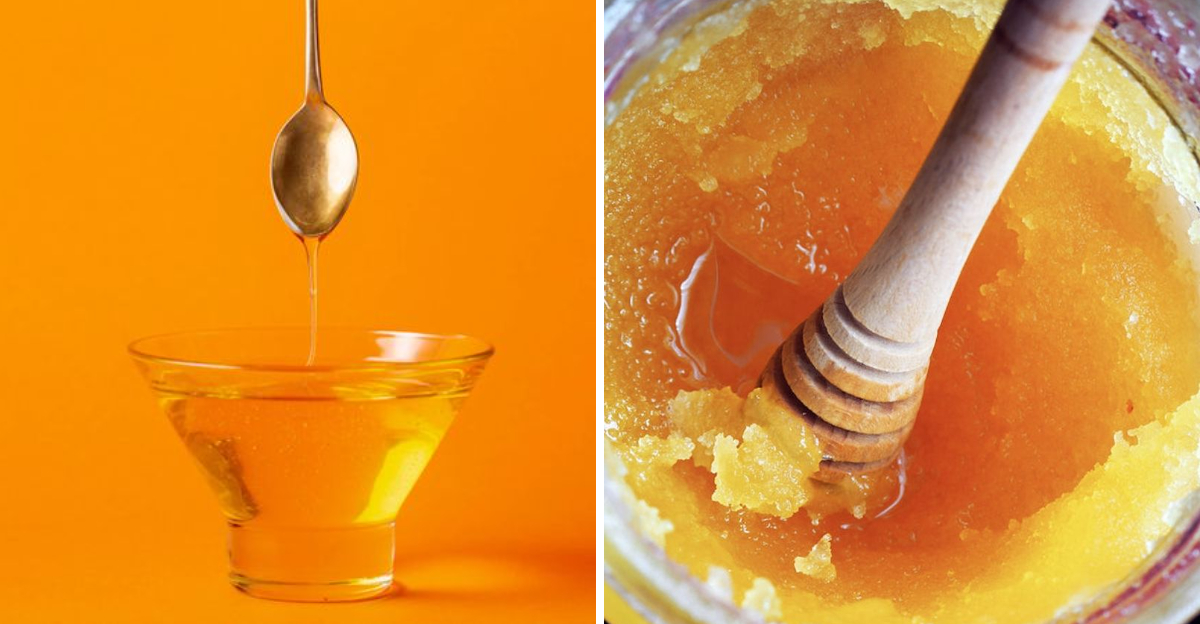
Not all honey is created equal, and knowing how to spot the real thing can save you from buying a watered-down or artificially sweetened imitation. Pure honey has unique physical and chemical properties that set it apart from adulterated versions.
Luckily, you don’t need a fancy lab to run a few simple checks at home. These easy tests can help you feel more confident about the honey sitting in your kitchen cabinet.
1. Consistency and Flow Test
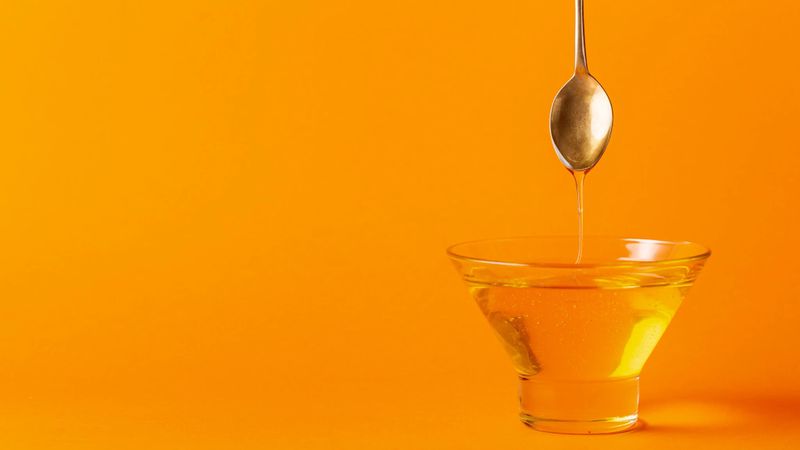
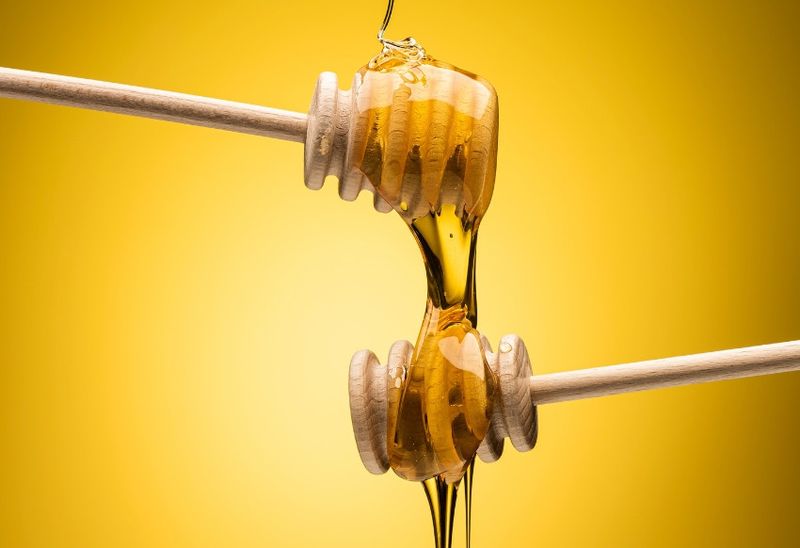
Watch the way honey moves, and it will tell you a lot about its purity. Real honey is thick and dense, flowing in a slow, steady stream without dripping like water.
If yours pours fast and thin, that could be a sign something was added.
Adulterated honey is often mixed with sugar syrups that reduce its natural viscosity. A quick pour test at room temperature is all you need to get a first impression of your honey’s quality.
2. Crystallization Observation
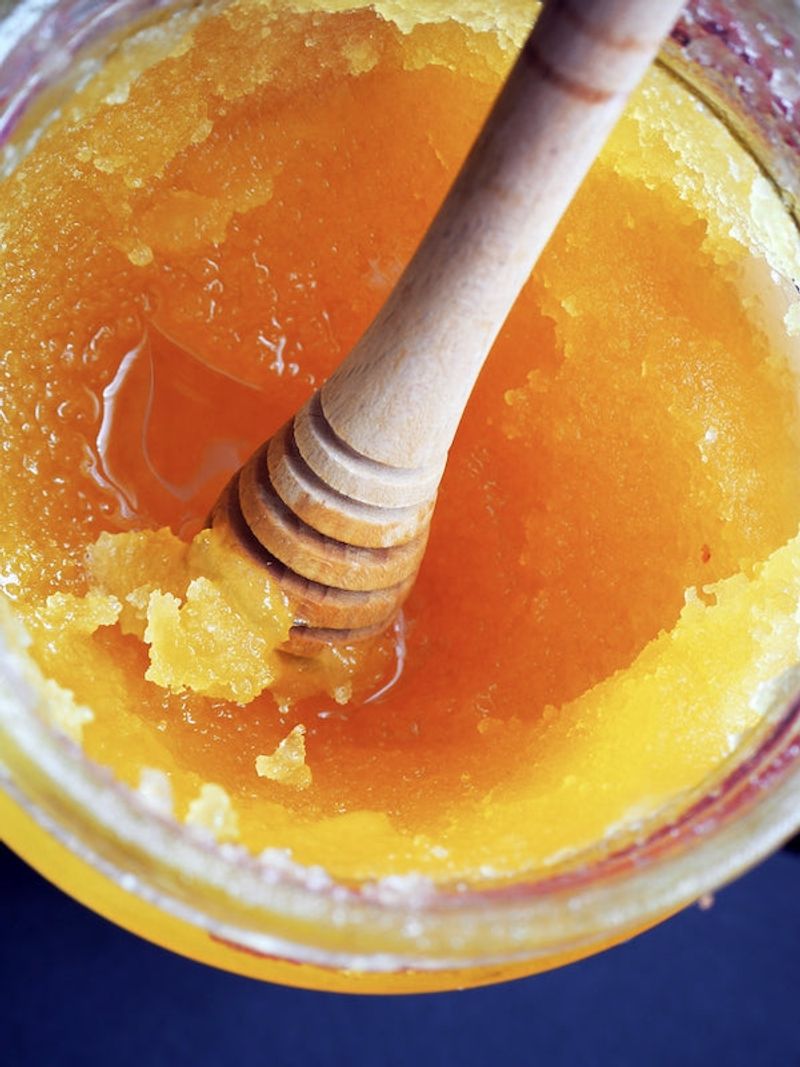
Here is a fun fact that surprises most people: real honey is supposed to turn solid and grainy over time. Crystallization is a completely natural process caused by the glucose in honey forming tiny crystals.
Many people mistakenly think crystallized honey has gone bad, but it hasn’t.
Fake or heavily processed honey often stays permanently liquid because manufacturers heat-treat it to prevent crystallization. If your honey never solidifies after months on the shelf, that could be worth questioning.
3. Water Immersion Test
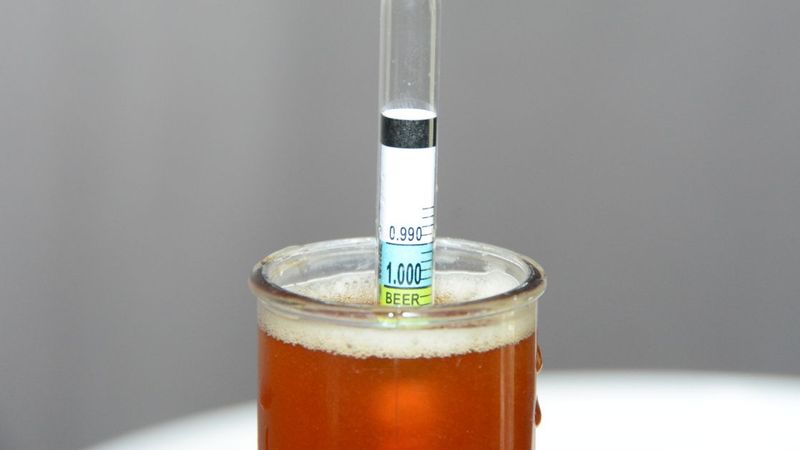
Drop a spoonful of honey into a glass of room-temperature water and watch what happens next. Pure honey sinks straight to the bottom and holds together as a compact lump, dissolving only slowly over time.
That behavior comes from its naturally low moisture content and high density.
Honey mixed with water or thin syrups breaks apart quickly and clouds the water almost immediately. This test takes less than a minute and gives you a pretty reliable result right at home.
4. Thumb Test
Put a tiny drop of honey on your thumb and just wait. Pure honey sticks in place because of its thick texture and low water content.
It won’t run down your skin or spread out into a thin puddle.
Adulterated honey tends to be runnier and less stable, so it spreads quickly or drips right off. This might be the simplest test on the list since it requires nothing more than your hand and a drop of honey.
Quick, easy, and surprisingly telling.
5. Flame Test
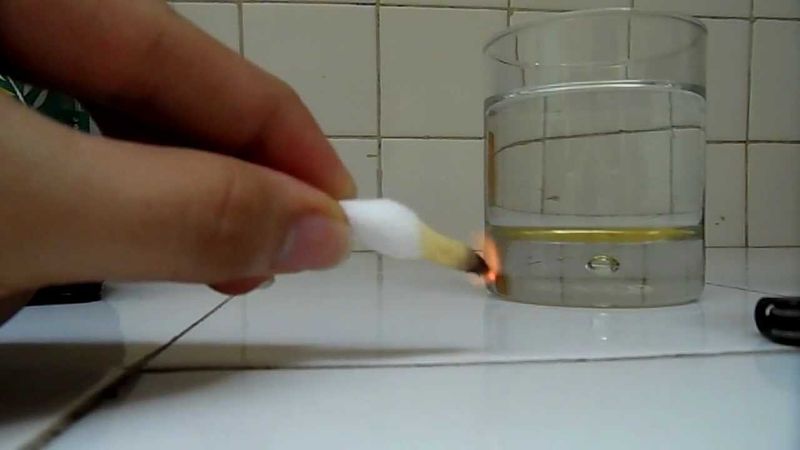
Real honey burns. That might sound strange, but pure honey has such low moisture content that a matchstick dipped in it will actually ignite and hold a flame.
This is one of the more dramatic ways to test honey quality, and it works because water prevents combustion.
If the match sputters, hisses, or refuses to light after being dipped, extra moisture or added substances are likely present. Always be careful when trying this one, and keep a safe distance from anything flammable nearby.
6. Heat Response Test
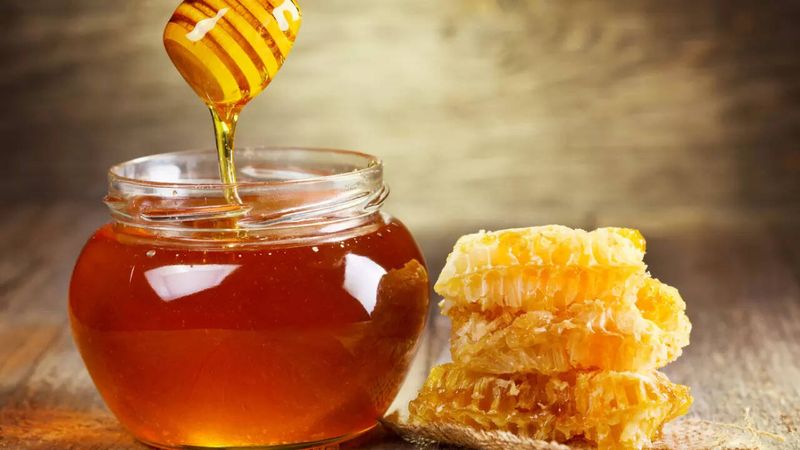
Warming honey in a microwave-safe bowl for a short time can reveal a lot about what is actually inside it. Pure honey caramelizes smoothly, thickens slightly, and releases a warm, sweet, floral aroma that fills the room.
The transformation is even and pleasant.
Adulterated honey behaves differently under heat. It may bubble aggressively, froth up, or even burn in uneven patches because of added sugar solutions or excess moisture.
Pay attention to both the smell and the texture as the honey warms up.