As Soon As You Turn 50, Make Sure You’re No Longer Doing These 13 Things
Turning 50 is a milestone worth celebrating, and it’s also a great moment to check your daily habits. Some things that felt fine in your younger years can quietly harm your health or your wallet as you age.
The good news is that small changes now can lead to big rewards later. Here are 13 habits worth leaving behind once you hit the big five-oh.
Claiming Social Security Too Early
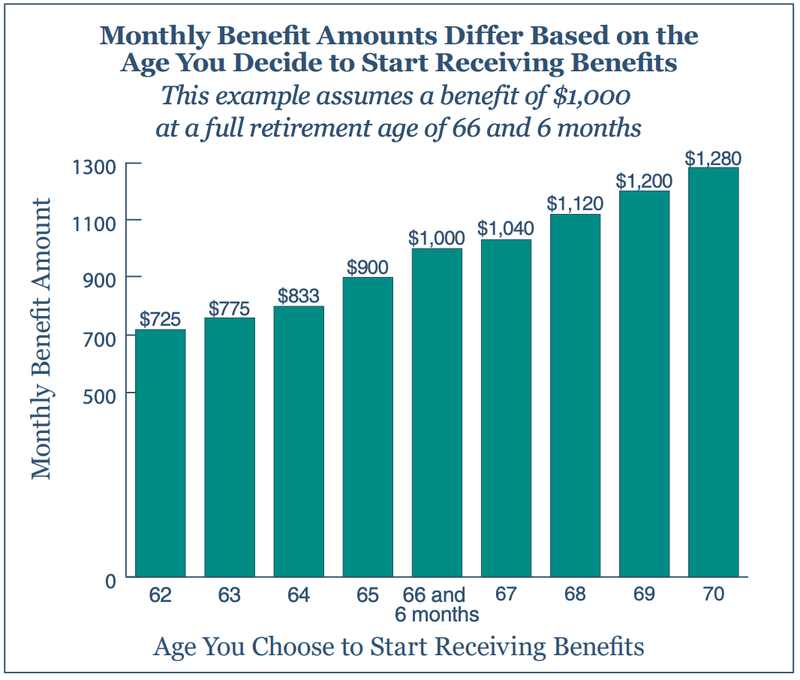
That itch to grab your benefits the moment you’re eligible? It can cost you more than you think.
Starting Social Security before your full retirement age can shrink your monthly checks by about 25%.
Waiting a few extra years means bigger payments for the rest of your life. If you can keep working or lean on savings, patience pays off.
Do the math before you decide, because this choice sticks with you forever.
Hanging Onto an Oversized House

Once the kids move out, that big house can feel like a giant money pit. You’re still paying for heating, cooling, repairs, and taxes on rooms nobody uses.
Downsizing to a smaller place can free up cash and cut down on chores. Think about what space you actually need now, not what you needed twenty years ago.
A cozier home often means more money and less stress for your future.
Playing It Way Too Safe With Investments

Fear of losing money can push people to stuff everything into ultra-safe accounts. Trouble is, being too cautious can stop your savings from growing enough to last through retirement.
Yes, you should dial back risk as you age, but going fully conservative can backfire. Keep a healthy mix of investments with different risk levels.
Spreading your money around helps it keep growing while still protecting you from big swings in the market.
Piling Up Credit Card Debt
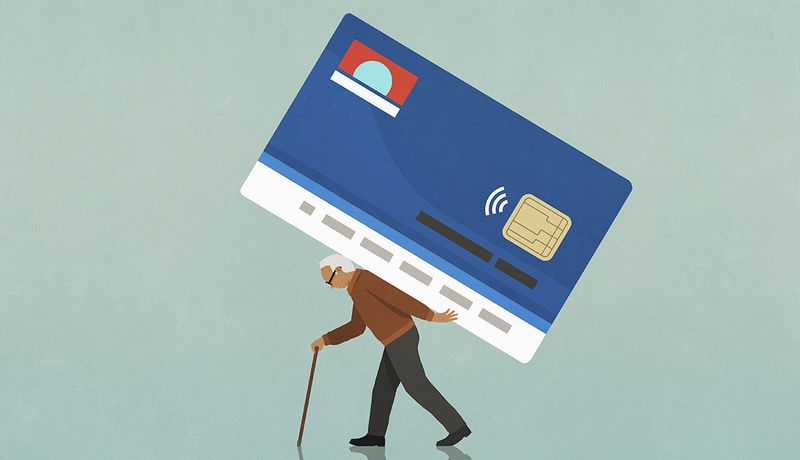
High-interest debt is like a leak in your retirement boat. Credit card balances especially can drain money you’ll want later.
Generation X carries the highest average card balance of any age group, around $9,600.
Paying down what you owe now sets you up for a lighter, freer future. Tackle the highest-interest cards first and avoid charging more than you can pay off.
Less debt means more breathing room down the road.
Spending Without a Budget
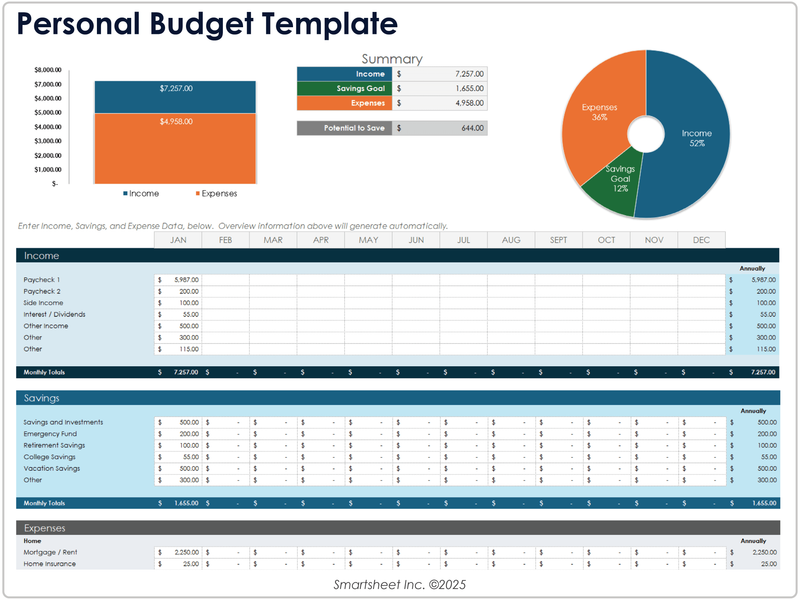
Your 50s are often your peak earning years, which makes it easy to spend more just because you can. That sneaky habit is called lifestyle creep, and it can quietly eat your savings.
Living without a clear budget is one of the most common money slip-ups. Track where your dollars go each month and set limits you can stick to.
A simple plan keeps your spending honest and your goals in sight.
Ignoring Future Healthcare Costs

Medical bills can become one of your biggest expenses once you retire, and many people forget to plan for them. Medicare premiums, long-term care, and out-of-pocket costs add up fast.
Starting now gives you time to build a cushion for those expenses. Look into your Medicare options and consider setting aside money just for health needs.
A little planning today can spare you from painful surprises when you need care most.
Lighting Up Cigarettes

There’s simply no upside to smoking, and the downsides are huge. It raises your risk of early death by about 60% and can steal 7 to 18 years from your life.
Quitting at any age helps your body start healing. Your lungs, heart, and energy levels all thank you.
If you’ve tried before and slipped, don’t give up trying. Every smoke-free day is a win worth celebrating and a step toward more good years.
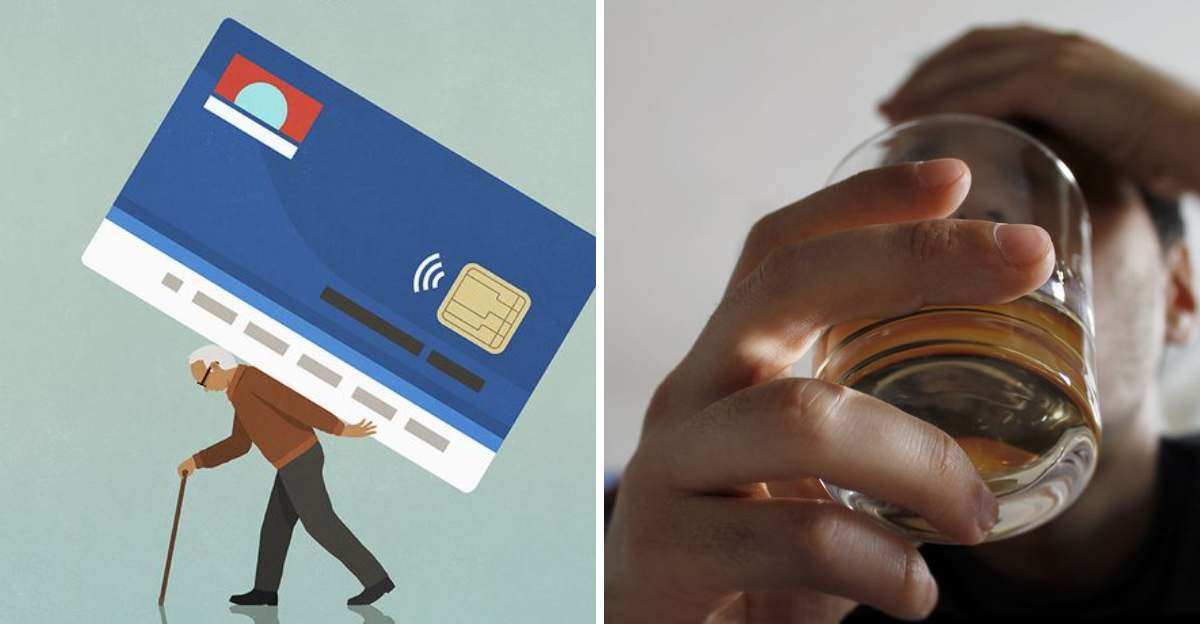
Overdoing the Alcohol

A drink now and then is fine for most folks, but heavy drinking becomes riskier with age. Moderate means one drink or fewer daily for women and two or fewer for men.
Too much alcohol can worsen depression and weaken bones, especially for women after menopause. Cutting back protects your mood, your sleep, and your body.
Swapping that extra glass for water or tea is a small trade with real payoffs.
Snacking on Processed Junk Food

Those chips and sugary treats might taste great, but they load you up with sugar, salt, and unhealthy fats. Over time that takes a toll on your heart and waistline.
Trading processed snacks for fresh fruits and veggies gives your body real fuel. Try cutting back on added sugar and salt while filling your plate with colorful, natural foods.
Your energy, digestion, and long-term health will all get a nice boost.
Skipping Exercise and Strength Training

Sitting around all day is one of the sneakiest health traps after 50. Your muscles, joints, and heart all need regular movement to stay strong.
Aim for at least 150 minutes of moderate activity each week, and don’t skip strength training. Lifting weights helps you keep muscle, avoid falls, and feel steadier on your feet.
Even simple walks and resistance bands make a difference. Your body was built to move, so keep it going.
Putting Off Medical Checkups
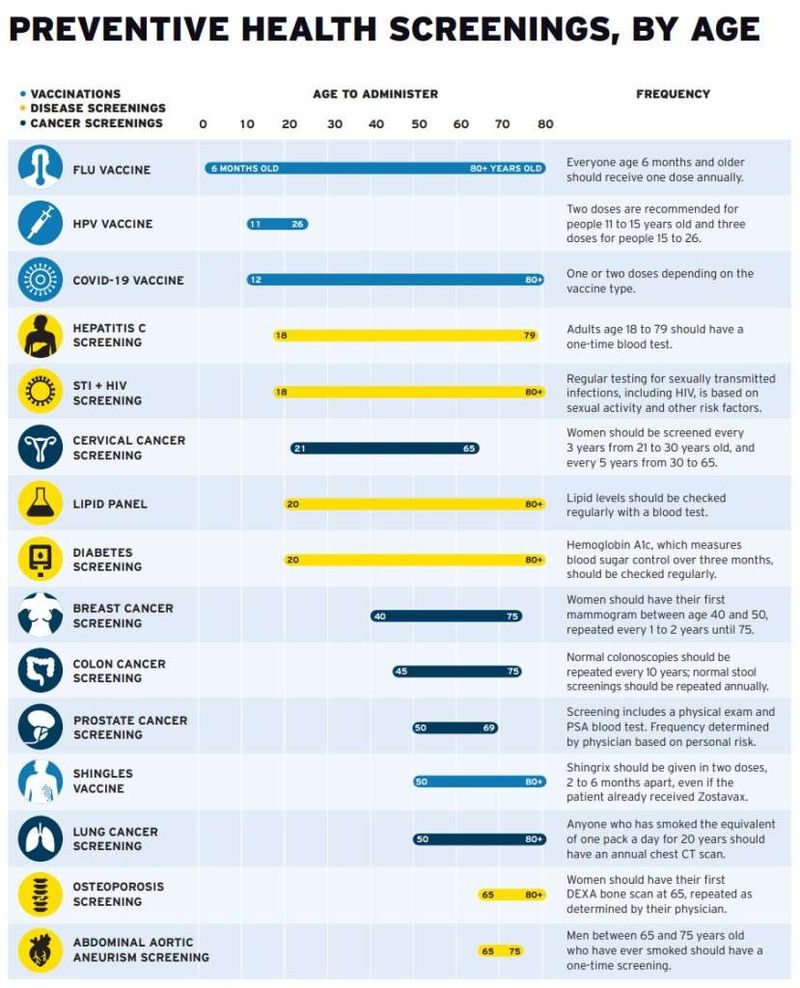
Skipping the doctor because you feel fine can be a costly gamble after 50. Many serious problems show no early warning signs, which is exactly why screenings matter.
Regular checkups catch issues while they’re still easy to treat. Stay on top of the tests your doctor recommends for your age.
Booking those appointments might feel like a hassle, but catching something early can save your health and even your life.
Shortchanging Your Sleep

Ever brush off sleep like it’s optional? Your body disagrees.
Adults need seven to nine hours of quality rest every single night to stay sharp and healthy.
Women often struggle with sleep after menopause, making good habits even more important. Set a steady bedtime, keep your room dark and cool, and put screens away early.
Solid sleep helps your mood, memory, and immune system. Treat rest as a priority, not a luxury.
Letting Friendships Fade

Loneliness can quietly hurt your health just as much as bad habits do. Strong friendships and family ties keep your mind and heart in better shape, especially during big life changes.
Make time to call an old friend, join a club, or help out in your community. These connections lift your spirits and give each day more meaning.
Staying social is one of the simplest, happiest ways to protect your well-being.