Five Medieval Couscous Recipes That Shaped Early Meals

Medieval couscous was never a single recipe, but a clever method that traveled and transformed. Steam the grains, ladle on rich broth, then layer sweetness, nuts, and spices until humble semolina feels like a feast.
These dishes trace the routes of traders, kitchens, and markets, where cooks adapted to what they had. If you love deep flavor and simple techniques, you are in the right place.
1. Spiced Lamb Broth Couscous with Chickpeas
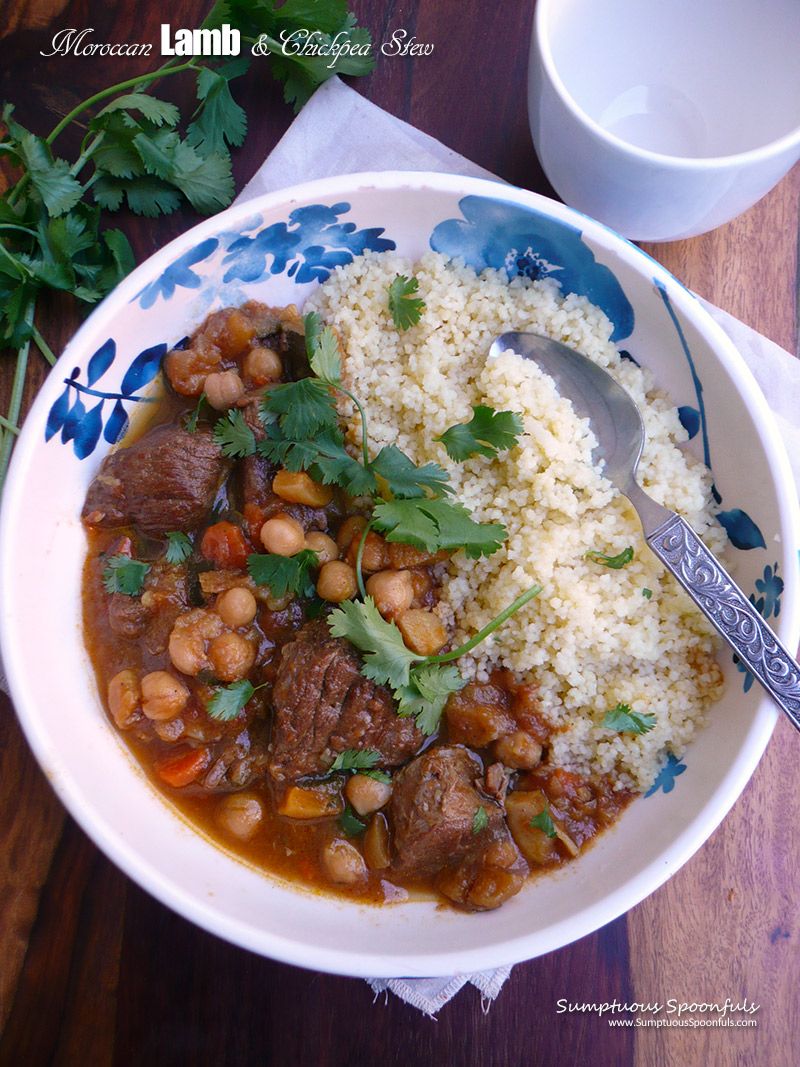
This bowl leans on time and patience. Lamb simmers low with onions, chickpeas, and a spice blend that whispers warmth rather than shouting heat.
Cinnamon, ginger, and black pepper drift through the broth, turning simple cuts tender and deeply aromatic. Couscous is steamed in stages, fluffed with a little fat, then nested in a wide dish.
You ladle broth until the grains drink it in, then add more so every spoon captures softness and spice. Garnish with chopped parsley or cilantro, maybe a squeeze of verjuice if you like a tart edge.
It is feast food, yet practical for crowds. Serve with dates or olives on the side, and let the steam announce dinner.
2. Chicken Couscous with Saffron and Preserved Lemon Brightness
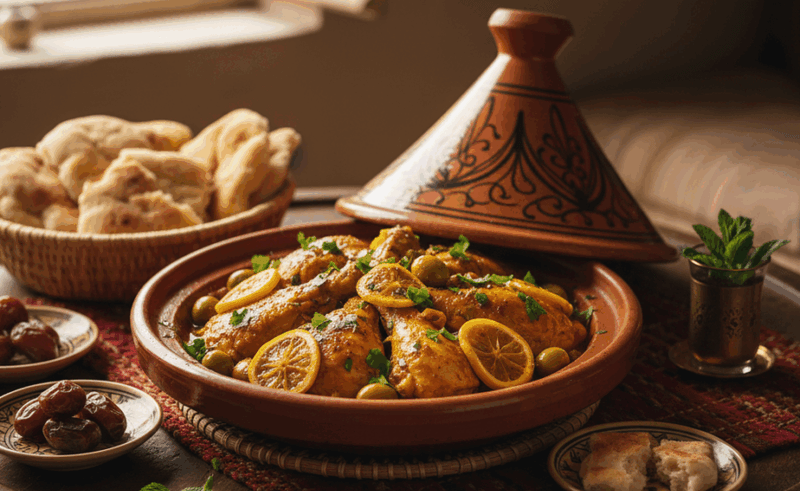
This version goes lighter yet feels luxurious. A gentle chicken broth blooms with saffron or another prized aromatic, painting the grains gold.
Preserved lemon or a salted citrus note adds zip that wakes everything up. The couscous stays fluffy and clean, so the broth shines without heaviness.
A few tender carrots or onions in the pot sweeten the base.
When serving, drizzle a little broth, then scatter slivered lemon peel and a pinch of black pepper. The contrast makes each bite bright, savory, and comforting.
It reads special occasion without demanding hours of simmering. Pair with a handful of herbs, a side of yogurt, and a quiet moment to notice the fragrance lifting from the bowl.
3. Sweet Savory Couscous with Raisins, Almonds, and Cinnamon
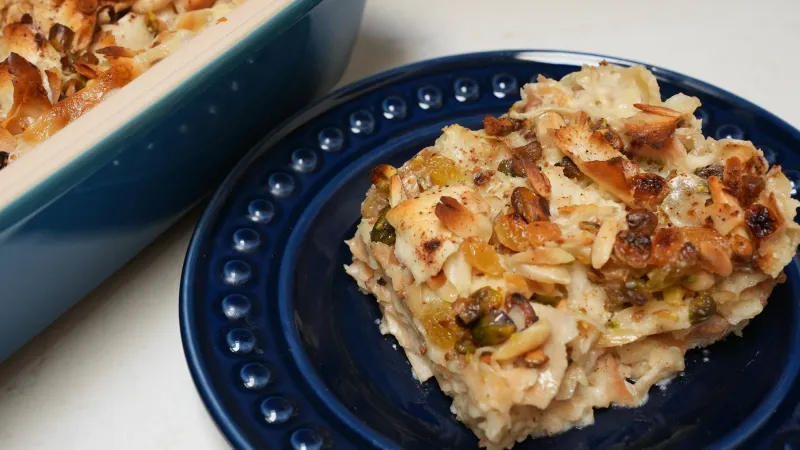
Here sweetness meets warmth without tipping into dessert. Steam couscous and toss with butter or oil until every grain loosens.
Fold in raisins, toasted almonds, and cinnamon so the aroma greets you first. A whisper of honey or date syrup rounds edges but keeps balance.
Salt is essential, because sweetness needs a partner.
It works as a side or a full bowl with yogurt, a spoon of fresh cheese, or a ladle of mild vegetable broth. The textures play beautifully: tender grains, chewy fruit, and crisp nuts.
Add orange zest or rosewater if you crave flourish. It feels old and familiar, like market day in a bowl, and it carries beautifully from breakfast to supper.
4. Fish Couscous with Herbs and Sour Notes
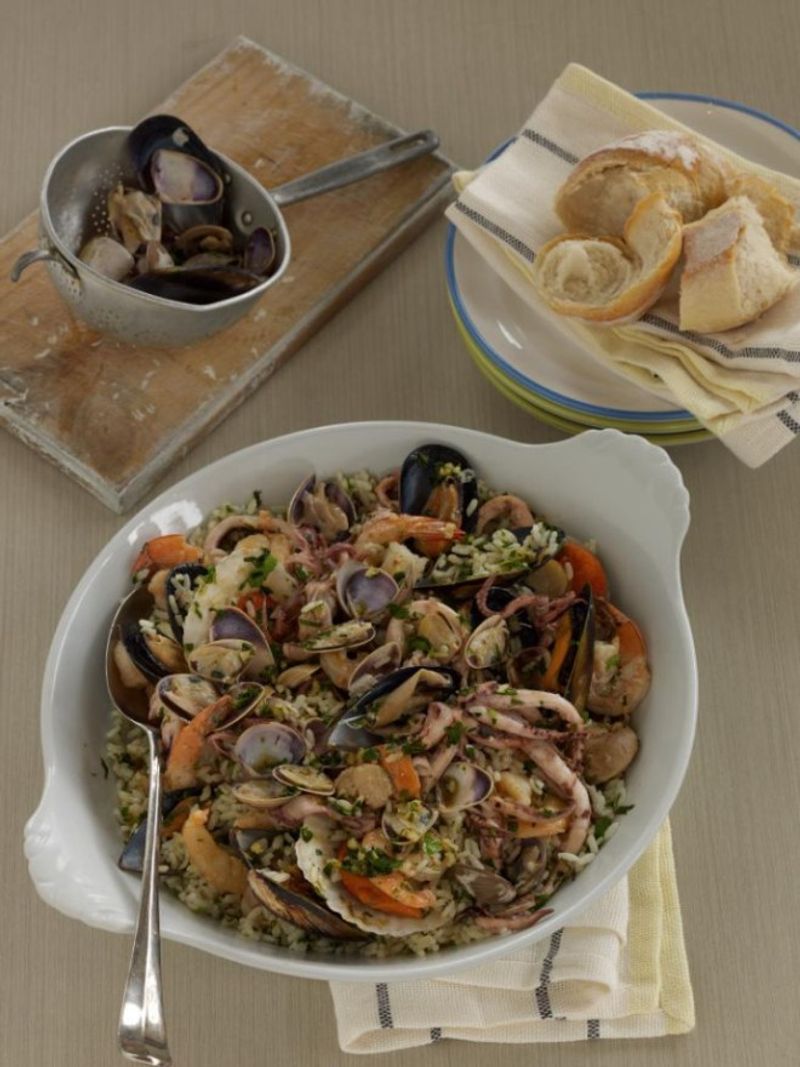
Coastal cooks kept it quick and bright. Build a clear broth with onion, garlic, coriander or parsley, and a touch of spice.
Poach firm white fish gently so it stays delicate. A sour note like vinegar or verjuice tightens flavors and lifts the aroma.
Keep the couscous plain, steamed just right, ready to catch the broth.
At the table, spoon fish and herbs over the grains, then add broth until the couscous glistens. A drizzle of olive oil and a grind of pepper finish it.
The effect is light yet satisfying, perfect when time is short. It tastes like sea air meeting warm grain, proof that modest ingredients can speak clearly when handled with respect.
5. Vegetable Couscous with Turnips, Carrots, and Market Day Spices

This pot leans on sturdy vegetables and thoughtful seasoning. Turnips, carrots, onions, and squash simmer until the broth tastes round and mellow.
A modest mix of cumin, coriander, and black pepper guides rather than dominates. The couscous, steamed separately, turns the vegetables into a complete meal.
A spoon of butter or oil gives gloss and comfort.
Serve the grains in a platter and pour vegetables and broth over the top so flavors mingle. Add chickpeas if you want more substance, or a handful of chopped greens at the end.
It is pantry-forward cooking that feels generous. Every bowl proves how patience and spice can transform market odds and ends into something welcoming.