How To Pickle Just About Any Vegetable
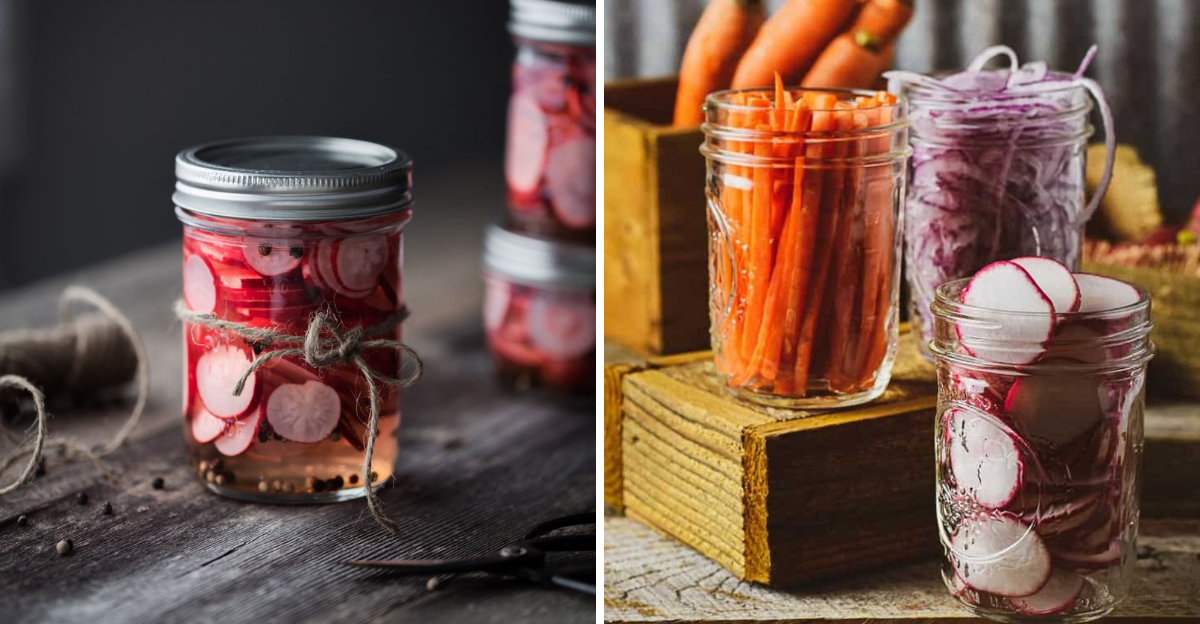
Want crunchy, zippy pickles without fuss or special gear? You can pickle almost any vegetable with a simple formula and a few smart moves.
This guide breaks it down so you can customize flavor, keep that addictive snap, and match your pickles to whatever you are cooking. Grab a jar, a splash of vinegar, and let’s make something you will actually crave.
1. Decide What Kind Of Pickle You Want
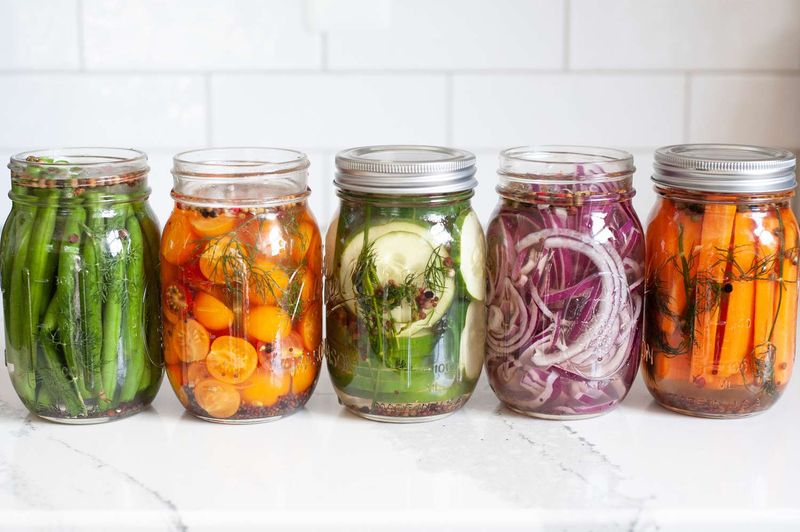
Pick your path first so expectations stay realistic. Quick pickles live in the fridge, come together fast, and deliver bright flavor without special gear.
Fermented pickles rely on salt-only brine, time, and microbes, building complex tang slowly. Canned pickles are shelf-stable but demand strict safety rules and careful processing.
When you are aiming for everyday, low-stress results, quick pickles are the sweet spot. They shine for weeknight dinners, snack boards, and last-minute taco upgrades.
Choose based on timeline, texture, and comfort. Start simple, then explore fermentation or canning once you want deeper projects.
2. Start With The Basic Quick-Pickle Brine
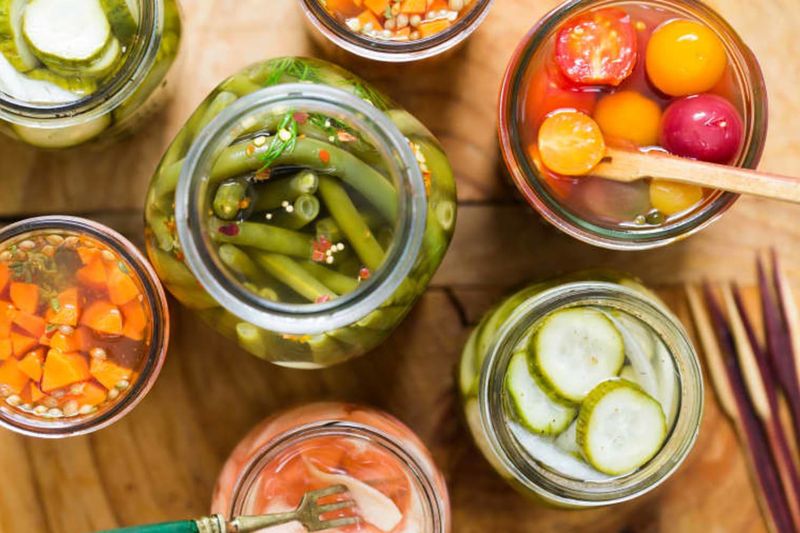
Use a reliable ratio that works on almost anything. Combine 1 cup vinegar, 1 cup water, 1 tablespoon kosher salt, and 1 to 3 tablespoons sugar if you want balance.
Bring just to a simmer so the salt and sugar dissolve, then pour over prepared vegetables.
This keeps the math easy when you scale up. Taste the hot brine and tweak sugar if you prefer sweeter edges.
Keep the ratio steady for safety and consistent tang. Once poured, tap jars to release bubbles, top off if needed, then chill.
Flavor deepens overnight.
3. Pick Your Vinegar Like You Pick Your Mood
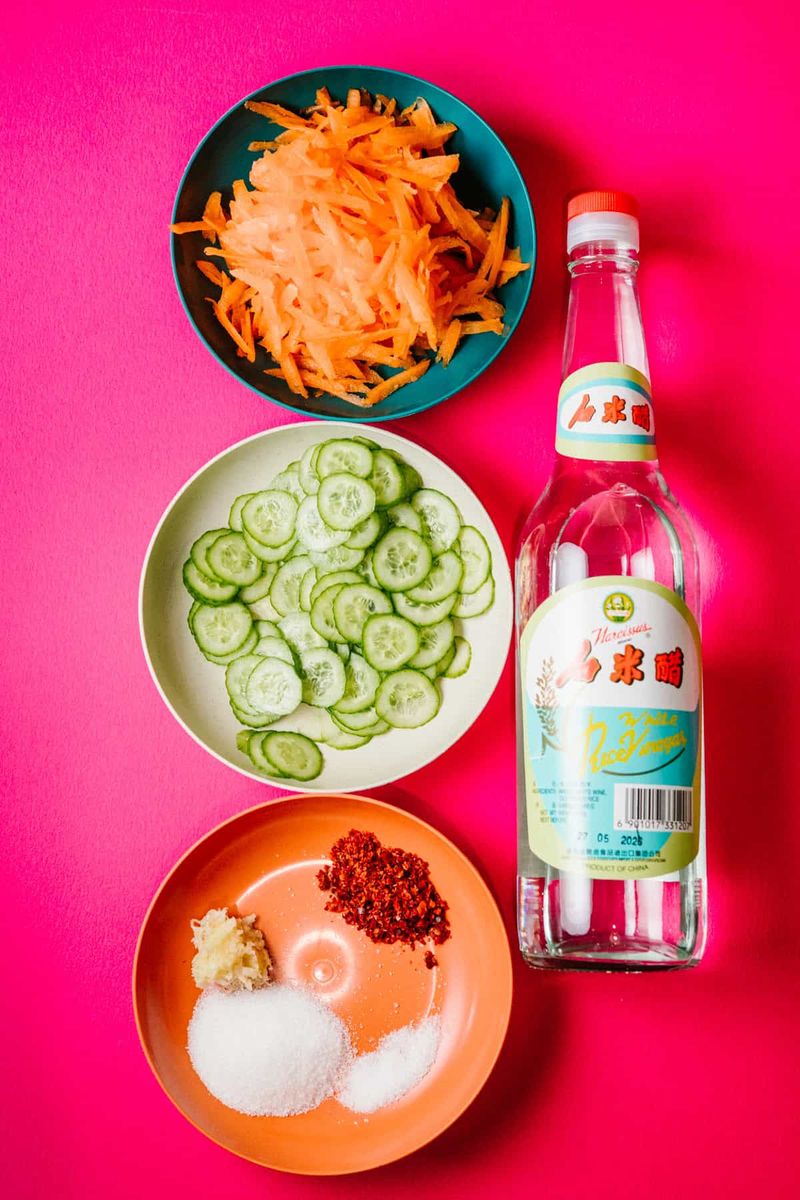
Vinegar sets the personality of your pickle. White vinegar brings sharp, classic deli vibes.
Apple cider vinegar tastes a little fruity and flatters carrots, onions, and cabbage. Rice vinegar feels gentle and clean, great for cucumbers and lighter pickles.
Red wine vinegar is bold and tangy, perfect for onions and peppers.
You can mix vinegars as long as you keep the overall brine ratio steady. Blend for nuance without sacrificing structure.
Taste a spoonful of brine before pouring, then adjust sugar to balance sharper styles. Keep bottles fresh and tightly capped for reliable acidity and consistent results.
4. Salt Matters More Than People Think
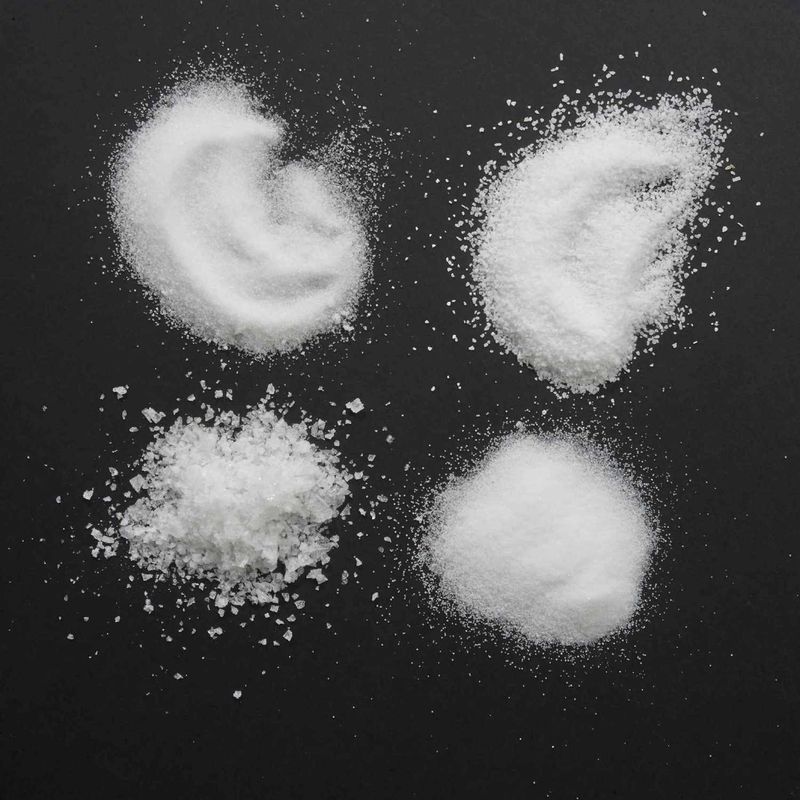
Salt drives flavor and texture, not just salinity. Kosher salt dissolves cleanly and gives you predictable results.
Table salt can taste harsh and sometimes clouds brine because of additives. Choose a salt without anti-caking agents for a clearer look.
Measure by weight when possible, since crystal size varies. If measuring by volume, stick to one brand to stay consistent.
Taste your brine before it hits the vegetables, then adjust slightly if needed. Proper salt helps preserve crunch and brings aromatics into harmony.
Your pickles will taste confident, not timid.
5. Sugar Is Optional, But Often Makes It Taste Better
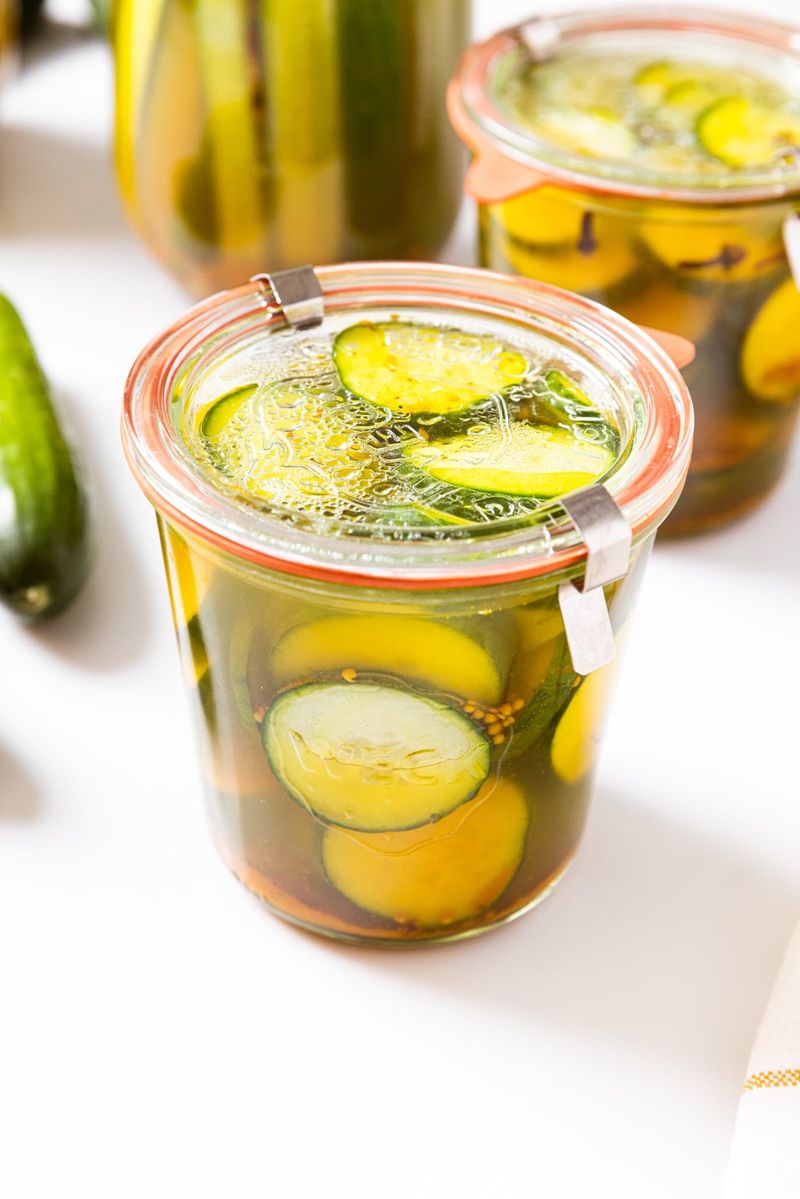
Sugar does more than sweeten. It rounds out sharp acidity and helps flavors feel finished.
If you like tangy, start around 1 tablespoon per 2 cups liquid. For balanced, use 2 tablespoons.
For a sweeter profile, go 3 tablespoons or more, especially with spicy or red onion pickles.
Taste the brine and decide how it should support the meal. Sweeter brines soften heat and spotlight aromatics like mustard seed and coriander.
Keep sugar optional so you can tailor each batch’s vibe. Either way, the pickle should wake up your palate, not overwhelm it.
6. Use Aromatics Like You Mean It
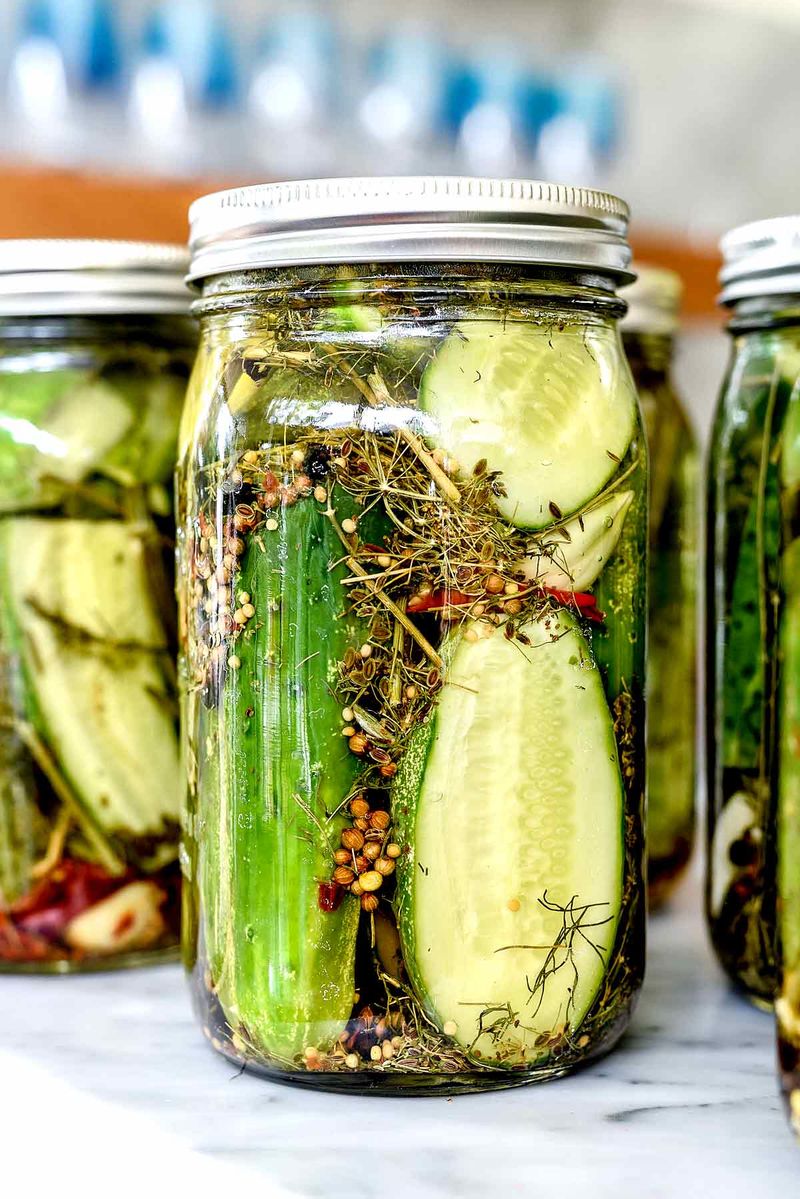
Aromatics turn simple vinegar into something craveable. Start with one or two so flavors stay clear: garlic, dill, black peppercorns, mustard seed, coriander, red pepper flakes, bay leaf, ginger, or a tiny strip of citrus peel.
Layer lightly, then adjust next batch.
Toast whole spices briefly to bloom oils without burning. Add them to the jar first so heat from the brine coaxes aroma outward.
Keep garlic smashed, not minced, to avoid harshness. You will taste the difference immediately.
Fewer, bolder choices beat a cluttered spice drawer approach.
7. Slice Shape Controls Texture
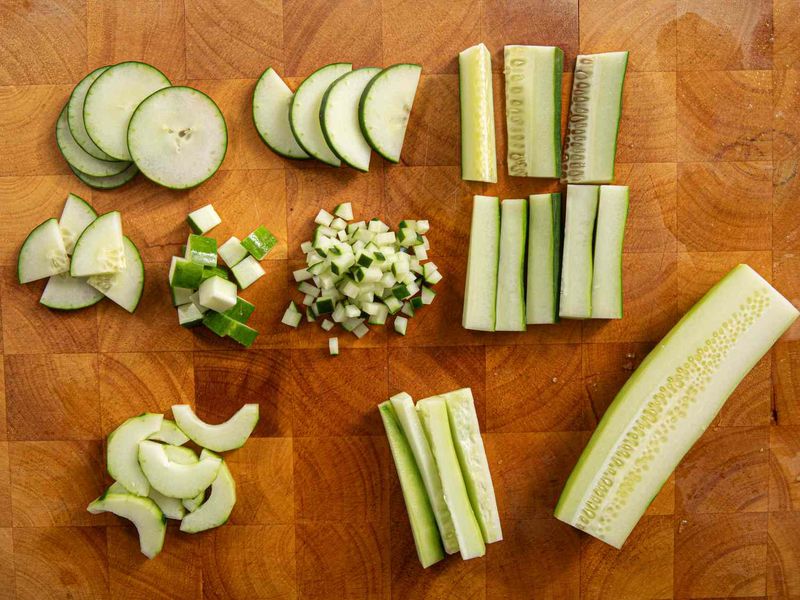
How you cut the vegetable decides crunch and speed. Thin slices pickle fast but soften sooner.
Spears stay crunchier and take longer. Chunks suit cauliflower, carrots, and radishes.
Shredded veg pickles quickest and shines on bowls, tacos, and sandwiches.
Match shape to purpose. Want instant zing for burgers?
Go thin coins. Need snackable spears for a week?
Cut thicker. Keep sizes uniform so each piece absorbs brine evenly.
If texture matters most, choose larger cuts and a cooler brine. Consistency from jar to jar builds confidence.
8. Blanch Or Don’t Blanch
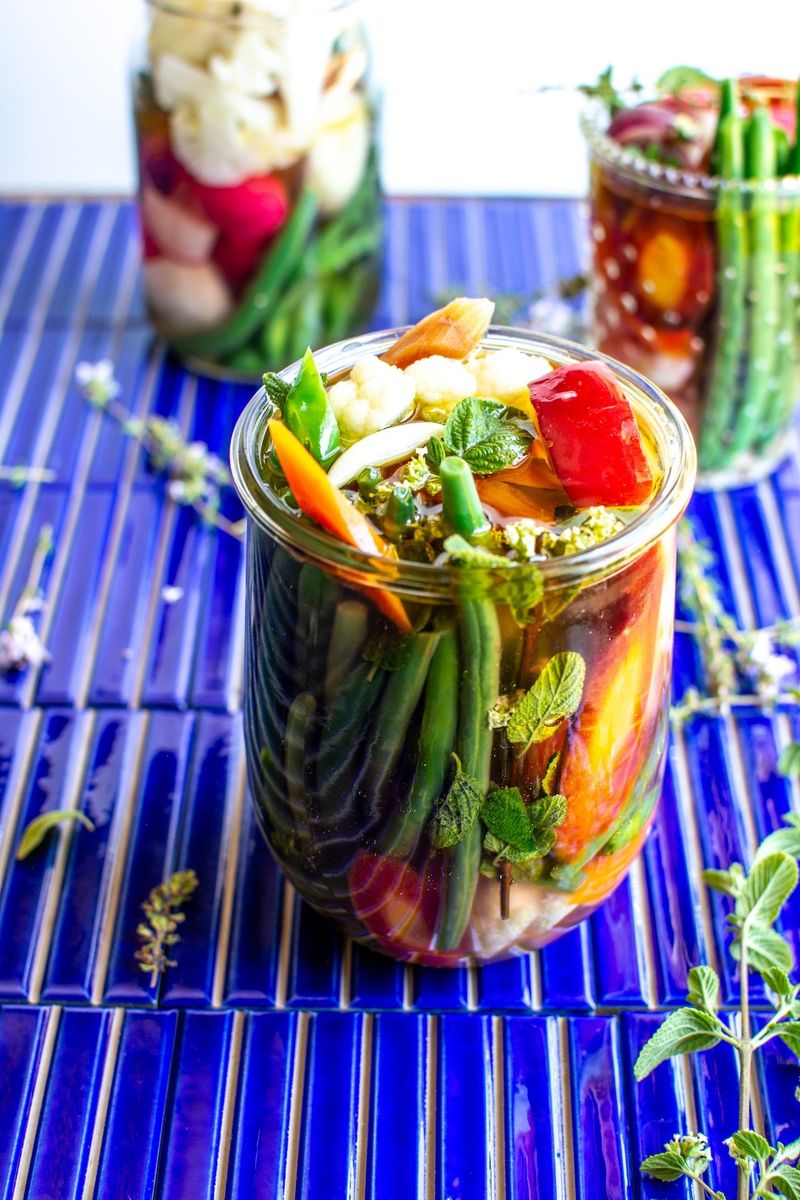
Most vegetables can go in raw and turn out great. Dense or fibrous ones benefit from a quick blanch to set color and nudge tenderness.
Think carrots, green beans, thick cauliflower florets, and sometimes asparagus. Blanch 30 to 90 seconds, then chill fast in ice water before brining.
This step keeps crunch while preventing raw toughness. You will notice brighter colors and a more cooperative bite.
Skip blanching for cucumbers, onions, radishes, and cabbage unless you have a specific texture goal. Aim for crisp, not mushy, with firm vegetables leading the way.
9. Pack The Jar Tight, But Not Aggressive
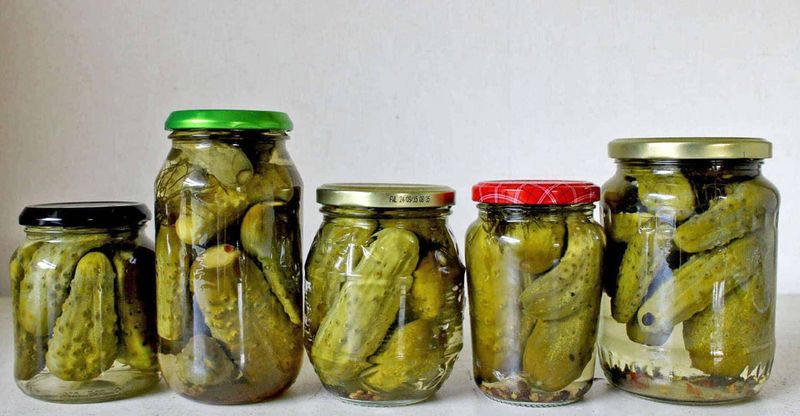
Fit vegetables snugly so they do not float or bob, but avoid crushing. Leave a little headspace so brine can move and fully cover.
Tuck aromatics along the sides and bottom for even infusion. Tap the jar to release trapped air pockets before topping off.
Packing neatly improves flavor contact and keeps texture consistent. If pieces float, add a few heavier carrot coins or onion slices to anchor.
Keep everything under the brine line. Close the lid, label the date, and slide it into the fridge.
Simple, tidy, reliable.
10. Hot Brine Or Cold Brine
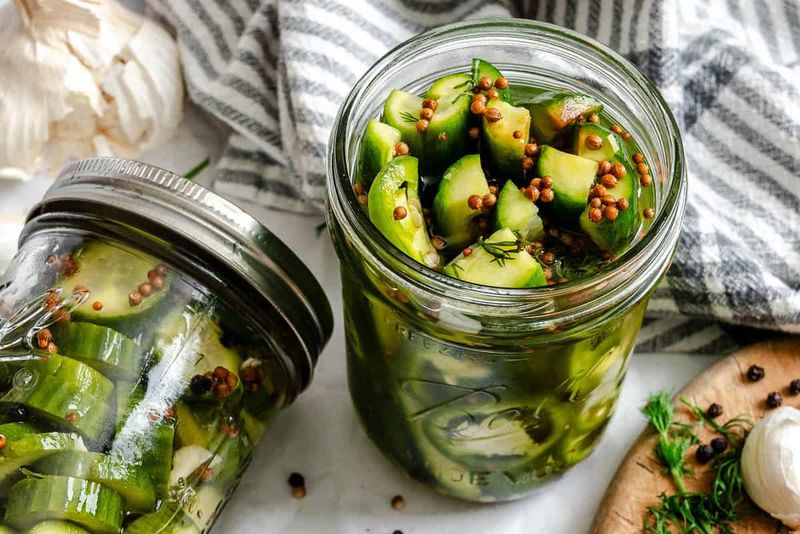
Both hot and cold brines work. Hot brine penetrates faster and carries aromatics deeper, but can soften texture a bit.
Cold brine preserves crunch better, though flavors take longer to settle. If crunch is top priority, let the brine cool before pouring.
Choose based on your timeline and desired bite. For onions and peppers, hot brine shines.
For cucumbers and green beans, cooled brine often wins. Either way, keep ratios steady, cover fully, and chill promptly.
Your jar will reward patience within a day.
11. The Crisp Pickle Tricks That Actually Help
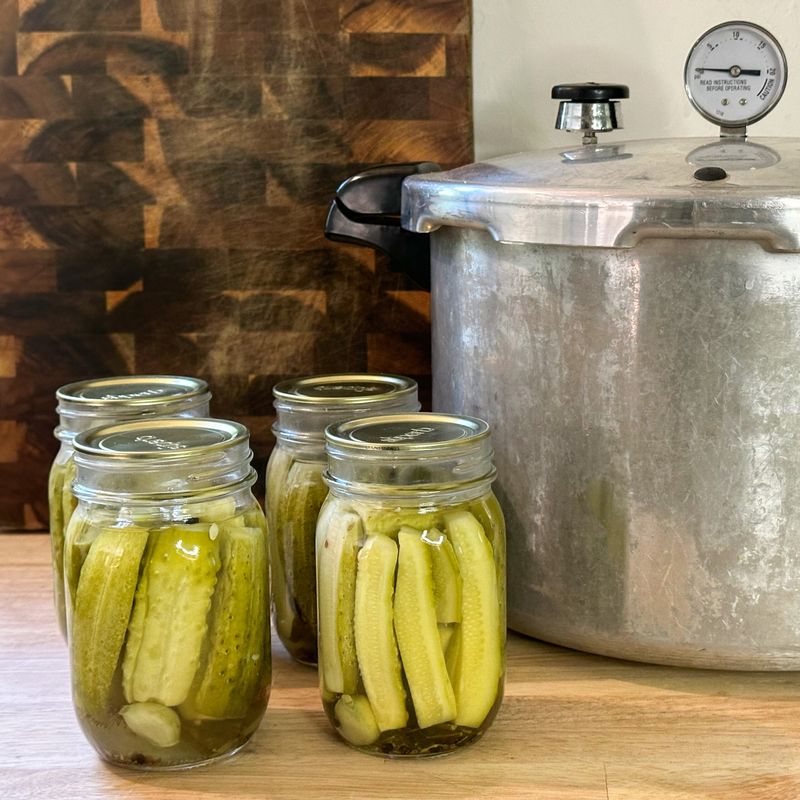
Start with very fresh vegetables. Keep pickles cold after brining for better bite.
Cucumbers especially love a 20 to 30 minute ice-water soak before pickling. Add a couple thin ginger slices or a small grape leaf if you have one.
Avoid overheating the vegetables with excessively hot brine.
Cut thicker for longer crunch, and use kosher salt for cleaner firmness. Store near the back of the fridge where temps stay steady.
Eat softer vegetables earlier for peak texture. These small moves stack into big snap and satisfying chew.
12. Timing Guide For Quick Pickles
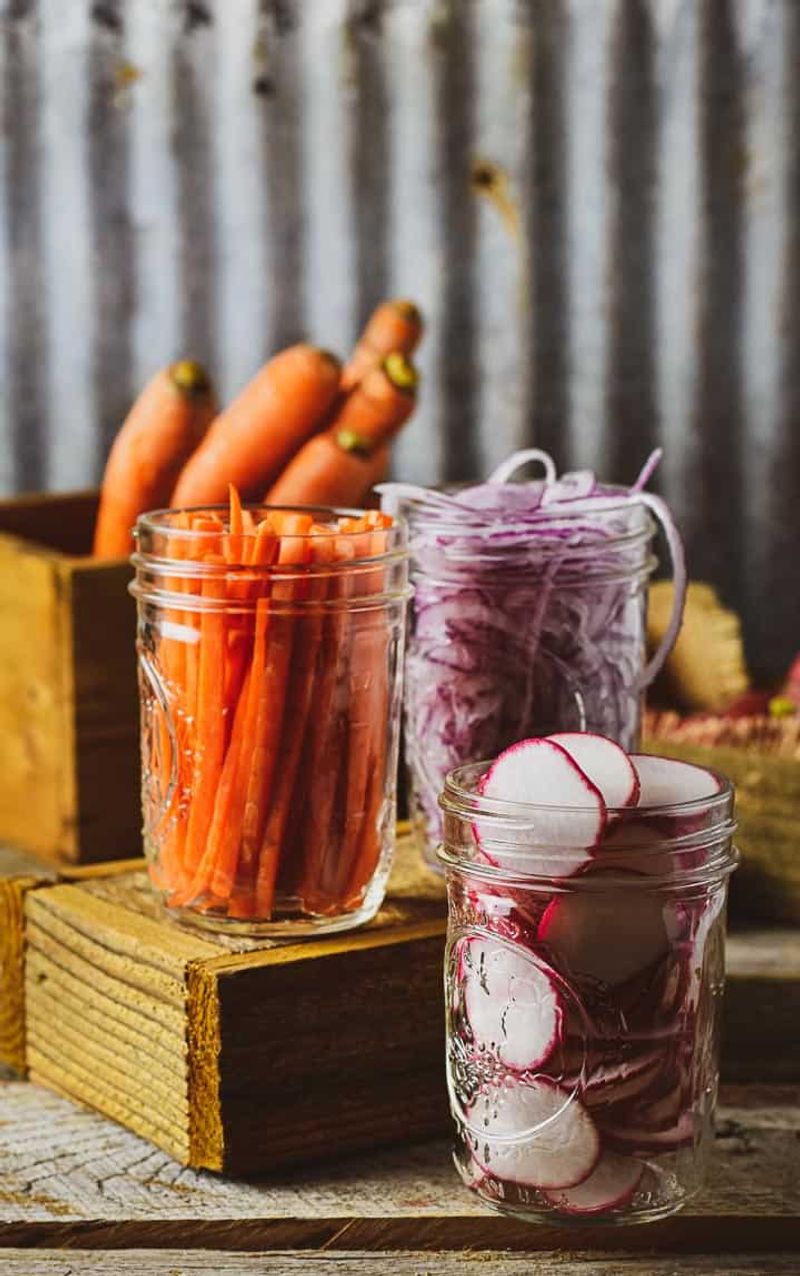
Use this as a flexible map, not a law. Cucumbers: 1 hour light, 24 hours full.
Red onions: 30 to 60 minutes. Radishes: 1 to 2 hours.
Carrots: 4 hours to overnight, faster if thin. Cauliflower: best overnight.
Jalapenos: 2 to 4 hours, better next day. Green beans: overnight, terrific after 2 days.
Cabbage: 1 to 4 hours. Zucchini: 1 to 4 hours, eat soon.
Flavor improves over 24 to 48 hours for most jars. Keep tasting and adjusting future batches.
13. Vegetables That Pickle Like A Dream
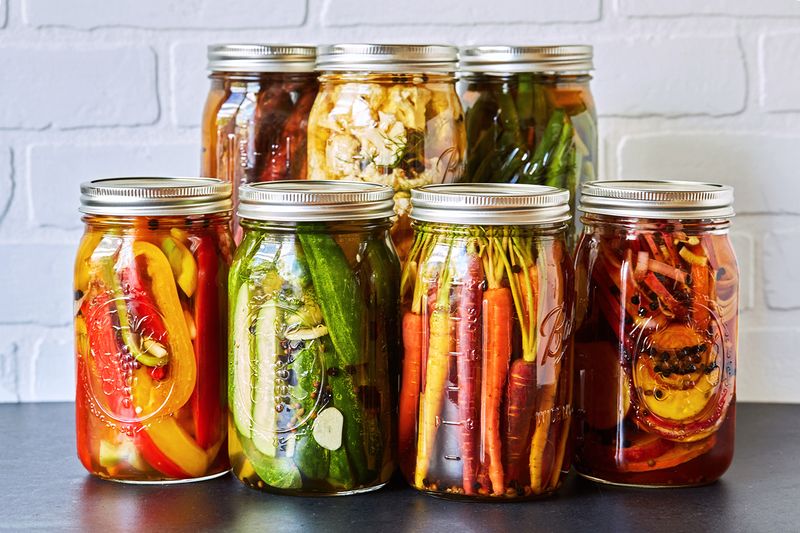
Start with forgiving, high-reward vegetables. Cucumbers deliver classic crunch.
Red onions turn neon pink and taste incredible on everything. Radishes get zippy.
Carrots hold firm. Cauliflower soaks flavor deeply.
Bell peppers stay sweet and bright. Jalapenos bring manageable heat.
Cabbage becomes lively and crisp.
These crowd-pleasers thrive with basic seasonings and simple brines. They tolerate little mistakes while teaching you the rhythm of pickling.
Master these, then branch out. Your sandwiches, tacos, bowls, and snack plates will immediately taste more interesting with minimal effort.
14. Vegetables That Need A Little Extra Care
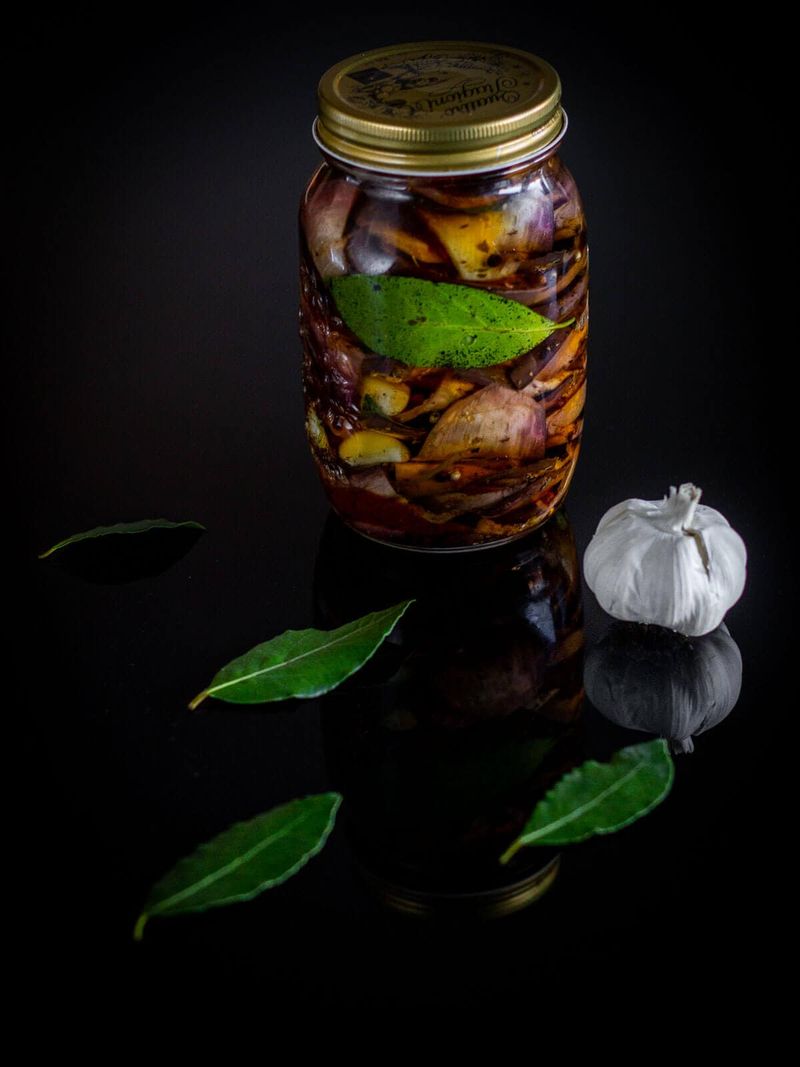
Some vegetables demand attention to avoid mush or odd flavors. Zucchini and summer squash soften quickly, so slice thicker and eat sooner.
Mushrooms love a quick blanch and bold seasoning. Eggplant needs blanching or roasting first to tame sponginess.
Broccoli can turn funky if left too long, so enjoy earlier.
Use cooler brine, shorter pickling windows, and firmer cuts. Keep jars cold and do smaller batches.
Taste earlier and often so you catch the perfect window. These vegetables reward care with surprising, snackable results.
15. Make It Match The Food You’re Eating
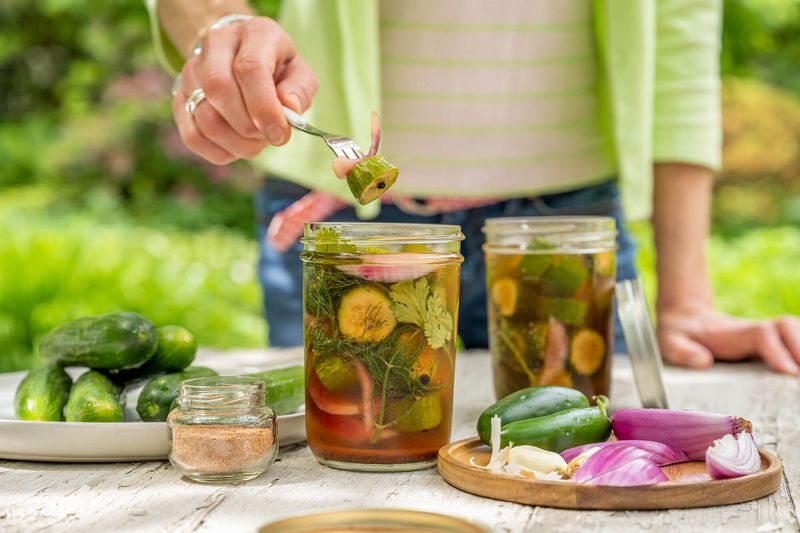
Design your flavor around the meal. For tacos, think lime peel, cumin, and chili flakes.
For sandwiches, go dill, garlic, and peppercorns. For salads, choose rice vinegar, ginger, and a touch of sugar.
For charcuterie, reach for mustard seed, coriander, and bay leaf. For spicy snacks, add extra garlic, red pepper flakes, and sliced chilies.
Stay focused so flavors do not get muddy. One to three aromatics usually land best.
Make smaller jars tailored to tonight’s plan.
16. How Long They Last In The Fridge
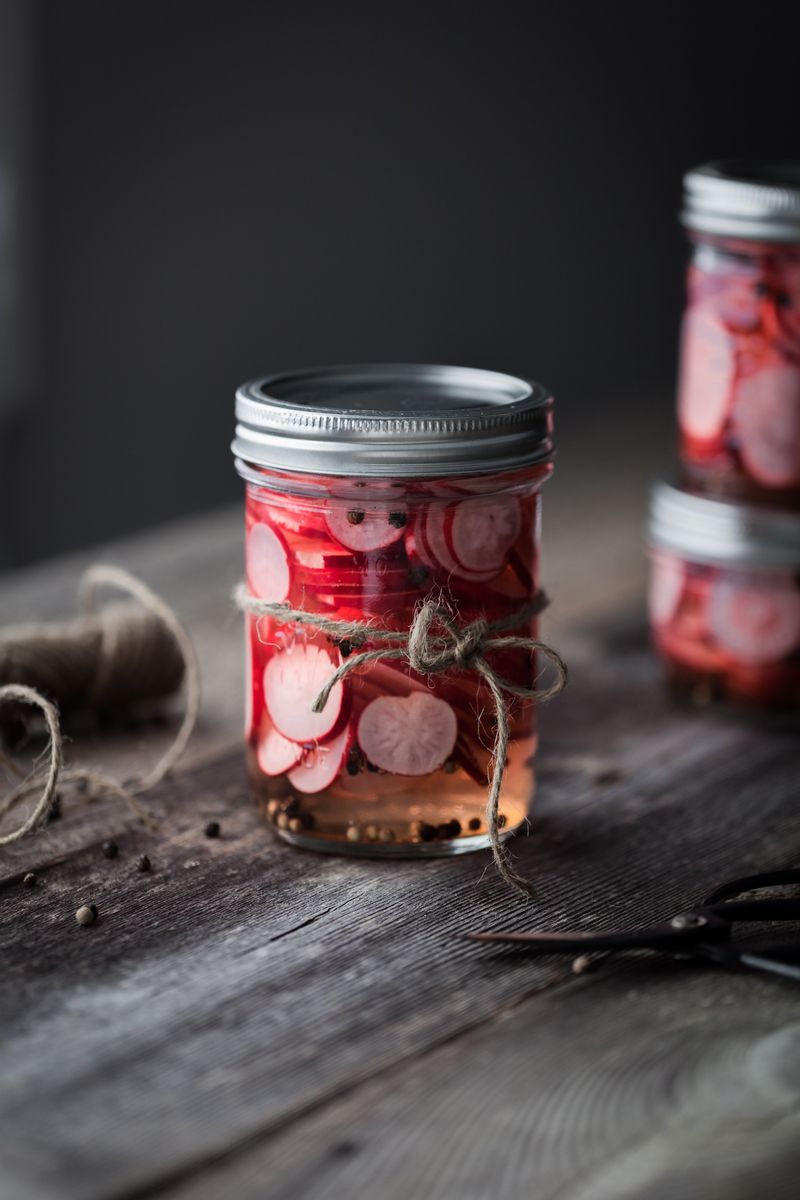
Most quick pickles keep 2 to 4 weeks in the fridge. Softer vegetables like zucchini taste best within 3 to 5 days.
Shredded pickles are happiest within 1 to 2 weeks. If it smells off, looks slimy, or the brine turns strangely fizzy, toss it without hesitation.
Keep lids tight and store toward the back where temperatures stay stable. Use clean utensils to avoid contamination.
Smaller jars mean faster turnover and fresher texture. Label dates so you are not guessing later.
Safety and flavor both win.