One Traditional Food Linked To Each European Country
European food tells stories you can taste, from mountain winters to seaside summers. Each dish carries a country’s memories, from humble farm kitchens to royal tables.
You will spot comfort, clever preservation, and bold flavors that survived empires and borders. Ready to travel the continent with your fork, one traditional plate at a time?
1. Albania: Tavë kosi
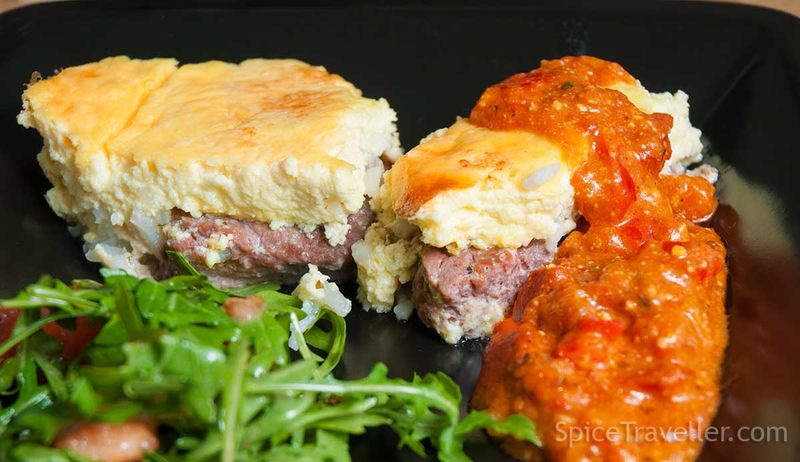
Tavë kosi is Albania’s beloved comfort dish, a creamy baked casserole of tender lamb, tangy yogurt, and eggs. The mixture turns silky in the oven, forming a gently browned top that gives a playful wobble.
You taste brightness from yogurt balanced by the savory depth of slow cooked meat.
Traditionally served with simple salad and bread, it embodies homestyle thrift and mountain heartiness. Aromas of garlic and a whisper of oregano invite you to linger over each slice.
If you love lasagna’s coziness but want lighter, cleaner flavors, this will surprise you.
It is best hot, with a squeeze of lemon and cracked pepper. One bite and you will picture stone alleys, cobalt shutters, and seaside breezes.
Tavë kosi tastes like home.
2. Andorra: Escudella
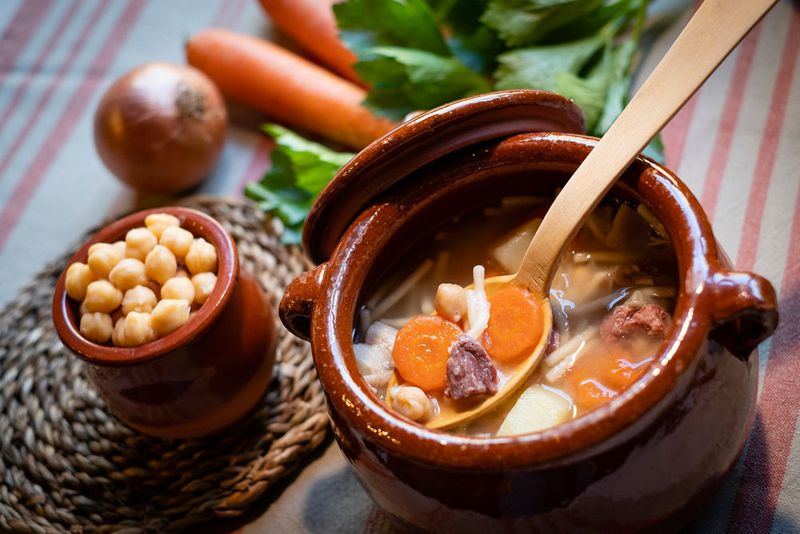
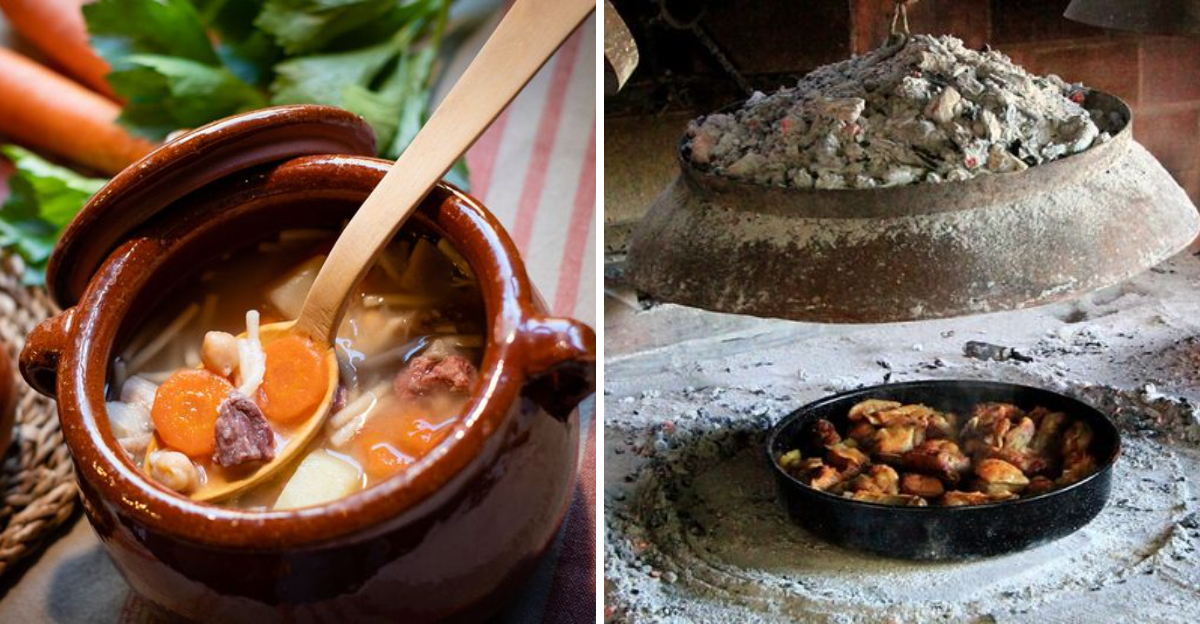
Escudella is Andorra’s winter soul in a pot, a generous stew brimming with meats, sausage, chickpeas, and pasta. Each spoon tastes like hearth warmth after a day in the Pyrenees.
The broth is rich but friendly, inviting bread to dip and soak.
Traditionally served on feast days, it brings families together over long tables. Vegetables give sweetness while bones and cured meats round the flavor.
You notice how simple ingredients gain importance when simmered patiently.
Expect tender carrots, cabbage, and pearl like pasta mingling with robust stock. It fills you without heaviness, perfect for cold nights.
If you crave honest comfort that respects the season, escudella offers a hug you can eat.
3. Armenia: Harissa (wheat and chicken stew)
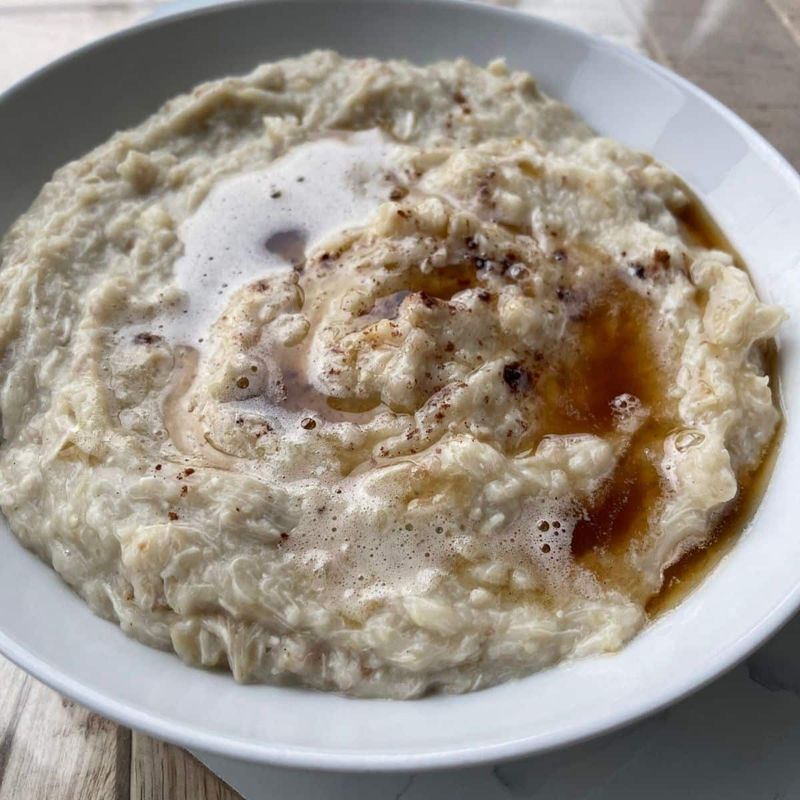
Harissa is Armenia’s patient dish, a slow cooked blend of cracked wheat and chicken until everything becomes one. It is humble, restorative, and deeply consoling.
Each spoonful feels like a warm blanket, lightly salted and enriched with butter.
Traditionally made for communal gatherings, it honors resilience and remembrance. The texture is soft yet substantial, somewhere between porridge and stew.
You may sprinkle cinnamon or add a dot of clarified butter for gentle perfume.
Harissa invites quiet eating, best with fresh herbs, pickles, or flatbread. Leftovers reheat like a dream and taste even more unified.
When you want calm flavors that still feel meaningful, harissa steadies your day.
4. Austria: Wiener schnitzel
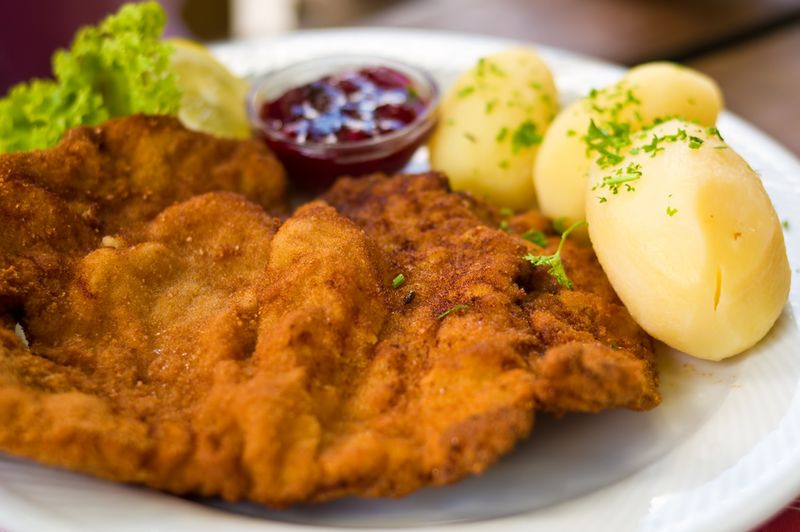
Wiener schnitzel is Austria on a plate, a thin veal cutlet fried to a crisp, airy crust. The coating ripples like parchment, never clinging, and shatters with a squeeze of lemon.
You get buttery richness without grease when it is done right.
Pair it with parsley potatoes and a spoon of tart lingonberries for contrast. The simplicity is its confidence, demanding precision rather than complexity.
You will appreciate the ceremony of the lemon slice and clean frying fat.
It remains festive yet everyday, equally welcome at lunch or dinner. One bite pulls you into Viennese cafe rhythms.
Light, crunchy, and elegant, this classic shows how restraint can be luxurious.
5. Azerbaijan: Azerbaijani plov
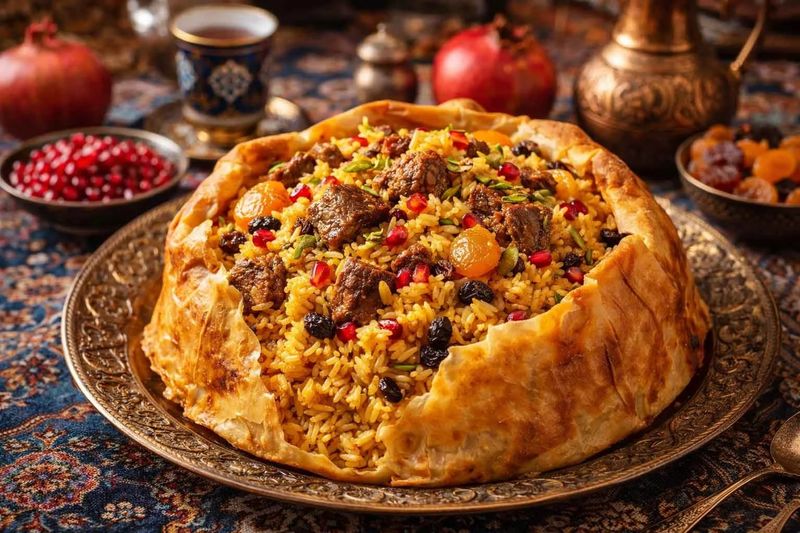
Azerbaijani plov is rice cooked with choreography, each grain separate, perfumed with saffron. Underneath forms a golden gazmag crust that crackles like pastry.
You will find tender lamb, apricots, and nuts arranged like jewels, each component cooked individually for purity.
The result tastes celebratory yet balanced, savory meeting gentle sweetness. Plov honors hospitality, arriving to the table like a centerpiece.
You can break the crust, mix lamb and fruits into the rice, and share.
Spoonfuls feel light, never sticky, showing off the technique. A hint of cumin or barberries may appear depending on the region.
Serve with fresh herbs and pickles and you understand Caucasus generosity.
6. Belarus: Draniki (potato pancakes)
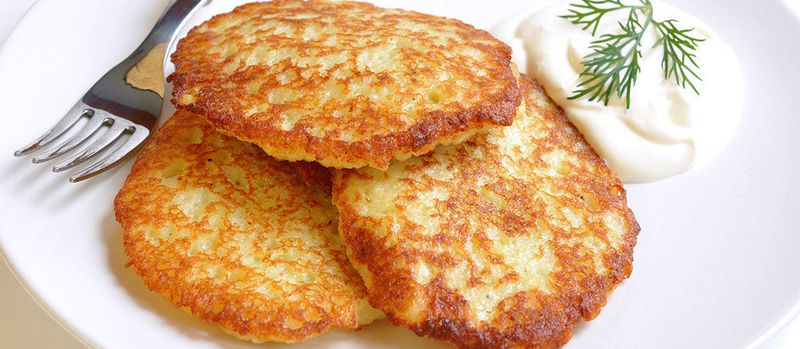
Draniki are Belarus’s crisp edged potato pancakes, grated and pan fried until lacy. Inside stays tender, outside turns golden and audibly crunchy.
A dollop of sour cream and dill brings cooling freshness to each bite.
They taste like the forest and field, humble potatoes lifted by onion and pepper. You can eat them plain, with mushrooms, or tucked beside stewed meats.
They are perfect for breakfast, lunch, or a late snack.
When the edges frill, you know they are ready. Keep the oil hot and the batter simple for best results.
Draniki prove that a potato, handled with care, can be downright irresistible.
7. Belgium: Moules-frites
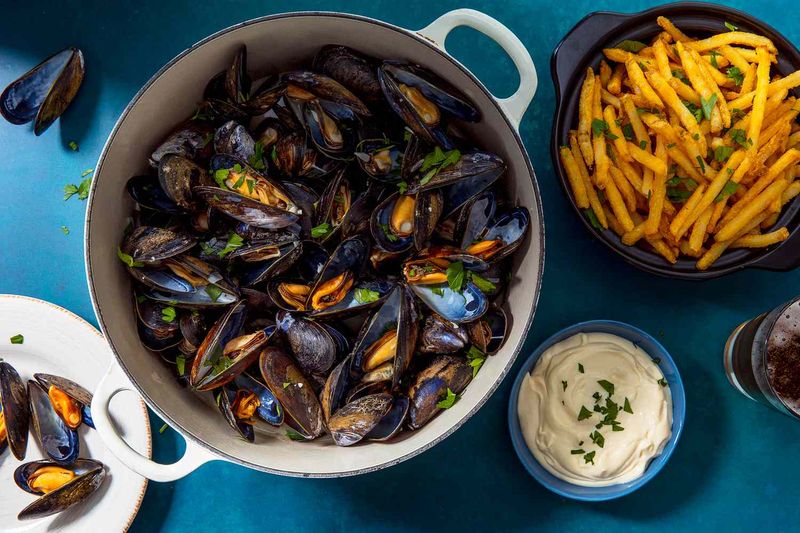
Moules frites pairs briny mussels steamed with wine, shallot, and parsley with crispy fries. You alternate between dunking fries in garlicky broth and swiping mayo.
The mussels feel silky, their liquor tasting of sea breeze and butter.
Belgium treats this like a weeknight classic and a date night star. Variations include cream, curry, or tomato but the spirit stays generous.
You will tip the pot to catch every aromatic sip.
Good bread helps, yet the fries steal the show with shattering crunch. Add a cool beer for balance.
When you crave something both light and indulgent, moules frites answers without fuss.
8. Bosnia and Herzegovina: Ćevapi
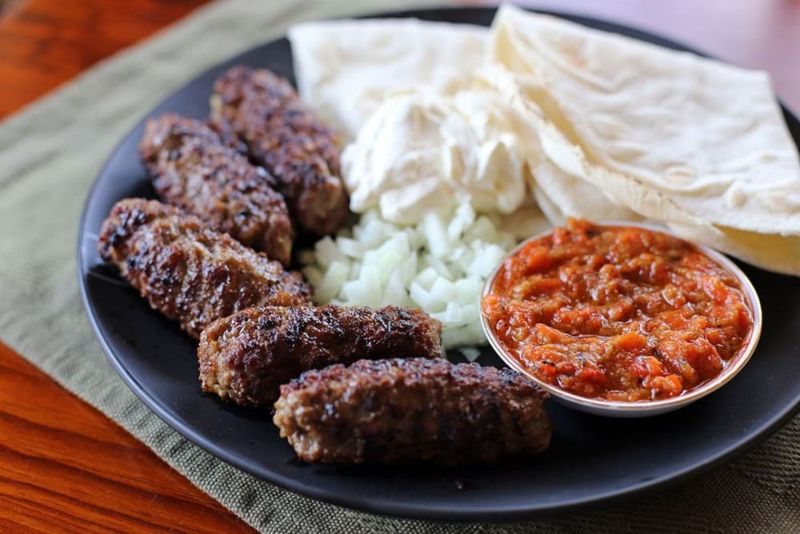
Ćevapi are smoky, finger sized grilled sausages served in warm somun bread. The meat blend, usually beef with lamb, is seasoned simply for purity.
You add raw onions and spoonfuls of ajvar for sweet heat.
In Sarajevo, stands perfume the streets with charcoal and sizzling fat. The bread steams when torn, catching juices like a sponge.
It is street food that feels communal and celebratory.
Order a portion, sit outside, and let the smoke season everything. Each bite balances chew, softness, and brightness from onions.
If you love honest grilling, ćevapi will become your traveling craving.
9. Bulgaria: Banitsa
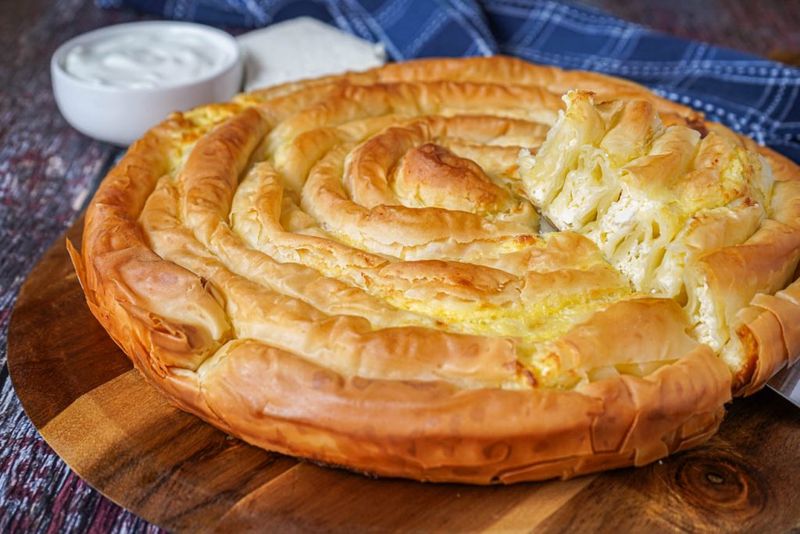
Banitsa is a spiral of flaky filo layered with feta and eggs. The cheese turns creamy, the pastry shatters, and butter perfumes every bite.
Mornings in Bulgaria start with warm slices and yogurt.
It is simple, sturdy, and festive, equally welcome on holidays and weekdays. You can add spinach or leeks, yet the salty tang of feta leads.
The spiral shape bakes to a mesmerizing golden swirl.
Eat it hot so the layers lift like pages. A glass of ayran or tea keeps things refreshing.
If you adore crisp pastry with a soft heart, banitsa will win you quickly.
10. Croatia: Peka
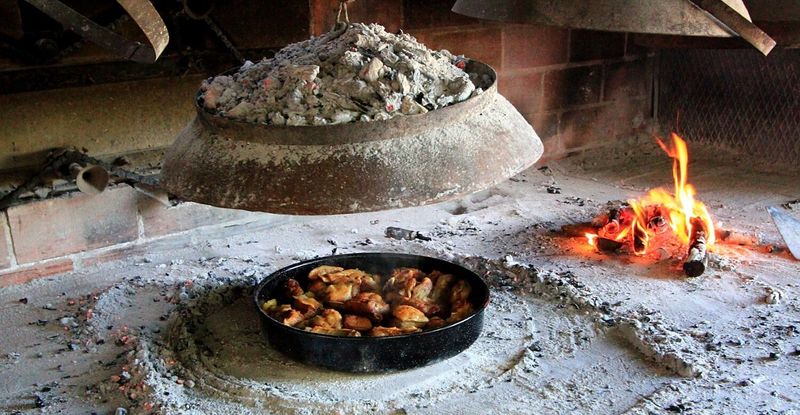
Peka is not just a dish but a method: meat and vegetables baked under an iron bell. Embers cover the lid, creating gentle, enveloping heat.
The result is smoky, tender, and quietly caramelized.
In Dalmatia, lamb or octopus often takes center stage with potatoes. Herbs like rosemary and sage mingle with olive oil.
You lift the bell and a cloud of perfume escapes.
The juices become self basting, pooling into a glossy sauce. Serve family style with bread to chase every drop.
Peka tastes like seaside stone courtyards and long summer afternoons made slow.
11. Cyprus: Souvla
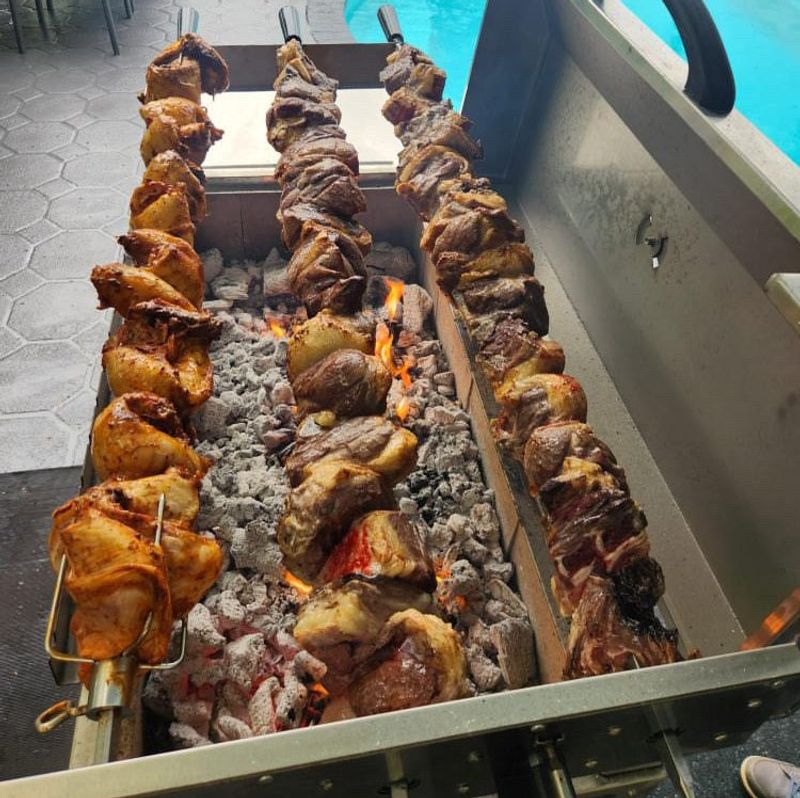
Souvla is Cyprus’s answer to weekends: big skewers of pork or lamb slowly turning over charcoal. The pieces are large, so heat stays gentle and juices remain.
You season simply with salt, oregano, and lemon.
The meat gets a kiss of smoke and a crackly edge. It is served with pita, village salad, and maybe tahini.
Friends gather around the grill, picking pieces as they finish.
Patience makes it great, not complicated marinades. You can taste sun, time, and conversation in each bite.
When you want unfussy barbecue with island charm, souvla delivers satisfaction.
12. Czechia: Svíčková
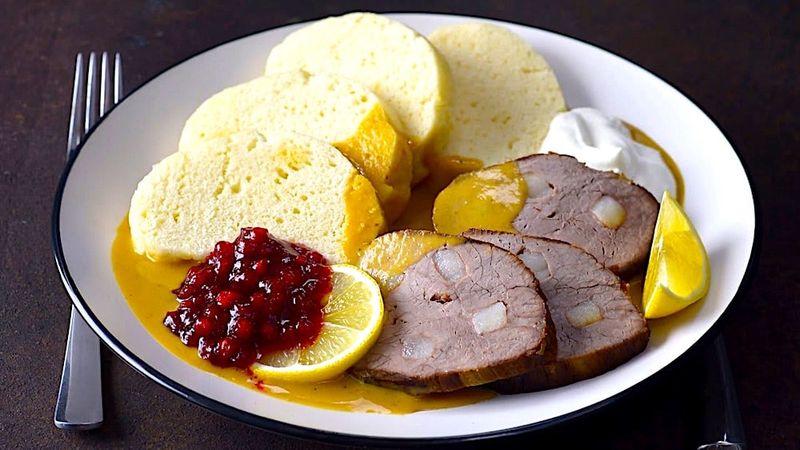
Svíčková is Czech comfort: braised beef in a silky root vegetable cream sauce. Carrots, celery root, and parsnip blend into a sauce both sweet and savory.
You will find bread dumplings ready to mop each pool.
A tart dab of cranberry and whipped cream on top sounds playful but works. The plate balances richness with acidity, like Sunday lunch elegance.
Slow cooking lets beef relax into tenderness.
Each bite feels like a story told softly. If you enjoy pot roast but want more nuance, this is it.
Svíčková rewards patience with cozy sophistication you will remember.
13. Denmark: Smørrebrød
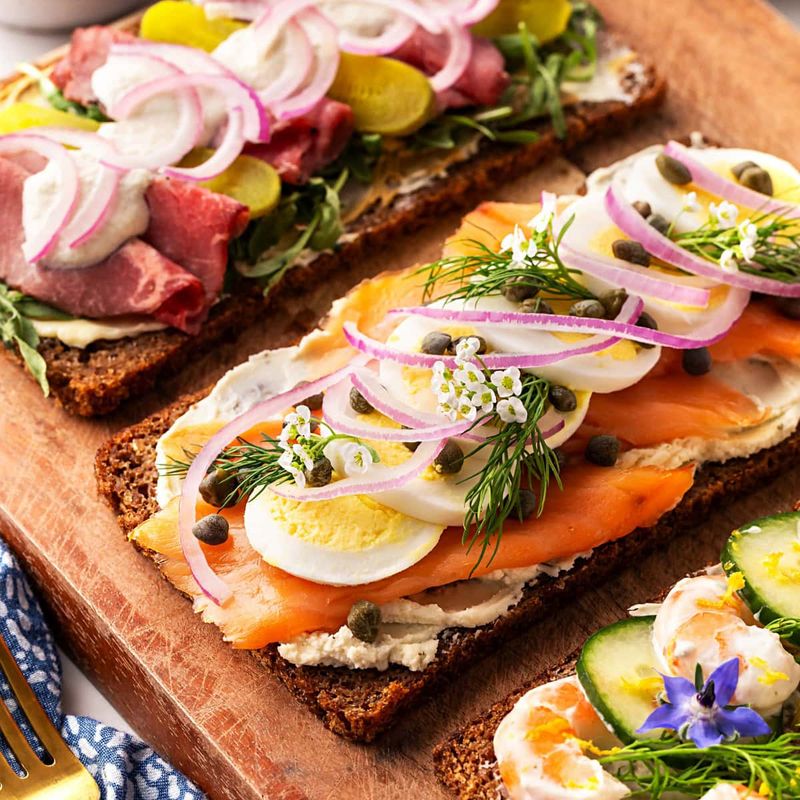
Smørrebrød are Danish open faced sandwiches built on dense rye bread. Each piece is a tiny landscape of textures and pickled brightness.
You might choose herring with onion, roast beef with remoulade, or shrimp with dill.
Balance is the rule: creamy, crisp, salty, and sweet in one bite. Knife and fork eating keeps toppings neat and thoughtful.
The rye’s tang anchors everything so flavors never float away.
Lunch becomes a gallery visit where you get to eat the art. With snaps or beer, the ritual feels complete.
Smørrebrød proves small canvases can hold big, clean flavors.
14. Estonia: Verivorst
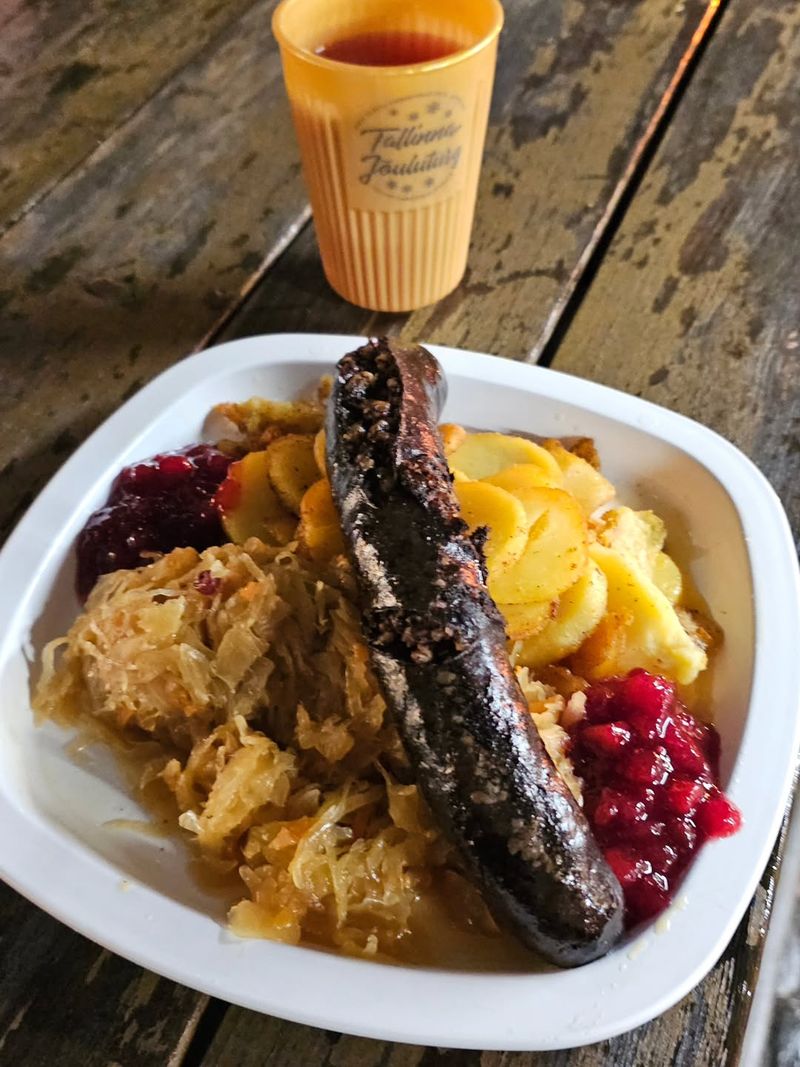
Verivorst is Estonia’s winter sausage, a barley rich blood sausage baked until crisp. The inside is plush, earthy, and gently spiced.
You serve it with sauerkraut and a bright spoon of lingonberry jam.
The sweet tart jam lifts the savory sausage beautifully. Bacon bits often roast alongside, basting everything with smoke.
It is a holiday plate that tastes quietly celebratory and grounded.
If blood sausage feels bold, this one is friendly and balanced. The barley gives comfort and structure without heaviness.
Verivorst makes cold evenings feel intentional, not just endured.
15. Finland: Karjalanpiirakka (Karelian pies)
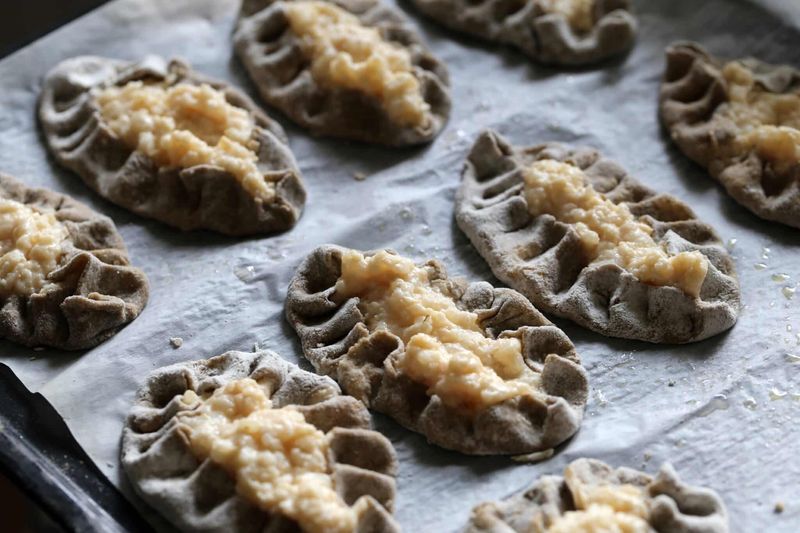
Karjalanpiirakka are rye crusted little boats filled with creamy rice porridge. The edges are crimped, the tops glossy with butter.
You spread egg butter over warm pies so it melts into every seam.
The flavor is gentle, toasty rye meeting soft dairy comfort. They travel well, work for breakfast or snacks, and feel handmade.
One bite and you understand Finland’s love for honest grains.
They taste best fresh from the oven with hot coffee. Salt the egg butter just right and keep portions small.
These pies prove subtle food can be wildly satisfying.
16. France: Boeuf bourguignon
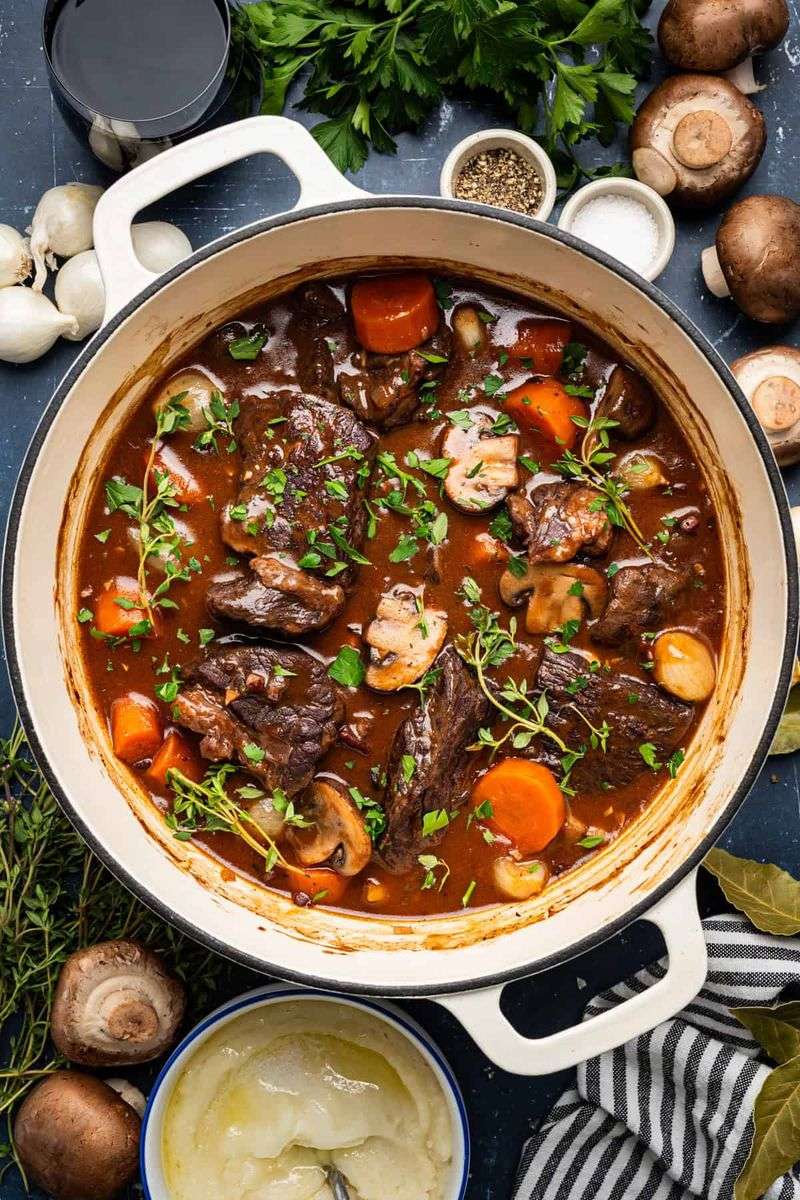
Boeuf bourguignon is a slow braise where beef meets Burgundy until velvet. Mushrooms, pearl onions, and bacon create a chorus of savoriness.
The sauce turns glossy, clinging to everything without heaviness.
You smell wine, thyme, and stock braiding into a deep perfume. This is dinner that asks for patience and rewards with hush at the table.
A spoon, some bread, and maybe buttered noodles are perfect companions.
Leftovers only improve, the flavors knitting tighter overnight. If you want classic French warmth without fussiness, choose this.
It is the stew you imagine on a rainy Paris evening.
17. Georgia: Khachapuri
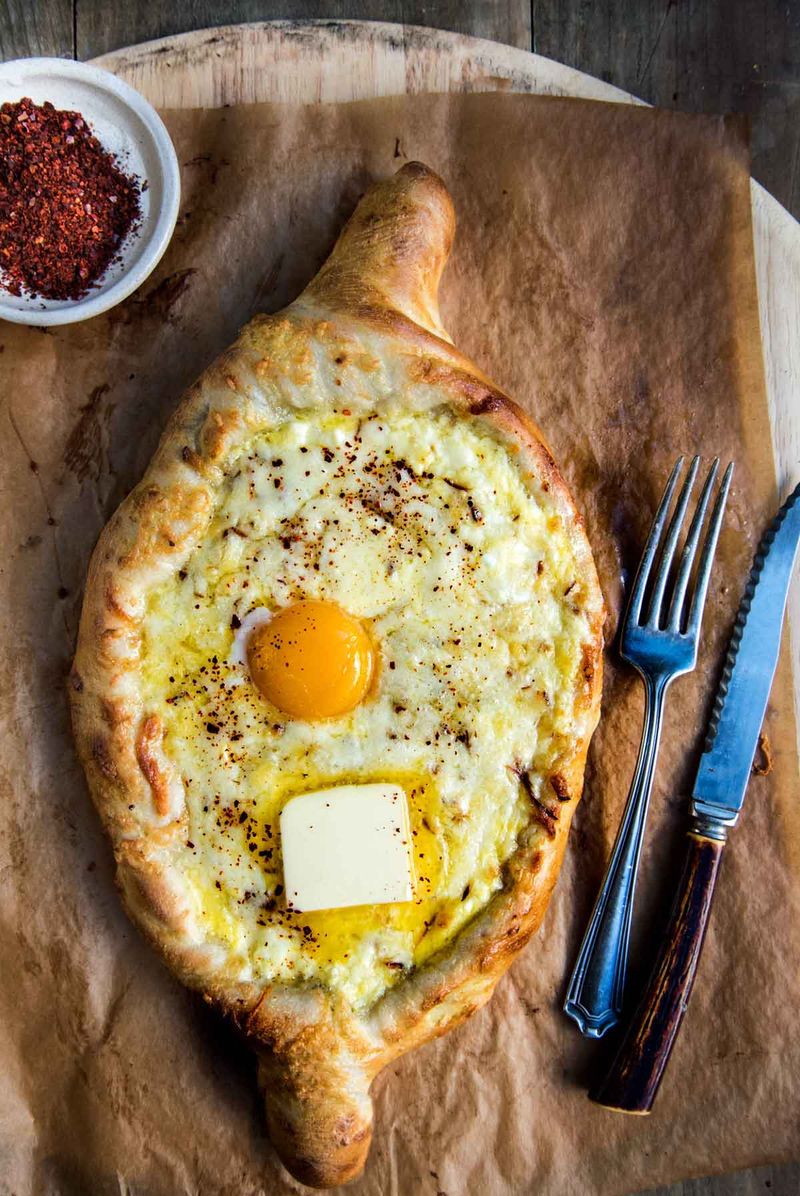
Khachapuri is Georgia’s joyous cheese bread, often shaped like a boat with an egg. The crust is chewy and blistered, the interior a molten cheese lake.
You tear off edges and swirl them through butter and yolk.
It is comfort with theater, arriving sizzling and impossible to ignore. Salty, stretchy cheese keeps you returning for one more dip.
Street corners and family tables alike celebrate this staple.
Pair with salad or tarragon lemonade to cut richness. Share it, though you will want to guard the last bite.
Khachapuri makes the ordinary afternoon feel like a festival.
18. Germany: Sauerbraten
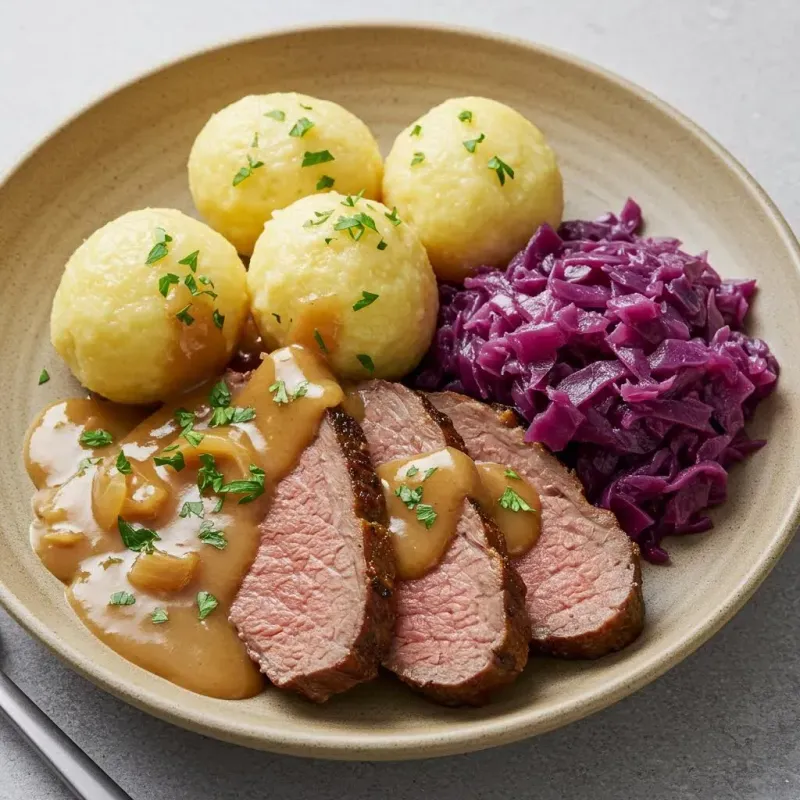
Sauerbraten is marinated pot roast, tangy and tender after days in vinegar, spices, and aromatics. Slow roasting turns the meat sliceable and succulent.
The gravy is dark, slightly sweet, and deeply seasoned.
Serve with red cabbage and potato dumplings for a classic trio. You taste balance: sour, sweet, and savory working in harmony.
The marinade’s clove and bay lend gentle warmth without sharpness.
Leftovers make excellent sandwiches on rye. If you enjoy dishes that feel both rustic and composed, this fits.
Sauerbraten proves time can be the best seasoning of all.
19. Greece: Moussaka
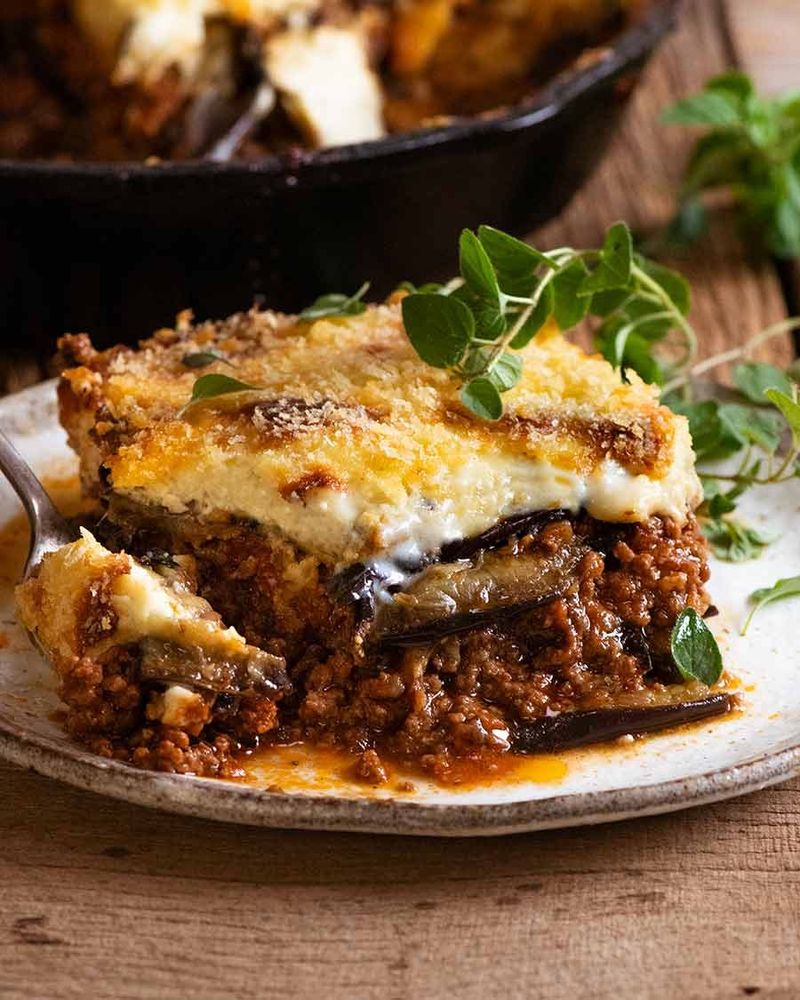
Moussaka stacks silky eggplant with spiced lamb and tomato under a cloud of béchamel. The top bakes golden, smelling of nutmeg and bay.
Each forkful gives soft layers and warm spices balanced by creamy sauce.
It feels celebratory but homely, perfect for slow dinners. Cinnamon and allspice whisper through the meat, never shouting.
You will want salad and crusty bread nearby to refresh.
Let it rest before slicing so layers hold. Reheated squares taste even more together the next day.
Moussaka captures Greek generosity in one cozy, sun kissed pan.
20. Hungary: Gulyás
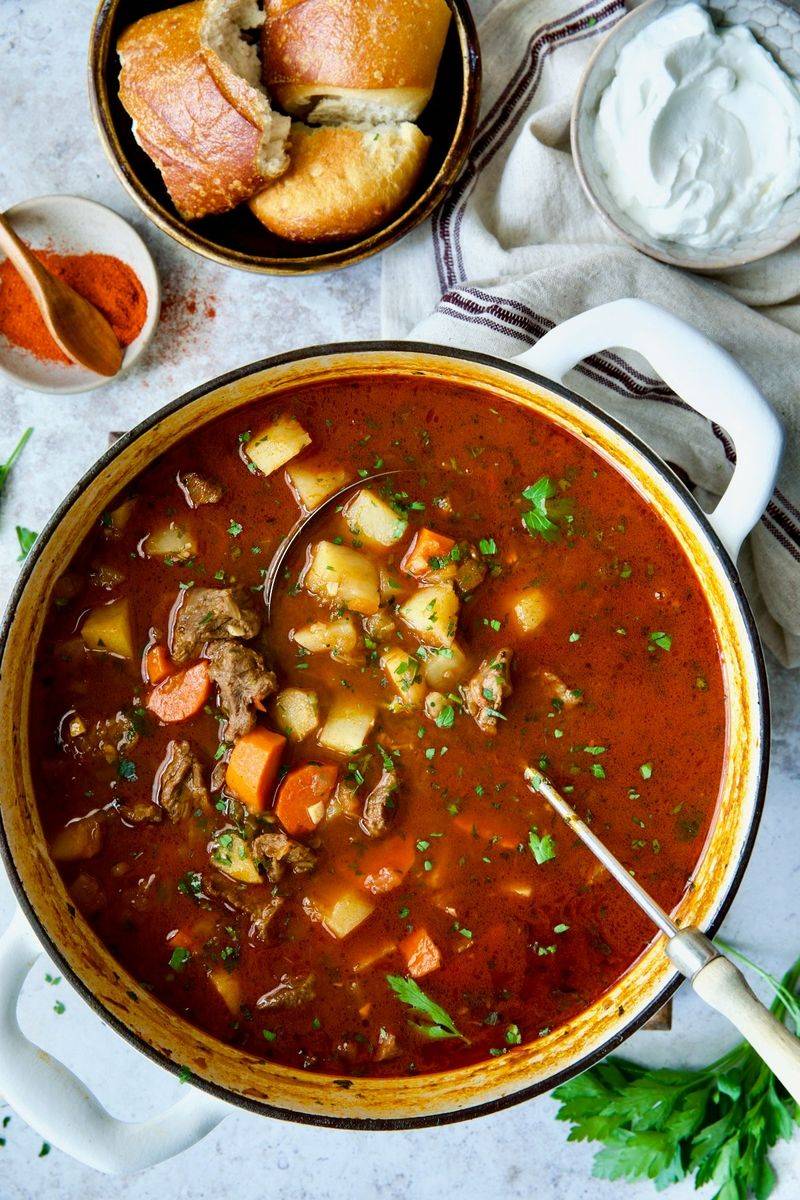
Gulyás is Hungary’s paprika bright beef soup, hearty yet lively. The broth carries a gentle heat and deep sweetness from onions.
Potatoes and carrots round it out without stealing the show.
Cooked in kettles outdoors or on the stove, it loves company. Good paprika is everything, blooming in fat for color and perfume.
You finish with salt, maybe caraway, and a breath of parsley.
It tastes rustic but clean, perfect with bread for dipping. If stew feels too heavy, gulyás offers lighter comfort.
It keeps you warm without weighing you down.
21. Iceland: Plokkfiskur
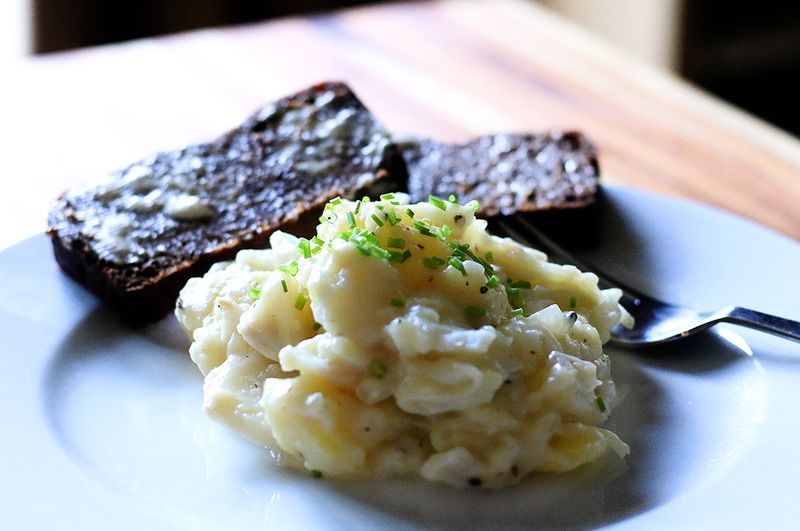
Plokkfiskur is Iceland’s gentle fish mash, combining flaky cod with potatoes and onions. The sauce is creamy but restrained, letting the fish speak.
You spread it on warm rye bread with thick butter for contrast.
It is weekday food with northern character, filling without fuss. A hint of mustard or cheese sometimes sneaks in.
The texture feels soothing, perfect after windy walks by the sea.
Leftovers pan fry into crispy cakes for breakfast. Add pickles for brightness and you are set.
Plokkfiskur proves simplicity can taste like clean ocean air.
22. Ireland: Irish stew
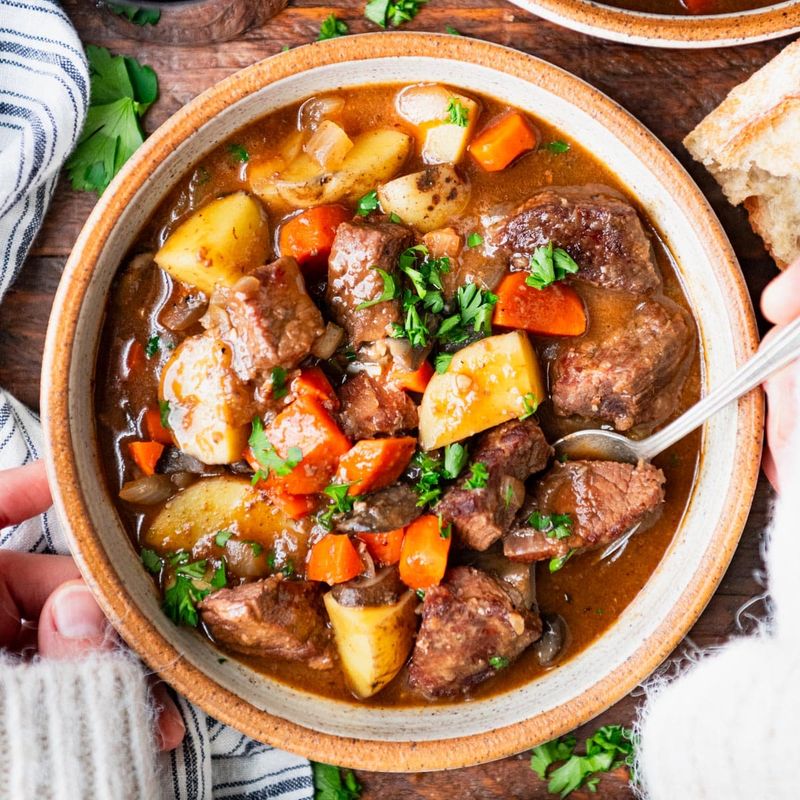
Irish stew keeps things honest: lamb, potatoes, onion, and time. The broth stays light yet flavorful, tasting of fields and rain.
Carrots add sweetness while parsley brightens the finish.
It is the kind of meal that asks for quiet and brown bread. You will find comfort without overcomplication, just careful simmering.
The lamb turns tender and generous, no flash needed.
Season well and resist fussing and it rewards you. A next day bowl somehow tastes even kinder.
Irish stew is proof that restraint can be deeply satisfying.
23. Italy: Risotto alla Milanese
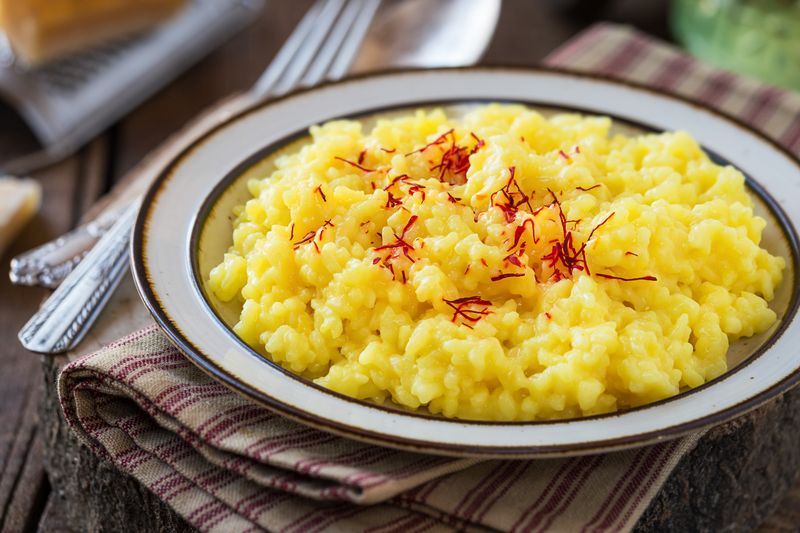
Risotto alla Milanese is sunshine on a plate, rice tinted gold with saffron. The texture should be all waves and whispers, never stodgy.
Butter and Parmesan enrich without drowning the saffron’s floral depth.
You stir patiently, feeding stock until the grains sigh. Each spoon returns creaminess that is somehow not cream.
A final knob of butter makes it shine.
Serve on a flat plate so it relaxes properly. Pair with ossobuco if you want the royal treatment.
This risotto teaches attentiveness, rewarding you with elegance in minutes.
24. Kazakhstan: Beshbarmak
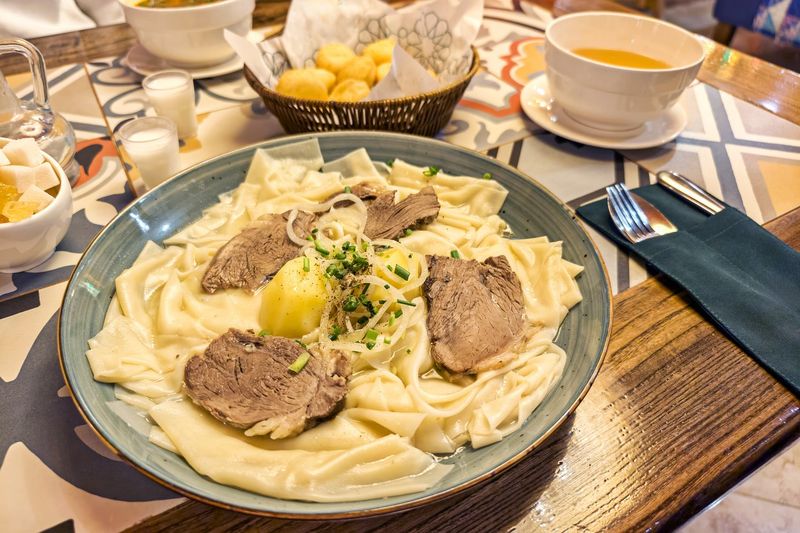
Beshbarmak is Kazakhstan’s communal feast of meat and wide noodles. Boiled beef or lamb is sliced and laid over tender sheets.
Onions are softened in broth, then spooned on top like a crown.
You sip the broth separately, clean and restorative. The dish carries nomadic roots, meant to be shared generously.
Flavors are straightforward, honoring good meat and patient boiling.
It feels celebratory without showiness, perfect for family gatherings. A sprinkle of pepper and herbs adds subtle lift.
Beshbarmak’s calm simplicity invites conversation to be the seasoning.
25. Kosovo: Flija
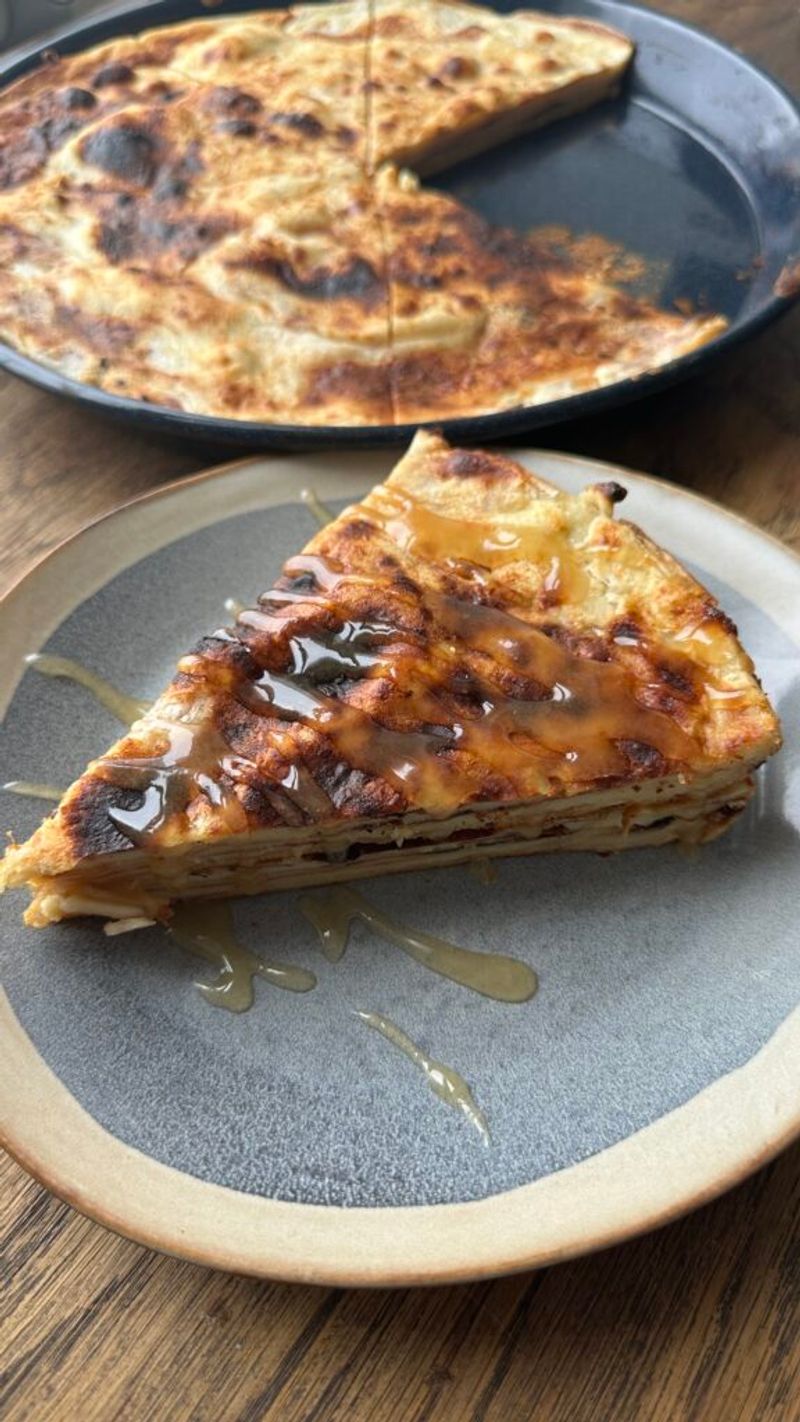
Flija is a labor of love, dozens of thin batter layers baked in a spiral. Each layer gets brushed with cream or butter before the next.
The result is tender, slightly chewy, and beautifully layered.
Cooked traditionally under a sač, it becomes a social event. Friends take turns tending heat and brushing.
You tear off warm wedges and eat with yogurt or honey.
The flavor is mild and milky, more about texture and ritual. It is perfect for gatherings where making is half the joy.
Flija turns time and patience into something deliciously shareable.
26. Latvia: Grey peas with speck (Pelēkie zirņi ar speķi)
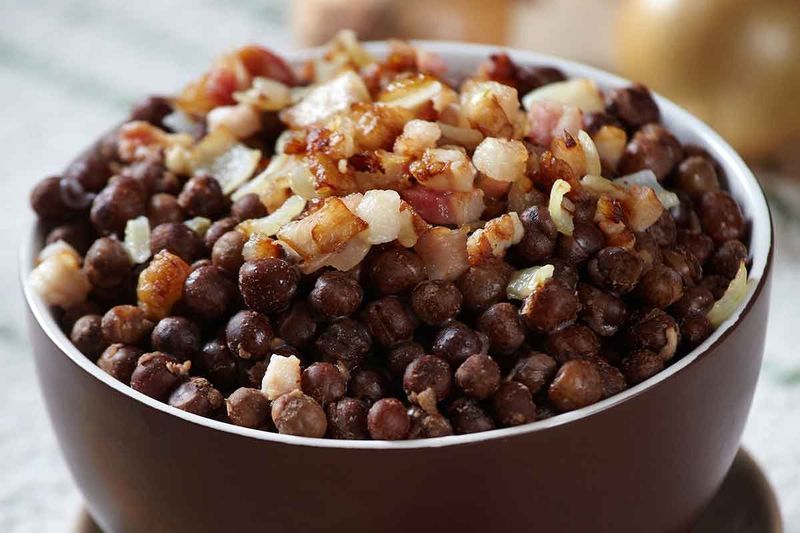
Grey peas with speck taste like warm Latvian winters, smoky and sturdy. The peas keep a pleasant bite while bacon and onions perfume everything.
A little dill or pepper adds freshness at the end.
It is celebratory yet simple, often shared during holidays. You will want dark bread and pickles nearby for balance.
The dish proves pantry staples can feel festive with care.
Reheats beautifully and pairs well with beer or kvass. If you crave earthy flavors and honest texture, this delivers.
Each spoonful carries smoke, hearth, and cheer.
27. Liechtenstein: Käsknöpfle
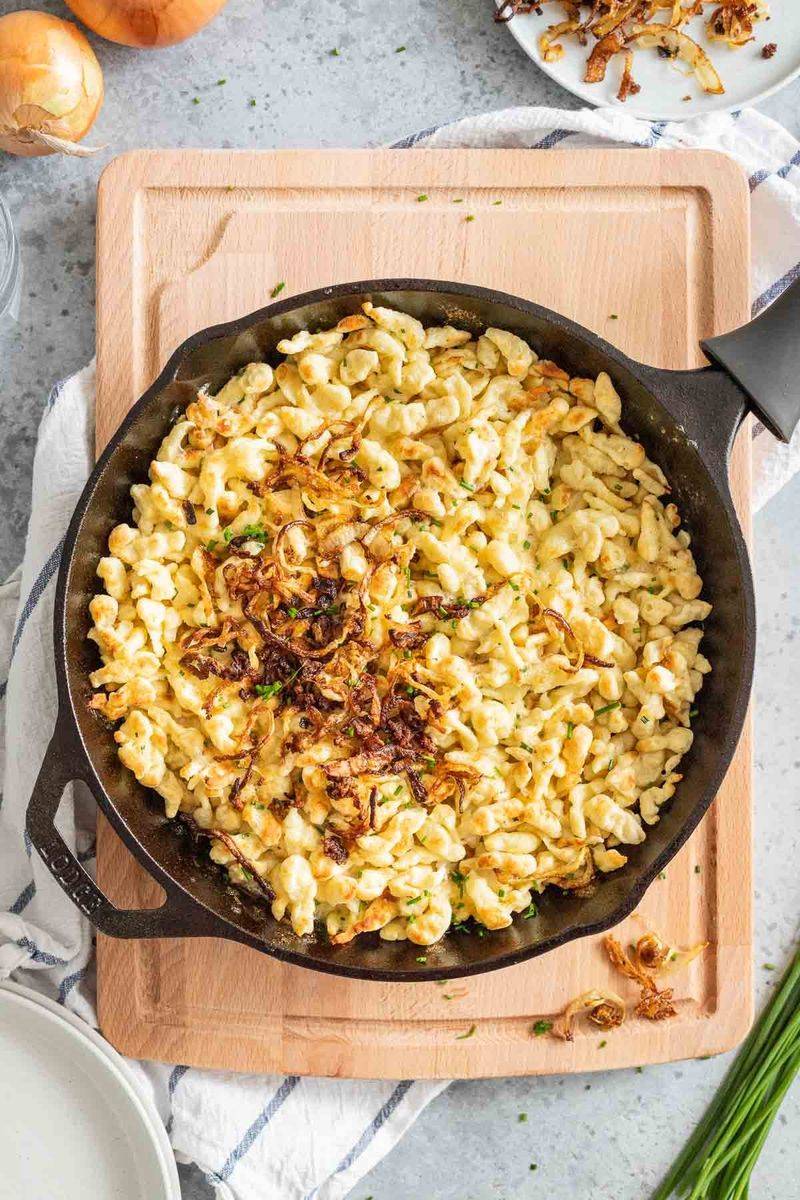
Käsknöpfle are tiny Alpine dumplings tossed with melty cheese and onions. Think spaetzle meeting fondue in a cozy pan.
The onions caramelize into sweetness, cutting through richness gracefully.
It is mountain comfort after a cold day, hearty without pretense. You scoop from the skillet, strings of cheese following like confetti.
A green salad or applesauce brings a refreshing counterpoint.
Salt matters, as does good cheese with flavor. When you want hug in a bowl energy, this is it.
Käsknöpfle shows small shapes can carry big joy.
28. Lithuania: Cepelinai
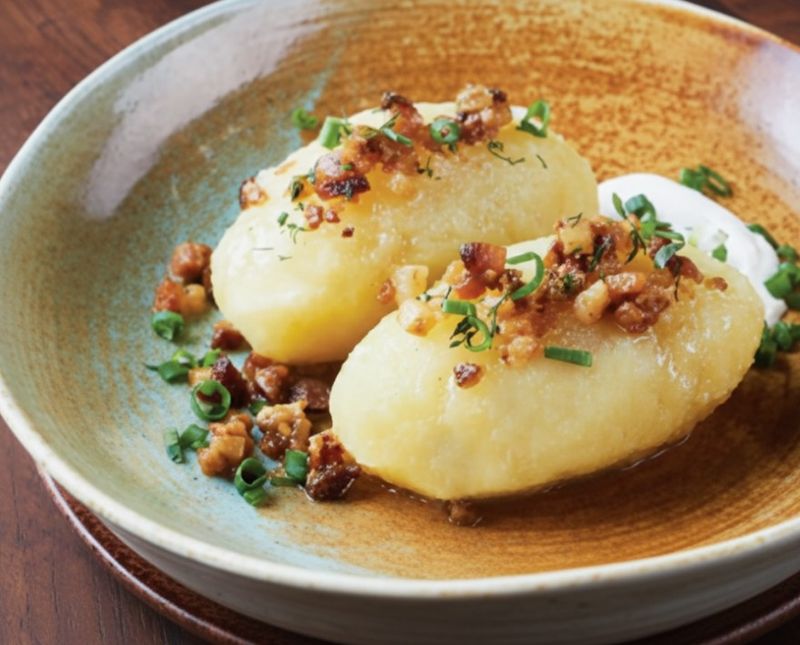
Cepelinai are zeppelin shaped potato dumplings with juicy pork inside. The exterior is tender and slightly sticky, pure potato comfort.
Bacon bits and sour cream on top make a salty, creamy finish.
They are filling, winter proud, and best with dill and black pepper. You will want to sit after a plate and smile slowly.
The dumplings hold together thanks to grated and squeezed potatoes.
Reheating works, but fresh is best for texture. If you adore dumplings that mean business, choose these.
Cepelinai feel like a celebratory handshake from Lithuania.
29. Luxembourg: Judd mat Gaardebounen
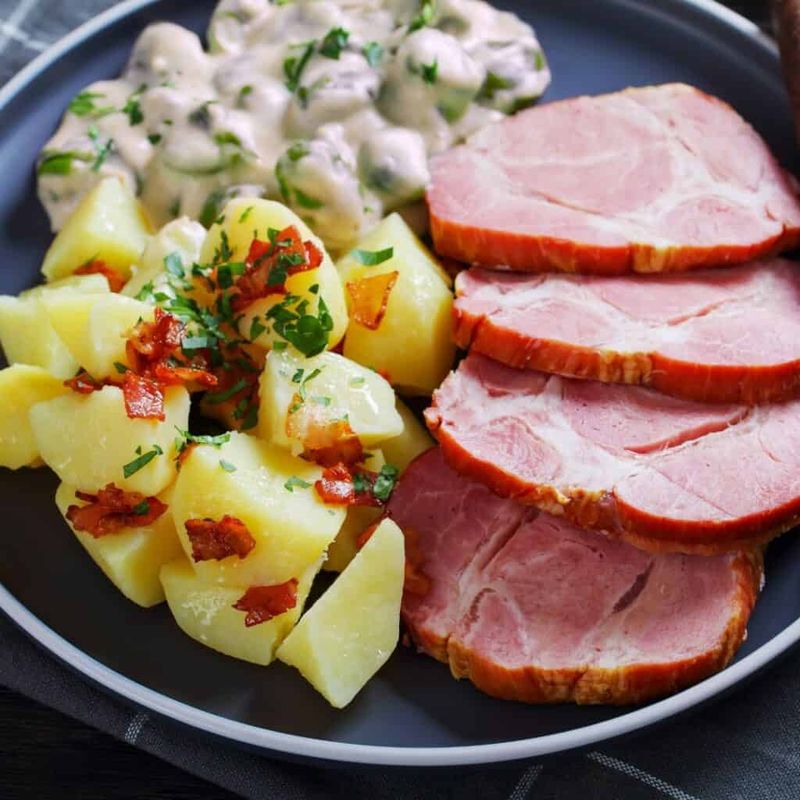
Judd mat Gaardebounen stars smoked pork collar beside broad beans in sauce. The meat is rosy, assertive, and sliceable, pairing well with potatoes.
Beans bring springlike sweetness and pleasant heft.
The sauce can be creamy or brothy depending on the house. You taste smoke meeting freshness, a surprisingly elegant combination.
With mustard on the side, every bite gets lifted.
It is a national pride dish that remains friendly to newcomers. If you enjoy ham and beans, this feels refined.
The balance of smoke and green notes keeps forks busy.
30. Malta: Pastizzi
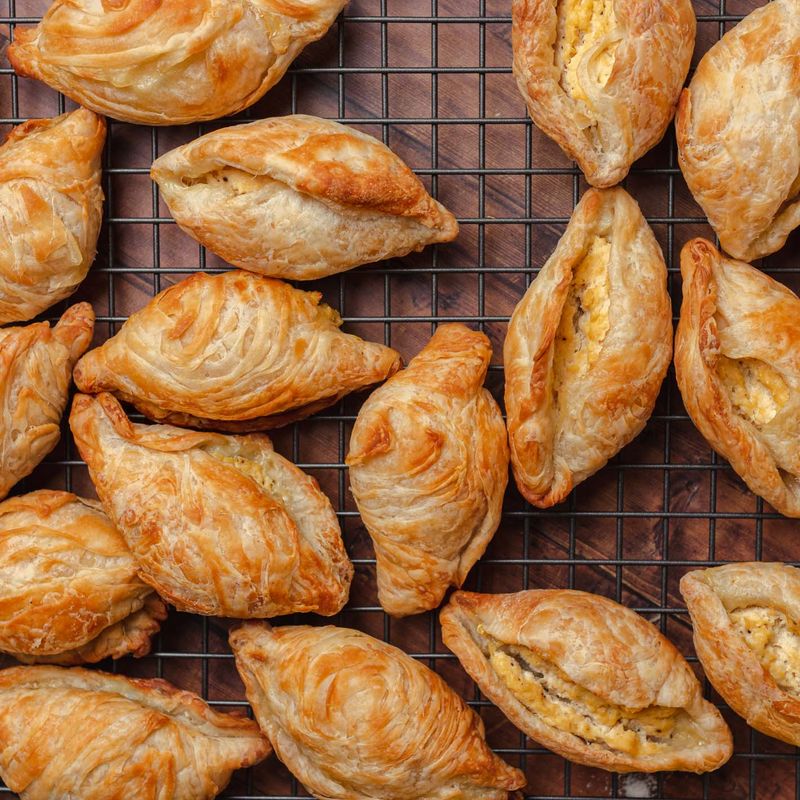
Pastizzi are flaky Maltese pastries that shatter into buttery shards. Inside you find creamy ricotta or peppery mushy peas.
They are the kind of snack you promise to eat just one of and fail.
Street stalls keep trays cycling, hot and irresistible. The dough is laminated by hand, giving wild, bubbly layers.
A dusting of salt and a paper napkin are all you need.
Perfect with tea, coffee, or a seaside stroll. If you love savory pastries with character, do not skip these.
Pastizzi pack joy into a couple of bites.
31. Moldova: Zeamă
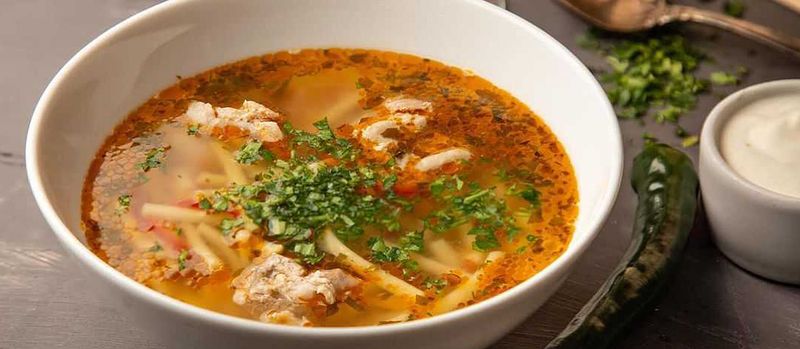
Zeamă is a bright Moldovan chicken soup with homemade noodles and lovage. The broth is clear, lemony, and deeply comforting.
You can add a spoon of sour cream and a chili slice for kick.
It is the kind of soup that brings you back to balance. Lovage adds celery like perfume that feels old world and fresh.
The noodles stay slightly springy, catching broth nicely.
Great for any season, especially when under the weather. If chicken soup is your love language, this speaks fluently.
Zeamă finishes clean, leaving you lighter than you began.
32. Monaco: Barbajuan
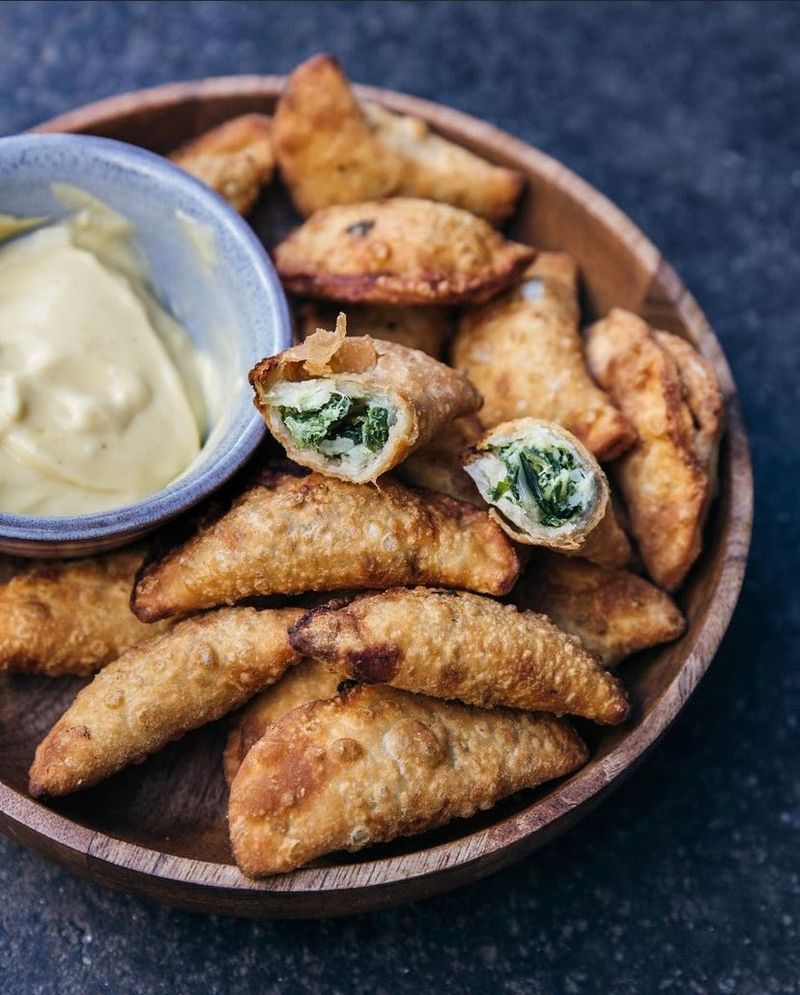
Barbajuan are crisp fried pockets stuffed with chard, ricotta, and herbs. The filling is savory with a gentle sweetness from greens.
You sometimes see a light sugar dusting, creating a fun sweet savory wink.
They work as snacks or elegant starters along the Riviera. The pastry bubbles and blisters, staying tender inside.
A squeeze of lemon brightens everything delightfully.
Eat hot, ideally outdoors with sea breeze nearby. If you enjoy spinach pies, this offers a sunnier accent.
Barbajuan turn garden produce into party food effortlessly.
33. Montenegro: Njeguški pršut
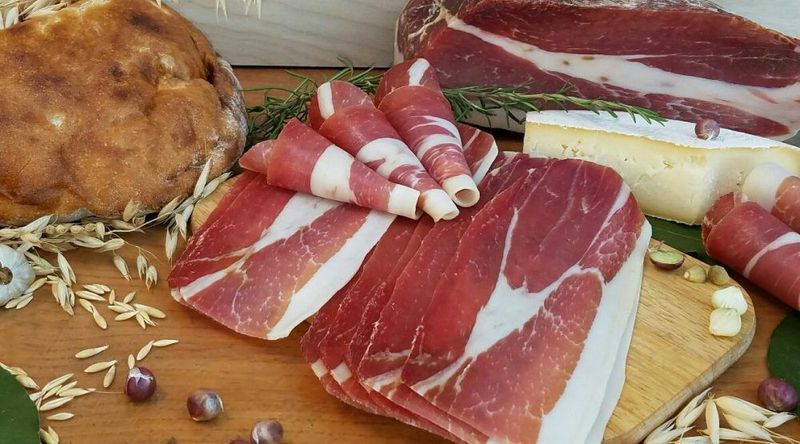
Njeguški pršut is Montenegro’s prized ham, dry cured and gently smoked. Thin slices melt slowly, tasting of mountain air and patience.
The salt is confident but never harsh.
Served with cheese, olives, and bread, it anchors a simple spread. You will notice a delicate smoke born from beech or oak.
Every slice invites a sip of local wine.
It is unforgettable in its restraint and clarity. If prosciutto is familiar, this adds a rugged elegance.
Njeguški pršut makes small gatherings feel thoughtfully elevated.
34. Netherlands: Stamppot
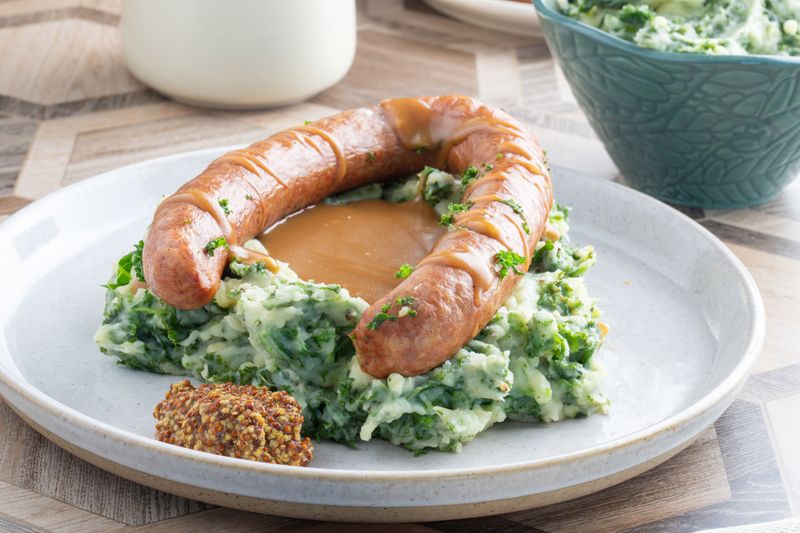
Stamppot is Dutch mash comfort, potatoes pounded with kale or sauerkraut. It is hearty, homely, and built for cool nights.
A smoked sausage, rookworst, leans alongside with savory swagger.
The greens fold into the mash, giving flavor and texture. A pool of gravy or melted butter finishes things simply.
You will want mustard for the sausage and maybe pickles.
Leftovers reheat kindly, and the dish welcomes variations. If you love mashed potatoes with personality, this is your friend.
Stamppot tastes like early evenings and fogged windows.
35. North Macedonia: Tavče gravče
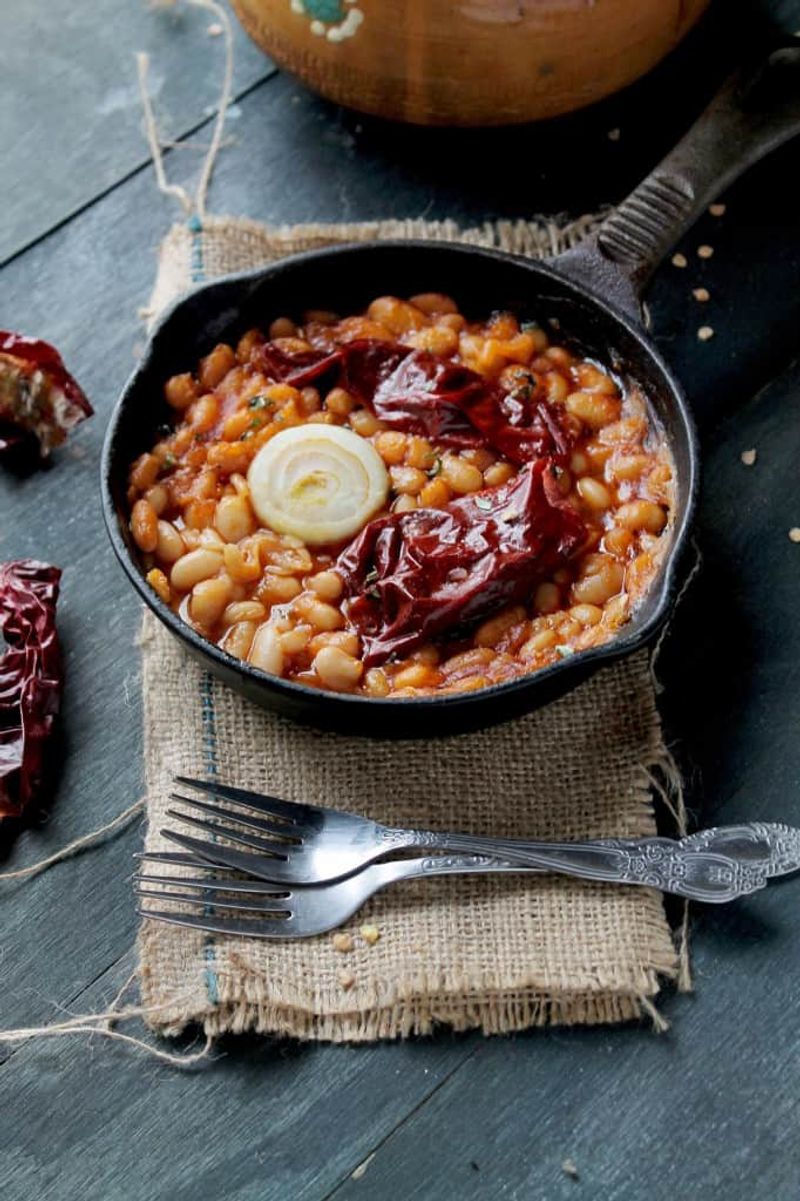
Tavče gravče is a clay baked bean dish, simple and deeply satisfying. White beans stew with peppers, onions, and paprika until creamy.
The top gets a toasty skin that breaks like caramel.
It is often a main course with bread and salad. Flavors are warm and grounded, perfect for unhurried lunches.
You can add hot peppers or sausage, but beans remain the star.
Leftovers improve as spices settle in. If chili comforts you, this offers a Balkan cousin.
Tavče gravče turns pantry staples into Sunday worthy fare.
36. Norway: Fårikål
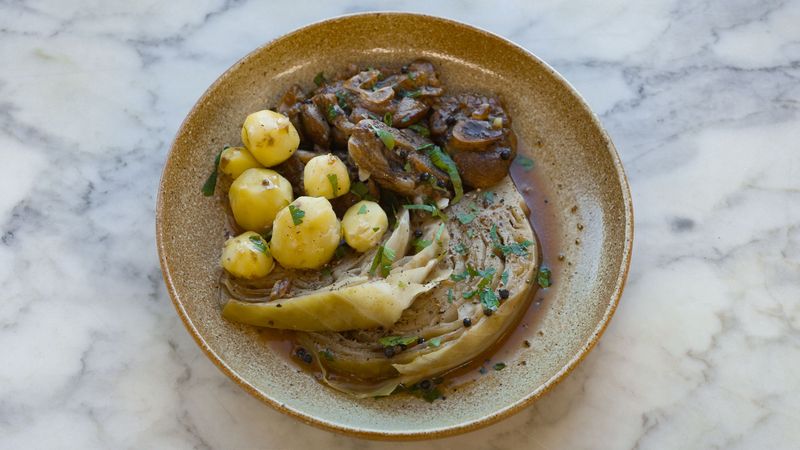
Fårikål braises lamb and cabbage with peppercorns until everything softens together. The broth is pale, honest, and comforting.
You will taste sweetness from cabbage and gentle lamb richness.
Norway serves it in autumn when nights grow long. Potatoes on the side make the meal complete.
It is a study in restraint, proving few ingredients can sing.
Let time do the work and avoid over seasoning. The peppercorns offer pleasant warmth without fireworks.
Fårikål feels like wool blankets and candlelight in a bowl.
37. Poland: Bigos
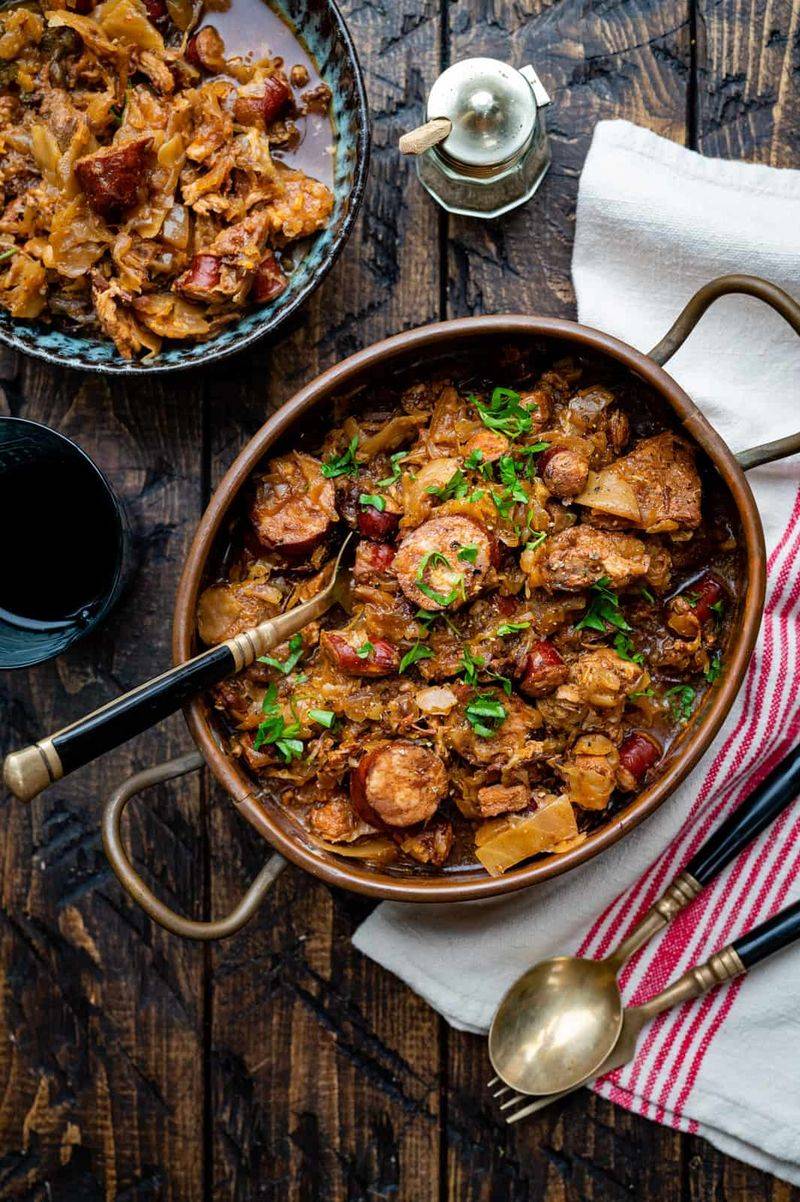
Bigos is Poland’s hunter’s stew, tangy with sauerkraut and rich with meats. Fresh cabbage, mushrooms, and prunes join the party.
Slow simmering marries everything into a complex, woodsy comfort.
It welcomes leftovers and smoked sausages, evolving with each reheat. The flavor grows deeper over days, like a stew with memory.
Serve with rye bread and mustard and maybe a shot of vodka.
It is hearty, winter proud, and cheerfully rustic. If you crave sour savory balance, this delivers beautifully.
Bigos fills the kitchen with a welcoming forest perfume.
38. Portugal: Bacalhau à Brás
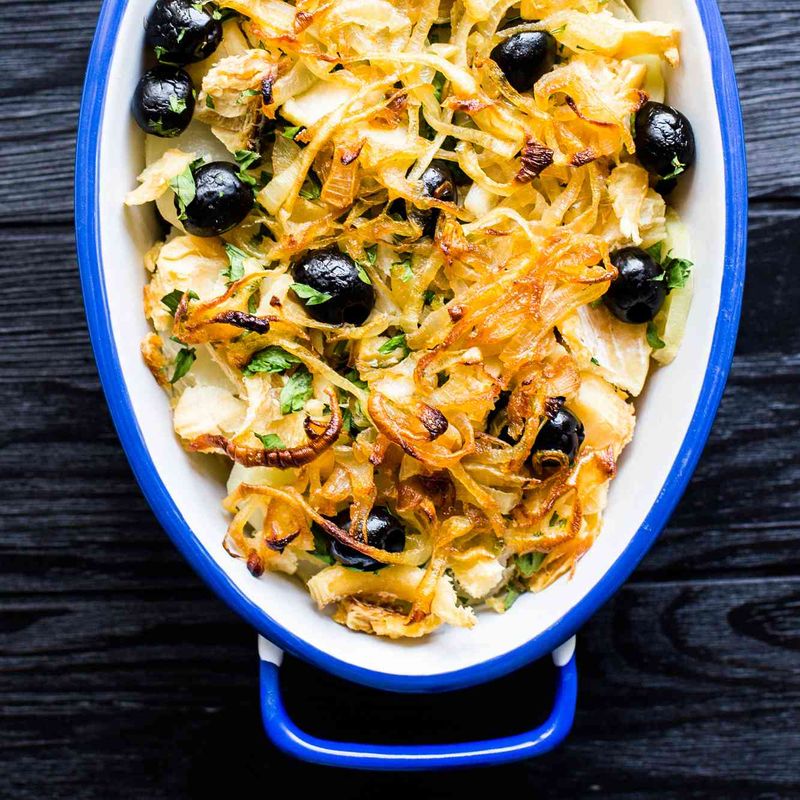
Bacalhau à Brás shreds salt cod into a tangle with onions and matchstick potatoes. Eggs bind it softly, creating a luscious scramble.
Black olives and parsley add bite and freshness.
The flavor is ocean bright yet cozy, perfect for late dinners. Salt cod brings depth that fresh fish cannot mimic.
You adjust salt carefully since the cod already speaks loudly.
Serve with salad and white wine and you are in Lisbon. Leftovers reheat gently in a pan to revive crispness.
This dish proves thrift can become pure pleasure.
39. Romania: Sarmale
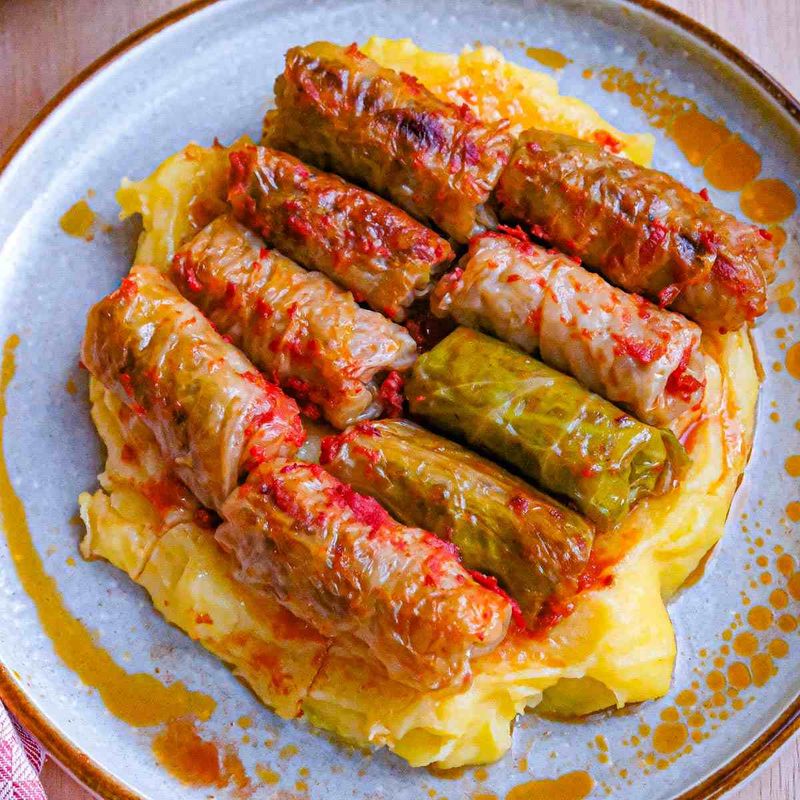
Sarmale are cabbage rolls stuffed with pork and rice, simmered slowly. The leaves turn tender, the filling juicy and aromatic.
A tomatoey, smoky bath keeps everything tangy and rich.
They arrive with polenta, sour cream, and sometimes chili. You cut into one and steam escapes like a promise.
Each roll tastes patient, like a recipe guarded by grandmothers.
They freeze well and reheat beautifully for future comfort. If you love stuffed vegetables, this is the gold standard.
Sarmale bring generosity to the table in tidy packages.
40. Russia: Pelmeni
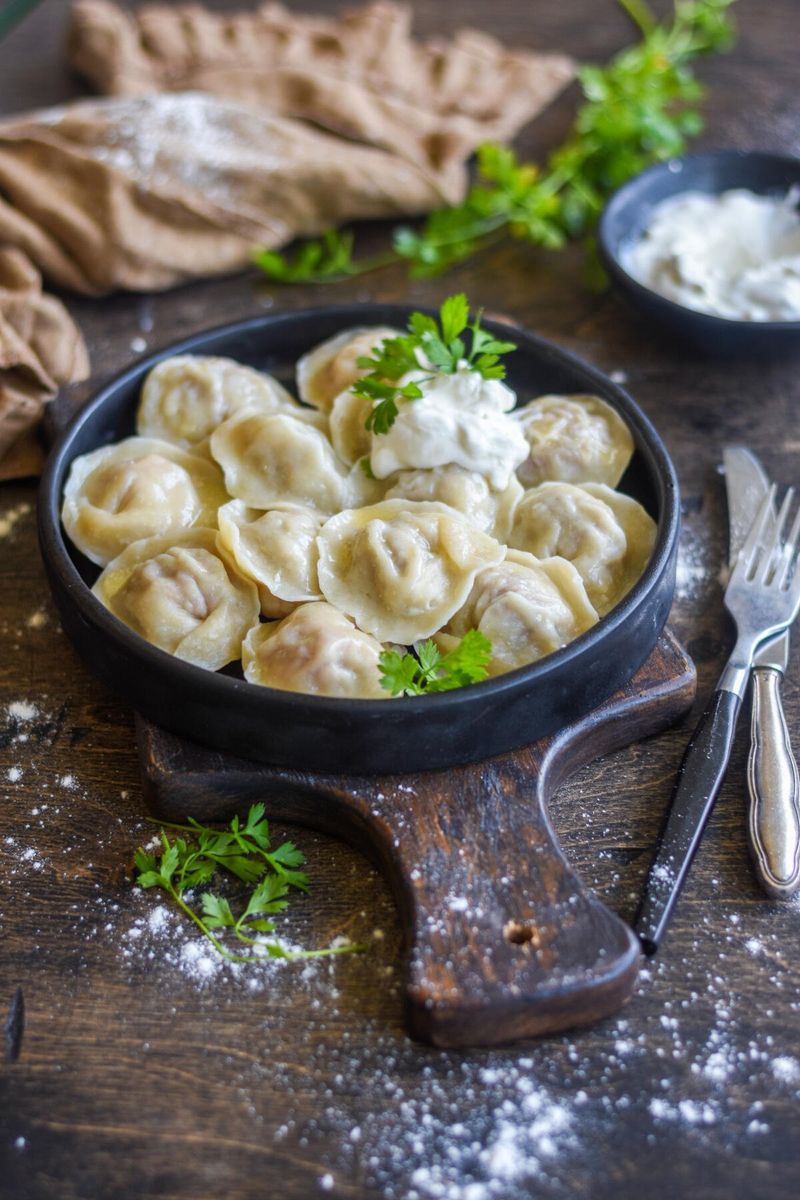
Pelmeni are compact Russian dumplings that cook in minutes. The dough is thin and springy, hugging seasoned meat.
Butter and sour cream melt into the little pockets beautifully.
They are freezer friendly, making weeknights feel special with little effort. A splash of vinegar or sprinkle of dill wakes them up.
Steam rising from a bowl feels like instant coziness.
Dip in broth or pan fry leftover ones for crisp edges. If you adore ravioli or tortellini, meet their sturdy cousin.
Pelmeni deliver speed, comfort, and dependable cheer.
41. San Marino: Torta Tre Monti
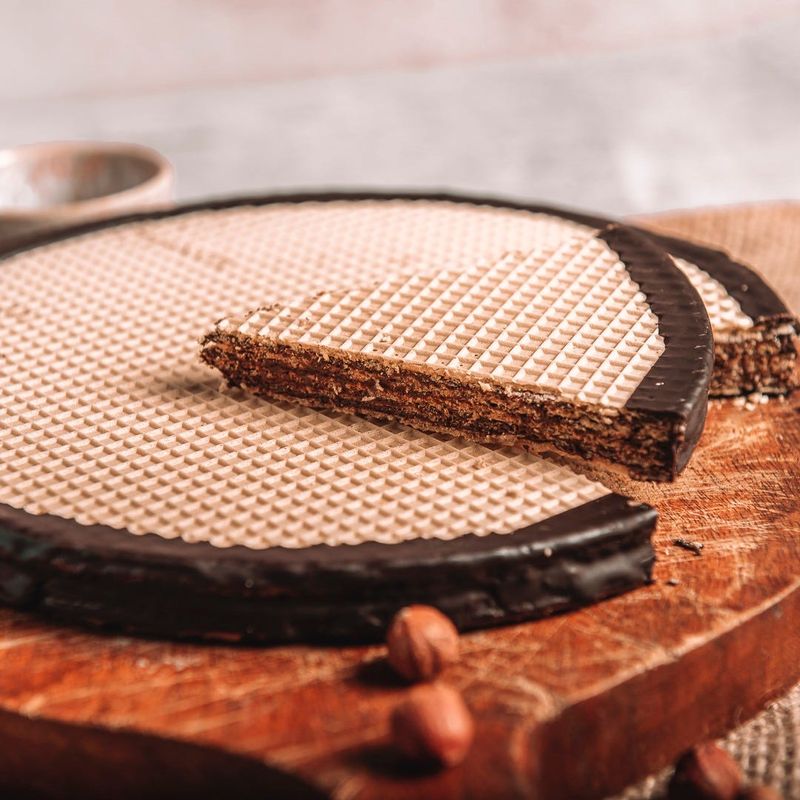
Torta Tre Monti is a layered wafer cake glazed with chocolate. Inside hides nutty cream that snaps and melts in turns.
The structure stays crisp while the filling adds luxury.
It is named after San Marino’s three towers, a playful nod. Slices look elegant yet approachable, great with espresso.
You get a balance of nostalgia and patisserie polish.
Store well and serve chilled for best texture. If you like Kit Kat energy made refined, this delights.
A small slice travels far in satisfaction.
42. Serbia: Karađorđeva šnicla
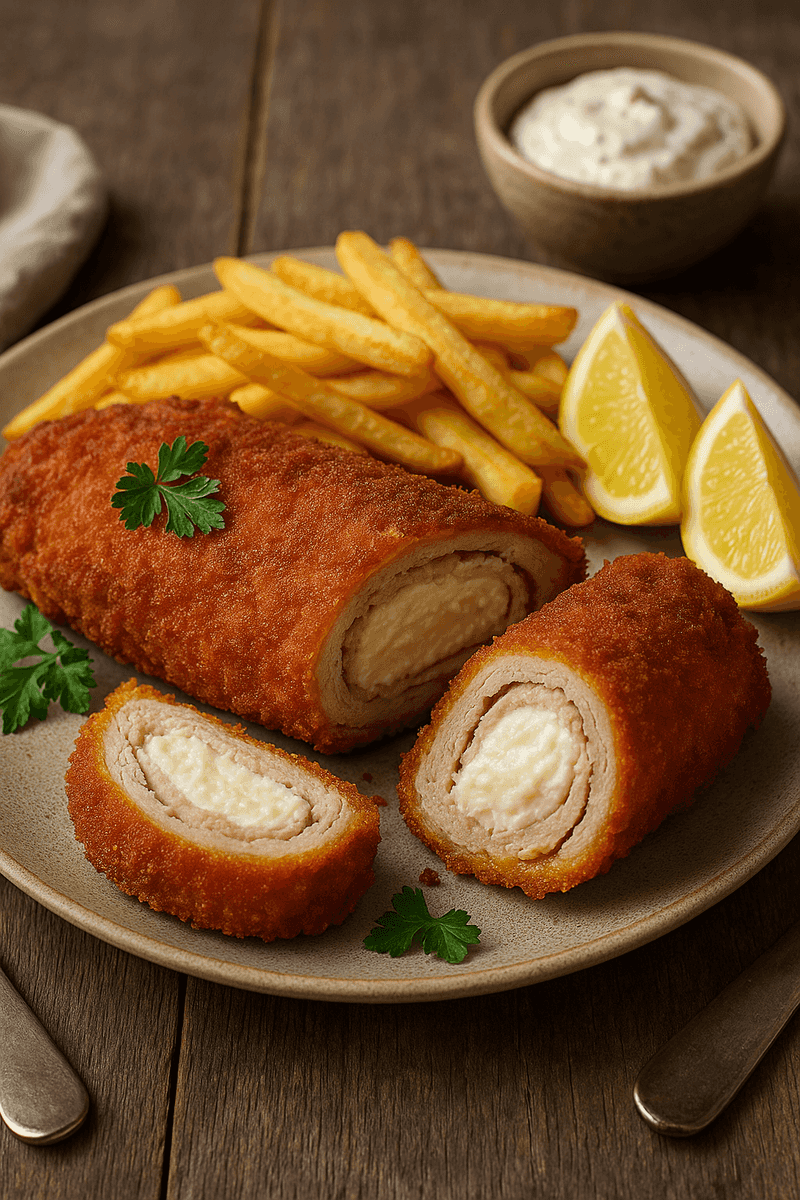
Karađorđeva šnicla is a breaded rolled steak stuffed with kajmak. When sliced, creamy filling flows like friendly lava.
The crust is golden and crisp, giving satisfying crunch.
It is indulgent, playful, and very shareable with fries and salad. Lemon and tartar cut through richness perfectly.
You get steakhouse heft with Balkan charm in one bite.
Best eaten hot so the center stays molten. If cordon bleu tempts you, try this cousin.
Karađorđeva šnicla turns dinner into a minor celebration.
43. Slovakia: Bryndzové halušky
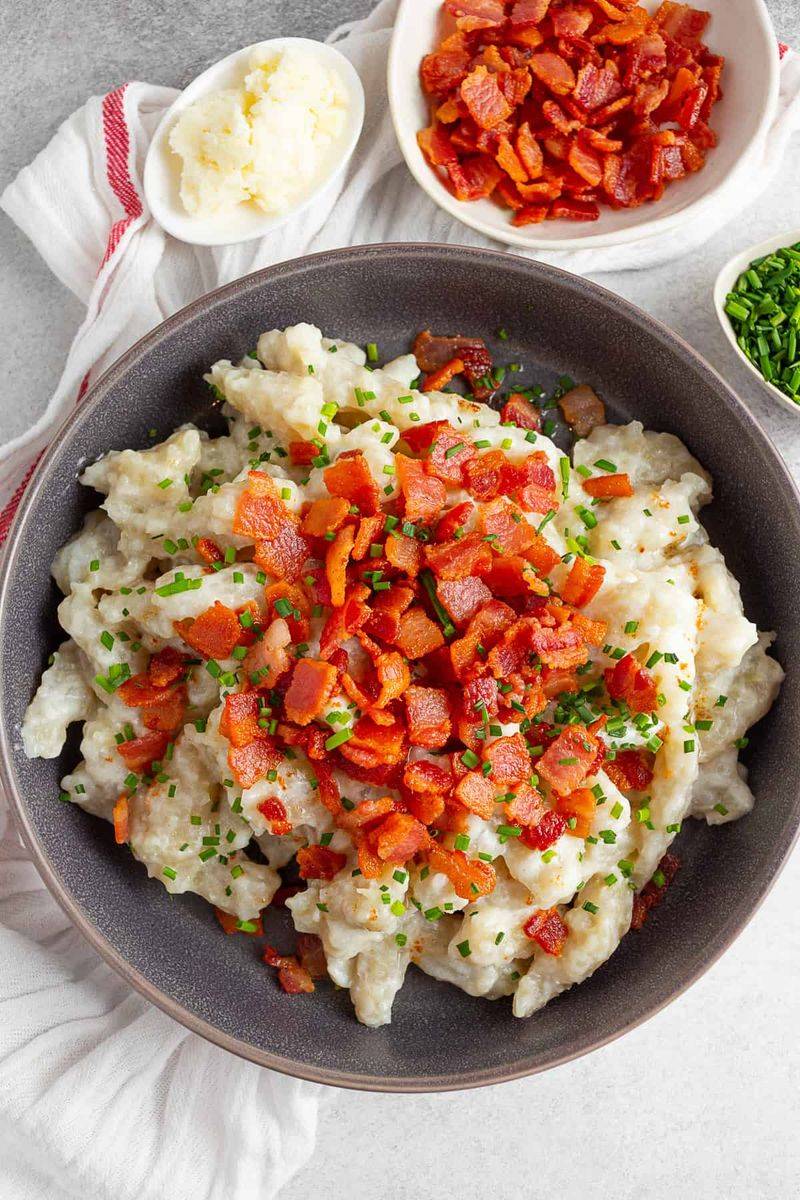
Bryndzové halušky combines soft potato dumplings with tangy sheep cheese. Bacon cracklings on top add smoky crunch.
The cheese melts into a creamy cloak that clings to each dumpling.
It is earthy, pastoral, and proudly filling. A sprinkle of chives keeps things bright.
You will understand why shepherd traditions still shape the table.
Eat it hot before the cheese tightens. If mac and cheese comforts you, meet its mountain cousin.
Bryndzové halušky is rustic luxury in a wooden bowl.
44. Slovenia: Kranjska klobasa
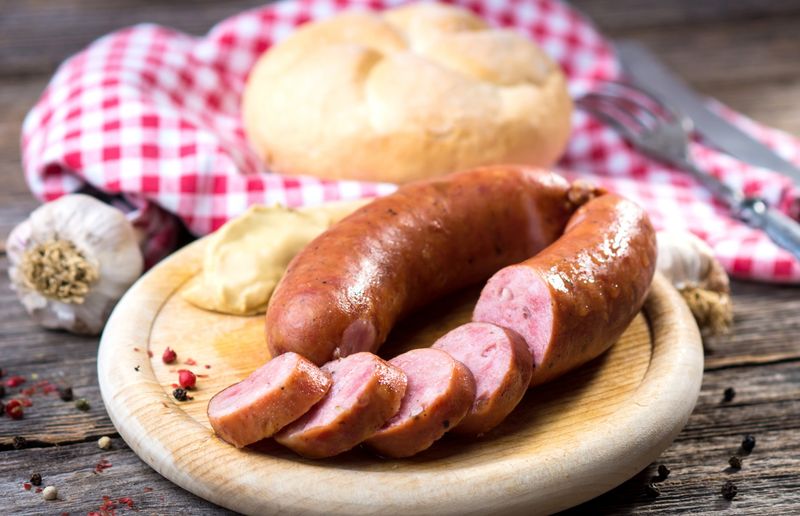
Kranjska klobasa is Slovenia’s proud sausage, juicy and lightly smoked. Slice it and you see a firm, rosy interior.
Mustard, sauerkraut, and horseradish make perfect sidekicks.
It is equally at home at festivals or quiet dinners. The seasoning is measured, letting the meat speak clearly.
Grilling or simmering both work, as long as you do not overcook.
Serve with bread and a beer for easy happiness. If you appreciate balance over fireworks, this shines.
Kranjska klobasa is dependable, flavorful company.
45. Spain: Paella valenciana
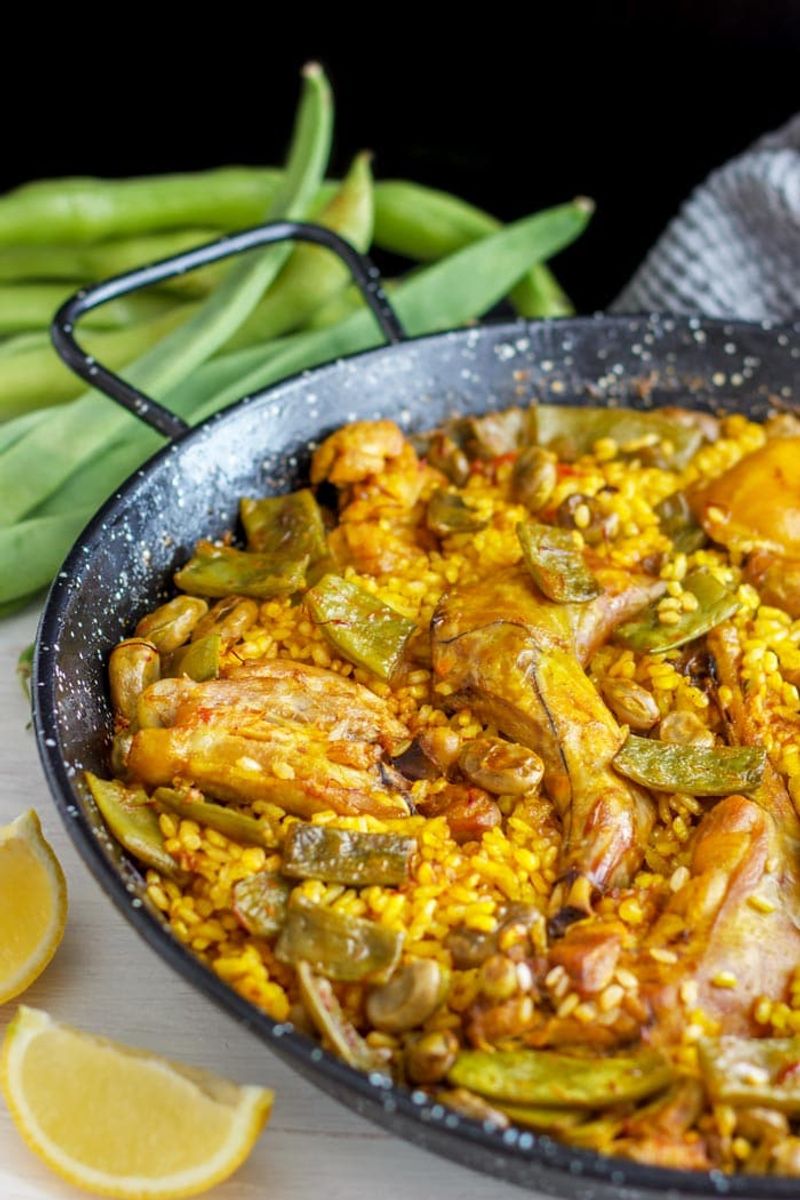
Paella valenciana celebrates rice with rabbit, chicken, and local beans. The pan is wide so grains cook in a thin layer.
You chase the prized socarrat, that toasty crust at the bottom.
Saffron and rosemary scent the air as the broth reduces. Each grain stays separate and flavorful, never gummy.
Friends gather around the pan, eating directly in good spirit.
Respect the no stirring rule once rice goes in. A squeeze of lemon brightens the final bites.
Paella valenciana tastes like sun, patience, and lively conversation.
46. Sweden: Köttbullar
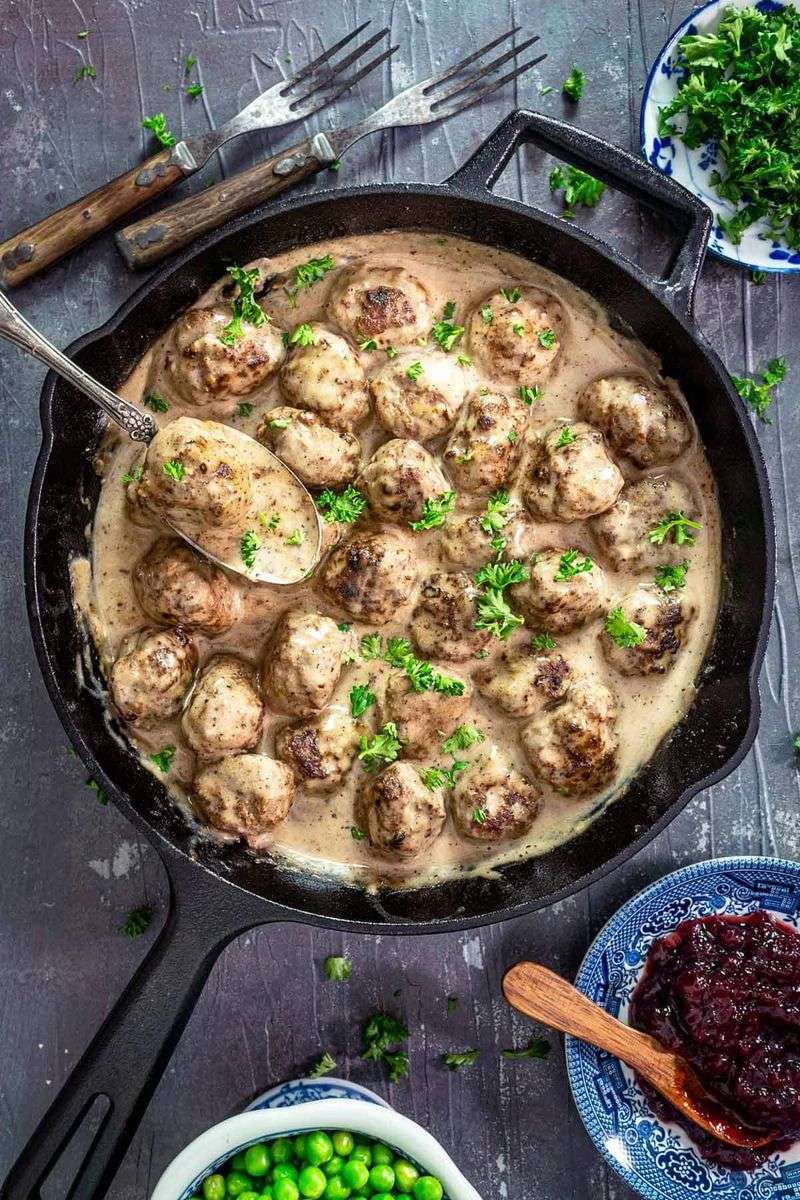
Köttbullar are tender Swedish meatballs lounging in a gentle cream sauce. Lingonberry jam brings tart sparkle beside buttery potatoes.
A few pickled cucumbers add snap and balance.
The meatballs are small and soft, flavored with onion and allspice. They feel homely yet tidy, perfect for weeknights or holidays.
You spoon extra sauce because it is impossible not to.
Serve warm and do not forget the jam. If meatballs are your weakness, these are soothing and bright.
Köttbullar make gray afternoons feel friendly.
47. Switzerland: Cheese fondue
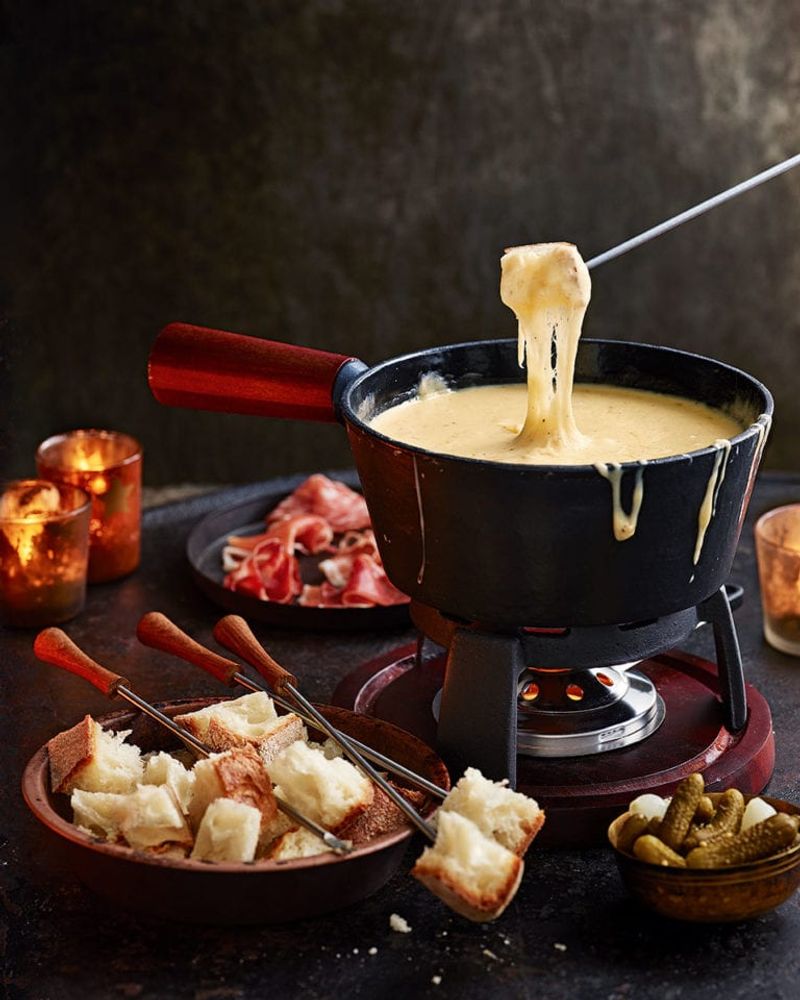
Cheese fondue turns dinner into play, a pot of molten Gruyère and Emmental. White wine and garlic make the blend fragrant and lively.
You spear bread and swirl until coated like velvet.
The ritual warms a room quicker than a fireplace. Add kirsch for gentle perfume and keep the heat steady.
A crisp salad or pickles cut through indulgence nicely.
It is best shared, with laughter and long forks crossing. If you love interactive meals, fondue is timeless.
Switzerland proves hospitality can be deliciously melty.
48. Turkey: İskender kebab
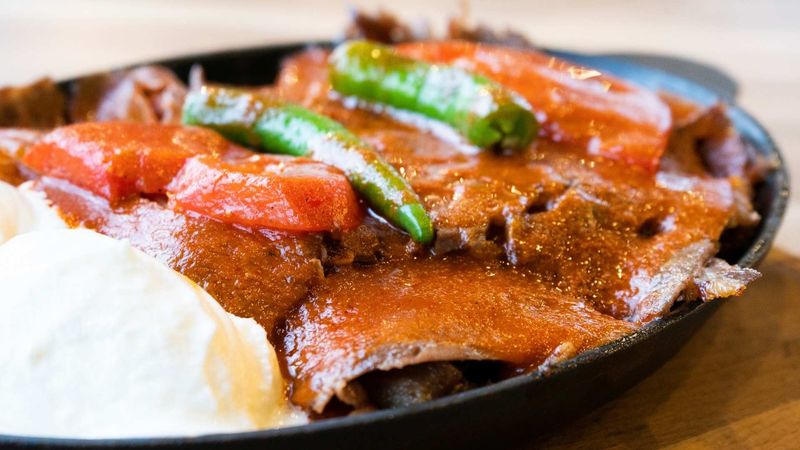
İskender kebab layers thin döner slices over pita soaked with tomato sauce. Hot butter is poured on top, sizzling into fragrance.
Cool yogurt at the side keeps each bite balanced.
Originating in Bursa, it feels both rustic and regal. The textures are soft, saucy, and irresistibly spoonable.
You chase every last bit of butter with bread.
It is comfort without shyness, proud of richness and clarity. Add roasted peppers for light heat if you like. İskender is the dish you crave on a hungry evening.
49. Ukraine: Borshch
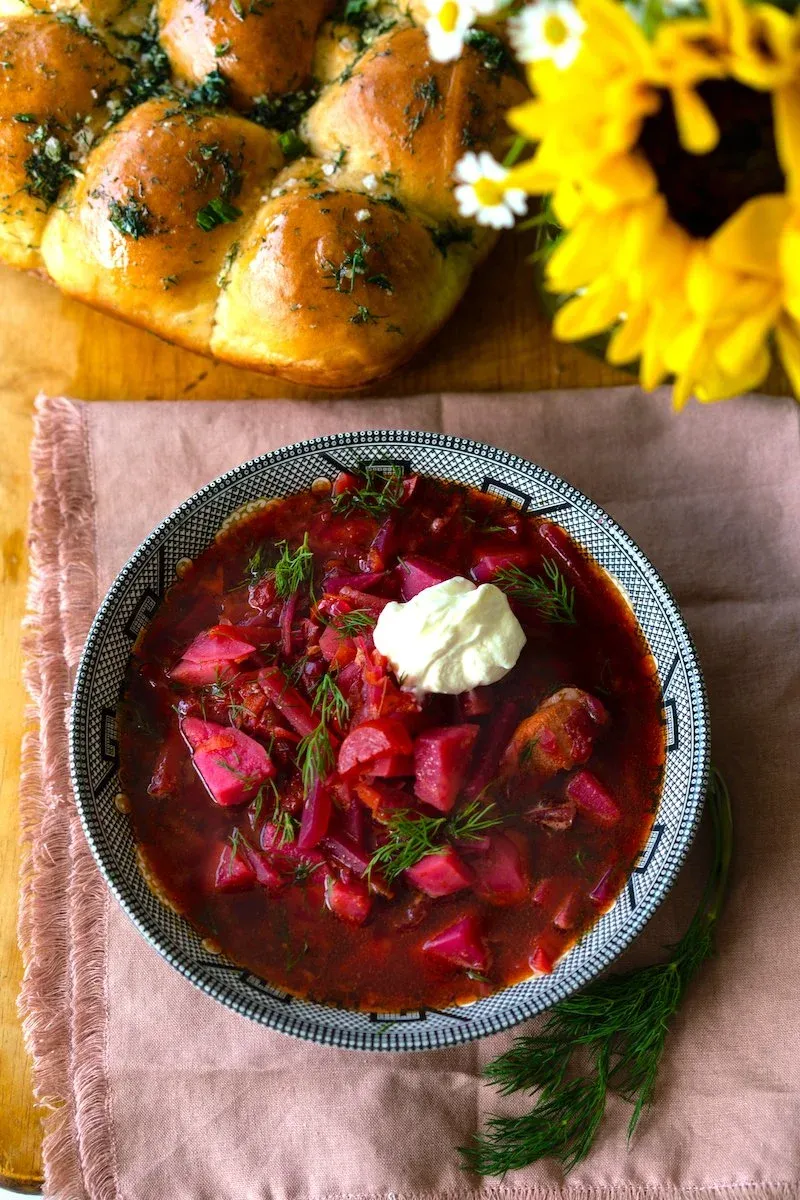
Borshch is a vibrant beet soup that tastes like garden and hearth. The broth glows ruby, layered with cabbage, potatoes, and carrots.
A spoon of sour cream and dill finishes it brightly.
It is adaptable, with beans or pork depending on region and mood. Pampushky garlic rolls on the side make it a meal.
The sweet earthiness of beets meets tangy, savory notes gracefully.
Serve hot or chilled and it stays compelling. If you think beet soups are simple, this teaches otherwise.
Borshch comforts and energizes in the same bowl.
50. United Kingdom: Fish and chips
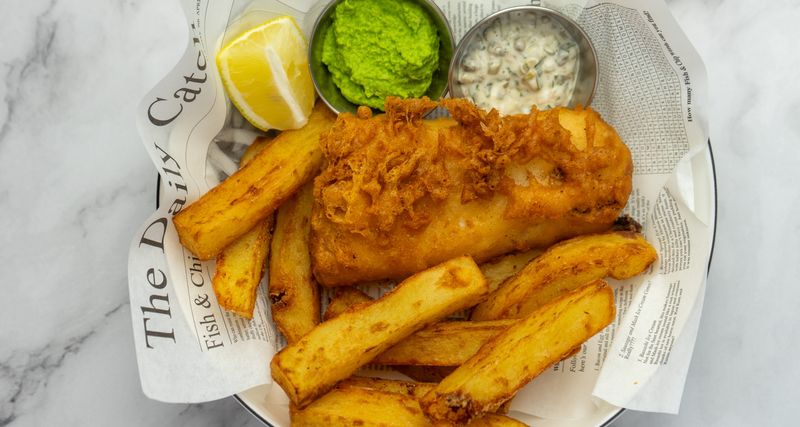
Fish and chips brings seaside joy to your fingers. Crisp batter shatters around flaky cod, while chunky chips stay fluffy.
A dousing of malt vinegar delivers necessary zing.
Mushy peas add comfort and sweetness alongside tartar sauce. You eat it hot, ideally outdoors with gulls complaining.
Salt crystals sparkle like sea spray on the paper.
Good oil, cold batter, and hot fryers are the secrets. If you need cheering, this plate rarely fails.
Fish and chips is Britain’s crunchy love letter.
51. Vatican City: Carciofi alla romana
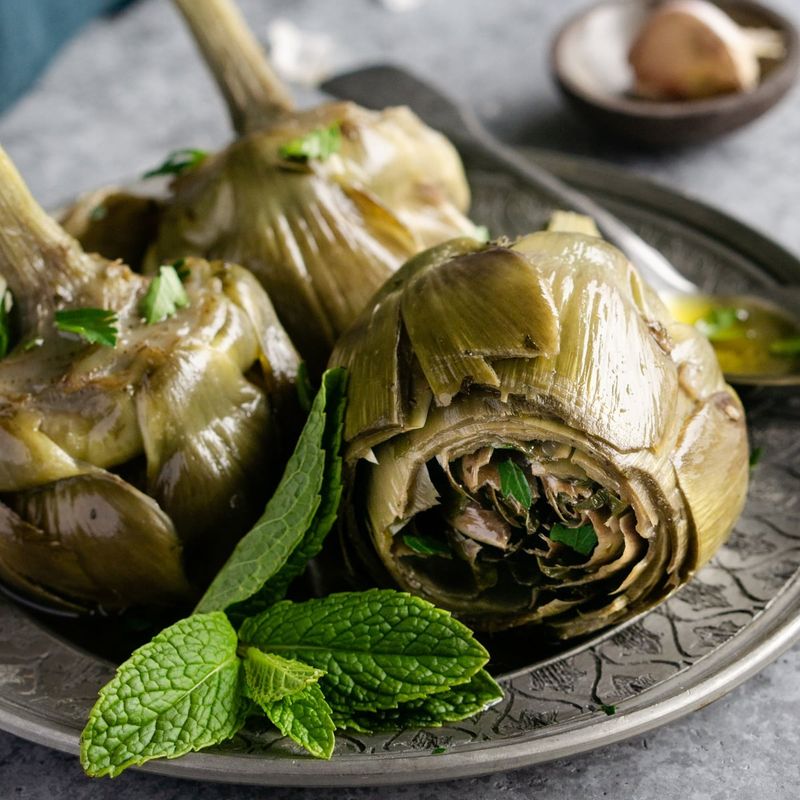
Carciofi alla romana braise whole artichokes until tender and perfumed. Garlic, mint, and parsley tuck between leaves, releasing calm fragrance.
Olive oil and lemon keep flavors bright and clean.
Served at room temperature, they taste serene and focused. You peel leaves, dipping into the soft heart patiently.
Every bite feels like springtime whispered in stone courtyards.
They pair with bread, cheese, or simply a quiet afternoon. If vegetables are your joy, this is an altar piece.
Carciofi alla romana turns simplicity into grace.