The Most Frequent Olive Oil Errors Every Home Cook Makes
Olive oil can transform a dish, yet small mistakes often dull its flavor and waste your money. If you have ever wondered why dressings taste flat or sautéed veggies feel greasy, the answer might be in how you use your oil. This guide breaks down the most common slipups and shows simple fixes you can apply tonight. Keep reading to cook smarter, protect quality, and get every drop of flavor you paid for.
1. Buying the wrong grade for the job
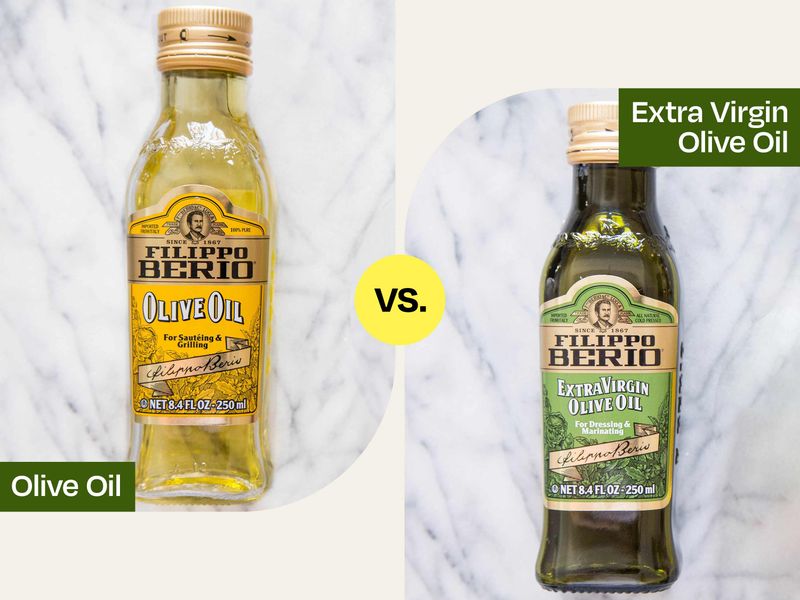
Grabbing one bottle for everything sounds convenient, but grade matters. Extra virgin shines in dressings, finishing, and low to medium heat, while refined or light olive oil handles higher heat better. Choose by flavor and smoke point so your dishes taste balanced, not bitter or burnt.
Read labels closely. If you plan to sear or stir fry, a refined olive oil offers neutrality and stability. Save your vibrant extra virgin for dips, drizzles, and cold preparations where its aroma truly sings.
2. Overheating and hitting the smoke point
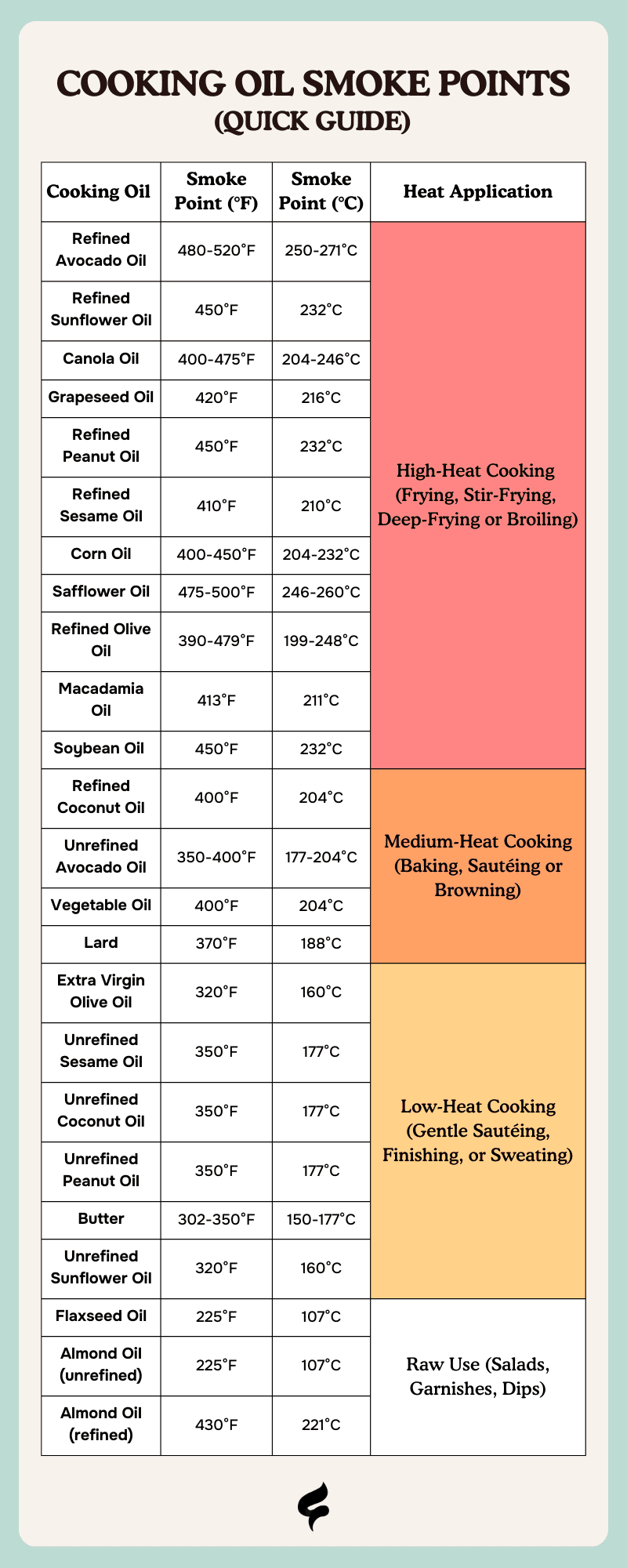
Olive oil has a smoke point that varies by refinement and freshness. When you push heat too high, the oil smokes, tastes harsh, and loses beneficial compounds. Your food can end up acrid, and the kitchen fills with unpleasant fumes.
Preheat pans moderately, then add oil and watch closely. If it shimmers, you are close; if it smokes, back off immediately. For searing, consider refined olive oil. For gentle sautéing, a robust extra virgin can work, but control the flame.
3. Storing oil in warm, bright spots
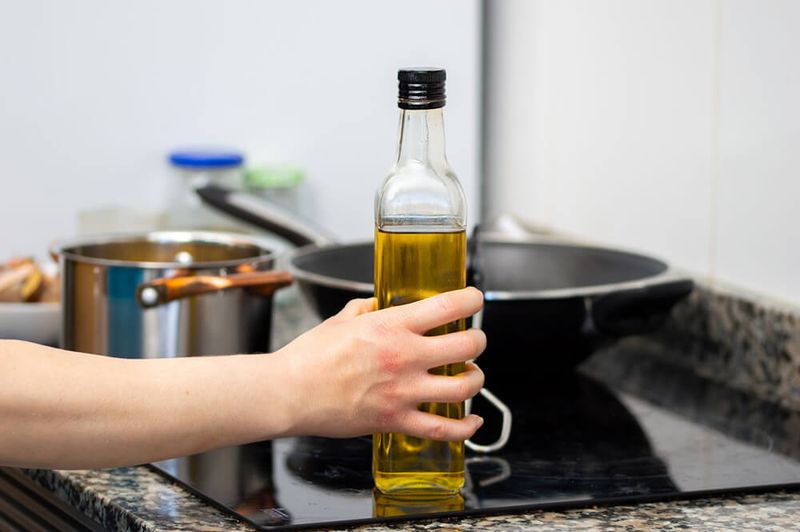
Leaving your bottle by the stove or a sunny window speeds up oxidation. Heat and light degrade flavor and aroma, turning peppery notes flat. You paid for freshness, so do not let storage sabotage taste and nutrients.
Keep bottles in a cool, dark cupboard, tightly sealed. Use smaller containers for daily cooking and refill from a larger, well stored tin. Clear glass looks pretty, but dark glass or metal protects better. Date your purchase and aim to finish within a few months.
4. Letting oil linger too long after opening
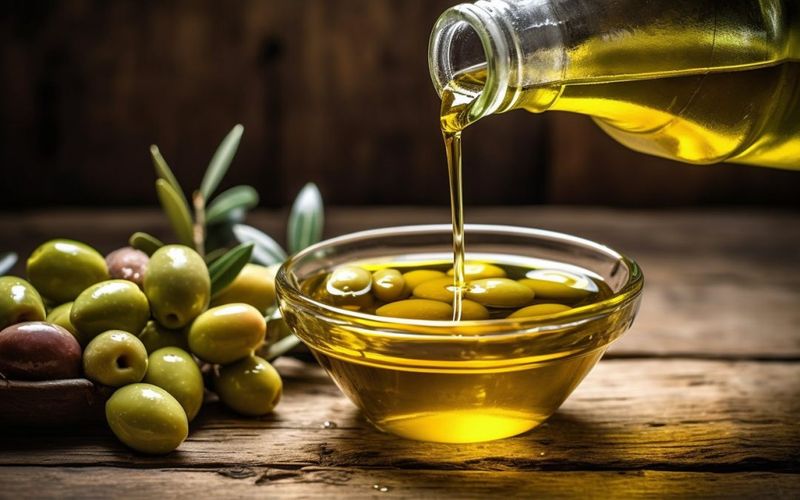
Olive oil is not a forever pantry item once opened. Oxygen sneaks in each time you pour, slowly dulling brightness. Months later, you wonder why your salads taste tired. It is not you; it is stale oil.
Buy sizes you can finish in two to four months. Mark the open date on the bottle. Taste monthly for freshness, looking for grassy, fruity, or peppery notes. If the aroma fades or seems waxy or cardboard like, it is time to replace.
5. Cooking everything with robust, peppery oil

That bold, spicy extra virgin can overpower delicate foods. Instead of enhancing fish or eggs, it steals the spotlight. Matching intensity to the dish keeps flavors balanced and satisfying.
Keep a mild, buttery oil for subtle recipes and a robust oil for hearty fare like grilled meats and bean stews. Taste the oil on a spoon, then imagine it on the dish. You can even blend oils to customize a middle ground. Let the food lead, and the oil will follow beautifully.
6. Using old oil for salad dressings
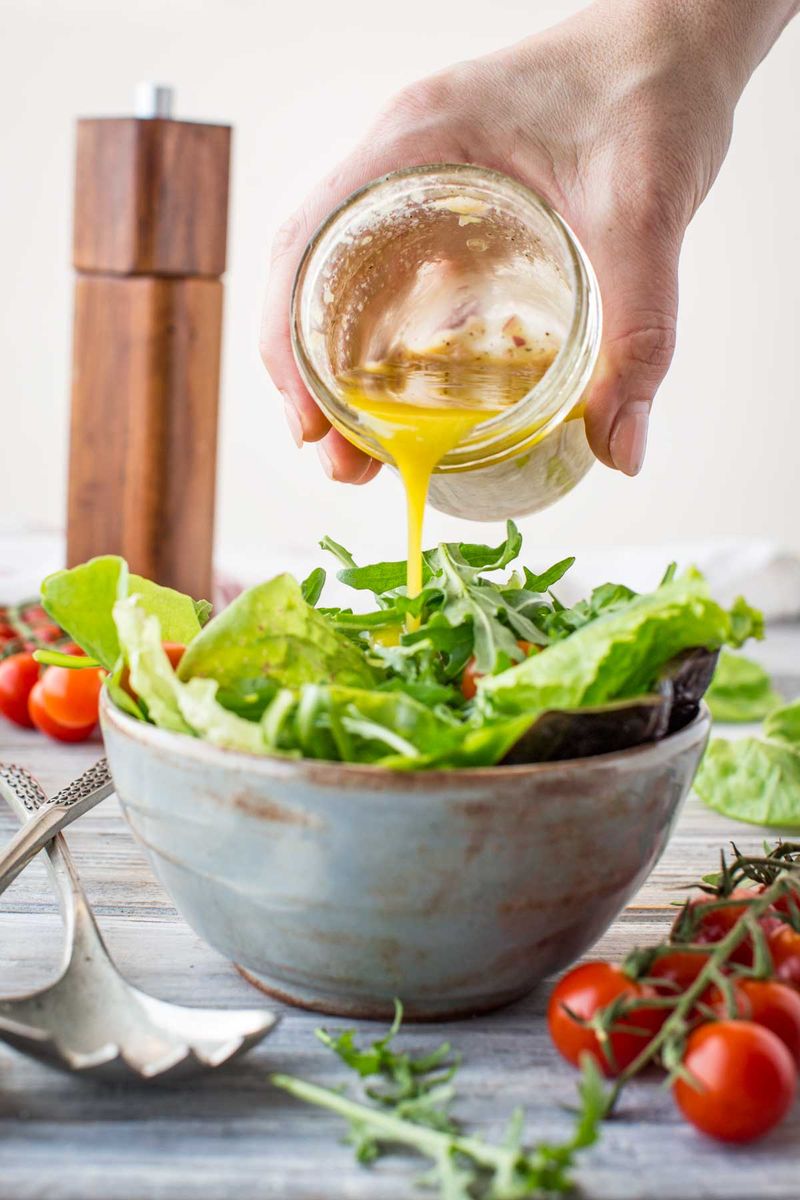
Dressings are unforgiving because there is no heat to hide staleness. Old oil makes vinaigrettes flat, greasy, and slightly waxy. Freshness equals vibrancy, so your greens pop and your palate perks up.
Reserve your freshest extra virgin for uncooked uses like dressings, dips, and drizzles. Smell and sip before mixing with vinegar or lemon. If it lacks aroma, upgrade. A lively oil needs fewer extras to taste amazing, saving salt and sugar while delivering clean, bright flavor.
7. Skipping sensory checks before cooking
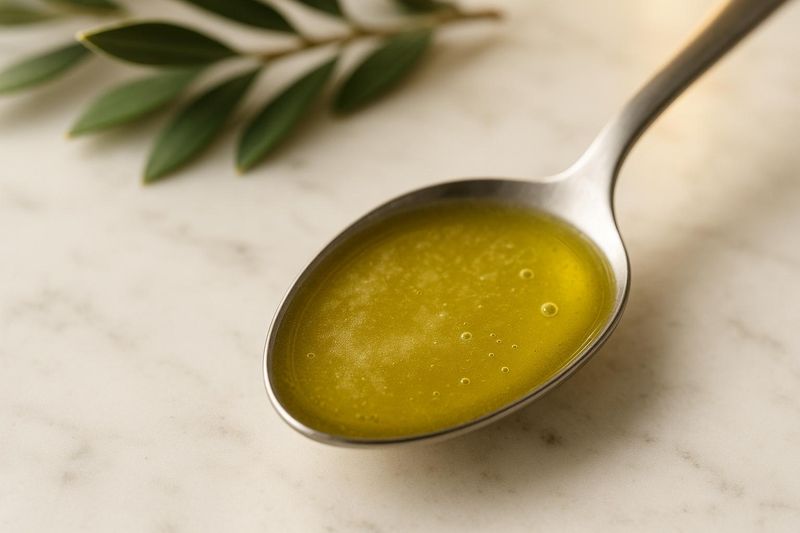
Rancidity creeps in quietly. A quick sniff and taste can spare a whole meal from off flavors. Look for fresh cut grass, tomato leaf, or fruity aromas, and a pleasant bitterness or peppery tickle.
If you sense crayons, putty, or stale nuts, it is likely rancid. Do a small spoon test before heating or dressing. Train your palate with side by side tastings of different harvests and regions. The more you taste, the easier it becomes to catch problems early.
8. Believing color shows quality
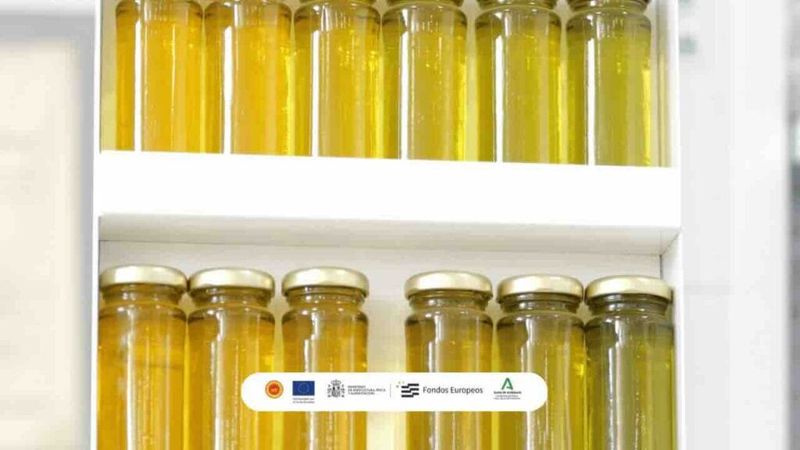
Green does not always mean better. Color depends on olive variety, harvest time, and filtering, not necessarily quality. Producers even use dark glass to prevent bias during tastings.
Judge by aroma, flavor, and verified labels instead of hue. Seek harvest dates, origin, and certification seals from trustworthy bodies. Taste for balance of fruitiness, bitterness, and pungency. Let your palate decide, not the bottle’s tint. You will pick winners more reliably and avoid marketing traps.
9. Using olive oil for deep frying without caution
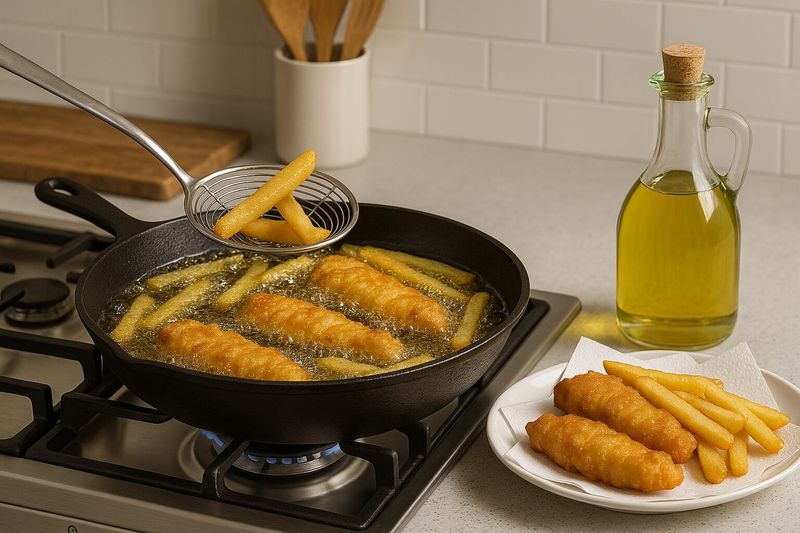
Olive oil can deep fry, but you need the right type and temperature control. Extra virgin’s bold flavors and lower smoke point may not suit long fries. Refined olive oil or blends can be more stable, especially around 350 to 375 degrees Fahrenheit.
Use a thermometer, avoid overcrowding, and filter oil after use. If the oil darkens fast or smells off, discard. For everyday deep frying, consider neutral high heat oils, then finish with a drizzle of extra virgin for flavor.
10. Ignoring certifications and harvest dates
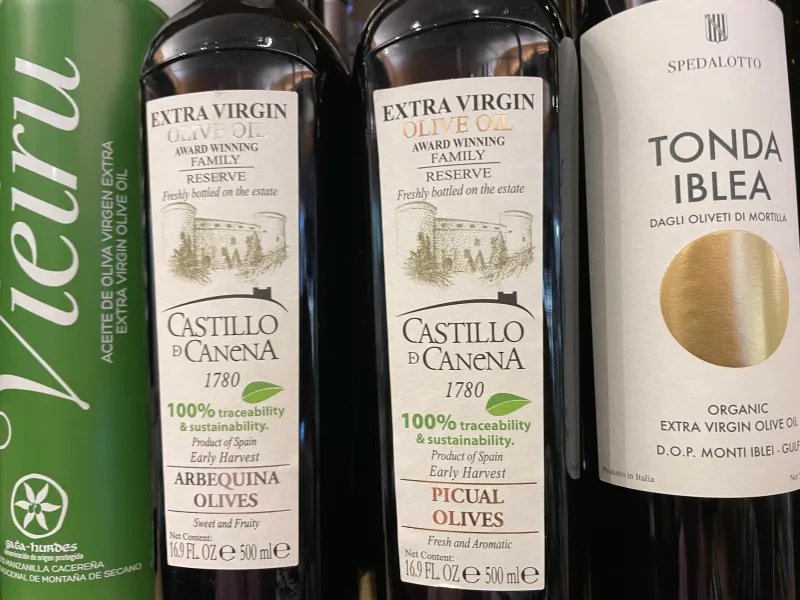
Labels tell a story if you read them. Harvest date beats best by date for assessing freshness, and reputable certifications add assurance. Origin details help track authenticity and expected flavor profiles.
Look for harvest year, estate or co op names, and seals from respected organizations. Transparent producers proudly share this info. When retailers cannot answer questions, consider another option. The goal is simply better taste for your money and confidence in what you are cooking with.