The Planet’s Most Nourishing Foods
What if your next meal could boost energy, sharpen focus, and nourish every cell without complicated recipes or pricey ingredients? This guide spotlights everyday foods with outsized benefits, chosen for protein, fiber, healthy fats, and essential micronutrients.
You will find simple ways to eat them tonight, plus tips that make nutrition feel effortless. Ready to build a plate that does more for you with every bite?
1. Salmon

Salmon brings powerfully balanced nutrition, pairing complete protein with omega-3 fats that support heart, brain, and mood. It also delivers vitamin D, selenium, and B vitamins that help energy metabolism.
Choose wild-caught when possible, and do not overcook to keep it juicy.
Easy way: bake with lemon and garlic until the center just flakes. Serve with roasted vegetables and a side of whole grains for a satisfying, steady-energy meal.
Keep portions palm-sized if you are watching calories, and consider leftovers for lunch.
2. Sardines

Sardines punch far above their size, offering abundant omega-3s plus calcium and vitamin D when you eat the tender bones. Their small place in the food chain means fewer contaminants than big fish.
Canned options are budget-friendly and shelf-stable, making nutrient-dense eating simple.
Easy way: mash on toast with lemon and pepper for a quick, savory boost. Add capers or chili flakes if you like heat.
Try them over salads for extra protein and minerals. Start with olive oil packed varieties for better flavor and mouthfeel.
3. Mackerel

Mackerel is rich, flavorful, and naturally high in omega-3s that nurture cardiovascular and cognitive health. It supplies vitamin B12 and selenium, making it a stellar choice for energy and antioxidant defenses.
Choose smaller species like Atlantic or chub to manage mercury concerns.
Easy way: serve with rice and a squeeze of citrus to cut richness. Add shredded cabbage or cucumber for fresh crunch.
Pan-sear skin-side down for crispy texture without much oil. Leftovers flake beautifully into rice bowls or noodle soups for a speedy meal.
4. Oysters
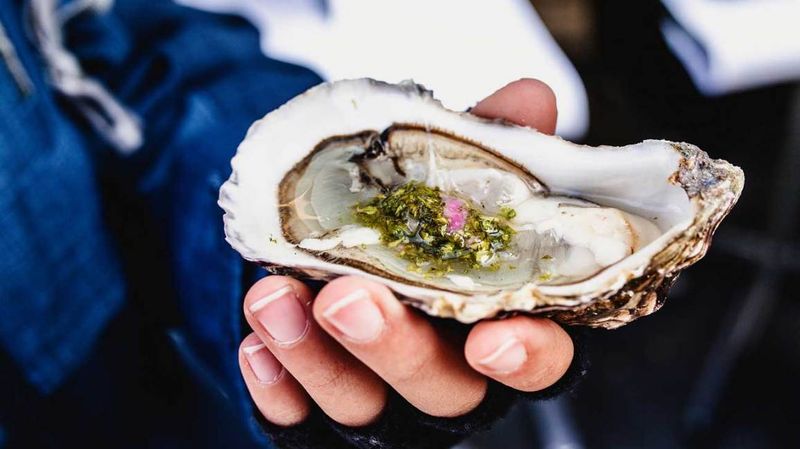
Oysters are a zinc powerhouse, supporting immune function, skin health, and metabolism, while also delivering iron, copper, B12, and high-quality protein. Their mineral density stands out among seafood.
Enjoy them fresh, responsibly sourced, and cold, or cooked for newcomers to the flavor.
Easy way: grill or add to a simple seafood stew. Butter, garlic, and lemon highlight their briny sweetness.
Pair with a crisp salad and crusty bread. If raw, keep them chilled and shuck safely.
Even a couple can meaningfully boost your daily mineral intake.
5. Eggs

Eggs deliver complete protein and choline, crucial for brain and liver health, along with fat-soluble vitamins in the yolk. They are affordable, versatile, and quick to cook.
Keep a carton on hand to anchor balanced meals any time of day.
Easy way: scramble with spinach or make an omelet. Add tomatoes, herbs, or a spoon of yogurt for extra creaminess.
Pair with whole-grain toast and fruit for staying power. If cholesterol is a concern, talk with your clinician, but most people can enjoy eggs regularly.
6. Greek yogurt (plain)

Plain Greek yogurt concentrates protein and calcium while being lower in lactose than regular yogurt, which many find easier on the gut. It supports muscle repair and bone health, and offers live cultures depending on brand.
Choose unsweetened for control over added sugars.
Easy way: add berries and a sprinkle of nuts. Swirl in cinnamon or vanilla for flavor without extra sugar.
Use as a base for savory dips with lemon, garlic, and herbs. Keep single-serve cups ready for fast breakfasts or post-workout recovery.
7. Kefir (plain)
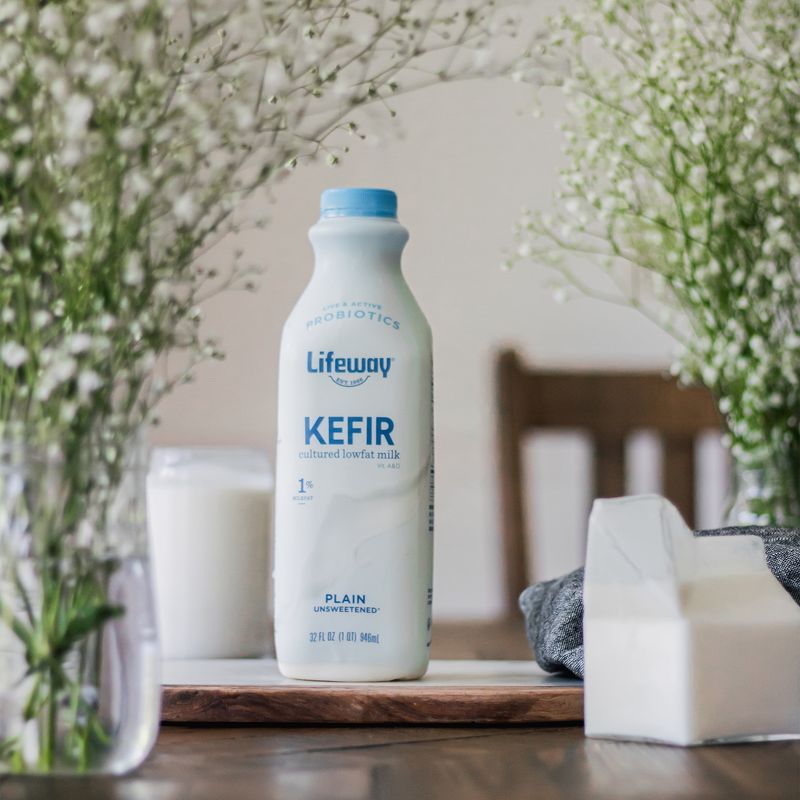
Kefir is a fermented dairy drink rich in protein and diverse probiotics that may support digestive and immune health. Its tangy flavor works solo or blended, and it is usually thinner than yogurt for easy sipping.
Look for unsweetened varieties to avoid sneaky sugars.
Easy way: drink it cold or blend into a smoothie. Add frozen berries and a spoon of nut butter for creaminess.
You can also whisk kefir into dressings for salads. Start with small servings if you are new to fermented foods to gauge tolerance.
8. Lentils
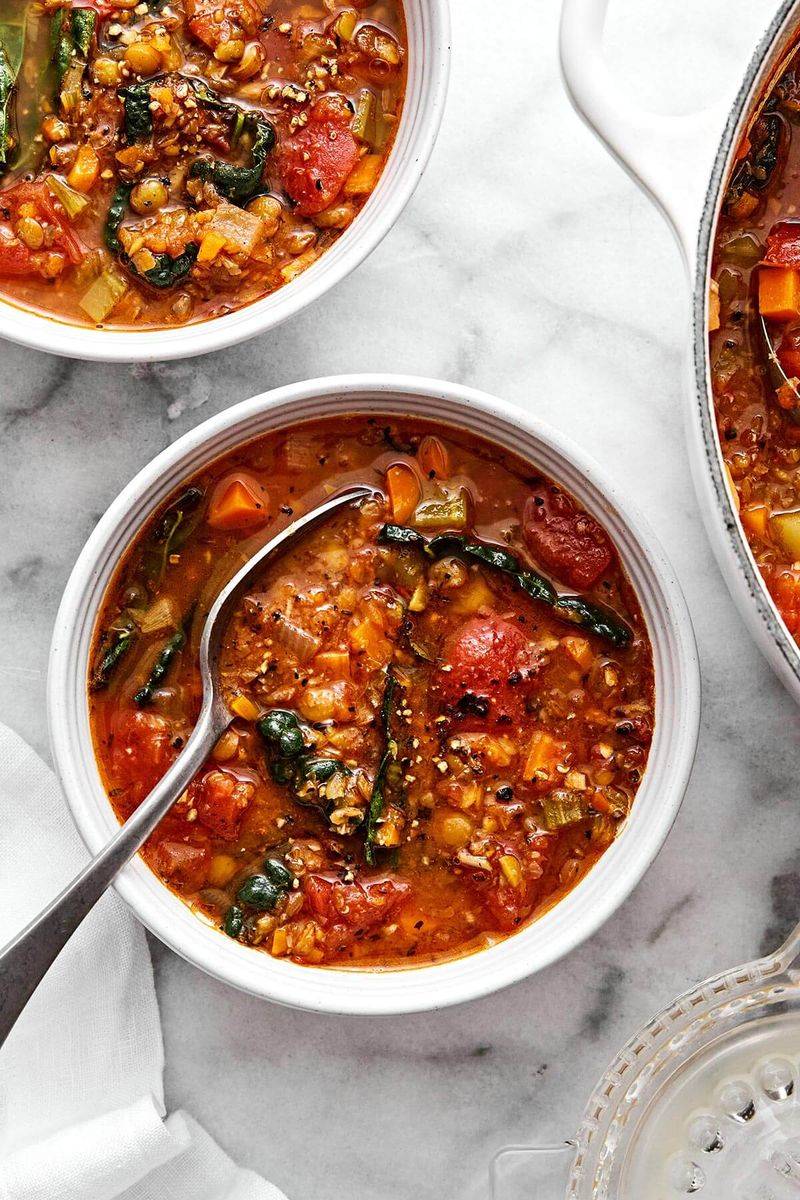
Lentils bring a trio of protein, fiber, and minerals like iron and potassium, all at a wallet-friendly price. They cook quicker than many beans and do not require soaking.
Keep brown, green, or red varieties on hand for soups, salads, and stews.
Easy way: simmer into soup or toss in a salad. Add olive oil, lemon, and fresh herbs to brighten flavor.
Cook in broth for depth. Batch-cook for meal prep, and freeze portions for stress-free weeknights that still deliver nourishment and comfort.
9. Chickpeas
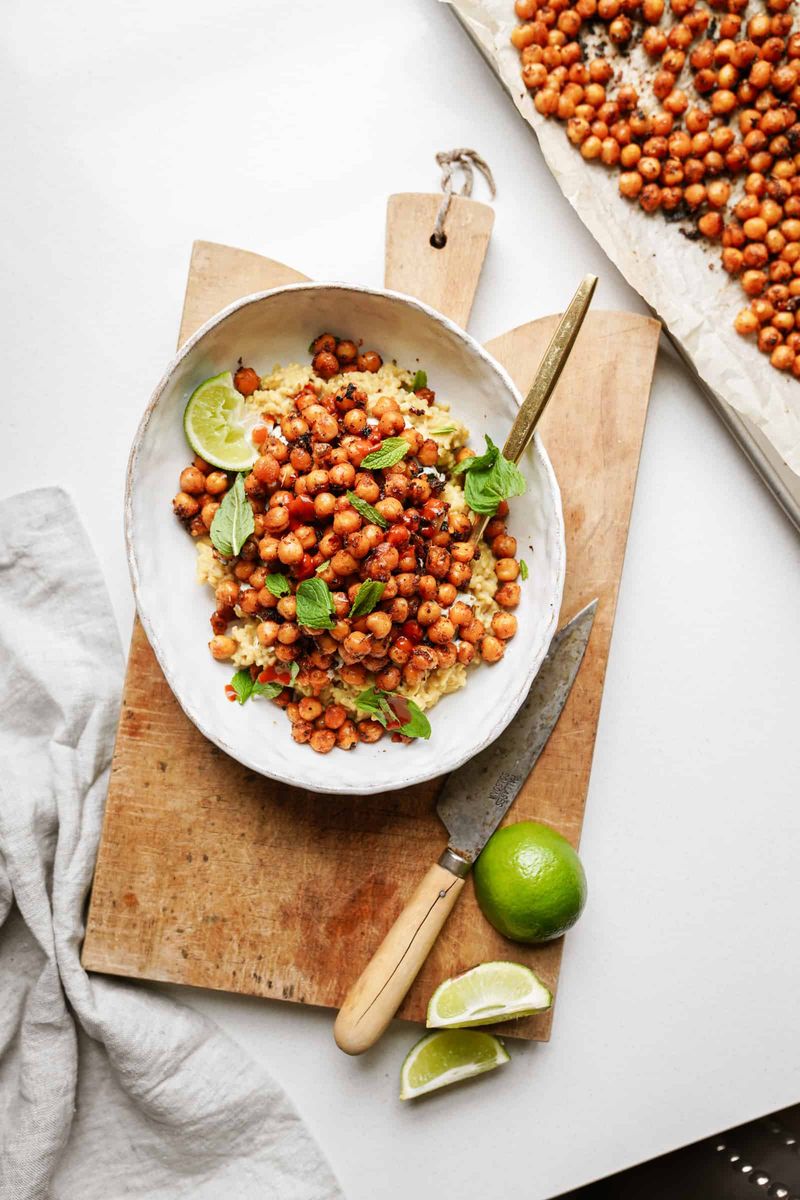
Chickpeas offer steady energy with a mix of fiber and protein that keeps you satisfied. They pack folate, iron, and manganese, and play well in countless dishes.
Canned chickpeas save time, while dried deliver great texture if you plan ahead.
Easy way: roast for a crunchy snack or make a quick salad. Toss with olive oil, lemon, and herbs.
Blend into hummus for a creamy spread. Add to curries, stews, and grain bowls to bulk up meals with minimal effort and maximum payoff.
10. Black beans

Black beans deliver fiber for gut health and steady blood sugar, plus plant protein and minerals like magnesium and potassium. They are a cornerstone in many cuisines and taste fantastic with spices.
Rinse canned beans to reduce sodium and improve flavor.
Easy way: tacos, bowls, or stirred into soups. Season with cumin, garlic, and chili.
Add a squeeze of lime and avocado for creaminess. Batch-cook from dried for superior texture, then freeze in portions to make weeknight meals fast and nourishing.
11. Tofu

Tofu is a complete plant protein that easily absorbs flavors, making it a versatile staple. It offers iron and calcium, especially in calcium-set varieties.
Press extra-firm tofu to remove moisture for better browning and pleasing texture in stir-fries, bowls, and salads.
Easy way: pan-sear and toss in a stir-fry sauce. Try soy, sesame, ginger, and a touch of honey.
Add vegetables and serve over rice or noodles. Bake cubes for meal prep, then reheat quickly for lunches that feel fresh and satisfying.
12. Tempeh

Tempeh brings hearty texture and protein with the added benefit of fermentation, which can make nutrients more accessible. It contains fiber and healthy fats, and holds up well to bold flavors.
Steam or simmer first to mellow bitterness, then crisp for satisfying bite.
Easy way: slice, crisp in a pan, add to sandwiches. Brush with tamari and maple, then layer with crunchy veggies.
Cube into stir-fries or crumble like taco meat. It is a reliable, filling option for plant-forward meals that do not skimp on substance.
13. Spinach
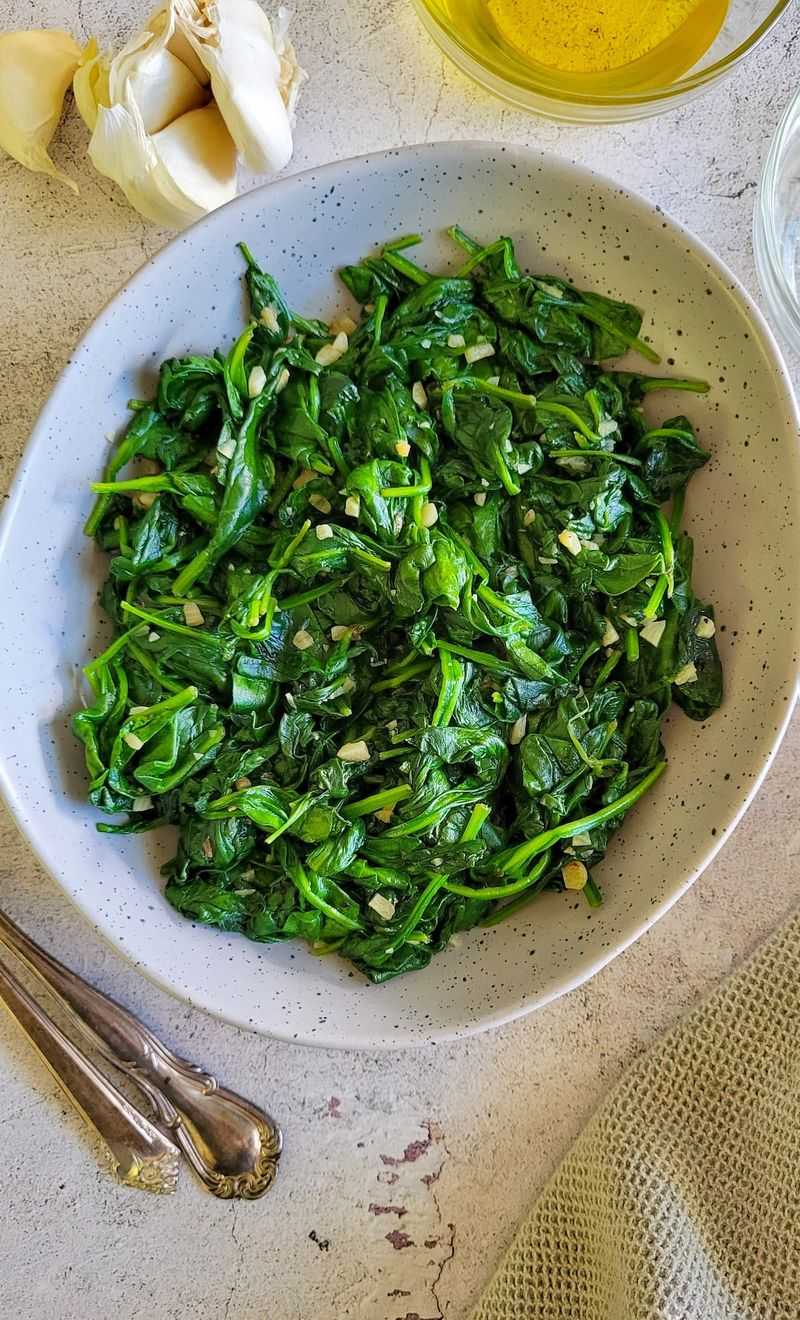
Spinach is famously nutrient-dense, offering folate, vitamin K, iron, and antioxidants in a low-calorie package. It wilts quickly, making it simple to add to almost anything without fuss.
Keep fresh or frozen on hand for everyday nourishment.
Easy way: stir into pasta, soups, and eggs. Sauté with olive oil and garlic, then finish with lemon.
Pair with a protein and whole grains for balance. If iron absorption is a goal, add vitamin C sources like lemon or tomatoes to help your body use it.
14. Kale
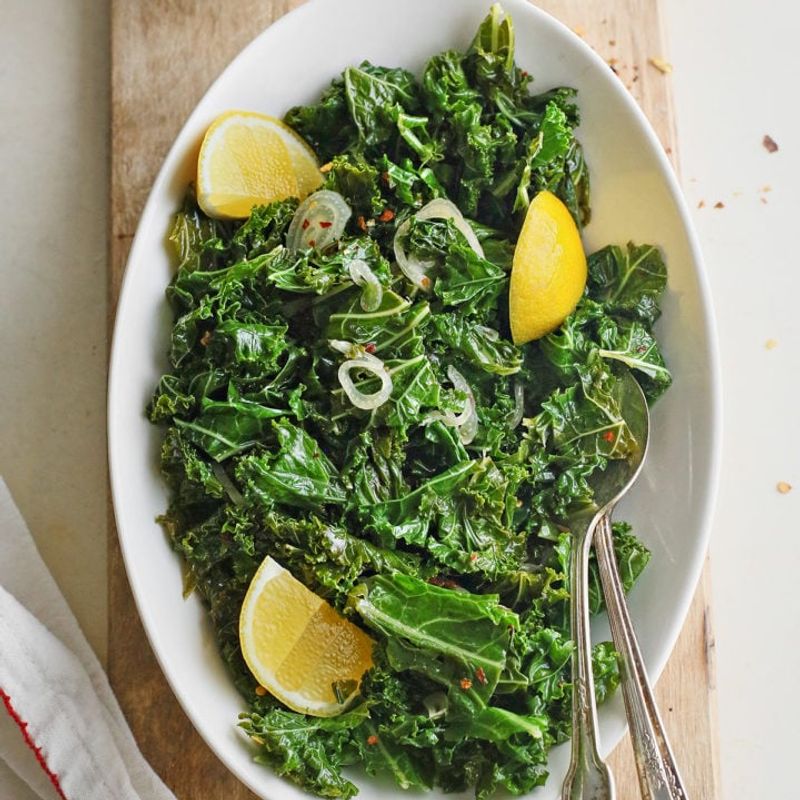
Kale delivers fiber, vitamin K, vitamin C, and carotenoids that support overall health. It stands up to cooking and keeps a pleasant bite when handled right.
Remove tough stems, slice thin, and massage with a little oil if serving raw to soften texture.
Easy way: sauté with garlic and a splash of lemon. Add a handful to soups or grain bowls.
Roast into chips for a crunchy snack. Pair with beans, eggs, or tofu for a fast, balanced meal that feels hearty without weighing you down.
15. Broccoli
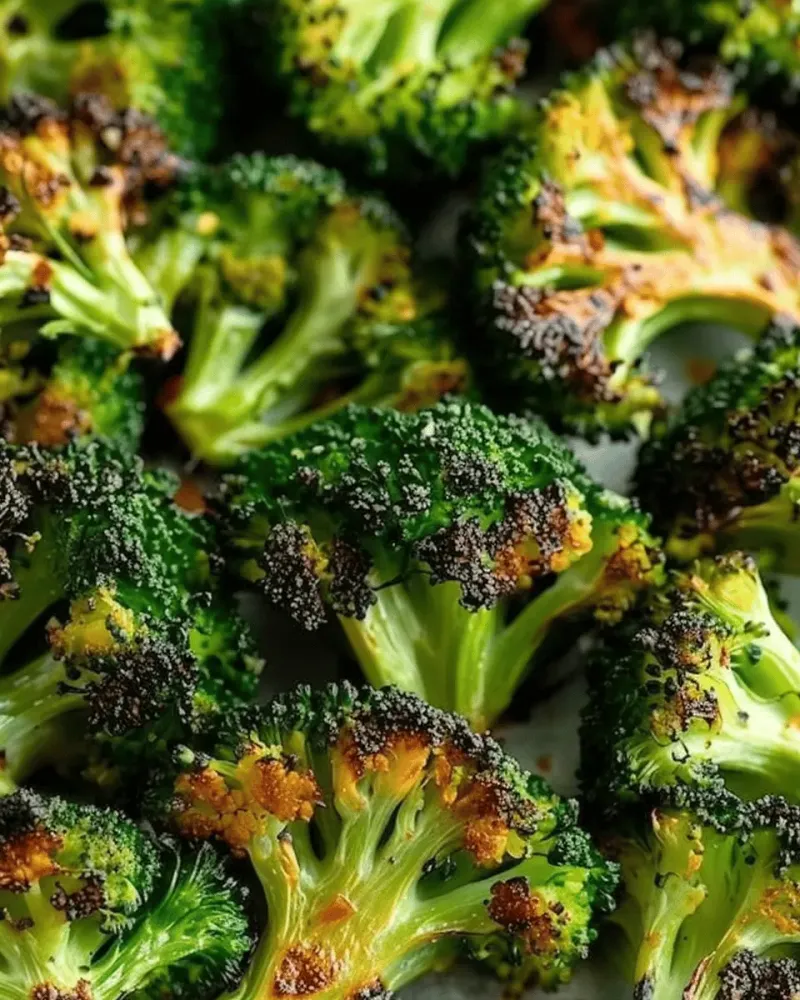
Broccoli offers fiber, vitamin C, and beneficial compounds like sulforaphane that support cellular defenses. Roasting concentrates sweetness and creates satisfying crispy edges.
Keep stems and peel them for tender bites to reduce waste and boost volume.
Easy way: roast until browned and slightly crisp. Toss with lemon, chili, or parmesan.
Add to pasta, omelets, or grain bowls for volume and nutrients. Steam lightly if you prefer a softer texture, and finish with olive oil for better absorption of fat-soluble compounds.
16. Brussels sprouts

Brussels sprouts belong to the cruciferous family, bringing fiber, vitamin C, and unique phytochemicals. Roasting transforms their flavor from bitter to caramelized and nutty.
Trim ends, halve, and give them space on the pan for maximum browning and crisp edges.
Easy way: roast, then finish with parmesan. Add a squeeze of lemon or a drizzle of balsamic for brightness.
Pair with salmon or beans for a complete plate. Save leftovers for salads and bowls, where they add texture and deep, savory flavor.
17. Sweet potatoes
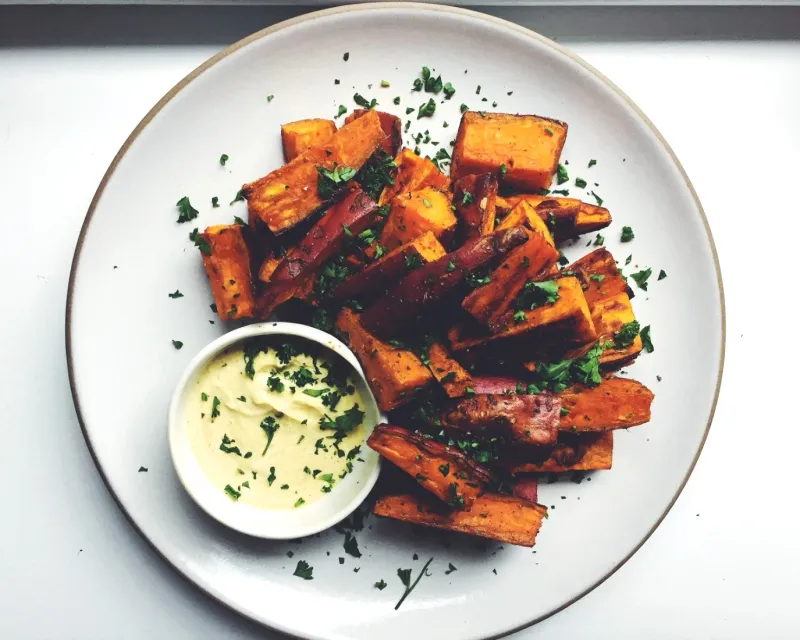
Sweet potatoes provide complex carbs with fiber, beta carotene, and potassium for steady energy and recovery. Their natural sweetness pairs well with savory toppings.
Bake or roast until tender, then load with protein and healthy fats for a balanced, craveable meal.
Easy way: roast wedges or bake and top with yogurt and spices. Add beans, avocado, or leftover chicken.
Spice with cumin, cinnamon, or smoked paprika. The skin contains fiber, so scrub well and enjoy it for extra texture and nutrients.
18. Seaweed (nori, wakame, etc.)
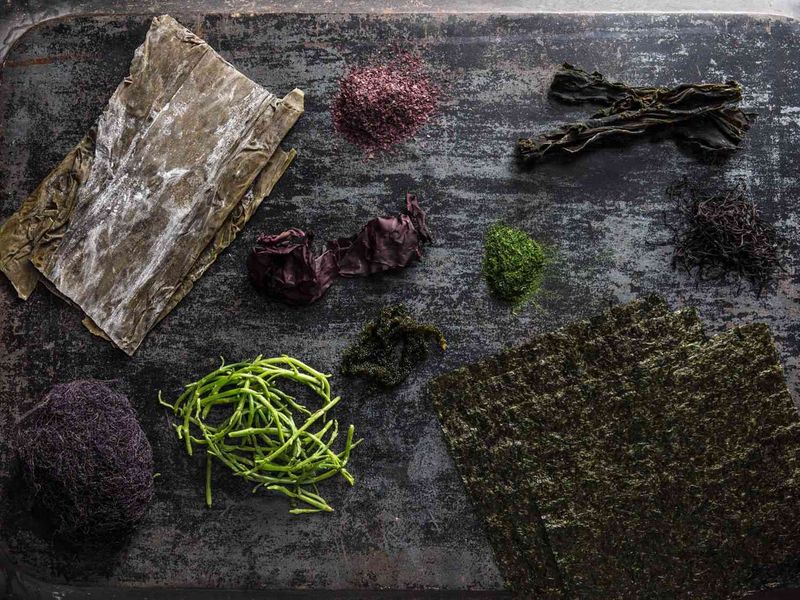
Seaweed offers minerals seldom found on land, especially iodine for thyroid function, plus fiber and unique antioxidants. Different types bring different textures and flavors, from crisp nori to silky wakame.
Choose reputable brands that test for contaminants and mind portion sizes for iodine.
Easy way: add to soups or snack on roasted seaweed. Sprinkle furikake on rice, eggs, or avocado toast.
Soak dried wakame to expand for salads. Balance intake with other iodine sources to avoid overdoing it while still reaping seaweed’s distinct nutritional perks.
19. Tomatoes (especially cooked)
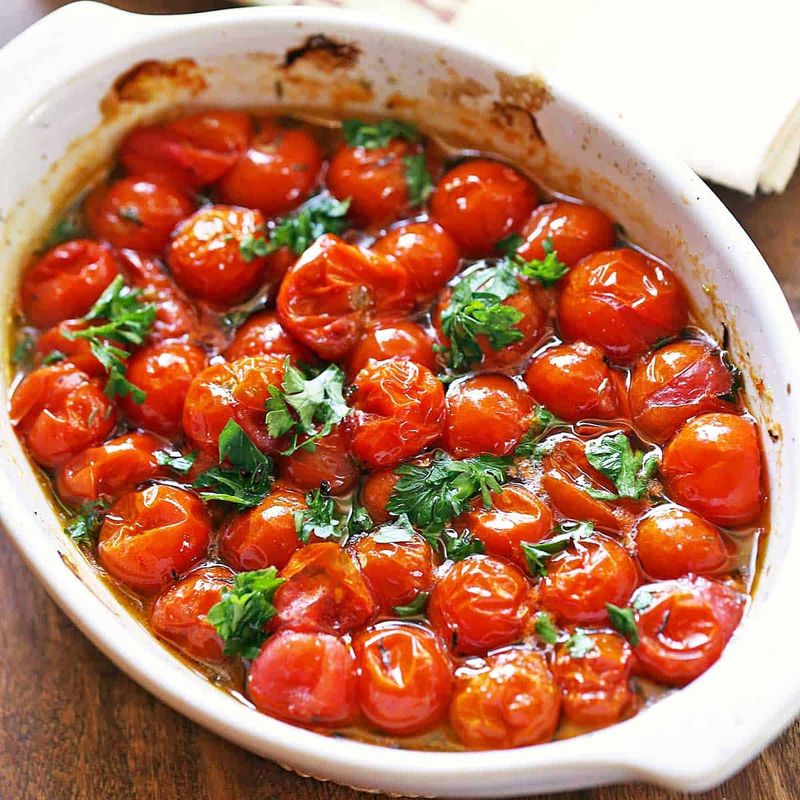
Tomatoes shine with vitamin C and lycopene, an antioxidant that becomes more available when cooked with a little oil. They add brightness and depth to countless dishes.
Choose canned crushed tomatoes for convenience and consistent flavor year-round.
Easy way: simmer into a quick sauce or add to stews. Sauté garlic in olive oil, add tomatoes, then finish with basil.
Spoon over whole grains, beans, or fish. Freeze extra sauce in portions so weeknight dinners come together fast with honest, nourishing ingredients.
20. Blueberries
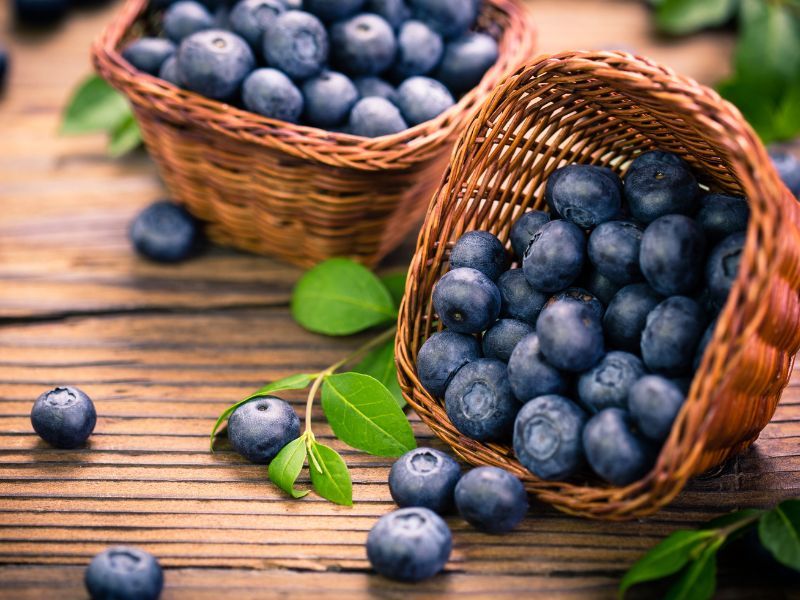
Blueberries rank high for antioxidants, especially anthocyanins that support brain and heart health. They are easy to love fresh, frozen, or stirred into warm dishes.
Frozen berries are picked ripe and budget-friendly, making daily use achievable.
Easy way: toss into yogurt, oatmeal, or smoothies. Simmer briefly to make a quick compote for pancakes or toast.
Pair with nuts for staying power. Their deep color signals the nutrients inside, so a handful a day is a flavorful insurance policy for well-being.