
The Ultimate Guide: 30 Top Foods For Senior Brain Health
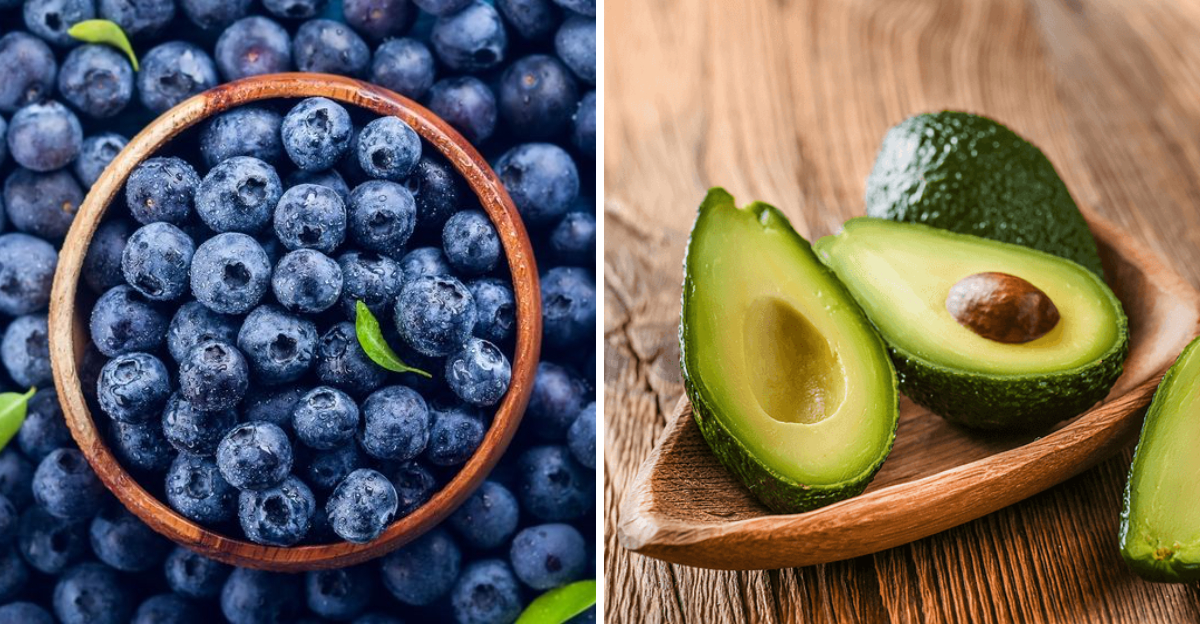
Caring for your mind starts on your plate, especially as the years add wisdom to your days. The right foods can sharpen memory, lift mood, and support long term brain resilience.
This guide spotlights delicious, practical choices you can use right away in everyday meals. Keep reading to discover tasty staples and smart swaps that help you think clearer and feel more energized.
1. Blueberries
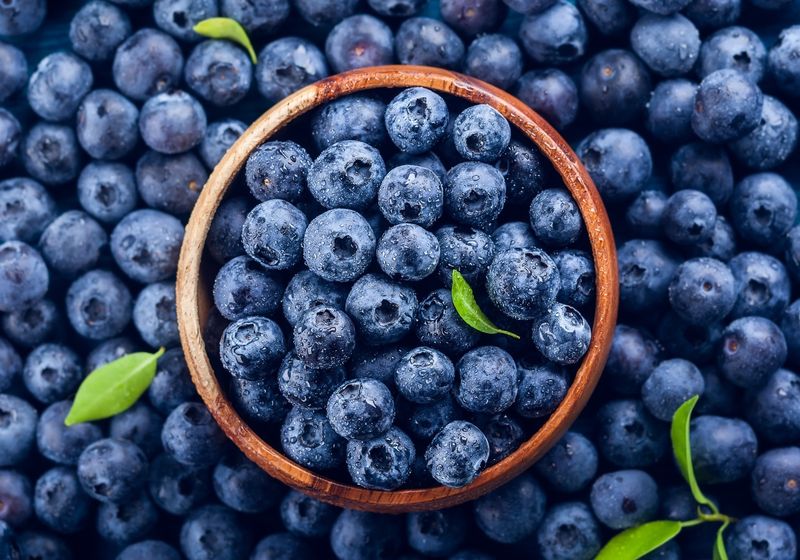
Blueberries bring potent antioxidants called anthocyanins that help defend brain cells from oxidative stress. That protection supports memory and overall cognitive function, especially valuable with aging.
You can toss a handful into yogurt, oatmeal, or smoothies for a simple daily boost.
Frozen berries work just as well as fresh, keeping nutrients locked in and waste low. Their natural sweetness satisfies without heavy sugar.
If you prefer savory, try blueberries in a spinach salad with walnuts and goat cheese.
2. Salmon
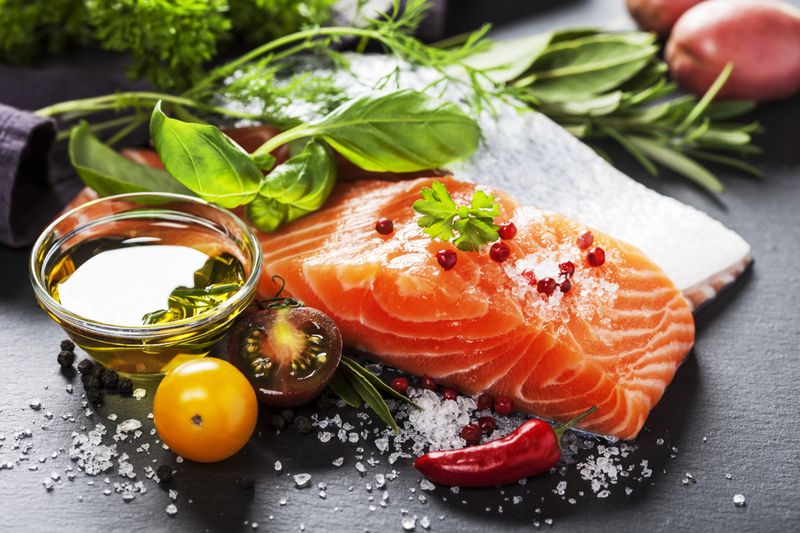
Salmon is rich in omega 3s, especially DHA, a key fat in brain cell membranes. Adequate DHA supports memory, learning, and mood stability.
Choosing wild caught options can offer slightly higher omega 3 levels and a cleaner flavor.
Roast or grill salmon with olive oil, lemon, and dill for an easy dinner. Leftovers flake beautifully into salads or whole grain bowls.
If cost is a concern, canned salmon is budget friendly and still supplies strong omega 3 benefits.
3. Walnuts
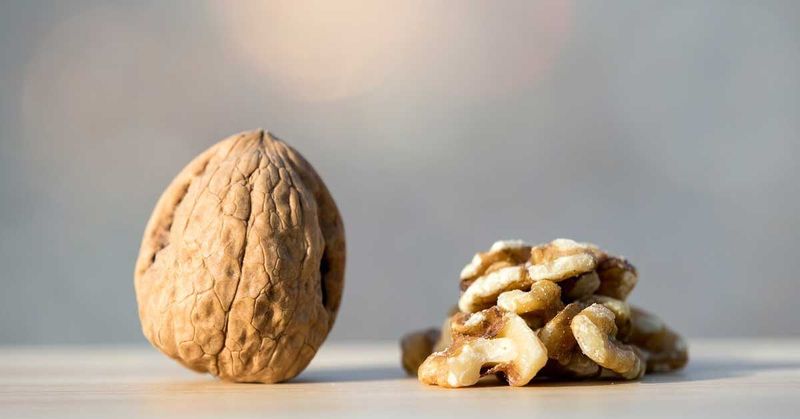
Walnuts are a convenient source of plant based omega 3 ALA, polyphenols, and vitamin E, all helpful for brain protection. Regular intake has been linked with better cognitive performance and healthy aging.
A small handful makes a satisfying snack that supports steady energy.
Chop walnuts into oatmeal, salads, or pesto instead of pine nuts. Lightly toasting brings out a deeper flavor.
For sweetness without refined sugar, pair walnuts with fresh fruit or a square of dark chocolate.
4. Spinach
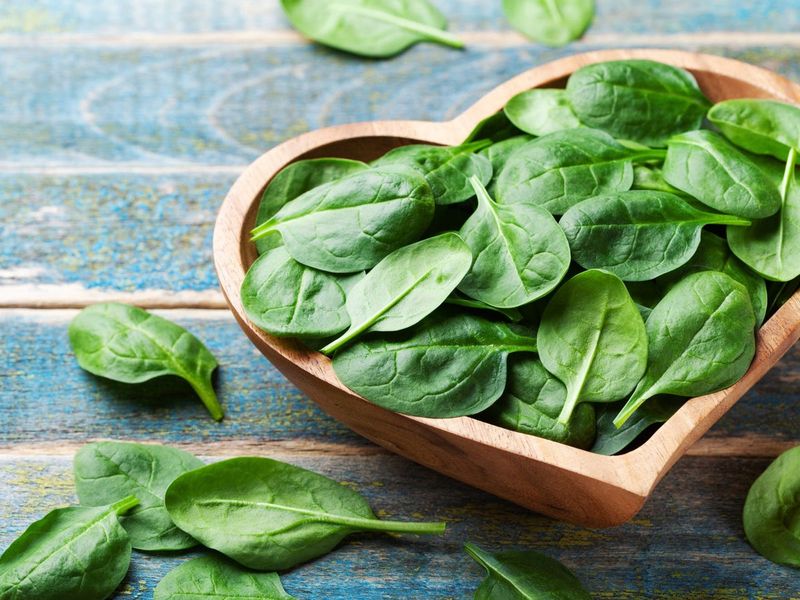
Spinach delivers folate, lutein, and nitrates that support blood flow and brain function. Folate helps with neurotransmitter synthesis, which can influence mood and memory.
Lutein accumulates in neural tissue, potentially supporting processing speed.
Use spinach as a base for salads, stir it into eggs, or blend into smoothies. Light sautéing with garlic and olive oil keeps nutrients accessible and flavor savory.
When raw greens feel heavy, wilted spinach offers a gentler texture and easy digestion.
5. Turmeric

Turmeric contains curcumin, a compound known for antioxidant and anti inflammatory properties that may support cognitive resilience. Pairing turmeric with black pepper can enhance curcumin absorption.
Regular small amounts add up and fit easily into soups, scrambles, and roasted vegetables.
Make a simple golden milk with warm milk of choice, turmeric, pepper, and a touch of honey. The soothing ritual can be comforting in the evening.
If cooking daily is tough, consider prepping a spice blend ahead of time.
6. Avocado
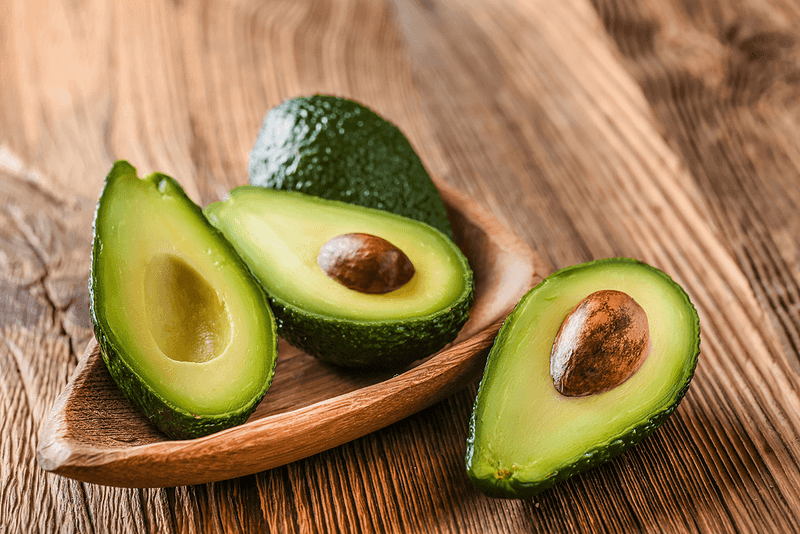
Avocado offers monounsaturated fats that support healthy blood flow and brain cell membranes. It also brings fiber, potassium, and lutein, which may benefit cognition.
The creamy texture helps meals feel satisfying without heavy sauces.
Spread avocado on whole grain toast, dice it into salads, or blend into a green smoothie. A squeeze of lime and pinch of salt brighten the flavor.
To prevent browning, brush cut surfaces with citrus and store tightly covered.
7. Eggs
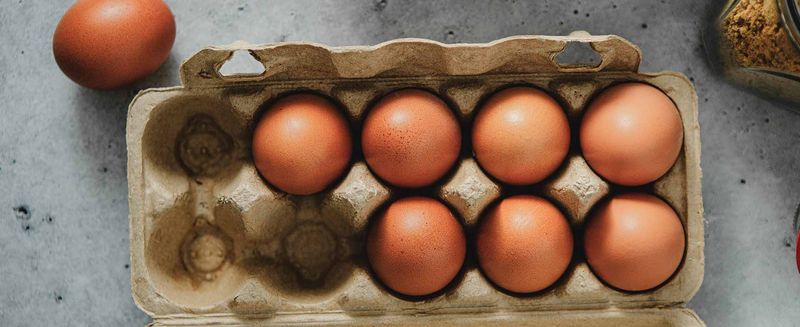
Eggs provide choline, a precursor to acetylcholine, a neurotransmitter linked with memory and attention. They also supply protein and B vitamins that assist energy metabolism.
Keeping eggs on hand makes balanced meals quick and affordable.
Enjoy soft boiled eggs over sautéed greens or scramble with tomatoes and herbs. If cholesterol is a concern, discuss intake with your clinician.
Many guidelines now support moderate egg consumption for most people, especially within a varied diet.
8. Dark Chocolate (70 percent+)
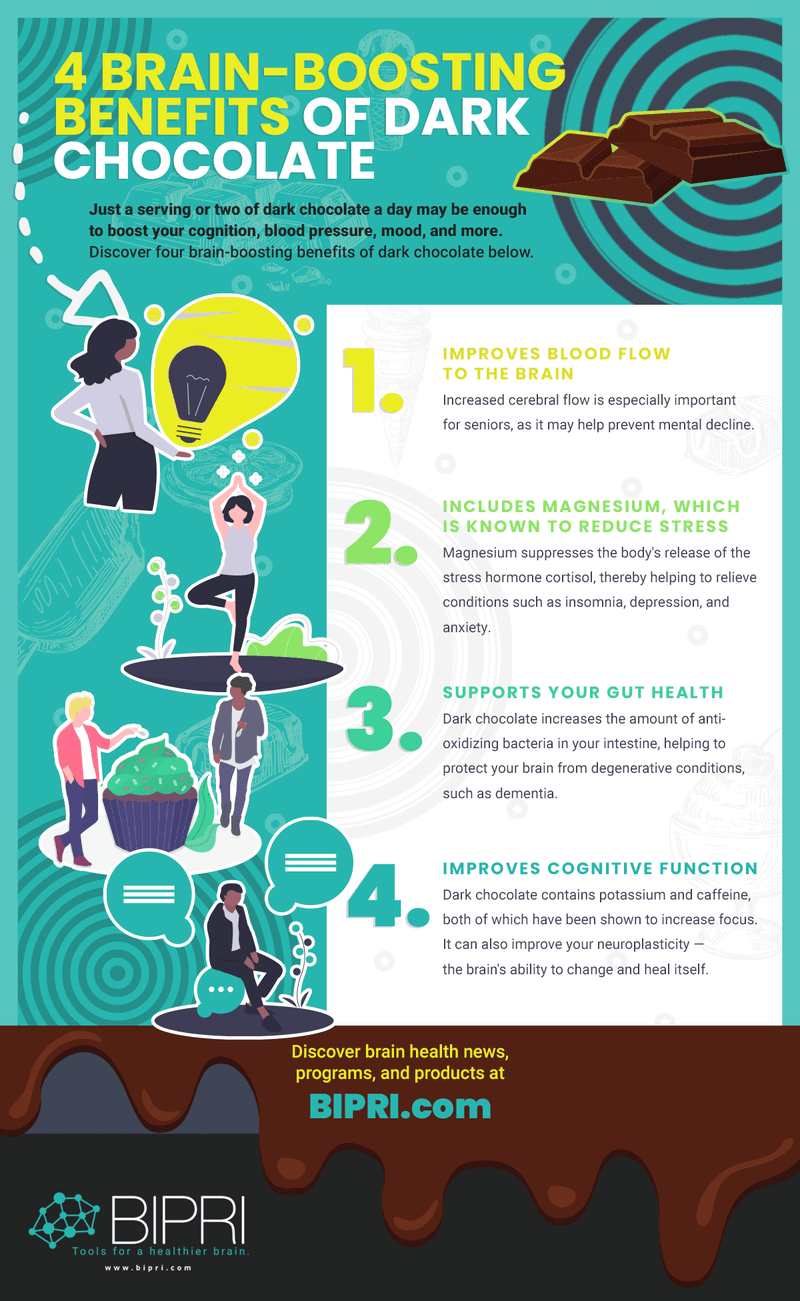
Dark chocolate with at least 70 percent cacao offers flavanols that can support blood flow to the brain. In moderation, it may aid attention and mood while delivering a touch of joy.
Choose options low in sugar for the most benefit.
Pair a small square with walnuts or berries for a smart dessert. Melted dark chocolate drizzled over orange slices feels decadent yet balanced.
Keep portions mindful so caffeine and sugar do not disturb sleep.
9. Olive Oil (Extra Virgin)

Extra virgin olive oil is central to brain friendly Mediterranean patterns, rich in polyphenols and monounsaturated fats. These compounds support vascular health and reduce oxidative stress.
Use it as your main dressing and finishing oil.
Drizzle over cooked vegetables, beans, or fish to enhance flavor and absorption of fat soluble nutrients. For high heat, choose a more refined oil and keep extra virgin for moderate temperatures.
Store your bottle away from heat and light to protect delicate aromas.
10. Broccoli
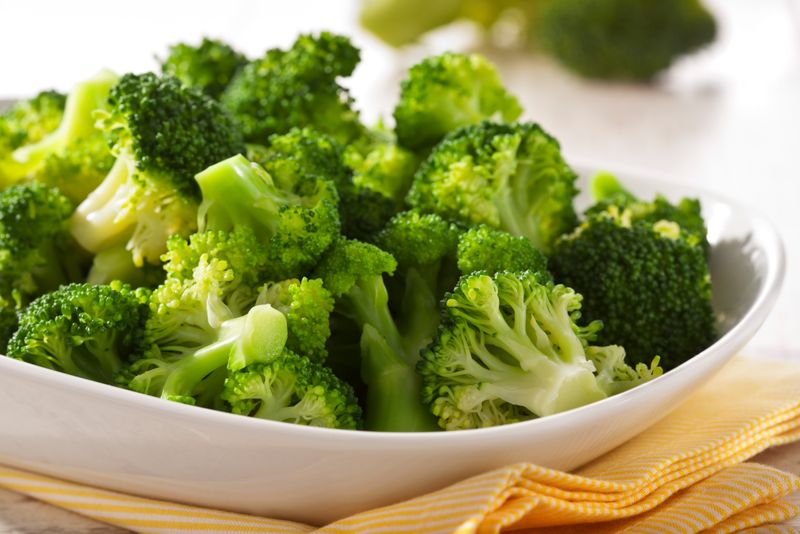
Broccoli provides vitamin K, folate, and sulforaphane precursors that support brain health and detox pathways. Its fiber helps steady blood sugar, which can stabilize energy and focus.
Gentle steaming preserves texture while maintaining nutrients.
Toss with olive oil, lemon, and toasted almonds for crunch. If chewing is difficult, puree into a creamy soup with onion and potato.
Batch cook florets and reheat quickly for easy sides all week.
11. Green Tea

Green tea delivers L theanine and gentle caffeine that together can promote calm focus. Its catechins offer antioxidant support that benefits brain and cardiovascular health.
A midday cup can perk attention without the jitters.
Brew at lower temperatures to avoid bitterness, and consider decaf if sleep is sensitive. Add lemon to enhance flavor and potentially absorption of some antioxidants.
Keep hydration in mind and balance tea with water intake.
12. Pumpkin Seeds
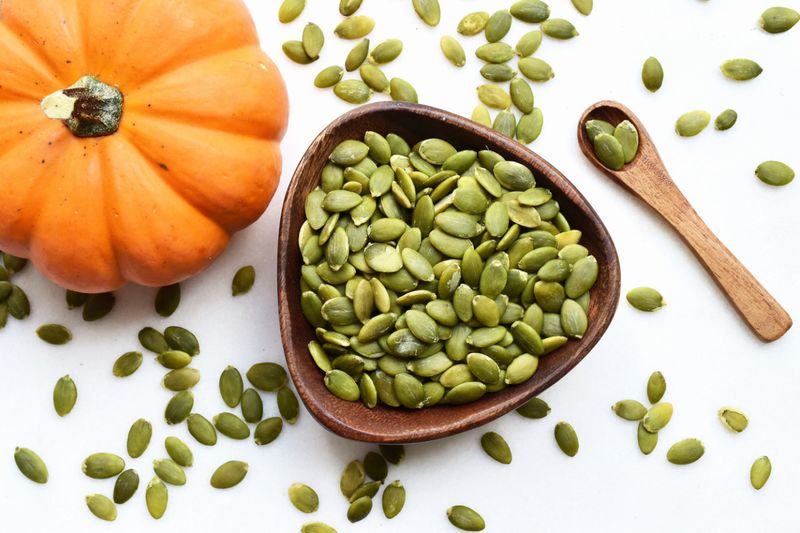
Pumpkin seeds supply magnesium, zinc, iron, and antioxidants, all supportive for cognitive function and mood. Magnesium helps with relaxation and sleep quality, important for memory consolidation.
A small serving adds satisfying crunch and healthy fats.
Sprinkle on salads, yogurt, or soups for texture. Lightly toast with paprika or cinnamon for a quick snack.
If chewing is tough, try unsweetened pumpkin seed butter spread on apple slices.
13. Oats
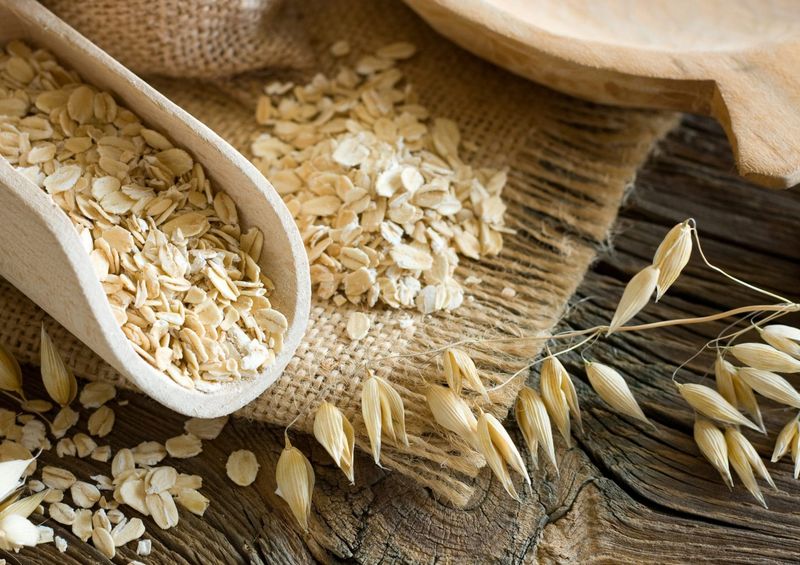
Oats provide beta glucan fiber that steadies blood sugar and sustains energy for clear thinking. They also deliver B vitamins and minerals that support nerve health.
Start your day with a bowl to anchor appetite and focus.
Overnight oats simplify mornings and can be customized with fruit, seeds, and spices. For savory, stir in spinach, olive oil, and a soft boiled egg.
If texture is an issue, cook longer with extra liquid for a smoother consistency.
14. Sardines
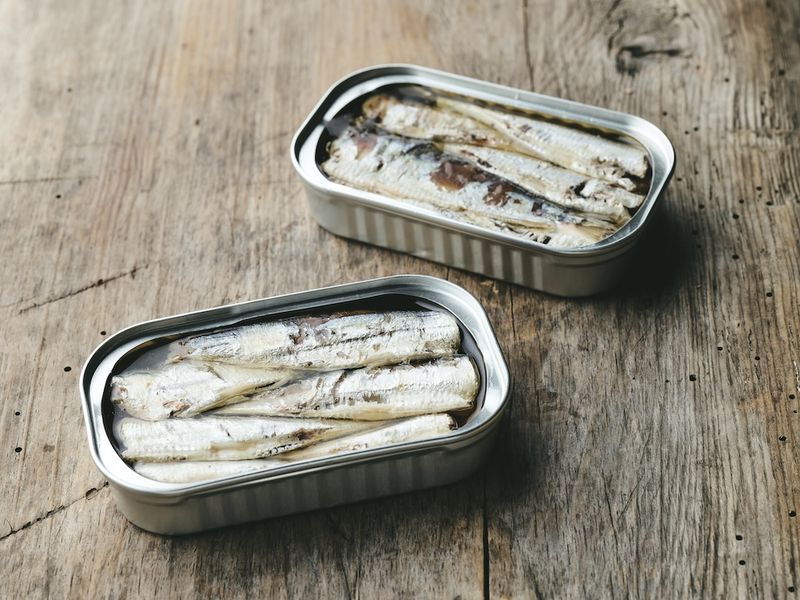
Sardines are inexpensive, shelf stable, and loaded with omega 3s, vitamin D, and B12 for brain support. Their small size means lower mercury, making them a safer fish choice.
They pair well with whole grain crackers for quick meals.
Mash with mustard, herbs, and lemon for a flavorful spread. Toss into pasta with cherry tomatoes and capers for an easy dinner.
If the flavor seems strong, try rinsing lightly and adding fresh citrus to mellow it.
15. Beets
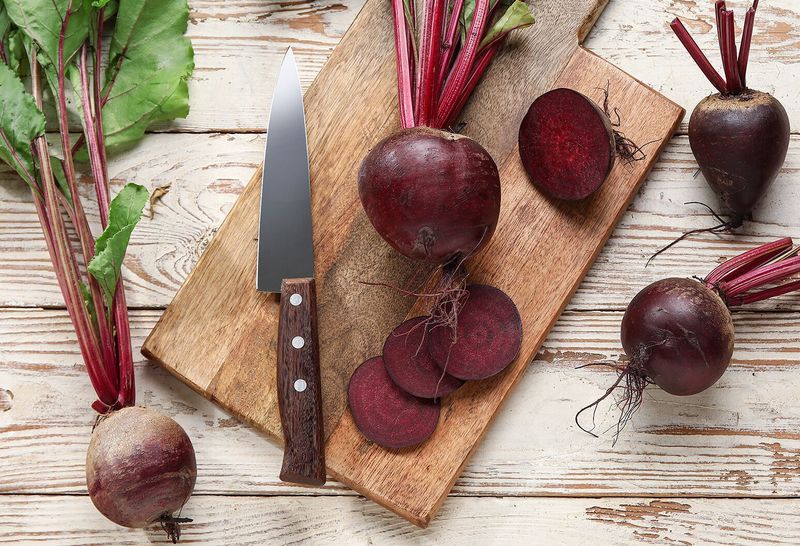
Beets are rich in nitrates that convert to nitric oxide, supporting blood flow to the brain. Better circulation can aid attention and stamina during daily activities.
Their earthy sweetness shines when roasted until tender.
Slice into salads with goat cheese and walnuts, or blend into a bright smoothie. If digestion is sensitive, try steamed beets for a gentler option.
Remember they can temporarily color urine and stool, which is normal.
16. Greek Yogurt
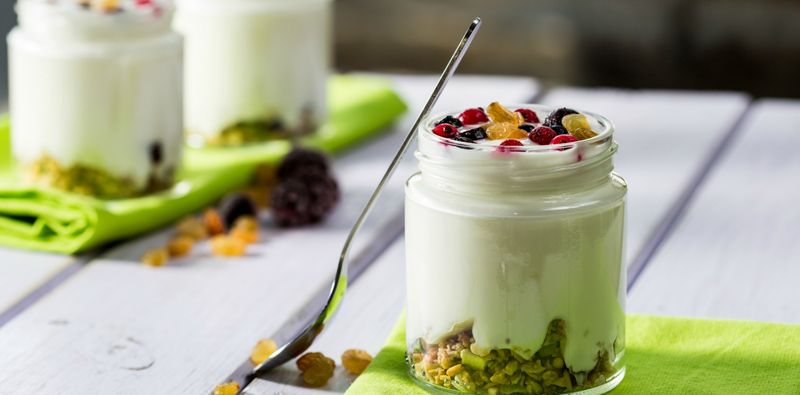
Greek yogurt provides protein and probiotics that may influence the gut brain axis and mood. Stable blood sugar from protein can support steady focus.
Choose plain varieties to avoid excess sugar and customize your toppings.
Mix in cinnamon, nuts, and berries for a balanced snack or breakfast. If dairy is an issue, consider cultured lactose free or plant based options with live cultures.
Keep portions sensible to fit overall energy needs.
17. Kale
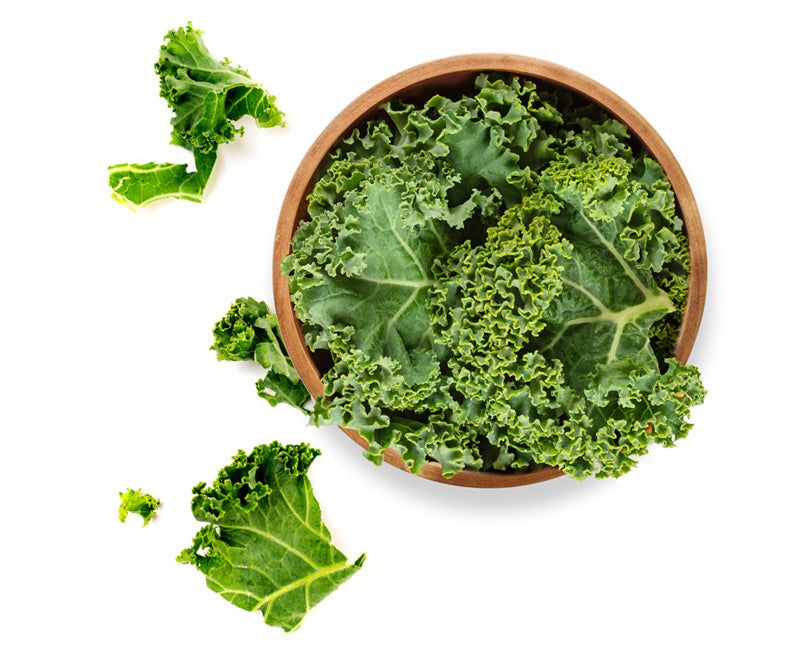
Kale packs lutein, vitamin K, and carotenoids associated with cognitive support. Its sturdy leaves hold up in soups, sautés, and salads, giving lasting texture.
Even small servings contribute meaningful nutrients.
Massage chopped kale with olive oil and lemon to soften the fibers. Add toasted seeds and a sprinkle of parmesan for flavor.
For tender results, simmer in broth until silky and spoon over beans.
18. Tomatoes
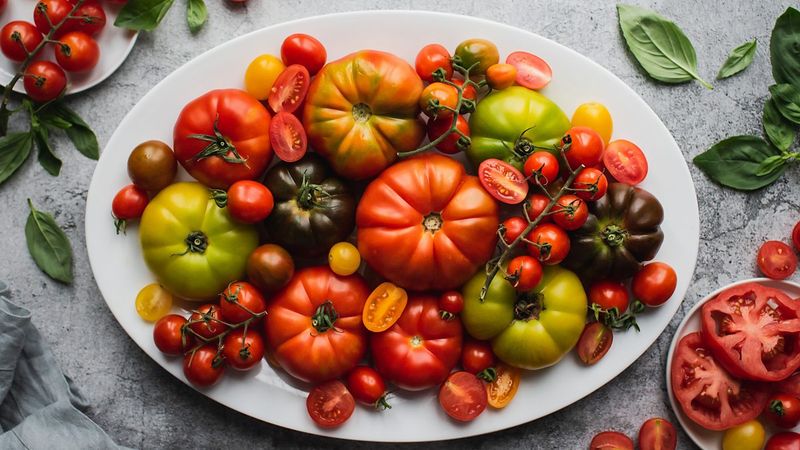
Tomatoes offer lycopene, an antioxidant that may help protect brain cells from oxidative damage. Cooking with olive oil improves lycopene absorption.
Their bright acidity wakes up meals without heavy salt.
Simmer a quick sauce for whole grain pasta or spoon over fish. For snacking, pair cherry tomatoes with mozzarella and basil.
If reflux is a concern, choose low acid varieties and enjoy smaller portions.
19. Black Beans
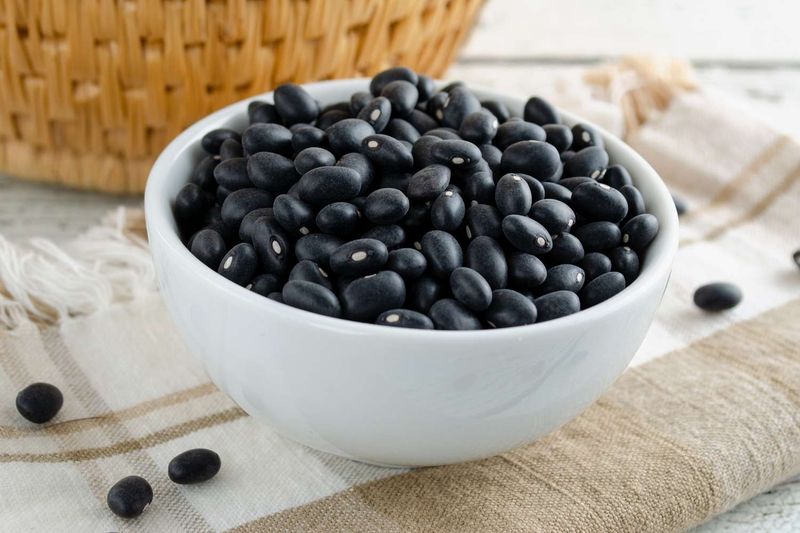
Black beans provide fiber, plant protein, and polyphenols that support steady energy for the brain. Their slow digesting carbs help maintain focus and mood.
They also bring folate and magnesium for nervous system health.
Batch cook and freeze portions for quick meals. Add to soups, tacos, or grain bowls with avocado and salsa.
If beans cause discomfort, rinse well and start with small amounts to build tolerance.
20. Oranges
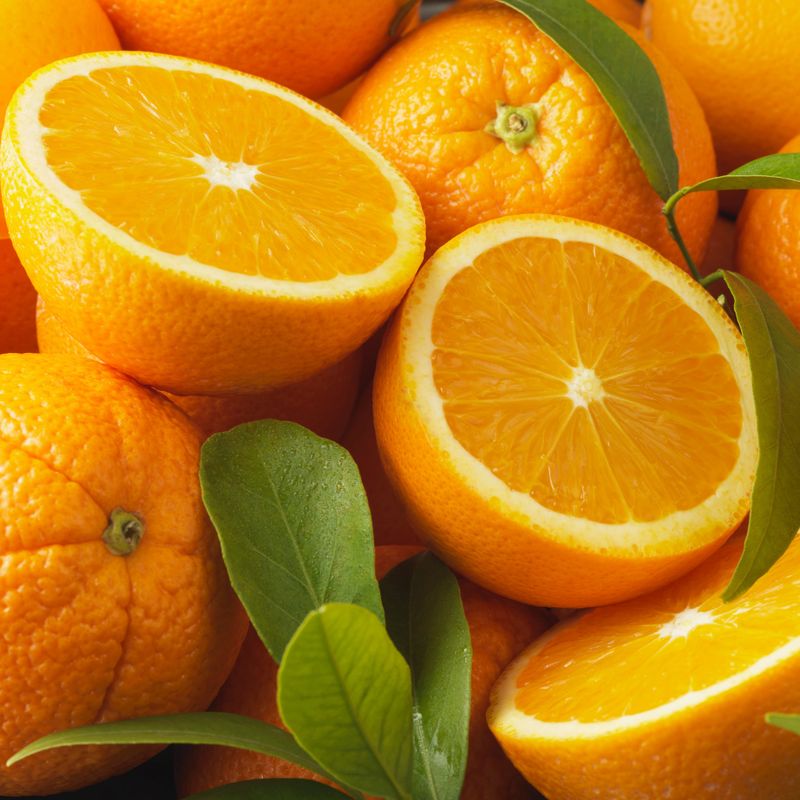
Oranges supply vitamin C, which supports antioxidant defenses and collagen in blood vessels supplying the brain. The juicy sweetness hydrates and satisfies without heavy calories.
Their aroma can lift mood and appetite.
Snack on segments, blend into smoothies, or add zest to salads and yogurt. Pair with dark chocolate for a mindful treat.
If chewing is difficult, try fresh squeezed juice in small portions with pulp for fiber.
21. Flaxseeds (Ground)
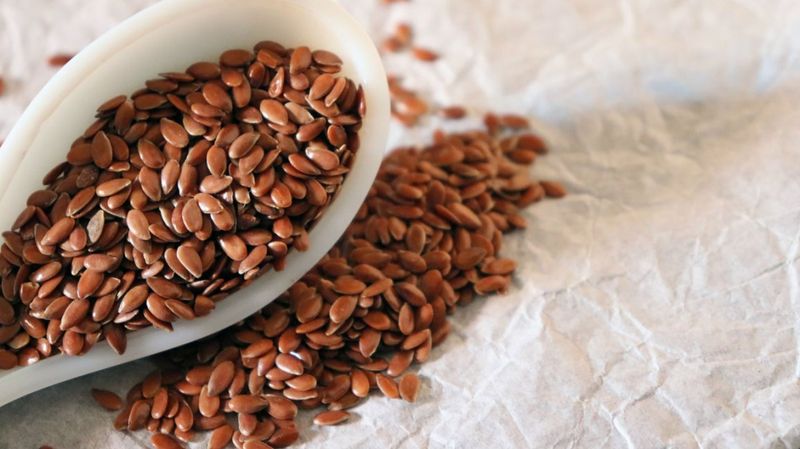
Ground flaxseeds bring plant omega 3 ALA, lignans, and fiber that support heart and brain health. Grinding improves absorption and makes them easy to sprinkle on meals.
Just one tablespoon can make a meaningful difference.
Add to oatmeal, yogurt, smoothies, or pancake batter. Store ground flax in the fridge or freezer to protect oils from rancidity.
If you use whole seeds, grind right before eating for best benefits.
22. Cauliflower
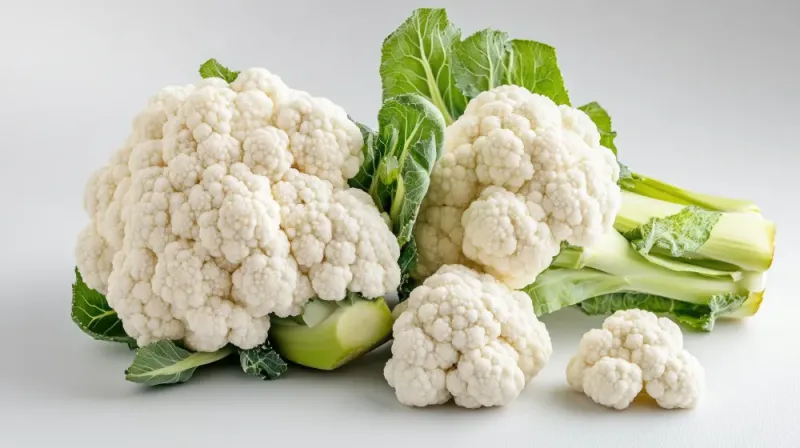
Cauliflower is versatile, low glycemic, and provides choline and vitamin C for brain support. Its mild flavor takes on spices beautifully.
Roasting brings out nutty notes and satisfying texture.
Make mash with olive oil as a lighter alternative to potatoes. Pulse into rice for stir fries or serve under saucy beans.
If gas is an issue, cook thoroughly and season with cumin or ginger.
23. Seaweed (Nori, Wakame)
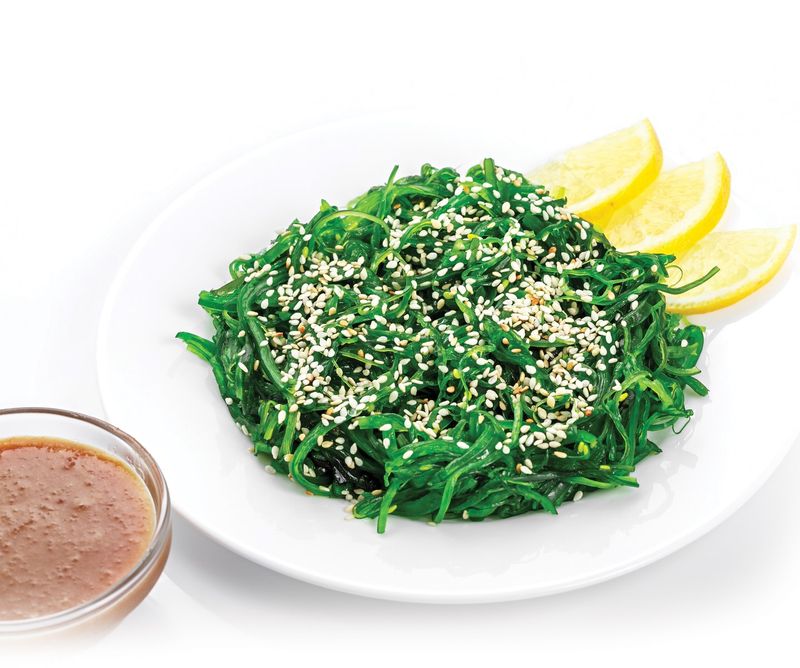
Seaweed offers iodine and trace minerals important for thyroid and brain function. It also contains unique polyphenols and fibers that support gut health.
A small amount goes a long way in flavor and nutrition.
Sprinkle seaweed flakes over soups, rice, or salads. Choose low sodium varieties if watching salt.
If you are new to seaweed, start with nori sheets as a mild, toasty introduction.
24. Strawberries
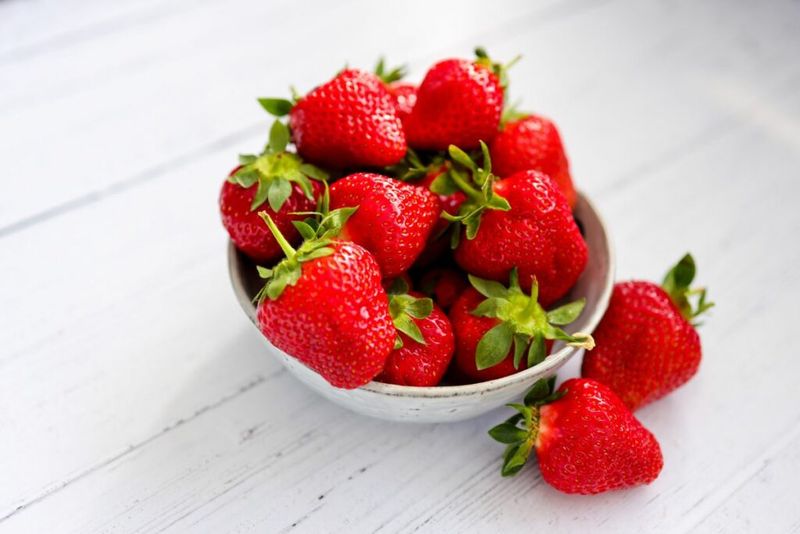
Strawberries deliver vitamin C and anthocyanins that help counter oxidative stress in the brain. Their bright flavor encourages fruit intake without added sugar.
They are gentle on digestion when ripe and soft.
Slice over yogurt, oatmeal, or cottage cheese. For dessert, roast with balsamic to deepen sweetness and serve warm.
Frozen strawberries are reliable and budget friendly while retaining nutrients.
25. Lentils
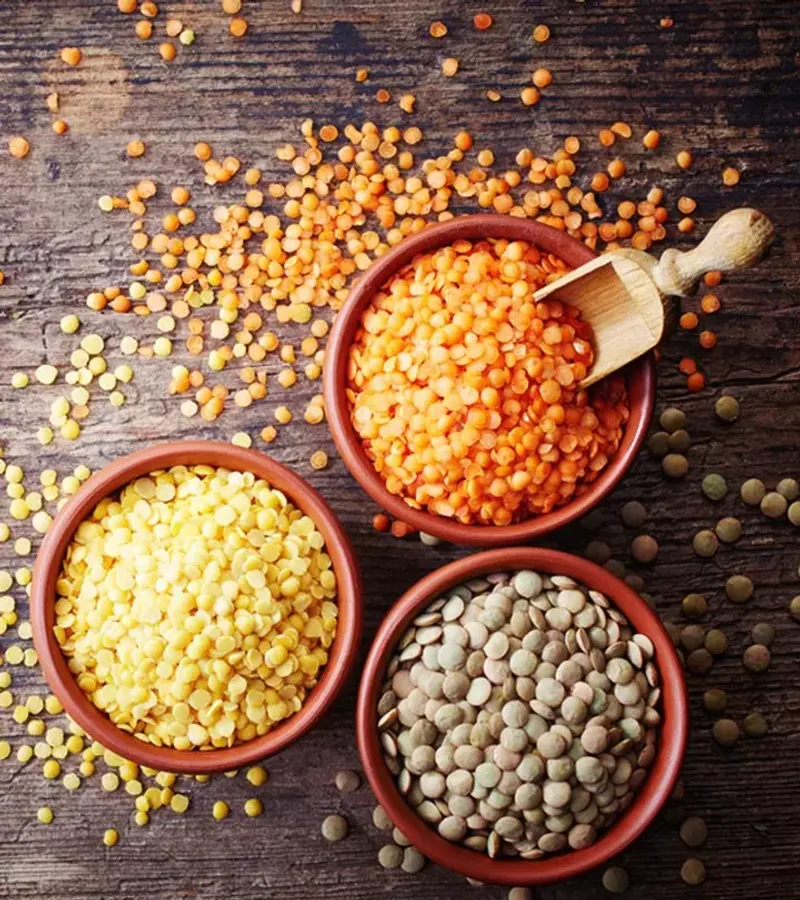
Lentils are rich in folate, iron, and steady carbohydrates that nourish the brain. They cook quickly and are easy to digest compared with many legumes.
Their fiber supports stable mood by balancing blood sugar.
Simmer with tomatoes, cumin, and spinach for a hearty stew. Toss cooked lentils into salads for protein without heaviness.
If sodium is a concern, cook from dry and season with herbs and lemon instead of salt.
26. Pumpkin
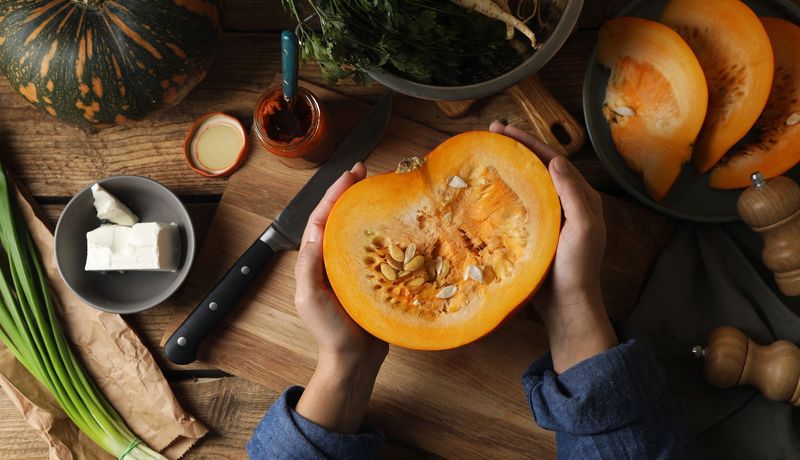
Pumpkin provides beta carotene, fiber, and potassium that support vision, heart, and brain health. Its gentle sweetness suits both sweet and savory dishes.
The fiber helps keep energy steady throughout the day.
Blend pumpkin into oatmeal, smoothies, or soups for creaminess without heavy cream. Choose plain canned pumpkin, not pie filling, to skip added sugar.
Freeze leftover puree in portions for quick use later.
27. Almonds
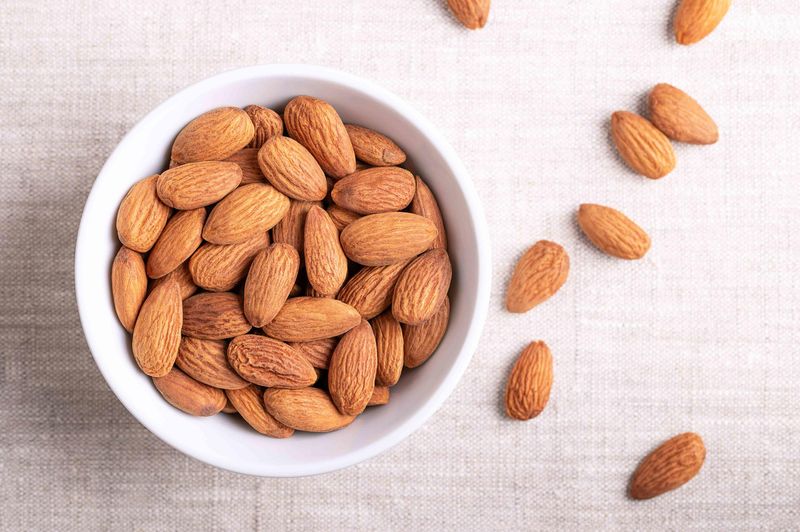
Almonds deliver vitamin E, healthy fats, and magnesium that help protect brain cells and support calm. They are portable and shelf stable, ideal for simple snacking.
A small portion pairs well with fruit for balance.
Chop into salads, blend into almond butter, or use as a crunchy topping. Toast lightly to enhance aroma and sweetness.
If chewing is tough, soak almonds overnight or choose slivered varieties.
28. Quinoa
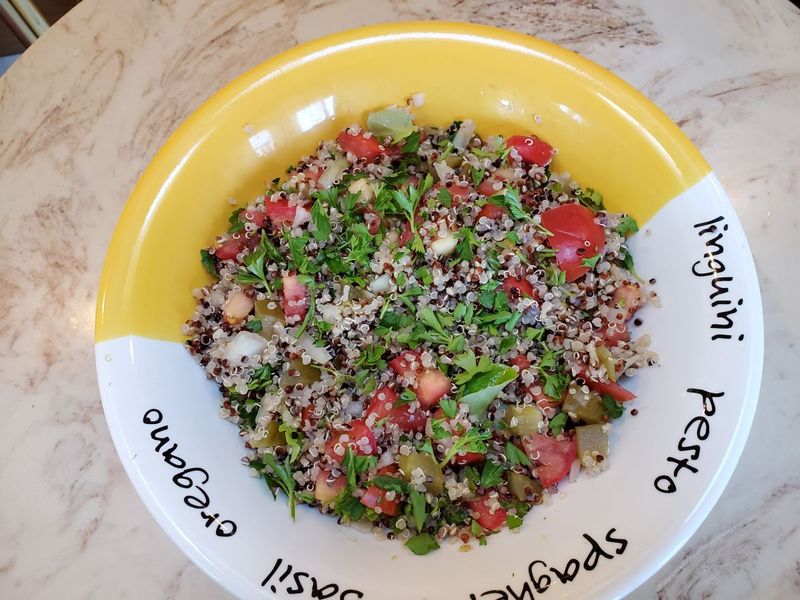
Quinoa provides complete protein and complex carbohydrates that fuel the brain steadily. It is naturally gluten free and cooks quickly for weeknight meals.
Minerals like magnesium and iron support oxygen delivery and nerve function.
Use quinoa as a base for roasted vegetables and salmon. Make a warm breakfast bowl with cinnamon, walnuts, and berries.
Rinse before cooking to remove bitterness, and let it rest to finish steaming.
29. Cocoa Nibs
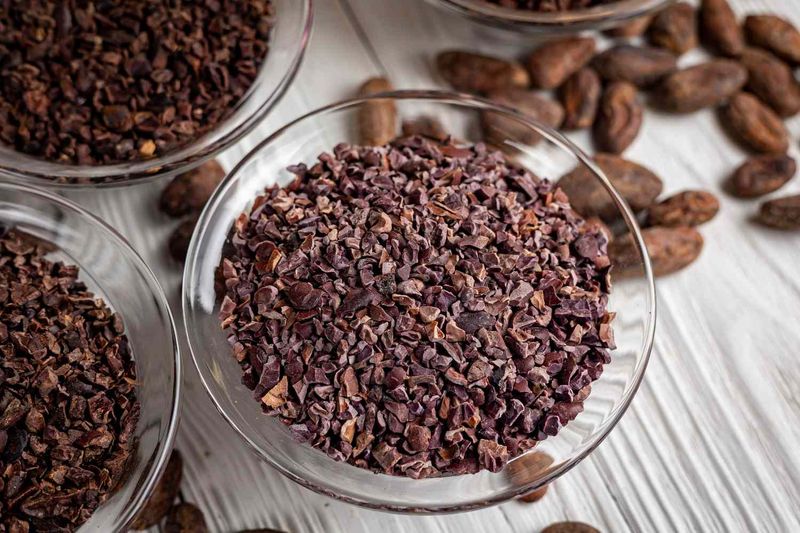
Cocoa nibs offer concentrated cacao flavanols with minimal sugar, supporting blood flow and attention. Their crunch adds texture to snacks and breakfasts.
A small sprinkle can satisfy chocolate cravings without a candy bar.
Stir into yogurt, trail mix, or oatmeal alongside berries. Combine with nuts for a balanced, energizing pick me up.
Store in a cool, dark place to preserve aroma and benefits.
30. Grapes (Red or Purple)
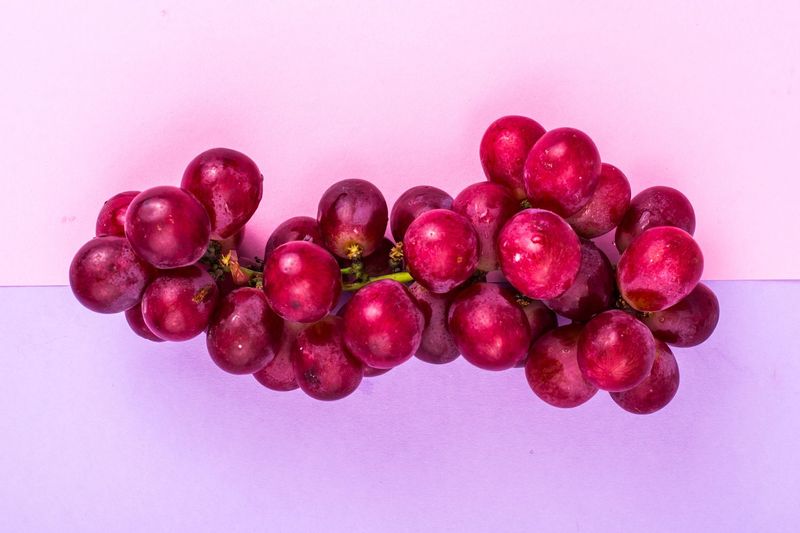
Red and purple grapes contain resveratrol and anthocyanins that support vascular and brain health. Their natural sweetness and hydration make them a refreshing snack.
Enjoying them chilled can be especially satisfying.
Pair grapes with cheese and whole grain crackers for balance. Freeze seedless grapes for a cool treat on warm days.
If blood sugar is a concern, keep portions moderate and pair with protein.