These 15 Soup-Making Tips From Ina Garten Will Upgrade Your Pot
Ina Garten, the beloved Barefoot Contessa, has a gift for turning simple ingredients into something truly spectacular. Her soups are no exception — rich, flavorful, and surprisingly easy to make at home.
Whether you are a beginner cook or a seasoned kitchen pro, her tried-and-true tips can completely transform the way you make soup. Get ready to warm up your kitchen with these game-changing tricks straight from Ina herself.
1. Invest in a Dutch Oven
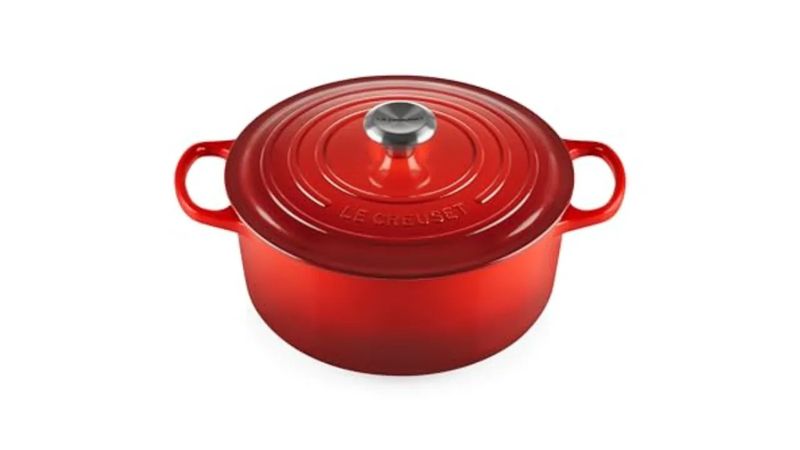
Every great soup starts with the right pot, and a Dutch oven is about as close to magic as cookware gets. Its thick walls hold heat evenly, so nothing scorches or cooks unevenly.
You can brown, braise, and simmer all in one vessel.
Ina swears by it for good reason — the heavy lid traps moisture and deepens flavor beautifully. Once you cook soup in a Dutch oven, going back feels impossible.
2. Make Stock from Scratch
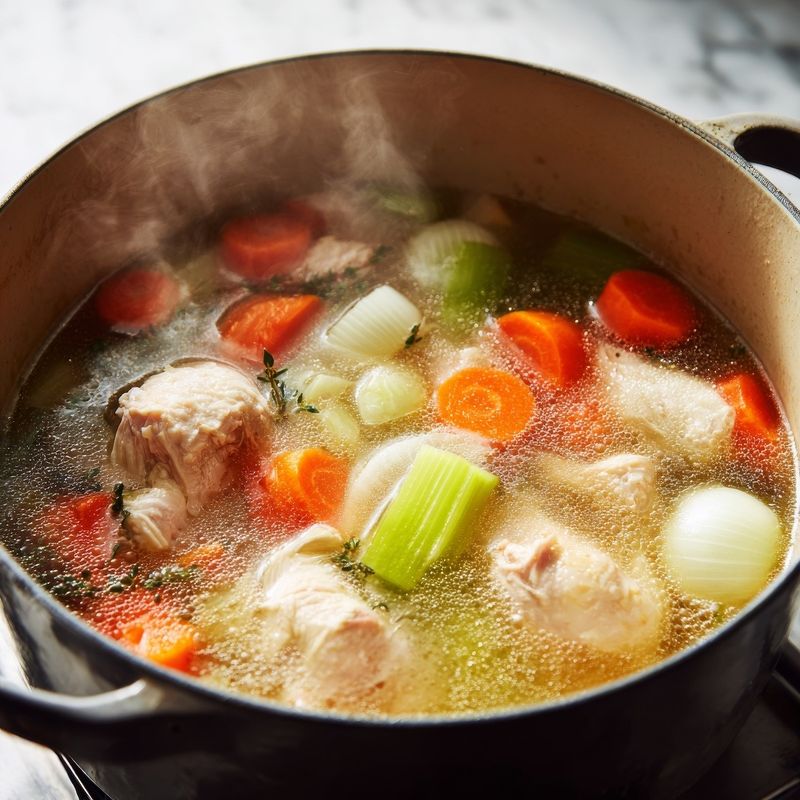
Store-bought stock might be convenient, but homemade is on a completely different level. Ina Garten believes that the foundation of any great soup is a rich, lovingly made stock.
When you simmer bones, vegetables, and herbs low and slow, the flavor becomes deep and layered.
Canned versions simply cannot replicate that. Making stock from scratch takes patience, but the payoff in your finished soup is absolutely worth every extra minute spent.
3. Boost Umami with Parmesan Rind
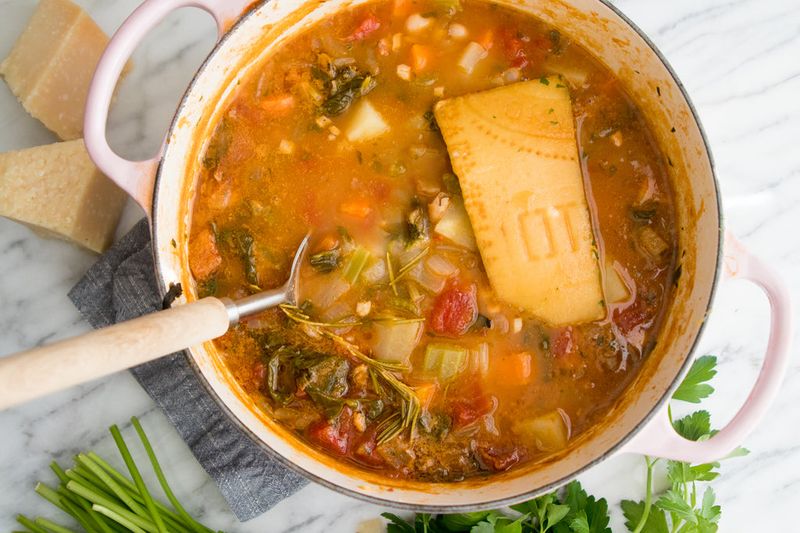
Here is a sneaky little trick that professional chefs have used for years: toss a Parmesan rind into your simmering soup. As it slowly melts and releases flavor, it adds a savory, nutty depth that is hard to pinpoint but impossible to ignore.
Ina calls it an umami boost, and she is absolutely right. Save your rinds in a zip-lock bag in the freezer.
Just remember to fish the rind out before you serve the soup!
4. Choose French Green Lentils
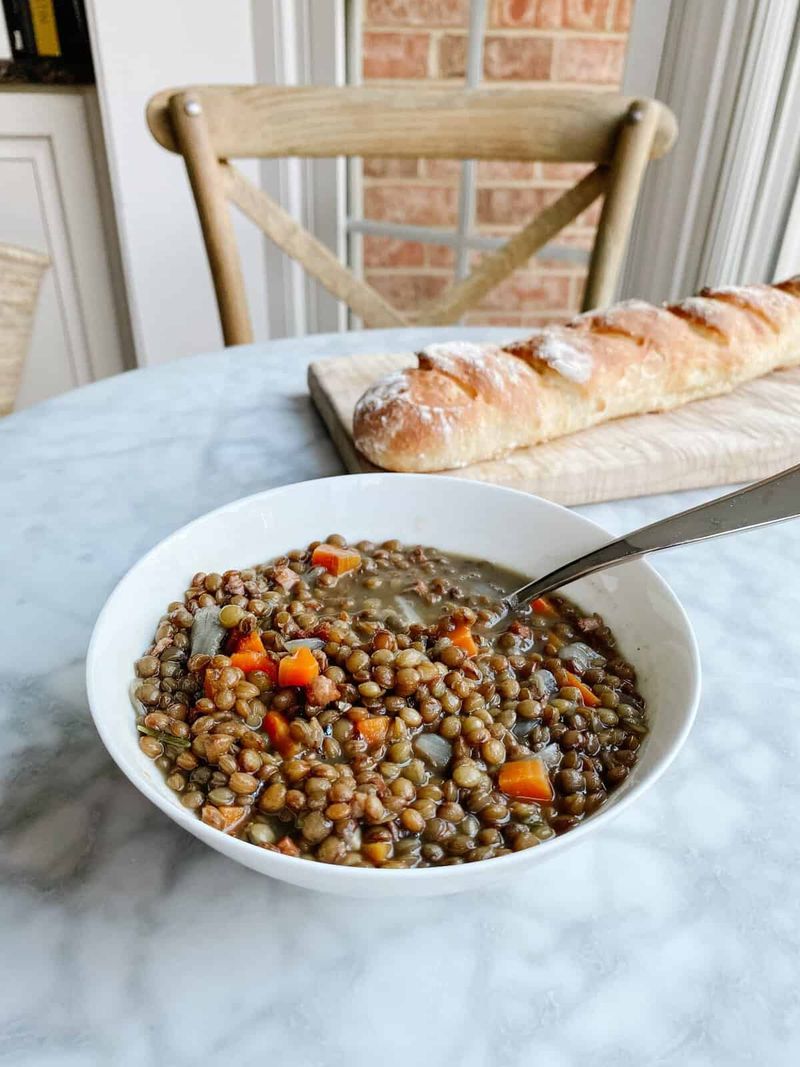
Not all lentils behave the same way in a pot. French green lentils — also called Puy lentils — are smaller, slightly peppery, and hold their shape even after a long simmer.
Regular brown lentils tend to turn mushy, which can make soup feel heavy and one-dimensional.
Ina specifically recommends French green lentils for their firm bite and bold flavor. Swapping them in is one of the easiest upgrades you can make to a lentil soup recipe.
5. Add Texture to Pureed Soups
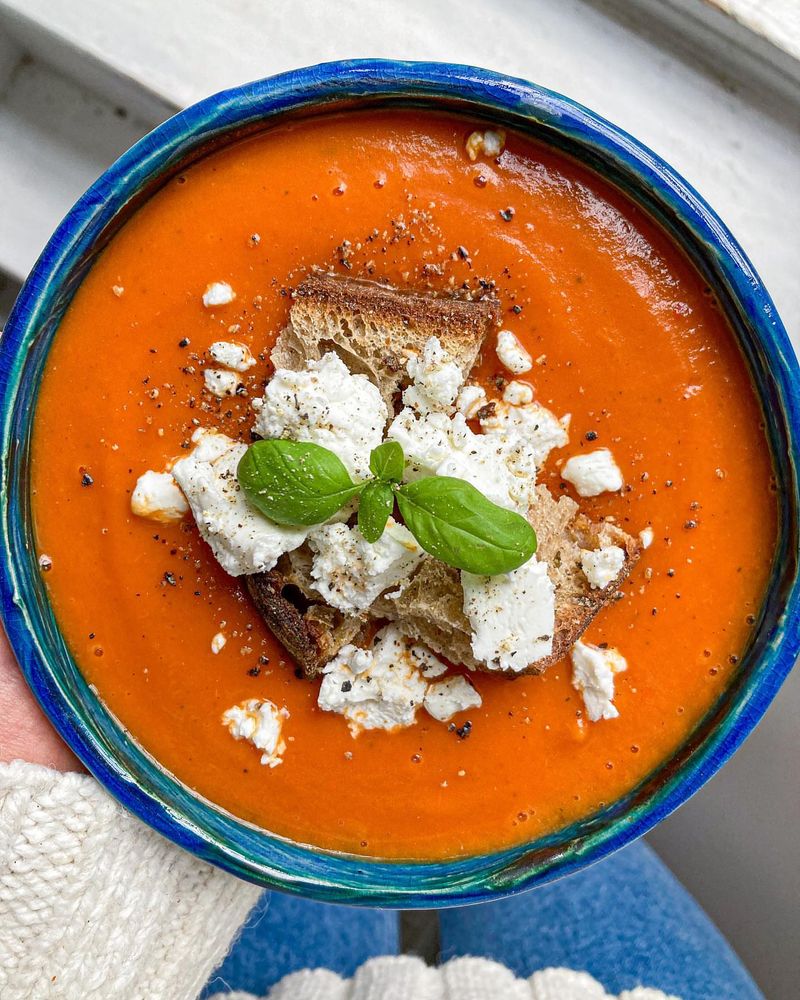
Silky pureed soups are comforting, but they can feel a little one-note without something exciting on top. Ina loves adding contrasting textures to break up the smoothness and make every spoonful more interesting.
Think crunchy croutons, creamy crumbled goat cheese, or a slow drizzle of good olive oil. These toppings are not just decorative — they genuinely change how the soup tastes and feels.
A little textural contrast goes a surprisingly long way toward making a simple soup feel restaurant-worthy.
6. Elevate Canned Tomatoes

Canned tomatoes are a pantry staple, but they can taste a little flat straight from the tin. Ina’s clever fix?
Pair them with a handful of oven-roasted tomatoes to punch up the flavor dramatically. Roasting concentrates the natural sugars and adds a smoky, caramelized quality that canned tomatoes just cannot offer on their own.
Mixing the two gives your tomato soup a rich complexity. It is a small extra step that delivers a huge payoff in the finished bowl.
7. Reheat Soups Slowly
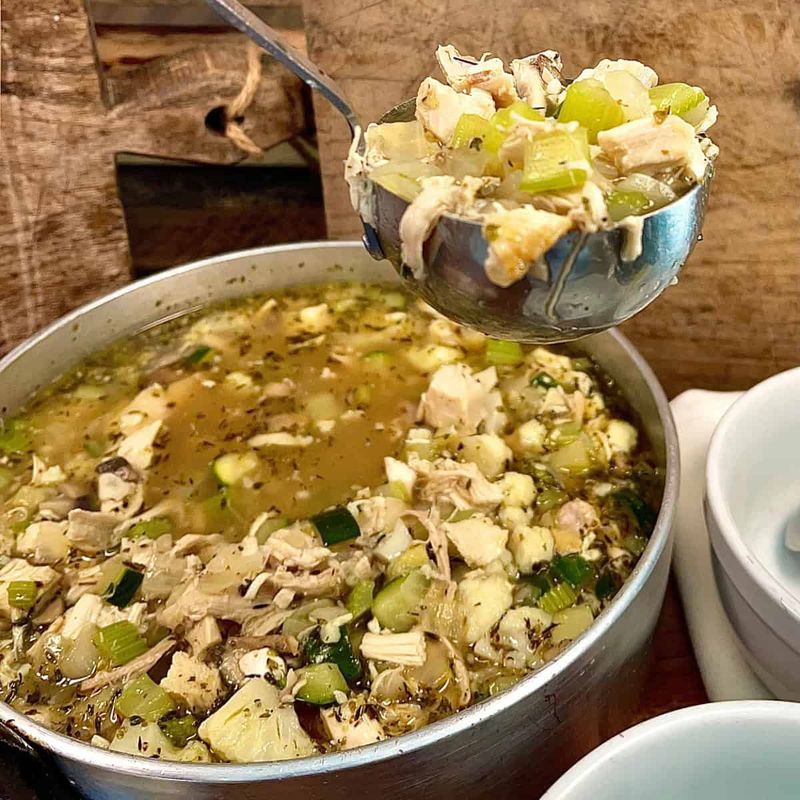
Leftover soup deserves the same care as a freshly made batch. Blasting it on high heat can scorch the bottom, break down textures, and dull the flavors you worked hard to build.
Ina recommends warming soup low and slow, giving it time to come back to life properly.
If the soup thickened overnight in the fridge, stir in a splash of homemade chicken stock or water to loosen it up. Patience here really does make a noticeable difference.
8. Freeze Soups Strategically
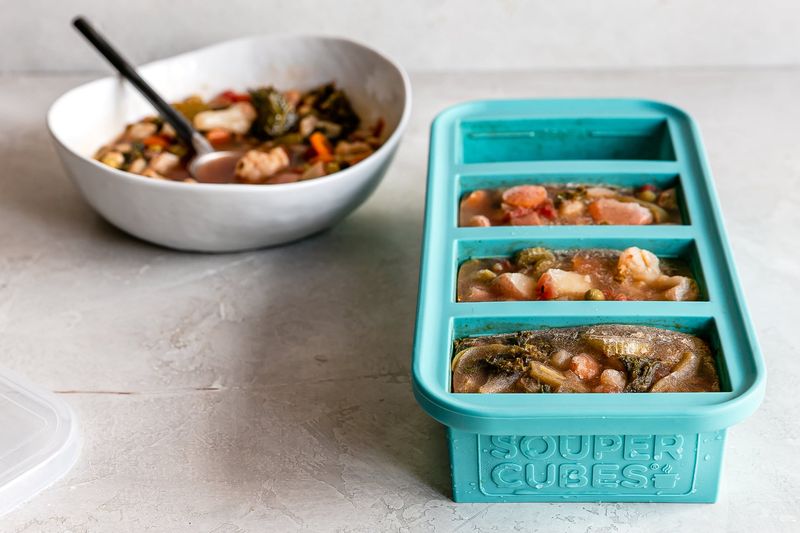
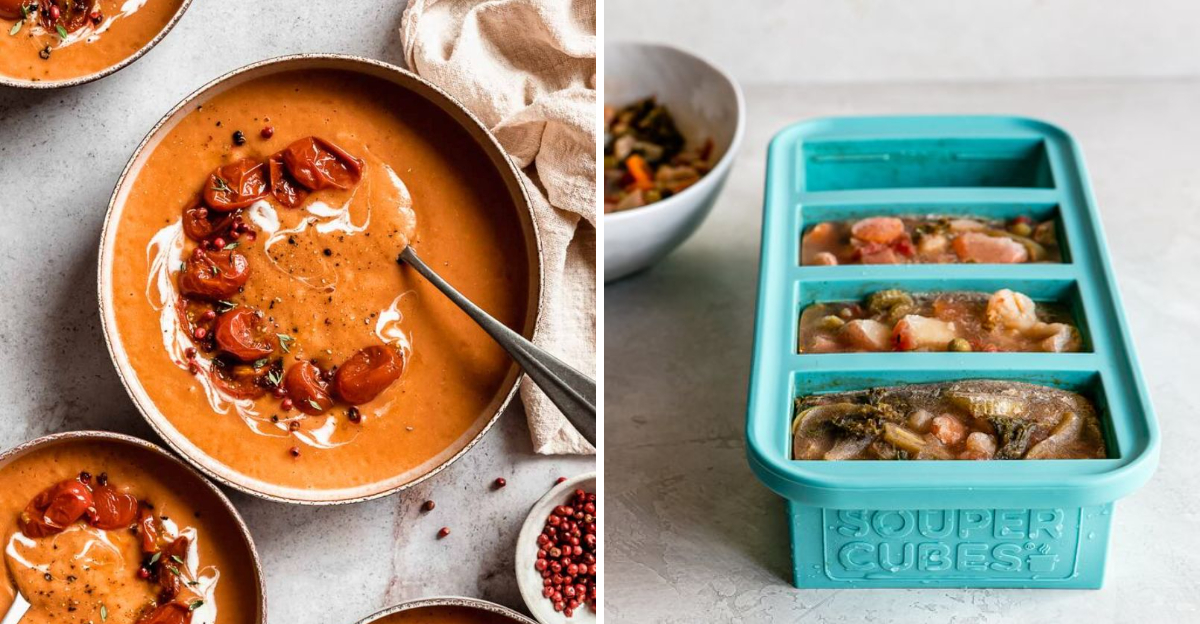
Soup is one of the best foods to batch-cook and freeze, but you have to be smart about it. Ina recommends freezing soups in one-cup portions so you can pull out exactly what you need without defrosting a giant batch.
One important rule: never freeze soups that contain cooked pasta or potatoes. These starchy ingredients turn grainy and unpleasant after freezing and thawing.
Stick to broth-based or pureed soups for freezer storage, and future-you will be incredibly grateful on a busy weeknight.
9. Layer Flavors in the Pot

Dumping everything into the pot at once might save a few minutes, but it costs you flavor. Ina builds soups by adding ingredients in stages, allowing each one to soften and release its natural taste before the next goes in.
Onions get cooked down first, then aromatics, then heartier vegetables. This sequential approach creates a layered, complex flavor that tastes like the soup has been simmering all day.
The Dutch oven makes this process especially effective thanks to its steady, even heat.
10. Garnish Thoughtfully
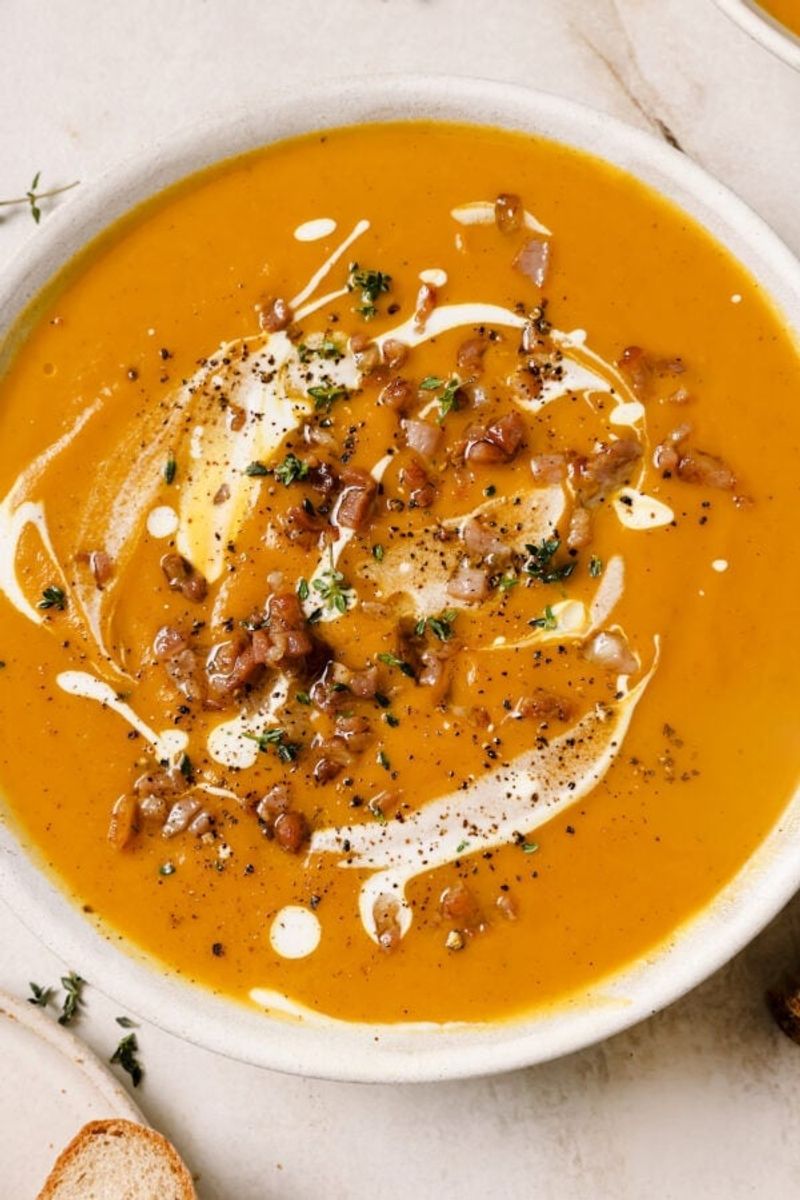
A garnish is not just decoration — it is the finishing touch that pulls a whole bowl together. Ina treats garnishing as seriously as any other cooking step, choosing toppings that add both flavor and texture contrast.
Creamy soups especially benefit from something crispy or salty on top, like croutons, crumbled bacon, or crisped pancetta. Even a light sprinkle of fresh herbs can brighten the whole dish.
Think of the garnish as the soup’s final personality, and choose it with intention.
11. Select Specific Ingredients for Optimal Results
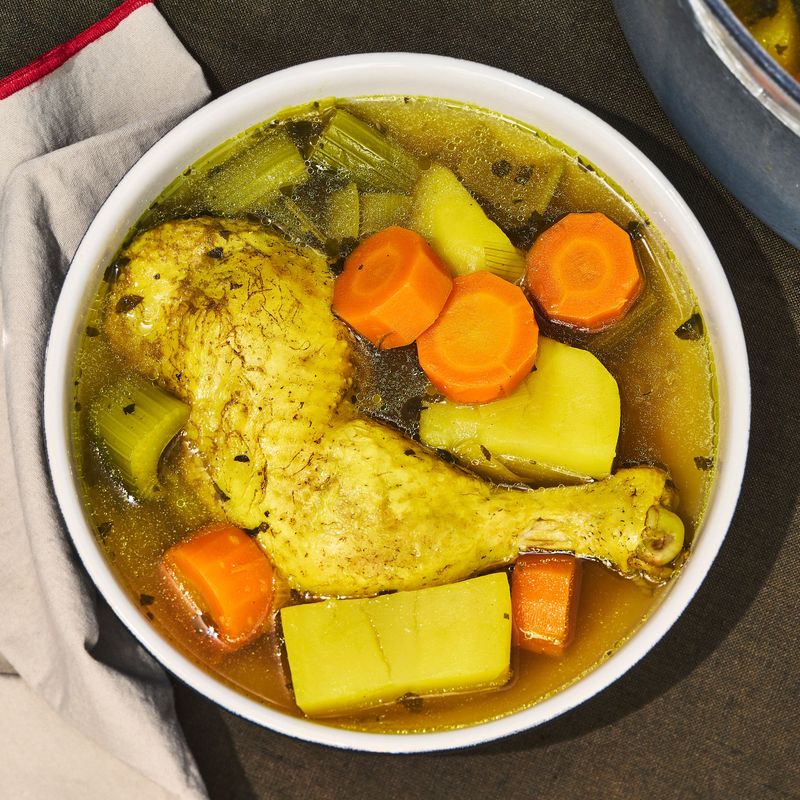
Ina Garten is a firm believer that ingredient choices make or break a soup. She swaps leeks for thinly sliced fennel to add a subtle sweetness, and reaches for starchy Yukon Gold potatoes when making potato soup because they create a naturally creamy texture.
For chicken soups, she roasts skin-on, bone-in chicken breasts specifically for the dish rather than using leftover chicken. These deliberate choices might seem small, but they add up to a noticeably superior bowl every single time.
12. Never Buy Canned Soup
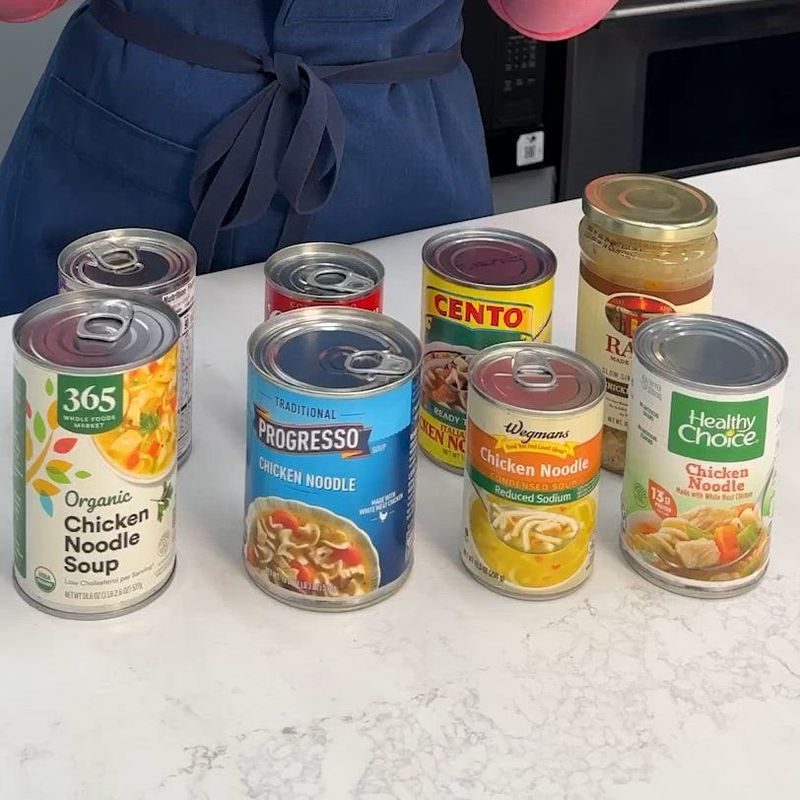
Ina Garten has a famously strong stance on this one: skip the canned soup aisle entirely. She argues that homemade soup is not only tastier but actually easier to make than most people think.
With a good stock, fresh vegetables, and a little time, you can produce something far superior to anything in a tin.
Canned soups are loaded with sodium and preservatives that dull the flavor. Once you make your own from scratch, you will never want to go back.
13. Use Apple Cider Vinegar and Curry Powder for Butternut Squash Soup

Butternut squash soup can easily taste one-dimensional if you are not careful. Ina’s secret weapons for this classic fall soup are apple cider vinegar and curry powder — two ingredients that might surprise you but work like magic together.
The vinegar cuts through the natural sweetness of the squash, while the curry powder adds warmth and an earthy, aromatic complexity. Together they transform a simple pureed soup into something bold and memorable.
Start with small amounts and adjust to your taste.
14. Finish Creamy Mushroom Soup with Marsala Wine
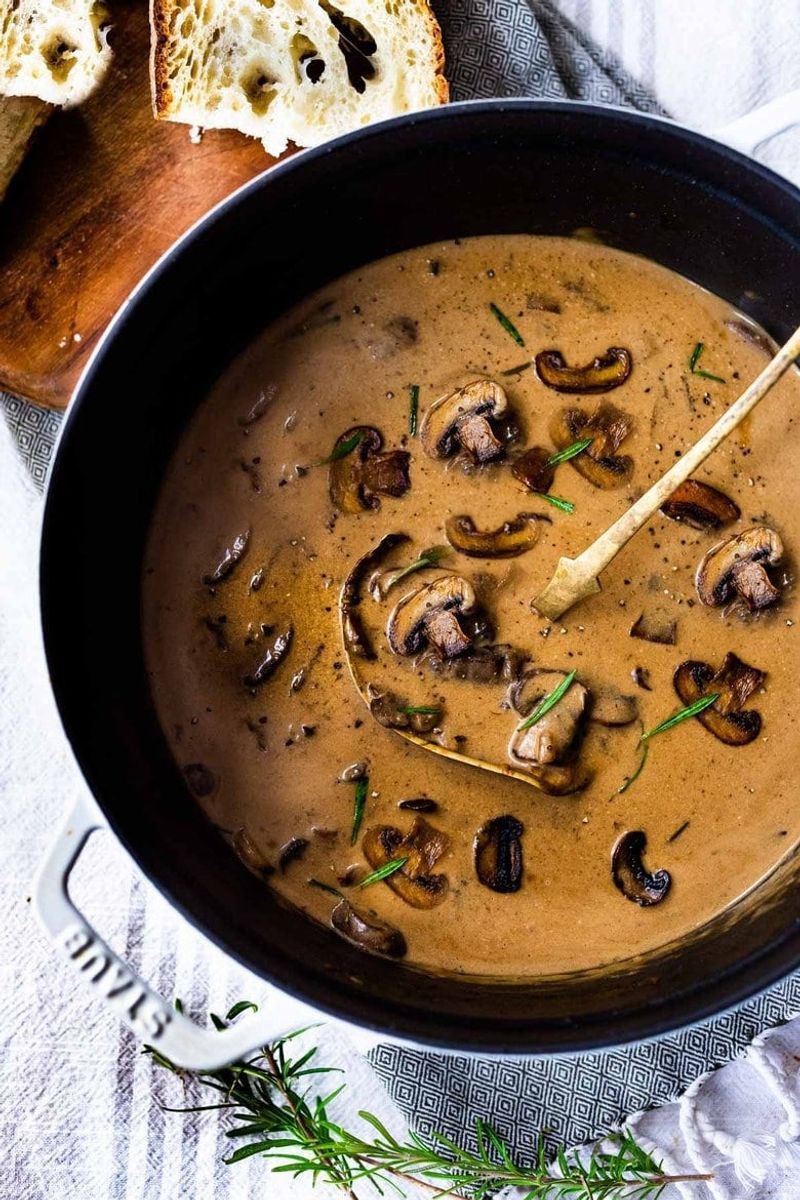
Marsala wine might be best known for chicken dishes, but Ina uses it to take creamy mushroom soup to a whole new level. A generous glug stirred in right at the end of cooking adds a deep, slightly sweet, nutty richness that makes the soup taste incredibly sophisticated.
The alcohol cooks off quickly, leaving behind pure flavor. This finishing touch is the kind of detail that makes guests ask what your secret ingredient is — and you can smile and keep it to yourself.
15. Brighten Chicken Soups with Dill and Lemon
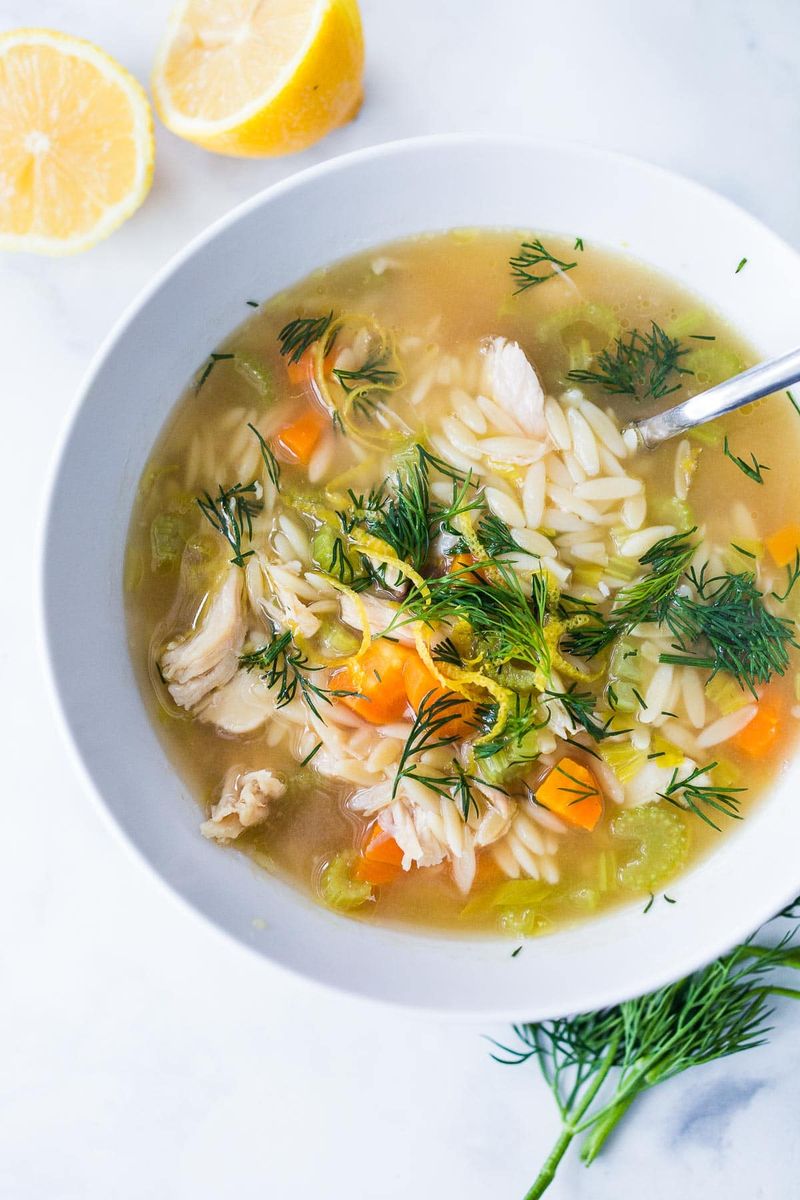
Classic chicken soup is comforting on its own, but Ina gives it a fresh, vibrant lift with two simple additions: fresh dill and a bright squeeze of lemon. The dill brings a grassy, slightly tangy note that feels light and lively, while the lemon wakes up every other flavor in the bowl.
Together they keep the soup from feeling heavy or flat. Add both right before serving to preserve their freshness.
This easy trick turns good chicken soup into something truly special.