These 20 Dishes Cost Less To Order Out Than To Cook At Home
Ever wonder why your grocery bill spikes when you try to recreate restaurant favorites at home? Some dishes demand special gear, bulk spices, or marathon prep that makes a single serving wildly expensive. Order out and you piggyback on a kitchen that already paid for the skill, scale, and equipment. Here are the smart orders that save both money and sanity.
1. Rotisserie Chicken
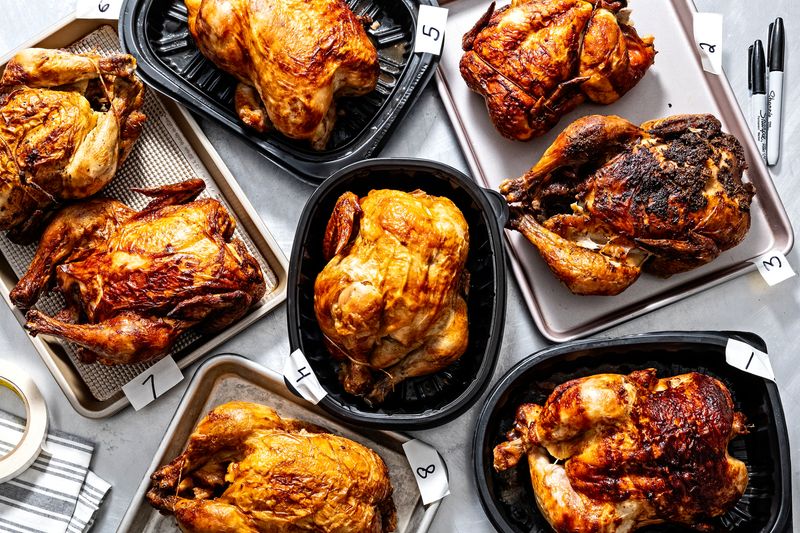
That juicy supermarket rotisserie chicken is not just convenient, it is a stealth deal. Grocery chains run rotisserie ovens all day and buy birds in bulk, so the per chicken cost stays low. By the time you purchase a whole raw bird, seasonings, and pay for oven time, you are already losing.
At home, getting even browning and that crackly skin takes time and energy. You will also spend more on electricity or gas for a long roast. When a hot, ready bird waits for you at the deli, ordering wins on price and effort.
2. Sushi Rolls (Basic Maki, California, Spicy Tuna)
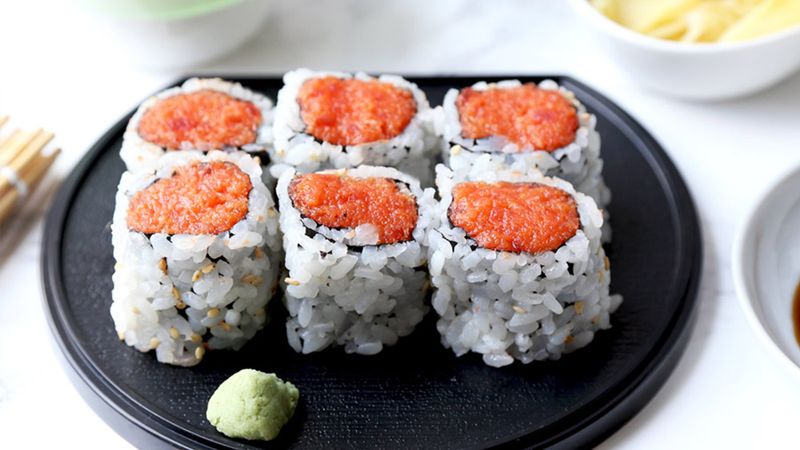
Making sushi at home sounds fun until you tally the costs. You need nori, rice vinegar, quality fish, a bamboo mat, and razor sharp knives. Then there is waste from tiny offcuts you cannot use efficiently.
Sushi shops buy whole fish and use every bit across the menu. Skilled chefs roll fast and portion perfectly, which keeps prices reasonable. For basic rolls, ordering out beats stocking a mini sushi bar for one night.
3. Fried Chicken
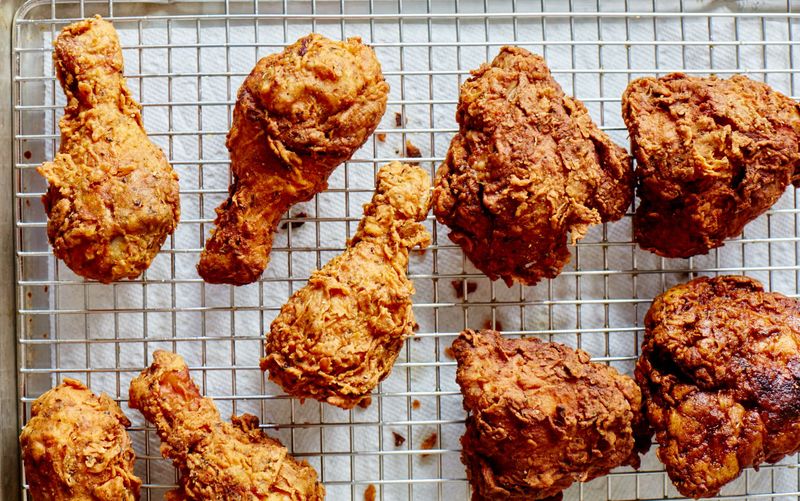
Great fried chicken takes a lot of hot oil and strict temperature control. Buying multiple quarts of oil just to toss after a few uses gets pricey fast. Restaurants filter and reuse oil safely, which lowers cost per piece.
Then there is brining, dredging, and managing batches without soggy crusts. Home stovetops struggle to keep heat steady under load. Ordering from a spot that fries all day is cheaper and usually crunchier.
4. Pizza (Large, 2 Topping)
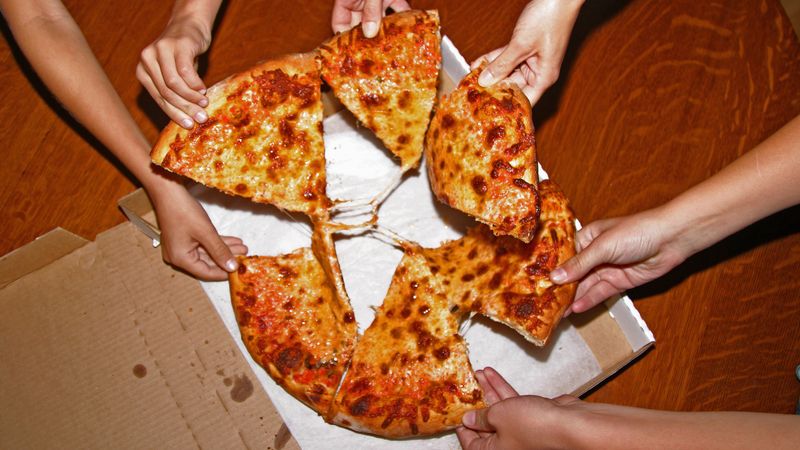
A pizzeria runs blazing hot ovens that finish pies in minutes, creating that blistered texture. At home, standard ovens rarely hit the same heat or stone mass. Dough, sauce, good cheese, and two toppings add up when bought retail.
Pizzerias scale ingredients and buy cheese by the case. They spread labor across dozens of pies an hour. Ordering a large usually costs less than replicating the setup for one or two.
5. Ramen (Tonkotsu or Shoyu)
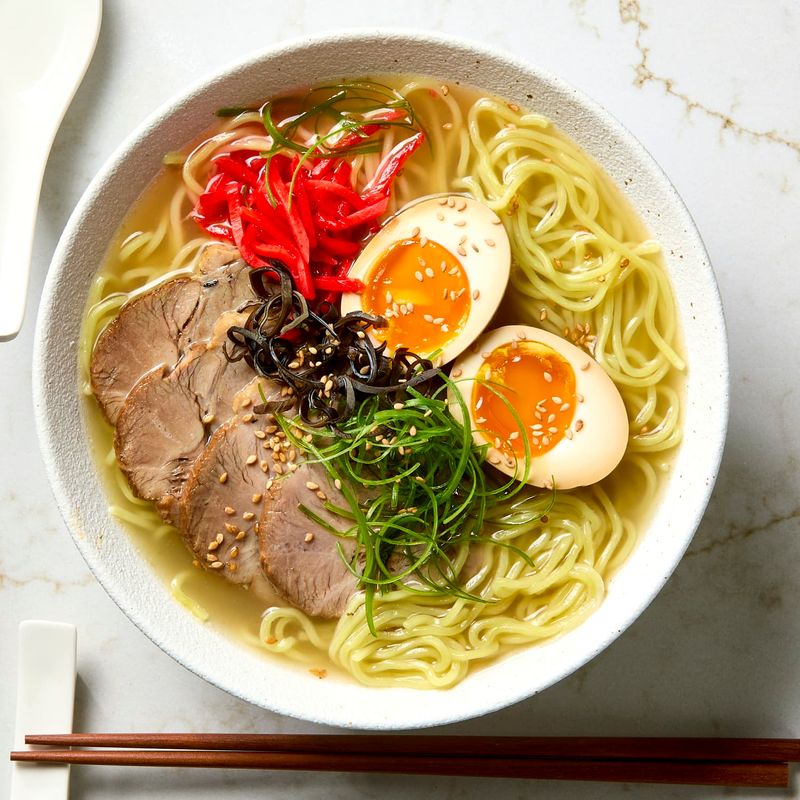
Real ramen broth takes 6 to 18 hours and specialty bones. You also need tare, quality noodles, chashu, and careful timing. That is a lot of ingredients and energy for a couple bowls.
Ramen shops simmer giant batches so each bowl costs pennies in broth. They assemble toppings quickly and nail texture every time. When a craving hits, ordering is cheaper and far faster.
6. Pad Thai
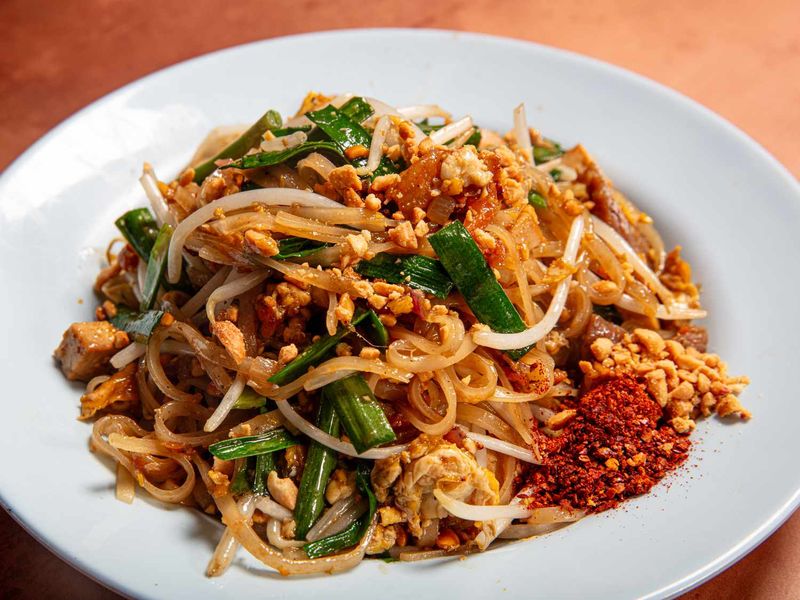
Authentic pad thai needs tamarind pulp, fish sauce, dried shrimp, and rice noodles. Buying all those pantry items for one dinner stings the wallet. Unless you cook Thai weekly, the leftovers gather dust.
Restaurants already have sauces mixed and woks blazing hot. They portion noodles perfectly and keep texture springy. Ordering a plate costs less than stocking a niche pantry from scratch.
7. Indian Curries (Butter Chicken, Saag Paneer)
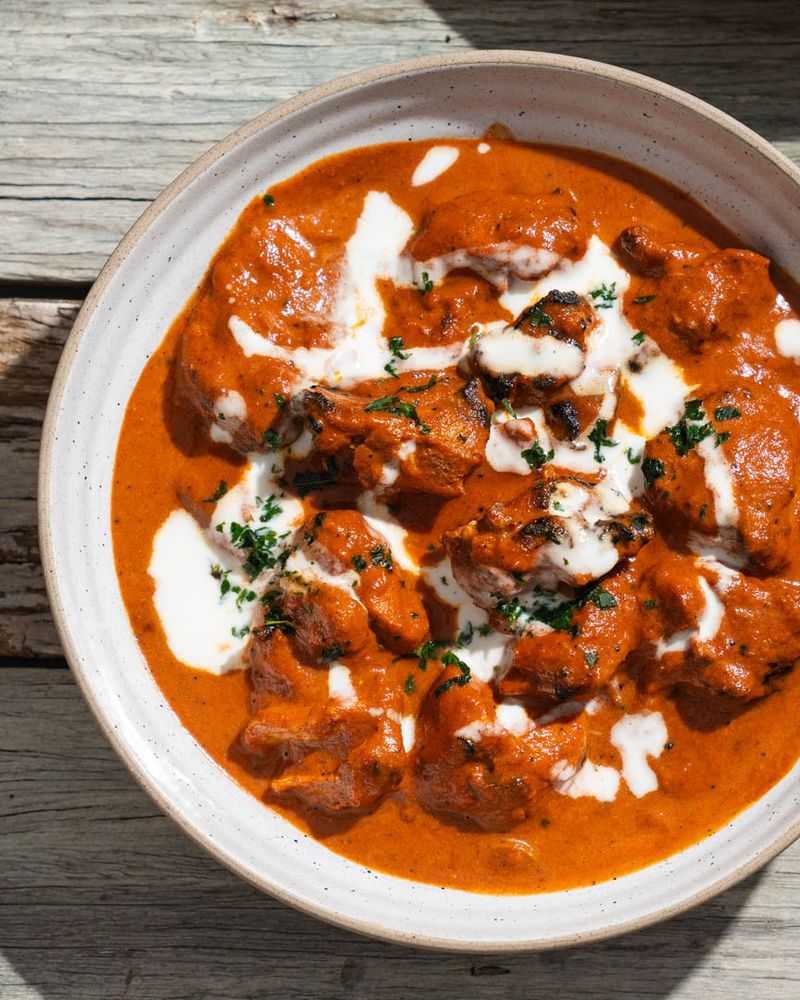
Great curries rely on layered spices, ghee, long simmers, and fresh naan. Buying multiple whole spices, cream, paneer, and ghee for a couple servings gets expensive. You will still need rice or naan on the side.
Restaurants buy spices in bulk and prep sauces all day. They also bake naan in tandoors you cannot replicate at home. The per plate price usually undercuts your DIY efforts by a lot.
8. Tamales
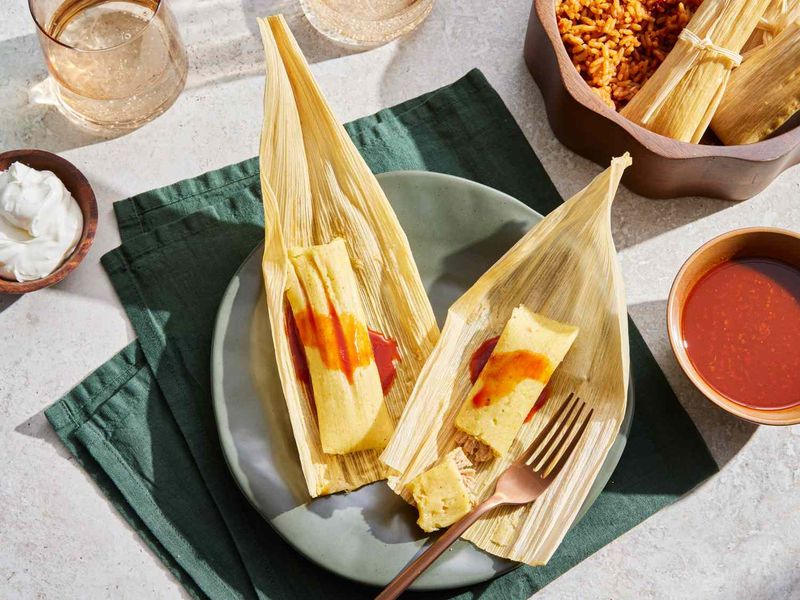
Tamales demand masa, fillings, corn husks, and a serious steamer session. Making a small batch is wildly inefficient and eats a whole day. Buying all the components for a few pieces costs more than you expect.
Tamalerias spread labor across hundreds at once, so unit cost drops. You get consistent texture and a generous filling without the hassle. Ordering by the dozen is the economical move for most households.
9. BBQ Brisket or Pulled Pork
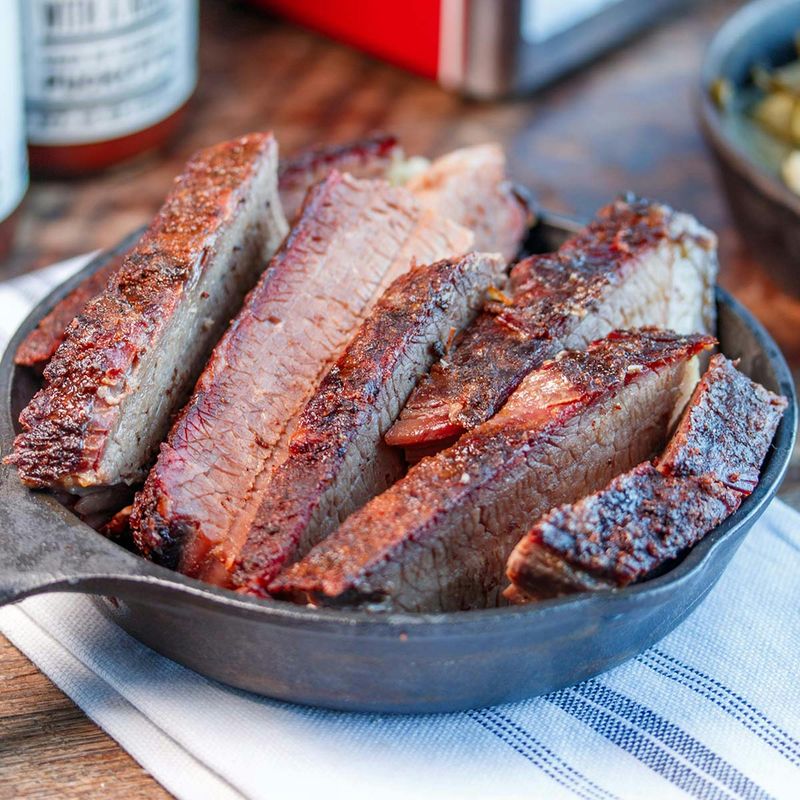
Smoking meat at home burns fuel and time, and shrinkage eats your yield. A brisket can run 8 to 14 hours, plus rubs and wood. That is an expensive experiment for occasional cooks.
Pit joints fill smokers to maximize efficiency and sell by cooked weight. You pay only for the juicy slices you eat. Ordering a plate beats babysitting a smoker all night.
10. Pho
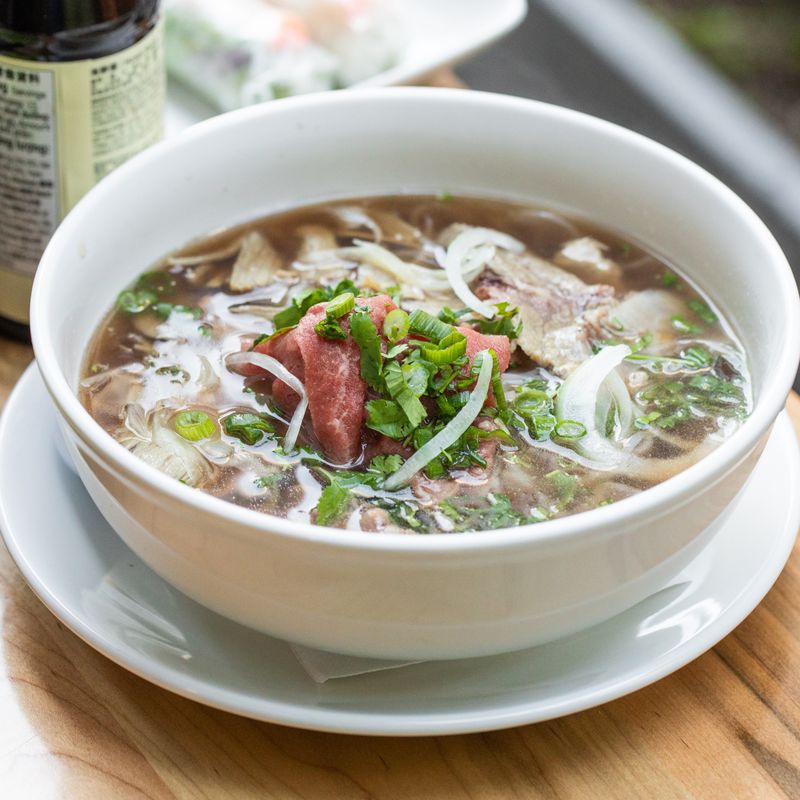
Pho requires beef bones, charred aromatics, fish sauce, and hours of simmering. You also need fresh herbs, rice noodles, and thinly sliced beef. Doing all that for two bowls is not cost effective.
Pho shops batch broth daily and portion everything with precision. The result is deep flavor at a sensible price. Ordering a steaming bowl saves money and a full day in the kitchen.
11. Fish and Chips
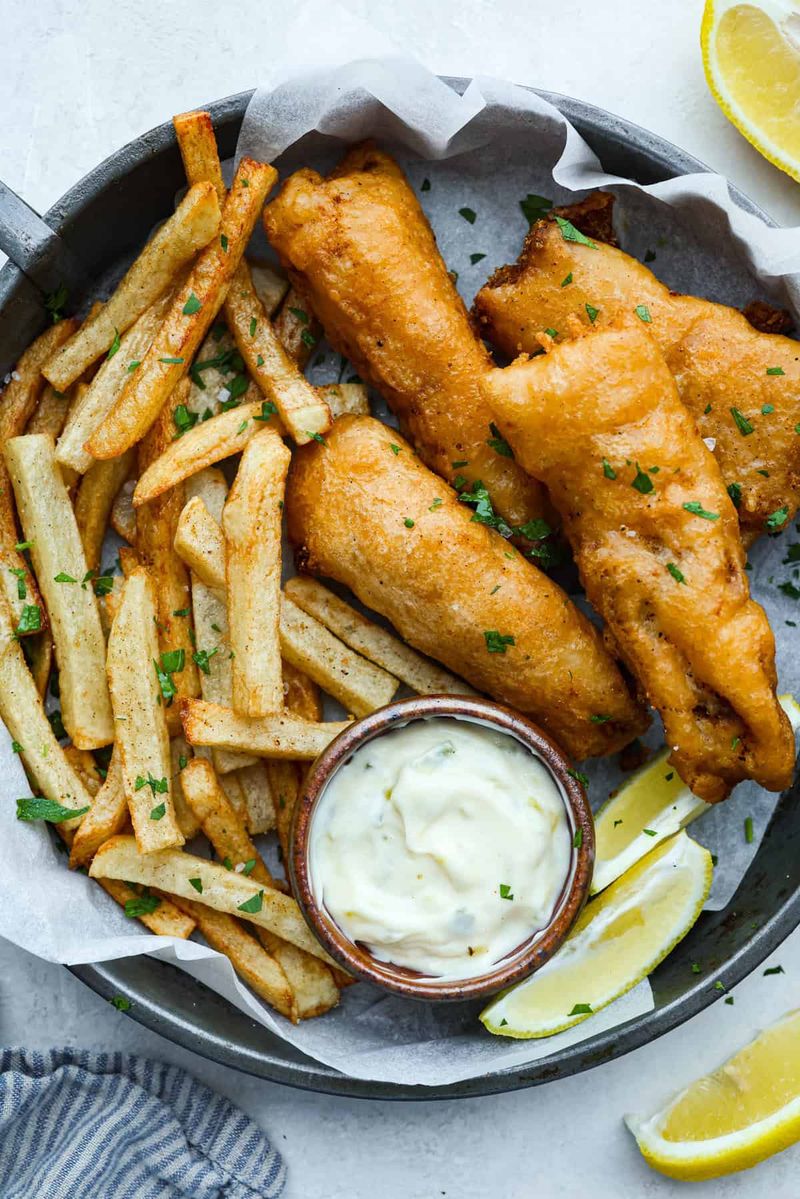
Fish and chips demands very hot, clean oil and super fresh fish. You will buy gallons of oil you cannot reuse much at home. Getting that shattering batter without a fryer is tough.
Fry houses run oil all day and turn over fish quickly. They buy in bulk and keep waste low. Ordering a basket usually costs less and tastes better.
12. Falafel Pitas
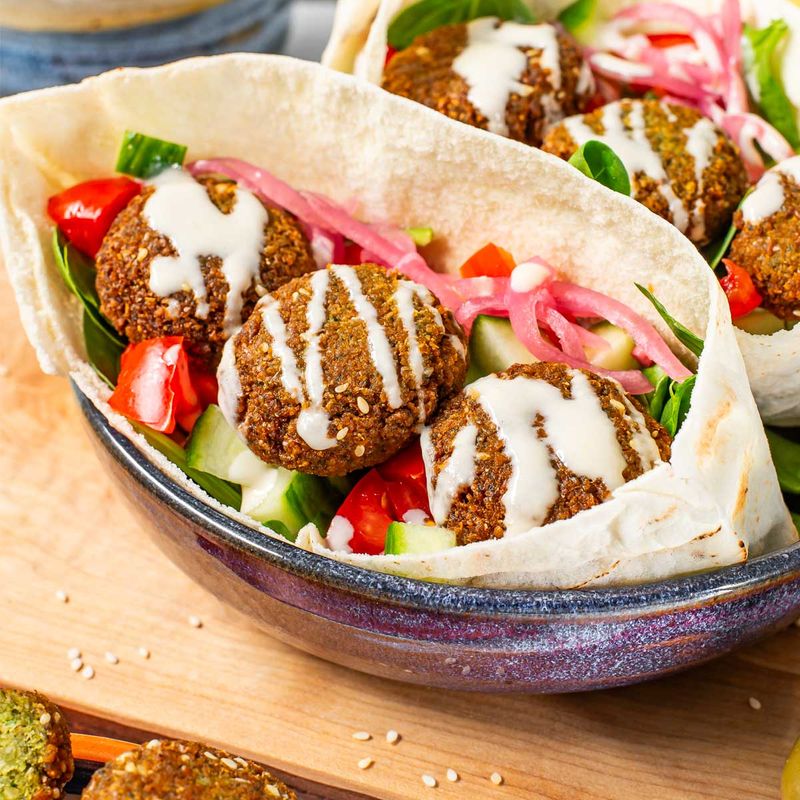
Classic falafel needs soaked chickpeas, a grinder, spices, and hot oil. Then there is tahini sauce, pickles, and soft pitas to assemble. Buying all those parts for a few sandwiches gets pricey.
Falafel shops prep in bulk and fry nonstop for maximum crunch. Everything is ready to tuck into a pita on demand. Ordering two pitas costs less than stocking the pantry and oil.
13. Dumplings (Pork and Chive, Chicken)
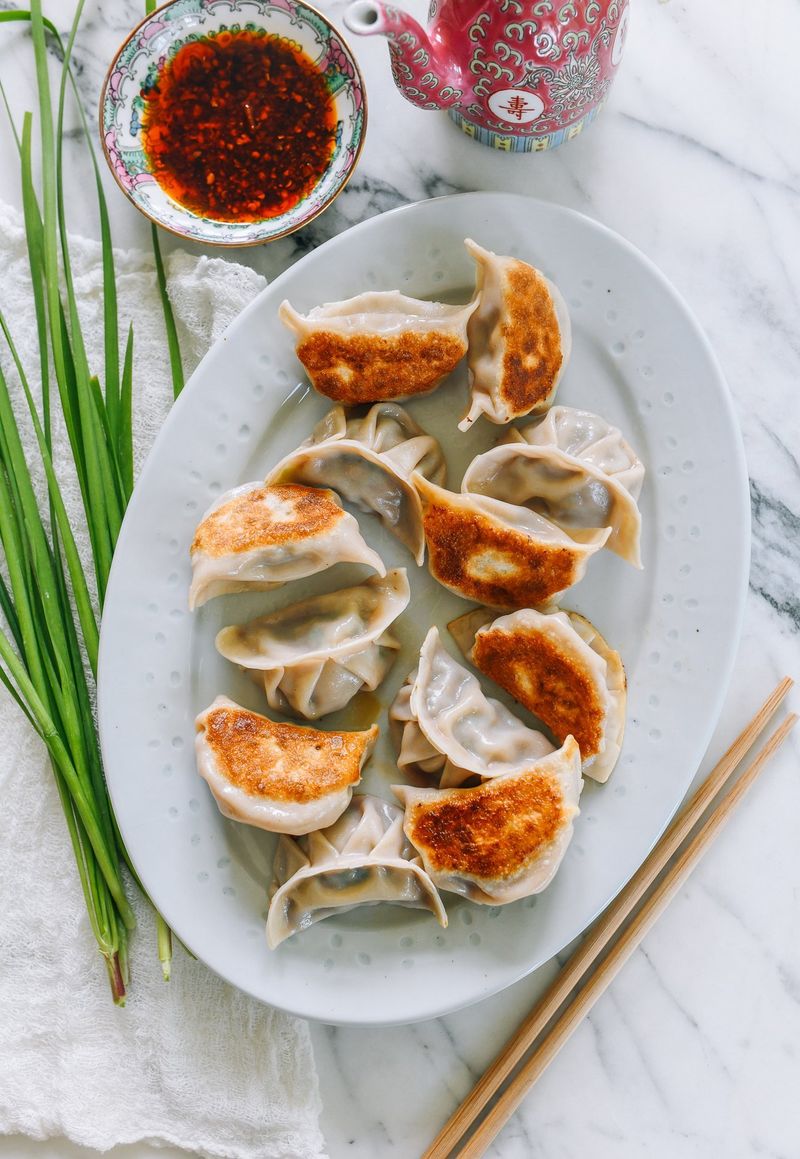
Dumplings look simple until you do the math. You will buy wrappers, ground meat, chives, ginger, and then spend hours pleating. Small batches push your per dumpling cost way up.
Shops make thousands and freeze efficiently to reduce waste. They steam or pan fry to order with perfect timing. A plate or frozen bag from a good maker beats DIY on cost.
14. Banh Mi
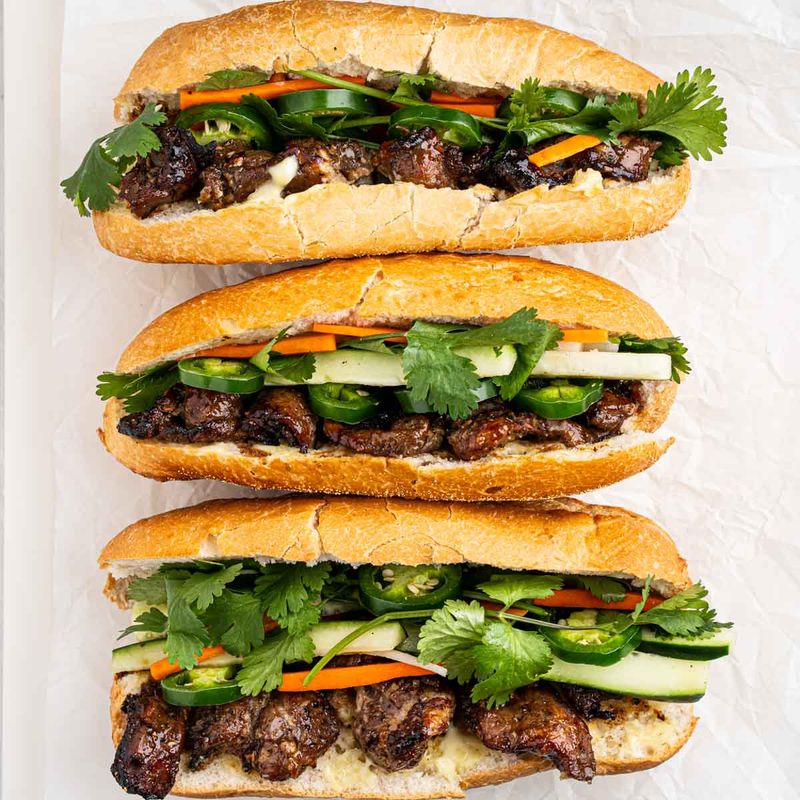
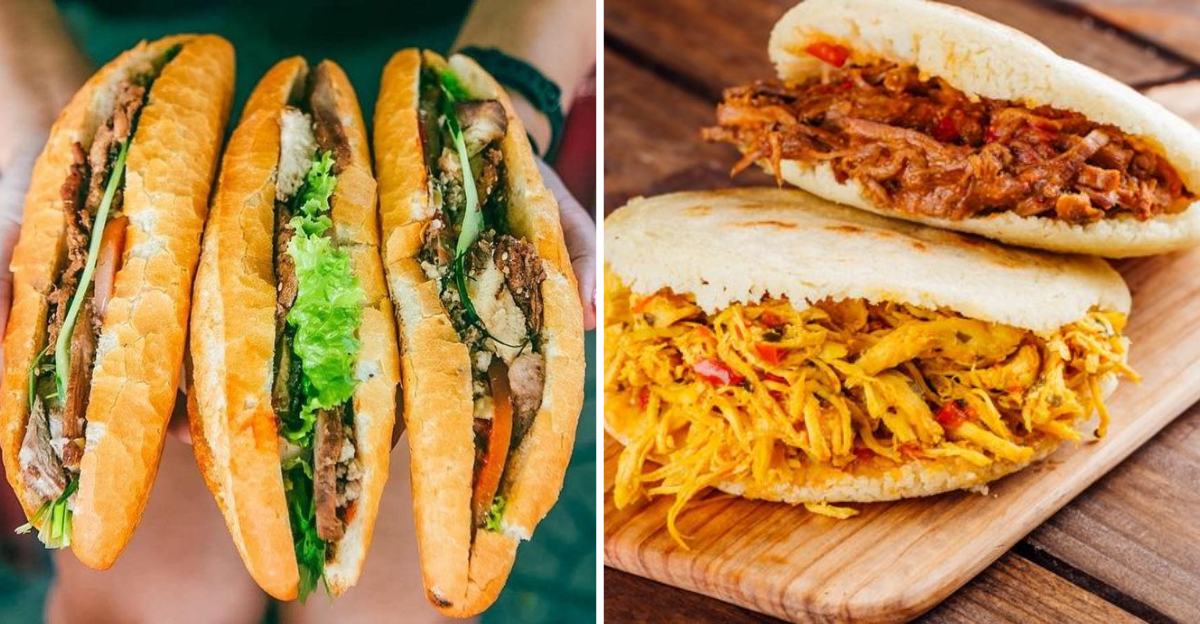
A proper banh mi uses a light crackly baguette, pâté, charcuterie, and fresh herbs. Buying pâté and multiple meats for a couple sandwiches is not cheap. The baguette style is also hard to source fresh daily.
Banh mi shops bake or buy in bulk and prep meats ahead. They portion spreads and pickles perfectly so nothing goes to waste. Ordering one delivers the full experience for less.
15. Rotating Deli Subs (Italian or Club)
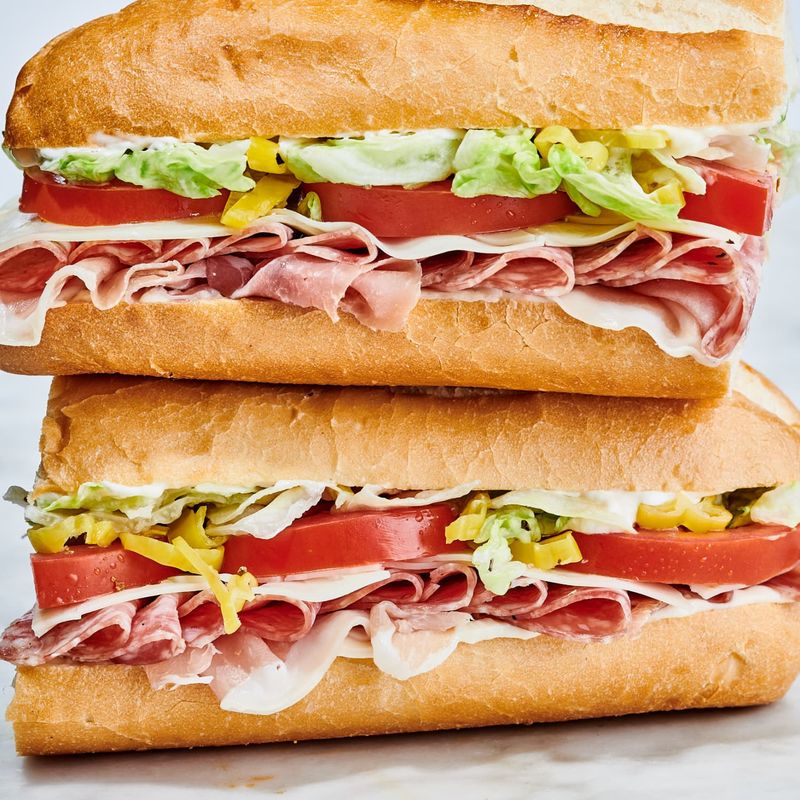
Building a great Italian or club sub at home means buying several meats and cheeses. Each pack is pricey, and leftovers linger. Add good bread, condiments, and crisp lettuce, and costs jump.
Delis slice to order from big logs and bake bread daily. They divide costs across hundreds of sandwiches. One sub ticket usually undercuts a grocery haul for components.
16. Tacos al Pastor or Carnitas
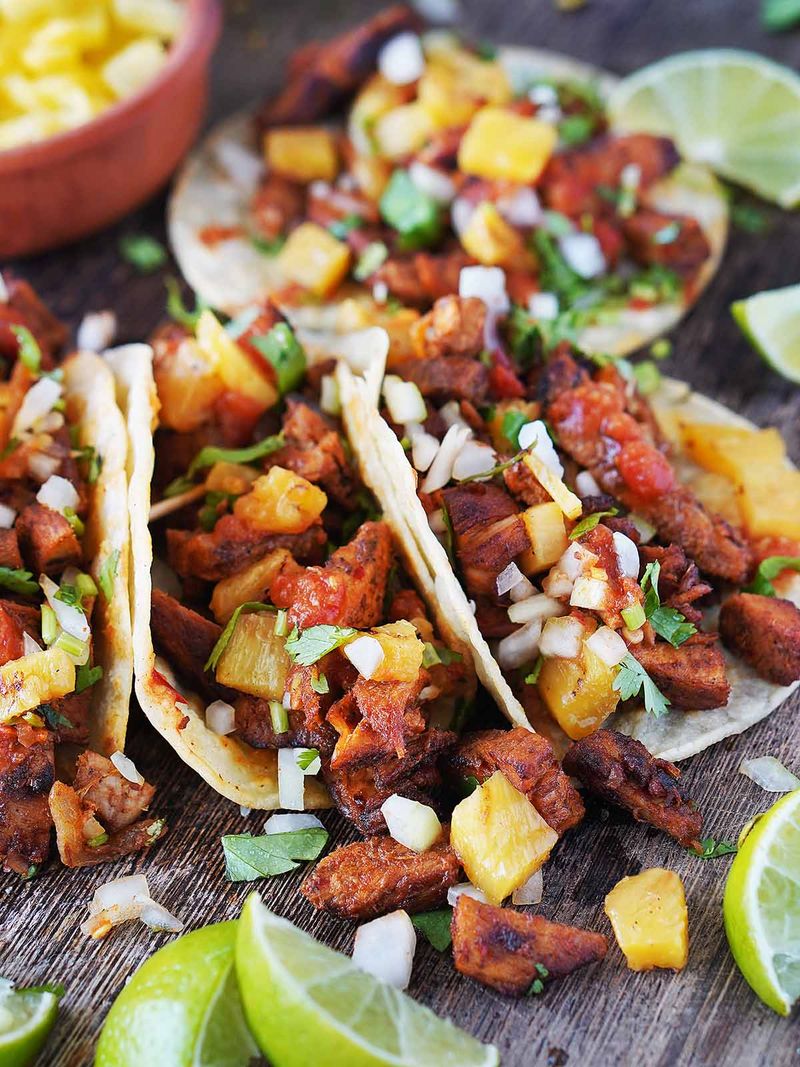
Real al pastor calls for a trompo and precise marinades. Carnitas wants slow cooked pork and a hot sear. Buying whole shoulders and spices for a few tacos is not efficient.
Taquerias cook big batches daily and finish meats on flat tops. They warm tortillas right and keep toppings simple. Ordering a few tacos costs less and tastes more authentic.
17. Lasagna
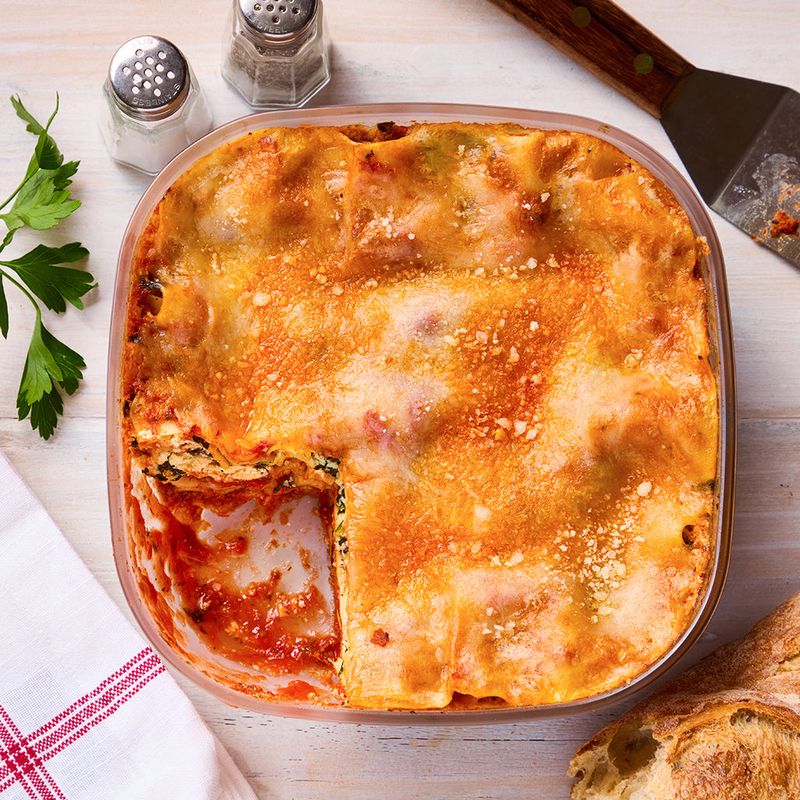
Lasagna piles on costs quickly with multiple cheeses, sauce, meat, and noodles. Add a long bake that heats the kitchen and you have a pricey pan. For one meal, it rarely makes sense.
Restaurants spread cheese and sauce costs across many pans. You can buy a slice or family tray at a lower effective price. Order out and skip the half day of prep.
18. Samosas and Pakoras
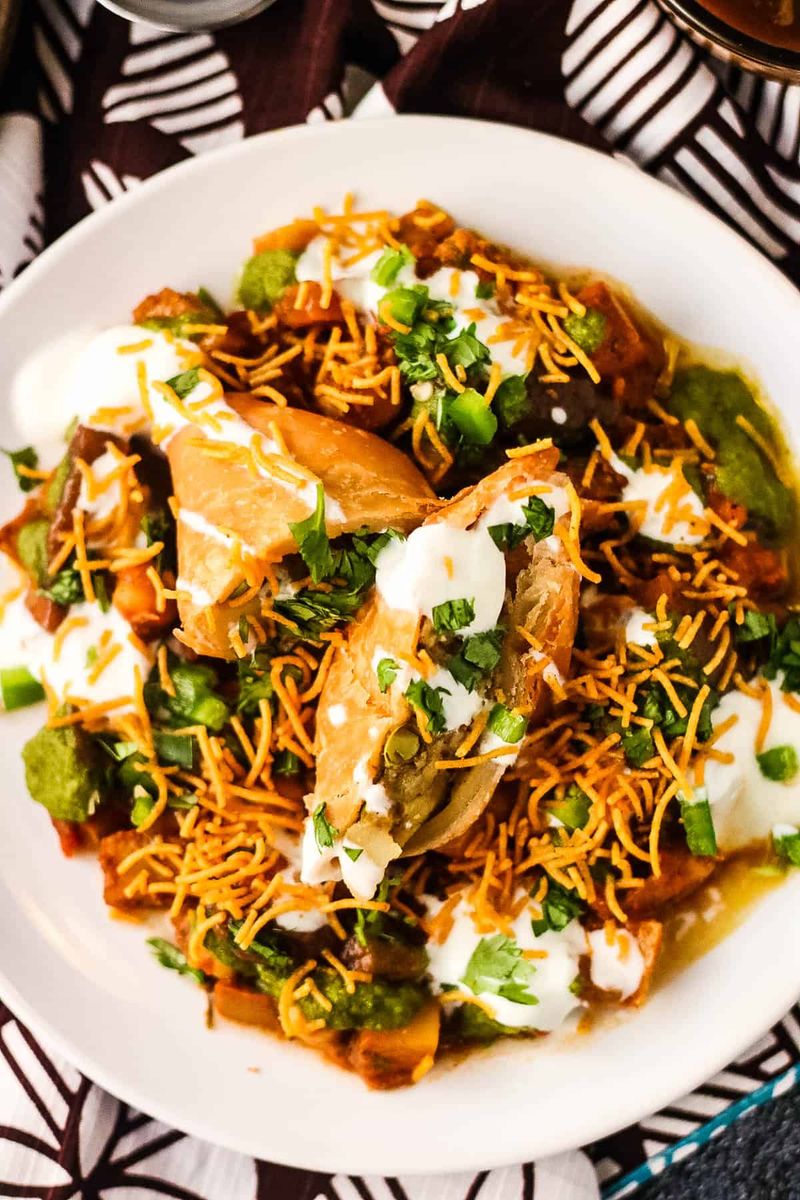
Crisp samosas and pakoras need a fryer and a deep spice bench. Buying specialty spices and chutney ingredients for small batches gets expensive. Oil alone can exceed the cost of a few pieces.
Indian shops prep doughs and batters in volume and fry constantly. They serve with bright chutneys you would rarely finish at home. Ordering a mixed plate is the thrifty move.
19. Soba and Tempura Combo
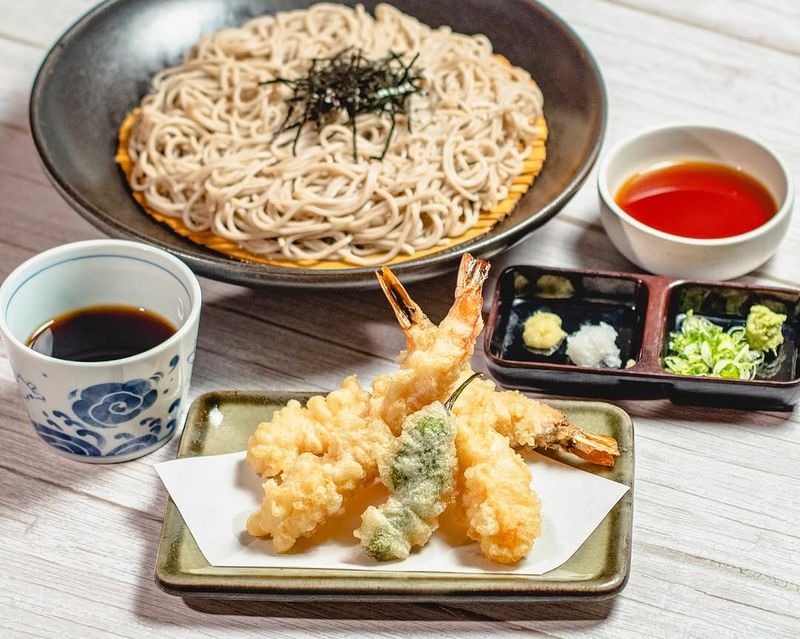
A soba and tempura set needs buckwheat noodles, dashi, mirin, and a fryer for delicate batter. Nailing that light crisp requires practice and constant oil management. For a rare craving, the gear alone is too much.
Japanese shops already have the infrastructure humming. They deliver snappy noodles and feather light fry at scale. Ordering the combo beats a pantry overhaul every time.
20. Fish and Citrus Ceviche
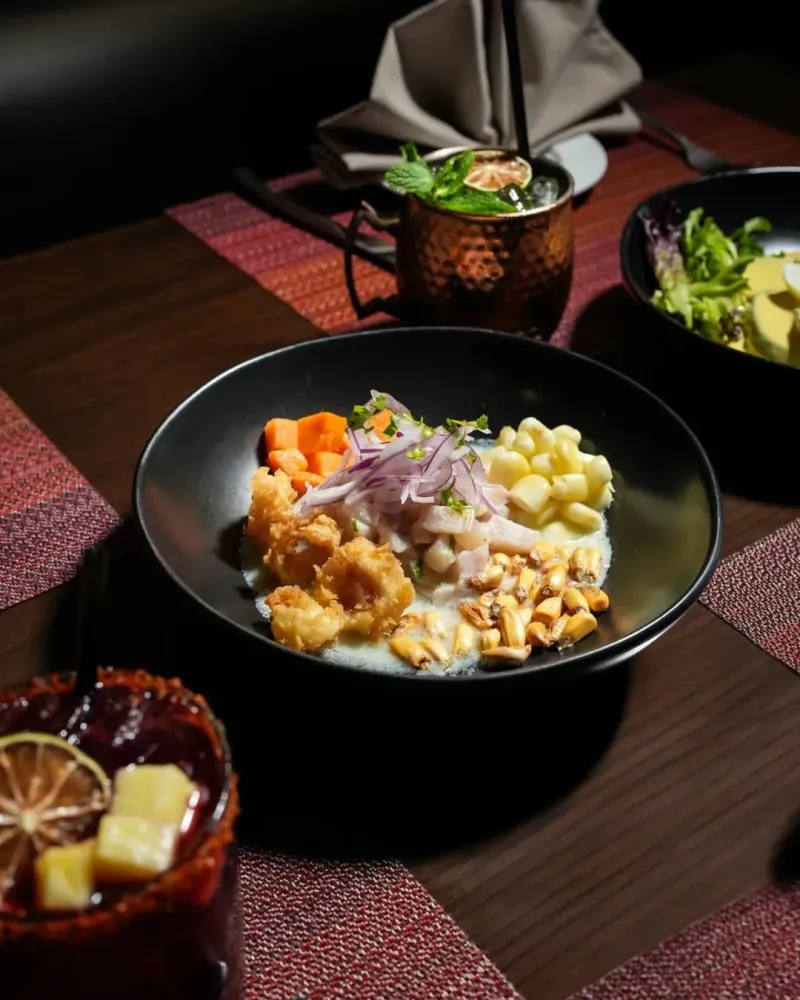
Proper ceviche demands ultra fresh fish, lots of limes, and sharp knife work. Buying small portions of sashimi grade fish at retail is expensive. Waste from trimming adds to the cost.
Seafood spots purchase daily and portion perfectly so nothing sits. They combine citrus, herbs, and chiles with ideal texture control. Ordering a fresh cup is safer and cheaper for most home cooks.