We Tested 8 Ways To Make Bacon, Here’s What Stood Out
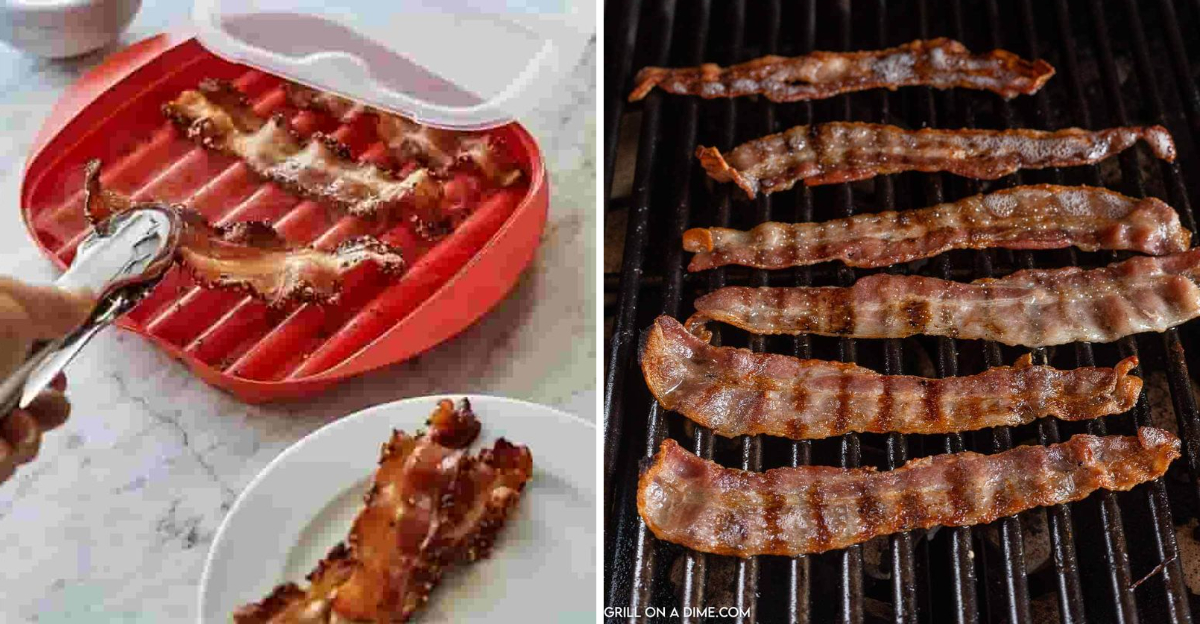
Bacon seems simple until you cook it eight different ways and taste them back to back. Some methods deliver shatter crisp, others lean juicy and chewy, and a few are just messy for minimal payoff.
We put the classics and gadgets to the test so you can match method to mood. Here is what actually stood out when the strips hit the plate.
1. Skillet On The Stove
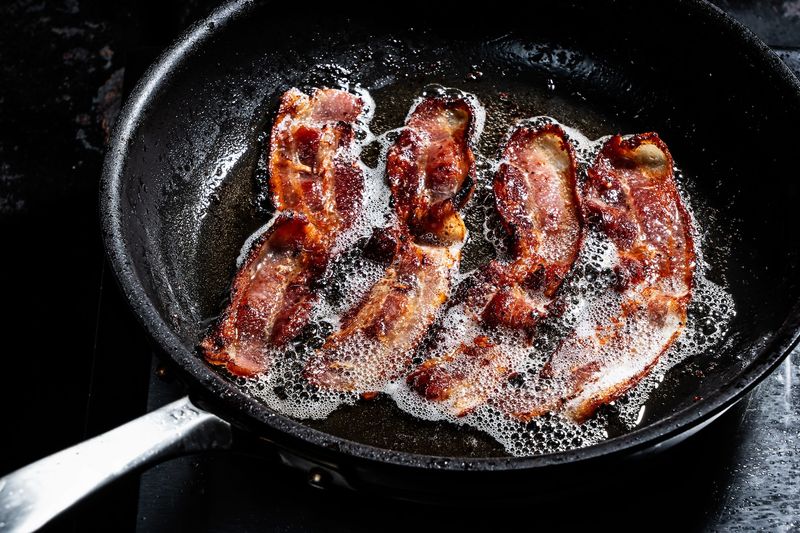
Skillet bacon is the classic for a reason. Heat control is in your hands, so you can steer slices from tender chew to shatter crisp.
The wavy edges brown beautifully, and the aroma screams diner breakfast.
It does demand attention. Splatter guards help, but grease still pops and the stovetop gets messy.
Work in batches for even contact, and flip more than once to keep hot spots from scorching.
What stood out was flavor and control. The fat fries the meat, adding deep, savory notes you will not get elsewhere.
For two to four slices, it is unbeatable.
2. Oven On A Sheet Pan
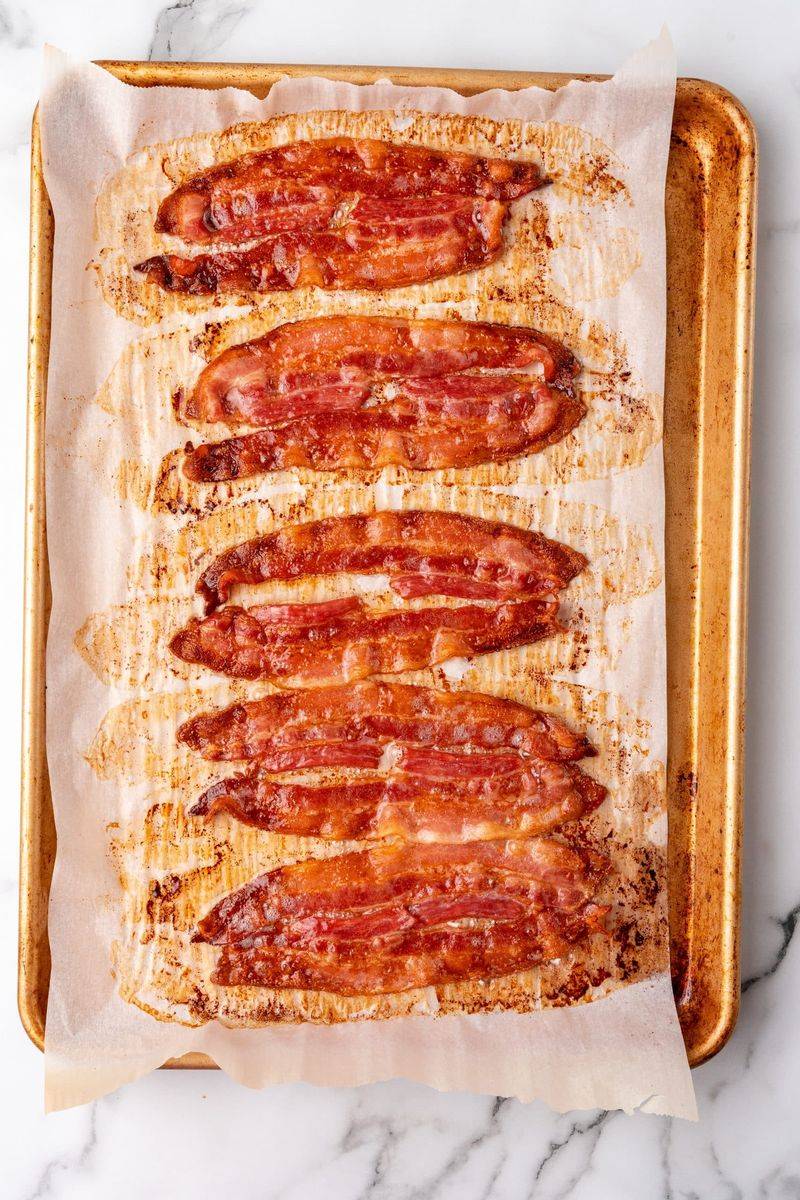
Sheet pan bacon is the crowd pleaser. Lay strips on parchment, slide into a hot oven, and let even heat do the work.
The slices stay fairly flat and turn uniformly golden without babysitting.
Cleanup is easy. Fold the parchment, toss the fat, and the pan mostly wipes clean.
Timing is predictable across a whole batch, which is perfect for brunch.
What stood out was consistency. You rarely get one burnt and one floppy strip on the same tray.
If you cook for a group or meal prep, this is the stress free method that simply works.
3. Oven On A Rack
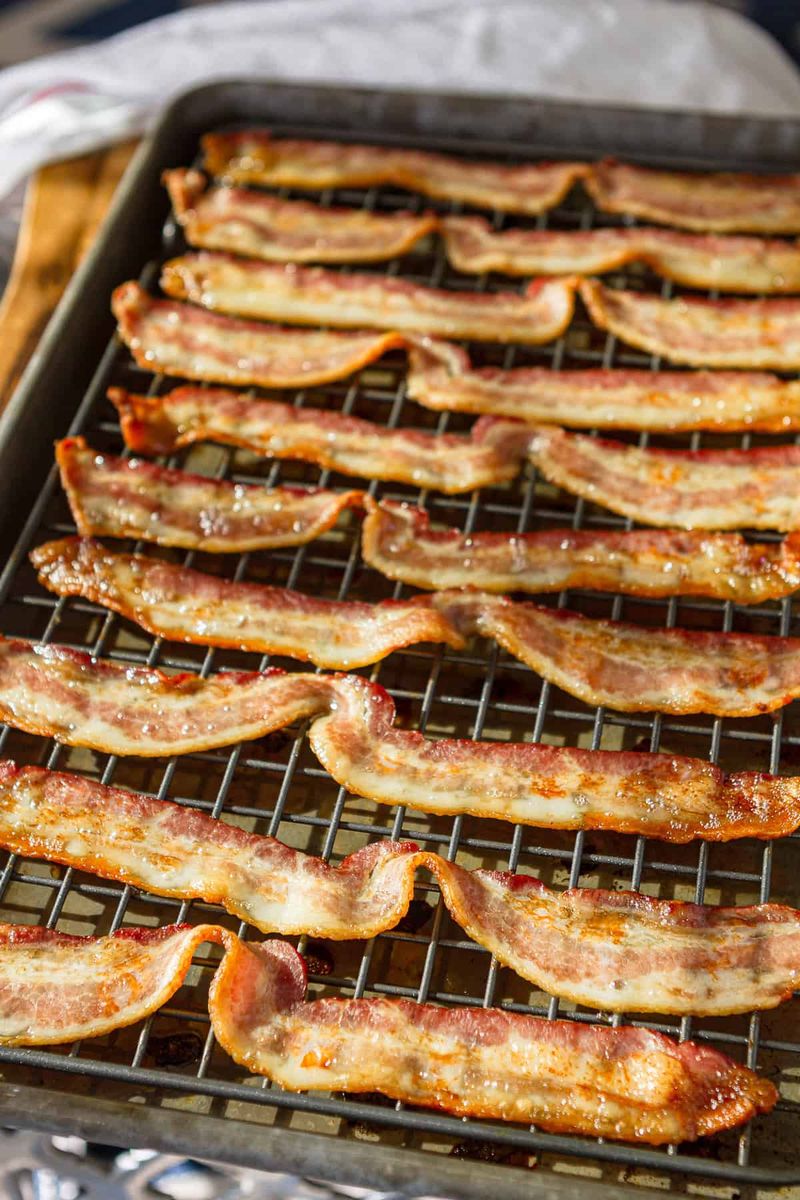
Using a rack elevates bacon so hot air circulates all around. Fat drips to the pan, leaving cleaner tasting strips that crisp evenly.
The texture turns snappy without feeling greasy or heavy.
It is slightly more work to clean the rack, but the payoff is real. Line the pan with foil to catch drips and soak the rack right after cooking to avoid stuck bits.
What stood out was texture refinement. Edges stay ruffled, centers dry to a glassy crunch, and splatter is contained.
For neat, restaurant style results, this rack setup shines.
4. Air Fryer
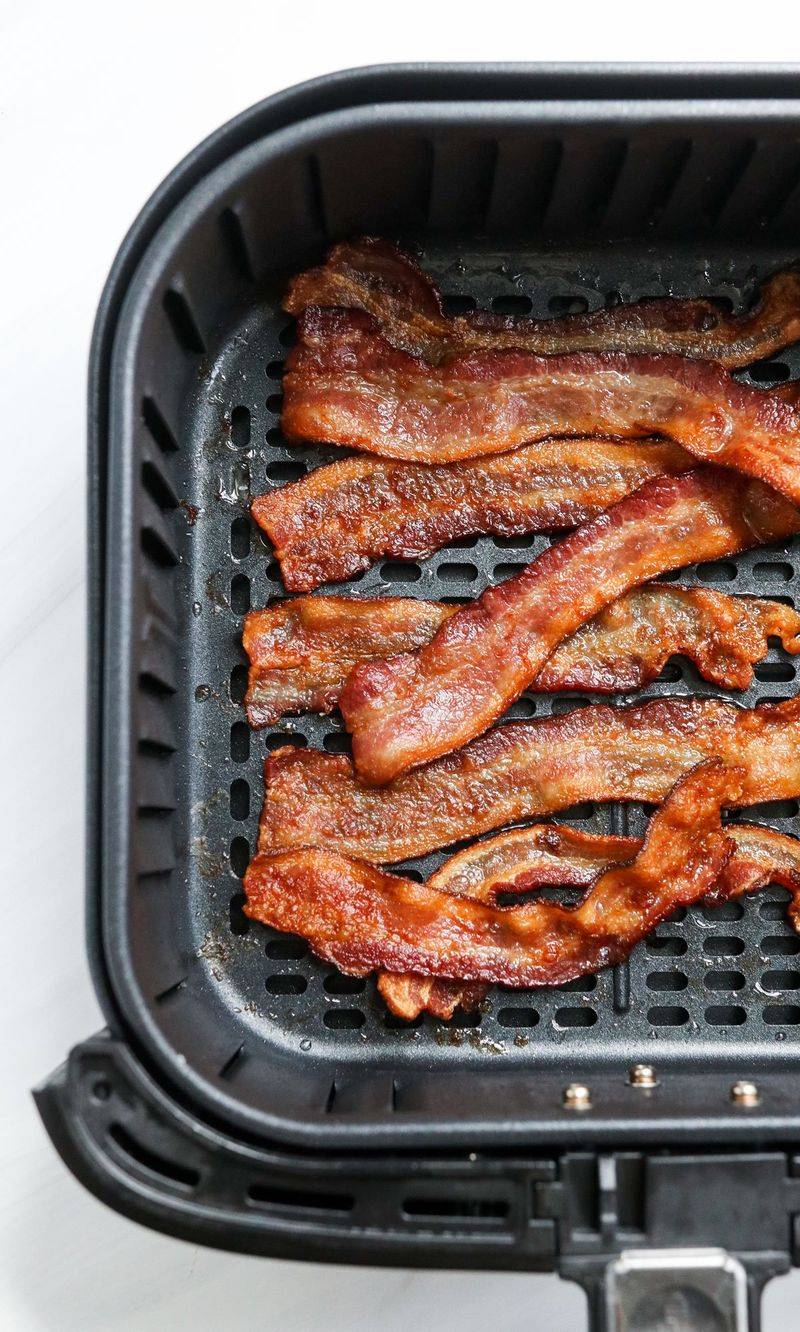
Air fryer bacon is fast and impressively crisp. The circulating heat drives off surface moisture quickly, so strips crunch without soaking in grease.
It is a great option when you only need a few pieces.
You will likely cook in batches since baskets are small. Preheat briefly, space strips, and flip once for even color.
Watch the final minute because browning accelerates fast.
What stood out was speed. From craving to plate in under ten minutes feels magical.
If you value convenience and crispness, the air fryer delivers a near instant bacon fix.
5. Microwave Between Paper Towels
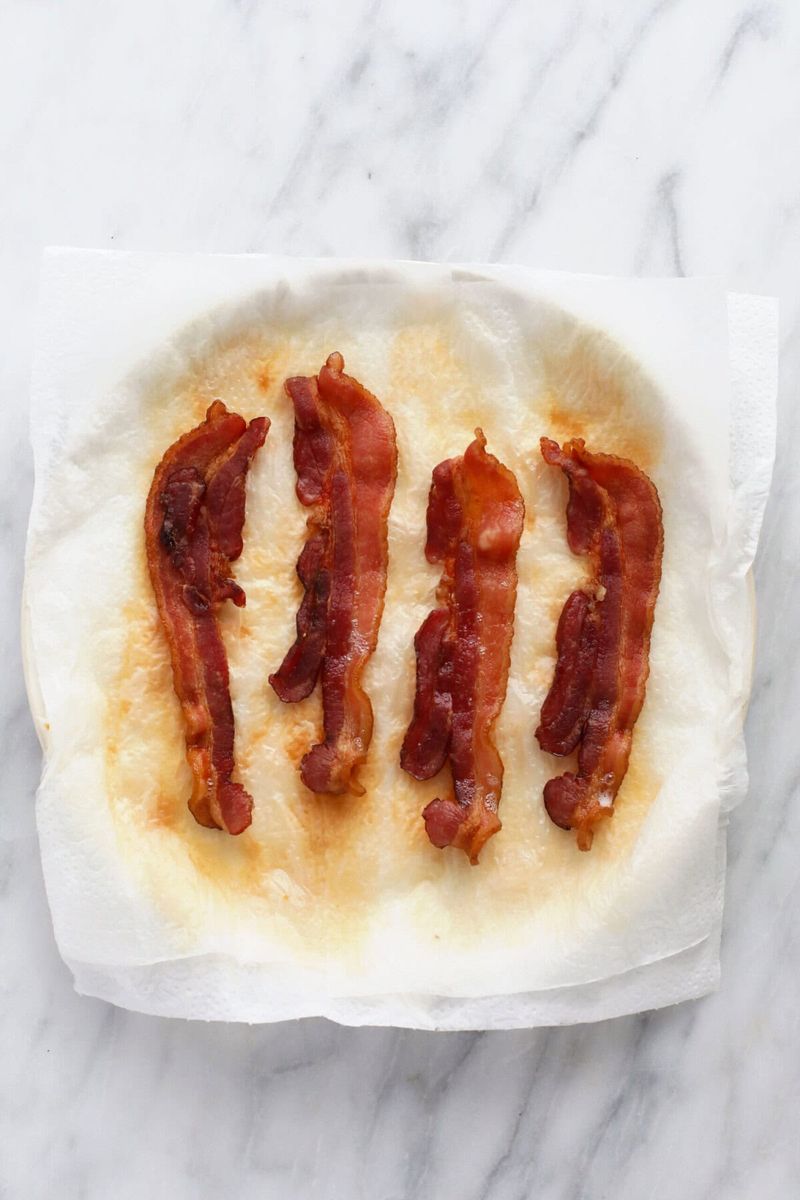
Microwaving bacon between paper towels is shockingly handy. The towels absorb splatter and fat, leaving cleaner strips with very little mess.
Color is lighter and browning is modest, but the result works for sandwiches or crumbles.
Arrange in a single layer, cover with another towel, and cook in short bursts. Rotate the plate to avoid hot spots.
The method is forgiving and quick.
What stood out was pure convenience. Cleanup is almost nothing, and you get edible bacon now.
Not the deepest flavor, yet perfect when perfection is not required and time matters most.
6. Microwave Bacon Tray
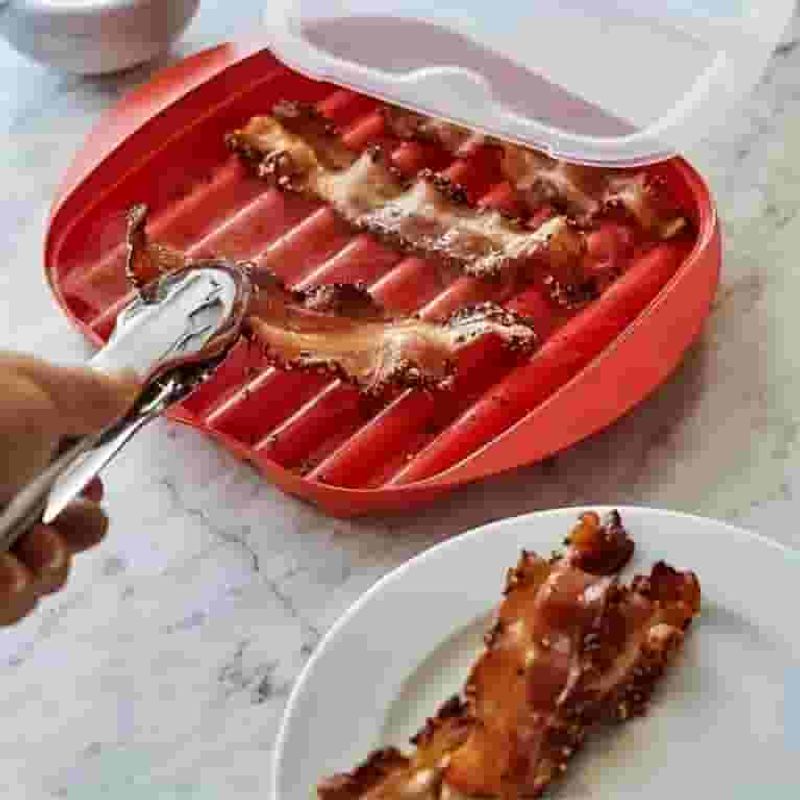
A ridged microwave tray upgrades the basic microwave approach. Elevation lets fat drip away, improving texture and preventing sogginess.
Strips emerge a bit crisper and more structured than the paper towel method.
Arrange pieces across the ridges and cover loosely to limit splatter. Cook in stages and rotate for even doneness.
Cleanup is a quick soapy rinse, much easier than a greasy pan.
What stood out was the balance of speed and structure. While flavor is milder than skillet fried, the firmness and neat shape are better.
For quick weekday bacon, this tray earns a spot.
7. Grilling Bacon
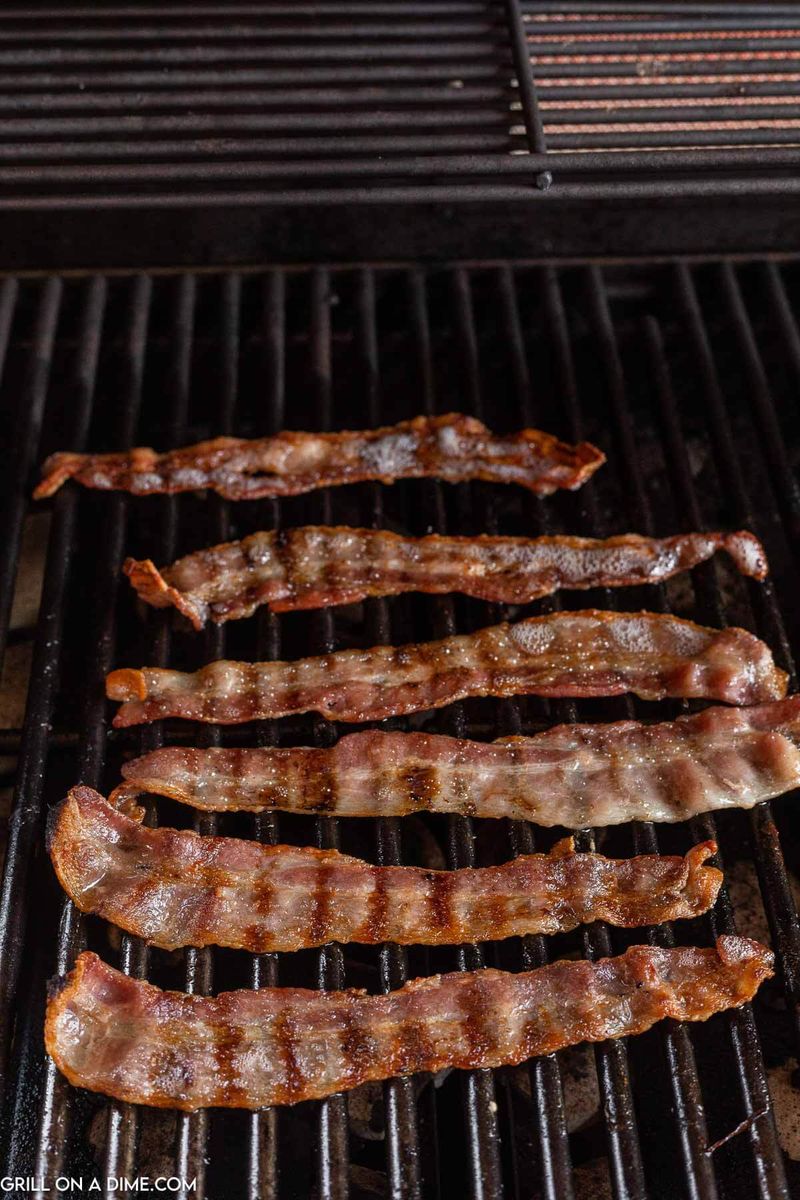
Grilled bacon brings subtle smoke and char kissed edges. The flavor pops in BLTs and breakfast burgers.
Managing flare ups is the challenge, so use medium heat and a perforated pan or foil with holes.
Lay strips crosswise to avoid slipping through grates. Keep a cool zone for sudden flames and move pieces as needed.
Tongs and patience are crucial here.
What stood out was flavor payoff. When handled carefully, you get smoky, meaty depth that rivals skillet richness.
It takes attention and tools, but the taste rewards the effort.
8. Baking In A Cold Oven
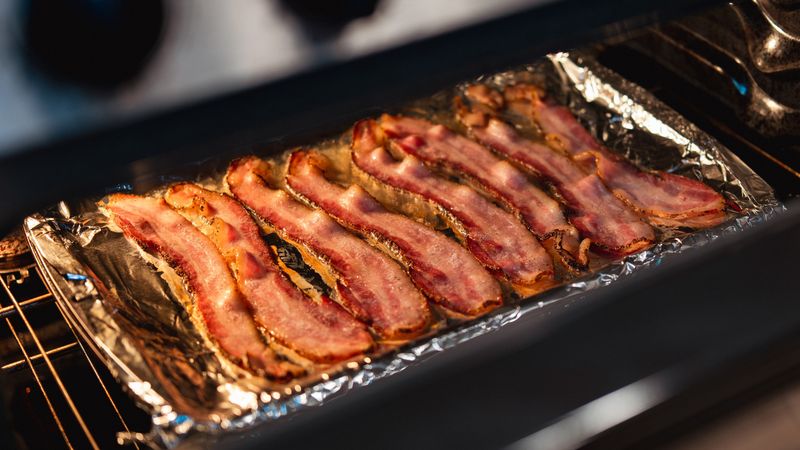
Starting in a cold oven lets bacon render gradually. As temperature climbs, fat melts out, promoting even cooking and less sudden scorching.
Thick cut strips especially benefit from this gentle approach.
Place on parchment or a rack, set the oven, then walk away. Expect slightly longer time, but fewer surprises.
The slices finish crisp with balanced chew.
What stood out was forgiveness. Edges do not leap from pale to burnt in a minute.
If you are prone to overcooking, this method cushions mistakes and still yields beautifully browned bacon.