We Tried 21 Potato Storage Techniques And The Best One Stayed Fresh For Months
You bought a big sack of potatoes, and now you are wondering how to keep them from sprouting or getting mushy. We tested 21 popular storage tricks, from classic cellar vibes to modern gadget solutions. Some worked okay, some failed fast, and one method kept spuds firm and flavorful for months. Here is what to try, what to skip, and how to stretch every potato purchase.
1. Paper Bag In A Dark Pantry
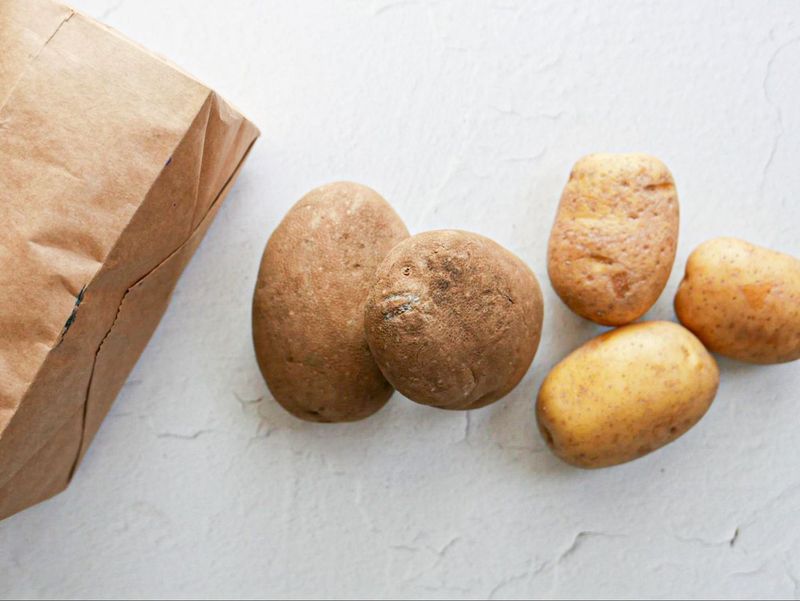
We tucked clean, unwashed potatoes into a plain paper bag, then folded the top to reduce light. The pantry stayed cool and dry, which helped keep skins firm. After several weeks, only minor sprouting appeared, and flavors remained earthy.
This technique balances airflow and darkness without trapping moisture. You will need to check periodically for soft spots and remove any compromised tubers. Overall, it is simple, cheap, and consistent, making it an easy win for most kitchens.
2. Perforated Plastic Bag In Cabinet
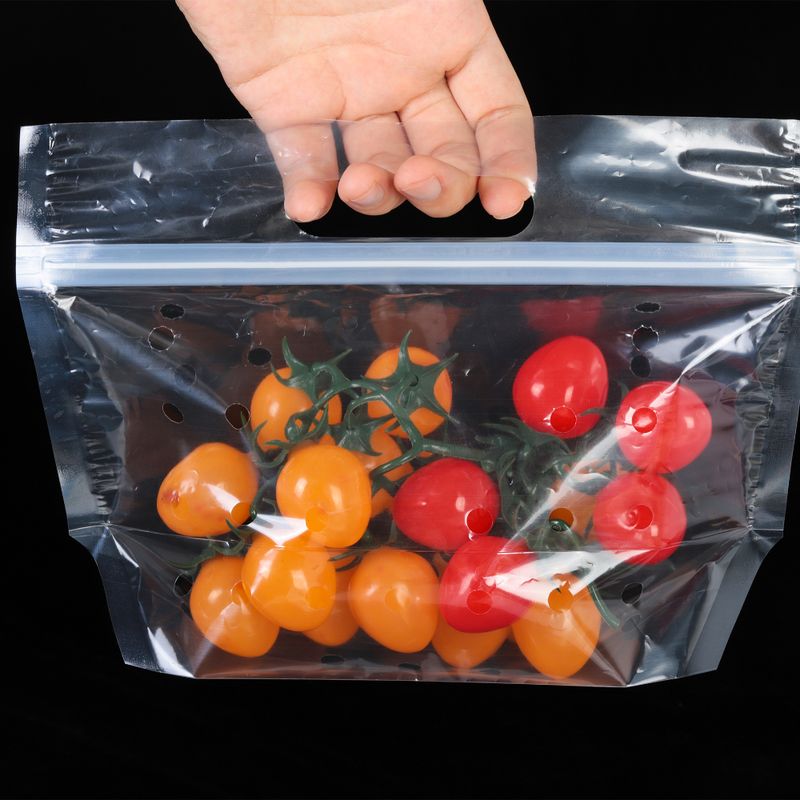
We used a perforated produce bag to encourage airflow while retaining some humidity. Inside a cabinet away from appliances, potatoes lasted decently but sprouted sooner than paper. A few developed damp spots near the bag’s lower corners.
If you use plastic, perforations are essential to prevent condensation. Elevate the bag or insert a paper towel to wick moisture. The method is workable in a pinch, but it needs vigilant checks and quick removal of any bad potatoes to avoid a chain reaction.
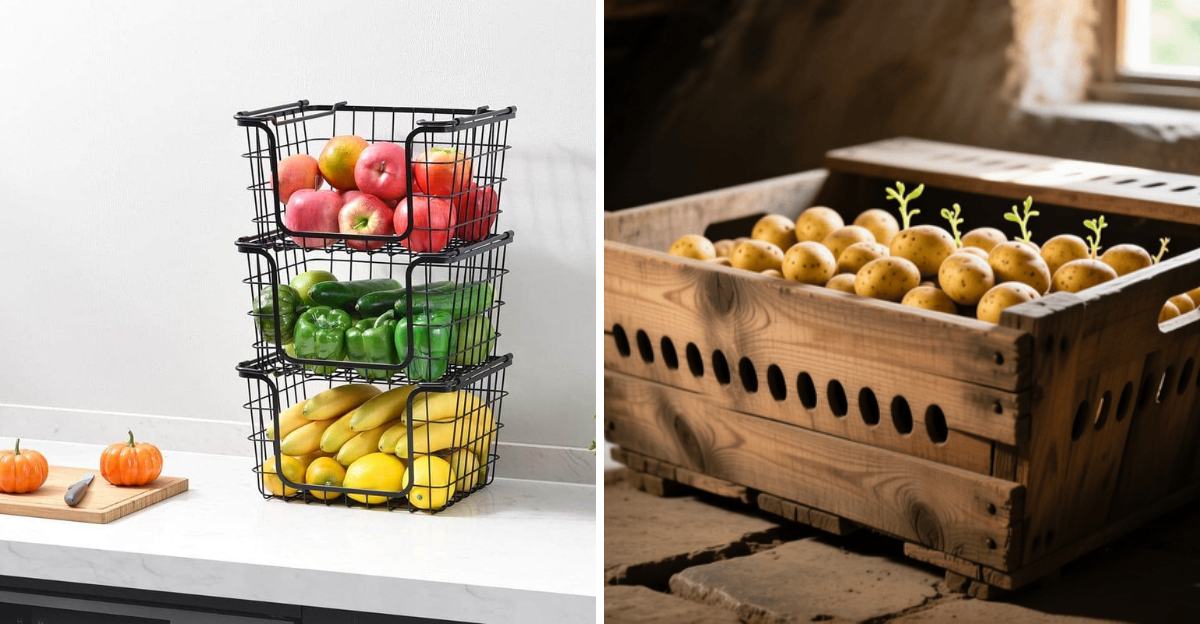
3. Open Basket On Countertop
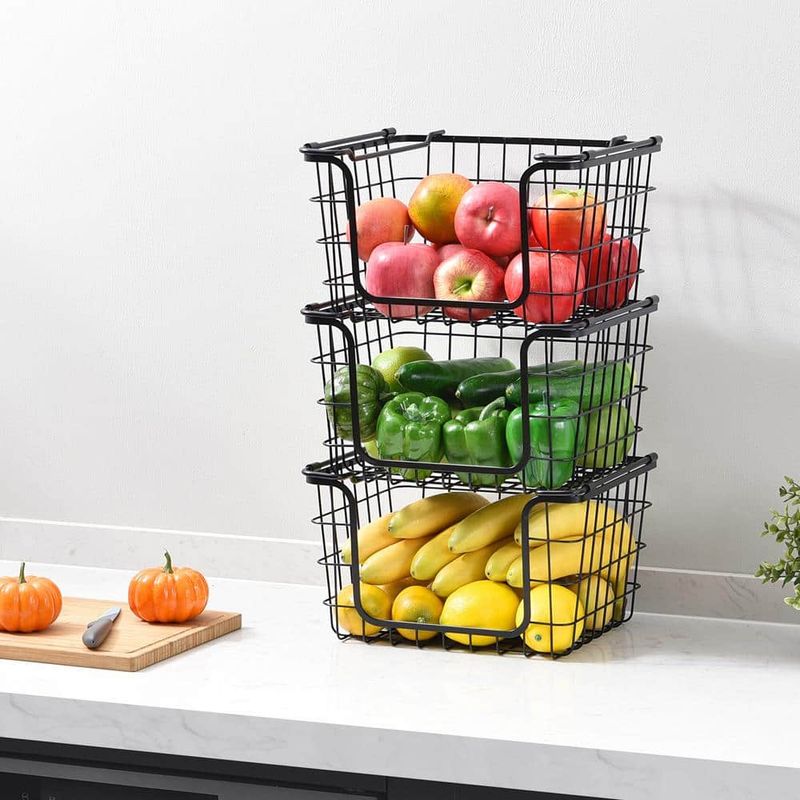
An open wire basket looked attractive and made grabbing potatoes effortless. Unfortunately, counter light and fluctuating warmth sped up sprouting. We saw wrinkling within two weeks, and the texture turned mealy faster than other setups.
If counter storage is your only option, keep the basket far from sunlight and heat sources. Covering loosely with a tea towel helps reduce light exposure. Still, this method is mostly short-term. Expect faster decline unless you cook through the stash quickly.
4. Cloth Produce Bag In Closet
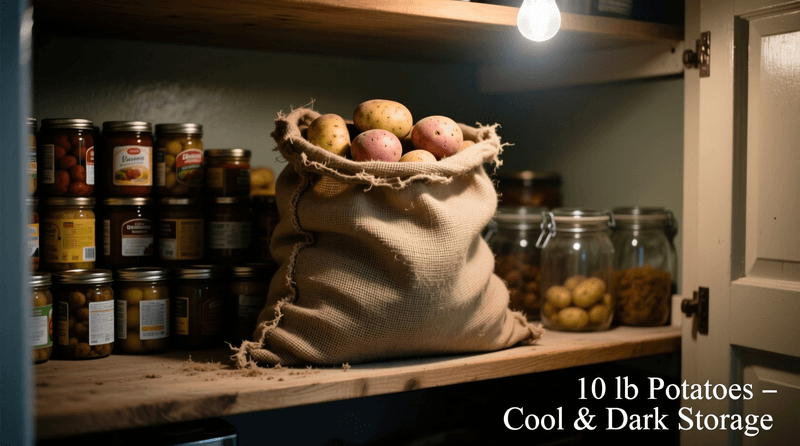
A breathable cotton bag in a cool closet did surprisingly well. The fabric blocked light while allowing air to circulate, keeping skins dry and firm. Sprouts formed slowly, and flavors stayed clean for weeks longer than countertop storage.
Hang the bag to avoid pressure points that cause bruising. Check weekly and rotate potatoes so none sit in the same spot too long. This method is a solid, low-cost middle ground if you lack basement storage but want better longevity than cabinets or counters.
5. Cardboard Box With Newspaper Layers
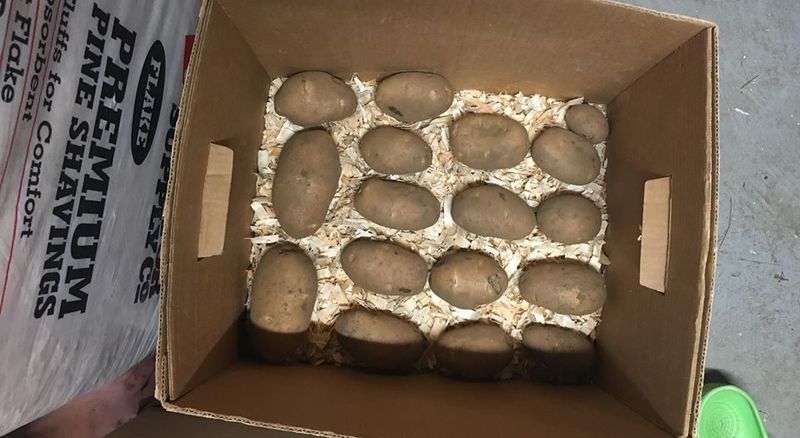
We lined a box with newspaper, added a single layer of potatoes, then covered lightly with more paper. The setup shielded light and absorbed excess moisture. In a cool room, sprouting was modest and rot rare.
Keep layers shallow so airflow remains decent. Replace damp paper promptly and remove any soft tubers. This old school approach is inexpensive and flexible, and it worked reliably across different potato varieties.
6. Root Cellar Crate Storage
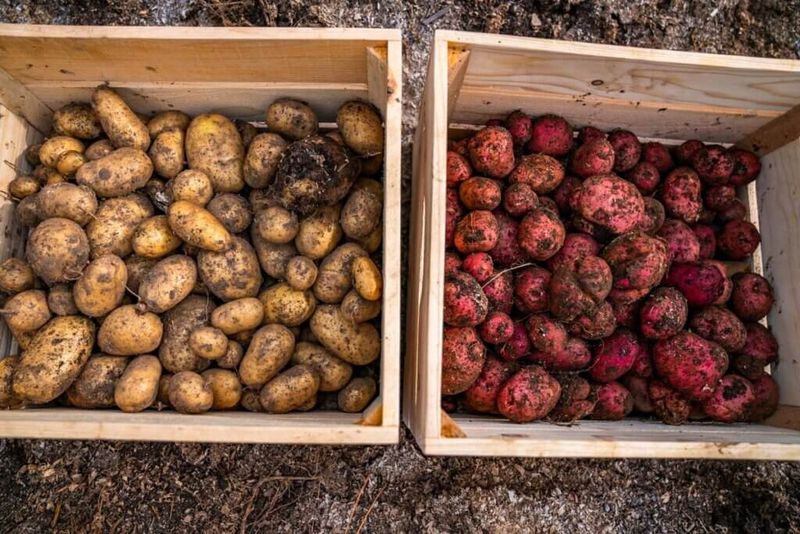
In a classic root cellar, potatoes in wooden crates were outstanding. The naturally cool, humid, and dark environment minimized sprouting and preserved texture. We saw minimal weight loss and excellent flavor even after many weeks.
Maintain temperatures around 45 to 50 degrees and good ventilation. Keep potatoes away from apples and onions. If you have access to a cellar, this method is gold standard for long-term storage without much fuss.
7. Mesh Bag Hung In Garage
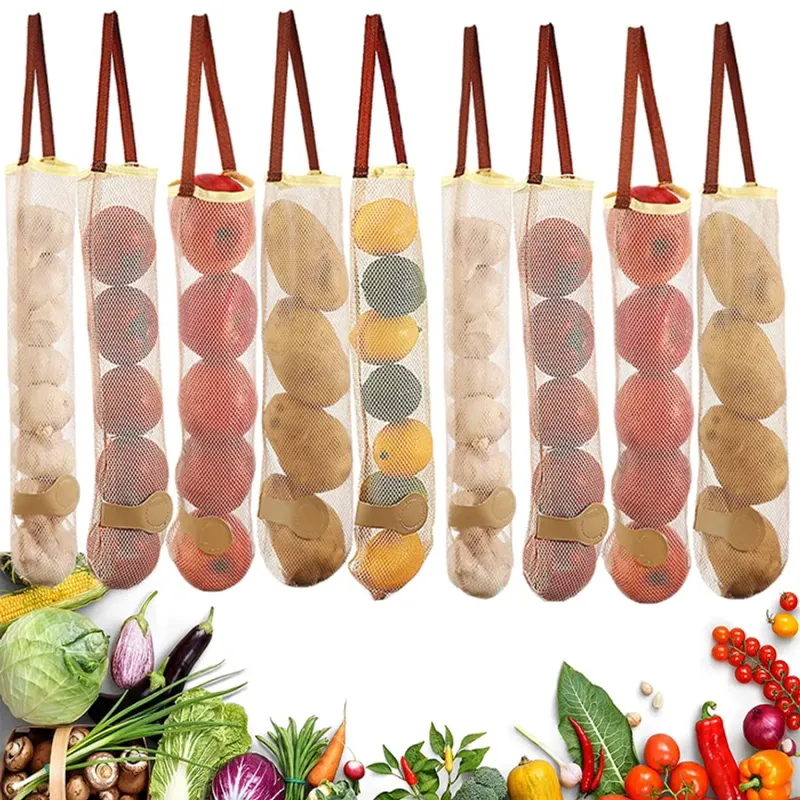
Hanging a mesh bag in the garage kept potatoes off the floor and allowed full airflow. However, temperature swings were the problem. Warm afternoons encouraged sprouting, while cold snaps risked chilling injury and sweet flavors.
If your garage stays consistently cool and dark, this can work. Otherwise, fluctuations undermine quality quickly. It is convenient but climate dependent, so consider your local weather before committing to this method.
8. Paper Box With Vent Holes
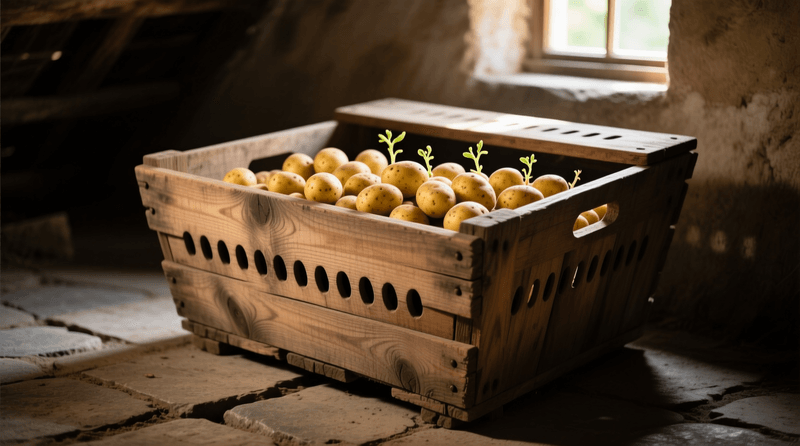
We punched holes around a paperboard box to create a gentle cross-breeze. Potatoes stayed mostly dry, and light exposure was minimal. Sprouting was moderate after a month, and rot incidents were rare.
Do not overcrowd the box, and elevate it slightly to improve circulation underneath. This DIY approach strikes a practical balance between darkness and airflow. It is a tidy solution for small apartments with limited storage space.
9. Terracotta Potato Keeper
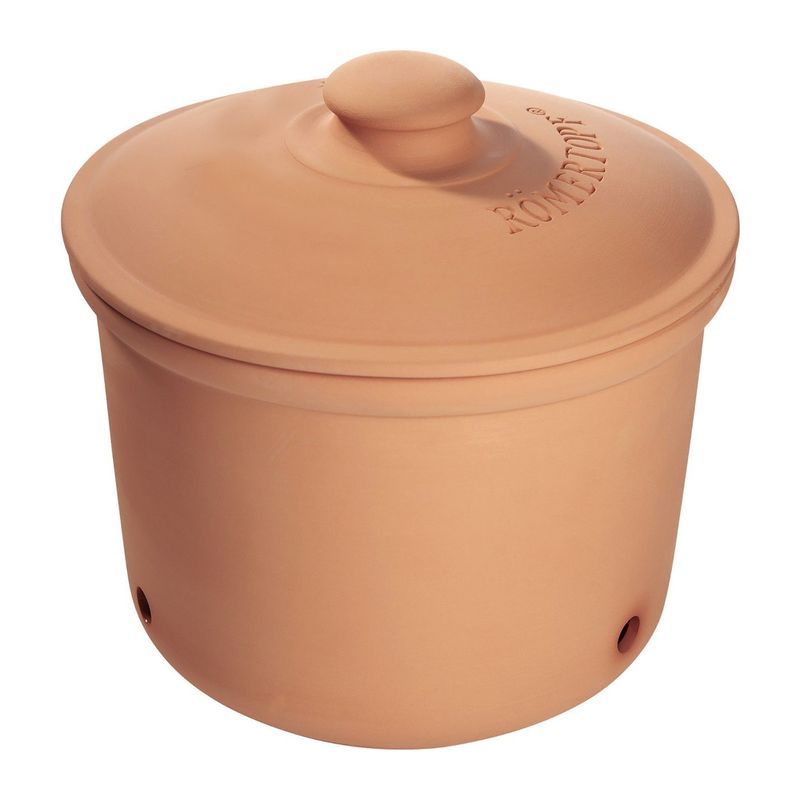
The terracotta keeper looked charming and controlled light well. The porous clay absorbed small amounts of moisture, reducing condensation. Potatoes lasted longer than in plastic, with slower sprouting and better texture.
Capacity can be limited, and heavier pots are less convenient to move. Keep the container in a cool spot away from appliances. For style and performance, it is a worthy pick for modest quantities.
10. Brown Paper Plus Silica Packets
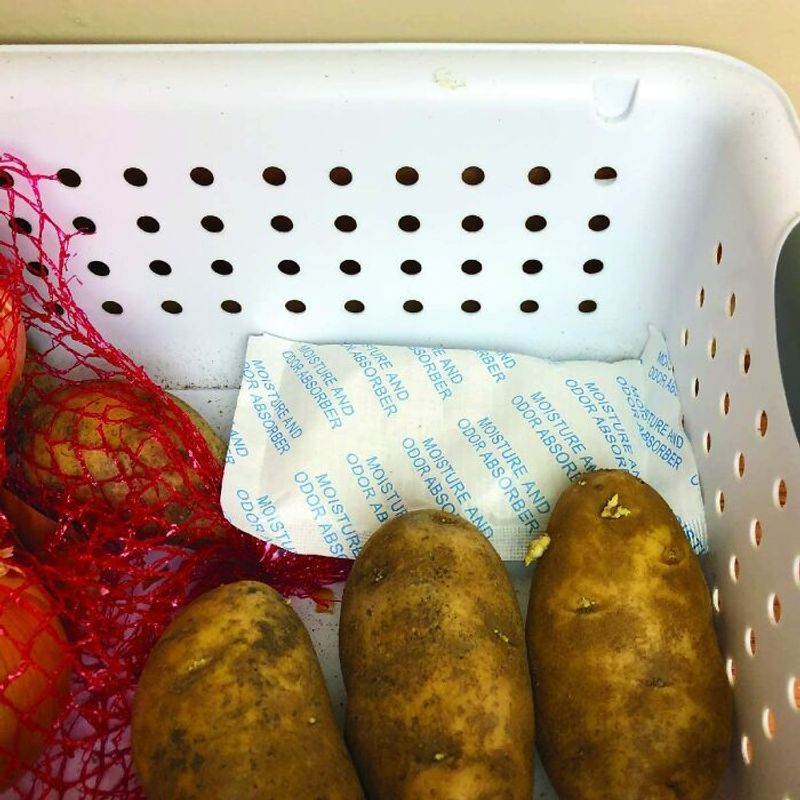
Adding food-safe desiccant packets to a paper bag aimed to control humidity precisely. It kept moisture low, which prevented rot but risked overly dry skins. We saw minimal mold and only light sprouting over several weeks.
Use small packets and do not over-dry the environment. Monitor texture and adjust packet count. This method is a techy twist on the paper bag, offering cleaner results in humid climates.
11. Refrigerator Crisper Drawer
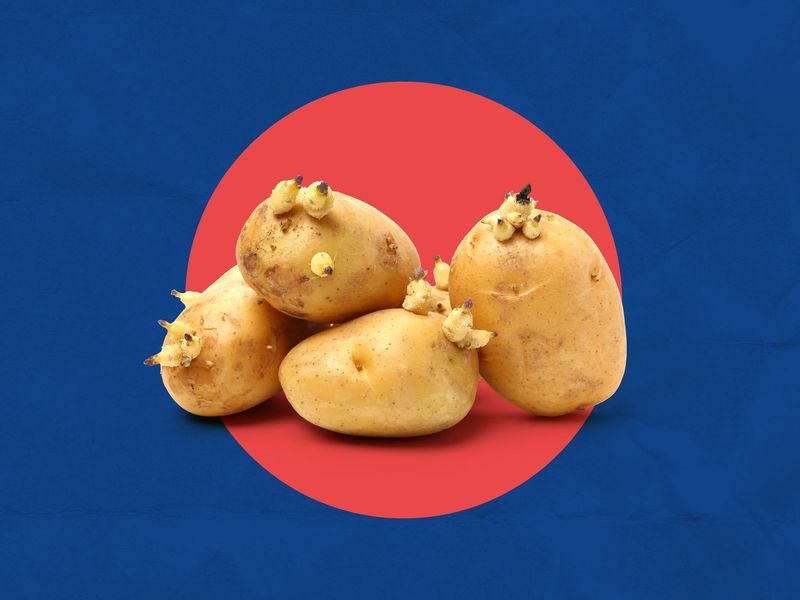
Refrigeration delayed sprouting but caused starch conversion, making potatoes taste sweet and cook differently. After a week or two, fries browned too fast and mash tasted odd. Texture stayed firm, yet flavor went sideways.
This method is workable only short-term for certain waxy potatoes. If you must refrigerate, bring them back to room temperature for several days before cooking. Still, we would not rely on this for best results.
12. Basement Corner In Burlap Sack
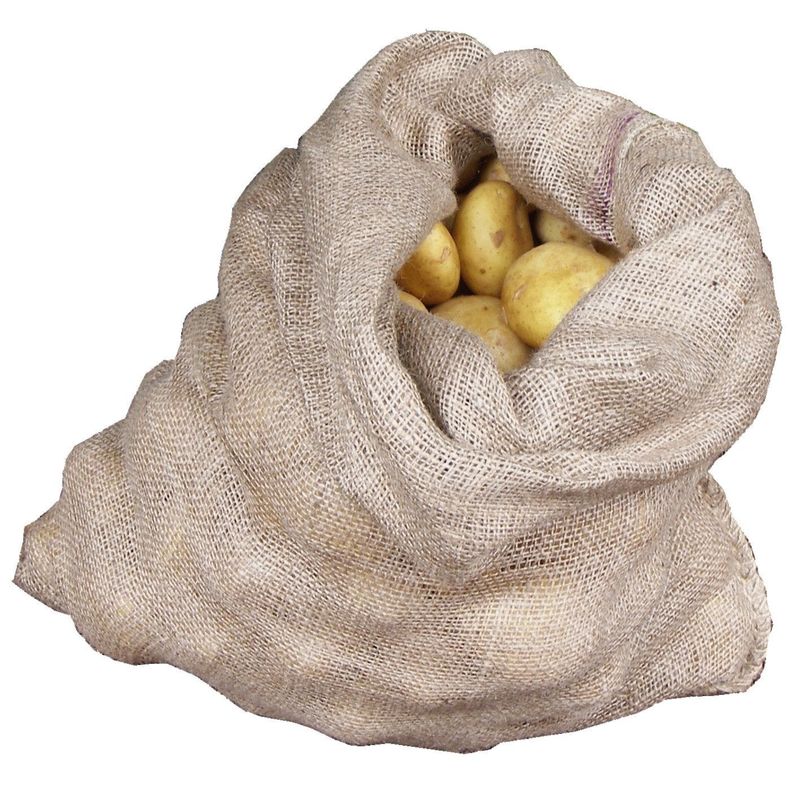
A burlap sack provided breathability and protection from light. In a stable basement corner, the potatoes stayed cool with steady humidity. We saw minimal rot and slow sprouting across several varieties.
Do not pile too deep, and roll the sack occasionally to redistribute weight. Keep off the concrete with a pallet or wood slat. For old fashioned simplicity, this approach is excellent when space allows.
13. Wooden Slatted Bin With Lid
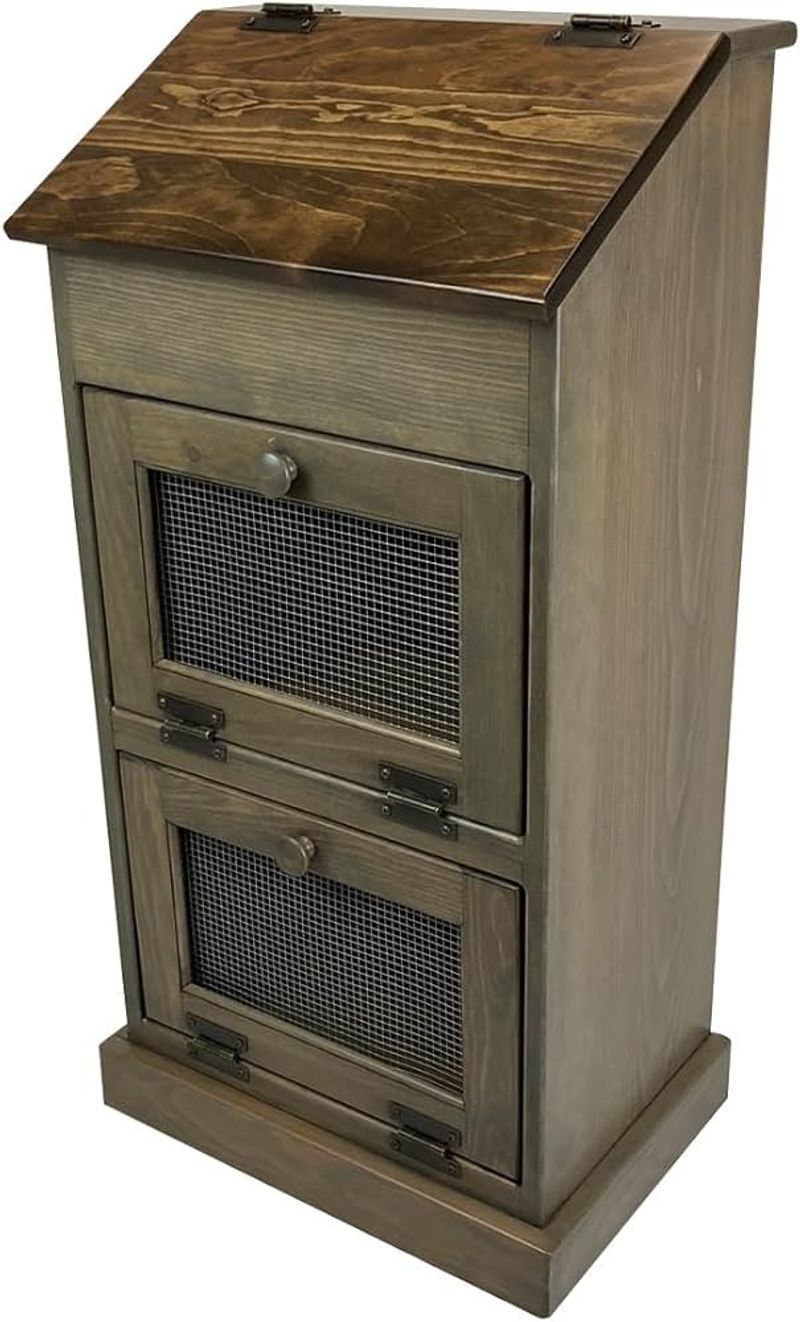
The slatted bin allowed airflow from all sides while the lid blocked light. Potatoes remained dry and firm, with only scattered sprouts after several weeks. It organized large quantities neatly.
Line the bottom with newspaper to cushion and absorb drips. Keep the bin away from heat and check contents weekly. For families who buy in bulk, this method delivers strong performance and tidy storage.
14. Clay Crock Buried In Garden Soil
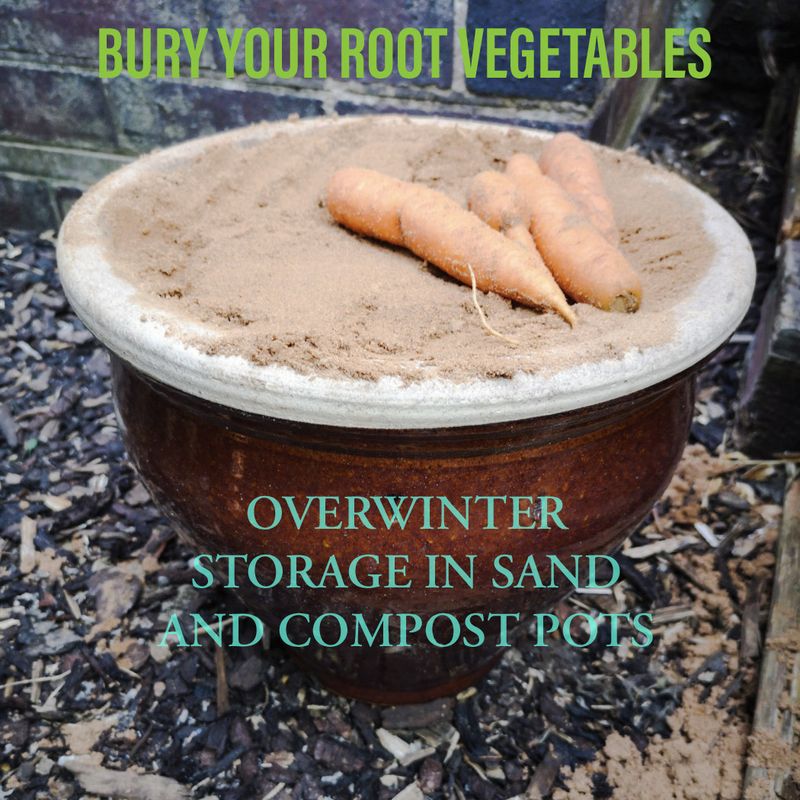
We tested an old technique by burying a lidded crock in cool soil. Temperature stayed surprisingly steady, and darkness was complete. Potatoes remained crisp and flavorful longer than indoor cabinet methods.
Protect against water ingress with a raised lip or gravel base. Critter-proofing is essential. This method is creative and effective for gardeners wanting off-grid storage without a full cellar.
15. Cooler With Vent Cracked Open
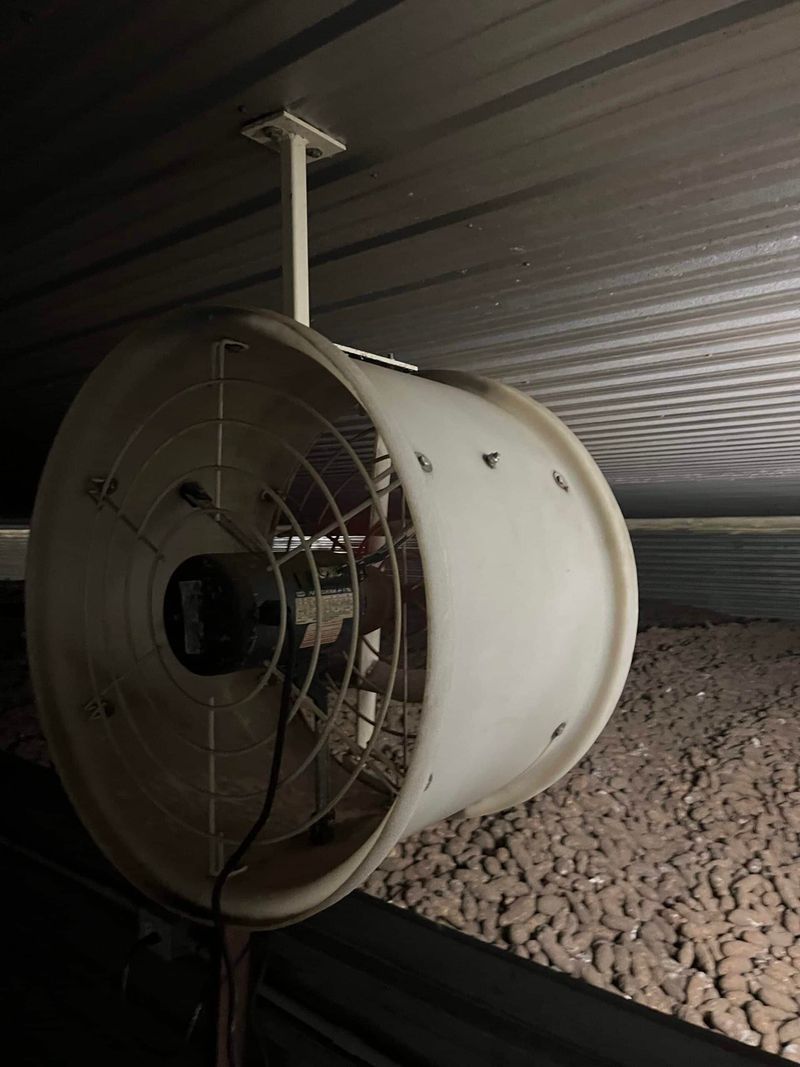
We repurposed a cooler as a dark chamber and cracked the lid for airflow. It blocked light completely and buffered temperature changes. However, trapped humidity built up unless we added desiccant or propped the lid wider.
Place a small spacer to ensure steady airflow and check for condensation. This hack is practical for short to medium storage, especially during seasonal shifts. It is budget friendly but needs active management.
16. Under-Sink Cabinet Test
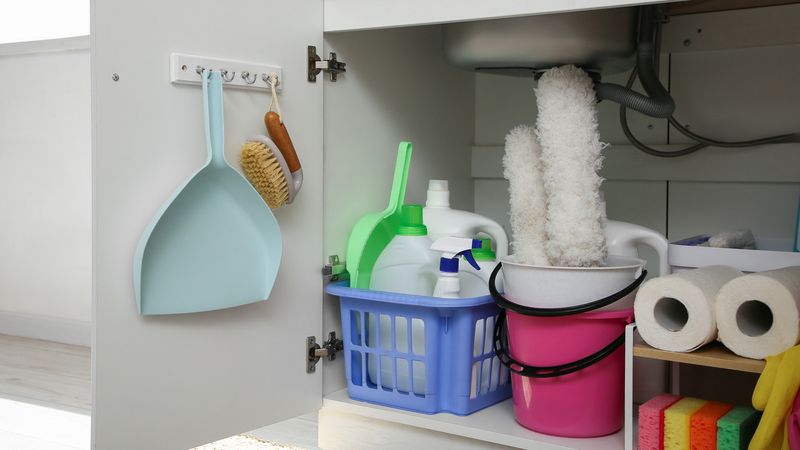
Under-sink seemed convenient, but plumbing warmth and occasional moisture created a risky microclimate. We saw sporadic sprouting and a couple of rotten potatoes, likely from condensation after dishwashing.
If you must use this space, elevate the bag and add a moisture absorber. Keep cleaners separate. Overall, it is not ideal, and routine checks are mandatory to prevent a smelly surprise.
17. Potatoes In A Breathable Drawer Insert
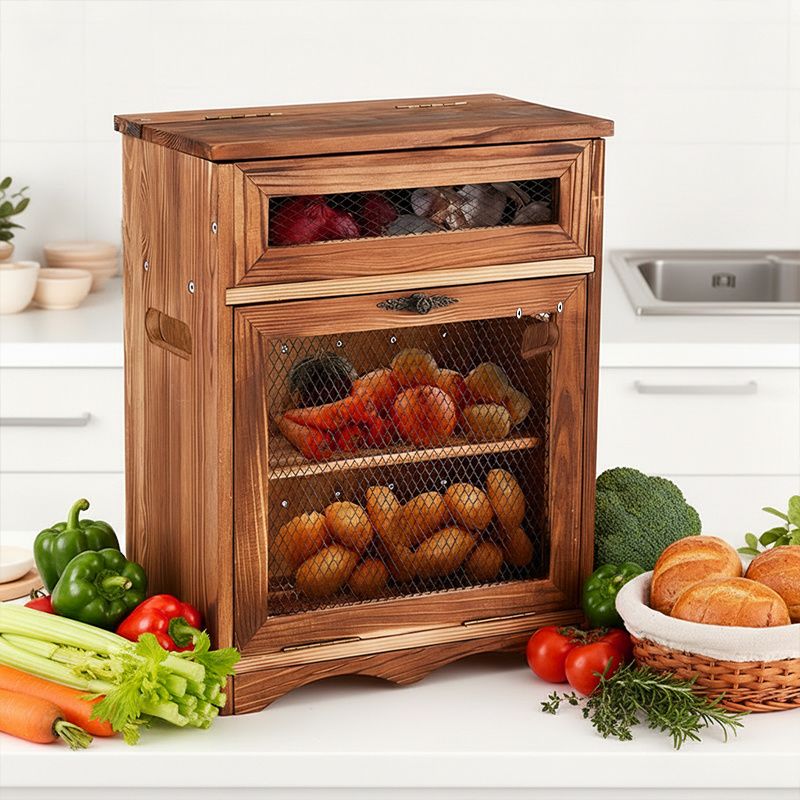
A dedicated drawer insert kept potatoes in a single layer with gentle airflow. Darkness was good, and bruising was minimal. We had predictable, steady results with limited sprouting over a month.
Leave space between tubers and avoid stacking. This solution integrates nicely into organized kitchens and reduces visual clutter. It is a calm, low-effort way to keep potatoes handy without sacrificing longevity.
18. Paper Bag Plus Apple Separation
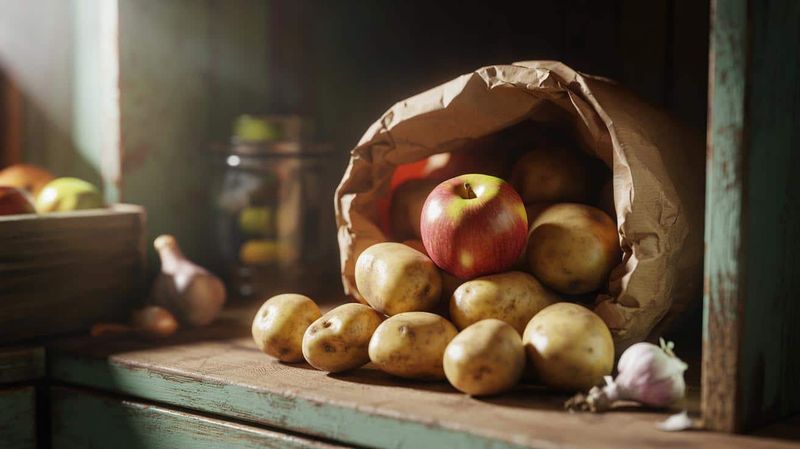
We tested the ethylene effect by keeping apples far from the potato bag. Separation mattered. When apples were nearby, sprouting accelerated noticeably. With distance, the potatoes lasted significantly longer.
Store apples and bananas elsewhere to avoid ethylene exposure. Label shelves if needed. This is a simple behavior tweak that costs nothing and pays off with fresher potatoes.
19. Potatoes Wrapped Individually In Paper
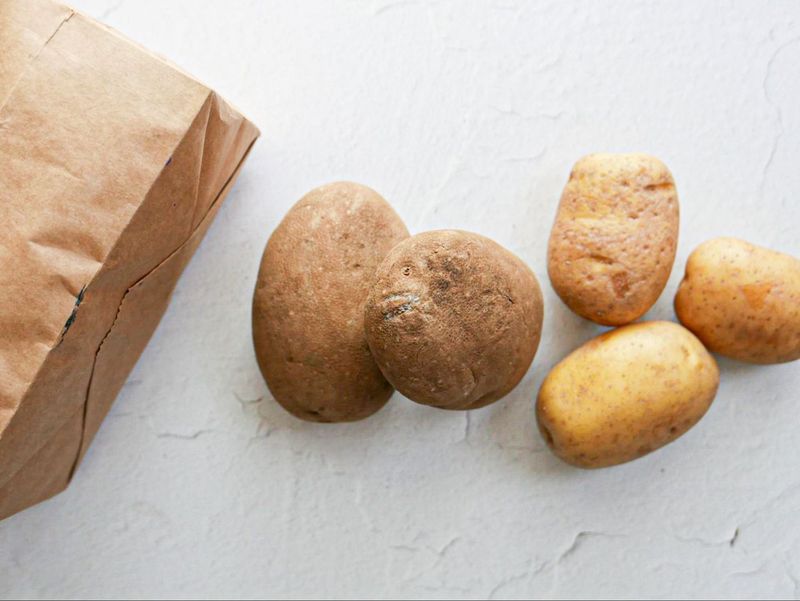
Individually wrapping potatoes reduced bruising and limited the spread of moisture from one bad tuber. It also blocked small light leaks. We saw fewer soft spots and slower sprouting than in loose bags.
The tradeoff is time. Wrapping takes patience and adds paper waste. For long-term stashes or high-value varieties, though, the payoff is solid and measurable.
20. Breathable Bin With Hygrometer
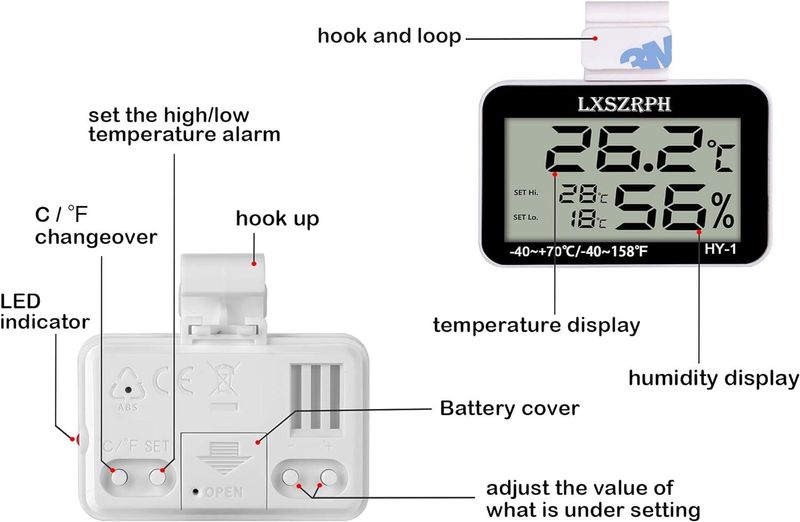
We monitored humidity and temperature with a compact meter inside a ventilated bin. Targeting around 45 to 60 percent humidity minimized shriveling and rot. Data helped us adjust vents and desiccant to hold a sweet spot.
It sounds fussy, but the control pays off when storing larger quantities. This method delivered consistent quality and fewer surprises, making planning easier for weekly meals.
21. Basement Shelf With Blackout Fabric
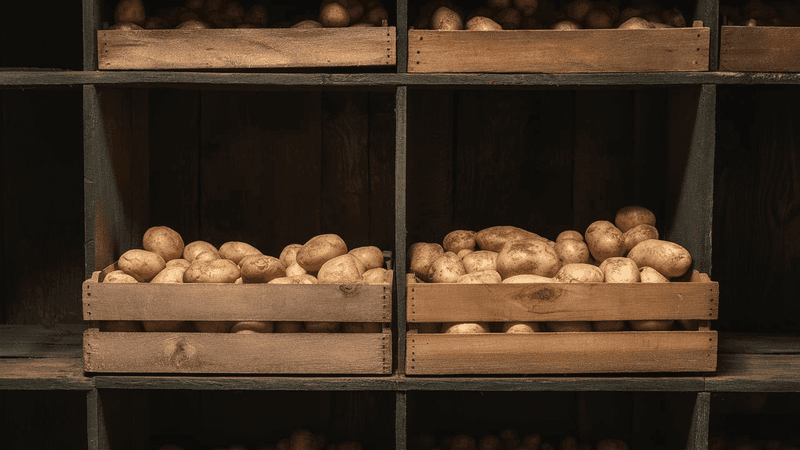
We draped blackout fabric over a shelf to stop light while letting air circulate at the sides. Temperatures stayed cool, and sprouting slowed. The potatoes kept their snap and cooked beautifully after weeks.
Secure the fabric to avoid contact that might trap moisture. Combine with shallow bins for best airflow. This method is simple and very effective for spaces with stray light leaks.