Why Restaurant Green Beans Often Taste Better Than Homemade
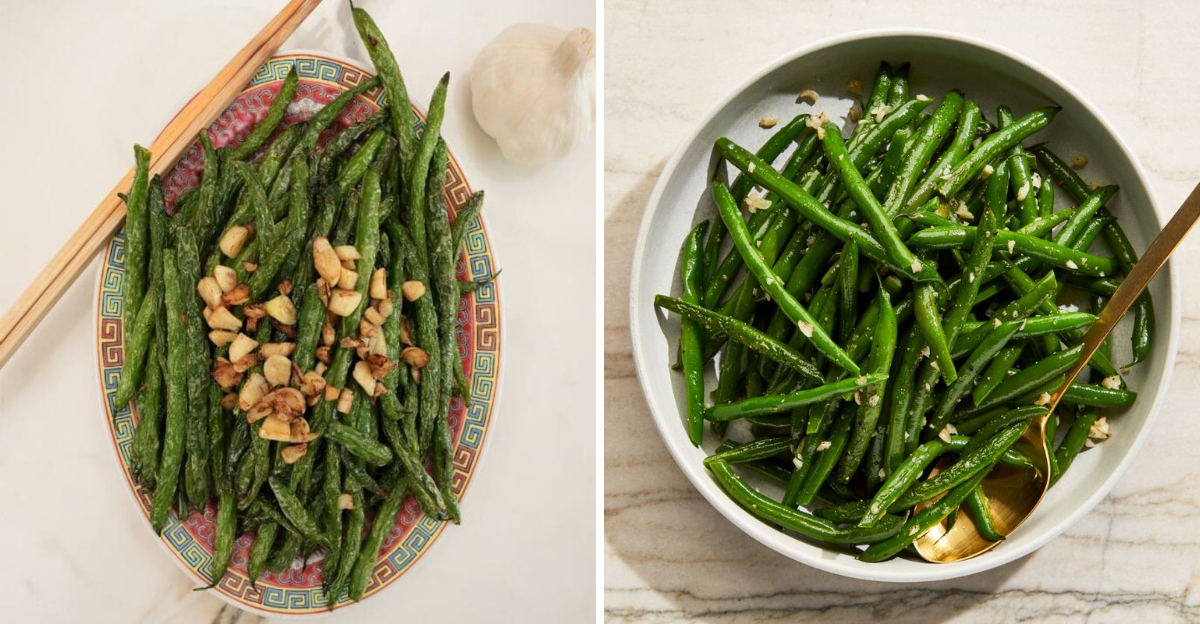
Ever wonder why restaurant green beans taste so vivid, savory, and downright addictive compared to the ones you make at home? It is not magic, but a handful of smart techniques that chefs repeat with precision.
From bold seasoning to fast, hot finishes, small tweaks add up in a big way. Steal these moves and your next pan of beans will finally taste like the ones you keep chasing.
1. They use more salt than you think
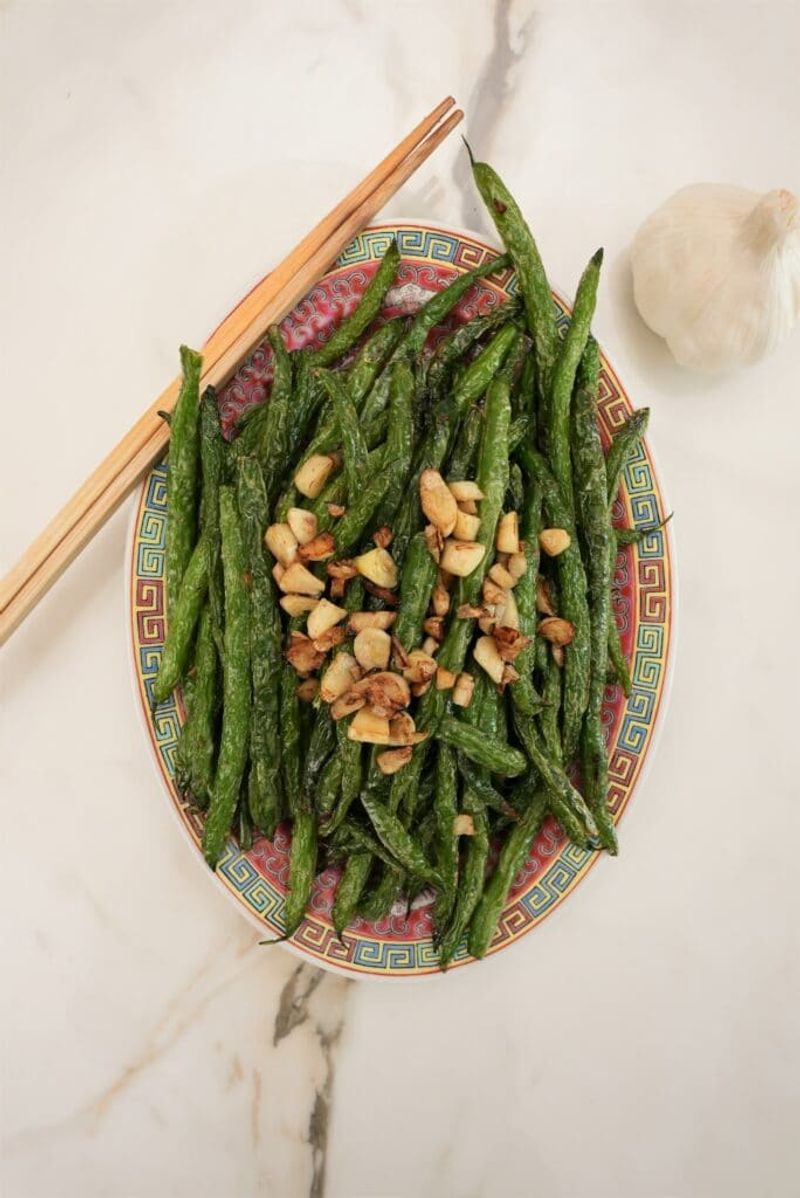
Salt unlocks flavor you cannot fake. Restaurants salt blanching water like the ocean, so beans absorb seasoning from the inside out.
Then they salt again in the pan, hitting that perfect threshold where everything tastes greener, sweeter, and more complete.
At home, fear of overdoing it often leads to shy pinches. The result is beans that taste fine but flat.
Season assertively, taste, then adjust, and you will finally understand why those restaurant beans seem to glow.
2. They cook them to lock in texture
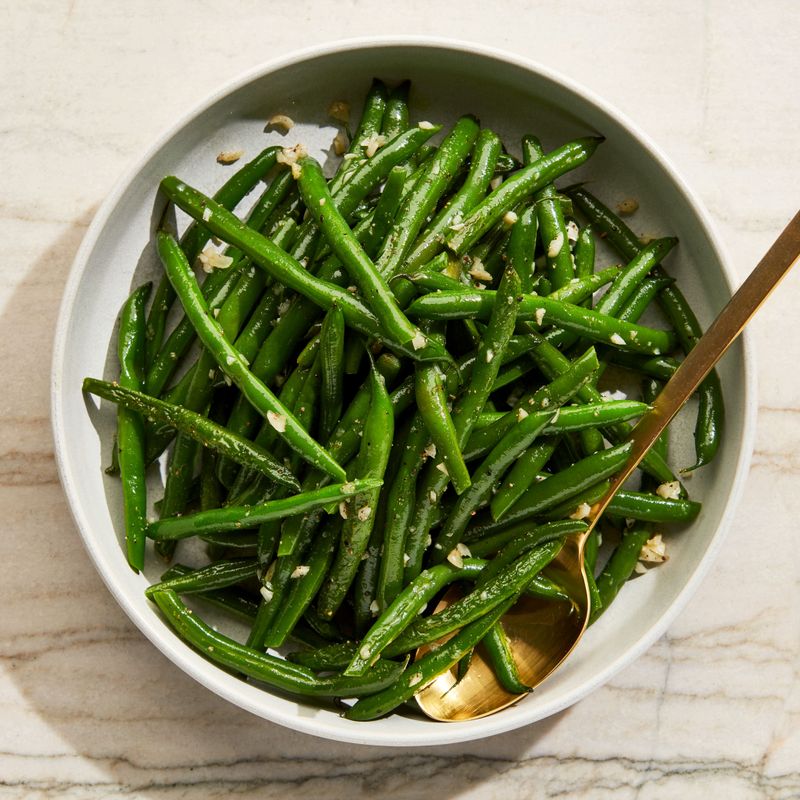
Chefs blanch beans in rolling, salted water, then shock in ice to halt cooking. This locks in that crisp tender snap and keeps the color neon bright.
It sets the stage for a quick, hot reheat without turning mushy.
Skip the long steam that drifts into squeaky softness. Blanch, chill, dry, and hold until service.
Then you can finish fast while everything else rests, serving beans that taste and look alive.
3. They finish in a ripping hot pan
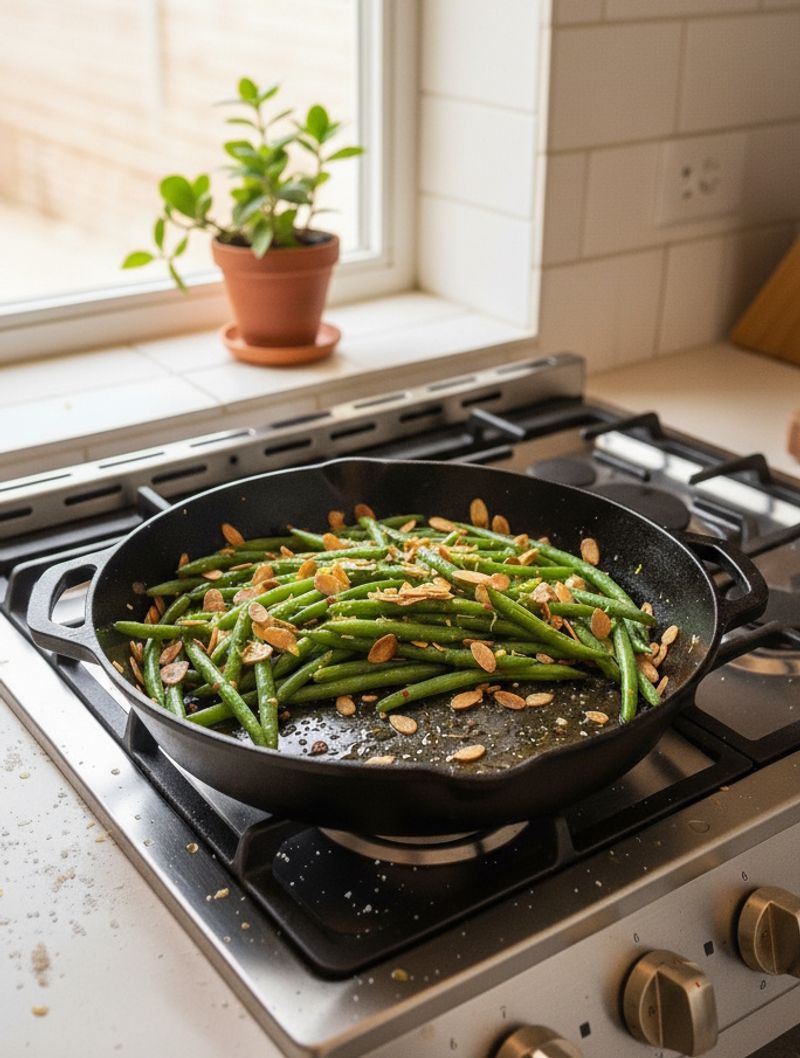
That final minute in a blazing pan changes everything. High heat drives off moisture, concentrates sweetness, and adds light browning for nutty depth.
Beans sizzle, not stew, so they keep structure while flavors intensify.
At home, letting them sit in a pot steams away personality. Get the pan truly hot, add oil or butter, then toss quickly.
You will taste the difference in those caramelized edges and fragrant, toasty notes.
4. They are not shy with fat
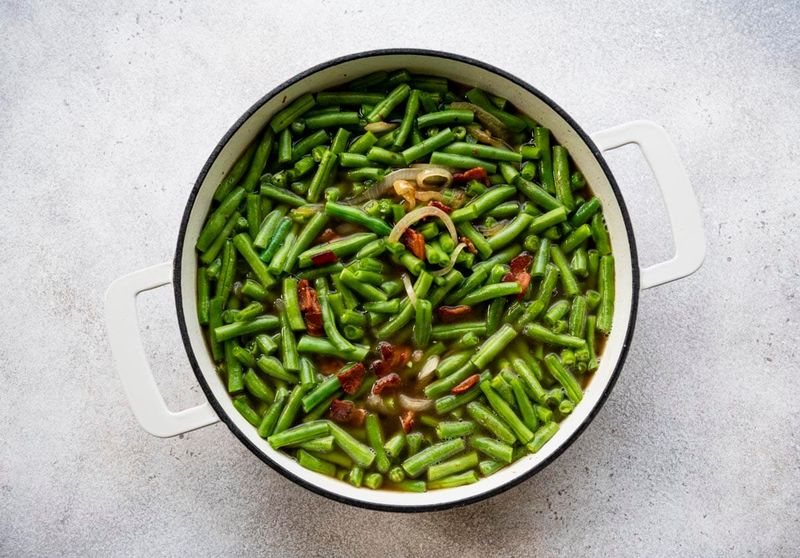
Fat carries flavor and creates that restaurant sheen. Butter softens any bitterness while olive oil adds fruitiness and aroma.
Sometimes a spoon of bacon fat sneaks in, lending smoky bass notes that make beans taste plush.
Home versions often go too clean, chasing lean and landing bland. A tablespoon or two is not excess here.
It is strategy. Coat the beans, not drown them, and feel the texture turn silky.
5. Aromatics do the heavy lifting
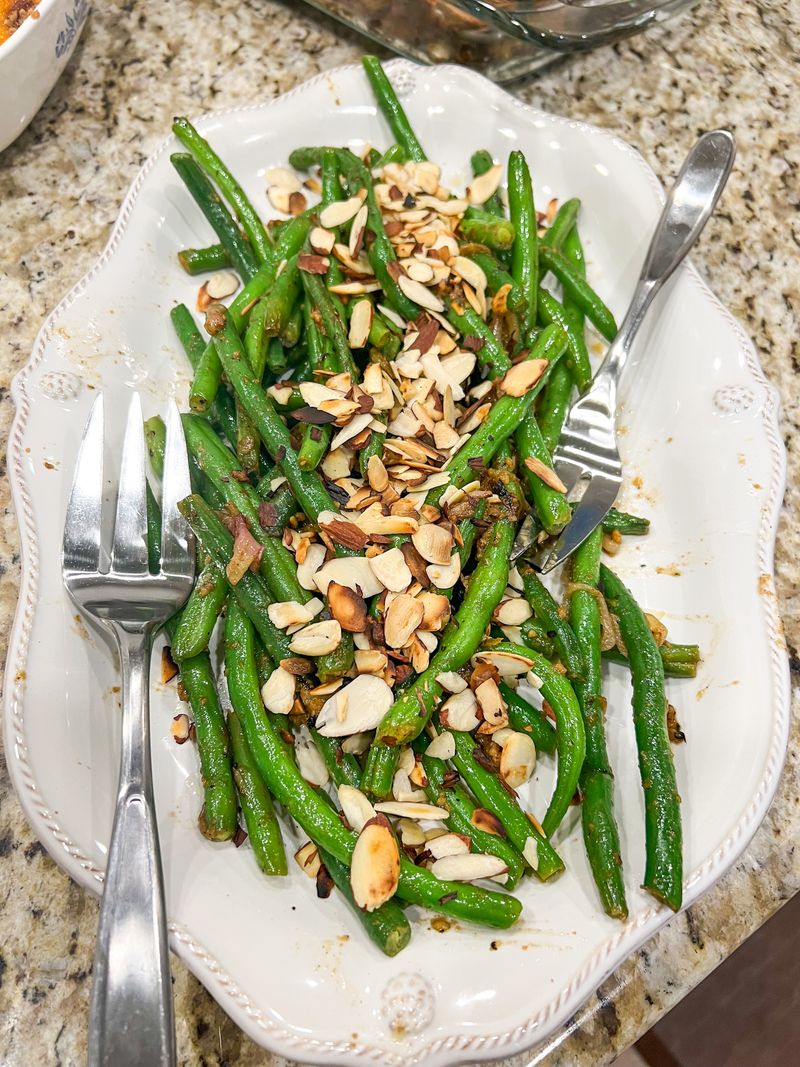
Restaurants stack flavor quickly with garlic, shallots, onions, lemon zest, and chili flakes. Toasted nuts add crunch and warmth, while herbs finish fresh.
These layers turn simple beans into a small, balanced dish.
Drop aromatics into hot fat so they bloom, then toss beans through that perfume. You will taste complexity in seconds, not hours.
Keep it bright with a squeeze of lemon or a zest shower right before serving.
6. They use umami boosters
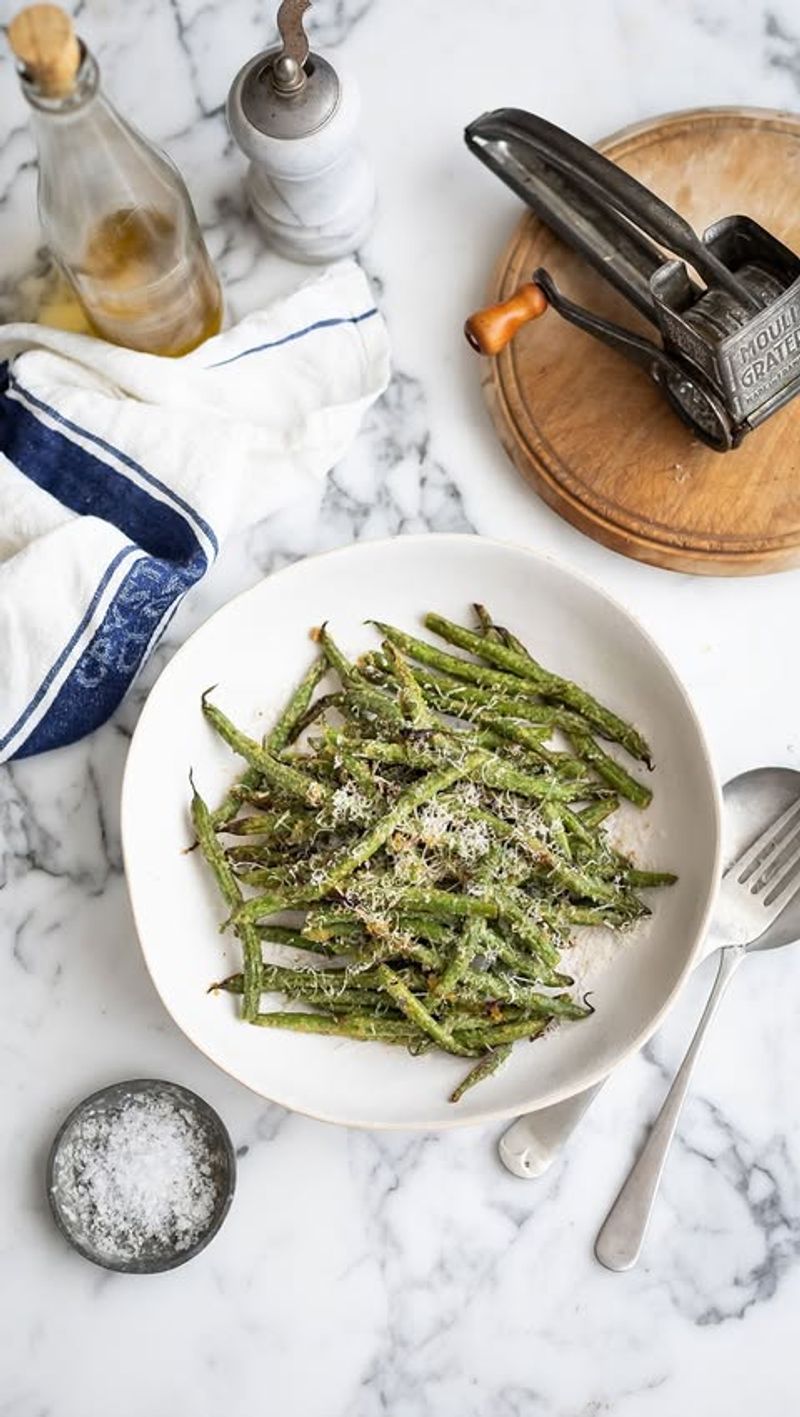
Chefs sneak in umami to deepen savory notes. A dash of soy, a whisper of fish sauce, Parmesan shavings, anchovy melting in butter, or a spoon of chicken base pushes flavor forward.
Toasted mushrooms do it too.
Used lightly, these do not taste fishy or cheesy, just satisfying. Stir in at the end, then taste and tune.
Suddenly green beans feel complete, like a side you order on purpose.
7. Timing and knowing when to stop
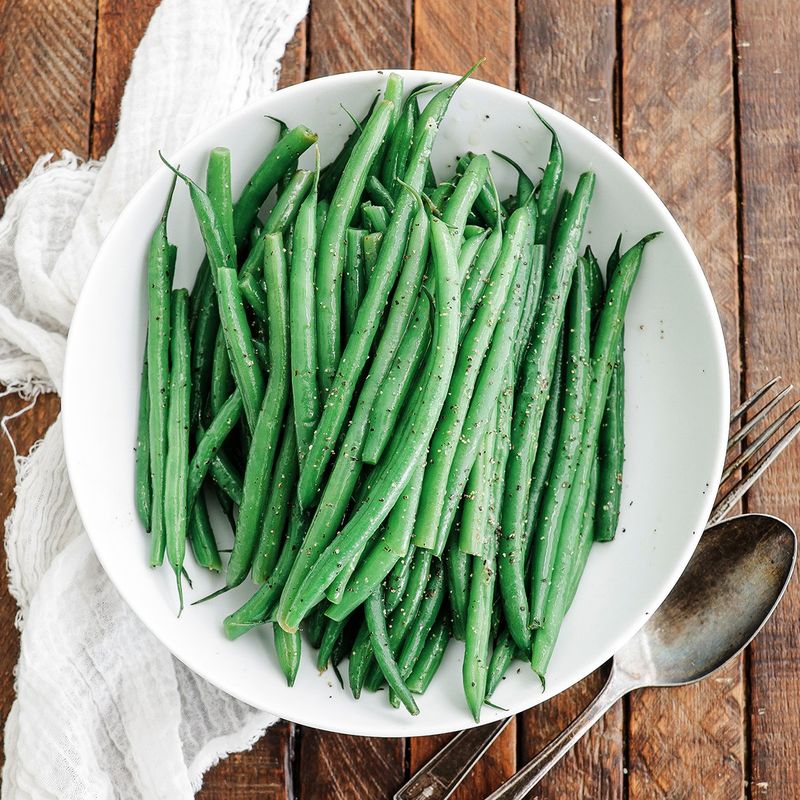
Restaurants prep beans to almost done, then finish to order. That timing delivers peak texture and color to your table.
The line cook tastes, watches color, and stops the moment crisp tender arrives.
At home, beans often wait while everything else finishes, drifting past perfect. Work backward from serving time, keep heat high, and pull them early.
Residual heat finishes the last whisper of doneness without turning limp.
8. They rest before hitting the plate
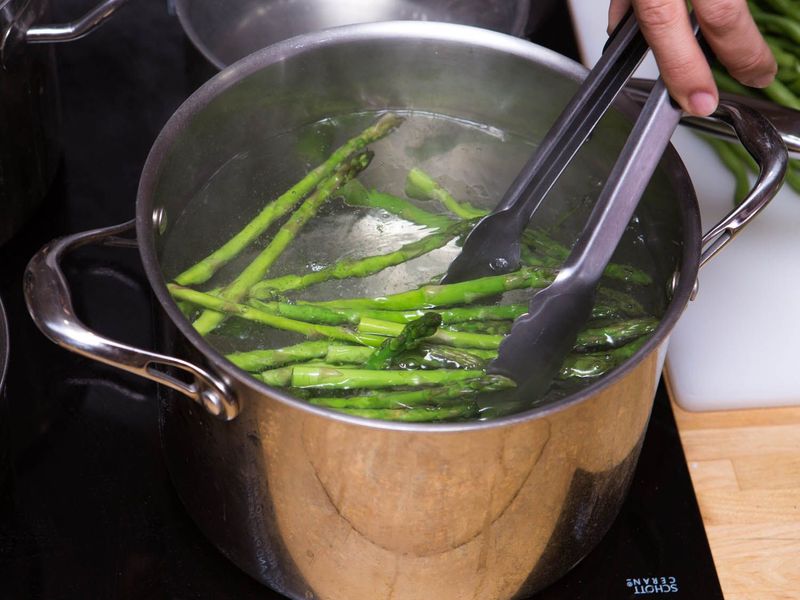
Great beans do not sprint from pan to plate. Restaurants give them a brief rest on a warm tray or rack, letting steam escape so the skins stay snappy, not soggy.
That pause also redistributes surface fat and seasoning, making each bite feel even and intentional.
At home, the jump from skillet to table traps steam under a lid or a crowded bowl. Texture wilts, flavors dull, and shine turns greasy.
Try a minute on a warm sheet, then a final toss with salt, acid, and pepper. You will taste definition, not mush.