13 Controversial Italian Recipes Even Nonnas Make Room For
Italian cooking is famous for its rules, traditions, and passionate debates at the dinner table. From which pasta shape belongs in a certain sauce to whether cheese should ever touch seafood, these arguments have been going on for generations.
Yet even the most traditional Nonnas sometimes bend the rules or quietly embrace dishes that raise eyebrows. Here are 13 controversial Italian recipes that have found a place in kitchens across Italy and beyond.
1. Bucatini all’Amatriciana (The Pasta Shape Debate)
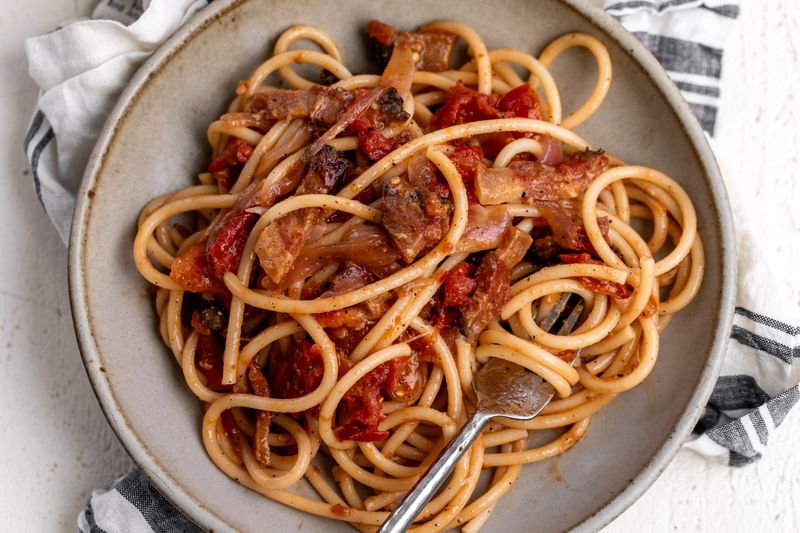
Ask any Roman which pasta belongs in Amatriciana and brace yourself for a passionate lecture. Purists swear by bucatini, the thick, hollow tubes that trap the rich tomato and guanciale sauce perfectly.
Shepherds from Amatrice reportedly used bucatini, giving the shape an almost sacred status.
Still, spaghetti has crept onto menus, even at the official Amatriciana festival. Many Nonnas quietly accept rigatoni too, proving that great flavor sometimes wins over strict tradition.
2. Carbonara (The Cream Controversy)
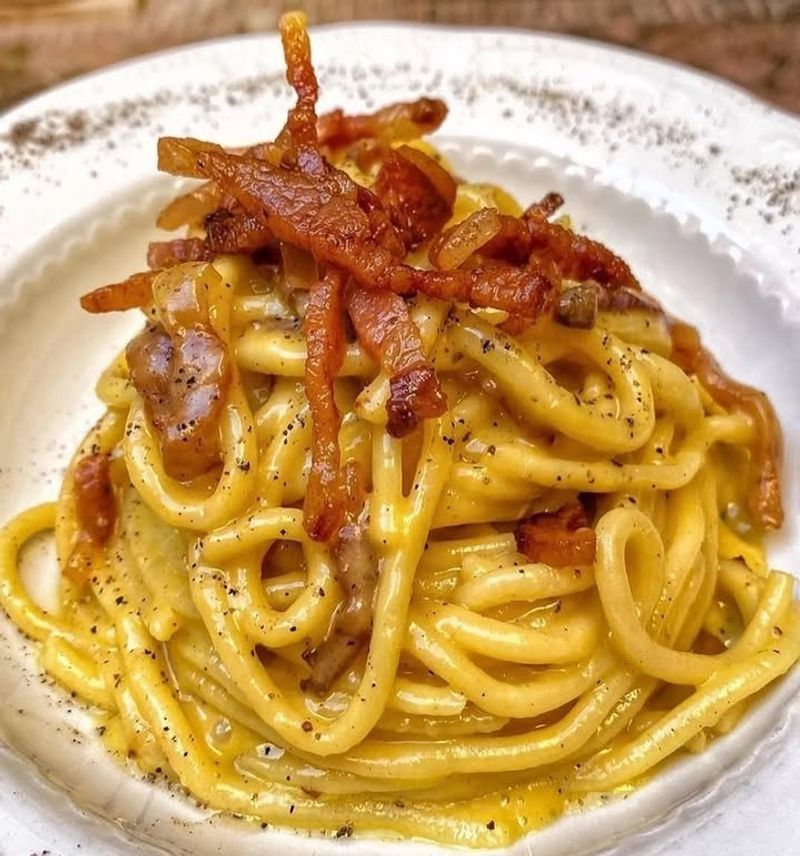
Carbonara might be the most fiercely defended recipe in all of Italy. The authentic version uses guanciale, Pecorino Romano, eggs, and black pepper.
That is it. No cream, no garlic, no parsley, and absolutely no bacon, according to Rome’s culinary guardians.
Yet even some Nonna Box recipes admit that Parmigiano Reggiano can substitute, and bacon works when guanciale is unavailable. Flexibility sneaks in through the back door, even in the most traditional kitchens.
3. Seafood Pasta with Cheese
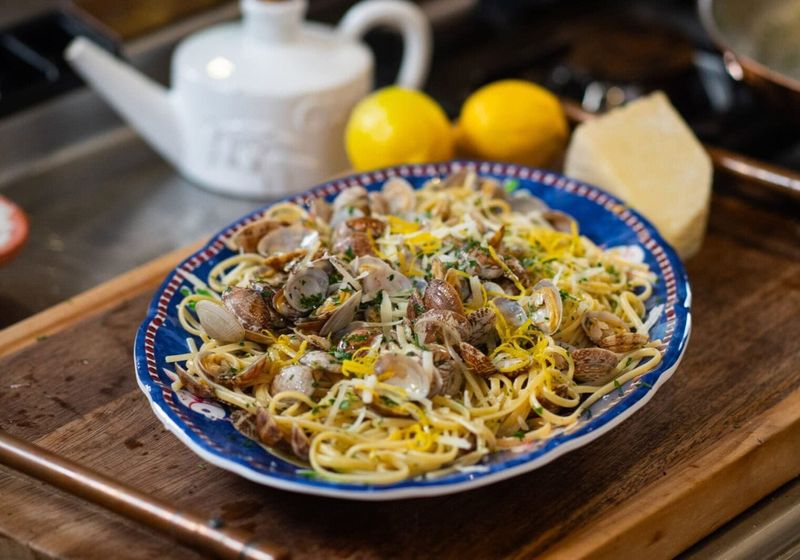
“Never put cheese on seafood” is practically written into Italian culinary law. The idea is simple: strong cheese flavors bulldoze the delicate sweetness of fresh clams, shrimp, or mussels.
Most Italian grandmothers would gasp at the suggestion.
However, a segment featuring a real Nonna on Jamie Oliver’s show caught everyone off guard when she added Pecorino to her seafood pasta without hesitation. Sometimes the rule-breaker is the very person who taught you the rules in the first place.
4. Penne alla Vodka
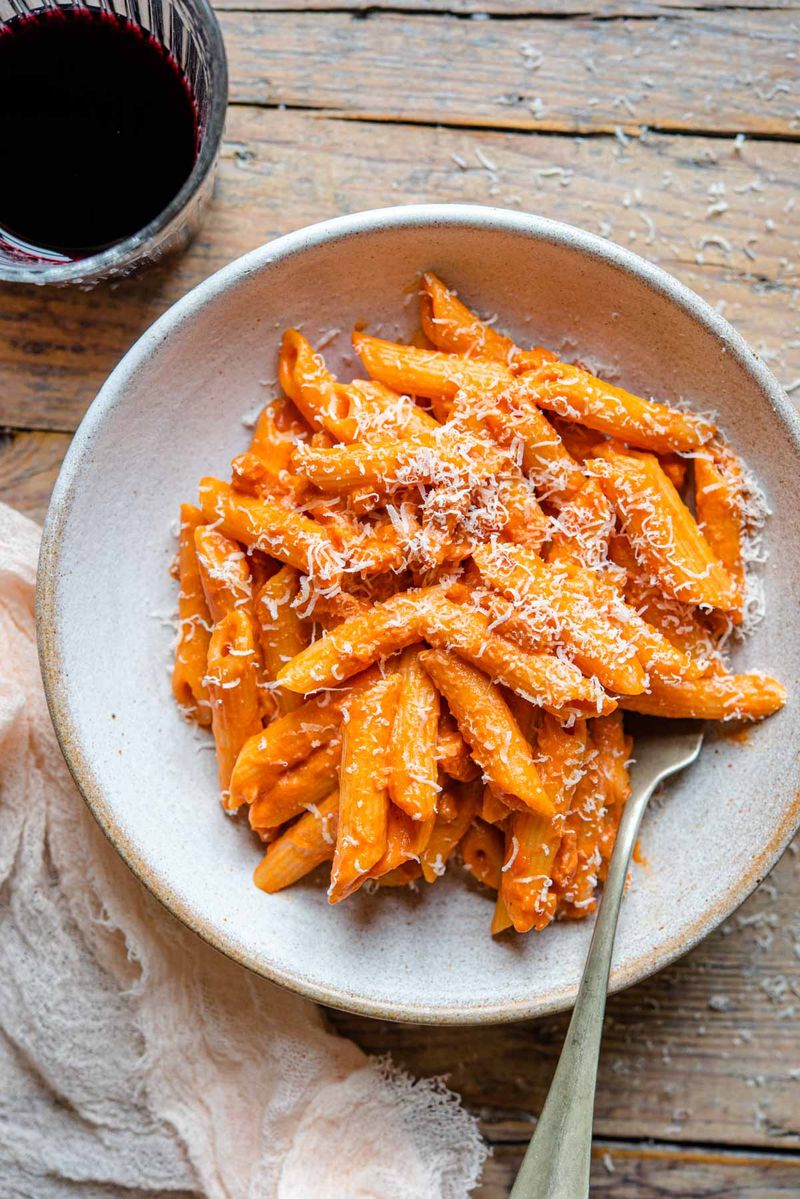
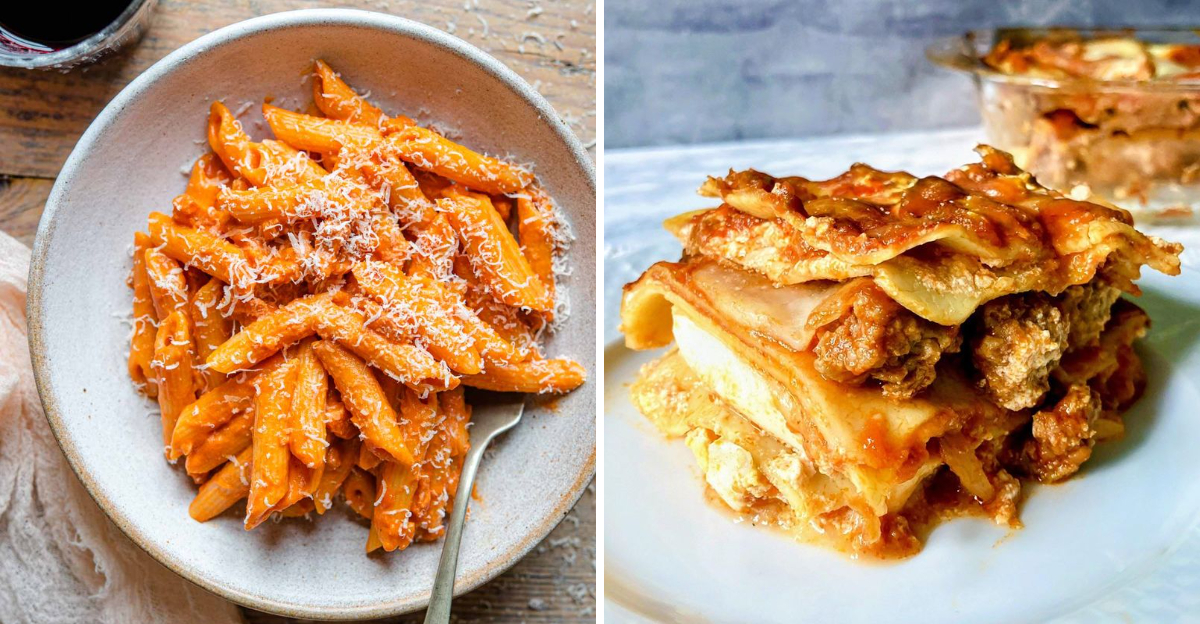
Back in Italy, penne alla vodka gets side-eye from traditionalists who see it as a 1970s gimmick born in New York or Bologna, depending on who you ask. The cream and vodka combo feels more like a cocktail party than a Sunday ragu to many Italian purists.
Despite the skepticism at home, it became a beloved staple on Italian-American menus. Nonna Box even features a recipe for it, confirming that affection for this dish crosses both the Atlantic and generational divides.
5. Timballo alla Teramana (Lasagna with Crepes)
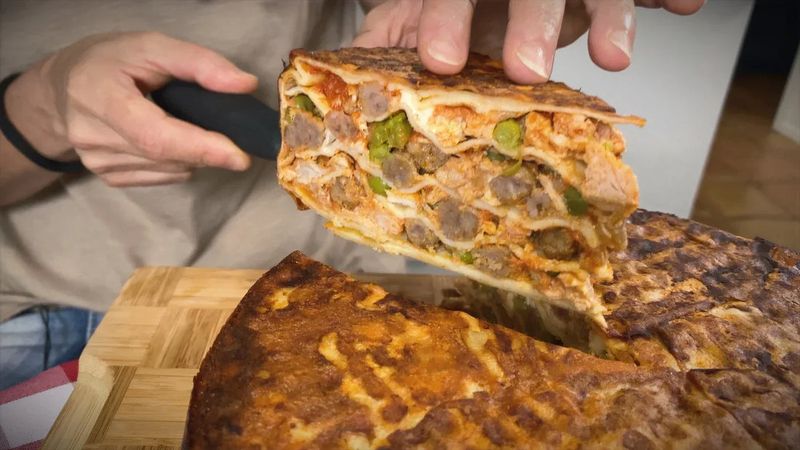
Forget pasta sheets. In Abruzzo, specifically the city of Teramo, Nonnas build their lasagna using thin, savory crepes called scrippelle, made from eggs, flour, and water.
The result is a towering, multi-layered masterpiece that takes hours to assemble.
Traditionally reserved for Christmas and New Year celebrations, this dish is a true labor of love. Calling it a “showstopper” barely does it justice.
It challenges everything you thought you knew about what lasagna is supposed to be.
6. Lasagne Napoletana vs. Bolognese
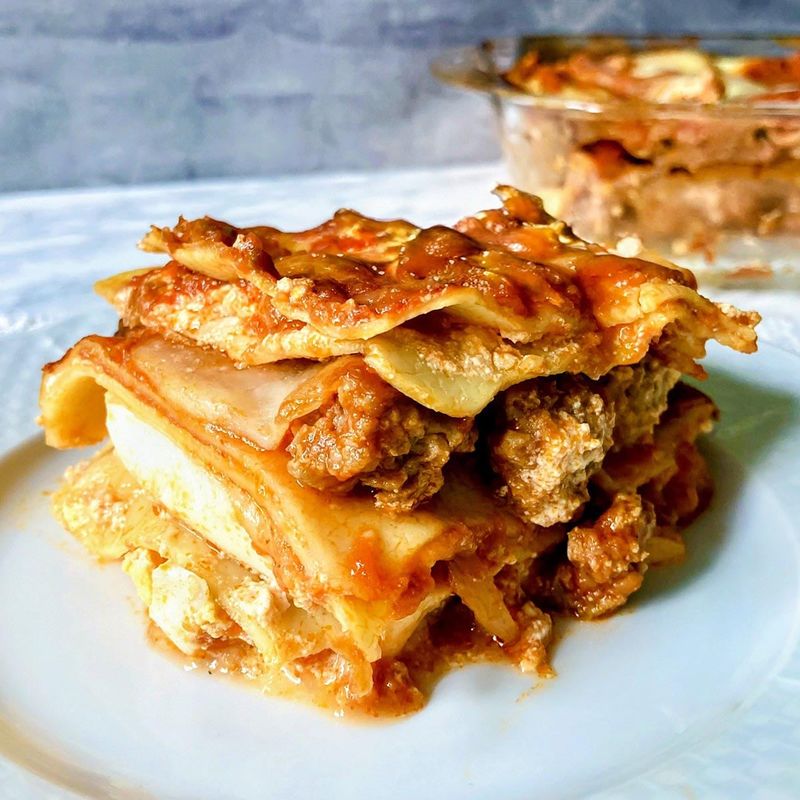
Most people outside Italy picture Bolognese-style lasagna with its neat layers of meat ragu and bechamel. Naples, however, has its own loaded version that piles in meatballs, sausages, hard-boiled eggs, ricotta, and mozzarella between dried semolina pasta sheets.
The regional rivalry over which lasagna deserves the title of “original” is delightfully fierce. Southern Italian Nonnas insist the Neapolitan version conjures the truest image of home cooking, and honestly, it is hard to argue when you see the layers.
7. Costoletta alla Milanese (The Authenticity Rules)
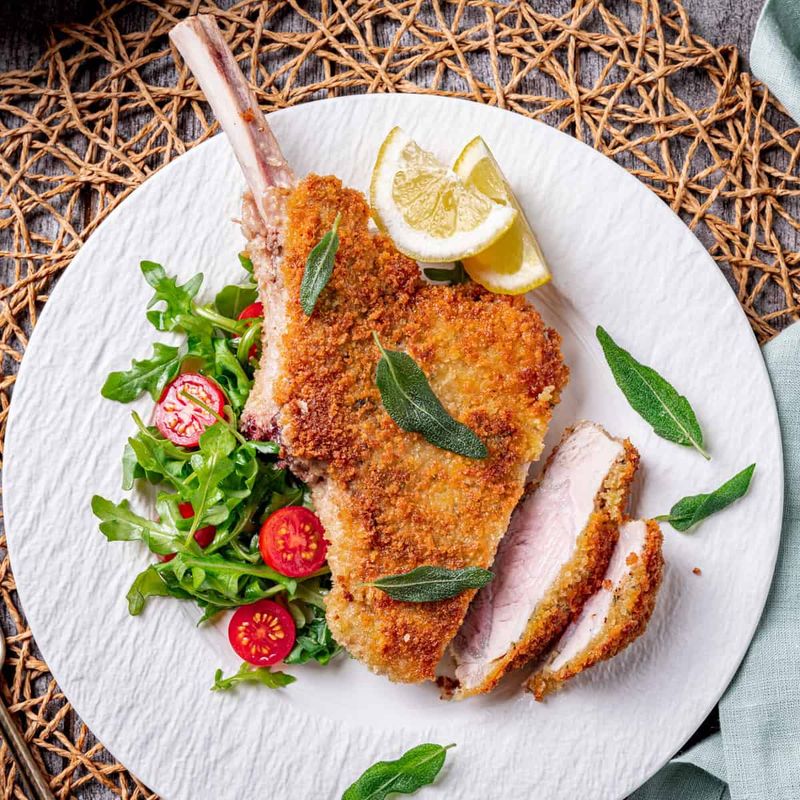
Milan’s answer to the schnitzel comes with a strict rulebook. The veal chop must be bone-in, roughly two fingers thick, breaded, and fried in clarified butter.
Deviate from any of these steps and you will hear about it from the nearest Milanese grandmother.
The thinner, boneless version nicknamed “orecchia d’elefante” (elephant’s ear) and frying in regular oil are considered near-heretical. Milan even gave the dish an official Municipal Designation in 2008 to legally protect its authentic preparation from imposters.
8. Pizza with Non-Traditional Toppings
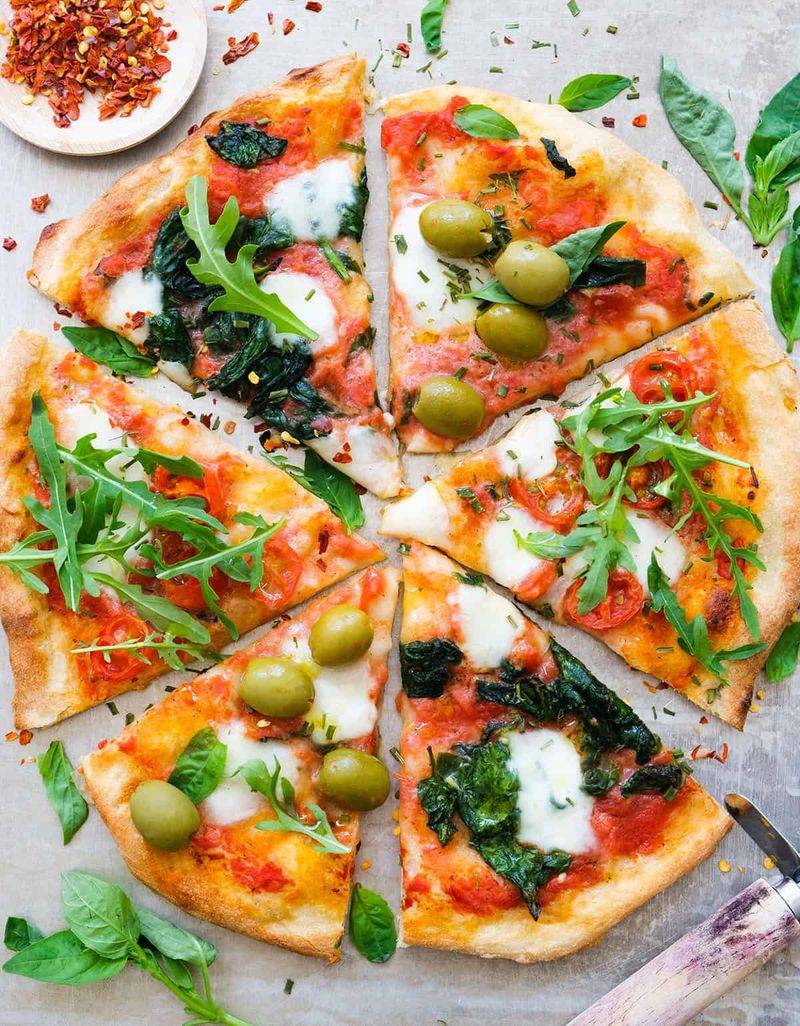
Neapolitan pizza has its own official rulebook, and it does not include smoked salmon, fennel, or burrata drizzled on top. Traditional Italian pizza philosophy centers on simplicity: a few high-quality ingredients working in harmony, not a canvas for culinary experiments.
Yet modern Italian food publications increasingly celebrate creative pies with fresh local ingredients. Some Nonnas, known for their resourceful use of seasonal produce, might actually appreciate the spirit behind these twists, even if the toppings make them raise an eyebrow or two.
9. Cannoli Chips and Dip
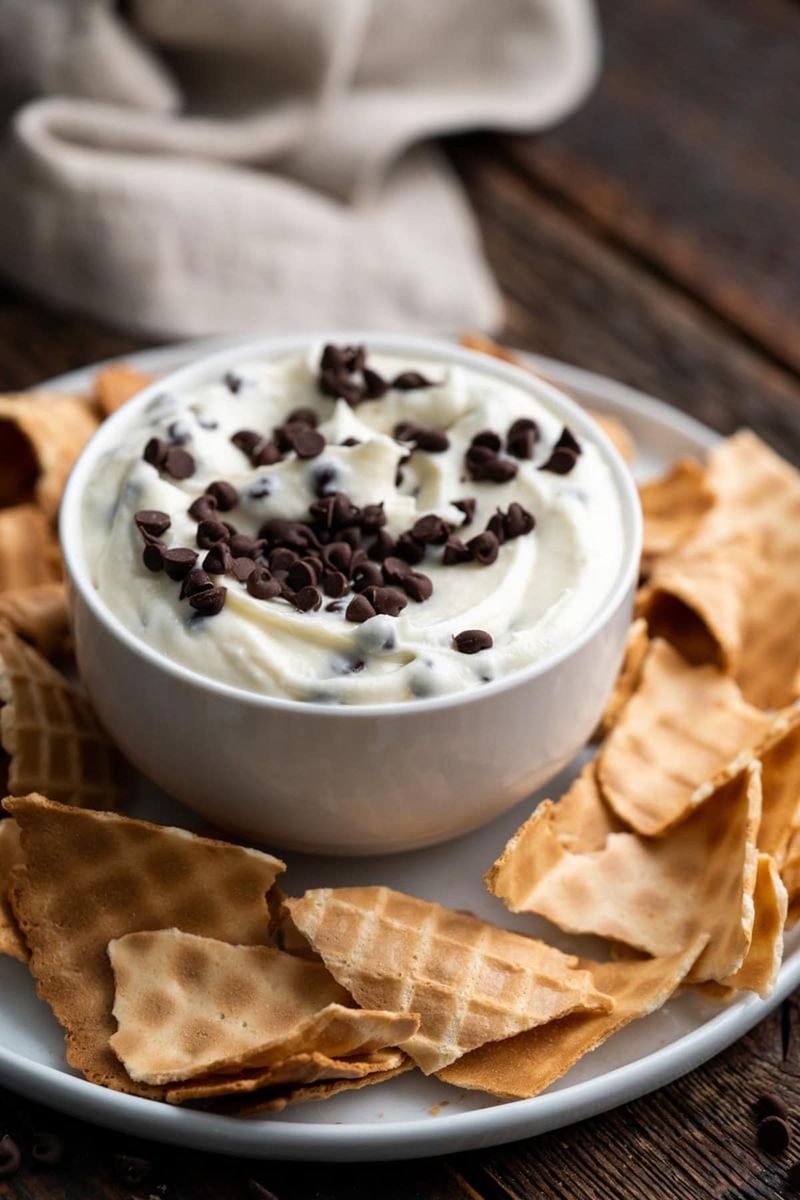
Deconstructing a Sicilian cannoli is practically an act of culinary rebellion. This modern twist turns the crispy shell into chips and scoops the sweetened ricotta filling into a dip, making it party-friendly but deeply controversial for anyone who grew up rolling shells in a Nonna’s kitchen.
Supporters argue it highlights the simplicity and versatility of classic cannoli ingredients. While no traditional grandmother would claim ownership of this idea, the dish proves that beloved Italian flavors can find new, playful forms without losing their soul.
10. Polenta Fries
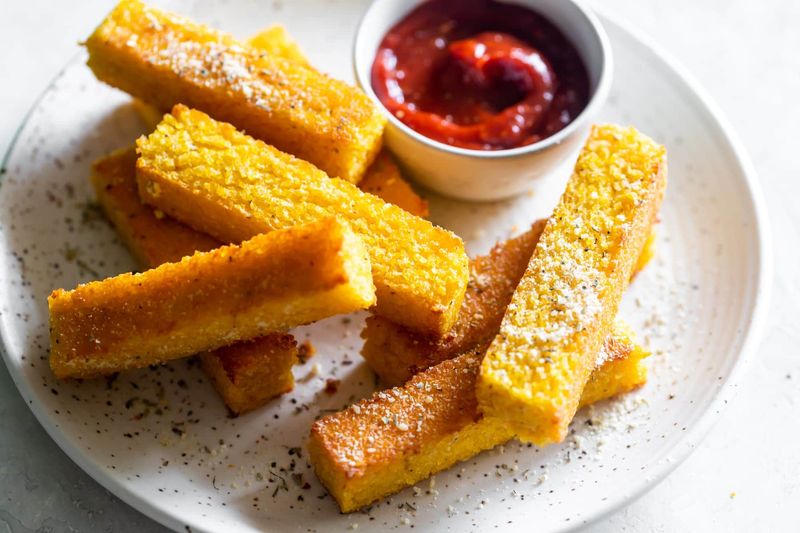
Polenta has nourished Northern Italy for centuries, traditionally served warm and creamy alongside braised meats or melted cheese. Slicing it into sticks and deep-frying it into fries feels like a quirky food trend to traditionalists who grew up stirring the pot for forty minutes straight.
That said, polenta’s adaptability is well-documented. It can be grilled, baked, or fried once it sets.
A practical Nonna might actually approve of using leftover polenta this way, turning yesterday’s side dish into today’s crispy snack without wasting a single bite.
11. Ricotta Stuffed Zucchini Rolls (Low-Carb Lasagna Alternative)
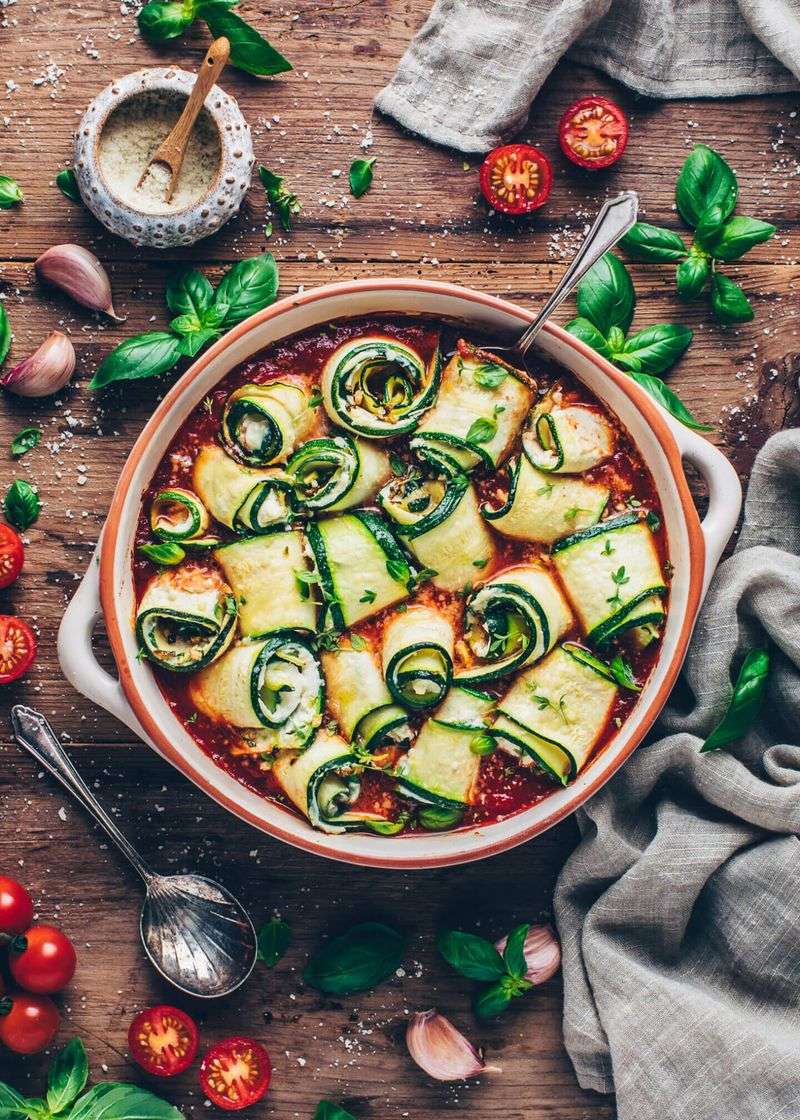
Replacing pasta sheets with thin zucchini slices is the kind of idea that makes Italian purists pause mid-bite. This low-carb, gluten-free take on lasagna swaps out the starchy staple for something lighter, which sounds practical until you realize how personal pasta is in Italian culture.
Still, many Italian home cooks embrace the swap enthusiastically. Stuffing vegetables with seasoned ricotta has deep roots in Italian cucina, and the dish genuinely celebrates fresh ingredients.
Even skeptical Nonnas have been known to serve seconds when the filling is seasoned just right.
12. Pulpett de Verza (Milanese Cabbage Rolls)
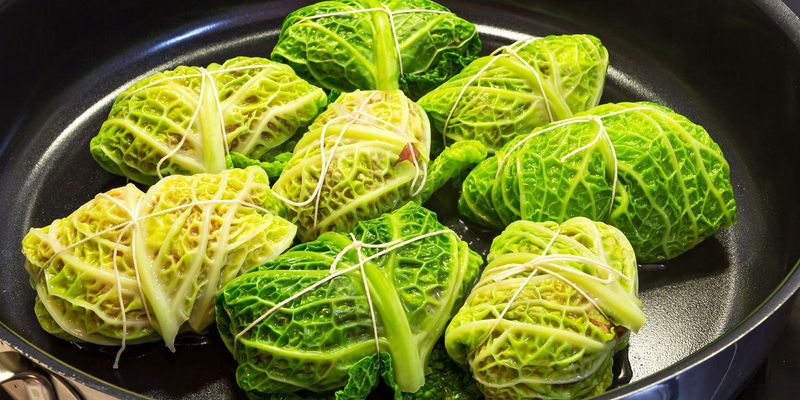
Nearly forgotten outside Lombardy, these “cabbage meatballs” from Milan are a textbook example of cucina povera, meaning peasant cooking built around using every last scrap. Ground meat, stale bread, and cabbage leaves come together in a humble dish that dates back to the 1920s and 1930s.
Their obscurity beyond the region makes them controversial in terms of national Italian identity. But in the kitchens where they were born, Nonnas made them with quiet pride, stretching limited ingredients into something warm, filling, and deeply satisfying for the whole family.
13. Pasta e Fagioli with Broken Pasta
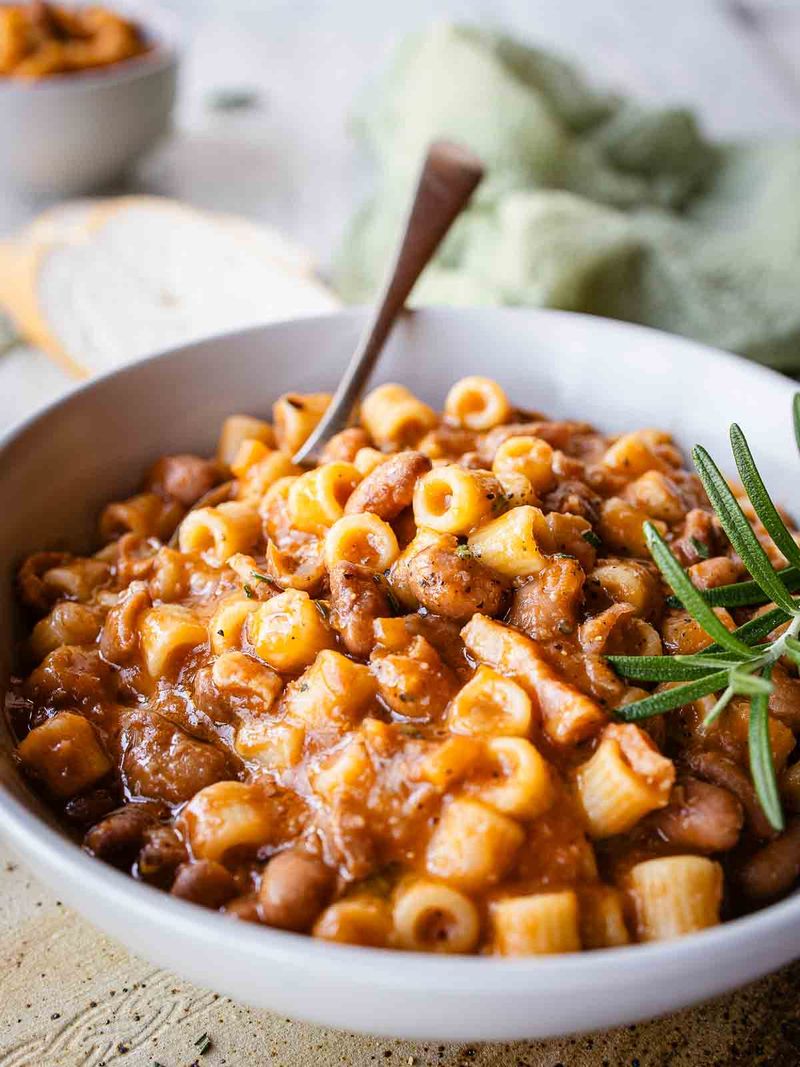
Breaking pasta into small pieces might feel wrong to anyone who has ever been scolded for snapping spaghetti in half. Yet Pasta e Fagioli, the hearty bean and pasta soup, has always relied on this practical technique to make the dish easier to eat and share.
After World War II, this was a lifeline meal when ingredients were scarce. Nonnas broke whatever pasta they had into the pot without ceremony.
That unpretentious habit lives on today, turning a simple bowl of soup into one of Italy’s most comforting and honest dishes.