14 Condiments That Usually Don’t Need Refrigeration After Opening
Most of us automatically reach for the fridge when we open a new bottle of ketchup or hot sauce, but not every condiment actually needs to be chilled. Knowing which ones are safe to keep in the pantry can save you precious fridge space and help you understand how food preservation really works.
Some condiments stay perfectly fine on the counter thanks to natural ingredients like salt, vinegar, sugar, or alcohol. Read on to find out which ones you can confidently store in your kitchen cabinet.
1. Soy Sauce
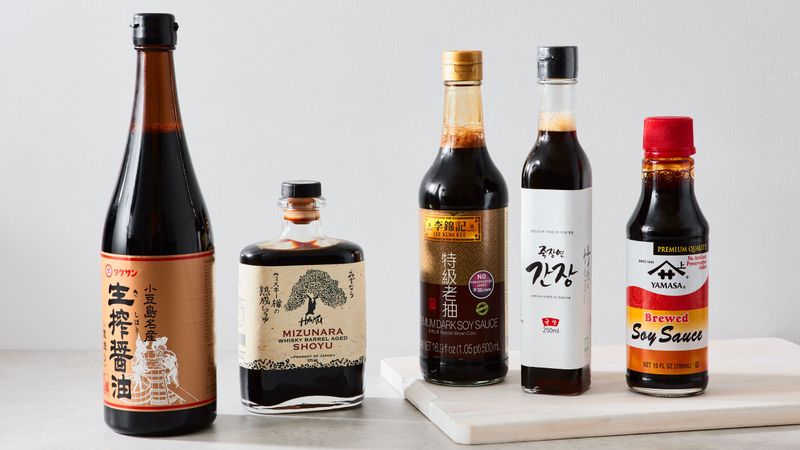
That salty, savory bottle sitting in your fridge might not actually need to be there. Standard pasteurized soy sauce is shelf-stable after opening because of its high salt content, which naturally prevents bacterial growth.
A cool, dark pantry works just fine, especially if you go through it within a month.
Low-sodium or unpasteurized varieties are a different story and should stay refrigerated. For everyday cooking, keeping regular soy sauce in the cabinet is completely safe and convenient.
2. Vinegar
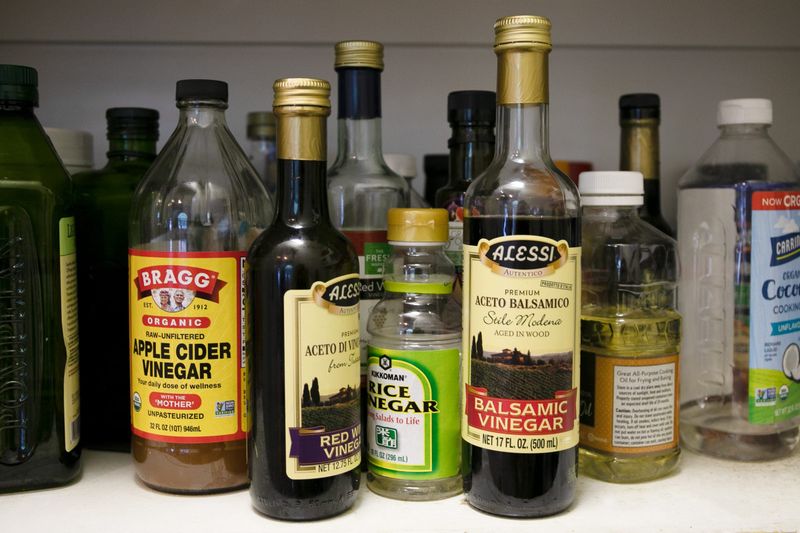
Vinegar might just be the ultimate natural preservative. Its extremely high acidity creates an environment where bacteria simply cannot survive, which is why it has been used to pickle and preserve food for thousands of years.
Once opened, most culinary vinegars like white distilled, apple cider, balsamic, and red wine varieties need no refrigeration at all.
Just keep the bottle sealed and stored away from direct sunlight. It will stay good essentially indefinitely right on your kitchen shelf.
3. Honey
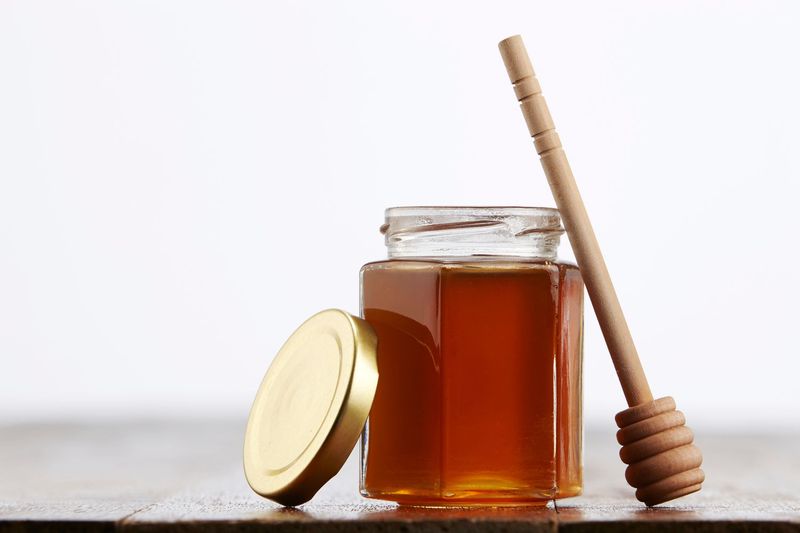
Honey is arguably nature’s most impressive pantry staple. Archaeologists have actually found 3,000-year-old honey in Egyptian tombs that was still perfectly edible.
Its magic comes from incredibly low water content and high sugar concentration, which makes it naturally antimicrobial and resistant to spoilage without any help from a refrigerator.
Chilling honey causes it to crystallize quickly, making it hard to scoop or pour. Store it sealed at room temperature and it stays smooth and delicious indefinitely.
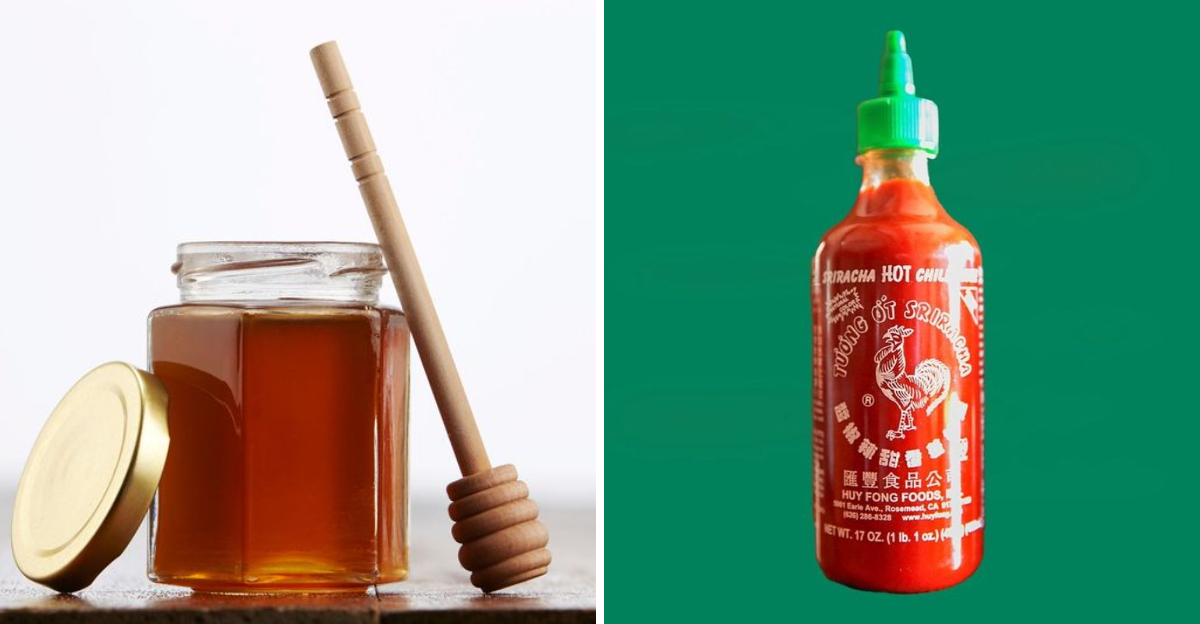
4. Hot Sauce
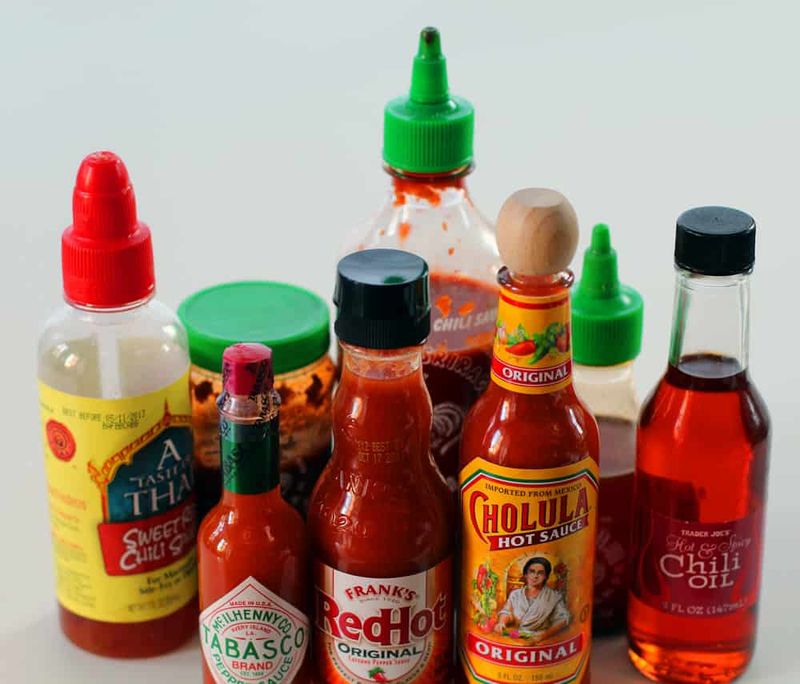
Vinegar and salt are doing the heavy lifting inside every bottle of your favorite hot sauce. Most commercial varieties are loaded with both, creating a naturally acidic environment that keeps harmful bacteria away without any refrigeration required.
Pantry storage in a cool, dark cabinet is perfectly safe for several months after opening.
Refrigerating hot sauce is mostly about preserving its bright color and punchy aroma longer. If you burn through a bottle quickly, the cabinet is your friend.
5. Worcestershire Sauce

Worcestershire sauce has a surprisingly complex ingredient list that includes vinegar, molasses, tamarind, and soy sauce. Coincidentally, almost every one of those ingredients acts as a natural preservative on its own.
Together, they make this condiment incredibly shelf-stable, lasting up to a year in a cool, dark pantry after opening.
Fun fact: this British sauce was originally created by accident in the 1830s when a batch was left in barrels and forgotten. Refrigeration is optional but can extend quality further.
6. Processed Peanut Butter
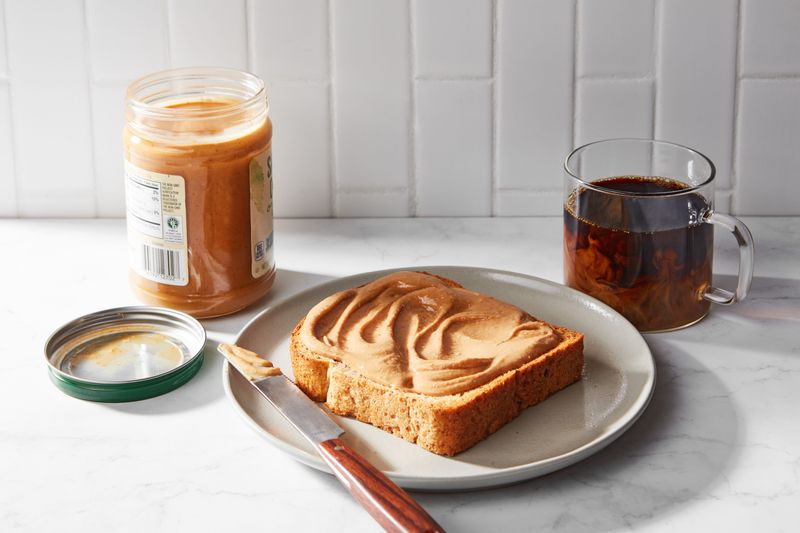
Commercially made peanut butter contains stabilizers that keep the oils from separating and prevent spoilage at room temperature. An opened jar can comfortably sit in your pantry for about three months without any safety concerns.
The low moisture content is what makes this possible, leaving bacteria with nowhere to thrive.
Natural or homemade peanut butter, however, lacks those stabilizers and does better in the fridge. If your kitchen runs hot and humid, consider refrigerating it regardless of the type.
7. Fish Sauce
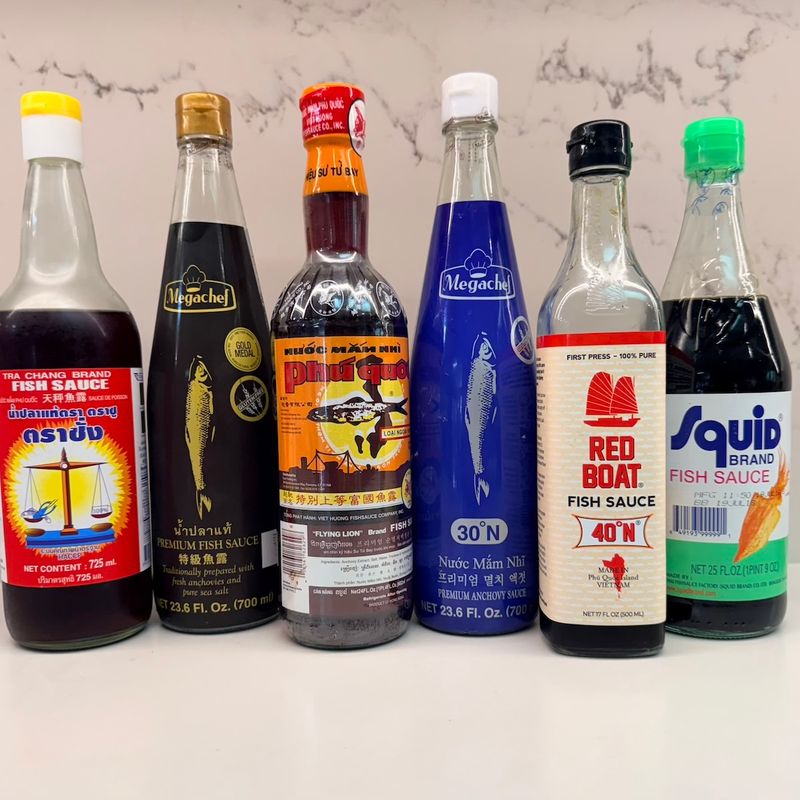
Fish sauce smells intense, but its preservation credentials are rock solid. Made through a lengthy fermentation process with extremely high salt concentrations, opened fish sauce is shelf-stable and does not need to live in your refrigerator.
The salt acts as a powerful natural barrier against bacterial growth, keeping the sauce safe at room temperature.
Chilling it can slow any gradual changes in flavor, but for most households that cook with it regularly, a cool pantry shelf is more than adequate storage.
8. Olive Oil
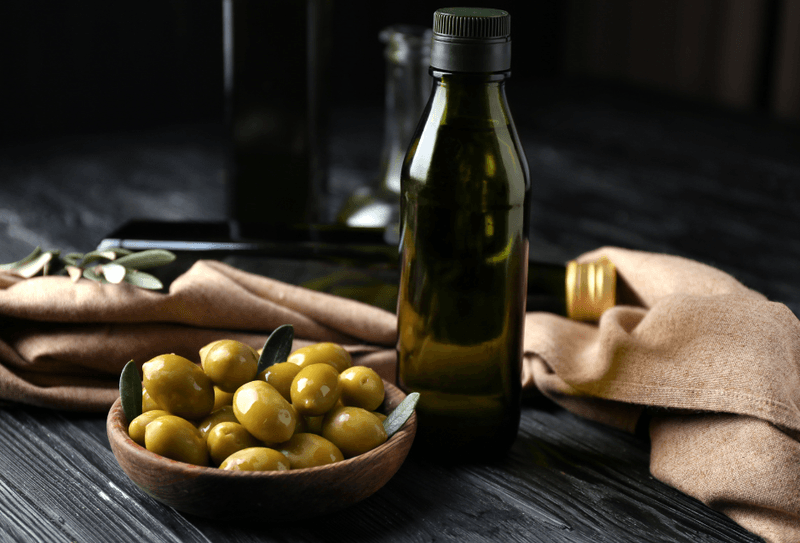
Olive oil actually prefers the pantry over the fridge. Cold temperatures cause it to turn cloudy and solidify into a thick, waxy consistency, which is harmless but makes pouring a total hassle.
The real enemies of olive oil are heat, light, and oxygen, not the absence of refrigeration.
Store opened olive oil in a tightly sealed dark bottle away from the stove and windows. Used within a few months, it will stay fresh, flavorful, and perfectly pourable without ever seeing the inside of a refrigerator.
9. Sesame Oil
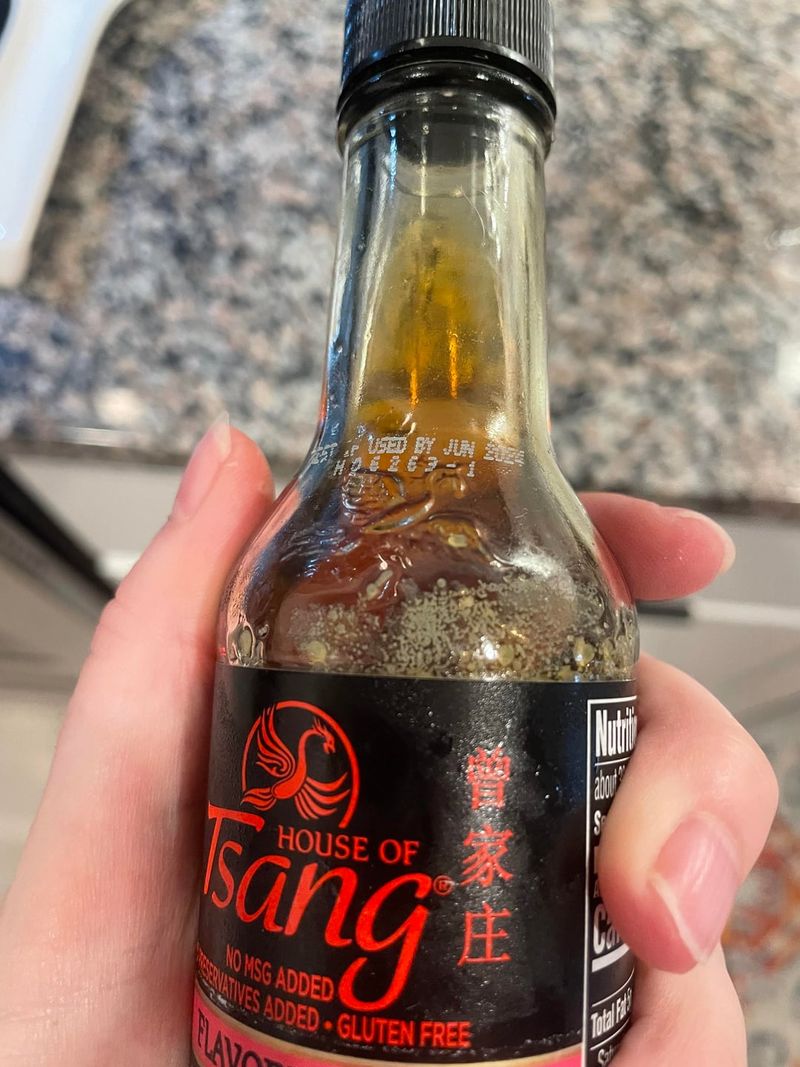
Sesame oil carries a rich, nutty aroma that instantly elevates stir-fries, noodles, and marinades. Like its cousin olive oil, it does not require refrigeration after opening and actually performs better stored in a cool, dark pantry where its flavor compounds stay more stable.
Toasted sesame oil has a more intense flavor and a slightly shorter shelf life than light sesame oil, so using it within three to six months after opening is ideal. Keep the cap tightly sealed to slow oxidation between uses.
10. Pure Vanilla Extract
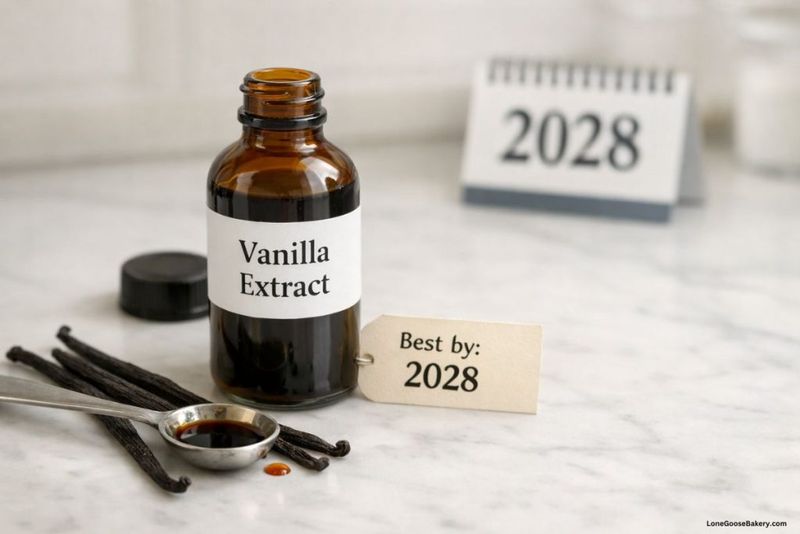
Pure vanilla extract is basically a pantry immortal. The alcohol used to pull flavor compounds from vanilla beans typically sits between 35 and 40 percent by volume, which is more than enough to preserve it indefinitely at room temperature.
No refrigeration needed, ever, even after opening the bottle.
Imitation vanilla extract, made with synthetic vanillin, also stores fine in the pantry. Either way, keep the bottle tightly closed and away from heat sources to protect those gorgeous vanilla aromatics over time.
11. Salt-Packed Capers
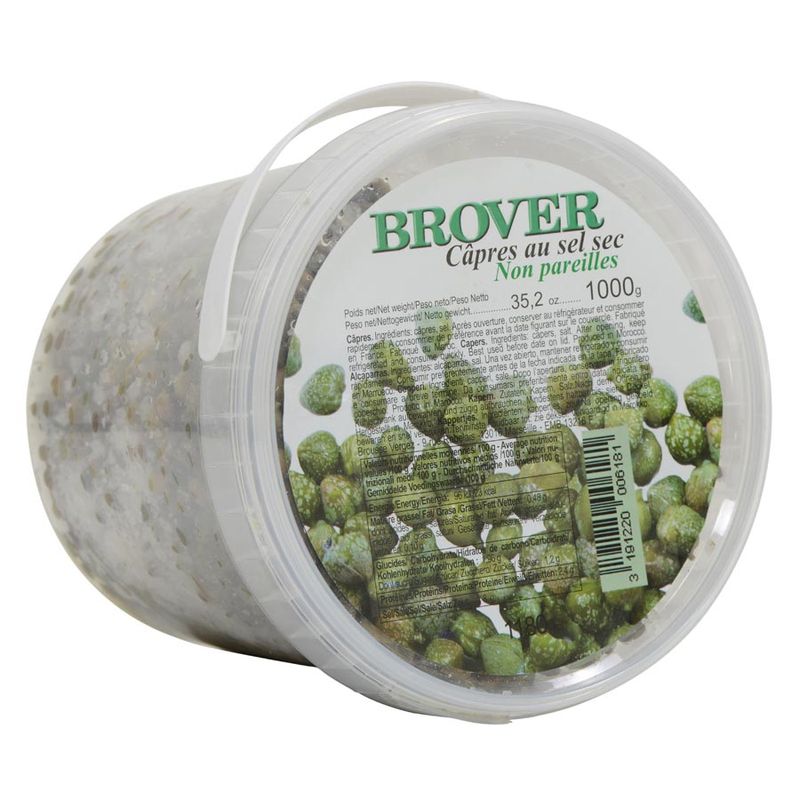
Capers packed in salt behave quite differently from their brine-packed cousins. The dense salt coating draws moisture away so effectively that bacteria have virtually no environment in which to grow, making them safe to store at room temperature for up to six months after opening.
The key rule with salt-packed capers is keeping them dry. Even a drop of water introduced into the jar can compromise preservation.
Use a dry spoon every time, seal the container tightly, and your pantry shelf is all they need.
12. Coconut Oil
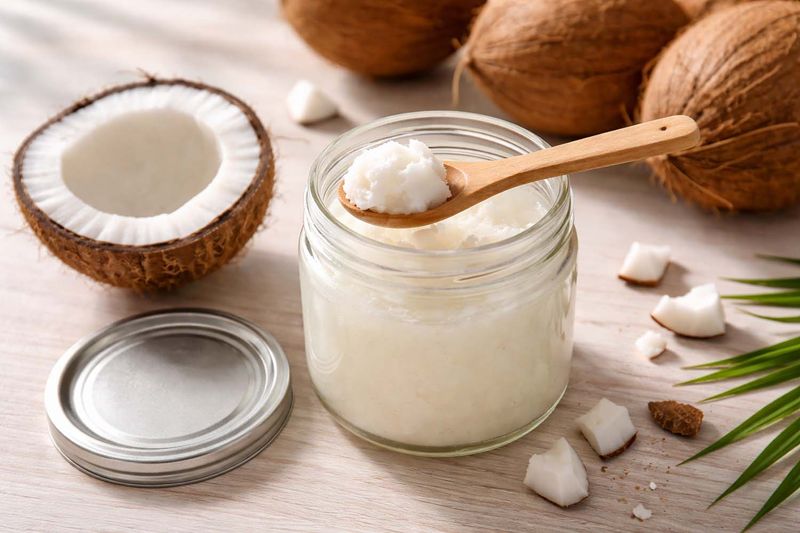
Coconut oil is one of the most stable cooking fats you can own. Its naturally high saturated fat content makes it very resistant to oxidation, meaning it can sit happily in your pantry for one to two years after opening without going rancid.
Refrigerating it is unnecessary and just turns it rock solid.
You might notice it switching between solid and liquid depending on your kitchen temperature, and that is completely normal. Either state works fine for cooking, baking, or skincare use.
13. Alcohol-Based Flavoring Extracts
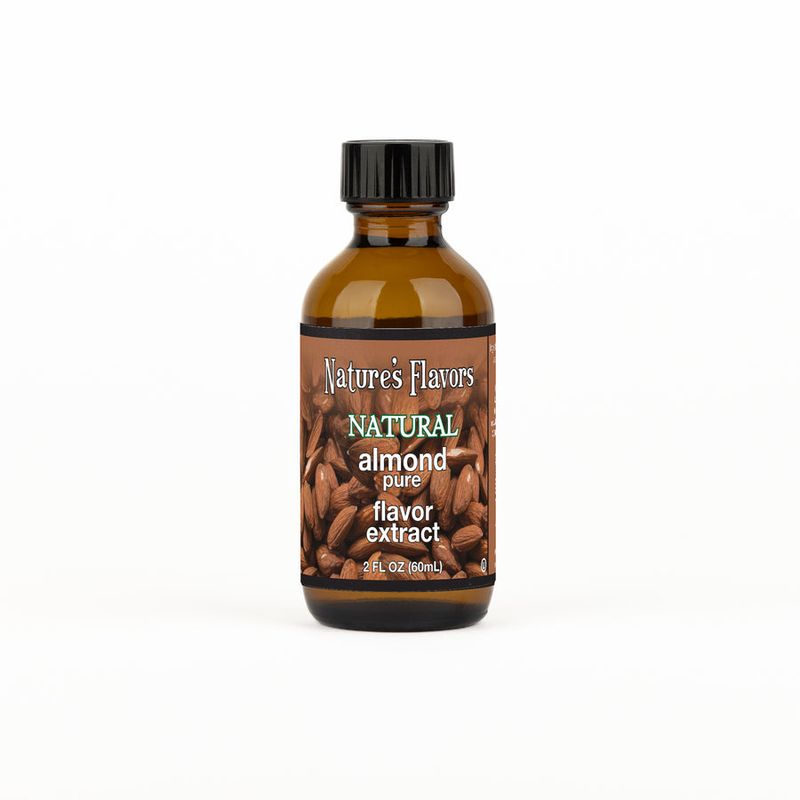
Beyond vanilla, a whole family of pure flavoring extracts deserves a permanent spot on your baking shelf. Almond, peppermint, lemon, and orange extracts all share the same preservation secret: a high alcohol content that makes them shelf-stable at room temperature after opening, sometimes indefinitely.
The key difference is purity. Pure extracts with real alcohol content stay stable much longer than imitation versions with artificial flavors and less alcohol.
Either way, a cool, dark cabinet keeps them ready for your next baking project without the fridge.
14. Sriracha (Vinegar-Based)
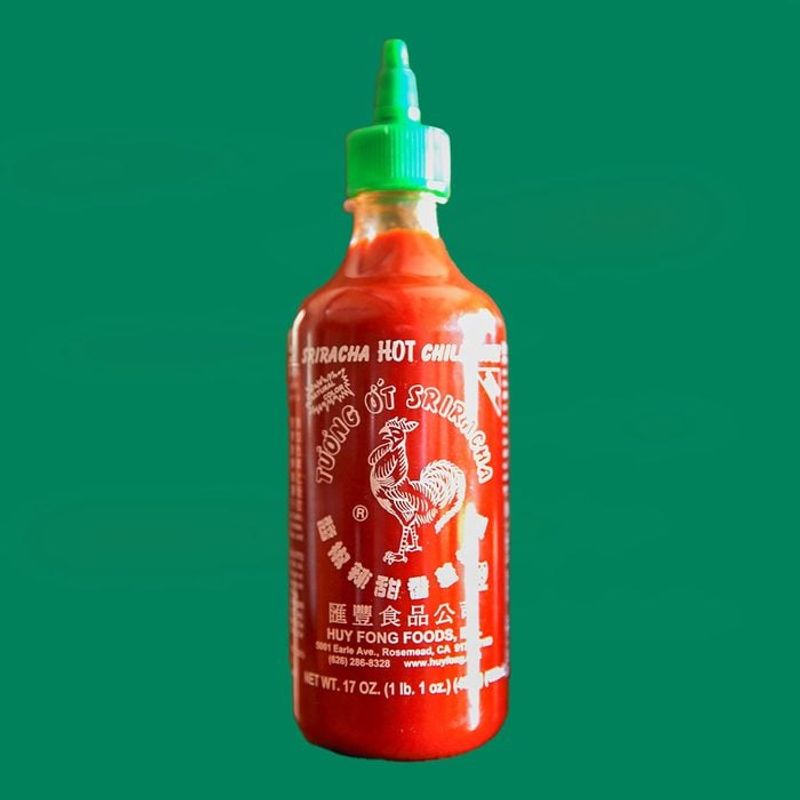
Not all sriracha is created equal when it comes to pantry storage. Varieties made with chilis, vinegar, garlic, salt, and a stabilizer like xanthan gum are acidic and shelf-stable enough to live outside the fridge after opening.
The vinegar keeps the pH low enough to prevent bacterial growth for months in a cool, dry spot.
Sriracha blends containing fruit, vegetables, or eggs are a different case and should always be refrigerated. When in doubt, check the label ingredients before skipping the chill.