20 Foods So Strange It’s Hard To Believe They Exist
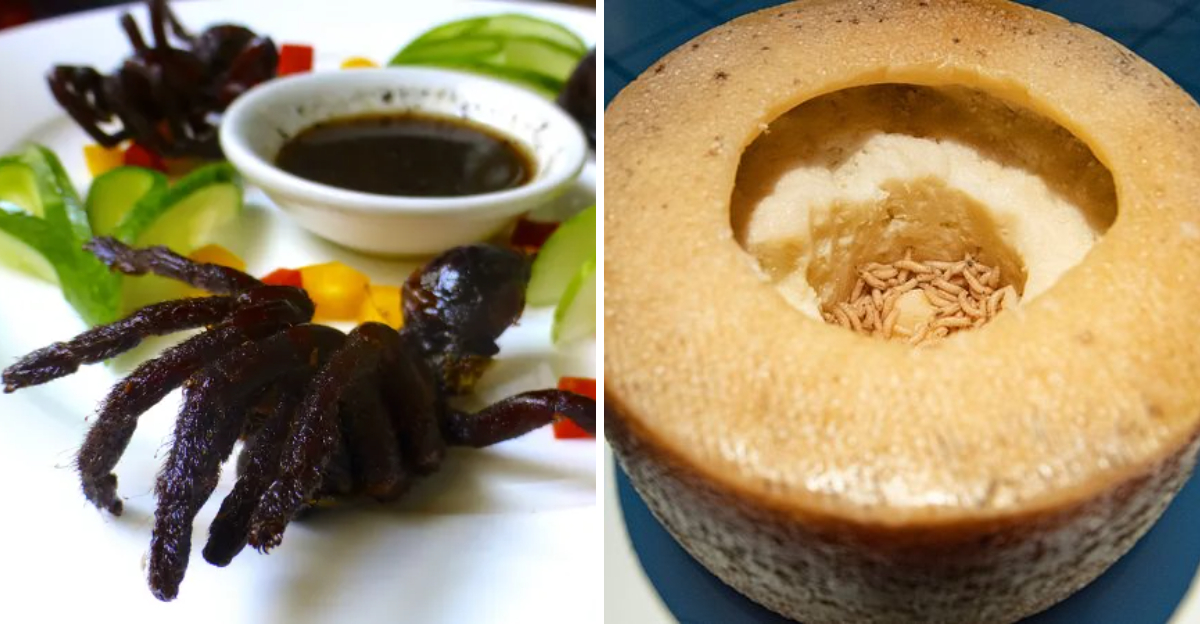
Food is one of the most fascinating parts of human culture, and around the world, people eat things that might make your jaw drop. From squirming tentacles to cheese crawling with live maggots, some dishes push the boundaries of what most of us would ever consider putting in our mouths.
Whether born out of tradition, survival, or pure curiosity, these bizarre foods tell incredible stories about the people who eat them. Get ready, because this list is not for the faint of heart.
1. Sannakji (Live Octopus Tentacles)
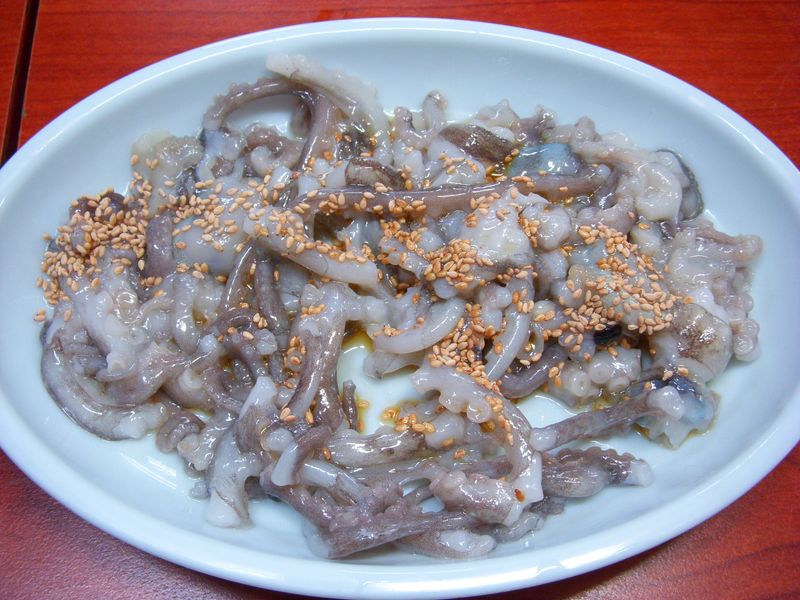
Imagine ordering a dish and watching your food still move on the plate. Sannakji is a South Korean delicacy where live octopus tentacles are sliced and served immediately, seasoned with sesame oil and seeds.
The tentacles keep wriggling even after being cut, giving diners a truly unforgettable experience.
Beyond the shock factor, this dish is celebrated for its incredible freshness. Locals consider the squirming texture a sign of quality.
Just be careful chewing — the suction cups can actually stick to your throat!
2. Kiviak (Fermented Seabirds in Seal Skin)
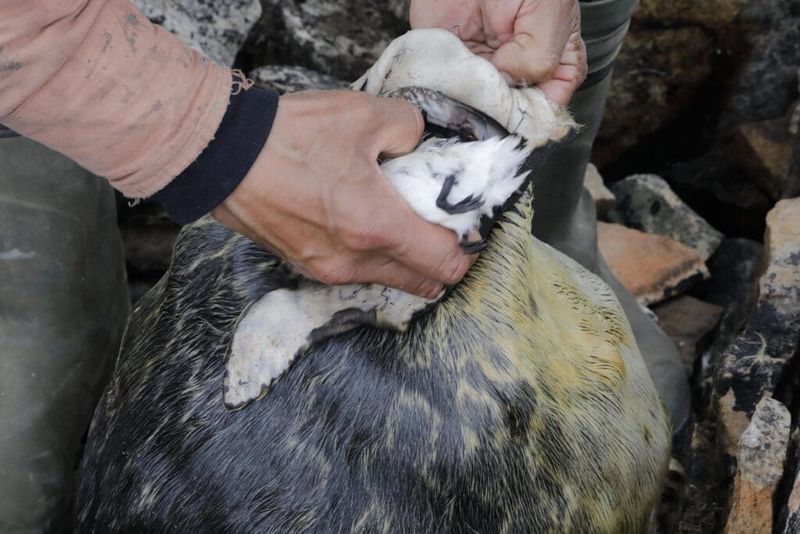
Few foods on Earth require as much patience — or stomach strength — as Kiviak. Hundreds of small Arctic seabirds called auks are stuffed whole into a seal carcass, which is then sewn shut and left under rocks to ferment for several months.
When the seal is finally opened, the birds have broken down into a pungent, gamey delicacy eaten by Inuit communities in Greenland. The flavor is shockingly intense, described as something between strong cheese and rotting meat.
It is traditionally served at celebrations.
3. Huitlacoche (Corn Smut Fungus)
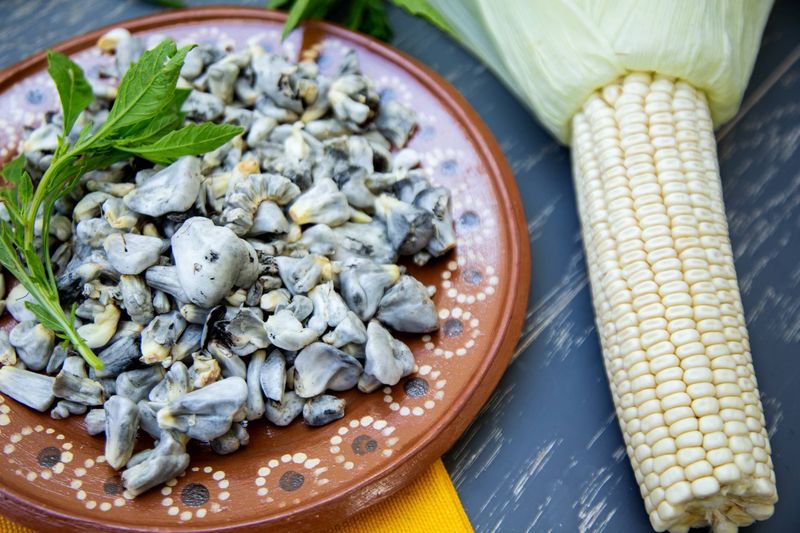
Most farmers panic when they spot a dark, swollen fungus eating their corn crop. In Mexico, though, they celebrate.
Huitlacoche — also called corn smut — is a prized culinary ingredient that turns infected corn kernels into dark, mushy masses with a deep, earthy flavor.
Chefs compare the taste to a rich, smoky mushroom, making it perfect in tacos, soups, and quesadillas. Aztecs were eating this centuries before it became trendy in fine dining.
What looks like crop disease is actually considered liquid gold in Mexican kitchens.
4. Fried Tarantulas
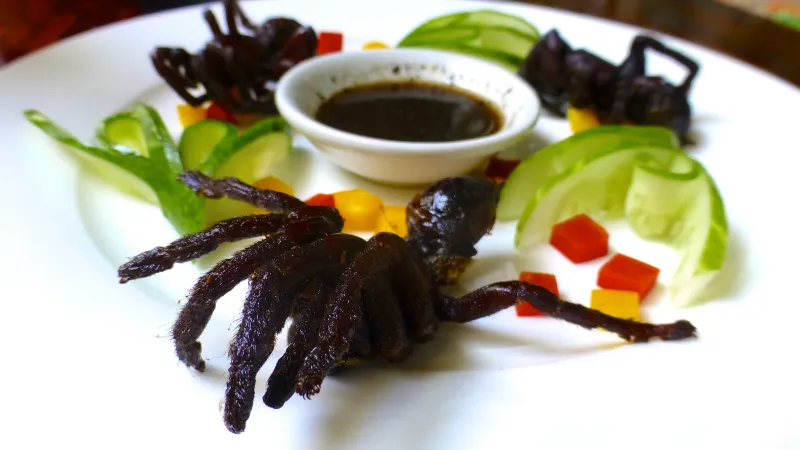
Street food does not get much bolder than this. In Cambodia, whole tarantulas are deep-fried until crispy and sold as a popular snack.
Before hitting the oil, they are marinated in a mix of MSG, sugar, salt, and garlic, giving them a savory crunch that vendors say rivals any chip.
The practice became widespread during food shortages under the Khmer Rouge, when people needed every available protein source. Today, it has evolved into a tourist attraction and a genuine cultural staple.
The legs go crispy, while the abdomen stays soft and gooey inside.
5. Head Cheese
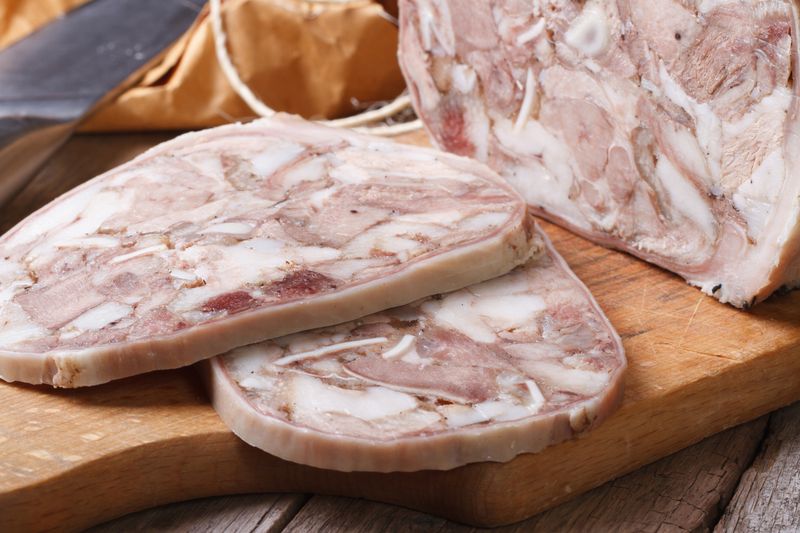
Despite the name, head cheese contains absolutely no dairy. This cold cut is made by simmering the flesh from a pig or cow skull until it falls off the bone, then pressing the meat into a loaf held together by the natural gelatin from the bones and cartilage.
Popular in Scotland, Germany, and parts of the American South, it has a rubbery, jiggly texture that puts off many newcomers. Slice it thin, serve it on bread, and suddenly it feels more normal.
The flavors are rich, savory, and surprisingly complex.
6. Century Egg (Preserved Egg)
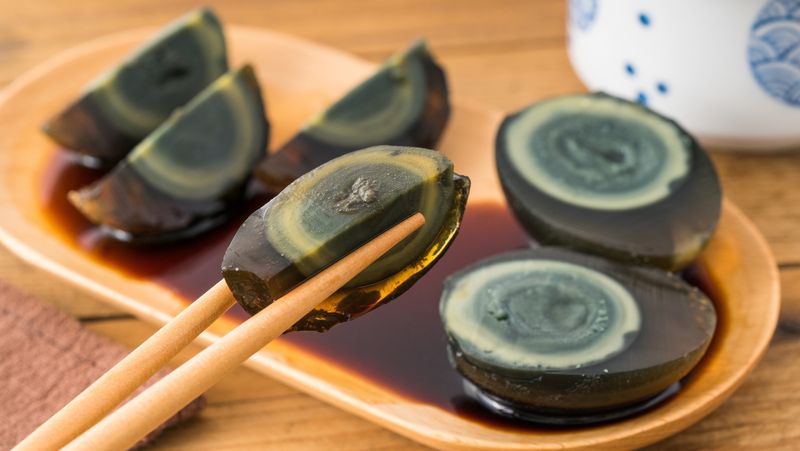
The name suggests these eggs are ancient, but they only take weeks to months to prepare. Century eggs are made by coating duck, chicken, or quail eggs in a mixture of clay, ash, salt, quicklime, and rice straw, then leaving them to transform.
The result is genuinely striking — the egg white turns into a dark, translucent jelly while the yolk becomes a creamy, grey-green center. The aroma is powerfully pungent, similar to ammonia.
Yet in Chinese cuisine, century eggs are considered a refined treat, often served sliced with pickled ginger.
7. Hakarl (Fermented Shark)
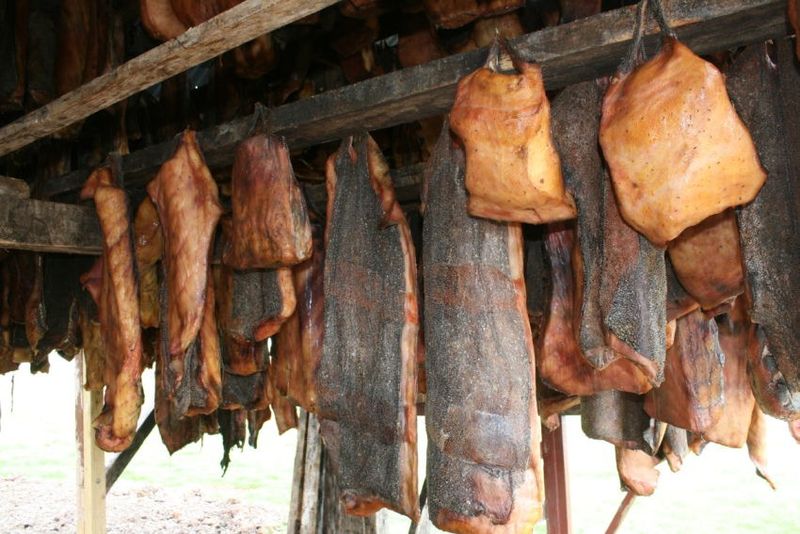
Anthony Bourdain once called this the single worst thing he had ever eaten. Hakarl is an Icelandic dish made from Greenlandic shark that is buried underground for weeks to putrefy, then hung to air-dry for several more months.
The process removes the shark’s naturally toxic flesh.
What remains smells powerfully of ammonia — sharp enough to sting your nostrils from across the room. The taste is rubbery, intensely pungent, and deeply acquired.
Icelanders often wash it down with a shot of Brennivin schnapps. It is a food that demands both courage and respect.
8. Casu Marzu (Maggot Cheese)
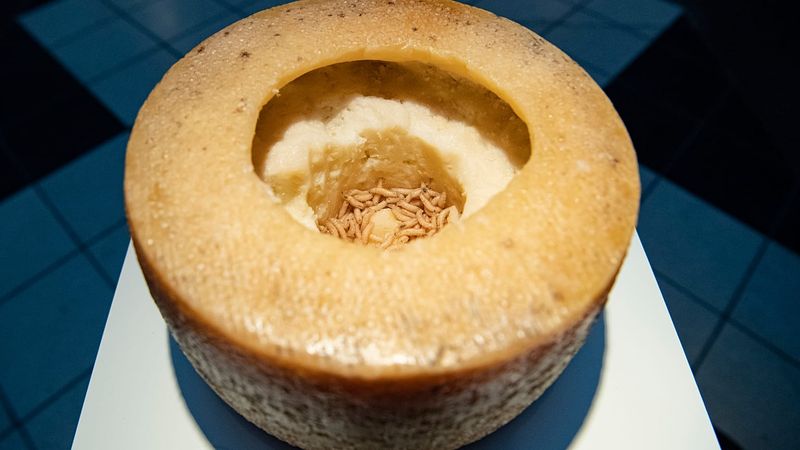
Cheese lovers, brace yourselves. Casu Marzu is a traditional Sardinian cheese that takes fermentation to a whole new level by intentionally introducing live cheese fly larvae into the wheel.
The maggots break down the fats, creating an ultra-soft, spreadable, tear-inducing cheese.
Eating it means consuming living insects, since the larvae can jump up to six inches when disturbed. Some locals eat it with the maggots still wriggling inside.
The European Union has actually banned its commercial sale, making it an underground delicacy. Adventurous cheese fans still seek it out passionately.
9. Stinky Tofu
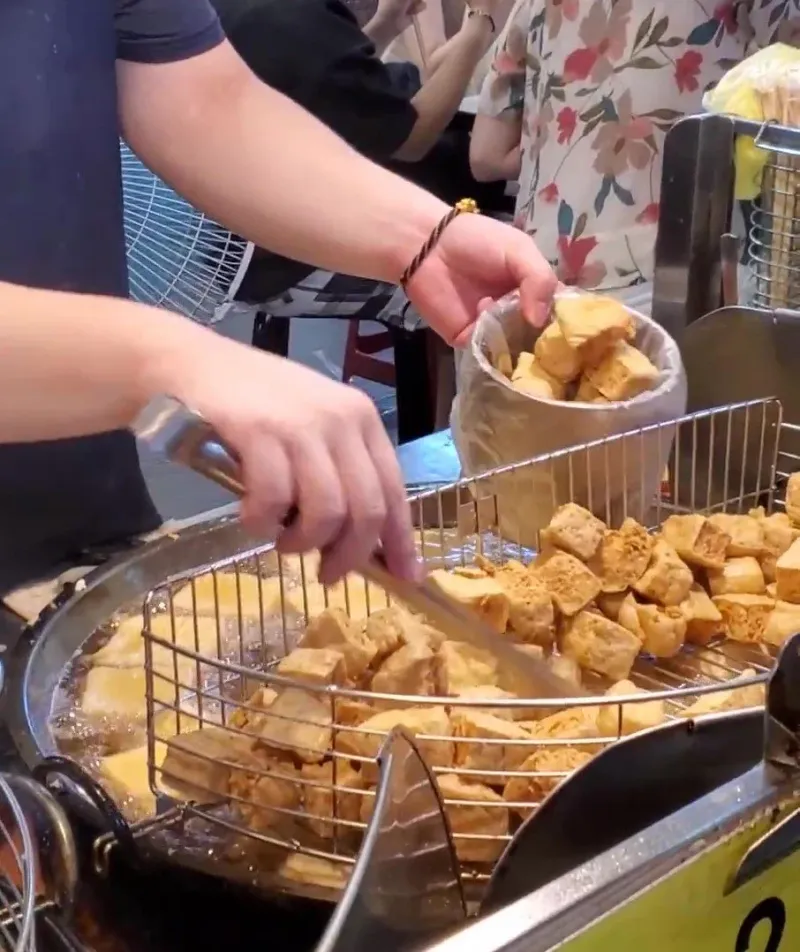
You will smell stinky tofu long before you see it. This fermented tofu dish is famous across Taiwan and China for its outrageously pungent odor, which people compare to rotting garbage or a broken sewer.
The smell is so powerful it can clear a street market crowd.
Weirdly, the taste does not match the smell at all. Once fried until crispy on the outside, stinky tofu delivers a rich, savory flavor that loyal fans absolutely swear by.
First-timers are often shocked to discover they actually enjoy it after getting past the initial aroma.
10. Rocky Mountain Oysters
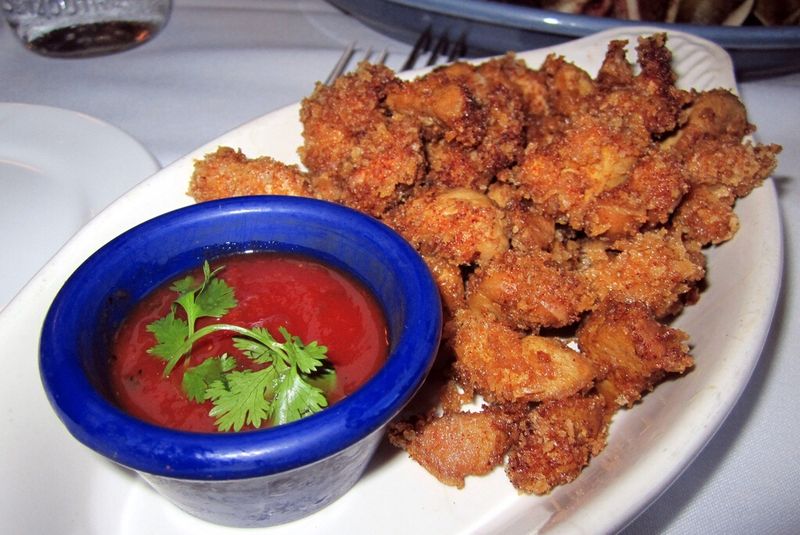
Order these at a Colorado restaurant and you might be in for a surprise. Rocky Mountain Oysters have nothing to do with the ocean — they are deep-fried bull testicles, crispy on the outside and chewy within.
The name is a clever bit of culinary misdirection that has caught many unsuspecting diners off guard.
The tradition traces back to cattle-ranching cowboys who believed in wasting nothing from the animals they raised. Today, they are served at festivals and steakhouses with dipping sauces.
The flavor is mild and meaty, not nearly as alarming as the description suggests.
11. Cuy (Roasted Guinea Pig)
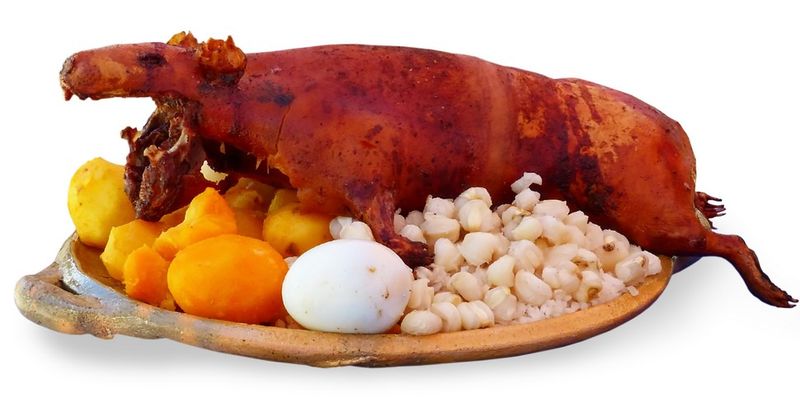
In many Western homes, guinea pigs are beloved pets. In Peru, they are a celebrated protein that has been on the menu since the time of the ancient Incas.
Called cuy, these small animals are bred specifically for food and are roasted or fried whole, often served at family gatherings and festivals.
The meat is lean, tender, and reportedly similar to rabbit. A whole cuy served on a plate — head and all — tends to shock foreign visitors immediately.
Peruvians consider it a point of cultural pride, and the dish appears even in ancient Incan artwork.
12. Escargot (Cooked Snails)
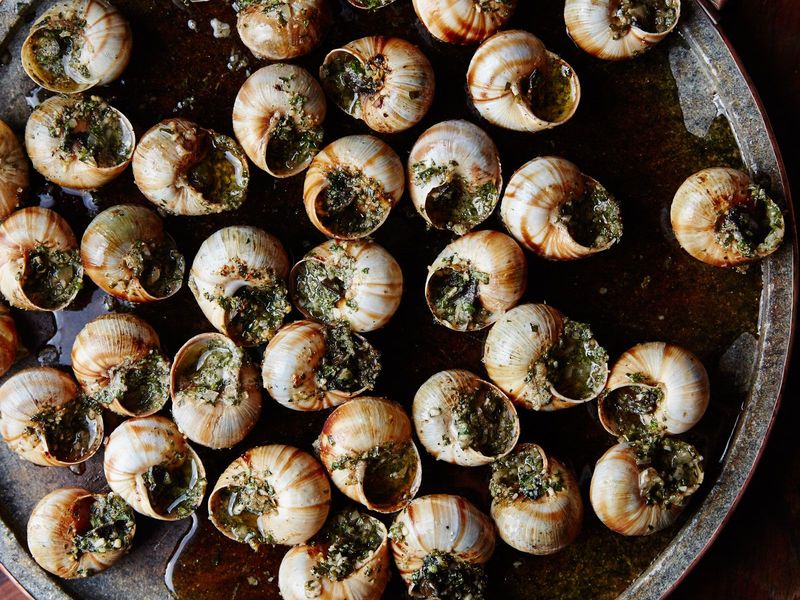
Snails might be the last thing you picture on a fine dining menu, yet escargot has been a staple of French cuisine for centuries. These cooked land snails are typically prepared in a rich garlic and herb butter sauce, served sizzling hot in their shells at upscale restaurants across France.
The texture is chewy and slightly firm, while the garlic butter does most of the heavy flavor lifting. Romans reportedly farmed snails as a food source long before the French made them fashionable.
Today, France consumes around 30,000 metric tons of snails every single year.
13. Tripe Soup
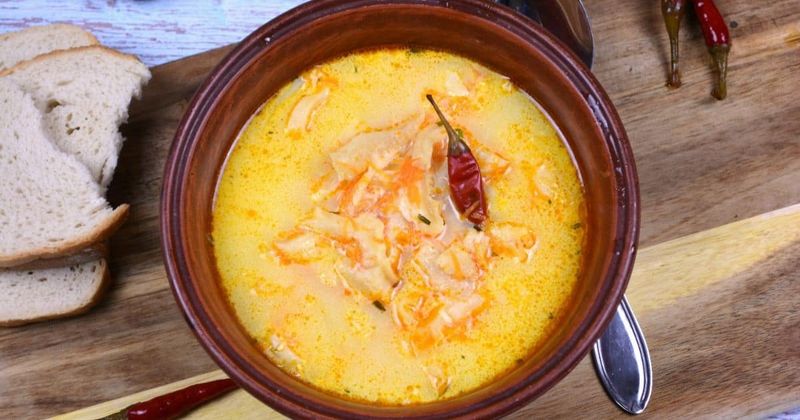
Across the Balkans and Eastern Europe, a bowl of tripe soup is considered the ultimate morning-after cure. Made from the lining of cow or lamb stomach, the broth is thick, creamy, and deeply savory, often finished with vinegar and raw garlic.
Bulgaria, Romania, and Turkey all have beloved versions of this dish.
The texture of the stomach lining is soft and slightly rubbery, which can be off-putting to newcomers. Still, millions of people eat it regularly and passionately defend its restorative powers.
It is one of those dishes where the more you eat it, the more you love it.
14. Jadoh (Blood Rice)
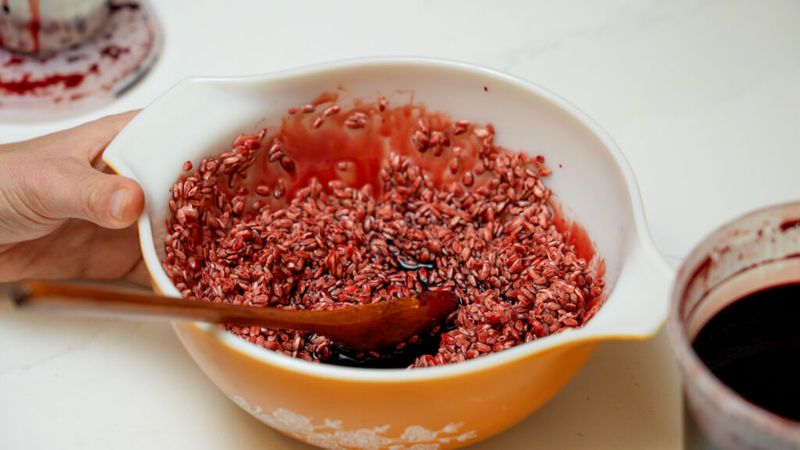
From the lush hills of Meghalaya in northeastern India comes a dish that looks deceptively like biryani but carries a very different secret ingredient. Jadoh is a traditional Khasi rice preparation cooked with pork or chicken and generous amounts of blood, which gives the dish its dark, rust-colored appearance.
The blood adds a distinct metallic, mineral-rich flavor that locals find deeply satisfying. It is a staple at celebrations and community feasts across the Khasi community.
For outsiders tasting it the first time, the flavor is surprisingly bold and earthy rather than unpleasant.
15. Kuay Teow Namtok (Boat Noodles with Blood)
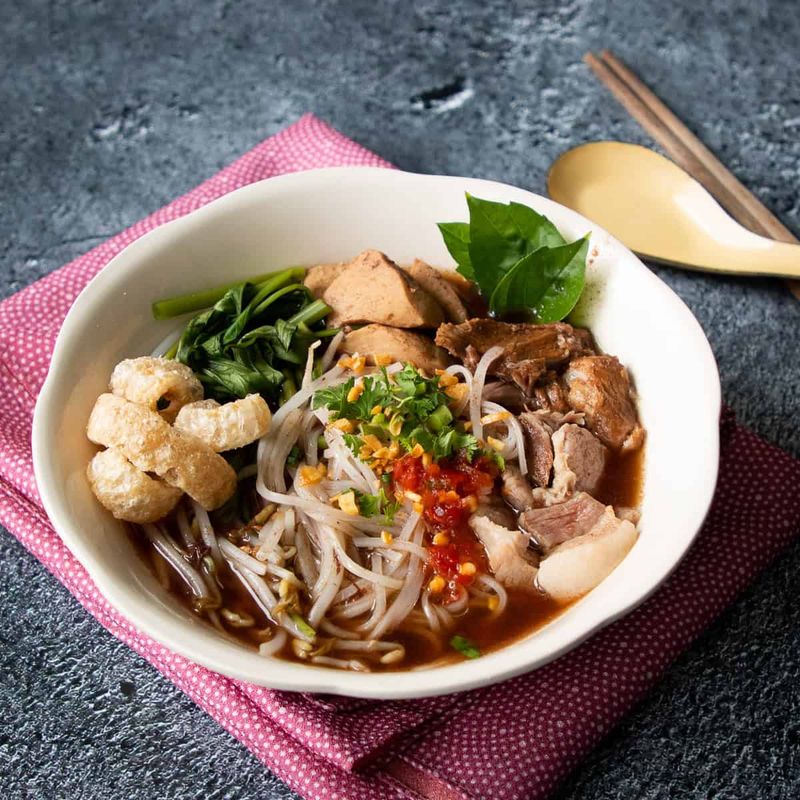
Thai boat noodles pack more flavor into a small bowl than almost any dish on this list. Also called Kuay Teow Namtok, this street food classic features a rich pork or beef broth darkened with fresh raw blood, poured over noodles and topped with meatballs and crispy pork rinds.
The blood thickens the broth and delivers an intensely meaty, savory depth that regular noodle soups simply cannot match. The dish earned its name from vendors who once sold it from boats along Bangkok’s canals.
Today it remains one of Thailand’s most beloved — and misunderstood — comfort foods.
16. Nok Ann Toong (Fermented Sour Swallows)
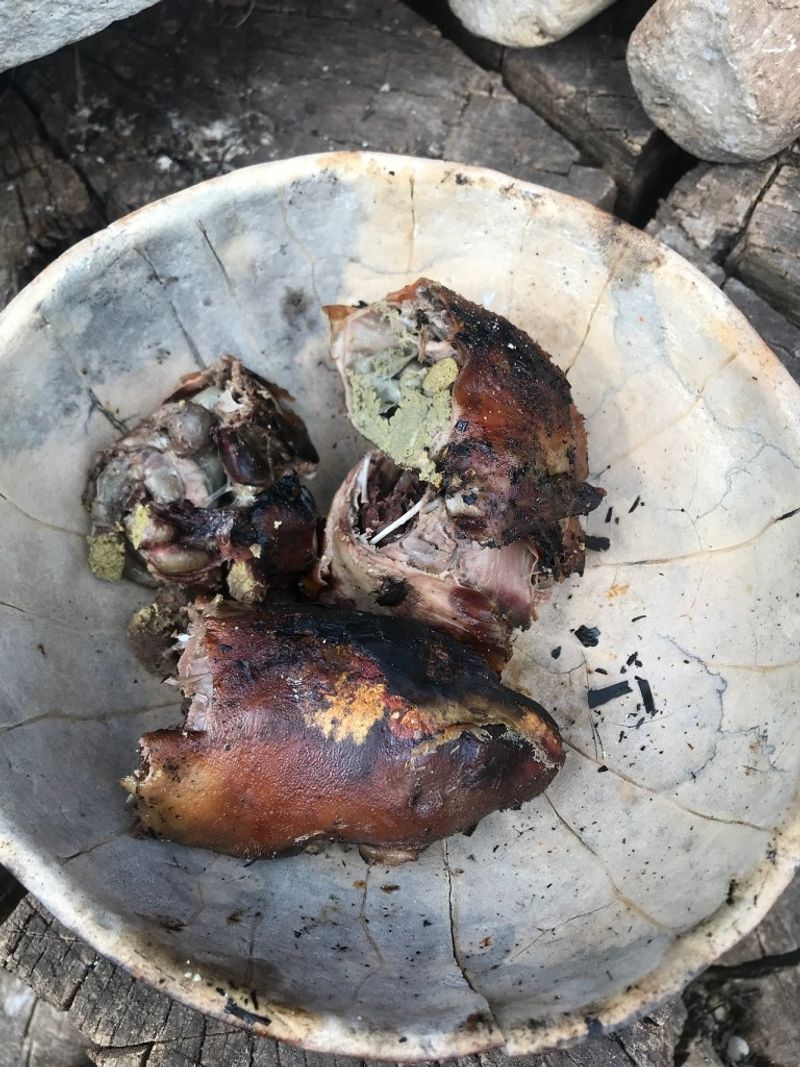
This dish from Laos makes most fermented foods look tame by comparison. Tiny swallow-like birds are caught, packed tightly into sealed earthenware jars, and left to ferment and pickle for several months until completely broken down.
The entire bird — feathers, bones, beak and all — is then fried and eaten whole.
The flavor is sour, intensely gamey, and unlike anything most people have ever tasted. It is a hyper-local delicacy tied to specific rural communities in Laos.
The crunchy texture of the bones and the pungent sourness make it one of the world’s most extreme eating experiences.
17. Witchetty Grubs
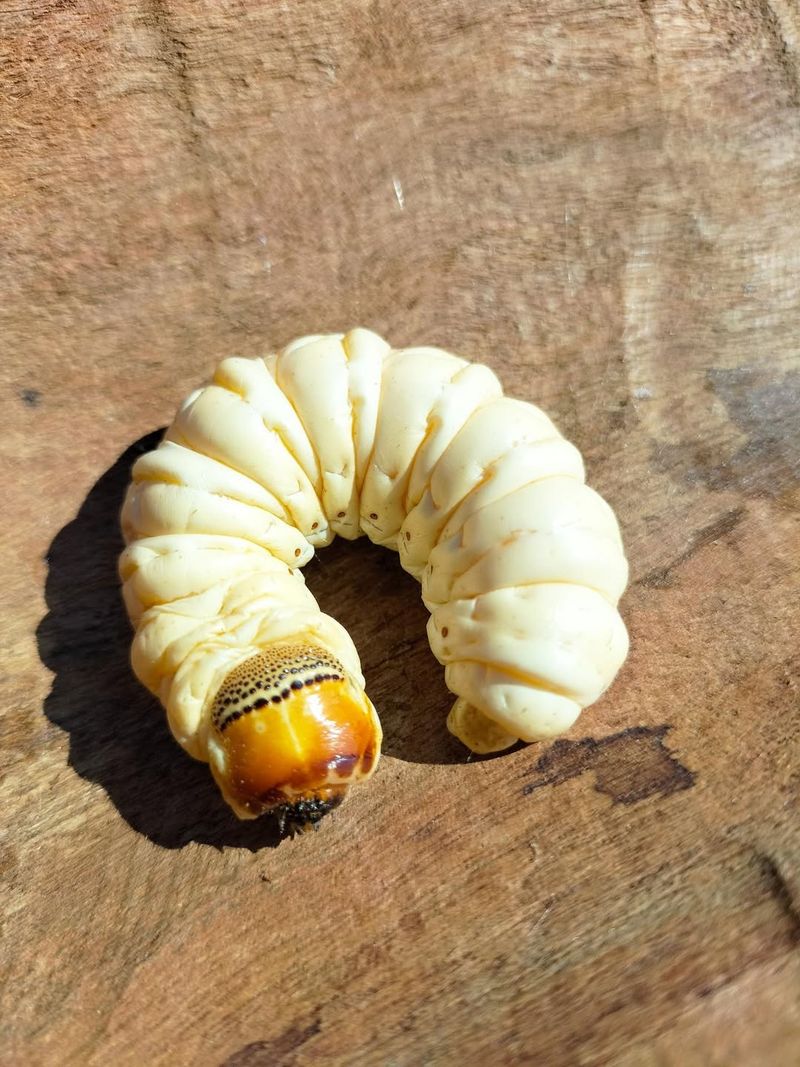
Fat, creamy, and roughly the size of your thumb, witchetty grubs are one of Australia’s most iconic bush tucker foods. These large white larvae live burrowed inside the roots of eucalyptus and acacia trees in the outback, and Aboriginal Australians have been eating them for tens of thousands of years.
Eaten raw, they taste surprisingly sweet and nutty, like a soft egg yolk. Lightly grilled or fried, the outside turns golden and crispy while the inside stays creamy.
They are packed with protein and healthy fats, making them one of the most nutritious foods on this entire list.
18. Khash (Boiled Sheep Head Soup)
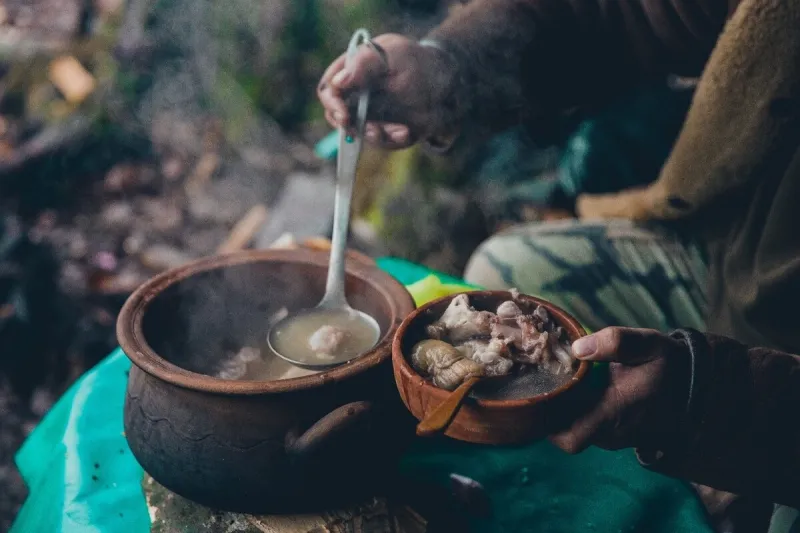
Khash is the kind of dish that requires commitment. Popular across Armenia, Georgia, Iran, and other parts of the Middle East and Caucasus, it is made by boiling an entire sheep — skull, feet, and intestines — for hours until the collagen breaks down into a thick, cloudy, intensely rich broth.
Traditionally eaten in the early morning hours after an all-night cooking process, Khash is a communal experience shared with friends and strong spirits. The flavor is deeply gelatinous and fatty, with a primal richness that warms you from the inside out.
It is not pretty, but it is powerful.
19. Fugu (Pufferfish)
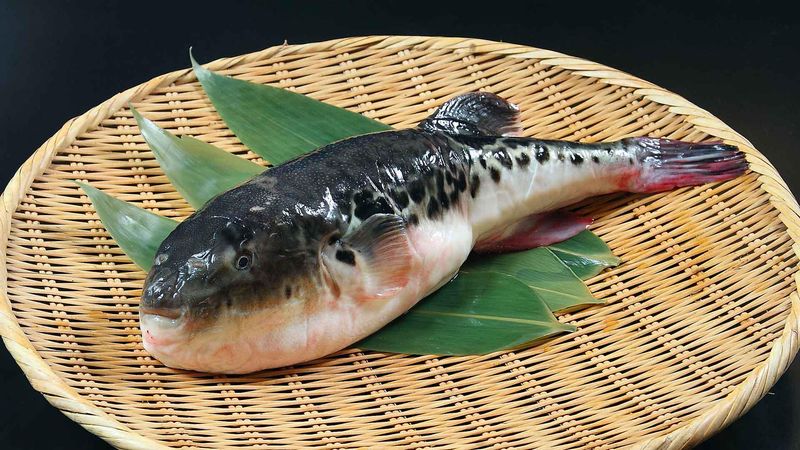
Eating Fugu is essentially a calculated gamble with your life — and that is part of the appeal. This Japanese pufferfish delicacy contains tetrodotoxin, a poison up to 1,200 times more deadly than cyanide, concentrated in the liver, ovaries, and skin.
Chefs must train for years and earn a special government license just to serve it legally.
When prepared correctly, the thinly sliced sashimi has a clean, mild flavor with a slightly firm bite. Diners sometimes report a faint tingling on the lips — a tiny reminder of the danger lurking just millimeters away.
It remains one of Japan’s most exclusive and thrilling dining experiences.
20. Escamoles (Ant Eggs)
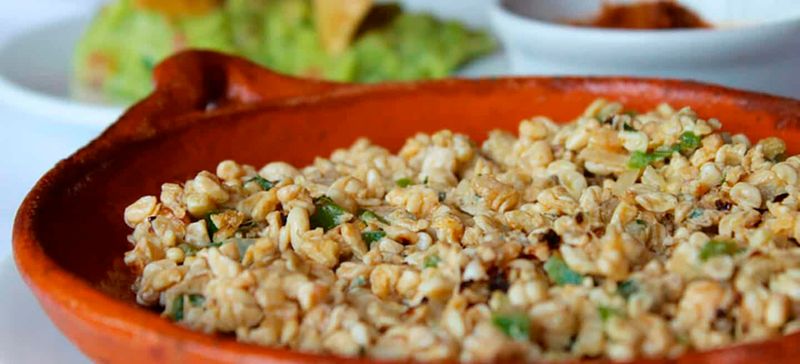
Long before caviar became a luxury food symbol, the Aztecs were feasting on escamoles — the edible larvae and pupae of giant black ants harvested from the roots of agave plants. Often called Mexican caviar, these tiny white morsels are available only between February and May, making them extremely rare and expensive.
The flavor is surprisingly pleasant — buttery, slightly nutty, and delicate, with a texture similar to cottage cheese. Harvesting them is dangerous work, as the aggressive ants bite fiercely to protect their nests.
In Guanajuato, escamoles are considered a true gourmet ingredient worthy of any fine dining table.