
14 Root Vegetables That Bring Plenty To The Table
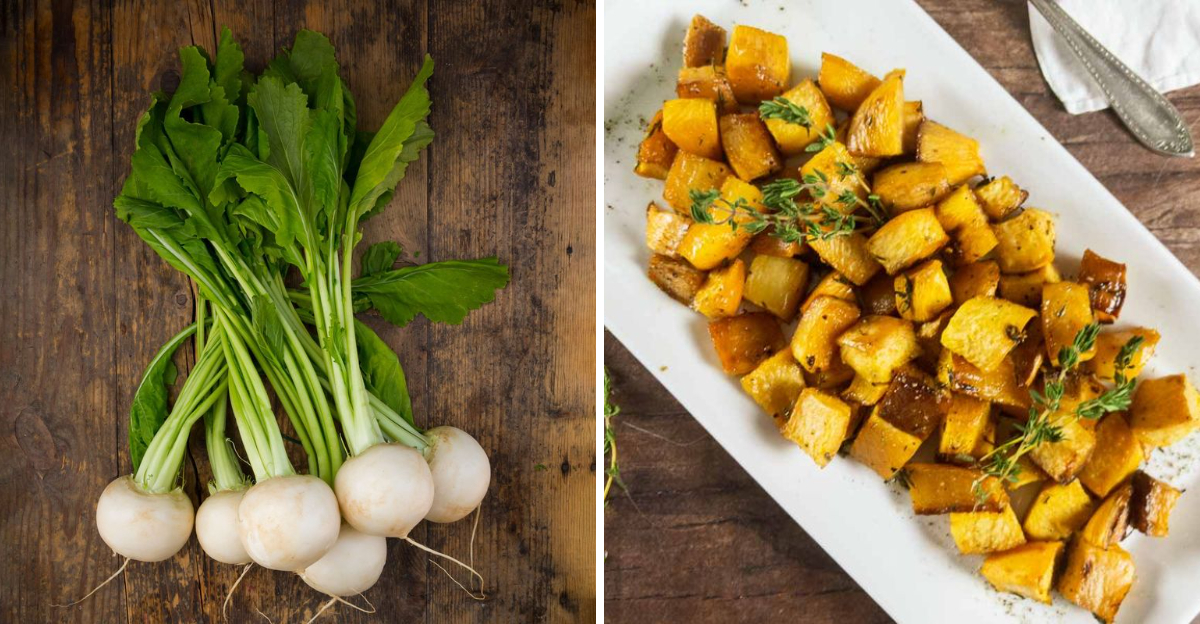
Root vegetables have been feeding families and fueling civilizations for thousands of years. Grown beneath the soil, these humble powerhouses pack an impressive amount of nutrition, flavor, and versatility into every bite.
From sweet potatoes to spicy radishes, there is a root vegetable for every taste and every recipe. Whether you are cooking a hearty stew or looking for a crunchy snack, this list will open your eyes to just how much these underground gems have to offer.
1. Carrots
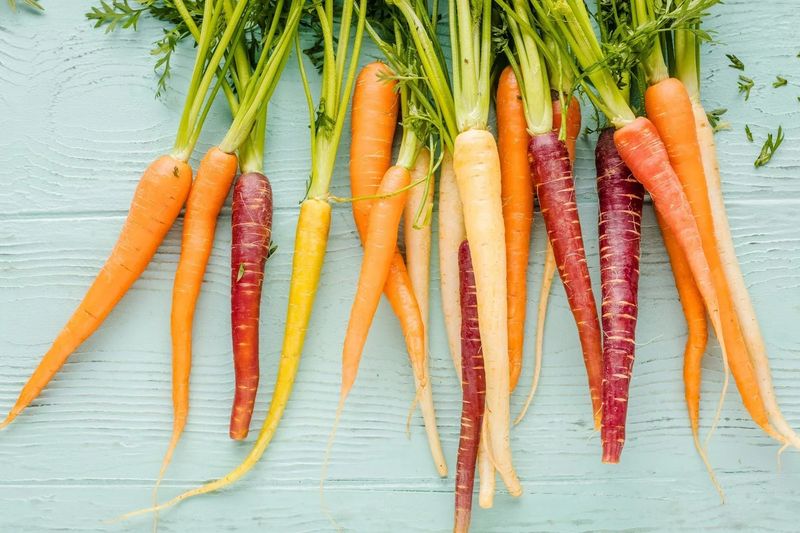
Most people picture orange when they think of carrots, but these crunchy root vegetables actually come in purple, white, and yellow varieties too. That colorful range is thanks to different natural pigments, including beta-carotene, which your body turns into vitamin A for healthy eyes and skin.
Raw carrots make a satisfying snack, but roasting them brings out a natural sweetness that feels almost dessert-like. Toss them into soups, stir-fries, or even muffins for an easy nutrition boost.
2. Potatoes

Few foods on earth have shaped history the way the humble potato has. Originally from South America, potatoes became a global staple food because they are filling, affordable, and incredibly versatile in the kitchen.
Baked, mashed, roasted, or fried, there seems to be no wrong way to cook them. Keep the skin on whenever possible, since it holds a surprising amount of fiber and nutrients.
Store them in a cool, dark spot and they can last for months.
3. Sweet Potatoes
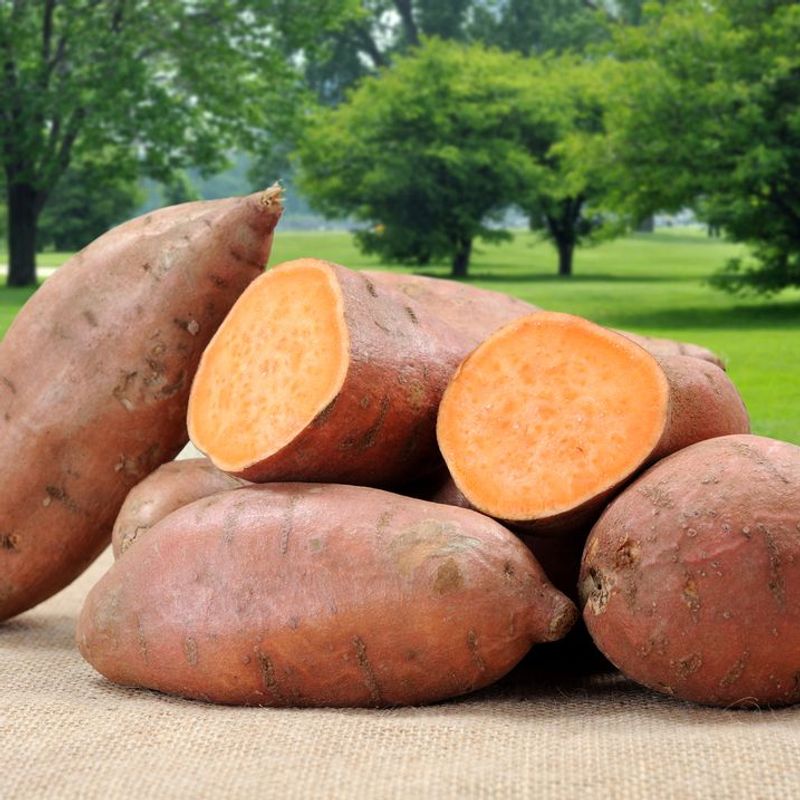
Naturally sweet, deeply colorful, and loaded with good-for-you nutrients, sweet potatoes are basically a superfood hiding underground. They are packed with fiber, vitamin C, manganese, and beta-carotene, making them one of the most nutritious vegetables you can put on your plate.
Research also links them to anti-inflammatory benefits and protection against certain diseases. Roast them with a little olive oil and cinnamon for a side dish that tastes more like a treat than a vegetable.
Kids and adults tend to agree on this one.
4. Beets
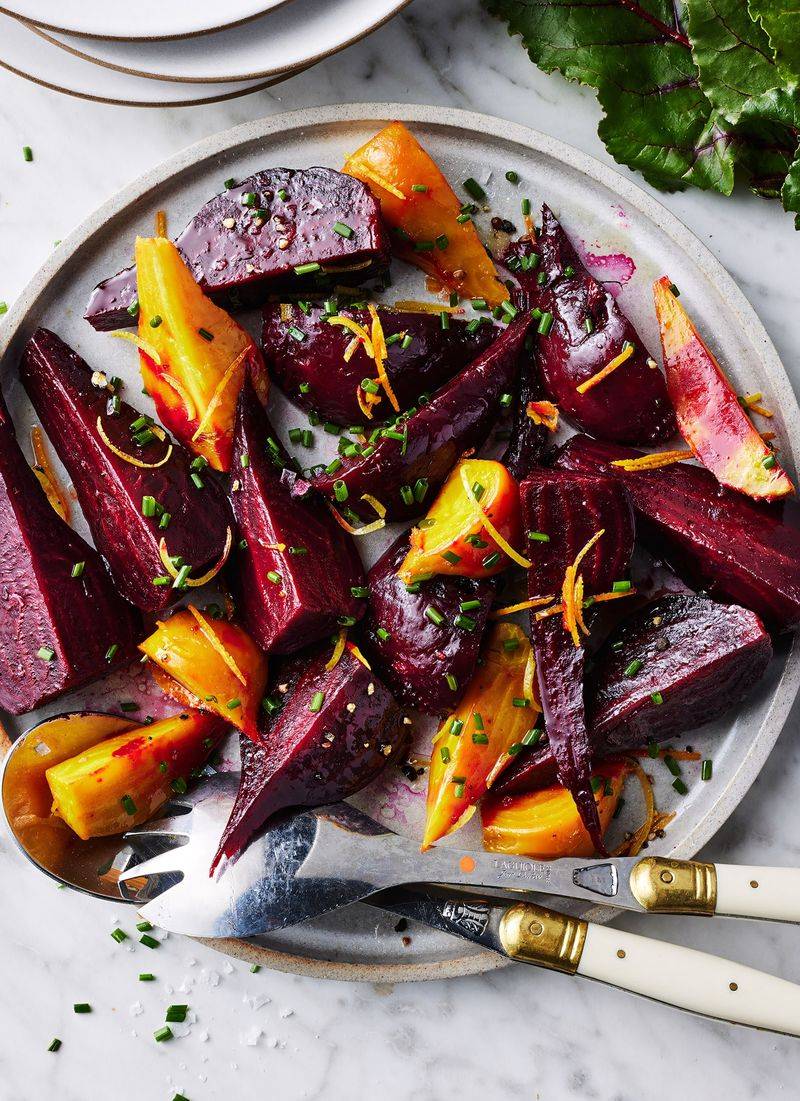
Beets hold the surprising title of the highest sugar content of any vegetable, yet they remain low in calories. That natural sweetness deepens beautifully when you roast or boil them, turning earthy and rich in a way that is hard to match.
Beyond red, you can find white, golden, and even candy-cane striped Chioggia beets at farmers markets. Skip peeling before cooking since the skin helps lock in flavor and nutrients.
They are also a solid source of folate, fiber, and manganese.
5. Parsnips

Parsnips look like pale cousins of the carrot, but one bite tells a completely different story. Their flavor is sweeter and nuttier, with a warmth that makes them perfect for cold-weather cooking.
Unlike carrots, parsnips are almost always cooked rather than eaten raw, which is when their best qualities really shine.
Roasting parsnips with honey and thyme is a classic move that turns them golden and caramelized. They also add a creamy, slightly sweet depth to soups and stews that no other vegetable quite replicates.
6. Turnips
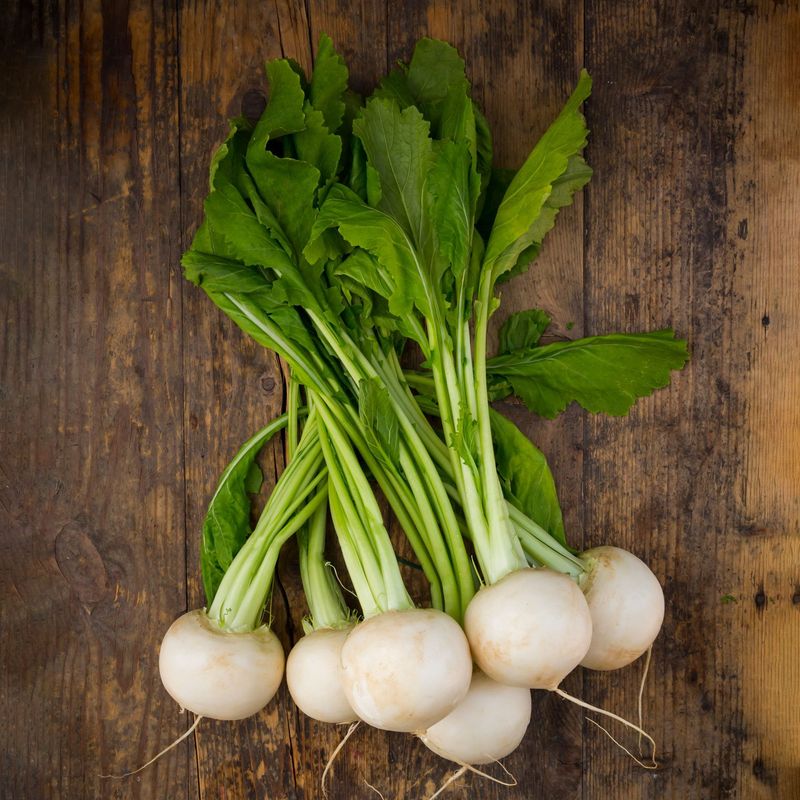
Turnips have a split personality in the kitchen, and that is actually a good thing. Eaten raw, they offer a mildly peppery, slightly bitter crunch that works well in slaws and salads.
Once cooked, that sharpness mellows into something sweet and tender that fits perfectly in roasts and stews.
What many cooks overlook is the turnip greens, which are just as edible and nutrient-rich as the root itself. Saute them with garlic for a quick, flavorful side dish that wastes nothing and delivers plenty.
7. Radishes
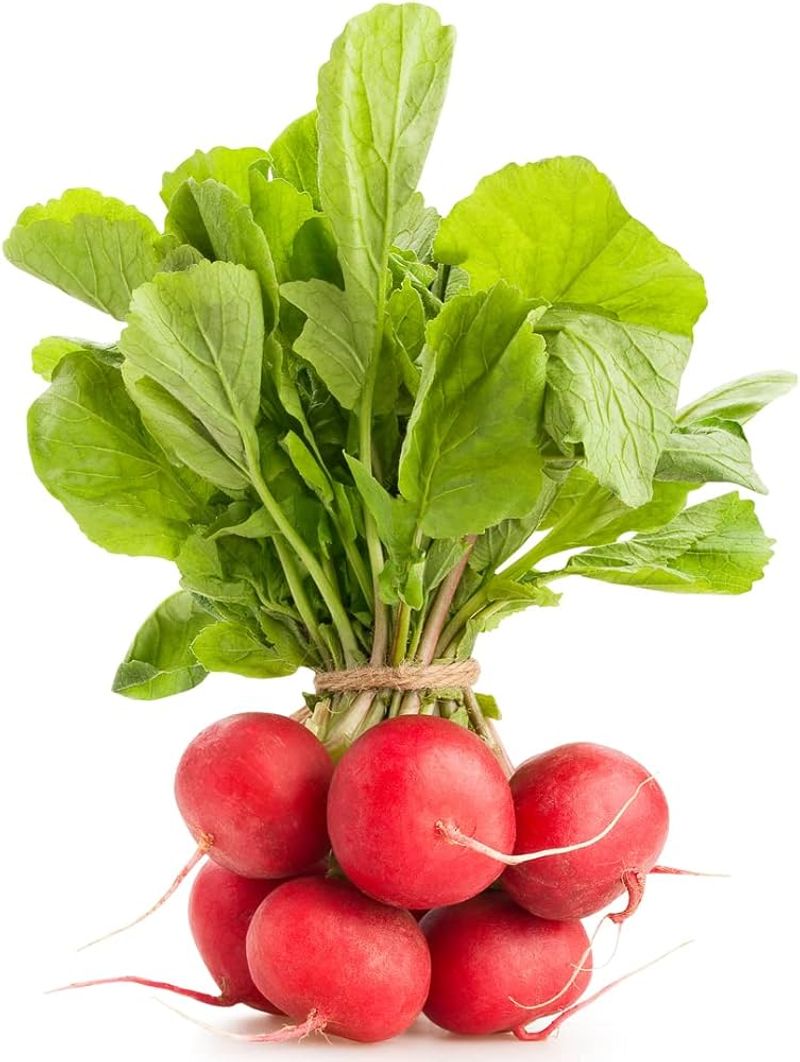
Radishes bring a bold, peppery punch to any dish, and their satisfying crunch makes them one of the most fun root vegetables to snack on. Sliced thin over tacos, tossed into salads, or simply dipped in butter and salt the French way, they add life to just about anything.
Younger, fresher radishes tend to be milder and crisper, making them especially enjoyable raw. Their bright red color also makes every plate look more exciting.
Growing radishes is fast and easy, making them a great starter vegetable for beginner gardeners.
8. Ginger
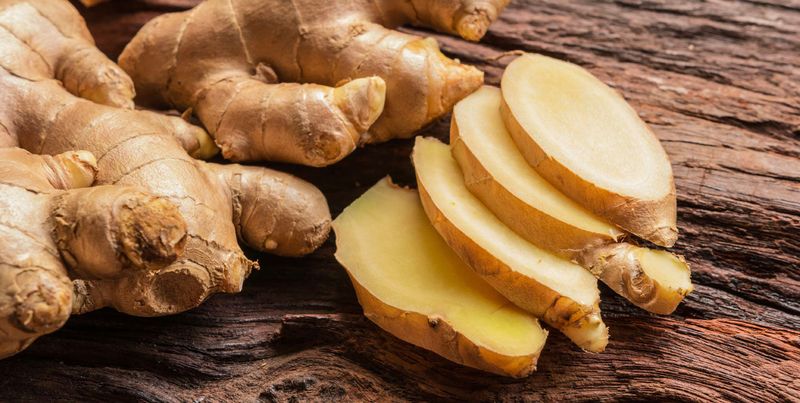
Technically a rhizome rather than a traditional root, ginger grows underground as a modified plant stem, but it earns its place on every root vegetable list thanks to its bold, spicy personality. The key compound gingerol gives ginger its signature heat and is packed with antioxidant properties.
From stir-fries and soups to teas and baked goods, ginger is one of the most globally used flavors in cooking. It also has a long history in traditional medicine for soothing upset stomachs and reducing inflammation.
A little goes a surprisingly long way.
9. Garlic
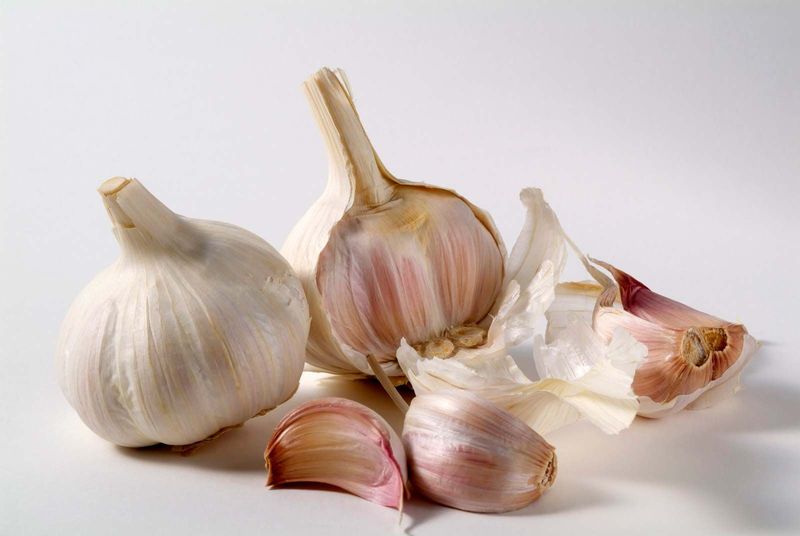
Garlic might be the most powerful flavor in the entire kitchen, and it earns that reputation every single time it hits a hot pan. Belonging to the Allium genus, it is technically a root vegetable, though most cooks think of it more as a seasoning than a vegetable in its own right.
Roasting a whole head of garlic transforms its sharp bite into something almost buttery and sweet. Beyond flavor, garlic has been celebrated for centuries in traditional medicine for its potential to support immune health and heart wellness.
10. Onions
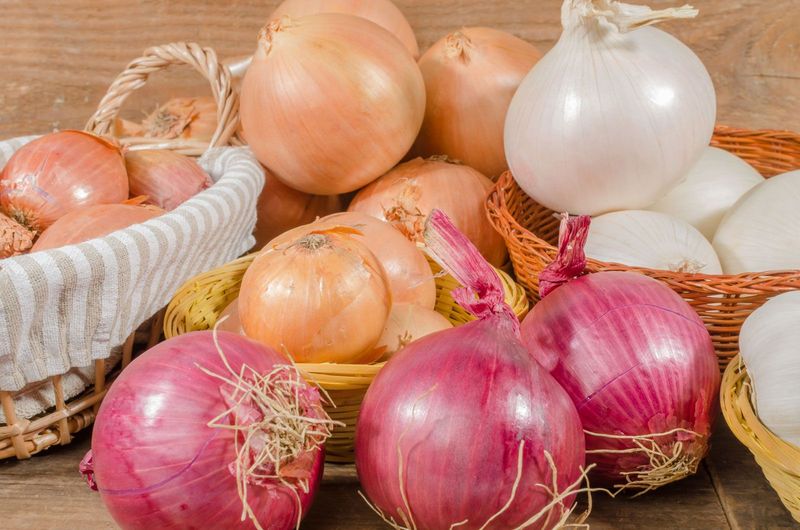
Walk into almost any kitchen in the world, and you will likely find an onion. Few ingredients are as universally relied upon for building flavor as this humble bulb, which belongs to the same Allium family as garlic and leeks.
Red onions add a pop of color and mild sweetness to raw dishes, while yellow onions caramelize into something deeply savory and rich. Beyond cooking, onions are associated with a range of potential health benefits, including heart health and immune support.
They truly deserve their spot as a kitchen essential.
11. Celeriac (Celery Root)
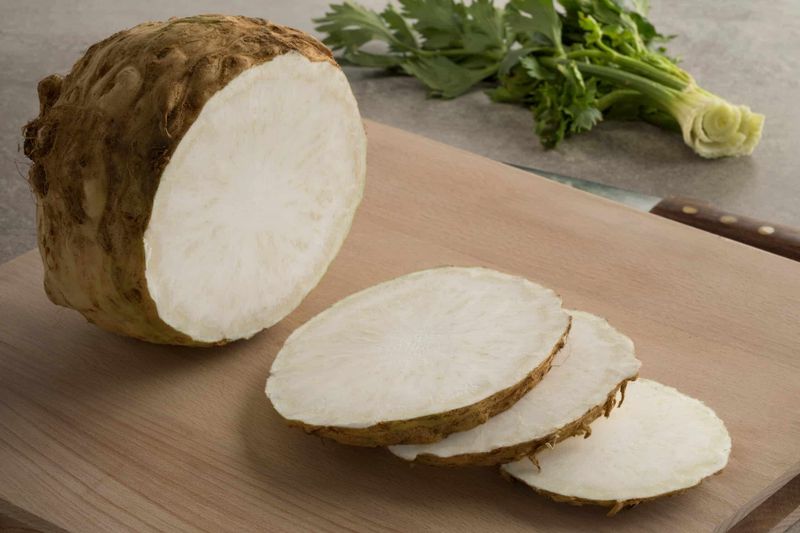
Celeriac might win the award for most intimidating-looking vegetable at the grocery store, with its lumpy, wrinkled brown exterior that looks nothing like something you would want to eat. Peel it back, though, and you find a creamy white interior with a flavor that is mildly nutty and gently reminiscent of celery.
Technically a corm, or underground plant stem, celeriac is wonderful roasted, mashed, or even eaten raw when young and freshly harvested. It makes a fantastic low-carb alternative to mashed potatoes for those looking to mix things up at the dinner table.
12. Rutabagas
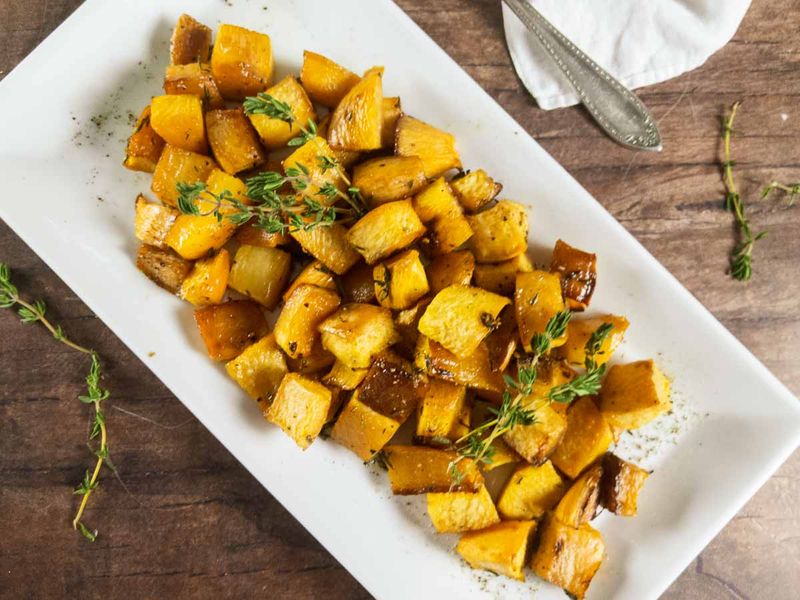
Rutabagas are the kind of vegetable that does not get nearly enough attention, which is a shame because they are hearty, flavorful, and remarkably easy to cook. A natural cross between a turnip and a wild cabbage, they have a slightly sweet, earthy taste with a dense texture that holds up beautifully to long cooking times.
Roast them in chunks alongside other root vegetables, or mash them with butter and a pinch of nutmeg for a cozy side dish. They are especially popular in Scandinavian and British cooking during colder months.
13. Jicama
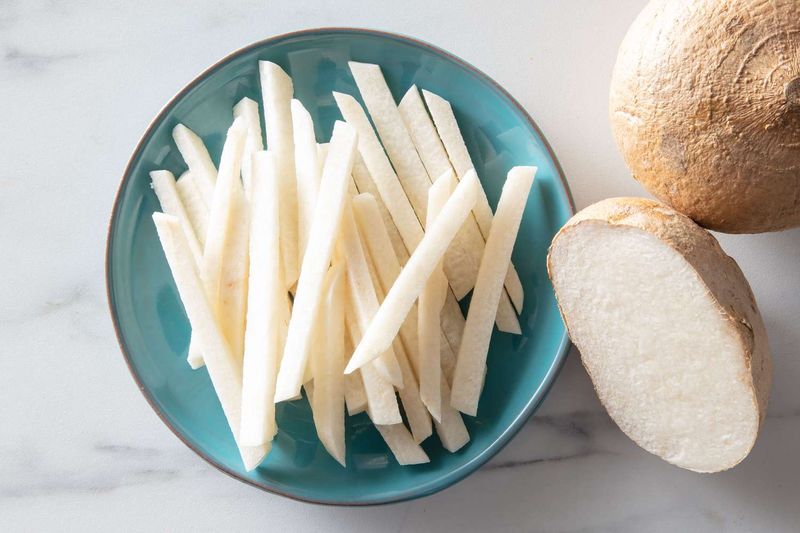
Jicama is the root vegetable that tastes like a snack. Crisp, mildly sweet, and refreshingly juicy, its texture is often compared to a water chestnut or a fresh apple.
Originally from Mexico and Central America, it has been a beloved street food ingredient for generations, often served with lime juice and chili powder.
The flesh stays crunchy even after being cut, making it perfect for slaws, salads, and dipping platters. Jicama is also high in fiber and low in calories, proving that healthy eating can genuinely be delicious and fun.
14. Daikon
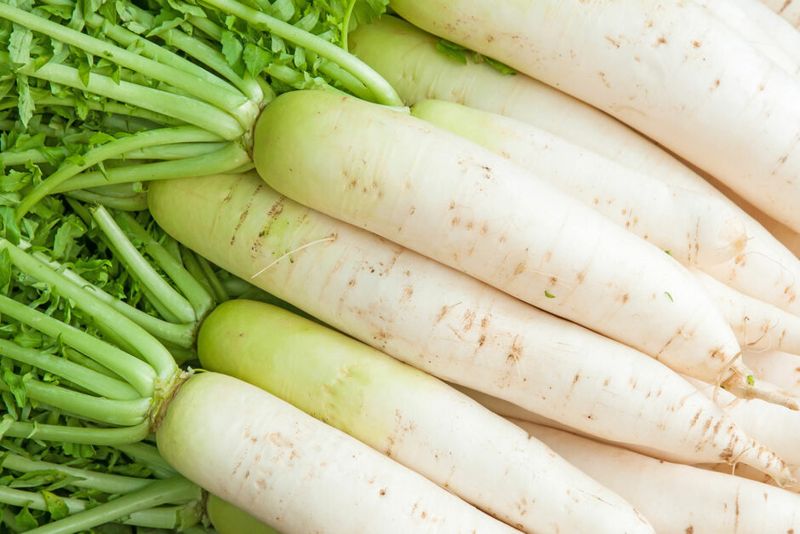
Daikon is a long, white radish that is a staple ingredient across East and Southeast Asian cuisines. Much milder than the small red radishes found in Western salads, daikon has a clean, slightly peppery flavor that works equally well raw or cooked.
Shredded raw daikon adds a refreshing crunch to Japanese salads and Korean banchan side dishes. When simmered in soups or braised in savory broths, it softens into something almost silky and absorbs surrounding flavors beautifully.
A versatile taproot that absolutely deserves a spot in your kitchen.