15 Foods That Show Up In Many Healthy Diets
Eating well does not have to be complicated or boring. Across many different healthy diets around the world, certain foods keep showing up again and again because they truly deliver on nutrition.
Whether you follow a Mediterranean diet, a plant-based plan, or just try to make smarter choices, these foods are worth knowing about. Here are 15 foods that nutrition experts and healthy eaters consistently reach for.
1. Berries
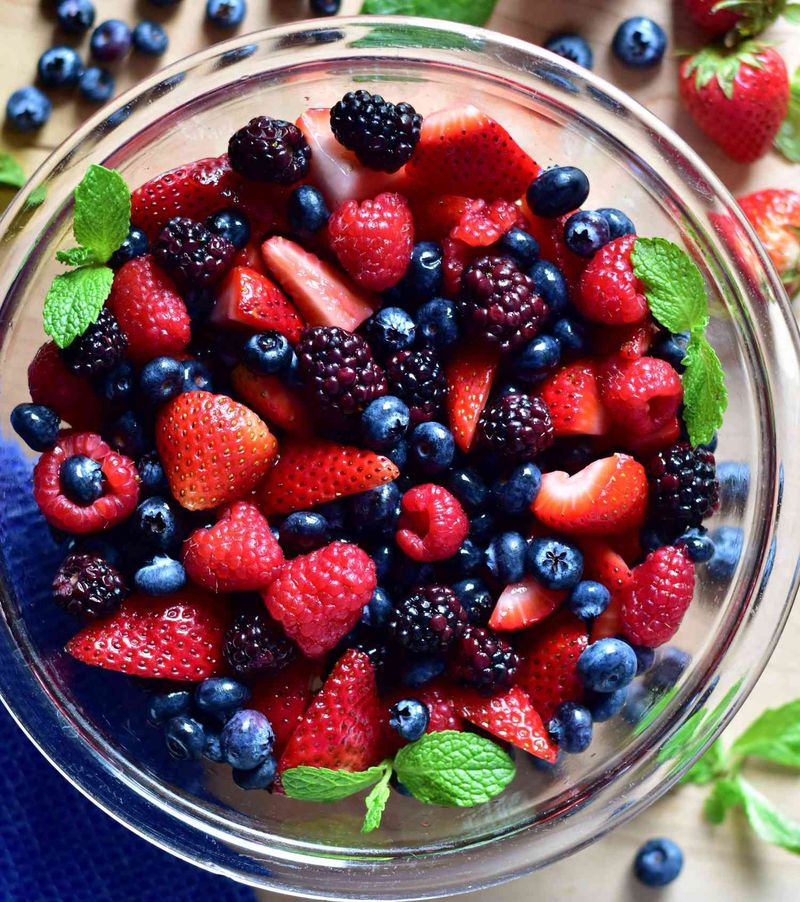
Tiny but mighty, berries punch way above their weight when it comes to nutrition. Blueberries, strawberries, and raspberries are loaded with antioxidants that help protect your body from damage caused by everyday stress and pollution.
Research has linked blueberries to better brain health and lower blood pressure. Strawberries are low in calories yet packed with vitamin C.
Toss a handful on oatmeal or yogurt and you have an easy, delicious health boost.
2. Apples
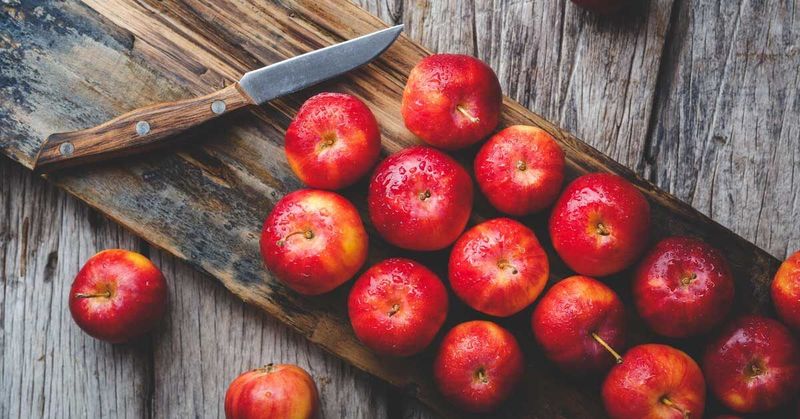
An apple a day really might keep the doctor away. Apples are rich in fiber, antioxidants, and vitamin C, making them one of the most well-rounded fruits you can grab on the go.
Regular apple eating has been tied to lower risks of heart disease, stroke, and even certain cancers. The natural fiber in apples also feeds healthy gut bacteria, which supports digestion.
They are affordable, portable, and available year-round at nearly every grocery store.
3. Avocados
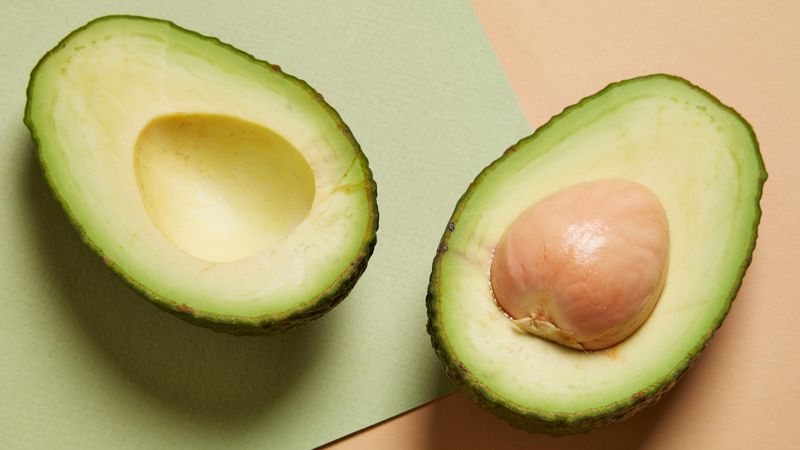
Creamy, rich, and surprisingly filling, avocados have earned their superfood reputation. Unlike most fruits, they are loaded with healthy monounsaturated fats that help lower bad cholesterol and keep your heart running smoothly.
Avocados also deliver potassium, fiber, and vitamins C, E, and K all in one package. Because they contain fat, fiber, and a bit of protein, they keep hunger at bay longer than most snacks.
Spread on toast or blend into a smoothie for an easy nutrition upgrade.
4. Leafy Greens
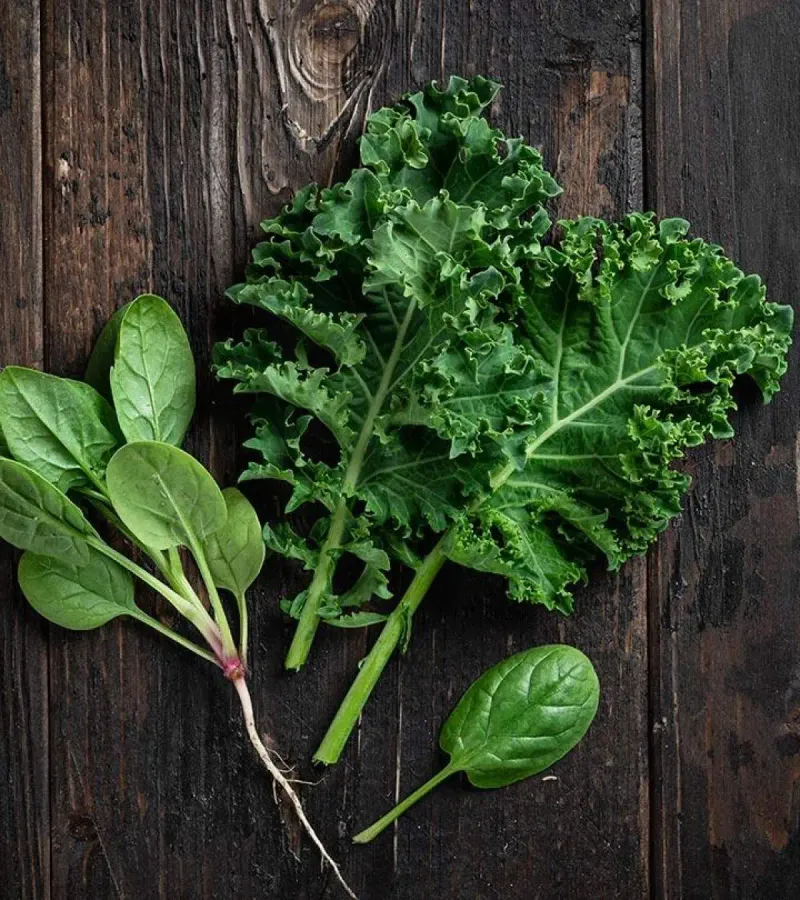
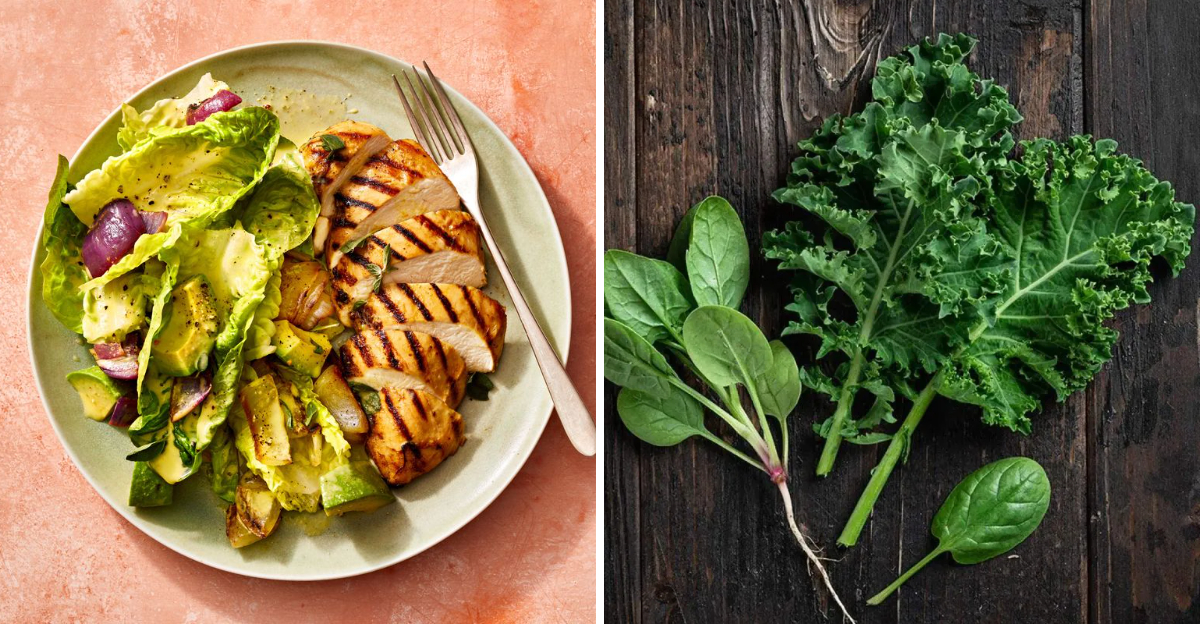
Spinach, kale, and other dark leafy greens are like a multivitamin you can eat. They are packed with vitamins A, C, and K, plus calcium, potassium, and powerful plant compounds called carotenoids that protect your eyes and cells.
Eating leafy greens regularly has been linked to lower rates of heart disease, diabetes, and certain cancers. They are also low in calories, so you can eat a generous portion without guilt.
Add them to salads, soups, or smoothies for a fast nutrition boost.
5. Broccoli
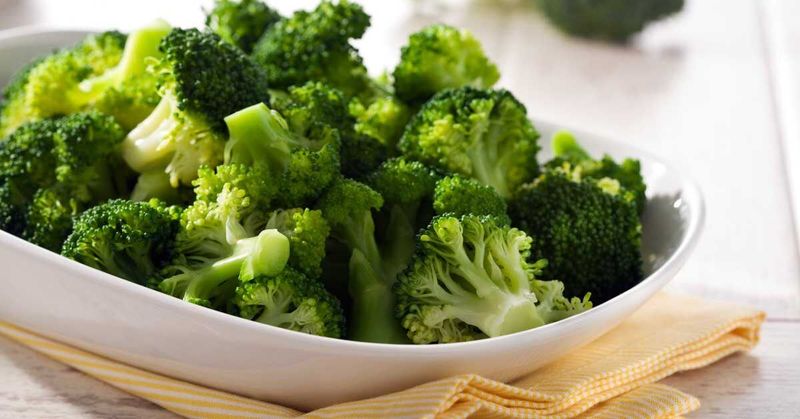
Broccoli belongs to the cruciferous vegetable family, and that group is basically a hall of fame for health foods. It offers impressive amounts of fiber, vitamin C, and vitamin K, plus more protein per calorie than most other vegetables.
What makes broccoli especially interesting are compounds called glucosinolates, which support the body’s natural detox processes and may help guard against certain cancers. Roasting it with a little olive oil and garlic transforms it from a bland side dish into something genuinely crave-worthy.
6. Sweet Potatoes

Sweet potatoes are one of those foods that feel indulgent but are actually incredibly nutritious. Their deep orange color signals high levels of beta-carotene, which your body converts into vitamin A to support eye health and immune function.
They also provide complex carbohydrates that release energy slowly, keeping you fueled without a sugar crash. Add potassium, vitamin C, and B vitamins to that list and you have a seriously impressive vegetable.
Baked, mashed, or roasted, sweet potatoes are a crowd-pleaser that earns its place on any healthy plate.
7. Carrots

Crunchy, sweet, and satisfying to snack on, carrots have been a kitchen staple for centuries. They are low in calories but surprisingly high in nutrients, especially beta-carotene, which supports healthy vision and a strong immune system.
Carrots also provide vitamins K and B6, along with potassium and antioxidants that help fight inflammation. They work just as well raw with hummus as they do roasted or blended into soups.
Few vegetables are this versatile, this affordable, and this consistently good for you.
8. Oats
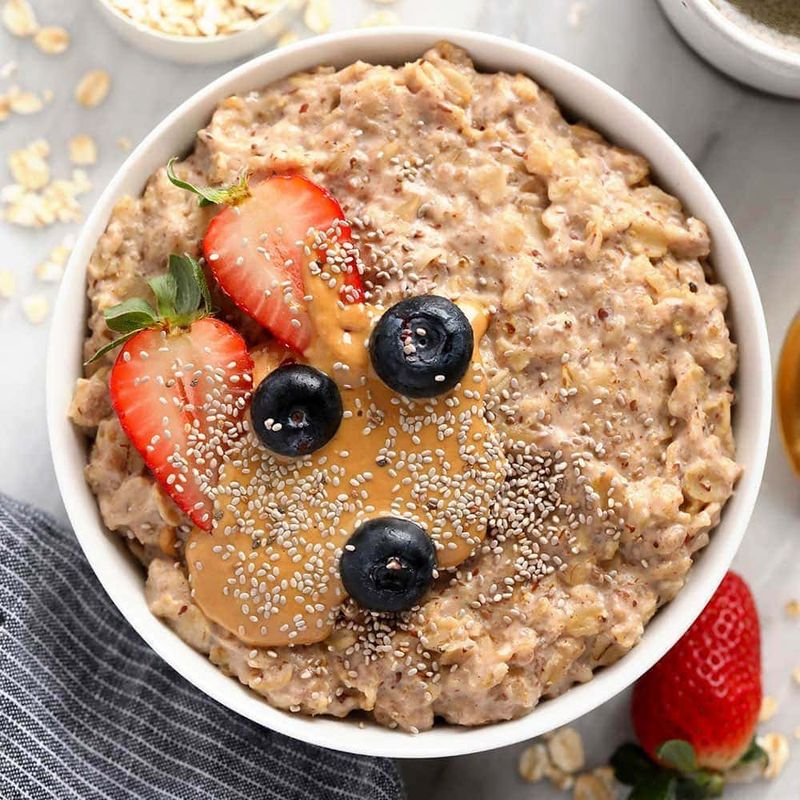
Oats are the breakfast workhorse that nutrition science keeps backing up. They contain a special type of fiber called beta-glucan, which has been shown to lower cholesterol levels and feed the beneficial bacteria living in your gut.
Beyond heart health, oats provide steady, long-lasting energy that helps you avoid mid-morning hunger crashes. They are also one of the most affordable whole grains on the market.
Whether you prefer classic oatmeal, overnight oats, or oat-based granola, this grain is a reliable foundation for a healthy morning routine.
9. Quinoa
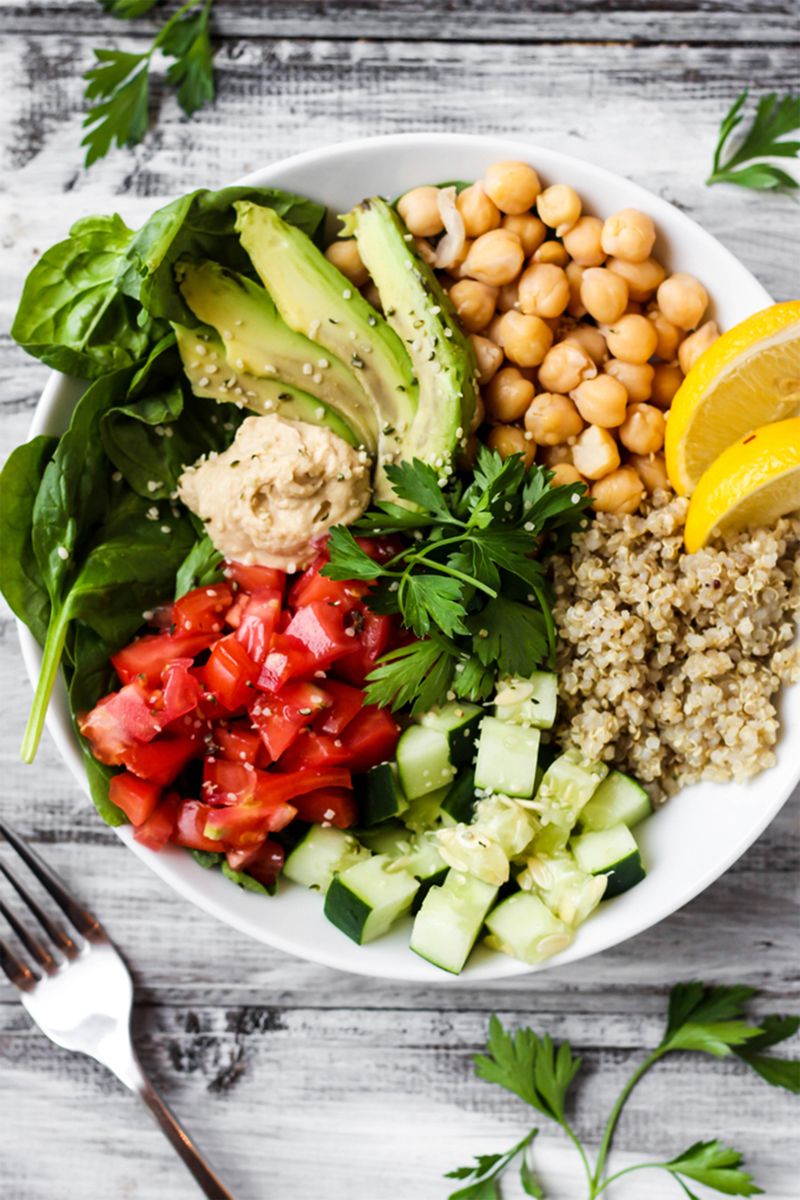
Quinoa might look like a grain, but it is technically a seed, and that distinction comes with a big nutritional perk. Unlike most plant foods, quinoa is a complete protein, meaning it contains all nine essential amino acids your body needs but cannot make on its own.
It is also high in fiber and magnesium, and it has a low glycemic index, so it does not spike blood sugar the way refined carbs do. For anyone eating plant-based, quinoa is a genuinely powerful protein source worth adding to the weekly meal rotation.
10. Brown Rice
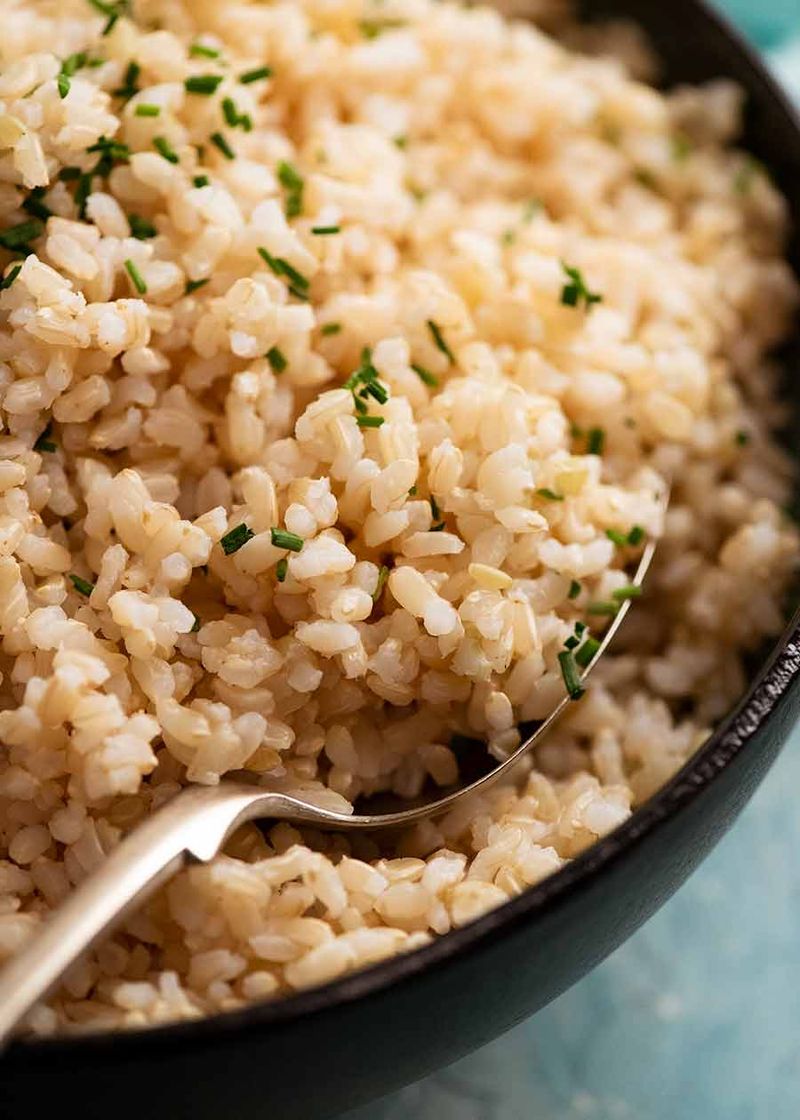
Brown rice is white rice before the good stuff gets stripped away. During processing, white rice loses most of its fiber, magnesium, and B vitamins, while brown rice keeps them all intact.
That extra fiber slows digestion, helps you feel fuller, and keeps blood sugar more stable after meals. It is also incredibly affordable, easy to cook in big batches, and stores well in the pantry for months.
Pair it with beans, vegetables, or lean protein for a simple, balanced meal that never gets old.
11. Beans and Lentils
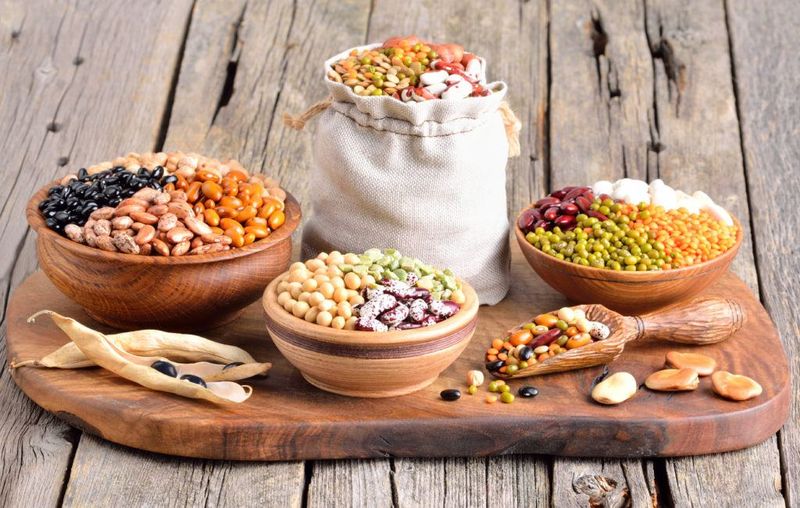
Beans and lentils are among the most underrated foods in the grocery store. For just a few dollars, you get a food that is high in fiber, plant-based protein, iron, magnesium, and B vitamins all at once.
They keep you feeling full for a long time, help lower cholesterol, and may reduce the risk of heart disease with regular consumption. Black beans, chickpeas, and red lentils each bring slightly different flavors and textures to the table.
Budget-friendly and endlessly versatile, legumes deserve a permanent spot in any healthy kitchen.
12. Salmon

Salmon has a reputation as a premium health food, and the science fully supports the hype. It is one of the best sources of omega-3 fatty acids, specifically EPA and DHA, which support heart health, brain function, and joint comfort.
A single serving also delivers high-quality protein and a solid dose of vitamin D, a nutrient many people are deficient in. Wild-caught or farmed, salmon is a smart choice for a satisfying, nutrient-dense dinner.
Aim for at least two servings of fatty fish per week for the best health benefits.
13. Lean Poultry
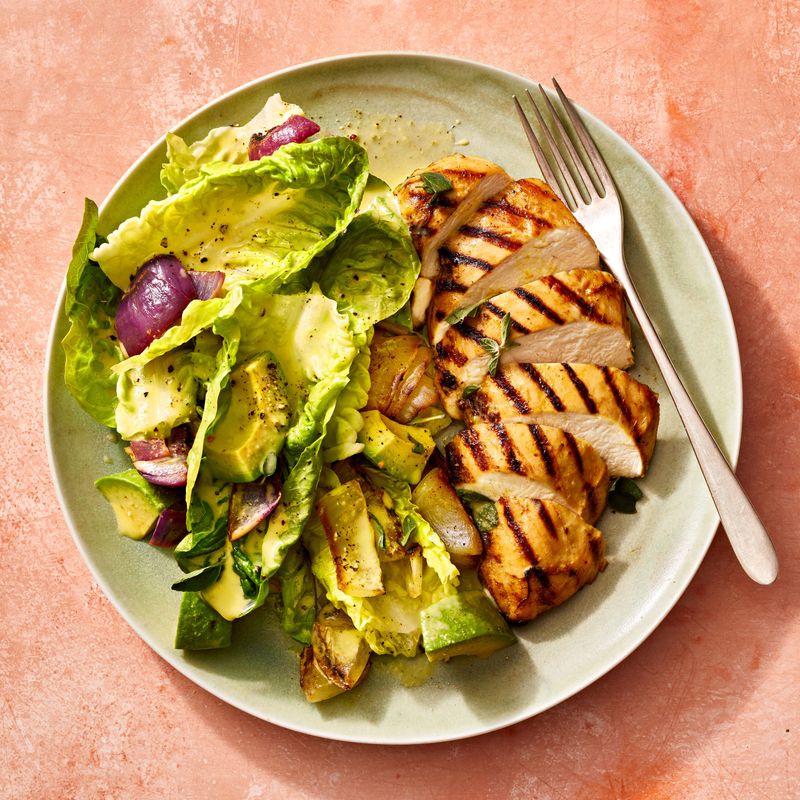
Chicken and turkey have been staples of healthy eating plans for decades, and for good reason. Both are excellent sources of high-quality protein with significantly less saturated fat than most red meats, making them easier on your cardiovascular system.
Protein is essential for muscle repair and growth, and it also helps you feel satisfied after meals, which can support healthy weight management over time. Grilled, baked, or stir-fried with vegetables, lean poultry is one of the most flexible and reliable proteins you can build a healthy meal around.
14. Eggs

Few foods pack as much nutrition into such a small package as eggs. Each egg contains a wide range of B vitamins, plus vitamins A, D, E, and K, along with selenium, choline, phosphorus, and high-quality protein.
Choline alone is worth highlighting because it plays a critical role in brain health and is often missing from typical diets. Eggs also raise HDL, the type of cholesterol that is actually good for heart health.
Scrambled, poached, or hard-boiled, eggs are one of the most affordable and nutritious foods available.
15. Almonds and Nuts
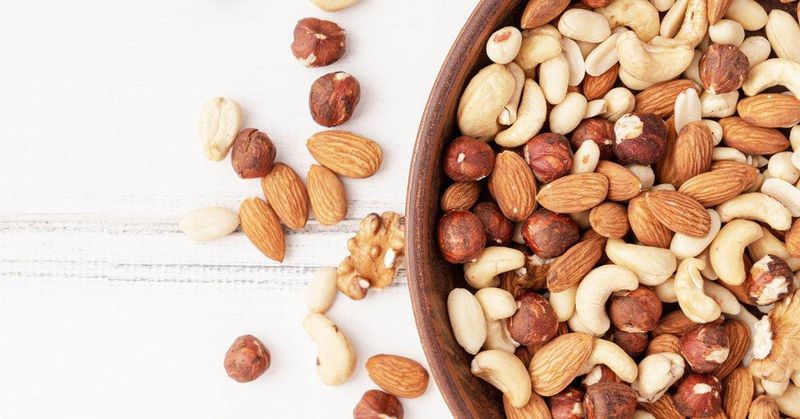
Grab a small handful of almonds and you are holding a surprisingly complete snack. Nuts provide healthy monounsaturated fats, plant-based protein, fiber, vitamin E, magnesium, and calcium all in one crunchy bite.
Almonds specifically have been shown to help lower LDL cholesterol, especially when they replace saturated fats in the diet. Walnuts add omega-3 fatty acids to the mix, while cashews bring a creamy texture and extra minerals.
A small daily portion of mixed nuts is one of the simplest habits linked to long-term heart health.