18 Healthy Cooking Techniques Chefs Often Use
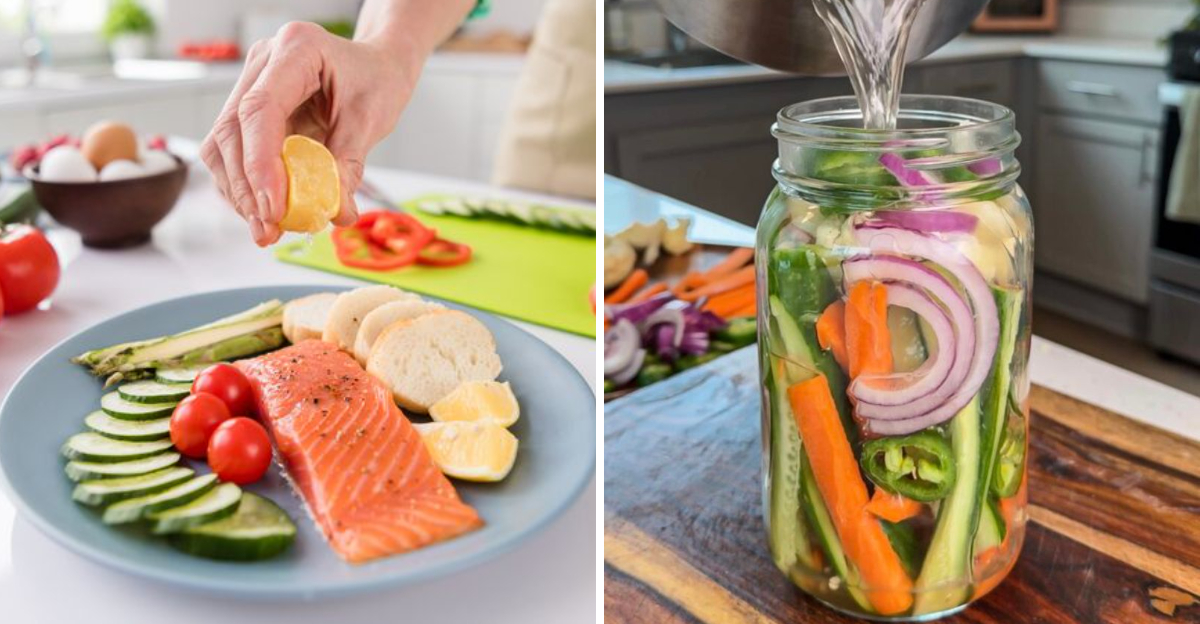
Great food does not have to mean greasy, heavy meals loaded with extra fat and salt. Professional chefs know that the way you cook something matters just as much as what you cook.
From steaming vegetables to using bright citrus instead of salt, smart cooking methods can make everyday meals both delicious and nutritious. These 18 techniques are favorites in professional kitchens and easy enough to try at home.
1. Steaming
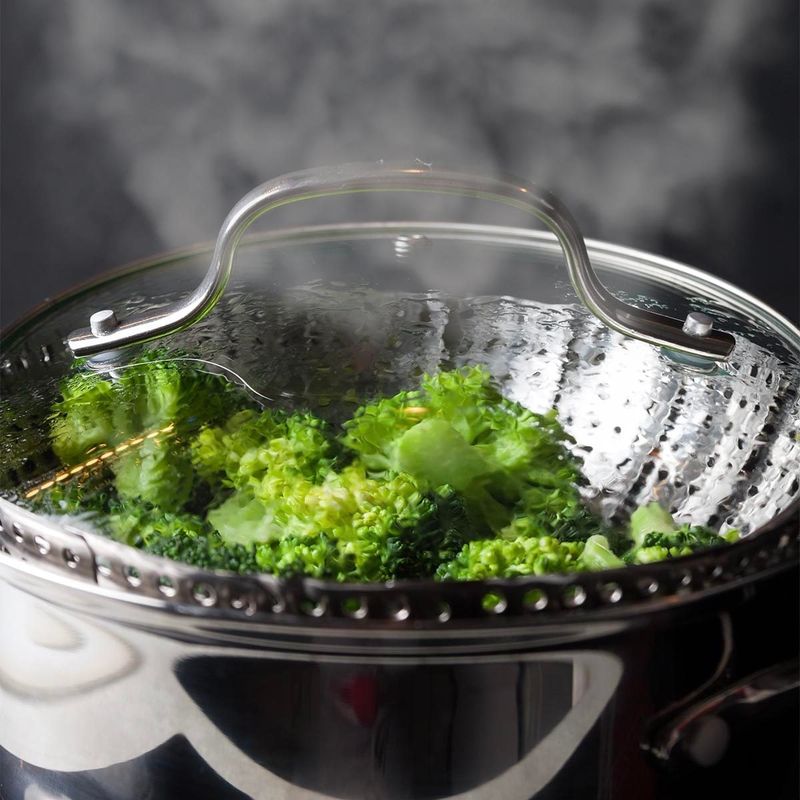
Ask any chef what their go-to method for cooking vegetables is, and steaming will almost always come up. Food cooks above boiling water, never touching the liquid, which means vitamins and minerals stay locked inside instead of washing away.
No oil is needed, and the natural colors stay vibrant and appetizing. Broccoli, carrots, and fish all shine with this method.
A simple bamboo or metal steamer basket is all you need to get started.
2. Baking
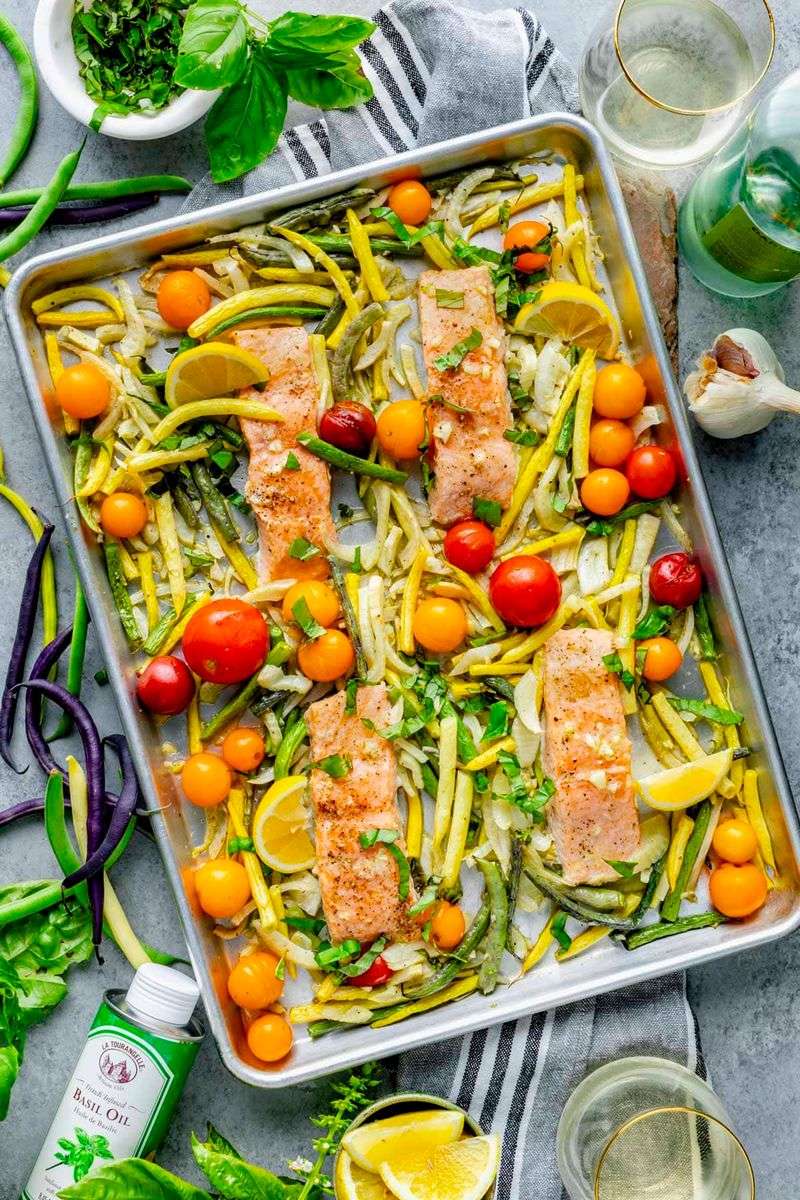
Slow, steady, and surprisingly hands-off, baking is one of the most underrated healthy cooking methods out there. Dry oven heat surrounds food evenly, coaxing out deep, natural flavors without requiring butter or heavy oils.
Chicken breasts, fish fillets, and even veggie-packed casseroles come out wonderfully tender when baked properly. Because the food essentially cooks itself, you have time to prepare a side salad or set the table while dinner handles itself.
3. Roasting
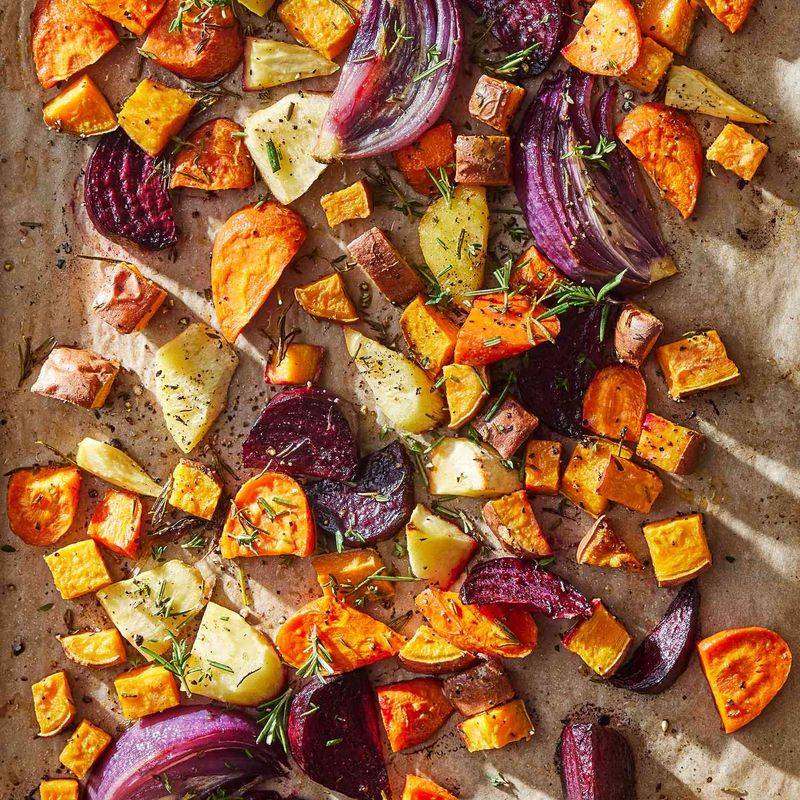
Turn up the heat and watch ordinary vegetables transform into something almost magical. Roasting uses high oven temperatures to caramelize the natural sugars in food, creating crispy edges and rich, concentrated flavors that are genuinely hard to resist.
Unlike frying, very little oil is needed to achieve those golden, slightly charred results. Bonus: roasting actually helps certain vegetables, like broccoli and Brussels sprouts, retain their B vitamins better than boiling does.
4. Grilling
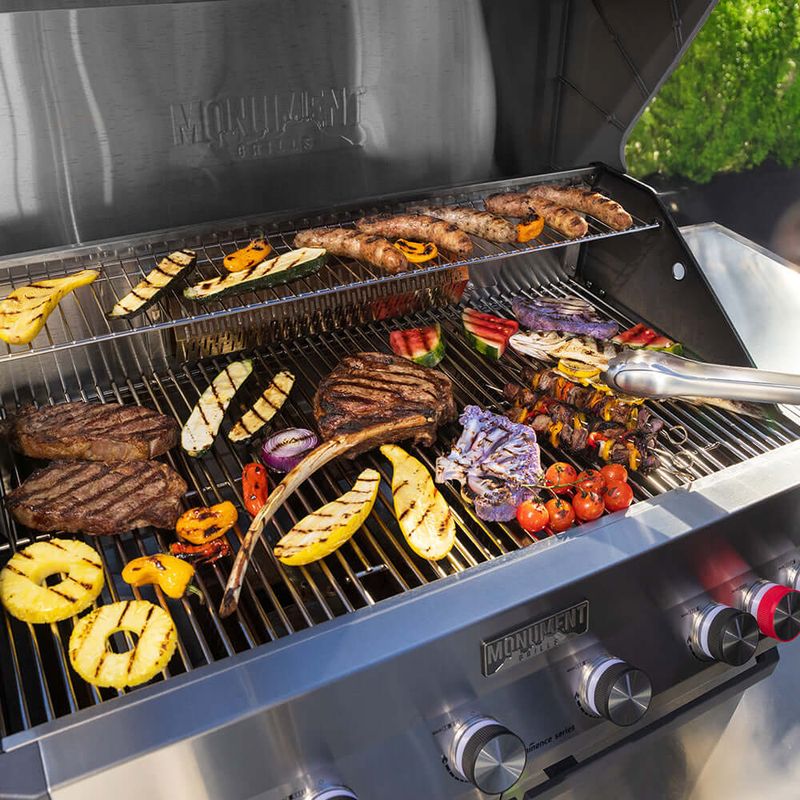
Few cooking methods feel as satisfying as throwing food on a hot grill and hearing that sizzle. Grilling cooks quickly over direct heat, which means lean meats and vegetables spend less time absorbing oil or fat.
As meat cooks, excess fat actually drips away through the grates, making grilled food naturally lower in calories. The smoky char that forms also adds incredible flavor, meaning you need far fewer sauces or seasonings to make a meal taste amazing.
5. Broiling
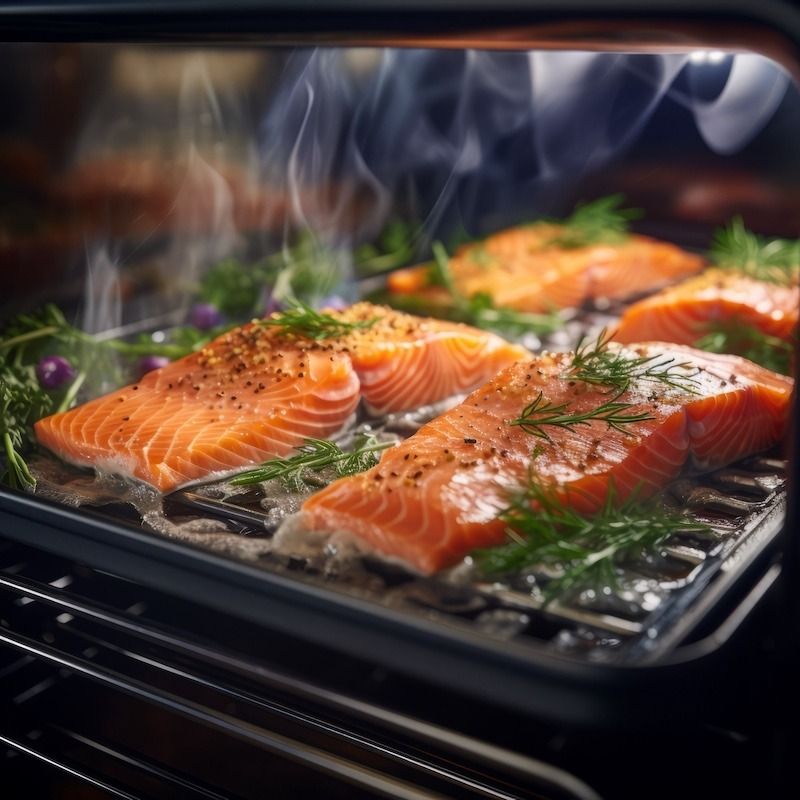
Think of broiling as grilling flipped upside down. The heat source sits above the food inside your oven, blasting it with intense, direct heat that quickly chars the surface and cooks out saturated fats without any added oil.
It works especially well for thin cuts of fish, chicken, or vegetables that would take forever under gentler heat. The result is a satisfying, slightly smoky crust that makes healthy food feel indulgent.
Most ovens already have a broil setting ready to use.
6. Poaching
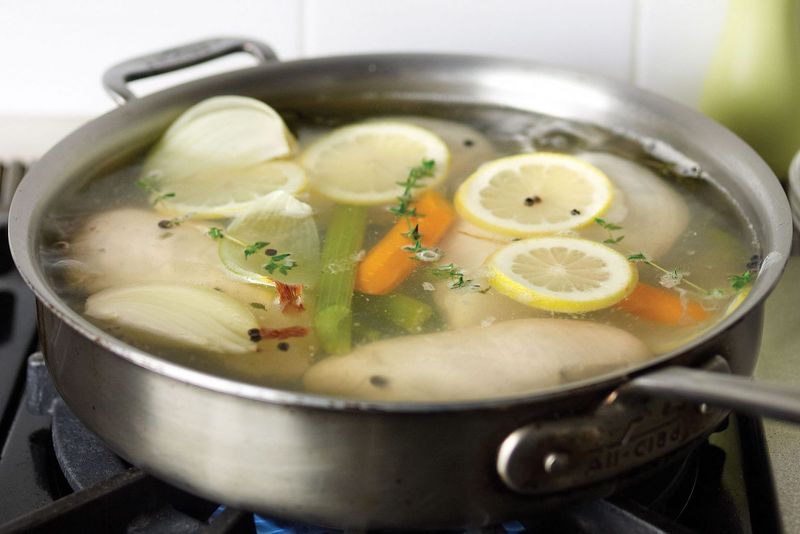
Poaching might be the quietest technique on this list, but do not let its subtlety fool you. Food is gently cooked while fully submerged in simmering liquid, whether that is water, broth, or even a splash of white wine, keeping everything incredibly moist and tender.
No fat is needed at any point. Poached eggs, salmon, and chicken absorb the flavors of whatever liquid you choose, making seasoning feel effortless.
Chefs love it because it is nearly impossible to dry food out.
7. Sauteing
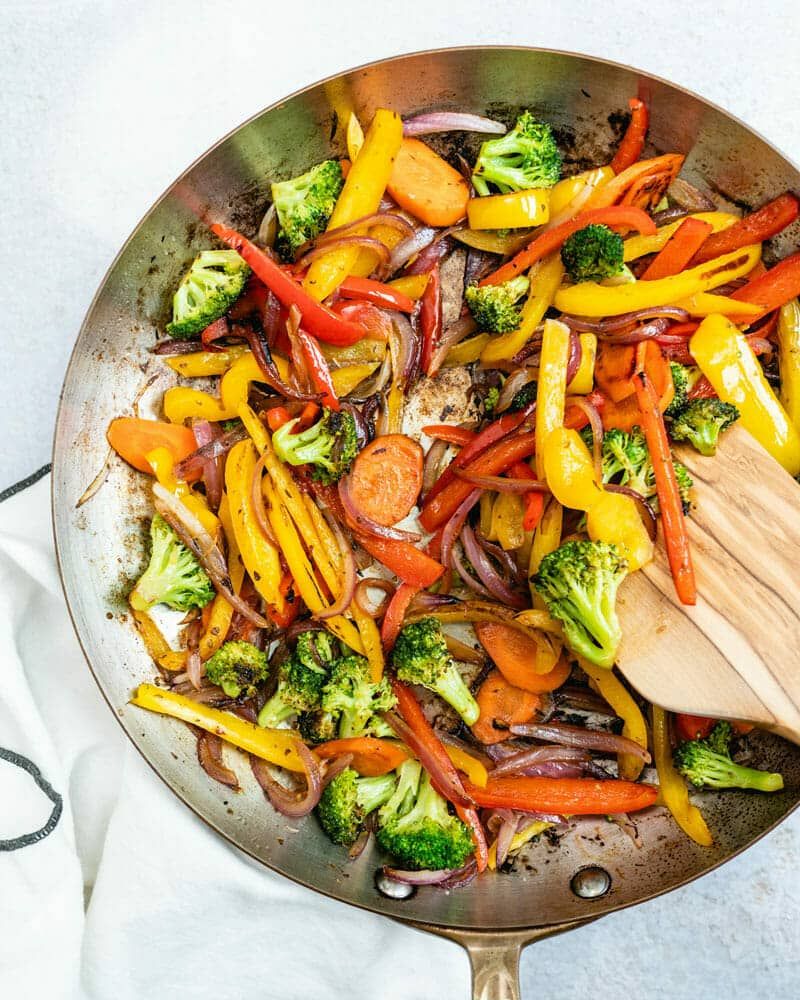
Sauteing gets a bad reputation for being oily, but done right, it is actually one of the quickest, healthiest ways to cook. The key is using a nonstick pan and just a small drizzle of heart-healthy oil like extra-virgin olive oil or avocado oil.
You can even swap oil for a splash of vegetable broth or water to cut fat further. High heat means food cooks fast, preserving texture and nutrients.
Garlic, spinach, mushrooms, and shrimp all respond beautifully to this method.
8. Stir-Frying
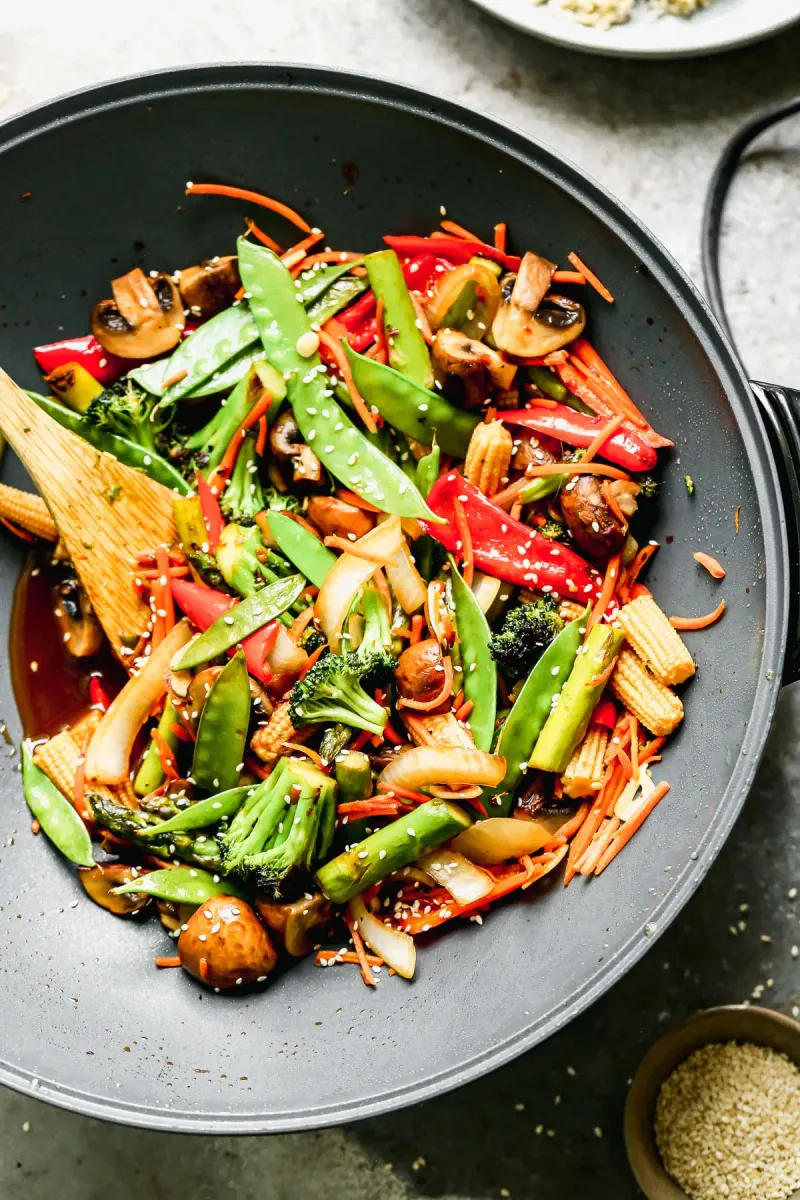
Speed is the secret weapon of stir-frying. Food hits a screaming-hot wok or large pan and cooks in just a few minutes, which is actually great news for nutrition because shorter cooking times mean fewer vitamins are destroyed by heat.
Only a tiny amount of oil is used, and the constant stirring ensures nothing burns. Research suggests stir-frying can even preserve antioxidants in vegetables like bell peppers and bok choy.
Plus, it is one of the most satisfying weeknight dinner methods imaginable.
9. Braising
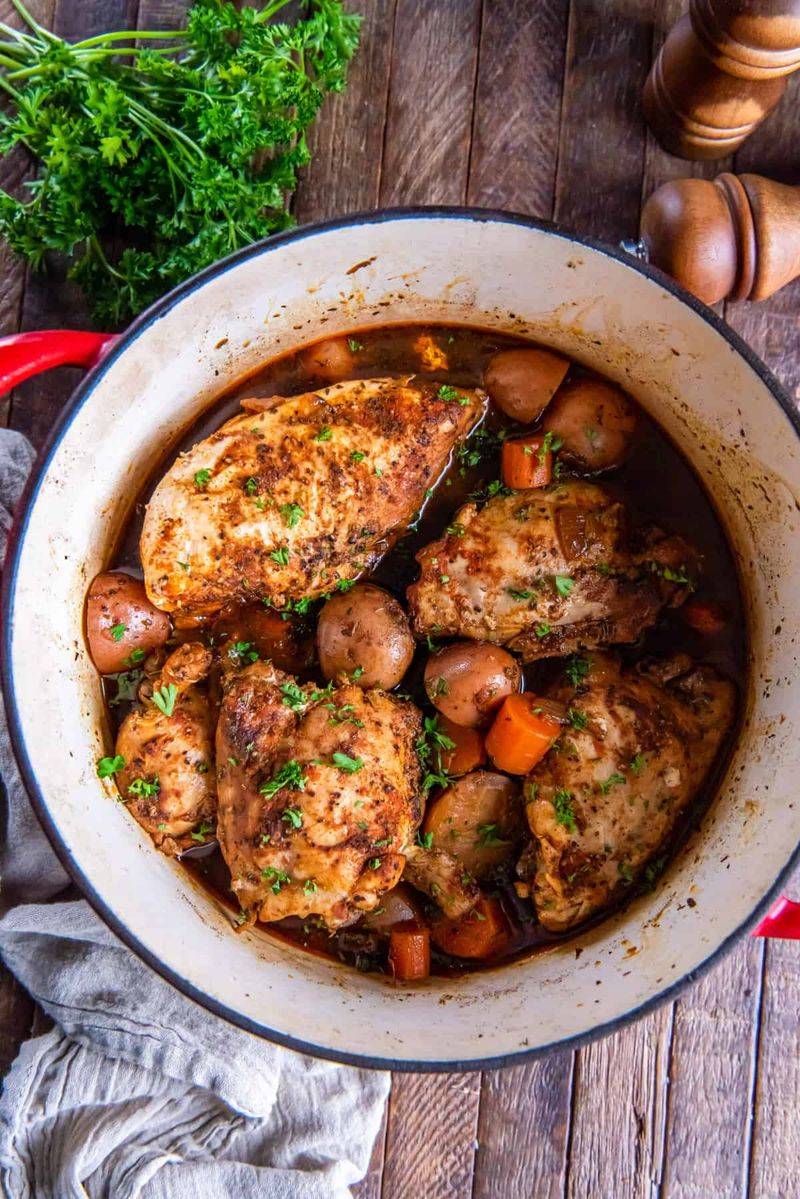
Braising is the ultimate slow-and-low technique, and it turns even the toughest cuts of meat into fork-tender masterpieces. The process starts with a quick sear in a dry pan to build flavor, then the food is covered with a small amount of liquid and left to cook low and slow.
Because only a minimal amount of fat is added upfront, braised dishes stay relatively lean. The resulting broth also becomes a naturally flavorful sauce without needing cream or butter.
10. Microwaving
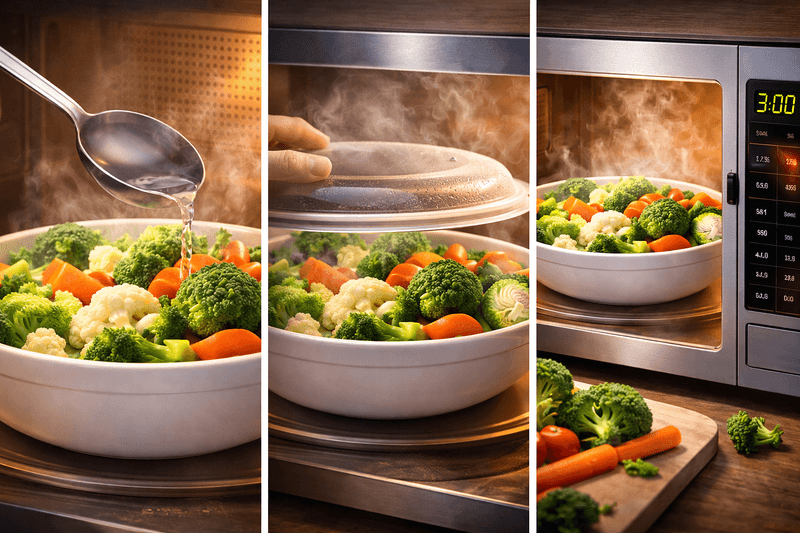
Microwaves often get dismissed as appliances just for reheating leftovers, but science actually backs them up as a surprisingly smart healthy cooking tool. Because cooking times are so short and little to no water is needed, more nutrients stay intact compared to boiling.
No oil is required either. Steaming vegetables in a microwave-safe bowl with a splash of water takes under five minutes and delivers results that rival stovetop methods.
Busy weeknights just got a whole lot healthier and easier.
11. Blanching
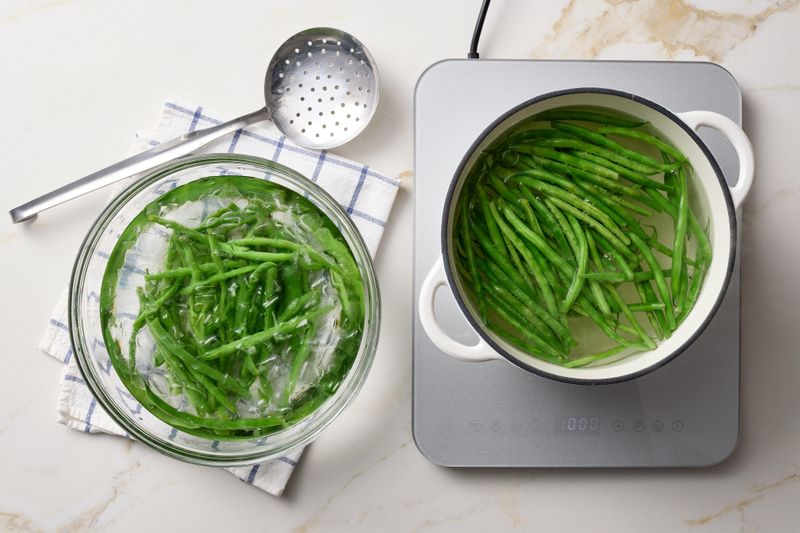
Blanching is a two-step technique that sounds fancy but is genuinely simple. Vegetables are dropped into boiling water for about 30 seconds, then immediately moved into a bowl of ice water to stop the cooking process cold, literally.
That quick shock locks in vibrant color, crisp texture, and a surprising amount of nutrients that longer cooking would destroy. Chefs use blanching before freezing vegetables, building salads, or prepping ingredients for stir-fries.
It is a small step that makes a noticeable difference.
12. Cooking En Papillote
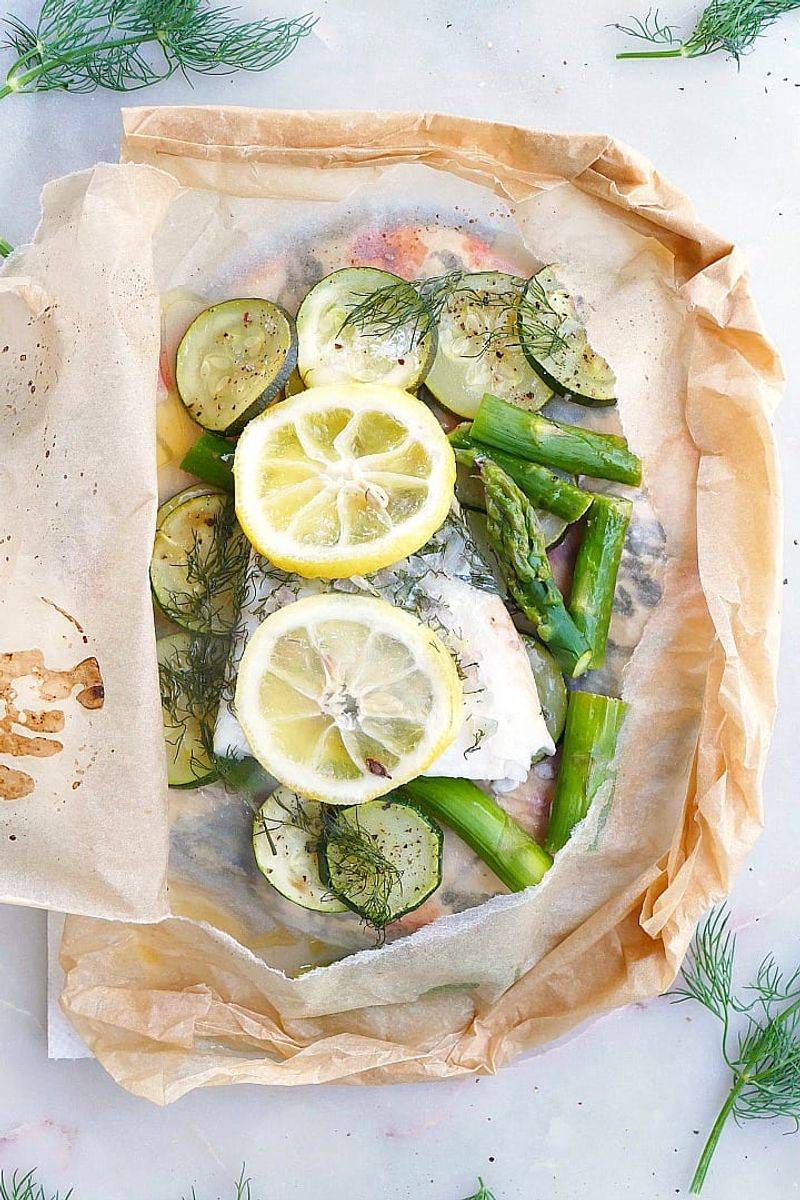
En papillote is a French phrase meaning “in parchment,” and this technique is as elegant as it sounds. Food, typically fish, vegetables, or chicken, is wrapped tightly in parchment paper and baked so it steams inside its own natural juices.
No added fat or salt is necessary because the sealed parcel traps and concentrates all the natural flavors. When you tear open the parcel at the table, a fragrant cloud of steam escapes, making dinner feel like a restaurant experience every single time.
13. Sous-Vide
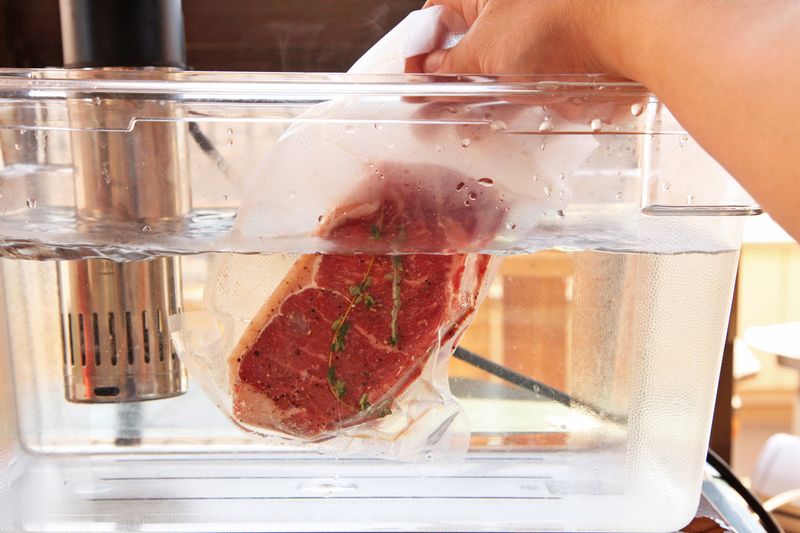
Sous-vide sounds like something reserved for fancy restaurants, but home cooks are discovering it fast. Vacuum-sealed food is placed in a precisely temperature-controlled water bath and cooked slowly over time, resulting in textures that are impossibly juicy and tender.
Because food marinates in its own natural juices the entire time, almost no added fat is needed. Proteins like chicken and salmon come out perfectly cooked from edge to edge, every single time, with zero guesswork involved.
Consistency is the real magic here.
14. Slow Cooking
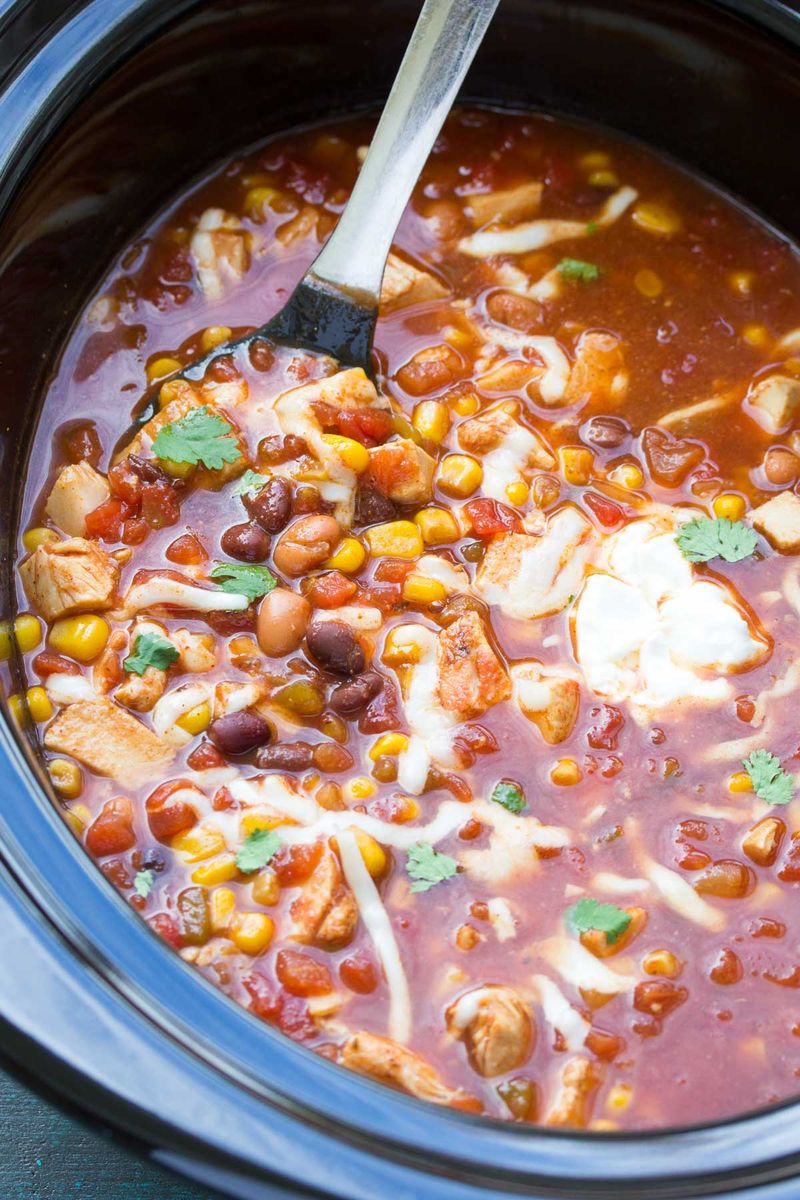
There is something deeply comforting about coming home to a meal that has been quietly cooking all day. Slow cookers work at low-to-moderate temperatures over several hours, which gives flavors time to develop beautifully without needing extra sugar, salt, or fat to enhance them.
Soups, stews, and legume-based dishes especially benefit from this method. Tough vegetables and beans become melt-in-your-mouth tender while retaining their nutritional value.
Set it in the morning, and dinner practically makes itself by evening.
15. Quick Pickling
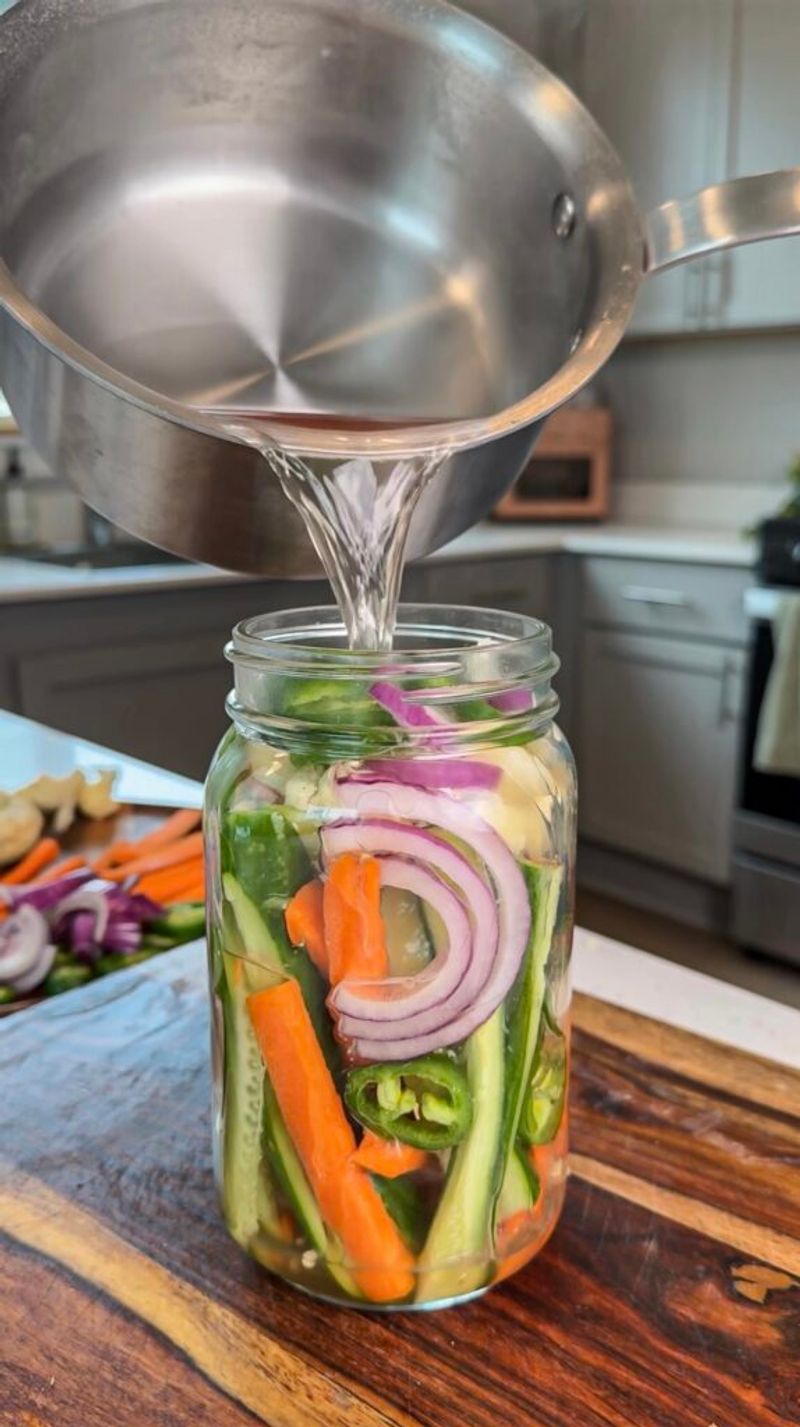
Quick pickling is one of those techniques that feels almost like a kitchen cheat code. Sliced vegetables or fruits are submerged in a simple mixture of vinegar, water, and a pinch of salt, then left to sit for as little as 30 minutes before they are ready to eat.
No fat is added at any point. The tangy brine adds punchy, complex flavor that makes salads, tacos, and grain bowls feel exciting.
Pickled red onions on avocado toast? Absolutely life-changing.
16. Using Nonstick Cookware
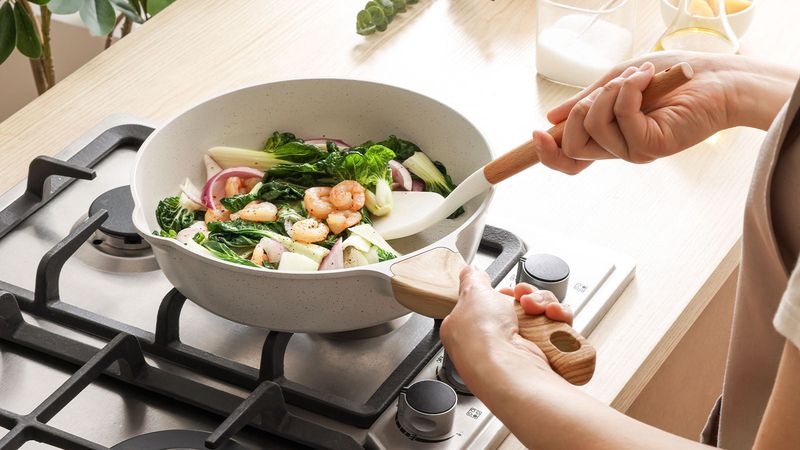
Swapping out traditional pans for nonstick cookware is one of the simplest upgrades a home cook can make for their health. Because food releases easily from the surface, you need only a tiny mist of cooking spray instead of tablespoons of butter or oil.
That small change can shave significant calories and fat from everyday meals over time. Eggs, pancakes, and sauteed vegetables all cook beautifully in nonstick pans.
Look for ceramic or hard-anodized options for durability without potentially harmful coatings.
17. Embracing Acid
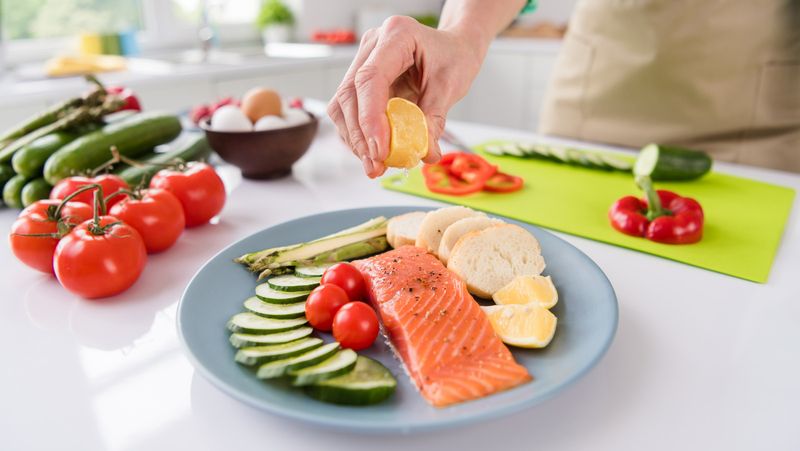
A squeeze of lemon, a splash of lime juice, or a drizzle of balsamic vinegar can completely transform a dish in ways that extra salt simply cannot. Acid brightens flavors, balances richness, and tricks your taste buds into perceiving more complexity and depth.
Professional chefs rely on this trick constantly to cut back on sodium without sacrificing satisfaction. Try finishing soups, salads, grilled meats, or roasted vegetables with a little acid right before serving.
The difference is immediate and genuinely impressive.
18. Using Spices and Herbs
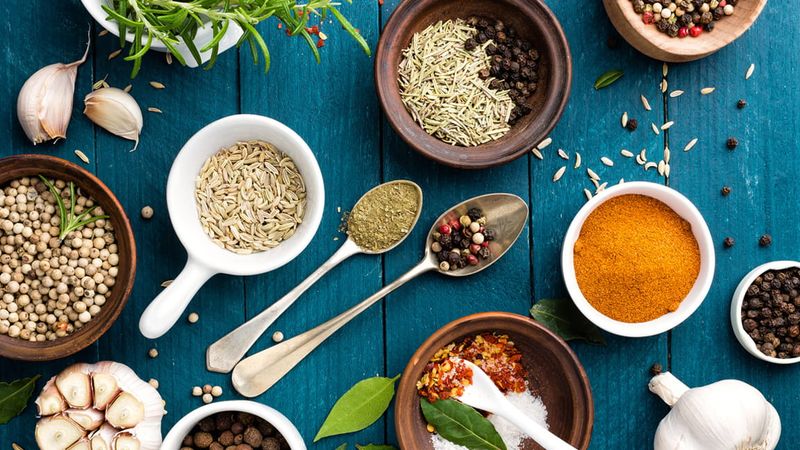
Herbs and spices are the unsung heroes of healthy cooking, and chefs have known this for centuries. A generous handful of fresh basil, a pinch of smoked paprika, or a bloom of cumin in hot oil can make a simple dish taste like it took hours to prepare.
Loading up on spices and herbs means you naturally reach for less salt, sugar, and fat to make food flavorful. Many spices like turmeric and ginger also carry impressive anti-inflammatory benefits, making every pinch a small investment in your health.