15 Types Of Blueberries And How They Differ
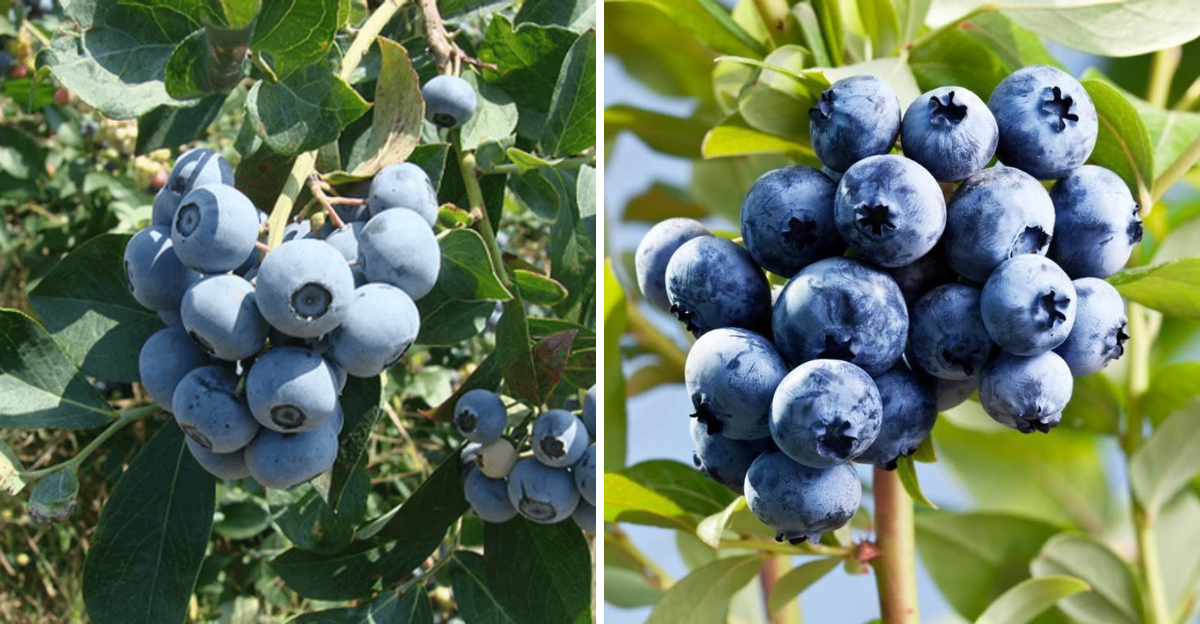
Blueberries are one of nature’s tastiest treats, but did you know there are many different types, each with its own flavor, size, and growing needs? From tiny wild berries to large, juicy cultivated ones, the world of blueberries is surprisingly diverse.
Whether you want to grow them in your backyard or just pick the best ones at the store, knowing the differences can make a big impact. Get ready to explore 15 amazing blueberry types and what makes each one stand out.
1. Lowbush Blueberries (Wild)
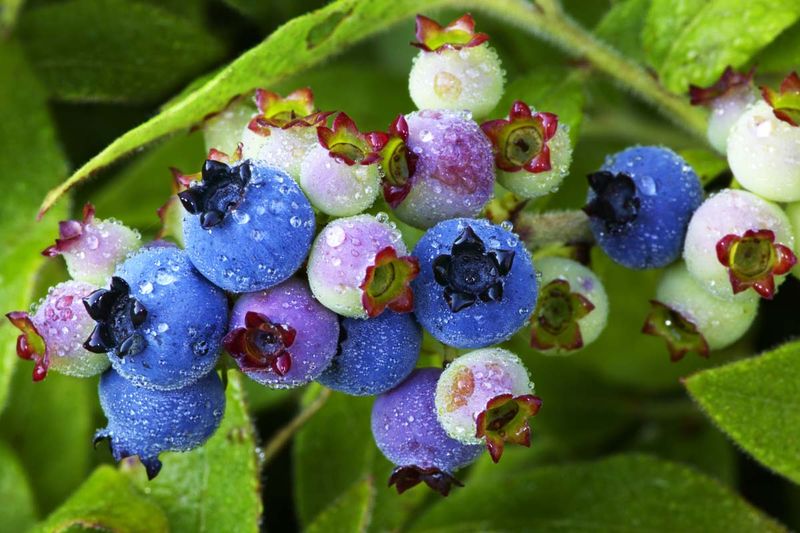
Forget fancy cultivated plants – wild lowbush blueberries are the original, old-school berry that Native Americans have harvested for centuries. These compact plants rarely grow taller than 1.5 feet and thrive in cold climates from USDA zones 2 to 6.
The berries are small but pack an incredibly intense, rich flavor that larger varieties simply cannot match. That bold taste makes them a top choice for jams, pies, and baked goods where deep blueberry flavor really matters.
2. Brunswick Blueberry
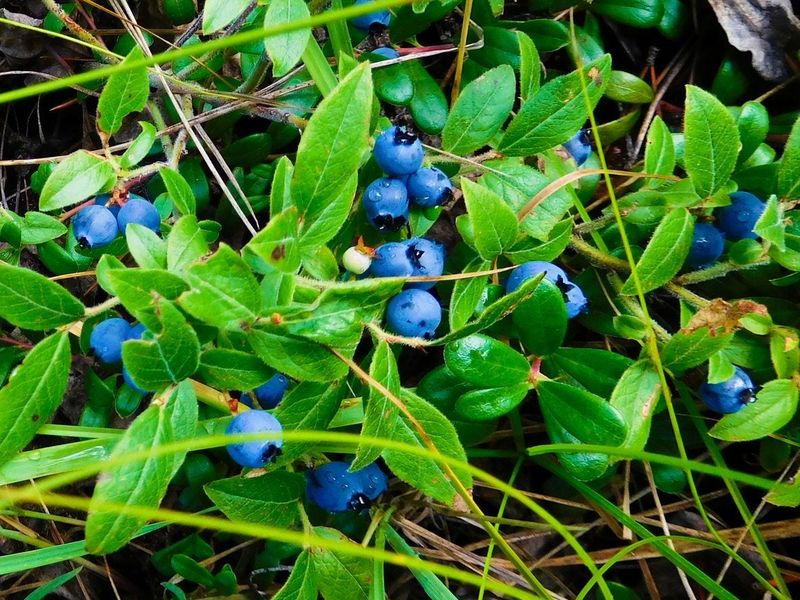
Brunswick is a lowbush variety that gardeners love for its reliable harvests of small, deeply flavored berries. Growing just under 1.5 feet tall, it fits easily into tight garden spaces or even decorative borders.
The berries burst with a concentrated sweetness that makes every bite feel rewarding. Brunswick also offers beautiful fall foliage, turning rich shades of red and orange, so the plant earns its place in a garden even after harvest season has wrapped up completely.
3. Top Hat Blueberry
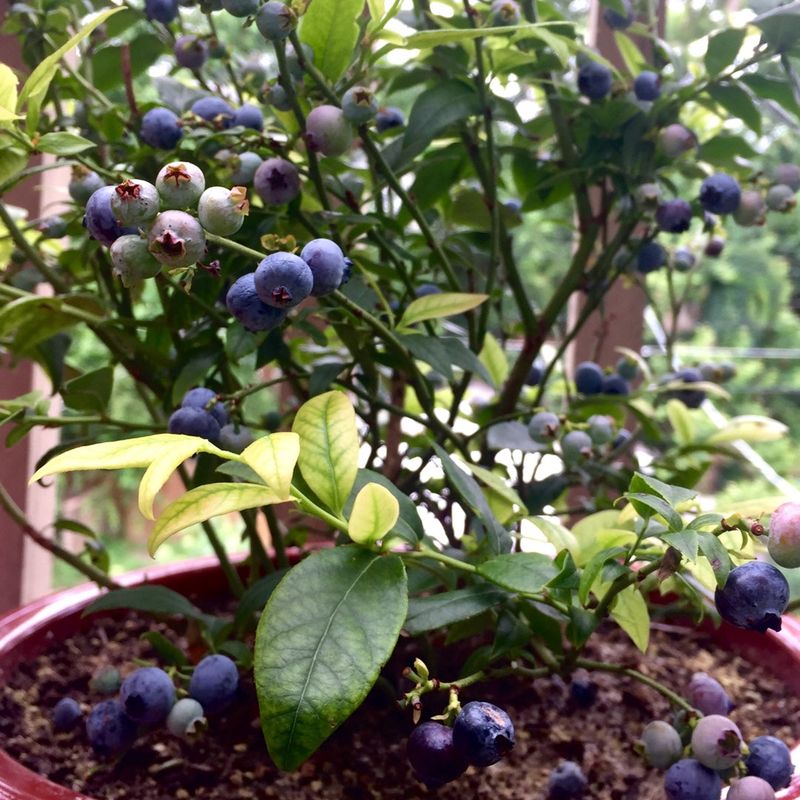
Who says you need a big yard to grow blueberries? Top Hat is a dwarf lowbush variety bred specifically for container gardening and small spaces, rarely exceeding 2 feet in height.
Its tidy, rounded shape makes it surprisingly attractive as an ornamental plant, especially when dotted with tiny blue berries. Apartment dwellers and patio gardeners especially appreciate this one.
The berries are small and flavorful, perfect for snacking straight off the plant during a lazy summer afternoon.
4. Bluecrop Blueberry
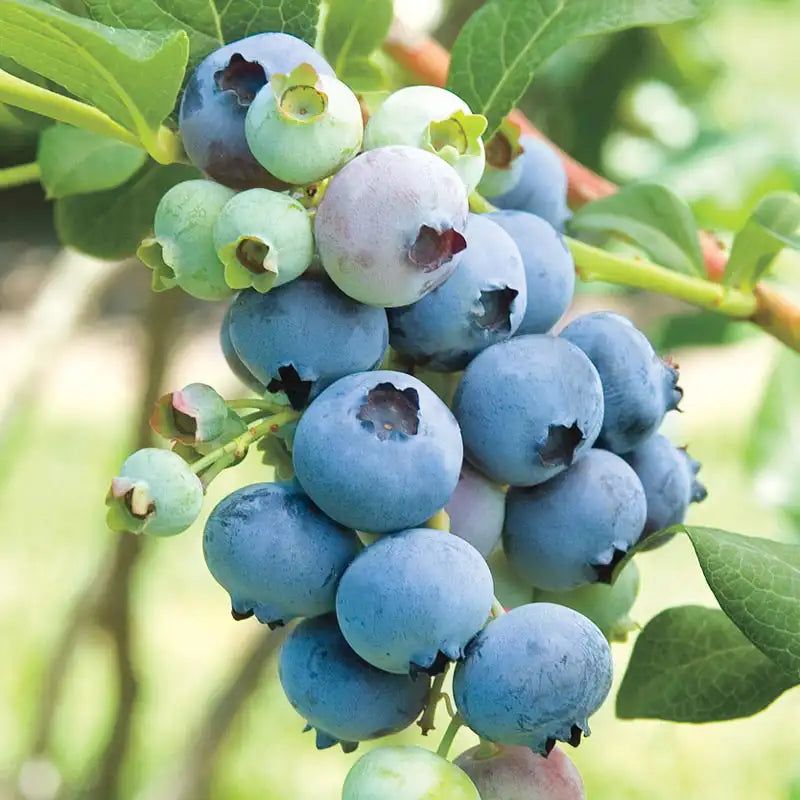
Ask any serious blueberry grower about their favorite variety and there is a good chance they will say Bluecrop. Considered one of the best all-around northern highbush cultivars in the world, it produces generous yields of medium-to-large, light blue fruit with a classic sweet-tart flavor.
Bluecrop plants are remarkably adaptable, growing well in USDA zones 4 to 7, and they show strong disease resistance. Fresh eating, freezing, or baking – this variety handles every job with ease.
5. Duke Blueberry
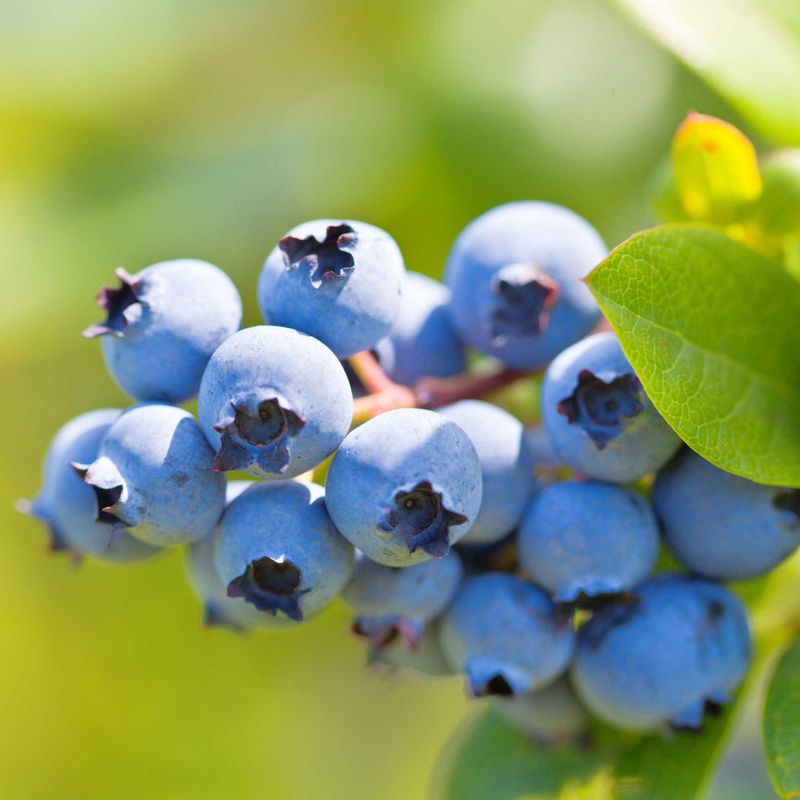
Early birds love Duke blueberries because they ripen ahead of most other northern highbush varieties, giving gardeners the first fresh taste of summer. The berries are noticeably large and easy to pick cleanly off the stem.
Flavor-wise, Duke leans mild and low in acidity, which makes it a crowd-pleaser for people who find other blueberries a little too tart. Kids especially tend to enjoy its approachable sweetness.
Plants grow upright and perform well across USDA zones 4 through 7.
6. Elliot Blueberry
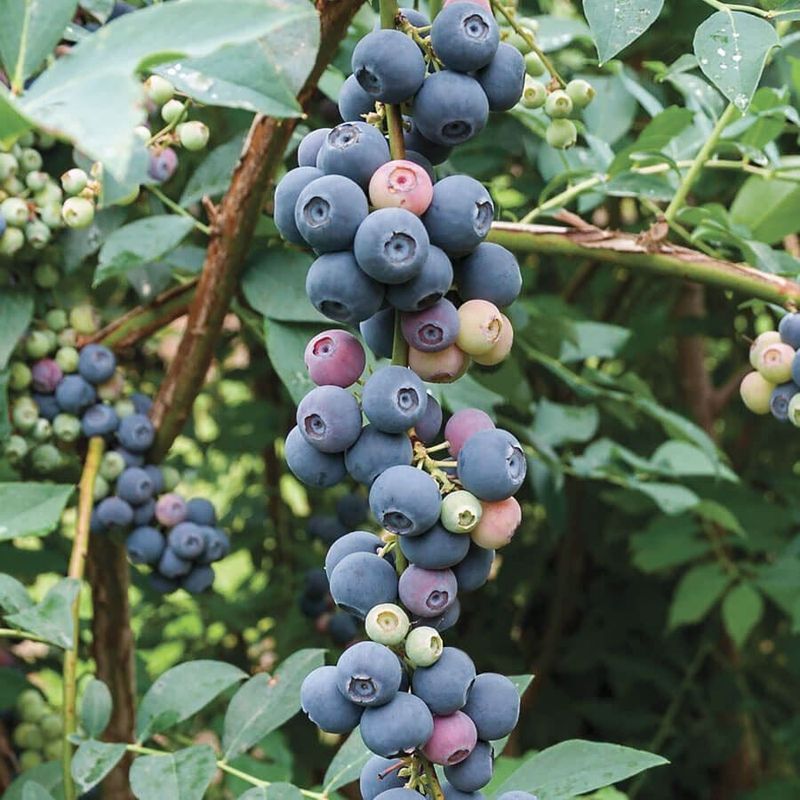
Patience pays off with Elliot blueberries. As a late-season northern highbush variety, it produces its harvest after most other plants have already finished, extending the fresh blueberry season well into late summer.
The berries are large and firm with a notably tart flavor and an excellent shelf life, meaning they stay fresh longer after picking than many other types. Growers who sell at farmers markets particularly value Elliot for that reason.
Cold-hardy and reliable, it thrives in zones 4 through 7.
7. Jersey Blueberry
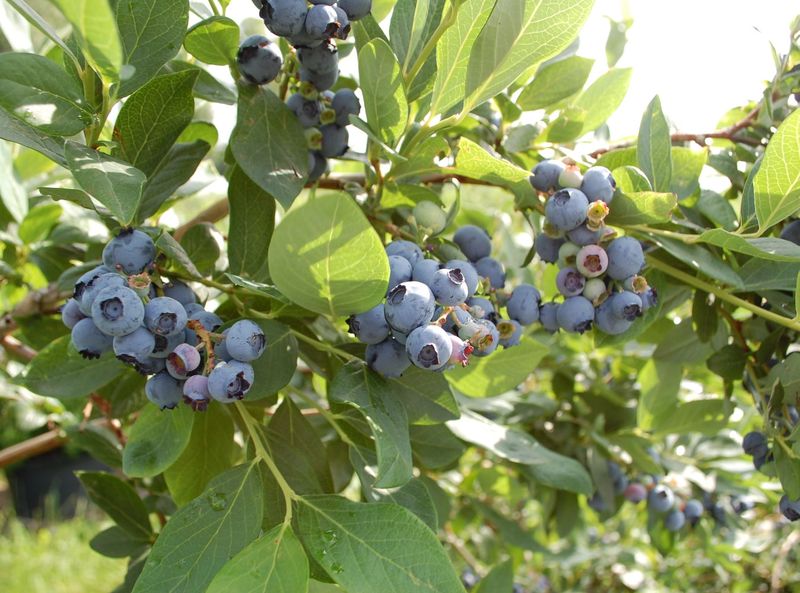
Dating all the way back to 1928, Jersey is one of the oldest blueberry cultivars still widely grown today – and for good reason. This northern highbush variety produces small, soft, exceptionally sweet berries that longtime blueberry fans absolutely adore.
Jersey plants are among the hardiest selections available, tolerating tough conditions that would stress newer cultivars. While the berries are softer than modern varieties, their flavor more than compensates.
Growing in zones 4 to 7, Jersey is a living piece of blueberry history.
8. O’Neal Blueberry
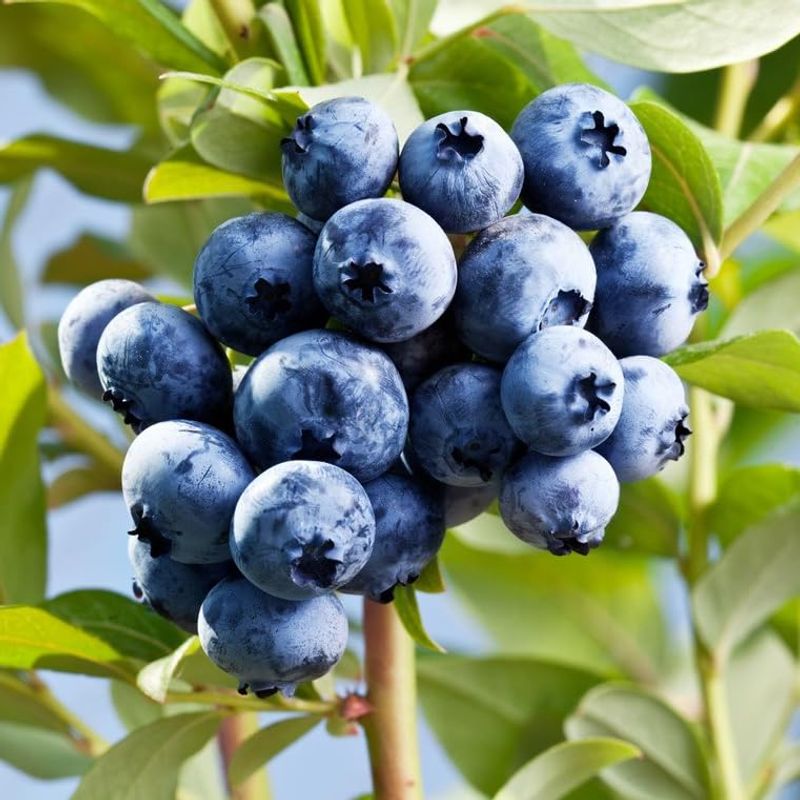
Southern gardeners dealing with mild winters finally got their perfect blueberry match with O’Neal. This southern highbush cultivar is self-pollinating, which means you only need one plant to get fruit – a huge bonus for smaller gardens.
Growing up to 5 feet tall and hardy in zones 5 to 9, O’Neal produces large, flavorful berries early in the season. The plant blossoms in late winter, so picking a frost-protected spot in the yard is a smart move to protect those early blooms.
9. Sharpblue Blueberry
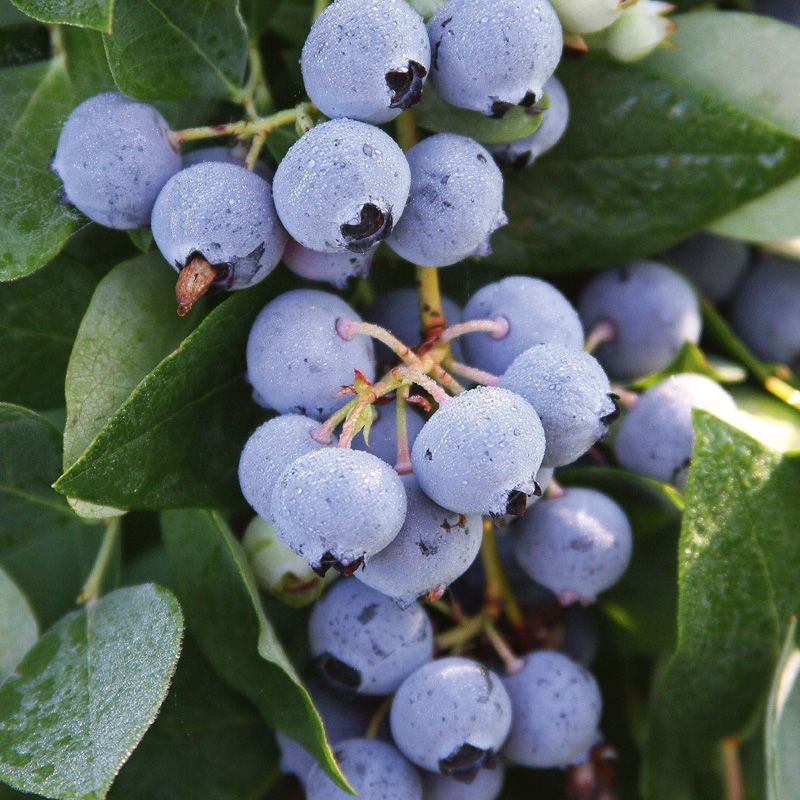
Sharpblue was practically built for warm weather. Developed for southern climates where winter chill hours are limited, this vigorous southern highbush cultivar thrives in USDA zones 8 to 10 and delivers impressively high yields.
The berries are round, mildly sweet, and ready to eat straight from the bush. Sharpblue plants grow energetically and fill in quickly, making them a popular choice for home gardeners in Florida, Texas, and similar warm states.
Cross-pollinating with another southern highbush variety boosts berry production even further.
10. Sunshine Blue Blueberry
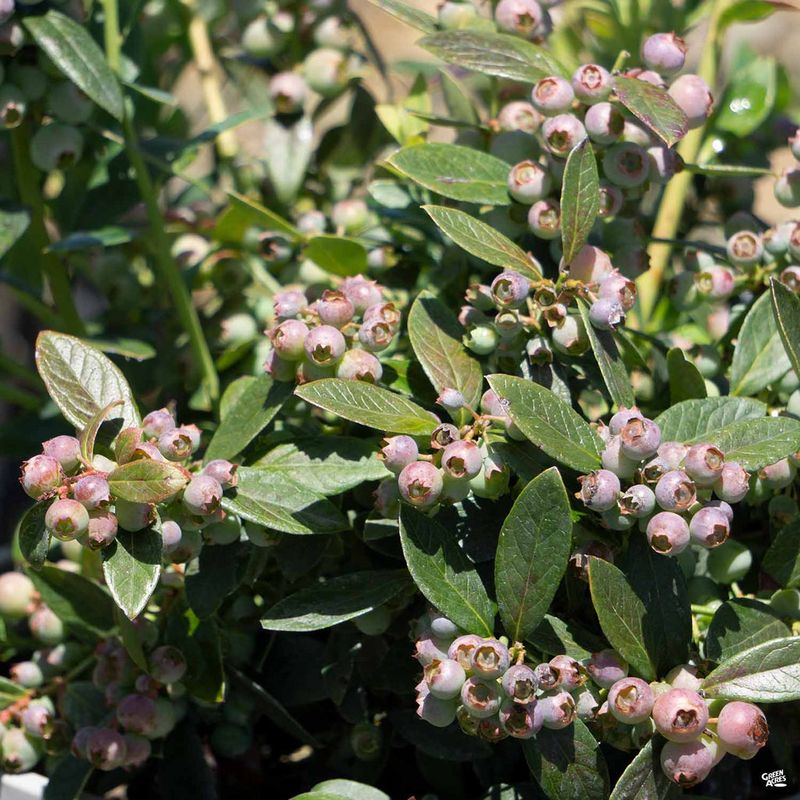
Sunshine Blue stands out from the crowd in a very literal way – it is an evergreen blueberry, meaning it keeps its leaves year-round in mild climates rather than going dormant like most varieties. That alone makes it a stunning ornamental plant.
Compact enough for container growing and adapted to USDA zones 5 to 10, Sunshine Blue sometimes blooms and bears fruit at the same time, creating a gorgeous display of pink flowers and blue berries together. Sweet, mild berries are a welcome bonus on top of the show.
11. Tifblue Rabbiteye Blueberry
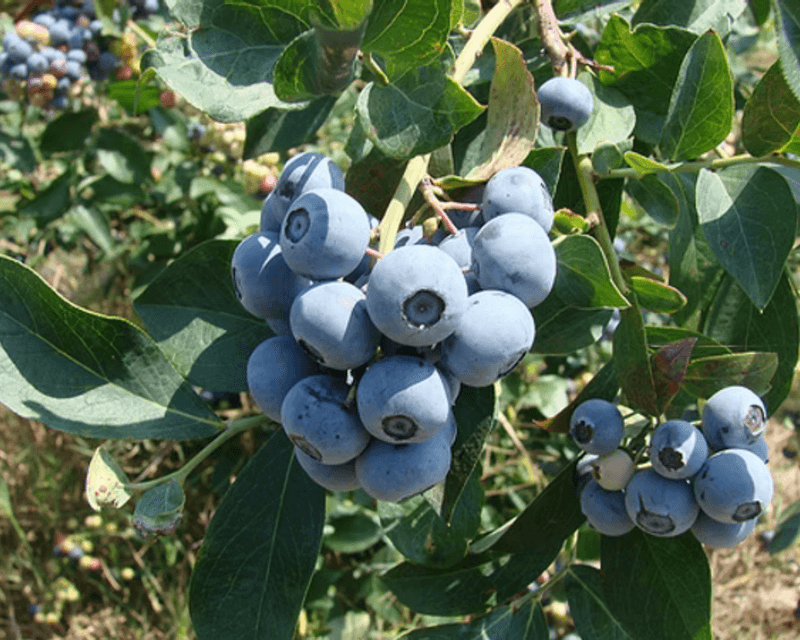
Rabbiteye blueberries are built tough, and Tifblue is the champion of the group. Native to the southeastern United States, Tifblue thrives in long, hot summers that would wilt most other blueberry plants, producing heavy loads of sweet, juicy berries year after year.
Resistant to both heat and humidity, Tifblue is a go-to choice for gardeners in zones 7 to 9. One important detail – rabbiteye types need a different rabbiteye cultivar nearby for cross-pollination, so always plant at least two varieties together.
12. Pink Lemonade Blueberry
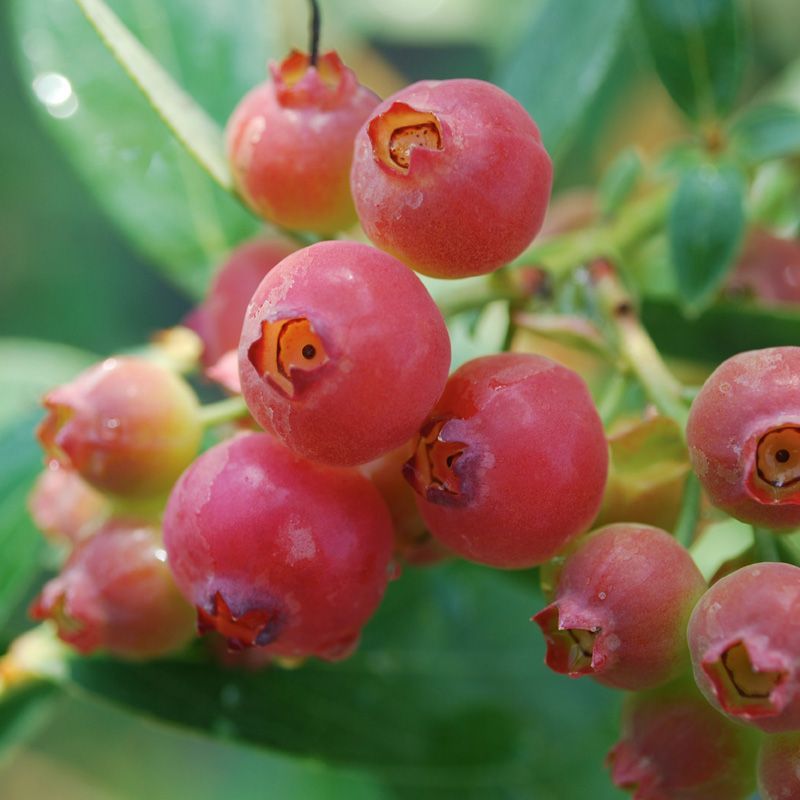
Pink Lemonade is the wild card of the blueberry world. Unlike every other variety on this list, its ripe berries turn a vivid fuchsia-pink color instead of the classic blue – making it one of the most eye-catching plants you can grow.
The flavor is distinct too, offering a sweet, tangy twist that lives up to its fun name. Classified as a rabbiteye type, it grows well in zones 5 to 8.
Gardeners love planting it alongside traditional blue varieties for a stunning visual contrast at harvest time.
13. Northblue Blueberry
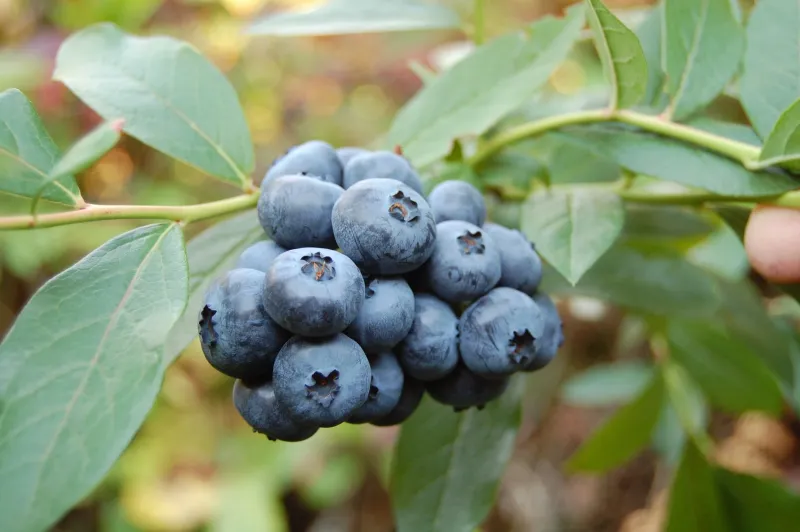
Cold climate gardeners in the upper Midwest and northern states have a reliable friend in Northblue. This half-high hybrid – a cross between northern highbush and lowbush varieties – grows just 2 to 3 feet tall but produces impressively large, dark blue berries with outstanding flavor.
One standout feature is its resistance to mummyberry disease, a common fungal problem that frustrates many blueberry growers. Hardy enough to handle brutal winters, Northblue ripens early to mid-season and delivers consistent results in USDA zones 3 to 6.
14. Polaris Blueberry
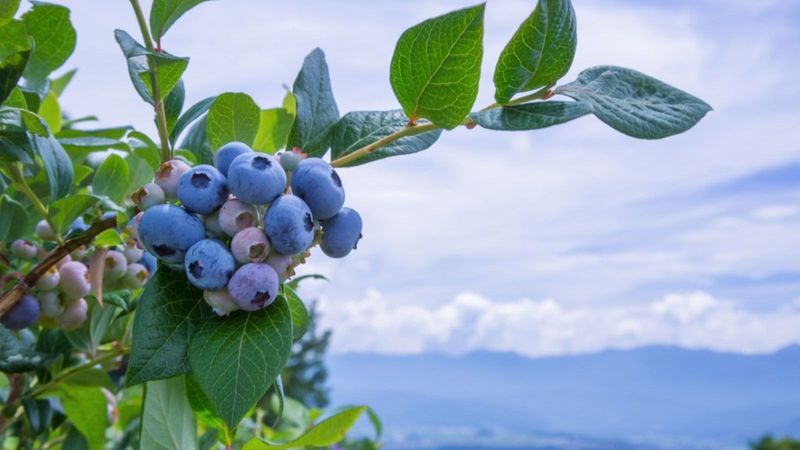
Polaris blueberries smell almost as good as they taste. Known for an unusually aromatic, complex fragrance, this early-season half-high variety produces medium-to-large, firm berries with excellent flavor that stands out even among other cold-hardy types.
Growing 3 to 4 feet tall, Polaris is well-suited for container gardening and adapts easily to small spaces. It thrives in USDA zones 3 to 6, making it a top pick for northern gardeners.
Cross-pollinating with another half-high or lowbush variety encourages even better fruit production each season.
15. Chandler Blueberry
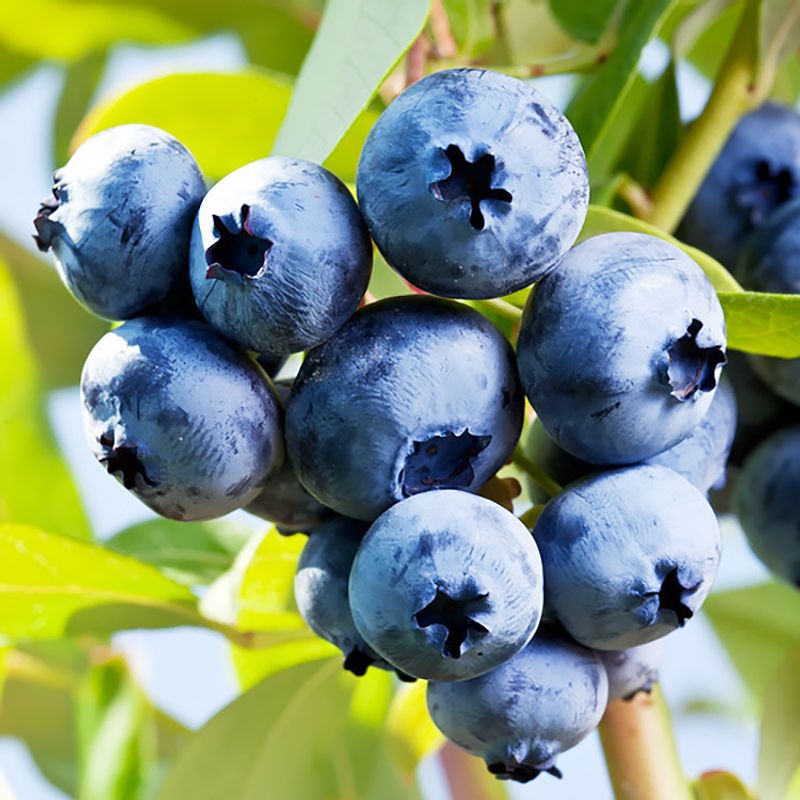
Size matters to some blueberry fans, and Chandler delivers in a big way. Widely regarded as one of the largest blueberry varieties ever developed, Chandler berries can grow to the size of a small grape – a jaw-dropping sight the first time you see them.
Beyond their remarkable size, the berries offer genuinely good flavor with a balanced sweet-tart profile. A northern highbush cultivar suited to zones 5 to 7, Chandler has a long harvest window spanning several weeks, giving gardeners plenty of time to enjoy its oversized bounty.