
16 Overlooked Parts Of Fruits And Vegetables That Are Edible
Most of us toss away more food than we realize. Carrot tops, banana peels, and broccoli stems often end up in the trash without a second thought.
But many of these “scraps” are packed with nutrients and surprising flavors. Learning to use the whole fruit or vegetable saves money, reduces waste, and might just introduce you to your next favorite ingredient.
1. Carrot Tops
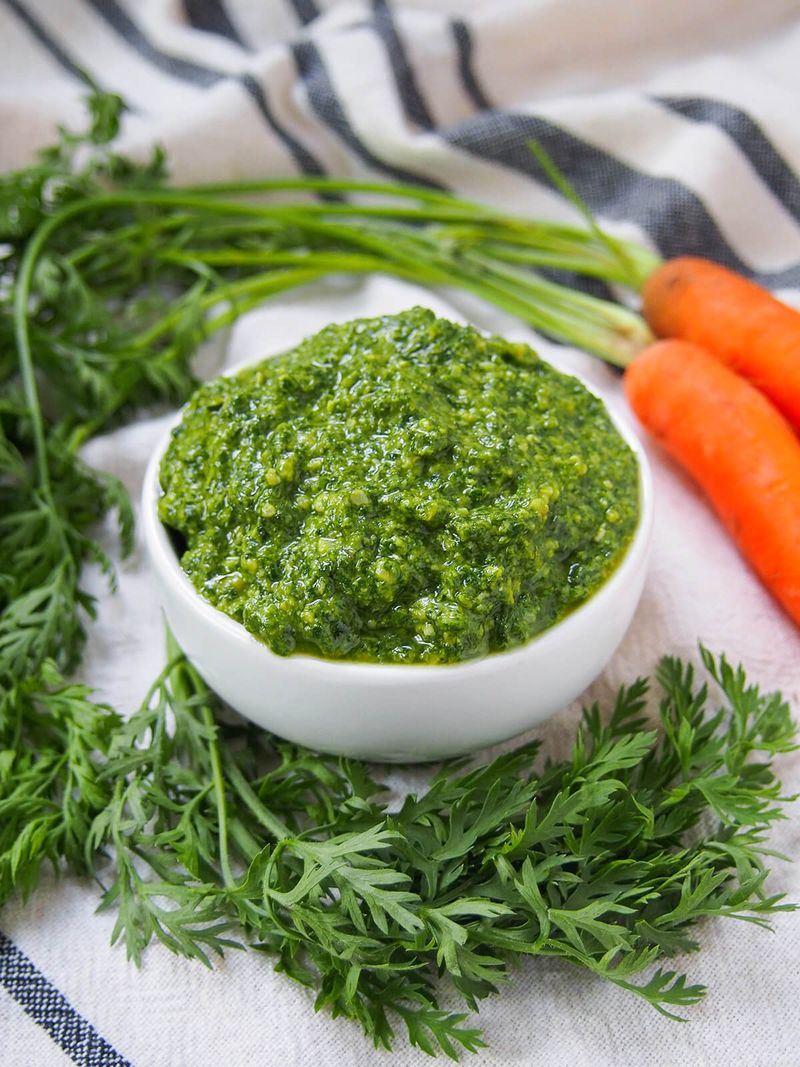
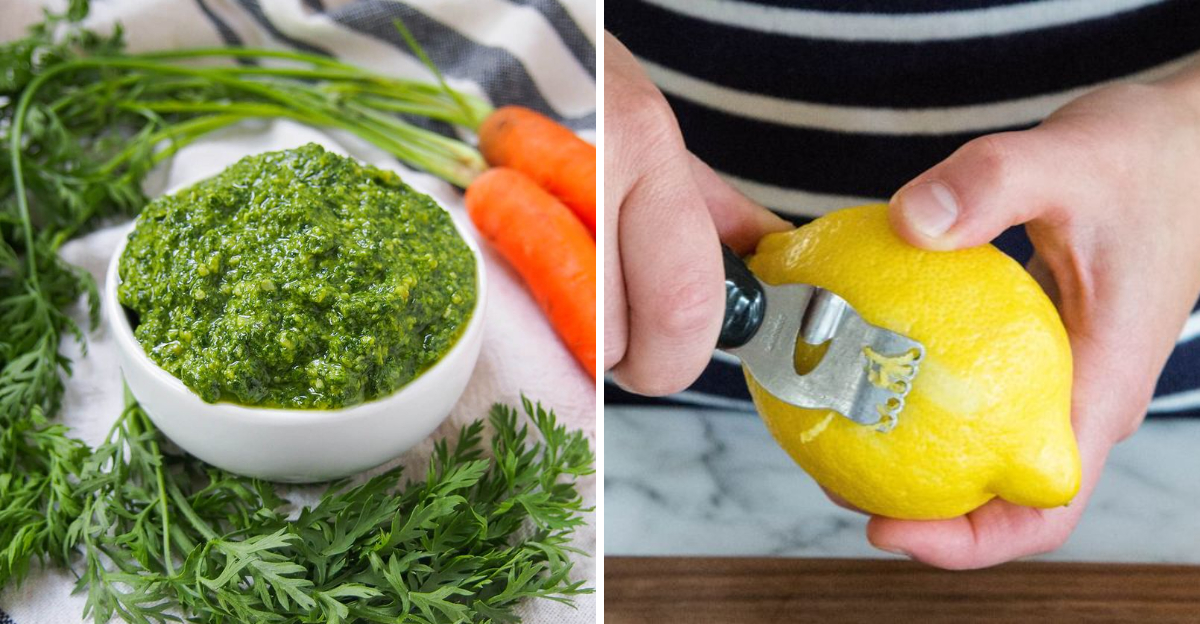
Most people snap off those feathery green fronds and toss them without a second thought. That is a real shame, because carrot tops taste fresh and grassy, almost like parsley, and they are loaded with vitamins A, C, and K, plus fiber and potassium.
Chop them up and add them to salads or soups, or blend them into a bright, flavorful pesto. They are a totally free bonus ingredient hiding right at the top of your carrots.
2. Beet Greens and Stems
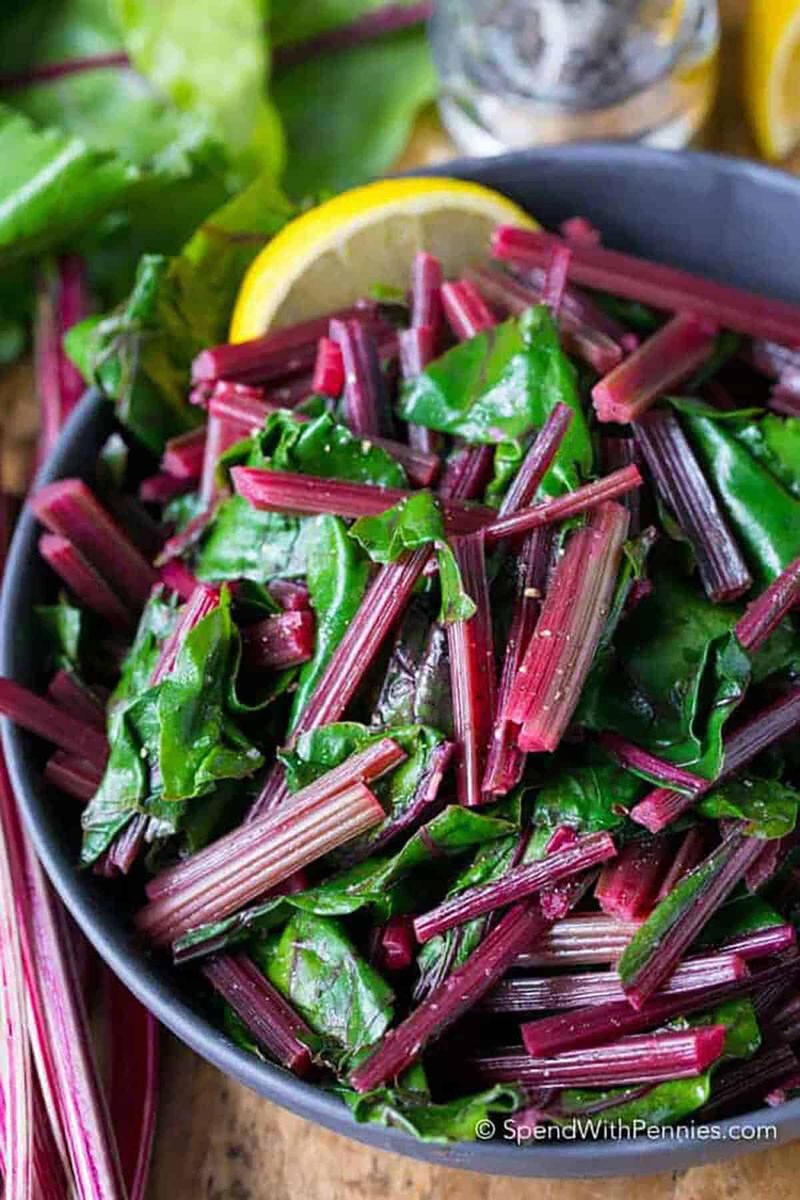
Beet greens are one of the most underrated vegetables hiding in plain sight. They look and taste a lot like Swiss chard, with colorful stems and tender leaves that are actually richer in protein and fiber than the beet root itself.
Saute them quickly with garlic and a drizzle of olive oil for a simple, satisfying side dish. You are essentially getting two vegetables for the price of one every time you buy beets.
3. Radish Greens
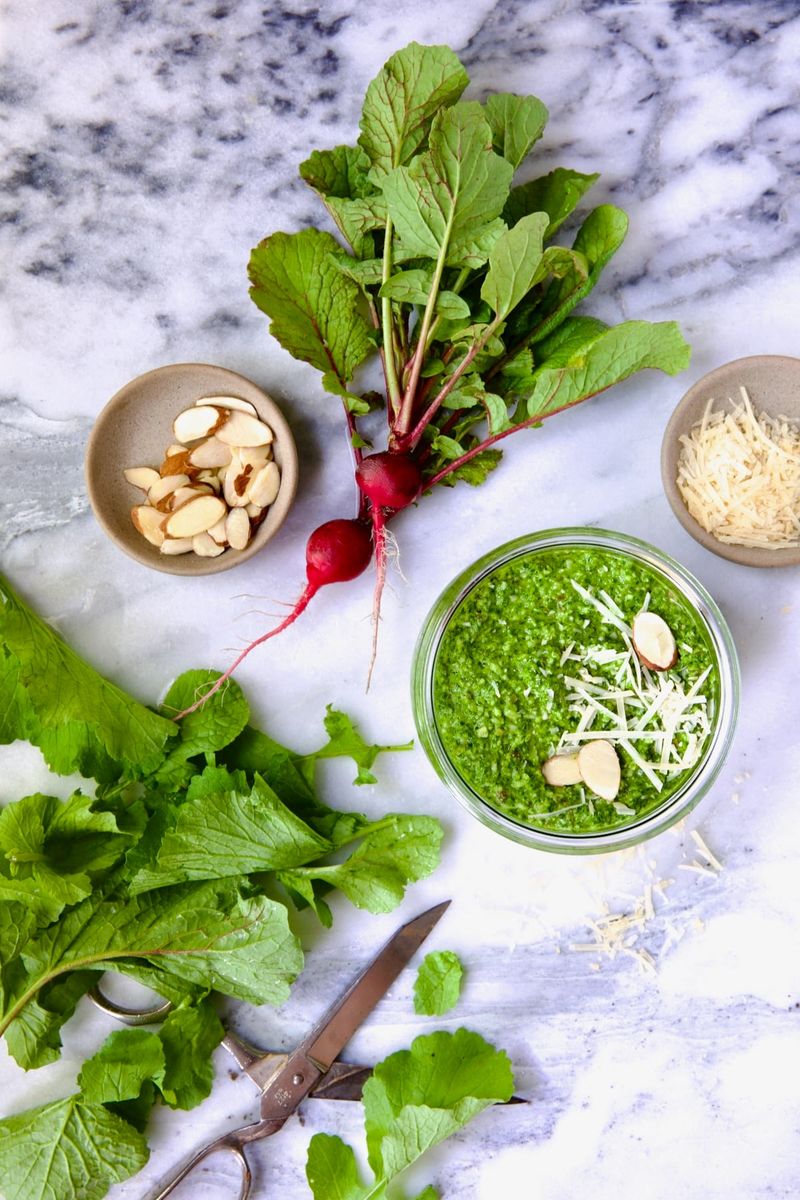
Here is a fun surprise: those slightly fuzzy radish leaves you always pull off and discard are completely edible. They carry a peppery, bold flavor that wakes up salads and stir-fries, and they are packed with vitamin C, potassium, and calcium.
Younger, smaller leaves tend to be more tender and less sharp in taste. You can also blend them into a punchy pesto or toss them into a warm soup for an unexpected flavor boost.
4. Turnip Greens
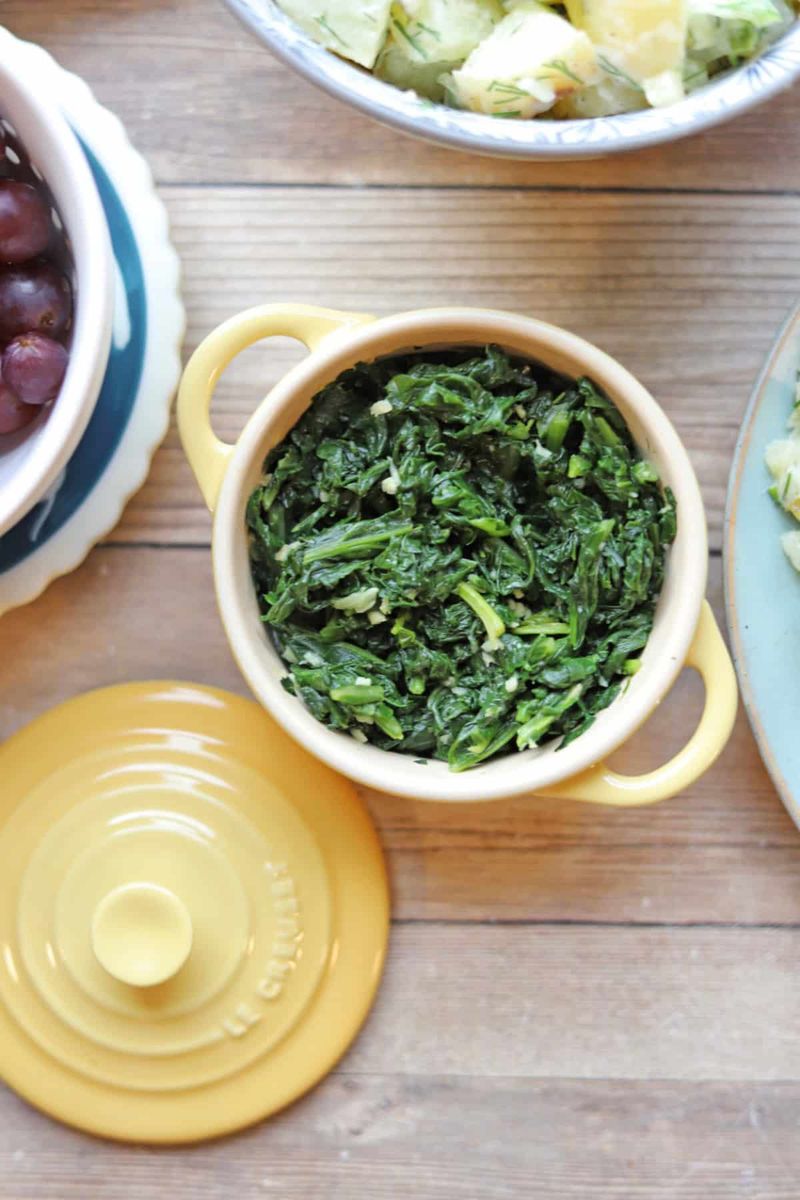
Turnips get all the attention, but their leafy tops are actually the more nutritious part of the plant. Turnip greens contain higher levels of vitamins and minerals than the root, making them a seriously undervalued kitchen ingredient.
Cook them the same way you would kale or collard greens. Add them to soups, saute them with a splash of broth and garlic, or toss them raw into a hearty salad.
They are bold, earthy, and absolutely worth keeping.
5. Celery Leaves
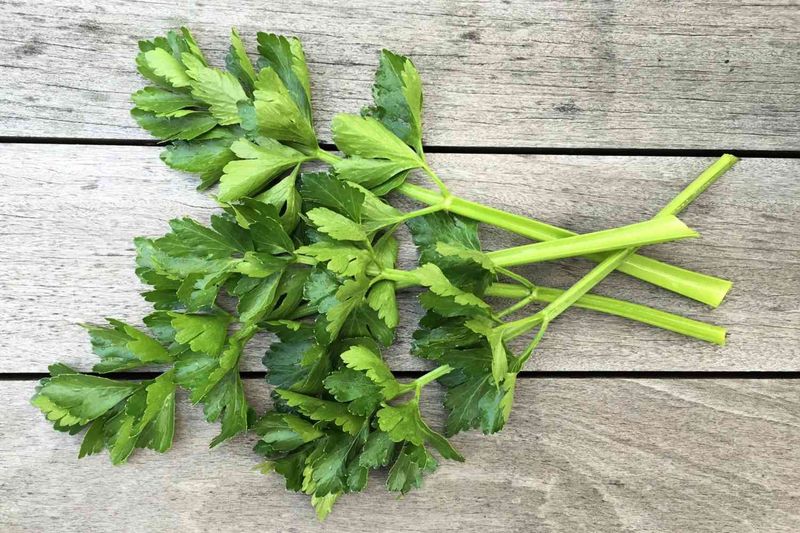
Celery leaves are the quiet overachievers of the produce aisle. They get stripped away and tossed out, yet they actually contain more vitamin C than the stalks and carry a lovely, slightly anise-like flavor that adds real depth to dishes.
Stir them into broths, chop them into salads, or use them as an herb in marinades and dressings. Think of celery leaves the way you would parsley or basil.
They are free flavor just waiting to be used.
6. Broccoli Stems and Leaves
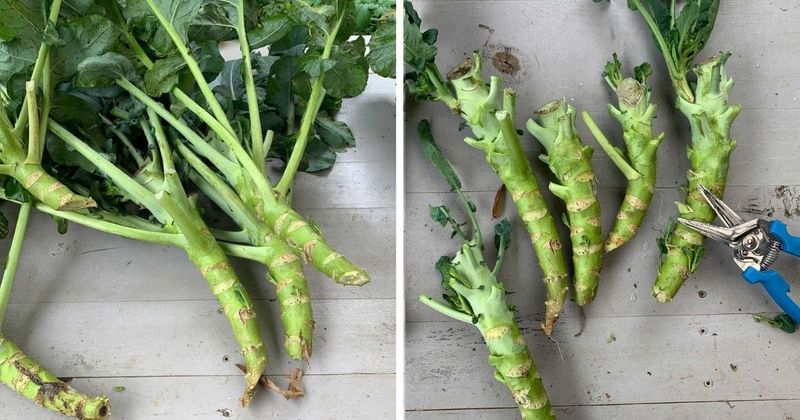
Broccoli stems get a bad reputation for being tough and boring, but peel away the outer layer and you will find a crunchy, mildly sweet interior that is absolutely delicious. They are packed with iron, potassium, zinc, folate, and several key vitamins.
Slice the stems thin for a stir-fry or roast them with olive oil and seasoning. The leaves, which many people never even notice, taste like mild collard greens and cook up beautifully in the same ways.
7. Cauliflower Stems and Leaves
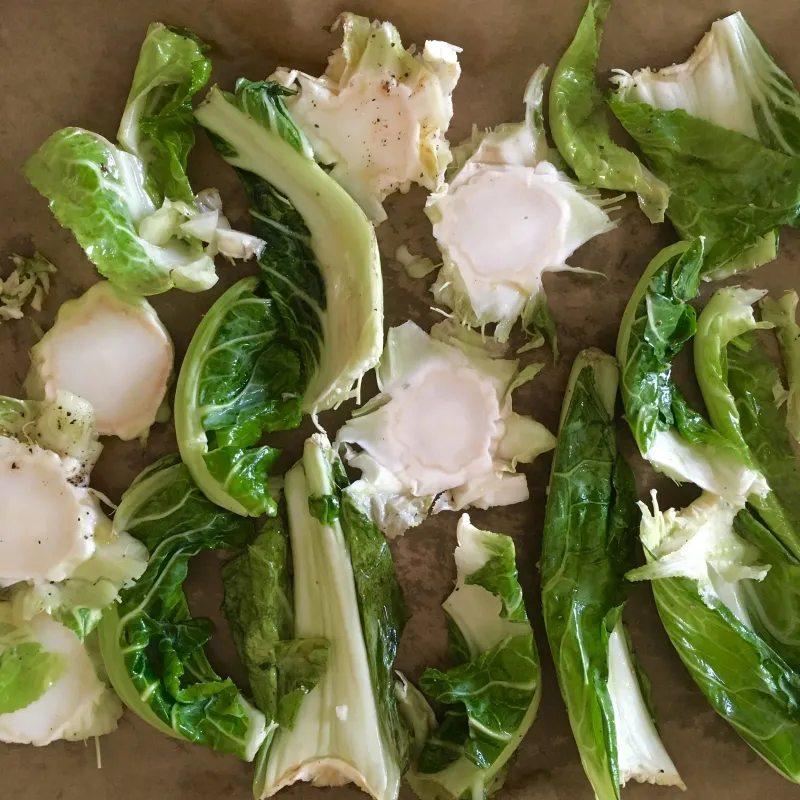
Cauliflower leaves might look like packaging material, but they are genuinely delicious when cooked. They provide a solid dose of fiber, vitamin C, vitamin A, calcium, and folate, which makes tossing them out a real nutritional loss.
Roast them in the oven until the edges get crispy, or chop them up and add them to a warming soup. The stems are equally worth saving.
Peel off the tougher outer skin and slice them up just like the florets.
8. Kale Stems and Ribs
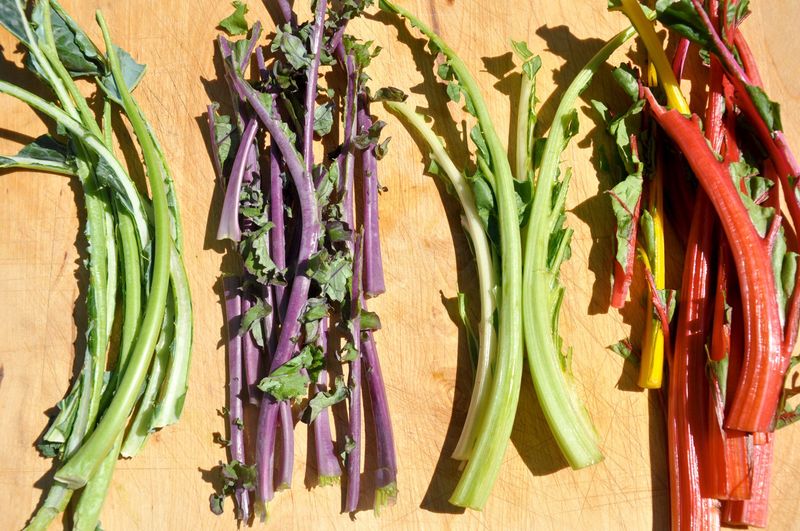
Kale ribs have a reputation for being too tough and chewy, so most recipes tell you to strip them away and throw them out. But that is kind of wasteful when you think about it, because those stems are loaded with nutrients and have a satisfying crunch.
Toss them into a blender for smoothies, juice them, or roast them in the oven with a little seasoning until they get crispy. Finely chopped, they also work well in slaws and grain bowls.
9. Banana Peels
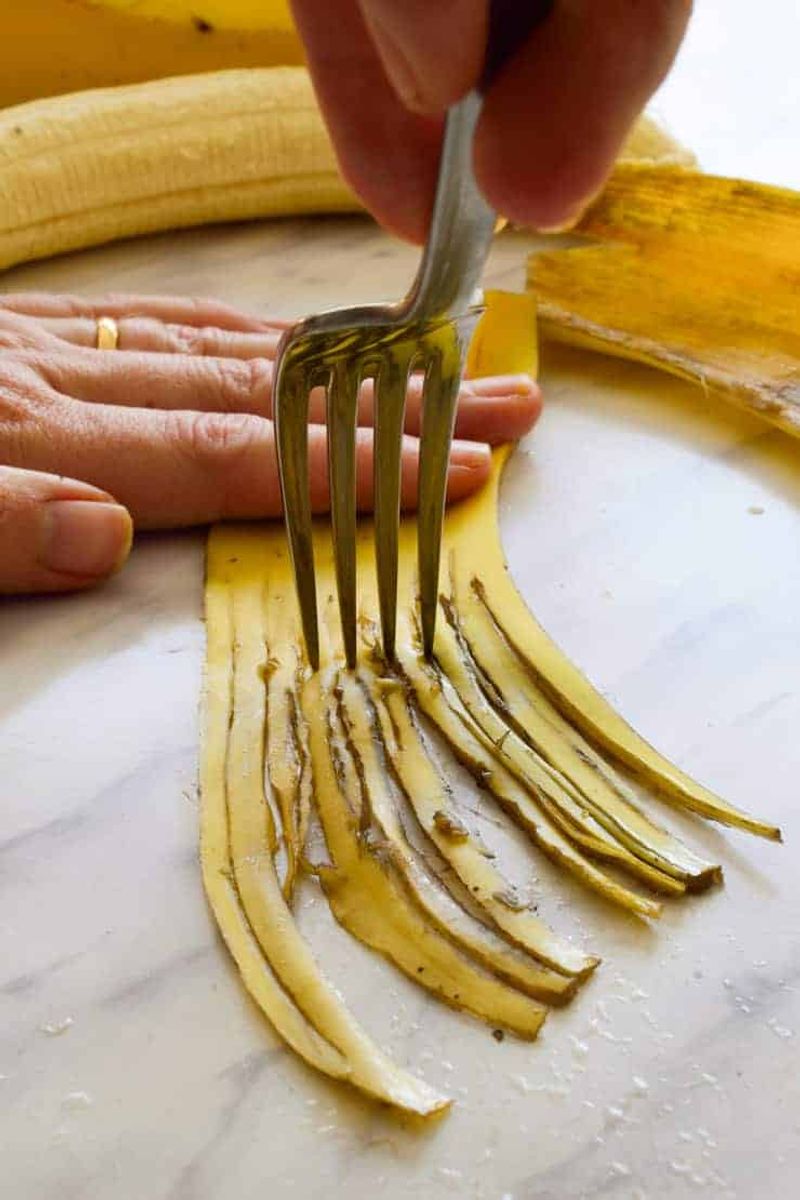
Banana peels might sound like something from a cartoon, but they are genuinely edible and surprisingly nutritious. They are rich in potassium, antioxidants like lutein, and tryptophan, which is an amino acid that supports mood and sleep.
Boil or bake them to soften the texture, or blend them straight into smoothies. In some cuisines, cooked banana peels are used as a plant-based meat substitute because of their chewy, pulled texture.
Worth a try before you toss one.
10. Watermelon Rind
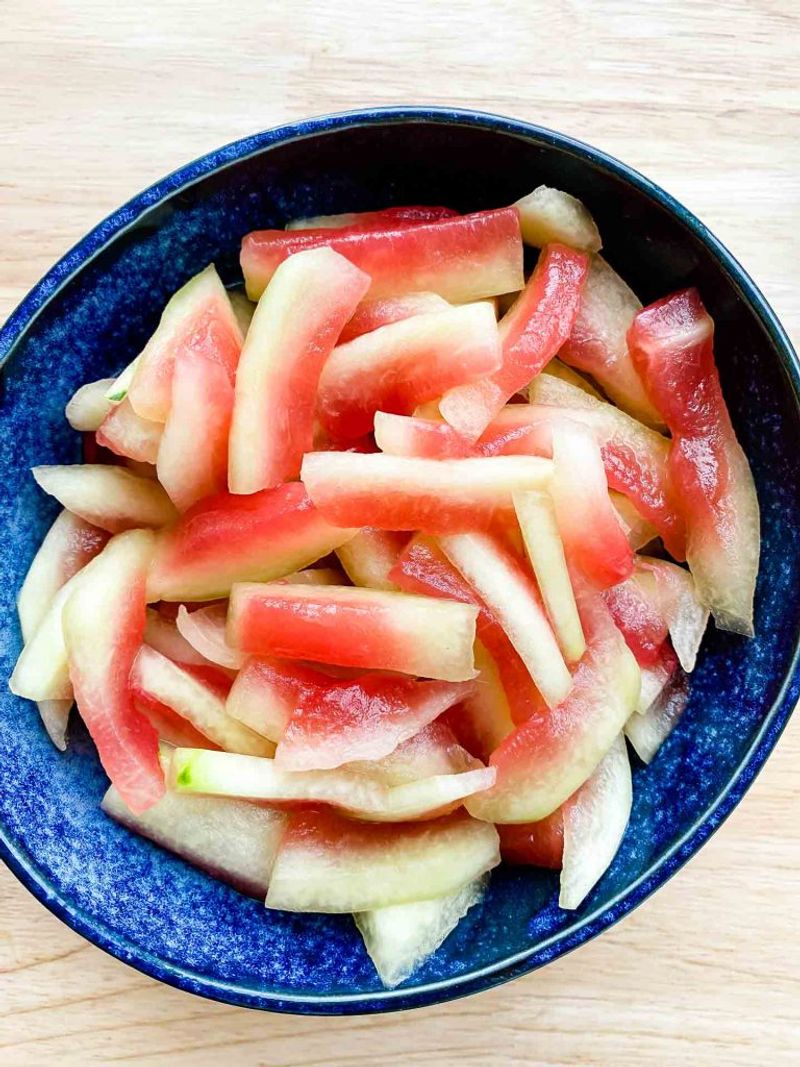
That thick white and green layer around your watermelon is not just filler. Watermelon rind is rich in citrulline, an amino acid linked to improved circulation, along with vitamin C, vitamin B6, fiber, potassium, and magnesium.
The flavor sits somewhere between a cucumber and a mild melon, making it surprisingly versatile. Pickle it for a tangy snack, stir-fry it with chili and garlic, or blend it into a chutney.
It tastes far better than it sounds, and nothing goes to waste.
11. Kiwi Skin
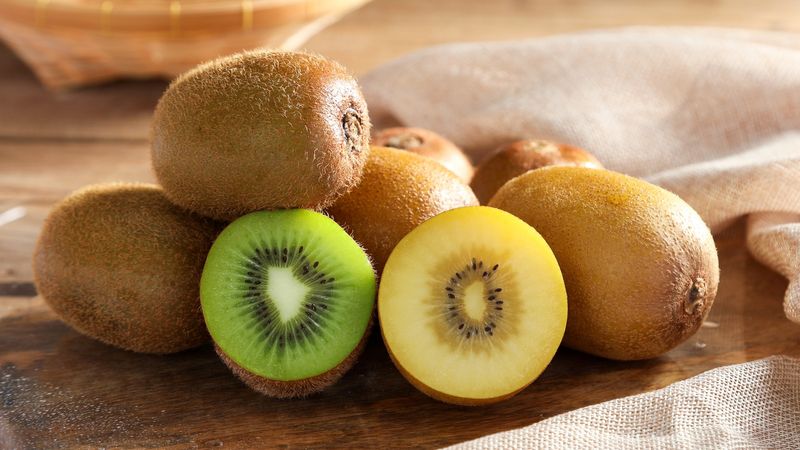
Eating a kiwi with the skin on feels a little strange at first, but it is completely safe and actually bumps up the nutrition significantly. Kiwi skin is high in fiber, vitamin E, and folate, and eating the whole fruit means you get about 50 percent more of those nutrients.
The fuzzy texture is the main thing that puts people off. Washing the kiwi well and rubbing off some of the fuzz helps.
Blending it into a smoothie is the easiest way to enjoy it without noticing the texture at all.
12. Citrus Peels
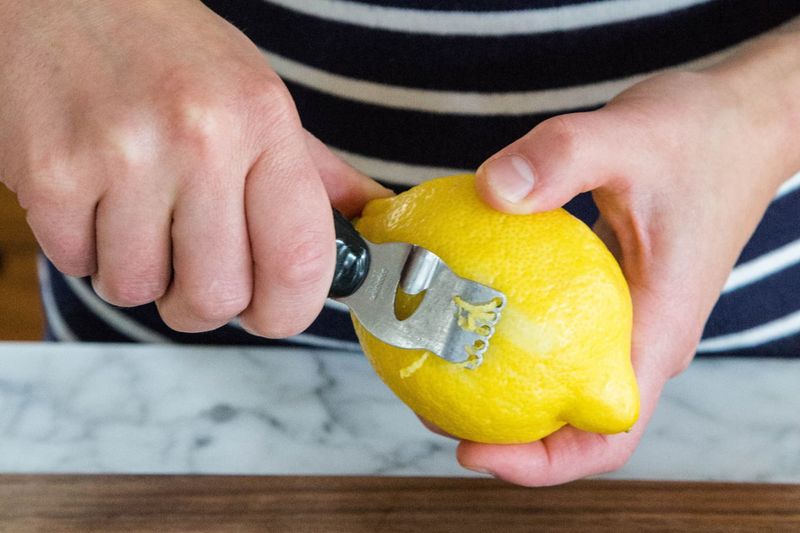
Citrus peels are basically flavor bombs that most people throw straight in the bin. Orange, lemon, and lime peels contain even more vitamin C than the fruit inside, plus calcium, potassium, magnesium, riboflavin, and powerful antioxidants like hesperidin.
Zesting is the easiest way to use them. Sprinkle lemon zest over pasta, baked goods, or roasted vegetables.
Orange peel works beautifully in marmalades and sauces. Just make sure to wash the fruit thoroughly before zesting, especially if it is not organic.
13. Potato Peels
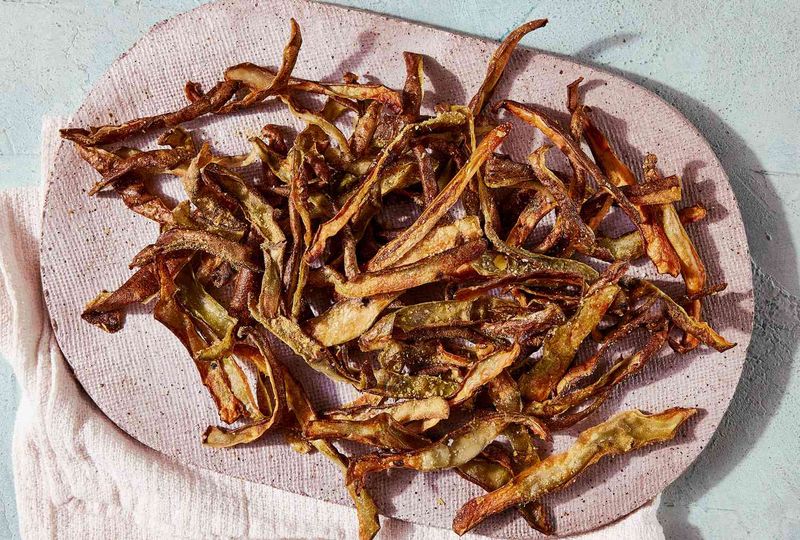
Did you know that most of the nutrition in a potato actually lives in the skin? Potato peels contain more fiber, vitamins, and minerals than the starchy flesh inside, along with higher antioxidant activity and a solid amount of vitamin C.
Instead of peeling and discarding them, roast the skins with olive oil, salt, and your favorite spices until they are crispy and golden. They make an addictive snack or side dish.
You can also leave the skins on when making mashed potatoes for extra texture and nutrition.
14. Pumpkin and Squash Seeds
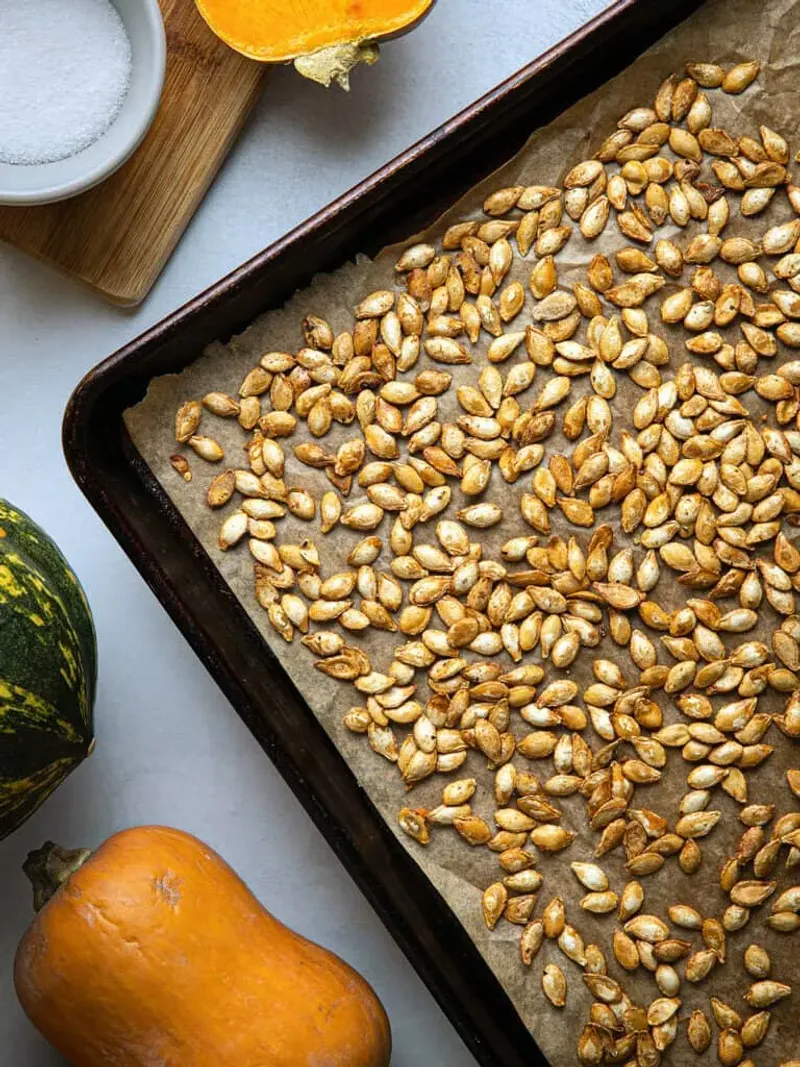
Scooping out pumpkin seeds and tossing them in the trash is one of the most common kitchen mistakes people make every fall. Those seeds are genuinely nutritious, offering healthy fats, protein, magnesium, zinc, and antioxidants in every handful.
Rinse them off, toss with olive oil and your choice of seasoning, then roast at a moderate heat until golden and crunchy. Salty, smoky, spicy, or sweet, the flavor options are endless.
The same goes for seeds from butternut squash, acorn squash, and other winter varieties.
15. Fennel Fronds and Stems
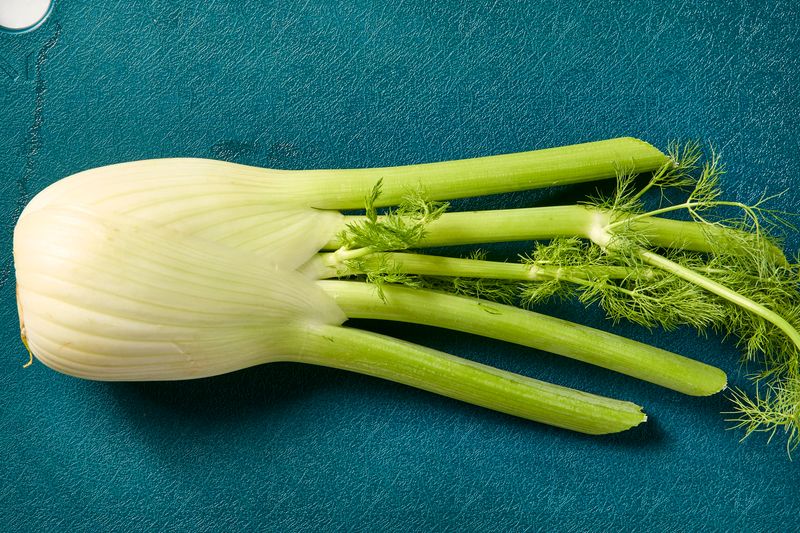
Fennel fronds are the wispy, dill-like tops that most home cooks snap off and discard without a second glance. That is a real missed opportunity, because they carry a delicate, fresh anise flavor that works beautifully as a garnish or blended into pesto.
The stems, which are thicker and crunchier, have a milder version of the same licorice-y taste. Toss them into stocks and soups while cooking to add flavor, or roast them alongside vegetables.
Every part of the fennel plant is worth using.
16. Squash Leaves and Blossoms

Squash plants give you way more than just the vegetable. The large, young leaves are edible and can be cooked just like spinach or any other leafy green, making them a great find if you grow squash in a garden.
The blossoms are where things get really exciting. Squash flowers have a mild, slightly sweet flavor and can be stuffed with cheese, battered, and fried, or simply added fresh to salads and pasta.
They are considered a delicacy in many world cuisines and are surprisingly easy to cook with.