15 Venezuelan Dishes From Street Stalls To Family Tables
Venezuelan food tells the story of a nation through flavor, tradition, and community. From busy street corners to Sunday family lunches, the country’s dishes blend indigenous, Spanish, and African influences into something truly unforgettable.
Whether you are tasting a crispy empanada on the go or sharing a pot of sancocho with loved ones, every bite carries meaning. Get ready to explore 15 dishes that define Venezuela’s rich and delicious food culture.
1. Arepas
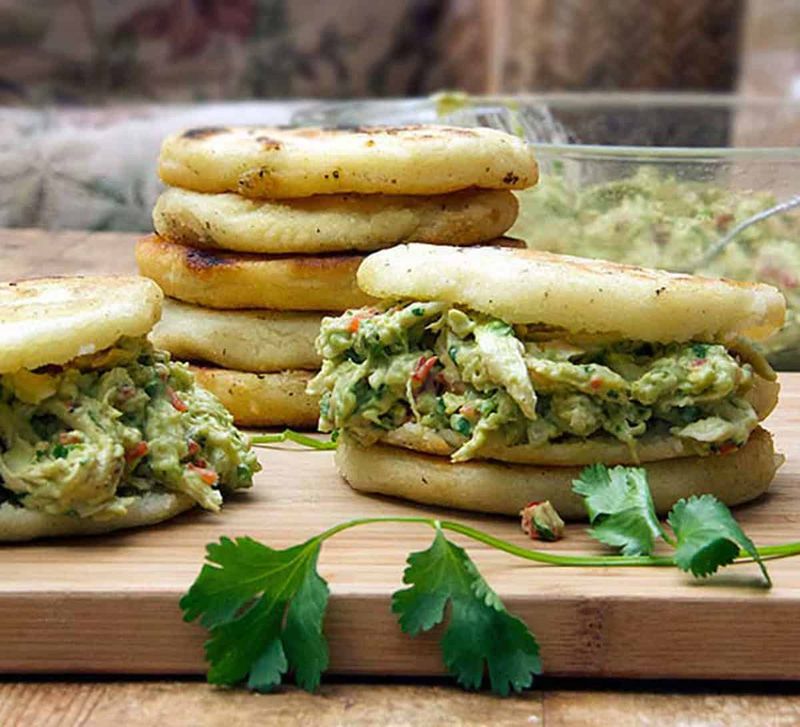
No food is more Venezuelan than the arepa. Made from pre-cooked white corn flour, these round patties can be grilled, baked, or fried, and eaten morning, noon, or night.
They are the ultimate blank canvas for flavor.
Fillings range from the classic Reina Pepiada — shredded chicken mixed with creamy avocado — to simple black beans and cheese. Every family has their own favorite combination, making arepas deeply personal and endlessly versatile.
2. Pabellón Criollo
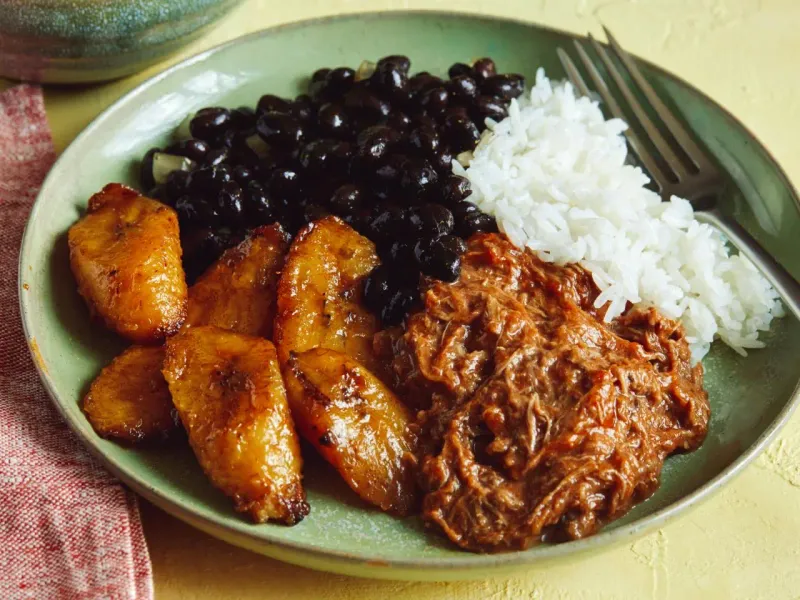
Shredded beef, white rice, black beans, and sweet fried plantains — together, these four ingredients make up Venezuela’s national dish. The way they sit side by side on the plate even echoes the colors of the Venezuelan flag.
Pabellón Criollo is more than just a meal; it is a symbol of the country’s history and cultural mix. Families serve it at big gatherings and everyday lunches alike, and each household puts its own small spin on the recipe.
3. Empanadas
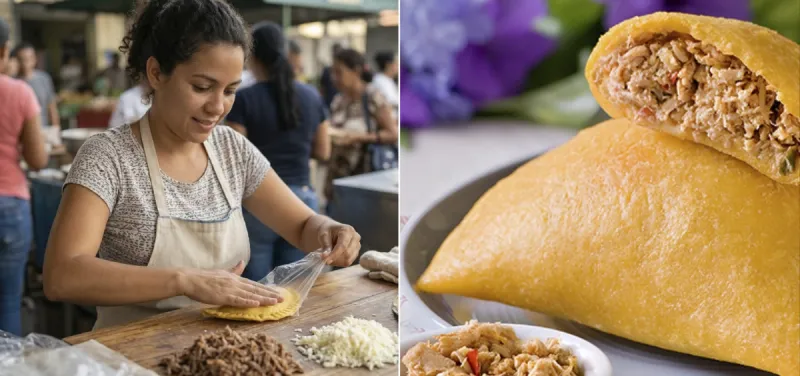
Crunch into a Venezuelan empanada and you will notice something different right away — the dough is made from corn flour, not wheat, giving it a satisfying crispiness that sets it apart from empanadas in other countries.
Street vendors fry them fresh throughout the day, stuffing them with everything from Guayanés cheese to shredded beef or even sweet guava and cheese. They make a perfect breakfast or a quick afternoon snack when hunger strikes on the go.
4. Tequeños
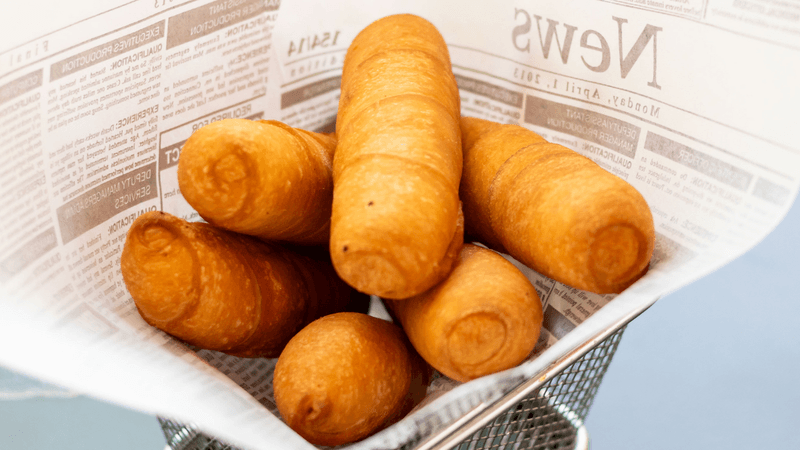
At almost every Venezuelan party or family celebration, tequeños are the first thing to disappear from the table. These golden sticks of fried dough wrapped around salty white cheese are impossible to resist, especially when the cheese is still warm and stretchy.
Legend has it they were born in the city of Los Teques, which is how they got their name. Today, you can find them at bakeries, street stalls, and holiday gatherings across the entire country.
5. Cachapas
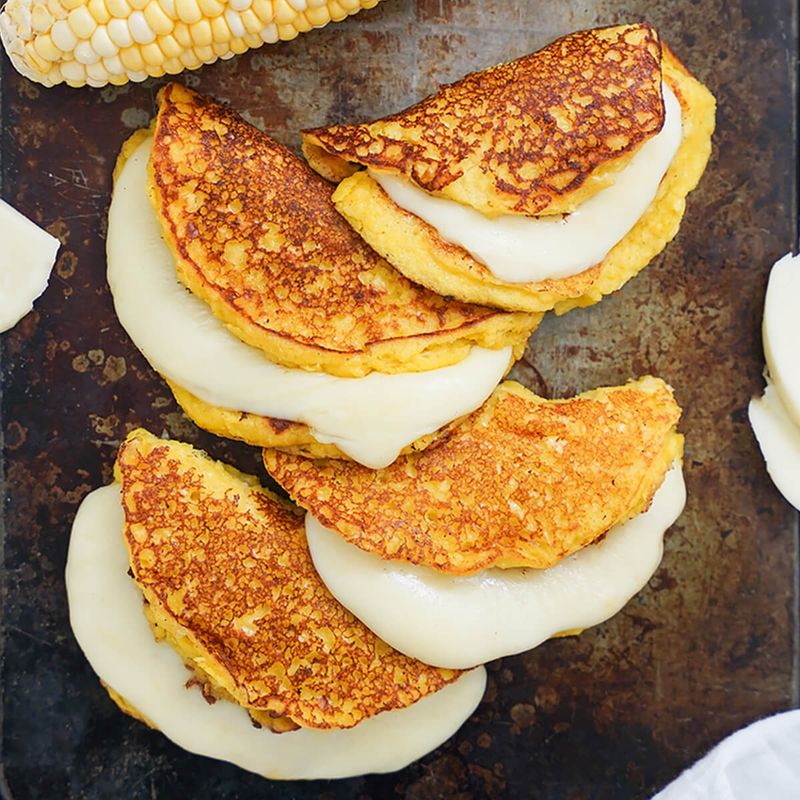
Sweet, thick, and made from fresh yellow corn, cachapas smell absolutely amazing on the griddle. Unlike regular pancakes, they have a natural sweetness from the corn that pairs perfectly with a slab of soft, milky queso de mano cheese inside.
Roadside stands selling cachapas are a beloved Venezuelan tradition, especially on weekend drives through the countryside. Some people also add ham or roasted pork, but the classic cheese version remains the crowd favorite by a wide margin.
6. Hallacas
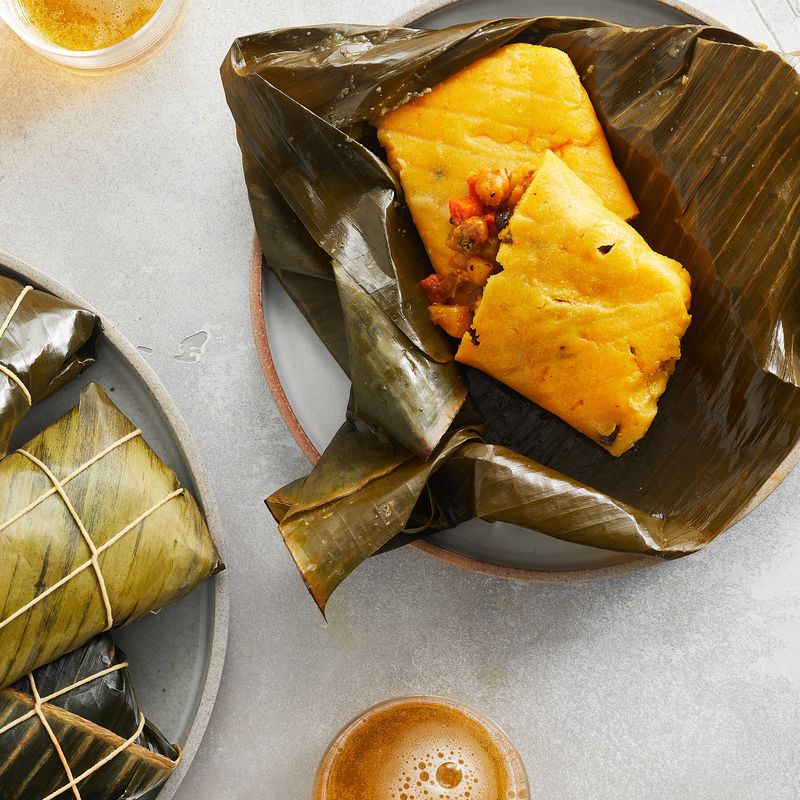
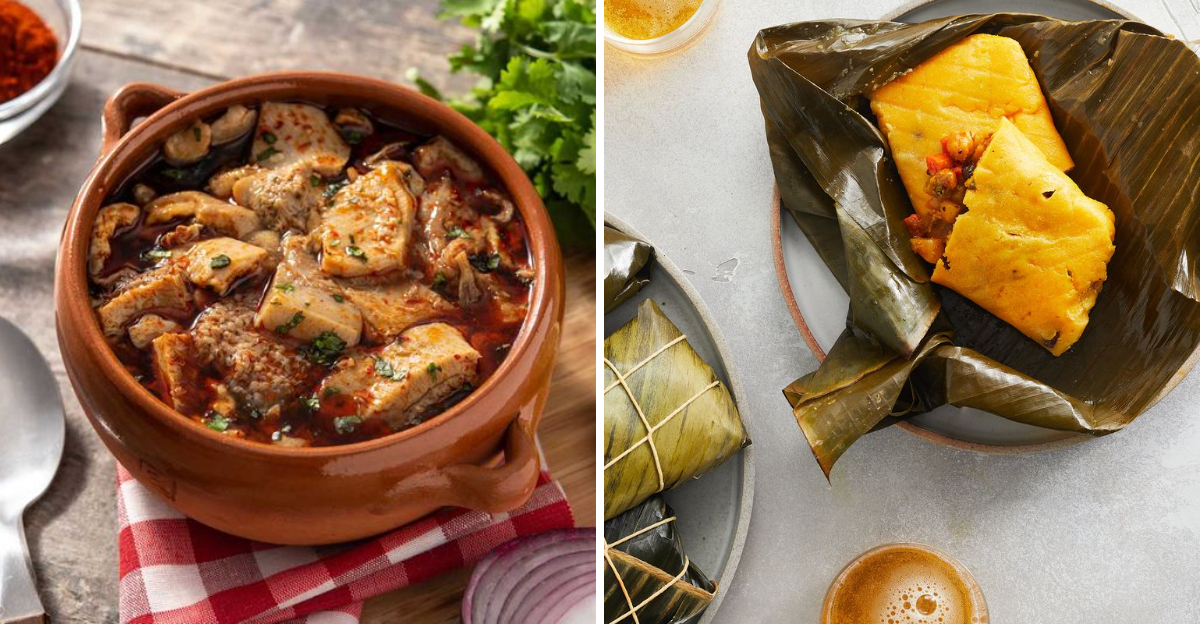
Every December, Venezuelan kitchens fill with the earthy aroma of banana leaves and spiced meat stew — the unmistakable signs that hallaca season has arrived. Making these cornmeal parcels is a full family event that can take an entire day.
The filling, called guiso, combines beef, pork, chicken, olives, raisins, and capers in a rich sauce. Each hallaca is wrapped and tied by hand, then steamed until perfect.
Unwrapping one at the Christmas table feels like opening a delicious gift.
7. Pan de Jamón
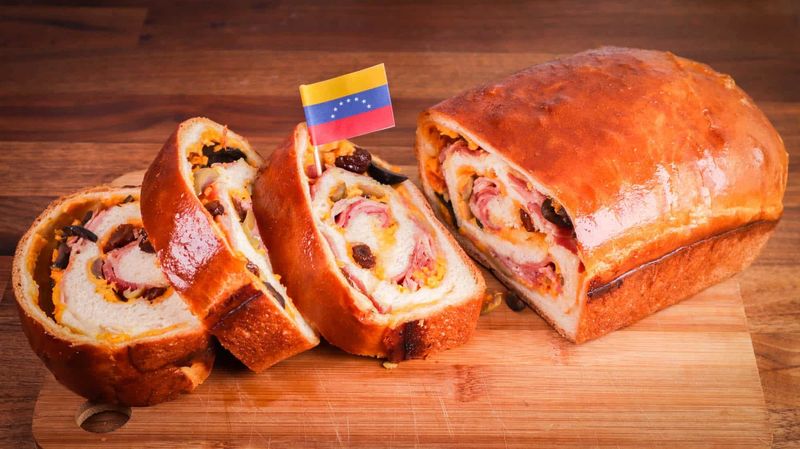
Imagine a soft, slightly sweet bread rolled up around layers of smoky ham, plump raisins, and briny green olives — that is Pan de Jamón in one glorious bite. This bread has graced Venezuelan holiday tables for over a hundred years.
Bakeries in Caracas are credited with creating this Christmas staple back in the early 1900s. Today, no Venezuelan holiday meal feels complete without a loaf sliced and shared at the table, its sweet-savory aroma filling the whole room.
8. Asado Negro
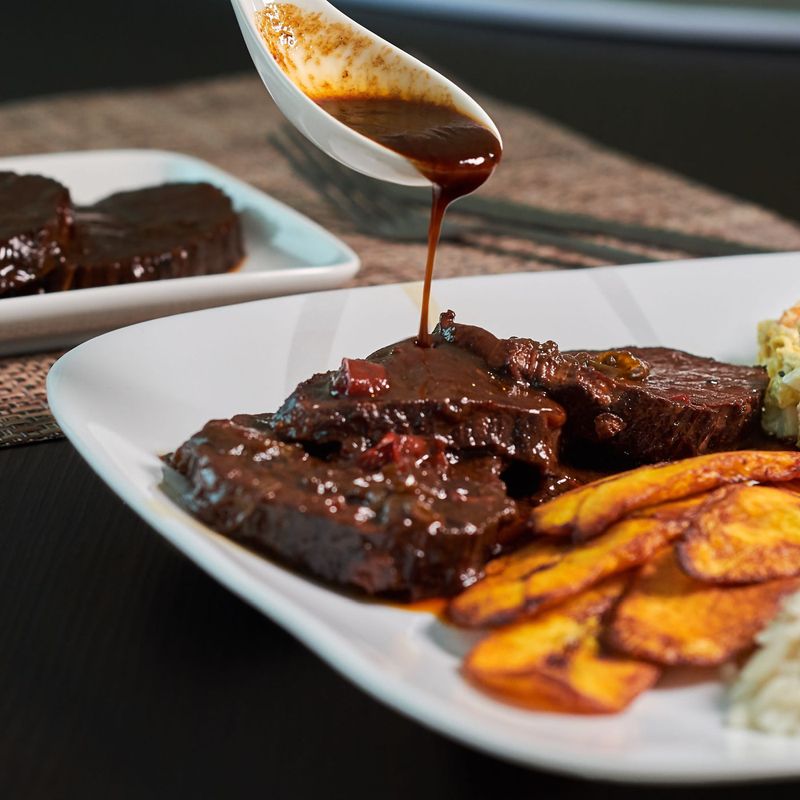
Dark, glossy, and impossibly tender, Asado Negro earns its name from the deep mahogany color it gets when beef is seared in caramelized papelón — Venezuela’s unrefined cane sugar. The result is a sweet, rich sauce unlike anything else.
Slow cooking in red wine with garlic, tomatoes, and Worcestershire sauce makes the meat fall-apart soft. This is Sunday lunch royalty in Venezuela, the kind of dish that brings three generations to the table and leaves everyone quietly satisfied.
9. Sancocho
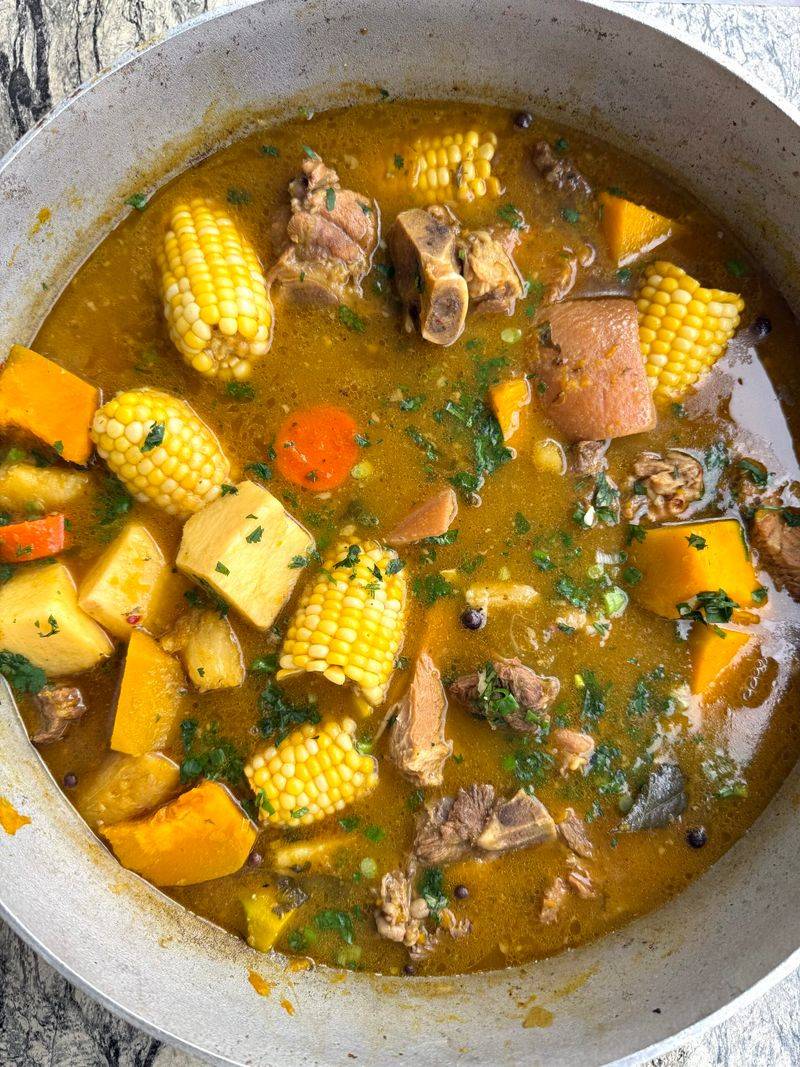
Few things bring people together like a bubbling pot of sancocho. This thick, hearty soup is loaded with tender chunks of meat and tropical root vegetables like yuca, ocumo, and ñame, all simmered in a fragrant broth seasoned with cilantro and garlic.
Sancocho is often the dish Venezuelans turn to after a big celebration or a long week. Making a proper pot takes time and love, which is exactly why sharing it with family and friends always feels so meaningful and warm.
10. Patacones
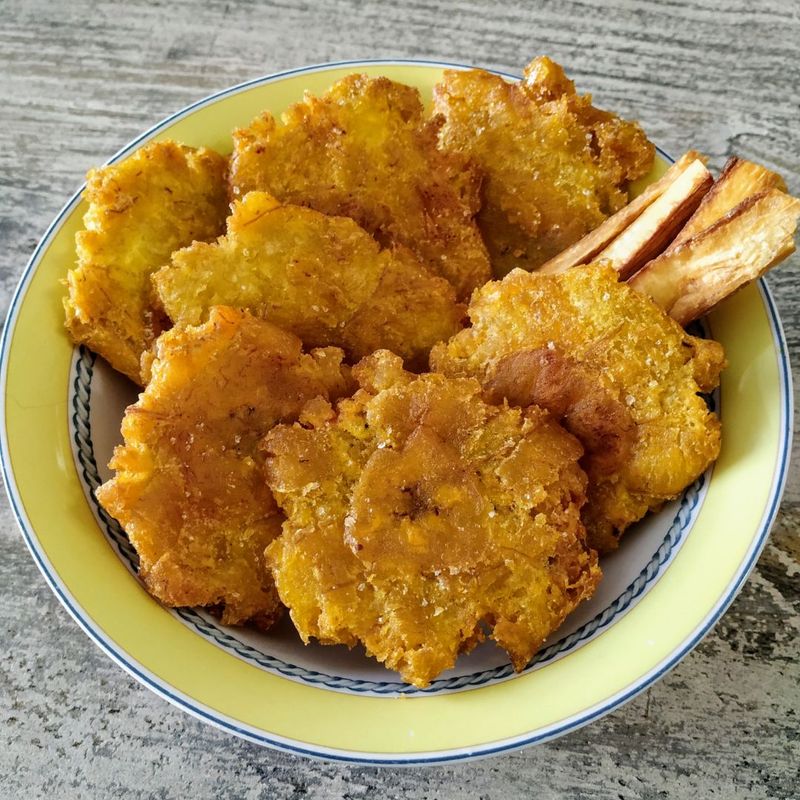
Green plantains get sliced, fried, smashed flat, and fried again to create patacones — crunchy rounds of pure street food joy. Popular in the state of Zulia, they are often piled high with shredded meat, cheese, and creamy sauces.
Think of them as Venezuela’s answer to an open-faced sandwich, but crispier and way more satisfying. You can also eat them plain as a side dish with fried fish.
Either way, the double-frying process is what gives them that addictive crunch people keep coming back for.
11. Golfeados
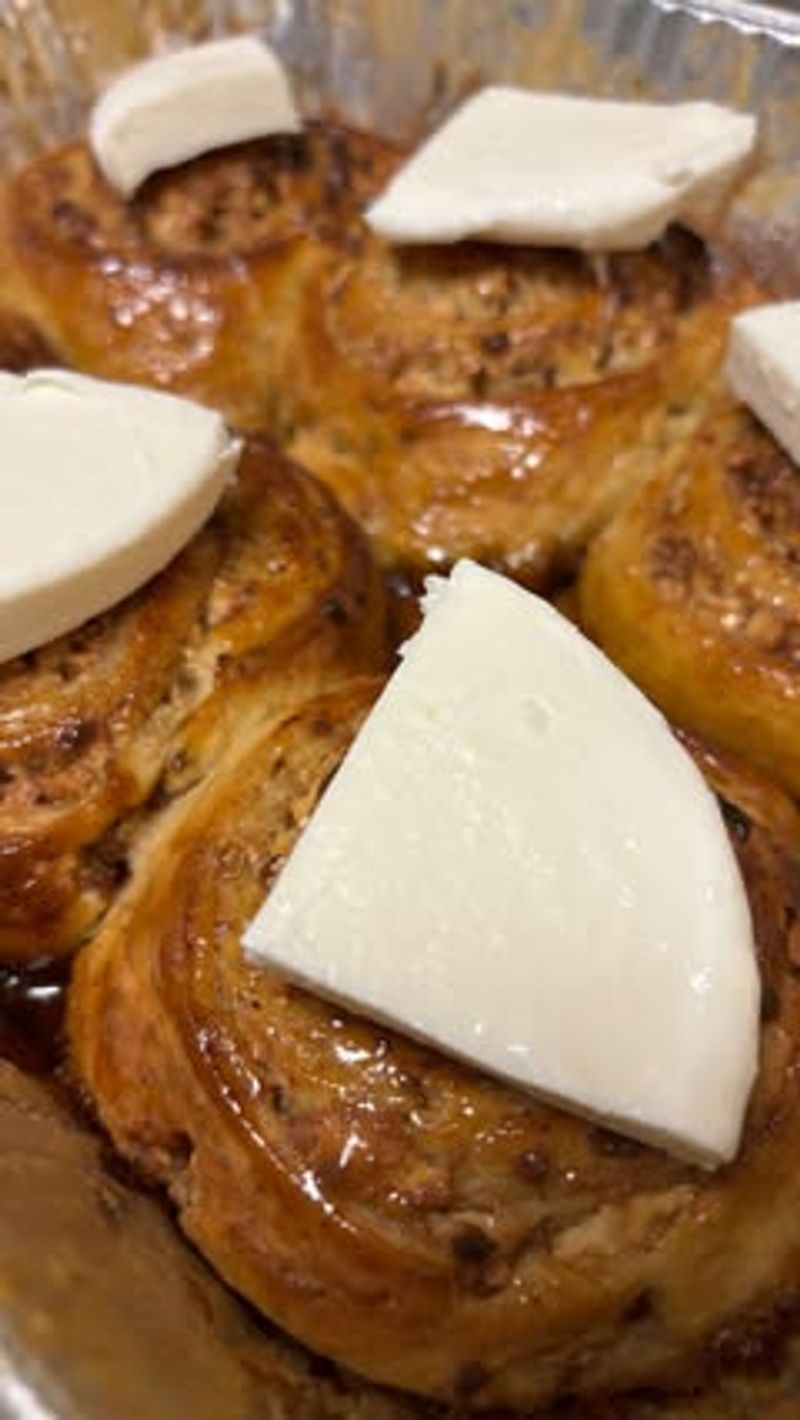
Golfeados look like cinnamon rolls, but one bite reveals something far more interesting. Anise seeds and papelón — Venezuela’s raw cane sugar — give these sticky buns a warm, slightly licorice-tinged sweetness, and a salty white cheese on top takes the flavor completely over the edge.
Bakeries across Venezuela sell them fresh in the mornings and again during merienda, the beloved afternoon snack break. Paired with a hot cup of coffee or chocolate, a golfeado is basically the Venezuelan version of a perfect afternoon treat.
12. Pastel de Chucho
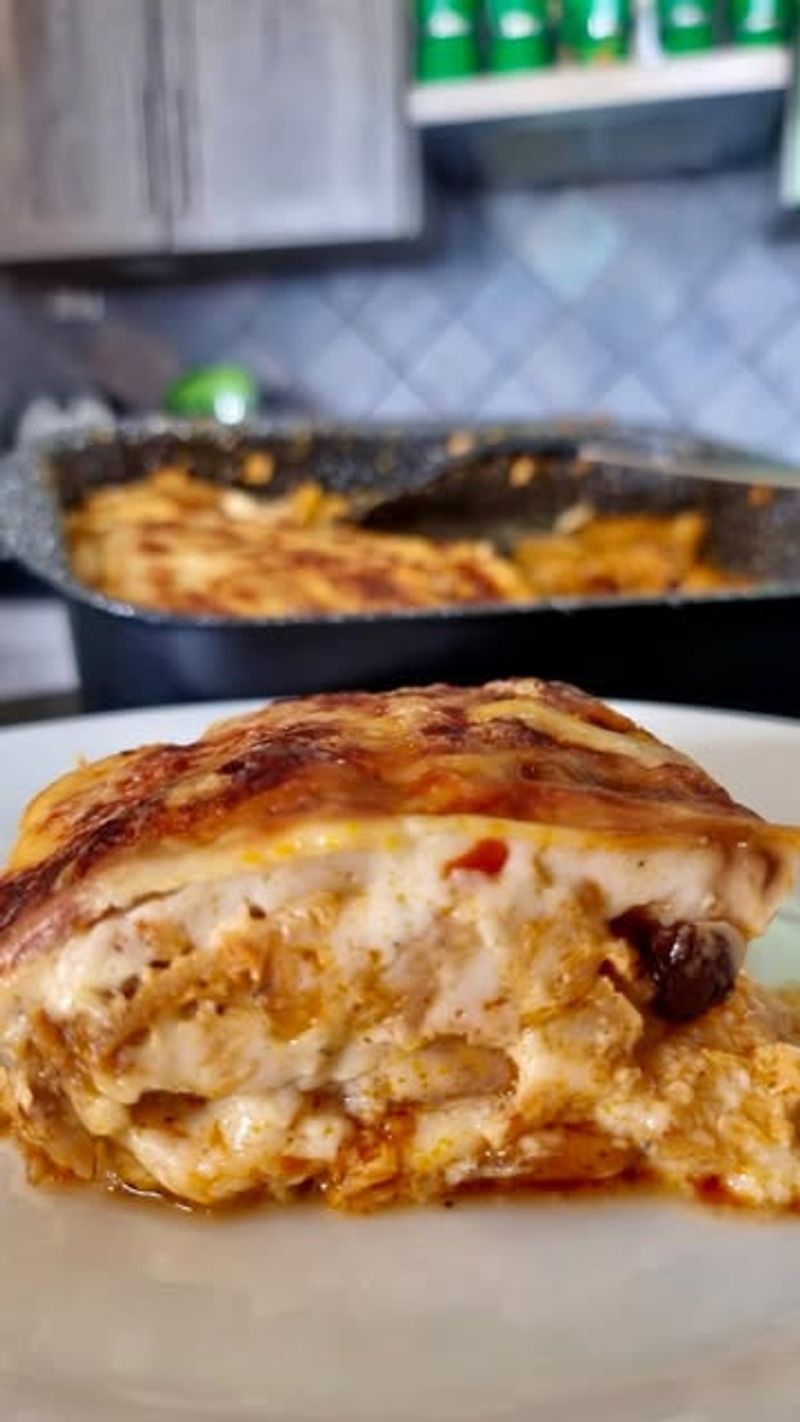
Born on Margarita Island off Venezuela’s Caribbean coast, Pastel de Chucho is a showstopper casserole that layers sweet ripe plantains with a boldly seasoned stew made from chucho, a type of eagle ray fish. It is sweet, savory, and completely unique.
Grated white cheese is scattered over the top before baking, creating a golden crust that seals everything together. Coastal families have passed this recipe down for generations, and tasting it feels like a direct connection to the island’s rich culinary heritage.
13. Mandocas
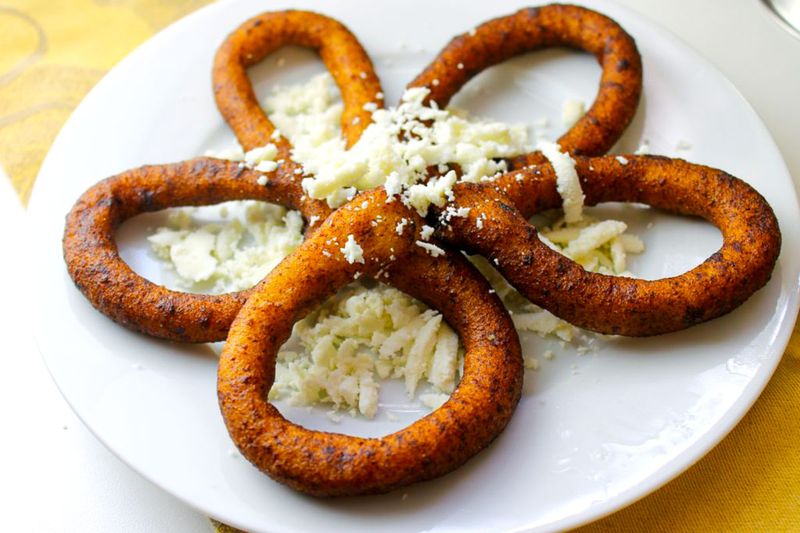
Twisted into rings and dropped into hot oil, mandocas are one of Venezuela’s most addictive morning snacks. A regional specialty from Zulia, they combine ripe plantain, corn flour, white cheese, and papelón into a dough that fries up sweet, salty, and wonderfully crispy.
The mix of flavors sounds unusual at first — sweet plantain, salty cheese, raw cane sugar — but together they create something completely harmonious. Street vendors in Maracaibo sell them by the bagful, and locals often pair them with a cold glass of fresh juice.
14. Perico
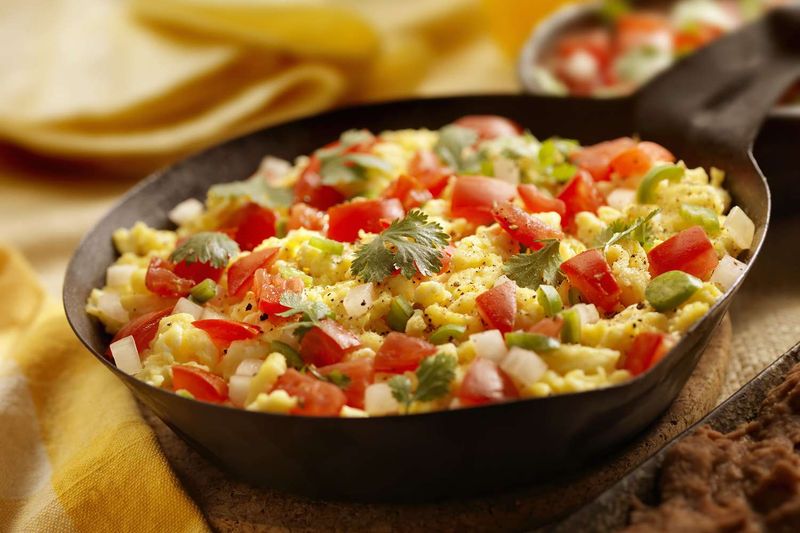
Bright red tomatoes, white onions, and golden scrambled eggs make perico one of the most cheerful-looking breakfasts you will ever put on a plate. The name means parakeet in Spanish, inspired by the dish’s vivid, multi-colored appearance.
Simple to make and deeply satisfying, perico is a staple in Venezuelan homes every morning. Most people spoon it straight into a warm arepa, turning two humble ingredients into something that feels like a complete, nourishing start to the day.
Bell pepper and cilantro add even more freshness.
15. Mondongo
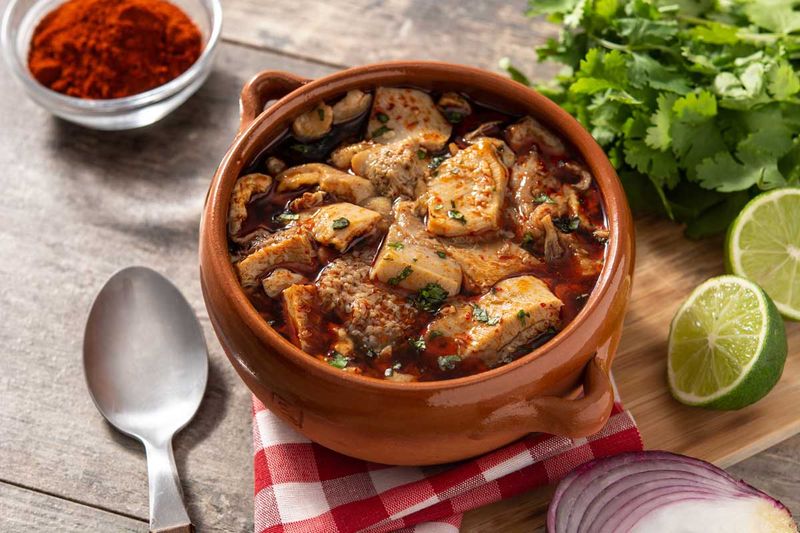
Mondongo is not for the faint of heart, but for those who love bold, deeply comforting food, this tripe soup is pure magic. Beef tripe is slow-cooked for hours with yuca, potatoes, corn, and carrots until everything becomes tender and the broth turns rich and golden.
Strong seasonings like cumin, paprika, and fresh cilantro transform the humble ingredients into something extraordinary. Venezuelan families often make mondongo on cold weekends or after big celebrations, treating it as the ultimate restorative meal that warms you from the inside out.