17 British Cakes That Defined Tea-Time Baking
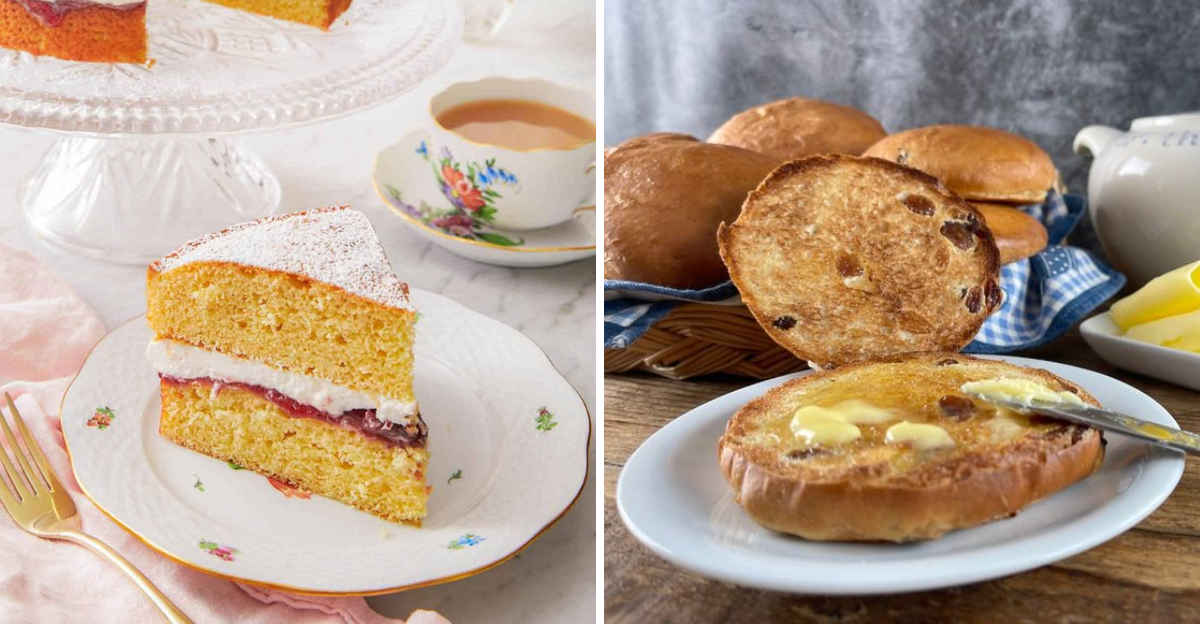
Few things say “home” quite like the smell of a freshly baked cake on a British afternoon. From humble kitchen tables to royal tea parties, British baking has a rich history that stretches back centuries.
These cakes and bakes have been passed down through generations, each one carrying its own story and flavor. Get ready to explore the sweet treats that made tea-time truly special across England, Scotland, and Wales.
1. Victoria Sponge Cake
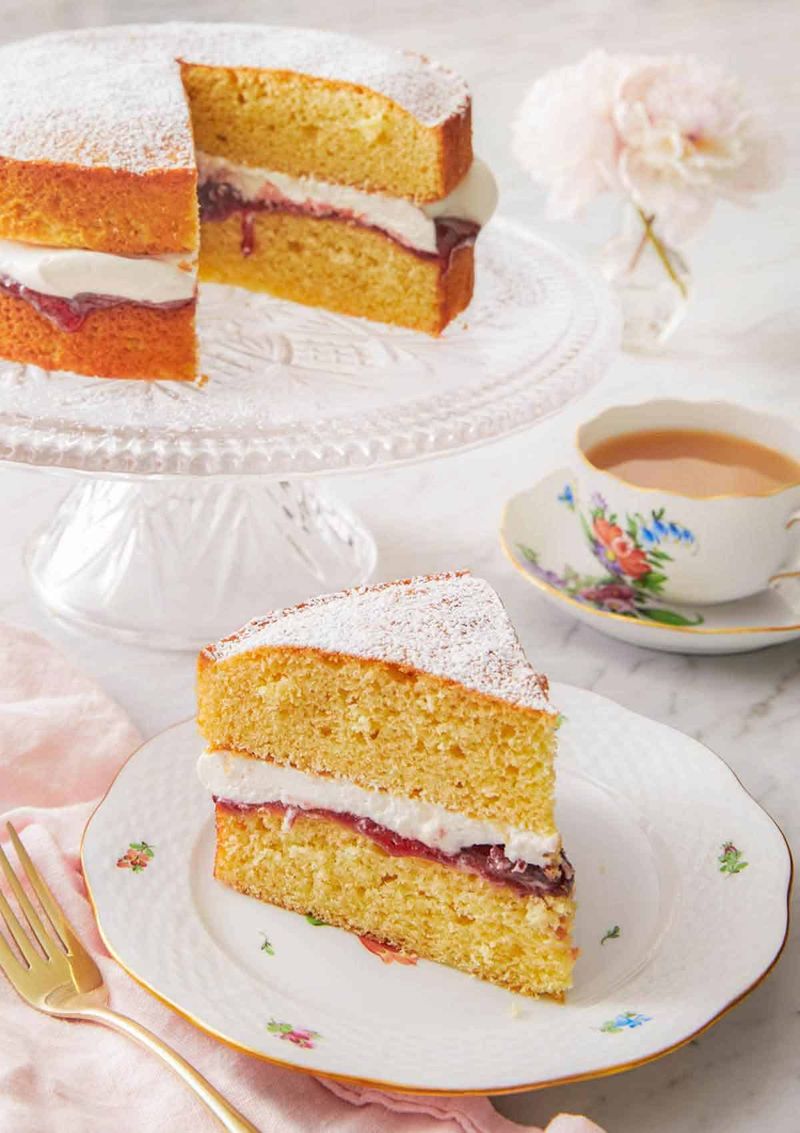
Named after Queen Victoria herself, this iconic cake became a symbol of British baking the moment baking powder was invented in the 1800s. The light, buttery sponge layers sandwich a generous filling of raspberry jam and whipped cream, then get a dusting of icing sugar on top.
Queen Victoria reportedly enjoyed a slice with her afternoon tea every single day. Simple to make yet deeply satisfying, it remains the gold standard of British home baking.
2. English Teacake
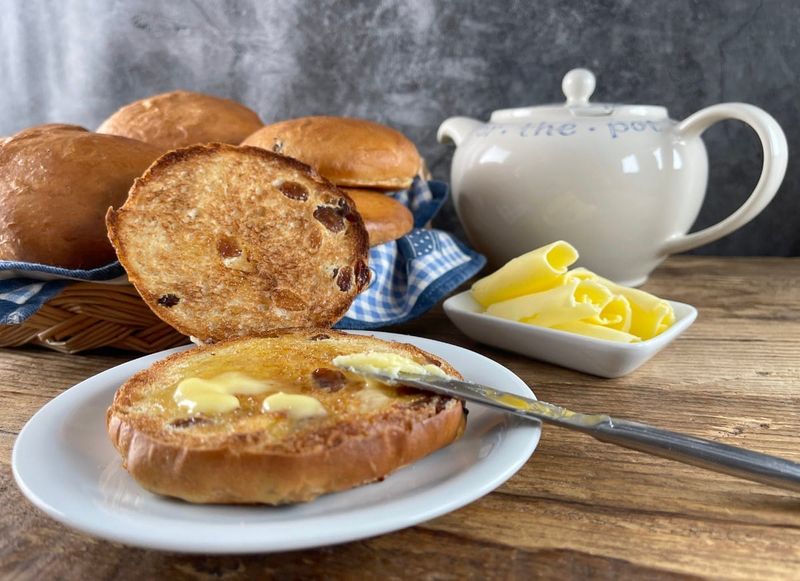
Warm, toasted, and dripping with butter — the English teacake is one of those simple pleasures that just hits differently on a cold afternoon. This sweet, yeasted bun is packed with sultanas and currants, then split and toasted until perfectly golden.
Interestingly, what counts as a teacake can vary depending on where you are in England. Up north, you might get something quite different from what a southern bakery serves.
Either way, it belongs on a tea tray.
3. Battenberg Cake
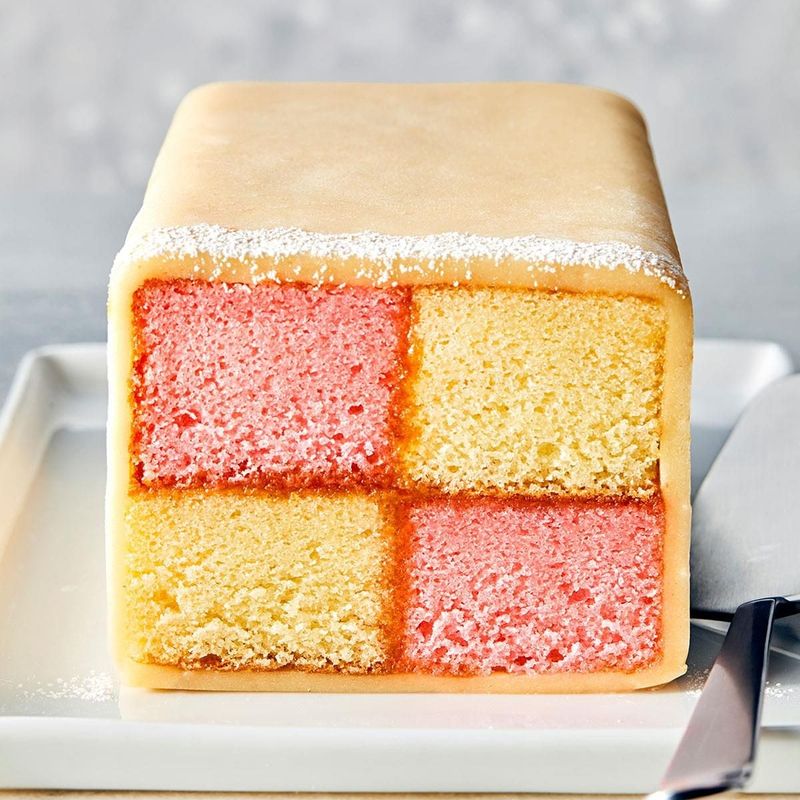
Slice into a Battenberg and you are immediately greeted by a cheerful pink-and-yellow checkerboard pattern — easily one of the most eye-catching cakes in the British repertoire. Apricot jam holds the two-colored sponge pieces together, while a smooth marzipan coat wraps the whole thing up neatly.
History suggests this cake was created in 1884 to celebrate a royal marriage. Whether that is true or not, the Battenberg has earned its permanent spot on the British tea table.
4. Lemon Drizzle Cake
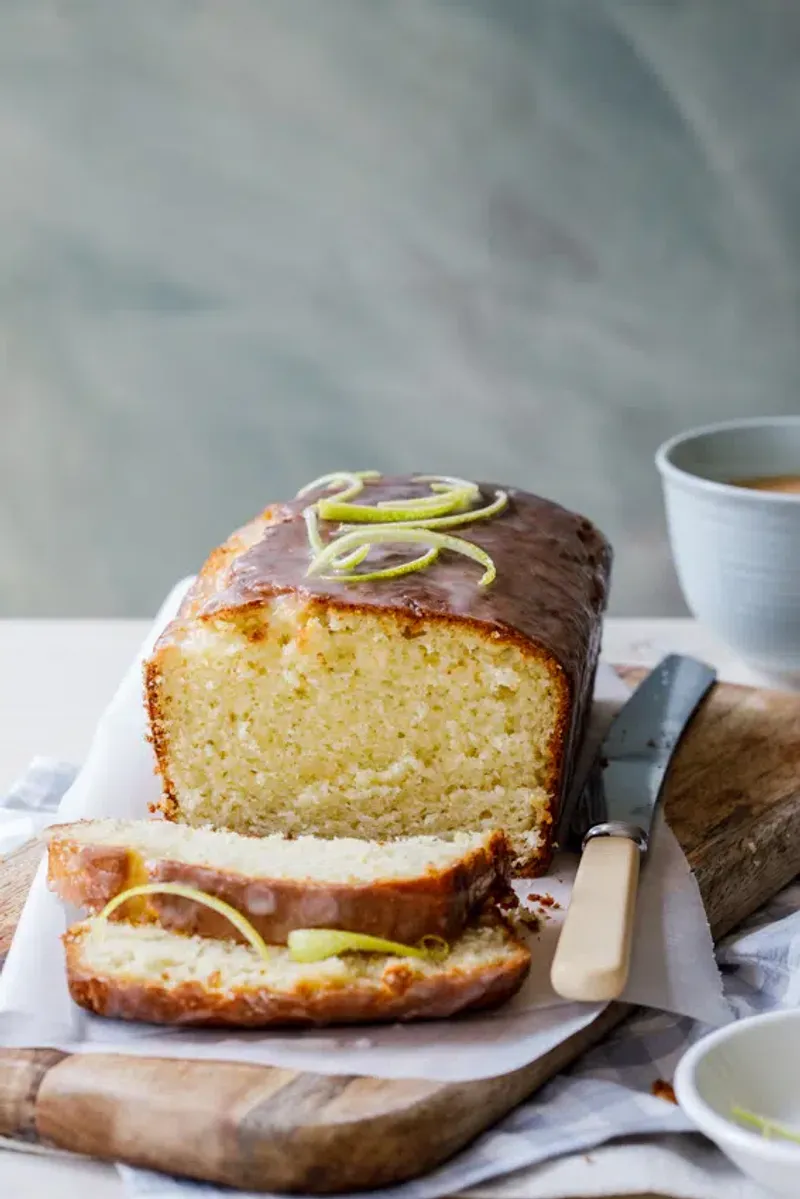
Zingy, moist, and crowned with a satisfying crunchy glaze, lemon drizzle cake is the kind of bake that disappears fast at any gathering. The sharp lemon juice soaks right into the warm sponge while it is still in the tin, making every bite wonderfully tangy.
One of its best qualities is how well it keeps at room temperature — the flavor actually deepens over a day or two. Bakers across Britain have been pulling this reliable loaf out of their ovens for decades.
5. Carrot Cake
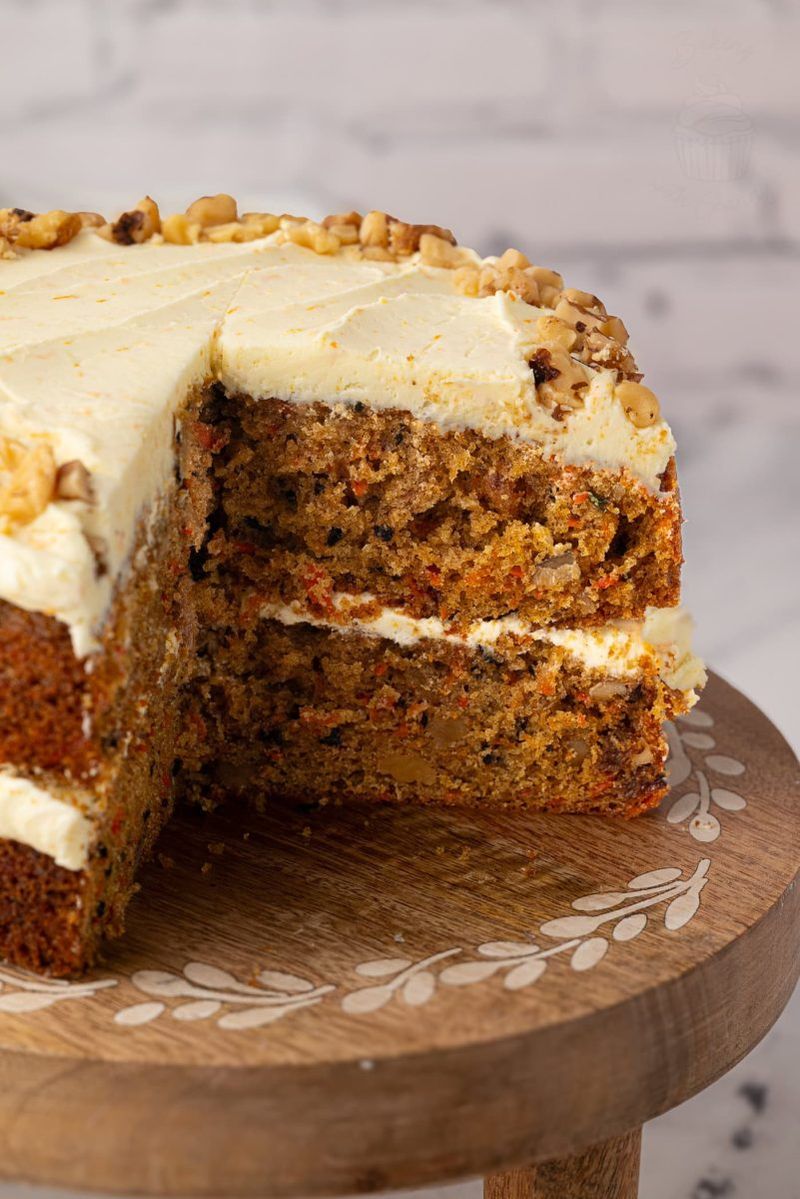
Carrots in a cake might sound unusual, but one bite of this spiced, moist bake and the idea makes complete sense. The grated carrots add natural sweetness and a tender crumb, while warming spices like cinnamon and nutmeg give it a rich, comforting depth.
During World War II, sugar rationing pushed British bakers to get creative, and carrots stepped in as a natural sweetener. Today, a thick swirl of cream cheese frosting and a handful of walnuts finish it off beautifully.
6. Classic English Scones
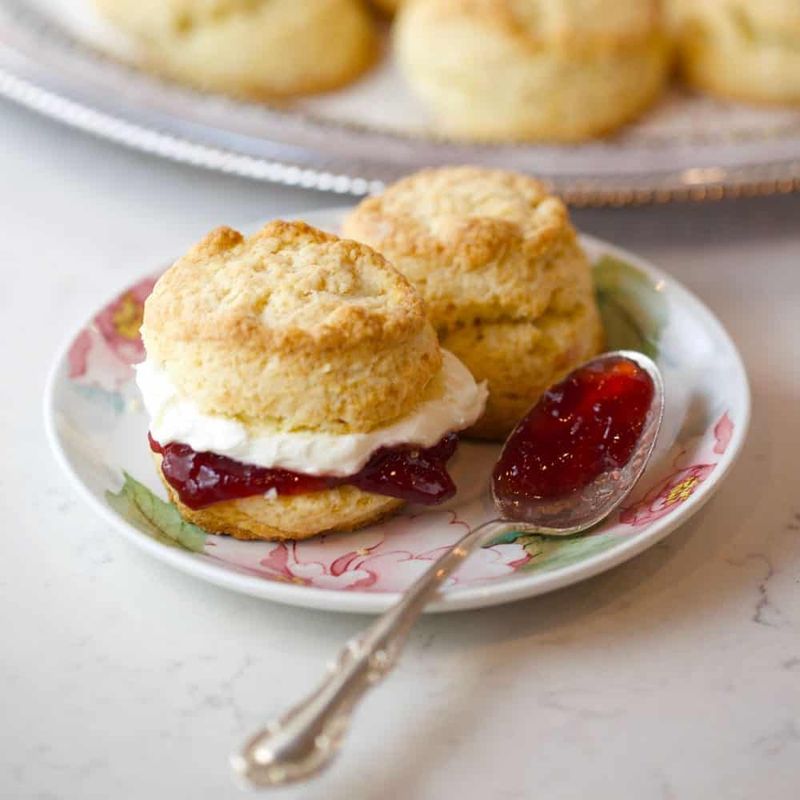
Fluffy on the inside, lightly golden on the outside, and absolutely made for splitting open — scones are the undisputed heart of a proper British cream tea. Leavened with baking powder rather than yeast, they come together quickly and bake up beautifully tall.
The great debate of whether to put jam or cream on first still divides Cornwall and Devon to this day. Plain or dotted with raisins, scones have anchored the British tea table for well over a century.
7. Pound Cake
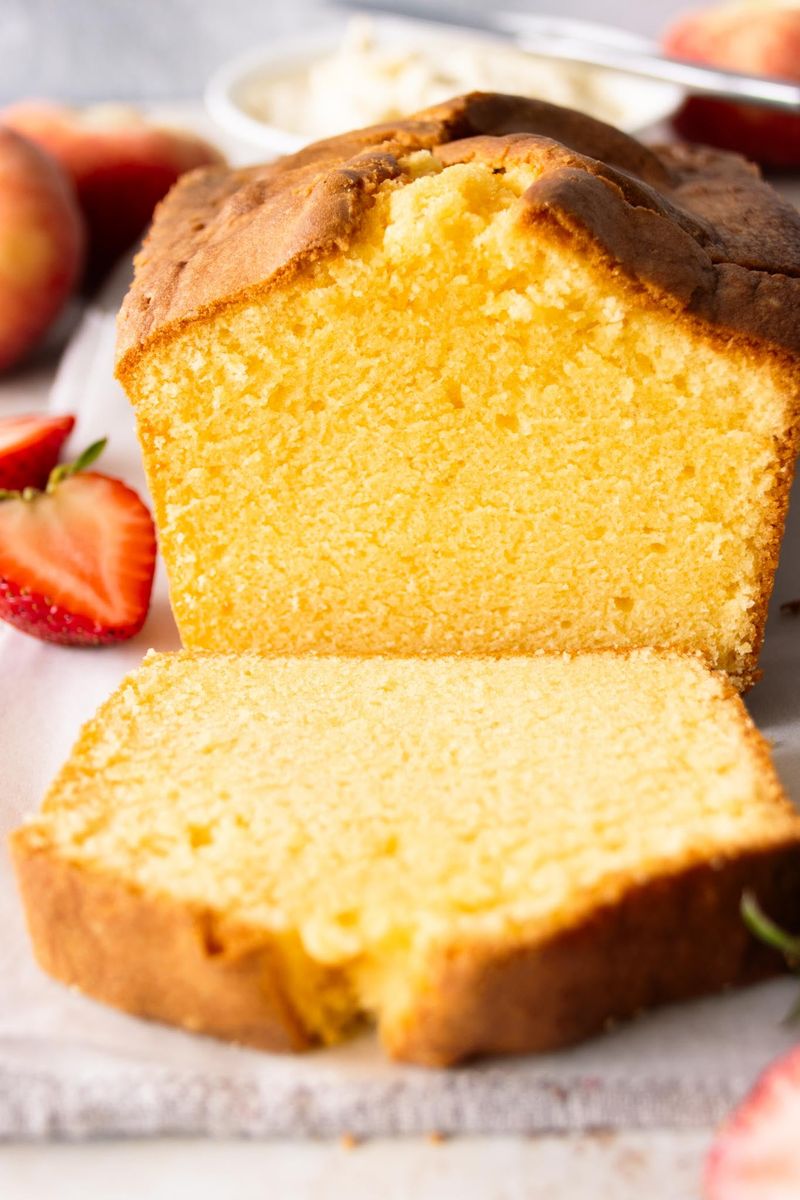
Back when recipes had no measurements, bakers used a brilliantly simple rule: one pound each of butter, sugar, eggs, and flour. The result was a dense, buttery cake with a tender crumb that needed absolutely nothing else to taste wonderful.
The pound cake has been a British staple for centuries, valued as much for its simplicity as its flavor. It also works as a blank canvas — add lemon zest, dried fruit, or a vanilla glaze and you have something entirely new.
8. Madeira Cake
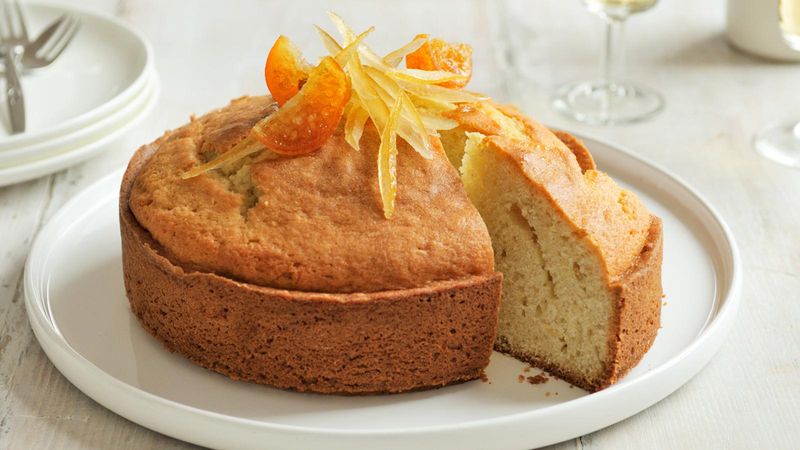
Do not let the name fool you — Madeira cake contains no wine. It was simply the tradition to serve a slice of this light, buttery loaf alongside a glass of Madeira wine in Victorian Britain, and the name stuck ever since.
A subtle hint of lemon and a beautifully soft crumb make it quietly irresistible. Unlike fancier bakes, Madeira cake lets quality ingredients do all the talking.
It is the kind of cake that feels both old-fashioned and completely timeless at the same time.
9. Coffee and Walnut Cake
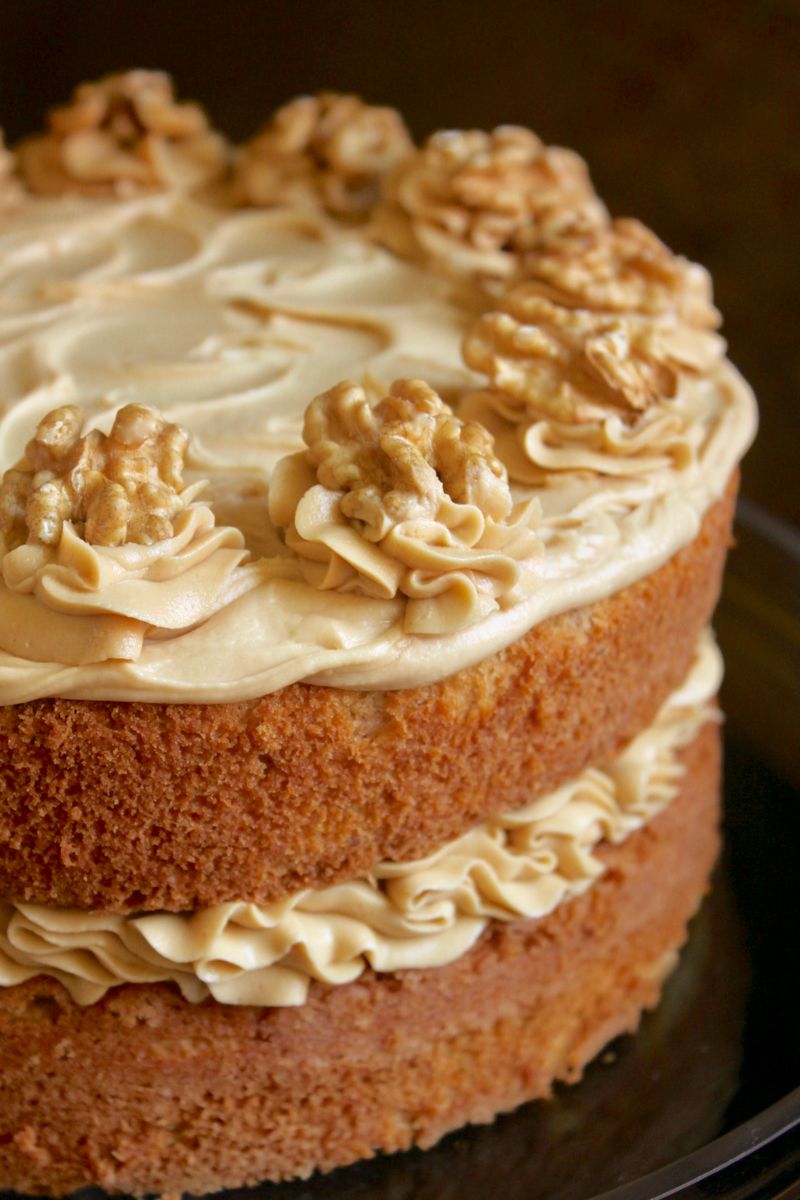
Rich, bold, and deeply satisfying — coffee and walnut cake is the grown-up choice on any British tea spread. Strong coffee flavors run through both the sponge and the silky buttercream frosting, creating a bake that feels indulgent without being overly sweet.
Walnut halves pressed into the top are not just decoration; their slight bitterness balances the sweetness of the frosting perfectly. This cake has been a beloved feature of British bakeries and kitchen tables since at least the early 20th century.
10. Dundee Cake
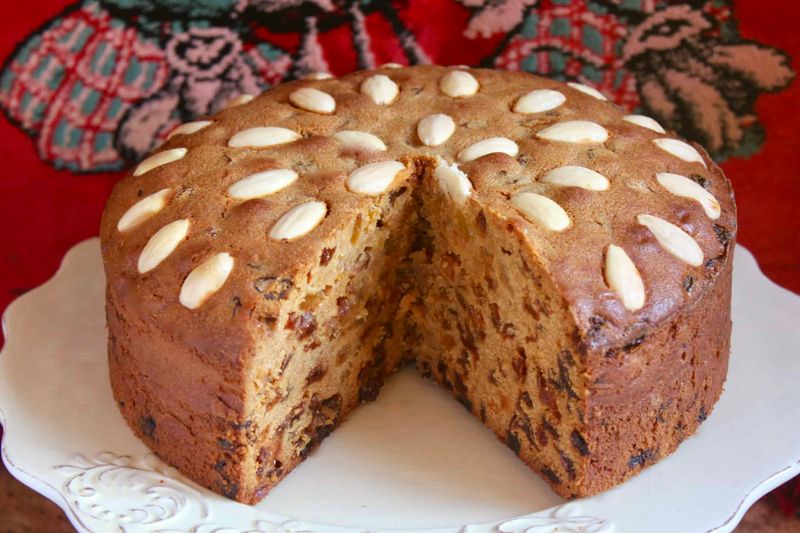
One look at a Dundee cake and you know exactly what it is — those neat concentric rings of blanched almonds on top are its calling card. Beneath that crunchy almond crown sits a rich fruit cake loaded with sultanas, currants, and a hint of orange zest.
Legend has it the cake was first made for Mary Queen of Scots, who reportedly refused to eat glace cherries. Whether the story is true or not, this Scottish classic has been gracing tea tables for generations.
11. Eccles Cake
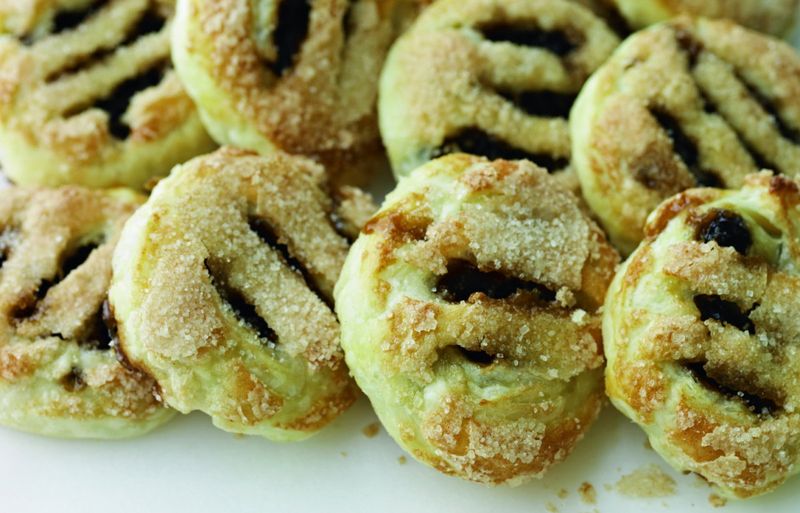
Flaky, buttery, and bursting with sweetly spiced currants, Eccles cakes punch well above their small size. Originating from the town of Eccles in Lancashire, these little pastry parcels have been a British tea-time staple since at least the late 18th century.
A sprinkle of sugar on top adds a satisfying crunch to every bite. Locals in Lancashire often enjoy them alongside a wedge of sharp Lancashire cheese — a combination that sounds unusual but works surprisingly well.
12. Parkin
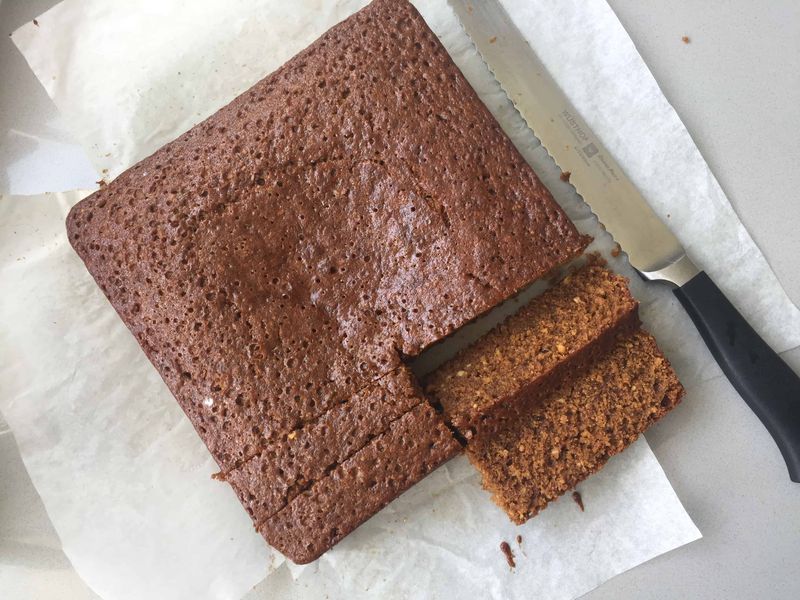
Sticky, dark, and loaded with warming ginger, Parkin is the kind of cake that belongs to grey autumn afternoons and bonfire nights in Yorkshire. Made with oatmeal and black treacle, it has a hearty texture unlike any other British bake on this list.
Here is the secret most Yorkshire bakers swear by: do not eat it straight from the oven. Wrap it up and leave it for a few days and it transforms into something even stickier and more deeply flavored.
Patience really does pay off here.
13. Bara Brith
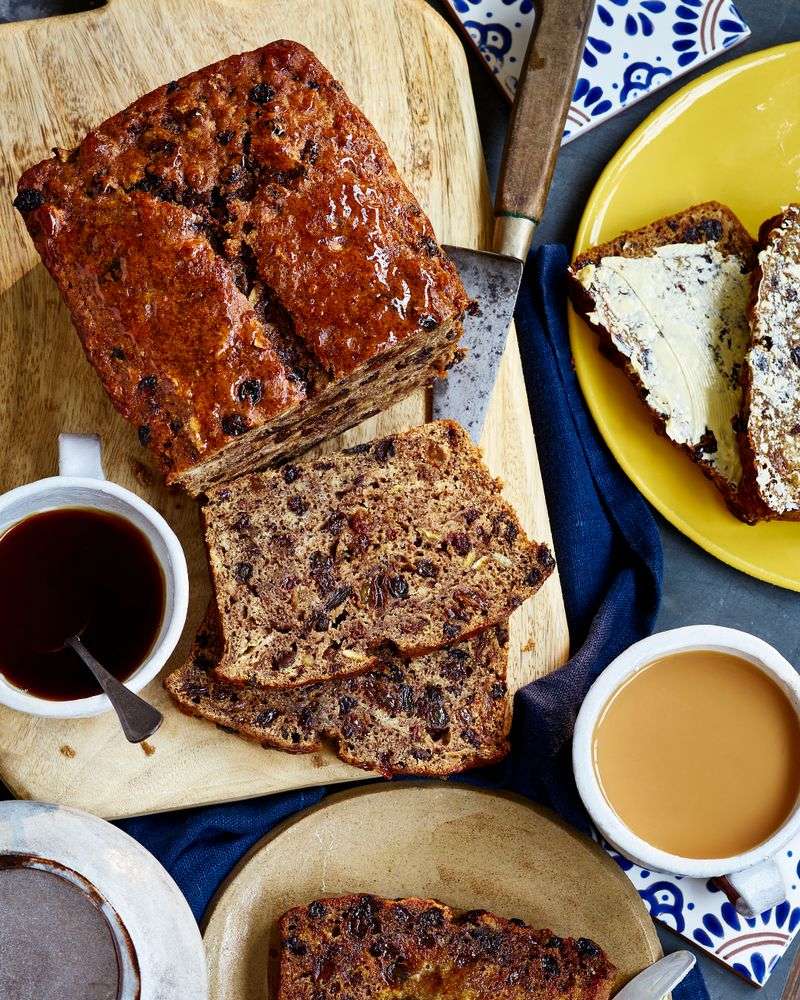
Translated from Welsh as “speckled bread,” Bara Brith is a deeply traditional tea loaf from Wales that has been warming hearts for centuries. The dried fruits are soaked overnight in strong tea before baking, which gives the loaf an incredible moistness and a subtle malty depth.
Served sliced and buttered, it is wonderfully simple. Every Welsh household seems to have its own slightly different version passed down through the family.
That personal touch is exactly what makes Bara Brith so special.
14. Chelsea Buns
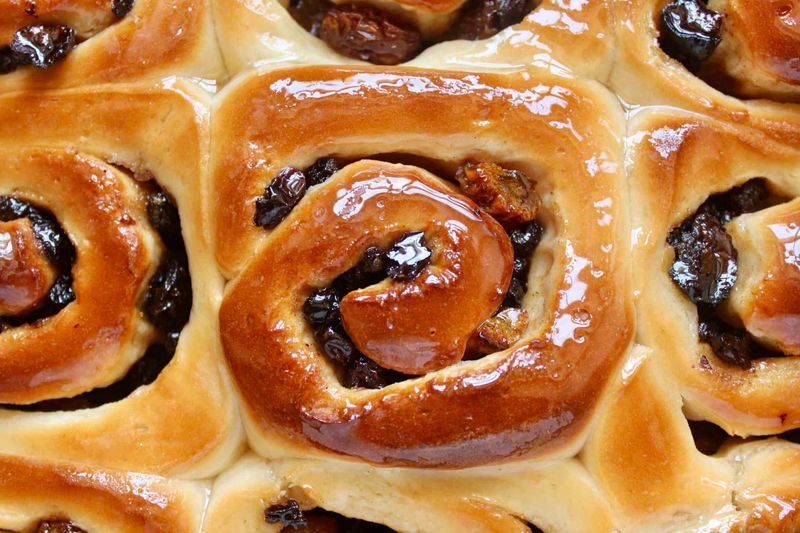
Soft, sticky, and spiraled with currants and brown sugar, Chelsea buns have been tempting Londoners since the 18th century. The original buns came from the famous Chelsea Bun House, which reportedly attracted enormous crowds — even members of the royal family were known to visit.
Each bun is rolled up like a cinnamon roll, so every slice reveals a beautiful swirl of spiced fruit filling. Finished with a sweet glaze, they are best eaten slightly warm when the dough is still pillowy soft.
15. Bakewell Tart
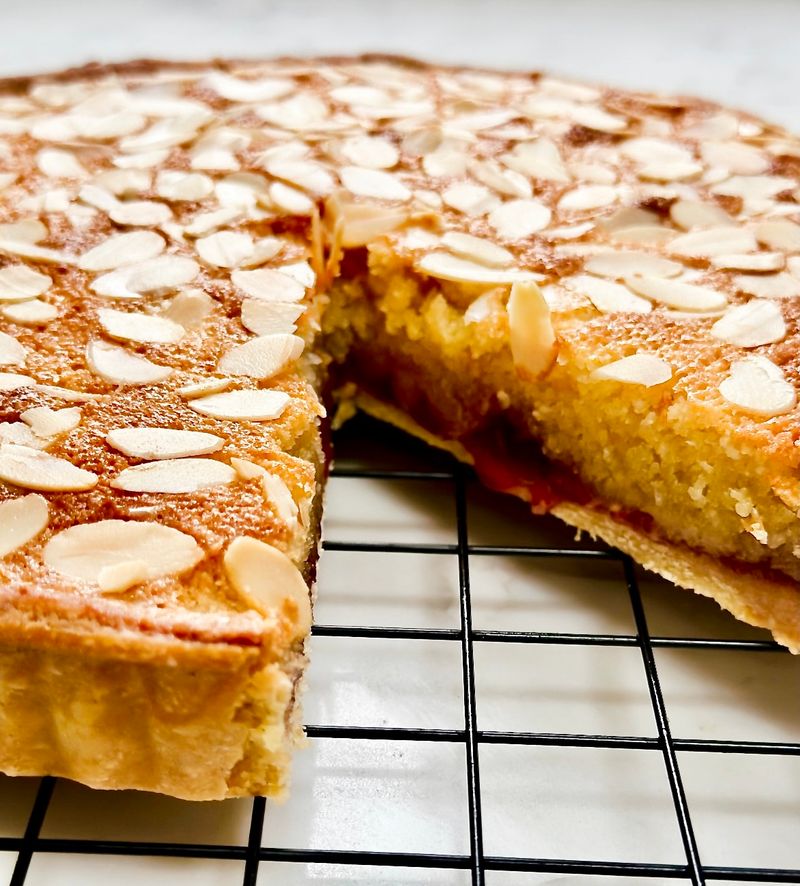
According to local legend, the Bakewell Pudding was born from a happy kitchen accident in the Derbyshire town of Bakewell, when a cook accidentally poured an egg mixture over jam instead of mixing it into the pastry. The result was so delicious that it stuck around permanently.
The Bakewell Tart is the more familiar modern version — a crisp shortcrust base, a layer of jam, almond frangipane, and a drizzle of white icing. That single glace cherry on top is practically non-negotiable.
16. Cornish Fairings
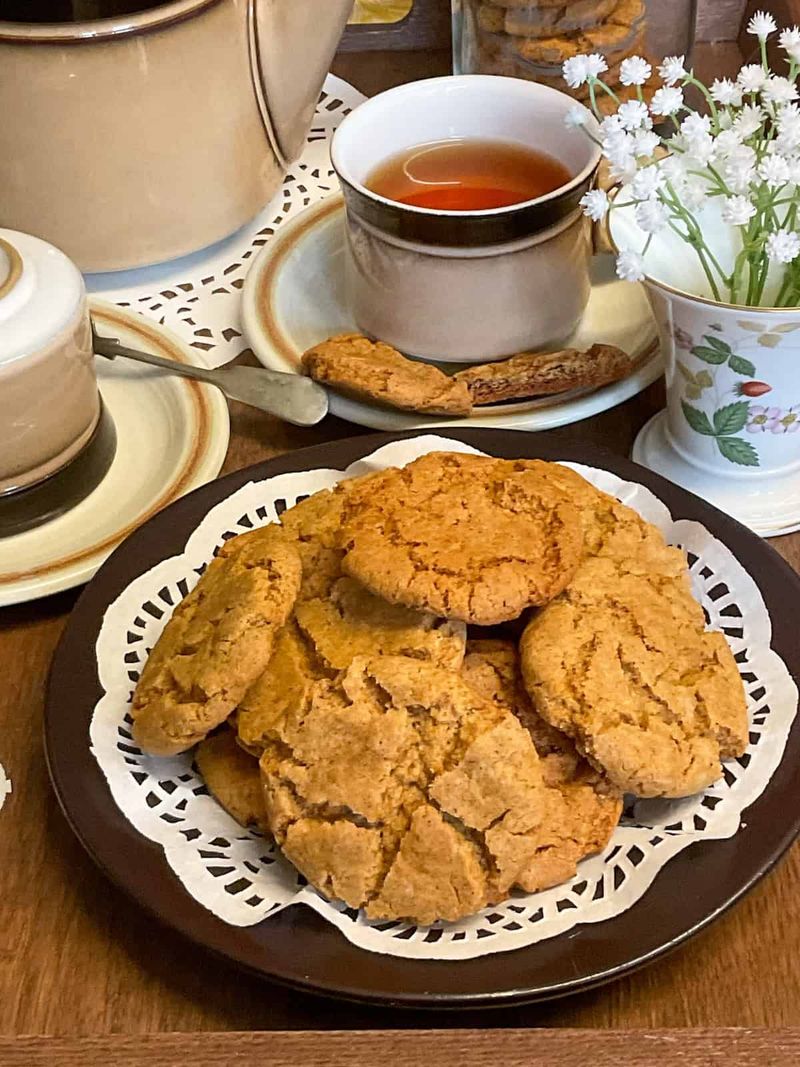
Crunchy on the outside, slightly chewy in the middle, and packed with ginger, cinnamon, and mixed spice — Cornish Fairings are the ultimate dunking biscuit. These spicy little rounds have been sold at Cornish market fairs for hundreds of years, which is exactly where they got their name.
They are officially protected as a regional specialty, meaning only biscuits made in Cornwall can carry the name. Drop one into a hot cup of tea and the spices bloom beautifully, making each sip taste even better.
17. Butterfly Cakes
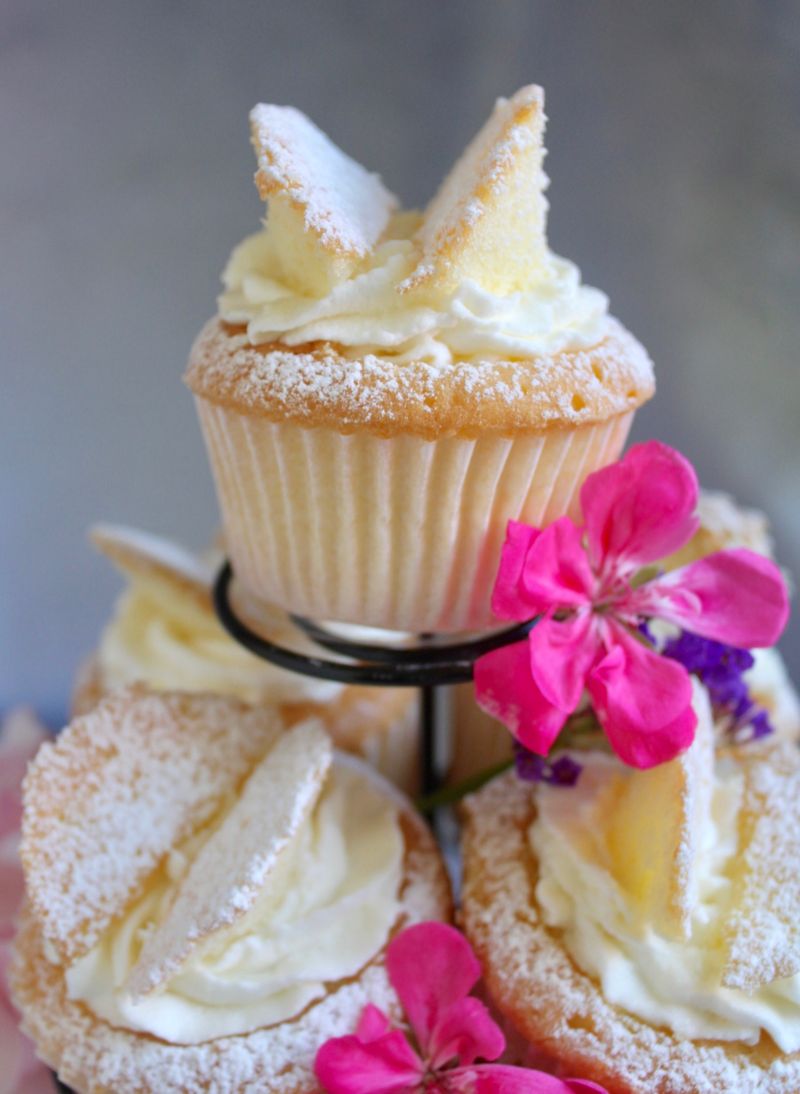
Butterfly cakes are essentially cupcakes with a clever twist that makes them look almost too cute to eat. A small cone of sponge is removed from the top, cut in half, and then pressed back into a cloud of buttercream like a pair of wings taking flight.
Kids absolutely love both making and eating them, but adults have a soft spot for these too — they are pure nostalgia in cake form. A dusting of icing sugar over the wings is the finishing touch that makes them irresistible.