15 Ways Eggplant Parmesan Can Go Off Course In The Kitchen
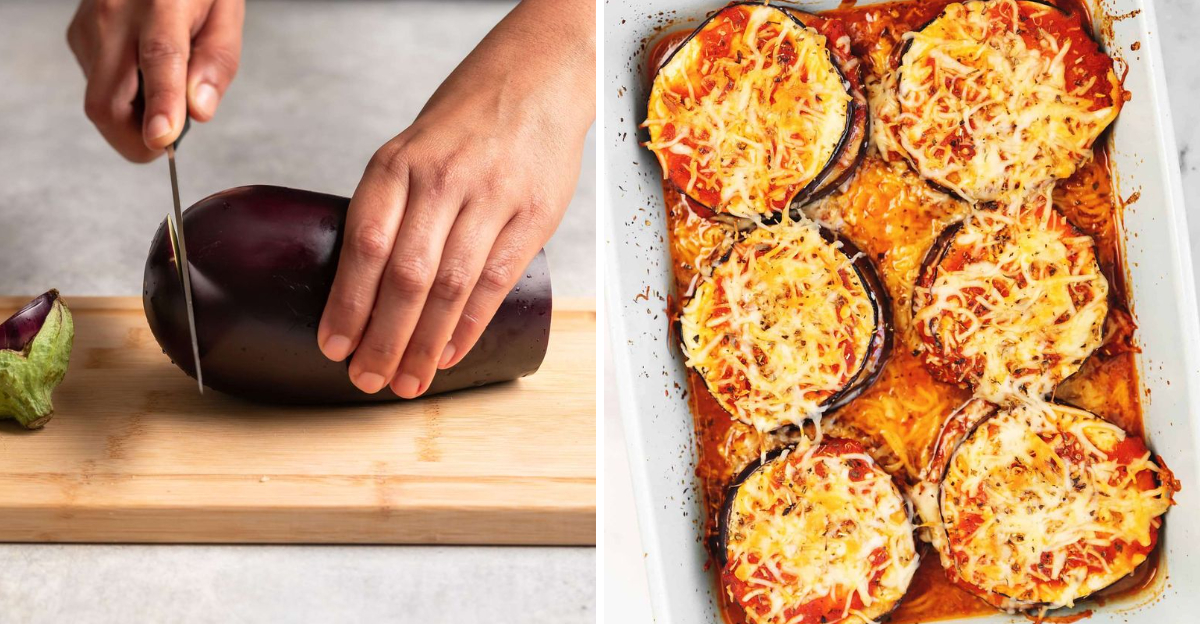
Eggplant Parmesan is one of those classic Italian-American dishes that looks straightforward but can go sideways fast. From soggy slices to burnt cheese, there are plenty of traps waiting for home cooks.
Knowing what can go wrong is the first step toward getting it right. Here are the most common mistakes that turn a potentially amazing dish into a disappointing dinner.
1. Skipping the Salting Step
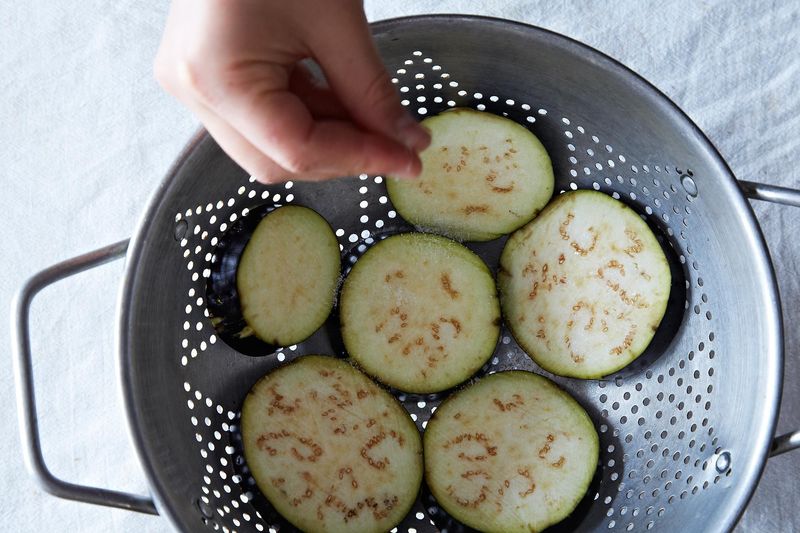
Salting eggplant before cooking is one of those steps that feels optional but really isn’t. Known as “sweating,” this process pulls out excess water trapped inside the eggplant’s spongy flesh.
Skip it, and you’re setting yourself up for a soggy, mushy final dish.
Salting also helps reduce any bitterness and stops the eggplant from soaking up too much oil during frying. Just lay the slices flat, sprinkle salt on both sides, and let them sit for at least 30 minutes.
2. Forgetting to Rinse Off the Salt
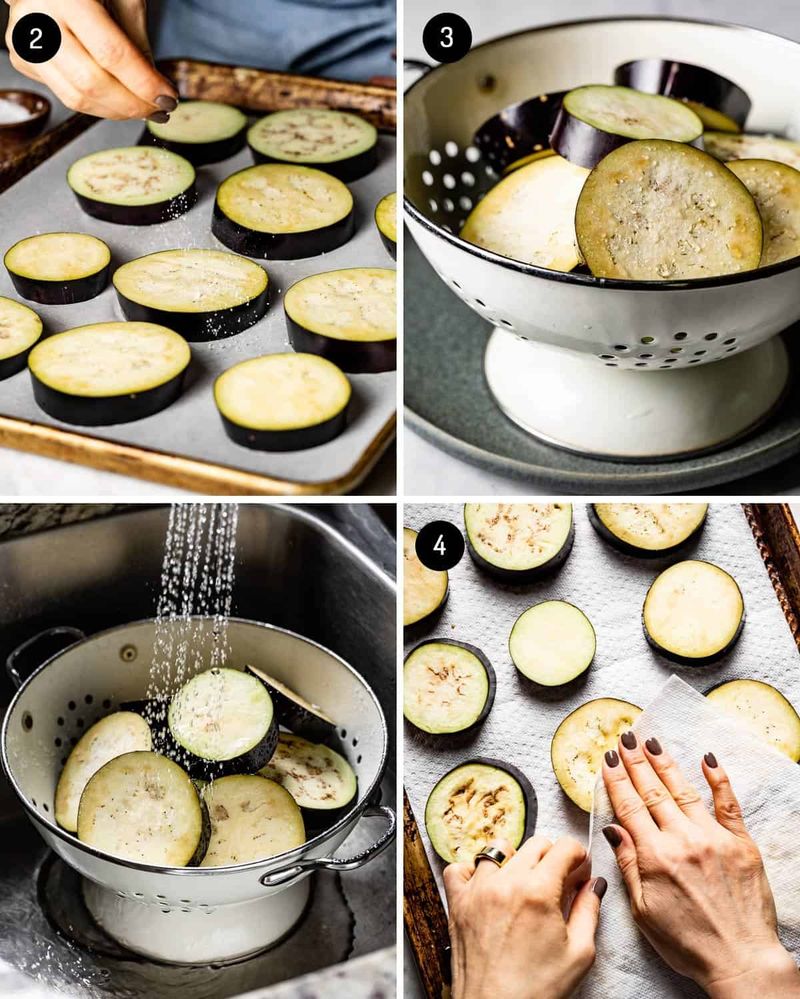
After salting your eggplant, leaving all that salt on there is a recipe for an overwhelmingly salty dish. Once the moisture has been drawn out, you need to rinse each slice thoroughly under cool water.
This removes both the extracted liquid and the excess salt sitting on the surface.
Some cooks prefer wiping the slices with a damp paper towel instead of rinsing. Either way, don’t skip this step or every bite will taste like the Dead Sea.
3. Not Drying the Eggplant Thoroughly
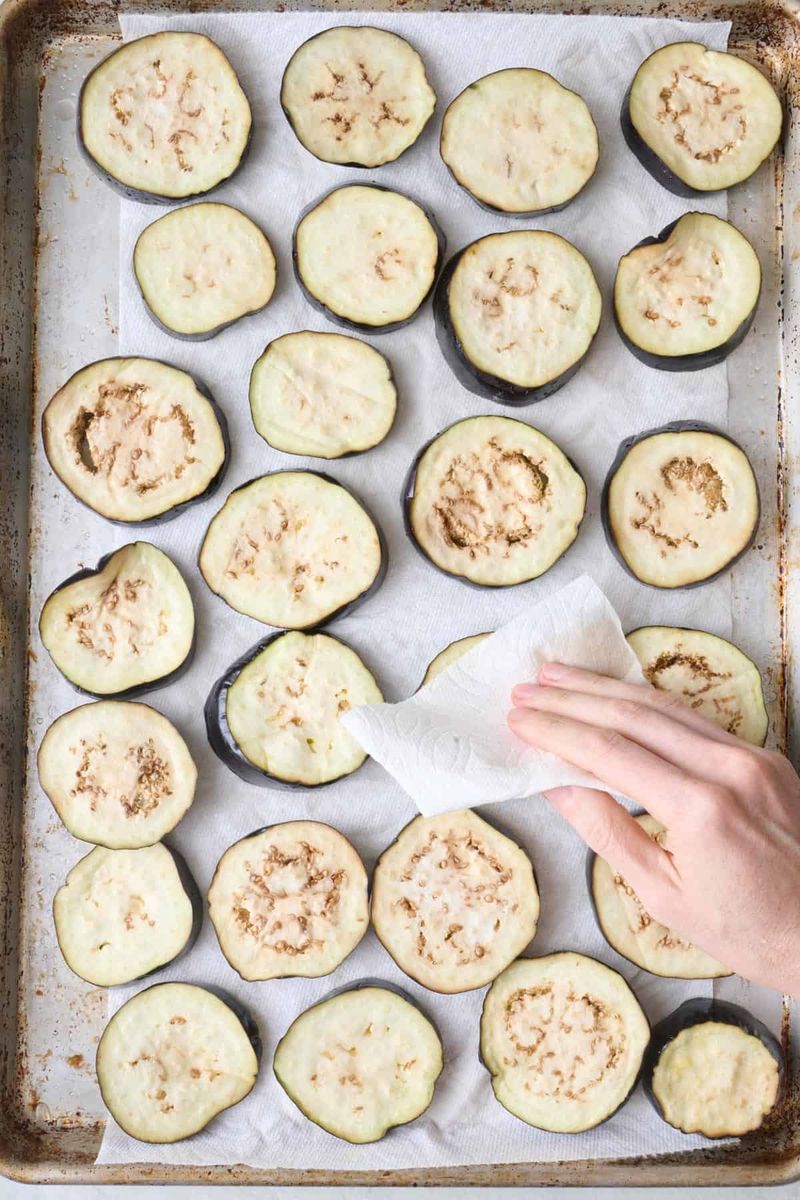
Even after you’ve salted and rinsed your eggplant, wet slices will cause real problems in the pan. Moisture on the surface creates steam instead of a sear, which means the breading won’t stick and the eggplant won’t get that desirable crispy crust.
Pat every slice firmly with paper towels until it feels noticeably drier to the touch. Some cooks even let the slices air-dry on a rack for a few extra minutes.
That small effort pays off big when it comes to texture.
4. Cutting Slices Too Thick or Unevenly
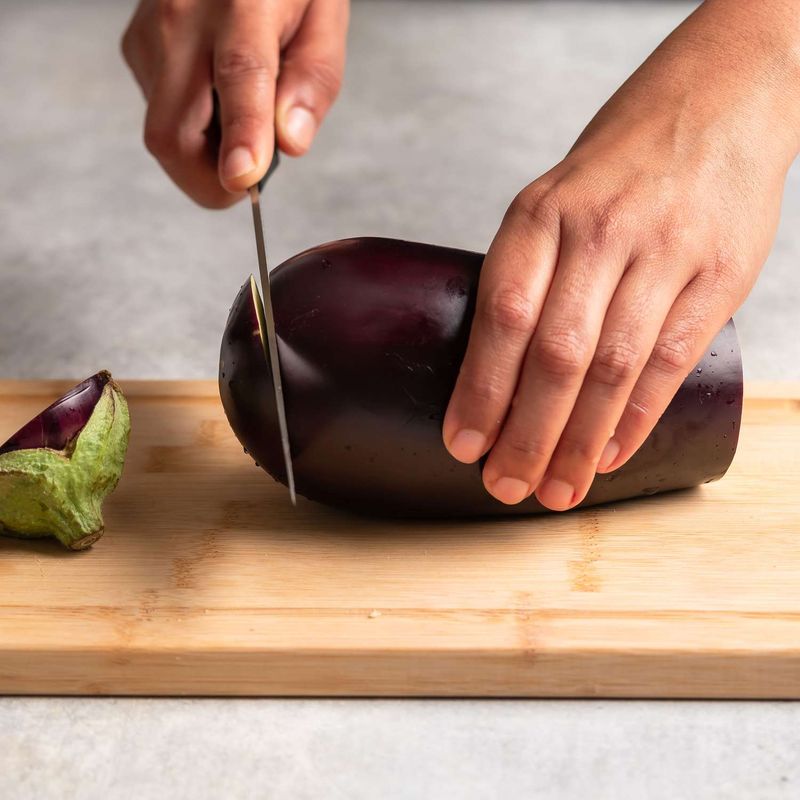
Slice thickness matters more than most people realize. Cut them too thick and the center stays tough and undercooked even after a long time in the oven.
Cut them unevenly and some slices will be overdone while others are still raw in the middle.
Aim for slices about a quarter-inch thick and try to keep them consistent throughout. A sharp knife and a steady hand go a long way.
Some cooks even use a mandoline slicer to get perfectly uniform pieces every time.
5. Frying in Oil That Isn’t Hot Enough
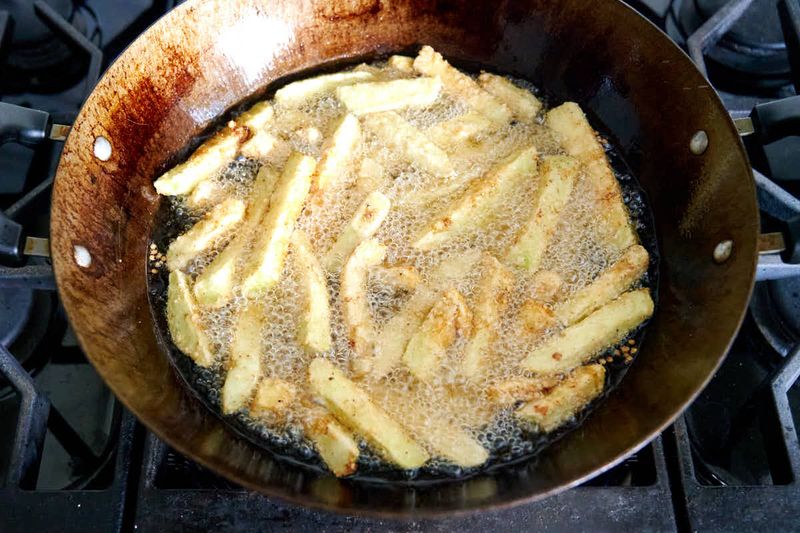
Eggplant acts like a sponge, and if the oil isn’t hot enough when you add it, the slices just soak up oil without ever getting crispy. You end up with greasy, heavy pieces that weigh down the entire dish.
The oil should shimmer and look almost wavy before you add the first slice.
A good test is dropping a tiny breadcrumb in first. If it sizzles immediately, you’re ready.
Medium-high heat is usually the sweet spot for getting that golden, crunchy exterior.
6. Using Way Too Much Oil
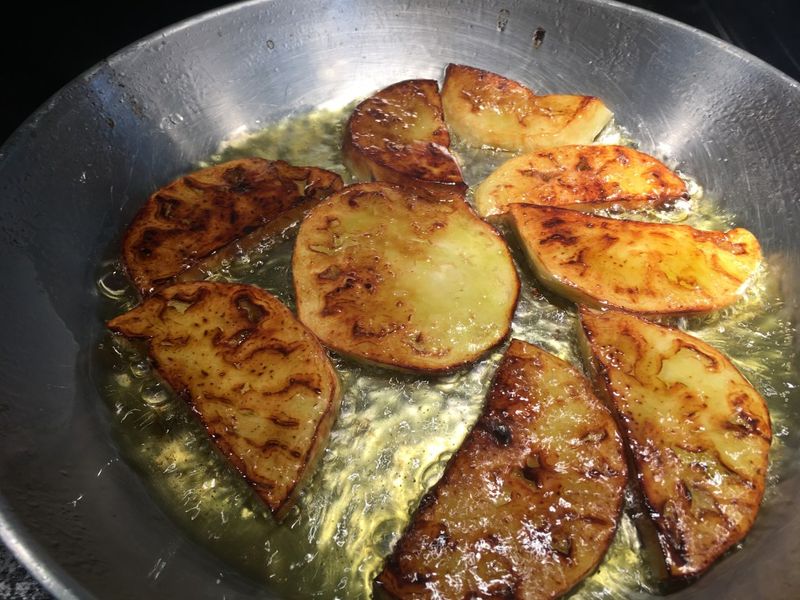
More oil doesn’t mean better results with eggplant. Because of its porous texture, eggplant soaks up whatever oil is available, and too much means every slice becomes a greasy slab.
Whether you’re frying or baking, moderation is key.
When baking, a light brush of oil on each side is plenty. When pan-frying, use just enough to coat the bottom of the skillet.
Resist the urge to keep adding more as you cook, and you’ll end up with a much lighter, more enjoyable dish.
7. Skipping the Draining Step After Frying
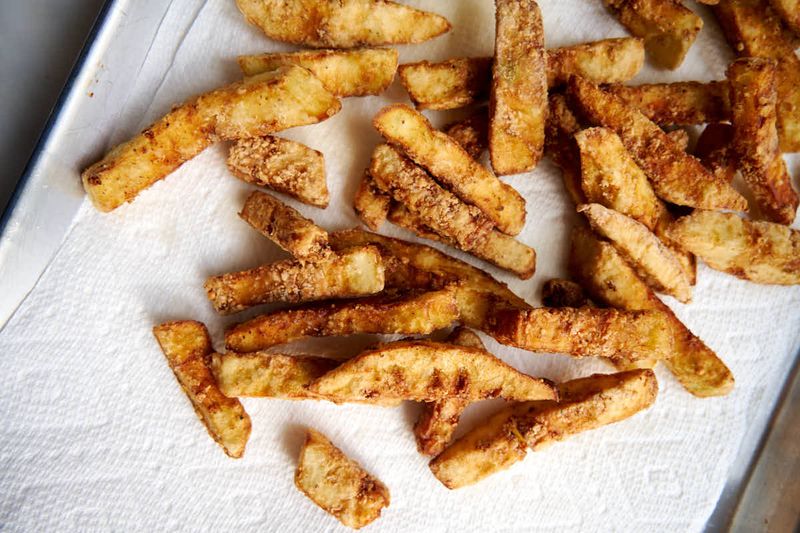
Right out of the fryer, eggplant slices carry surface oil that needs somewhere to go. If you stack them directly on a plate or into the baking dish, that oil gets trapped and makes everything soggy and heavy.
A wire rack or a few layers of paper towels does the job perfectly.
Give each batch a minute or two to drain before moving on. This one small habit keeps the coating crisp and prevents the finished casserole from swimming in excess grease.
8. Reaching for Pre-Grated Cheese
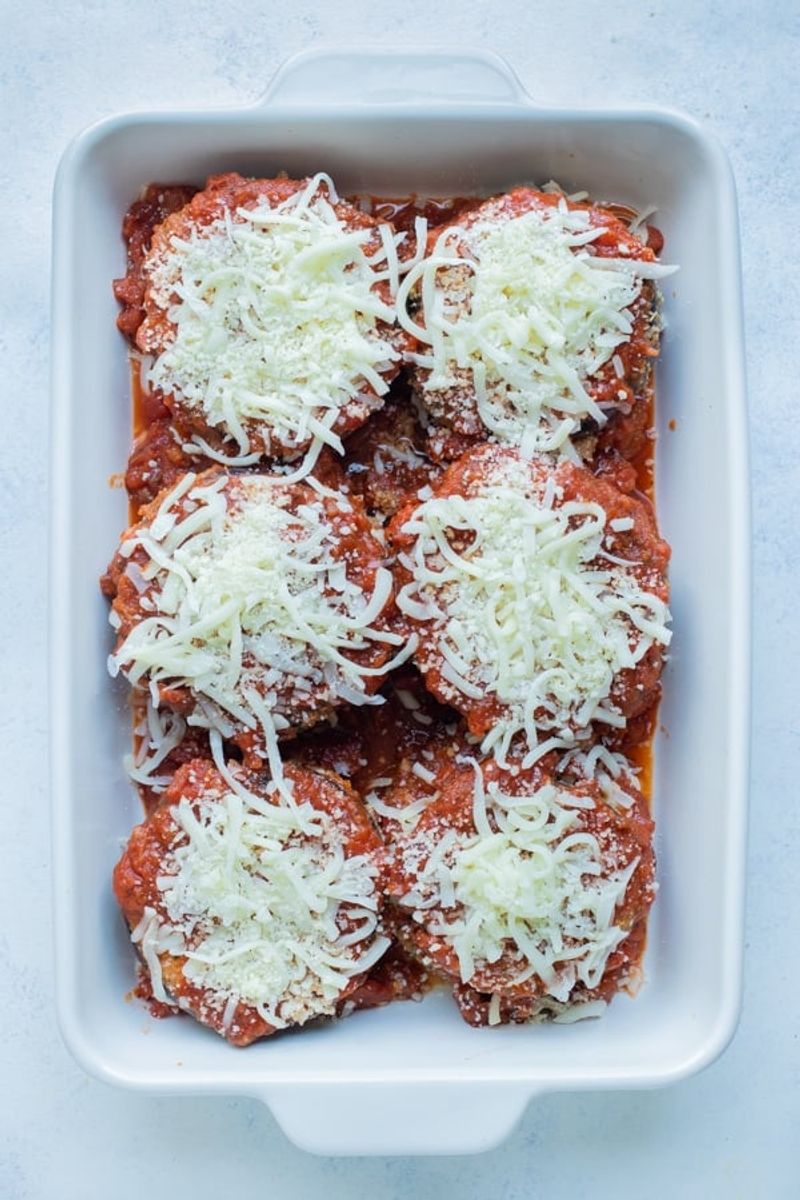
Pre-shredded cheese from a bag might seem like a convenient shortcut, but it comes with a hidden cost. Manufacturers coat packaged shredded cheese with anti-caking agents like cellulose or starch, and those coatings prevent the cheese from melting smoothly.
The result is a grainy, uneven layer that never quite gets that gorgeous, stretchy pull.
Grating your own cheese from a block takes just a few extra minutes and delivers noticeably better flavor and texture. Fresh-grated Parmesan and mozzarella melt together beautifully.
9. Choosing Fresh Mozzarella Over Low-Moisture
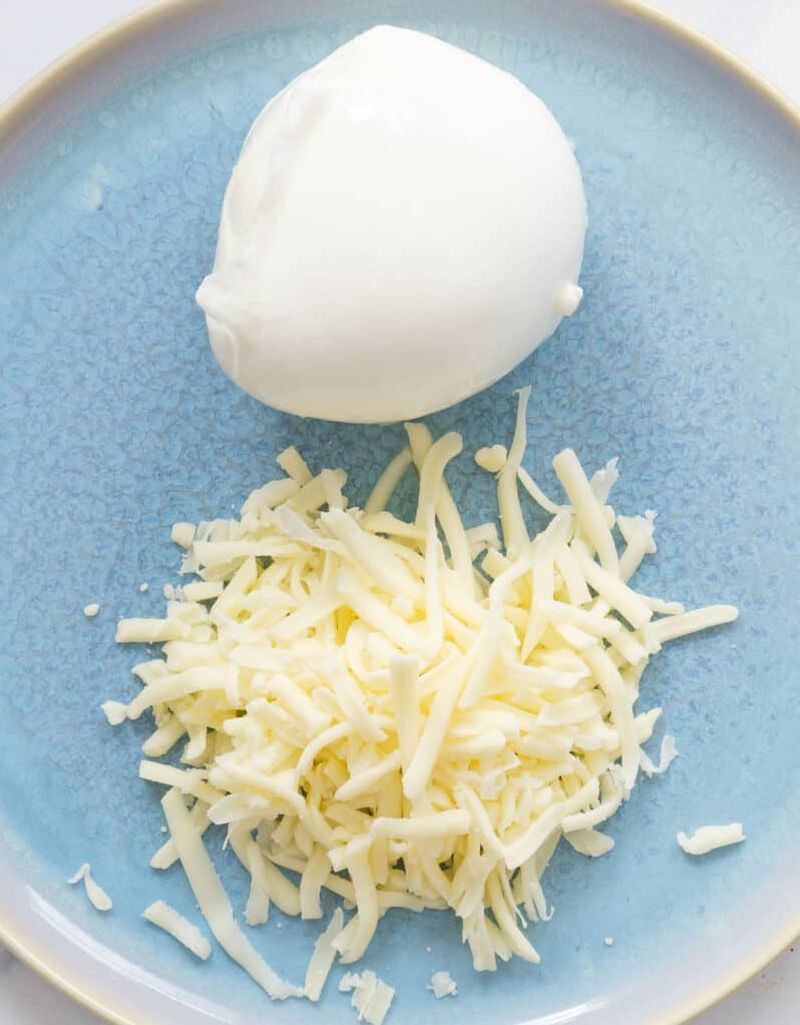
Fresh mozzarella tastes amazing on its own, but it’s actually a poor choice for eggplant Parmesan. That soft, milky ball is packed with water, and when it heats up in the oven, all that moisture releases right into your dish.
The result is a watery, soupy mess that ruins the texture you worked so hard to build.
Low-moisture mozzarella melts more evenly and doesn’t flood the dish with liquid. It’s the go-to choice for baked Italian dishes for good reason.
10. Drowning Everything in Sauce
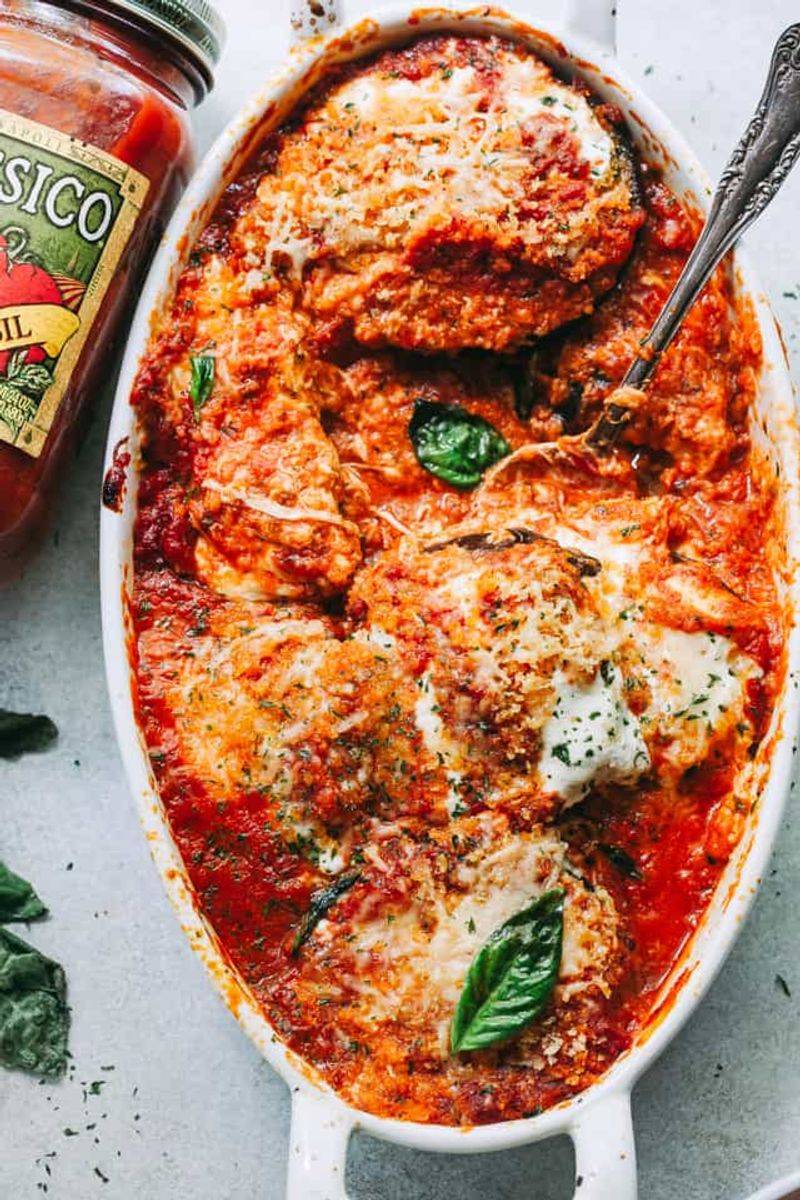
Tomato sauce is essential, but more is definitely not better here. Piling on too much sauce smothers the crispy eggplant coating you spent all that effort creating.
The layers become waterlogged, the breading turns to mush, and the whole dish loses its appealing structure.
A light, even spread of sauce between each layer is all you need. Think of it as seasoning rather than a flood.
You want every bite to have a balance of eggplant, cheese, and sauce rather than one flavor taking over completely.
11. Using a Thin, Watery Tomato Sauce
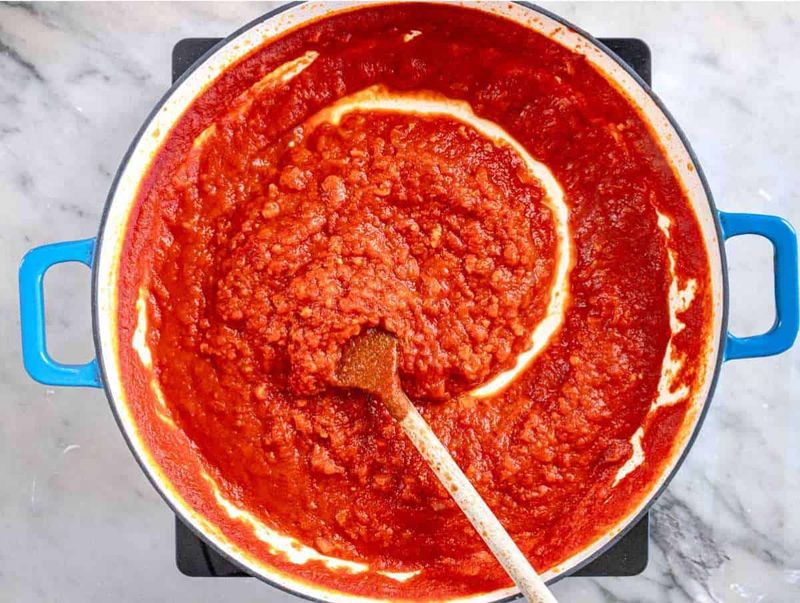
A sauce that hasn’t been cooked down long enough brings a whole new set of problems to the table. Watery sauce seeps into the breading, turns the eggplant soft, and makes the final dish look like it’s falling apart.
Flavor suffers too, since a properly reduced sauce develops a deeper, richer taste.
Simmer your marinara low and slow until it thickens noticeably before using it. Store-bought sauce works fine as long as you check the consistency and reduce it further if needed.
12. Using Fine or Low-Quality Breadcrumbs
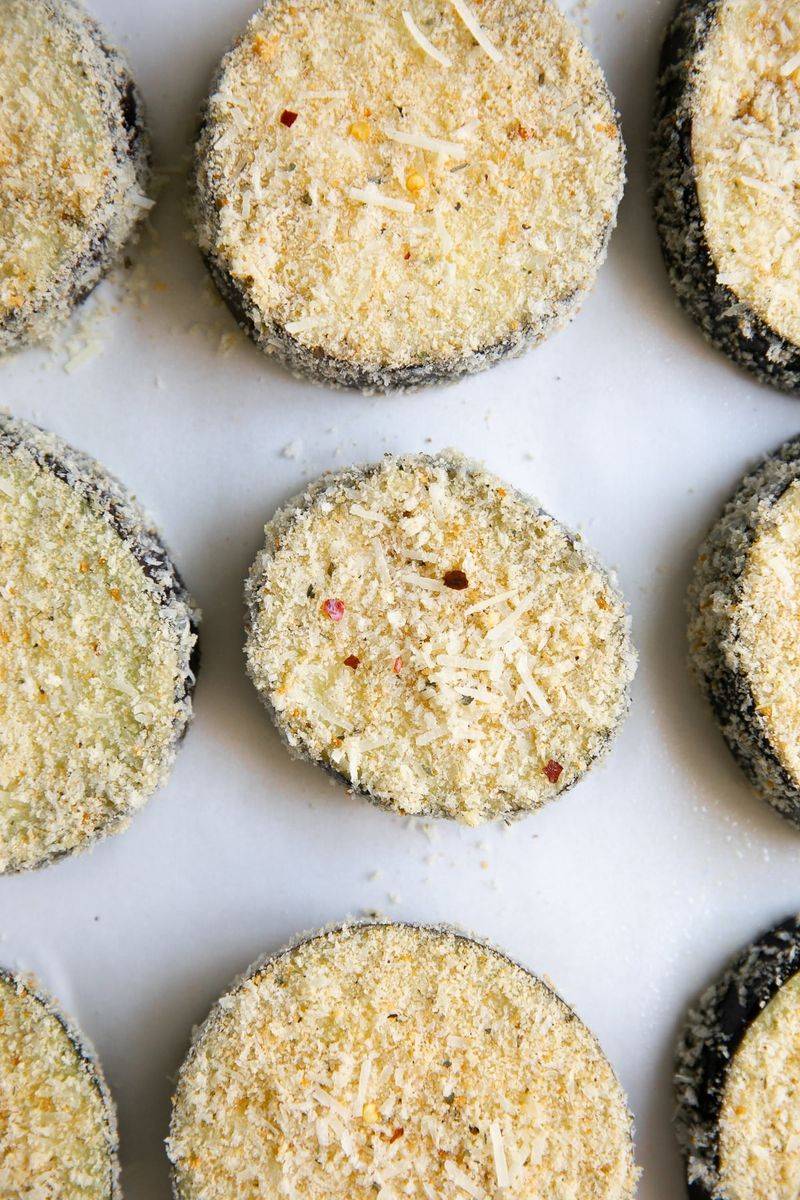
Not all breadcrumbs are created equal, and the kind you choose makes a real difference in texture. Ultra-fine commercial breadcrumbs tend to form a dense, pasty coating that turns gummy after baking.
They just don’t deliver the satisfying crunch that makes eggplant Parmesan so irresistible.
Japanese panko breadcrumbs are a game-changer here because their larger, airier flakes stay crispier through the entire baking process. Homemade breadcrumbs from day-old bread are another excellent option.
Either way, coarser is better.
13. Pulling the Eggplant Out Before It’s Fully Cooked
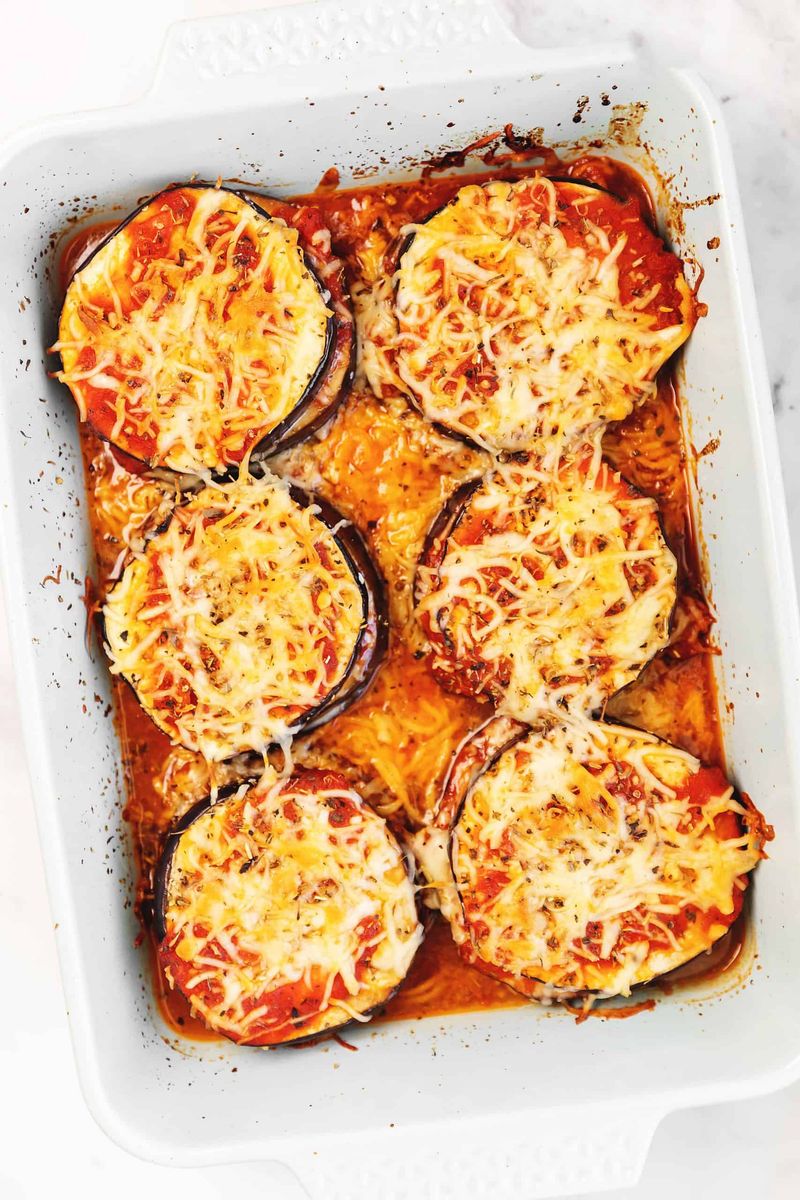
Undercooked eggplant has a spongy, almost rubbery texture that is genuinely unpleasant to eat. Some people mistake a golden crust for a sign that the eggplant inside is done, but the exterior browns much faster than the center cooks through.
Biting into a tough, slightly bitter piece is a real letdown after all that prep work.
Make sure each slice is fully tender before assembling the casserole. Press gently with a fork and it should yield easily with no resistance in the center.
14. Cutting Into the Dish Too Soon
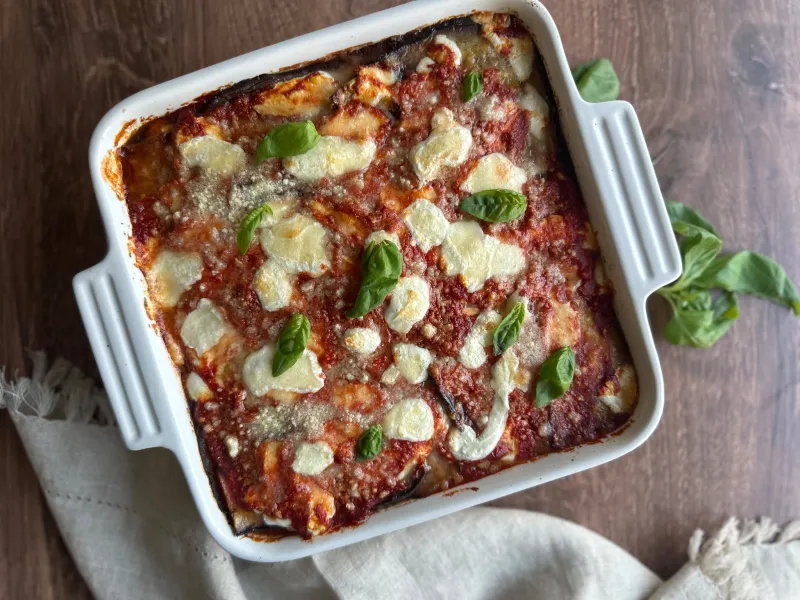
Patience is genuinely hard when something smells that good coming out of the oven. But cutting into eggplant Parmesan the moment it comes out causes all the layers to slide apart and the sauce to pool out in a watery mess.
The dish needs time to settle and firm up.
Let it rest for at least 10 to 15 minutes before slicing. During that time, the layers bind together and the sauce thickens slightly.
You’ll get cleaner, more beautiful slices that actually hold their shape on the plate.
15. Burning the Eggplant or Cheese Topping
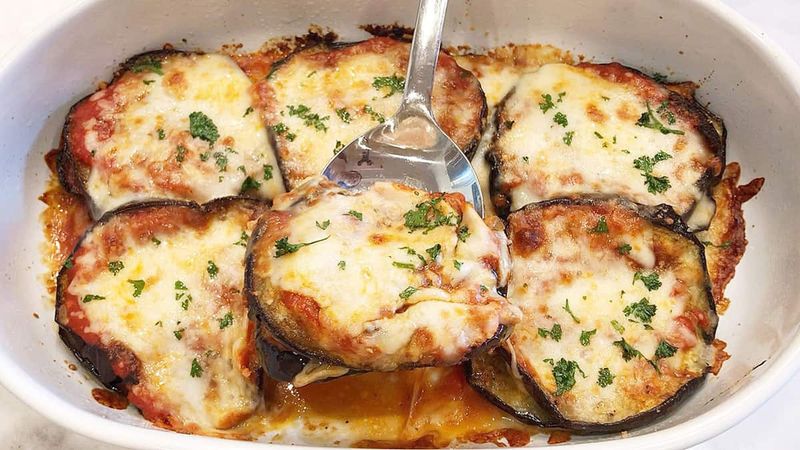
The final stretch of baking is where things can go wrong fast, especially if you walk away or forget to check. Cheese goes from perfectly golden to burnt in just a couple of minutes under high heat or a broiler.
Burnt cheese turns bitter and hard, and dark eggplant edges taste unpleasantly charred.
Keep a close eye during the last 10 minutes of baking. If the cheese is browning too quickly, loosely tent the dish with aluminum foil to protect the top while the inside finishes cooking.