17 German Dishes Made With 5 Ingredients Or Fewer
German cooking has a rich tradition of turning simple, humble ingredients into something truly satisfying. Many classic German dishes don’t require a long shopping list or hours in the kitchen.
Whether you’re a beginner cook or just looking for quick weeknight meals, these recipes prove that less really can be more. Get ready to explore 17 delicious German dishes that each use five ingredients or fewer.
1. Bratwurst and Sauerkraut

Few combinations are more German than bratwurst and sauerkraut. The smoky, juicy sausage pairs perfectly with the tangy, fermented cabbage to create a meal that feels both hearty and comforting.
All you need is bratwurst and sauerkraut — that’s it. Pan-fry or grill the sausage until golden, then warm the sauerkraut alongside it.
This dish has been a German staple for centuries, and once you try it, you’ll completely understand why it has stood the test of time.
2. Warm German Potato Salad
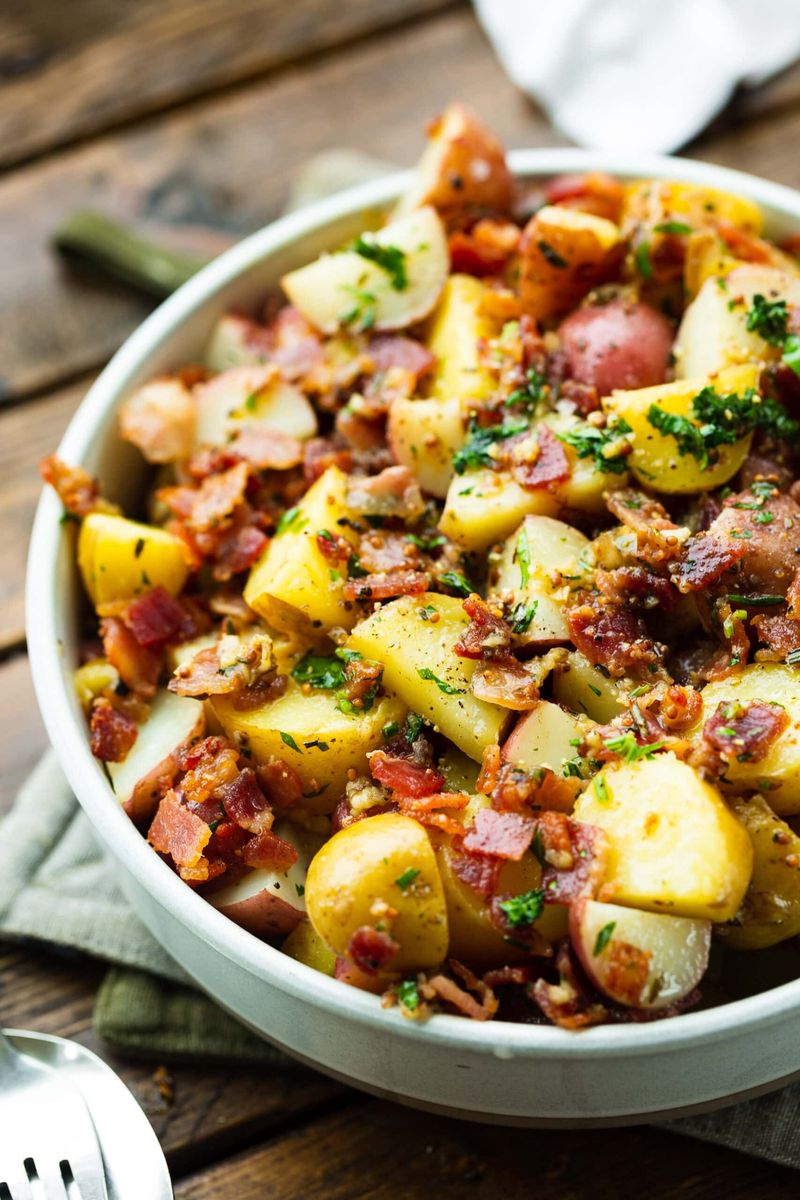
Forget cold, mayo-heavy potato salads — the German version is served warm and dressed with a tangy vinegar-based sauce. Made with potatoes, bacon, onion, vinegar, and a touch of sugar, every bite has a bold, savory-sweet punch.
The bacon fat doubles as part of the dressing, which gives this salad a rich, smoky depth. It’s a beloved side dish at German gatherings and pairs beautifully with grilled meats or sausages on any occasion.
3. Spätzle
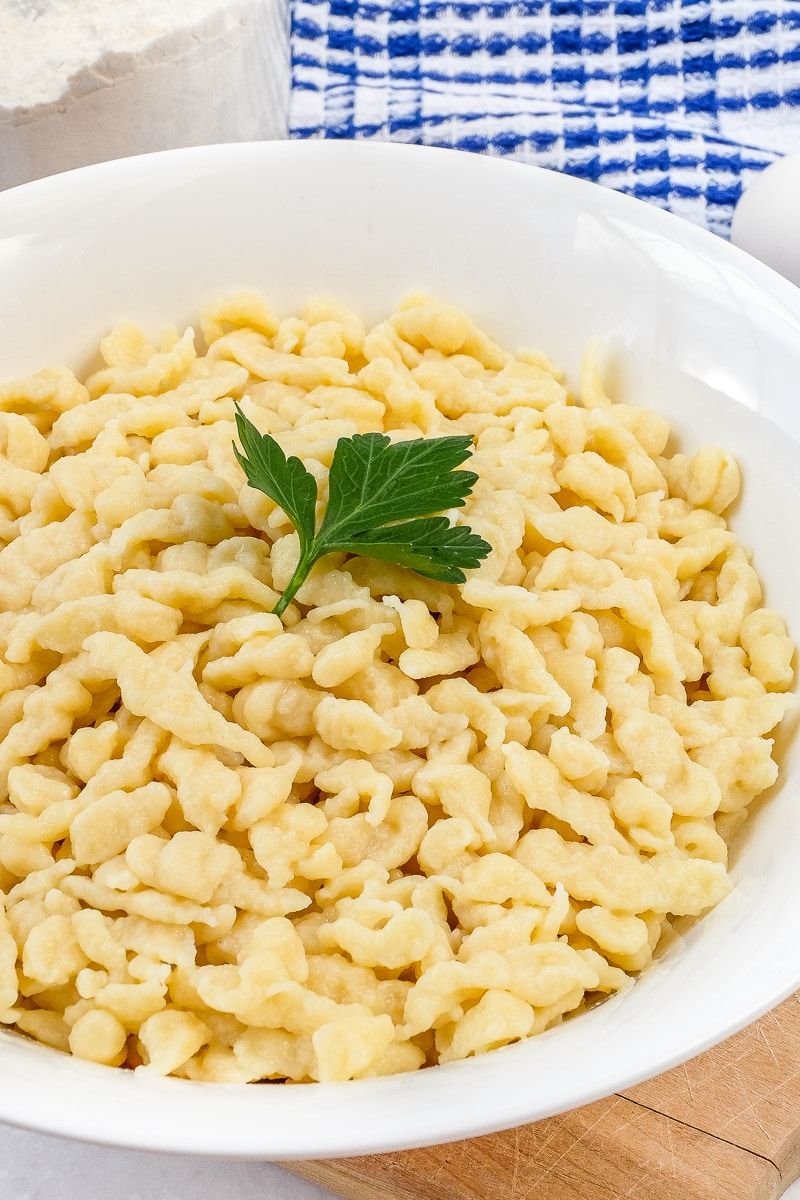
Spätzle are soft, chewy egg noodles that have been a German kitchen staple for hundreds of years. Made from just flour, eggs, and water or milk, they come together quickly and cook in minutes.
The dough is pushed through a colander or special Spätzle maker directly into boiling water. Once cooked, they can be tossed in butter and served as a side dish.
Their mild flavor makes them an incredibly versatile base for many hearty German meals.
4. Bratkartoffeln (German Pan-Fried Potatoes)
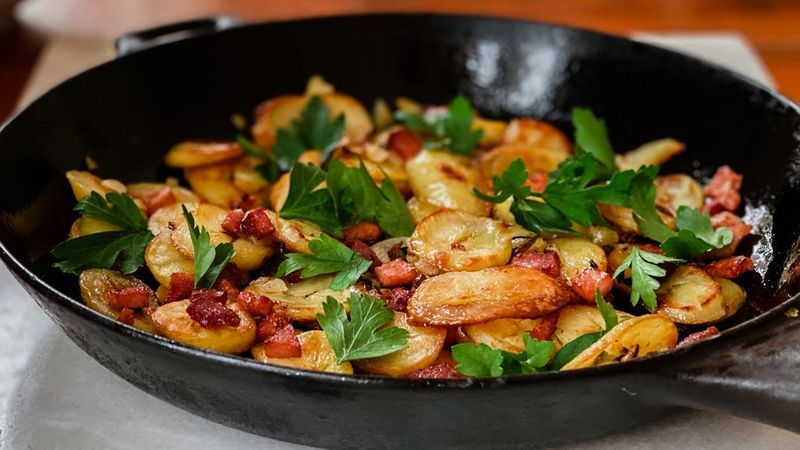
Crispy on the outside, tender on the inside — Bratkartoffeln are everything a potato lover could want. This classic dish uses potatoes, bacon, onion, and butter or oil to create something wonderfully satisfying with very little effort.
The secret is patience: let the potatoes sit undisturbed in the pan so they develop that gorgeous golden crust. Bratkartoffeln are popular as a side dish or even a full meal on their own, especially during cooler months in Germany.
5. Eisbein und Sauerkraut (Pork Hocks and Sauerkraut)
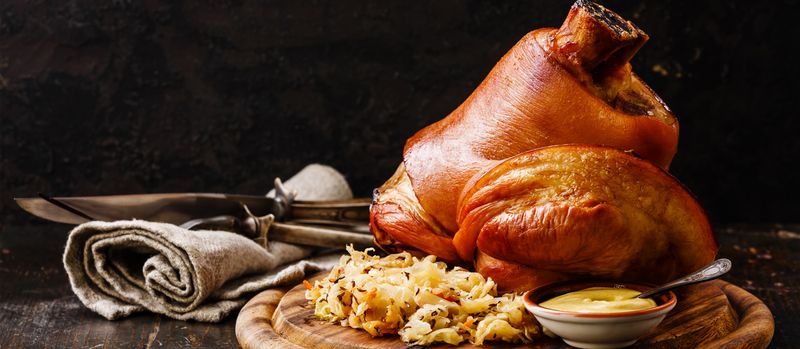
Eisbein is a northern German classic that brings bold, rustic flavors to the table. A whole pork hock is slow-cooked until tender, then served alongside a generous heap of sauerkraut for a deeply satisfying meal.
With just two main ingredients, the dish relies on long, slow cooking to develop its rich flavor. The pork becomes fall-off-the-bone tender while the sauerkraut adds a bright, acidic contrast.
It’s the kind of meal that warms you from the inside out on a cold evening.
6. Schinkennudeln (Ham and Egg Noodles)
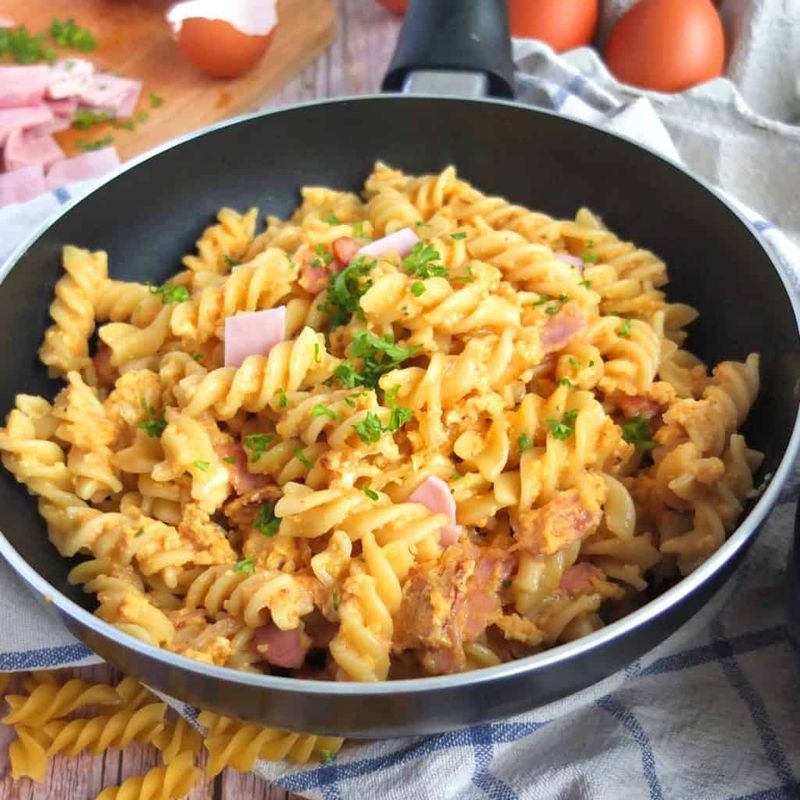
Schinkennudeln is the kind of weeknight dinner that comes together in under 20 minutes and still manages to taste like real comfort food. Egg noodles, diced ham, and scrambled eggs are tossed together in a hot pan for a quick, filling meal.
Kids and adults alike tend to love this dish because it’s familiar and satisfying without being complicated. Think of it as Germany’s answer to a simple pasta scramble — straightforward, hearty, and surprisingly delicious with just three ingredients.
7. Potatoes, Spinach, and Eggs
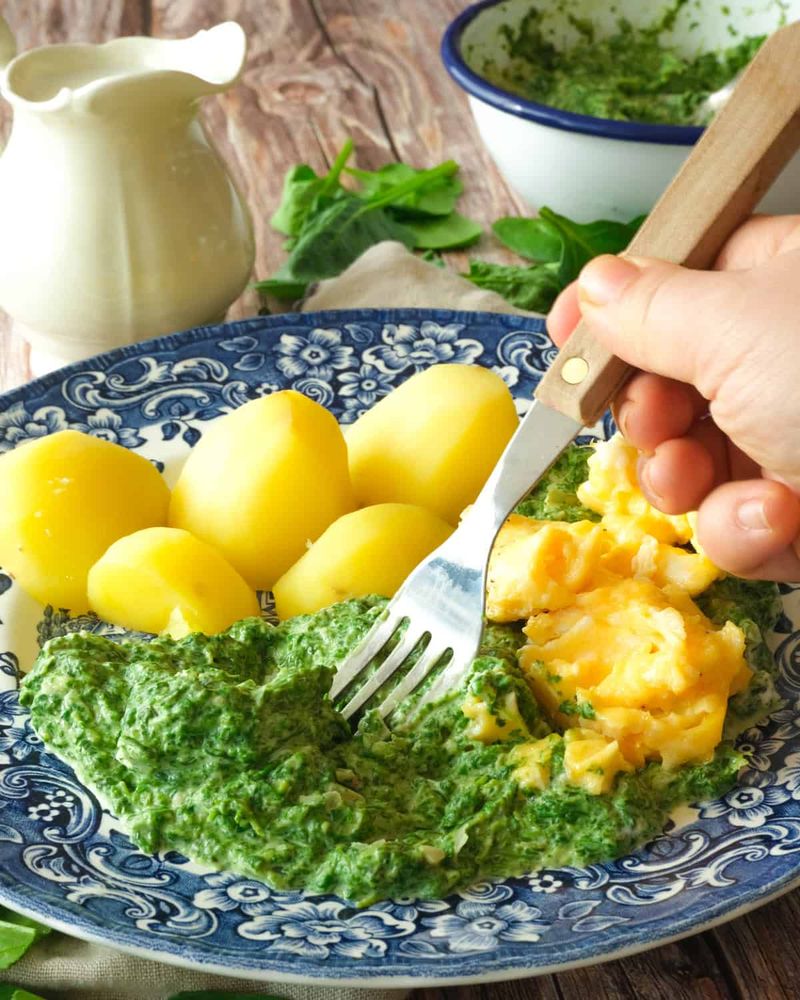
Sometimes the most nourishing meals are the simplest ones. Boiled potatoes, creamed spinach, and cooked eggs come together in minutes to create a balanced, wholesome dinner that’s been a German household favorite for generations.
This dish is especially popular among families because it’s budget-friendly, quick to prepare, and genuinely filling. Using frozen creamed spinach makes it even faster on busy nights.
Each element complements the others beautifully, making this humble three-ingredient combo feel far greater than the sum of its parts.
8. Strammer Max
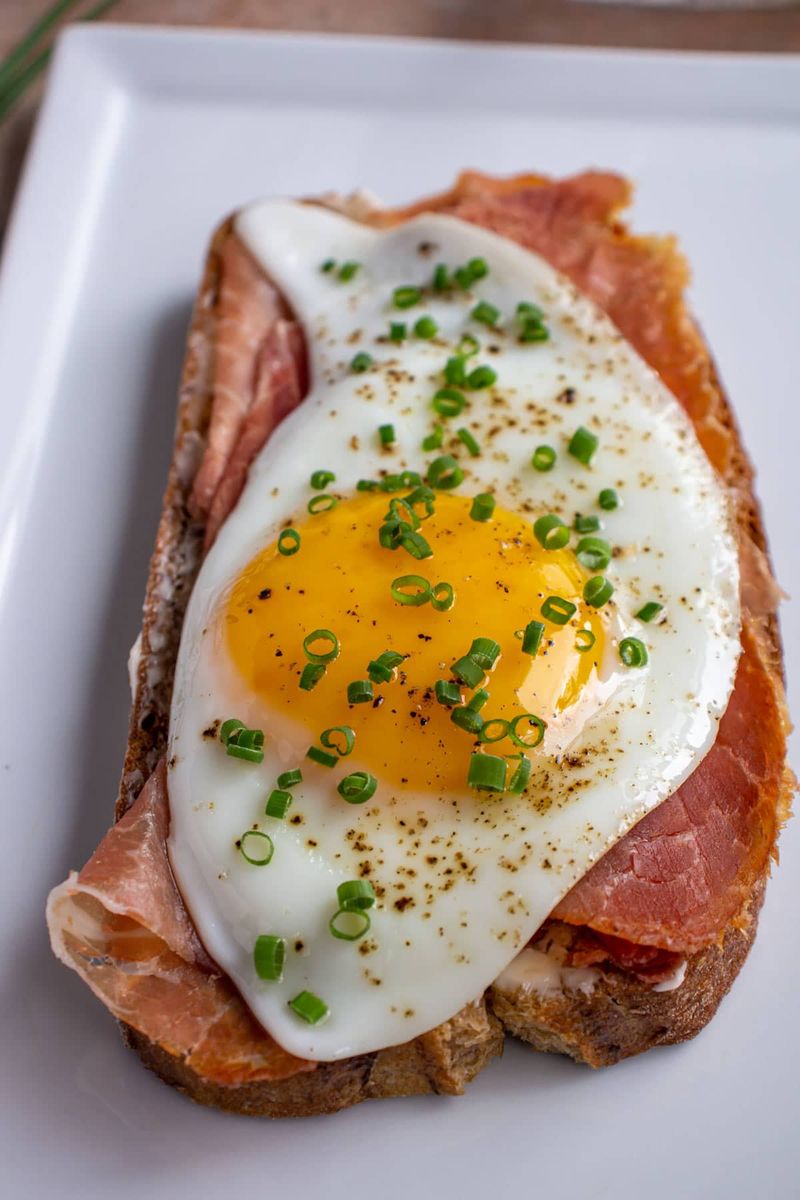
Strammer Max has one of the most memorable names in German cuisine, and the dish lives up to the personality. A thick slice of hearty bread is topped with smoked speck ham and a perfectly fried egg — simple, bold, and incredibly satisfying.
This open-faced sandwich is popular as a quick lunch or late-night snack across Germany. The runny yolk soaks into the bread while the salty ham adds richness.
Three ingredients, zero fuss, and maximum flavor in every single bite.
9. Senfeier (Eggs in Mustard Sauce)
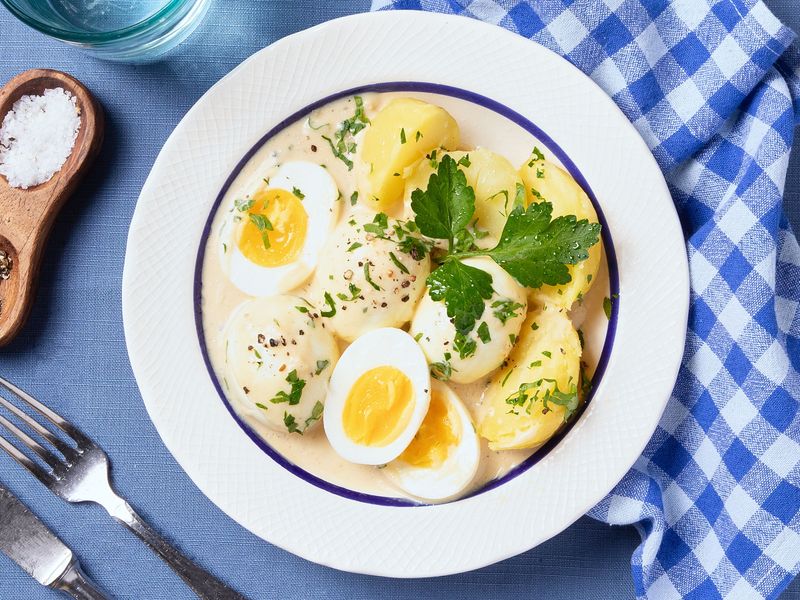
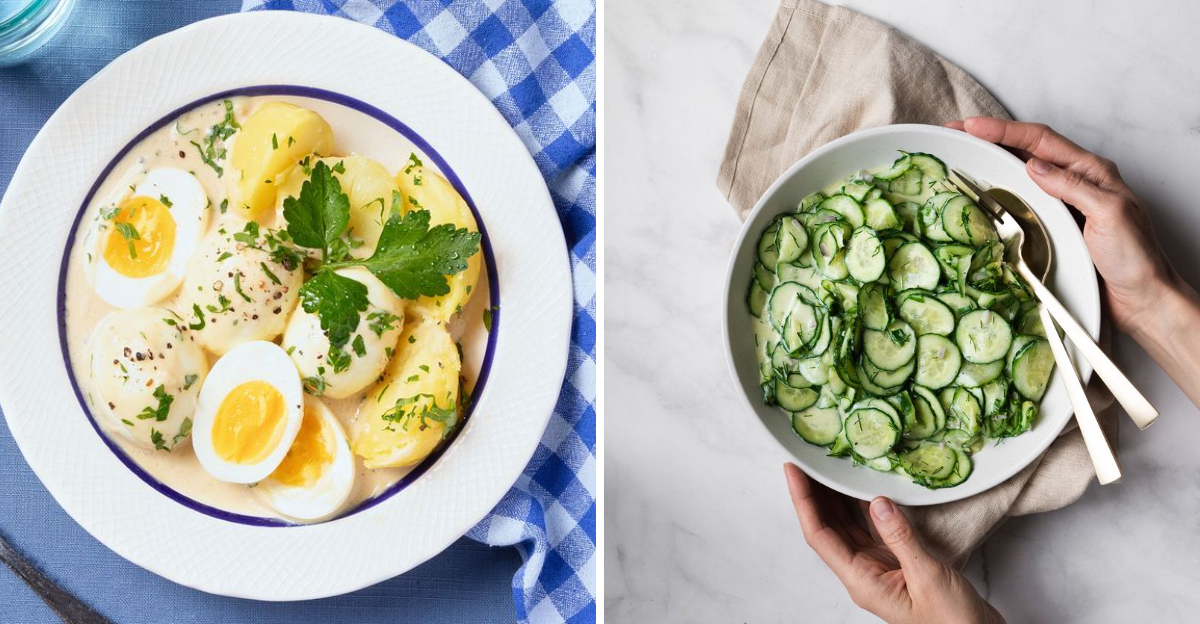
Senfeier might sound fancy, but it’s actually one of the most humble and budget-friendly dishes in German cooking. Hard-boiled eggs are nestled in a velvety sauce made from butter, flour, milk, and mustard — a combination that’s both tangy and creamy.
This dish is often served over boiled potatoes or rice for a complete meal. The mustard sauce has a gentle kick that keeps things interesting without being overpowering.
It’s old-fashioned German home cooking at its most honest and comforting best.
10. Nürnberger Sausages with Mashed Potatoes
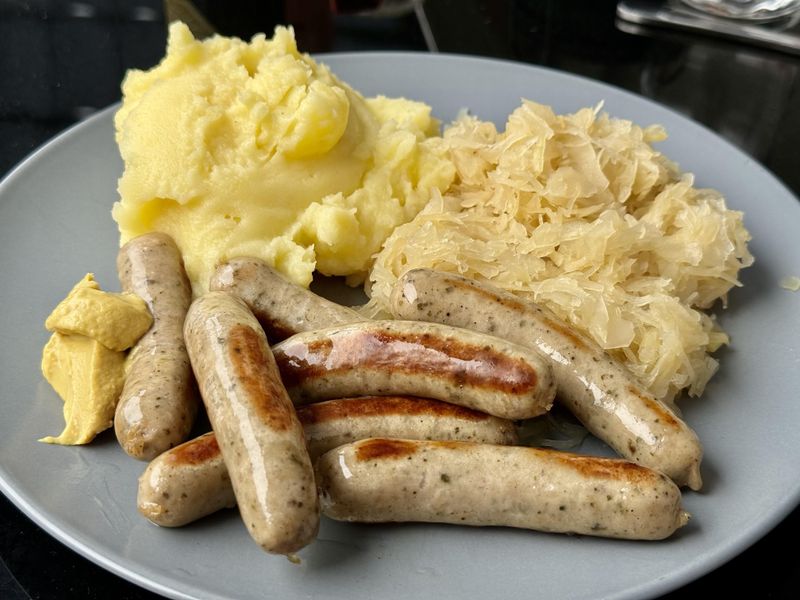
Nürnberger sausages are small but mighty — packed with flavor from marjoram and other spices, they’re one of Bavaria’s most beloved exports. Paired with creamy mashed potatoes made from just potatoes, milk, and butter, this meal is pure German comfort food.
The sausages cook quickly in a pan, making this dinner achievable even on hectic evenings. Their savory, herby punch contrasts beautifully with the smooth, mild mash.
Did you know Nürnberger sausages have protected geographical status in the European Union?
11. Arme Ritter (Poor Knights’ Pudding)
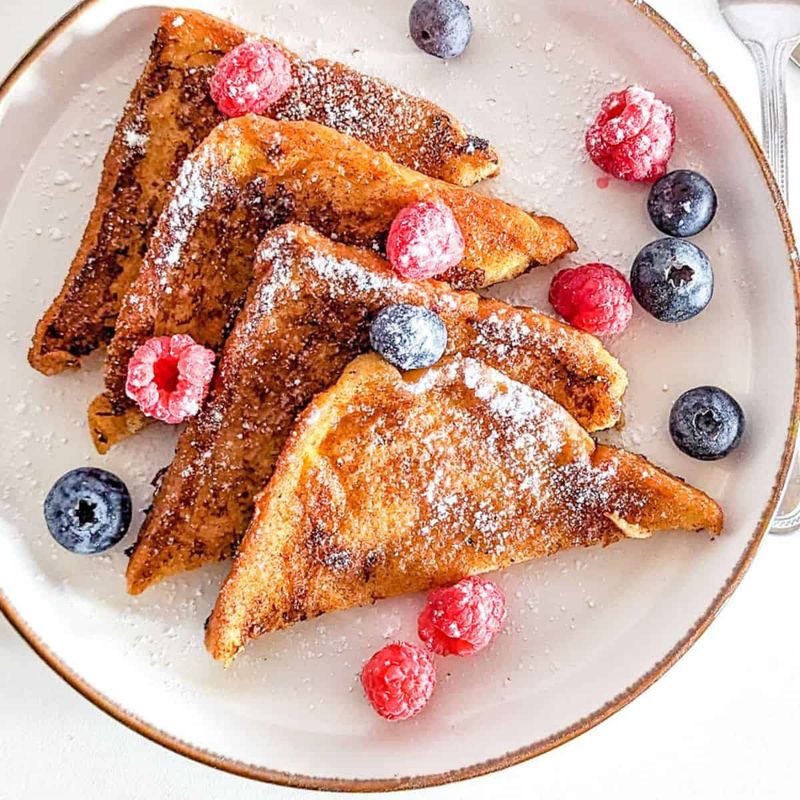
Long before French toast became a brunch staple, Germany had Arme Ritter — literally translated as ‘Poor Knights.’ Slices of bread are soaked in a mixture of eggs, milk, and sugar, then fried in butter until golden and crisp on the outside.
The name comes from medieval times when knights who had fallen on hard times made do with stale bread. Today it’s a beloved breakfast or dessert treat.
A dusting of powdered sugar or a spoonful of jam makes it feel indulgent despite its humble origins.
12. Pfannkuchen (German Pancakes)
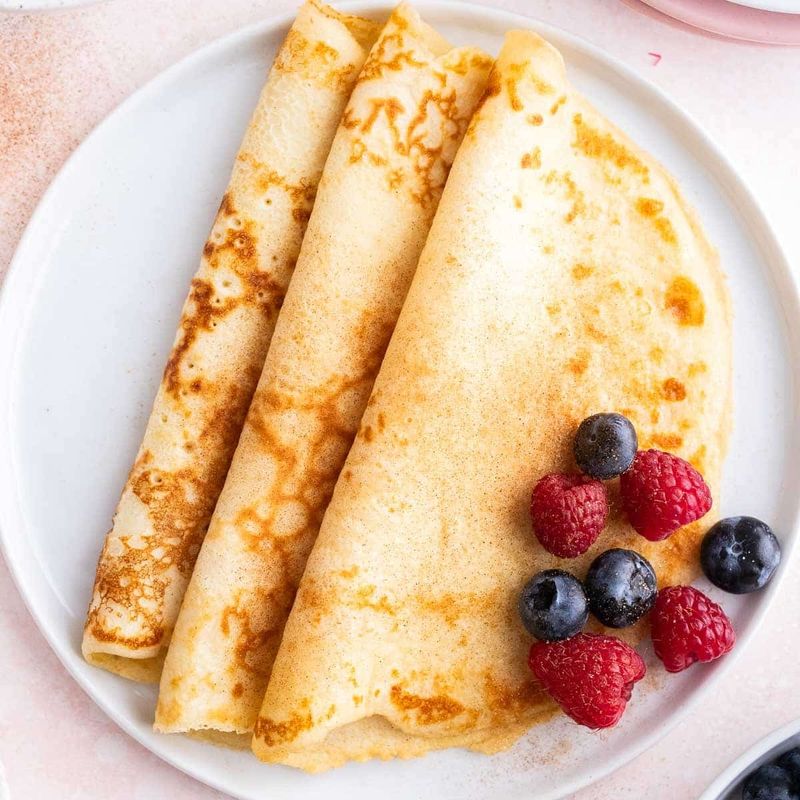
Pfannkuchen are Germany’s version of thin, crepe-like pancakes, and they’re a weekend morning tradition in many German households. Made from eggs, flour, milk, a little sparkling water, and sugar, the batter is simple and quick to whip up.
The sparkling water gives the pancakes a slightly lighter, airier texture than regular batter. They can be filled with jam, Nutella, or just a squeeze of lemon and a sprinkle of sugar.
Flipping them in the pan is half the fun for kids helping in the kitchen.
13. Käsespätzle (Cheese Spätzle)
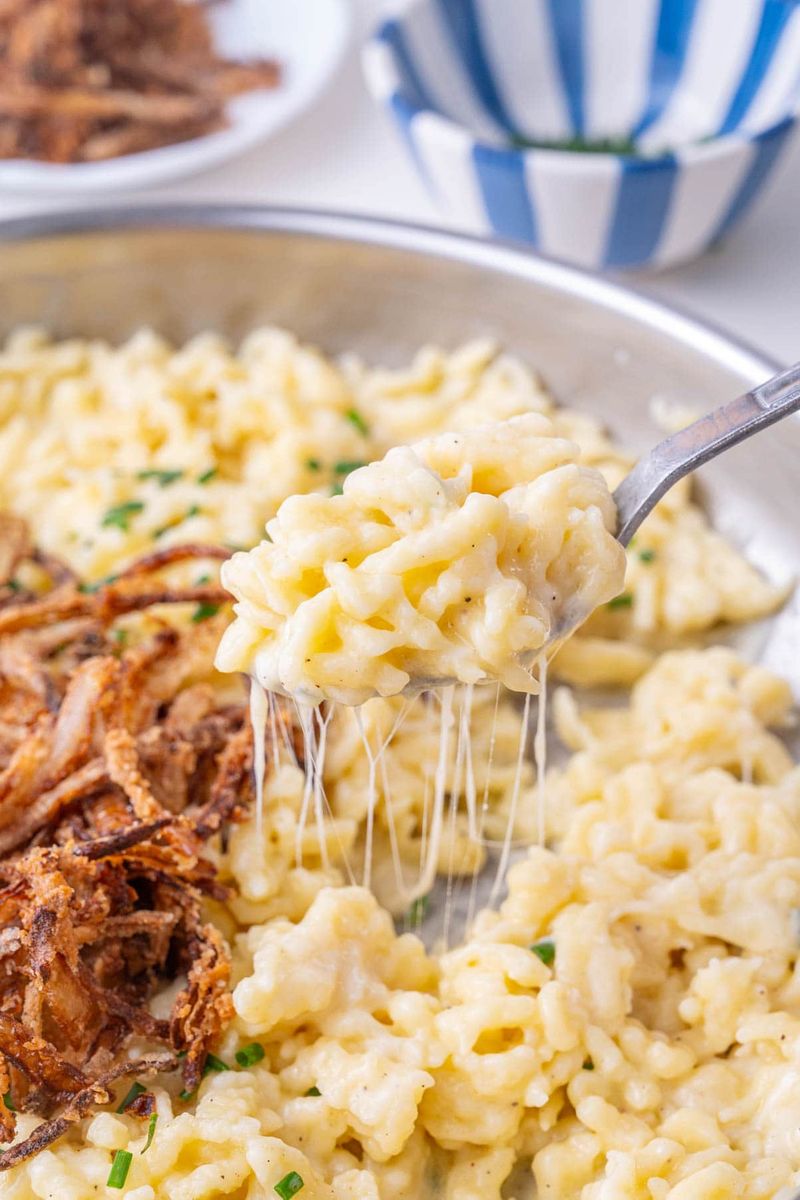
Käsespätzle is Germany’s answer to mac and cheese, and many would argue it’s even better. Freshly made Spätzle noodles are layered with generous amounts of melted cheese and topped with crispy fried onions for an irresistible combination of textures.
The dish originates from the Swabian region of Germany and remains one of the most popular comfort foods in the country. Using a strong, melty cheese like Emmental or Gruyère makes all the difference.
Every forkful delivers creamy, cheesy, golden goodness.
14. Gurkensalat (Simple Cucumber Salad)
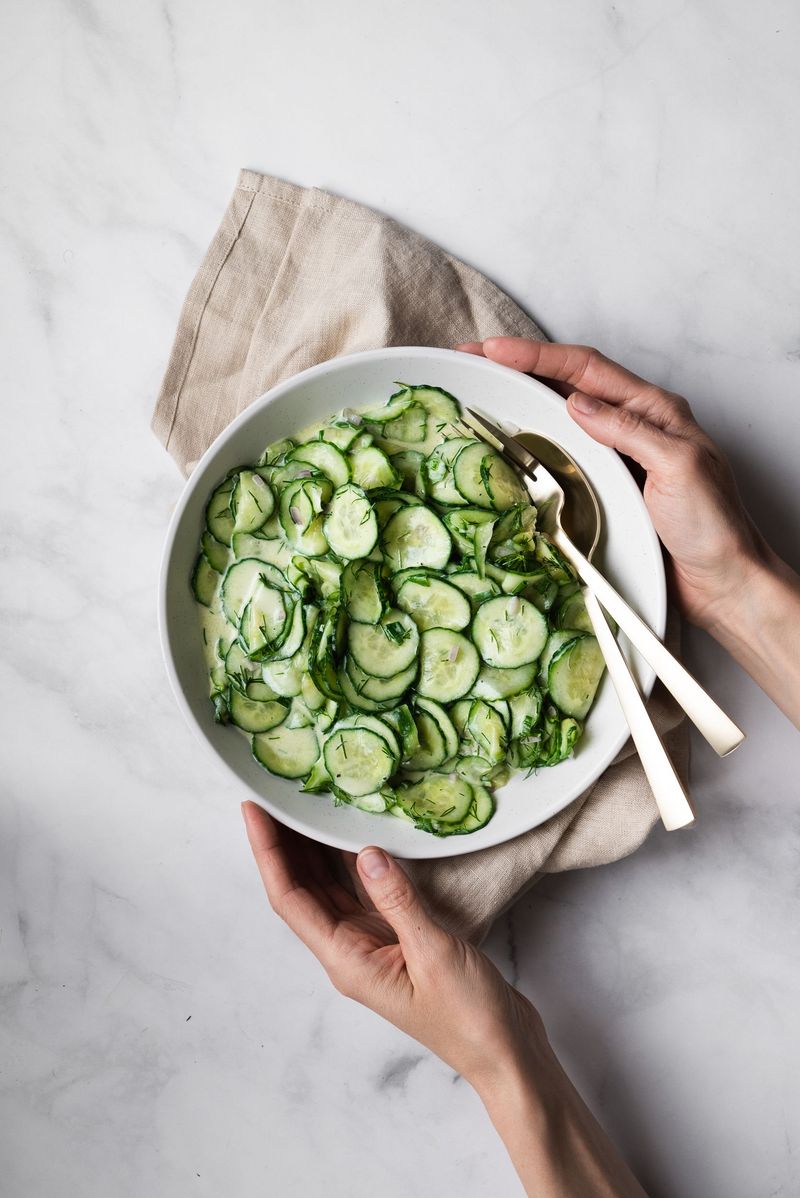
Cool, crisp, and refreshingly simple — Gurkensalat is a cucumber salad that shows up on German tables throughout the summer. Thinly sliced cucumbers are tossed with vinegar, water, a pinch of sugar, and fresh dill for a light, tangy side dish.
It takes about five minutes to prepare and pairs well with almost any main course, from grilled meats to sandwiches. The dill adds a bright, herby note that lifts the whole dish.
Sometimes the simplest recipes are genuinely the most refreshing ones.
15. Spinach and Onion Omelet (Spinat-Zwiebelomelette)

Quick, protein-packed, and genuinely tasty, the Spinat-Zwiebelomelette is a no-fuss German egg dish that works for breakfast, lunch, or dinner. Eggs, fresh spinach, and onion cook together in butter or oil to create a light yet filling omelet.
Sautéing the onions first until they’re soft and slightly golden adds a wonderful sweetness that balances the earthy spinach. The whole thing comes together in under ten minutes.
It’s the kind of recipe that proves you don’t need many ingredients to make something genuinely worth eating.
16. Grießbrei (Semolina Pudding)
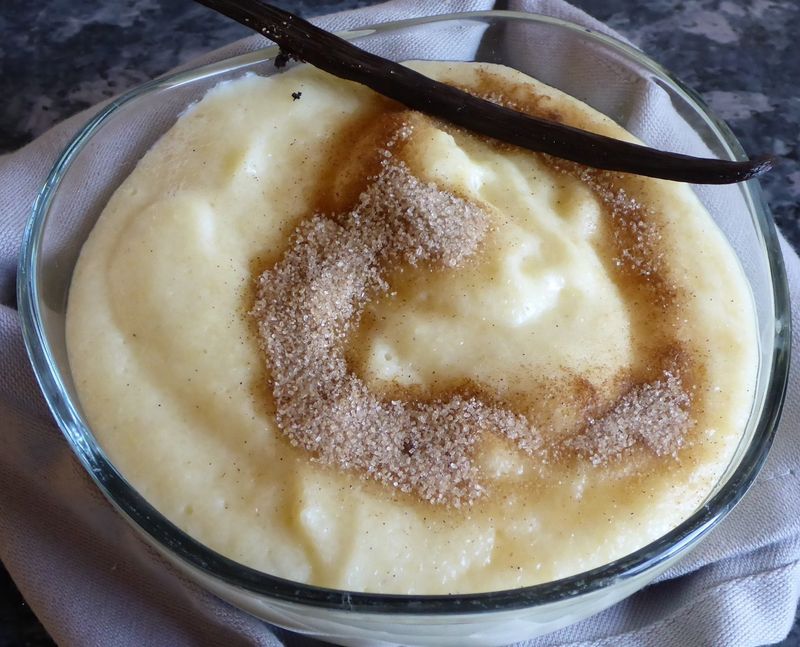
Grießbrei is the ultimate German nursery food — warm, creamy, and deeply comforting. Made from just semolina, milk, and sugar, it cooks in minutes on the stovetop and has a silky, porridge-like texture that feels like a hug in a bowl.
Many Germans grew up eating this as a breakfast or light dinner, often topped with a knob of butter and a dusting of cinnamon sugar. Its simplicity is its greatest strength.
Three ingredients, ten minutes, and you have a warm, nourishing meal ready to serve.
17. Rührei mit Schnittlauch (Scrambled Eggs with Chives)
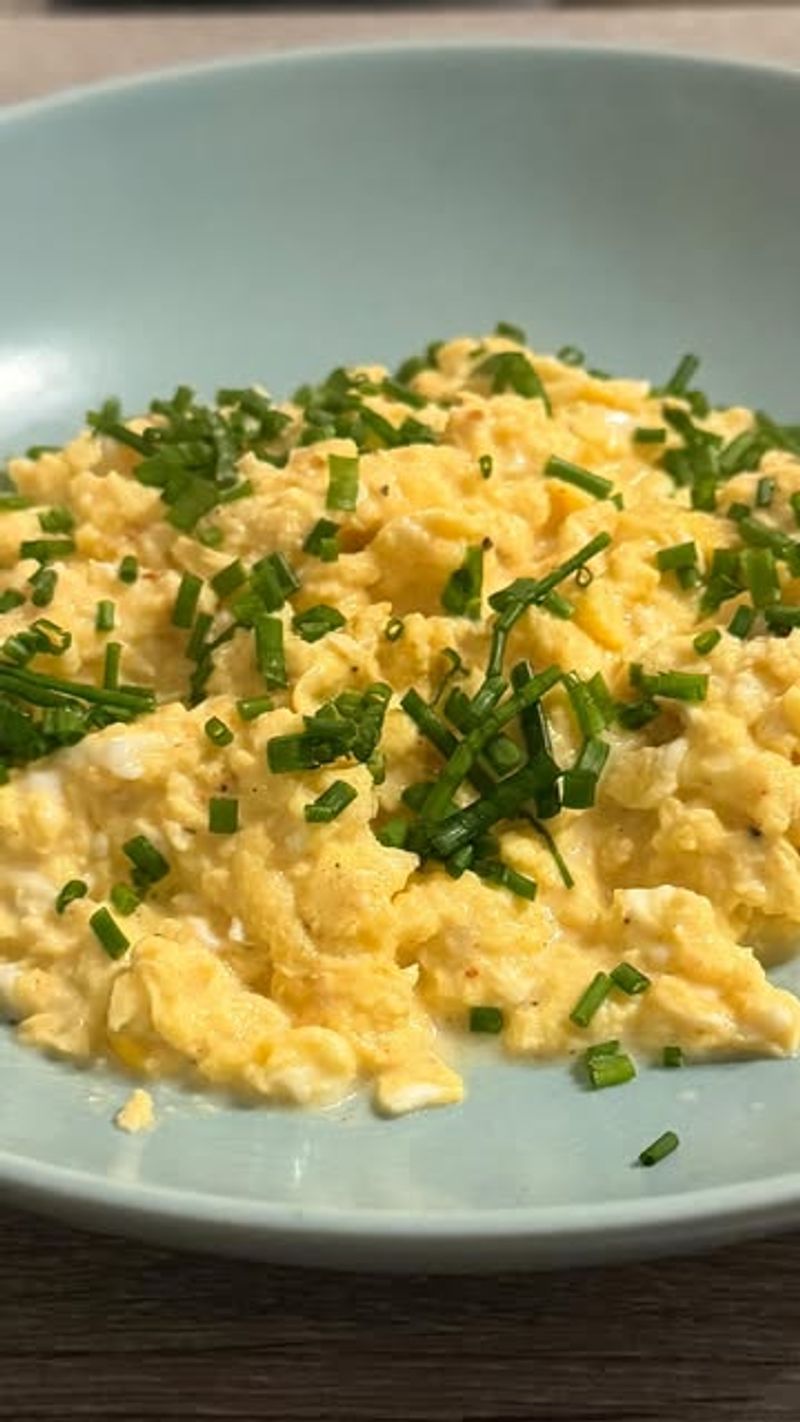
Scrambled eggs may seem ordinary, but the German approach — slow-cooked with a splash of cream and finished with a generous handful of fresh chives — elevates them into something genuinely special. Rührei mit Schnittlauch is a classic German breakfast staple.
The key is low heat and patience, stirring constantly to keep the eggs silky and soft rather than rubbery. Fresh chives add a mild, oniony brightness that makes each bite feel complete.
Served on thick dark German bread, this simple dish becomes a proper, satisfying morning meal.