
15 Ways Homemade Whoopie Pies Come Out Better
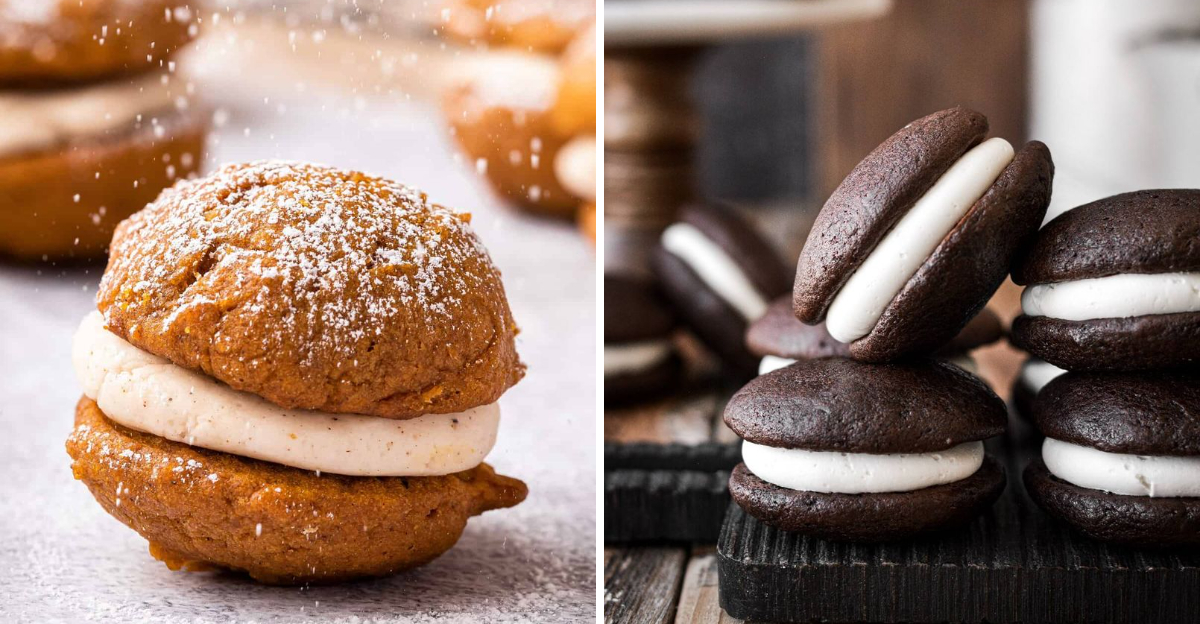
Whoopie pies are one of those classic treats that feel like a warm hug in dessert form. Whether you grew up eating them at bake sales or just discovered them recently, there is always room to make them even better.
Small changes in ingredients, technique, and assembly can completely transform your results. These tips will help you bake whoopie pies that are soft, flavorful, and totally irresistible.
1. Add Espresso Powder to Boost Chocolate Flavor
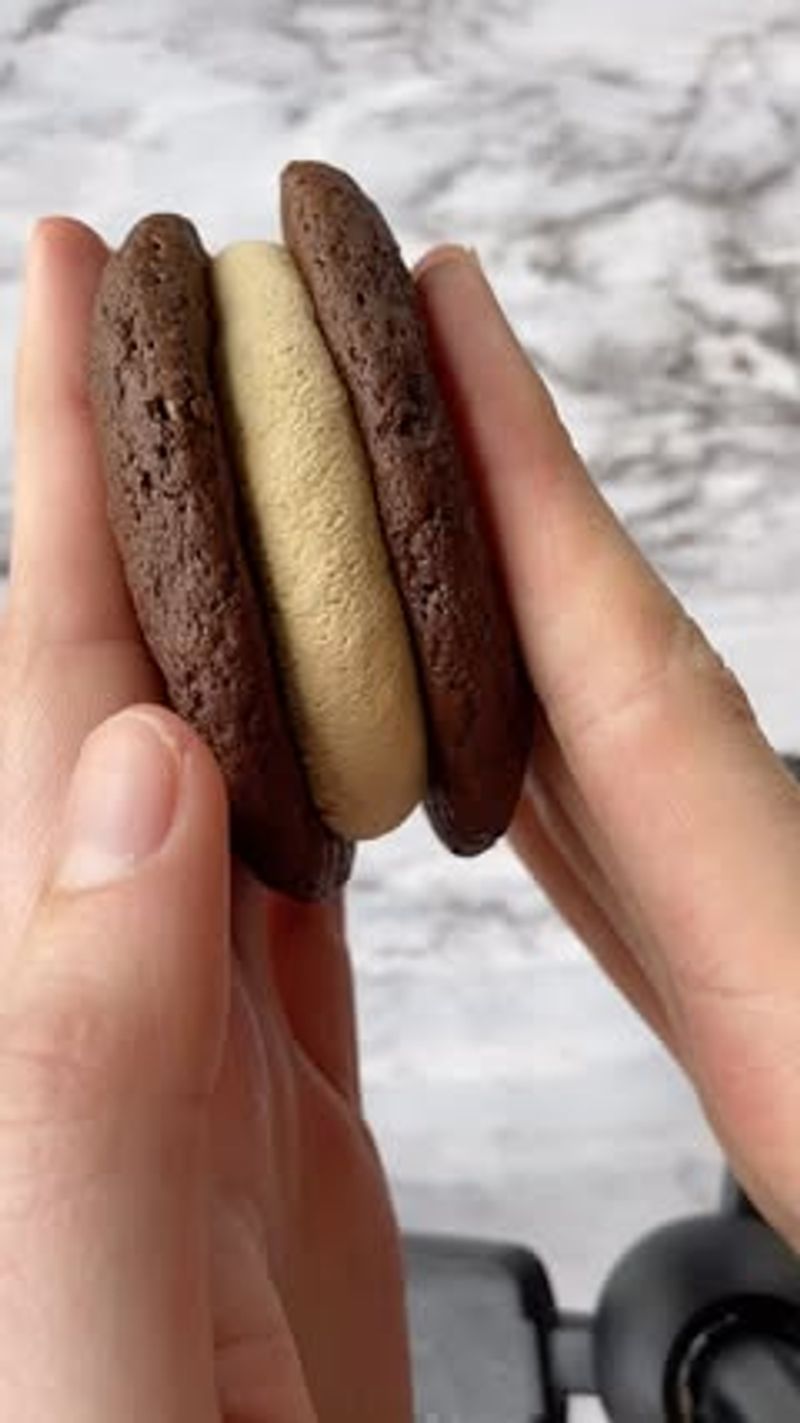
Here is a baker’s secret that professional pastry chefs swear by: a teaspoon of instant espresso powder stirred into your dry ingredients makes chocolate flavor taste dramatically richer. You do not taste the coffee at all, but it deepens the cocoa in a way that plain chocolate batter simply cannot match.
Because it goes in dry, it never makes your batter too wet or changes the texture. Your whoopie pies will taste like they came from a bakery.
2. Bloom Your Cocoa Powder First
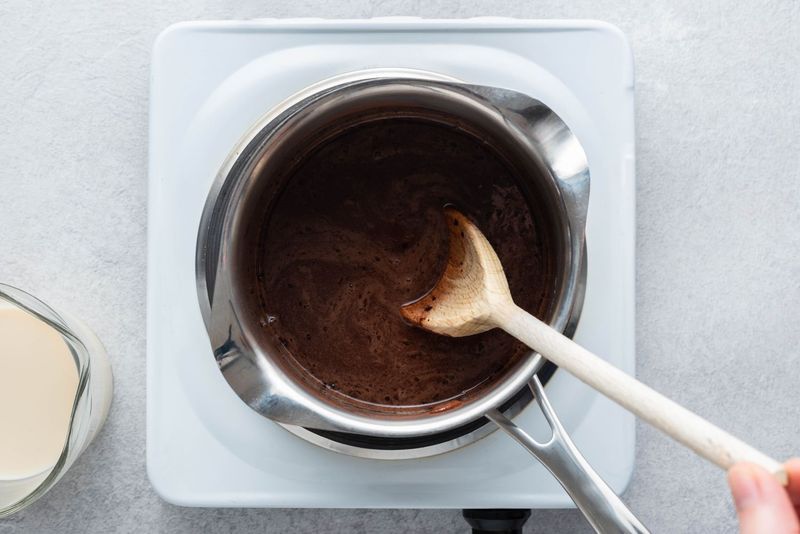
Blooming cocoa means warming your liquid ingredient, whether that is melted butter, oil, or milk, and then stirring in the cocoa powder before anything else. Heat unlocks cocoa’s natural flavor compounds, giving your cakes a noticeably deeper, more intense chocolate taste.
Many home bakers skip this step without realizing what they are missing. It takes less than two extra minutes and makes a surprisingly big difference in every single bite of your finished whoopie pies.
3. Swap Regular Milk for Buttermilk
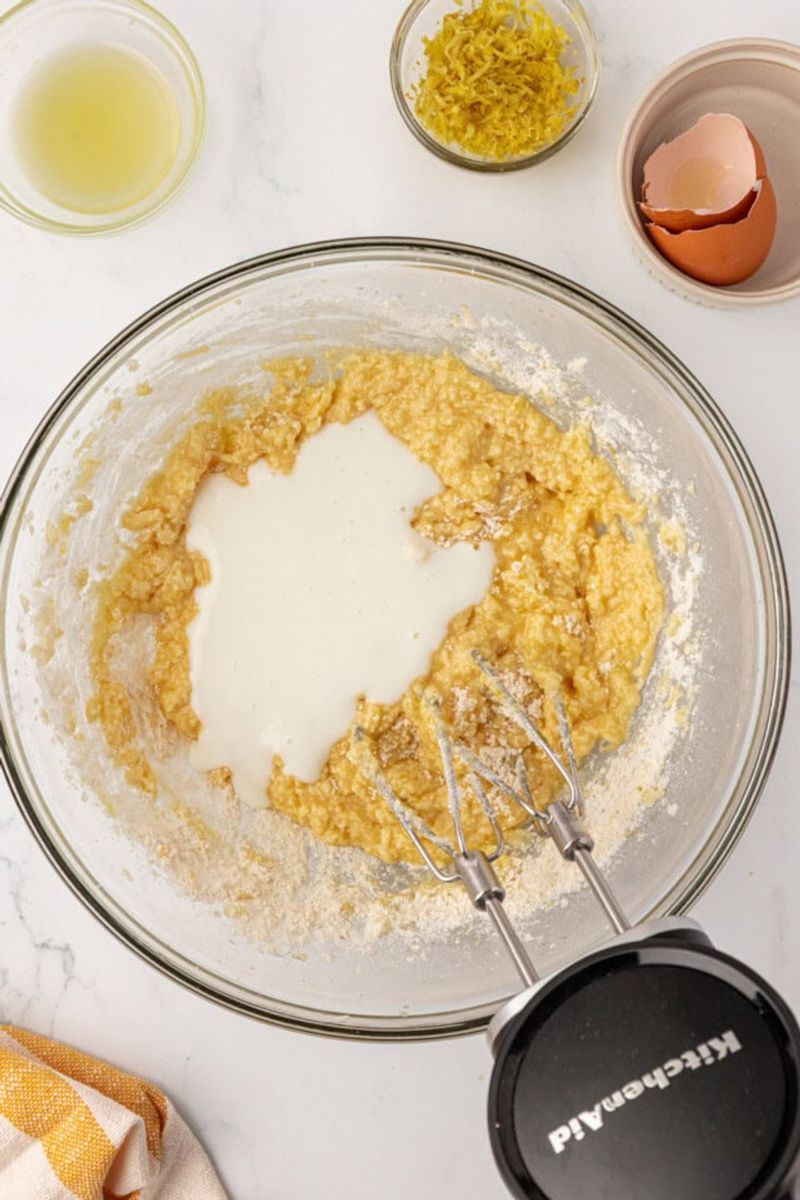
Buttermilk might sound fancy, but it is one of the easiest upgrades you can make. Its natural acidity reacts with baking soda in the batter, helping your whoopie pie cakes rise evenly and stay beautifully tender.
It also slows down gluten development, which means your cakes stay soft instead of turning chewy or dense. If you do not have buttermilk handy, mix one tablespoon of white vinegar into a cup of regular milk and let it sit for five minutes.
4. Measure Flour the Right Way
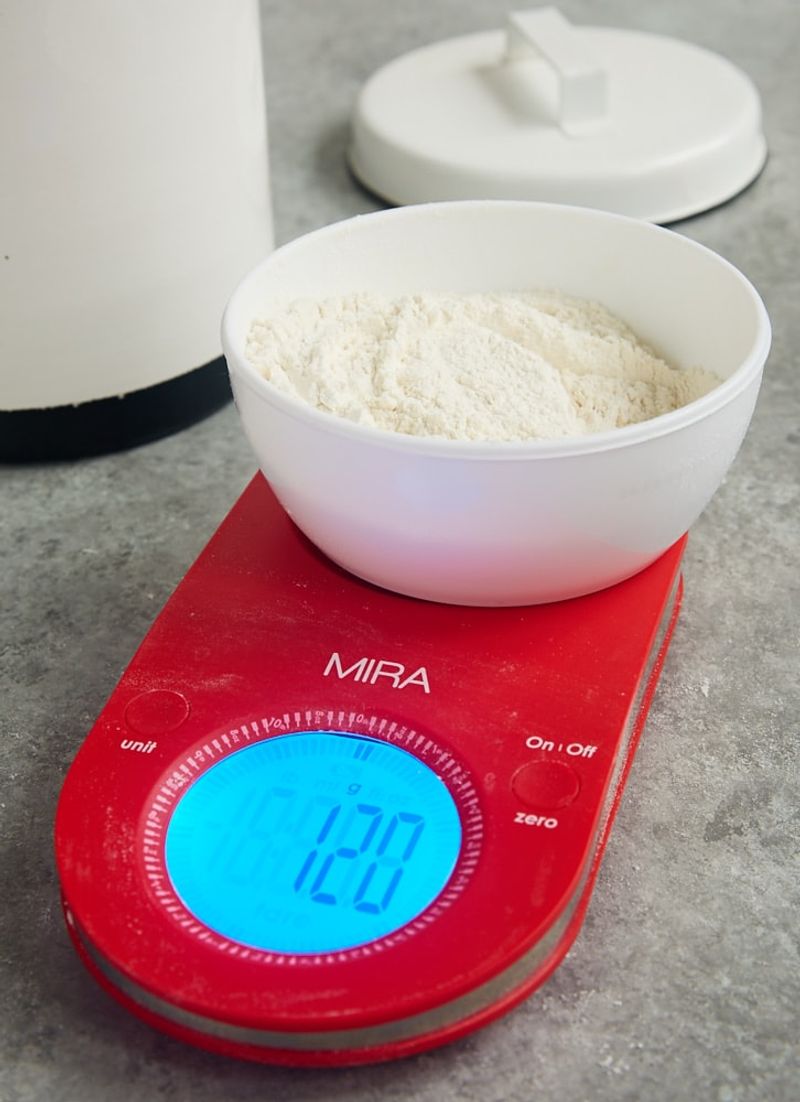
Too much flour is one of the most common reasons homemade whoopie pies turn out dry and crumbly. Scooping flour straight from the bag packs it tightly, which means you could accidentally add up to 20 percent more than the recipe calls for.
Using a kitchen scale is the most reliable method. If you do not own one, spoon flour lightly into your measuring cup and level it off with a straight edge for much more accurate results every time.
5. Use Room Temperature Ingredients
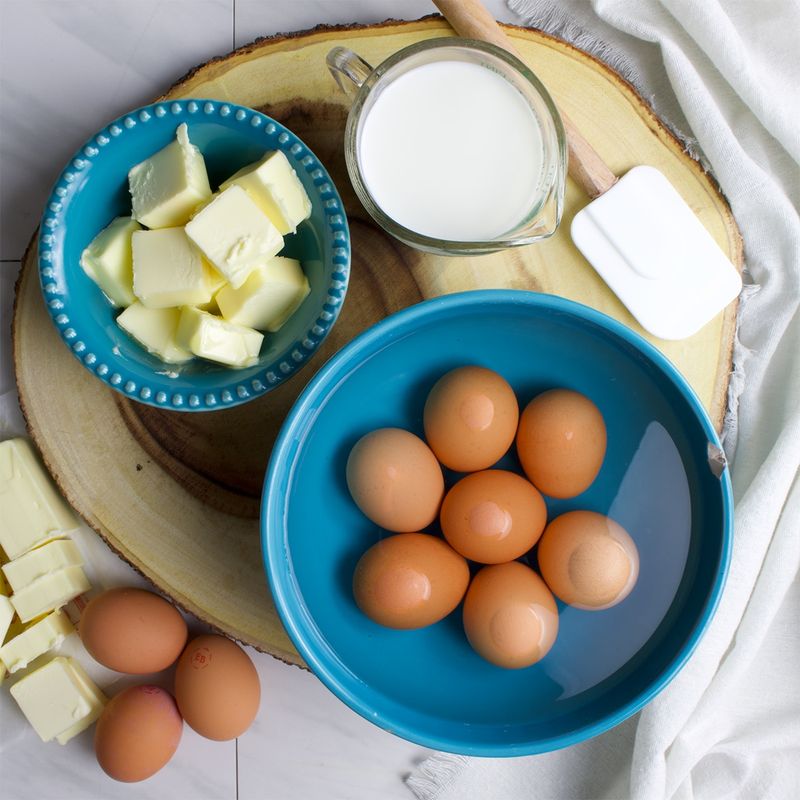
Cold butter, eggs straight from the fridge, or chilled milk can all cause your batter to mix unevenly, leaving tiny lumps or pockets that affect texture. Room temperature ingredients blend together smoothly and create a more uniform, airy batter.
Pull everything out about 30 minutes before you start baking. It is a small habit that makes the whole process easier and produces whoopie pies with a noticeably lighter, softer crumb that holds together without being tough or dense.
6. Choose Dutch-Process Cocoa for Richer Color and Flavor
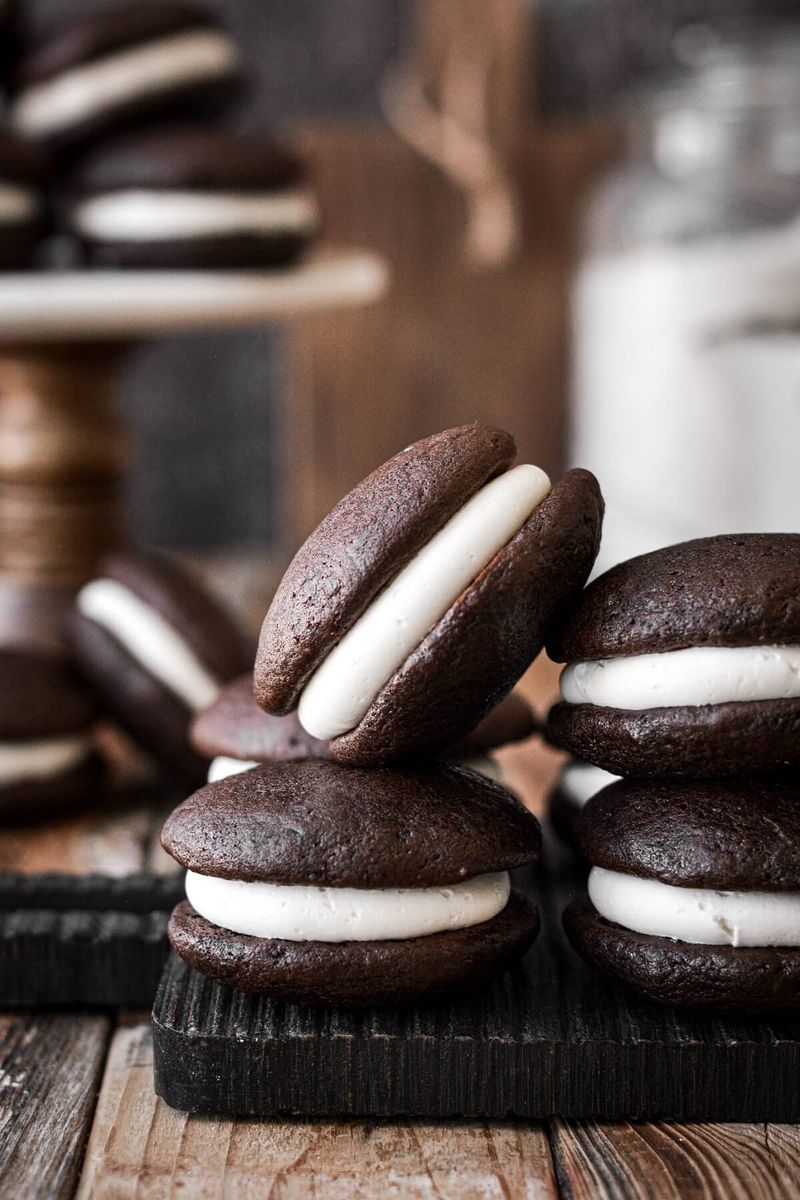
Not all cocoa powders are created equal. Dutch-process cocoa has been treated to reduce acidity, which gives it a smoother, more mellow chocolate flavor and a noticeably darker, almost fudgy appearance in baked goods.
Natural cocoa is perfectly fine for everyday baking, but switching to Dutch-process makes your whoopie pie cakes look more dramatic and taste richer. Just check your recipe first, since Dutch-process cocoa behaves differently with leavening agents than natural cocoa does.
7. Combine Oil and Butter for Extra Moisture
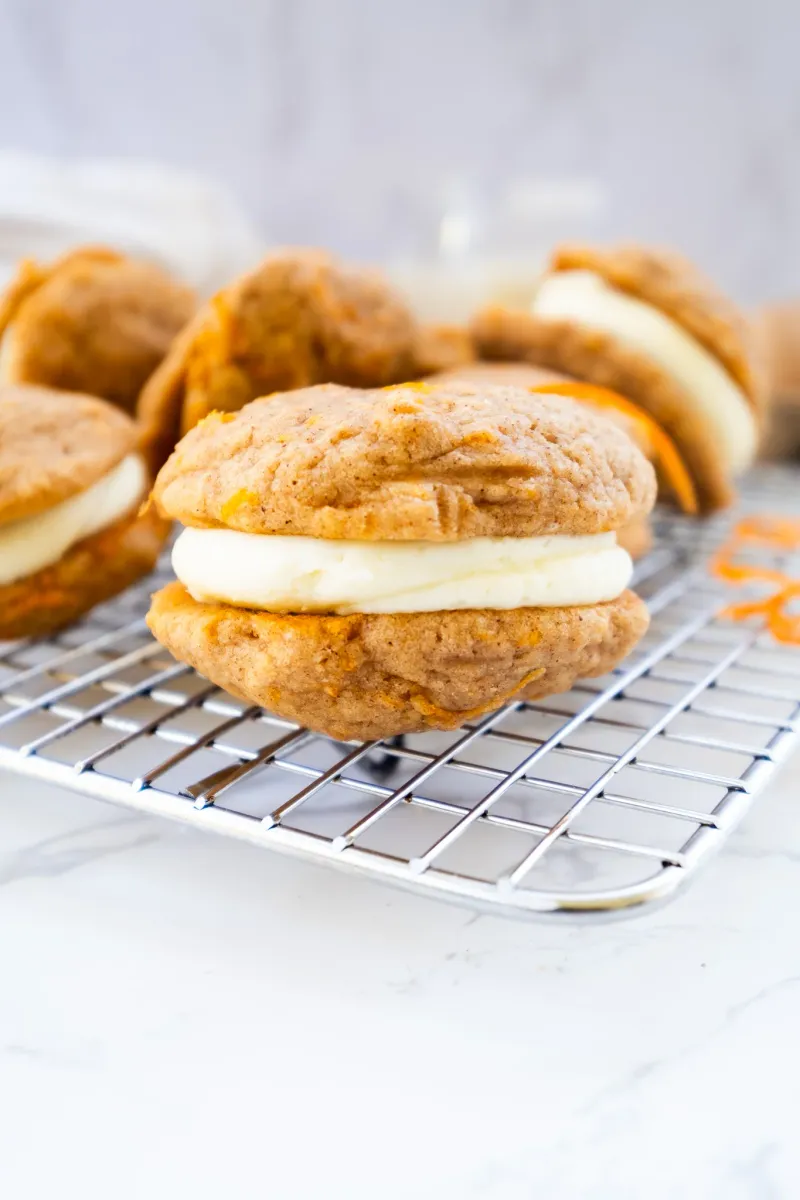
Butter brings flavor, but oil brings moisture that lasts for days. Using both in your cake batter gives you the best of both worlds: rich, buttery taste combined with a super soft texture that does not dry out after the first day.
Many classic whoopie pie recipes call for only one fat, but bakers who have tried combining them rarely go back. The result is a cake that stays pillowy and moist even after sitting in the fridge overnight.
8. Switch to Brown Sugar for Softer Cakes
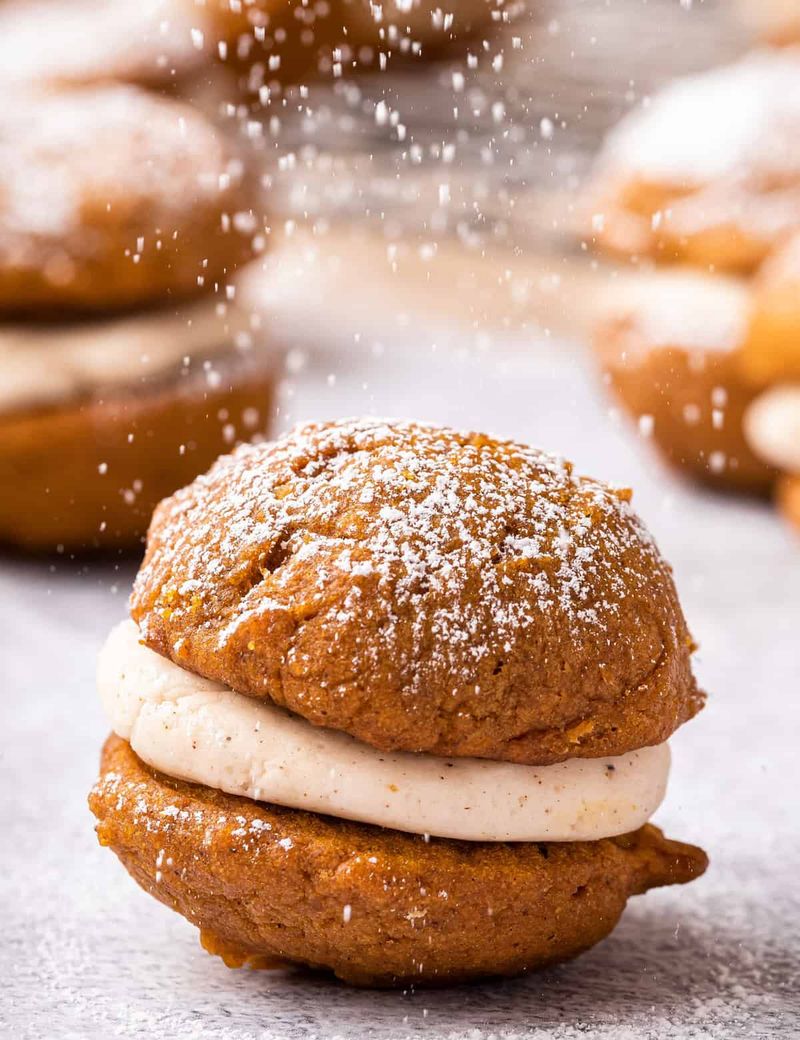
Brown sugar contains molasses, which adds both moisture and a subtle caramel warmth to baked goods. Swapping it in for white sugar, or even using a blend of both, produces whoopie pie cakes that are noticeably softer and chewier right out of the oven.
The molasses also helps your cakes retain moisture longer, so they stay fresh and tender the next day instead of getting dry. It is a one-ingredient swap that delivers a noticeably different and more satisfying result.
9. Stop Mixing Before You Think You Should
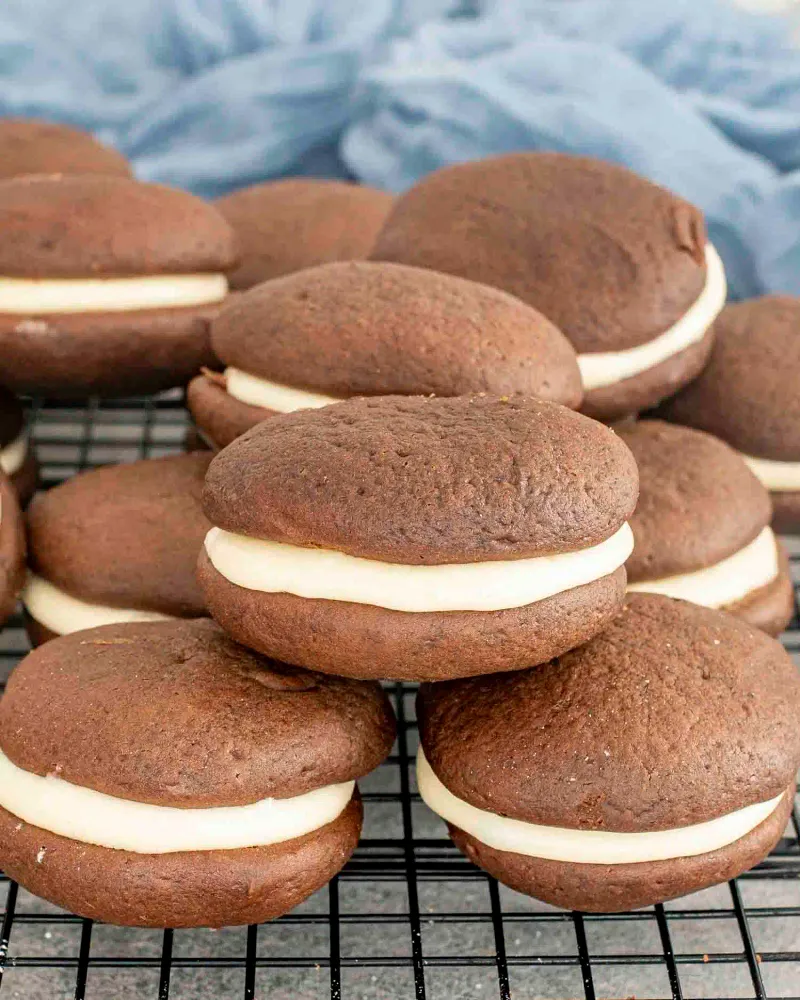
Overmixing batter is a sneaky mistake that turns soft whoopie pie cakes tough and rubbery. When you mix too long, gluten strands develop and tighten up, making your cakes dense instead of tender.
Once the dry ingredients disappear into the wet ingredients, stop the mixer immediately. A few small streaks of flour are totally fine at that stage.
Folding gently by hand for the final few strokes gives you more control and keeps the batter light, airy, and perfectly textured.
10. Cream Butter and Sugar Until Fluffy
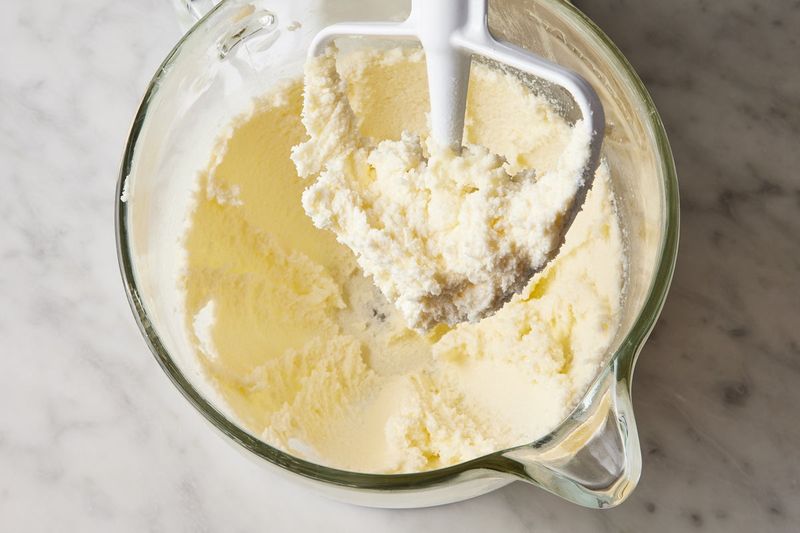
Creaming butter and sugar together properly is the foundation of a great whoopie pie cake. Beat them on medium-high speed for at least three to four minutes until the mixture turns pale, light, and noticeably fluffy looking.
This process whips tiny air bubbles into the fat, which expand during baking and create a tender, delicate crumb. Rushing through this step is one of the most common reasons homemade whoopie pies come out flat and dense rather than soft and domed.
11. Sift Dry Ingredients for Even Distribution
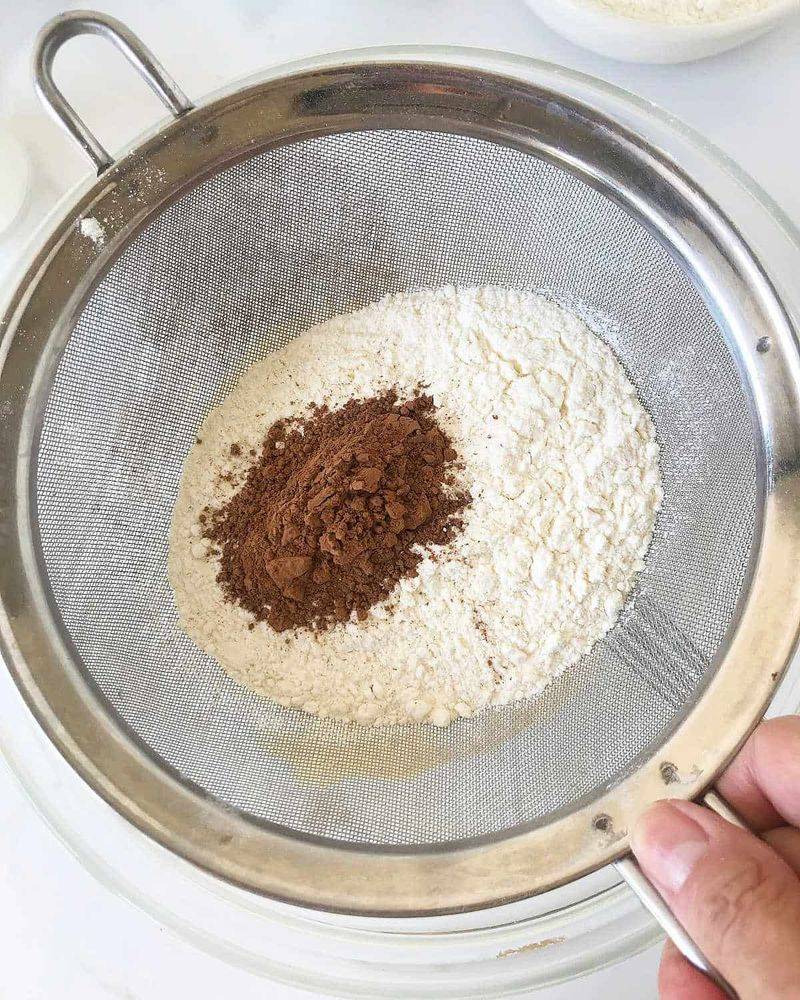
Lumpy dry ingredients can create uneven pockets in your batter, leading to whoopie pie cakes that rise unevenly or have dense spots. Sifting or whisking your flour, cocoa, baking soda, and salt together before adding them to the wet ingredients solves this problem easily.
It takes about 30 extra seconds and makes a real difference in the final texture. Evenly distributed leavening means every cake rises consistently, so your whoopie pies all come out the same beautiful domed shape.
12. Use a Cookie Scoop for Uniform Portions
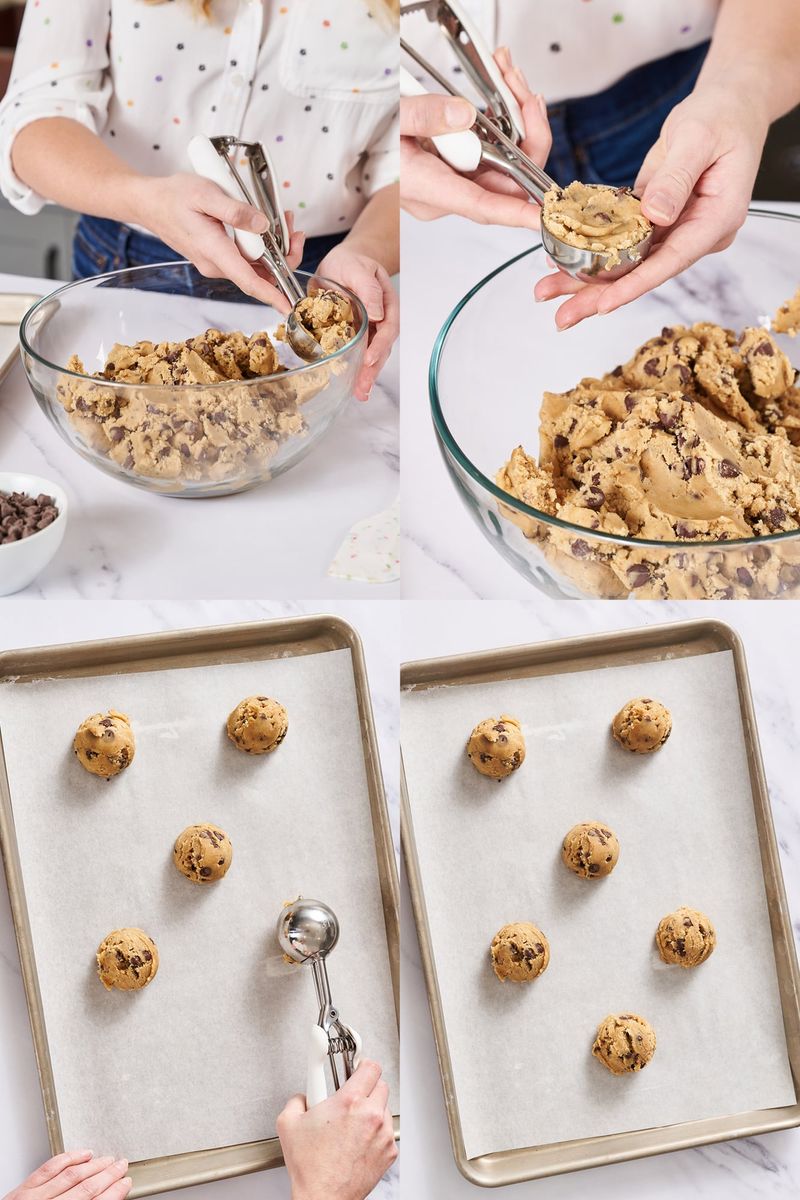
Mismatched whoopie pie cakes are frustrating to assemble and look sloppy when finished. A cookie scoop, typically the 1.5-tablespoon size, takes all the guesswork out of portioning and produces nearly identical mounds every single time.
Consistent sizing also means every cake bakes at the same rate, so none end up overbaked while others are still underdone. Matching-sized cakes are easier to pair up during assembly, and the finished whoopie pies look polished and professional without much extra effort.
13. Give Each Mound Plenty of Room to Spread
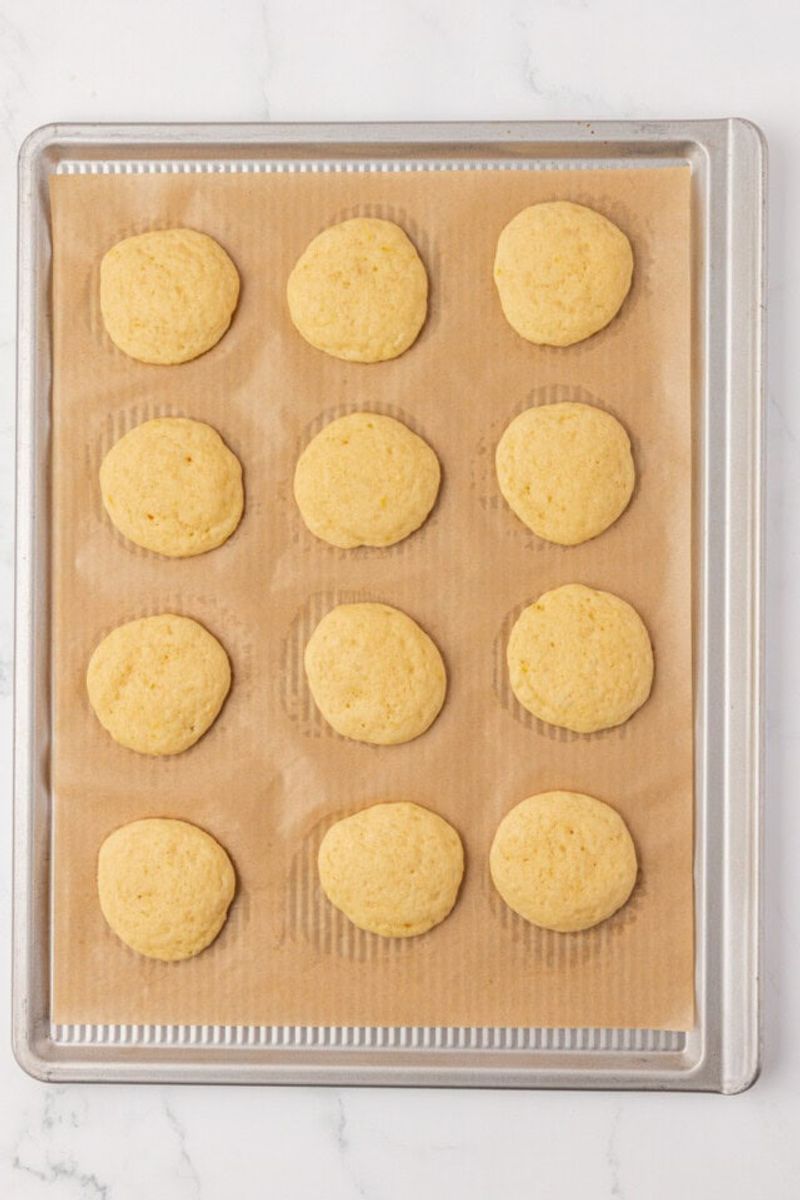
Crowding your baking sheet is a recipe for disaster. Whoopie pie batter spreads as it bakes, and mounds placed too close together will merge into one another, creating odd shapes that are impossible to pair up neatly.
Leave at least two to three inches between each mound for best results. If your baking sheet cannot fit all of them at once, bake in two separate batches.
Patience here pays off with perfectly round, evenly baked cakes every time.
14. Pull Them Out Before They Look Fully Done
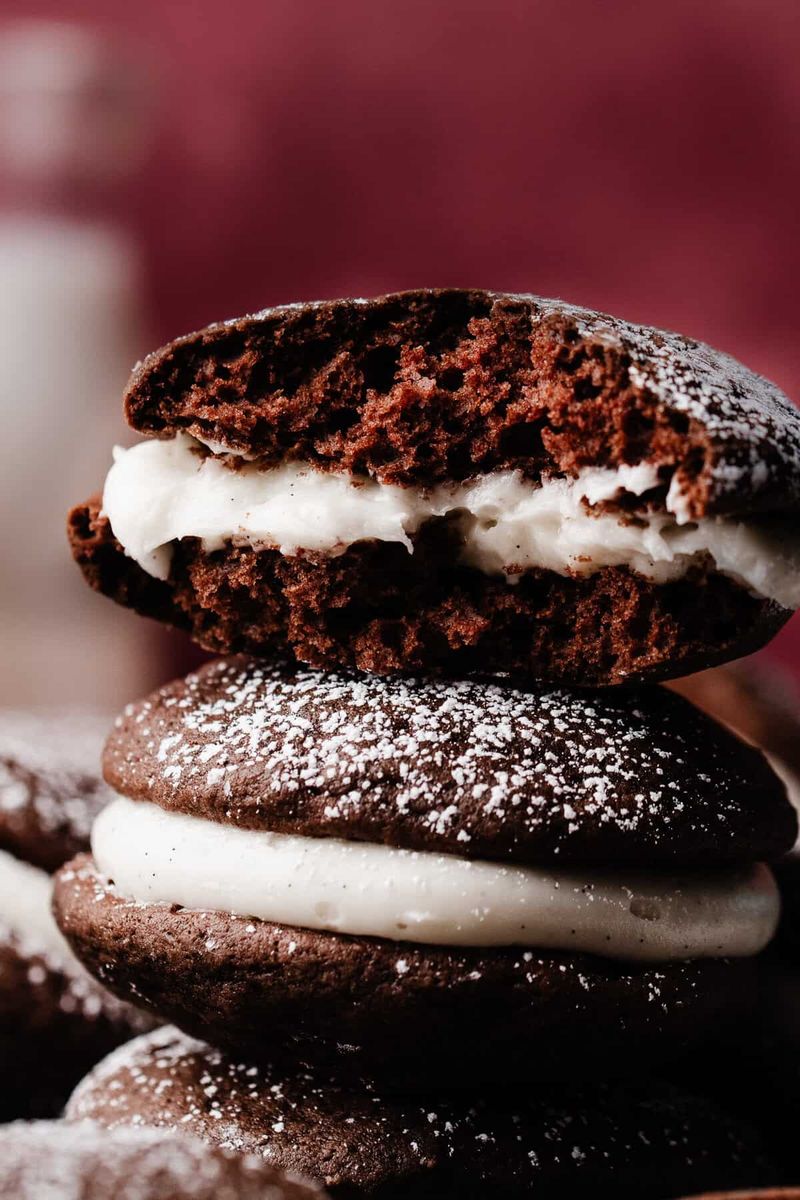
Overbaking is the fastest way to ruin a batch of whoopie pies. The cakes should come out of the oven when the tops spring back lightly when touched and the edges look set, even if the centers seem slightly underdone.
Residual heat continues cooking them on the pan for another minute or two after you remove them. Pulling them out just a touch early keeps the interior soft and moist instead of dry and crumbly.
Trust the touch test more than the timer.
15. Chill Assembled Whoopie Pies Before Serving
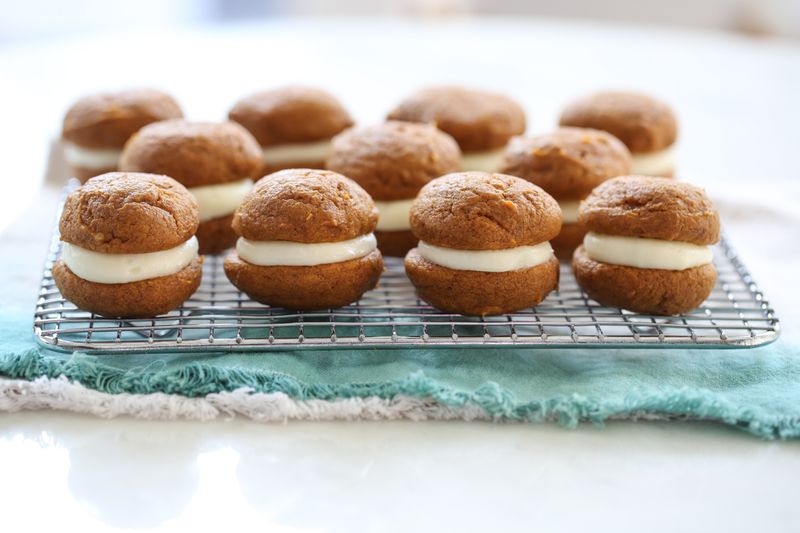
Freshly assembled whoopie pies can be a mess to eat if the filling has not had time to firm up. Refrigerating them for at least 30 minutes after assembly allows the filling to set properly, so it holds its shape and does not squish out with the first bite.
Before serving, let them sit at room temperature for 10 to 15 minutes so the cakes soften back up. That brief chill followed by a short rest at room temperature gives you the ideal texture and flavor combination.