18 Medieval Dishes That Still Sound Good Today
Long before fast food and frozen meals, people in the Middle Ages were cooking up dishes that would still make your mouth water today. Medieval cooks worked with simple ingredients like grains, vegetables, herbs, and meats to create meals full of bold flavors and clever techniques.
Many of these recipes have quietly survived the centuries, showing up in our modern kitchens in new forms. Get ready to discover 18 medieval dishes that prove good food truly never goes out of style.
1. Whole Wheat Rolls
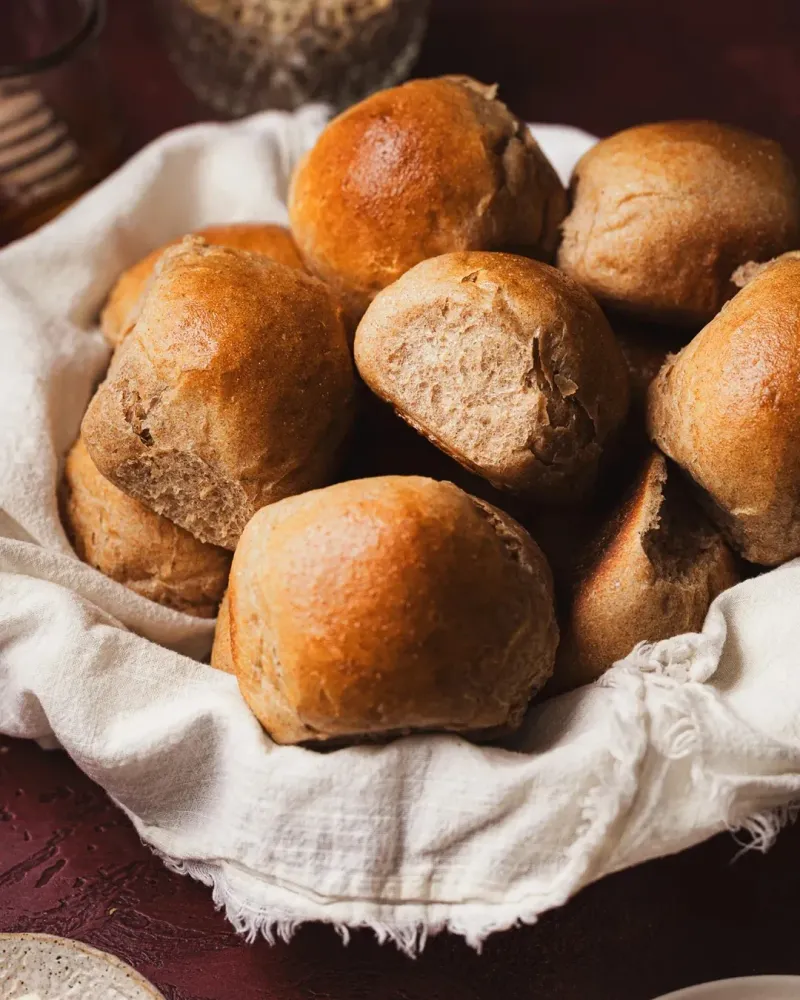
Bread was the backbone of every medieval meal, and whole wheat rolls were eaten by nearly everyone, from peasants to kings. Bakers shaped them by hand and baked them in wood-fired ovens, giving them a hearty, slightly nutty flavor.
People paired them with butter, cheese, honey, or jam. Sound familiar?
That combo hasn’t changed much at all. These rolls were basically the medieval version of the dinner roll we still love today.
2. Mushroom Puffs

Imagine biting into a flaky, golden pastry shell packed with mushrooms, melted cheese, eggs, and warm spices. That was a real medieval treat enjoyed mostly by wealthy households who could afford the fancy ingredients.
Some versions were even sweetened with honey and served as dessert. These little puffs are basically the ancestor of the stuffed mushroom appetizers we still serve at parties today.
Medieval cooks clearly knew how to impress a crowd.
3. Apple Tart
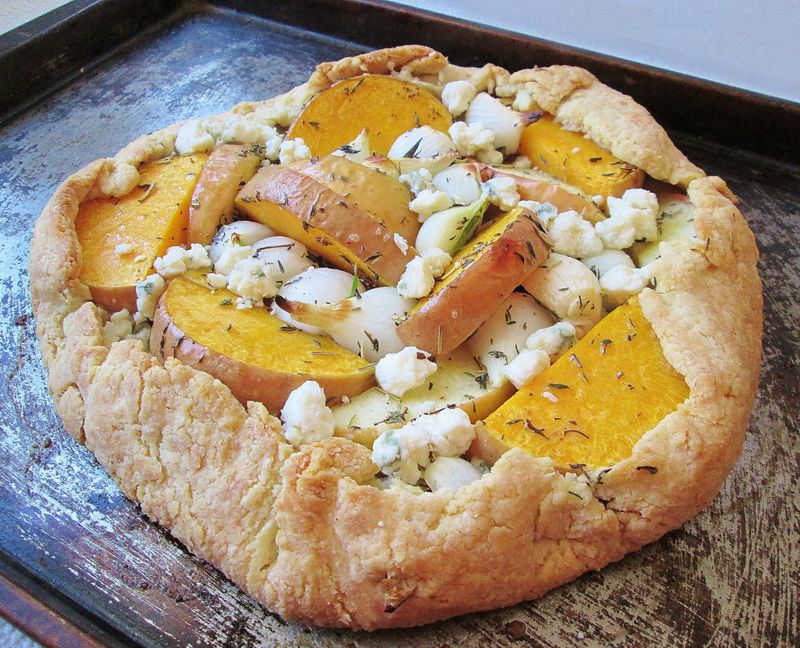
Apple tarts have been around since at least 1381, making them one of the oldest recorded dessert recipes in history. Medieval bakers filled pastry cases with apples, pears, figs, raisins, and warming spices like cinnamon and saffron.
The result was a fragrant, fruity tart that balanced sweet and earthy flavors perfectly. Walk into any bakery today and you will find something almost identical on the shelf.
Some classics truly earn their place at every table, century after century.
4. Cheese Pie
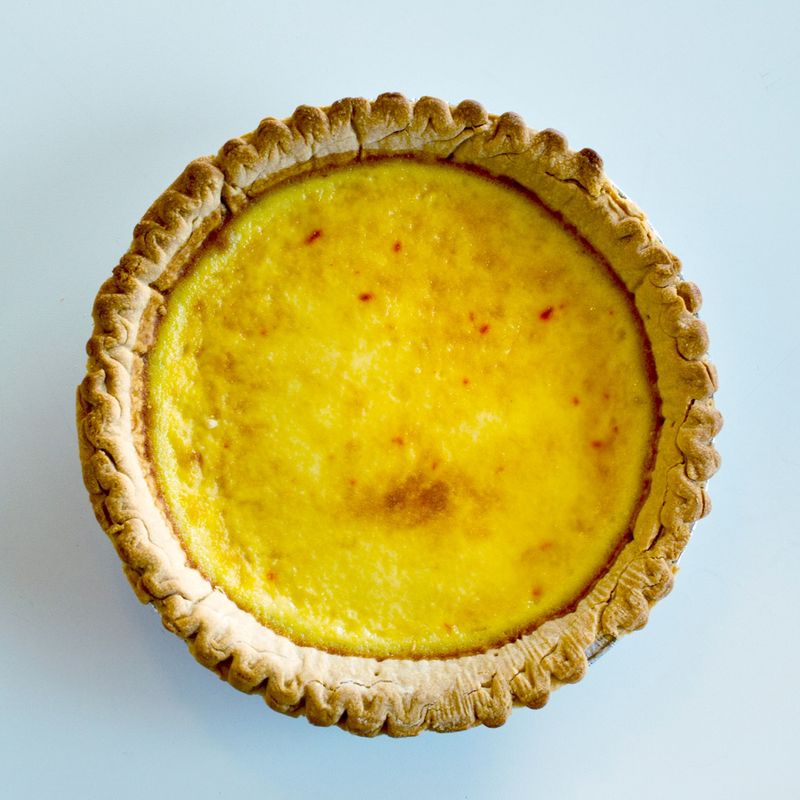
Cheese pie popped up all over medieval Europe, and cooks made it in a surprising number of ways. Some versions were creamy and custard-like, similar to a modern quiche, while others leaned more toward a savory tart with herbs and a pinch of sugar mixed in.
That sweet-savory combo might sound strange today, but it actually works beautifully. Medieval cheese pies show that comfort food has always been about combining simple, satisfying ingredients in clever ways.
5. Cabbage Pottage
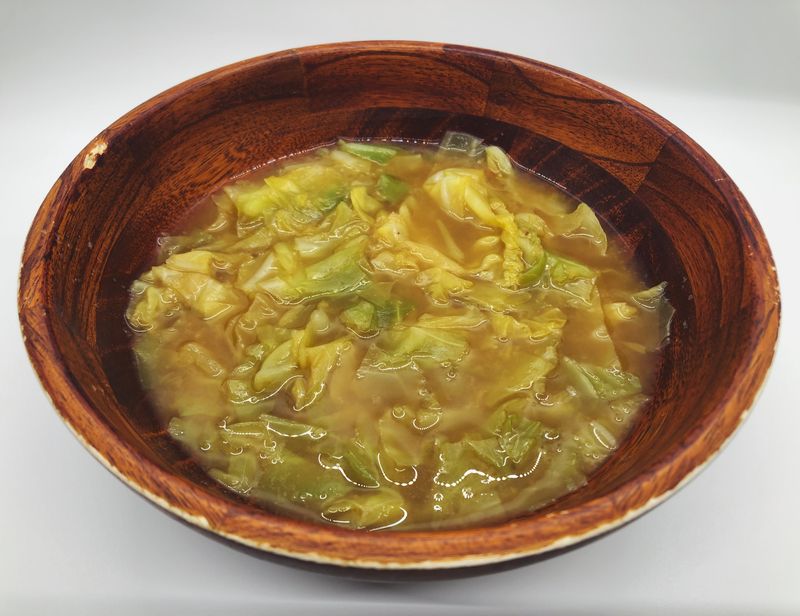
Pottage was the ultimate medieval peasant meal, a thick, warming stew that could be made with whatever vegetables were growing in the garden. Cabbage, onions, and leeks were the most common additions, along with handfuls of fresh herbs for flavor.
It simmered low and slow until everything melted together into something deeply satisfying. Honestly, this sounds a lot like a modern vegetable soup.
Peasants were onto something great long before trendy veggie-forward cooking became a thing.
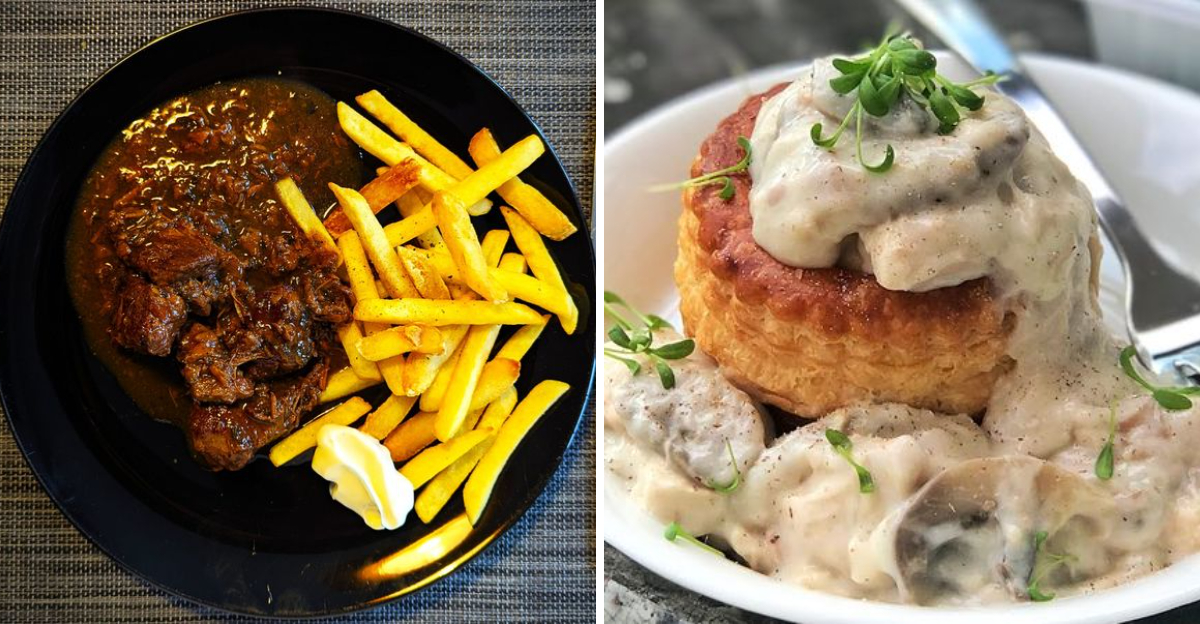
6. Beef Stew
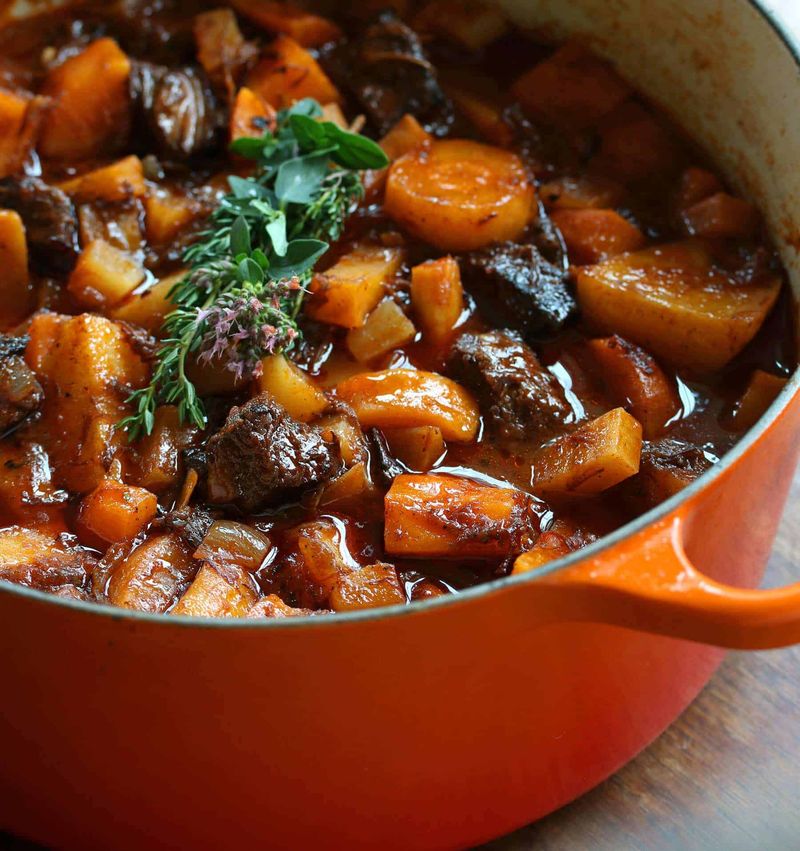
Few dishes have stood the test of time quite like beef stew. Medieval cooks braised tough cuts of beef low and slow with vegetables and broth until the meat turned fall-apart tender and the sauce turned rich and deep.
The basic formula has barely changed in hundreds of years. Today’s slow cooker beef stew is essentially the same meal medieval families were eating on cold winter nights.
Proof that when a recipe works, there is no reason to fix it.
7. Lamb Stew
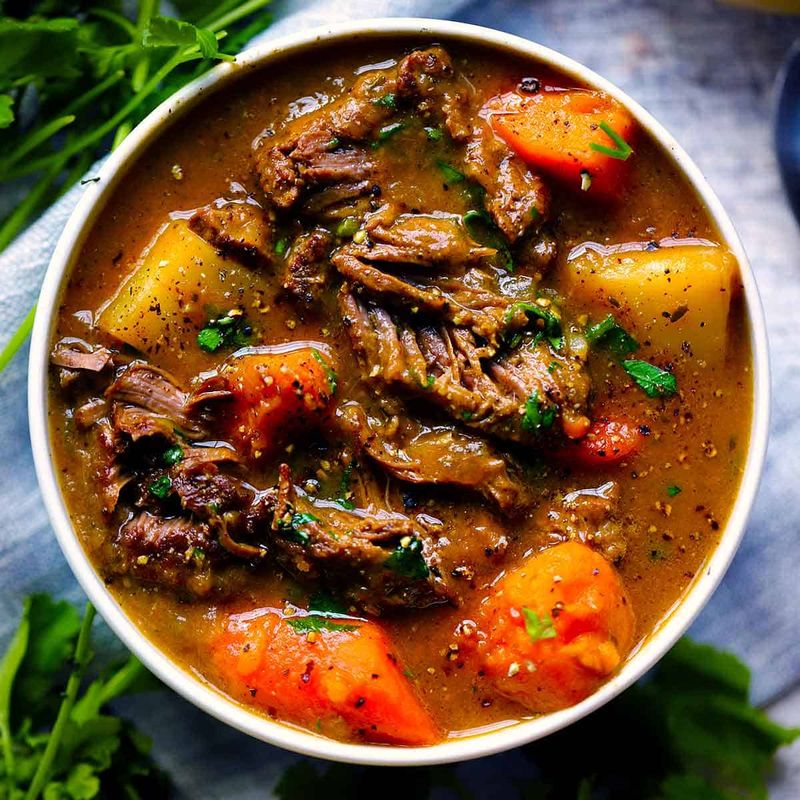
Lamb was one of the most commonly eaten meats across medieval Europe, and stewing it was an easy, practical way to feed a whole family. The long, slow cooking process turned tougher cuts incredibly tender and packed the broth with deep, savory flavor.
Herbs like rosemary and thyme were popular additions that made the whole kitchen smell amazing. Modern lamb stew recipes follow the same basic method today.
Some cooking wisdom is simply timeless, passed down through generations without needing much improvement.
8. Roasted Hen
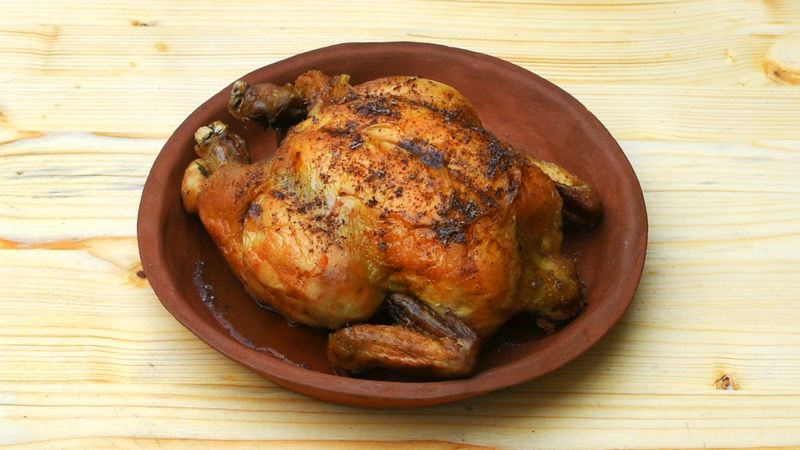
Roasted hen was a medieval recipe with an extra clever twist. After roasting the whole bird until golden, cooks would cut the meat into chunks and roast it a second time in a sauce made from broth, garlic, and egg yolks.
That double-cooking technique created incredibly flavorful, slightly crispy pieces with a rich, velvety coating. It sounds like something a chef would serve in a fancy restaurant today.
Medieval cooks were clearly more sophisticated than we often give them credit for.
9. Grilled Steak
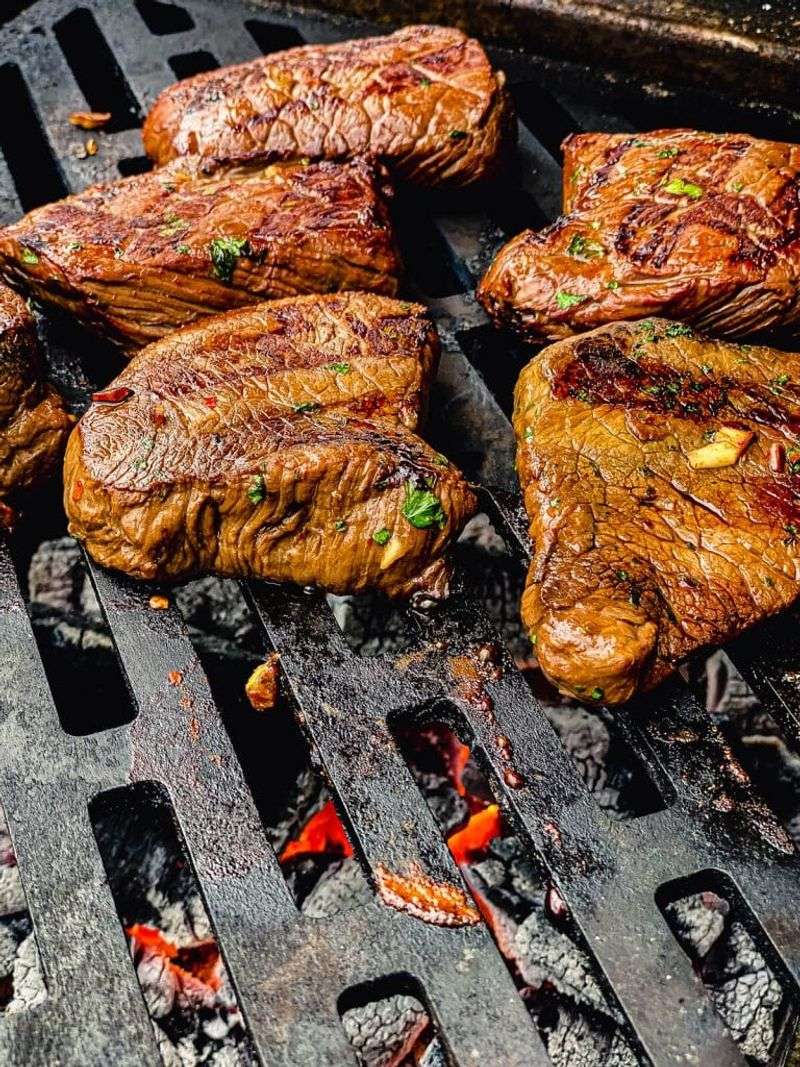
Grilling meat over an open fire is one of the oldest cooking techniques in human history, and medieval cooks had already turned it into an art form. Venison and beef steaks were grilled until beautifully browned, then served with a bold sauce of vinegar, wine, black pepper, and ginger.
A finishing sprinkle of cinnamon added a surprising warmth. That spiced, tangy sauce sounds like something you would happily order at a steakhouse today.
Medieval flavor combinations were genuinely ahead of their time.
10. Creamed Fish
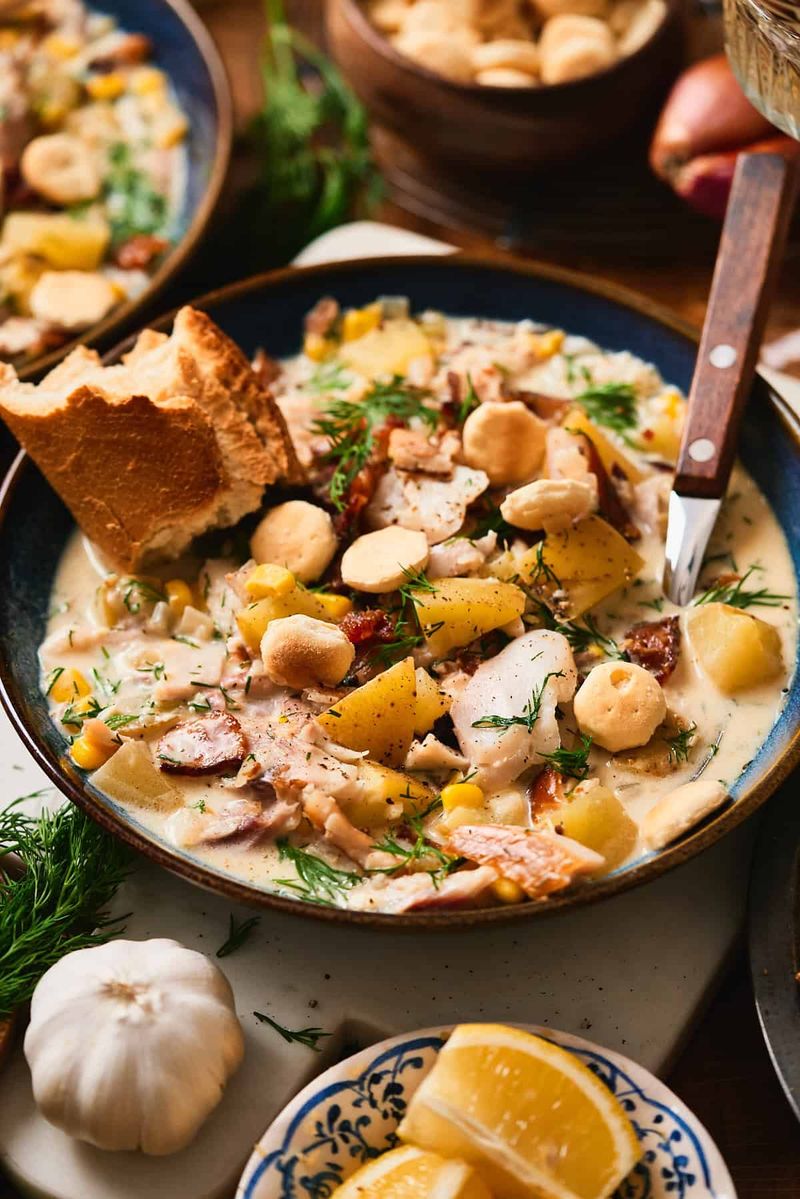
White fish like cod showed up on medieval tables constantly, especially on religious fasting days when meat was off the menu. Cooks prepared it in thick, spiced soups that were sometimes given a touch of sweetness to balance the savory flavors.
The result was a rich, warming bowl that was both filling and satisfying. Today, creamy fish chowder follows almost the same idea.
Medieval cooks found a winning formula for fish, and modern kitchens have been borrowing it ever since.
11. Mussels in Wine and Garlic
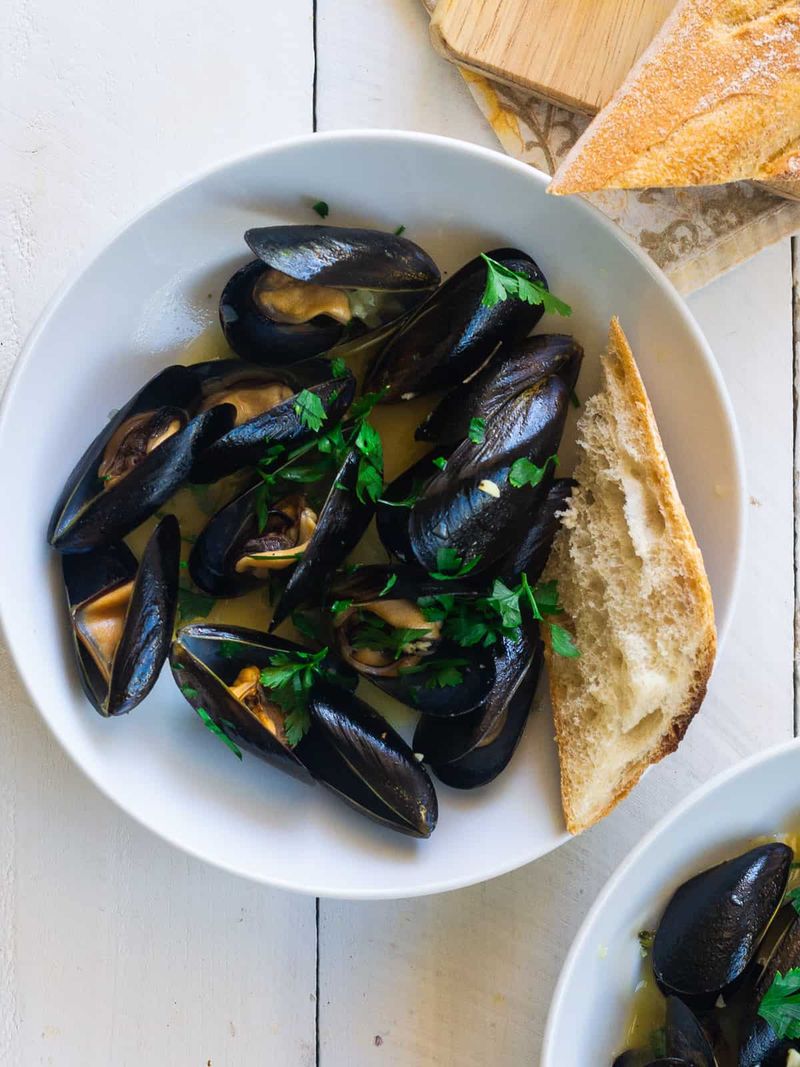
Called the poor man’s oyster in medieval times, mussels were cheap, easy to gather, and absolutely delicious when cooked right. Simmering them in wine and garlic was a popular preparation that turned humble shellfish into something genuinely impressive.
Walk into any seafood restaurant today and you will find moules mariniere on the menu, which is basically the exact same dish. Mussels in wine and garlic have been a crowd-pleaser for over a thousand years, and they show no signs of stopping.
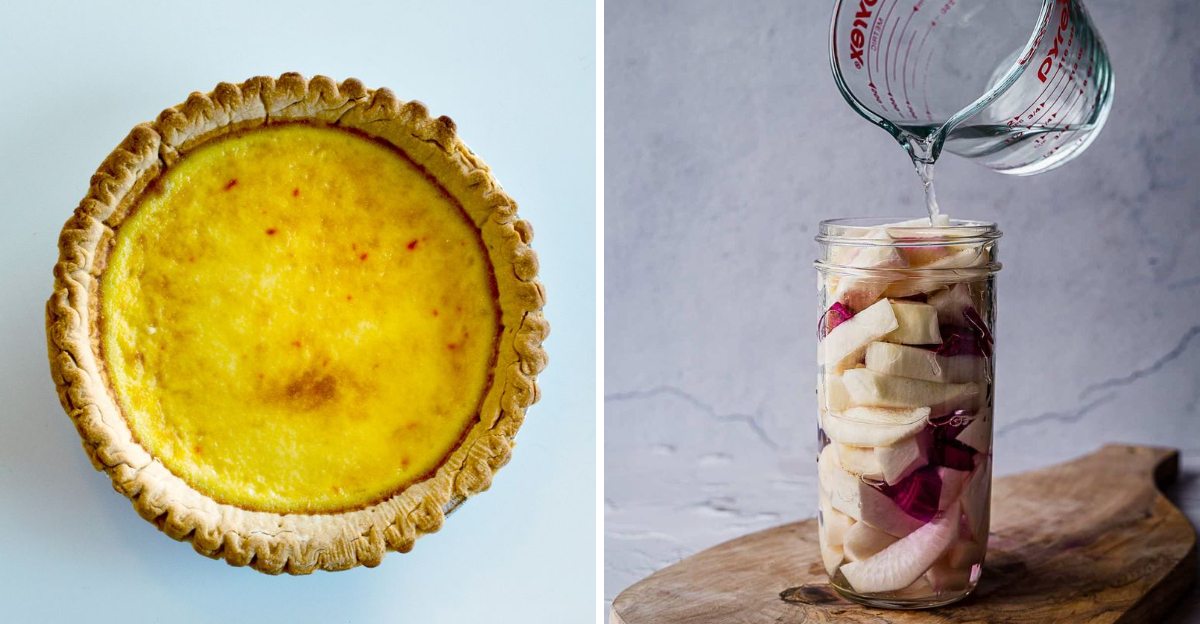
12. Pickled Roots and Cabbage
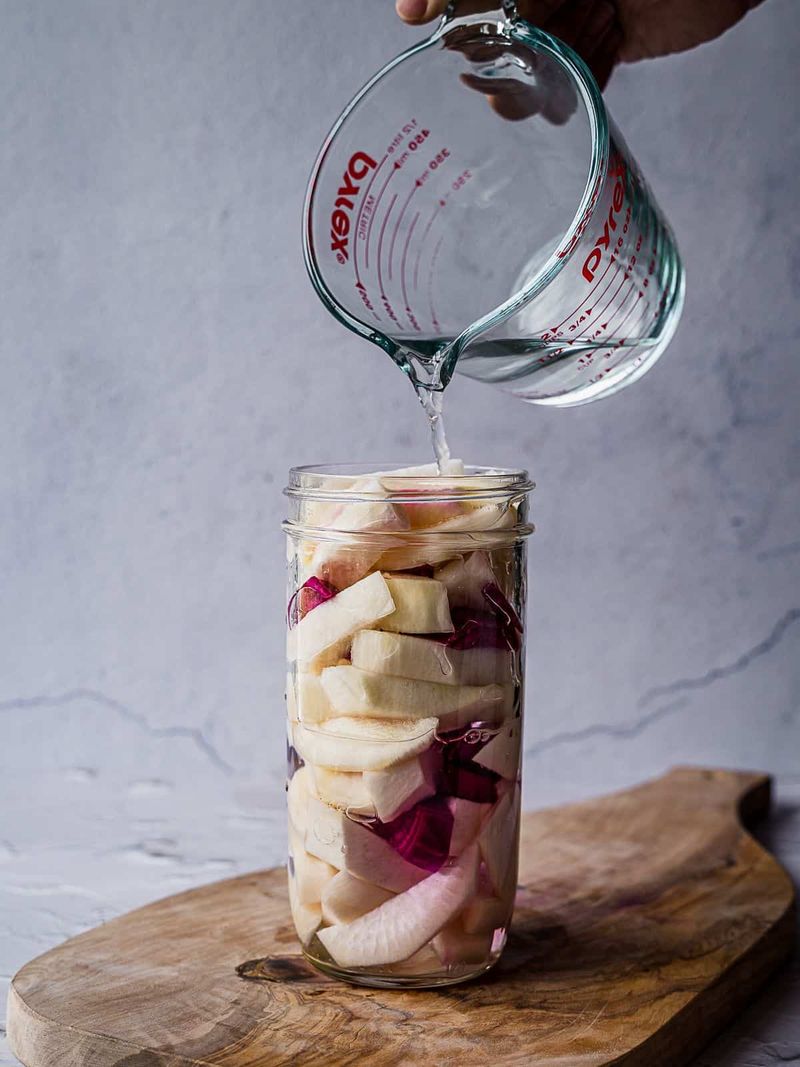
Before refrigerators existed, pickling was the smartest way to make vegetables last through the long, cold winter months. Medieval households pickled turnips, cabbage, and other root vegetables in brine so they would have food when fresh produce was impossible to find.
The tangy, crunchy result was a staple side dish for months at a time. Today, fermented and pickled vegetables are having a major comeback, celebrated for both their bold flavor and gut health benefits.
Medieval necessity turned out to be brilliant nutrition advice.
13. Fried Beans (Benes Yfryed)
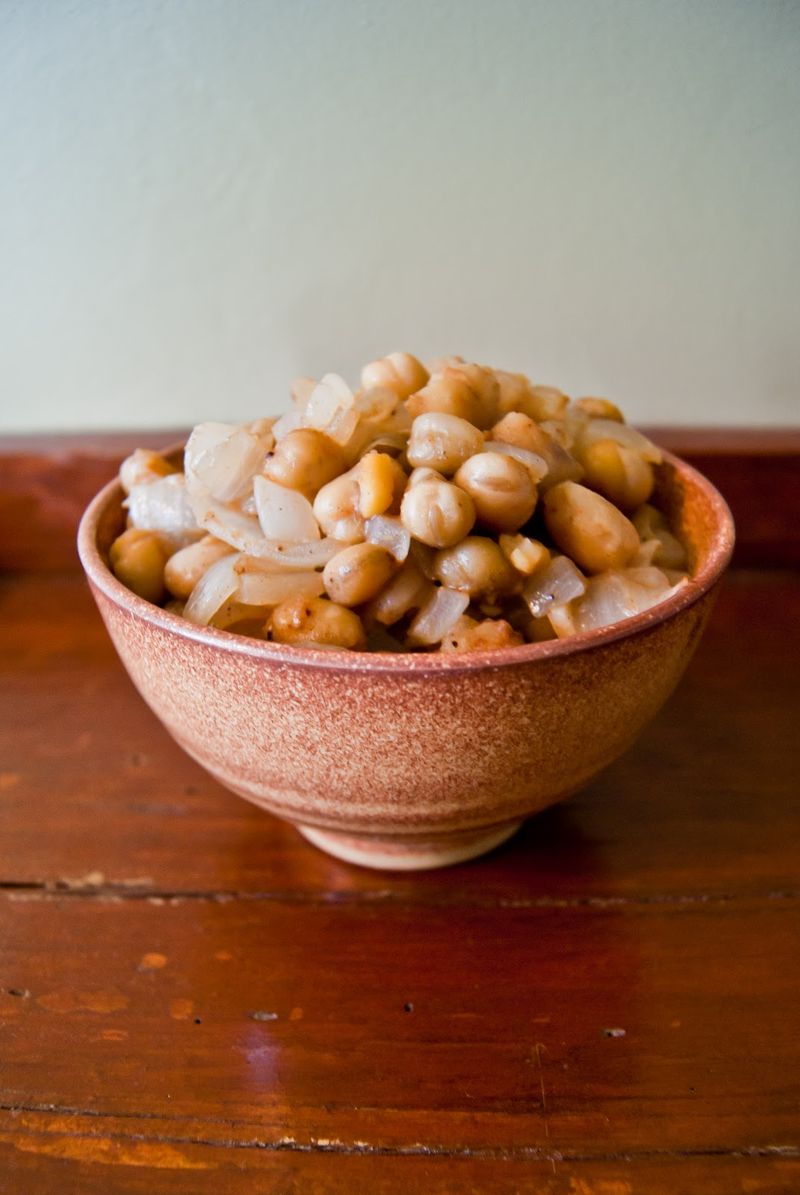
Benes Yfryed might be the most fun name on this entire list, and the dish itself is just as satisfying as it sounds. Cooks boiled fava beans until soft, pressed out the water, then fried them up with chopped onions and garlic in oil or fat.
A sprinkle of poudre douce, a medieval sweet spice blend, finished the whole thing off. The combination of crispy beans, caramelized onions, and warm spice is the kind of flavor profile that feels completely modern.
Medieval street food at its finest.
14. Rose Pudding
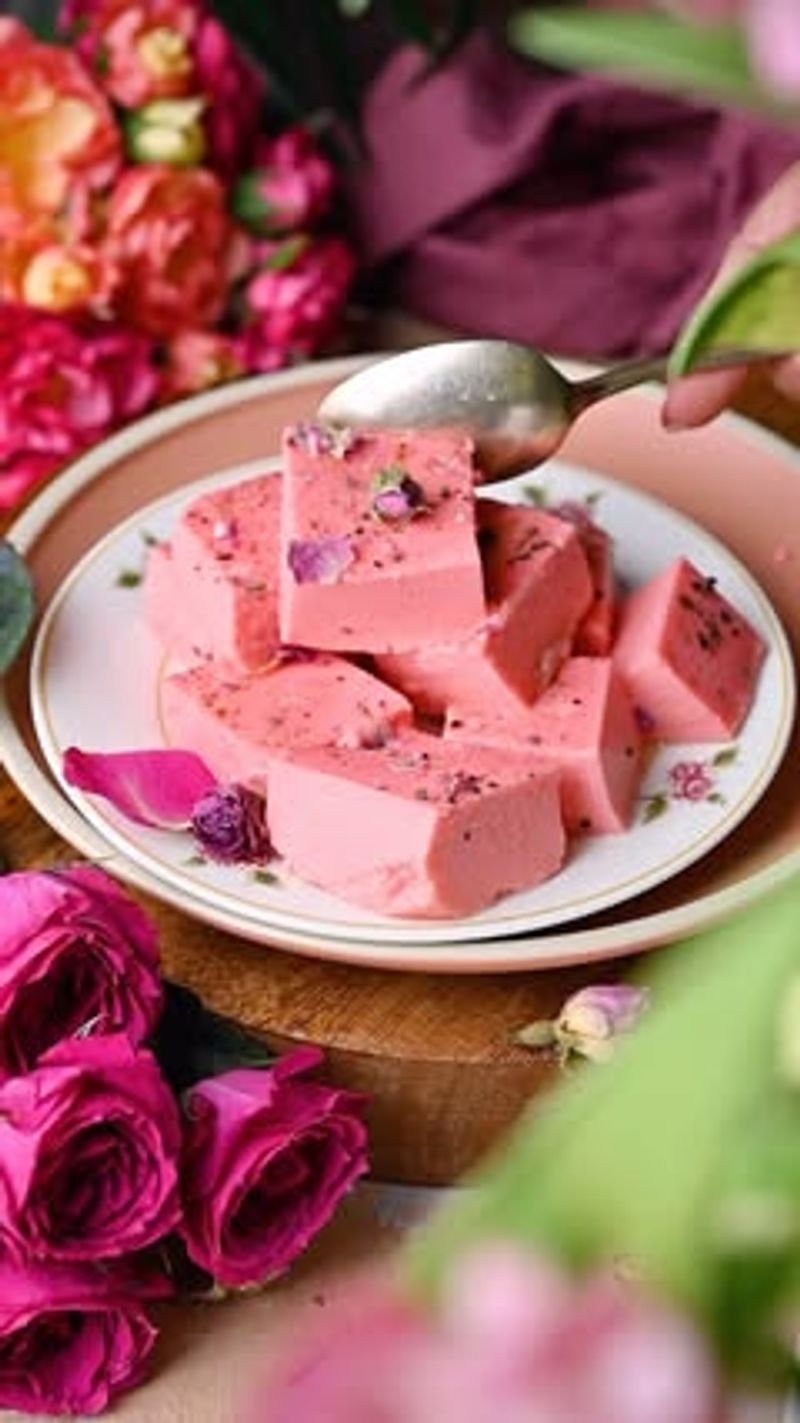
Rose pudding sounds like something from a fairy tale, but it was a real and beloved medieval dessert. Made with almond milk thickened by rice flour and perfumed with actual rose petals, it also contained ginger, cinnamon, pine nuts, and dates.
The texture sat somewhere between a silky custard and a modern pudding, and the floral aroma made it feel incredibly luxurious. It is the kind of elegant, fragrant dessert that would look stunning on any restaurant menu today, centuries later.
15. Apple Muse
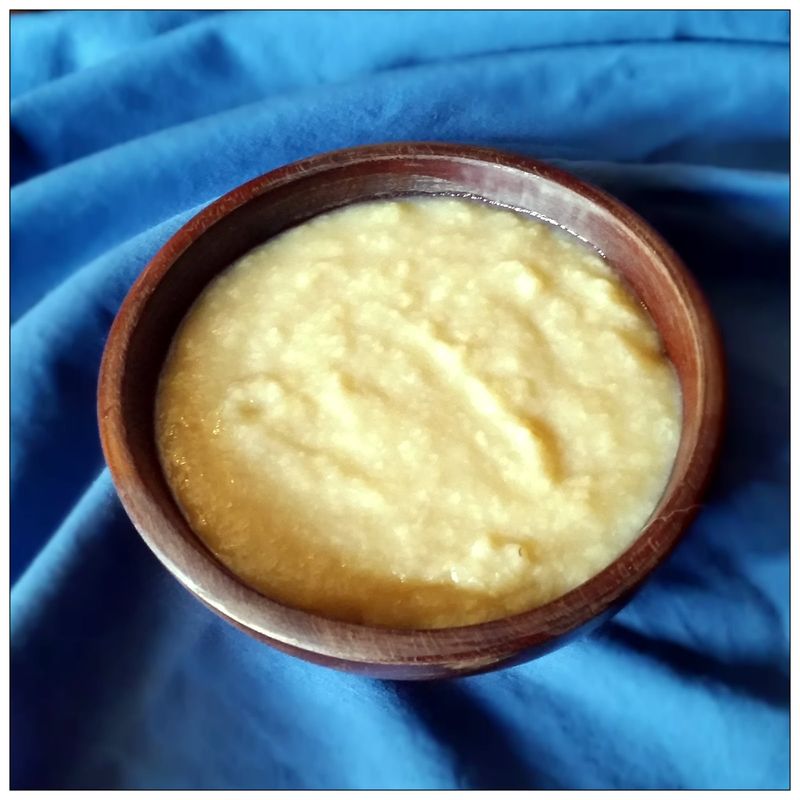
Apple muse is essentially the medieval ancestor of applesauce, but creamier and sweeter. Cooks blended cooked apples with almond milk and honey to create a smooth, lightly sweet dessert that was simple to make yet genuinely satisfying to eat.
The almond milk gave it a subtle nuttiness that balanced the natural tartness of the apples beautifully. It sounds like something you would find in a health-conscious cafe today.
Medieval desserts did not need to be complicated to be completely delicious.
16. Frumenty
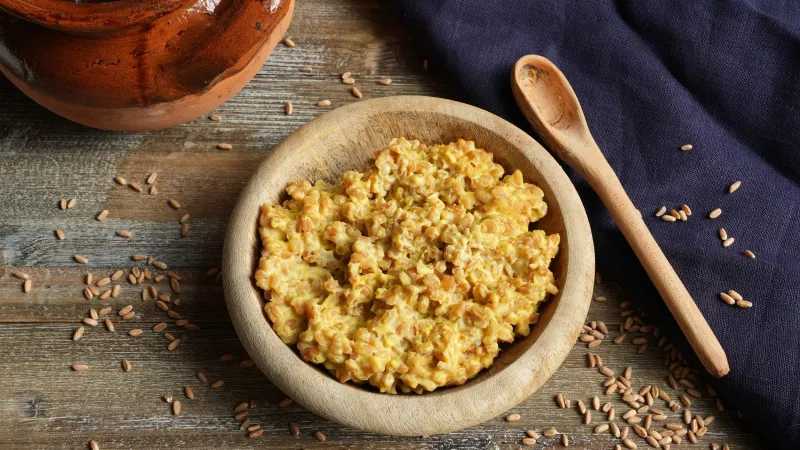
Frumenty was the medieval world’s answer to oatmeal, but arguably more interesting. Made from cracked wheat or barley simmered until thick, it was then spiced up with cinnamon and sugar, studded with dried fruits, and sometimes enriched with almond milk and golden saffron.
It was eaten by all social classes and served at grand feasts alongside roasted meats. Modern grain bowls and spiced porridges owe a quiet debt to frumenty.
This ancient dish proves that warming, nourishing breakfasts have always been a universal comfort.
17. Jalebi (Zalabiya)
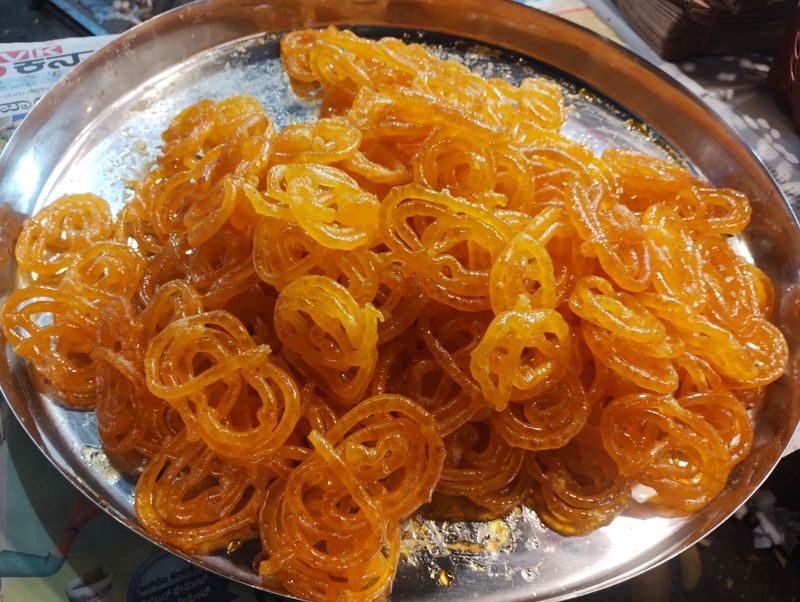
Here is a fun history bite: jalebi, the crispy, syrup-soaked spiral sweet popular across South Asia and the Middle East today, actually traces its roots back to 10th-century Baghdad, where it was known as zalabiya. Medieval street vendors fried the batter into swirling shapes and dunked them in honey or sugar syrup.
The recipe traveled across trade routes and evolved into dozens of regional versions. Jalebi is living proof that street food can outlast entire empires and still taste just as irresistible centuries later.
18. Bread Pudding (Payne Foundewe)
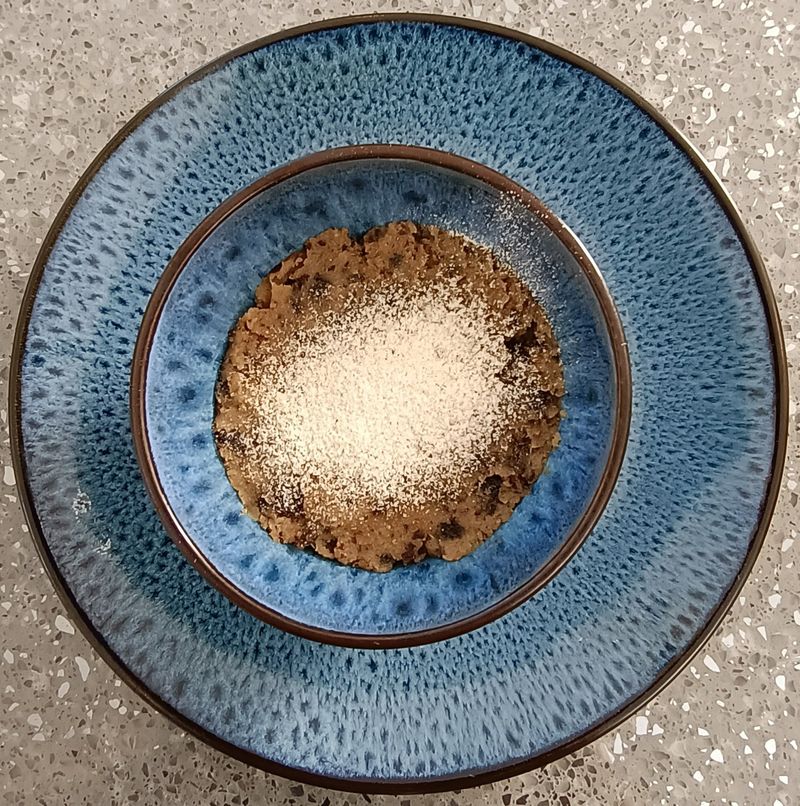
Long before bread pudding became a beloved comfort food staple, medieval cooks were making Payne Foundewe, which translates roughly to lost bread. Slices of bread were fried in fat, then combined with red wine, honey, raisins, and a generous blend of warm spices.
The bread soaked up all those rich, fruity flavors and turned into something wonderfully indulgent. Today’s bread pudding follows almost the exact same logic of using leftover bread to create something far greater than the sum of its parts.