
16 Foods People Often Toss Before They Need To
Every year, billions of pounds of food end up in the trash — and a lot of it didn’t need to go there. Many people toss perfectly good food simply because they misread expiration dates or don’t know the best storage tricks.
Learning how long your groceries actually last can save you money and cut down on waste. You might be surprised by how much longer your favorite foods can stick around.
1. Apples
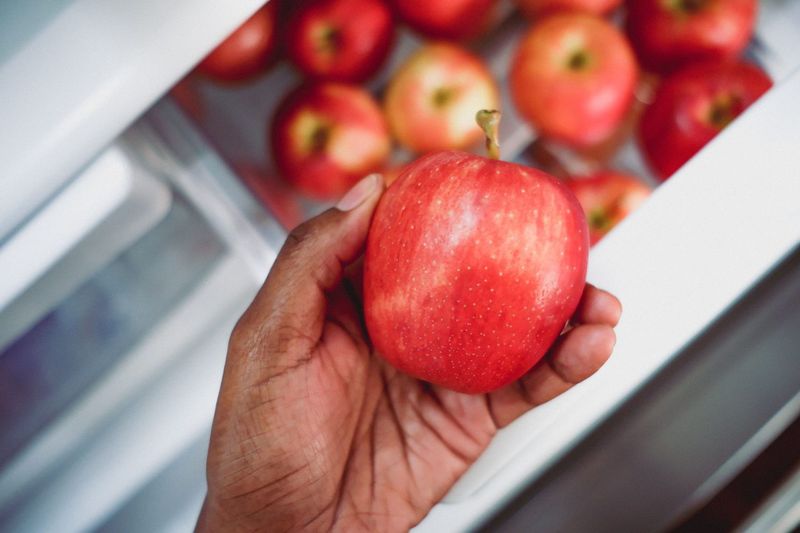
That apple sitting in your fruit bowl isn’t done yet. On the counter, apples last about 5–7 days, but pop them in the fridge and they can stay fresh for 4–6 weeks.
Varieties like Fuji and Granny Smith can even push past 8 weeks when properly chilled.
Keep them in the crisper drawer away from other produce. Warmer temperatures speed up ripening fast, so refrigeration is your best friend for making apples last.
2. Hummus

Most people toss hummus the moment it looks slightly old, but store-bought hummus actually lasts 4–7 days after you break the seal — and unopened containers can sit in the fridge for up to a month past the best-by date.
Homemade hummus is a bit more fragile, lasting just 3–5 days. Want to stretch it even further?
Freeze it. Hummus freezes well for up to 4 months, though the texture gets a little grainy after thawing.
3. Bananas
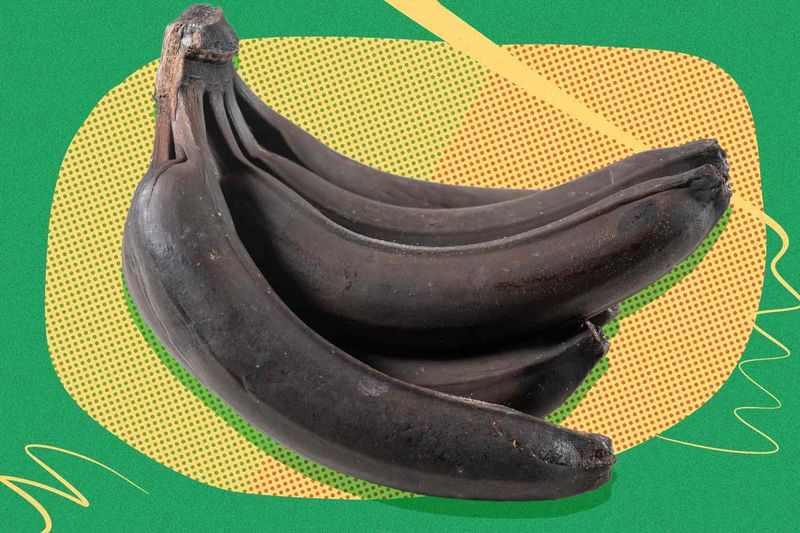
Black banana peels look alarming, but don’t let them fool you. Once bananas ripen, refrigerating them keeps the fruit firm and tasty for another 5–7 days — even if the peel turns completely dark.
Room-temperature ripe bananas only last 2–3 days, so the fridge is a smart move. Better yet, peel and freeze them for up to 6 months.
Frozen bananas are perfect for smoothies and baking projects.
4. Cheese
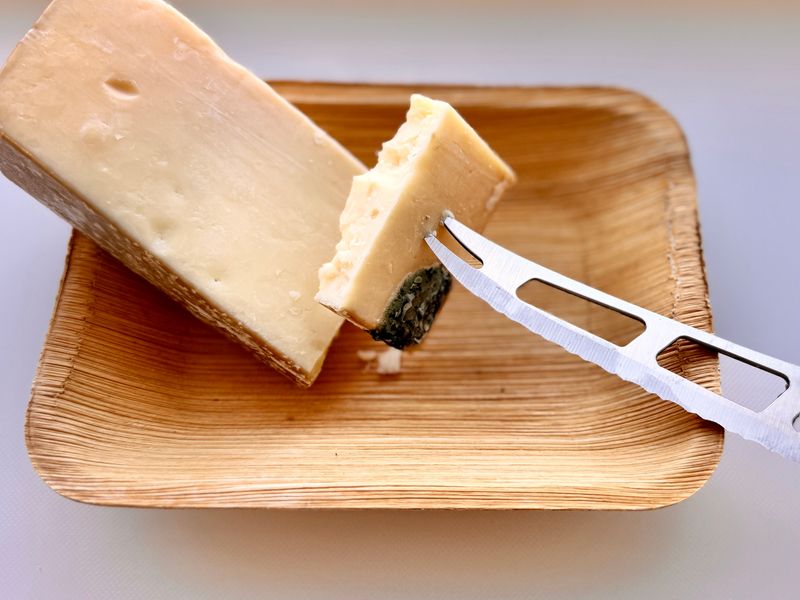
Hard cheeses like cheddar and parmesan are tougher than they look. After opening, they can last 3–6 weeks in the fridge, and a little surface mold doesn’t mean the whole block is ruined.
Simply cut at least one inch around and below the moldy spot, and the rest is safe to eat. Wrap cheese in wax paper rather than plastic wrap so it can breathe properly.
Soft cheeses, however, should be tossed if mold appears.
5. Avocados
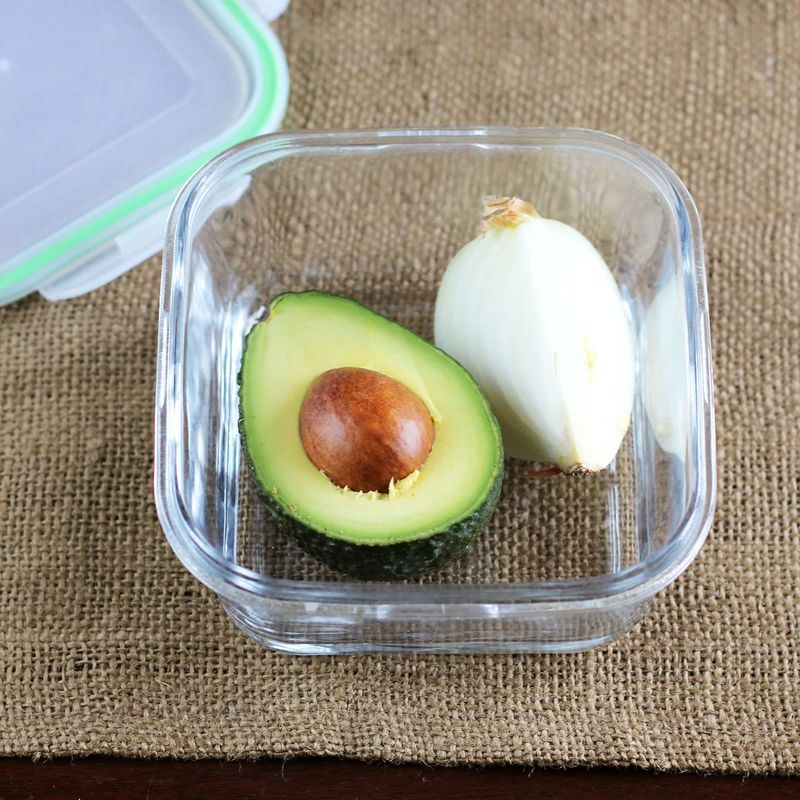
Avocados have a short window — just 1–2 days once ripe at room temperature. But move them to the fridge and you get 3–5 extra days of freshness.
Already cut one open? Squeeze lemon juice on the flesh and store it in an airtight container to slow browning.
Leaving the pit in also helps. For longer storage, mash the avocado with lemon juice and freeze it in portions for up to 4 months.
6. Bell Peppers
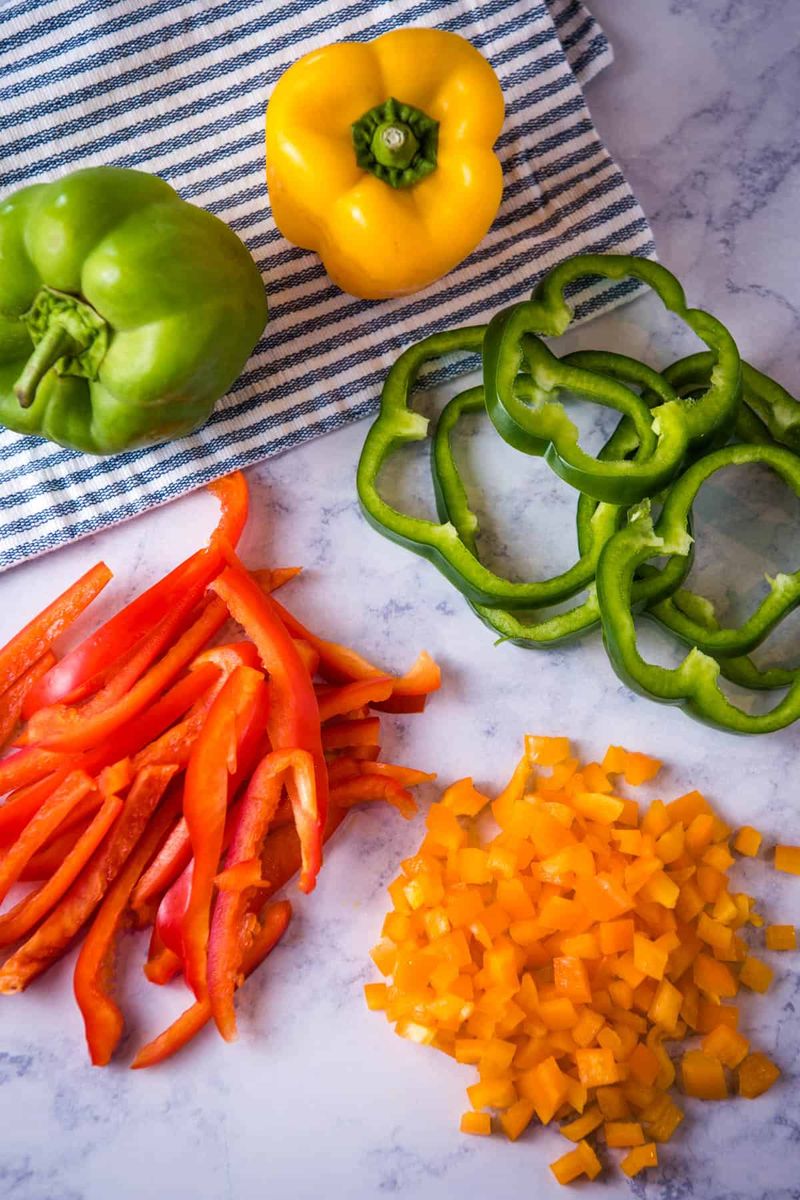
Whole bell peppers are surprisingly resilient. Stored in the fridge, they can stay fresh for up to two full weeks — a lot longer than most people expect.
At room temperature, though, they only last about five days before starting to soften.
Once cut, keep them in an airtight container with a paper towel inside to soak up extra moisture. They’ll stay crisp for 3–5 days.
Freezing whole or sliced peppers extends their life to over a year.
7. Spices and Dried Herbs

Here’s a fun fact: spices don’t actually spoil. They just lose their punch over time.
Ground spices hold their flavor for 2–4 years, while whole spices can last 3–4 years. Dried herbs generally stay useful for 1–3 years.
Before tossing that old jar of oregano, give it a sniff. If the aroma is faint or the color looks dull, the spice has lost potency — but it won’t make you sick.
Store spices in a cool, dark, dry cabinet for best results.
8. Bread
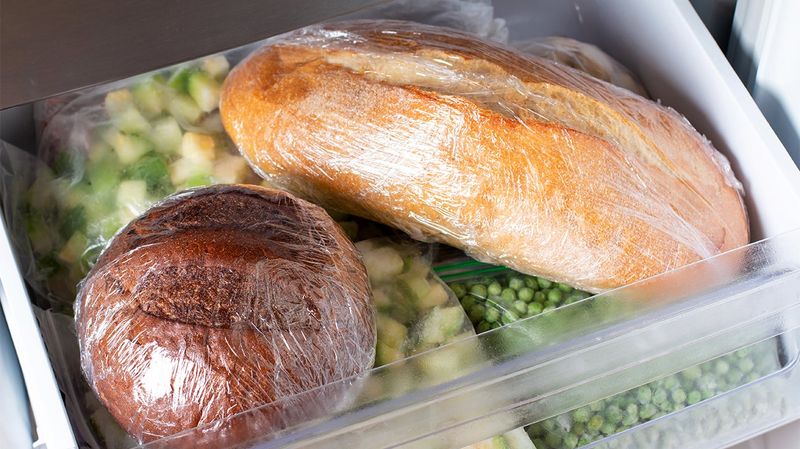
Store-bought bread can last up to 7 days at room temperature, while homemade loaves typically last 3–4 days. Refrigerating bread extends its life by 3–5 days, though it can make the texture dry and stale faster than you’d like.
Freezing is the real winner here — bread stays good in the freezer for up to 6 months. Only toss a loaf if you spot visible mold or smell something off.
A few dry edges don’t mean it’s trash.
9. Onions
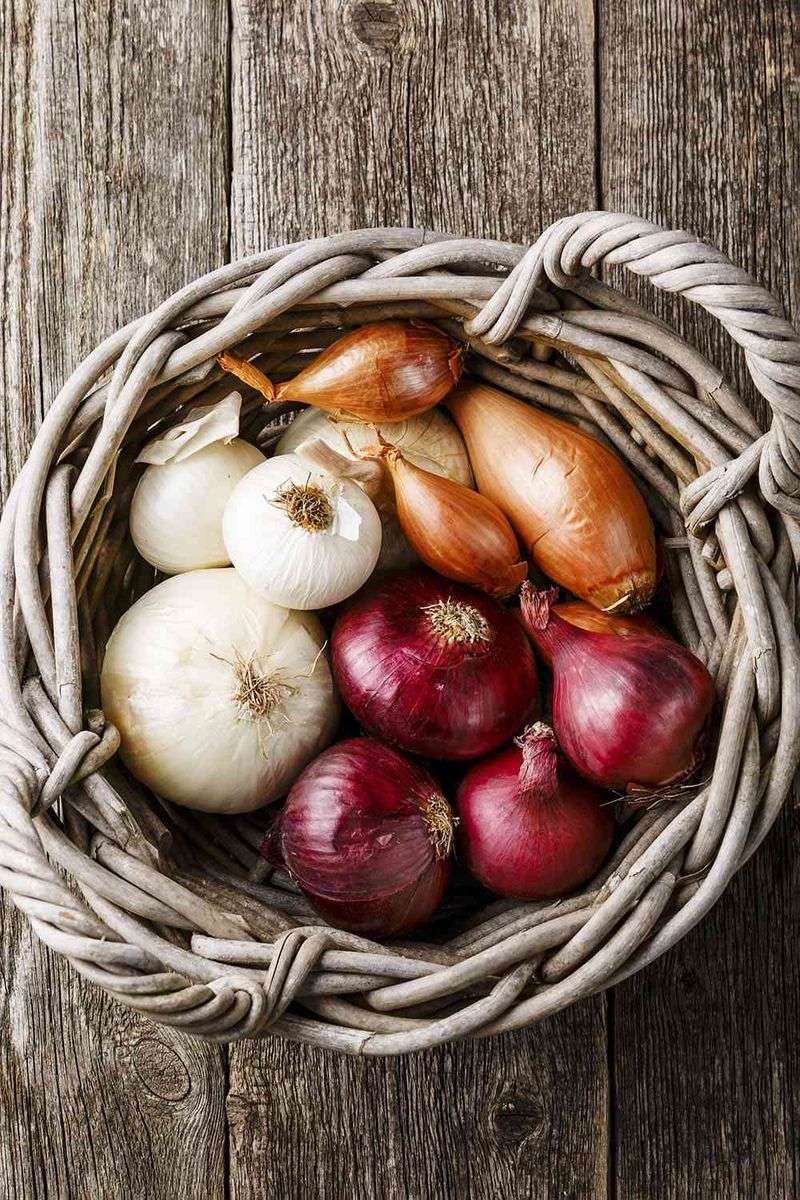
Whole onions stored in a cool, dark, dry spot can last an impressive 2–3 months. Some storage varieties, given the right conditions, hold up for 6–9 months.
The key is airflow — never store onions in plastic bags or near potatoes.
Potatoes and onions release gases that make each other spoil faster. Once chopped, onions last 7–10 days in a sealed container in the fridge.
Cooked onions stay good for 3–5 days refrigerated.
10. Potatoes
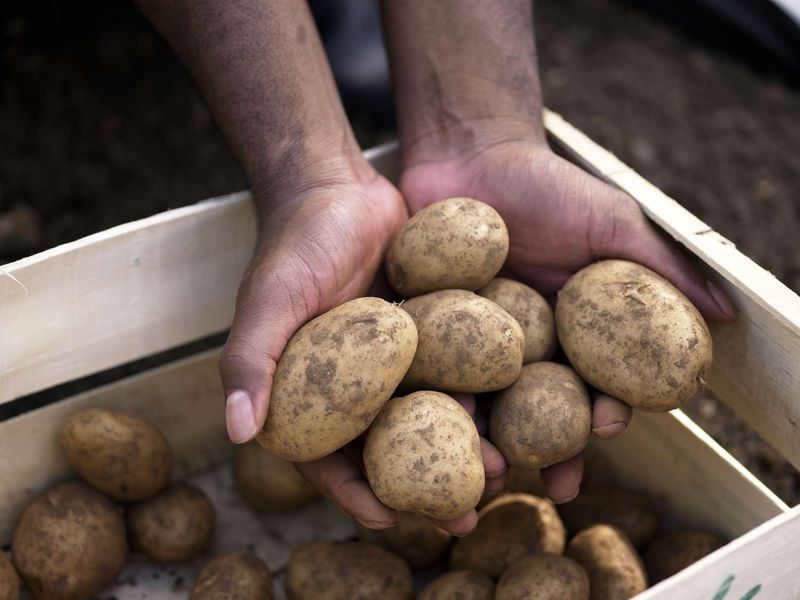
Raw potatoes kept in a cool, dark place — around 50°F with good humidity — can last for several months. Even at room temperature, they hold up for 3–5 weeks.
Refrigerating them isn’t ideal long-term, as it can change their flavor and texture after about four weeks.
Cooked potatoes store well in airtight containers for up to 7 days in the fridge. Watch for mold, soft spots, or green patches — those are real signs it’s time to toss.
11. Eggs
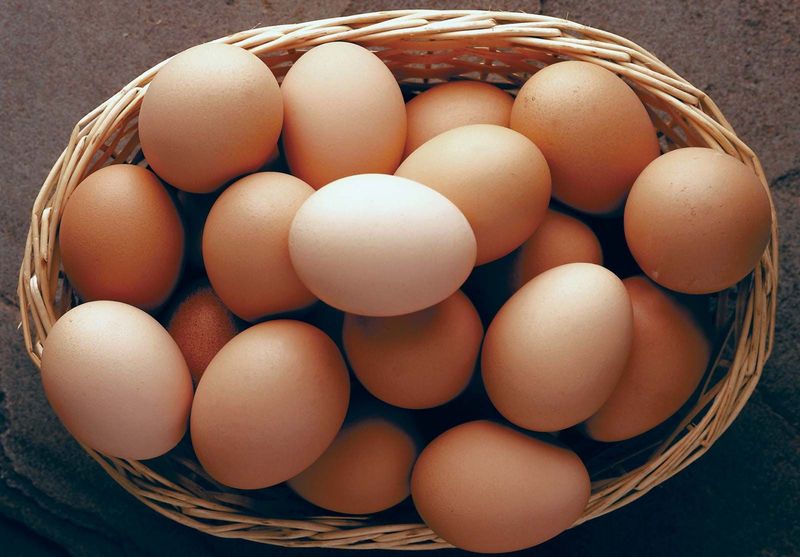
That sell-by date stamped on your egg carton is a quality guideline, not a hard expiration. Properly refrigerated eggs are typically safe to eat 3–5 weeks after the sell-by date.
That’s a much longer runway than most people realize.
Not sure if an egg is still good? Drop it in a bowl of water.
A fresh egg sinks; an old one floats. A floating egg means a larger air cell has formed inside — a sign to be cautious before cracking it open.
12. Milk
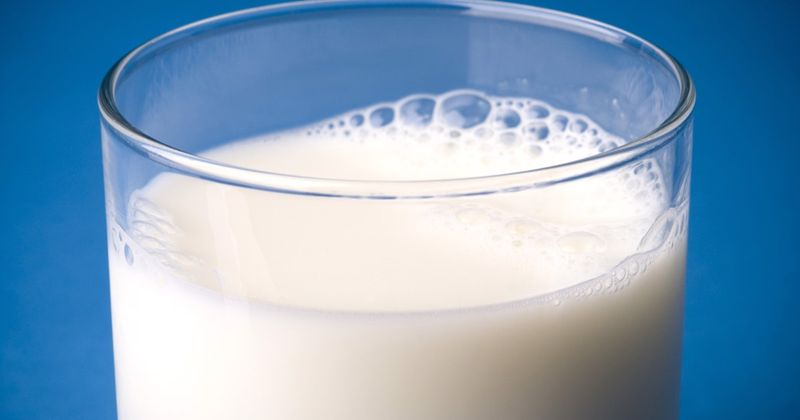
Pouring out milk the day it hits its sell-by date is one of the most common ways people waste food. Opened milk stays fresh for 4–7 days past that date when kept below 40°F.
Unopened milk can last 5–7 days beyond the label.
Ultra-pasteurized (UHT) milk lasts several weeks unopened — even longer than regular milk. Trust your senses over the date.
A sour smell, chunky texture, or odd color are the real signs that milk has turned.
13. Yogurt
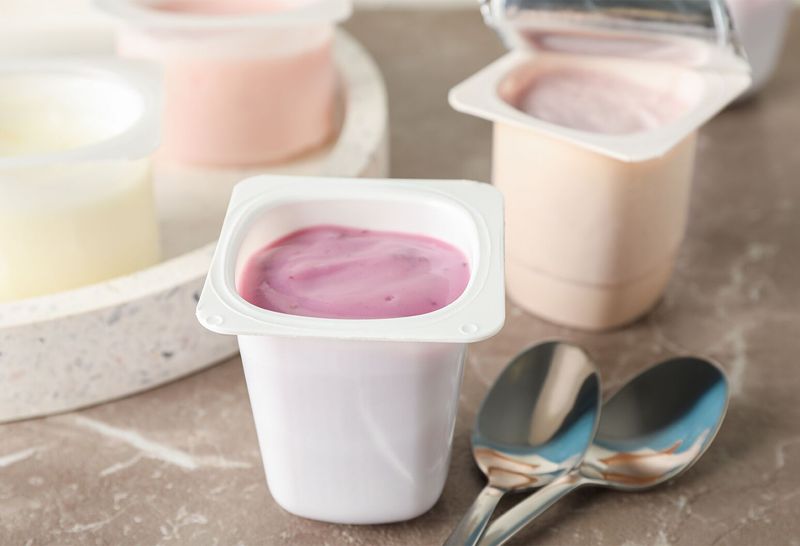
Yogurt is one of those foods that quietly outlasts its label. Unopened, it can stay good for 1–2 weeks past the sell-by date.
Once you crack it open, plain yogurt holds up well for 7–10 days in the fridge.
Fruit-flavored or mix-in yogurts may go a little faster. The real spoilage signals are visible mold, a strongly sour smell beyond the normal tang, or an unusually watery consistency.
A little liquid on top? That’s just whey — totally normal and safe.
14. Berries
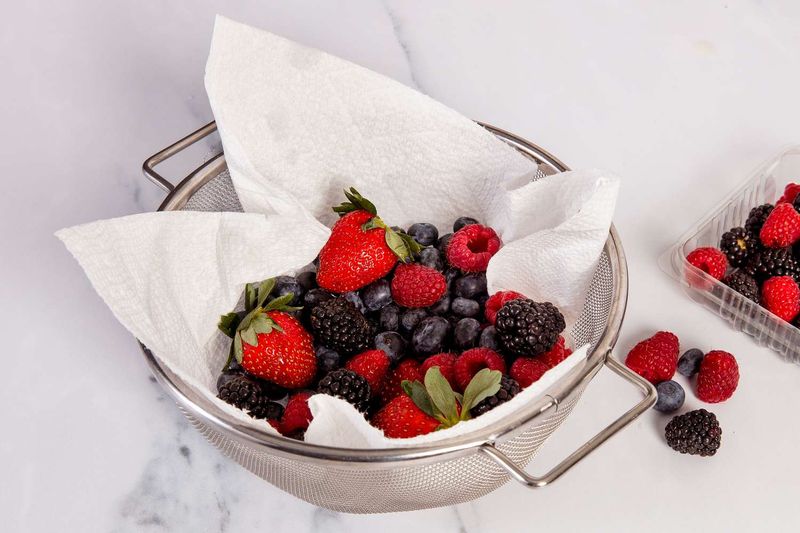
Berries seem to go bad overnight, but storage method makes a huge difference. Washing them before storing introduces moisture that speeds up mold growth.
Instead, keep them unwashed in a single layer on a paper towel-lined container in the fridge.
Stored this way, most berries stay fresh for 3–7 days. When you’re ready to eat them, rinse and enjoy.
For longer storage, freeze them — berries hold up beautifully in the freezer for 6–12 months.
15. Leafy Greens
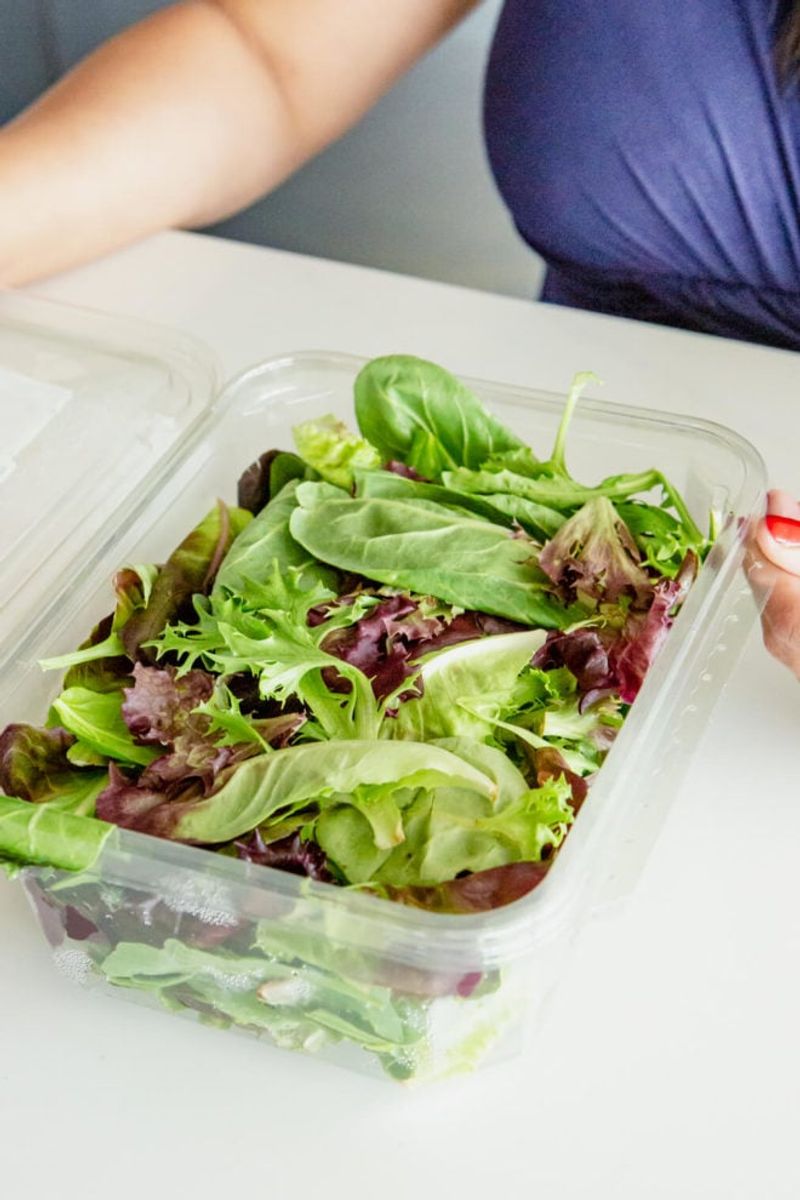
Bagged salad greens often get tossed at the first sign of wilting, but they can last 3–7 days in the fridge with the right setup. Whole heads of lettuce do even better, lasting 1–3 weeks when stored properly.
The trick is moisture control. Wrap greens in a dry paper towel and store them in the crisper drawer or an airtight container.
The paper towel absorbs excess moisture that causes sliminess. Yellowing, a slimy texture, or an off smell are the true signs to toss them.
16. Deli Meats
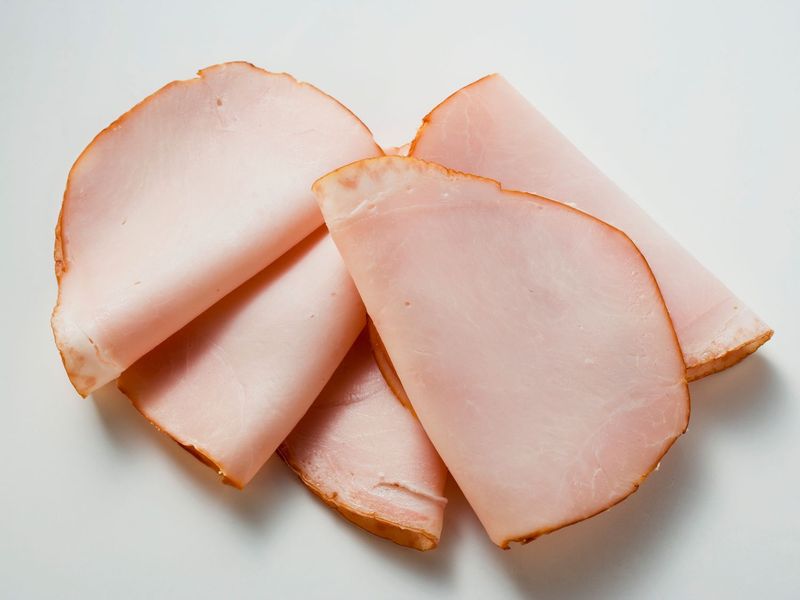
Opened deli meat packages should be eaten within 3–5 days — but here’s what surprises people: unopened packages can last 1–2 weeks past the sell-by date. Harder, drier cured meats like salami tend to outlast moist, cooked varieties like turkey breast.
Always check the packaging for specific guidance. A slimy texture, sour smell, or discoloration are clear warnings to throw it out.
When in doubt, remember that deli meats carry listeria risk, so it’s better to be safe than sorry.