17 Desserts Known Far Beyond Their Home Countries
Some sweets are so good they refuse to stay within borders. From the coffee-soaked layers of Italian tiramisu to the crispy, sugar-dusted churros of Spain, certain desserts have traveled the world and won hearts everywhere they land.
Food has a unique power to tell the story of a culture, and these 17 desserts do exactly that. Get ready to take a delicious trip around the globe without ever leaving your seat.
1. Tiramisu (Italy)
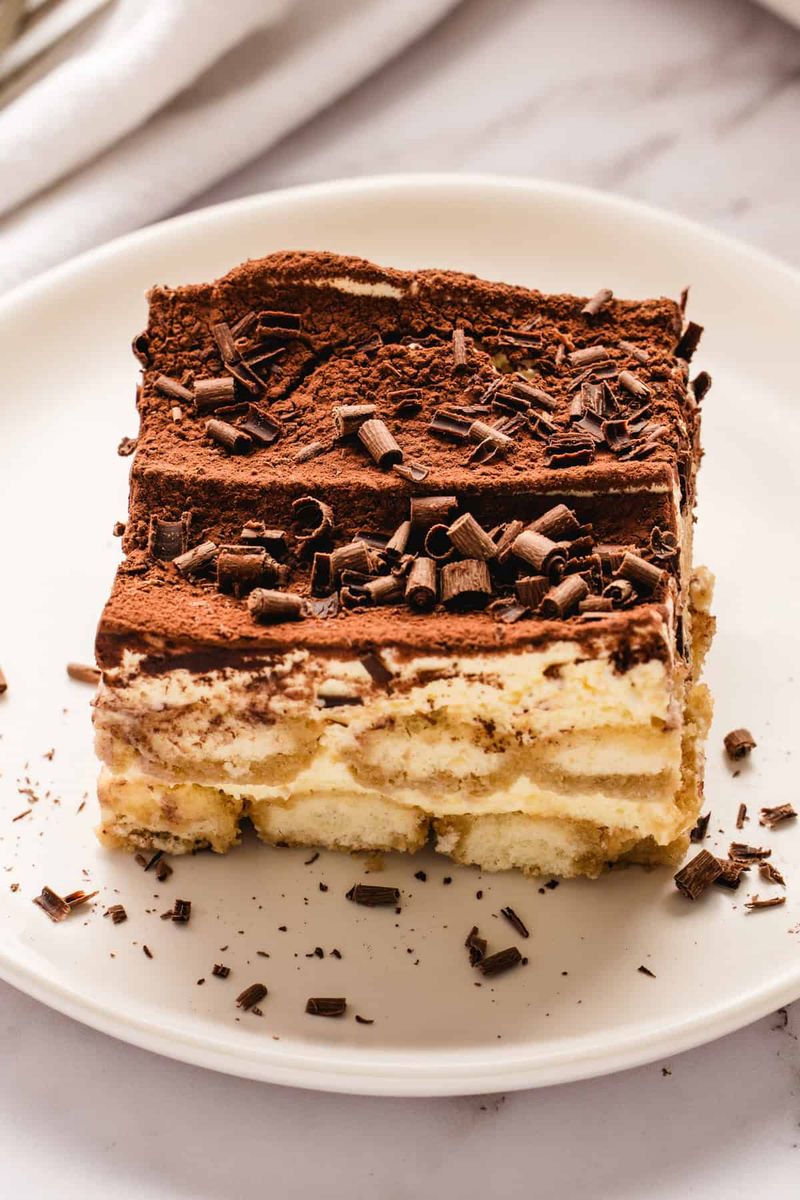
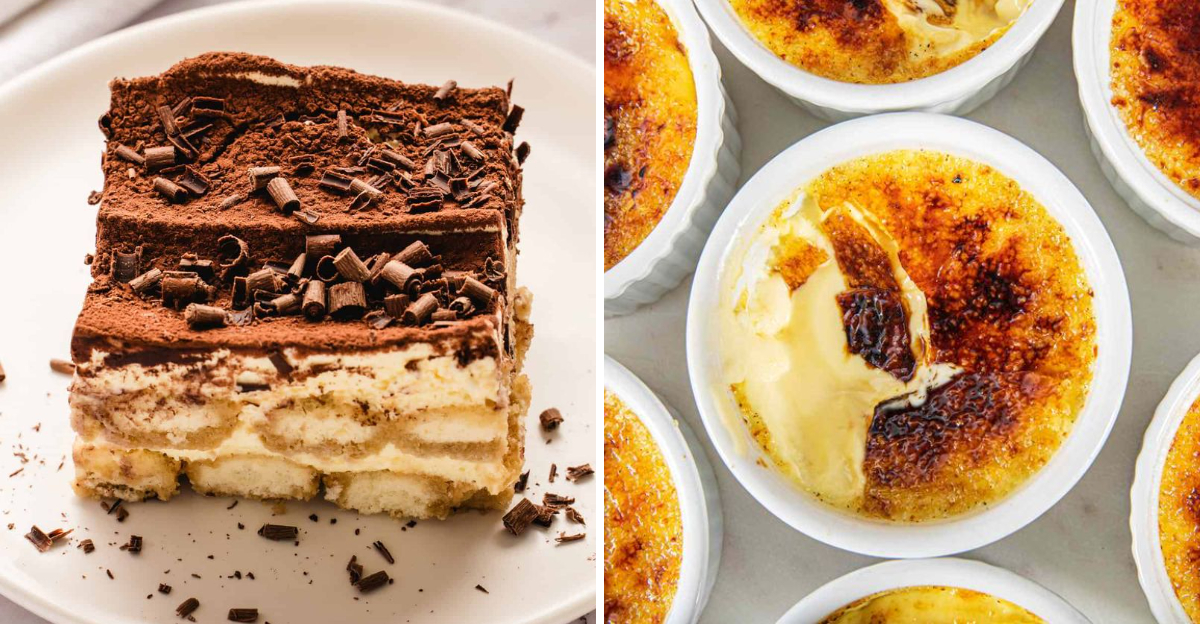
Named “pick me up” in Italian, tiramisu earns that title every single time. Born in northeastern Italy during the 1960s or 1970s, this dessert layers coffee-soaked ladyfingers with a lush mascarpone cream made from eggs, sugar, and cheese.
A dusting of cocoa powder seals the deal. By the 1980s, it had charmed the rest of Europe and the United States, becoming one of the most recognized Italian exports on any dessert menu worldwide.
2. Creme Brulee (France)
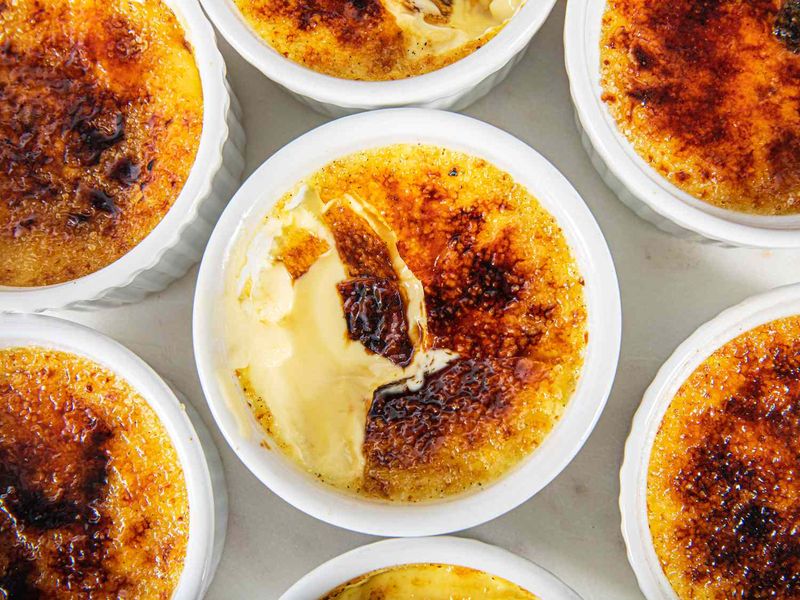
Cracking through that glassy caramelized sugar top is one of the most satisfying moments in dessert history. Crème brûlée, meaning “burnt cream” in French, features a silky custard base beneath that iconic crunchy layer.
Its first known recipe appeared in a 1691 French cookbook. After gaining fame through French cuisine, it enjoyed a massive comeback in 1980s New York, particularly at the legendary restaurant Le Cirque, cementing its place on menus worldwide.
3. Churros (Spain)
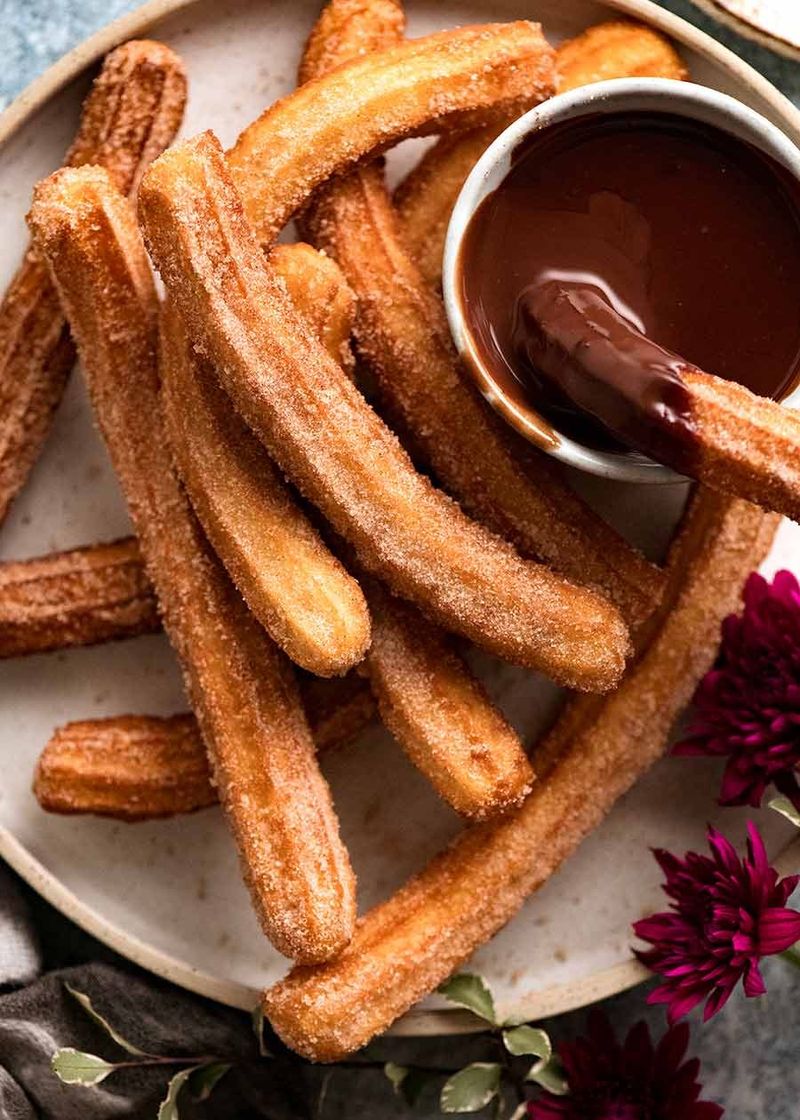
Spanish shepherds are said to have invented churros as an easy-to-make snack out in the fields, and honestly, that origin story makes them taste even better. These golden, ridged fried dough sticks get tossed in sugar and are best enjoyed dunked in thick hot chocolate.
Spanish colonization carried them to Latin America, where creative cooks stuffed them with dulce de leche and chocolate. Today, churros are a street-food staple enjoyed on nearly every continent.
4. Baklava (Turkey, Greece, and the Middle East)
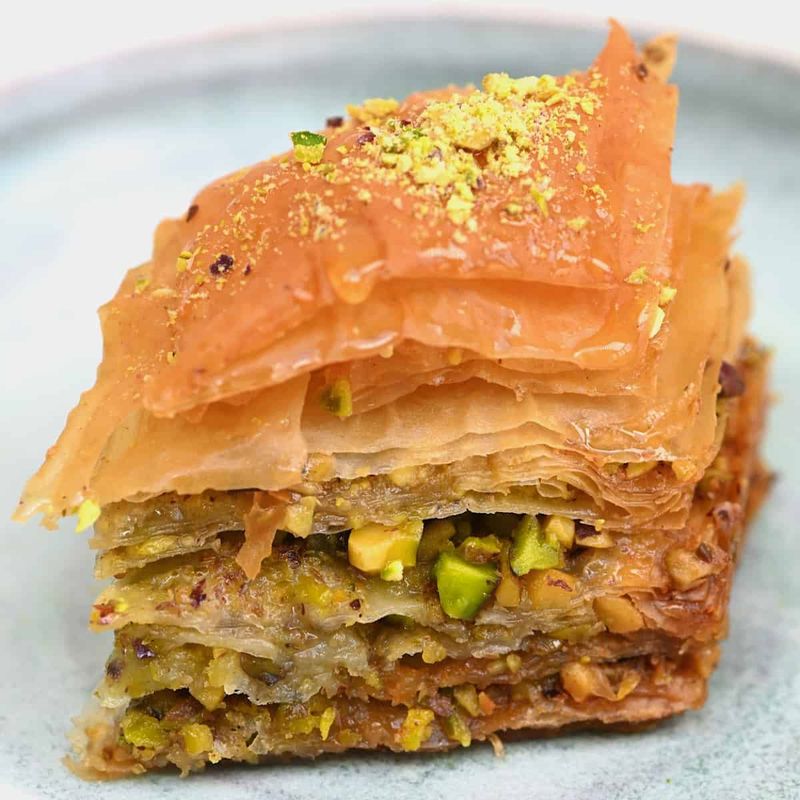
Few desserts carry as much history as baklava. Ancient Assyrian bakers were layering nuts and dough as far back as 2000 BCE, but it was the royal kitchens of the Ottoman Empire that polished baklava into the masterpiece enjoyed today.
Wafer-thin phyllo dough, chopped pistachios or walnuts, and fragrant honey syrup combine into something extraordinary. From Istanbul to Athens to Beirut, this pastry has dozens of regional variations, each one fiercely beloved by its makers.
5. Mochi (Japan)
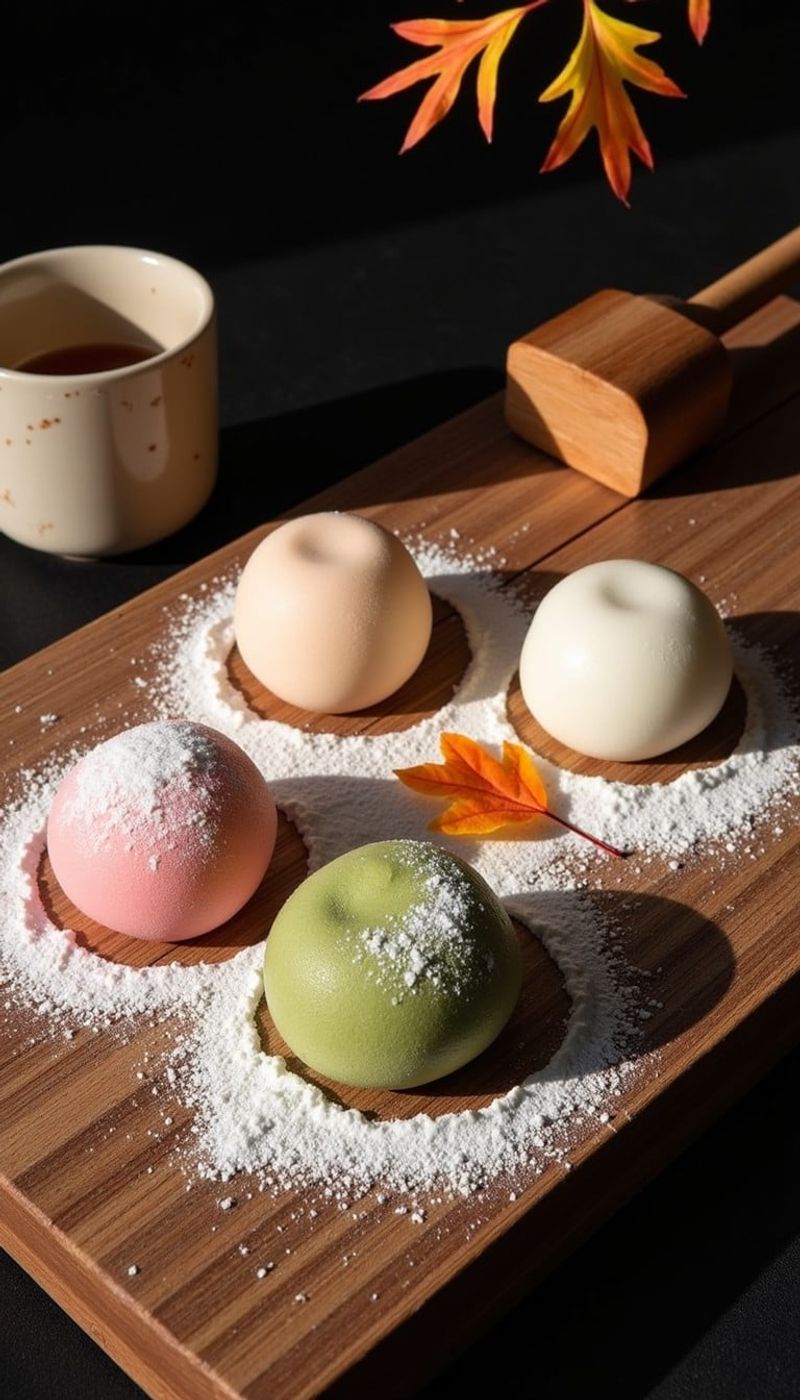
Mochi has been part of Japanese life since before written history, stretching back to the Jomon period thousands of years ago. Made by pounding glutinous rice into a smooth, stretchy dough, it has a texture unlike anything else in the dessert world.
Modern fans outside Japan fell hard for mochi ice cream, which wraps creamy ice cream inside a soft mochi shell. Mochi donuts are another viral sensation, proving this ancient treat has no problem keeping up with modern food trends.
6. Apple Pie (USA)
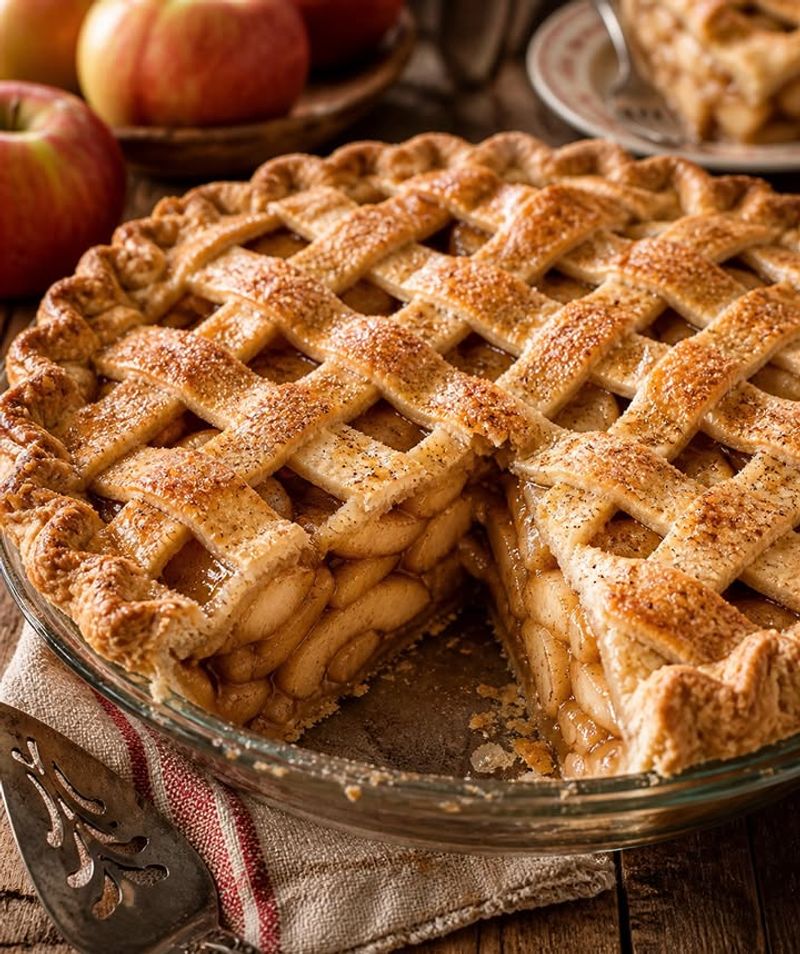
Calling something “as American as apple pie” is a little ironic, since the recipe actually started in 14th-century England. Early versions even contained meat inside thick, inedible crusts.
European settlers brought apple trees to North America in the 1600s, and colonists quickly made the pie their own.
By the early 1900s, apple pie had transformed into a powerful symbol of American identity and comfort. Today, versions of this warm, cinnamon-spiced classic appear in home kitchens across dozens of countries.
7. Brownie (USA)
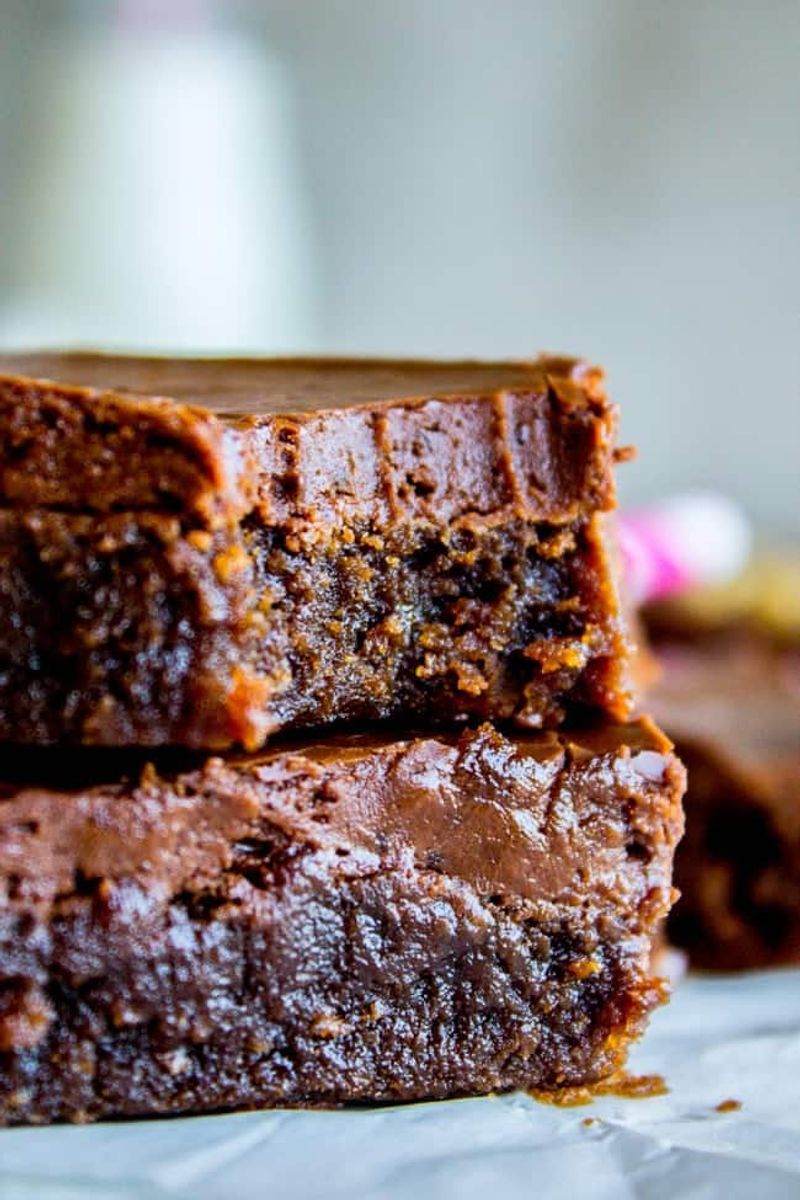
Legend has it that the brownie was born from a happy kitchen accident when a baker forgot to add baking powder to chocolate cake batter. Another story credits socialite Bertha Palmer, who asked the Palmer House Hotel in Chicago to create a portable treat for the 1893 World’s Fair.
Whether accident or intention, the result was glorious. Fudgy, dense, and deeply chocolatey, brownies traveled the globe quickly.
Japan now makes matcha brownies, while Latin America swirls in dulce de leche for a local twist.
8. Cheesecake (USA)
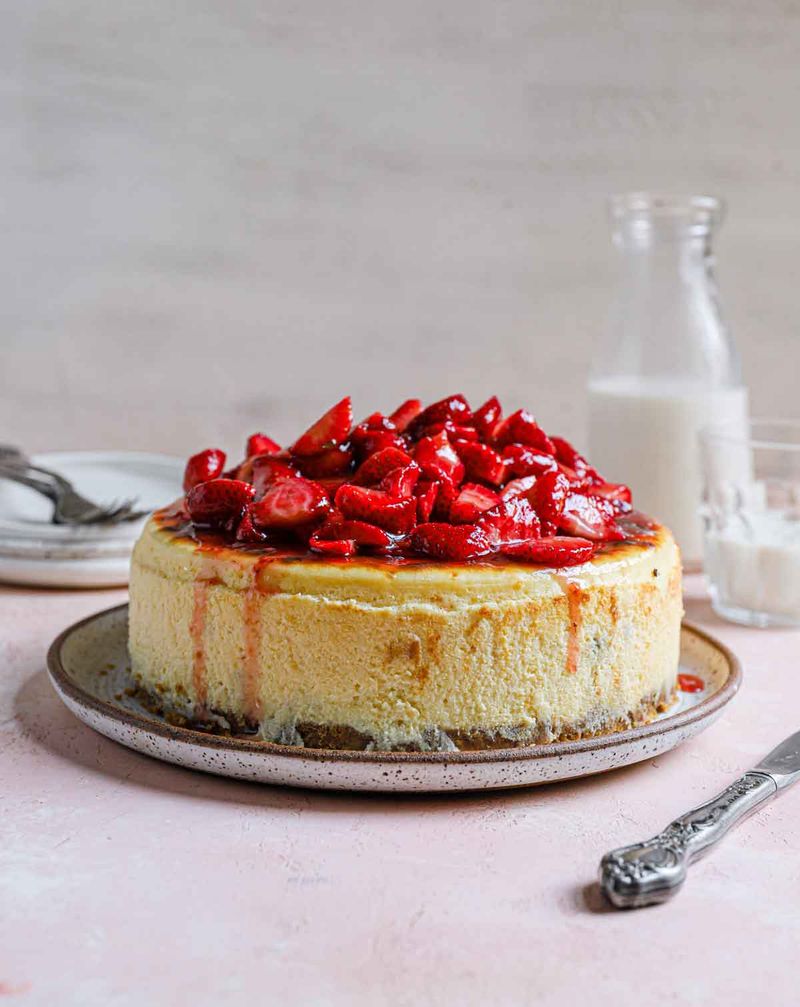
Cheesecake is far older than anyone expects. Ancient Greeks served an early version made with cheese, honey, and wheat to Olympic athletes around 776 BCE for an energy boost.
The recipe evolved across the Roman Empire and Europe over centuries.
The creamy New York-style cheesecake took shape after cream cheese was invented in 1872, with restaurateur Arnold Reuben often credited for the modern version around 1929. Today, every culture has put its own spin on it, from Japanese cotton cheesecake to no-bake Basque versions.
9. Gelato (Italy)
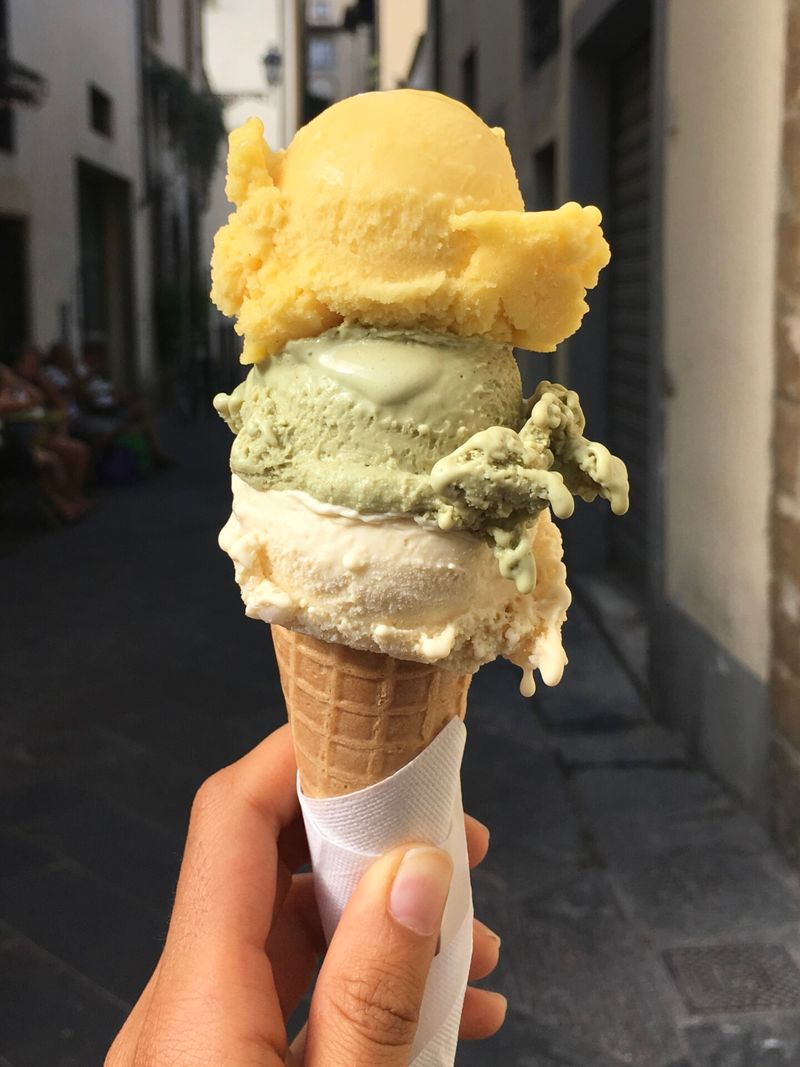
Gelato looks like ice cream but plays by completely different rules. Florentine architect Bernardo Buontalenti is credited with crafting the first gelato for the powerful Medici family back in the 1500s.
It uses more milk, less cream, and less air than regular ice cream, giving it that dense, intensely flavored texture.
By 1686, a Sicilian chef was serving it at a Paris café, spreading the love across Europe. Italian immigrants later introduced gelato to North America, and the world has been hooked ever since.
10. Macarons (France)
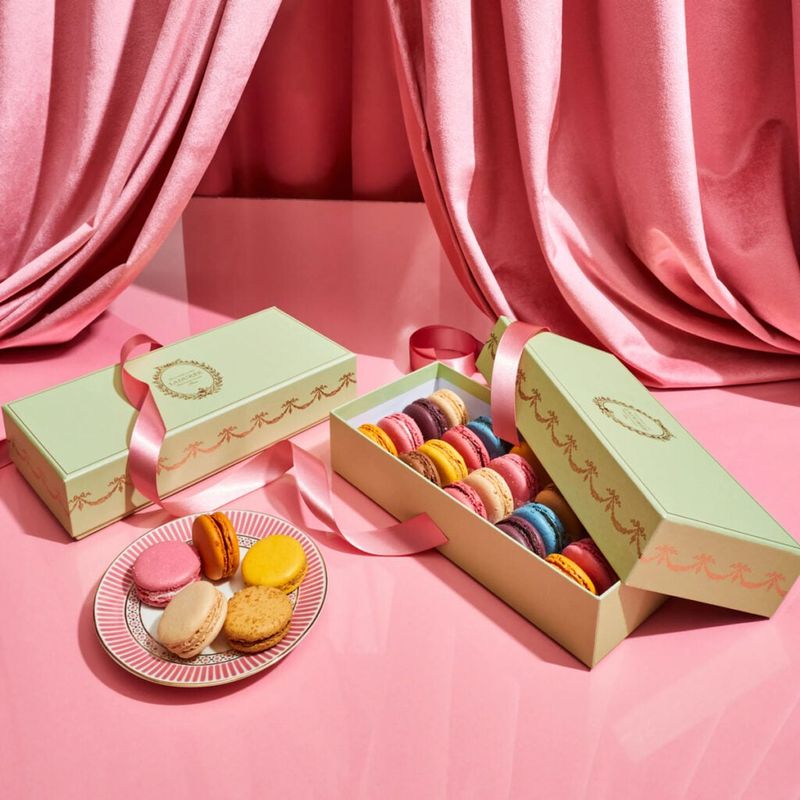
Macarons look like they belong in a Parisian dream, but their roots are actually Italian. The word comes from the Italian “maccherone,” and it is believed that Catherine de Medici’s chefs introduced almond cookies to France in the 1500s when she married King Henry II.
The elegant sandwich-style macaron with its glossy shell and creamy filling was perfected much later, with Parisian salon Laduree often getting the credit. Today, bakeries worldwide offer macarons in flavors ranging from matcha to mango to salted caramel.
11. Pavlova (Australia and New Zealand)
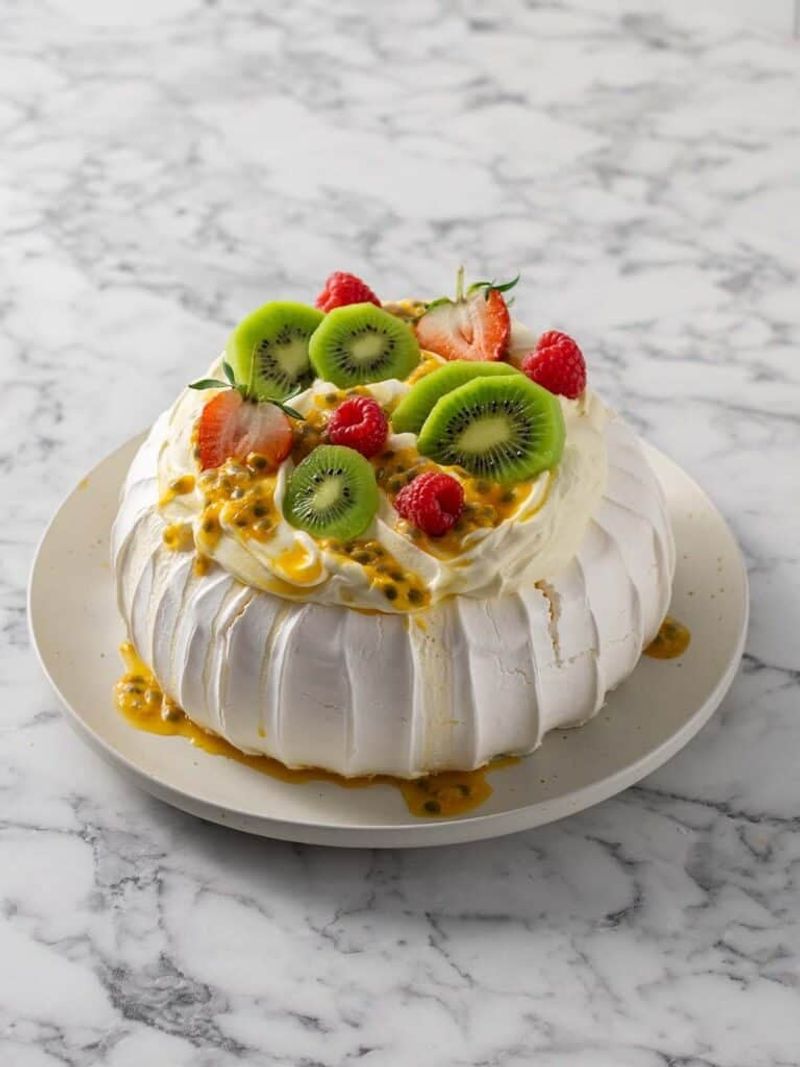
Australia and New Zealand have argued for decades over who invented pavlova, and neither side is backing down anytime soon. What everyone agrees on is that it was named after Russian ballerina Anna Pavlova during her tours of both countries in the 1920s.
A crisp meringue shell gives way to a pillowy, marshmallow-soft center, then gets crowned with whipped cream and bright tropical fruits. This showstopper dessert is a summer holiday staple Down Under and has earned fans across the globe.
12. Sacher Torte (Austria)
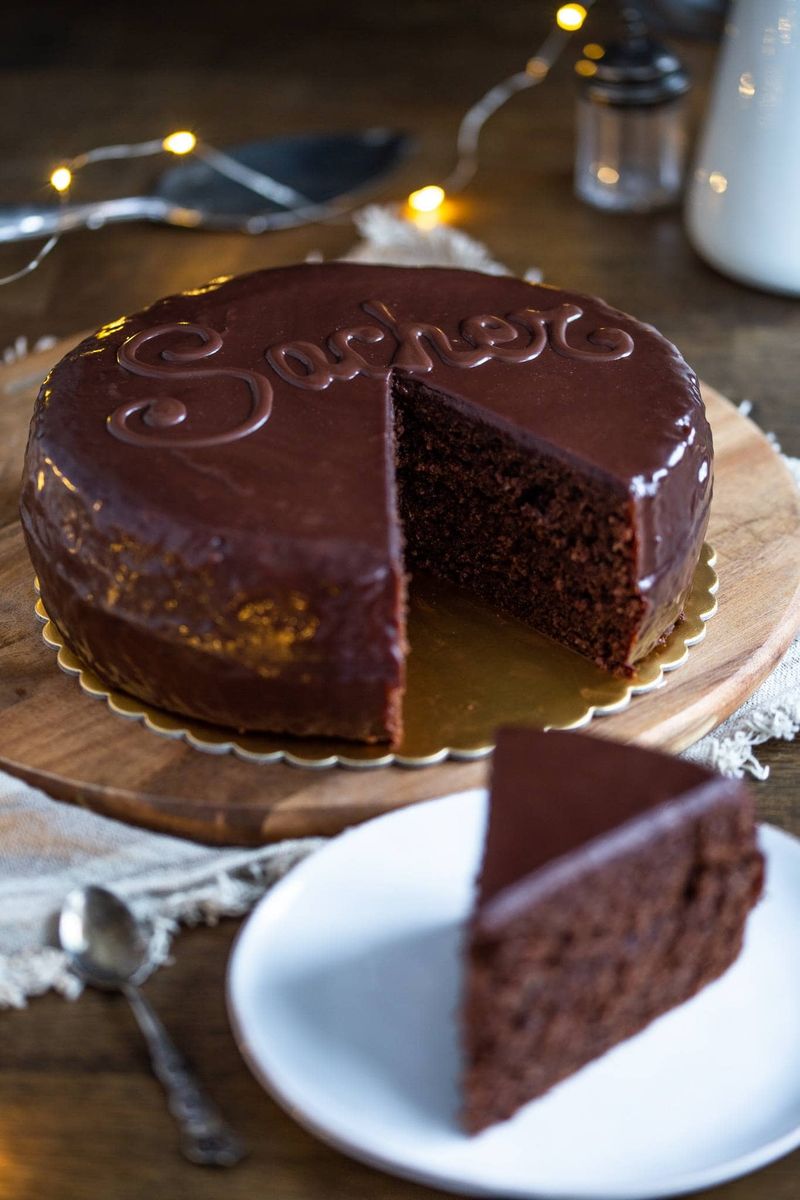
At just 16 years old, apprentice chef Franz Sacher created one of the most iconic cakes in history. In 1832, he whipped up this chocolate masterpiece for Prince Metternich in Vienna, and it has been turning heads ever since.
The Sacher Torte features a dense chocolate sponge, a sharp apricot jam layer, and a mirror-smooth chocolate glaze. Served alongside a cloud of unsweetened whipped cream, it became Austria’s national cake and now draws tourists to the Hotel Sacher Wien from around the world.
13. Sticky Toffee Pudding (UK)
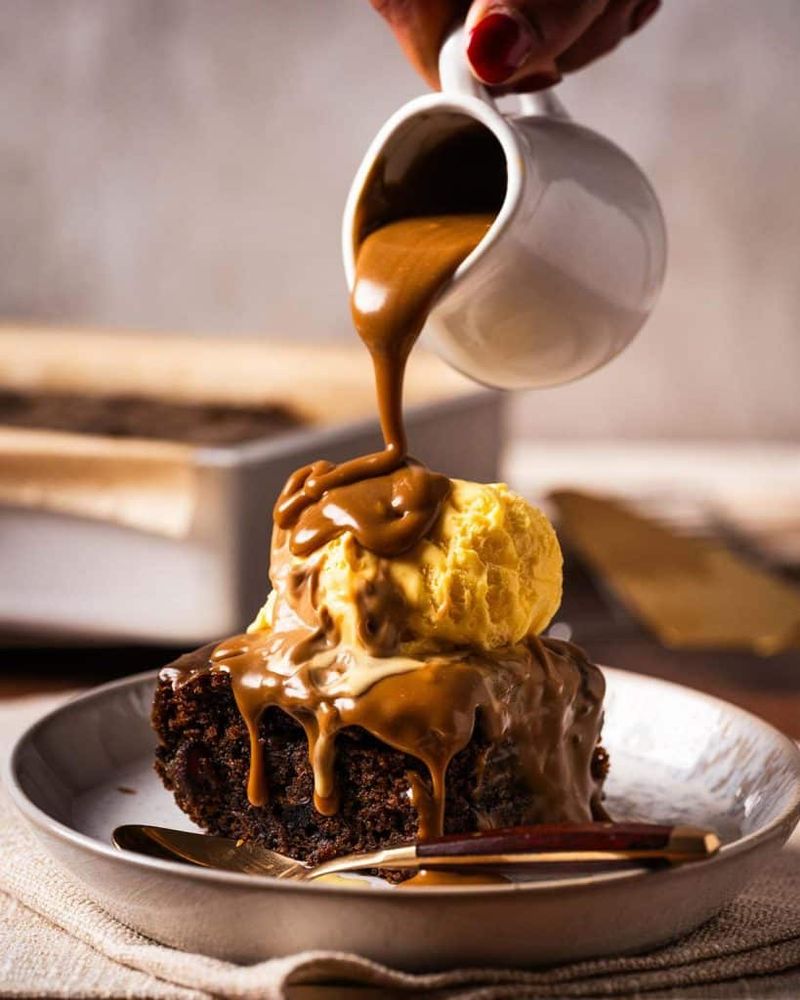
There is something almost magical about a warm, date-packed sponge cake drowning in hot toffee sauce. Sticky toffee pudding rose to fame in the 1970s at the Sharrow Bay Country House Hotel in Cumbria, England, where chef Francis Coulson made it a menu legend.
By the 1980s, the whole UK was obsessed. Paired with vanilla ice cream or thick custard, this pudding delivers pure comfort in every bite.
It has since traveled to Commonwealth countries and beyond, winning over cold-weather dessert lovers everywhere.
14. Brigadeiro (Brazil)
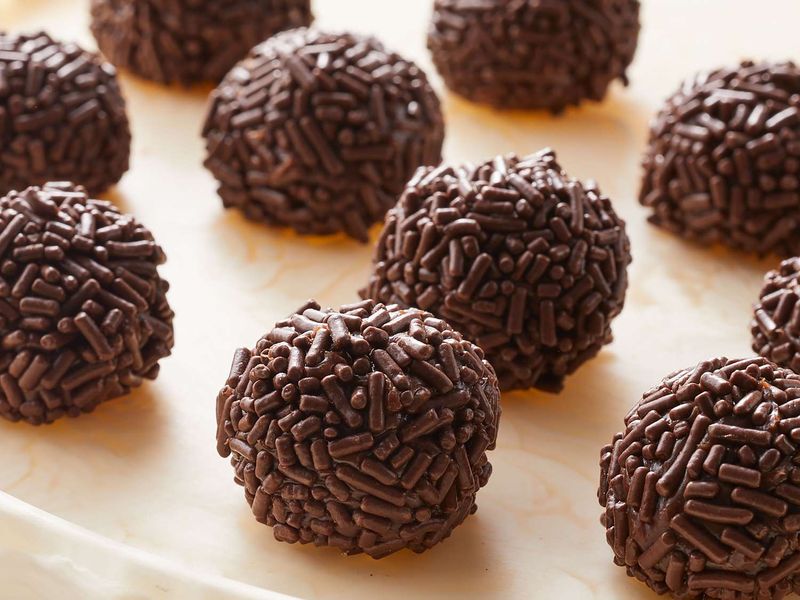
Brigadeiros have a surprisingly political origin story. In 1945, confectioner Heloisa Nabuco de Oliveira invented this sweet treat to help promote the presidential campaign of Brigadier Eduardo Gomes, and the candy took his military title as its name.
Made from sweetened condensed milk, cocoa, and butter, the mixture gets rolled into glossy little balls and coated in chocolate sprinkles. No Brazilian birthday party is complete without a heaping plate of them.
Thanks to Brazilian communities abroad, brigadeiros now delight sweet tooths on multiple continents.
15. Gulab Jamun (India)
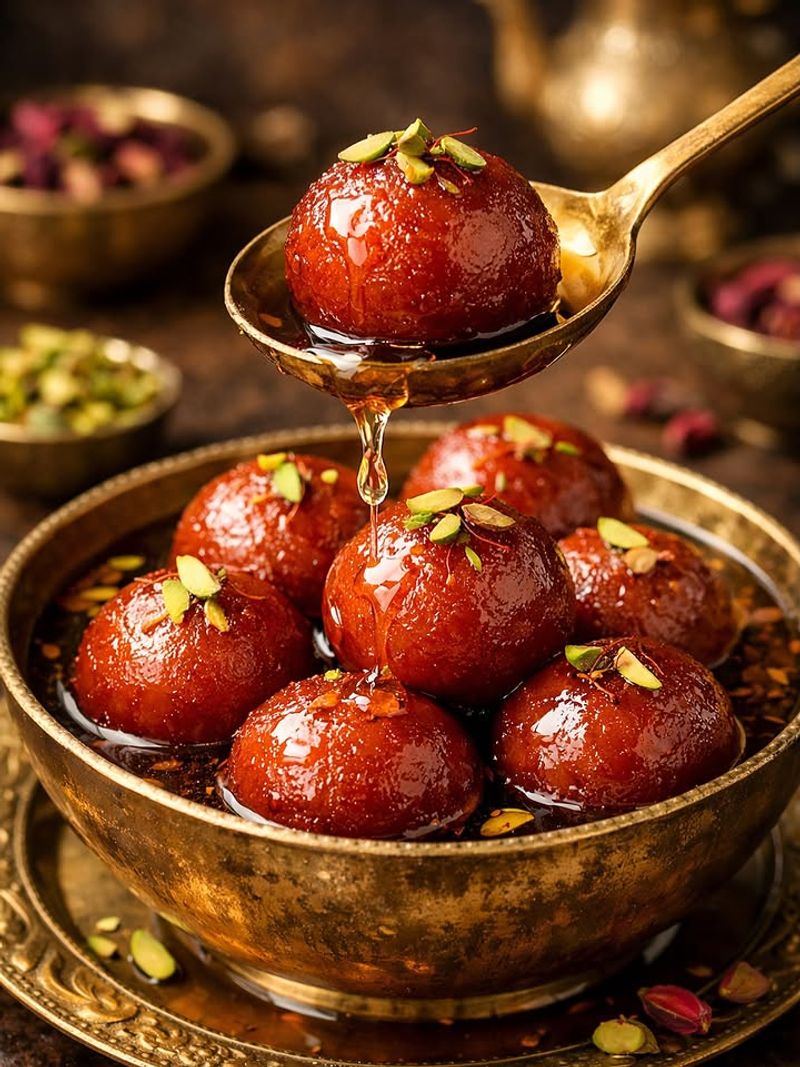
Soft, syrup-soaked, and warmly spiced, gulab jamun is the kind of dessert that feels like a celebration in every bite. The name blends Persian and Hindi roots: “gulab” means rose water and “jamun” refers to the black plum the sweet resembles in size.
Born during the Mughal Empire as a fusion of Persian and South Asian flavors, it is made from milk solids deep-fried and soaked in cardamom and rose water syrup. Across India, Pakistan, Bangladesh, and South Asian diaspora communities worldwide, gulab jamun is pure edible joy.
16. Stroopwafel (Netherlands)
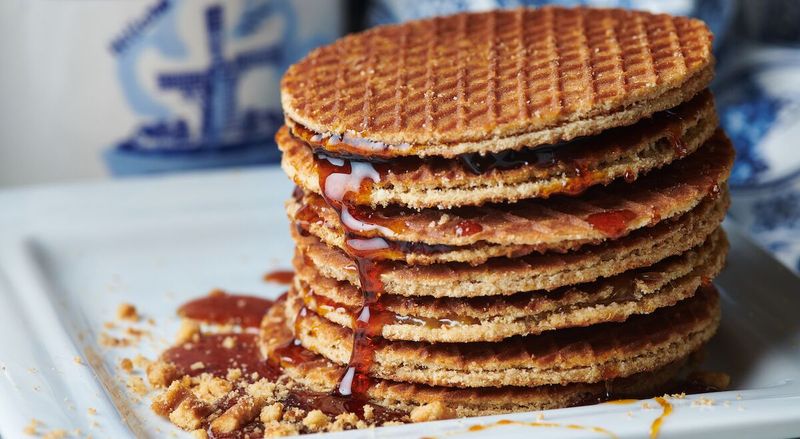
Stroopwafels were born out of pure resourcefulness. A baker in Gouda, Netherlands, started making them in the late 1700s by pressing together leftover crumbs and syrup into thin, crispy waffle rounds with a caramel filling sandwiched inside.
The trick is to rest one on top of a hot mug so the steam softens the caramel. That tip alone has made stroopwafels a beloved coffee companion far beyond the Netherlands.
You can now find them in supermarkets worldwide and even on certain airline snack trays.
17. Profiteroles (France)
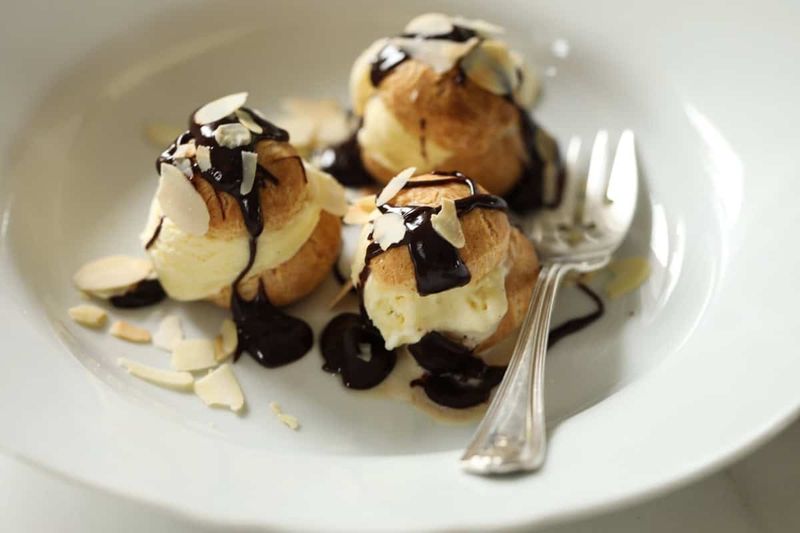
Light as air on the outside, dreamy on the inside, profiteroles are the kind of dessert that makes a dinner table feel instantly fancy. The name likely comes from the French word for “little gift,” and that is exactly what they feel like.
Italian chefs brought the concept of choux pastry to France in the 1500s, and legendary French chef Antonin Careme refined it into the elegant treat known today. Filled with cream or ice cream and drizzled with chocolate sauce, profiteroles now appear on dessert menus from Paris to Tokyo.