16 Grocery Items Skyrocketing In Price

Sticker shock at the supermarket is getting real, and it is not just your imagination. From breakfast basics to weeknight staples, prices keep climbing faster than many budgets can handle.
Knowing what is spiking lets you plan smarter, swap strategically, and still eat well without overspending. Let us break down the grocery items climbing the fastest so you can shop with confidence and control.
1. Eggs
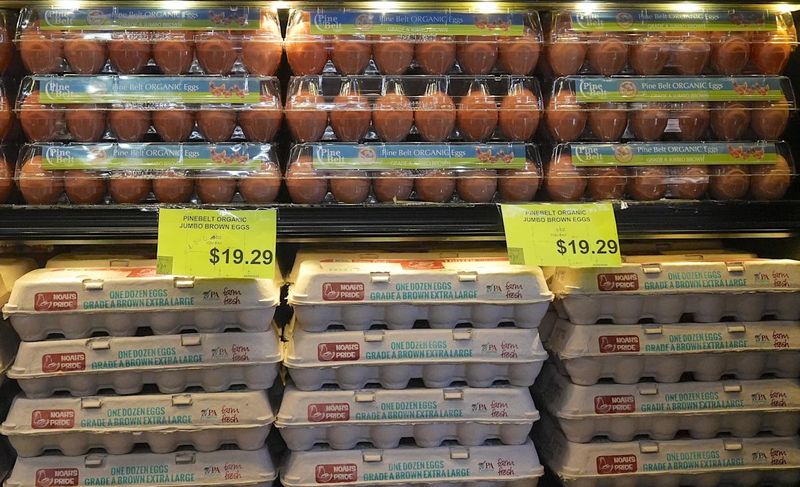
Egg prices have surged after waves of supply disruptions and higher feed costs. When farms face disease outbreaks, flocks shrink and production drops, tightening supply just as demand stays steady.
You feel it instantly at breakfast and in baking.
Stretch your budget by buying eggs in bulk when on sale and storing properly. Consider mixing more plant protein into meals to reduce reliance.
For baking, swap in mashed banana, applesauce, or aquafaba for certain recipes.
2. Olive Oil

Olive oil is climbing fast thanks to poor harvests and heat stress across key Mediterranean regions. Lower yields meet steady global demand, squeezing supply and spiking shelf prices.
If you drizzle generously, the difference adds up quickly in weeknight cooking.
Stretch your stash by using neutral oils for high heat, saving extra virgin for finishing. Try blends or smaller producers with fair pricing.
Store in a cool, dark place to prevent waste from rancidity.
3. Bread
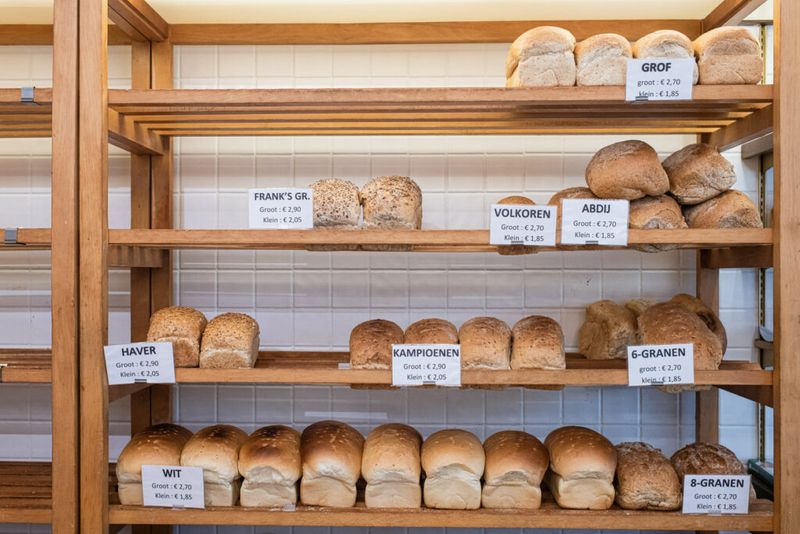
Bread prices reflect higher wheat costs, energy for baking, and transportation. Bakeries have raised prices to keep up with labor and ingredient spikes, and even store brands are creeping upward.
Families notice the jump when packing lunches or buying weekly loaves.
Consider baking at home if you can, using bulk flour and yeast. Freeze extra slices to reduce waste and stretch dollars.
Explore tortillas, pitas, or rice as affordable substitutes when sales are scarce.
4. Coffee

Coffee is pricier due to weather shocks in major growing regions and higher shipping costs. Crop yields fluctuate with heat, drought, and disease, tightening global supply.
Morning routines feel it most when your favorite roast climbs by dollars per bag.
Buy whole beans and grind at home for better value. Try mid-range blends or subscribe for discounts.
Cold brew concentrate can stretch servings without sacrificing flavor.
5. Milk
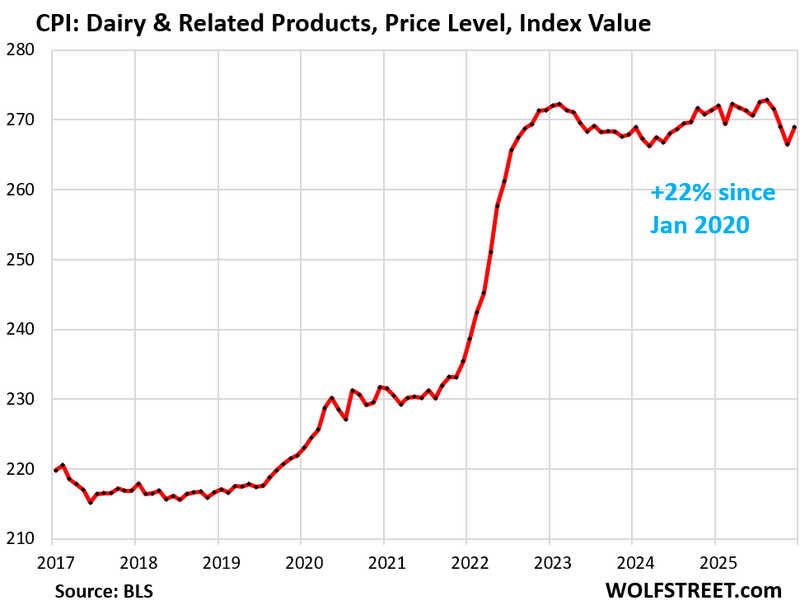
Milk costs are up as dairy farms face higher feed, fuel, and labor expenses. Transportation adds more pressure, especially for heavy, perishable products.
Even small price bumps hurt when you buy multiple gallons for a household.
Shop store brands, compare per ounce, and consider powdered or shelf-stable boxes for backups. Use only what you need in recipes to avoid pouring money down the drain.
If you prefer alternatives, compare sales across oat, soy, and almond options.
6. Chicken
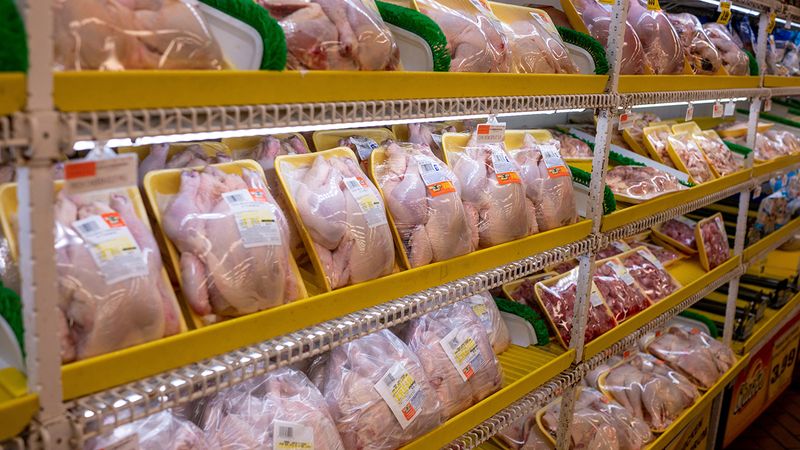
Chicken prices have climbed as feed, processing, and logistics costs mount. Producers are balancing supply with demand as households lean on chicken for affordable protein.
When packages jump a dollar or two, weekly meal planning feels the squeeze.
Buy family packs on sale and portion into freezer bags. Bone-in cuts are cheaper and stay juicy.
Stretch meat with vegetables, grains, and beans in soups, stir-fries, and casseroles.
7. Beef
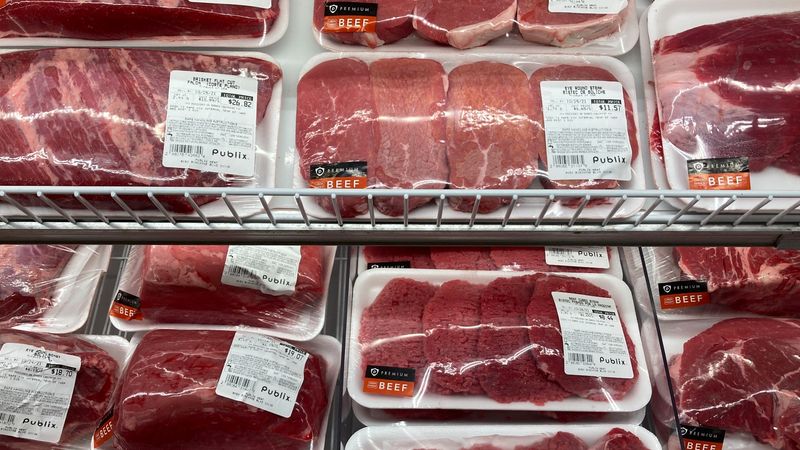
Beef has surged with higher ranching costs, feed prices, and smaller cattle herds after drought. It is one of the most noticeable meat increases at the register.
Shoppers often pivot to cheaper cuts or reduce portion sizes to cope.
Look for chuck, round, or brisket and slow cook for tenderness. Buy larger roasts during sales and freeze portions.
Add mushrooms or lentils to recipes to stretch flavor without losing satisfaction.
8. Rice

Rice prices are up due to export restrictions, weather disruptions, and higher freight costs. Because it is a global staple, even small supply shocks ripple quickly.
You notice it in larger bags that used to be cheap pantry anchors.
Compare regional varieties and consider broken rice for savings. Cook in batches and freeze to minimize waste.
Mix with legumes or vegetables to keep meals affordable and satisfying.
9. Cheese
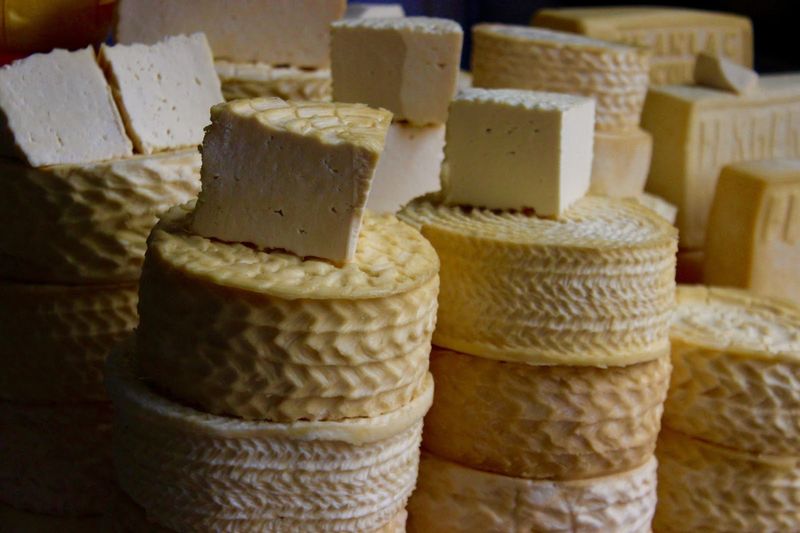
Cheese prices follow milk higher, compounded by aging time, energy use, and import costs. Specialty and imported varieties feel the biggest jumps, but even everyday shredded bags climb.
That pizza night and lunchbox routine quickly get pricier.
Buy blocks and grate at home for savings. Choose flavorful cheeses so smaller amounts go further.
Store properly in paper or cheese bags to reduce waste from mold and drying.
10. Butter
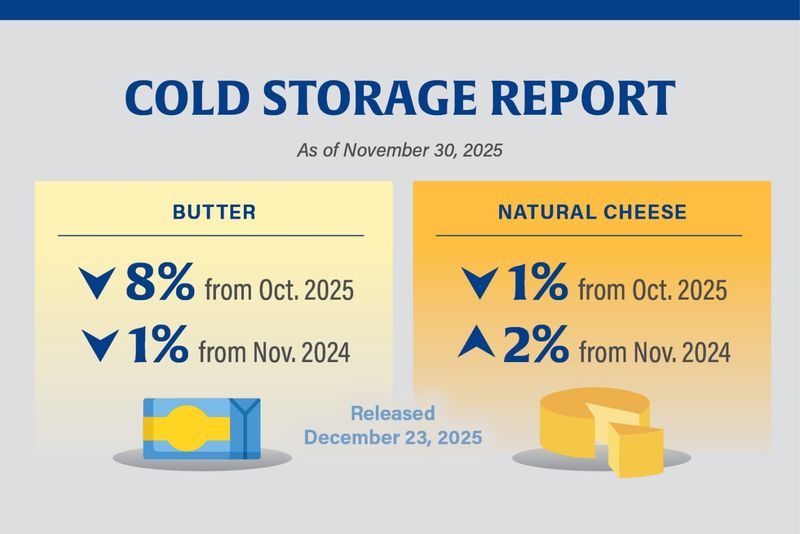
Butter has spiked alongside cream and milk, with strong baking demand amplifying costs. Seasonal peaks around holidays push prices even higher.
If you bake often, the difference shows up fast in your grocery budget.
Watch for sales and freeze extra sticks. Use oil in some recipes or half butter half oil in quick breads.
For toast and finishing, try smaller pats and savor the flavor.
11. Cereal
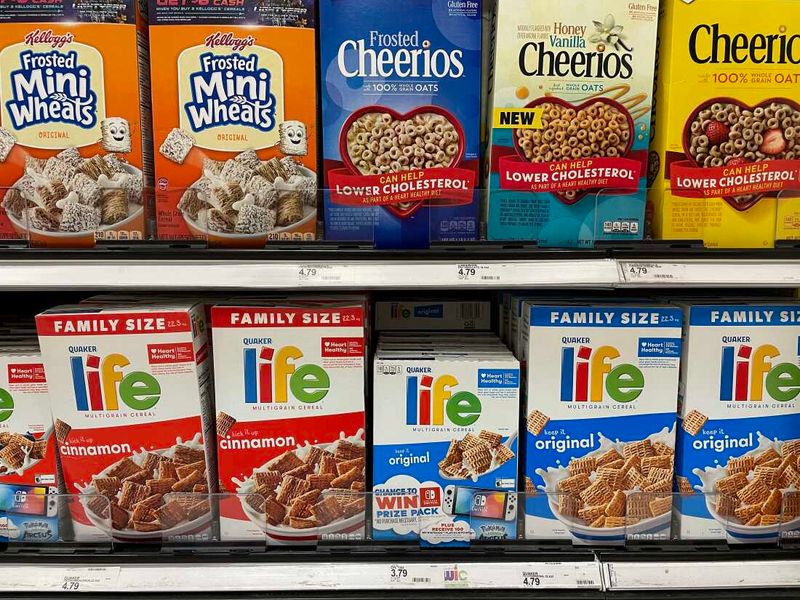
Cereal prices are rising with higher grain, packaging, and marketing costs. Shrinkflation compounds the pain as boxes stay pricey but contain fewer ounces.
Breakfast routines strain when favorite brands rarely drop below sale thresholds.
Compare unit prices and consider generic versions. Bulk oats or granola ingredients can cut costs with DIY mixes.
Rotate cheaper breakfasts like eggs, yogurt, or toast to balance the budget.
12. Yogurt
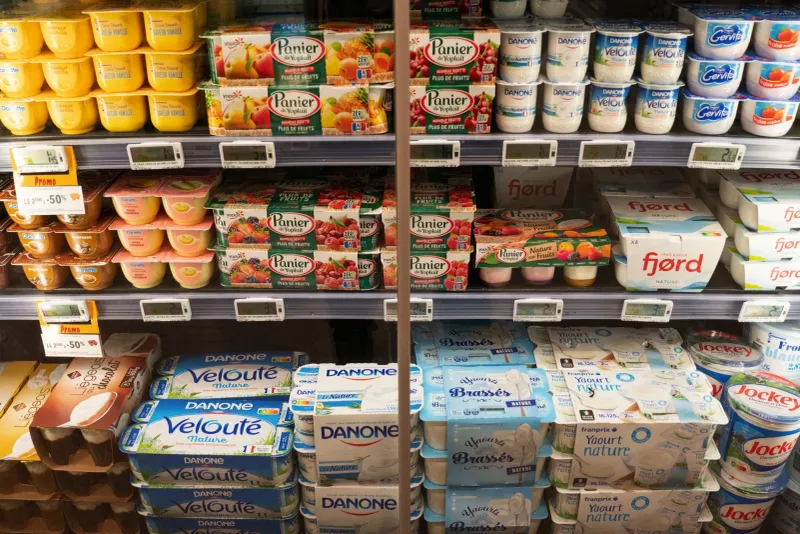
Yogurt costs have crept up alongside milk, fruit preparations, and packaging. Single-serve cups carry a premium that adds up for snackers.
When promotions fade, the true baseline price can surprise your wallet.
Buy larger tubs and portion into reusable containers. Choose plain and sweeten with fruit or honey to control cost and sugar.
Strain plain yogurt to make a thick, Greek-style version at home.
13. Flour

Flour has edged up with global wheat price volatility and milling costs. Home bakers especially notice around holidays or sourdough seasons.
Even a small increase impacts pizza nights, cookies, and weekly bread routines.
Buy in bulk when prices dip and store in airtight containers. Consider blending with whole wheat or alternative flours for nutrition and value.
Measure carefully to avoid waste and failed batches.
14. Sugar

Sugar prices are elevated from weather issues in cane and beet regions and energy-intensive refining. Seasonal baking surges strain supply chains and retail inventories.
The result is higher shelf tags and fewer mega sales.
Stock up during promotions and store airtight. Cut recipe sugar slightly to save money and taste buds.
Try dates or bananas for sweetness in smoothies and baked goods.
15. Canned Tuna

Canned tuna prices reflect fishing quotas, fuel costs, and aluminum can expenses. It is a go-to protein for quick lunches, so increases are easy to feel.
Name brands have crept up, with store brands not far behind.
Watch for multi-can deals and compare drained weight. Mix tuna with beans or pasta to stretch servings.
Consider sardines or salmon when those are on sale for variety and value.
16. Fresh Produce
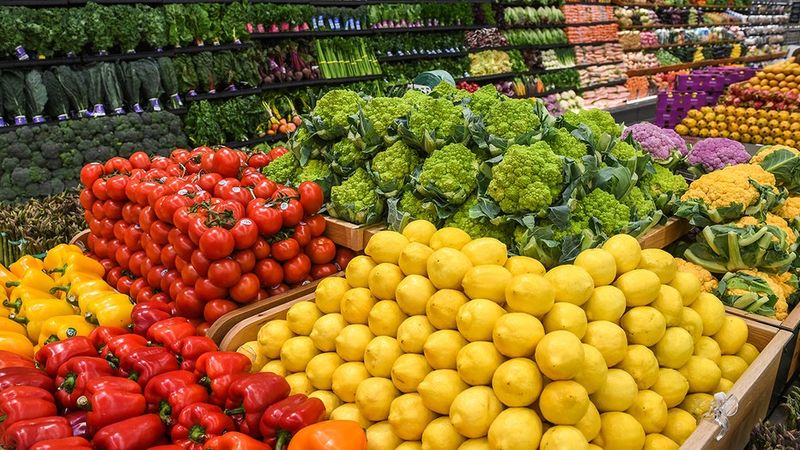
Fresh produce costs swing with weather, labor, and transportation, but lately the trend is up. Leafy greens, berries, and tomatoes often show the sharpest spikes.
You may notice smaller promos and shorter sale cycles.
Shop seasonally, lean on frozen for value, and use what you buy quickly. Embrace versatile vegetables like carrots and cabbage.
Grow herbs at home to cut premium prices on small bundles.