16 Old-Fashioned Ingredients Grandma Always Had (But We’ve Forgotten)
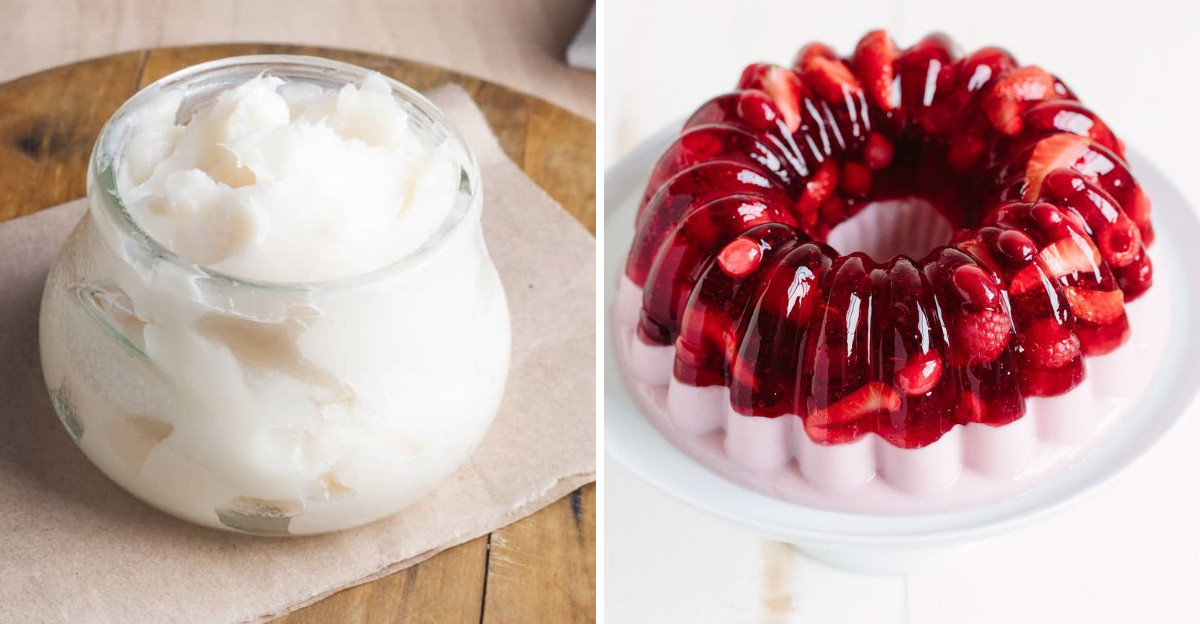
Discover the charm and utility of traditional ingredients that once graced Grandma’s kitchen. These forgotten staples have stories, uses, and flavors that bring nostalgia and depth to modern cooking. Let’s explore these timeless treasures.
1. Lard
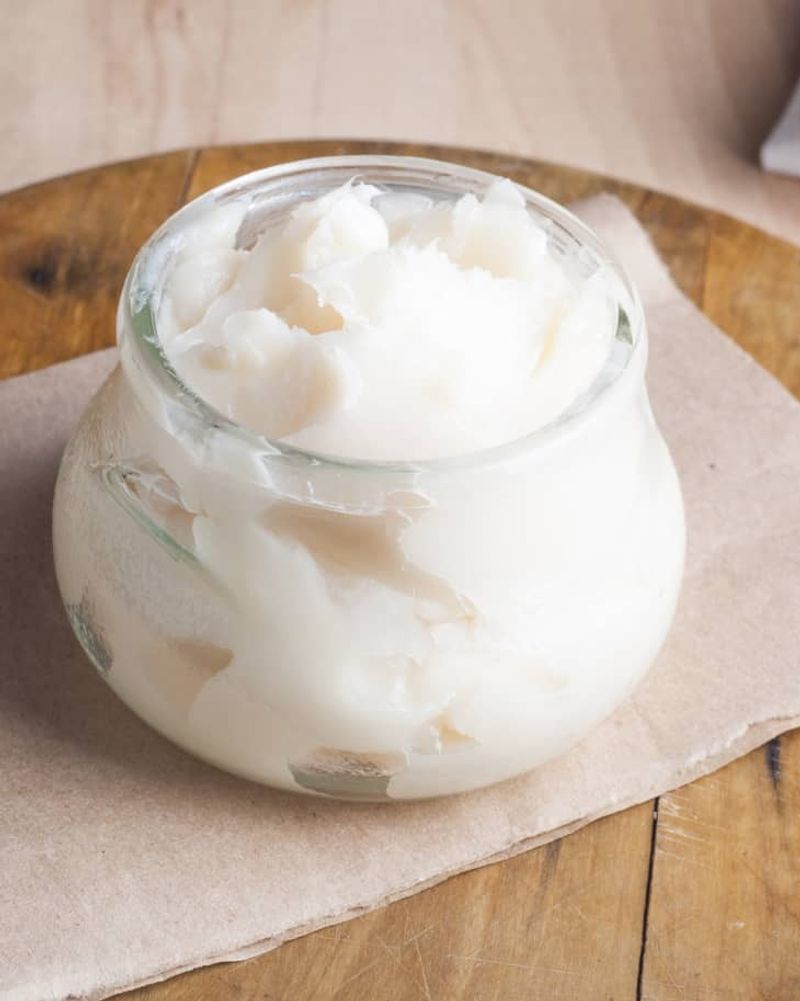
Imagine the aroma of pies baking, their crusts impossibly flaky and golden. Lard, a staple in kitchens of yore, was the secret behind this culinary magic. Its ability to create tender, crisp textures made it invaluable.
Once shunned, lard is making a comeback for its natural properties, contrasting with processed alternatives. In moderation, it adds unmatched flavor to fried foods and pastries.
This ingredient, passed down through generations, is a reminder of simpler times when cooking was an art. Rediscovering it connects us to a rich culinary heritage.
2. Bacon Drippings

In Grandma’s kitchen, bacon drippings were liquid gold. Kept in a jar, this savory fat was a flavor powerhouse, enhancing everything from beans to cornbread.
The tradition of saving drippings added a layer of depth to dishes, making them more satisfying. It was a thrifty way to add taste without extra cost.
Today, many have forgotten this versatile seasoning, but its ability to enrich meals remains unmatched. A small spoonful brings warmth and nostalgia to any dish.
3. Rendered Schmaltz
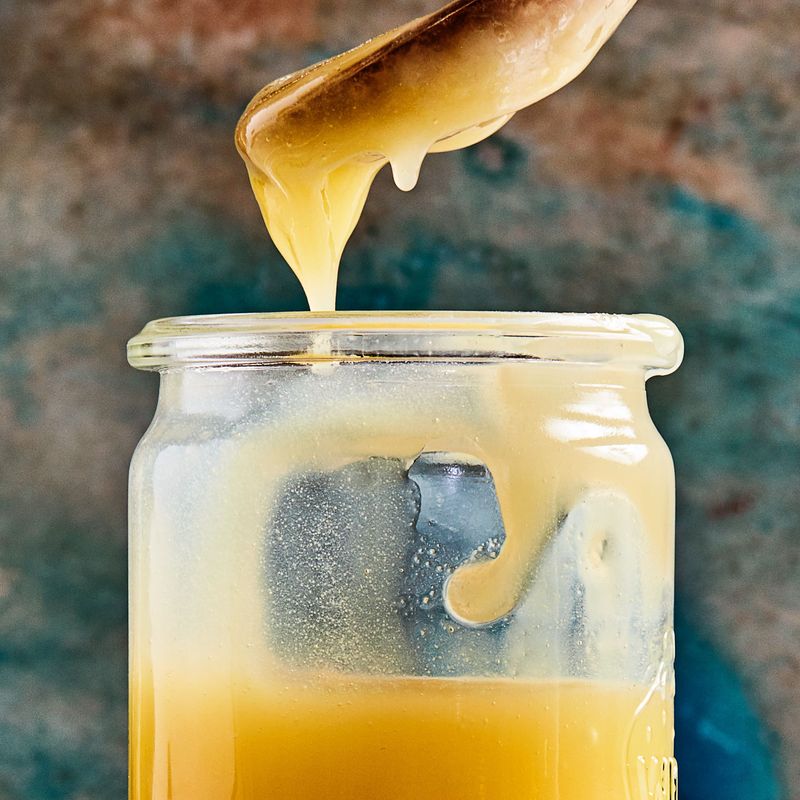
Once upon a Sunday, the scent of schmaltz, or chicken fat, filled the air, adding richness to meals. This savory fat was a cornerstone of traditional cooking.
Used in Jewish dishes, schmaltz brought out deep, comforting flavors in potatoes and onions. Its unassuming appearance belied its potent taste.
Though less common today, schmaltz is a reminder of culinary traditions that prioritize flavor. Rediscovering this ingredient is like finding an old friend whose presence adds warmth to gatherings.
4. Evaporated Milk
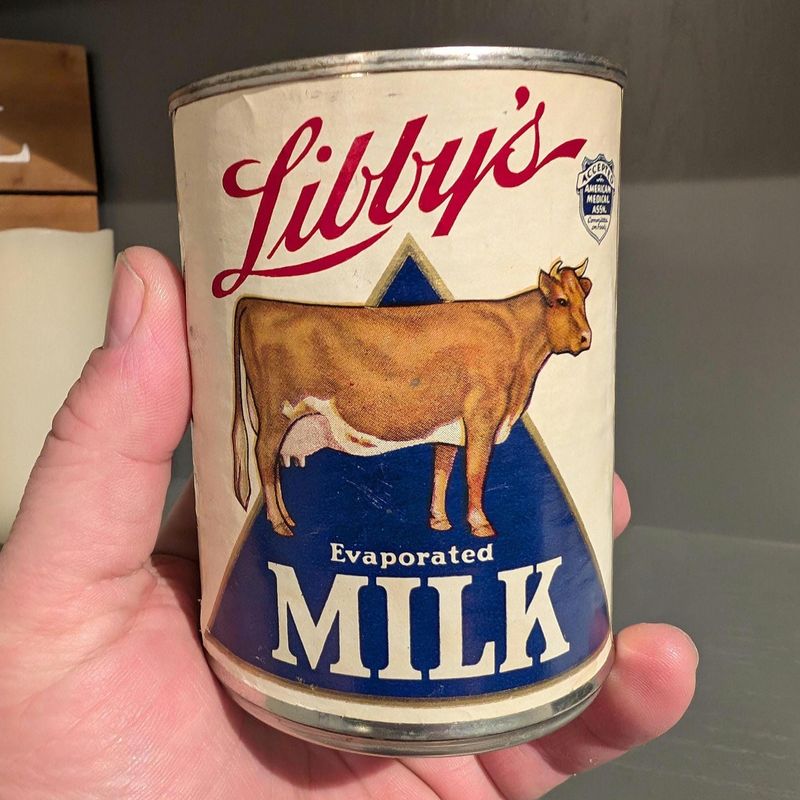
Evaporated milk, that ubiquitous pantry staple, was Grandma’s secret for creamy textures without fresh cream. Its concentrated richness made it ideal for soups and casseroles.
Unlike fresh milk, it had a long shelf life, making it a practical choice. In desserts, it added a velvety touch, turning ordinary into special.
Today, it’s often overlooked, but its versatility remains. This humble canister holds the power to transform recipes, bringing a hint of nostalgia with every pour.
5. Powdered Milk

In times of scarcity, powdered milk was a hero. Its shelf-stable nature meant families never ran out, stretching groceries further.
This dry milk was a baker’s ally, offering consistency in recipes. Children often marveled at its transformation into liquid, a bit of kitchen alchemy.
While fresh milk is now more accessible, powdered milk’s practicality persists. It’s a nod to resourcefulness, teaching us about making do and thriving with what we have.
6. Cream of Tartar
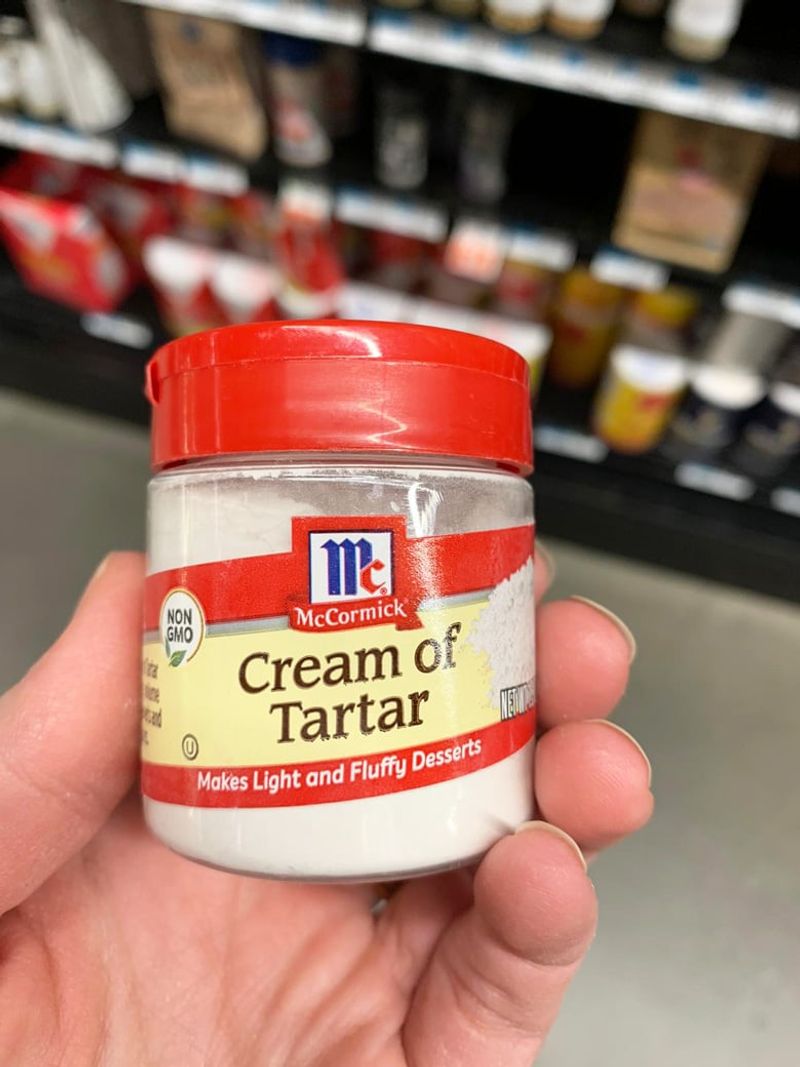
Cream of tartar, a tiny powerhouse, played a crucial role in baking. It stabilized egg whites, ensuring meringues stood tall and proud.
This acidic powder also prevented sugar from crystallizing, giving candies their smooth sheen. In baking, it leavened, boosted, and balanced flavors.
Despite its humble appearance, cream of tartar was the unsung hero in countless recipes. Rediscovering it is like uncovering a secret weapon that turns good to great.
7. Gelatin (Unflavored)
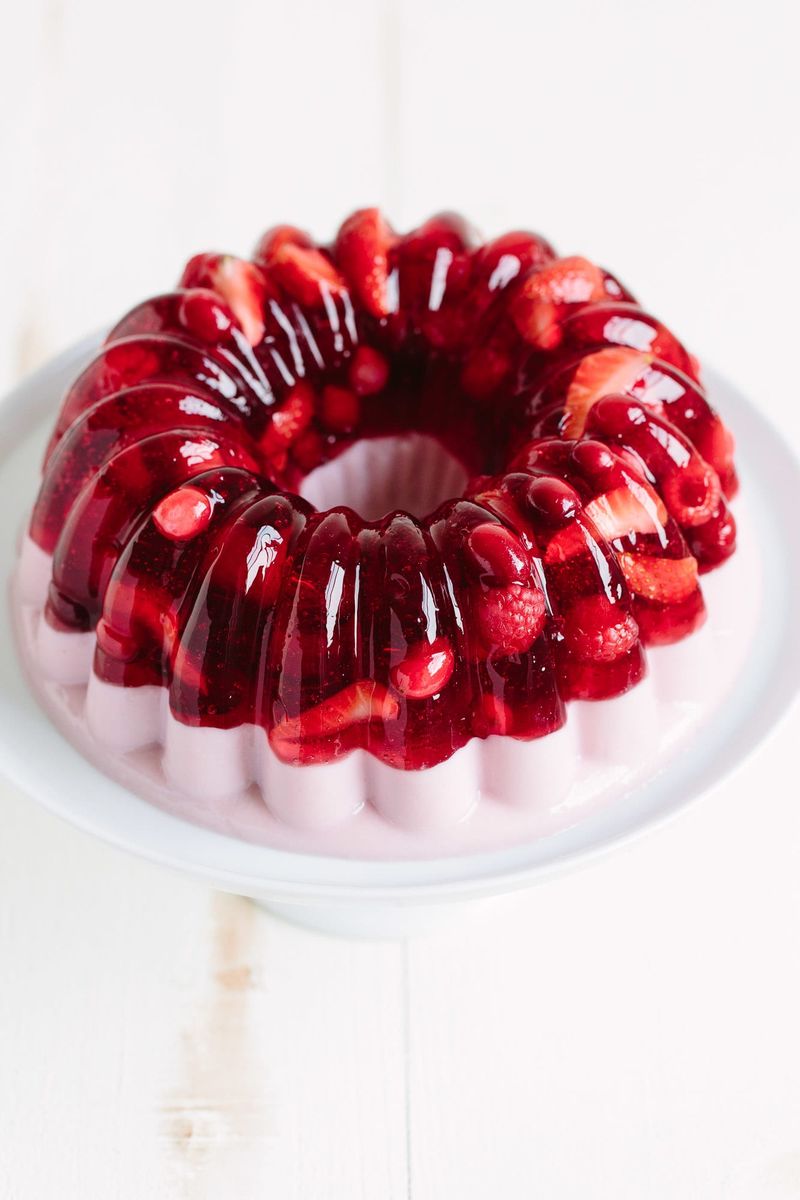
Gelatin was the silent architect in desserts, crafting structures from delicate creams and vibrant fruits. This unflavored thickener was integral to jellies and molded salads.
In an era before modern thickeners, gelatin set dishes with precision. It was a testament to culinary creativity, turning liquids into delightful treats.
Though often replaced today, gelatin’s role in shaping culinary history is undeniable. Its return brings texture and nostalgia to the table, reviving classic recipes.
8. Instant Tapioca
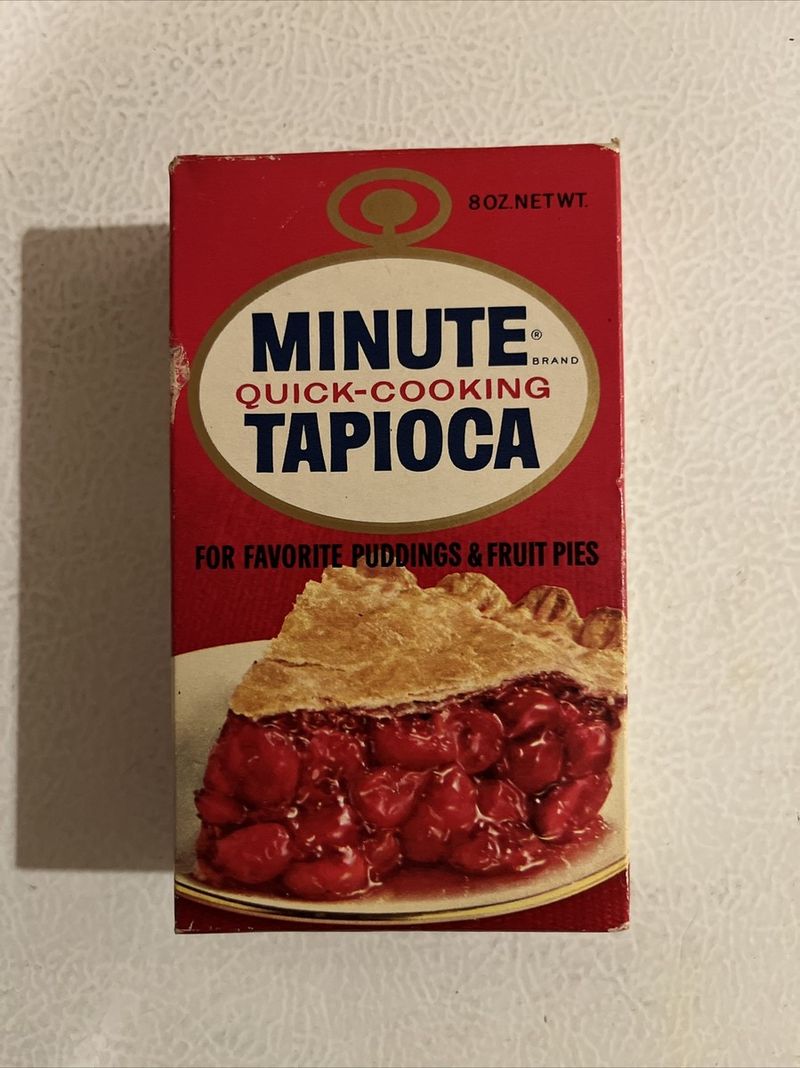
Instant tapioca was a beloved thickener, lending its unique texture to fruit pies and puddings. Its tiny pearls absorbed liquid, creating a comforting consistency.
This ingredient was a staple in kitchens, transforming simple fruits into cooked masterpieces. The texture it provided was like a warm embrace.
Though less common now, instant tapioca evokes memories of family gatherings. Its gentle, thickening touch continues to add warmth and character to desserts.
9. Cornstarch
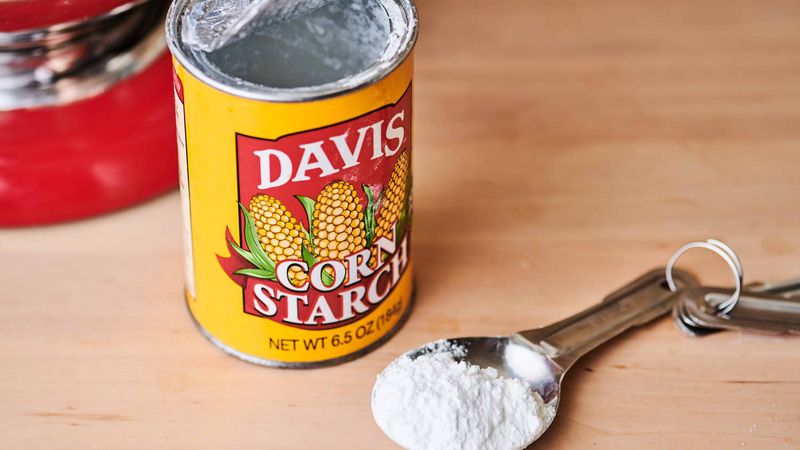
Cornstarch, that hardworking kitchen staple, was more than a mere thickener. It brought gloss to sauces and crispness to fried foods, a true culinary multitasker.
In Grandma’s kitchen, it was used constantly, ensuring dishes had the right texture and finish. Its invisible magic made it indispensable.
Today, cornstarch continues to be a quiet achiever, delivering smoothness and crispness with ease. Its adaptability reminds us of its timeless value in cooking.
10. Shortening
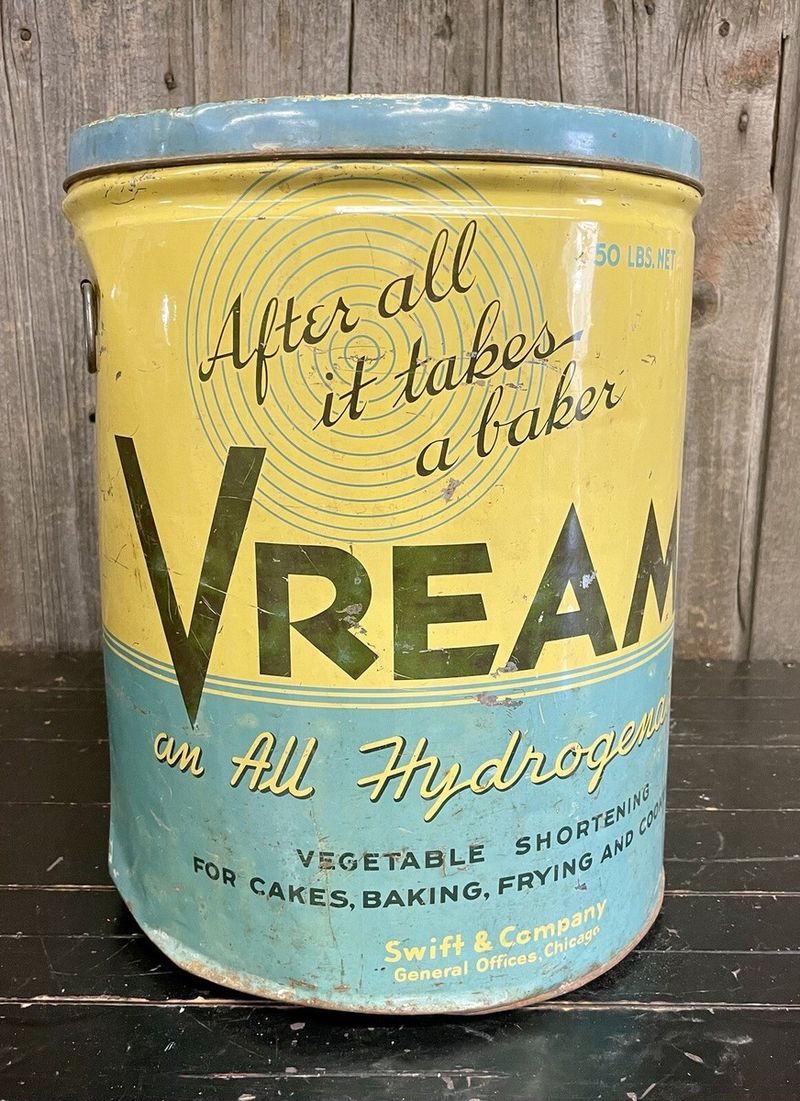
Shortening, a baking staple, was the secret to tender cookies and reliable pie crusts. When butter was too expensive, shortening stepped in with ease.
Its ability to create flaky textures made it a favorite among bakers. Grandmothers relied on it for its dependable results.
Though butter regained popularity, shortening’s role in creating perfect pastries endures. Its presence in the pantry is a nod to frugality and creativity.
11. Molasses
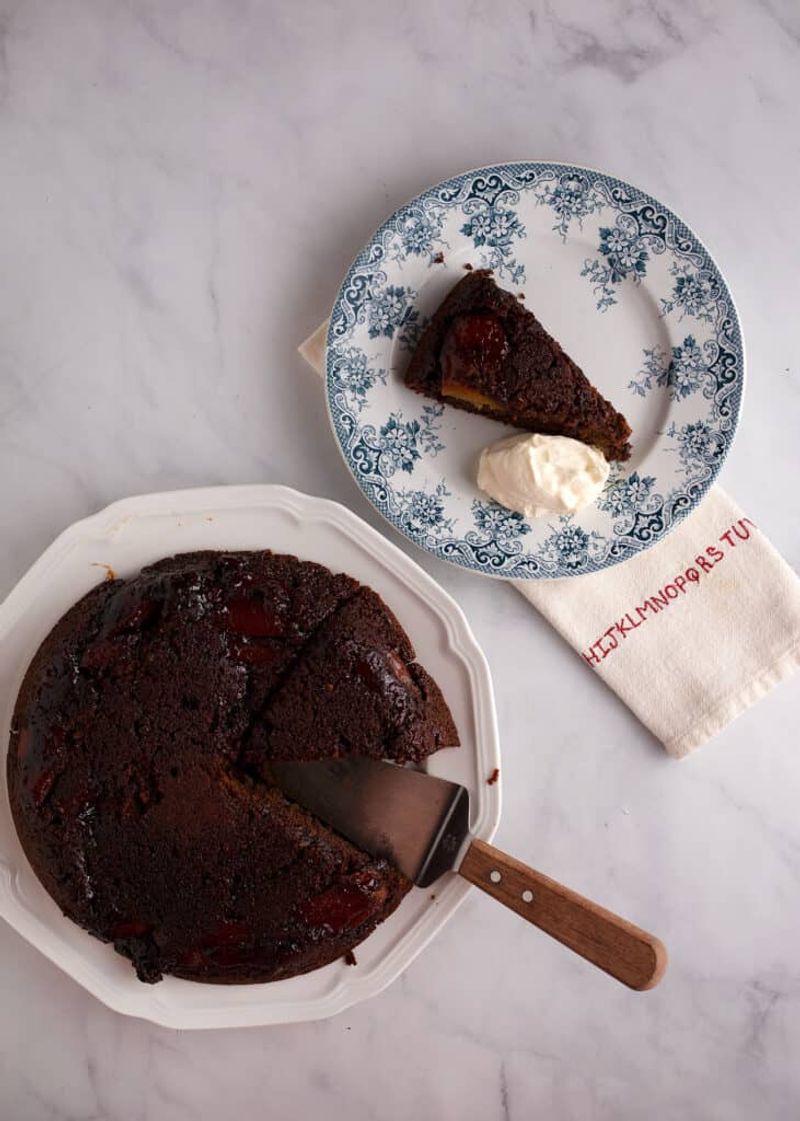
Molasses, with its deep, dark sweetness, was the essence of gingerbread and baked beans. This thick syrup added a robust flavor that was unmistakably authentic.
In times when sugar was scarce, molasses was a treasured sweetener, offering warmth and richness. Its use in baking was a testament to ingenuity.
Even today, molasses continues to lend its unique character to recipes, keeping the essence of tradition alive with every sticky drop.
12. Sorghum Syrup
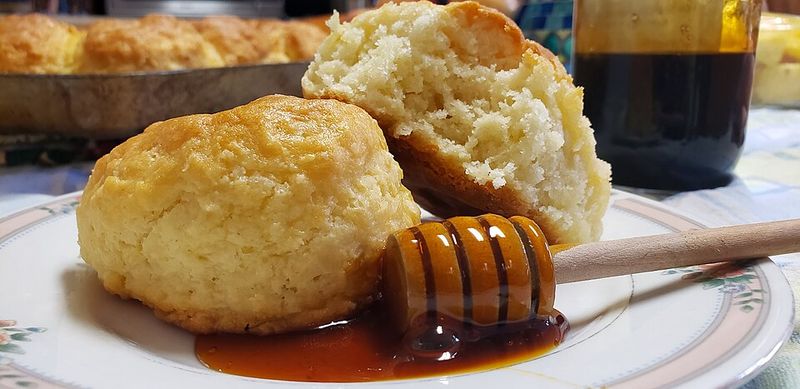
Sorghum syrup, a Southern classic, brought warmth and earthy sweetness to biscuits and cakes. Its distinct flavor was a staple in traditional kitchens.
This syrup’s rich history links it to family farms where it was harvested and enjoyed. It was more than a sweetener; it was a cultural touchstone.
Today, sorghum syrup continues to grace tables, its flavor a reminder of Southern hospitality and heritage. Rediscovering it is like tasting a piece of history.
13. Canning Wax (Paraffin)
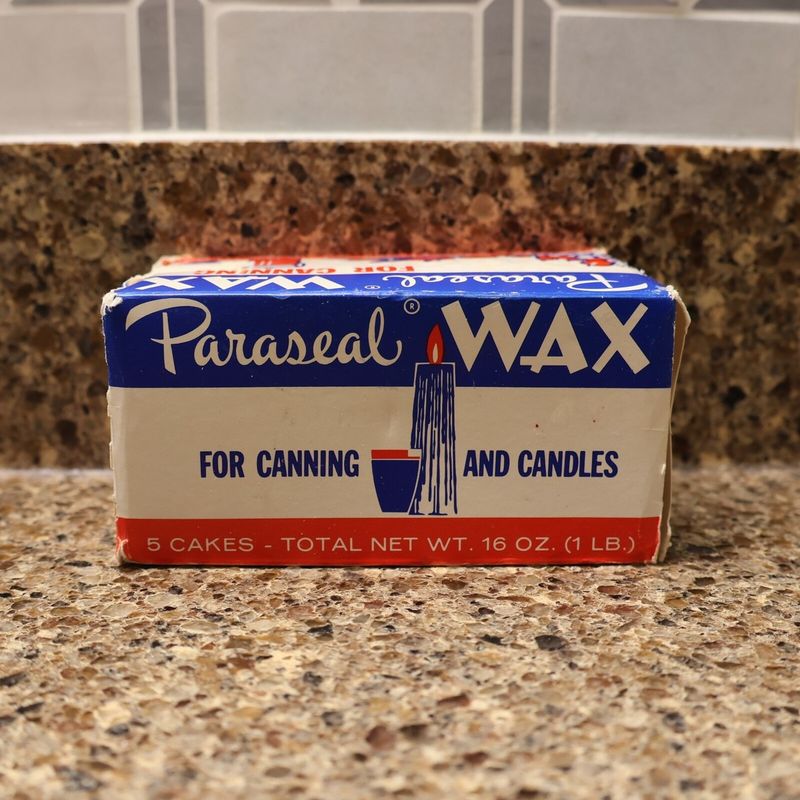
Before modern lids, canning wax was essential for sealing jams and jellies. This paraffin created an airtight barrier, preserving summer’s bounty.
Grandmothers carefully poured it over jars, ensuring flavors remained captured. It was an artful, hands-on craft.
While now replaced by modern methods, canning wax recalls a time when preservation was personal and tactile. Its use was a testament to self-reliance and craftsmanship.
14. Pickling Spice
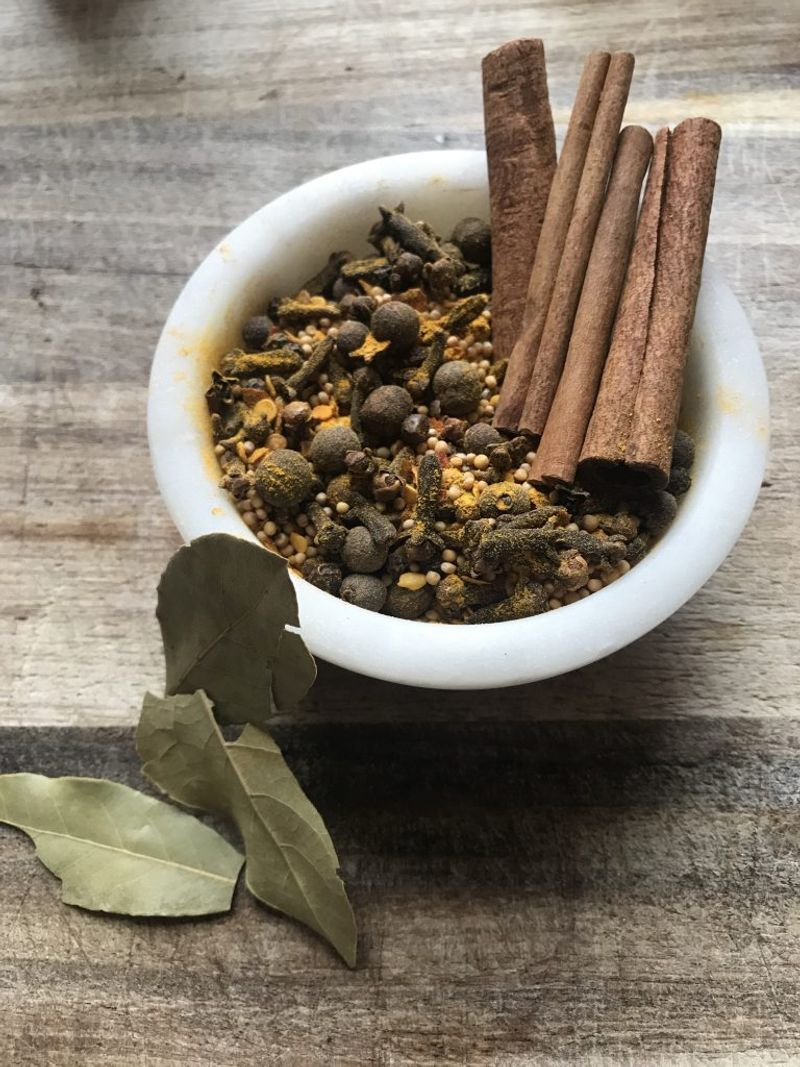
Pickling spice was a blend of flavors, transforming cucumbers into tangy delights. This mix was a kitchen staple, bringing tradition to brined foods.
Its aromatic presence in corned beef and pickled vegetables evoked memories of family meals. Each jar held a symphony of spices.
Today, pickling spice continues to add zest and character to dishes, keeping the art of preservation alive with every sprinkle.
15. Dry Mustard Powder
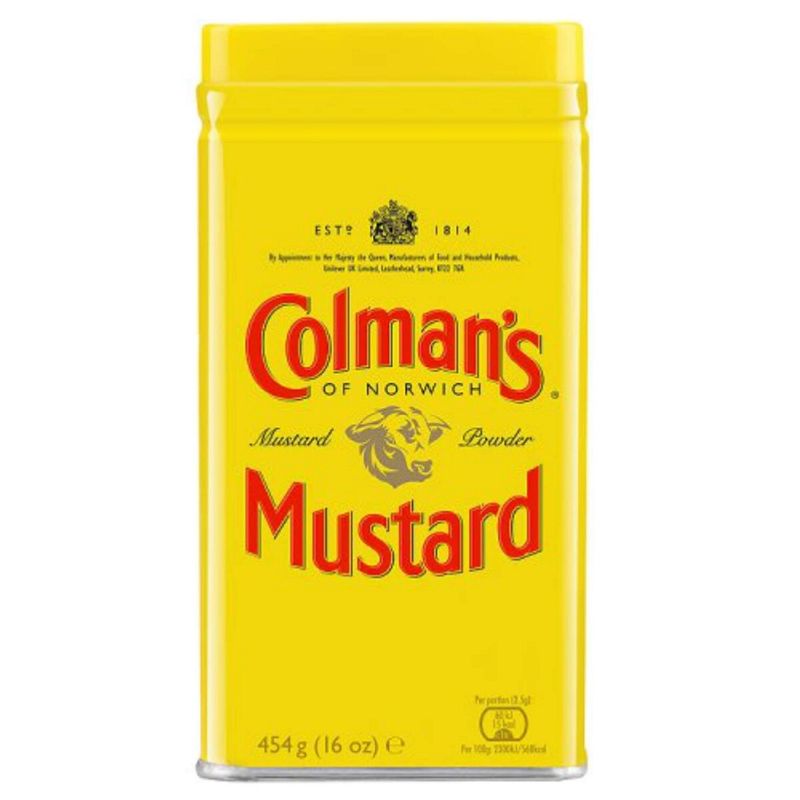
Dry mustard powder packed a punch, adding sharpness to deviled eggs and dressings. Its presence in Grandma’s kitchen was felt in every tangy bite.
This pantry staple brought depth to mac and cheese, proving itself a versatile ingredient. A little went a long way.
Though often overshadowed today, dry mustard powder continues to enhance flavors, a small reminder of bold culinary traditions.
16. Worcestershire Sauce
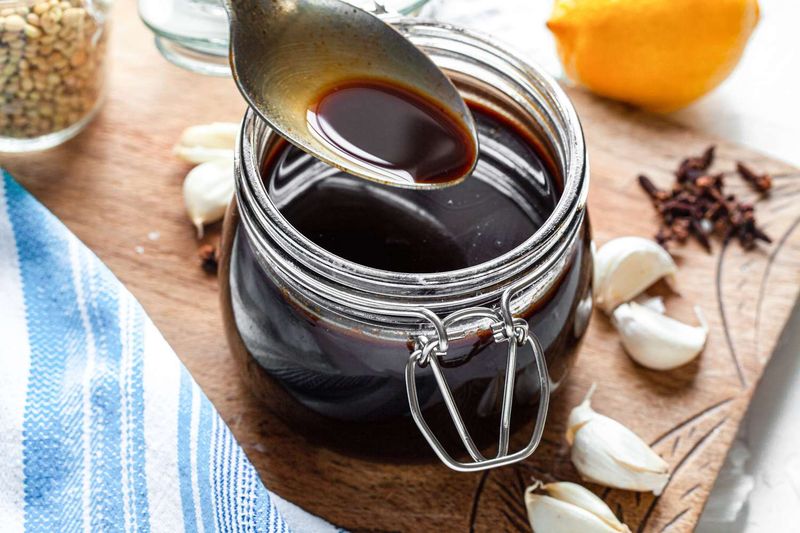
Worcestershire sauce was the secret weapon in Grandma’s kitchen. Just a few dashes transformed gravies, meatloaf, and stews, deepening flavors instantly.
This liquid condiment was a must-have for its complex taste, a mix of savory, sweet, and tangy notes. It added a depth that was hard to replicate.
Today, Worcestershire sauce remains a culinary staple, its unique flavor profile continuing to enhance dishes in timeless fashion.