17 Foods Passengers Ate Aboard The Titanic
The Titanic is often remembered for tragedy, but its menus reveal a vivid world of class, comfort, and ambition. What people ate on board tells you how differently passengers experienced the same voyage, from lavish French-inspired dinners to hearty, practical suppers.
If you have ever wondered what life tasted like on the ship, these dishes bring that lost world into sharper focus. Here are 17 foods that appeared on Titanic tables and what they say about life at sea in 1912.
1. Oysters
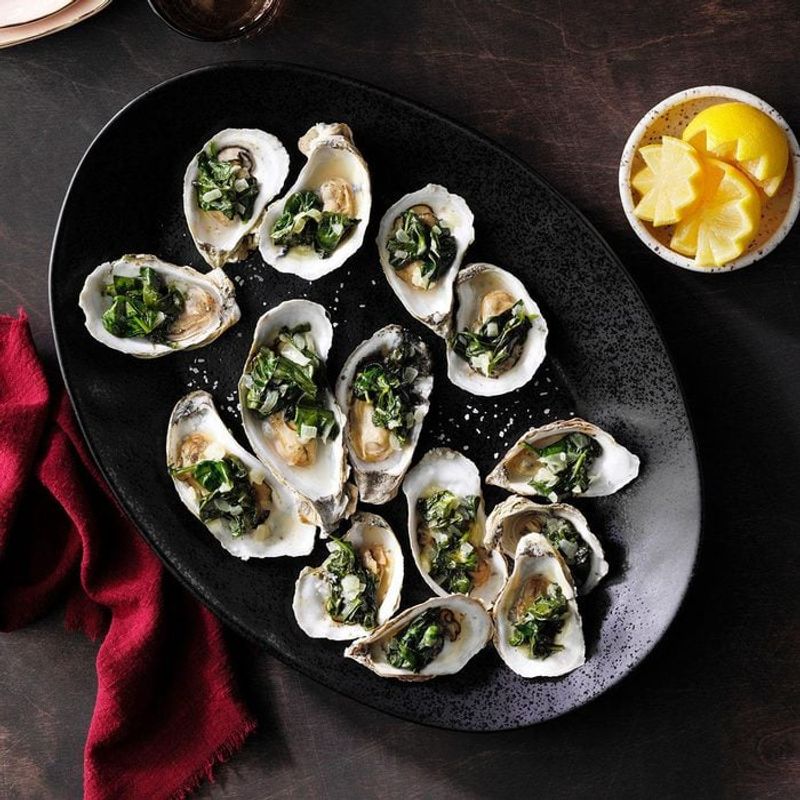
Oysters opened the famous first-class dinner on April 14, 1912, and they instantly signaled luxury. You can almost picture the white tablecloths, polished silver, and passengers expecting something exceptional from the very first bite.
On Titanic, oysters were not just a starter, they were a statement.
They fit perfectly with the ship’s French-influenced dining style and helped create a restaurant atmosphere at sea. For wealthy travelers, this kind of course reinforced the idea that first class was designed to rival the finest hotels on land.
It was elegant, fashionable, and exactly the impression the ship wanted to make.
2. Consommé Olga
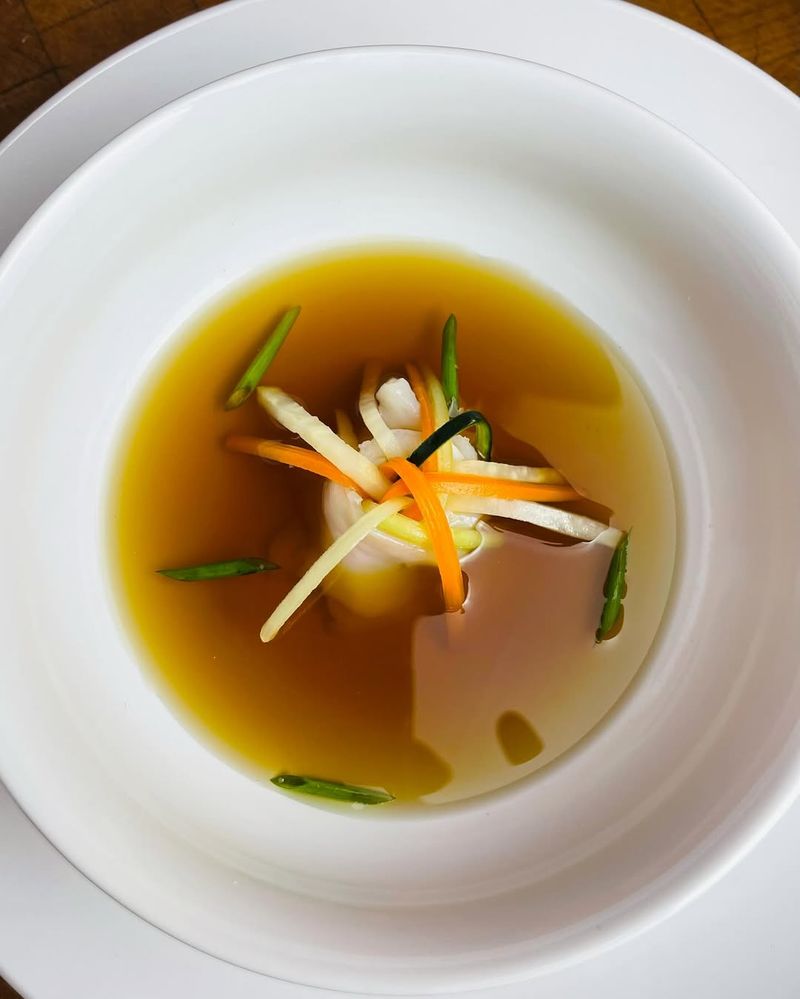
Consommé Olga was one of the polished soup courses served at Titanic’s last first-class dinner. Its name alone sounds refined, and that was part of the appeal, because upper-class dining on the ship leaned heavily into French culinary language.
Even the soup course was meant to feel exclusive.
This clear, carefully prepared broth reflected the formal rhythm of an elaborate multi-course meal. You were not simply being fed, you were being guided through an experience built around sophistication and status.
On Titanic, dishes like Consommé Olga showed how seriously first class took the performance of luxury at sea.
3. Cream of Barley Soup
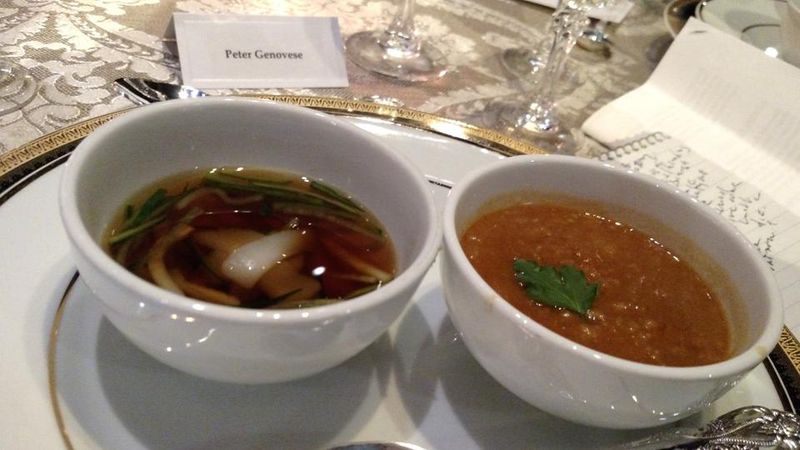
Cream of barley soup appeared alongside Consommé Olga at the final first-class dinner, giving passengers another elegant option. That detail says a lot about Titanic’s upper-deck dining philosophy, because first class was built around choice as much as quality.
Abundance was part of the promise.
This soup offered something richer and more comforting than a clear consommé, while still fitting the formal meal structure. You can sense how carefully the menu balanced refinement with variety so diners never felt limited.
On Titanic, even a simple soup became evidence that luxury meant having alternatives, not just having enough.
4. Salmon With Mousseline Sauce
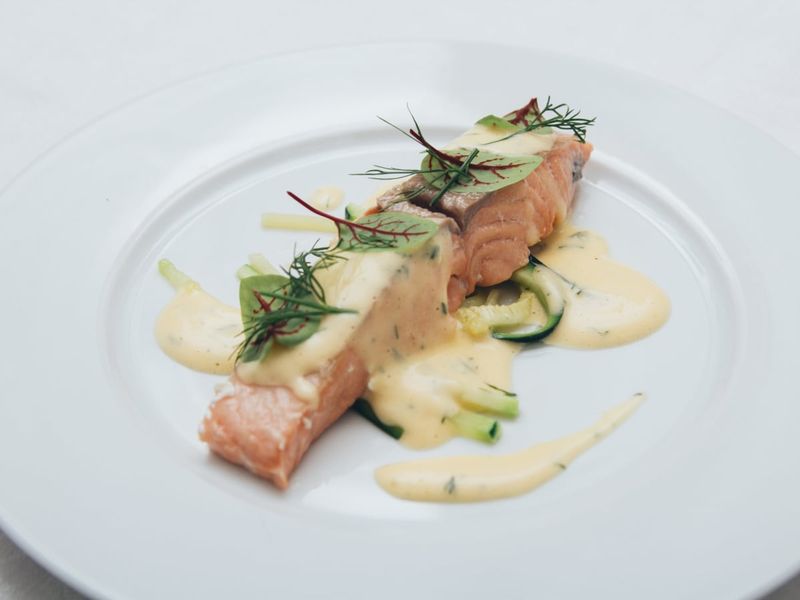
Salmon with mousseline sauce was part of the first-class dinner, and it brought a polished fish course to the table. Served with cucumber, it matched the kind of graceful presentation wealthy passengers would have expected on a luxury liner.
This was travel, but it was also theater.
The dish reflected the Edwardian love of formal sequencing, where seafood arrived as one beautifully composed step in a much larger meal. You can imagine how the rich sauce and careful plating helped elevate the experience beyond ordinary shipboard fare.
Titanic wanted first class to feel like a floating grand hotel, and this course fit perfectly.
5. Filet Mignons Lili
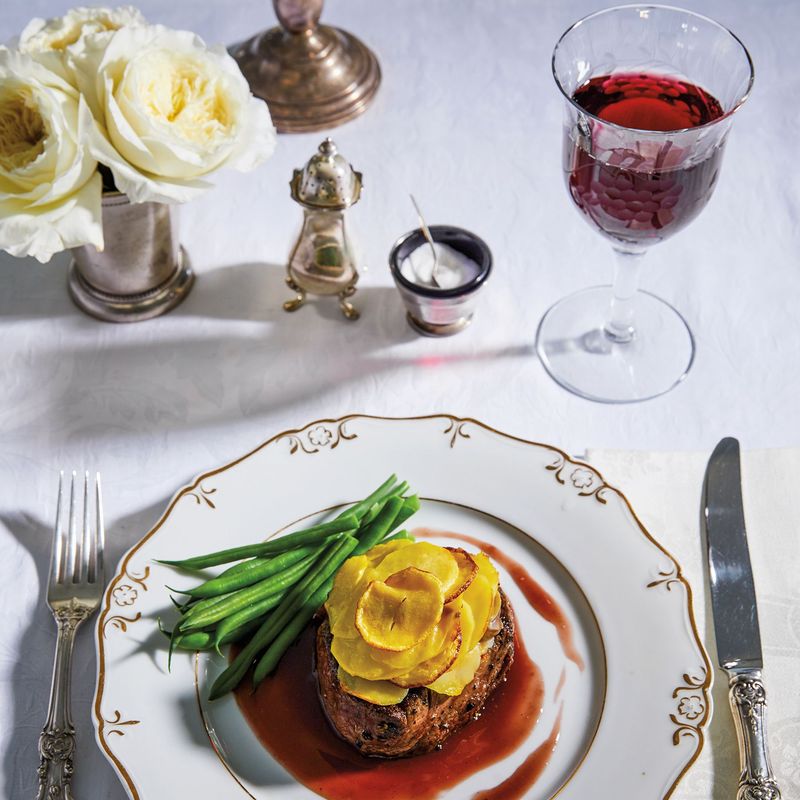
Filet mignons Lili was one of the most elaborate meat dishes listed for Titanic’s first-class passengers. Its formal French name alone suggests how much the ship relied on restaurant-style sophistication to impress elite travelers.
This was not plain roast meat served without ceremony.
The dish represented the carefully staged grandeur of upper-class dining, where each course emphasized refinement, skill, and prestige. You were meant to feel that crossing the Atlantic did not require sacrificing luxury, only relocating it to sea.
Filet mignons Lili captures that ambition perfectly, showing how first class on Titanic aimed to rival exclusive clubs and fashionable hotels on shore.
6. Sautéed Chicken Lyonnaise
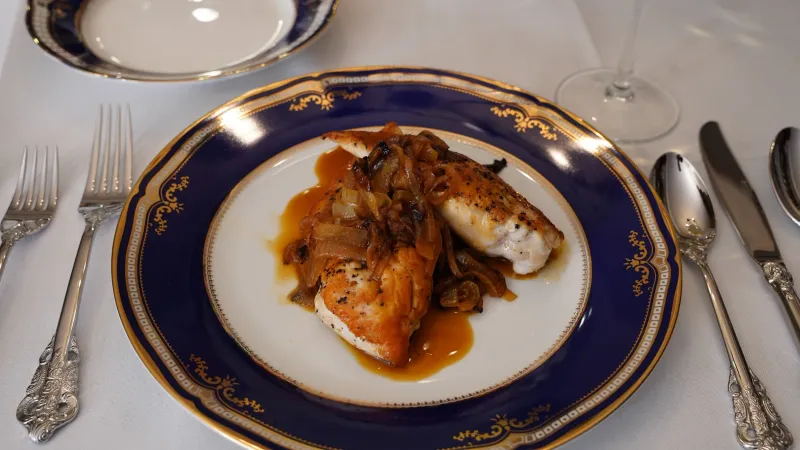
Sautéed chicken Lyonnaise appeared on the first-class dinner menu and highlighted Titanic’s strong French culinary influence. Even a familiar ingredient like chicken was transformed through language, technique, and presentation into something more fashionable.
The menu was designed to sound worldly as well as taste good.
This dish helped reinforce the idea that first-class passengers were enjoying a curated fine-dining experience, not just a meal on a ship. You can see how the wording alone added polish and social prestige to the table.
On Titanic, French-style preparations like this one were part of the broader effort to make luxury feel effortless, modern, and unmistakably elite.
7. Roast Duckling With Apple Sauce
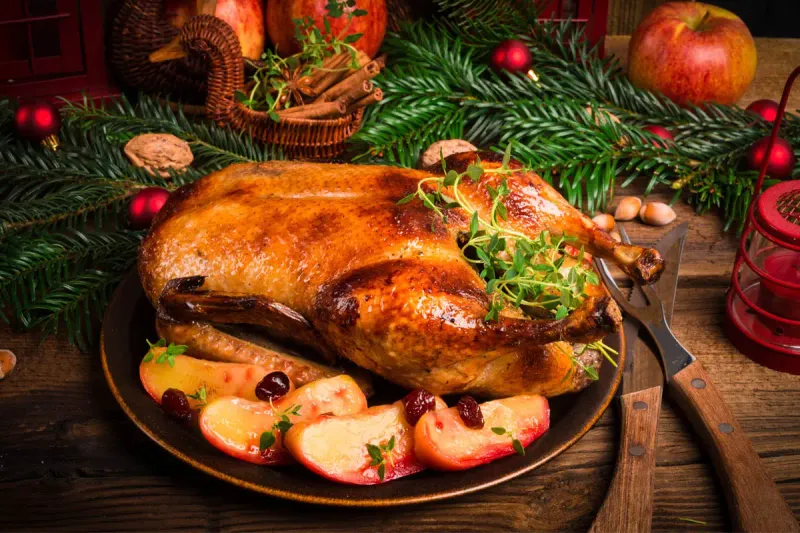
Roast duckling with apple sauce was another first-class option, and its presence shows how extensive the formal dinner service really was. Rather than centering on one main entrée, Titanic’s upper-deck meal unfolded as a parade of impressive dishes.
Variety itself became part of the luxury.
Duckling carried a sense of richness and occasion, especially when paired with apple sauce and served in a grand setting. You can imagine diners reading the menu and realizing just how many choices were still ahead.
On Titanic, meals in first class were built to dazzle, and roast duckling helped prove that elegance could keep arriving course after course.
8. Sirloin of Beef
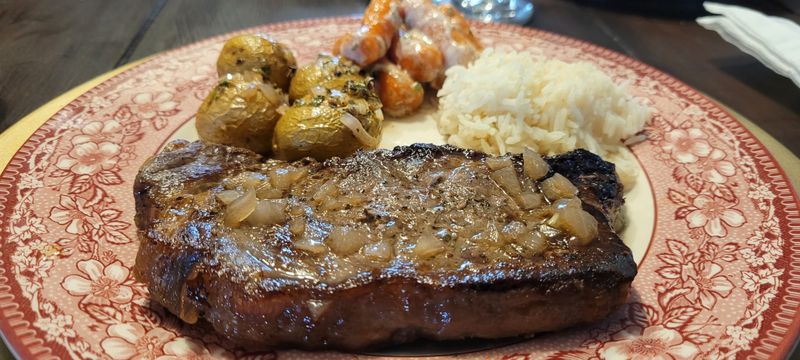
Sirloin of beef appeared on the first-class dinner menu with château potatoes, turning a familiar roast into something more refined. That was one of Titanic’s strengths upstairs, taking recognizable comforts and presenting them with extra polish.
Even traditional dishes were elevated by setting and service.
For passengers, roast beef likely offered a reassuring sense of substance amid a menu filled with French names and formal courses. You can see how it balanced novelty with comfort, giving diners both status and familiarity on the same plate.
On Titanic, sirloin of beef showed that luxury did not always mean unusual food, just food presented with grandeur and care.
9. Pâté de Foie Gras
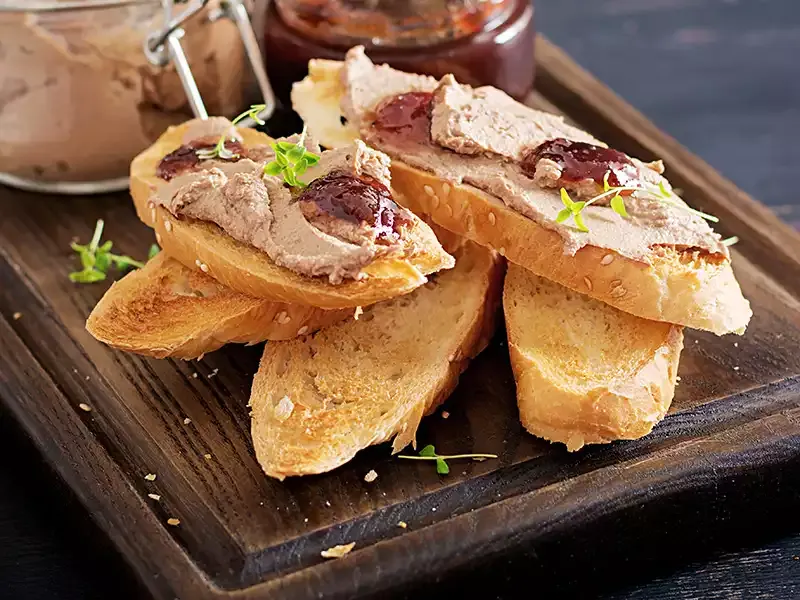
Pâté de foie gras was part of the first-class meal, and its inclusion tells you immediately how ambitious Titanic’s dining program was. This was not ordinary travel food designed merely to satisfy hunger.
It was luxury meant to impress people who already knew high standards.
Serving foie gras on board helped create the atmosphere of a private club or grand hotel, where indulgence was woven into the routine of dinner. You can almost feel how such a dish reinforced social distinction at the table.
On Titanic, foods like this reminded first-class passengers that the voyage itself was being sold as an elite experience, not just transportation.
10. Waldorf Pudding
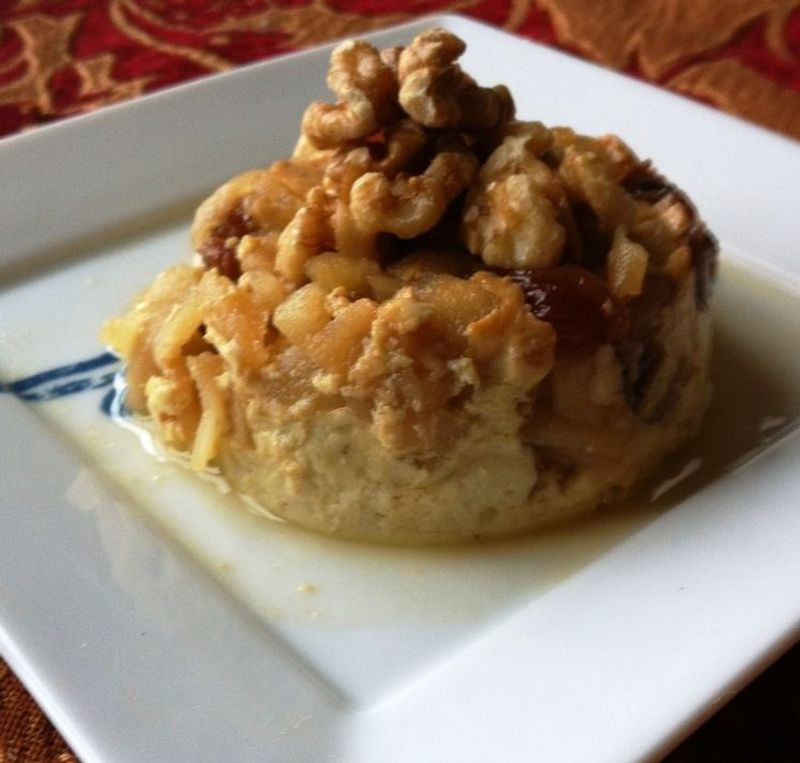
Waldorf pudding appeared among the desserts in first class, proving the meal kept its momentum all the way to the end. After a long succession of savory courses, passengers were still offered sweets designed to feel stylish and memorable.
Dessert was part of the spectacle, not an afterthought.
The name itself carried fashionable appeal and fit the era’s love of hotel glamour and polished dining. You can imagine how a pudding like this helped complete the sense of abundance that defined the evening.
On Titanic, Waldorf pudding showed that first-class meals were carefully built to impress from opening oysters to the final sweet course.
11. Chocolate and Vanilla Éclairs
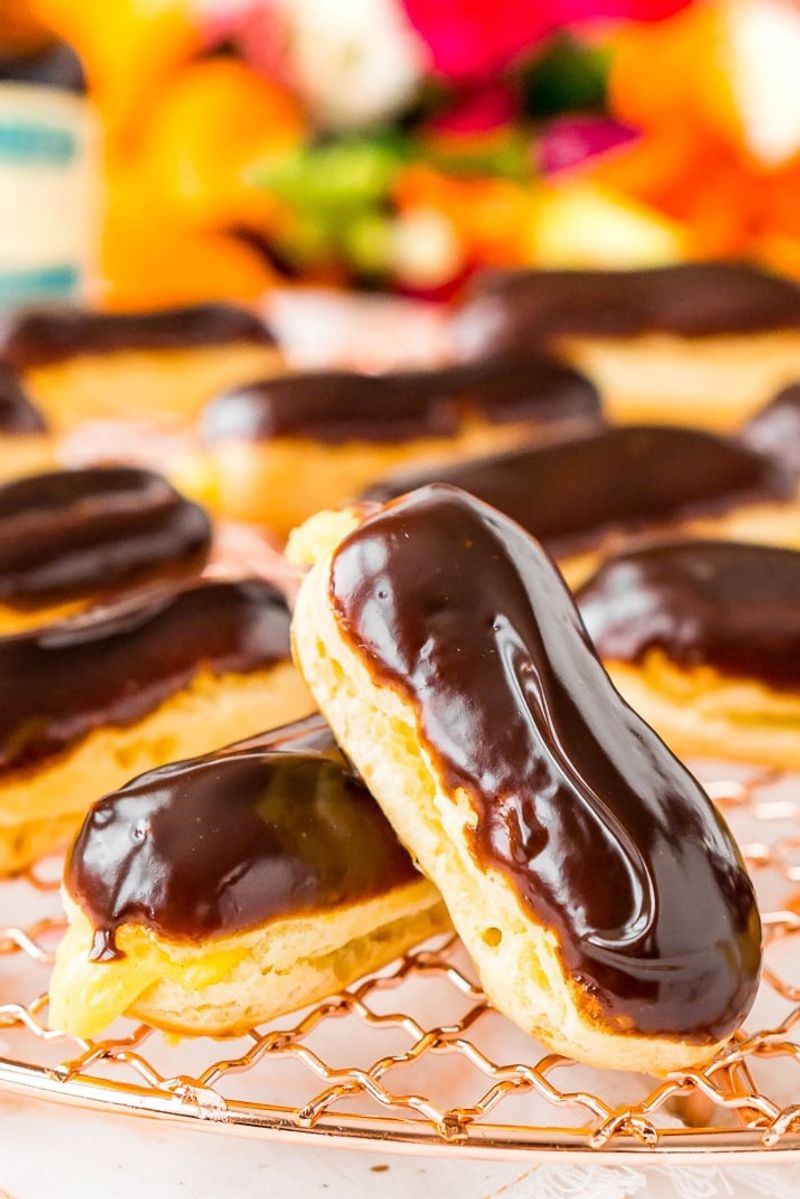
Chocolate and vanilla éclairs were part of the dessert selection at Titanic’s last first-class dinner. By the time these pastries appeared, passengers had already moved through an astonishing number of courses, yet the menu still found room for another layer of richness.
Excess was part of the charm.
These éclairs added color, sweetness, and a distinctly French touch to the closing stage of the meal. You can picture them as small but telling symbols of the ship’s determination to offer refinement in every category.
On Titanic, even dessert variety mattered, and chocolate and vanilla éclairs helped underline just how generous first-class dining could be.
12. Curried Chicken and Rice
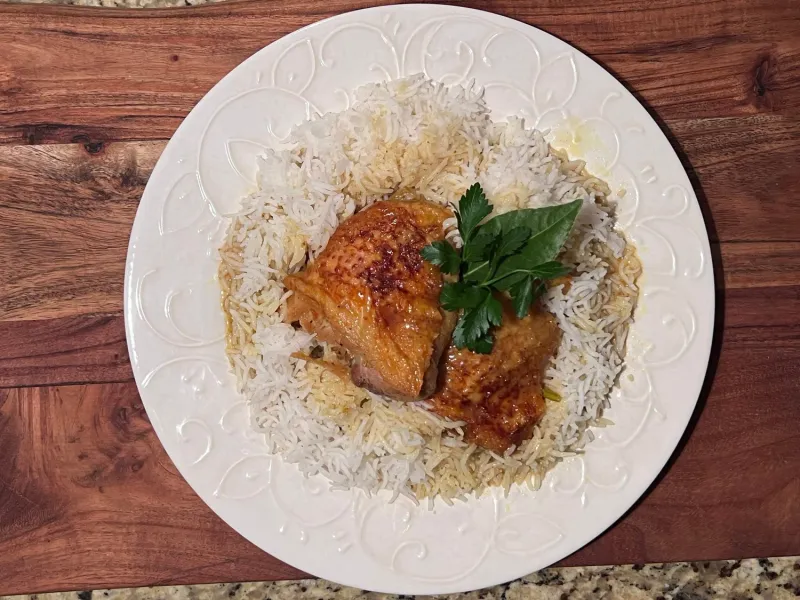
Curried chicken and rice appeared on the second-class dinner menu, showing that passengers in the middle tier still ate quite well. The meal was less extravagant than first class, but it offered flavor, variety, and a sense of proper table service.
Second class was comfortable, not bare.
This dish suggests a menu that aimed to feel modern and satisfying without leaning into extreme luxury. You can see how it gave travelers something slightly different from the most familiar British staples while still remaining approachable.
On Titanic, curried chicken and rice reflected a middle ground, where respectable dining and broad appeal mattered more than showy excess.
13. Baked Haddock With Sharp Sauce
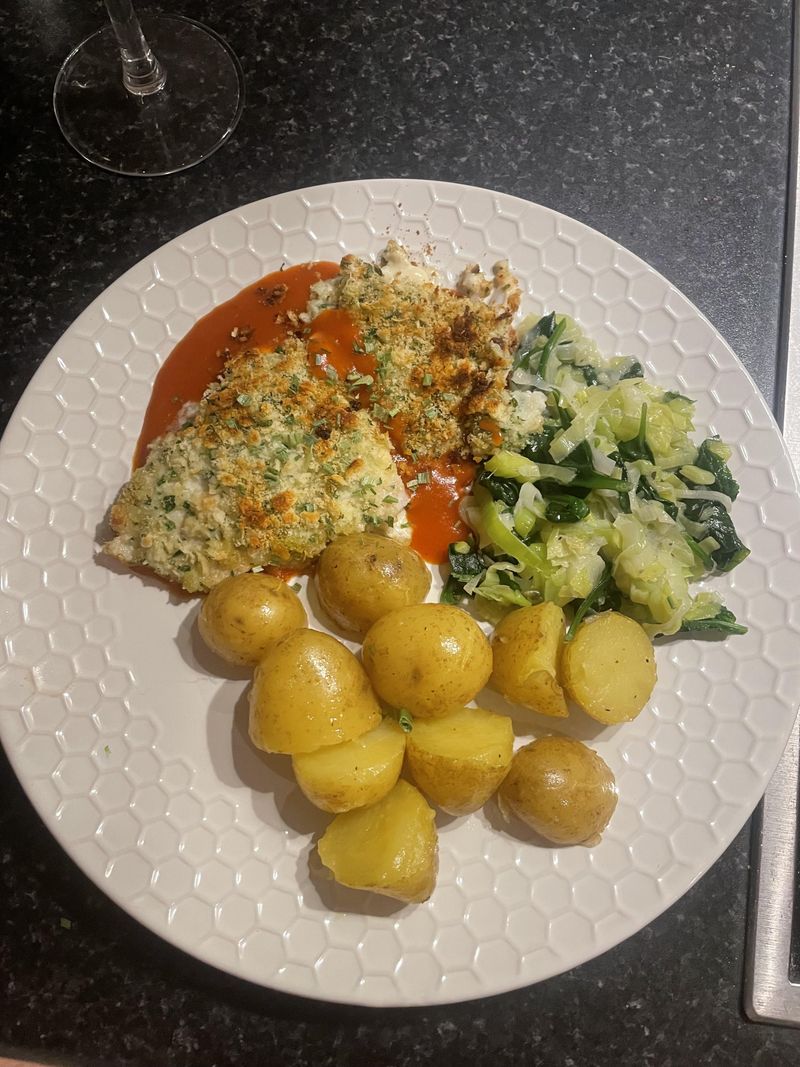
Baked haddock with sharp sauce was another second-class dinner item and a strong example of how solid those meals could be. While simpler than first-class offerings, it was still a proper plated course with attention to flavor and presentation.
That mattered on a long transatlantic journey.
Fish dishes like this gave second-class passengers a sense of structure and dignity in the dining room, not just basic sustenance. You can imagine the sharp sauce adding a welcome bit of brightness to an otherwise straightforward entrée.
On Titanic, baked haddock showed that middle-tier travelers were still being served meals designed to feel organized, substantial, and pleasantly civilized.
14. Roast Turkey With Cranberry Sauce
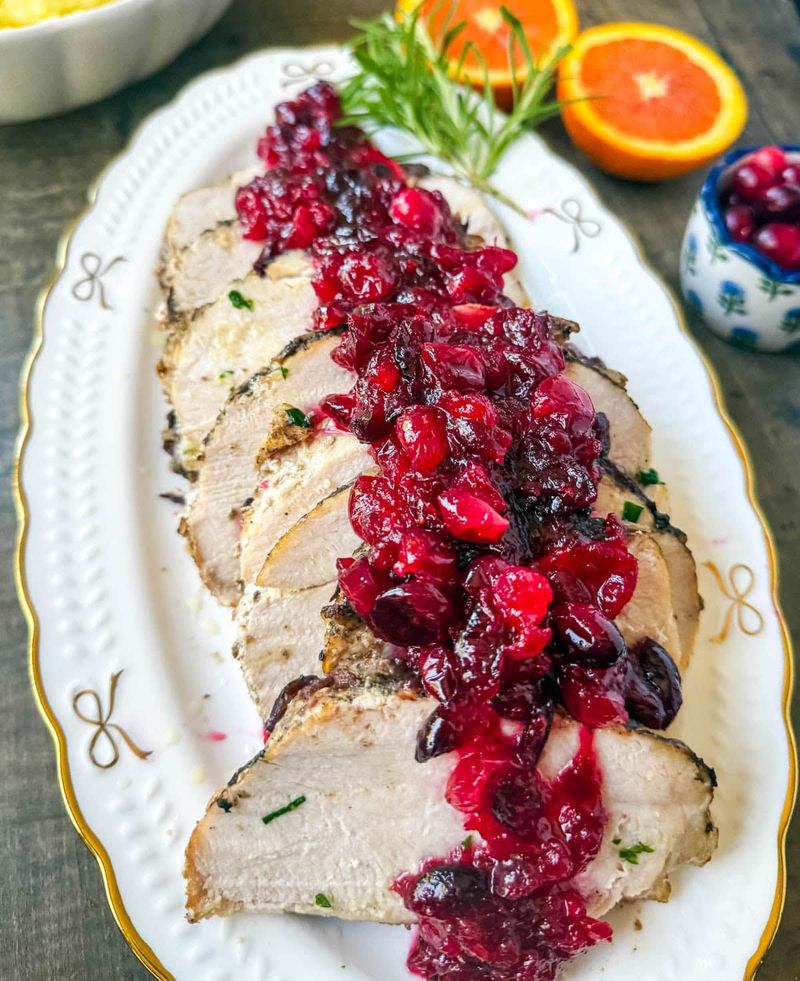
Roast turkey with cranberry sauce was served in second class, along with vegetables and potatoes, giving passengers a meal that felt generous and familiar. It was less ornate than first-class dining, but it still looked like a complete sit-down dinner.
Comfort and respectability were clearly priorities.
For many travelers, a dish like this likely offered reassurance during an uncertain journey across the Atlantic. You can sense how recognizable food helped make second class feel stable and welcoming rather than merely functional.
On Titanic, roast turkey with cranberry sauce captured the balance of practicality and care that defined the ship’s middle-tier dining experience.
15. Plum Pudding
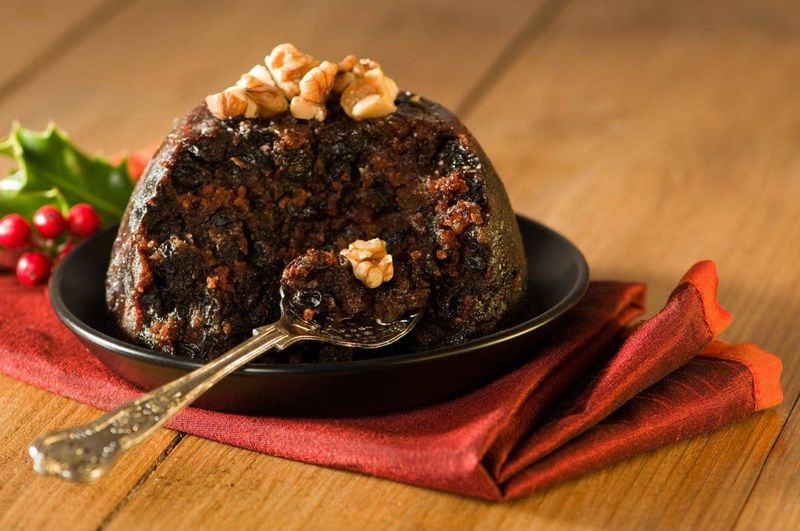
Plum pudding appeared as a dessert for second-class passengers and brought a classic British finish to the meal. Unlike the fashion-forward sweets upstairs, this was a familiar comfort rooted in tradition and everyday pleasure.
That familiarity would have meant a lot on an ocean crossing.
The dessert helped second-class dining feel grounded and recognizable, offering something many travelers would immediately understand and enjoy. You can almost picture it arriving as a warm, satisfying close to dinner after a day at sea.
On Titanic, plum pudding showed that good hospitality was not only about luxury, but also about serving foods that felt dependable, hearty, and culturally familiar.
16. Stew
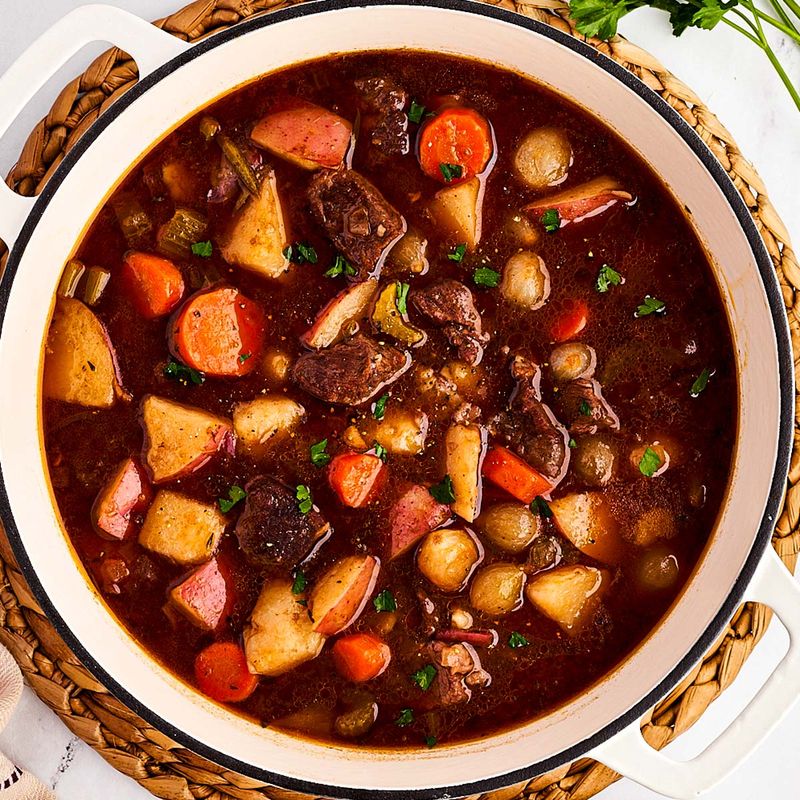
Stew was among the hearty foods associated with third-class dining on Titanic, and it reflects a much plainer but still respectable standard. These meals were designed to fill people up and provide dependable nourishment during the crossing.
In steerage, practicality mattered most.
Even so, Titanic’s third-class food compared favorably with conditions many immigrants had known on older ships, where meals could be much rougher. You can appreciate how a solid bowl of stew represented dignity as much as sustenance.
On Titanic, third-class passengers were not dining in luxury, but dishes like stew still showed an effort to provide warm, substantial food in a structured communal setting.
17. Roast Pork With Sage and Onions
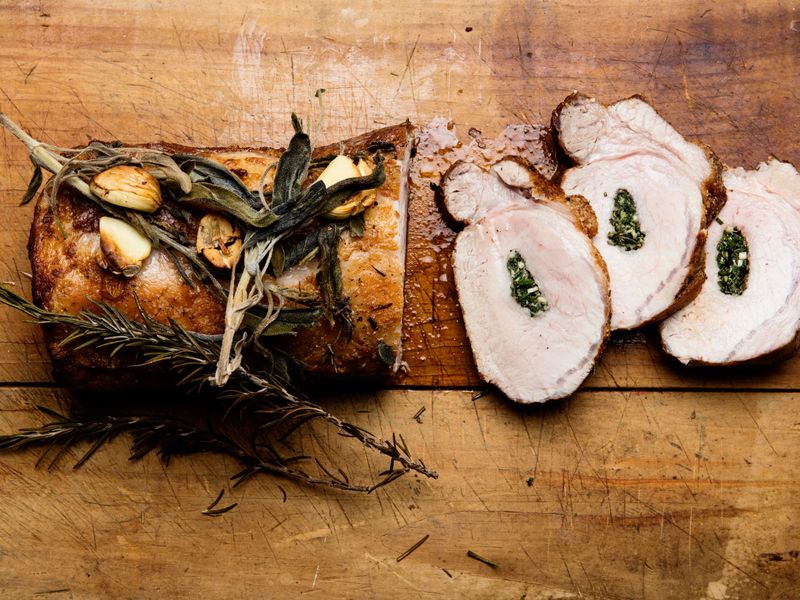
Roast pork with sage and onions was another documented third-class meal, often served with boiled potatoes and vegetable soup. It was straightforward food, but it offered substance, flavor, and a proper sense of dinner for passengers traveling with fewer means.
That alone made a difference.
For many immigrants, meals like this may have felt better than what they expected from shipboard life based on older crossings. You can see how Titanic’s third-class service aimed for adequacy with a measure of respect rather than pure austerity.
Roast pork with sage and onions captures that balance well, showing a menu built around filling, familiar food that still recognized passengers’ comfort and dignity.