17 Foods People Avoid Based On Looks Alone
We eat with our eyes first, and sometimes what we see makes us want to run the other way. But looks can be seriously deceiving when it comes to food.
Some of the most delicious dishes on the planet look downright strange, slimy, or just plain weird. Before you push that plate away, you might want to give these 17 foods a second chance.
1. Baba Ganoush
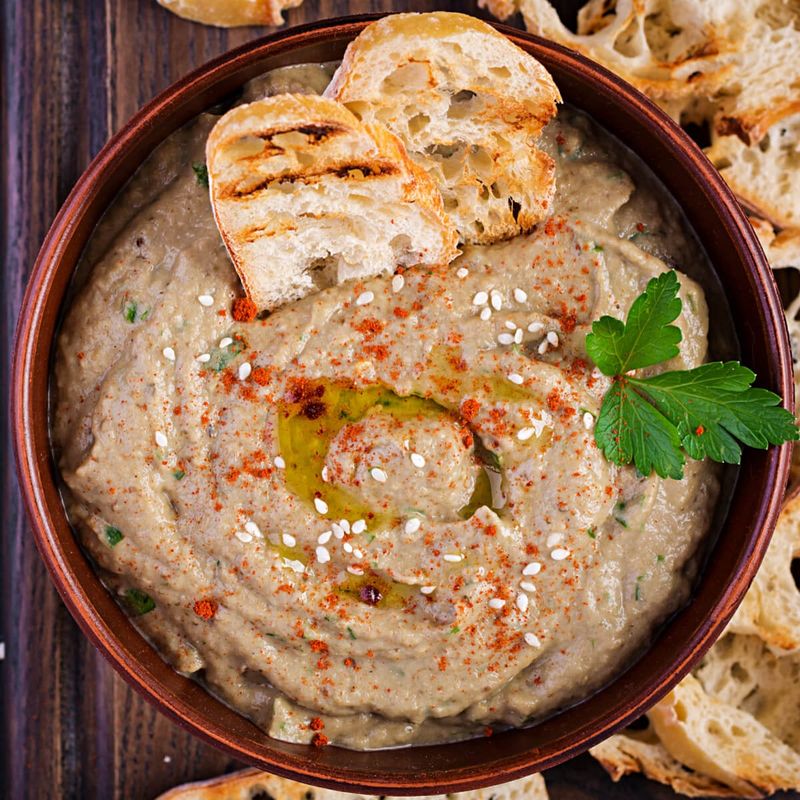
Smoky, earthy, and a little grayish-brown in color, baba ganoush is the kind of dip that makes people do a double take. It looks like something that got left out too long, but that murky appearance comes from roasted eggplant, which is actually the secret to its bold flavor.
Mix in olive oil, garlic, lemon, and spices, and you get one of the most satisfying dips in Middle Eastern cuisine. Once you try it, the looks stop mattering entirely.
2. Tapioca Pudding
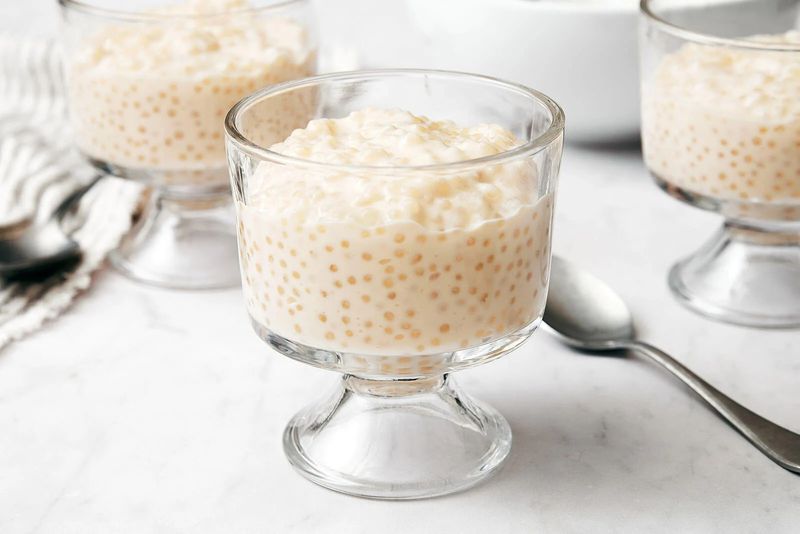
Those wobbly, see-through little blobs floating in milky liquid are enough to make anyone hesitate. Tapioca pudding gets a bad reputation simply because its texture looks strange before you even taste it.
Made from tapioca pearls, milk, and sugar, this dessert is actually sweet, creamy, and comforting. Think of it like a cousin to rice pudding.
The pearls have a soft, chewy texture that is surprisingly fun to eat once you get past the initial weirdness.
3. Callaloo
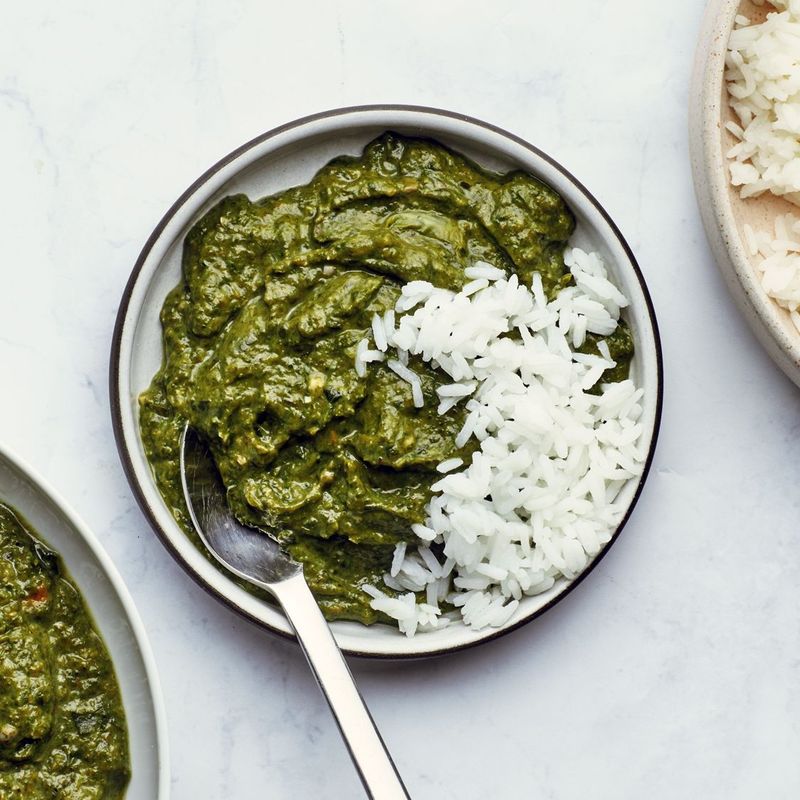
At first glance, callaloo looks like a pile of overcooked greens that have seen better days. Its deep, murky green color and soft, almost mushy texture can put people off before they even smell it.
Popular across the Caribbean, this dish is made from amaranth leaves or taro greens, often cooked down with coconut milk, garlic, and spices. The result is rich, savory, and deeply satisfying.
Served as a stew or alongside eggs at breakfast, it punches way above its looks.
4. Buddha’s Hand
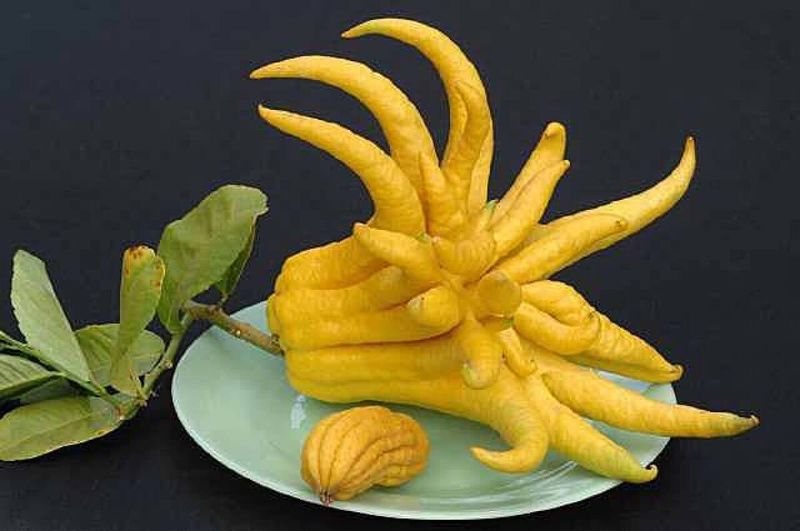
Part alien, part squid, and somehow also a fruit, Buddha’s Hand looks like nothing else in the produce aisle. Its long yellow fingers stretch out in every direction, and most people back away slowly when they first spot it.
Here is the twist: this citrus fruit has no juice or pulp at all. Its entire value is in the fragrant, floral zest of its skin.
Chefs love it for adding a bright citrus aroma to desserts, cocktails, and savory dishes alike.
5. Pea Soup
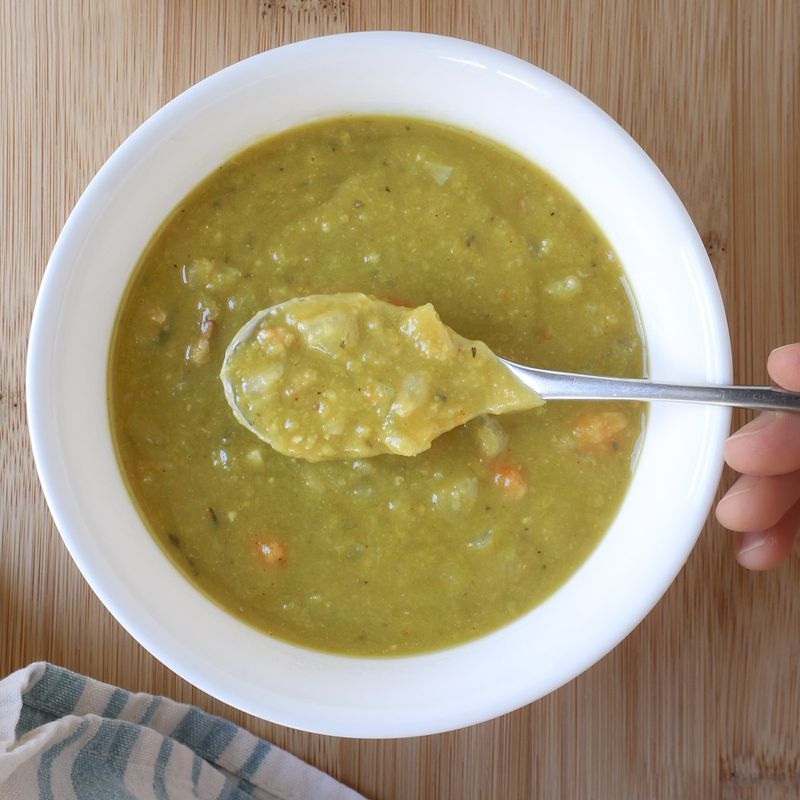
Thick, green, and murky, split pea soup is a hard sell visually. It looks less like food and more like something you would find at the bottom of a swamp.
Even a well-made batch rarely photographs well.
But this hearty soup has been warming people up for centuries for good reason. Slow-cooked with a smoky ham hock, split peas break down into a velvety, protein-packed bowl of comfort.
It is the kind of meal that tastes far better than it looks, every single time.
6. Meatloaf
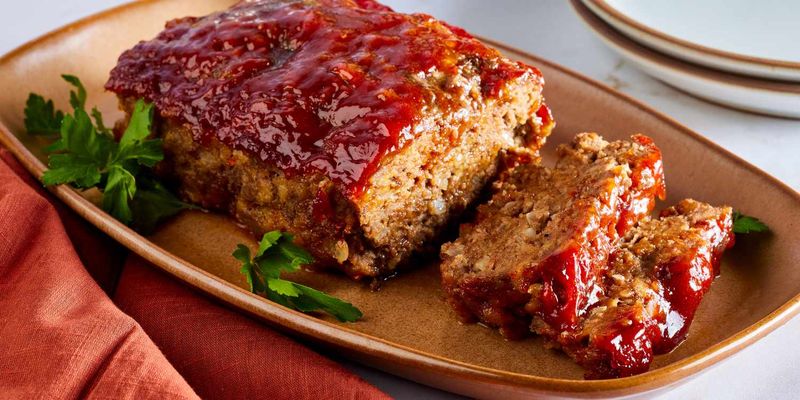
Few dishes have a worse reputation for looking unappetizing than meatloaf. It sits on the plate like a dense, brown brick, and no amount of ketchup glaze fully rescues its humble appearance.
Still, generations of home cooks have sworn by it for good reason. Ground beef blended with onions, garlic, breadcrumbs, and cheese becomes incredibly moist and flavorful after a slow bake in the oven.
Meatloaf is the ultimate comfort food hiding behind one of the least glamorous exteriors in the kitchen.
7. Oysters
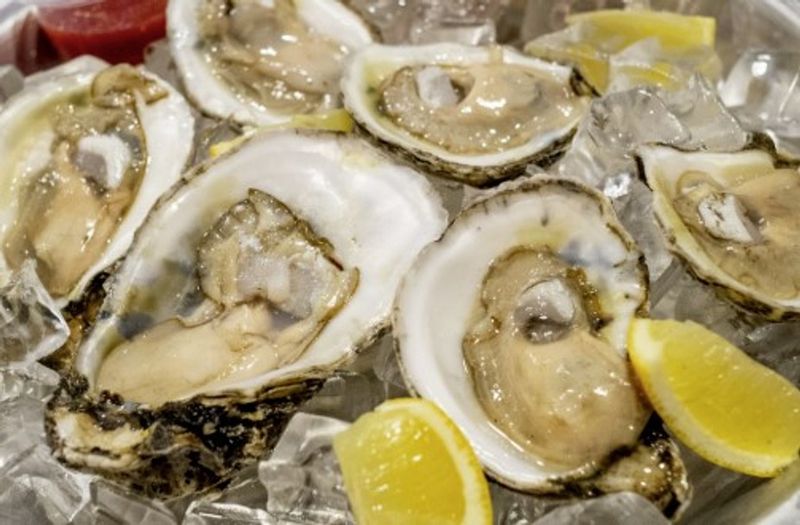
Cracking open an oyster for the first time is a genuinely alarming experience. The gray, quivering blob inside looks like something from a horror movie, and its slippery texture does not help its case at all.
Yet oysters are one of the most celebrated delicacies in the world. Their flavor is briny, fresh, and faintly sweet, like a mouthful of clean ocean air.
Served raw with a squeeze of lemon or a dash of hot sauce, they are an experience worth every bit of the bravery it takes.
8. Injera with Toppings
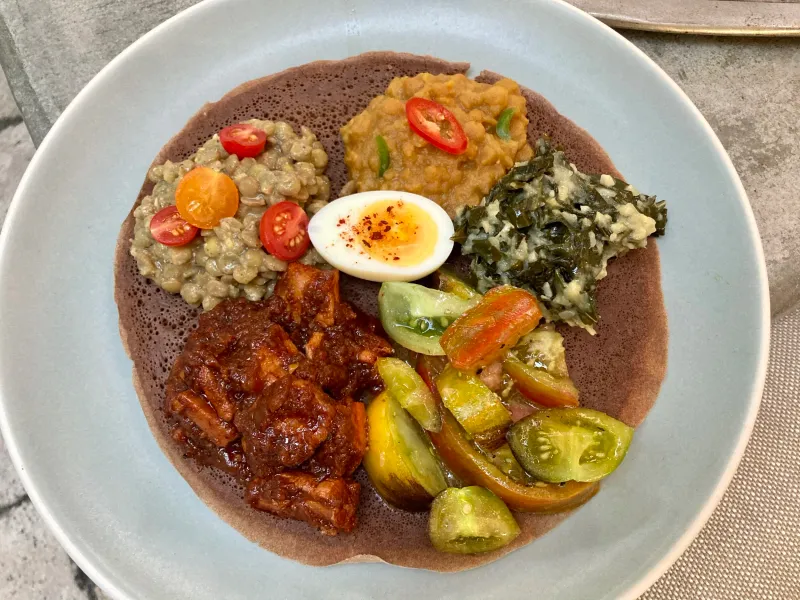
Injera looks like a giant, grayish-brown sponge piled high with a messy assortment of stews and chopped vegetables. It is not exactly a photogenic dish, and the communal presentation can feel overwhelming to first-timers.
Traditional Ethiopian food is meant to be eaten with your hands, tearing pieces of the spongy teff flatbread to scoop up rich, spiced lentils, meats, and greens. Every bite delivers deep, layered flavors that are completely unlike anything else.
The mess is totally worth it.
9. Cottage Cheese
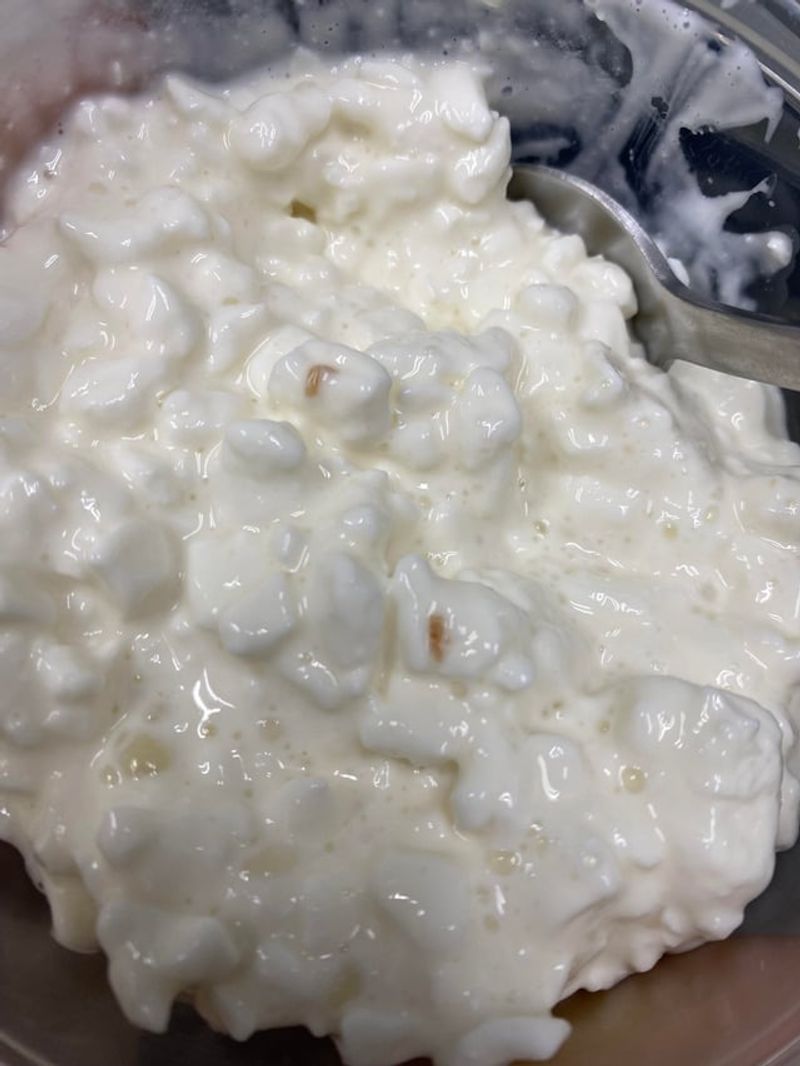
Lumpy, wet, and blindingly white, cottage cheese is one of those foods that requires a leap of faith. The uneven curds sitting in milky liquid do not exactly scream delicious, and many people write it off without ever trying it.
In reality, cottage cheese is mild, slightly tangy, and incredibly versatile. It is packed with protein, making it a favorite among athletes and health-conscious eaters.
Top it with fruit, blend it into smoothies, or eat it plain. The texture grows on you faster than you might expect.
10. Passion Fruit
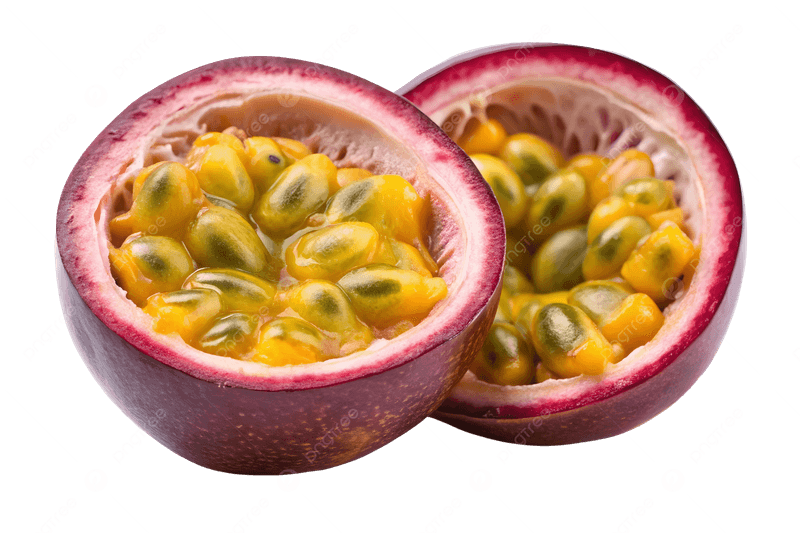
Cutting open a passion fruit for the first time can be a little alarming. The inside is filled with glistening, seed-covered pulp that genuinely looks like frog eggs floating in slime.
It is not the most inviting sight in the fruit bowl.
Get past the appearance and you are rewarded with one of the most intoxicating flavors in nature. Passion fruit is intensely sweet and tart at the same time, with a floral aroma that is hard to forget.
It is a tropical gem hiding behind a very strange exterior.
11. Truffles
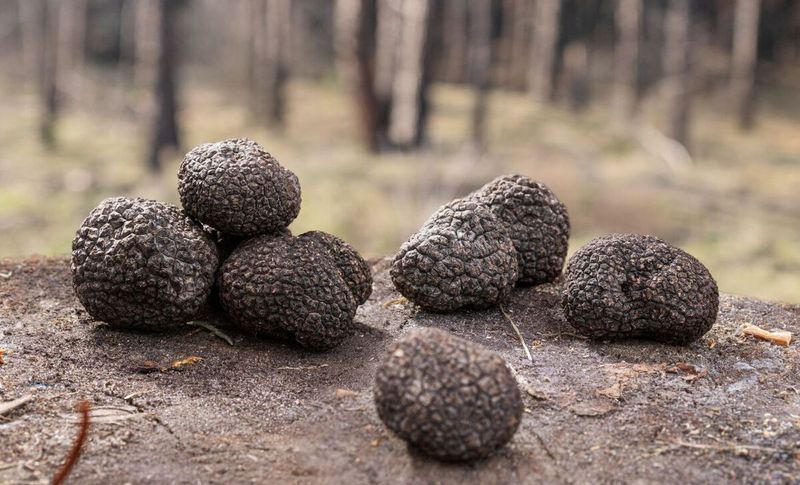
Truffles look like lumpy clumps of dirt dug up from the forest floor. Their rough, warty skin and irregular shape make them look more like a rock than a food worth hundreds of dollars per pound.
Beneath that ugly exterior is one of the most prized ingredients in fine dining. The aroma alone, earthy, musky, and intoxicating, is enough to transform an entire dish.
Chefs shave them thinly over pasta, eggs, and risotto, turning ordinary meals into something extraordinary. Ugly has never tasted so luxurious.
12. Morel Mushrooms
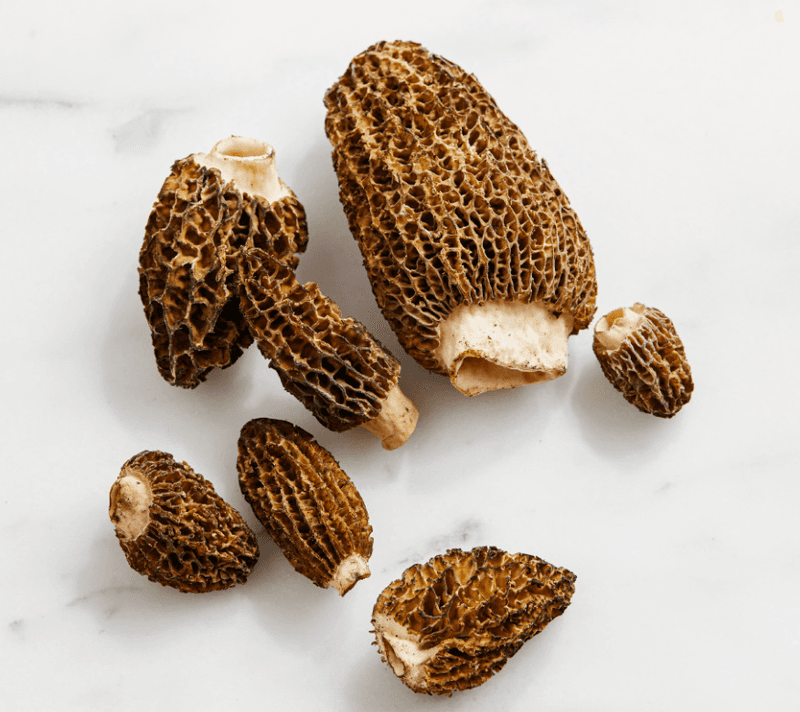
Morels look like tiny, wrinkled brains attached to pale stalks. Their honeycomb-like caps are deeply ridged and uneven, giving them an almost alien appearance that makes plenty of people hesitant to put them anywhere near their plate.
Among mushroom lovers, though, morels are practically legendary. Their meaty, nutty flavor is unlike any other mushroom, and they absorb butter and herbs beautifully when sauteed.
Wild-foraged and available only in spring, they are genuinely rare, making every strange-looking bite feel like a small celebration.
13. Caviar
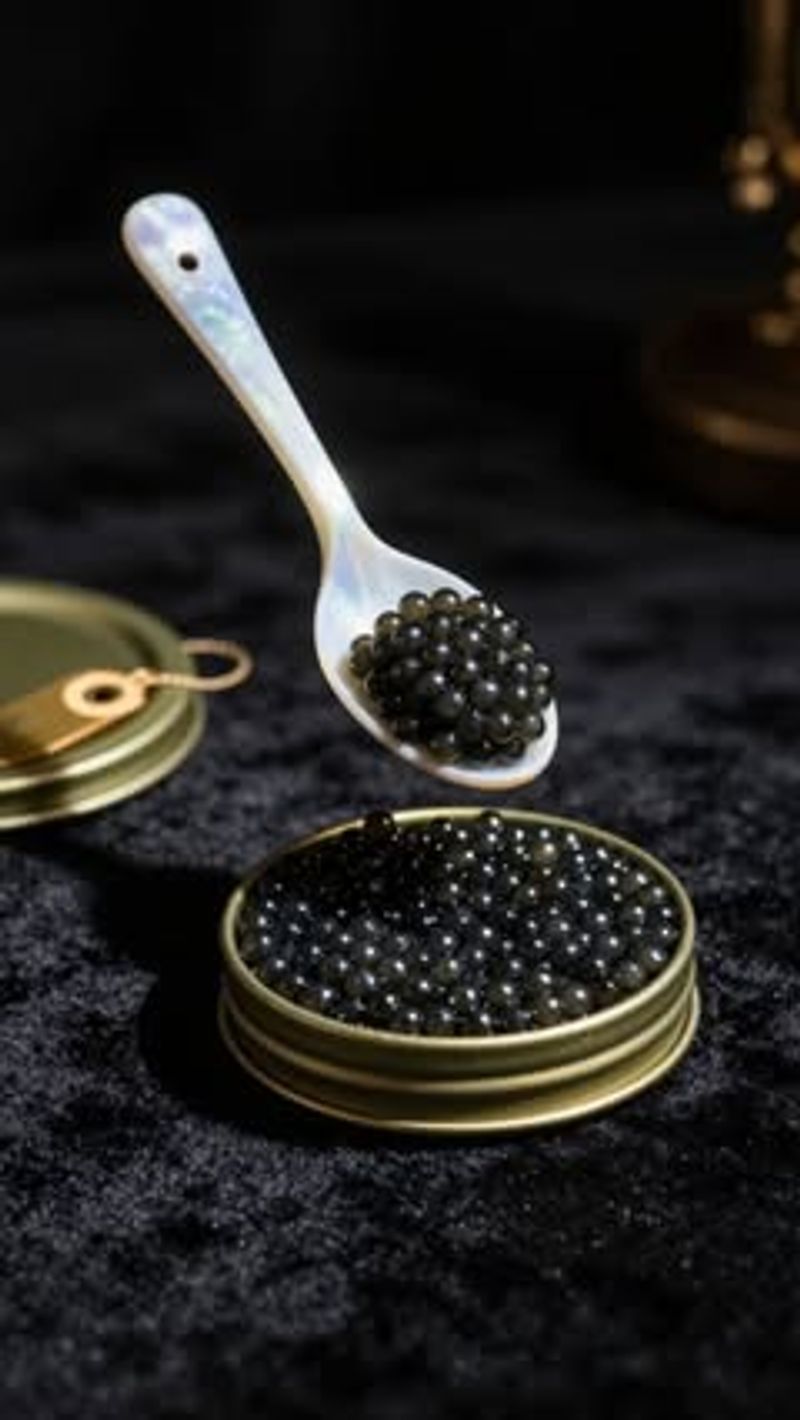
A pile of tiny, wet, black spheres might not be anyone’s first idea of a luxurious treat. Caviar looks strange, smells oceanic, and costs more than most meals, which makes it easy to understand why first-timers are skeptical.
Still, this salt-cured fish roe is considered one of the ultimate delicacies worldwide. Each bead bursts with a rich, briny flavor that is bold but surprisingly clean.
Served chilled on blinis or crackers with a touch of cream, caviar earns its legendary reputation one tiny bite at a time.
14. Blue Cheese
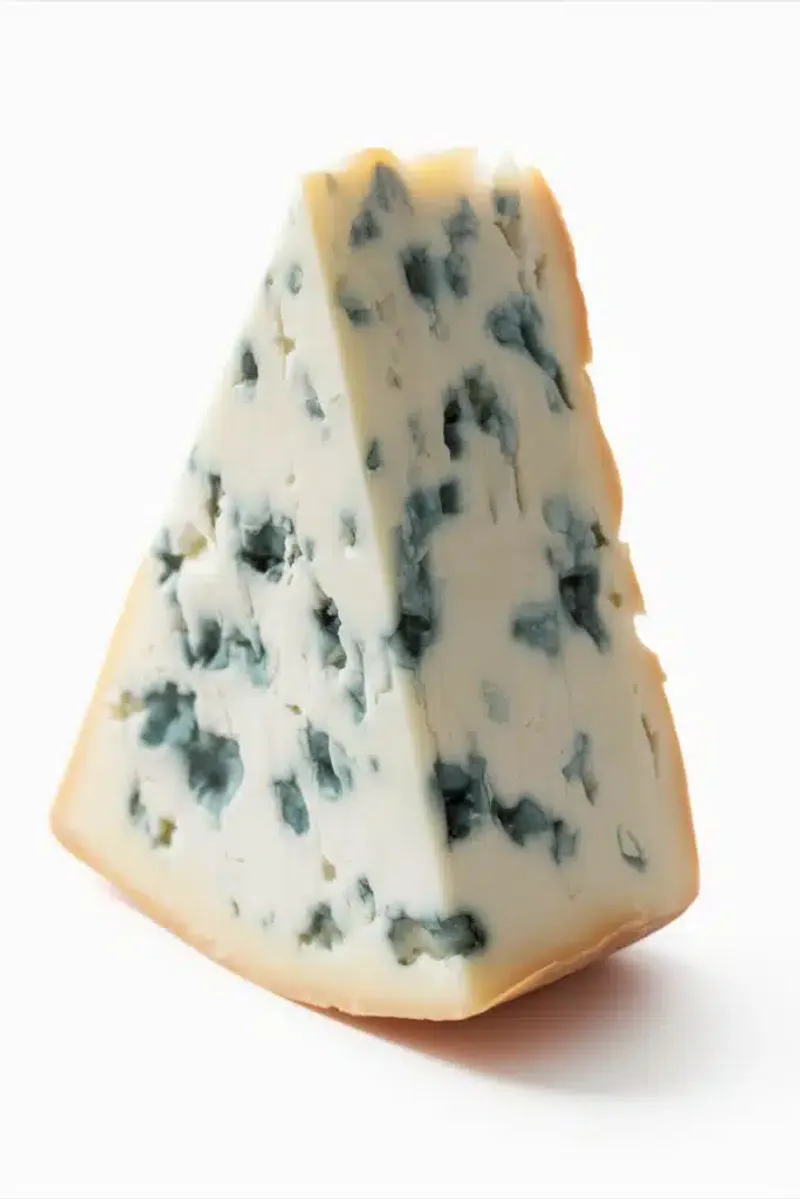
Veins of blue-green mold running through a block of cheese is not most people’s idea of appetizing. Blue cheese looks like something that should be thrown out, not served on a fancy cheese board with crackers and wine.
That mold is actually the key to its complex, punchy flavor. Varieties like Roquefort, Gorgonzola, and Stilton have been perfected over centuries.
The taste is bold, creamy, and sharp all at once. Crumbled over a steak or melted into a sauce, blue cheese makes everything it touches taste more interesting.
15. Century Egg
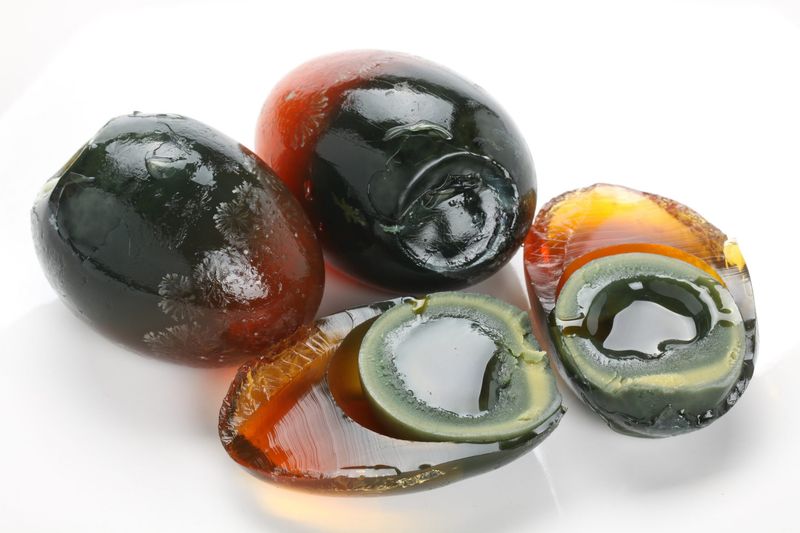
Century eggs are genuinely one of the most visually startling foods in the world. The egg white turns a deep, translucent black, while the yolk becomes a creamy greenish-gray.
Nothing about it looks like it should be eaten.
In Chinese cuisine, century eggs are a beloved staple with a history stretching back hundreds of years. The flavor is rich, savory, and deeply umami, with a smooth, almost custardy texture.
Sliced over congee or eaten with pickled ginger, they deliver a taste that is bold and completely unforgettable.
16. Natto
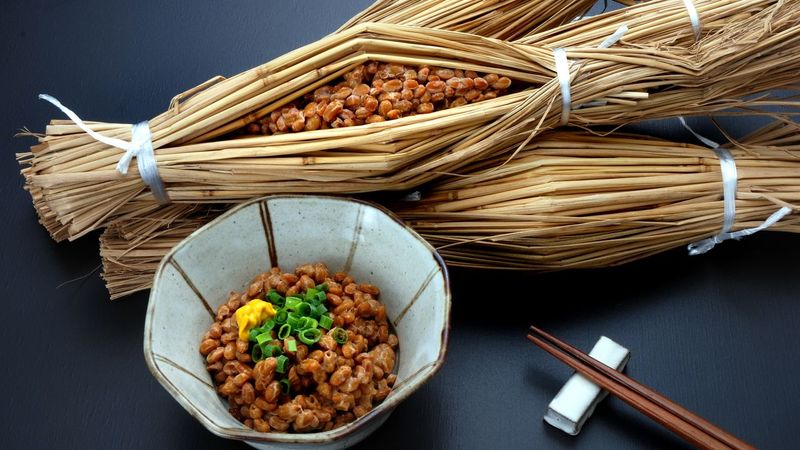
Sticky, stringy, and pungent, natto is a food that challenges every single one of your senses before you even take a bite. The fermented soybeans cling together in gooey strands that stretch dramatically when pulled apart, making the whole thing look genuinely suspicious.
Japan has been eating natto for breakfast for over a thousand years, and there is a reason it stuck around. It is packed with protein, vitamins, and probiotics that are seriously good for your gut.
Mixed with soy sauce and mustard over rice, natto becomes a savory, satisfying morning ritual.
17. Uni (Sea Urchin)
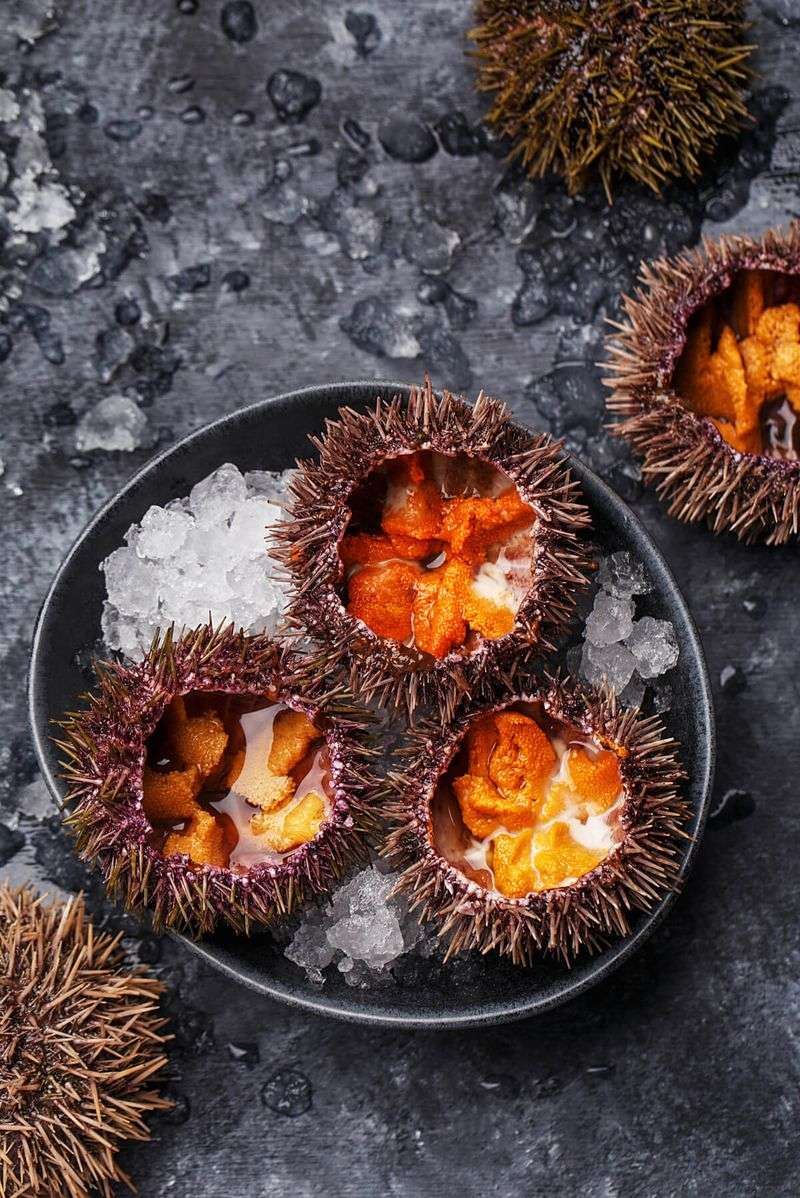
Bright orange, soft, and shaped like a small tongue, uni is one of those foods that looks so unusual people often refuse it before the plate even reaches the table. Pulled from the spiny shell of a sea urchin, it is hard to make look appealing without some serious effort.
Sushi chefs around the world consider uni a prize ingredient. Its flavor is buttery, oceanic, and deeply savory, with a creamy texture that melts on your tongue.
When it is fresh, nothing else in the ocean quite compares.