7 Ways Bratwurst And Kielbasa Stand Apart On The Plate
Bratwurst and kielbasa are two of the world’s most beloved sausages, but they are far from the same thing. One comes from the bustling beer halls of Germany, while the other carries centuries of Polish tradition.
Though both show up at cookouts and family dinners, their flavors, textures, and cooking styles tell very different stories. Once you know what sets them apart, you will never mix them up again.
1. Different Origins, Different Histories
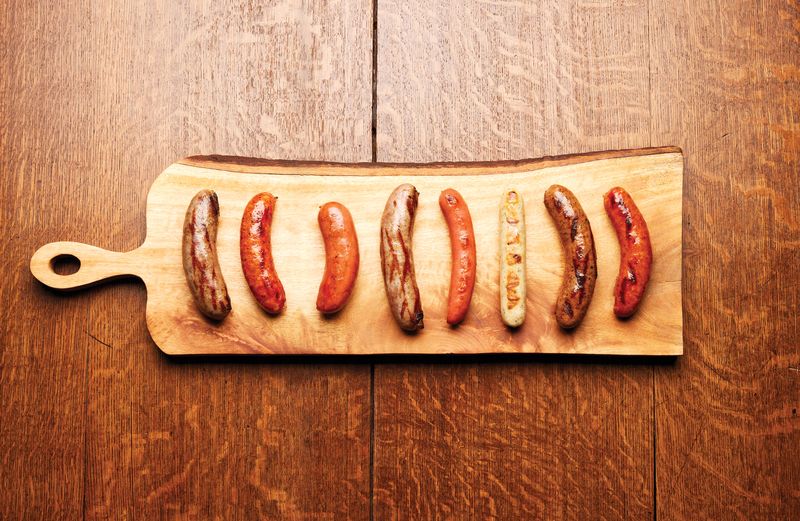
Bratwurst has been feeding hungry Germans since at least 1313, with Nuremberg often credited as its birthplace. That is over 700 years of sausage-making tradition packed into every bite.
The name itself comes from Old German words meaning finely chopped meat.
Kielbasa simply means “sausage” in Polish, and it has been a cornerstone of Polish cooking for centuries. Every Polish family seems to have its own recipe passed down through generations.
These two sausages carry the pride of their entire nations on the grill.
2. The Meats Inside Each Sausage
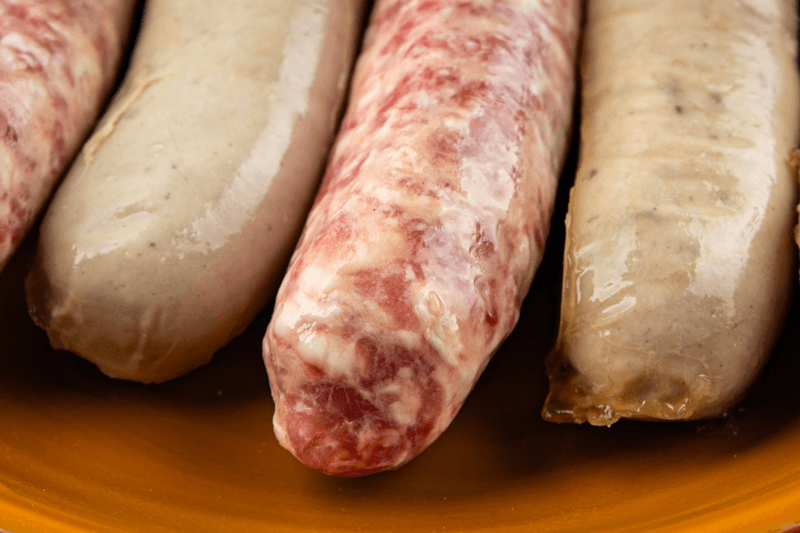
Crack open a bratwurst and you will usually find pork, or a blend of pork and veal, giving it a delicate, almost creamy richness. Some regional versions even sneak in a little beef for extra depth.
The combination makes bratwurst taste mild and tender.
Kielbasa leans heavily on coarsely ground pork, though beef is a common partner in the mix. Some modern versions swap in turkey for a lighter option.
Either way, the meat inside kielbasa is bolder and chunkier than what you find in bratwurst.
3. Seasoning That Sets the Flavor Apart
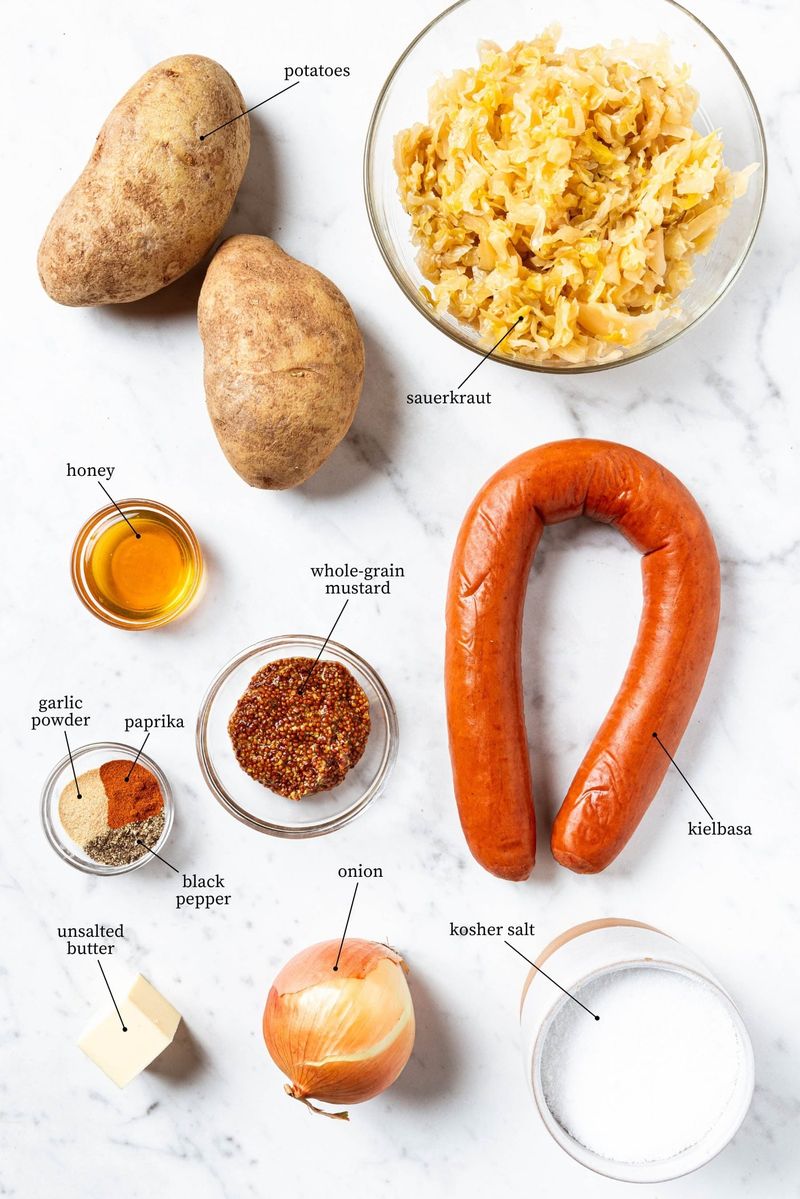
Bratwurst keeps things subtle and balanced, relying on white pepper, nutmeg, marjoram, and sometimes a whisper of lemon peel or ginger. The result is a clean, mild flavor that lets the meat shine without overwhelming your taste buds.
It pairs beautifully with mustard and a cold beer.
Kielbasa turns up the volume with a bold garlic-forward punch that you can smell from across the kitchen. Black pepper, marjoram, and sometimes allspice round out its assertive personality.
One bite of kielbasa and you know exactly what you are eating.
4. Texture Tells a Very Different Story
Bite into a bratwurst and notice how smooth and uniform it feels. The meat is finely ground, creating a consistent, almost snappy texture that holds together perfectly on a bun.
Regional varieties can vary, but most bratwurst leans toward the fine side.
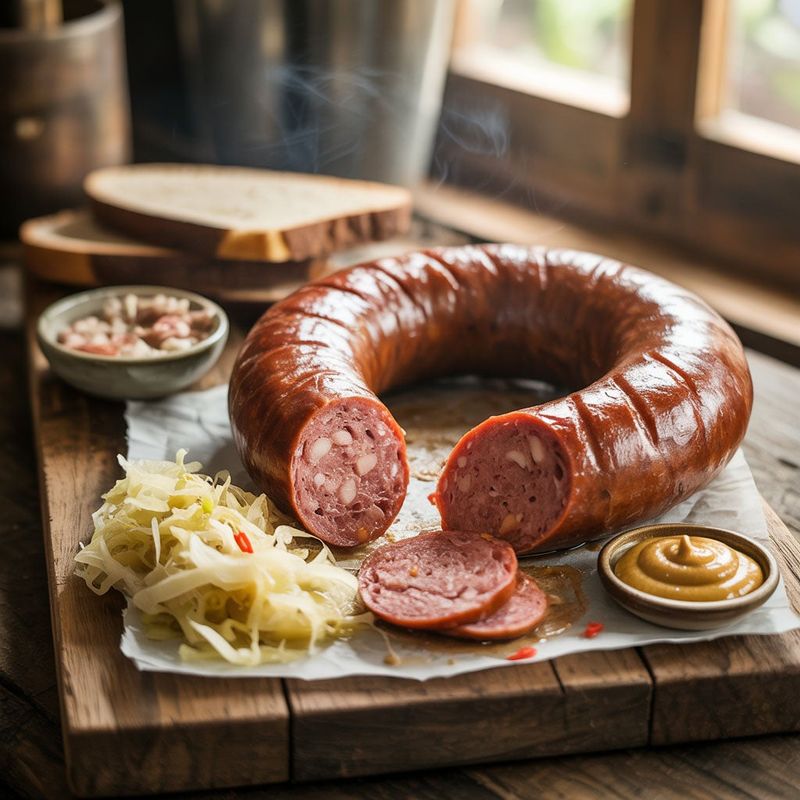
Kielbasa is a whole different chewing experience. The coarse grind means you can actually feel distinct pieces of meat and fat in every bite, giving it a satisfying, hearty chew.
That rustic texture is a big part of what makes kielbasa feel so filling and homey.
5. Fresh vs. Smoked: How They Are Prepared
Most bratwurst is sold fresh and completely raw, meaning you have to cook it before eating. Grilling, pan-frying, or simmering it in beer are all popular methods that bring out its juicy, savory best.
That beer-bath technique is practically a German tradition on its own.
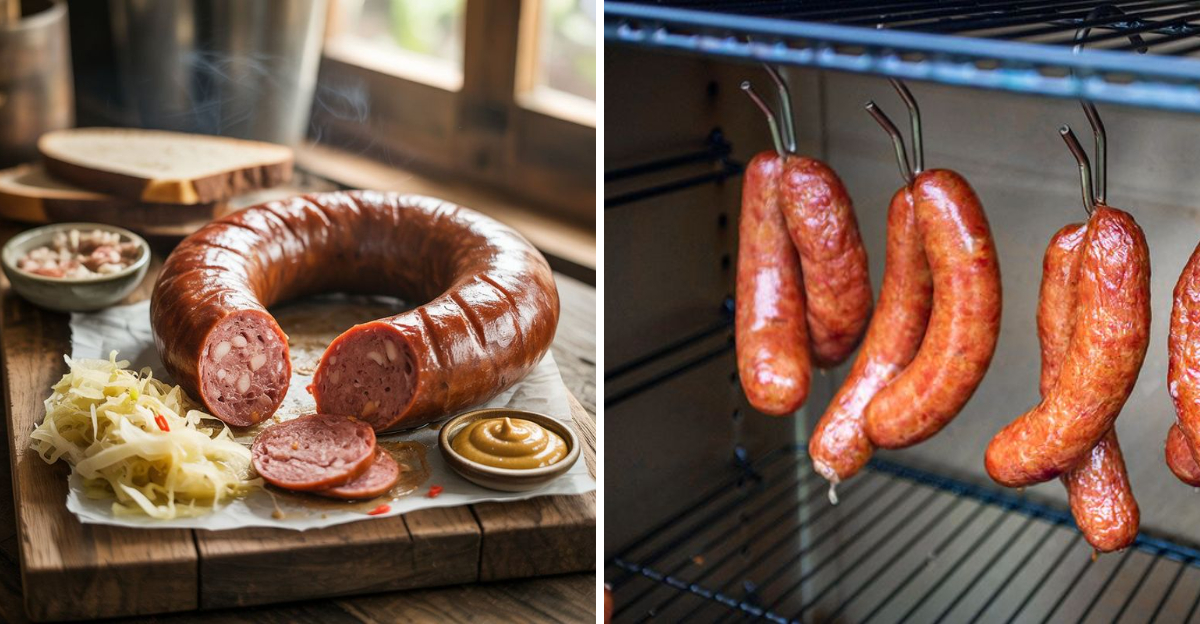
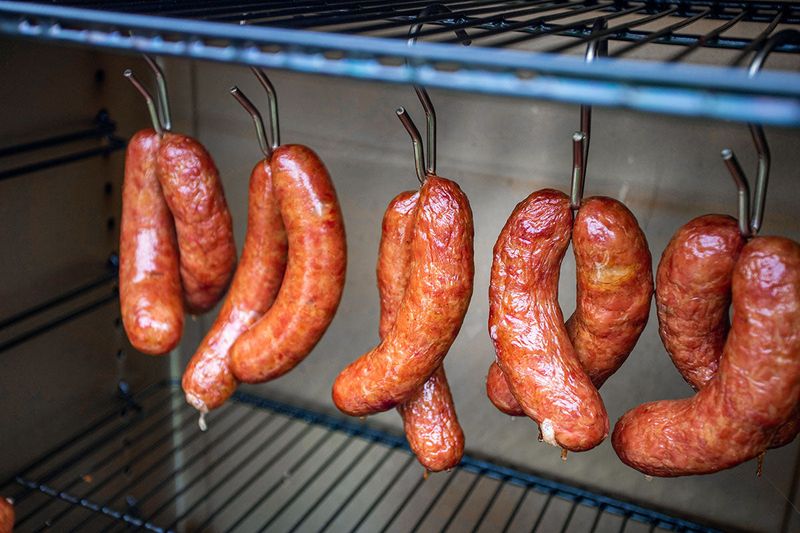
Kielbasa, especially the kind sold outside Poland, is usually cold-smoked and fully cooked before it ever hits your cart at the grocery store. The smoking process gives it a deep, woody flavor and that signature dark color.
A quick heat-up on the grill is often all it needs.
6. How They Look on the Plate
Before it hits the heat, bratwurst has a pale, almost ivory color that transforms into a gorgeous golden brown once cooked. Its size and shape depend on where in Germany it comes from, ranging from short and plump to long and slender.
Appearance alone can tell you a lot about its regional roots.
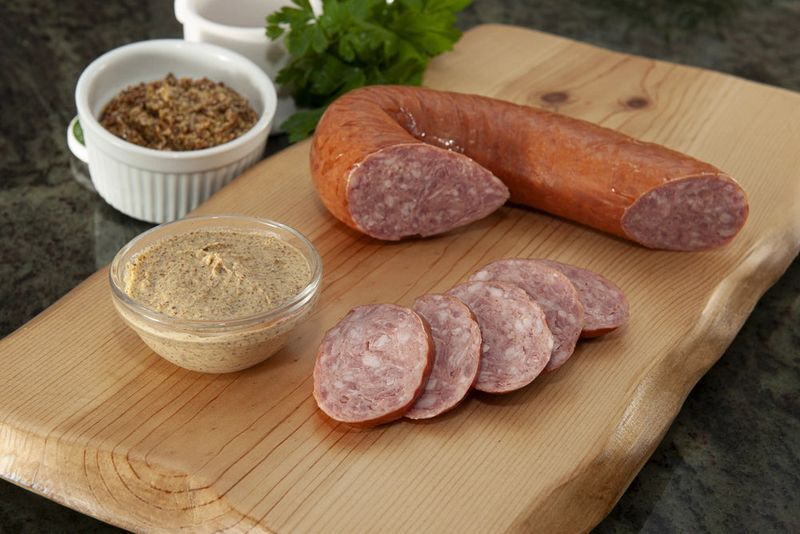
Kielbasa is hard to miss with its classic U-shape and dark mahogany exterior from the smoking process. That curved form is practically iconic in Polish delis and backyard cookouts alike.
Even before you taste it, kielbasa looks bold and ready for action.
7. What Goes Best on the Side
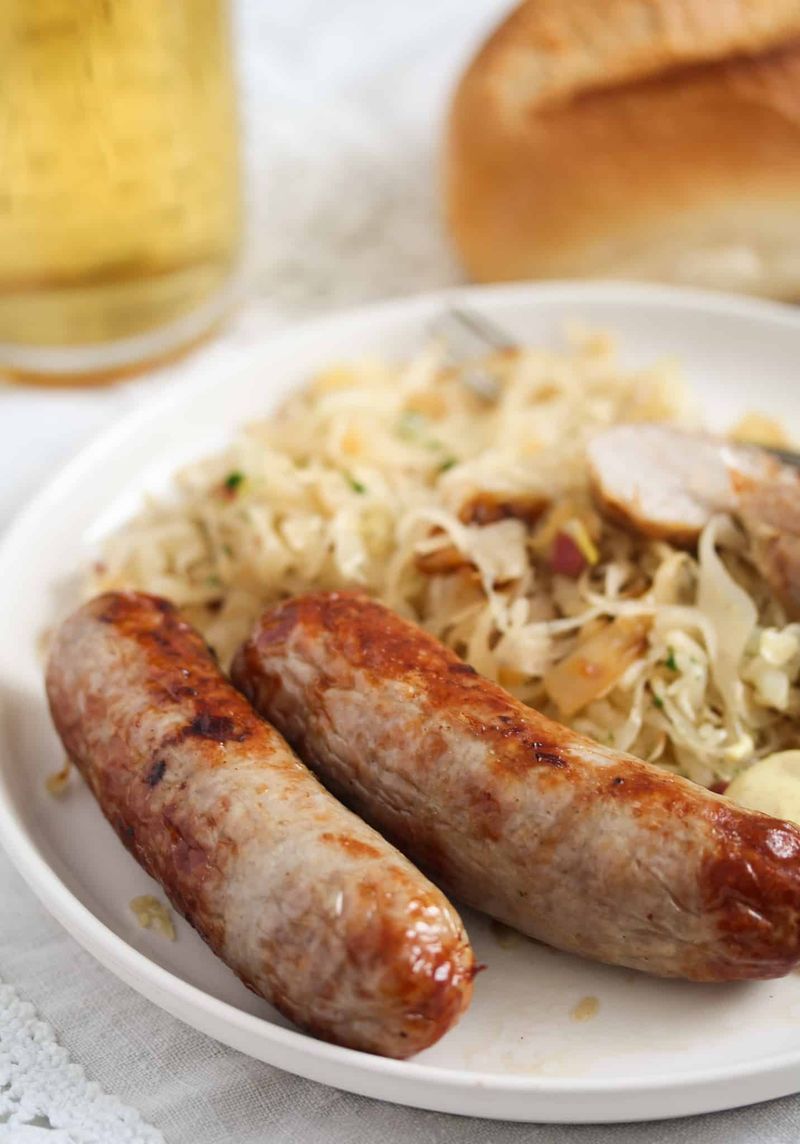
Bratwurst feels right at home nestled in a soft bun, topped with spicy brown mustard and a heap of tangy sauerkraut. Potato salad on the side is basically mandatory at a proper German cookout.
Simple, hearty, and completely satisfying every single time.
Kielbasa is surprisingly versatile and loves a crowd. It slides right into rich Polish stews like Bigos, floats in a bowl of sour rye soup called Zurek, or gets sliced and tossed with caramelized onions and sauerkraut.
Its bold flavor holds its own no matter what you pair it with.