20 Foods Often Found On U.S. Jail And Detention Center Menus
Ever wonder what meals look like behind bars, beyond the TV stereotypes? Jail and detention center menus are built around cost, consistency, and safety, which shapes what shows up on trays day after day.
You will recognize many of these foods, but how they are served might surprise you. Let’s take a closer look at the staples that keep large facilities fed on tight budgets and tight schedules.
1. Oatmeal or hot cereal
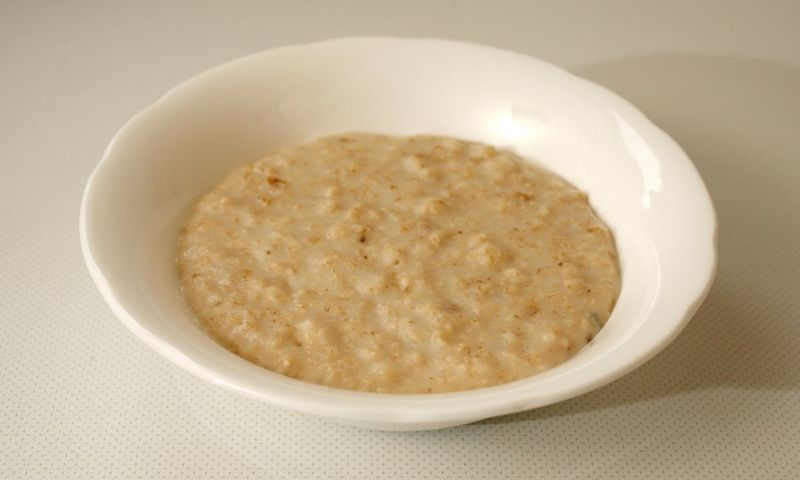
Oatmeal shows up often because it is cheap, stable, and easy to scale for hundreds of trays. Kitchens simmer huge batches in steam kettles, then scoop portions fast.
You might get a packet of sugar or cinnamon, sometimes nothing.
The texture can range from creamy to gluey, depending on timing. Hot cereal sticks to ribs, which administrators like for morning calories.
You will not see fancy toppings, but when it is hot and lightly sweet, it helps start a long day.
2. Cold cereal
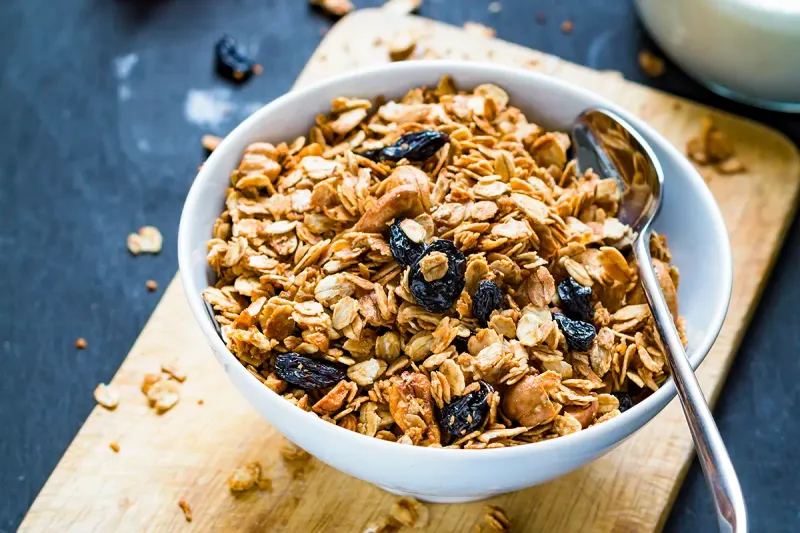
Cold cereal makes breakfast fast because there is no cooking step. Facilities portion bulk bags of flakes or puffs, then add a small milk.
Expect generic brands and limited variety, since keeping it standardized reduces cost.
Sometimes the cereal arrives in pre-measured cups with sealed tops. When fresh milk is risky or unavailable, shelf-stable cartons stand in.
You eat quickly because flakes sog fast in warm rooms, but the crunch at first bite can feel like a treat.
3. Powdered or shelf-stable milk
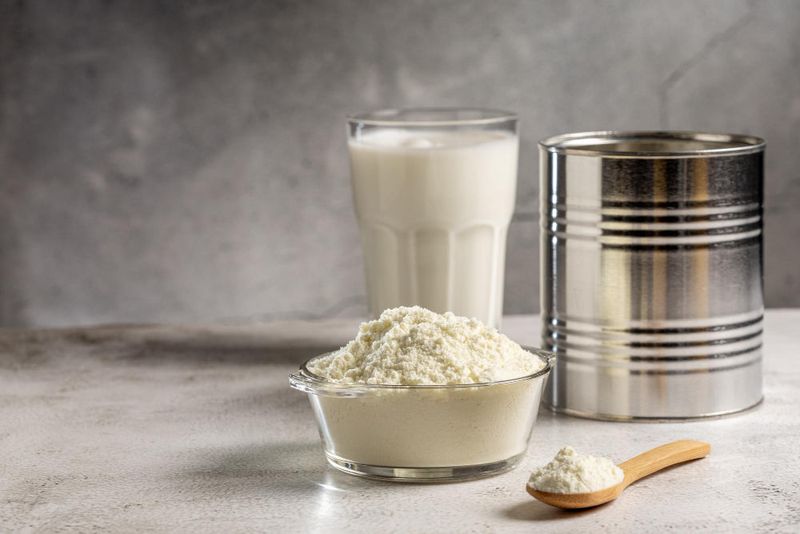
Refrigeration space is precious, so shelf-stable milk is a workhorse. Small cartons stack easily, and powdered milk mixes into baking or drinks.
It is not luxurious, but it stretches a budget while covering basic nutrition targets.
Flavor varies by brand and water quality. Some days it tastes close to fresh, other days a little chalky.
You will see it with cereal, coffee, or blended into sauces. Consistency beats perfection in institutions, and these milks deliver predictability.
4. Scrambled eggs or egg patty
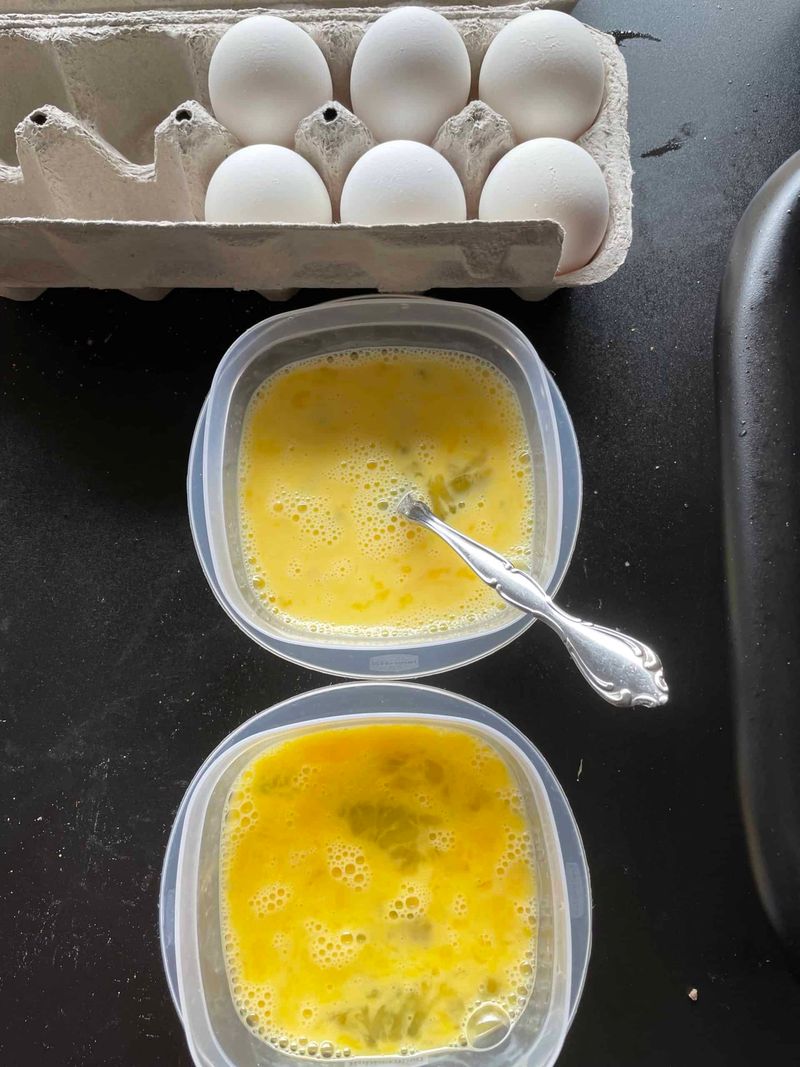
Scrambled eggs in jails usually come from liquid or powdered mixes, poured onto flat tops or baked in sheets. More often, it is an egg patty, a tidy square that reheats quickly.
Texture can be spongy, but it delivers protein early.
Seasoning runs mild to nonexistent for broad appeal. You may get it with toast, oatmeal, or a small fruit cup.
On better days, a little cheese melts on top. It is about fueling mornings, not brunch flair, and it does that reliably.
5. Pancakes or waffles
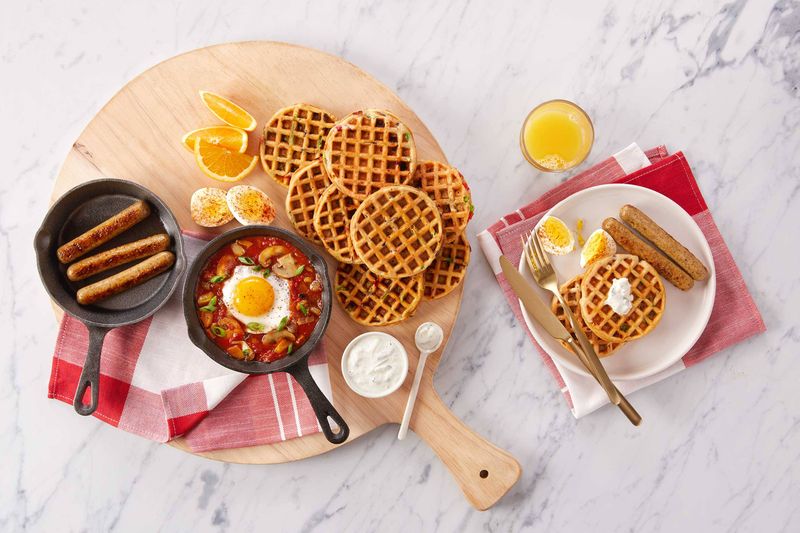
Pancakes or waffles usually arrive from frozen, heated on sheet pans, then rushed to trays. They are soft, sometimes rubbery, but syrup packets help.
Portion sizes are controlled, often two small rounds or a single waffle square.
You eat them quickly while still warm. On lucky mornings, there is a pat of margarine.
These are not diner stacks, but they break routine and feel comforting. For kitchens, they are predictable, inexpensive, and quick to serve in volume.
6. Toast, biscuits, or sandwich bread

Bread anchors many trays because it fills stomachs and stretches meals. You might see toast at breakfast, plain sandwich bread at lunch, or a biscuit on special mornings.
Margarine packets and jelly appear often to add moisture and sweetness.
Facilities rely on bulk loaves and frozen biscuits baked quickly. Texture varies with steam-table time.
Bread becomes the carrier for proteins and spreads, a reliable base when other components change. It is simple, predictable, and easy for staff to portion without fuss.
7. Peanut butter
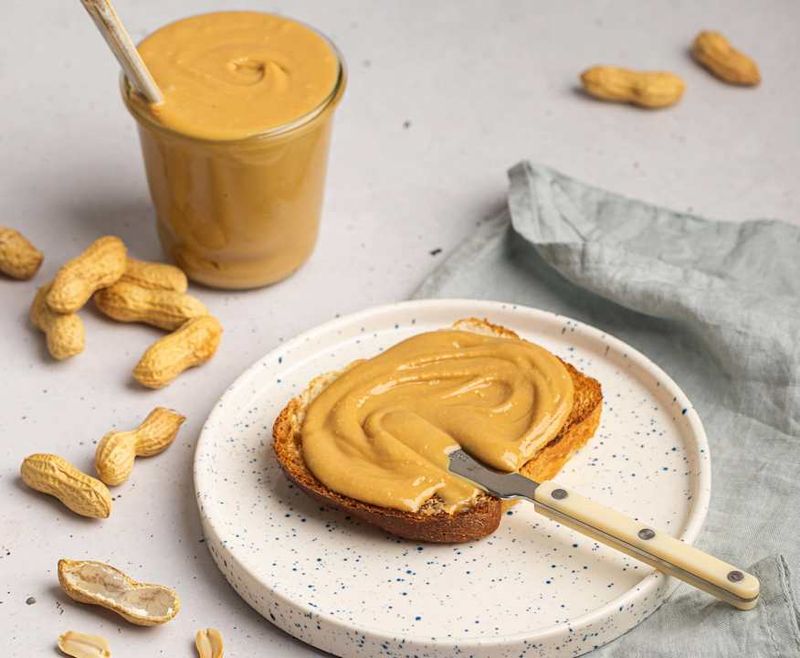
Peanut butter is a protein staple that stores well and spreads fast. Individual cups limit mess and portion control.
You smear it on bread for a filling sandwich that holds up through long afternoons.
Because it is calorie dense, administrators like it for meeting targets cheaply. Some people trade extra cups for sweets or fruit.
Allergies complicate things, so alternatives appear where required, but peanut butter remains widespread. It is simple, familiar, and satisfying when choices feel limited.
8. Jelly or jam
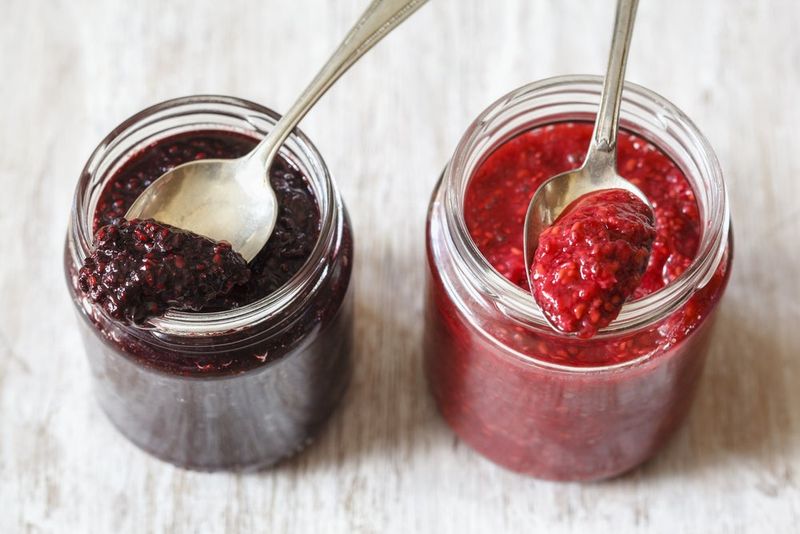
Jelly packets pair with peanut butter for the classic sandwich. Grape and strawberry dominate because they are cheapest and consistent.
The sweet hit covers dry bread and adds variety to repetitive menus.
Beyond sandwiches, jelly shows up at breakfast to dress toast or biscuits. Packets are easy to count and easy to store.
You learn to open them carefully to avoid sticky fingers. It is not gourmet, but it brings a small bright note to utilitarian meals.
9. Bologna or other deli-style cold cuts
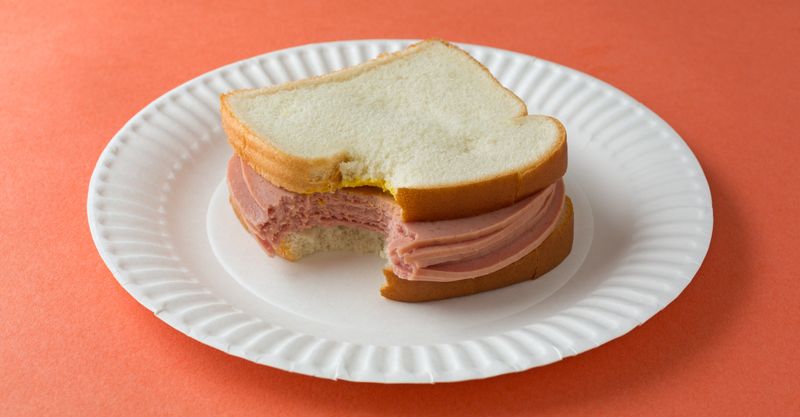
Lunch often means a cold sandwich with bologna or similar deli slices. The meat is processed, uniform, and stacks neatly for fast assembly.
Mustard or mayo packets add tang and moisture when bread is dry.
It is not a deli treat, but it travels well to housing units. Trays move quickly, and cold cuts keep risk lower than hot items.
You learn to savor the bite with a crunchy pickle when it appears, which is rare but memorable.
10. Cheese slice or processed cheese
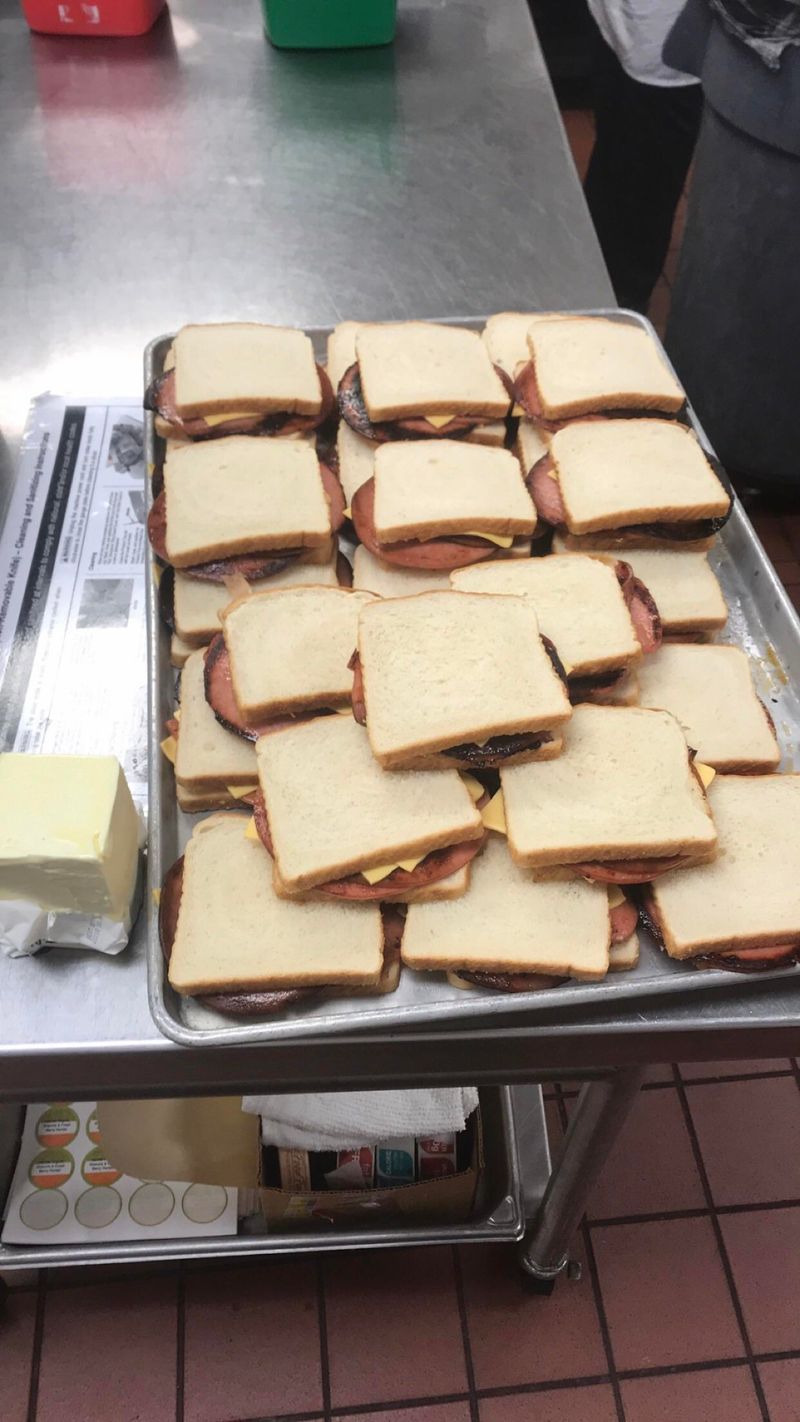
Processed cheese slices melt predictably and last longer than fresh blocks. They appear in sandwiches, on eggs, or over pasta.
The flavor is mild but comforting, and the texture turns creamy when heated.
For kitchens, the wrapped slices simplify inventory and safety. For you, it is a small upgrade that makes plain meals feel richer.
Even one slice on a lukewarm patty can improve morale. It is a tiny luxury within strict constraints.
11. Beans (baked beans, pinto beans, or refried-style beans)
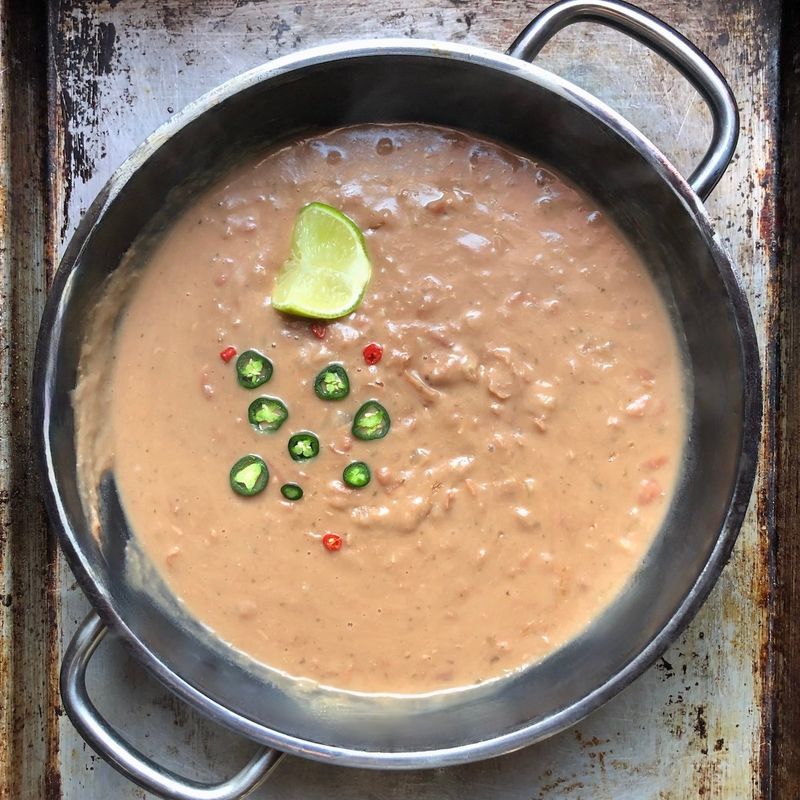
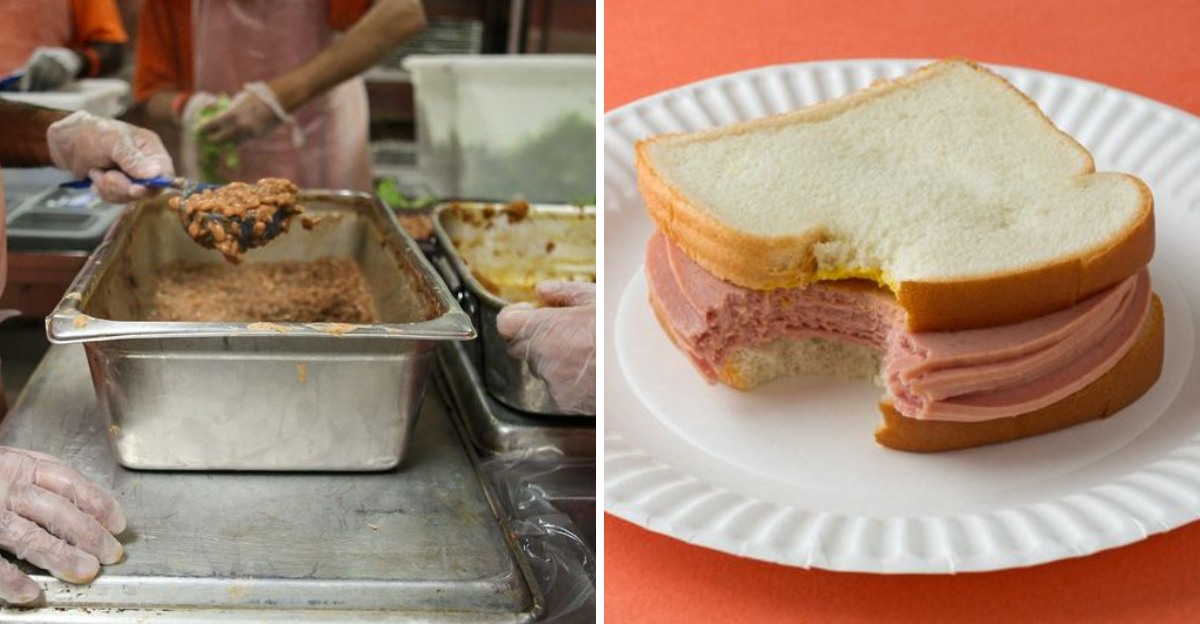
Beans are reliable protein that scale well and store easily. You might see baked beans with a sweet sauce, plain pintos, or a refried-style scoop.
They appear as mains or sides, often alongside bread or rice.
They keep you full and deliver fiber, something menus sometimes lack. Seasoning is restrained, but occasional chili powder or onions sneak in.
Beans also work for some religious diets, which helps planners. They are practical, hearty, and cost effective.
12. Rice
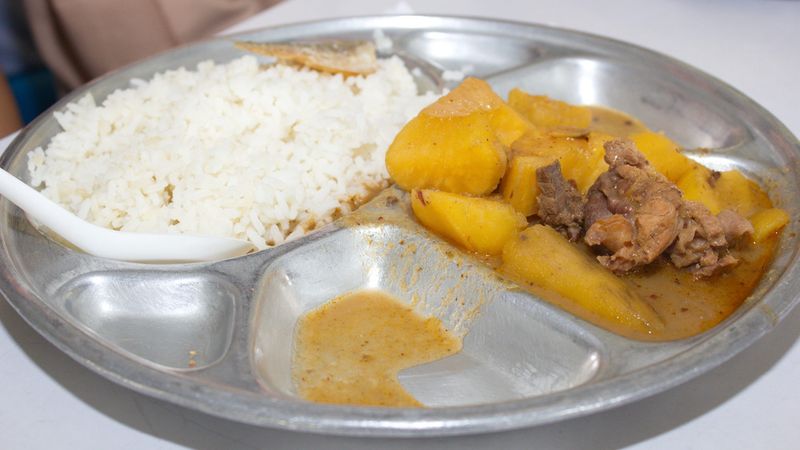
Rice stretches entrees and soaks up sauces, making small portions feel bigger. Large kettles turn out consistent batches, then scoops land quickly on trays.
White rice dominates because it cooks faster and keeps its shape.
On good days, it is fluffy. On rushed days, it is sticky.
Either way, it is the quiet partner to chili, stews, and meat sauces. You end up grateful for it when gravies run salty and strong, since rice balances the bite.
13. Pasta with meat sauce
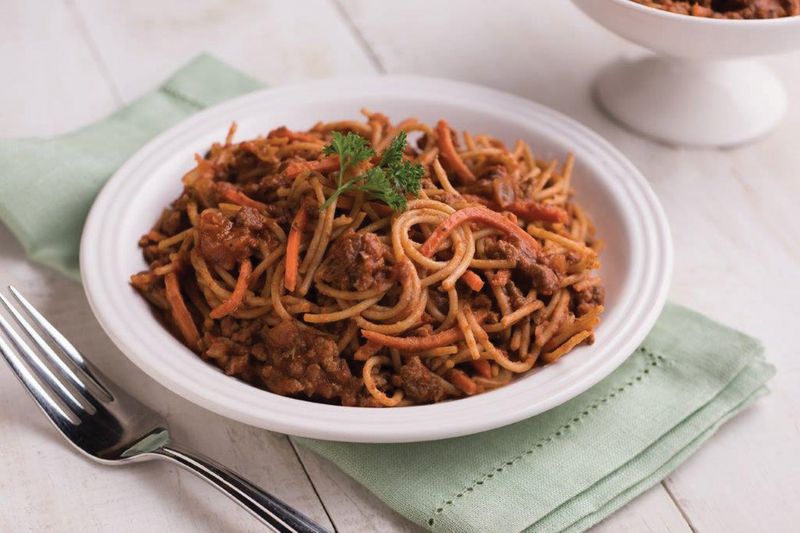
Pasta night is popular because it is filling and familiar. Elbows or rotini hold up under transport, then a ladle of meat sauce finishes the plate.
The sauce is simple, usually ground meat stretched with tomatoes and seasoning.
It reheats well and tastes better than many options. You will likely get a slice of bread to mop the tray.
When the ratio leans sauce heavy, it feels generous. It is a workhorse entree that satisfies without fancy touches.
14. Macaroni and cheese
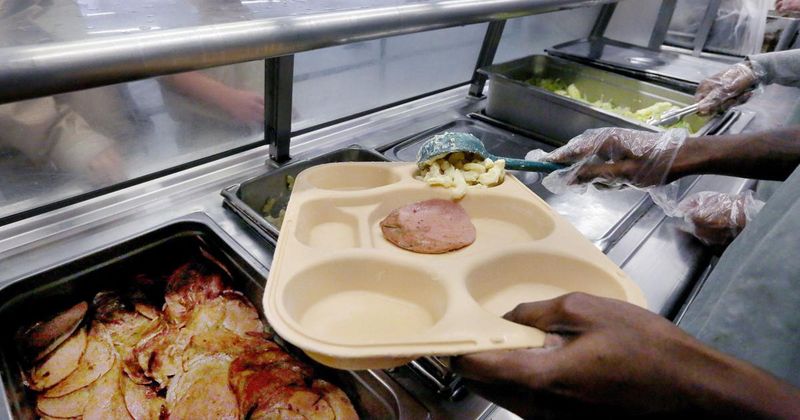
Mac and cheese arrives in big pans, cut into squares or scooped. The sauce relies on processed cheese for melt and stability.
Some bites are creamy, others a bit dry, depending on hold time.
It appears as a side or a main. When paired with vegetables and bread, it becomes a full meal.
You will not find gourmet crumbs, but the familiar taste hits home. It is comfort food that travels, which is why facilities lean on it often.
15. Chili or chili-style stew
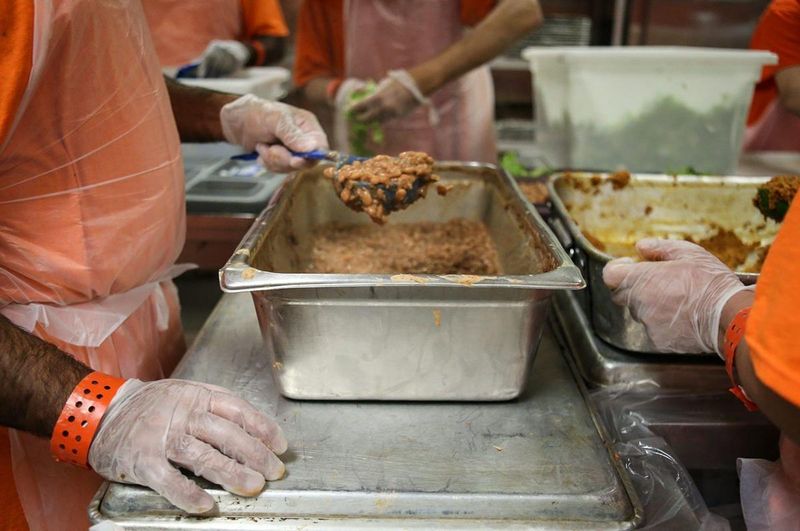
Chili-style stew is thicker than restaurant chili, built to sit on steam tables. Beans, ground meat, tomatoes, and mild spices make a hearty scoop.
It often lands over rice or comes with bread for dipping.
Heat levels stay tame to suit everyone. On cold days, the warmth feels like a win.
You look forward to the rare sprinkle of cheese on top. It is dependable, filling, and built for volume without falling apart in transit.
16. Meatloaf or meat patty with gravy
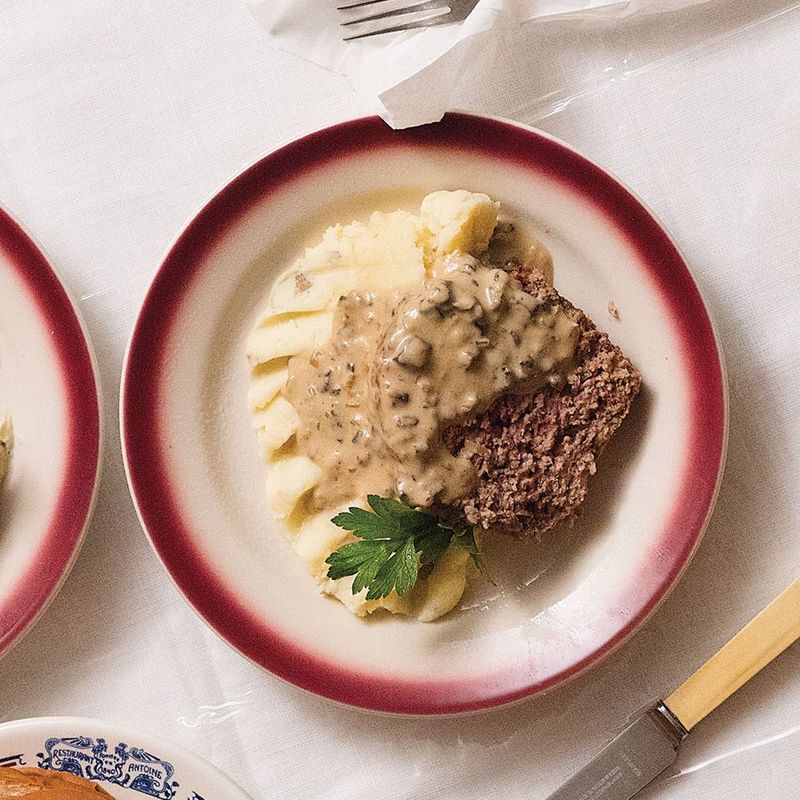
Meatloaf in facilities often morphs into uniform meat patties. They bake quickly, portion evenly, and hold shape under gravy.
The brown gravy covers dryness and adds salt, which many crave.
Served with potatoes and canned vegetables, it feels like a cafeteria classic. You cut it with a plastic fork and hope for a tender center.
Even when dense, the savory sauce helps. It is a quintessential institutional entree that checks every box for cost and control.
17. Chicken patty or breaded chicken

Breaded chicken patties come frozen, then bake fast on sheet pans. The crust softens in steam, but the seasoning is gentle and familiar.
Sometimes it appears as a sandwich with bread and a packet of mayo.
Other nights, it sits beside rice or potatoes. You learn to add hot sauce if available to wake it up.
It is not crispy, but it is consistent and protein packed. For big kitchens, that predictability is gold.
18. Mashed potatoes or instant potatoes
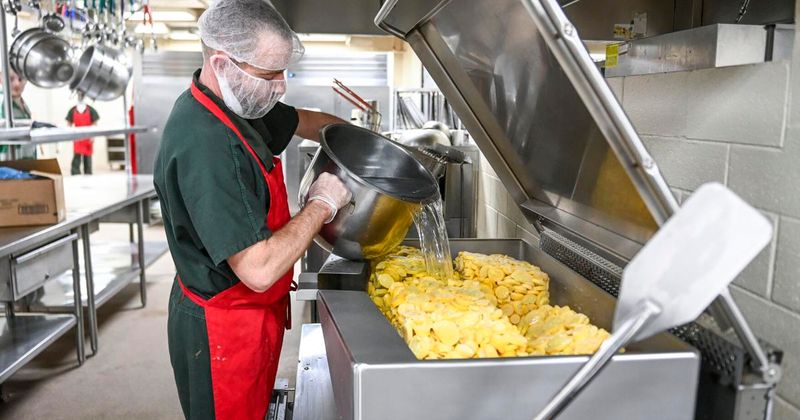
Instant potatoes rule because they mix fast and hold shape. Big batches are whisked with hot water, then scooped neatly.
Gravy appears often, hiding lumps and boosting flavor on long hold times.
Real mashed show up less due to labor and storage. Either way, the potatoes anchor many plates and calm strong sauces.
You will likely finish them even when lukewarm, because they are soothing and filling.
19. Canned vegetables
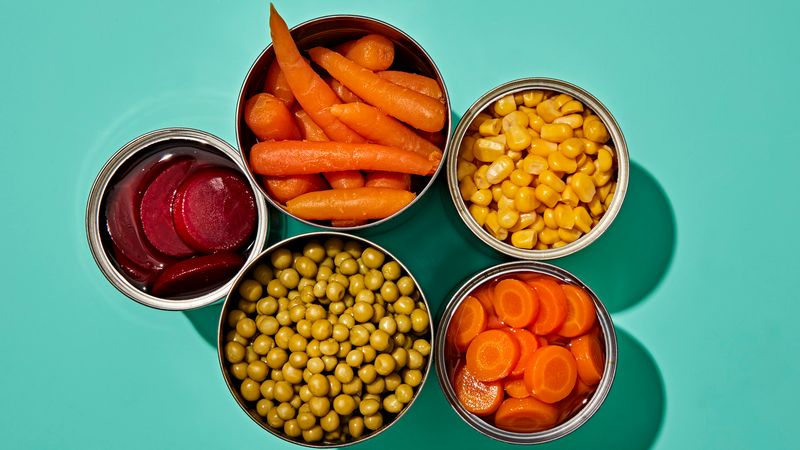
Canned vegetables are dependable and shelf friendly. Green beans, corn, peas, or carrots rotate through the week.
They heat quickly and portion cleanly, which keeps meal lines moving.
Texture leans soft, flavors mild. Salt levels vary, and sometimes they arrive unseasoned.
Still, a warm vegetable adds color and nutrition to otherwise beige trays. You appreciate those pops of sweetness in corn after salty mains.
They are not market fresh, but they get vegetables on plates every day.
20. Canned fruit or fruit cocktail

Canned fruit ends many meals with something sweet and simple. Fruit cocktail cups with peaches, pears, and a cherry show up often.
The syrup makes everything feel like dessert, even when portions are small.
Sometimes you get pineapple or mandarin segments for variety. Fresh fruit rotates in when budgets and deliveries allow.
You open the cup carefully to save the juice. It is a small comfort that cuts through salty entrees and brightens the tray.