20 Foods Often Ranked Among The Healthiest
Eating well doesn’t have to be complicated or boring. Some foods have earned their “superfood” reputation by packing an impressive amount of vitamins, minerals, and other nutrients into every bite.
Whether you’re looking to boost your energy, protect your heart, or just feel better day to day, knowing which foods to reach for can make a real difference. Here are 20 foods that nutrition experts consistently rank among the very best for your health.
1. Avocado
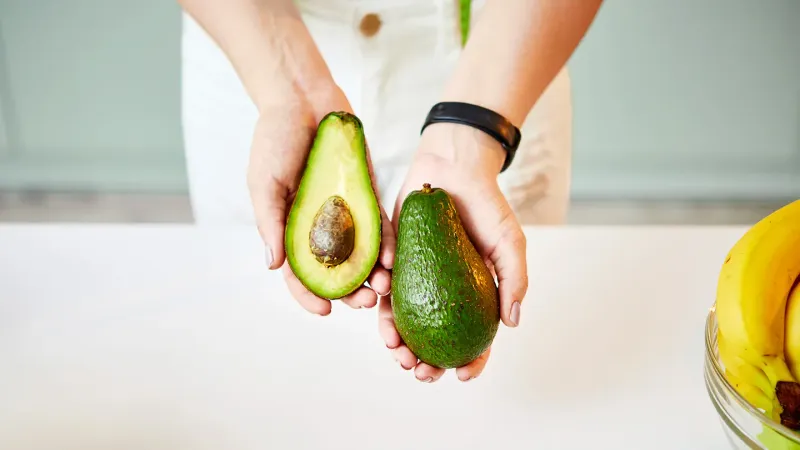
Buttery, creamy, and surprisingly powerful, avocado is technically a fruit that acts more like a nutritional powerhouse. It’s loaded with heart-friendly monounsaturated fats, along with vitamins E, K, and B, plus folate and potassium.
Regular avocado eaters often show healthier cholesterol levels and lower body mass indexes. Slice it onto toast, blend it into a smoothie, or mash it into guacamole.
However you enjoy it, your body will thank you for every bite.
2. Blackcurrants
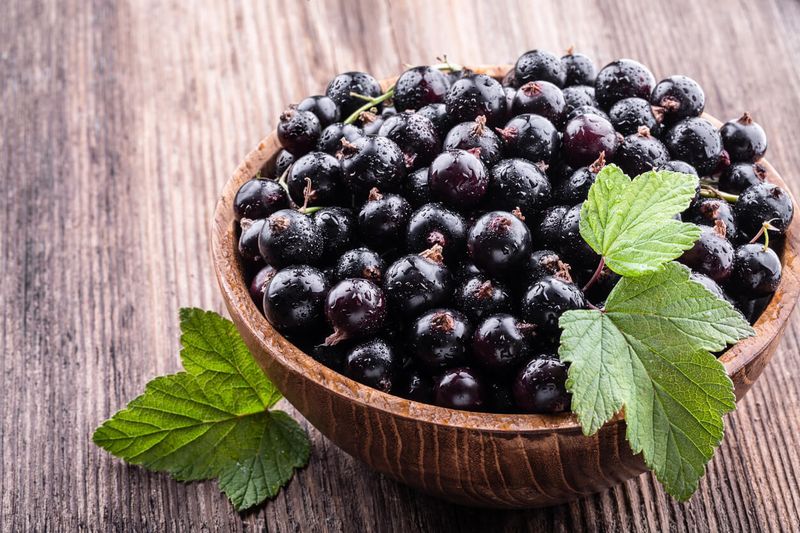
Tiny but fierce, blackcurrants punch way above their weight in the nutrition world. These tart little berries contain significantly more vitamin C than blueberries and are bursting with protective polyphenols that fight inflammation and support heart health.
Studies link blackcurrants to lower blood pressure and reduced risk of cardiovascular illness. They can be tricky to find fresh, but frozen blackcurrants work just as well in smoothies, jams, or mixed into yogurt for a tangy, nutrient-rich treat.
3. Blueberries
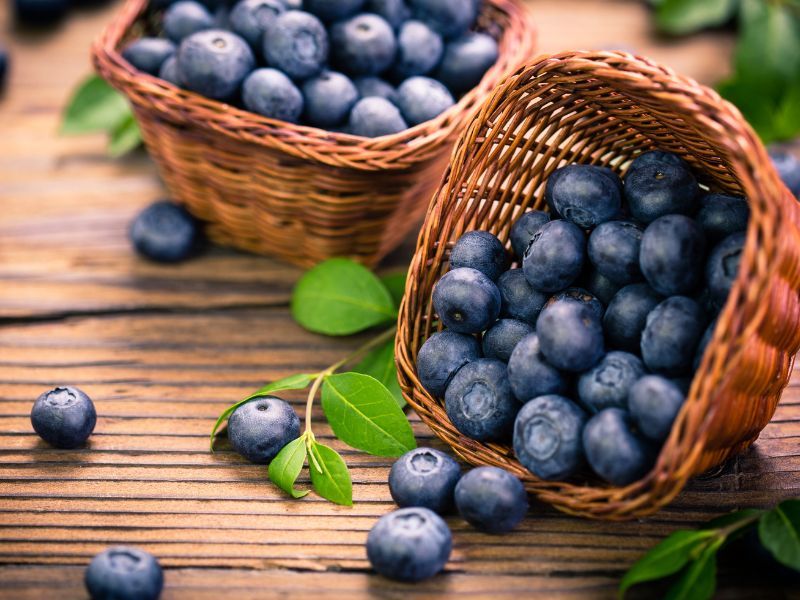
Few snacks are as satisfying and good for you as a handful of blueberries. Naturally sweet, low in calories, and rich in antioxidants called anthocyanins, these little blue gems have been linked to improved memory and sharper brain function over time.
They also help reduce the risk of heart attacks and deliver a solid dose of vitamins C and K. Fresh or frozen, blueberries are easy to toss into oatmeal, yogurt, or pancake batter for an effortless health upgrade.
4. Broccoli
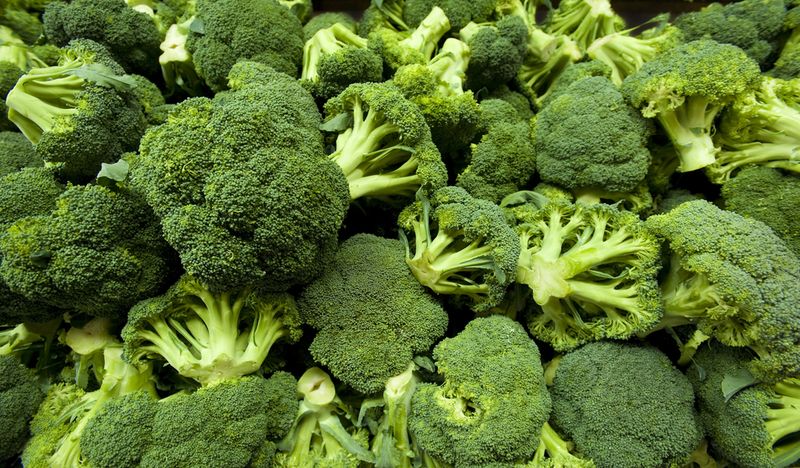
Some people wrinkle their noses at broccoli, but this cruciferous vegetable is one of the most nutrient-dense foods on the planet. Packed with fiber, folate, potassium, calcium, and a compound called sulforaphane, broccoli actively supports your body’s natural detox processes.
It helps lower cholesterol, strengthens bones, and may even reduce cancer risk. Roasting broccoli with olive oil and garlic transforms it into something genuinely delicious, making it much easier to eat regularly without complaint.
5. Buckwheat
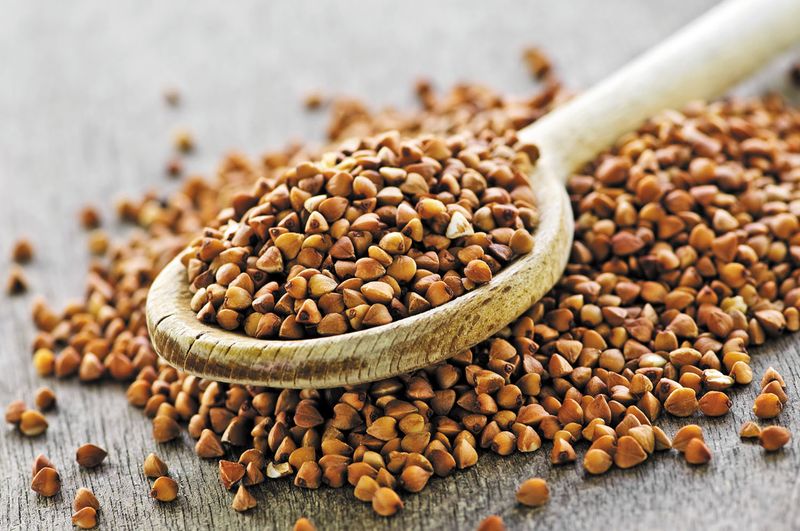
Despite having “wheat” in its name, buckwheat is completely gluten-free and is actually a seed, not a grain. That fun fact surprises most people.
It boasts an impressive antioxidant profile, including a compound called rutin, which supports blood vessel health.
Buckwheat is also one of the richest food sources of d-chiro inositol, a natural compound that may help keep blood sugar levels in check. Try it as soba noodles, porridge, or even buckwheat pancakes for a wholesome, satisfying meal.
6. Carrots
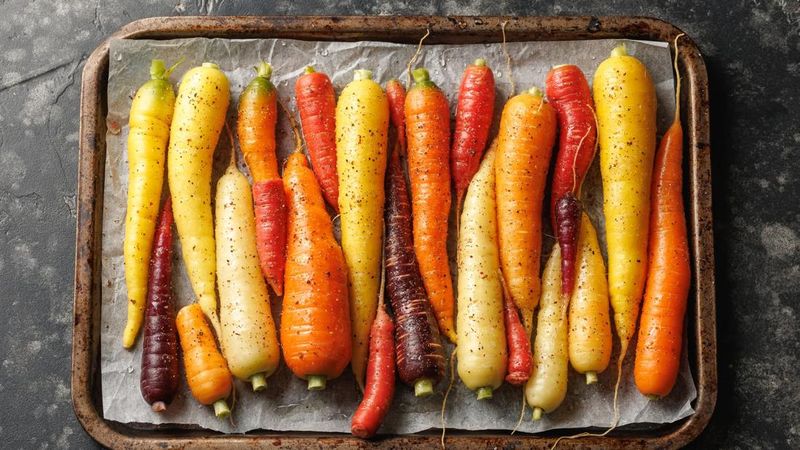
Crunchy, colorful, and endlessly versatile, carrots have earned their place on nearly every nutritionist’s recommended food list. Their vibrant orange color comes from beta-carotene, which your body converts into vitamin A, a nutrient essential for healthy eyes and a strong immune system.
Carrots are also low in calories but surprisingly filling, making them a great snack for managing hunger. Raw with hummus, roasted with honey, or blended into soup, they fit effortlessly into almost any meal plan.
7. Chia Seeds
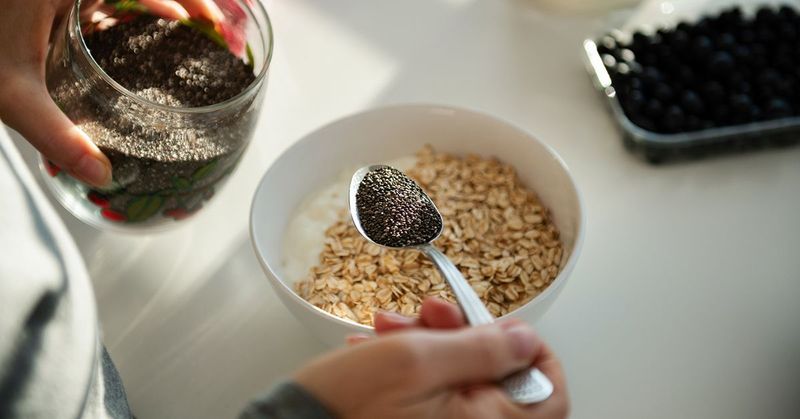
Chia seeds look unassuming, but they’re basically tiny nutritional time capsules. Just two tablespoons deliver a generous hit of omega-3 fatty acids, fiber, protein, and antioxidants, along with calcium, magnesium, and iron.
Because they absorb liquid and expand, chia seeds also keep you feeling full longer, which makes them a smart addition to any meal. Stir them into overnight oats, blend them into smoothies, or make chia pudding for a simple, nutrient-packed breakfast that practically prepares itself.
8. Dark Chocolate

Good news for chocolate lovers: the dark kind is genuinely good for you. High-cocoa dark chocolate contains magnesium, iron, copper, and powerful antioxidants called flavanols, which have strong anti-inflammatory properties that benefit the whole body.
Research shows it can help lower bad LDL cholesterol, raise good HDL levels, and even reduce blood pressure. The key is choosing chocolate with at least 70% cocoa content and enjoying it in moderation.
A couple of squares after dinner counts as self-care, not indulgence.
9. Eggs
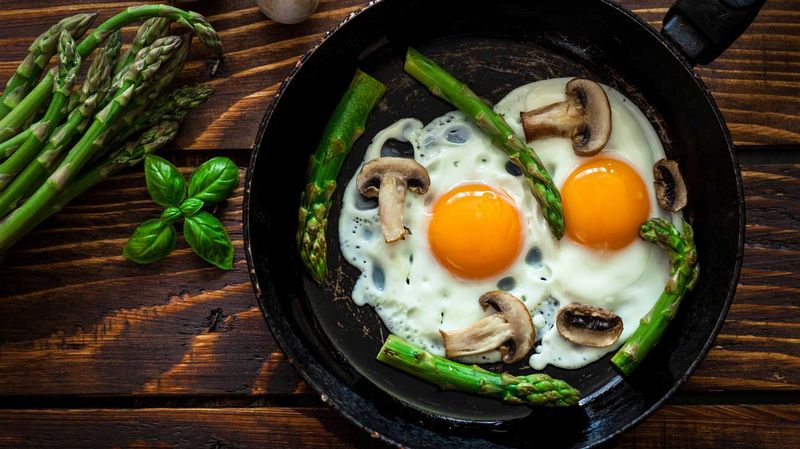
Eggs have had a complicated reputation over the years, but nutrition science has largely cleared their name. A single egg is a complete protein source, meaning it contains all nine essential amino acids your body cannot make on its own.
Beyond protein, eggs provide vitamins D, B12, A, and E, plus choline for brain function and lutein for eye health. They’re also incredibly filling, helping you eat less throughout the day.
Scrambled, poached, or hard-boiled, eggs are one of nature’s most efficient foods.
10. Garlic
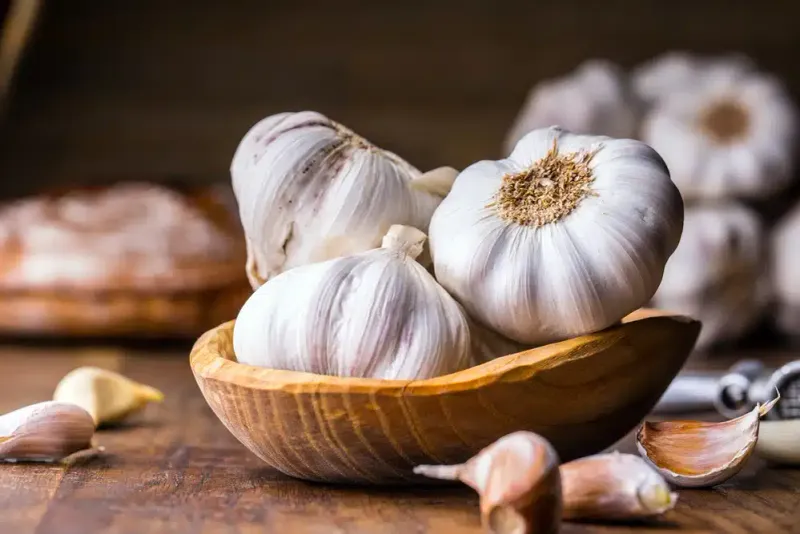
Garlic has been used as both food and medicine for thousands of years, and modern science backs up much of that ancient wisdom. Its most active compound, allicin, is released when garlic is chopped or crushed, and it carries impressive antibacterial and anti-inflammatory properties.
Regular garlic consumption is linked to lower blood pressure and improved cholesterol levels. Beyond its health perks, garlic simply makes almost every savory dish taste better.
Adding a clove or two to your daily cooking is one of the easiest nutritional upgrades you can make.
11. Kale
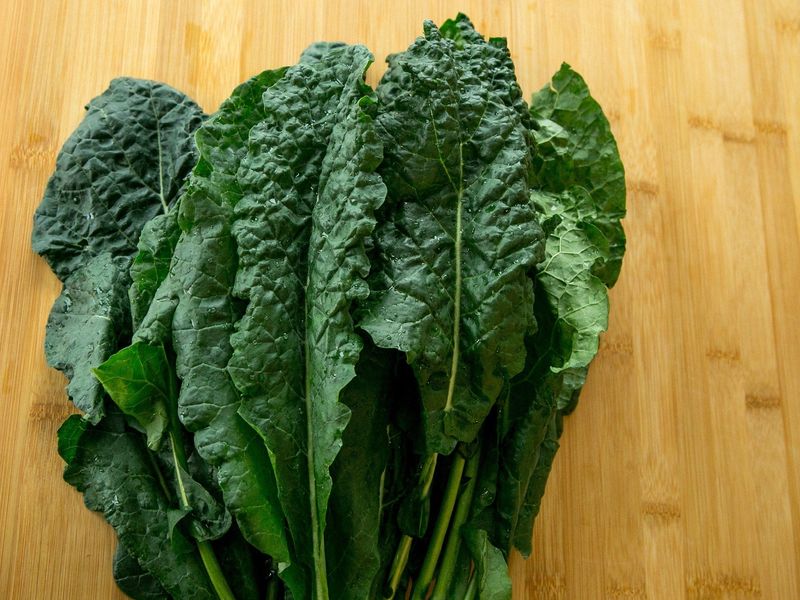
Kale earned its superfood status honestly. This dark leafy green is absolutely loaded with vitamins A, C, and K, plus calcium, potassium, iron, and antioxidants like lutein and zeaxanthin that protect your eyes from age-related damage.
Eating kale regularly is associated with a lower risk of type 2 diabetes and certain cancers, and it also supports strong bones and healthy cell function. Massage raw kale with a bit of olive oil to soften it for salads, or bake it into crispy chips for a surprisingly addictive snack.
12. Kiwi
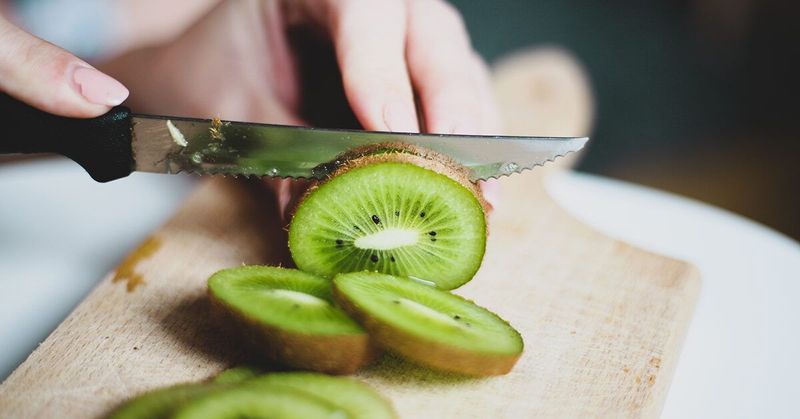
Ounce for ounce, kiwi is one of the most nutrient-dense fruits you can eat. This fuzzy little fruit is unmatched when it comes to supporting heart health, helping raise good HDL cholesterol, lower blood triglycerides, reduce platelet clumping, and manage blood pressure all at once.
Kiwi is also rich in vitamin C, vitamin K, and fiber. Two kiwis a day have been shown in studies to produce measurable cardiovascular benefits.
Scoop them with a spoon straight from the skin for the easiest possible healthy snack.
13. Lentils
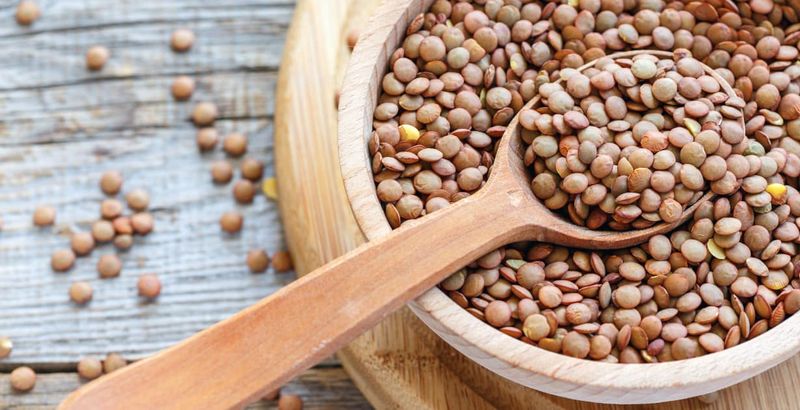
Lentils are one of the most underrated foods in the grocery store. Affordable, filling, and nutritionally impressive, they deliver a hearty combination of plant-based protein, fiber, folate, and iron in every serving.
They also contain phenols, which are protective plant compounds with antioxidant, antibacterial, and anti-inflammatory effects that help guard against chronic disease. Because lentils digest slowly, they keep blood sugar stable and hunger at bay for hours.
Red, green, or black, they work beautifully in soups, stews, and curries.
14. Liver

Liver might not be the trendiest food on this list, but it may be the most nutrient-dense of all. A single serving of beef liver delivers extraordinary amounts of vitamin B12, vitamin A, folate, iron, copper, and high-quality protein that few other foods can match.
Organ meats like liver were staples in traditional diets around the world for good reason. If the flavor feels too strong at first, try blending small amounts into ground meat dishes like meatballs or burgers to ease your way into eating it regularly.
15. Nuts
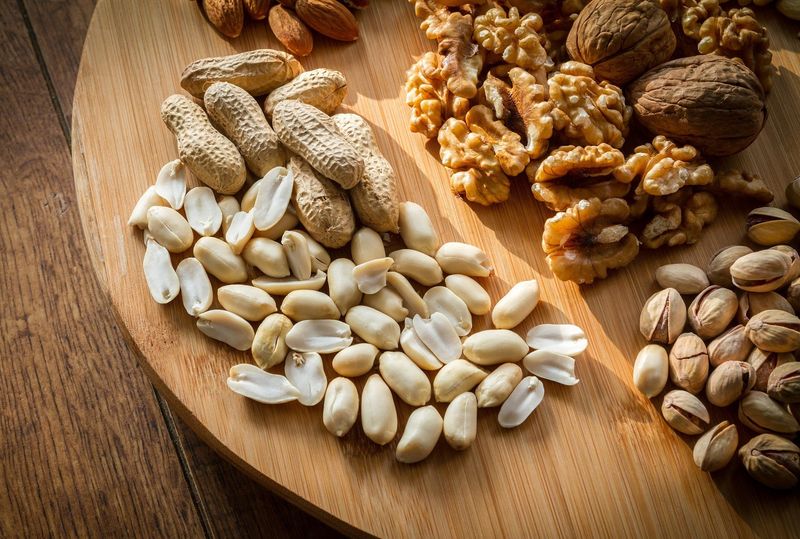
Walnuts, almonds, pistachios, Brazil nuts, pick your favorite because they’re all exceptional for your health. Nuts are rich in heart-healthy monounsaturated fats, protein, fiber, vitamin E, magnesium, and antioxidants that help fight cellular damage throughout the body.
Eating nuts regularly has been linked to better cognitive function as you age, healthier cholesterol levels, and even easier weight management because they’re so satisfying. A small handful as an afternoon snack beats chips or crackers every single time, nutritionally speaking.
16. Oats
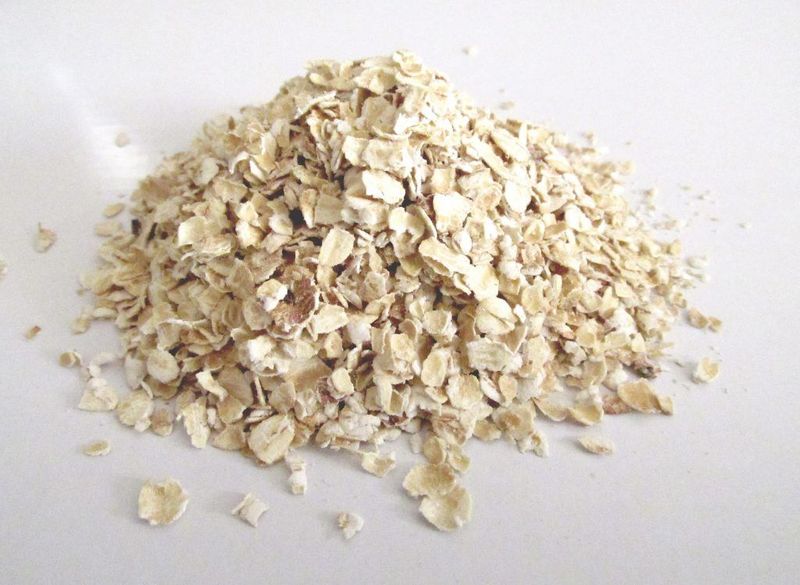
There’s a reason oatmeal has been a breakfast staple for generations. Oats are packed with essential nutrients and contain a special type of soluble fiber called beta-glucan, which has been proven to lower LDL cholesterol and feed the beneficial bacteria living in your gut.
Starting your morning with oats helps stabilize blood sugar and keeps you full until lunch, reducing the urge to reach for unhealthy snacks. Steel-cut oats take longer to prepare but have a lower glycemic impact than the instant varieties.
17. Extra-Virgin Olive Oil

Extra-virgin olive oil is the cornerstone of the Mediterranean diet, one of the most studied and praised eating patterns in all of nutritional science. Cold-pressed from fresh olives, it retains its full complement of healthy monounsaturated fats and polyphenol antioxidants.
These compounds actively reduce inflammation, protect the heart, and may lower the risk of certain chronic diseases. Drizzle it over salads, use it for light sauteing, or dip crusty bread into a bowl of it.
Quality matters here, so always choose extra-virgin.
18. Oranges
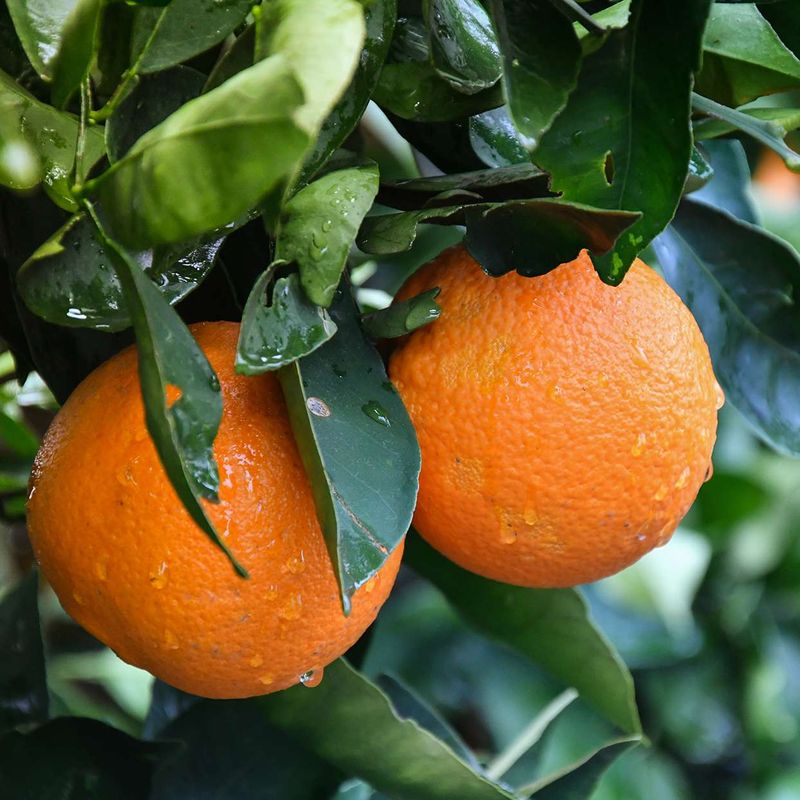
Oranges are basically vitamin C in edible form. A single medium orange covers more than 100% of your daily vitamin C needs, helping your immune system fend off illness and stimulating collagen production that keeps skin looking healthy and resilient.
Beyond vitamin C, oranges also provide folate, potassium, and vitamin B1, making them more nutritionally complete than most people realize. They’re naturally sweet, portable, and require zero preparation.
Eating the whole fruit rather than just drinking the juice gives you the added benefit of digestion-friendly fiber.
19. Quinoa
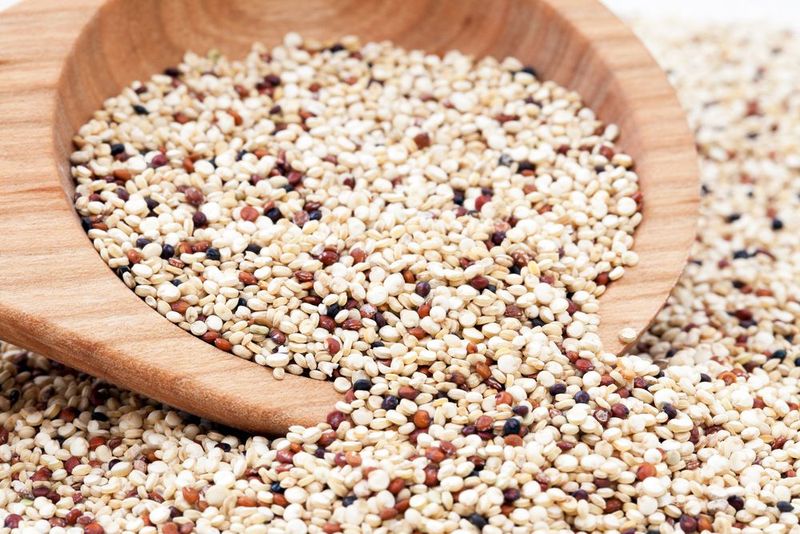
Quinoa is one of the rare plant foods that qualifies as a complete protein, meaning it supplies all nine essential amino acids. That makes it particularly valuable for vegetarians and vegans looking to meet their protein needs without relying on meat.
Beyond protein, quinoa is high in fiber, magnesium, iron, and manganese, plus anti-inflammatory phytonutrients that support overall health. It cooks in about 15 minutes and works as a base for grain bowls, a side dish, or even a warm breakfast porridge topped with fruit.
20. Salmon
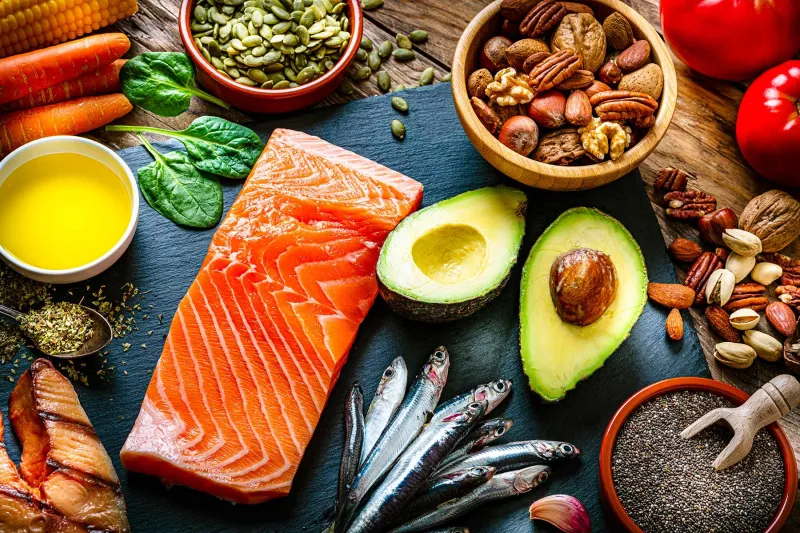
Fatty fish like salmon are among the best dietary sources of omega-3 fatty acids, specifically EPA and DHA, the forms your body uses most efficiently. These fats are essential for heart health, brain function, joint flexibility, and reducing inflammation throughout the body.
Salmon also delivers high-quality protein and vitamin D, a nutrient many people are deficient in. Eating oily fish two to three times per week is widely recommended by health organizations worldwide.
Wild-caught varieties tend to have a slightly better nutritional profile than farmed options.