These 15 Practical Ways To Trim Calories Without Shrinking Your Plate
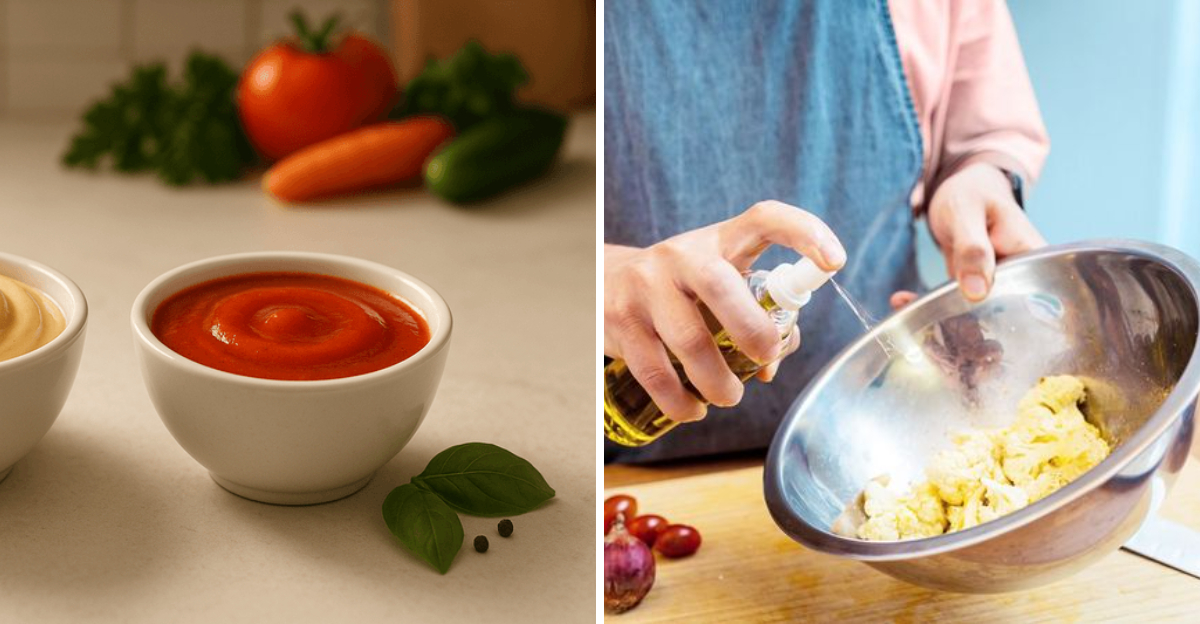
Eating less doesn’t have to mean feeling hungry or staring at a tiny plate. The secret is making smart swaps and simple changes that keep your meals satisfying while quietly cutting calories.
Whether you’re trying to lose weight or just eat a little healthier, these strategies make it easier than you’d think. Small tweaks can add up to big results over time.
1. Prioritize High Water Content Foods
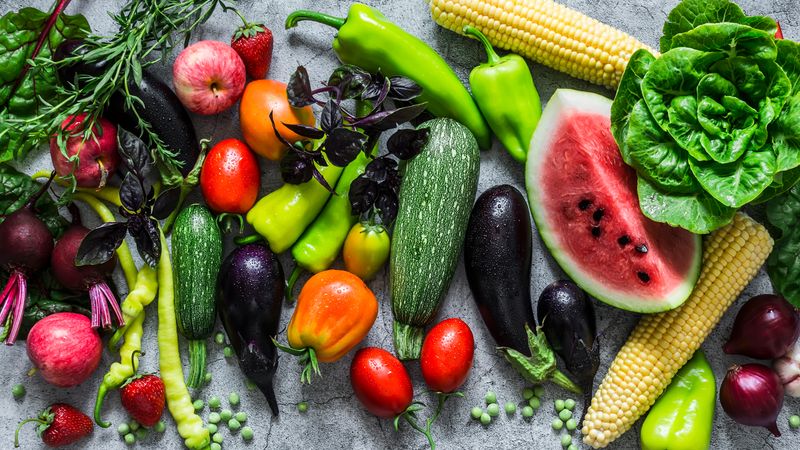
Watermelon, cucumber, and tomatoes have something sneaky in common — they’re mostly water. That means they fill up your stomach without packing in a ton of calories.
You can eat a huge bowl of these foods and still stay well within your daily calorie goals.
High water content foods are also refreshing and hydrating, which is a bonus. Try adding sliced cucumbers or grapefruit to your meals to boost volume without boosting your waistline.
2. Increase Fiber Intake
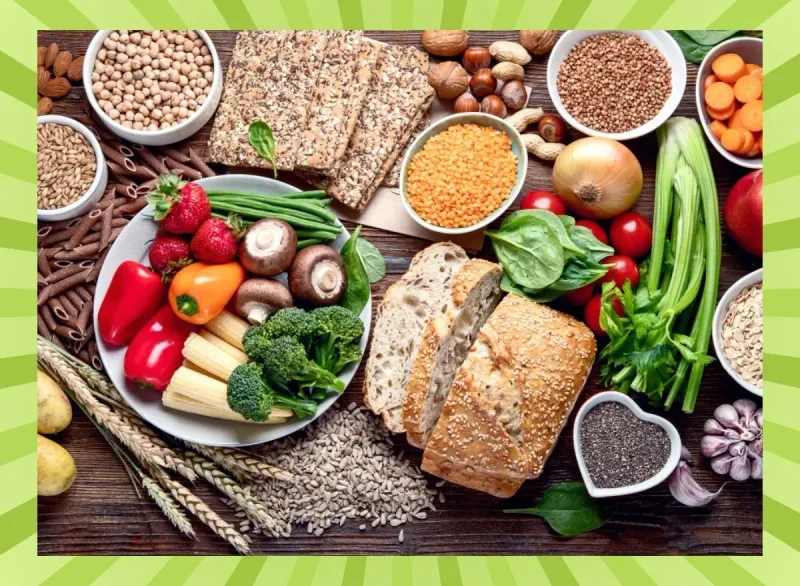
Fiber is like a slow-burning fuel for your body — it keeps you full longer without adding extra calories. Foods like oats, beans, lentils, and whole grains take more time to digest, which means you stay satisfied well after your meal is finished.
Air-popped popcorn is a fun, crunchy way to sneak in fiber without guilt. Swapping white bread for whole grain options is one of the easiest high-fiber upgrades you can make today.
3. Lean Protein at Every Meal
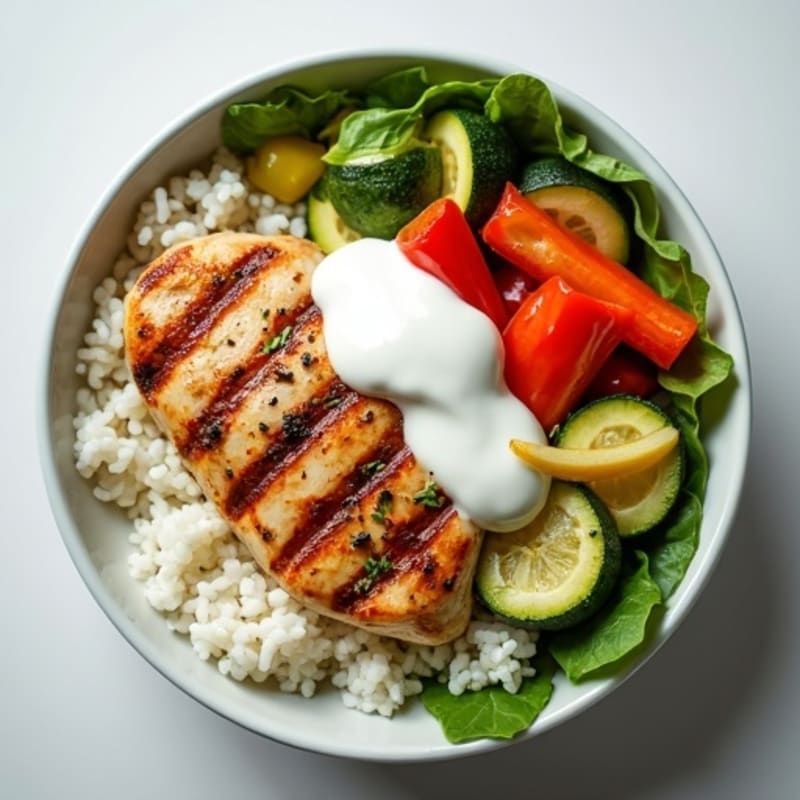
Protein is the MVP of satiety — it keeps hunger at bay longer than carbs or fats. Adding lean proteins like grilled chicken, fish, egg whites, or Greek yogurt to every meal helps your body feel full and satisfied with less food overall.
Greek yogurt is especially worth mentioning because it packs a serious protein punch in a small serving. Even swapping regular yogurt for Greek yogurt at breakfast can make a noticeable difference throughout your day.
4. Bulk Up Meals with Vegetables
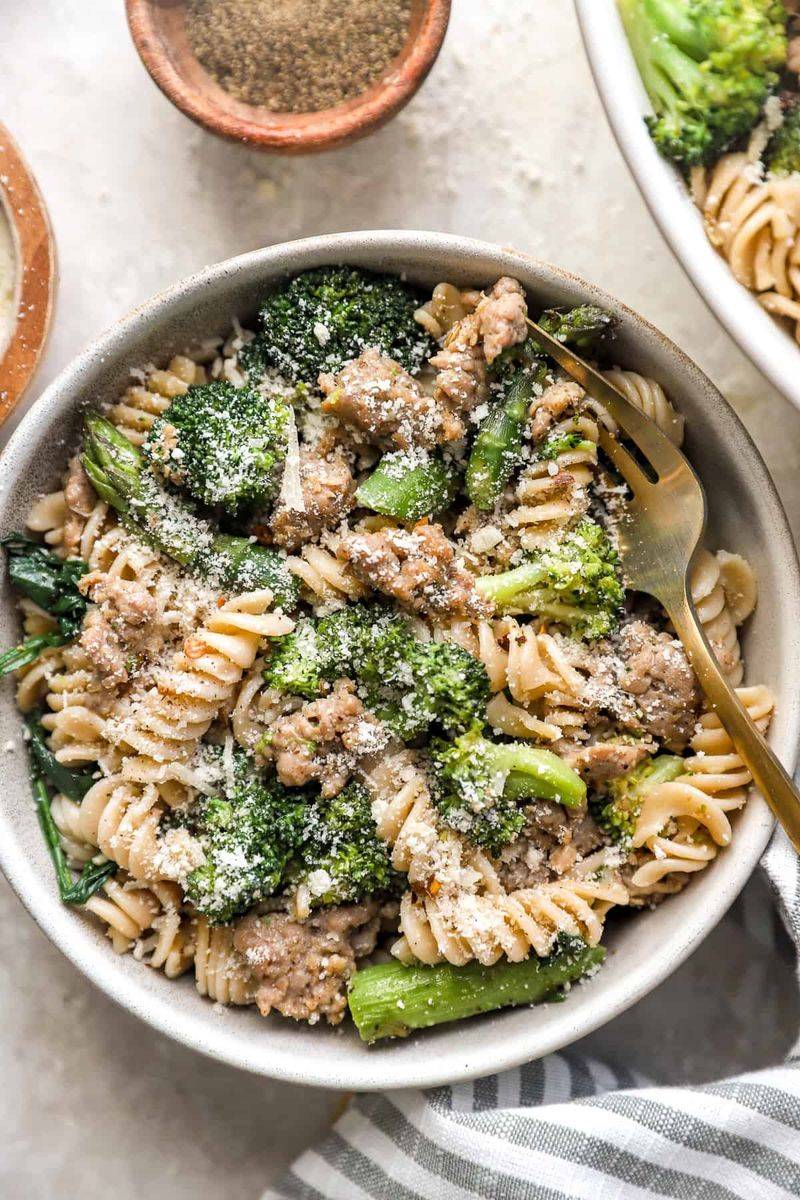
Here’s a trick chefs and nutritionists both love: load your plate with non-starchy vegetables to increase volume without increasing calories. Broccoli, spinach, peppers, and zucchini take up space on your plate and in your stomach, helping you feel full faster.
Try stirring chopped veggies into soups, pasta, or casseroles. You’ll barely notice the swap, but your body will appreciate the extra nutrients and fiber while your calorie count stays pleasantly low.
5. Choose Solid Foods Over Liquids
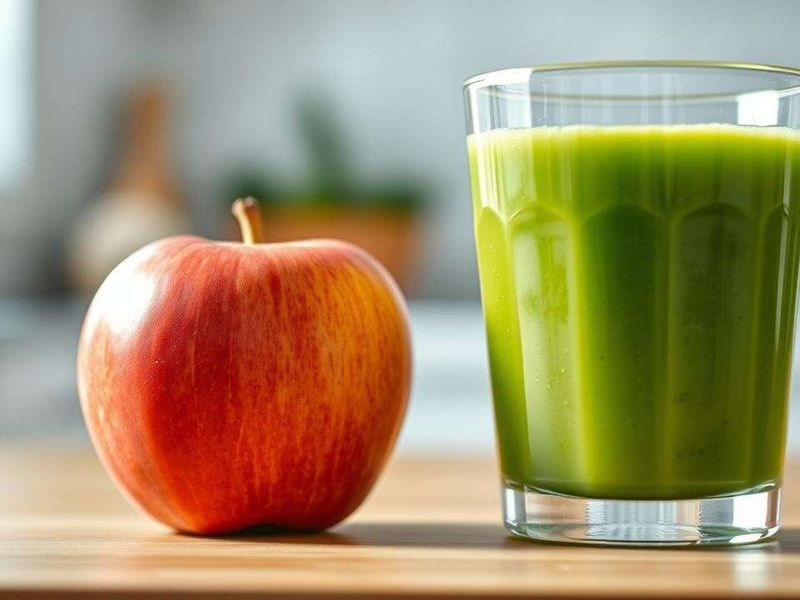
Smoothies can be sneaky calorie bombs. Even though they seem healthy, liquid calories don’t trigger the same fullness signals in your brain that solid food does.
You could down 400 calories in a smoothie and still feel hungry ten minutes later.
Choosing to eat whole fruit instead of drinking a fruit smoothie keeps you fuller longer. Solid foods require more chewing, which slows eating down and gives your brain time to register that you’ve had enough.
6. Start with Broth-Based Soups or Salads

Starting a meal with a light broth-based soup or a simple salad is one of the oldest tricks in the book — and it genuinely works. The extra volume from the starter fills part of your stomach before the main course even arrives.
Studies show people eat fewer total calories when they begin with a low-calorie first course. Keep the salad dressing light and the soup broth-based rather than creamy to keep that calorie count low and the benefits real.
7. Swap White Grains for Vegetable Alternatives
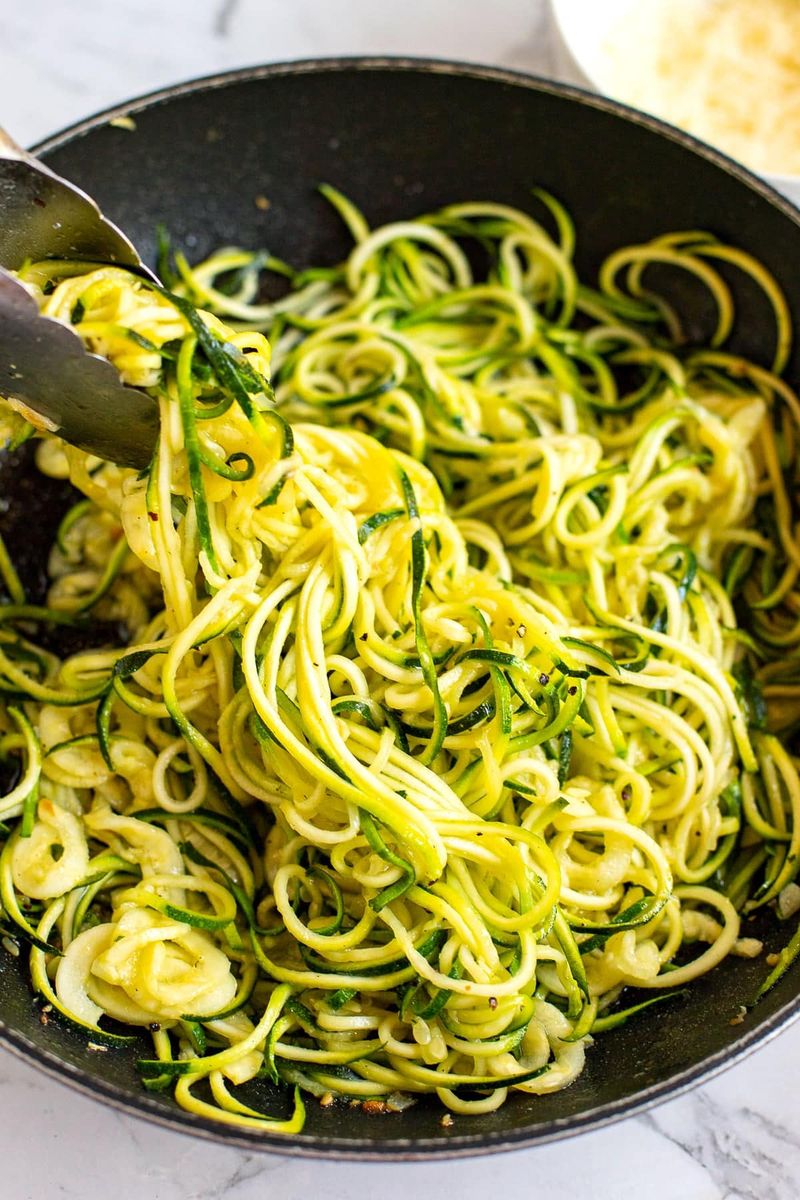
Cauliflower rice and zucchini noodles sound like health food clichés, but they genuinely deliver. Swapping a cup of white rice for cauliflower rice cuts roughly 150 calories without reducing the size of your portion one bit.
Zucchini noodles, also called zoodles, hold sauce beautifully and give you that satisfying twirl-on-a-fork experience. These veggie swaps work so well that even picky eaters often barely notice the difference once the toppings are added.
8. Use Lettuce Wraps
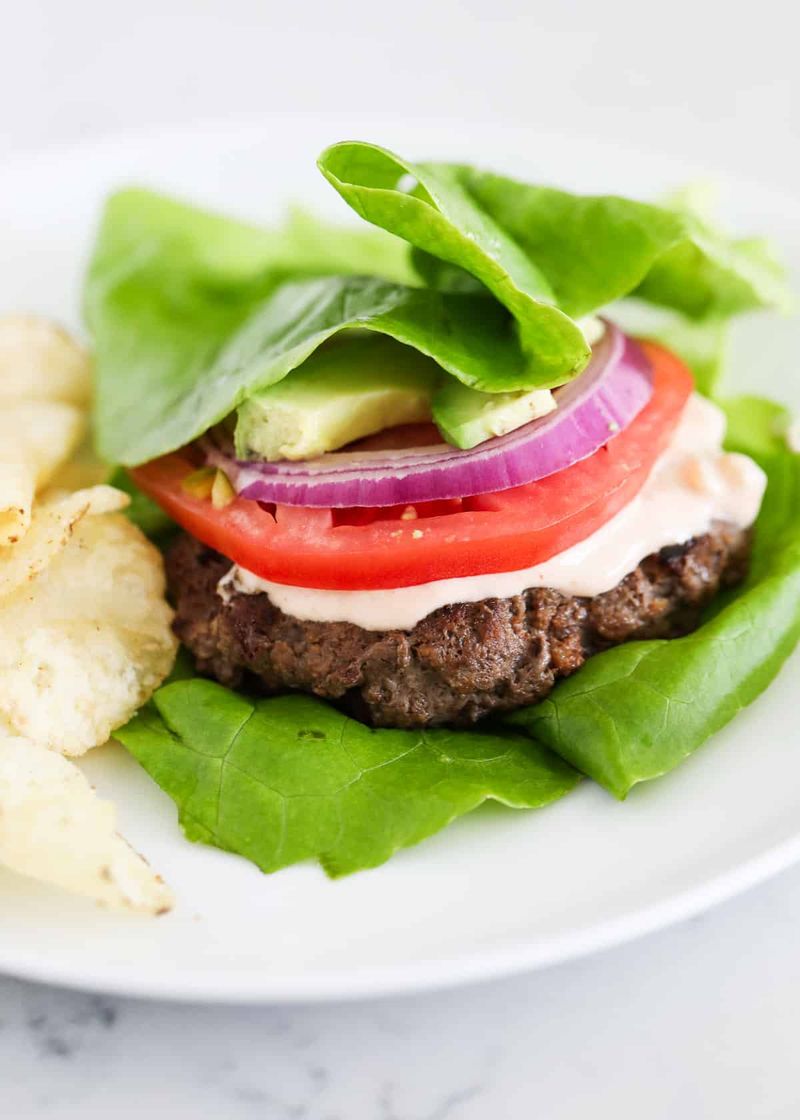
Swapping a burger bun or flour tortilla for a crisp lettuce leaf might sound like a sacrifice, but it’s actually a refreshing upgrade. Lettuce wraps are lighter, crunchy, and let the flavors of the filling shine through more clearly.
A large flour tortilla can carry anywhere from 150 to 300 calories before you’ve added a single filling. Lettuce, by comparison, is nearly calorie-free.
It’s a simple swap that makes a measurable dent in your daily intake without leaving you unsatisfied.
9. Opt for Healthier Condiments
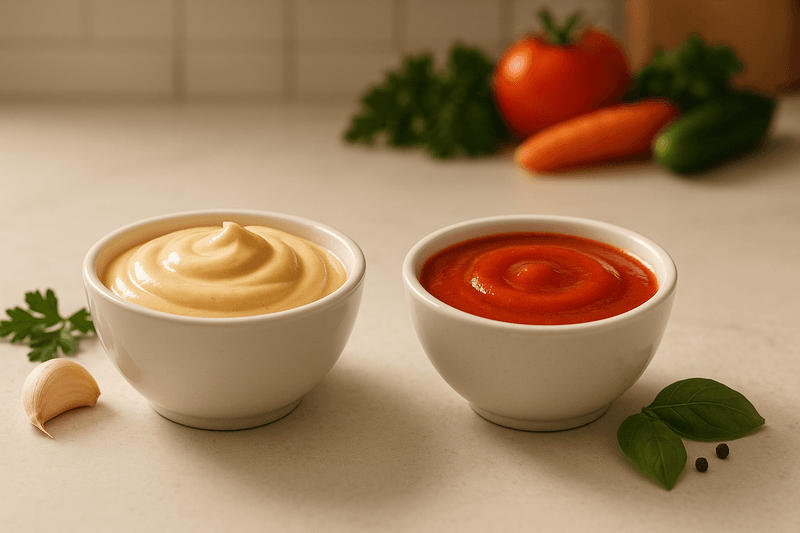
Condiments are where hidden calories love to hide. A single tablespoon of mayonnaise carries around 90 calories and 10 grams of fat, while the same amount of mustard has fewer than 10 calories.
That’s a dramatic difference for something you barely taste on its own.
Swapping mayo for mustard, hot sauce, or salsa on sandwiches and wraps is a small change with a real payoff. Over the course of a week, those saved calories genuinely add up to something meaningful.
10. Cook with Lighter Methods
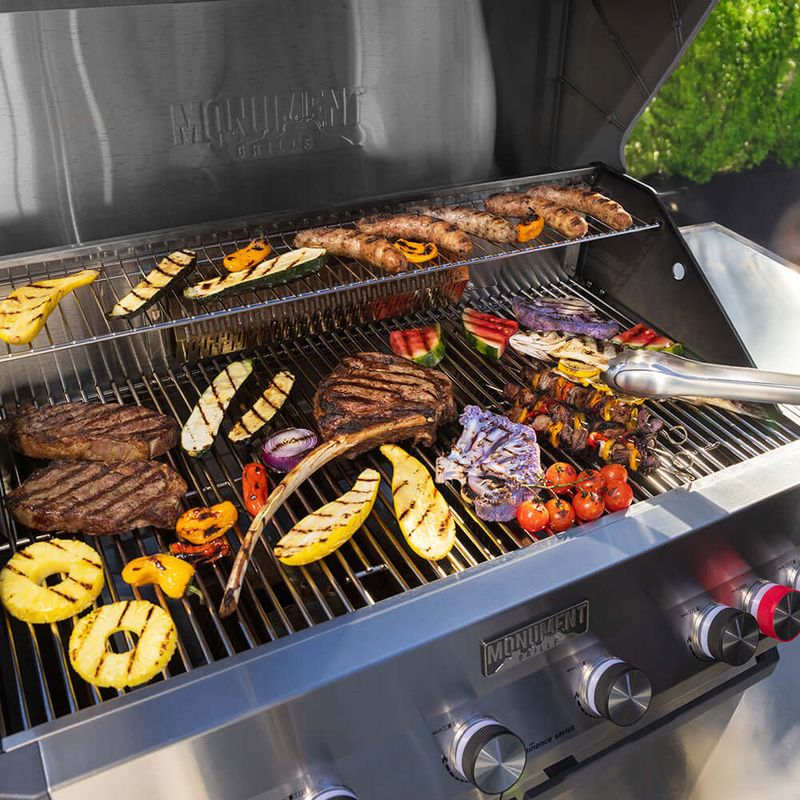
The way you cook your food matters almost as much as what you cook. Frying adds significant calories through absorbed oil, while grilling, baking, steaming, and roasting let natural flavors develop without piling on extra fat.
Roasting vegetables brings out a natural sweetness that makes them taste almost indulgent. Grilled chicken has a satisfying char and texture that feels far from diet food.
Switching your cooking method is one of the easiest calorie-cutting moves that requires zero sacrifice in portion size.
11. Limit Added Fats in Cooking
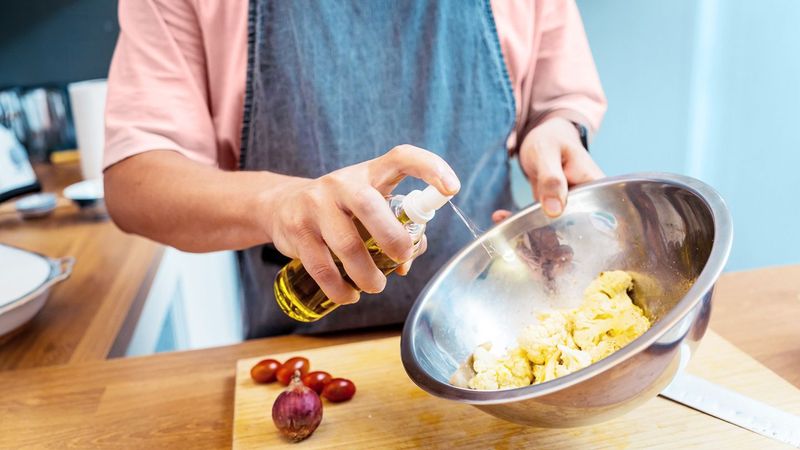
Pouring oil directly from the bottle is one of the most common ways people accidentally overcook their calorie budget. Just two tablespoons of olive oil adds about 240 calories — and most people pour far more than that without measuring.
Using a nonstick cooking spray or splashing a bit of vegetable broth in the pan instead keeps food from sticking while dramatically reducing added fat. Your food will still taste great, and you’ll have saved meaningful calories without changing your recipe at all.
12. Drink Water Strategically

Drinking a full glass of water about 20 to 30 minutes before a meal is a surprisingly effective strategy. Water takes up space in your stomach, which means you’ll likely feel satisfied sooner once you start eating.
Research backs this up — people tend to consume fewer calories at meals when they pre-hydrate.
It also helps prevent confusing thirst with hunger, a mix-up that leads many people to snack when their body actually just needs hydration. Keep a water bottle close throughout the day.
13. Avoid Sugary Beverages
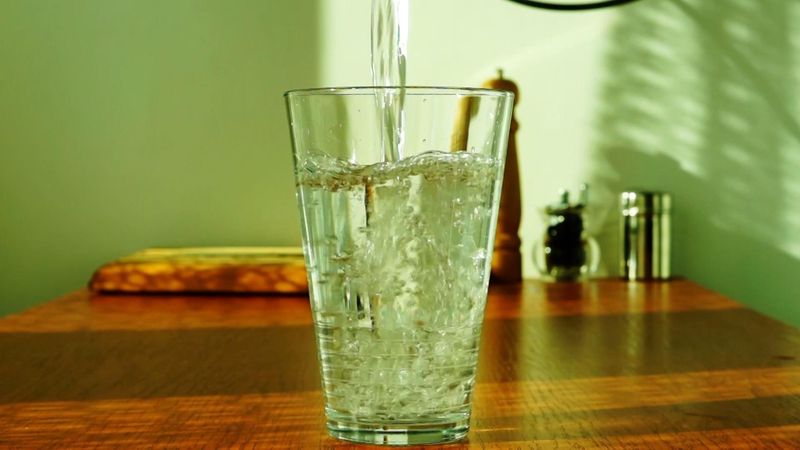
Liquid sugar is one of the biggest hidden sources of extra calories in the modern diet. A single can of soda has around 150 calories, a large flavored latte can hit 400, and even “healthy” bottled juices often pack as much sugar as a candy bar.
Switching to water, sparkling water, or unsweetened black coffee or tea can eliminate hundreds of calories daily without changing what you eat at all. Your body won’t even register the loss of those liquid calories as missing food.
14. Eat Slowly and Mindfully

Your brain needs about 20 minutes to receive the signal that your stomach is full. When you eat quickly, you can easily consume far more than your body needs before that message even arrives.
Slowing down gives your brain time to catch up with your fork.
Chewing each bite thoroughly, putting your utensil down between bites, and staying away from screens during meals are all simple mindfulness habits. People who eat mindfully consistently report feeling satisfied on smaller portions without feeling deprived or hungry afterward.
15. Serve Dressings and Sauces on the Side
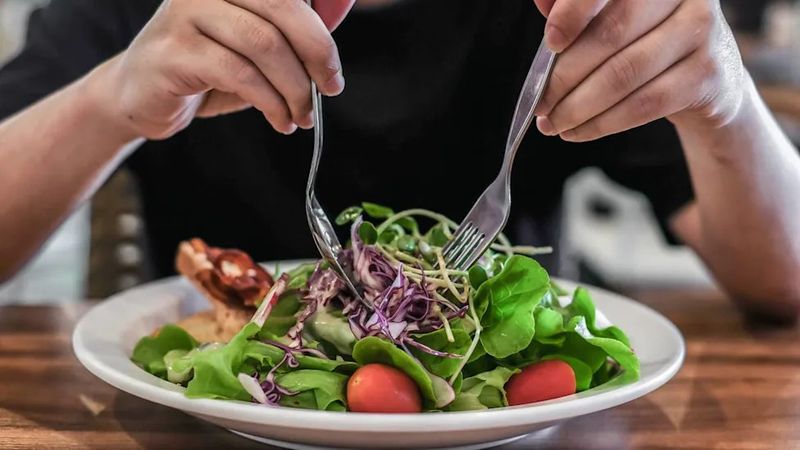
Restaurant salads can be sneakily high in calories, and dressing is usually the culprit. A generous pour of creamy ranch or Caesar dressing can add 300 or more calories to what seems like a virtuous meal choice.
Asking for dressings and sauces on the side puts you in control. The fork-dipping method — lightly touching your fork to the dressing before each bite — gives you flavor in every mouthful while using a fraction of the amount.
It’s a small habit with a surprisingly big calorie-saving impact.