
23 Nutrient-Packed Vegetables To Include In Your Daily Diet, According to Experts

Incorporating a variety of vegetables into your daily diet can significantly boost your nutrient intake. We’ve compiled a list of 23 nutrient-rich vegetables that experts recommend for their health benefits and versatility in meals.
1. Spinach

Spinach is the perennial favorite in kitchens for its adaptability and nutrient density. This leafy green is packed with iron, vitamin C, and various antioxidants. Its smooth texture and mild flavor make it an excellent addition to a wide range of dishes. Whether you’re tossing it into smoothies for a nutritional boost or stirring it into soups for added depth, spinach never disappoints.
Historically, spinach was loved by seafarers like Popeye for its supposed strength-giving properties. Today, it continues to be a go-to green for health enthusiasts worldwide.
2. Kale
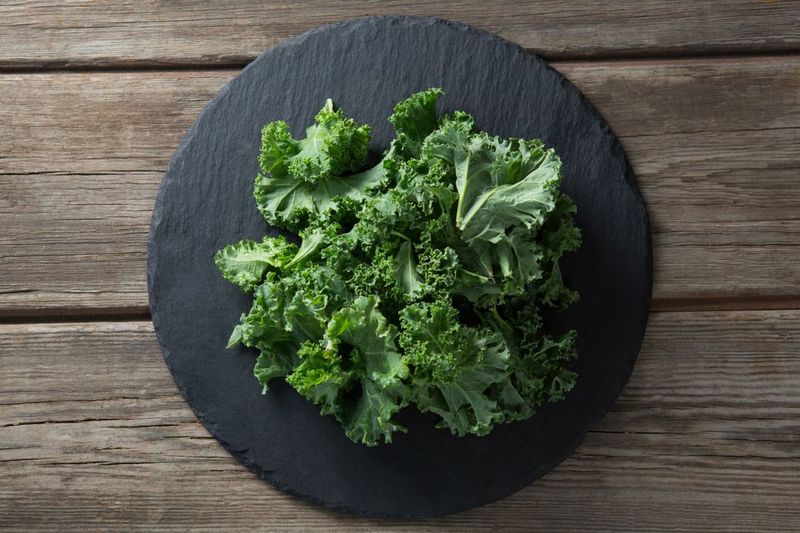
Kale’s robust character and nutrient profile have earned it a top spot among green vegetables. Known for being high in vitamins A, K, and C, kale also provides a good amount of fiber. Its hearty leaves hold up well in salads after a gentle massage with dressing.
Sautéed kale creates a delicious, nutrient-packed side dish. Kale chips have become a popular, healthy snack alternative. It’s not just a trend; kale has roots in ancient Greek and Roman cuisines, where it was celebrated for its health benefits.
3. Swiss Chard

Swiss chard stands out with its vibrant stems and leafy greens, offering an earthy taste and a punch of nutrition. Rich in vitamins A and C, it also contains magnesium and potassium. Its tender leaves are delightful in salads, while the stalks add texture when sautéed.
Once a staple in Mediterranean cuisine, Swiss chard has gained popularity worldwide for its versatile culinary uses. Whether incorporated into stews or simply steamed, Swiss chard is an alluring addition to any meal.
4. Collard Greens
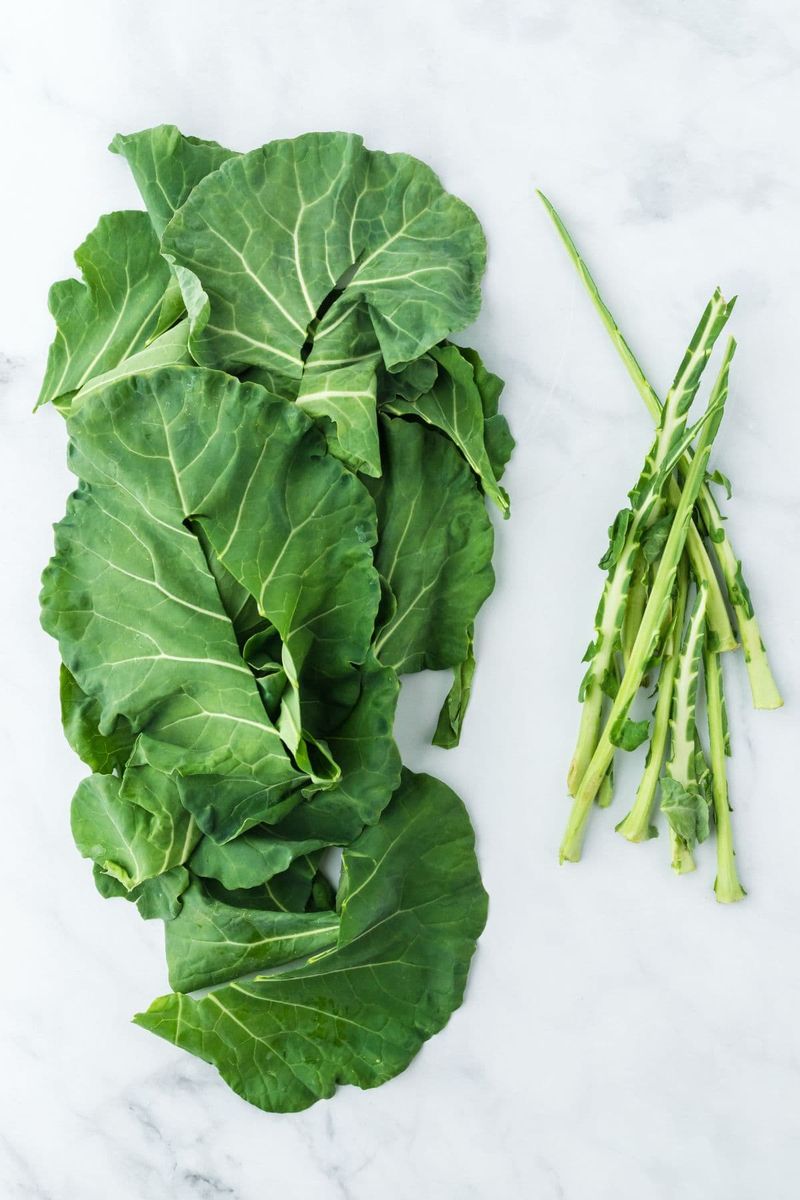
Collard greens are celebrated for their large, hearty leaves and rich nutrient profile. Packed with vitamins A, C, and K, these greens are also a good source of calcium and fiber. Traditionally cooked slow and low, collards develop a tender texture and robust flavor.
Originating from ancient times, they’ve been a staple in Southern U.S. cooking, often simmered with smoked meats. Their unique taste and versatility make collard greens a nutritious addition to many dishes, from wraps to stews.
5. Broccoli
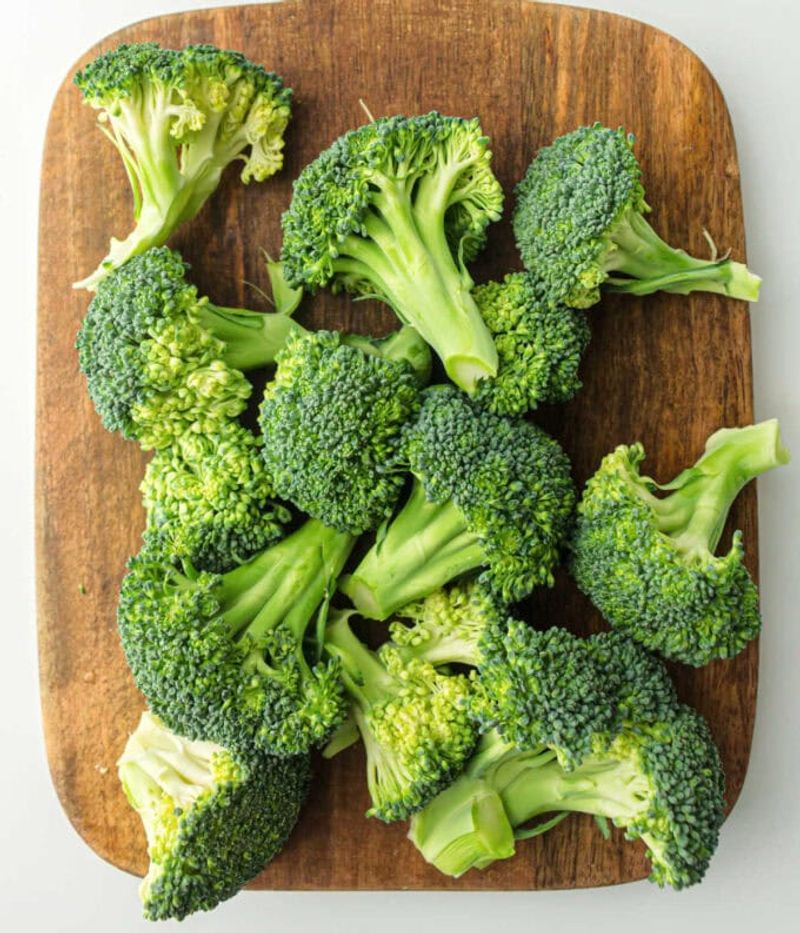
A universally loved vegetable, broccoli is a powerhouse of nutrients, including fiber, vitamin C, and potassium. Its crunchy texture makes it a favorite for raw snacking or roasting until caramelized. The versatility of broccoli allows it to fit into various cuisines and cooking styles.
Whether steamed, stir-fried, or baked, broccoli retains its nutritional value and satisfying taste. Historically, it has been cultivated since the Roman Empire, valued not only for its flavor but also for its health benefits.
6. Brussels Sprouts

Brussels sprouts have gained a reputation as a favorite for roasting, thanks to their crisp outer leaves and tender centers. Rich in vitamins K and C, they also provide fiber and antioxidants. Roasting brings out their natural sweetness and nutty flavor.
These mini cabbages were cultivated in Belgium in the 16th century, contributing to their name. Today, they’re often paired with bacon or balsamic for a delightful side dish. Brussels sprouts are a testament to the joy of well-prepared veggies.
7. Cauliflower

Cauliflower’s mild flavor and versatile texture make it a chameleon in the kitchen. High in fiber and vitamins C and K, it can be roasted, mashed, or even transformed into rice. Its ability to absorb flavors makes it a perfect base for various dishes.
Cultivated since ancient times, cauliflower has made a comeback with inventive preparations like cauliflower crust pizza. From creamy soups to hearty sides, this cruciferous vegetable never fails to impress with its adaptability.
8. Cabbage

Cabbage is a classic vegetable, known for its affordability and nutritional value. Rich in vitamin C and fiber, it offers a satisfying crunch in salads and slaws. Cabbage can be fermented into sauerkraut or cooked in hearty dishes.
This humble vegetable has been cultivated for thousands of years, playing a crucial role in traditional cuisines worldwide. Its resilient nature and ability to store well make cabbage a kitchen staple year-round.
9. Carrots
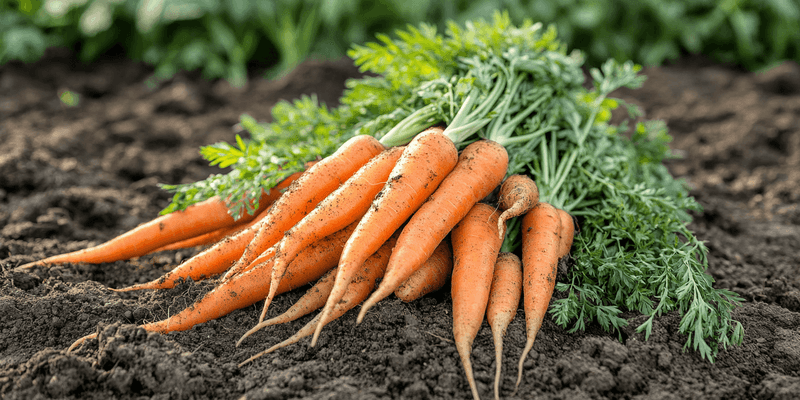
Carrots, with their vibrant orange hue, are a symbol of natural sweetness and nutrition. High in beta-carotene, which converts to vitamin A, they support healthy vision and immune function. Carrots are delightful whether eaten raw, roasted, or blended into soups.
Originating in Persia, they were once primarily purple before evolving into the orange variety we know today. Carrots’ crunchy texture and sweet taste make them a versatile and beloved vegetable in any culinary creation.
10. Sweet Potatoes

Sweet potatoes are cherished for their naturally sweet flavor and nutrient density. Rich in vitamins A and C, they also provide fiber and antioxidants. Their creamy texture makes them perfect for baking, mashing, or roasting.
Native to Central and South America, sweet potatoes have been a part of indigenous diets for centuries. Their versatility and health benefits continue to make them a favorite in modern kitchens worldwide. From savory dishes to desserts, sweet potatoes offer endless possibilities.
11. Bell Peppers

Bell peppers add a burst of color and sweetness to any dish. Rich in vitamin C, they are excellent for boosting the immune system. Available in green, red, yellow, and orange, each color provides a unique flavor profile and level of sweetness.
Originating in Central and South America, they have spread worldwide, becoming a staple in many cuisines. Whether grilled, stuffed, or added to salads, bell peppers are a versatile ingredient that enhances both flavor and nutrition.
12. Tomatoes
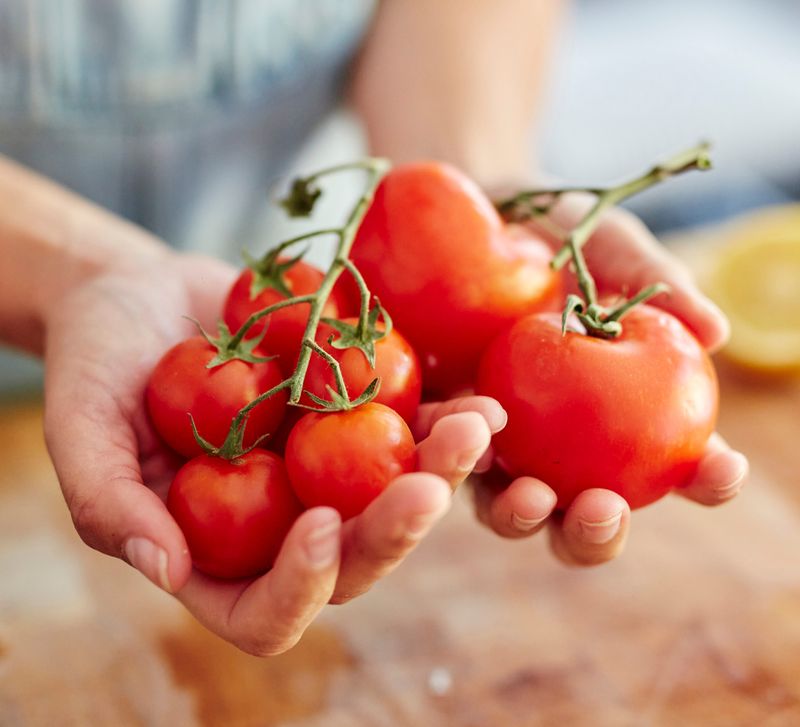
Tomatoes, though technically a fruit, are a staple in savory dishes worldwide. Packed with vitamins C and K, lycopene, and antioxidants, they support heart and skin health. Their juicy, tangy flavor makes them perfect for salads, sauces, and salsas.
Native to western South America, tomatoes have become integral to cuisines across the globe. From fresh garden salads to rich, comforting pasta sauces, tomatoes bring vibrancy and nutrition to every bite.
13. Zucchini

Zucchini, with its mild flavor and tender texture, is a favorite for adding volume to dishes without overpowering flavors. Rich in vitamin C and antioxidants, it supports immune function and skin health.
Originating in the Americas, zucchini has spread globally, loved for its ease of cultivation and versatility. Whether spiralized into noodles or grilled to perfection, zucchini complements a wide array of meals, making it a kitchen staple.
14. Eggplant

Eggplant, with its rich, silky texture, offers a unique culinary experience. High in fiber, vitamins B1, B6, and potassium, it supports heart health and digestion. Its ability to absorb flavors makes it an excellent base for various dishes.
Cultivated in India for thousands of years, eggplant has found its place in cuisines worldwide, from Mediterranean to Asian. Whether roasted, grilled, or turned into a creamy dip, eggplant provides a satisfying and nutritious addition to any meal.
15. Mushrooms

Mushrooms, though not technically vegetables, deserve their place on this list for their nutritional benefits and flavor. Rich in B vitamins and antioxidants, they support immune function and overall health.
Celebrated for their umami flavor, mushrooms have been used in cooking for centuries. Their versatility allows them to enhance soups, stews, and stir-fries, while also starring as the main ingredient in vegetarian dishes. From button to shiitake, mushrooms offer an earthy delight.
16. Asparagus

Asparagus is celebrated for its elegant appearance and nutritional profile. High in vitamins A, C, and K, as well as folate, it supports healthy skin and digestion. Its tender yet firm texture makes it perfect for grilling or steaming.
Once considered a delicacy, asparagus has been cultivated since ancient times. Its subtle, grassy flavor pairs well with a variety of dishes, adding a touch of sophistication to any meal.
17. Green Beans

Green beans offer a delightful crunch and vibrant color to meals. Rich in vitamins C and K, they provide fiber and antioxidants. Their versatility allows them to be enjoyed raw, steamed, or sautéed.
Cultivated for thousands of years, green beans have become a staple in cuisines worldwide. Whether added to salads or served as a side dish, their fresh taste and nutritional benefits make green beans a beloved vegetable in many kitchens.
18. Peas
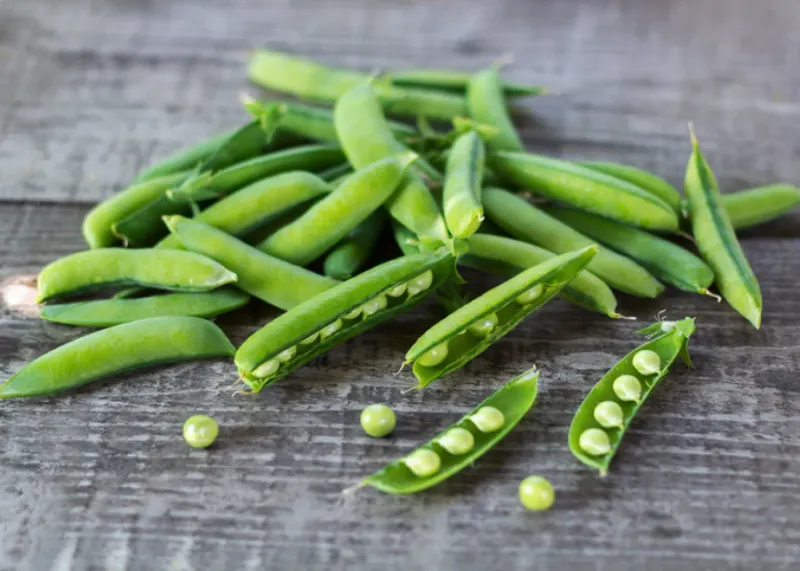
Peas, small but mighty, pack a serious nutritional punch. Rich in protein, vitamins A, K, and C, they support muscle and bone health. Their sweet flavor and tender texture make them a versatile addition to many dishes.
Peas have been cultivated since ancient times, valued for their nutrition and ease of growth. Whether tossed into soups or salads, peas add both flavor and nutritional value, making them a kitchen essential.
19. Beets

Beets are known for their earthy-sweet flavor and rich color. High in folate, manganese, and nitrates, they support heart health and improve blood flow. Their vibrant hue is a visual treat, whether roasted, pickled, or tossed into salads.
Once a staple in ancient diets, beets have made a comeback in modern cuisine for their health benefits and versatility. From beetroot juices to hearty salads, they add a unique and nutritious element to any dish.
20. Onions
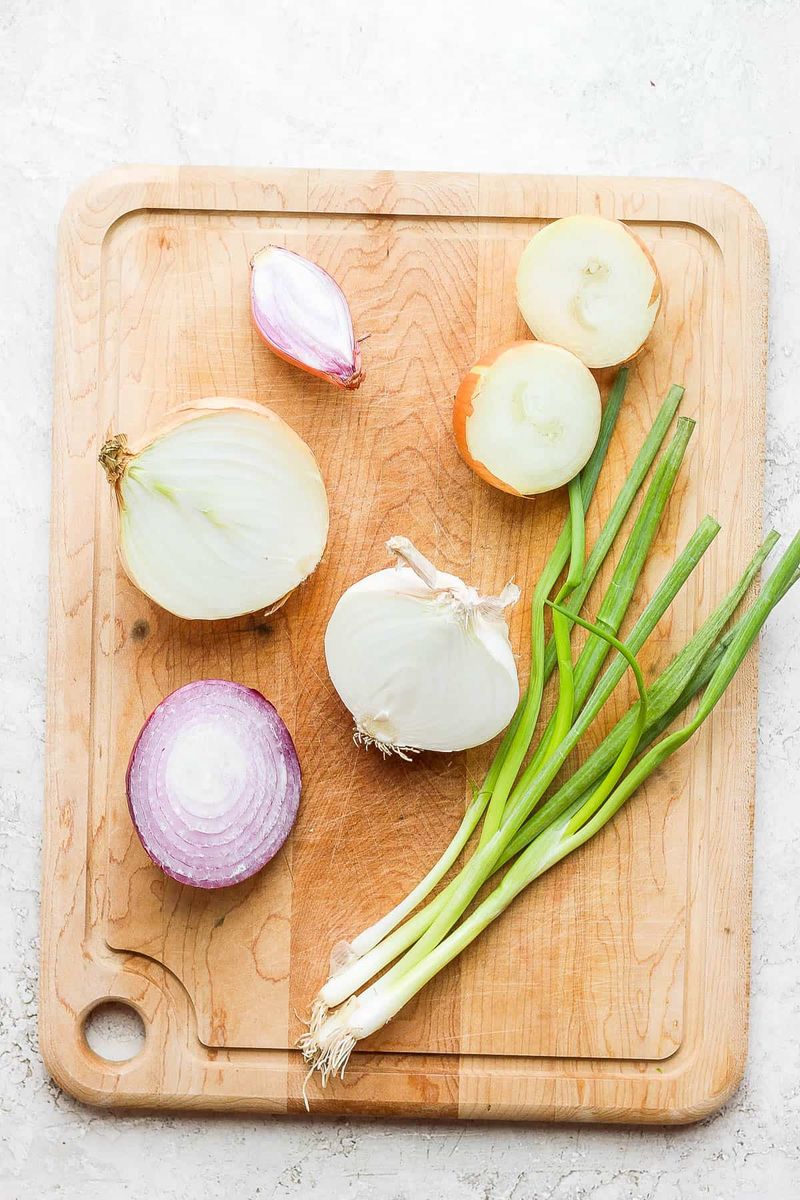
Onions, with their potent aroma and flavor, are an essential ingredient in culinary traditions worldwide. Rich in antioxidants and vitamin C, they support immune health and add depth to dishes.
From French onion soup to spicy salsas, onions provide the backbone of countless recipes. Their versatility and ability to enhance flavors make onions a staple in any kitchen, celebrated for both their taste and health benefits.
21. Garlic

Garlic, with its bold flavor and health benefits, is a culinary staple. Rich in manganese, vitamin B6, and antioxidants, it supports heart health and boosts immunity. Its potent aroma and flavor enhance a wide array of dishes.
Cultivated for thousands of years, garlic’s medicinal properties were revered in ancient cultures. Whether used in marinades, sauces, or as a seasoning, garlic adds a distinctive taste and nutritional benefits to meals.
22. Broccoli Rabe
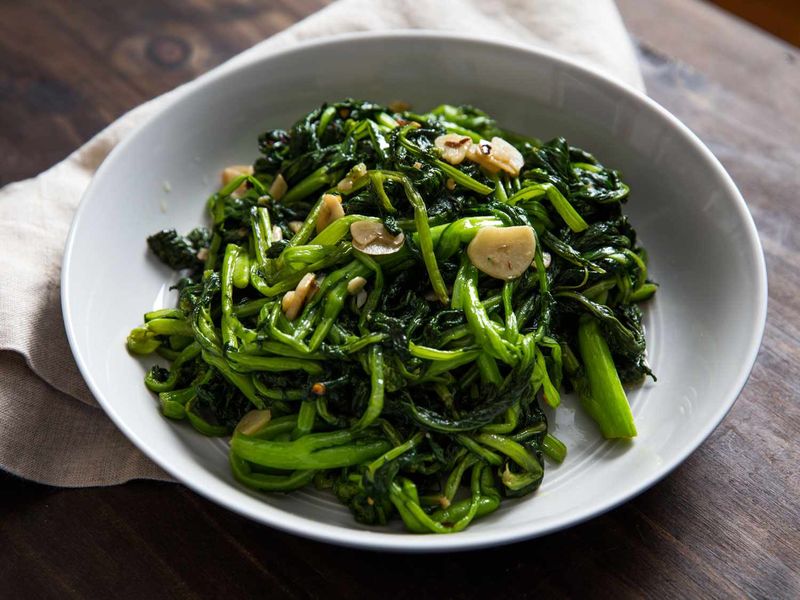
Broccoli rabe, with its slightly bitter taste, offers a unique culinary experience. Rich in vitamins A, C, and K, it supports bone and skin health. Often paired with garlic and chili, its bold flavor shines in a variety of dishes.
Originating from the Mediterranean, broccoli rabe has been cherished for its nutritional profile and distinct taste. Whether sautéed or added to pasta, it provides a flavorful and nutritious addition to any meal.
23. Seaweed (Nori, Wakame)

Seaweed, including varieties like nori and wakame, is a mineral-rich superfood. High in iodine, calcium, and antioxidants, it supports thyroid function and bone health. Its unique umami flavor and texture make seaweed a popular ingredient in Asian cuisines.
Often used in sushi, salads, and soups, seaweed adds both flavor and nutrients to meals. Its oceanic origins and health benefits have made seaweed a revered ingredient in wellness-focused diets.