
25 Common Foods Consumed In The 13 Colonies
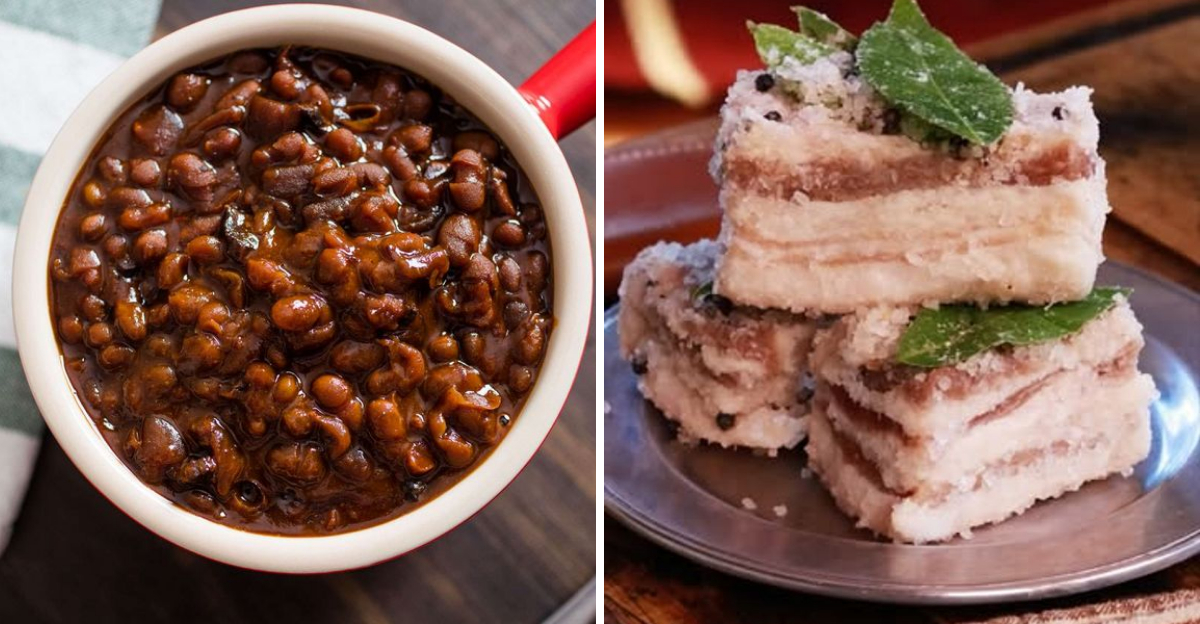
Step into a colonial kitchen where practicality met ingenuity, and every ingredient worked hard. You will discover how families turned simple staples into comforting meals that fueled daily life across the 13 Colonies. From hearth-baked breads to hearty stews and preserved meats, these foods tell a story of survival, seasonality, and resourcefulness. Ready to taste the past and see how much still shows up on your table today?
1. Corn (Maize)
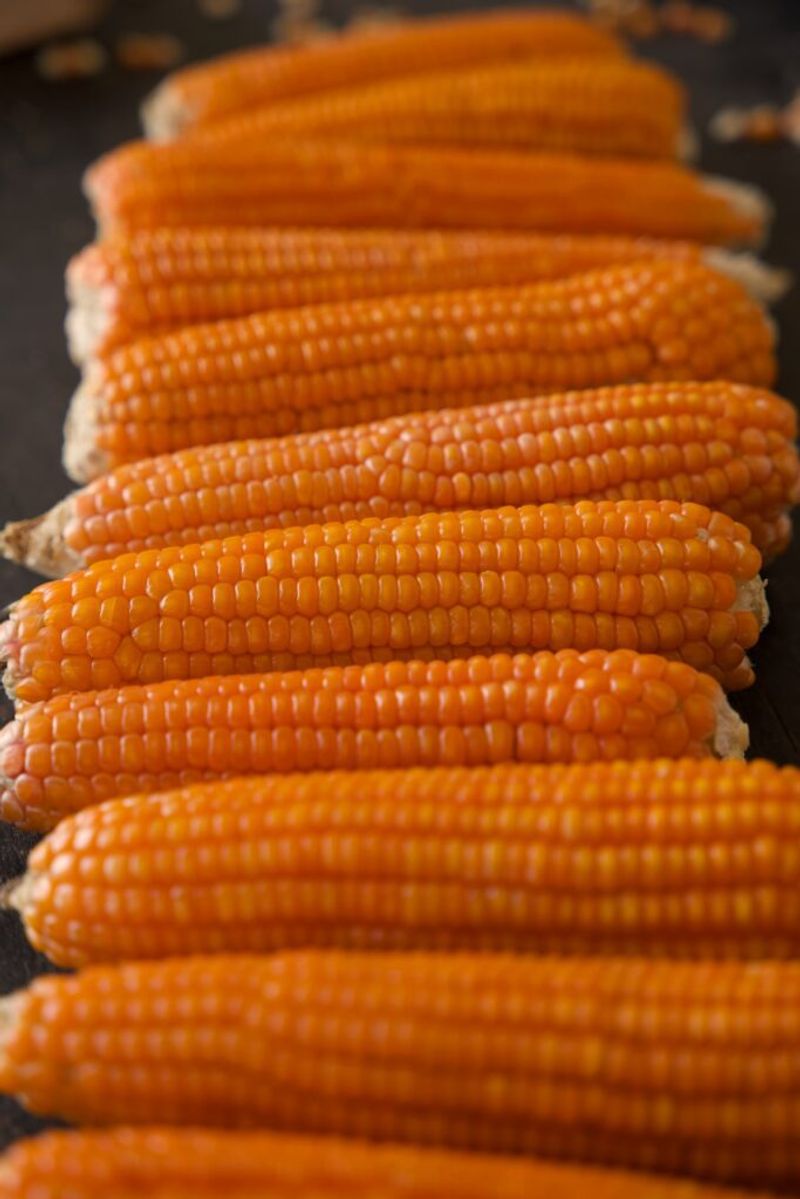
Corn anchored colonial diets because it grew well in varied soils and climates. You would find it pounded into meal for porridge, sifted for fine corn cakes, or nixtamalized for hominy. Native knowledge guided techniques, and colonists adapted eagerly.
In lean seasons, corn bridged the gap, stretching stews and thickening chowders. It paired nicely with beans and squash, forming the sustaining trio many relied on. Whether boiled, baked, or fried, it offered reliable calories.
Grinding was laborious, but the payoff was dependable nourishment. Even today, cornbread, johnnycakes, and grits echo those early methods, offering comfort with every bite.
2. Cornbread
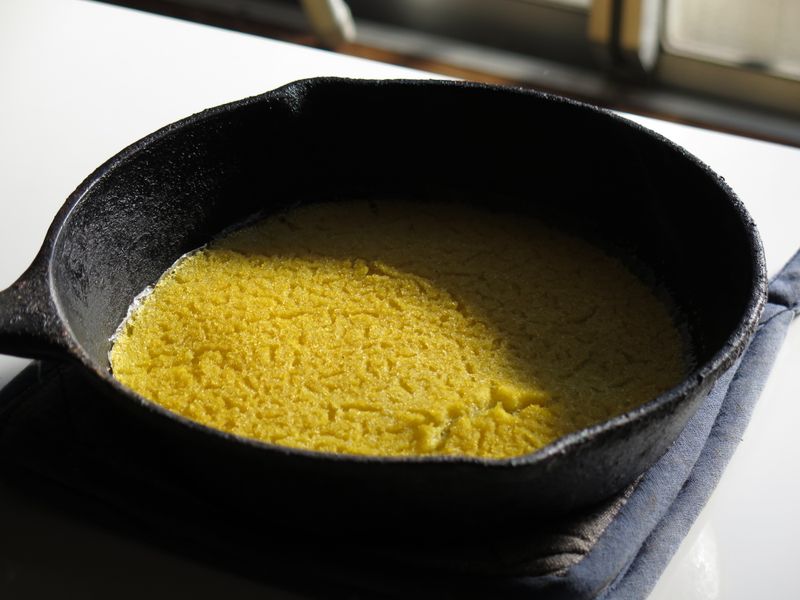
Cornbread was the everyday answer to hunger, quick to mix and faster to bake. You could stir cornmeal with water or milk, add salt, maybe molasses, and pour into a hot skillet. The edges crisped while the center stayed tender.
Families served it beside beans, stews, salt pork, or fish. It traveled well, packed in baskets for long days in fields or forests. Toasted leftovers became breakfast with milk.
Regional twists emerged: ash cakes by the fire, hoecakes on a griddle, and johnnycakes on flat stones. Each bite carried the smoky comfort of the hearth.
3. Beans
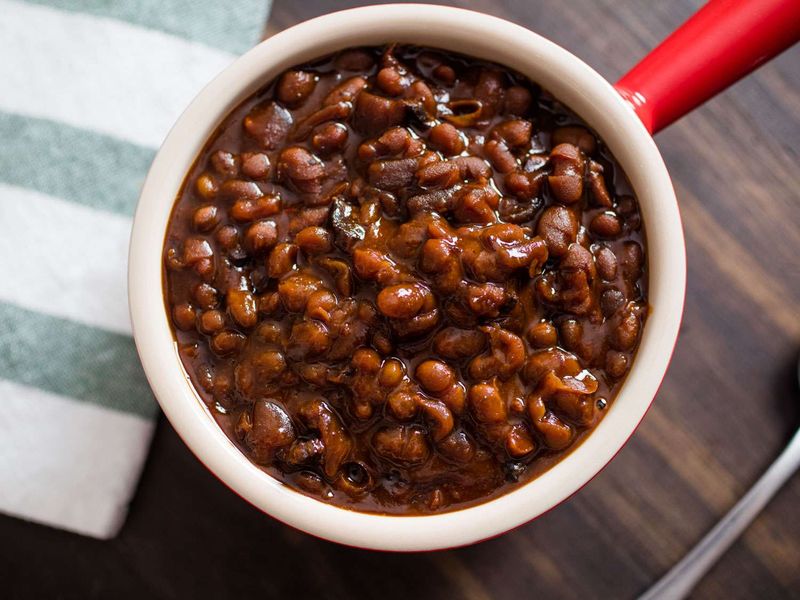
Beans brought dependable protein to colonial tables, stretching soups, stews, and humble suppers. Dried beans stored beautifully, making them a winter staple when gardens slept. Cooked low and slow, they turned creamy and deeply satisfying.
You would find beans paired with cornbread or salt pork for balanced nourishment. They thickened chowders and enriched pottages alongside seasonal vegetables. Many households grew several varieties for flavor and resilience.
Herbs like thyme and sage transformed simple pots into comforting meals. With patience and a steady flame, beans delivered hearty, economical goodness. They remain a timeless companion to smoky, savory dishes today.
4. Salted Pork
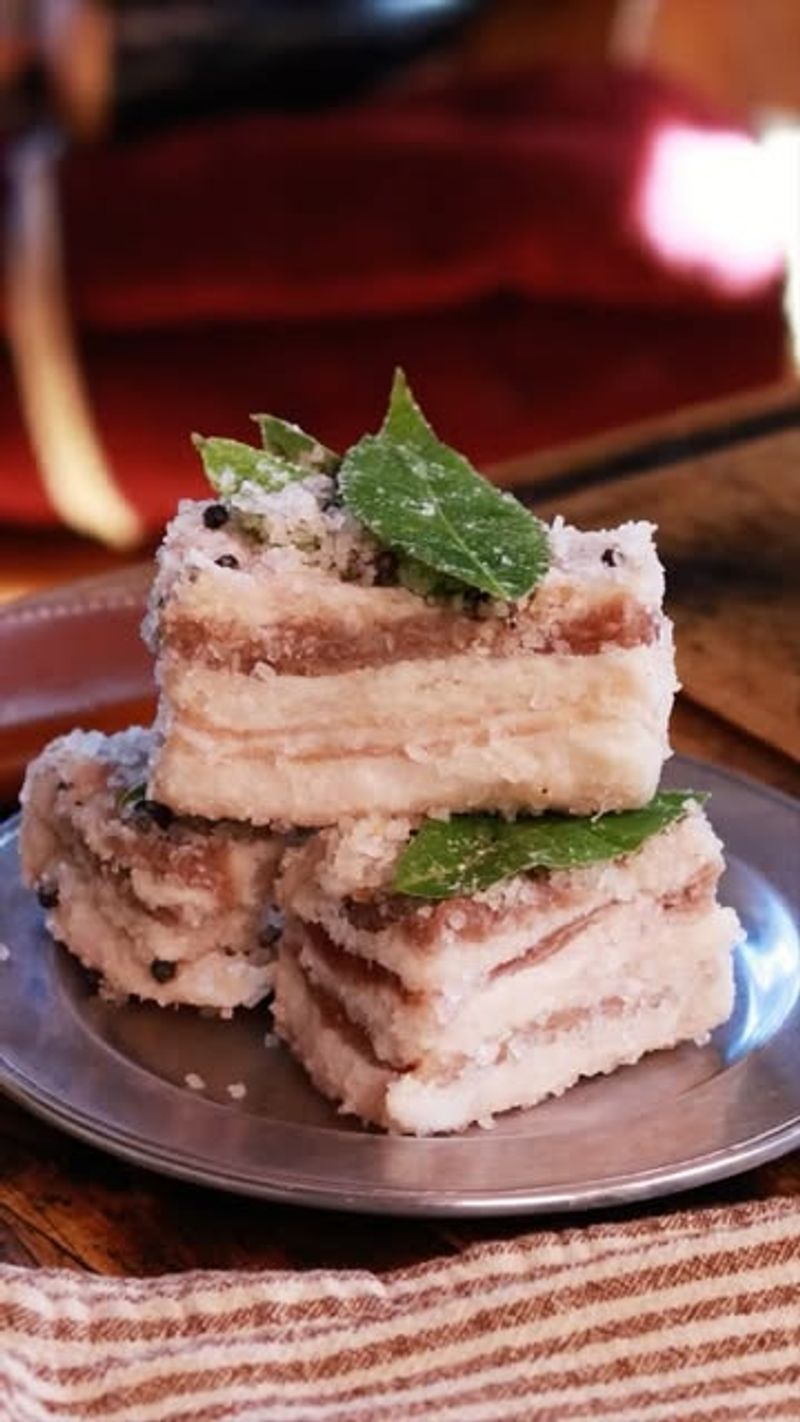
Salted pork meant security when fields froze and fishing faltered. Packed in barrels, it lasted through months of cold, sustaining families and travelers alike. You would soak it to draw out salt, then simmer or fry for savory richness.
Cooked with beans or greens, a little went a long way, lending smoky depth. Cracklings seasoned breads while rendered fat flavored pans. Sailors and soldiers counted on it.
Though fresh meat was welcome, salted pork was insurance against scarcity. Its practicality shaped recipes and palates, leaving a lasting imprint on American comfort foods.
5. Beef

Beef appeared often where pasture was plentiful and cattle thrived. You might see roasts on Sundays, stews on weekdays, and preserved cuts for travel. Bones enriched broths, while tallow lit homes and greased pans.
Colonial cooks balanced thrift and flavor, simmering tougher pieces until tender. Paired with turnips, cabbage, or barley, beef made robust one-pot meals. Spices and herbs softened the edges and lifted aromas.
In markets and farms, beef signaled prosperity and planning. Whether salted, smoked, or freshly butchered, it anchored gatherings and hard-working days. Comforting and versatile, it tasted of hearth and patience.
6. Venison
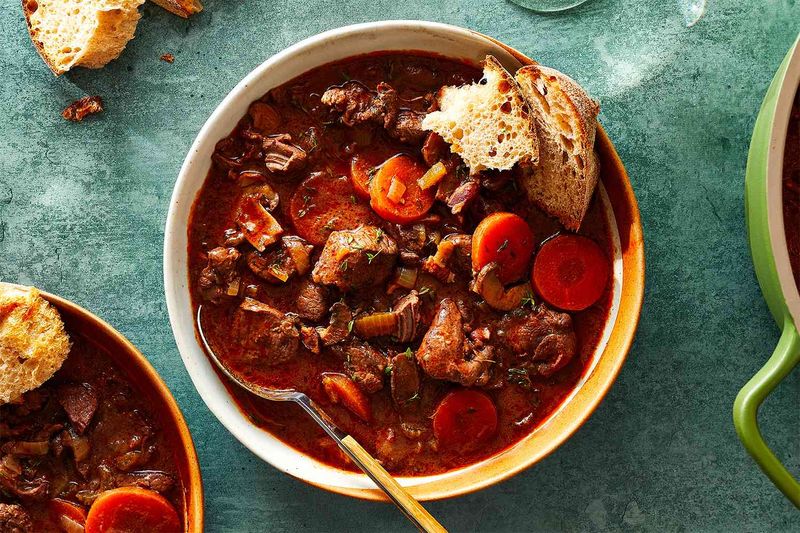
Venison brought the woods to the table, lean and flavorful. Hunting seasons shaped availability, and successful outings fed families and neighbors. You would marinate tougher cuts, then roast, stew, or jerk for later.
Its gamy character welcomed juniper, sage, and smoke. Paired with squash or root vegetables, venison delivered nourishing, celebratory meals. Skilled butchery ensured nothing went to waste.
Preserving was vital: drying, smoking, or potting in fat extended supplies. Wild taste met colonial ingenuity, producing dishes both practical and memorable. Venison remains a proud symbol of resourcefulness and respect for nature’s bounty.
7. Wildfowl (Turkey, Duck, Goose)

Wildfowl filled roasting spits and stew pots when migrations were generous. Turkey, duck, and goose offered varied textures, from tender breast to richly fatty legs. You might dry-pluck by the hearth and save feathers for bedding.
Roasts celebrated harvests, while stews stretched precious meat across families. Rendered goose fat cooked vegetables and flavored breads. Giblets enriched gravies, wasting nothing.
Seasonings were simple: salt, pepper, sage, and smoke. Served with cornbread, cabbage, or apples, wildfowl tasted of the season. These birds carried both festivity and practicality, grounding feasts in the work of the hunt.
8. Fish (Cod, Herring, Salmon)

Fish sustained coastal colonies with dependable protein and trade. Cod dried well, herring salted easily, and salmon arrived with seasonal runs. You would see nets mended at docks and barrels stacked for export.
At home, fish boiled gently with herbs or fried crisp in rendered fat. Chowders thickened with hardtack or cornmeal soothed chilly evenings. Leftovers flaked into pies.
Mariners and merchants built livelihoods around these catches. Fish connected distant markets, filled storehouses, and fed crews. Simple preparation let the ocean speak, bringing briny freshness to colonial tables year round.
9. Clams and Oysters
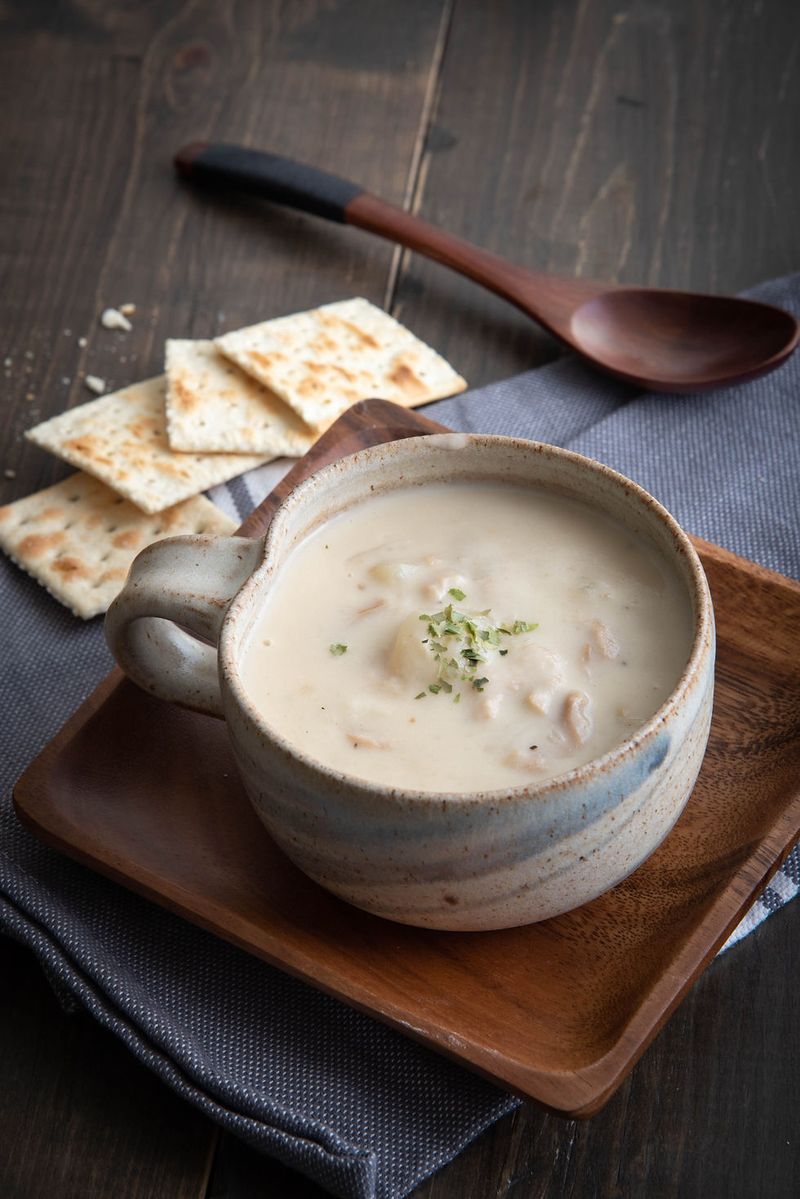
Shellfish took little more than time and tide. Colonists gathered clams and oysters from tidal flats, hauling baskets home for hearty meals. You might slurp them raw, roast them in embers, or simmer them into creamy chowders.
They paired beautifully with salt pork, herbs, and a splash of cider. Shells strengthened pathways and gardens, reused with thrift. Abundance fostered everyday indulgence.
Markets bustled when beds were plentiful, and taverns served briny platters. For coastal families, shellfish tasted like home and hard-earned tides. Fresh, simple, and sustaining, they made coastal living feel generous.
10. Squash
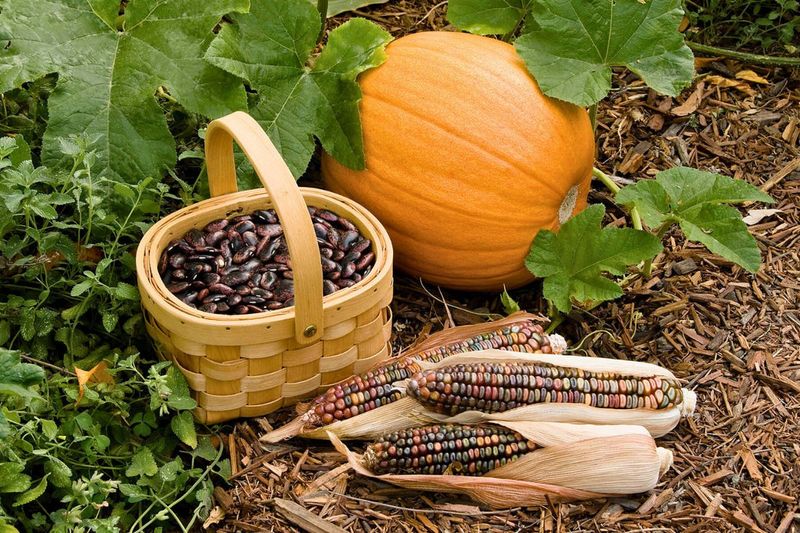
Squash slid into soups, stews, and side dishes with gentle sweetness. Hardy vines thrived in colonial gardens, taught by Native growers and adopted quickly. You could roast cubes, mash with butter, or simmer with herbs.
Its keeping quality made winter meals brighter, lasting well in cool cellars. Paired alongside beans and corn, squash completed a balanced, traditional trio. Seeds roasted into crunchy snacks.
In lean months, every bite of squash felt like stored sunshine. Versatile and forgiving, it accepted spices or simple salt. Comforting texture and subtle flavor kept it in steady rotation.
11. Pumpkin

Pumpkin fed households from fall through winter with robust practicality. You would dice it for stews, puree it for soups, or bake it into pies with molasses. Hollowed shells sometimes served as cooking vessels.
Its sweetness balanced salted meats and earthy beans. Dried strips stored well, stretching supplies when gardens slept. Seeds offered nutrition and crunch.
Pumpkin’s adaptability turned scarcity into comfort. It fit breakfast porridge, midday pottage, and evening dessert. Still beloved, pumpkin bridges seasonal tradition and hearty satisfaction, reminding you that simple ingredients can feel celebratory.
12. Cabbage
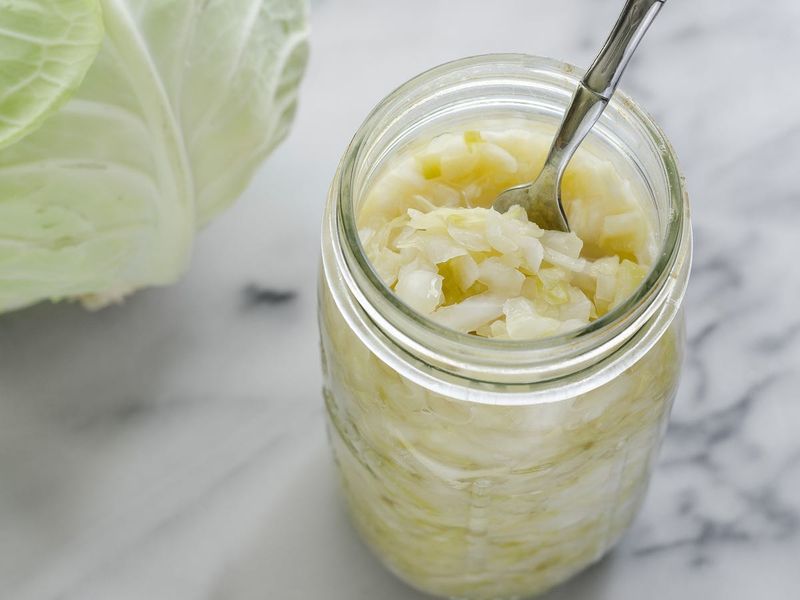
Cabbage earned respect by thriving in tough weather and storing well. You could boil wedges, braise with pork, or shred for tangy kraut. A single head fed many, stretching across several meals.
Fermentation turned cabbage into a winter ally, brightening heavy dishes. Its briney snap cut through rich meats and beans. Gardens reliably supplied heads as seasons shifted.
Simple seasonings worked best: salt, pepper, vinegar, and herbs. Cabbage’s resilience made it indispensable from farmhouse to tavern. Affordable and nourishing, it anchored countless plates with humble, lasting comfort.
13. Potatoes

Potatoes settled into colonial diets as dependable, filling fare. Boiled, baked in ashes, or mashed with milk, they suited every table. You could crisp leftovers in a pan for breakfast.
They stored well in cool cellars, bridging seasons with steady nutrition. Paired with beef, salted pork, or fish, potatoes absorbed savory juices beautifully. Peels flavored broths when nothing else remained.
Herbs and a knob of butter turned them into comfort in minutes. Potatoes proved practical and adaptable, easing labor without waste. Their quiet versatility still comforts on busy nights.
14. Turnips
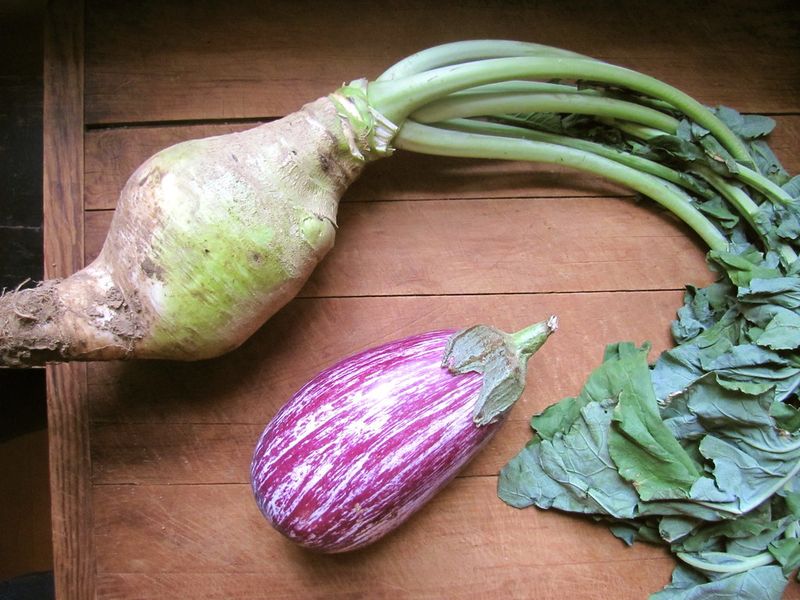
Turnips offered peppery bite and dependable harvests, especially in cool seasons. You would chop them into stews, roast them until sweet, or mash them with butter. The greens cooked down into mineral-rich sides.
They grew quickly and accepted poor soils, making them a thrifty choice. Paired with beef or pork, turnips balanced richness with earthy brightness. Leftovers found their way into pies.
Simple yet satisfying, turnips proved their worth through hard winters. With a handful of herbs, they tasted far more luxurious than their looks. They remain a quiet star of hearty cooking.
15. Apples
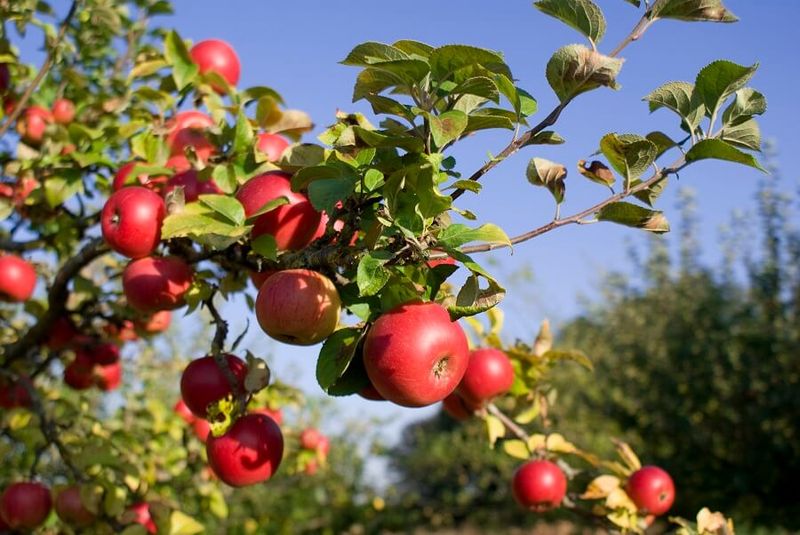
Apples were everywhere, from orchard rows to cellar shelves. You would snack fresh, stew them into sauce, or tuck slices into pies. Cider pressed from fall harvests quenched thirst and preserved fruit.
Dried rings hung in garlands near the hearth, ready for winter porridge. A sprinkle of cinnamon or a drizzle of molasses transformed simple desserts. Apples paired well with pork and cabbage.
They symbolized thrift and abundance, turning hard work into sweetness. Reliable trees and careful storage made apples an everyday luxury. Few colonial flavors feel as inviting as warm, spiced apples.
16. Dried Fruit (Apples, Plums, and Peaches)

Dried fruit stretched sunshine into snowy months. You would slice apples, plums, and peaches, then dry them near gentle heat. Stored in jars, they flavored porridges, breads, and pies with concentrated sweetness.
Travelers cherished them for lightweight energy, and children nibbled them as treats. A handful revived in warm cider made cozy evening desserts. Their fragrance brightened winter kitchens.
Preservation turned fragile harvests into reliable pantry jewels. With careful drying and occasional airing, supplies lasted until spring. Dried fruit reminded families of orchards sleeping beneath frost, promising sweetness ahead.
17. Cheese
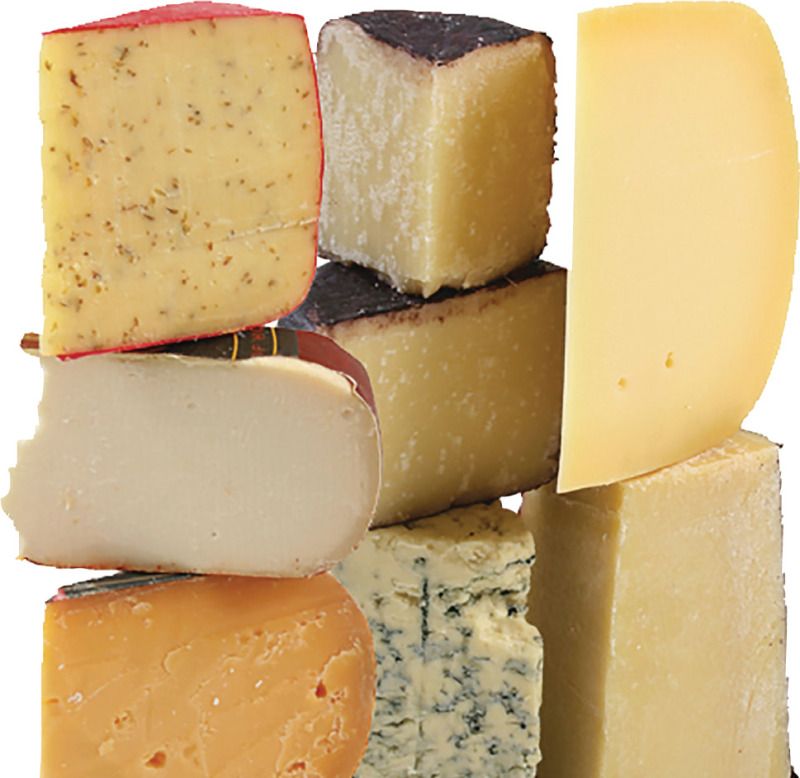
Cheese solved the problem of fleeting milk, packing nutrition into tidy wheels. You would press curds, salt them, and age patiently in cool rooms. Hard styles traveled well and lasted through lean months.
Grated over vegetables, melted into porridges, or sliced with bread, cheese added savor. It made humble meals feel complete. Whey fed animals or went into baking.
Households prided themselves on consistent texture and clean flavor. Cheese spoke of planning, skill, and careful storage. A wedge on a wooden board could turn leftovers into something special.
18. Milk
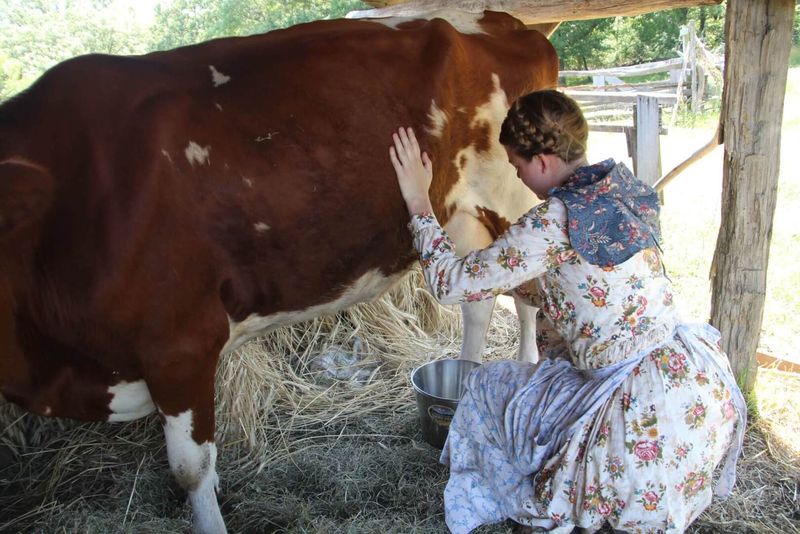
Fresh milk was fleeting without cold storage, so nothing was wasted. You would skim cream, churn butter, and set aside buttermilk for baking. Warm milk enriched porridges and custards.
Children drank it fresh when possible, while adults turned it into cheese for longevity. Cream floated onto berries in season and enriched sauces. Butter flavored breads and preserved in crocks.
Dairy days were rhythmic and hands-on, rewarding patience with everyday luxuries. Milk connected barn, kitchen, and table seamlessly. Its many forms kept meals wholesome and comforting.
19. Bread

Bread was daily comfort, shaped by grain on hand. Rye and wheat stood side by side, often stretched with cornmeal. You would knead by feel and judge doneness by color and scent.
Thick slices soaked up gravies, chowders, and stews. Stale crumbs returned as stuffings or thickeners, keeping waste low. Fresh loaves marked busy bake days.
Molasses or milk occasionally enriched doughs for treats. From farmhouse to tavern, bread bound meals together. The hearth’s heat and the baker’s patience made simple loaves taste profound.
20. Porridge (Oatmeal or Cornmeal Mush)
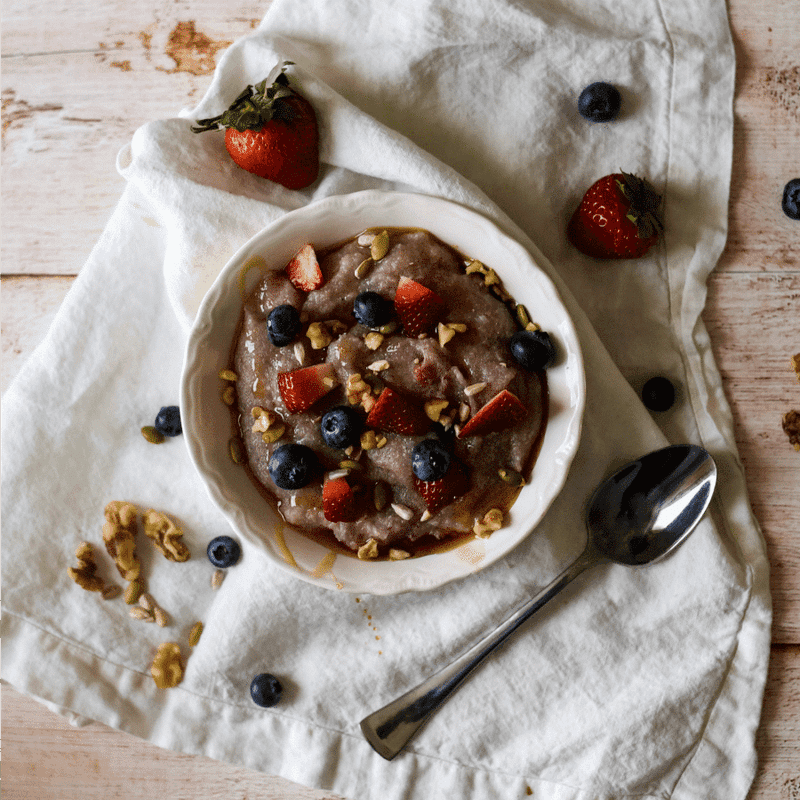
Porridge began many mornings with warmth and simplicity. Oatmeal or cornmeal simmered gently into creamy comfort, ready for milk, butter, or molasses. You controlled thickness with time and patience.
It fueled long workdays, sticking to ribs and stretching meager supplies. Savory versions welcomed cheese or drippings, while sweet bowls took dried fruit. Leftovers firmed up and fried as slices.
Economical and soothing, porridge met every season with quiet reliability. It asked for little and gave a lot. A spoonful told you the day had a sturdy start.
21. Molasses

Molasses brought deep sweetness and a hint of smoke to colonial kitchens. Flowing from Atlantic trade, it sweetened breads, beans, and puddings affordably. You would stir it into gingerbreads and stews for color and body.
Its robust flavor masked bitterness in strong teas and tough cuts. Mixed with vinegar and spices, it became quick sauces. Pantry shelves rarely stood without a jug.
Molasses tasted like commerce and comfort combined. It democratized sweetness when refined sugar felt dear. A drizzle transformed plain dishes into something memorable and warmly spiced.
22. Honey
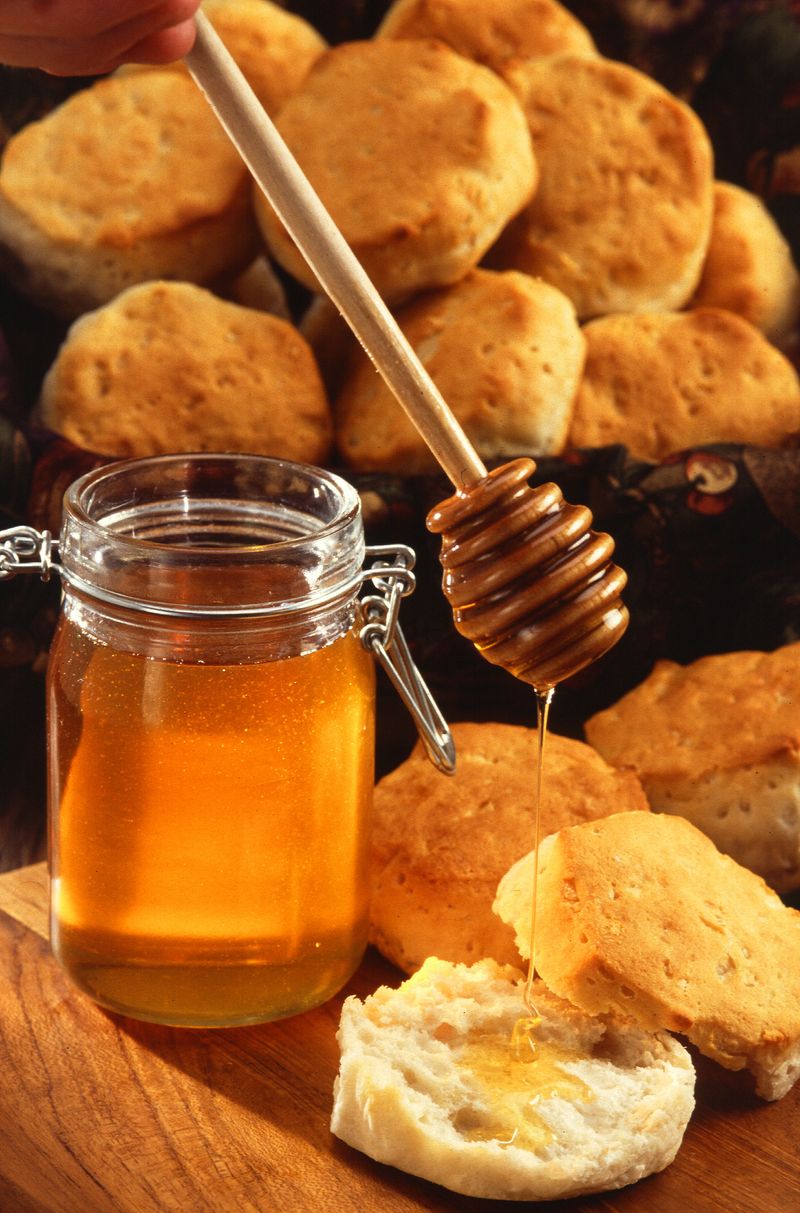
Honey offered natural sweetness straight from garden hives. You would drizzle it on biscuits, glaze roasted roots, or stir it into tea. Its floral notes shifted with seasons and blossoms.
Beyond flavor, honey soothed throats and sweetened medicines. Beeswax lit rooms as candles, completing the cycle of usefulness. Beekeeping suited small plots and careful hands.
In a world of scarce sugar, honey felt generous and immediate. It turned simple fare into gentle indulgence. A spoonful tasted like summer fields saved in glass.
23. Herbs (Thyme, Sage, Rosemary, Mint)

Herbs lifted humble meals with fragrance and freshness. You would pinch thyme for stews, rub sage on pork, and tuck rosemary into roasts. Mint cooled drinks and lightened rich sauces.
Bundles dried in kitchen rafters, ready for winter when gardens slept. A few leaves transformed broths and breads, proving flavor does not require abundance. Herb beds felt like tiny pharmacies.
They connected cook and garden, encouraging creativity and thrift. With herbs, the same staples tasted new week after week. Their scent told you dinner was nearly ready.
24. Apple Cider

Apple cider quenched thirst in households and taverns alike. Pressed in autumn, it filled casks for months of safe drinking when water worried people. You might drink it fresh, let it harden, or warm it with spices.
Cider accompanied fieldwork, suppers, and social gatherings. It tenderized meats and enriched sauces in the kitchen. Vinegar followed when batches souring went intentional.
With orchards flourishing, cider became everyday currency and comfort. A mug tasted of fall sun and cool cellars. It remains one of the Colonies’ most enduring flavors.
25. Beer

Beer was safer than many water sources, so it showed up daily. You would brew small beer for table drinking and stronger batches for storage. Barley, hops, and yeast made familiar comfort.
Women often tended brewing at home, while taverns anchored community with foamy mugs. Beer paired effortlessly with breads, cheeses, and salty meats. Spent grains fed animals, closing loops.
Consistent and convivial, beer fueled labor and conversation. It flavored batters and loosened stews, too. A modest pint turned simple suppers into friendly gatherings without fuss.