25 Retro Canned Foods And Drinks That Have Disappeared
Open an old pantry in your memory, and you can almost hear the metallic hiss of bygone favorites. Whole dinners lived in cans, and sodas wore wild colors that promised the future.
Some have staged brief comebacks, but the everyday shelf presence is gone. Let’s pop the top on the classics you swore would never disappear and see why they slipped away.
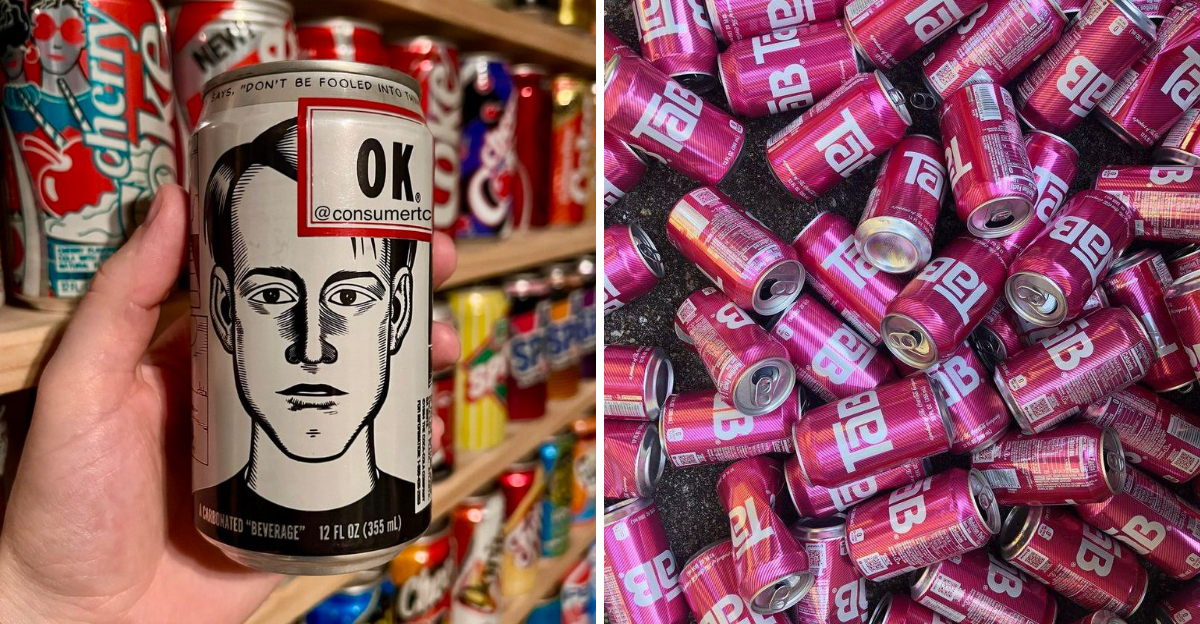
1. Tab (diet cola)
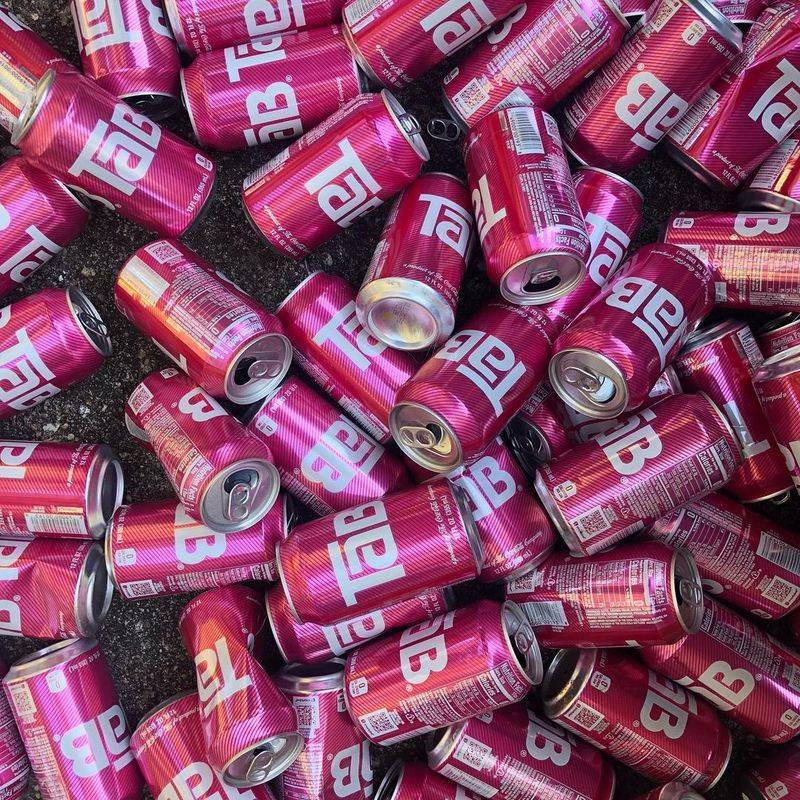
The pink can meant business. Tab felt like the stylish cousin who always arrived first and left last, promising fizzy discipline with a wink.
You saw it in break rooms, road trip coolers, and corner vending machines that clacked like typewriters.
Over time, sweeteners changed and tastes drifted. Diet colas multiplied, each claiming a smoother finish or cleaner label.
Tab stayed defiant, but shelves tightened and nostalgia could not pay rent.
When it finally faded, it felt like losing a favorite neon sign. You still look for the pink flash.
It feels like a secret club that no longer meets.
2. OK Soda
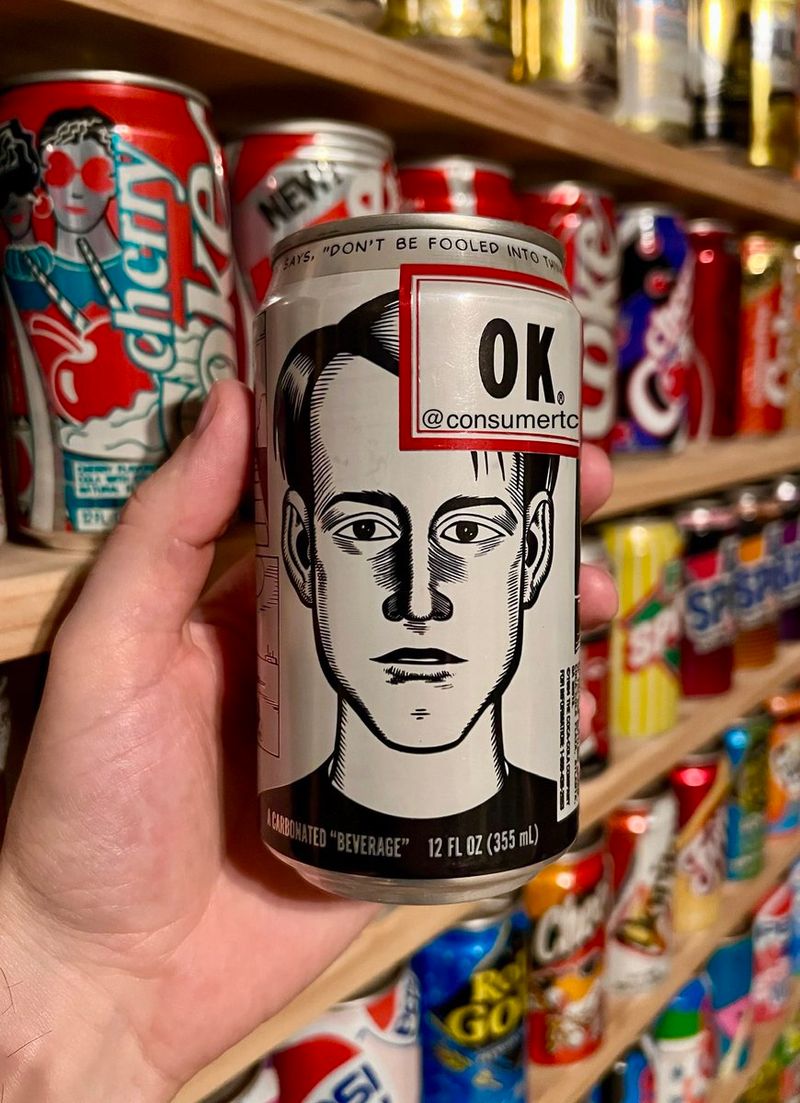
OK Soda was a shrug bottled in tin. It spoke in lowercase, ironic slogans, and the art looked like it wandered out of a zine.
If you remember it, you remember the vibe more than the flavor.
It felt like someone canned a late night at a bus stop, then asked if you were cool with it. The campaign courted skepticism and wore it proudly.
That attitude thrilled some and baffled many.
Supermarket reality won. Authentic irony is hard to restock.
The cans vanished, leaving fans telling stories that sound like urban legends to anyone younger.
3. Crystal Pepsi (original wide release)
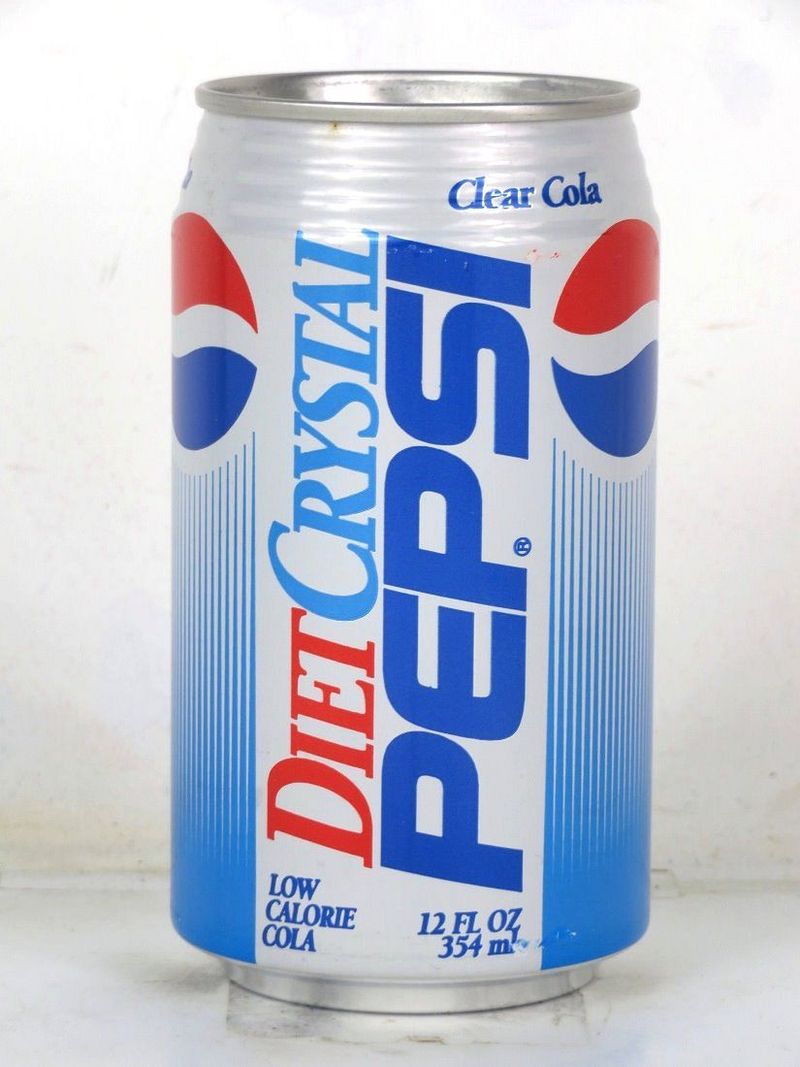
Crystal Pepsi looked like a promise. Clear soda, cola taste, the future in a bottle you could see through.
It felt like drinking an idea written in neon and chrome.
You’d hold it up to the light and think, maybe everything is getting cleaner. Then the aftertaste made you second guess the utopia.
Still, those ads played like movie trailers, and the shelves seemed endless.
Limited returns show up like retro tours, but the constant presence is gone. Now it’s a ghost at reunion parties.
You remember the shine first, the flavor second, and the moment forever.
4. Pepsi Blue (original run)
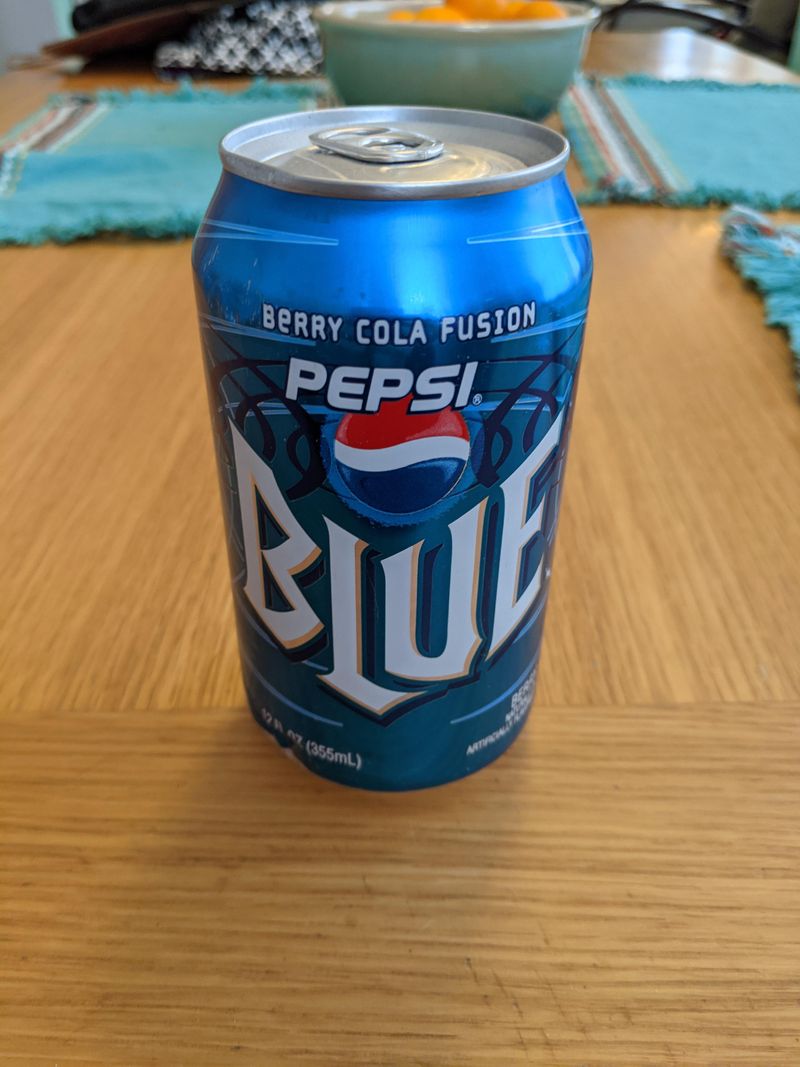
Pepsi Blue crashed onto shelves like a club track. That electric color told you subtlety had the night off.
One sip and you got blueberry candy vibes with cola whispering from the back row.
It chased a mood, not a meal. You bought it for the look as much as the taste.
For a while, it felt everywhere, like glitter that never fully leaves your sneakers.
Then the trend wave rolled on. Supermarkets favor reliable hits over cult singles.
Occasional revivals stir the crowd, but the everyday chorus has faded, blue memories staining the edges of nostalgia.
5. Surge (mainstream, always-there soda)
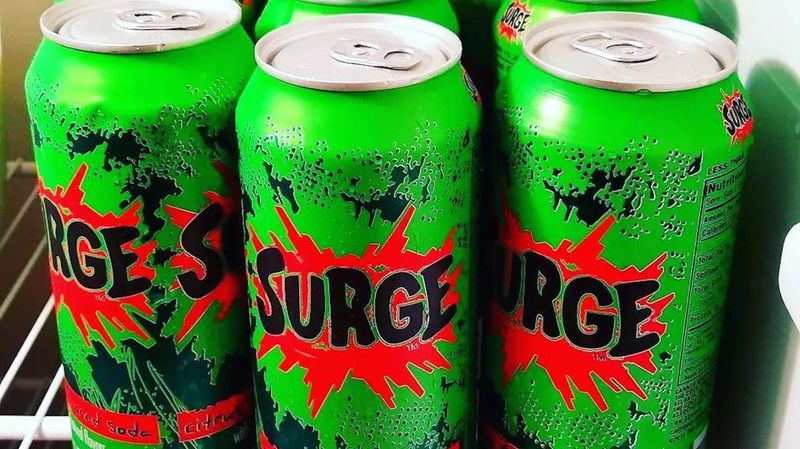
Surge tasted like summer vacation running down the hallway. You could feel the sugar and caffeine grabbing the steering wheel.
The logo shouted, the can looked ready to stage dive, and you felt like homework was cancelled.
It owned convenience store coolers for a stretch. Then shelves got tighter, tastes matured, and energy drinks muscled in.
Surge stepped back, became a legend whispered at gas stations.
Comebacks arrived like surprise encores, never full tours. If you find a can, it feels like spotting a rare sticker on a lamppost.
The fizz still remembers the crowd’s roar, though.
6. Jolt Cola (classic version)
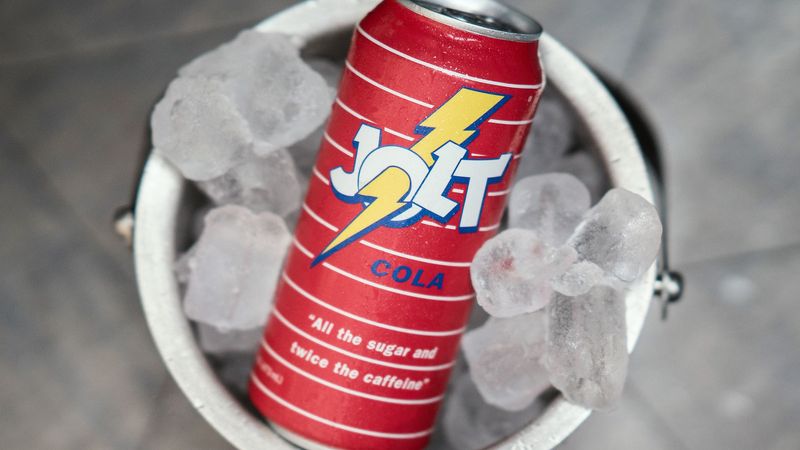
Jolt Cola promised all the sugar and twice the caffeine, no apologies. It fueled term papers, basement LAN parties, and midnight brainstorms that felt like revolutions.
You learned the taste of ambition and slightly shaky hands.
Eventually, energy drinks with armor plating took the same corner. Branding shifted, formulas tweaked, and that original shelf swagger drifted.
The classic version stopped being a default choice.
Now it lives as a whispered cheat code from the old internet. You remember the buzz first, flavor second.
If productivity had a mascot in a can, this was the lightning bolt.
7. Canned diet fruit drinks marketed like health beverages
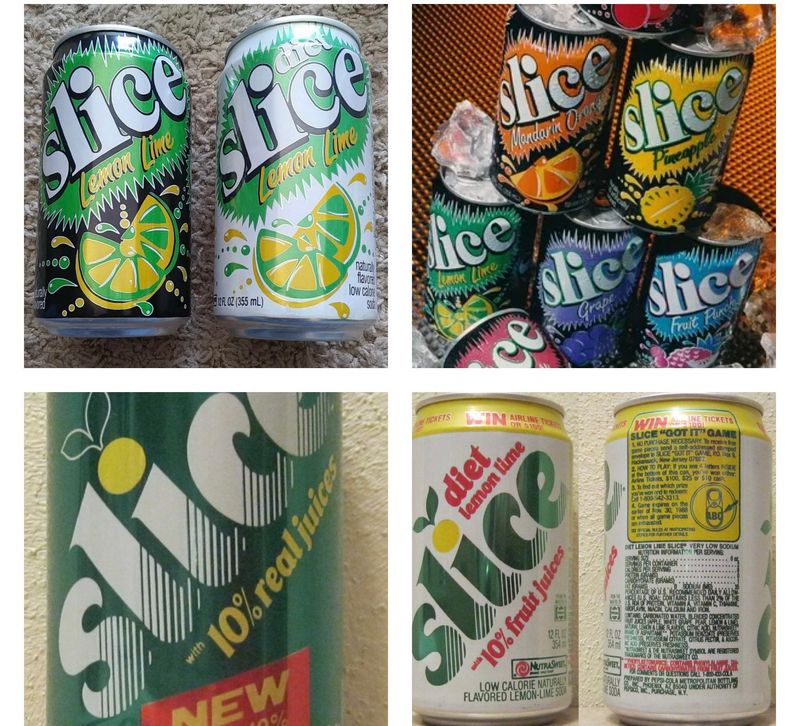
These cans promised figure-friendly refreshment with smiling fruit on the label. You grabbed them believing lightness could be poured.
They lived in lunchboxes and office fridges, sounding virtuous with every crack of the tab.
But water got smarter. Zero sugar mixes, seltzers, and vitamins marched in like a wellness parade.
Bottles and sticks took the space where cans once stacked high.
Now you occasionally spot a survivor, a faded calorie claim winking from a dusty corner. You smile, remembering the diet talk that filled break rooms.
Health trends change, but the metallic whisper stays the same.
8. Canned meal-replacement shakes in old-school flavors
The promise was simple: nutrition, sealed and ready. Old-school cans wore doctorly fonts and sensible colors.
You cracked one open and tasted a chalky determination that meant you were trying.
Then came bottles with sports swagger, powders in sleek tubs, protein counts flexing in bold type. Convenience evolved beyond tin, and fridges began hosting shaker bottles instead of steel cylinders.
The aisle shifted accordingly.
Some cans still exist, but they feel like postcards from the clinic waiting room. You remember the clack of the can opener, the metallic edge on vanilla.
Progress rarely tastes nostalgic.
9. Canned chop suey
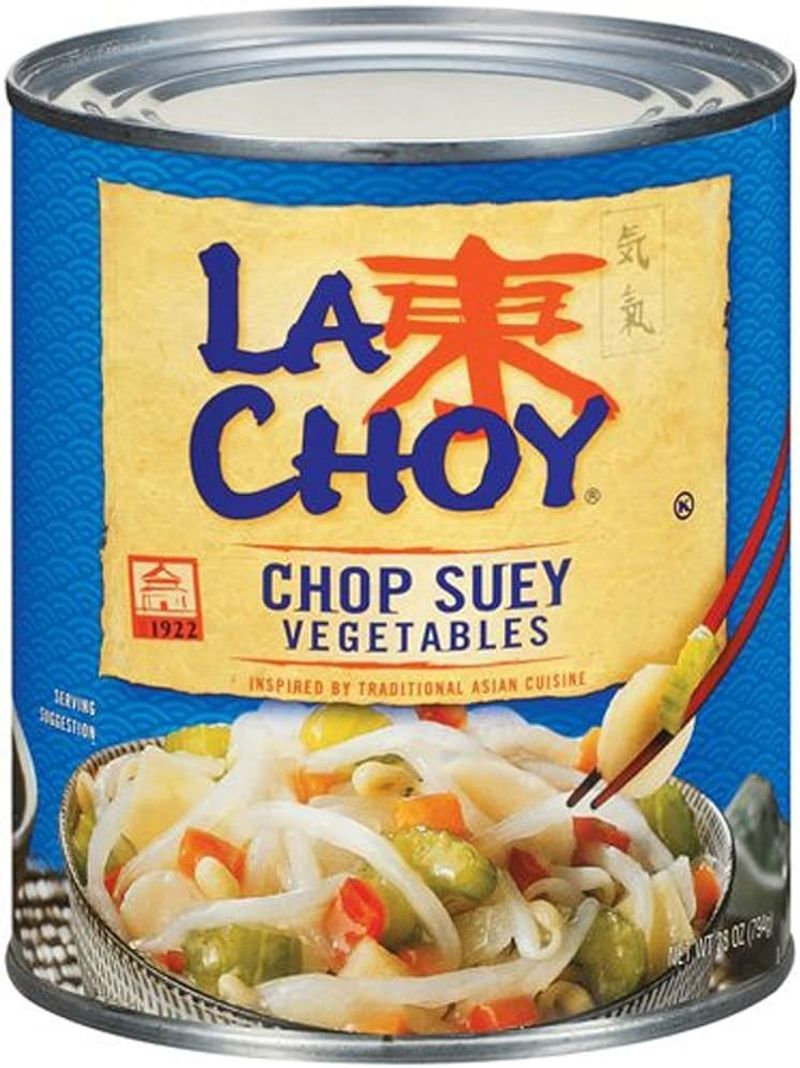
Canned chop suey tasted like curiosity and convenience meeting at dinner. It turned a simmering, flexible dish into something you could stack beside soup.
You poured it over rice and pretended travel was this easy.
As home cooking widened and takeout blossomed, the shortcut felt less magical. Fresh vegetables and better sauces changed expectations.
Cans sounding exotic started feeling dated in a hurry.
Find an old advertisement and you hear optimism humming. A whole world in a tin, priced for weeknights.
You learned that culinary passports need stamps, not just labels, and moved on.
10. Canned chow mein with crunchy noodles
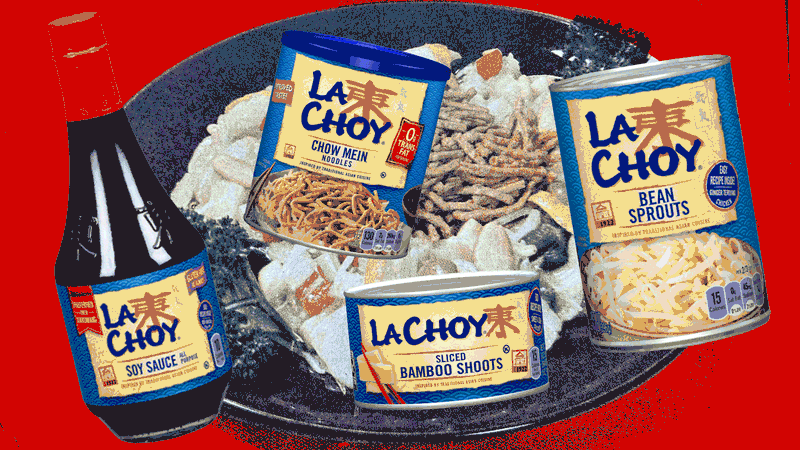
The kit felt complete: saucy vegetables in one can, crunchy noodles in another. Dinner as a construction set, with instructions printed between ingredients.
You’d pour, heat, scatter the crackling noodles, and call it international night.
Then freezers filled with better textures, and restaurant takeout became routine. The crunch lost its surprise when freshness was a phone call away.
Shelves gave that space to quicker, brighter options.
If you remember the ritual, you remember the sound. That first bite sang like radio static.
Nostalgia preserves the melody, even if the recipe now lives somewhere else.
11. Canned chicken à la king
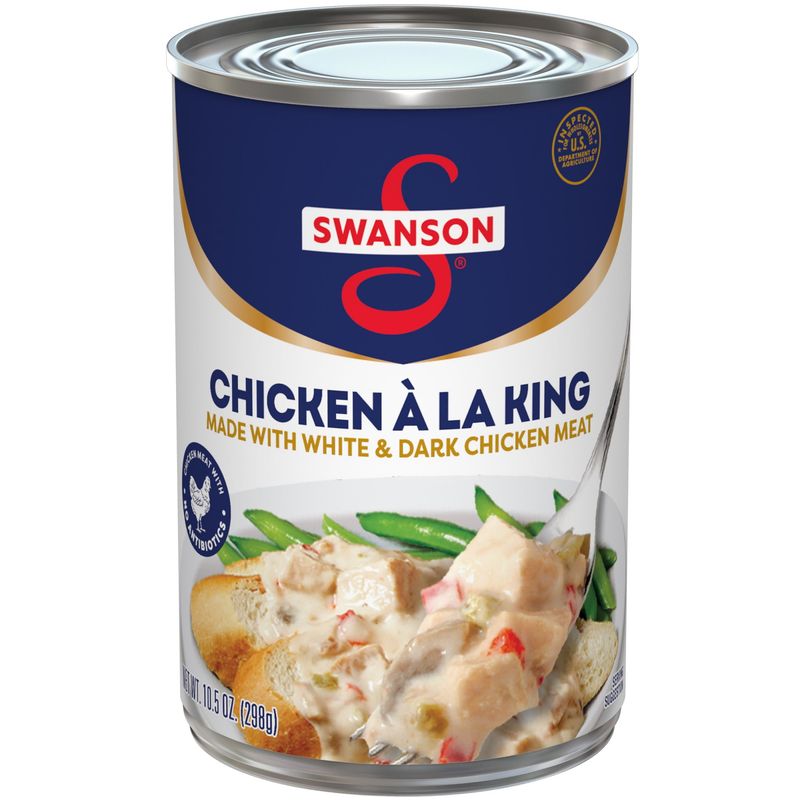
Creamy, comforting, and ready in the time it takes to toast bread. Chicken à la king in a can felt like your grandmother’s shortcut without the dishes.
You learned the geometry of spooning sauce over toast corners.
As tastes shifted lighter, the heavy richness felt more like Sunday than Tuesday. Frozen meals and fresher rotisserie options made the can less persuasive.
The recipe moved back to kitchens and restaurants.
You still crave it on gray days. The memory tastes like quiet rooms and warm plates.
Some dishes carry blankets inside them, and this one always did.
12. Canned Welsh rarebit
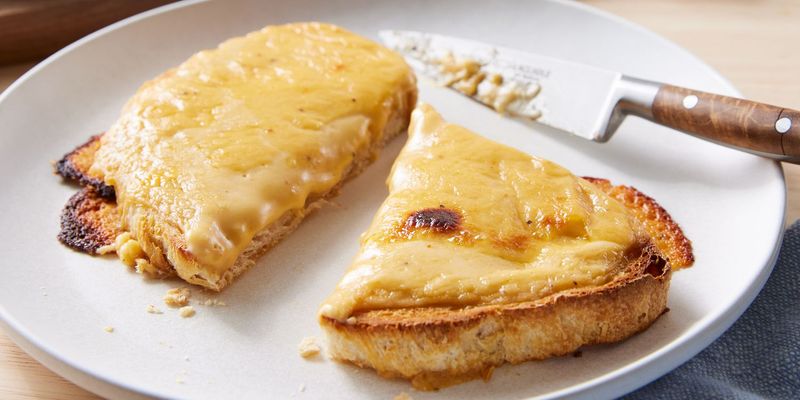
Cheese sauce in a can sounds wild now, but it felt like a party trick then. You warmed, poured, and suddenly toast was dressed for company.
The label promised pub flavor without leaving the kitchen.
Over time, real cheddar and quick stovetop sauces won hearts. People learned to whisk and didn’t look back.
Canned rarebit retreated to memories and the occasional curiosity shelf.
The comfort remains undeniable. You can still taste the malty whisper and pepper bite.
When shortcuts vanish, they leave behind rituals, and this one tastes like laughter around a small table.
13. Canned pepper pot soup
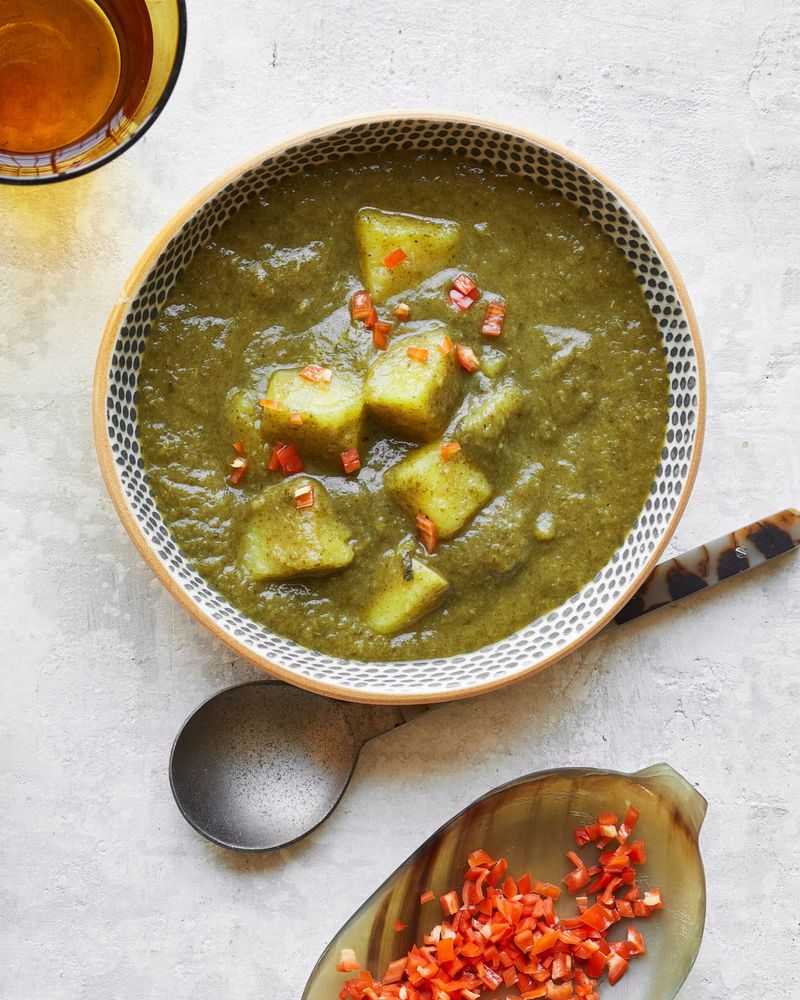
Pepper pot soup brought spice and history to rainy nights. It felt hearty, with a gentle fire that warmed from the inside out.
You could smell the pepper before the lid fell into the sink with a clink.
As soup lines modernized, the old recipes lost shelf votes. Regional classics became specialty items.
Supermarkets pruned the oddities to make room for predictable favorites.
Now it tastes like a postcard from a city kitchen. You remember steam fogging the window and the pepper clearing your head.
Some traditions are best told in stories and simmering pots.
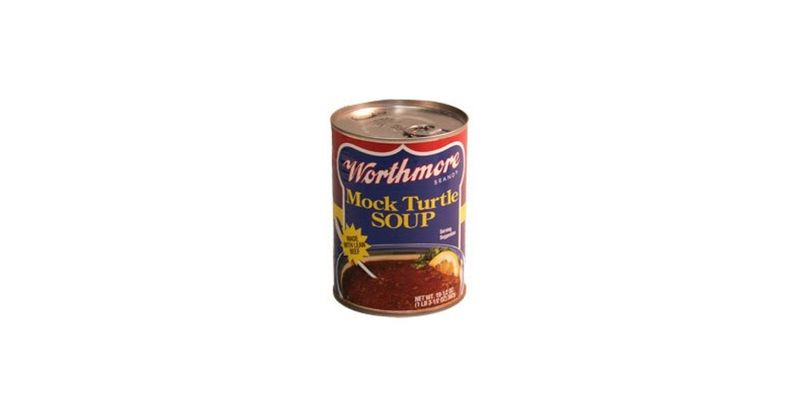
14. Canned mock turtle soup
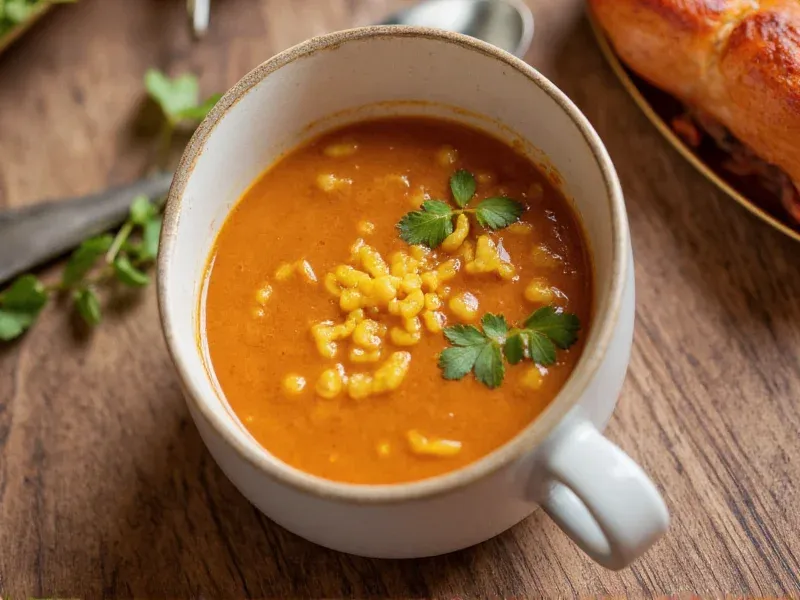
Mock turtle soup read like a prank on the menu, then tasted serious. In cans, it carried the Victorian parlor into weeknight dinners.
You felt a little fancy opening it, even if you ate in sweatpants.
Tastes modernized, labels simplified, and the odd name started working against it. Shoppers moved toward familiar flavors with friendlier stories.
The can’s long run finally blinked out.
Still, it lingers in culinary trivia and whispered family recipes. You remember the richness more than the ingredients.
It was theater in a bowl, and the curtain slowly fell.
15. Canned turtle soup as a common grocery item
There was a time when turtle soup stood with tomato and chicken noodle, like it belonged. The can implied occasion, a special guest at dinner without fuss.
You warmed it slowly, thinking of hotels and formal menus.
Regulations, tastes, and ethics shifted the landscape. The everyday presence faded into specialty corners, then almost nowhere.
Supermarkets favored simpler stories and easier sourcing.
Now it lives in anecdotes and archives. You hear it mentioned and see chandeliers in your head.
The idea feels ornate in a world that prefers casual, and the shelf moved on.
16. Canned shrimp Newburg and similar creamy seafood meals
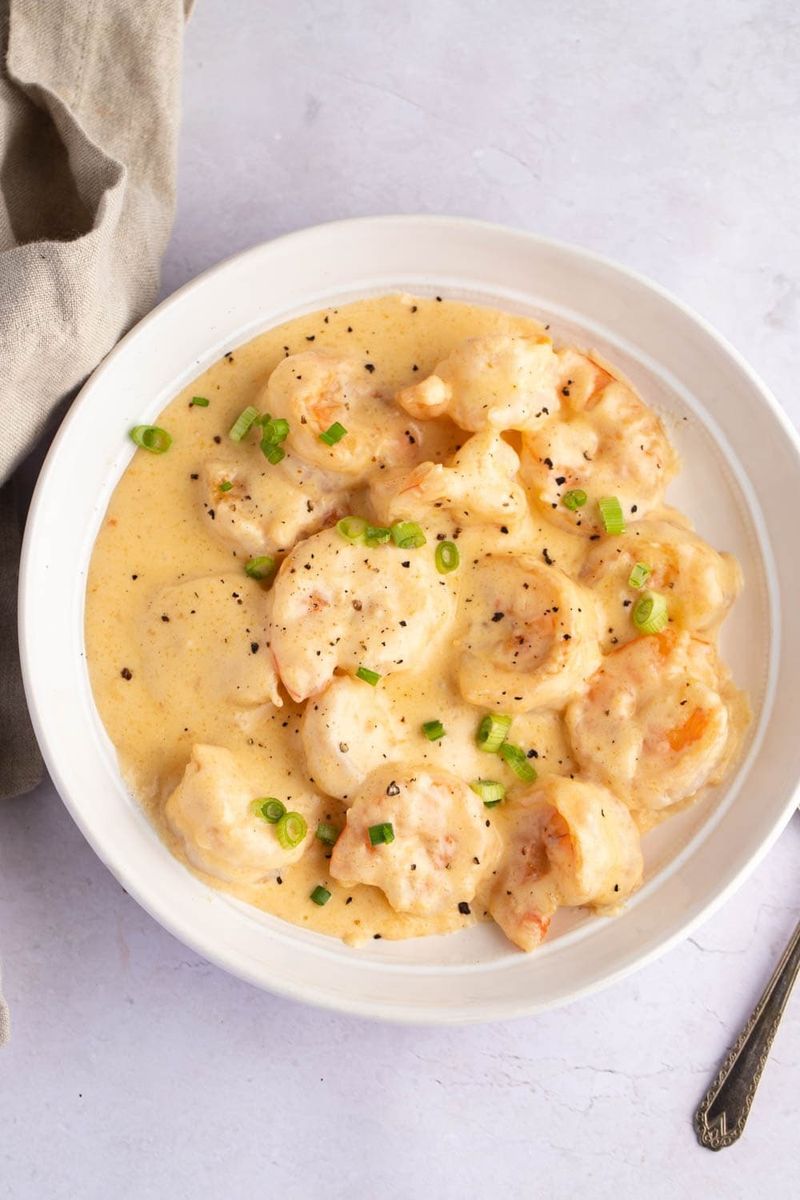
Seafood luxury in a can felt like a magic trick. Shrimp Newburg arrived creamy and perfumed, ready to crown toast or pastry shells.
You could serve it with candles and pretend you booked a table.
As freshness became a baseline, the can’s charm dimmed. Seafood wants brightness and snap, not a long nap on a shelf.
People chose simplicity and better texture instead.
You still remember the soft richness, the hint of sherry, the tiny pink curls. It tasted like effort without the effort.
The performance ended, leaving recipes to reclaim the stage.
17. Canned deviled ham in little metal cans
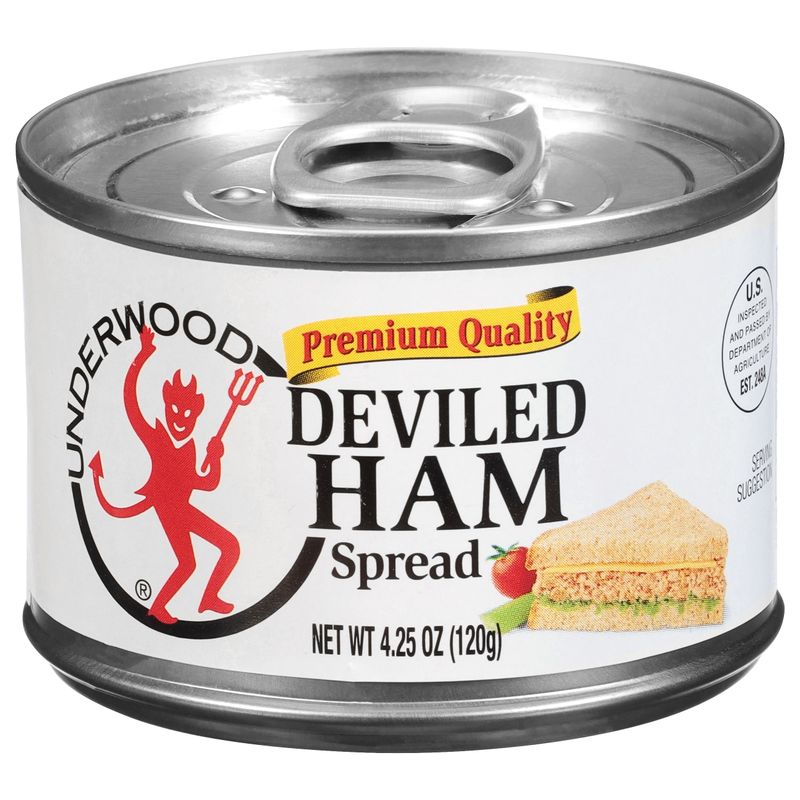
That tiny can felt packed with personality. Deviled ham spread counted as lunch, snack, or midnight strategy.
You twisted a key or popped a tab and met a smoky, peppery promise.
It still exists, but it used to own more shelf real estate. Refrigerated deli spreads and rotisserie leftovers stole the habit.
The little cans surrendered territory, not their fans.
Open one now and you hear Saturday cartoons. The flavor is bigger than its size, stubbornly savory.
Some foods are shortcuts to conversation, and this one loves cracker plates.
18. Canned sandwich spreads beyond tuna or chicken salad
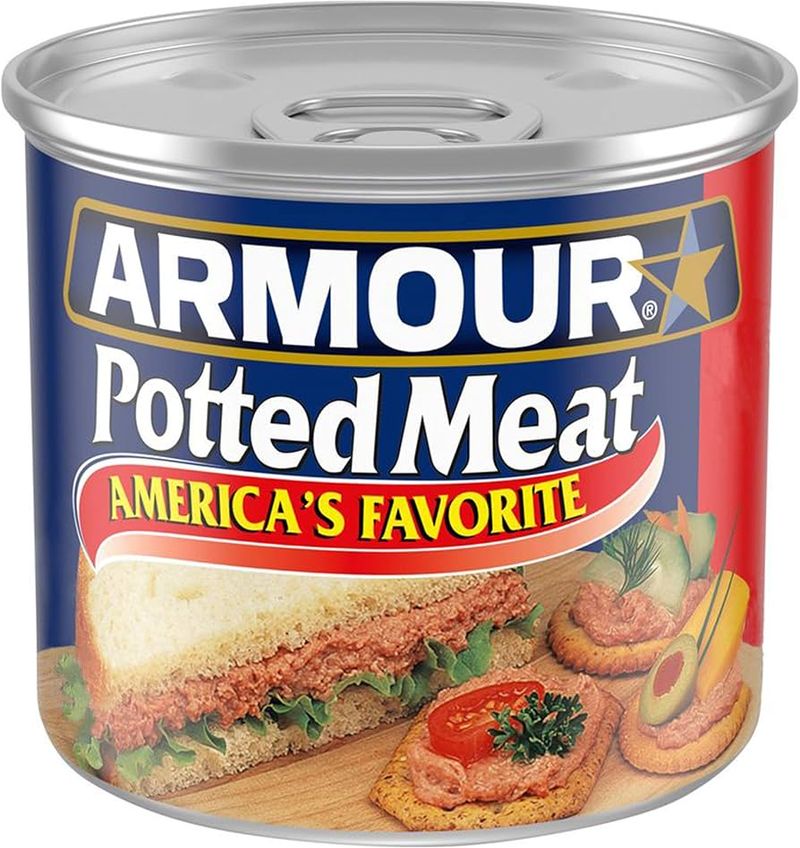
The spread aisle once looked like a paint chart. Potted meats, olive-studded mysteries, and creamy blends all promised easy sandwiches.
You could feed a picnic with a can opener and a stack of rolls.
Modern shoppers chased fresher textures and shorter ingredient lists. Refrigerated cases grew while canned spreads shrank.
Convenience stayed, but it wore a colder, crisper uniform.
Every so often you miss the dare of those labels. Lunch felt like roulette with good odds.
The hum of a fluorescent-lit store and a quick decision made weekday magic.
19. Canned whole chicken
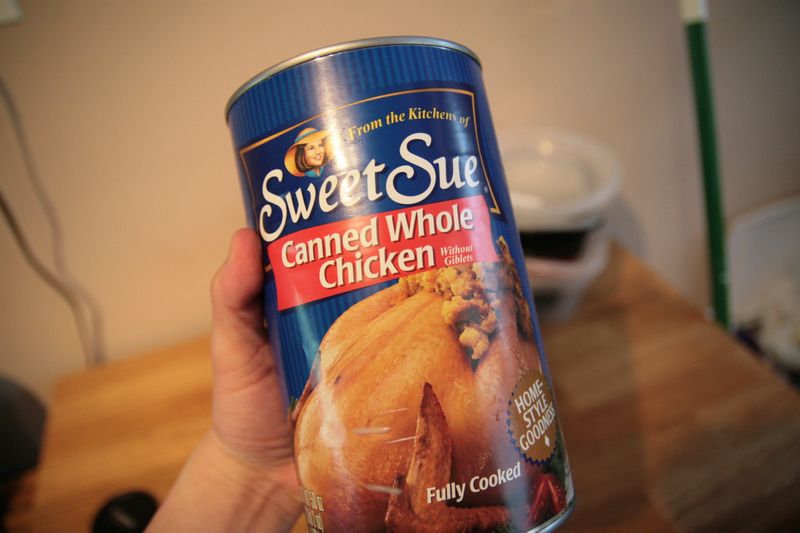
Yes, they put a whole chicken in a can. You opened it and gravity did the rest, a pale bird easing into the bowl like a slow reveal.
It felt futuristic and slightly unsettling, which was part of the charm.
Food safety improved, choices exploded, and rotisserie birds stood ready for quick dinners. The can started to look like a dare instead of a solution.
Supermarkets retired the spectacle quietly.
Now it lives as trivia and YouTube reactions. You still picture the wobble.
Convenience learned better manners, but that memory refuses to leave the pantry.
20. Canned hamburgers or cheeseburgers in a can
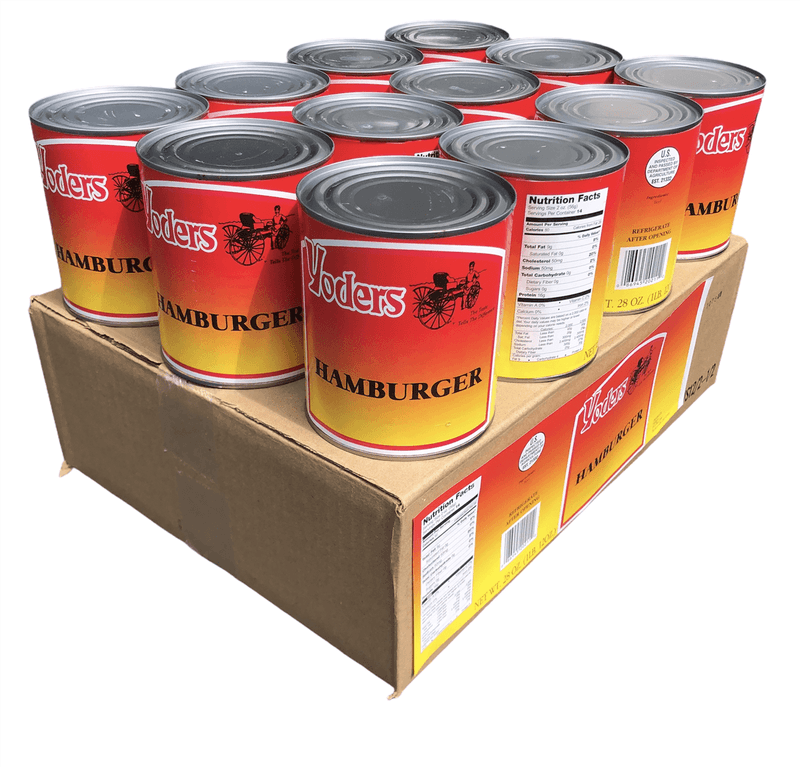
Burgers in a can always sounded like a prank until someone paid at the register. You bought one for camping, curiosity, or a dare with friends.
The reveal felt like opening a science experiment with ketchup.
As quick-service and frozen options improved, the novelty struggled. People wanted char, sizzle, and fresh lettuce, not a quiet cylinder.
The mainstream drifted away, leaving niche corners to keep the joke alive.
You still tell the story. Even disappointment tastes interesting when it arrives in a can.
Some products are legends because they tried something nobody asked for.
21. Canned TV dinner style complete meals
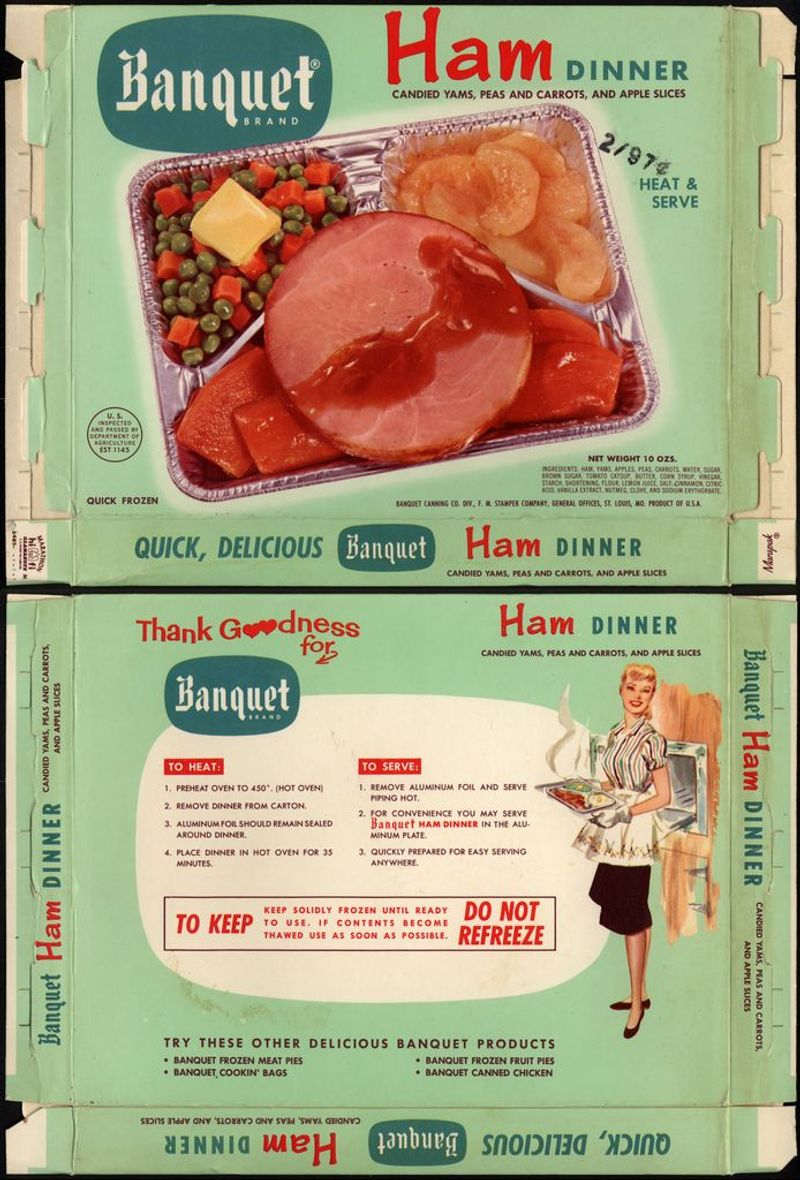
Before freezer aisles became tiny airports, complete dinners lived in cans. Meat, gravy, potatoes, vegetables, all stacked in a careful stew.
You heated it and called the table in one motion.
Frozen meals brought better texture mapping. Separation, browning, and actual crisp edges beat homogeneous comfort.
The can kept you fed, the tray made you believe.
Now the idea feels like a warm black-and-white TV episode. You can still taste the gravy’s one-note hug.
Convenience evolved, but the memory plate remains full and tidy.
22. Canned spaghetti dinner kits beyond the usual brands
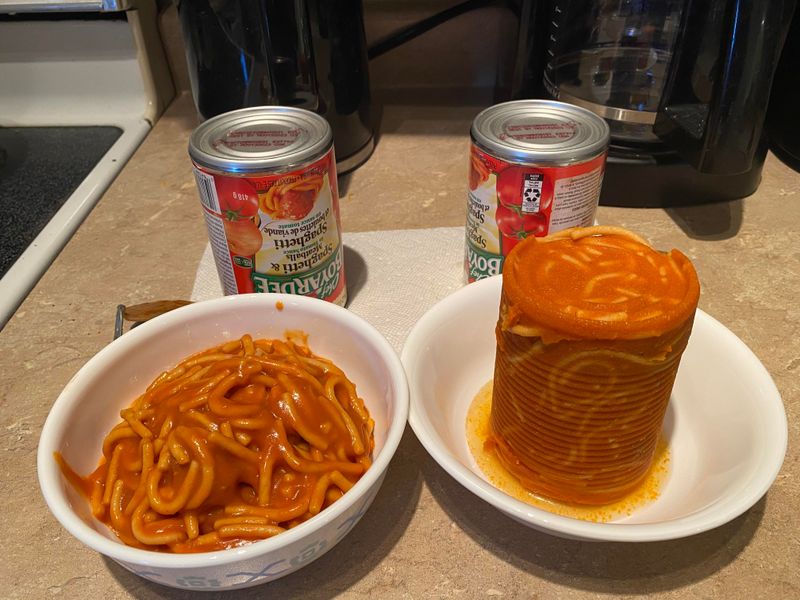
These kits promised an Italian night without questions. Sauce, pasta, maybe a dusty cheese packet tucked beneath the label.
You felt like a chef for twisting a lid and stirring twice.
Bigger pasta brands and better jarred sauces squeezed the novelty. Frozen options learned to twirl too.
The kit’s charm faded as people learned quick pantry tricks from TV and blogs.
Try explaining the excitement now and you hear yourself smiling. It was training wheels for weeknight pasta.
We graduated, but the old bike still looks cute in the garage.
23. Canned bacon as a widely stocked item
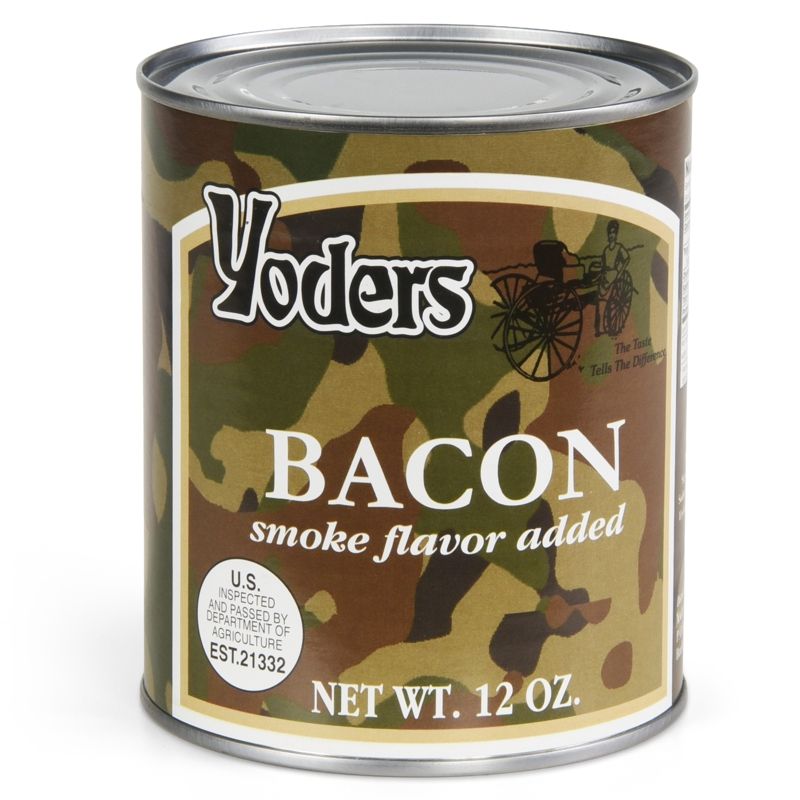
Canned bacon sold a dream of breakfast anywhere. You could pack it, unroll it, and meet a salty sunrise beside a camp stove.
The label promised crispness waiting patiently in the dark.
Reality got beat by refrigerated abundance and better packaging. Fresh slices and pre-cooked strips took the easy win.
The can turned into a curiosity instead of a habit.
You still like the idea. It smells like pine, coffee, and weekend plans.
Some inventions make sense on paper, then get outshined by a sizzling pan and five quick minutes.
24. Canned puddings and steamed desserts in big variety

Dessert once lived in a pantry more than a fridge. Canned puddings stacked like sweet batteries waiting for sudden celebration.
You learned patience from the lid and satisfaction from the first glossy spoonful.
Refrigerated cups, bakery sections, and home baking shows shifted the sweet tooth. People chased fresher, lighter finishes.
Variety narrowed until only a few old favorites held on.
Open one now and the room slows down. It tastes like holidays sneaking into Tuesday.
Convenience baked into comfort, then stepped aside for buttercream and berries.
25. Canned fruit in heavy syrup as the default
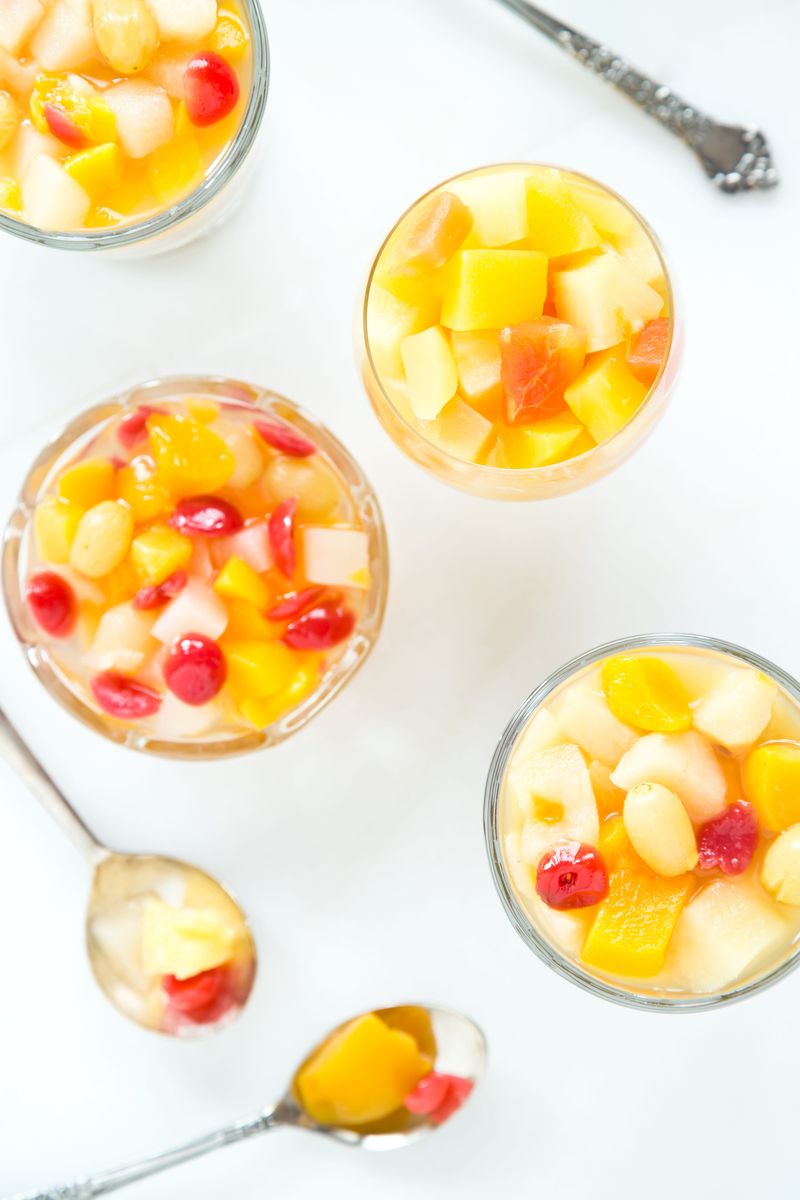
Heavy syrup made dessert out of everyday fruit. You tipped the can and sunshine slid into the bowl, sweet enough to hush conversation.
School cafeterias and Sunday dinners agreed on the cherry lottery.
Then came light syrup, juice packs, frozen bags, and fresh produce within reach. The default lost its crown.
People wanted fruit to taste like fruit, not a sugar bath.
Still, one bite throws you back to simpler tables. The syrup coats memory as much as peaches.
Some sweetness is meant for nostalgia, and that is perfectly okay.